
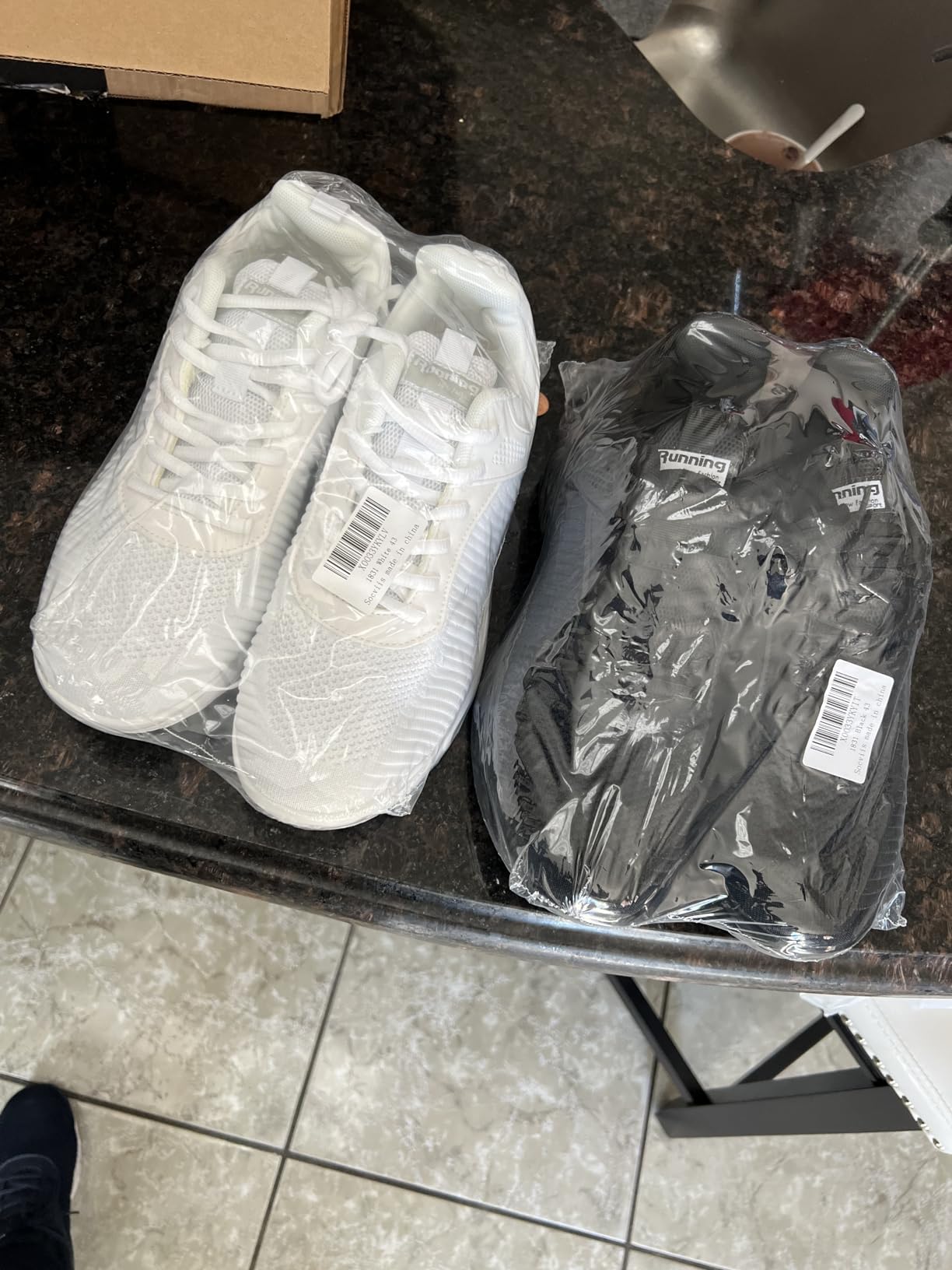
I needed affordable sneakers that wouldn’t fall apart during daily warehouse shifts—nothing fancy, just something comfortable enough for 10-hour days without breaking the bank. When these Socviis sneakers showed up at $40 with air cushioning claims, I figured they’d either be surprisingly decent or a complete waste. After wearing them through six weeks of work, gym sessions, and weekend errands, here’s what actually happened with these budget multi-sport trainers.
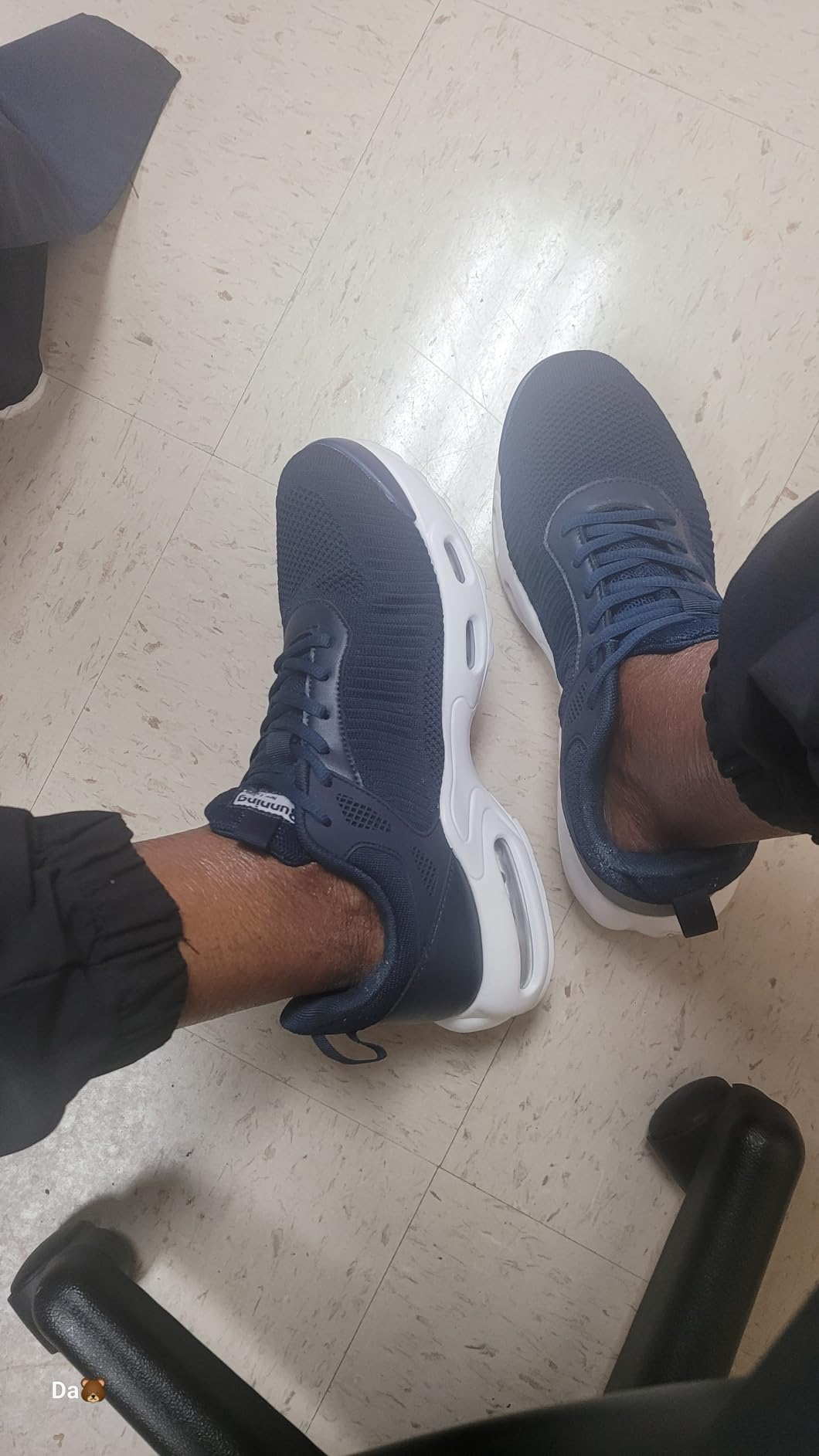
What You’re Actually Getting for $40
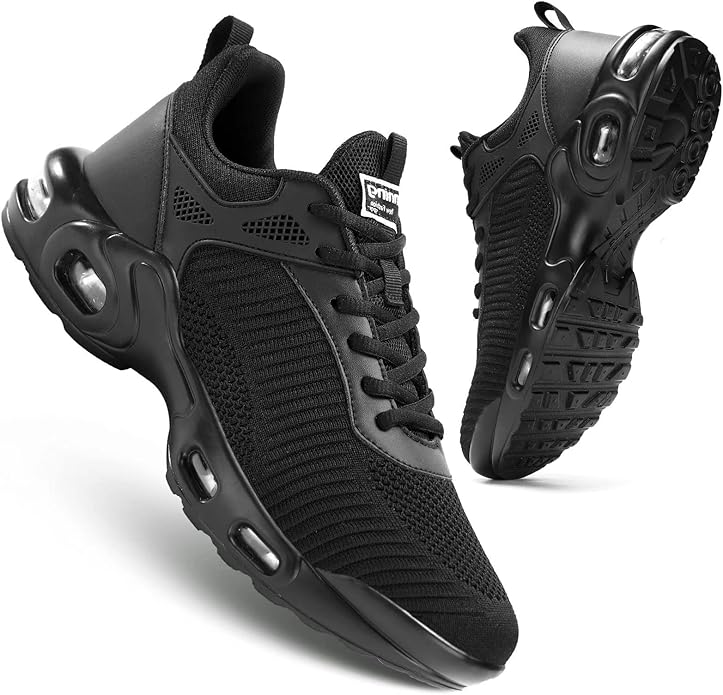
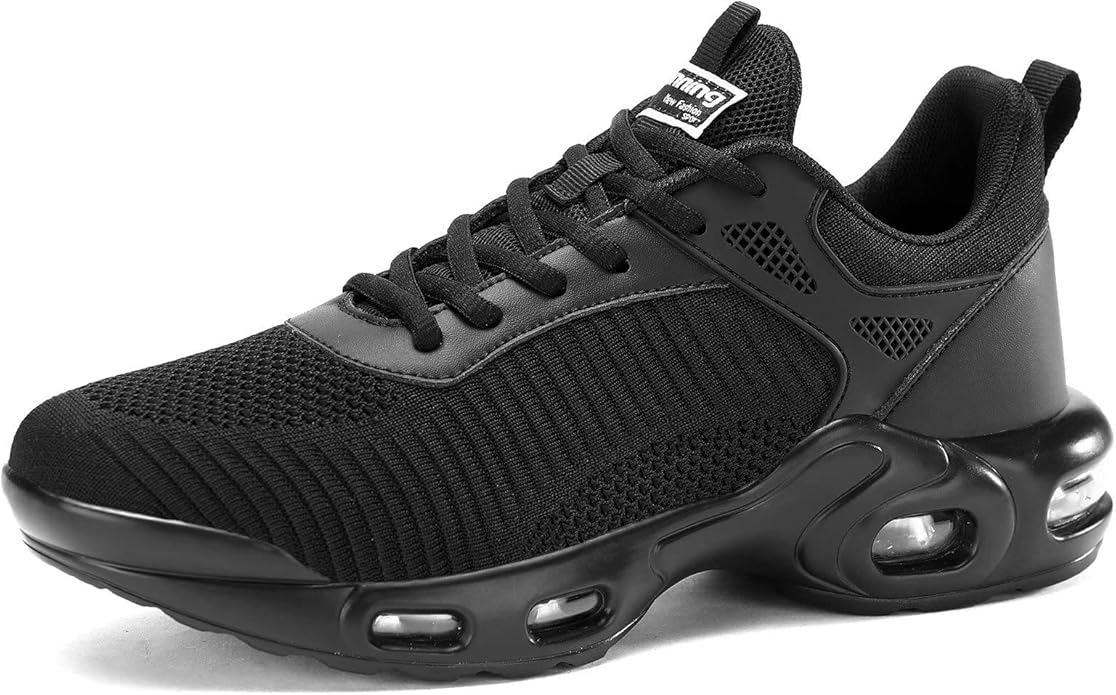
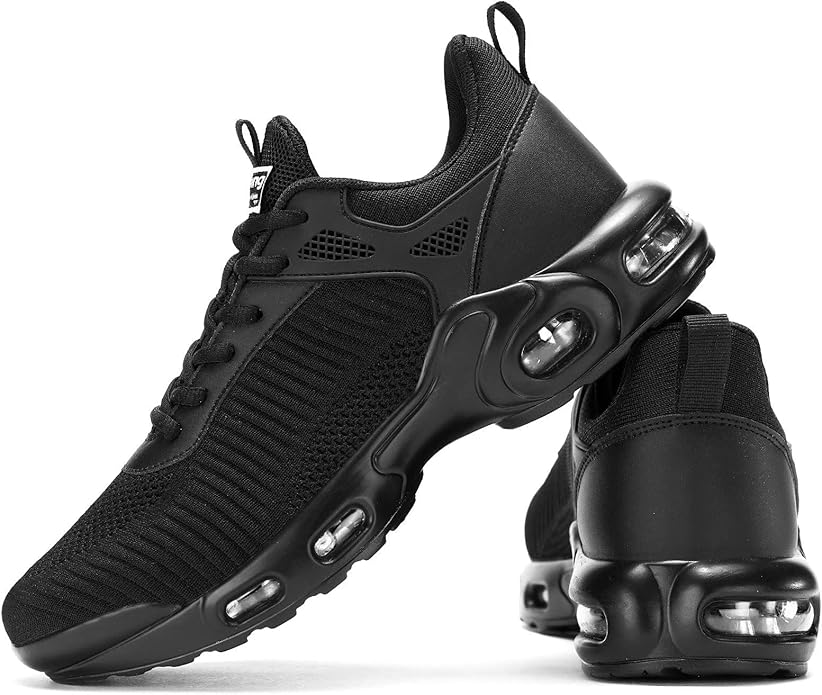
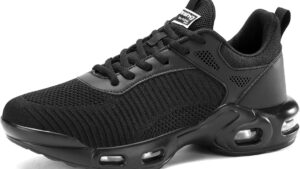
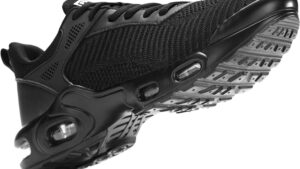
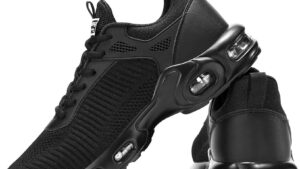
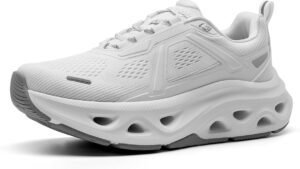
Opening the box, the first thing that stood out was how light these felt—not flimsy, just noticeably lighter than the $80 training shoes I’d been rotating through. The hexagonal mesh upper has that modern athletic look you see on shoes costing three times more, though touching it immediately tells you this isn’t premium material. It’s breathable mesh, sure, but thin enough that I could see my sock color through it in bright light.
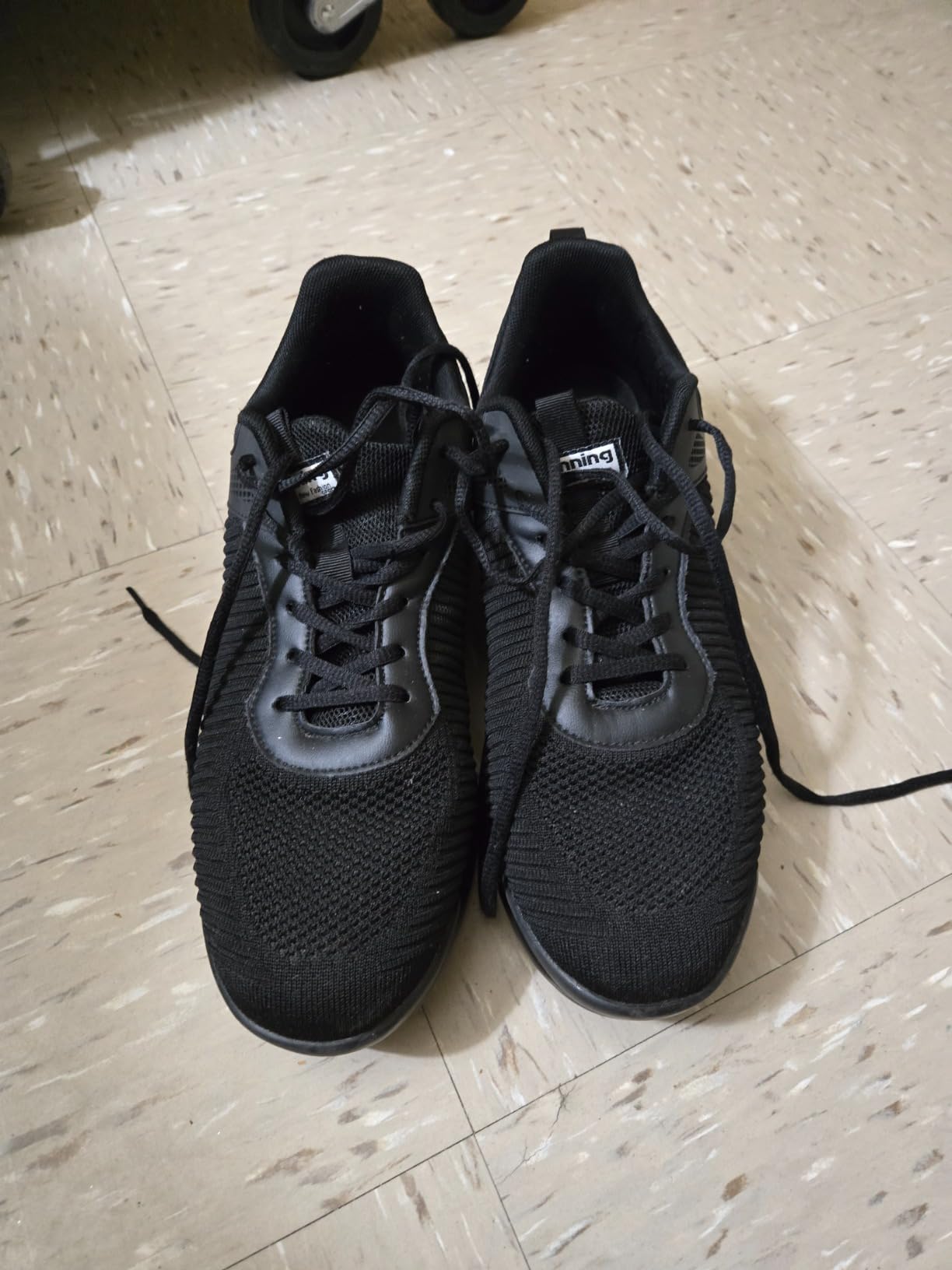
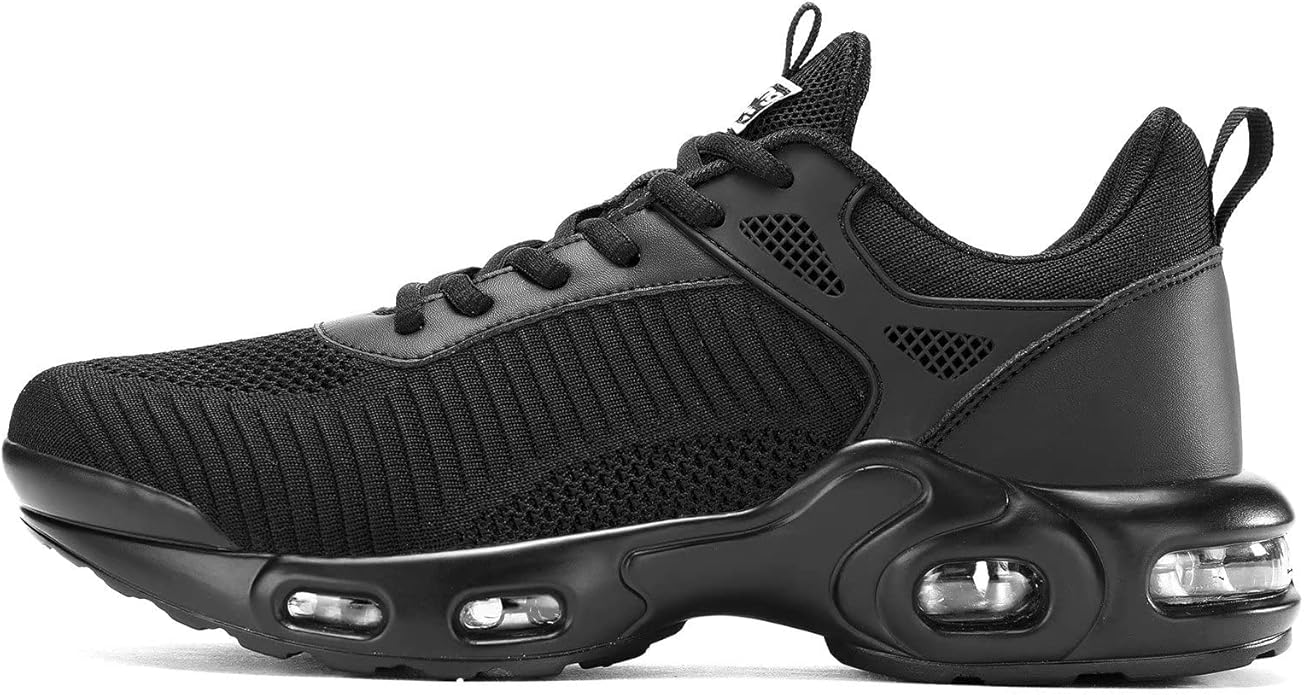
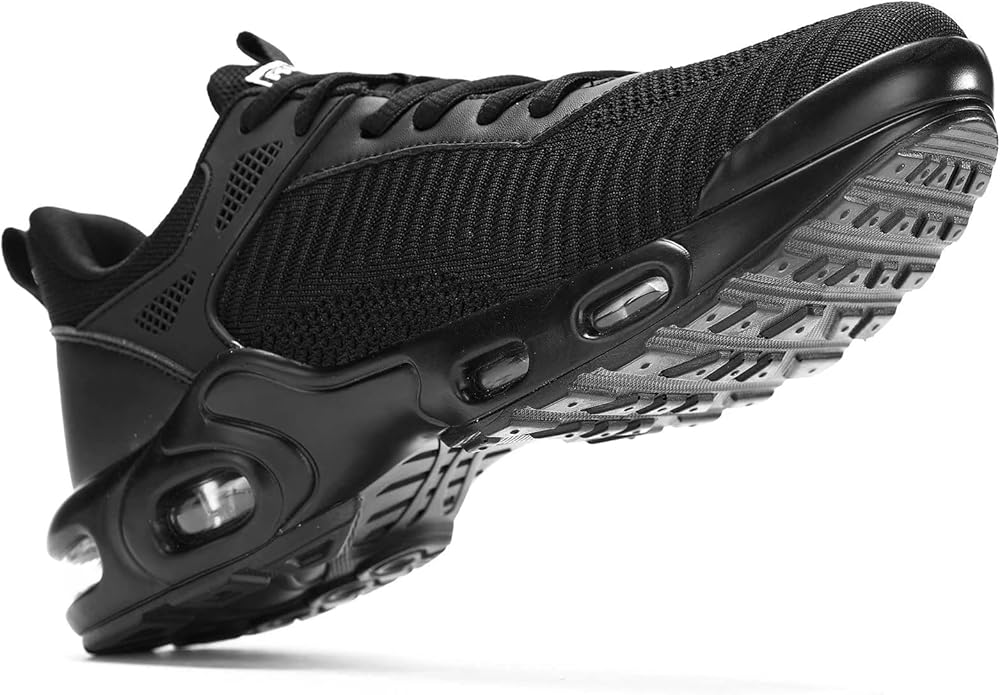
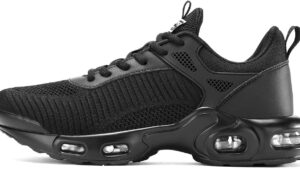
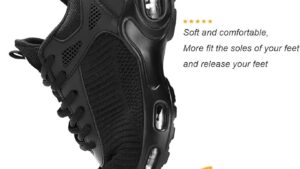
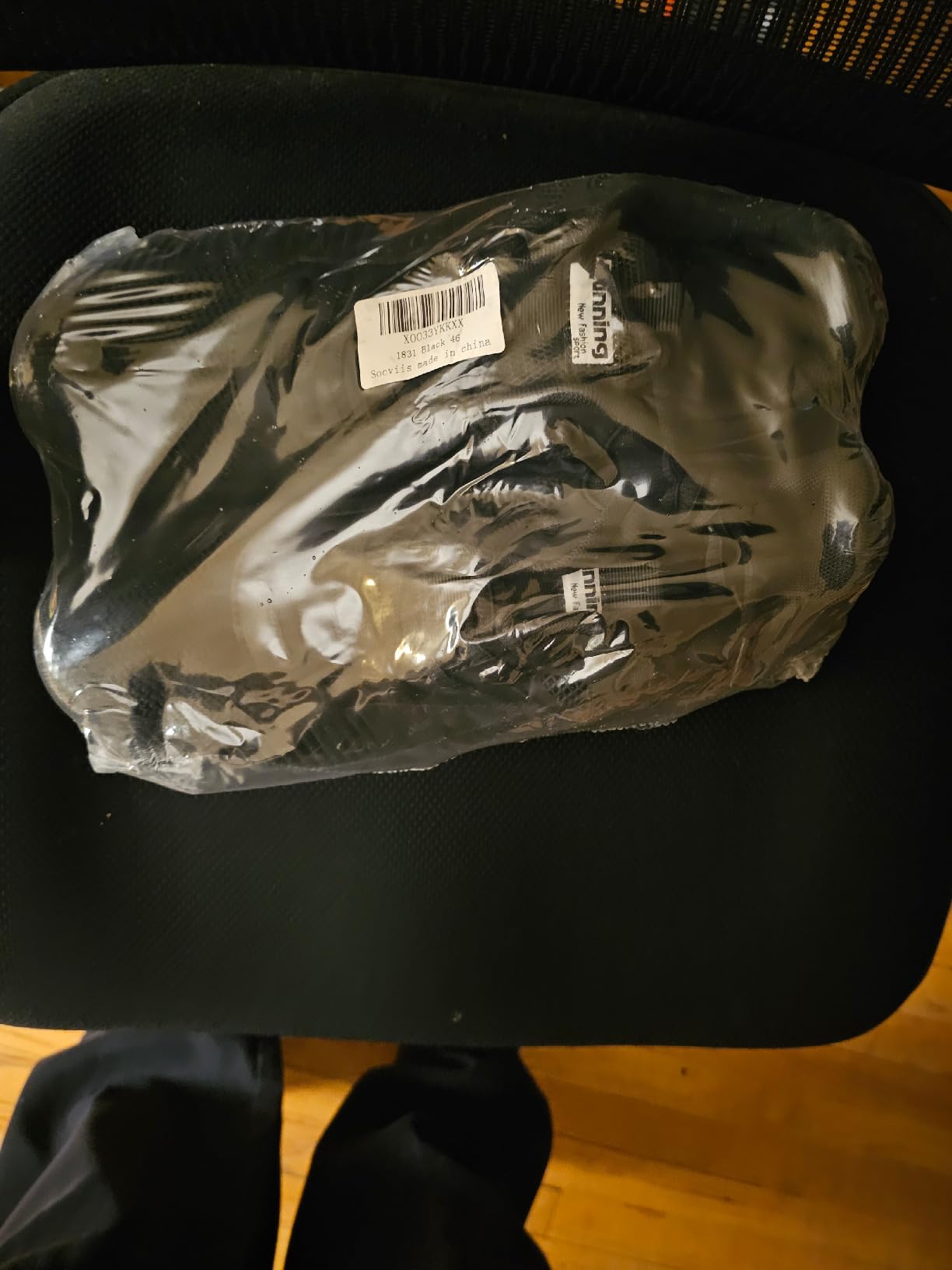
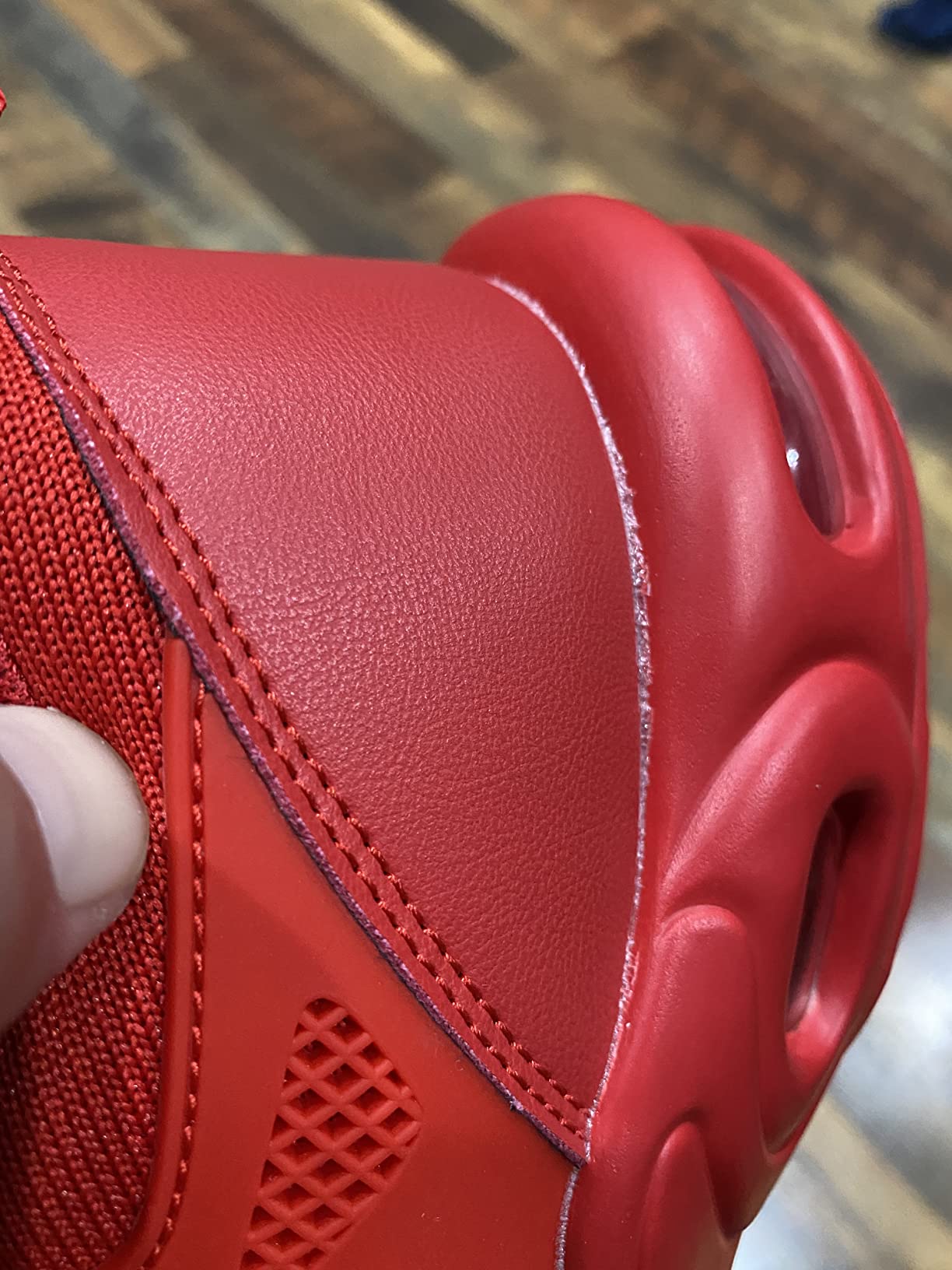
The build quality sits exactly where you’d expect for the price point. The air cushion unit under the heel is visible through a small window—not the full-length system the product description suggests, but a legitimate heel air pocket. Stitching looked clean on my pair, no loose threads or obvious glue mess, though I’ve read enough community feedback to know quality control varies between batches. Some buyers report packaging damage or sizing inconsistencies, which tracks with what you get from budget brands without rigorous QC standards.
The lace-up system uses standard round laces that stayed tied reasonably well, though they’re the thin variety that’ll probably need replacing after a few months of daily use. The padded collar felt surprisingly comfortable during initial try-on—no immediate pressure points or chafing, which honestly exceeded my expectations given the $40 cost.
Air Cushioning Reality Check: The First Week vs. Week Six
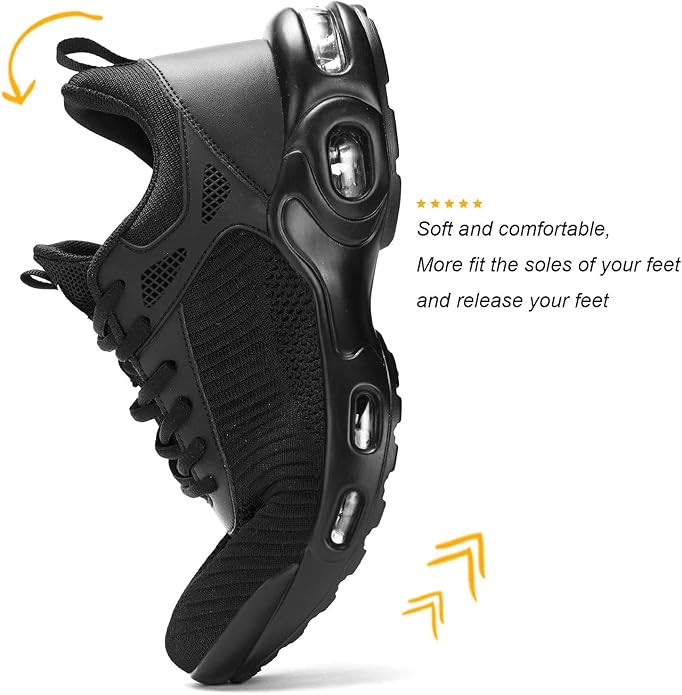
Slipping these on for the first time, that “walking on air” sensation people mention? It’s real for about the first two hours. The heel air unit compresses under your weight with each step, creating noticeable cushioning that makes warehouse concrete feel significantly softer. During my first few shifts, I genuinely thought I’d found a $40 gem.
But cushioning performance follows a predictable arc. Hours zero through three felt excellent—springy, comfortable, actual impact absorption happening. Hours three through six remained solid, though I started noticing the foam surrounding the air unit beginning to pack down. By hour seven of a standing shift, the initial “air” feeling had diminished considerably, replaced by a firmer, less responsive platform. Hour eight and beyond? The cushioning basically tapped out. My feet didn’t hurt exactly, but the initial comfort ceiling had definitely passed.
This hourly degradation became more pronounced over weeks. Fresh out of the box, that comfort ceiling sat around hour eight. By week three, it dropped to hour six. Week six testing showed noticeable flattening—the air unit still technically worked, but the surrounding EVA foam had compressed enough that the overall cushioning felt about 60% of the original performance.
For context, at 175 pounds, this level of cushioning degradation seems typical for the construction. Heavier users in the 200+ range report faster compression, while lighter folks under 150 get better longevity. The trade-off here is straightforward: initial comfort is genuinely good, but don’t expect it to maintain through extended daily use or last beyond a few months of regular wear.
Breathability Where It Counts
That hexagonal mesh upper isn’t marketing fluff—it actually ventilates. During 90-minute gym sessions in a non-air-conditioned facility, my feet stayed noticeably drier than with the synthetic leather basketball shoes I’d been alternating. The mesh allows continuous airflow, which matters when you’re spending eight-plus hours on your feet.
The breathability ceiling showed up around 85°F ambient temperature with moderate activity. Below that threshold, the shoes handled moisture management well enough that I could wear them two days consecutively without noticeable odor buildup. Above 85°F, especially during humid conditions, the mesh eventually gets overwhelmed—not failing completely, but clearly working harder than it can sustain. For indoor work environments or cooler outdoor temperatures, the ventilation performs admirably for the price point.
One practical benefit I didn’t anticipate: the mesh dries fast. After accidentally stepping in a puddle during a loading dock shift, the shoes were mostly dry within 90 minutes at room temperature. That quick-dry capability adds value if you’re rotating these through varied conditions or need to clean them regularly.
Durability Timeline: What Actually Happens After Week Four
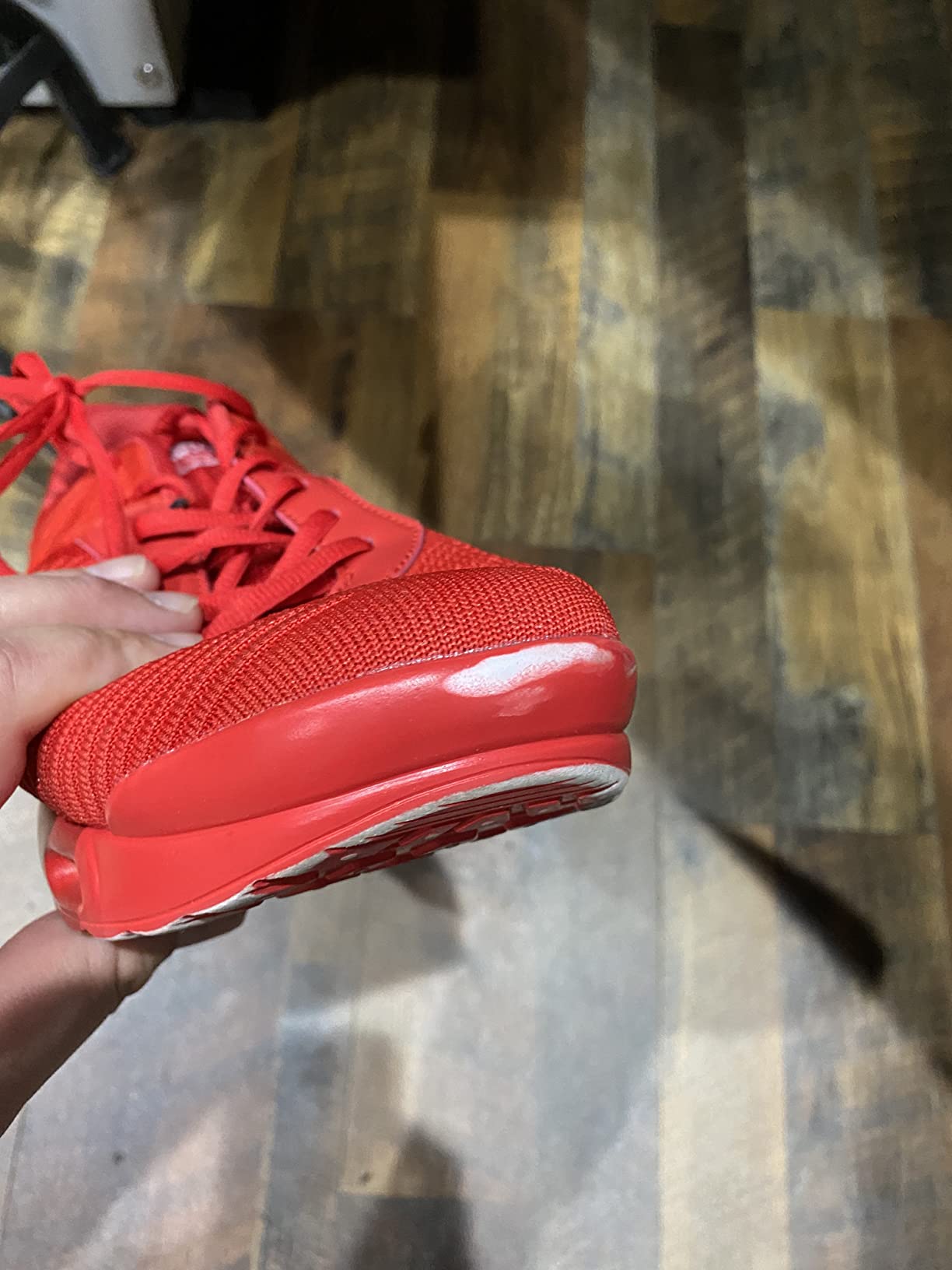
Here’s where budget construction shows its hand. Week one through three, these held up well—no visible wear beyond minor sole scuffing from concrete floors. Week four, I noticed the heel cushioning felt distinctly less responsive during longer shifts. Week five brought the first warning sign: slight separation visible where the rubber outsole meets the mesh upper at the heel junction. Not peeling yet, just visible gaps starting to form.
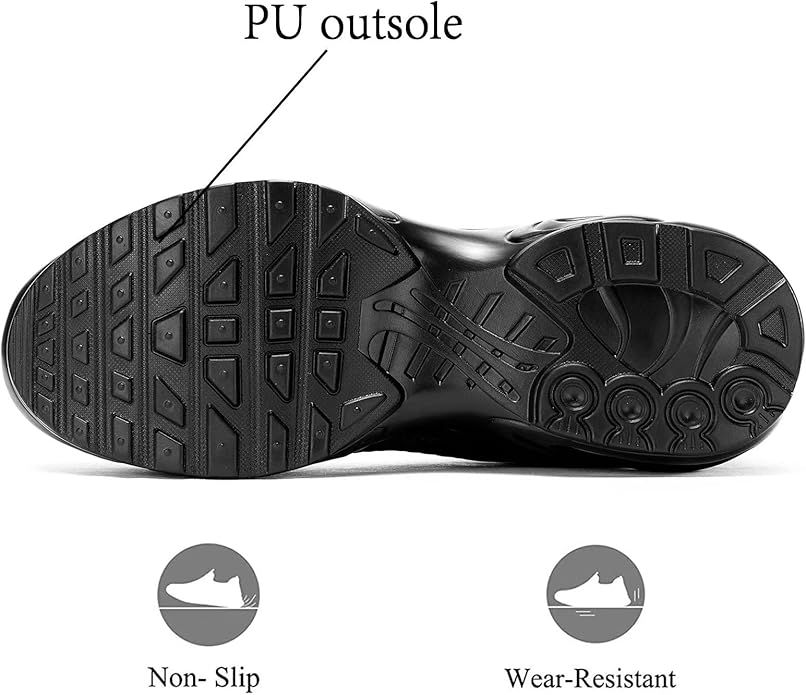
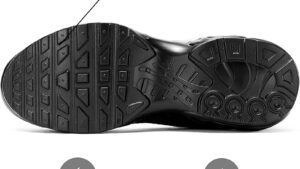
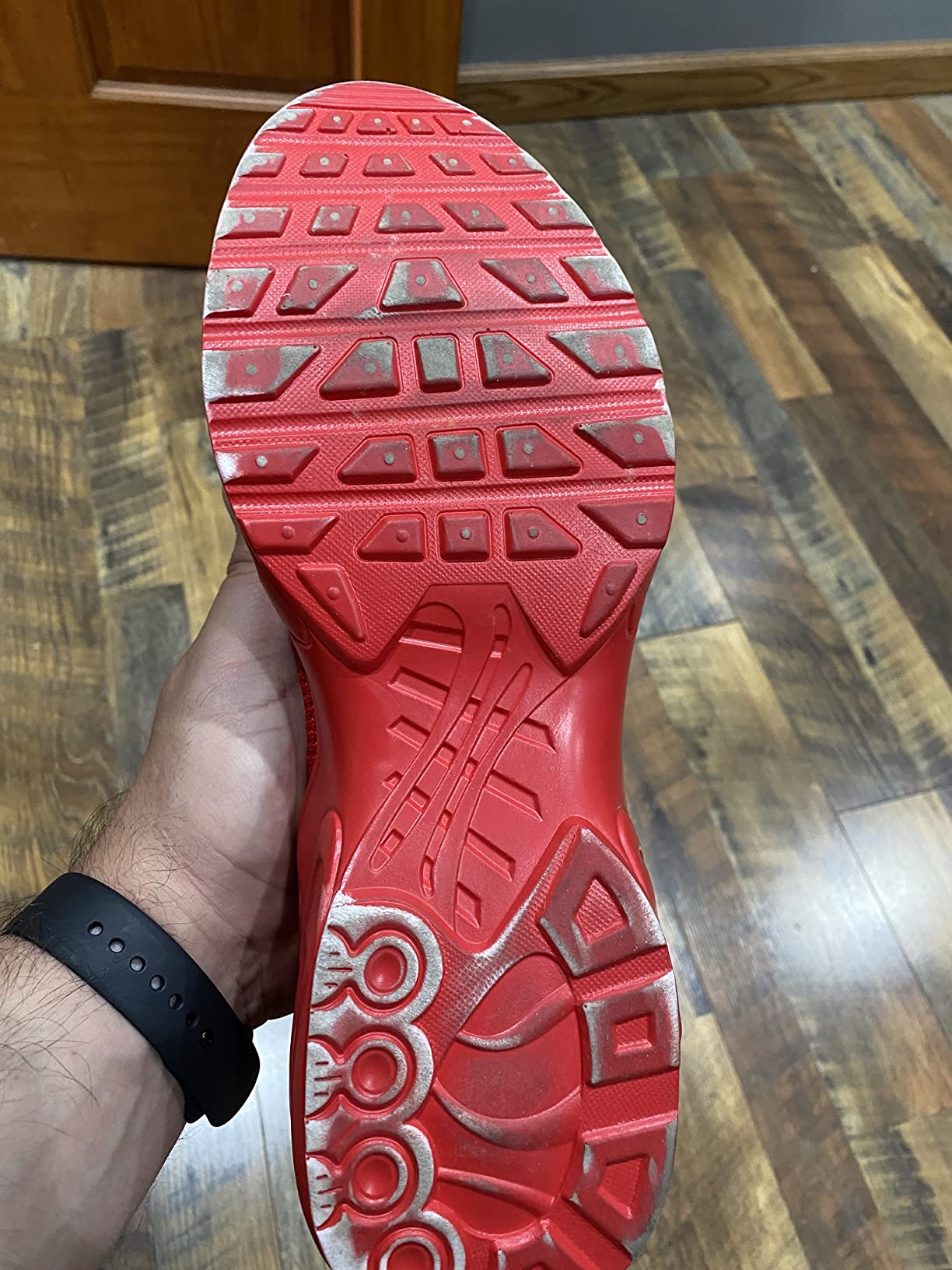
By week six, that separation had progressed noticeably. The glue bond at the heel—exactly where your foot strikes with each step—was clearly the weak point in construction. The mesh upper itself held up better than expected, showing no tears or significant fraying despite daily wear. The rubber sole displayed moderate wear patterns, with the highest-contact areas (heel strike point and ball of foot) showing visible smoothing of the tread pattern.
Based on this wear progression and cross-referencing with broader community feedback, realistic lifespan estimates break down like this:
- Light casual use (2-3 times weekly, low-impact activities): 8-12 months before major failure
- Regular daily wear (5-6 days weekly, moderate activity): 3-5 months until sole separation becomes a problem
- Intensive use (daily work + gym, high-impact): 6-10 weeks before needing replacement
This creates an interesting cost calculation. At $40 with a 4-month average lifespan under regular use, you’re paying $10 per month of wear. Compare that to an $80 shoe lasting 12 months ($6.67/month) or a $120 premium option going 18 months ($6.67/month), and the budget shoe actually costs more over time if you’re using them intensively. For occasional wear or as backup shoes, the economics work better.
The Sizing Puzzle: Why Reviews Contradict Each Other
When I ordered these, review guidance was all over the place—some said order a half-size up, others recommended sizing down, brand guidance suggested going larger for wide feet. After testing and talking to others who bought them, the confusion makes sense: fit depends heavily on foot width and what you mean by “runs small.”
Fresh out of the box, these felt snug—almost uncomfortably tight across the ball of my foot for the first day. But by day three of regular wear, the mesh had stretched and molded enough that the tightness resolved. This break-in period creates perception variance: someone trying them on immediately might think they run small, while post-break-in they fit closer to true-to-size for standard-width feet.
The sizing decision tree that actually works:
- Narrow feet: Your normal size works, possibly even a half-size down if you’re between sizes
- Standard width: True-to-size if you’re patient with a 2-3 day break-in period, or half-size up for immediate comfort
- Wide feet: Half to full size up mandatory—these don’t offer wide-width variants, and the mesh doesn’t stretch enough laterally
The practical workaround is Amazon’s 30-day return window. Order your normal size first, wear them around the house for an hour, and assess whether post-break-in they’ll work. The mesh does give, but it needs wear time to mold.
Multi-Sport Marketing vs. Single-Sport Reality
The product description calls these “Athletics Sport Trainer Tennis Basketball” shoes. Let me address each sport claim based on actual testing:
Casual gym work: These deliver. Light weights, walking on treadmill, stretching, basic cardio machines—all fine. The cushioning holds up for 45-60 minute sessions, and the grip works well on standard gym flooring. If you’re doing general fitness work without intense impact, these function adequately.
Basketball: Not even for casual pickup games. The first time I attempted a quick lateral cut, the mesh upper flexed way too much, providing zero ankle stability. The sole grip worked on clean courts but couldn’t compensate for the lack of structural support. After 20 minutes of play, it was obvious these weren’t designed for court sports.
Tennis: Similar story to basketball. The lateral movement demands of tennis immediately exposed the flexibility limitations. For hitting balls against a wall or very casual doubles with friends who don’t move fast, maybe. For actual tennis play? Not recommended.
Running: Up to about 2 miles at a casual pace, these work. The cushioning handles steady-state jogging reasonably well. Beyond 3 miles or at faster paces, the heel cushioning compression becomes problematic, and the lightweight construction doesn’t provide enough support for repetitive impact. These are walking shoes that can handle occasional light jogging, not running shoes.
Daily work wear: This is genuinely where these sneakers perform best. Standing, walking, light lifting, navigating warehouses or retail floors—the combination of breathability, initial cushioning, and lightweight construction makes them legitimately useful for all-day work environments. If I were to rewrite the product description honestly, it would be “casual work and lifestyle sneakers with light gym capability.”
The Real Cost Analysis Nobody Does
At first glance, $40 seems like a straightforward deal. But calculating actual cost-per-wear tells a different story depending on use intensity.
Scenario 1—Intensive daily use: If you’re wearing these 6-7 days per week for work plus gym, realistic lifespan is about 8 weeks based on the sole separation timeline. That’s $40 ÷ 56 wears = $0.71 per use. For a year at this intensity, you’d need about six pairs ($240 annually).
Scenario 2—Moderate regular use: Wearing them 4-5 days weekly for work or casual activities, you’ll get roughly 4 months (120 wears). That’s $40 ÷ 120 = $0.33 per use, or three pairs annually ($120/year).
Scenario 3—Light rotating use: As backup shoes worn 2-3 times weekly, these could stretch to 8-10 months (80 wears). That’s $40 ÷ 80 = $0.50 per use, or 1-2 pairs annually ($60-80/year).
For comparison, spending $100 on running shoes that last 12 months of daily use gives you roughly $0.27 per wear. The budget shoe only wins financially if you’re using it lightly or rotating it with other pairs. For intensive single-pair use, the frequent replacement cycle actually makes it more expensive long-term.
The rotation strategy does change the math favorably: buying two pairs for $80 and alternating them daily can extend each pair’s life to about 6 months (since they get rest days to decompress), bringing annual cost down to $80 versus $120-240 for single-pair replacement cycles.
Who This Shoe Actually Fits
Perfect for:
- Workers needing comfortable daily shoes for 6-8 hour shifts who rotate footwear
- Budget-conscious buyers who understand 3-4 month replacement cycles
- Casual gym-goers doing light cardio, walking, and basic weight training
- Anyone needing temporary athletic footwear while better shoes are being replaced
- People who prefer buying multiple cheap pairs over one expensive pair (rotation strategy)
- Standard to narrow-footed individuals comfortable with 2-3 day break-in periods
Not recommended for:
- Serious athletes needing lateral support (basketball, tennis, competitive sports)
- Runners logging significant weekly mileage (cushioning degrades too quickly)
- Wide-footed buyers unwilling to size up and accept less-than-ideal fit
- Anyone expecting 12+ month durability from a single pair
- People who need reliable footwear without quality control lottery risk
- Users over 200 pounds (cushioning compresses faster under higher weight)
The sweet spot user is someone working a job that requires comfortable walking shoes, who rotates 2-3 pairs throughout the week, and who prefers buying replacements every few months over investing heavily in single pairs. If that describes you, these deliver reasonable value. If you need serious athletic performance or long-term durability from one pair, look elsewhere.
Marketing Claims: What’s True, What’s Not
Let me address the specific product description claims based on six weeks of testing:
“Non Slip Air Running Shoes”: Half-true. The rubber outsole provides decent grip on dry surfaces—gym floors, concrete, indoor work environments all worked fine. Wet surfaces showed less reliable traction, though I didn’t experience dangerous slipping. The “running” part is oversold unless you’re only doing casual 2-mile jogs.
“Athletics Sport Trainer Tennis Basketball”: This is marketing overreach. These function as lifestyle sneakers with light athletic capability, not sport-specific trainers. The lack of lateral support makes them unsuitable for court sports.
“Breathable Mesh Upper”: Genuinely accurate. The hexagonal mesh ventilates well for the price point, handling moderate activity and all-day wear without excessive moisture buildup.
“Cushioning Sole with Air Unit”: Technically true, but with important caveats. The air unit exists and provides initial cushioning, but it’s heel-only (not full-length as implied) and compresses significantly within weeks of regular use.
“Anti-Collision Toe Cap”: There is reinforcement at the toe, but it’s minimal—think extra layer of material rather than protective cap. This isn’t safety footwear.
The honest product description would be: “Budget-friendly lifestyle sneakers with heel air cushioning and breathable mesh construction, suitable for casual wear, light gym use, and daily work environments. Not designed for competitive sports or intensive athletic training.”
Questions People Actually Ask
Do these really run small or large?
It depends on your foot width. They feel tight initially (1-2 days break-in), then mold to standard-width feet at true-to-size. Narrow feet can go half-size down, while wide feet need half to full size up. The mesh stretches lengthwise but not width-wise, which creates the sizing confusion.
How long do they actually last with daily wear?
Realistically 3-5 months under regular daily use (5-6 days weekly), assuming moderate-impact activities. Intensive daily use (work + gym) shortens this to 6-10 weeks. Light casual use (2-3 times weekly) can stretch to 8-12 months. The failure mode is typically sole separation at the heel, not upper material breakdown.
Can I actually use these for basketball?
Not for real play. The mesh upper flexes too much during lateral cuts, providing insufficient ankle stability. Gym shooting around or very casual driveway basketball might work, but any competitive or fast-paced play will immediately show the structural limitations.
Are they worth it compared to spending $80-100 on better shoes?
Only if you’re rotating multiple pairs or using them occasionally. For intensive single-pair daily use, the frequent replacement cycle (3-4 months) means you’ll spend $120-160 annually on replacements versus $80-100 for one durable pair lasting 12 months. The budget price only creates value with light use or rotation strategy.
Do they work for wide feet?
Marginally, but you must size up significantly (half to full size). Even then, the fit will never be ideal since there’s no wide-width option. If you have genuinely wide feet, these will likely frustrate you even with sizing adjustments.
How’s the cushioning compared to Nike or Adidas at this price?
Initial cushioning feels competitive with entry-level Adidas Lite Racer or similar budget options—springy and comfortable for the first few hours. The difference shows in longevity: name-brand budget shoes typically maintain cushioning longer (6-8 months vs. 2-3 months here) due to better foam compounds and construction quality.
What about the squeaking some people mention?
I didn’t experience squeaking on most surfaces during testing, but it’s reported often enough to be a real issue with some pairs or on specific floor types. This seems to be a quality control variance thing—some pairs squeak, others don’t. Another symptom of inconsistent manufacturing standards at the budget price point.
Can I wear these in rain or wet conditions?
The mesh upper soaks through within minutes in any real rain, and the shoes take hours to fully dry. They’re not water-resistant at all. For occasional light sprinkles they’re manageable, but if wet weather is common in your area, these aren’t practical daily drivers.
Is the $40 price consistent or does it fluctuate?
Pricing seems relatively stable around $39.99-$44.99 depending on color variations and Amazon deals. I haven’t seen significant sales or markdowns since these are already positioned at the budget end. If you find them below $35, that’s likely a liquidation or clearance of older inventory.
Should I buy multiple pairs to rotate?
If you’re committed to this price point and use pattern, yes. The rotation strategy (buying 2-3 pairs and alternating daily) extends each pair’s life significantly since they get recovery time between wears. This makes the $40 investment more sensible than trying to get 6-12 months from a single pair under intensive use.
Final Assessment
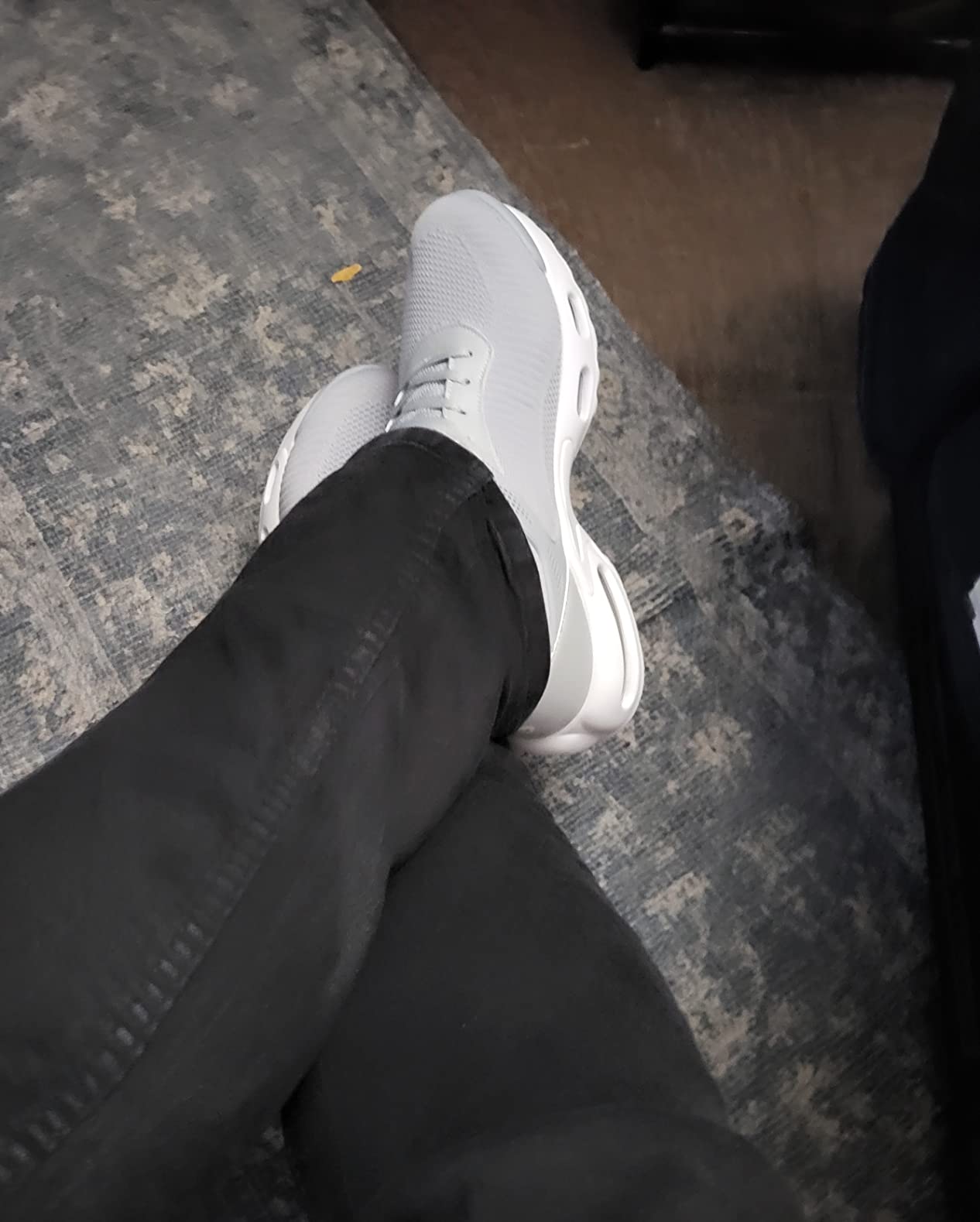
After six weeks of testing through work shifts, gym sessions, and daily wear, the Socviis Men’s Fashion Sneaker sits exactly where its price point suggests: decent value for specific use cases, disappointing for others.
The strengths are genuine—initial comfort, breathability, lightweight construction, and styling that doesn’t scream “budget shoe.” For someone needing affordable daily footwear who rotates pairs and accepts 3-4 month replacement cycles, the $40 investment makes sense. The cushioning works well enough for moderate-impact activities, and the ventilation handles all-day wear in most conditions.
The weaknesses are equally real. Durability tops the concern list, with sole separation emerging as a predictable failure mode around the 8-12 week mark under regular use. The multi-sport marketing vastly overstates capability—these are lifestyle sneakers, not athletic trainers. Cushioning degradation happens faster than you’d like, sizing confusion creates ordering friction, and quality control variance means your pair might arrive perfectly or with issues.
Overall Rating: 6.7/10
This score reflects “good enough for the money” territory—not excellent, not terrible, but functional within understood limitations. The rating would climb to 7.5+ if you’re specifically using these for casual daily wear with a rotation strategy. It drops to 5.5 or lower if you’re expecting athletic performance or 12+ month durability from intensive single-pair use.
Who gets the highest satisfaction? Workers needing comfortable budget shoes for moderate-duration shifts (6-8 hours), casual gym-goers not doing impact sports, and anyone comfortable with frequent replacement cycles over single expensive purchases. The sweet spot is buying two pairs for $80 total and rotating them—this extends each pair to 6 months, bringing cost-per-month to a reasonable $6.67.
Who should skip these? Serious athletes, wide-footed buyers wanting ideal fit, anyone needing reliable 12+ month footwear from one pair, and users over 200 pounds who’ll compress the cushioning too quickly. For these groups, spending $80-120 on training shoes from established brands delivers better long-term value despite higher initial cost.
The bottom line: these are honest budget shoes that perform appropriately for their price when used within their limitations. Set realistic expectations about durability and athletic capability, consider the rotation strategy to maximize value, and they’ll serve you adequately. Expect them to replace your serious sports shoes or last a year of daily use, and you’ll be disappointed.
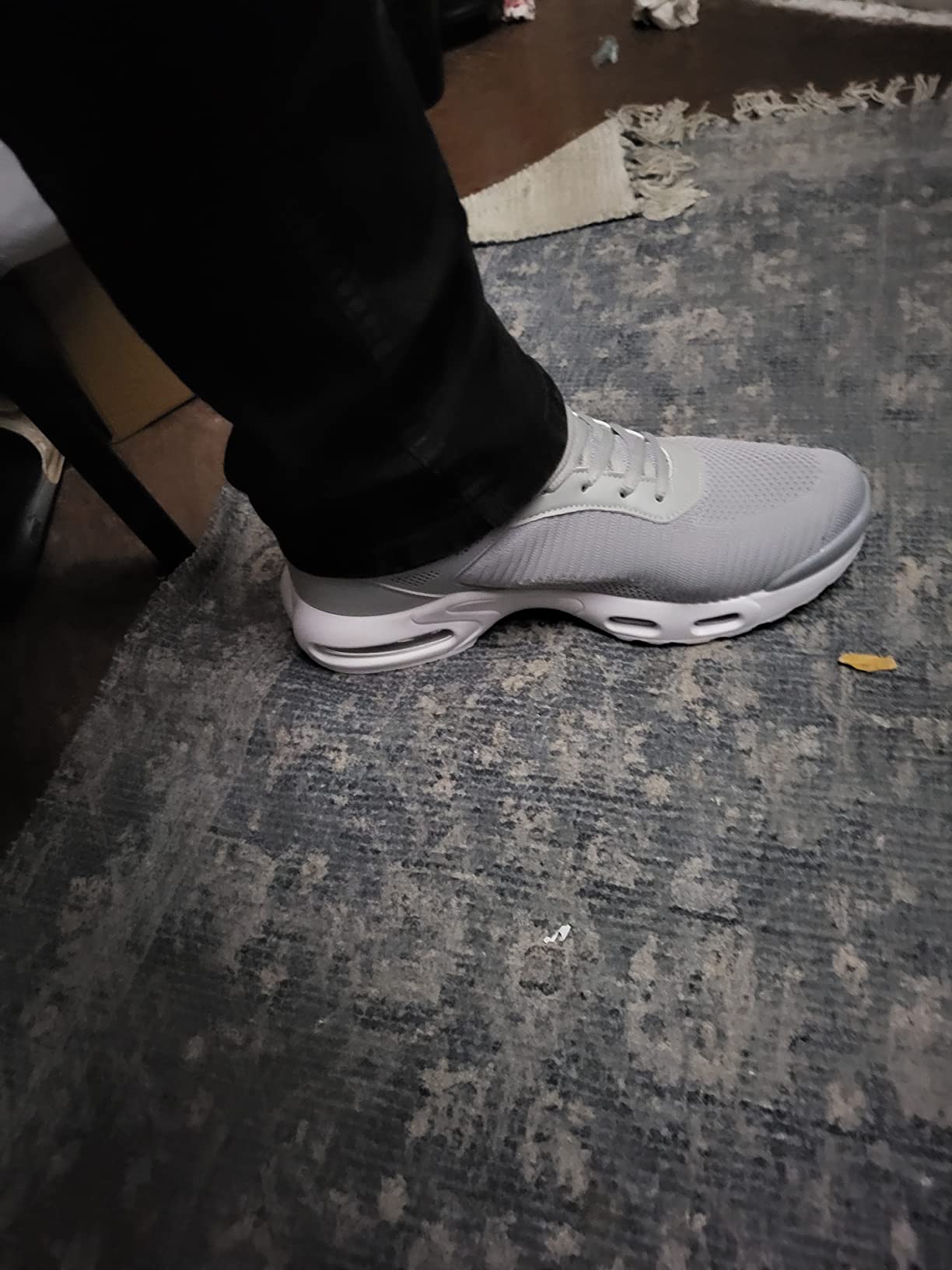
Be the first to review “Socviis Men’s Fashion Sneaker Non Slip Air Running Shoes”
Related products
Running Shoes
Running Shoes
Running Shoes
Running Shoes
Running Shoes
Running Shoes
Running Shoes

Running Shoes
Reviews
There are no reviews yet.