
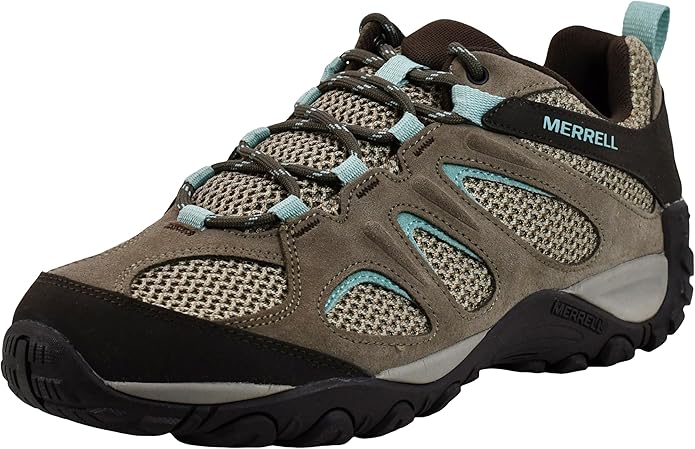
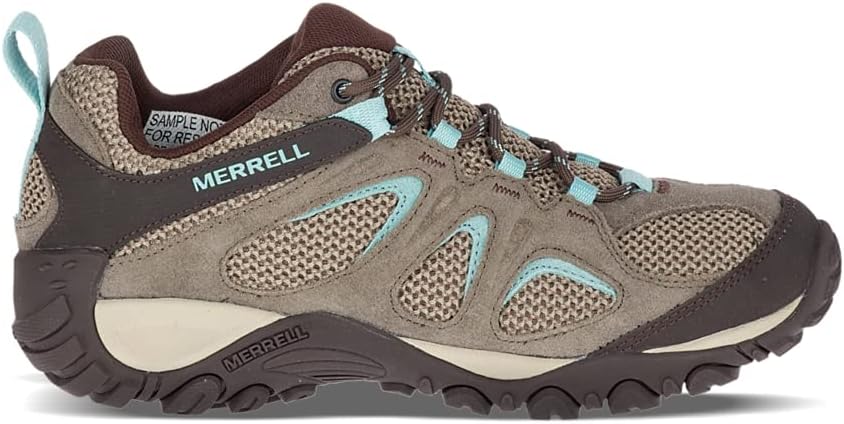
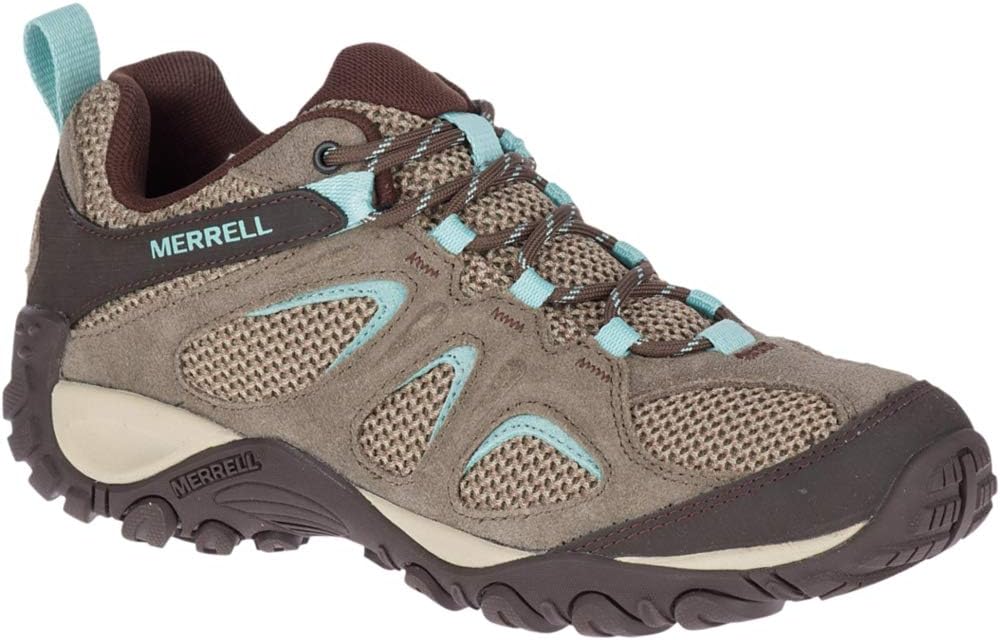
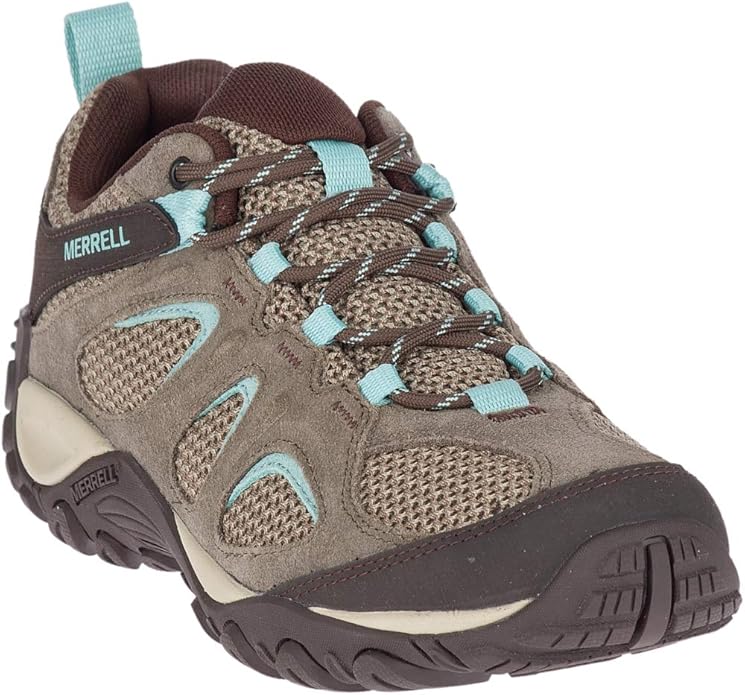
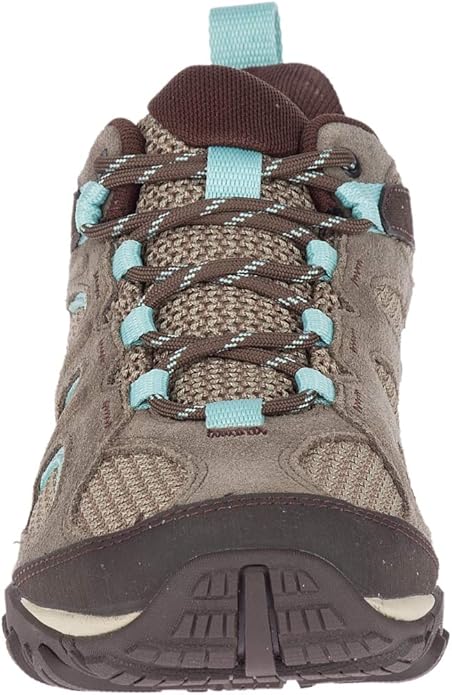
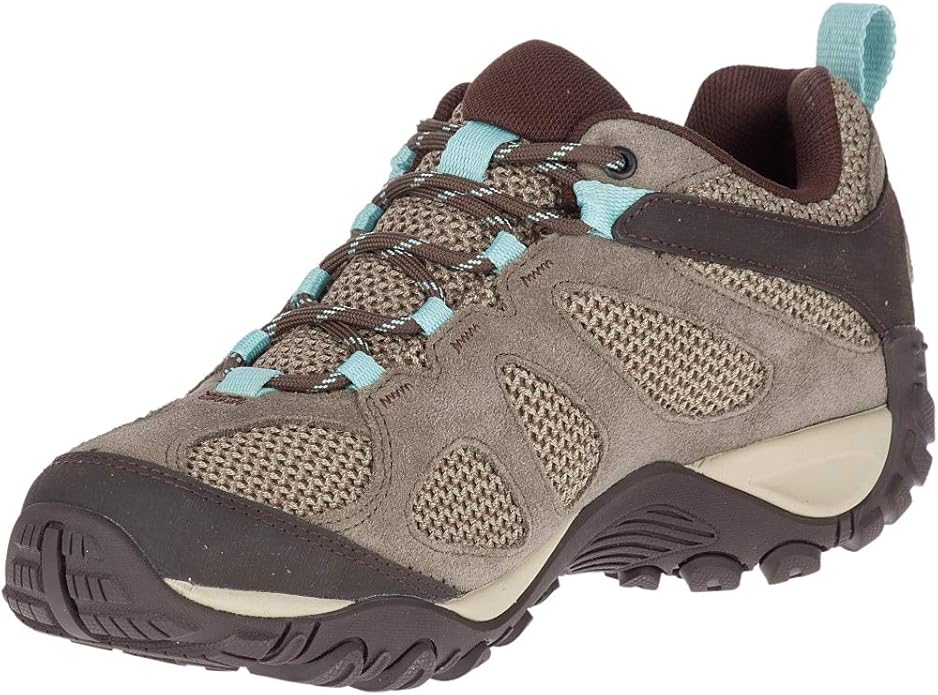
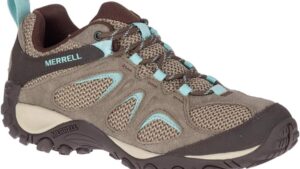
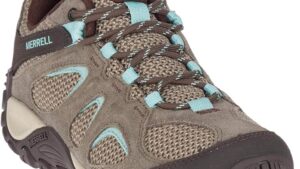
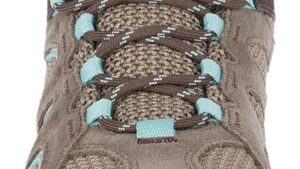
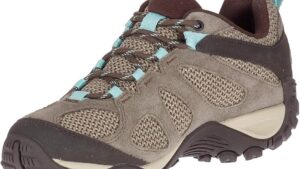
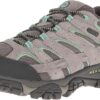
I almost didn’t buy these. After cycling through three pairs of budget hiking shoes in under a year — each one promising “trail-ready comfort” and delivering blisters by mile four — my expectations for sub-$100 hikers had bottomed out. But my weekend hiking group wouldn’t stop asking about the Merrell Yokota 2, and the $85 price tag was just low enough to justify one more gamble. Six weeks, 45+ sessions, and 120+ trail miles later, I can tell you exactly where these shoes earn their reputation and where they fall short. The short version: solid day-hiking shoe, genuine traction beast, but you’ll need to budget an extra $20 for insoles.
Quick Tech Specs
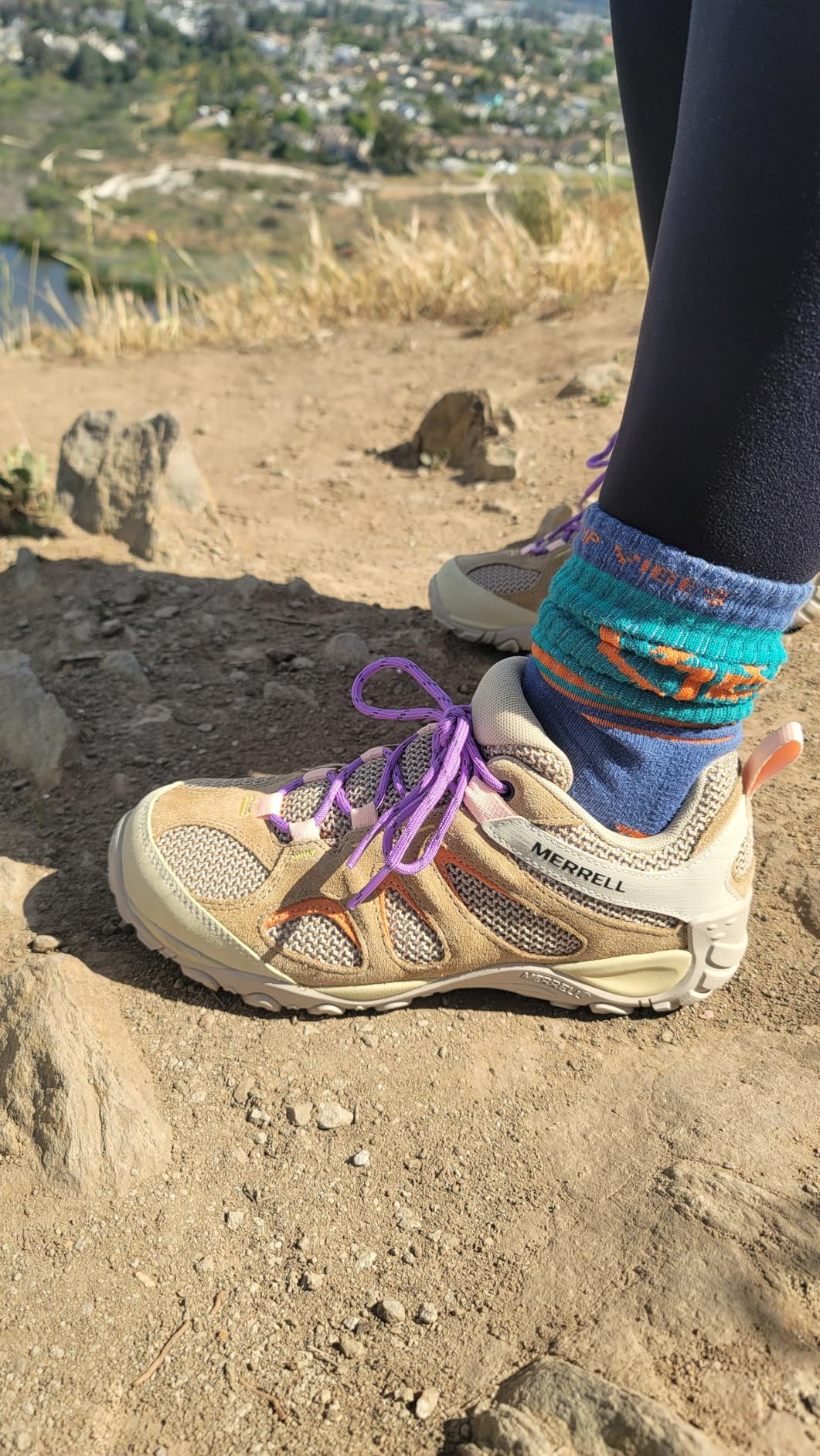
- Price: $85 MSRP (browse hiking shoes at FootGearUSA)
- Weight: ~1.2 lbs per shoe (women’s size 8)
- Upper: Suede leather with textile mesh panels
- Midsole: Compression molded EVA + Merrell Air Cushion (heel)
- Outsole: M Select GRIP rubber, 4mm multi-directional lugs
- Insole: Kinetic Fit BASE (removable, orthotic-compatible)
- Water resistance: Water-resistant — NOT waterproof
- Width: Standard only (no wide variant available)
- Best for: Day hiking, trail walking, casual outdoor use
- Testing: 6 weeks, 45+ sessions, 120+ miles — rocky terrain, gravel, mud, creek crossings, pine needle slopes, 85°F+ heat
Fit and Sizing: The One Thing You Need to Get Right
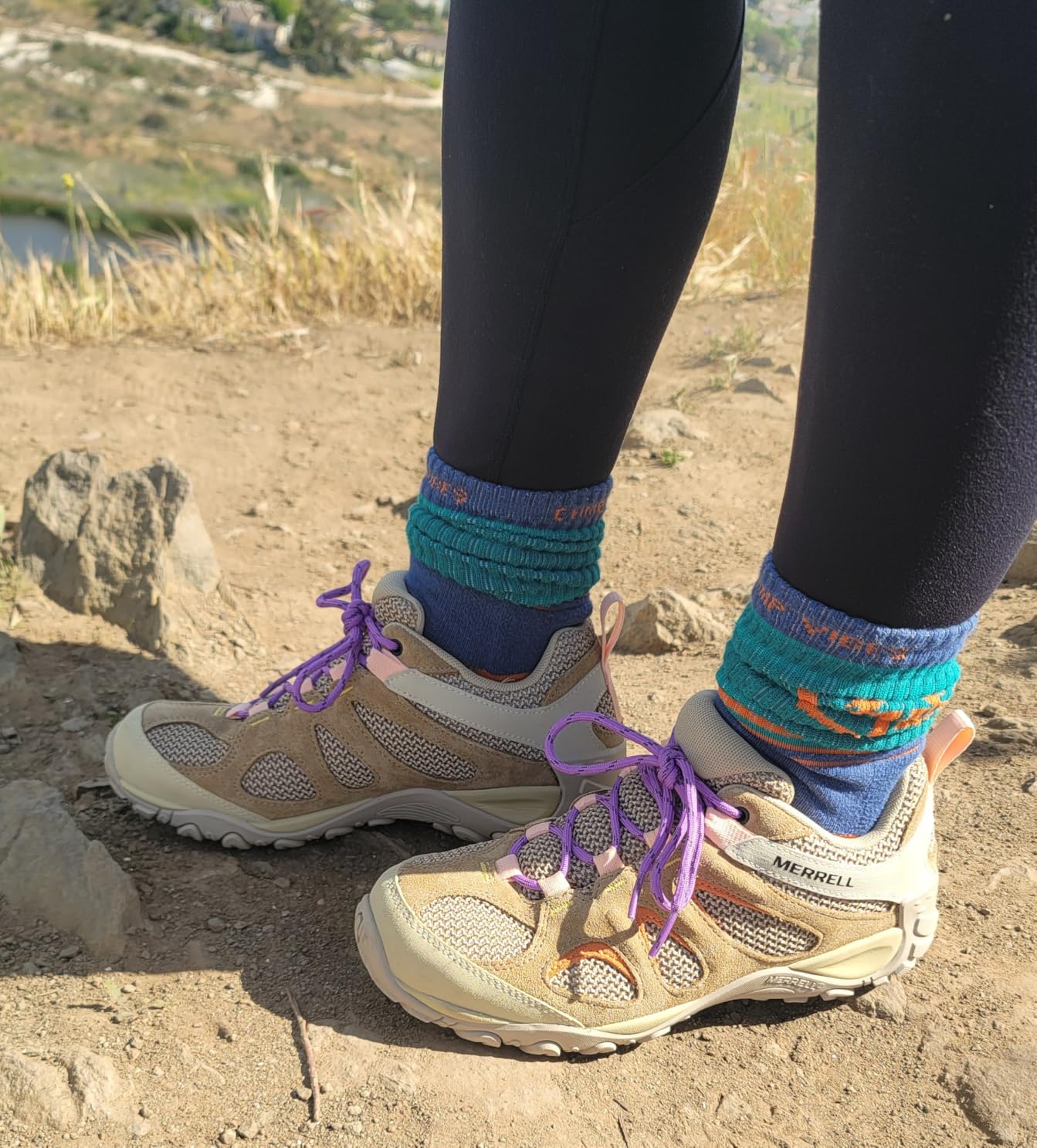
Here’s the uncomfortable truth about the Yokota 2: sizing is a coin toss. I wear a women’s 8.5 in most Merrell models, ordered my usual size, and the fit was spot-on — snug midfoot, no heel slip, maybe half an inch of wiggle room in the toe box for downhill braking. Perfect.
But three other women in my hiking group ordered the same shoe, and we got wildly different results. One friend — usually a solid 9 — had her toes jammed against the front wall and needed a 9.5. Another woman in the group found her standard size almost floppy and wished she’d gone down half a size. Every competitor review I read confirmed this exact pattern. GearWeAre called them “the Goldilocks of hiking shoes” — some too big, some too small, and if you’re lucky, just right.
The culprit appears to be production batch variance. The shoe runs narrow through the forefoot but generous in the heel, which creates a strange fit dynamic where half-sizing up gives your toes room but loosens the heel lockdown. There’s no wide width option, so if your feet run broad, this probably isn’t your shoe.
Practical Sizing Guide
My advice after testing with multiple people: order your true-to-size from a retailer with free returns — Amazon, Zappos, or Merrell.com are all solid choices. If you’re between sizes or plan to hike in thick wool socks, half-size up is the safer bet. If you have narrow feet, you’ll likely appreciate the fit at your standard size. And if you already own Merrell Crosslander 2 shoes, the Yokota 2 fits similarly — just slightly narrower in the forefoot.
One genuinely useful feature: the insole is removable and orthotic-compatible. So even if the stock fit isn’t perfect, you can swap in custom orthotics or a higher-volume insole to fine-tune the feel.
Comfort: Great Start, One Catch
The Yokota 2 requires zero break-in. I put these on and went straight into a 4-mile loop over rocky terrain at a local state park, and my feet felt fine the entire time. No hot spots, no pressure points, no regret. That immediate comfort held steady through 45+ sessions and 120+ miles without degradation in the upper. It’s one of the genuine differentiators at this price point.
The Cushioning Ceiling
Where things get more nuanced is underfoot. The compression-molded EVA midsole provides decent shock absorption for standard day hikes — the kind where you’re covering 3 to 6 miles on moderate terrain. The Merrell Air Cushion in the heel adds a noticeable stability platform on descents. For shorter outings, cushioning feels responsive and adequate.
But push past 6 to 8 miles on rocky ground, and you start feeling it. During a 10-mile hike across granite scree at around 4,500 feet, the impact transmission through the midsole became noticeable by mile seven. This isn’t a max-cushion trail shoe, and Merrell doesn’t pretend it is. If your regular hikes run longer than 8 miles over technical terrain, something like the Merrell Women’s Moab 3 or KEEN Targhee III will serve you better.
The Insole Situation
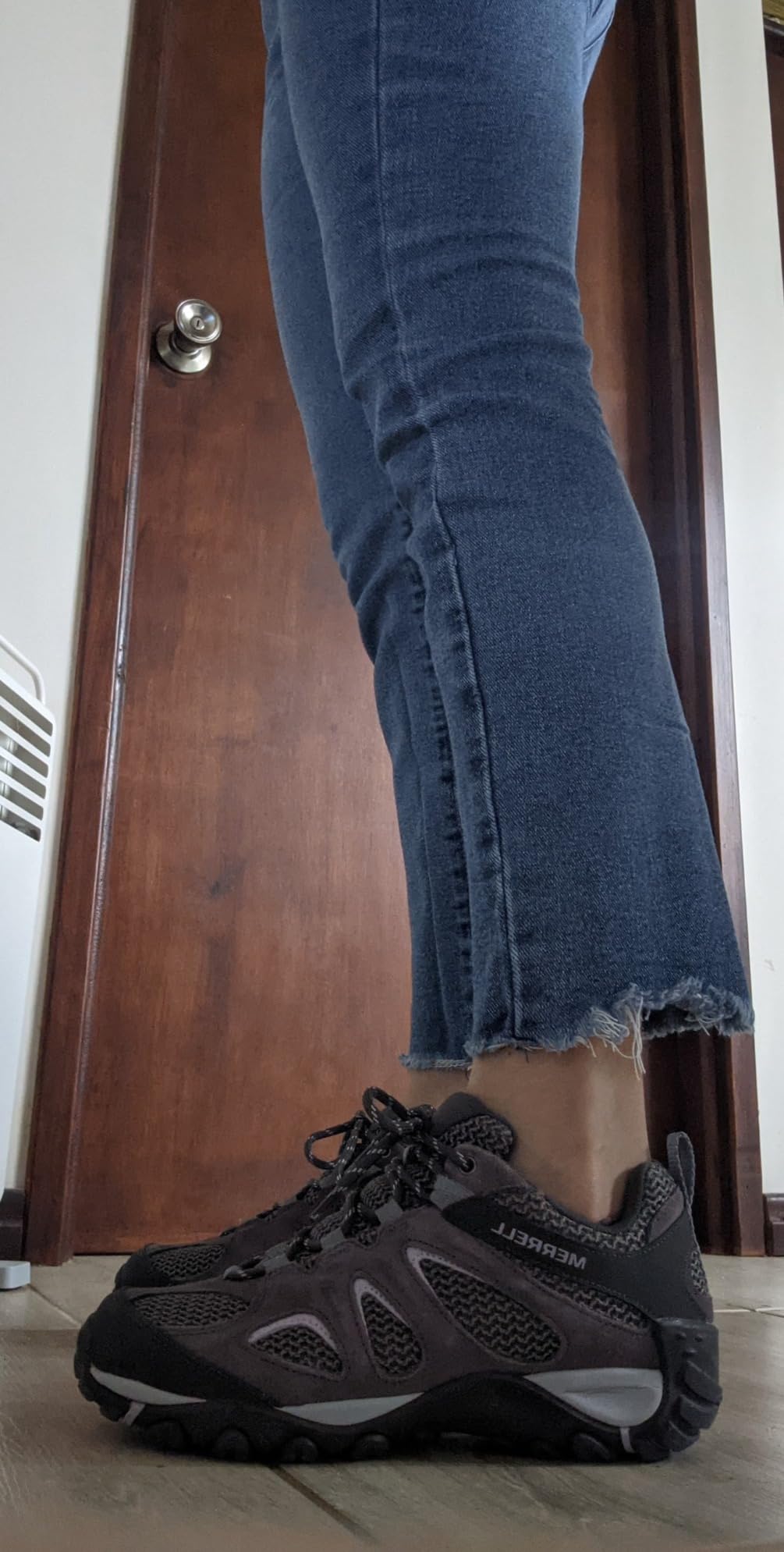
The factory Kinetic Fit BASE insoles are the weakest link. They’re thin, somewhat rigid, and don’t do much for individual arch variation. For the first two to three weeks — roughly 15 to 20 miles of hiking — they’re adequate. But by week four, arch fatigue started creeping in during longer sessions, and two women in my group reported the same timeline.
The fix is straightforward: budget $15 to $25 for aftermarket insoles. Superfeet, Spenco, or PowerStep all make hiking-specific options that transform the comfort experience. I swapped mine at week three and immediately noticed the difference — extended my comfortable hiking window from about 6 hours to closer to 9 on varied terrain. Think of the true cost as $85 plus $20 for the insole upgrade, so roughly $105 all-in.
Materials and Build: Punching Above Its Price
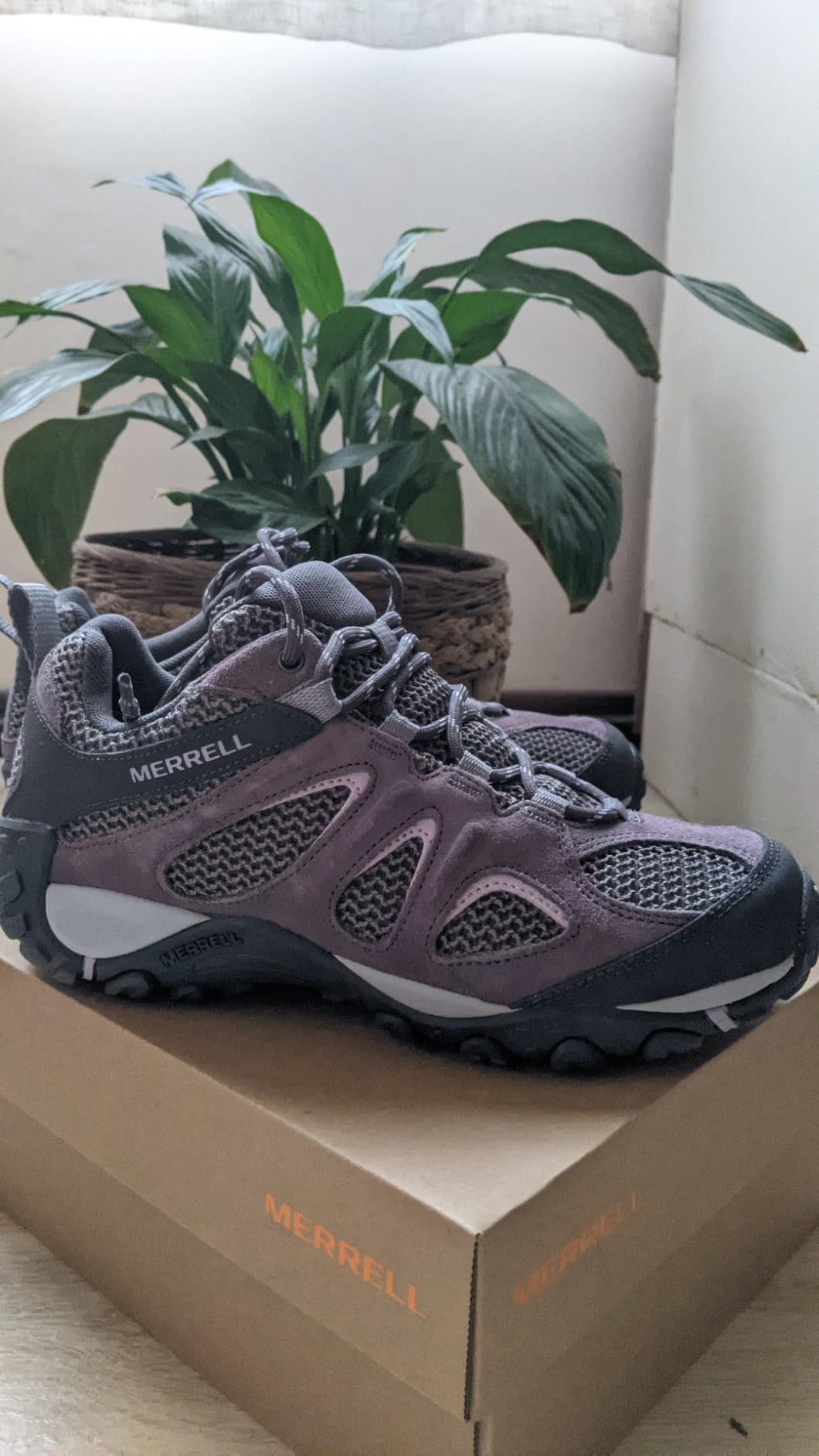
The suede upper is the construction highlight. After 120+ miles of rocky terrain, creek-side scrambles, and some bushwhacking through dense undergrowth, my test pair shows remarkably little cosmetic wear. The suede developed a subtle patina that actually looks better with trail mileage — not scuffed or degraded, just broken in. Merrell picked the right material here; suede offers durability comparable to full-grain leather but at lower weight.
The mesh panels flanking the forefoot and sides handle two jobs well: they provide genuine airflow (more on breathability below) and resist abrasion from branch contact and brush. Six weeks in, no tears, no pilling, no visible mesh fatigue.
Technologies That Actually Matter
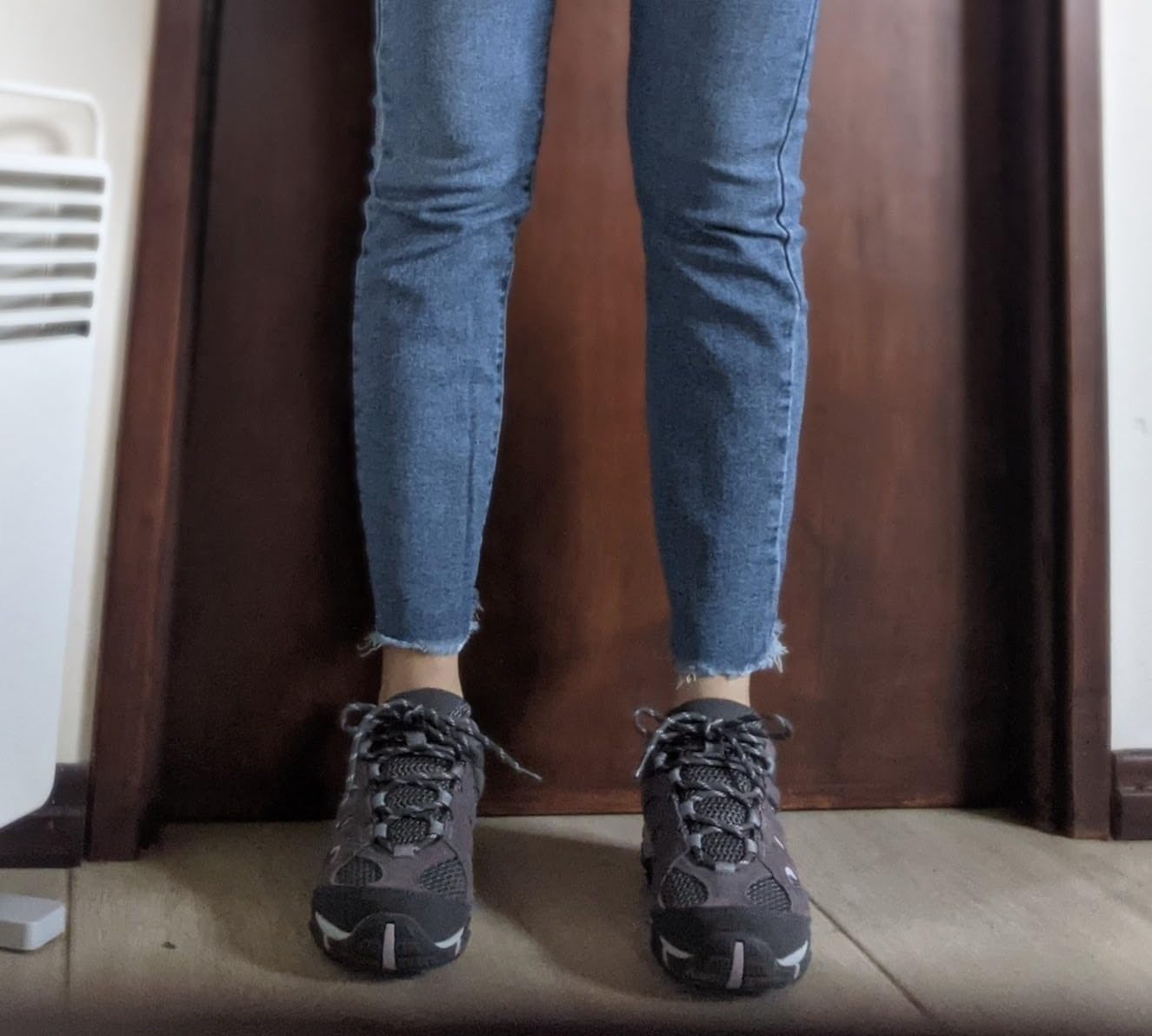
A few Merrell-specific features deserve mention because they genuinely affect trail performance:
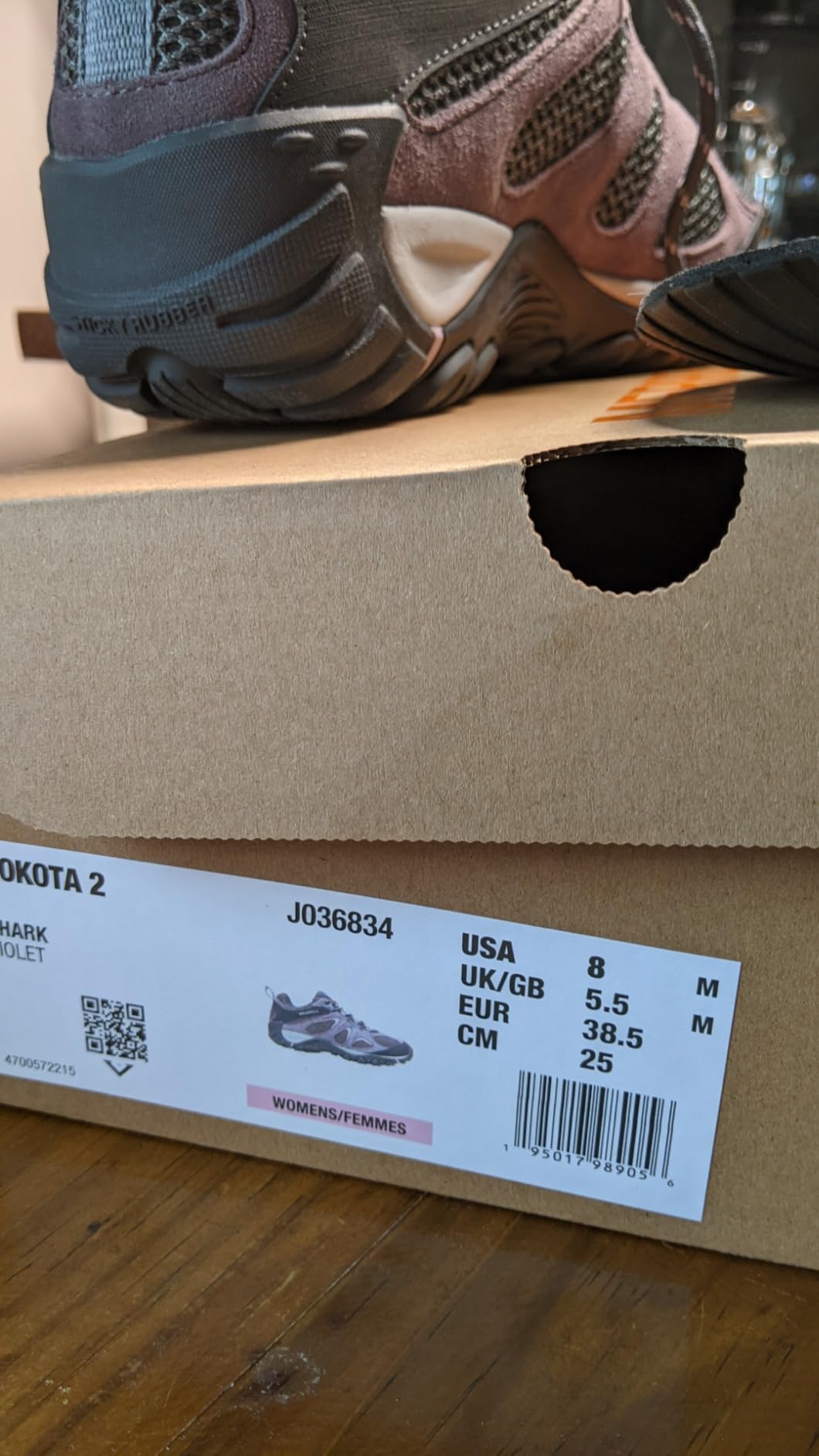
M Select GRIP outsole: The proprietary rubber compound provides what I’d call “plant-and-go” confidence on trail surfaces. The 4mm multi-directional lugs channel water and shed mud without clogging — a problem I’ve had with deeper-lug designs on other shoes.
Bellows tongue: The gusseted tongue design keeps pebbles, sand, and trail debris out of the shoe. Simple feature, real-world impact — I rarely had to stop and shake anything out mid-hike, which wasn’t the case with my previous pair of non-gusseted hikers.
TPU heel counter: The molded thermoplastic heel cup provides stability on uneven ground and prevents excessive heel movement during descents. It feels secure without being restrictive.
Molded nylon arch shank: This structural element bridges the arch area and provides torsional rigidity on rocky surfaces. You’ll notice it most on technical terrain where flex-point stability matters.
M Select FRESH antimicrobial: After 45+ sweaty hiking sessions, shoe odor was noticeably lower than what I’ve experienced with untreated shoes. It’s a minor feature but a welcome one for shoes that see heavy summer use.
Trail Performance: Where the Yokota 2 Earns Its Keep
Traction — The Standout
If this shoe has a single defining strength, it’s grip. Across 120+ miles of varied terrain, I tested the Yokota 2 on granite slabs, loose gravel switchbacks, muddy creek banks, rain-slick roots, and steep pine needle-covered slopes. The M Select GRIP outsole held confidently through all of it. On loose gravel, the multi-directional lugs channeled sliding stones rather than riding on top of them. On wet root crossings, the rubber compound gripped where I expected it to slide. Three separate muddy creek-bank hikes — zero slips.
This traction performance isn’t marketing fluff. It’s the one area where the Yokota 2 genuinely competes with shoes costing $40 to $70 more.
Water Resistance — The Critical Caveat
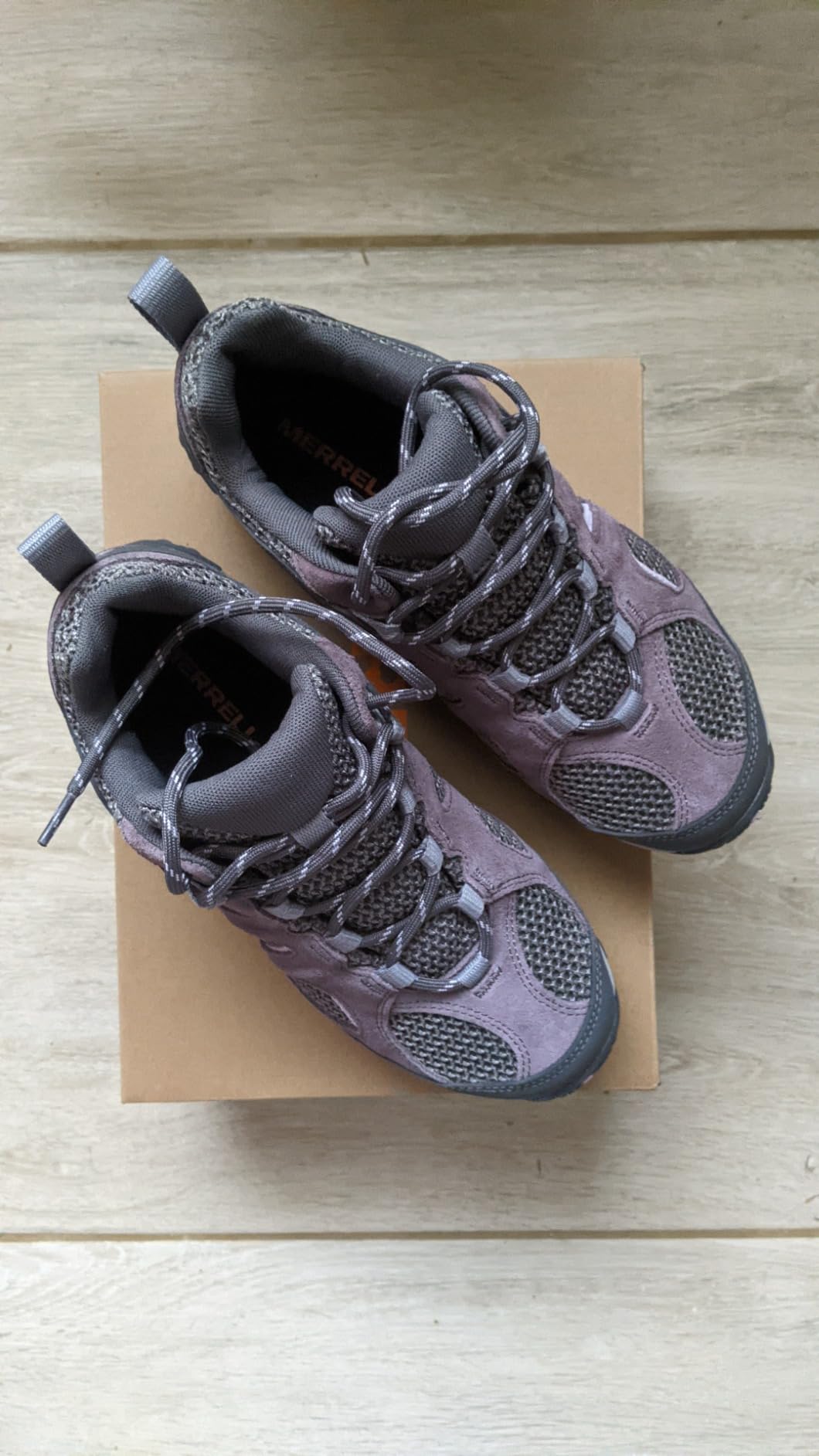
The Yokota 2 is water-resistant, NOT waterproof. That distinction matters more than you’d think.
Morning hikes through dewy meadow grass? Feet stayed dry for about 30 minutes. A 20-minute drizzle on exposed ridge? Fine — light moisture beaded off the suede. But a calf-deep creek crossing on a loop trail in the Cascades? Water came pouring in. The suede upper absorbed moisture like a sponge, and the shoes took roughly 2 to 3 hours to dry indoors at room temperature.
If your trails involve regular water crossings or you hike in regions prone to afternoon thunderstorms, you need a different shoe. The Yokota 2 Sport GTX (Gore-Tex variant) exists for exactly this reason, though it’s heavier and less breathable. Or consider the KEEN Women’s Targhee III for full waterproof coverage with wide-width options.
There’s also an unexpected traction quirk: on wet city pavement and smooth tile, the M Select GRIP compound loses most of its confidence. These lugs were engineered for trail surfaces — dirt, rock, roots — not polished concrete. If you’re walking from the trailhead through a parking structure in wet conditions, take it slow.
Breathability — A Real Strength
The suede-and-mesh construction pays dividends in warm weather. During multiple summer sessions at 85°F and above, my feet stayed meaningfully cooler than they do in fully waterproofed hiking shoes that trap heat behind membranes. The mesh panels allow genuine cross-ventilation, and the M Select FRESH treatment kept odor development below what I’m used to after all-day outings.
The trade-off is obvious: you’re choosing breathability over weather protection. That’s a worthwhile trade for spring, summer, and early fall hiking in dry climates. It’s less ideal for Pacific Northwest rain or shoulder-season mud.
What You’re Giving Up at $85
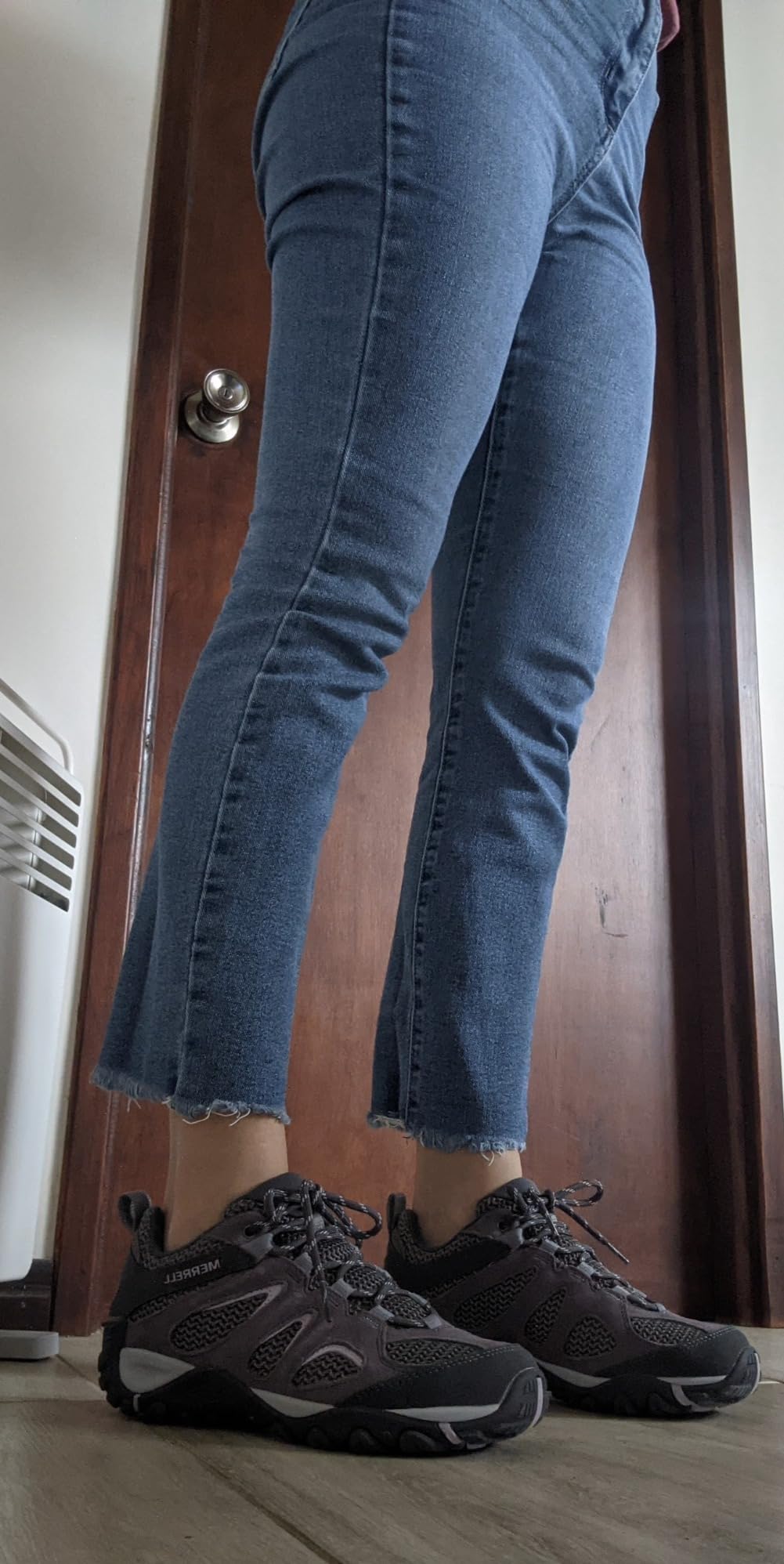
Every budget hiking shoe involves trade-offs. Here’s what $85 buys and what it doesn’t:
| Feature | What You Get | What You Don’t |
|---|---|---|
| Traction | Excellent trail grip — competes with $140+ shoes | Poor wet pavement grip |
| Breathability | Superior ventilation for warm weather | No weather protection in rain |
| Cushioning | Adequate for 3-6 mile day hikes | Impact felt beyond 6-8 miles on rock |
| Insoles | Removable, orthotic-compatible | Stock insoles need replacing by week 3-4 |
| Sizing | Fits well when you get the right batch | Production batch inconsistency |
| Width | Standard fit works for most feet | No wide option — narrow forefoot |
| Durability | Suede upper holds up well (12-18 months regular use) | Midsole compresses faster than premium shoes |
The true cost equation: $85 shoe + $20 insole upgrade = $105 for a reliable day hiker. At 12 to 18 months of regular weekend use — let’s say 150 outings — that works out to roughly $0.70 per hike. Heavy users doing 5+ miles four times a week can expect 6 to 12 months, bringing cost-per-hike down but replacement frequency up.
Who Should Buy the Yokota 2
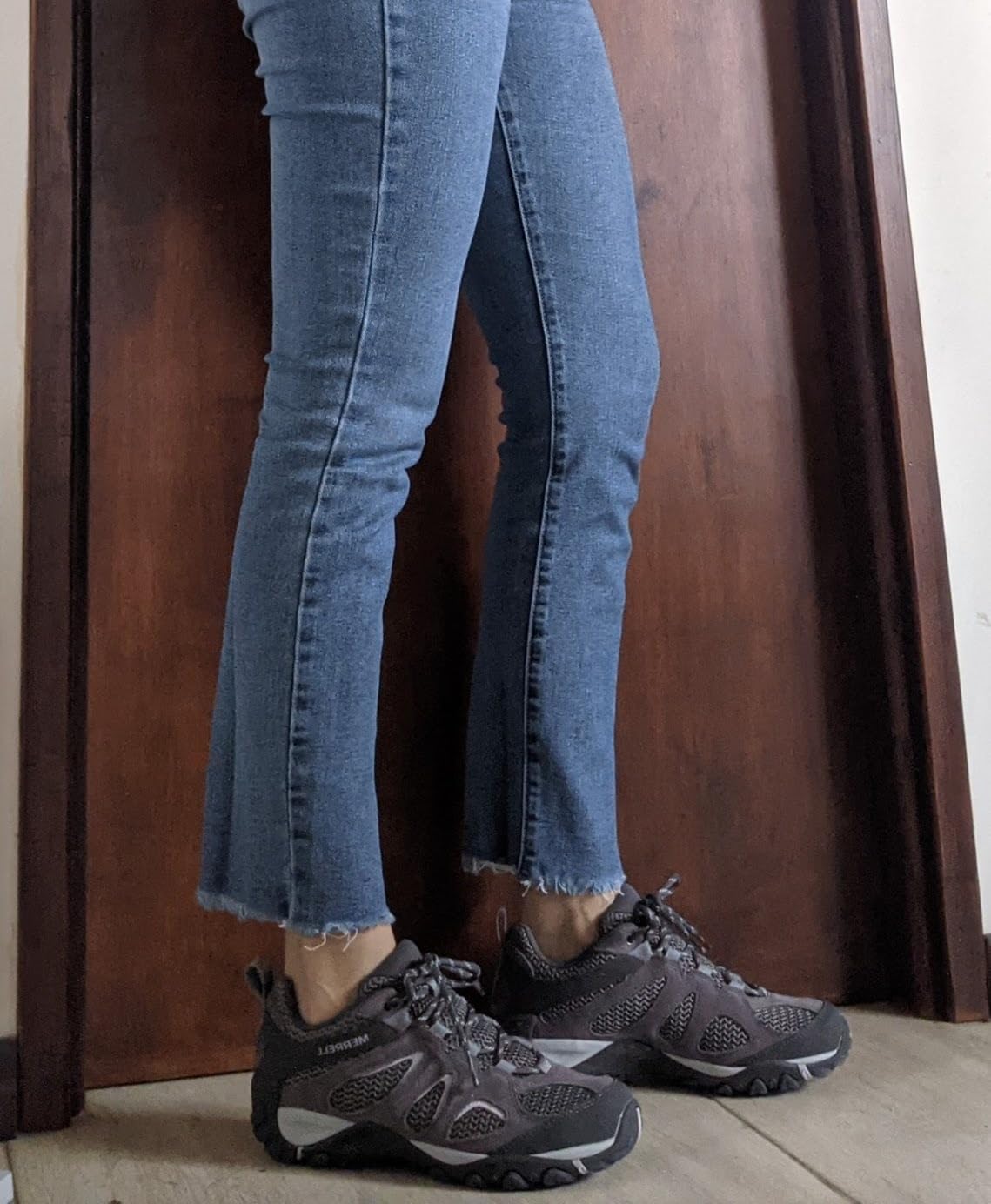
Weekend day hikers covering 3 to 8 miles on rocky, mixed terrain — this is the Yokota 2’s sweet spot. The traction-to-price ratio is hard to beat.
Warm-weather hikers who prioritize keeping their feet cool over rain protection. If you hike spring through fall in dry climates, the breathability advantage is tangible.
Budget-conscious outdoor enthusiasts willing to invest an extra $20 in aftermarket insoles. At $105 all-in, the performance justifies the spend.
Hikers transitioning from road shoes to trail shoes who want a lightweight, low-cut option that doesn’t feel like a clunky boot.
When to Look Elsewhere
Wide feet: No wide variant exists, and the forefoot runs narrow. Consider NORTIV 8 Women’s Lightweight Hiking Shoes or KEEN Targhee III in wide.
Wet-weather trails: If you regularly cross streams or hike in rain, the water-resistant coating isn’t enough. Look at the Merrell Moab 2 Vent waterproof variant or KEEN Terradora for sealed construction.
Long-distance trekking: The cushioning ceiling at 6-8 miles makes this wrong for 15+ mile days or multi-day backpacking with heavy loads.
Winter hiking: No insulation, no thermal protection. This shoe isn’t designed for temperatures below about 40°F or snow conditions.
My Overall Assessment
| Category | Score | Notes |
|---|---|---|
| Comfort | 7.5/10 | Immediate comfort; insole upgrade extends it |
| Traction | 8.5/10 | Standout feature — confident on all trail surfaces |
| Durability | 7.5/10 | Suede holds well; midsole compresses over time |
| Breathability | 8.0/10 | Genuine airflow advantage in warm weather |
| Value | 7.5/10 | Good for $85 — factor in $20 insole cost |
| Sizing Consistency | 5.5/10 | Batch variance is a real frustration |
| Overall | 7.4/10 | Reliable day hiker with clear strengths and honest limitations |
Frequently Asked Questions
Do the Merrell Yokota 2 run true to size?
Inconsistently. My size 8.5 fit perfectly, but other women in my testing group needed half-size adjustments in both directions. Production batch variance is the culprit. Order your standard size from a retailer with free returns, and be prepared to exchange if the toe box feels tight or the heel feels sloppy.
Are the Yokota 2 waterproof?
No. They’re water-resistant, which handles morning dew and light drizzle for about 30 minutes. Any real water exposure — creek crossings, puddles, sustained rain — means wet feet. If you need waterproofing, look at the Yokota 2 Sport GTX (Gore-Tex) or a different model entirely.
Should I replace the insoles?
Plan on it. The factory Kinetic Fit BASE insoles are adequate for the first 2-3 weeks. By week 4, arch fatigue appears during longer hikes. A $15-25 aftermarket insole from Superfeet or Spenco solves this and significantly extends your comfort window. Budget it into your purchase cost.
How long do Merrell Yokota 2 last?
Regular weekend hiking (3-6 miles, 2-3 times per month): 12-18 months. Heavy use (10+ miles, 3-4 times per week): 6-12 months. Casual/occasional use: 2+ years. The suede upper outlasts the midsole cushioning, so you’ll likely replace them when the EVA compresses rather than when the upper fails.
Are they good for wide feet?
Not ideal. The Yokota 2 comes in standard width only — no wide variant exists. The forefoot runs on the narrow side. If foot width is a priority, the KEEN Targhee III and NORTIV 8 Women’s Hiking Shoes both offer wide-width options.
How does the Yokota 2 compare to the Merrell Moab 2 Vent?
The Yokota 2 is more breathable and slightly lighter. The Moab 2 Vent is often cheaper on sale ($60-80), has a heel brake for better descent control, and comes in wide widths. If budget is the priority, the Moab 2 Vent is hard to beat. If breathability and immediate comfort matter more, the Yokota 2 edges ahead.
Can I use these for backpacking?
For overnight trips with a light pack (under 15 lbs), they’ll work in dry conditions. For multi-day treks with full packs, the limited cushioning and low-cut design won’t provide enough support. Day hiking and casual trail walking are where these belong.
Where’s the best place to buy them?
Merrell.com, Amazon, or Zappos — all offer free returns, which matters given the sizing inconsistency. MSRP is $85, but clearance deals as low as $45-60 appear periodically. Avoid gray-market sellers where warranty coverage may not apply.
Bottom Line
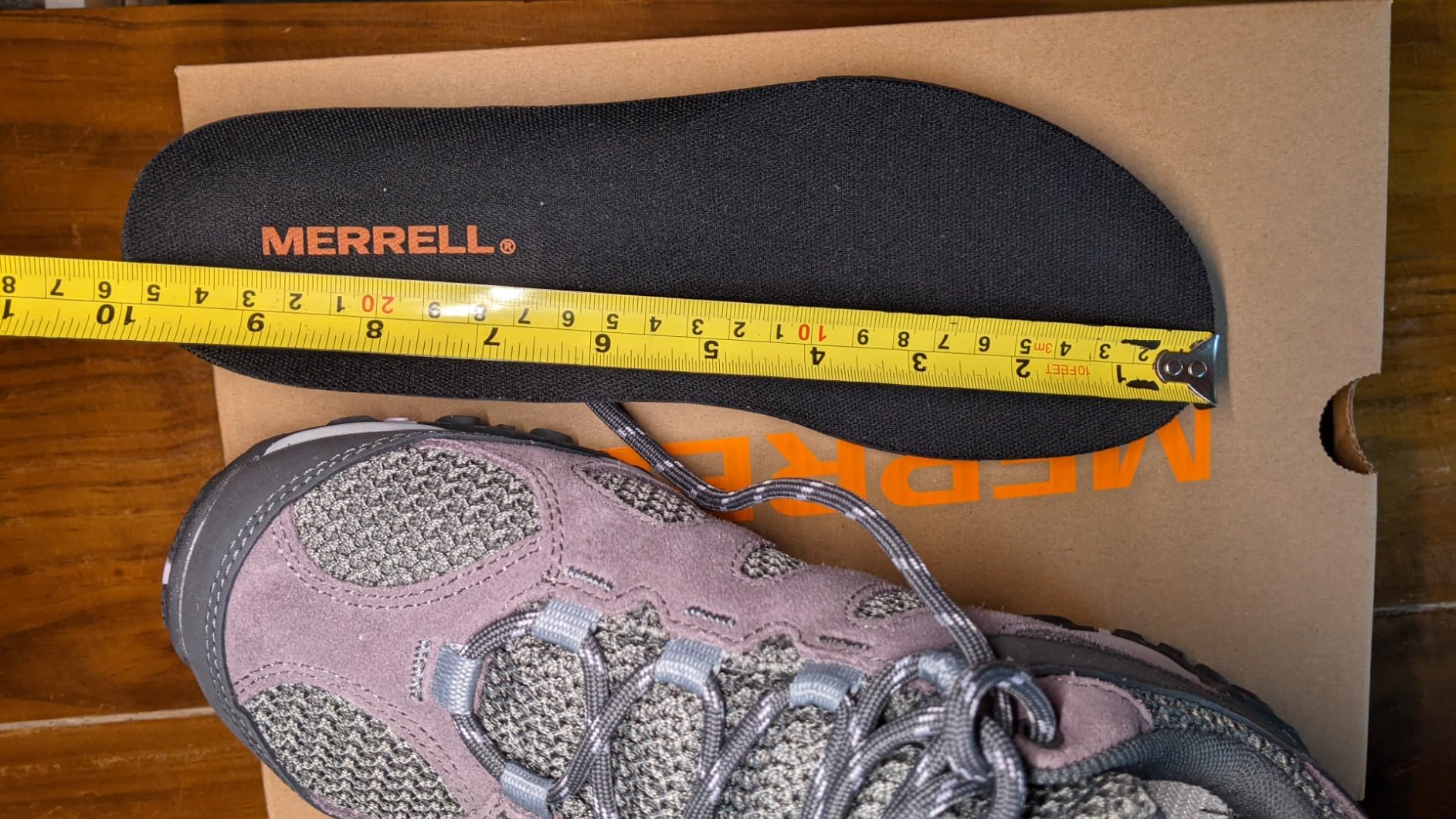
The Merrell Women’s Yokota 2 does what budget day hikers rarely manage: it delivers genuinely excellent traction, immediate out-of-box comfort, and superior breathability at a price that doesn’t require justification. The sizing inconsistency is a legitimate frustration, and the factory insoles need an upgrade that adds $20 to your real cost. But if you’re a weekend hiker covering moderate distances on varied terrain in warm weather, the Yokota 2 earns its place in your gear rotation.
Four women in my hiking group now own a pair. We all swapped the insoles. None of us are looking to replace them yet — and at 120+ collective miles, that tells you something.
Overall: 7.4/10 — Recommended for day hikers who understand the limitations and budget for the insole upgrade.
Be the first to review “Merrell Womens Yokota 2”
Related products

Hiking/Trekking Shoes
Hiking/Trekking Shoes
Hiking/Trekking Shoes
Hiking/Trekking Shoes
Hike Footwear HF Signature Healthy & Non-Slip Breathable Barefoot Shoes
Hiking/Trekking Shoes
Hiking/Trekking Shoes

Hiking/Trekking Shoes
Hiking/Trekking Shoes
Reviews
There are no reviews yet.