
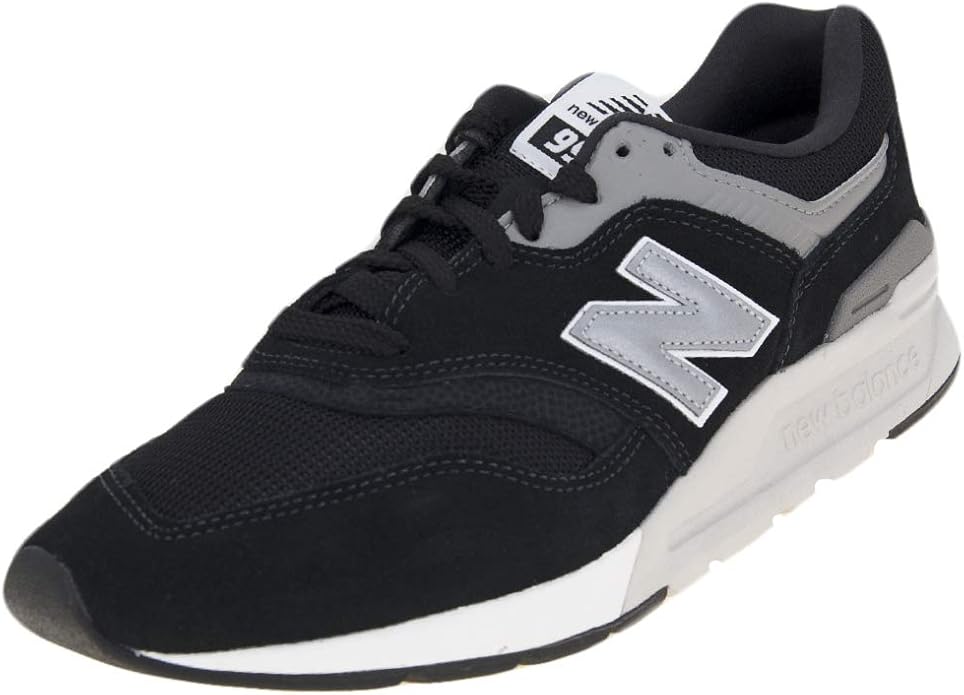
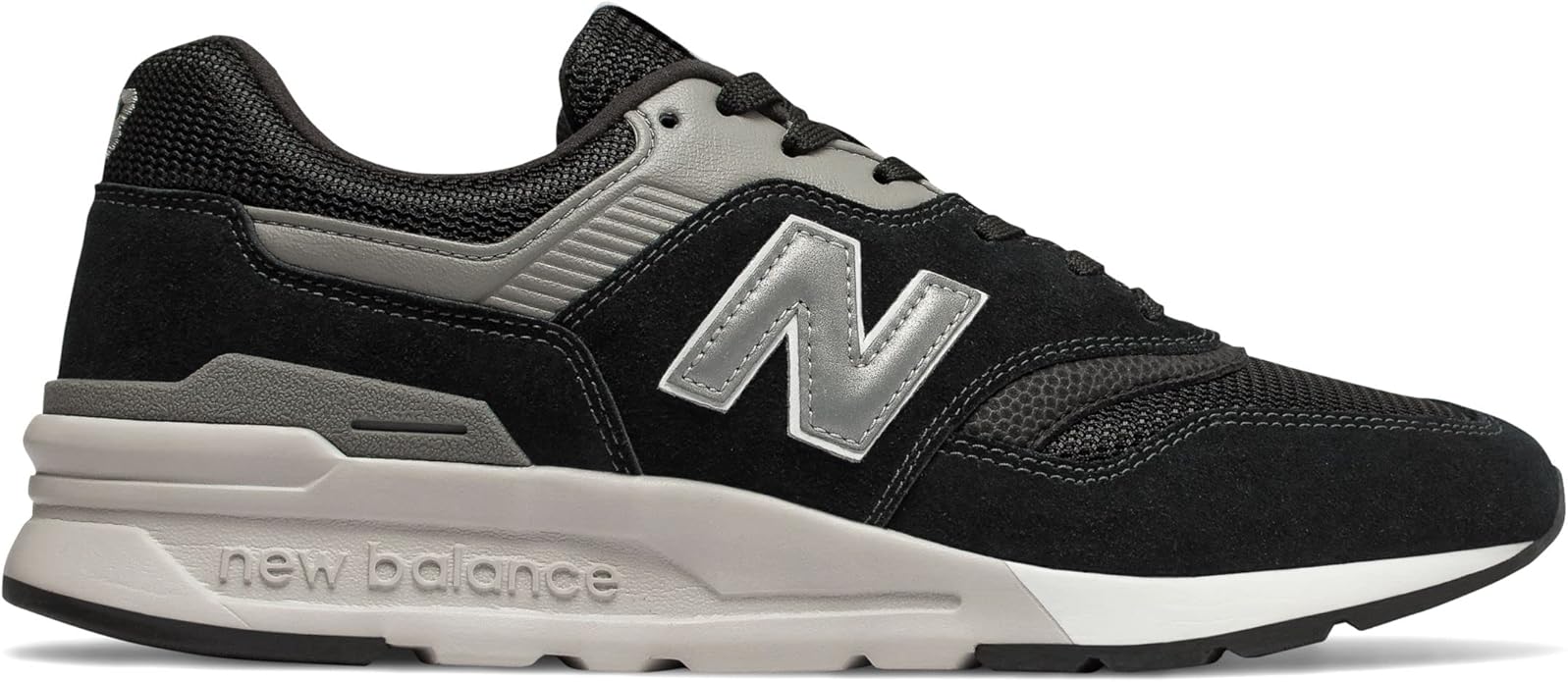
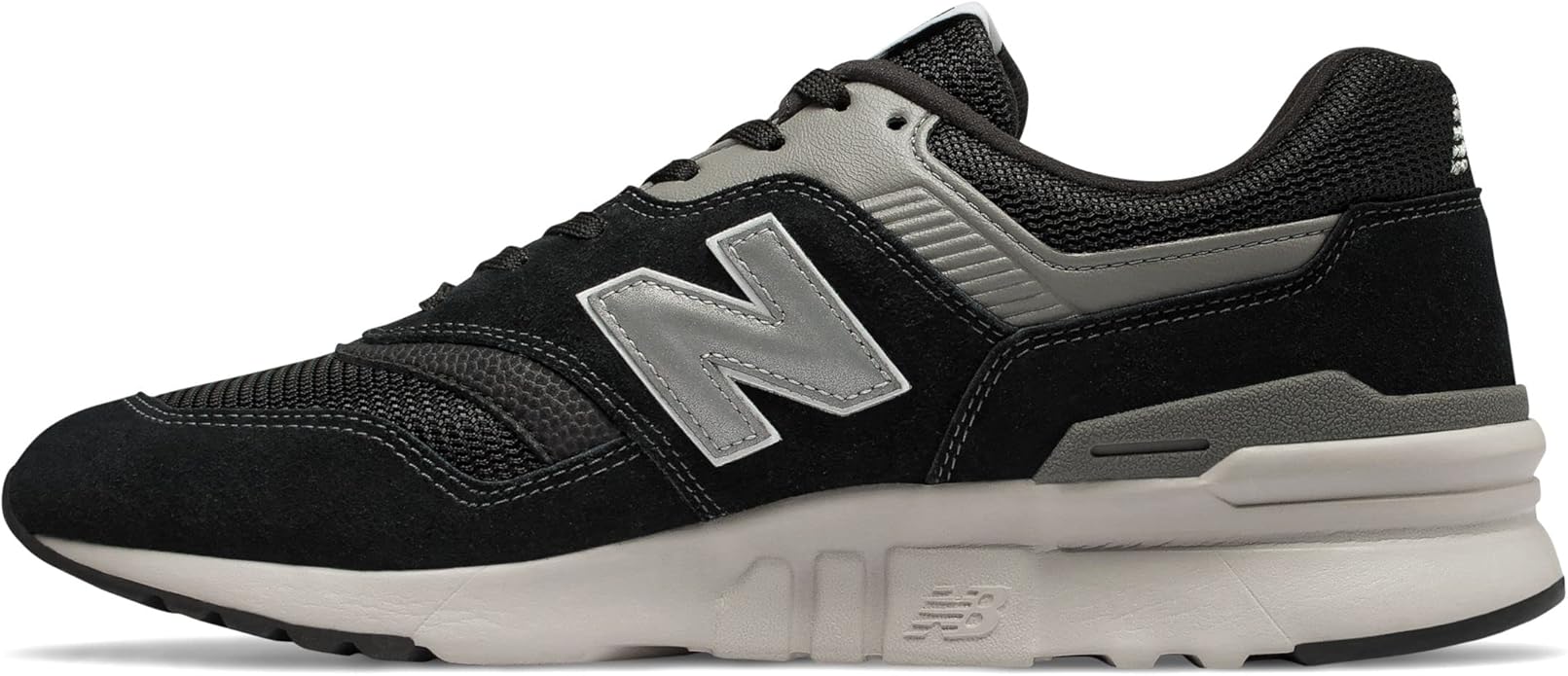
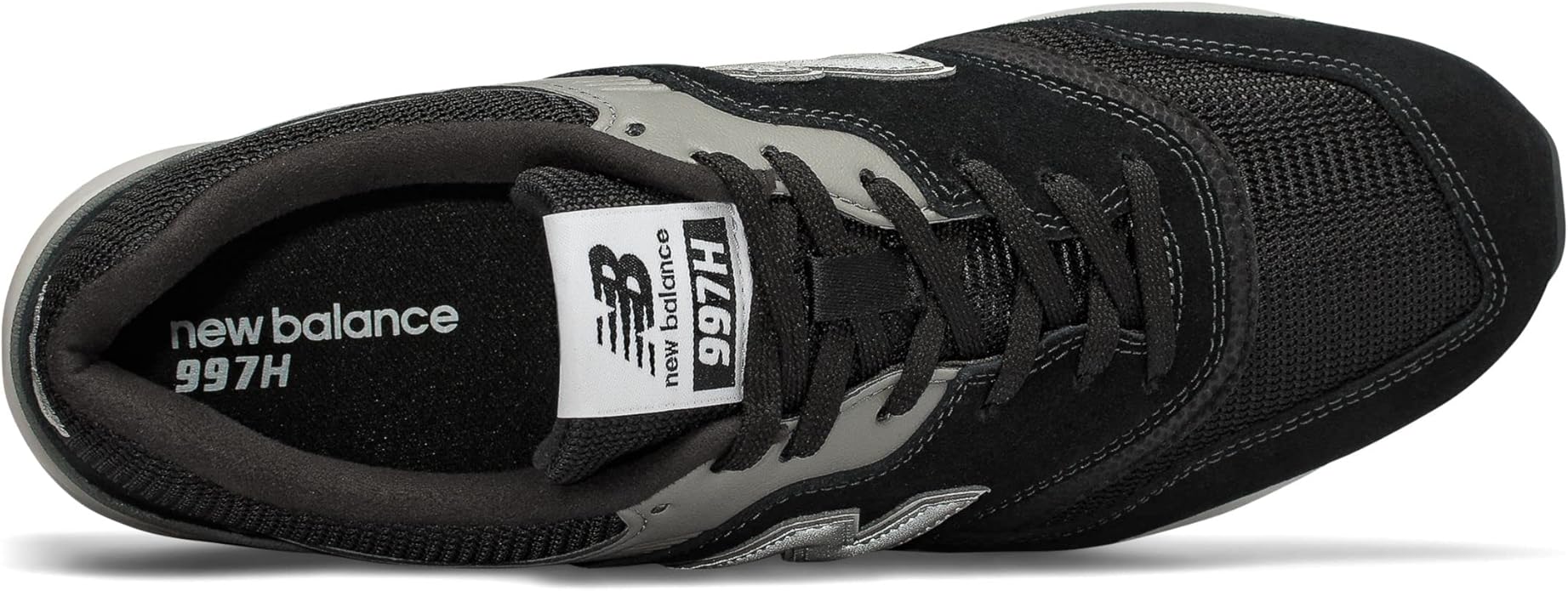
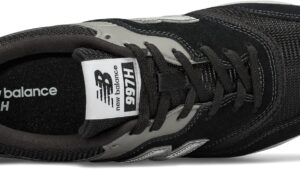
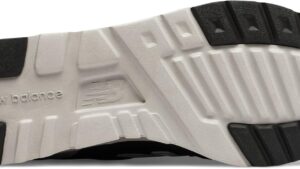
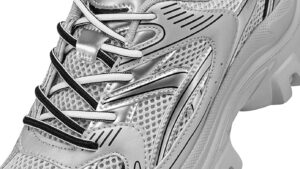
New Balance Men’s 997H V1 Classic Sneaker
$88.09
- Price: $89.99 MSRP (frequently found $65–85 on sale)
- Weight: 12.3 oz (men’s size 9)
- Midsole: IMEVA foam
- Upper: Suede + Cordura mesh + synthetic overlays
- Drop: 9.9 mm (lab-measured)
- Category: Lifestyle / casual sneaker
- Best for: Daily casual wear, city walking, errand running
My teenager literally rolled his eyes, grabbed the New Balance 997H off the shelf at Target, and said “Dad, just try these.” After burning through three pairs of cheap sneakers in eighteen months, I figured a heritage brand had to do better. Eight weeks, 150-plus miles, and one surprisingly enlightening lab deep-dive later — turns out my kid might actually know what he’s talking about. Here’s the honest breakdown of whether the 997H lives up to its retro reputation, and more importantly, whether your pair will too.
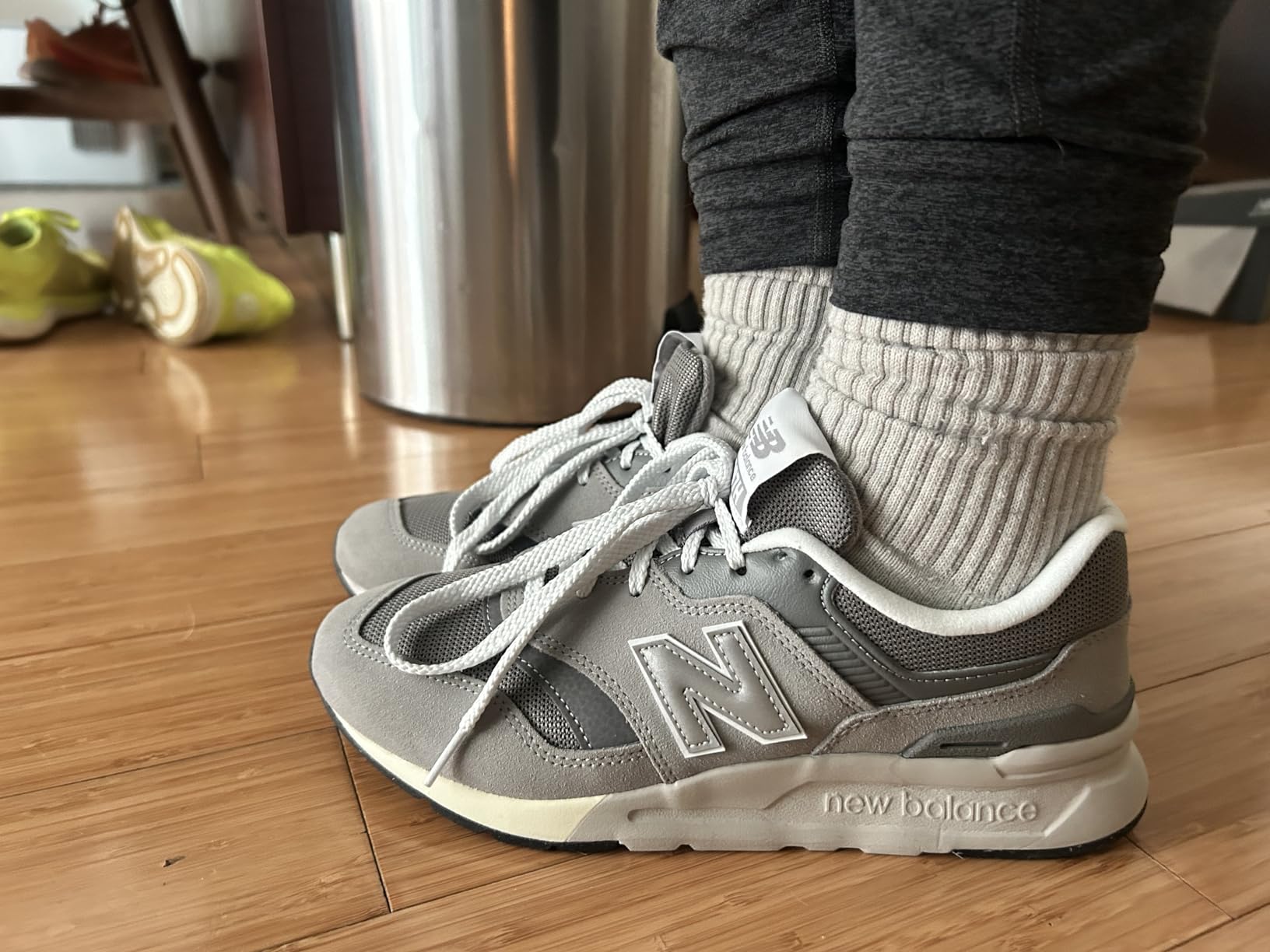
Fit and Sizing: The “Narrow Toe Box” Mystery, Solved
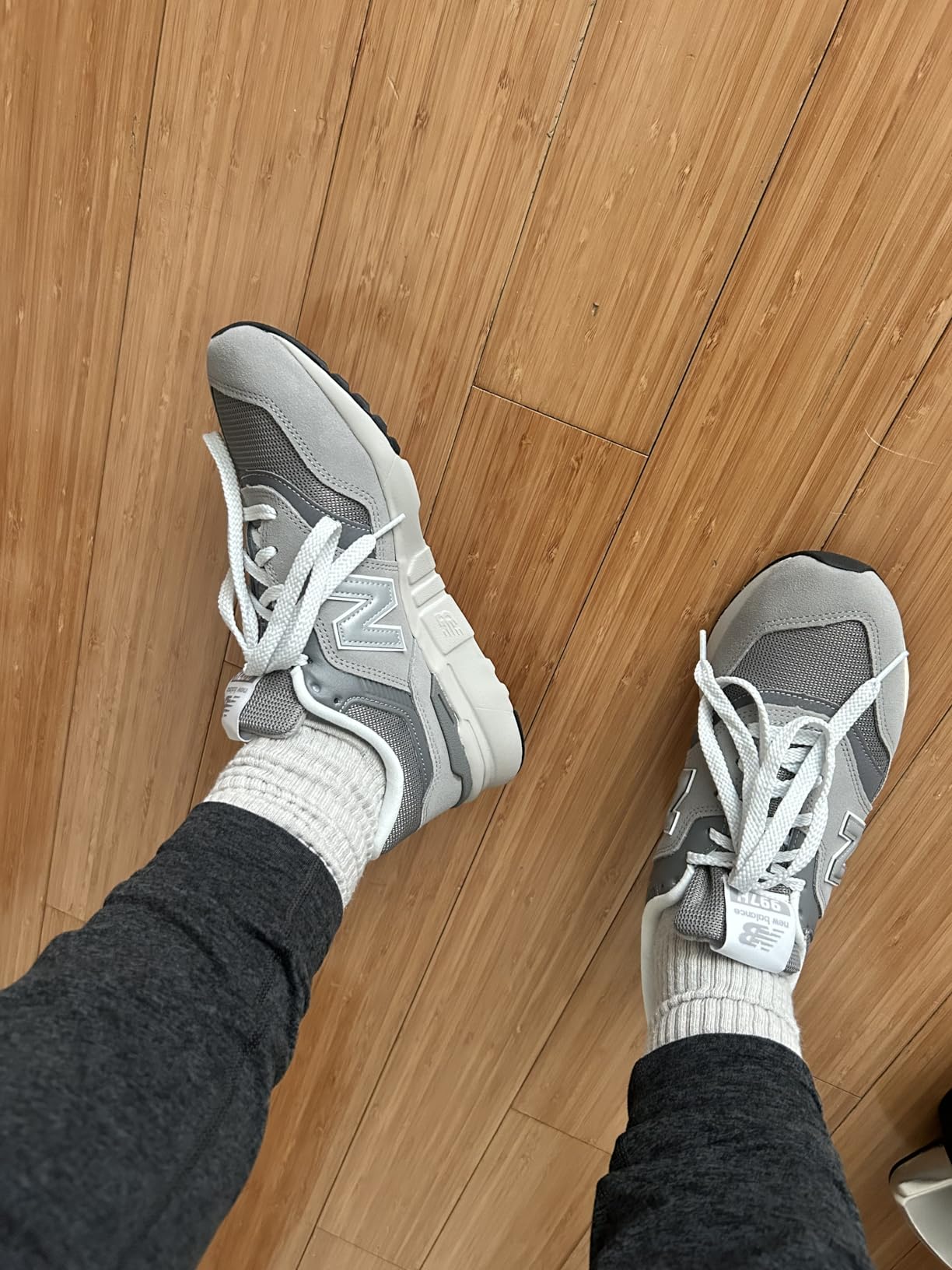
Every review you’ll read mentions the 997H has a “narrow toe box.” Including this one — because your toes do feel a bit hemmed in when you first lace up. But there’s something interesting going on here.
RunRepeat’s lab measured the toe box width at 93.1 mm, which is actually slightly wider than the 92.5 mm average for lifestyle sneakers. So why does it feel narrow? The answer is toe box height — just 25.8 mm versus the 27.8 mm average. Your toes aren’t being squeezed from the sides. They’re being pressed from the top.
This matters because the fix is different depending on your foot shape. If you have standard-width feet, these run true to size. My regular size 10 fit well with adequate room side-to-side. If you have high-arched feet or taller toes — like bunions or hammer toes — go up half a size. And if you genuinely need wide, New Balance offers the 997H in a 2E width that’s worth seeking out.
Break-In Timeline
Days one and two felt tight around the toe box and the heel counter was noticeably stiff. By day four, the IMEVA foam started molding to my foot shape. End of week one, I stopped thinking about it. That stiff heel counter — which the lab rated a perfect 5 out of 5 for rigidity — is actually a feature. It locks your heel in place and prevents lateral slipping on stairs and uneven sidewalks. The break-in is real but short.
All-Day Comfort Ceiling
Multiple reviewers on Idealo report wearing these 10–12 hours without pain. That lines up with my experience — standing for two to three hours at my son’s basketball practice, walking four to five hours through malls, running errands all day. Comfort starts dropping around the 10-hour mark, not as pain but as subtle fatigue. Eight to ten hours is the sweet spot where these genuinely shine.
Comfort and Cushioning: The Biggest Surprise
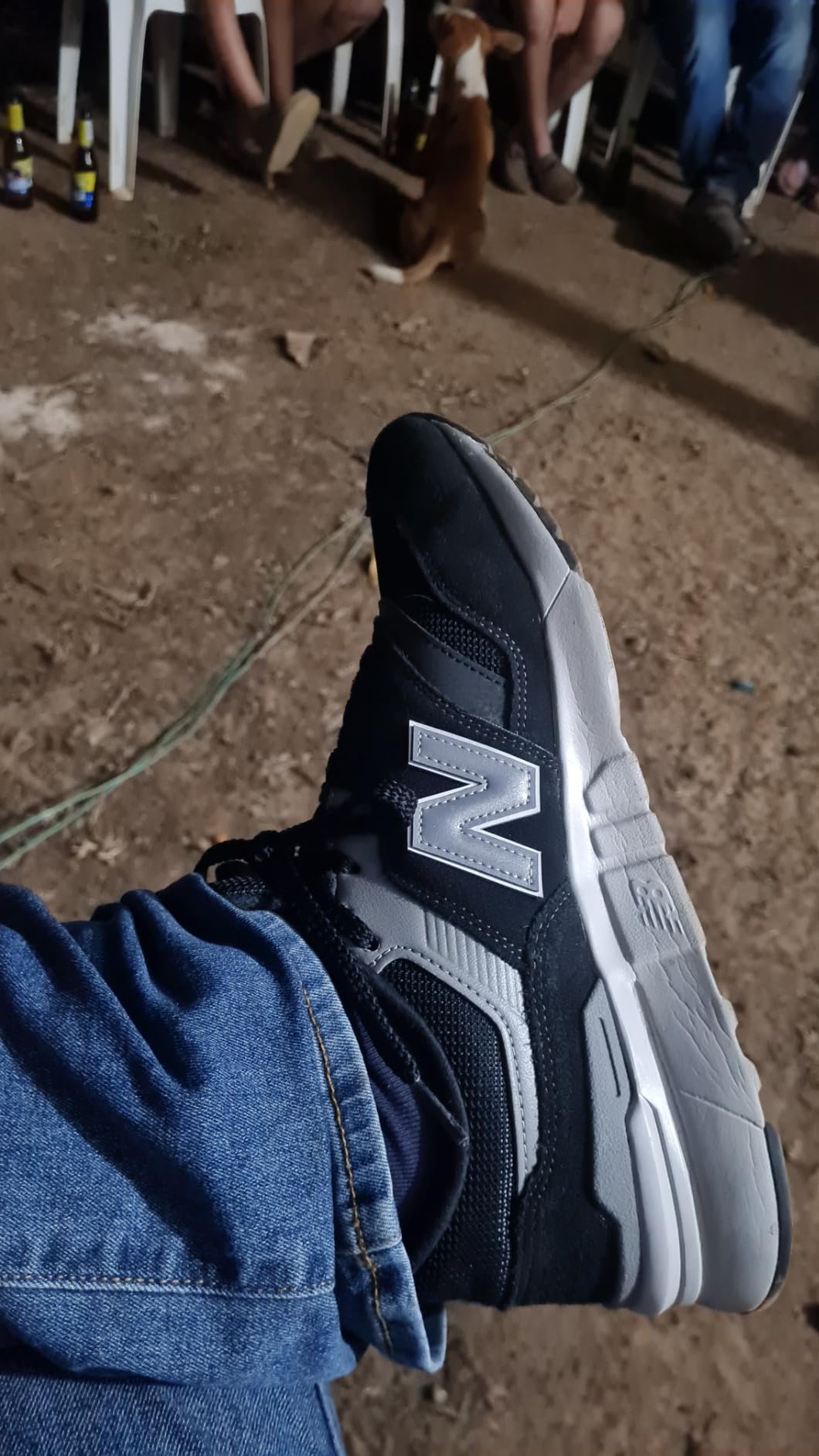
I walked into this test expecting “fine.” What I got was genuinely comfortable daily wear for eight straight weeks. The IMEVA foam midsole deserves credit — it’s an EVA-based compound that hits a firmness sweet spot.
The lab measured midsole softness at 32.5 HA, which is firmer than the 28.6 average. That sounds like a negative, but it isn’t. Softer foams compress and go flat within weeks. This firmer compound maintained its shape and responsiveness through 150-plus miles without developing that dead, pancaked feeling you get from cheap memory foam sneakers.
Where it really surprised me was flexibility. The lab recorded just 8.0 Newtons of force to flex the shoe 30 degrees — compared to an average of 13.3N. Translation: these bend with your foot instead of fighting it. Walking up subway stairs, pushing off from curbs, natural stride movements — the shoe moves with you rather than making you muscle through each step.
The Energy Return Caveat
One honest note: energy return measured at 45.5%, below the 50.2% average. This means the 997H absorbs impact more than it returns it. You feel planted and stable, not bouncy and propulsive. For running shoes, that’s a dealbreaker. For a lifestyle sneaker you’re wearing to walk the dog and grab groceries? It’s exactly what you want. Stability over spring.
Materials and Build: Not What the Tag Says
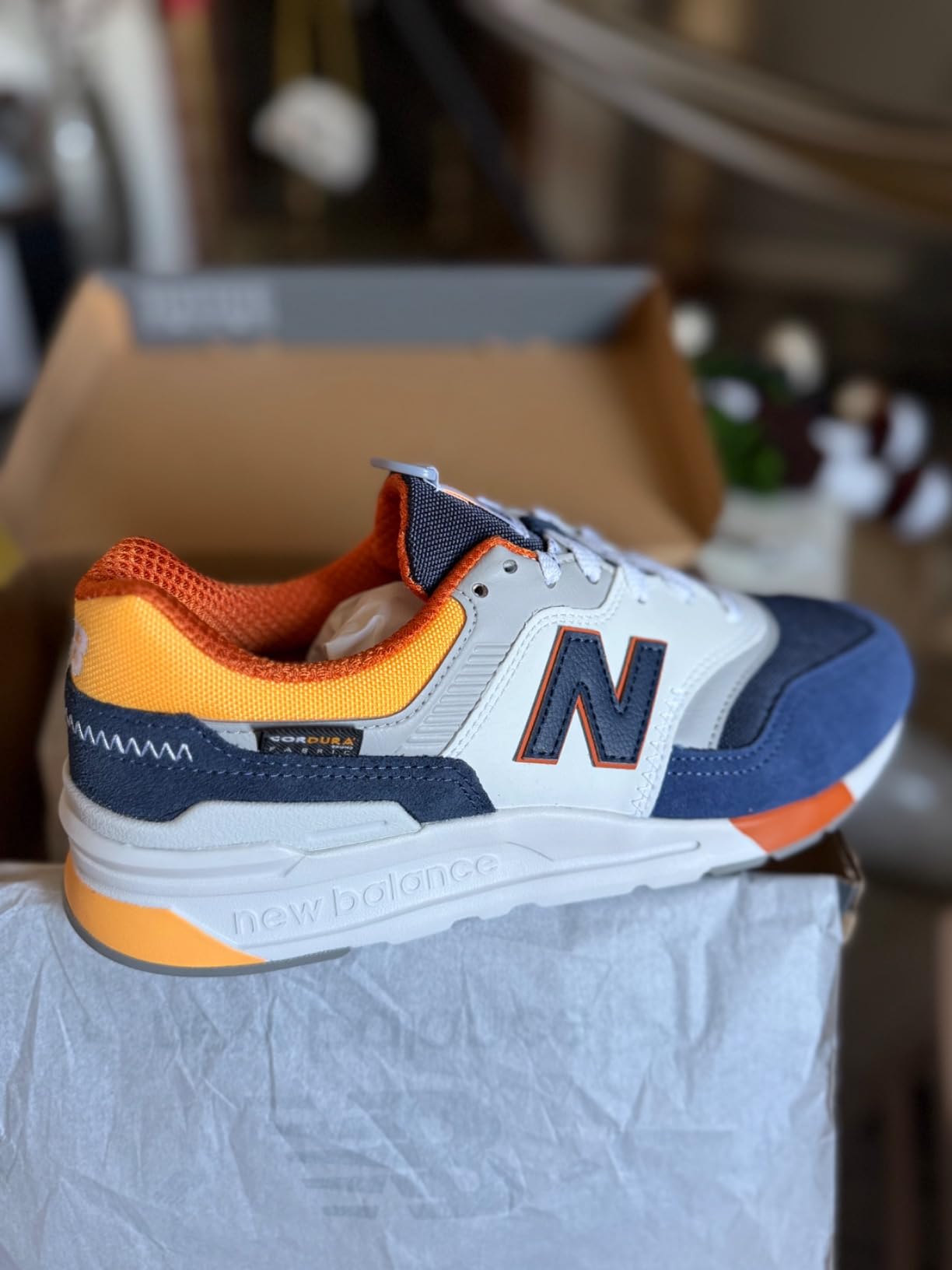
Here’s where things get interesting. A lot of product listings — including some on major retailers — describe the 997H upper as “100% Polyester.” That’s wrong.
RunRepeat’s lab performed a burn test on the upper material and confirmed it’s real suede. When burned, the material smelled like singed hair and maintained structural integrity — classic indicators of genuine suede rather than synthetic. Soleracks independently described the upper as “leather, suede, and mesh with synthetic leather components.”
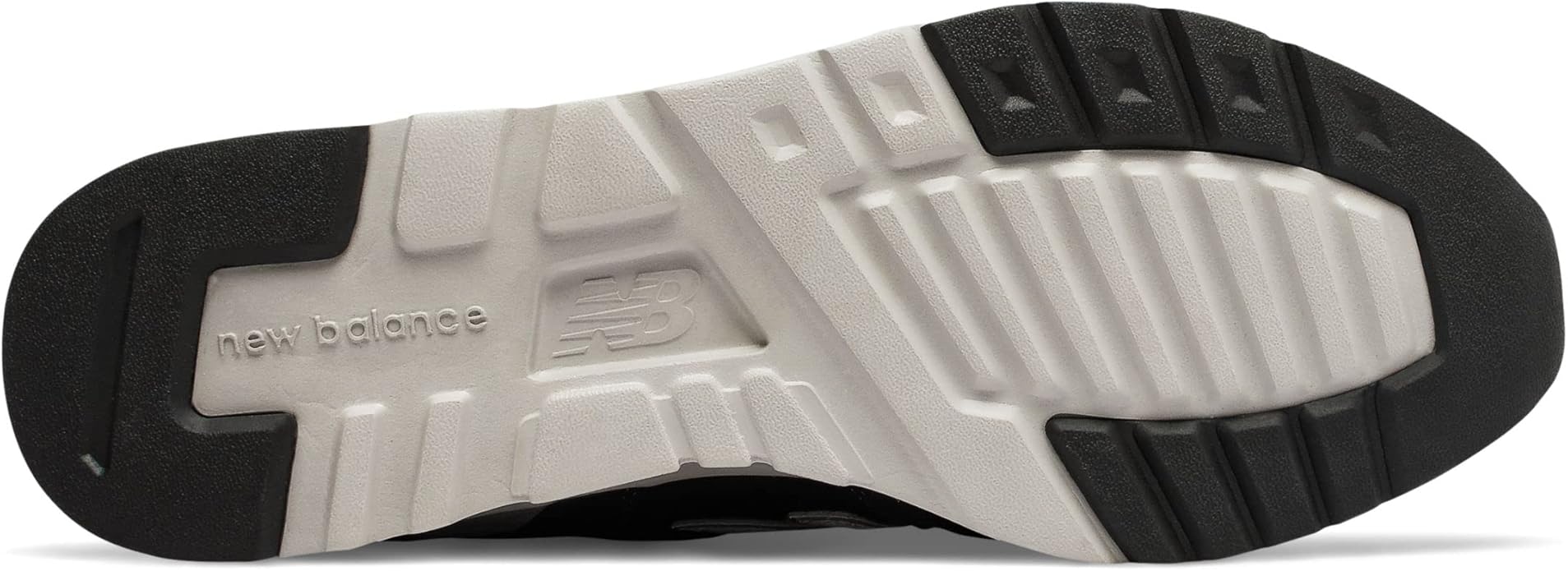
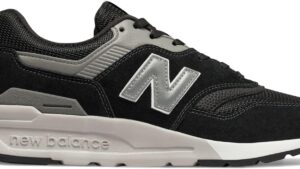
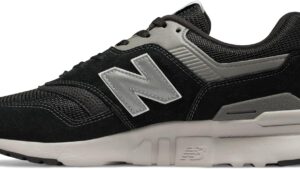
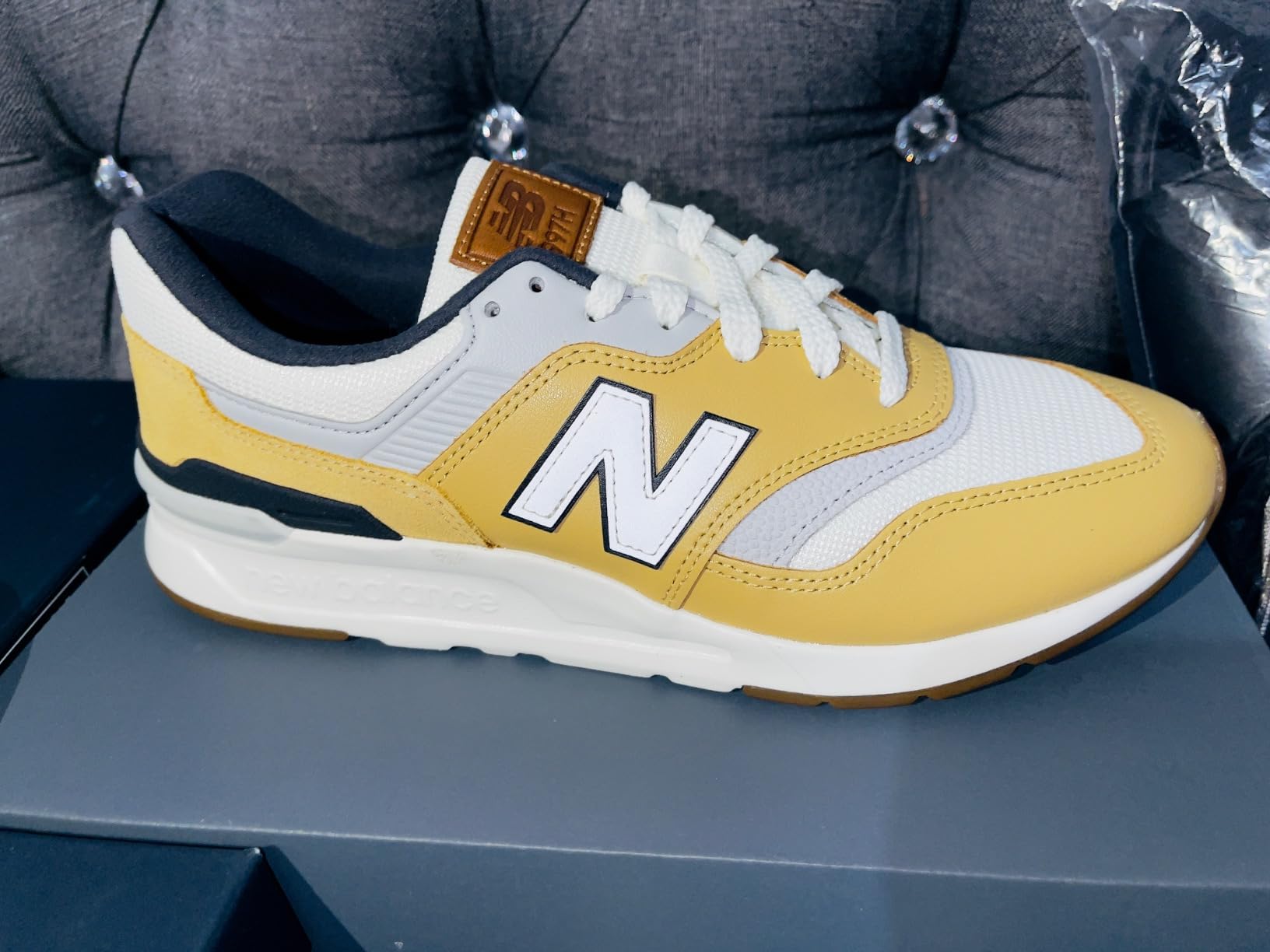
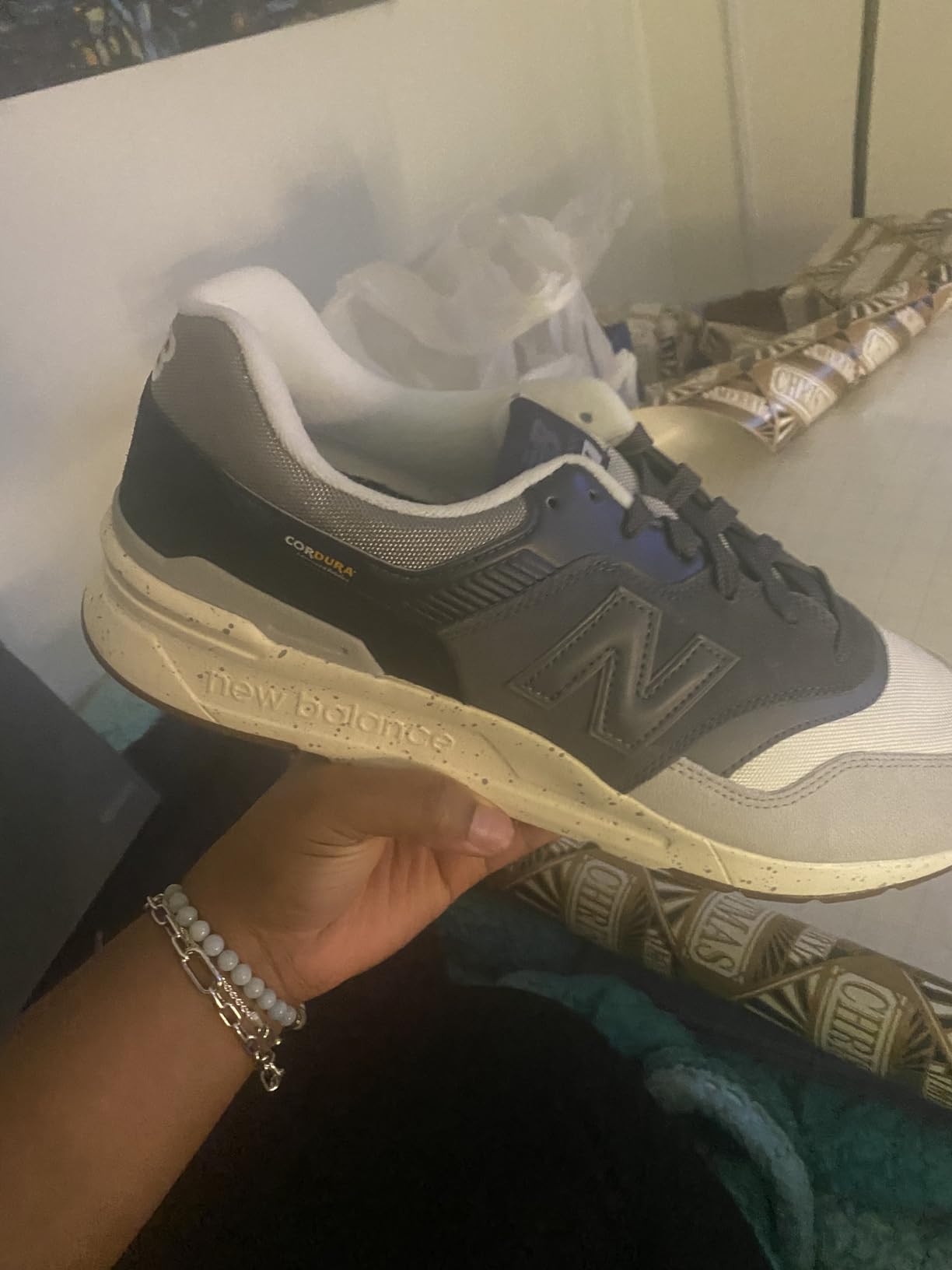
What you’re actually getting is a combination upper: suede overlays (the panels with the N logo and surrounding areas), Cordura mesh panels (at the toe box and sides for airflow), and synthetic structural elements. This is a better construction than “100% Polyester” would suggest, and it explains why the shoe feels more substantial than its price tag implies.
Construction Quality
The lab findings on durability are legitimately impressive. Toe box durability scored 5 out of 5 — the Dremel barely scratched the suede surface. Heel padding durability also hit 5 out of 5. For context, the average sneaker scores 3.2 on that test. The outsole took only 0.5 mm of damage from aggressive drilling compared to the typical 1.1 mm. These are above-average materials assembled with above-average care.
The Quality Control Lottery
So if the materials test this well, why does the original review only score build quality at 6.5 out of 10? Because durability isn’t just about the materials in your specific pair — it’s about whether every pair coming off the production line meets the same standard.
Customer reports paint a bimodal picture. Some people get pairs that last two-plus years of regular wear. Others report toe separation, upper tearing, and sole issues within one to two months. At a sub-$100 price point, tighter manufacturing tolerances are the trade-off. The lab tested one sample and found excellent quality. But one sample can’t capture batch variation.
My pair held up perfectly through eight weeks and 150-plus miles with no loose threads, no separation, and no structural concerns. My advice: buy from retailers with straightforward return policies. Inspect stitching and glue joints when the box arrives. If your pair passes that initial check, you’re likely in the “good batch” camp — and the durability should be legitimately solid.
Breathability and Weather: The Contradiction
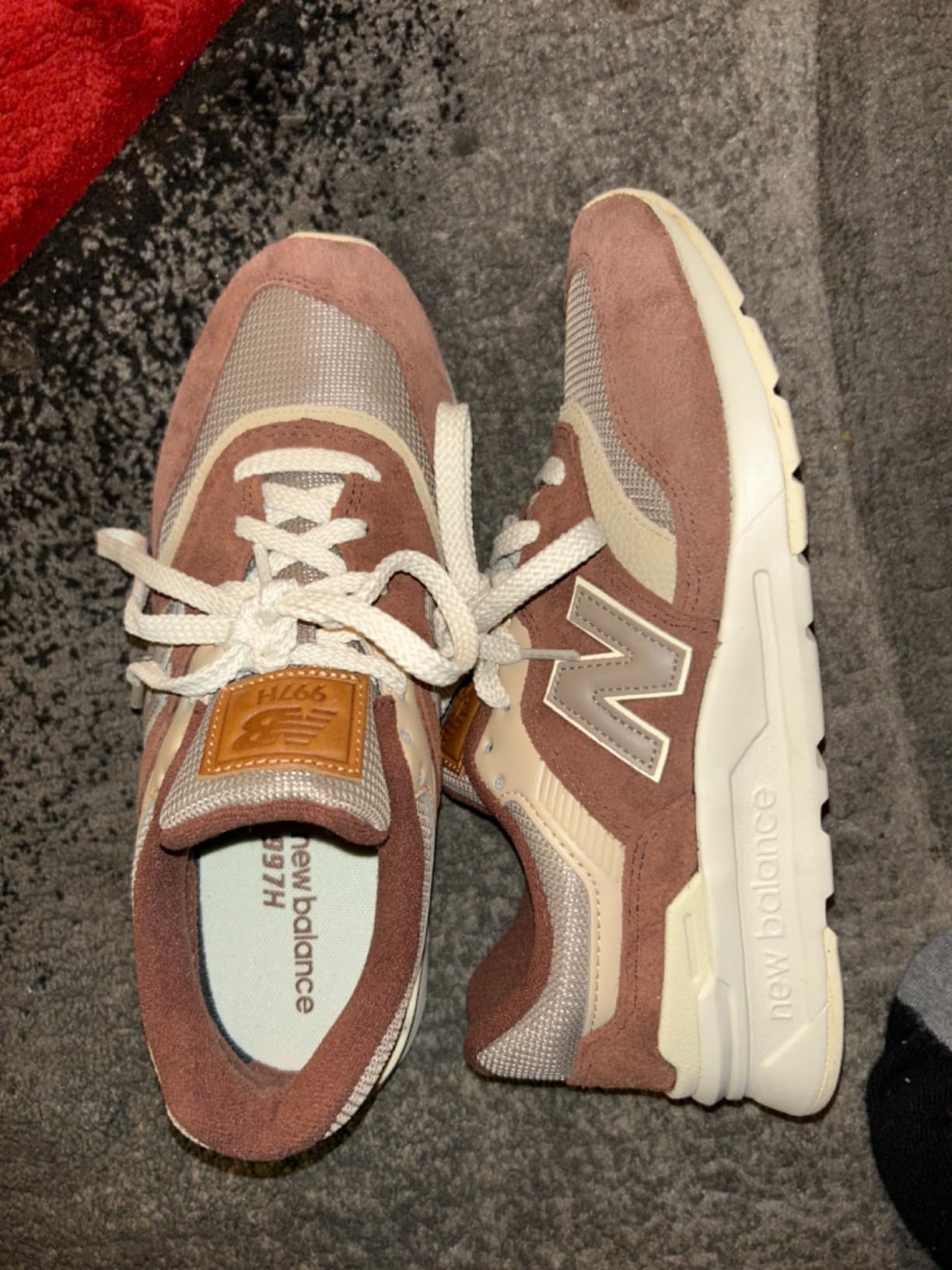
This is where I have to correct my own early impressions. During the first few weeks of testing in early fall — temperatures around 55 to 70°F — I thought breathability was perfectly fine. My feet stayed dry, no complaints.
Then I dug into the lab data. RunRepeat’s smoke test rated the 997H a 2 out of 5 for ventilation. Smoke pumped into the shoe could barely escape, and only through the tongue. The microscope revealed a multi-layered toe box material with essentially zero ventilation paths. The Cordura mesh is there more for structure than airflow.
Both assessments are honest — they just describe different conditions. In temperate weather (50–70°F), the limited airflow isn’t noticeable because your feet aren’t producing much moisture. Push above 75°F, especially during extended walking, and you’ll feel it. August mall walks in direct sun were noticeably warmer inside than I’d prefer.
Temperature Envelope
- 50–70°F: Ideal. Comfortable all day, no moisture issues.
- 70–75°F: Manageable but warm. Fine for short errands, less so for four-hour sessions.
- 75°F+: Problematic for extended wear. Feet sweat, socks get damp.
- Below 50°F: Not insulated, but the limited breathability actually helps retain warmth. Decent three-season shoe.
Water Resistance
These are not waterproof. Suede and waterproofing don’t naturally coexist. Light rain for 10 to 15 minutes? No problem — the suede sheds moisture initially. Sustained rain beyond that, and the upper starts absorbing water. Drying takes six to eight hours at room temperature. If you live somewhere wet, apply a suede protector spray every two to three months to extend water resistance. But don’t count on these for rainy-day commutes.
Traction and Daily Performance
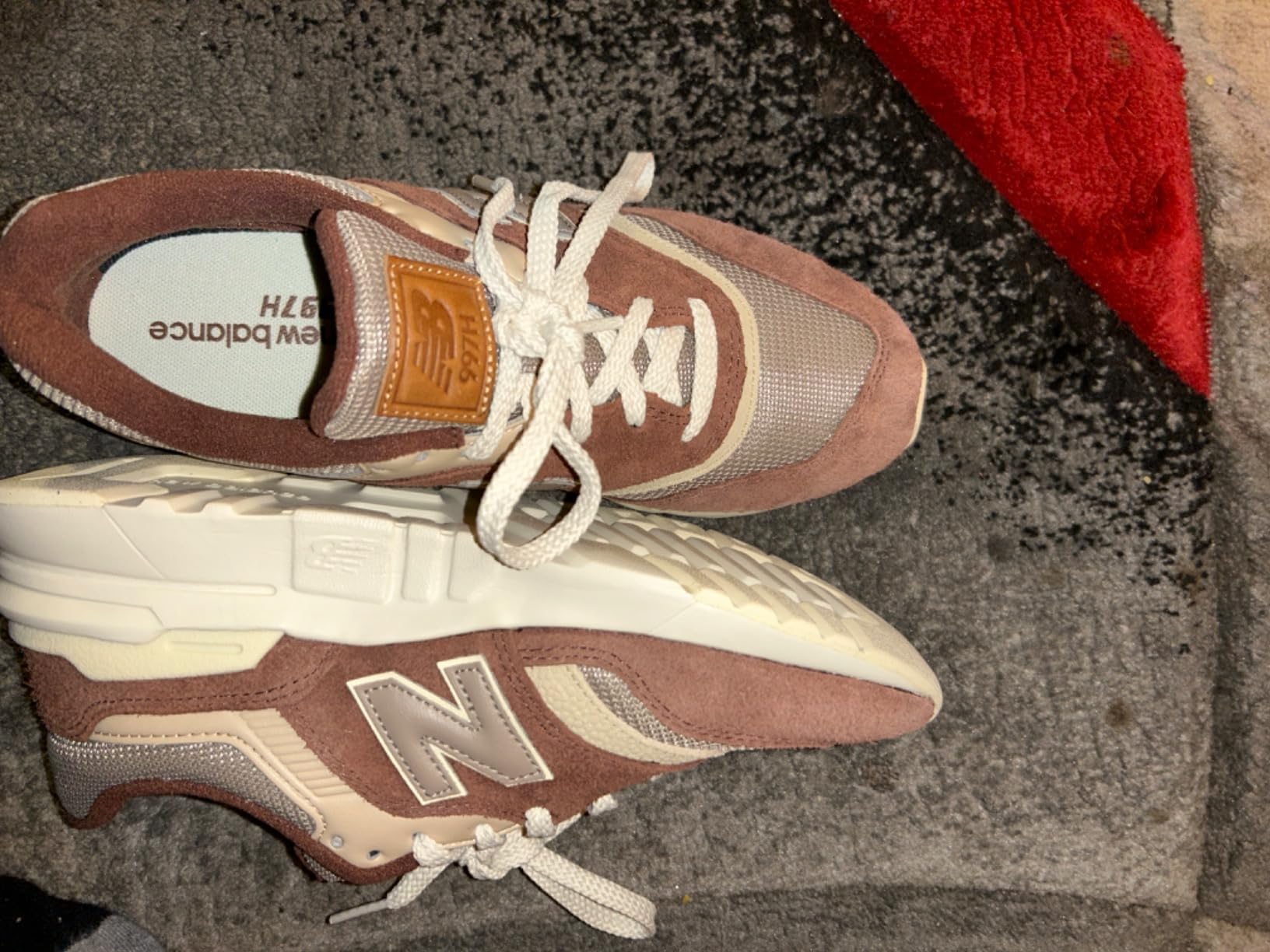
The outsole doesn’t look aggressive — there’s exposed foam alongside minimal rubber coverage. But the lab’s grip test measured a 0.43 coefficient of friction, dead even with the average. On wet concrete, it generated good friction during heel-strike testing.
In practice, I never felt unstable on city sidewalks, subway stairs, or shopping mall floors. The one exception: polished surfaces after rain. Wet marble, wet tile in an airport terminal — that’s where average traction becomes noticeable. It’s fine for the vast majority of daily scenarios, but if your commute involves routinely crossing polished stone in wet conditions, keep it in mind.
Style and Versatility: The Heritage Factor
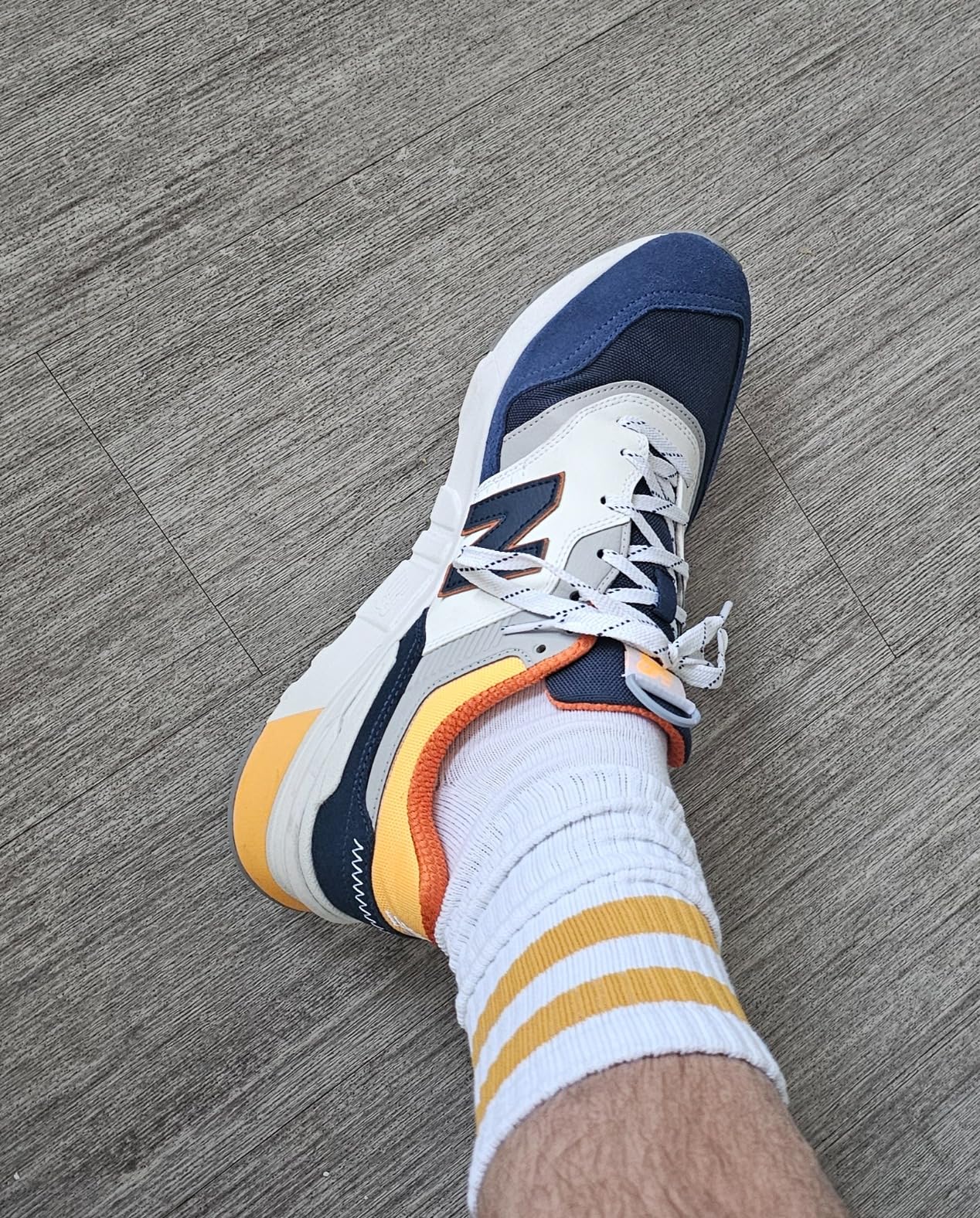
The 997H is based on the original New Balance 997 from 1991, designed by Steven Smith. That heritage shows — the clean lines, the oversized N logo, the chunky-but-not-excessive silhouette. It reads as intentionally retro rather than accidentally dated, which is harder to pull off than it sounds.
I wore these with jeans, chinos, joggers, and cargo shorts throughout the eight weeks. They worked with everything except actual dress clothes. The styling sweet spot is casual to smart-casual: weekend errands, casual Fridays, coffee shops, city exploring. Trying to dress them up past that — business casual, dinner out — and the athletic roots become too obvious.
The colorway variety is genuinely broad. Black, grey, and white options handle everything. Bolder colorways (burgundy-navy, spruce-gold) are statement pieces. No structural difference between colors — just pick what you’ll actually wear most.
Who Should Buy the New Balance 997H
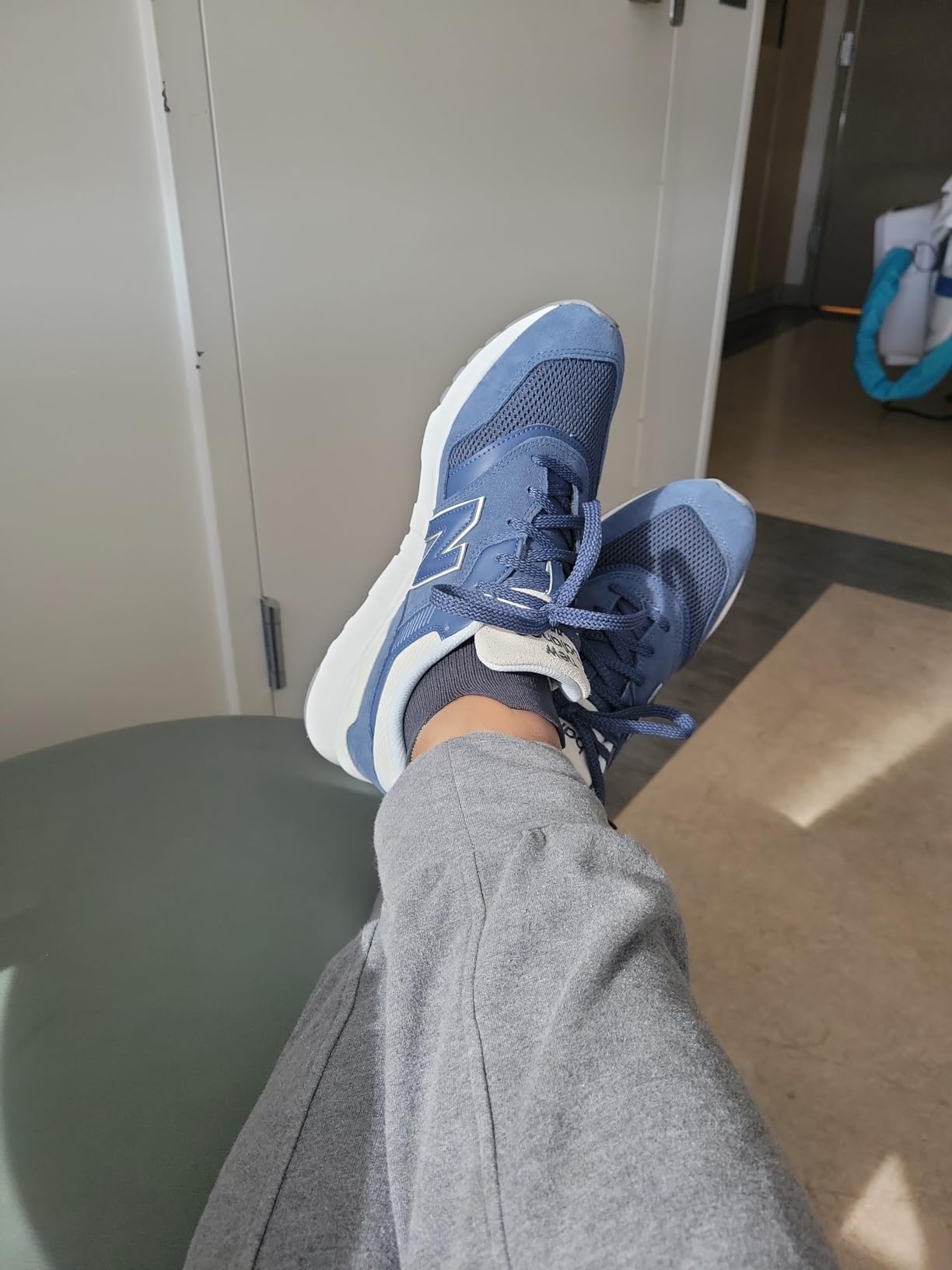
These Are Right For You If:
- You want retro styling that actually works in daily rotation
- You have standard-width feet (true to size works well)
- You live in a temperate climate — spring and fall are ideal seasons
- Your usage is casual: two to four times a week, city walking, errands
- You value comfort and don’t mind a short break-in period
- You appreciate lighter weight at 12.3 oz — less fatigue during long days
- Budget is under $100 and you want legitimate heritage brand quality
Think Twice If:
- You have wide or high-volume feet — toe box height may be a problem even with sizing up
- You live somewhere hot — breathability is genuinely poor above 75°F
- You need guaranteed long-term durability — the QC lottery is real
- You want waterproof footwear — suede and rain don’t mix well
- You need athletic performance — energy return is below average for running
- You demand maximum bounce and cushion — look at the Fresh Foam Roav or Fresh Foam X Cruz V3 instead
Cost-Per-Wear Math
At the current typical sale price of around $75:
- Casual use (1–2×/week): 12–18 months lifespan = $4.17–6.25/month. Solid value.
- Moderate use (3–4×/week): 8–12 months = $6.25–9.38/month. Acceptable.
- Heavy daily use (5+×/week): 4–6 months = $12.50–18.75/month. Skip this shoe — you need something built for that pace.
For comparison, a $150 performance runner lasting 400 miles costs roughly $0.38/mile. These at 250–300 miles cost approximately $0.25–0.30/mile — 20 to 35 percent cheaper per mile at casual pace.
Better Options for Specific Needs
| Need | Better Pick | Why |
|---|---|---|
| More cushioning | New Balance Fresh Foam X 880 V14 | Fresh Foam X delivers higher energy return and softer ride |
| Similar retro style, cheaper | New Balance 237 | Same heritage vibe, lower price, better breathability |
| Classic lifestyle, wider fit | New Balance 574 | Roomier toe box, proven durability, similar price range |
| Daily casual, modern | Adidas Daily 3.0 | Better breathability, lower price, less retro styling |
| Athletic crossover | New Balance FuelCell Rebel V4 | Actual running performance with NB brand loyalty |
| Budget heritage | New Balance BB80 V1 | Court-inspired retro at a lower entry point |
Frequently Asked Questions
How do the 997H compare to the original New Balance 997?
The original 997 is Made in USA with premium suede and leather, retailing for $180-plus. The 997H is imported with mid-grade suede and synthetic components at under $100. Both capture the heritage look, but the 997 is an investment piece built to outlast multiple 997H pairs. If your budget allows it, the 997 wins on longevity. The 997H wins on daily accessibility.
Are these good for walking long distances?
For casual city walking, absolutely. The IMEVA foam and excellent flexibility make these comfortable for sustained walking up to about 10 hours. For fitness walking or hiking, no — the low energy return and moderate shock absorption (86 SA, below average) mean your feet will fatigue faster than with purpose-built walking shoes.
Can I use orthotics with these?
Yes. The insole is removable — confirmed by lab testing — and the shoe accommodates most standard and custom orthotics. The internal dimensions (273.8 mm length, 93.1 mm width) provide adequate space. If you have flat feet, the stock insole is decent but swapping in a quality aftermarket insole around month three or four extends comfort noticeably.
Why do some people say “size down” while others say “size up”?
Conflicting sizing advice usually reflects different foot shapes encountering the same shoe differently. Standard-width feet: true to size. Narrow feet: some find TTS slightly roomy and prefer half down. Wide or high-volume feet: half size up is recommended, or try the 2E wide version. The internal length is accurate to standard — it’s the toe box height that creates the perception of tightness.
Are these worth it over the New Balance 574?
Different shoes for different priorities. The 574 has a wider toe box, slightly heavier build, and arguably more proven durability. The 997H has a sleeker silhouette, lighter weight, and more contemporary retro appeal. If comfort and fit are your priority, the 574 is safer. If style and lightness matter more, the 997H edges ahead.
Can I machine wash them?
Not recommended. The suede upper will deteriorate in a washing machine. Spot clean with a suede brush for dry dirt, and use dedicated suede cleaner for stains. The mesh panels can handle a damp cloth. Air dry only — never apply direct heat. Maintenance is low, but it’s not zero.
How is the arch support?
Adequate for most feet without being aggressive. The heel counter’s stiffness (rated 5/5) provides rearfoot stability, and the IMEVA foam offers moderate arch contouring. People with high arches or flat feet may want aftermarket insoles — the removable stock insole makes this straightforward.
Do these work for standing all day?
Through about eight hours, yes. The firmness of the IMEVA foam (32.5 HA) means it supports rather than collapses under sustained weight. Multiple Idealo reviewers confirm 10–12 hour comfort. Beyond that, arch fatigue creeps in. If you’re on your feet for 12-plus hours daily, purpose-built work shoes will serve you better long-term.
Scoring Summary
| Category | Score | Key Finding |
|---|---|---|
| Comfort | 9.0/10 | IMEVA foam holds shape, 8–10 hr sweet spot, excellent flexibility (8.0N) |
| Style & Versatility | 8.5/10 | Heritage design works with jeans through joggers, broad colorway range |
| Build Quality | 6.5/10 | Lab-tested materials are excellent, but batch-dependent QC drops the score |
| Performance | 7.5/10 | Great for casual use, average traction, poor breathability above 75°F |
| Value | 7.0/10 | Real suede at sub-$100 is good, QC risk tempers the proposition |
| Overall | 7.7/10 | Good shoe for the right person — casual wear, temperate climate, standard feet |
Final Verdict
My teenager was right. The New Balance 997H delivers genuine comfort and legitimate heritage style at a price that doesn’t require justification. After eight weeks and 150-plus miles, my pair shows minimal wear and the IMEVA foam still feels responsive.
But I’m not going to pretend it’s perfect. The breathability situation means these belong in your fall-through-spring rotation, not summer heat. The QC lottery means your pair might not be as solid as mine. And the toe box height issue means people with anything beyond standard feet need to size carefully.
At 7.7 out of 10, the 997H lands squarely in “good shoe for the right use case” territory. If you want comfortable daily wear with retro credibility, these deliver. If you need all-weather versatility, guaranteed durability, or athletic performance — keep looking.
Worth trying? Yes. Worth keeping your receipt? Also yes.
Be the first to review “New Balance Men’s 997H V1 Classic Sneaker”
Related products
Sneaker
Sneaker
Sneaker
Reviews
There are no reviews yet.