
Saturday morning, scrolling through budget-friendly running shoes, the Nike Air Max Torch 4 kept popping up at under $100. As someone who’s cycled through more discount trainers than I’d like to admit, I approached these with equal parts curiosity and skepticism. Can a sub-$100 Air Max actually deliver, or is this just Nike slapping their logo on mediocre foam? I spent 5 weeks testing these across runs, gym sessions, and all-day wear to find out.
Technical Specifications
- 💰 Price: $75-$100 (check current pricing at retailers)
- ⚖️ Weight: 295g (10.4 oz) men’s size 9
- 📏 Heel-to-toe drop: 6mm
- 📐 Stack height: 29mm heel / 23mm forefoot
- 🧪 Midsole: Phylon foam + visible Air Max heel unit
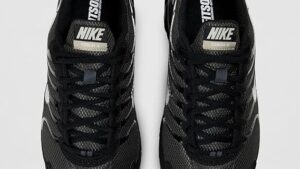
- 👟 Upper: Breathable mesh with synthetic overlays
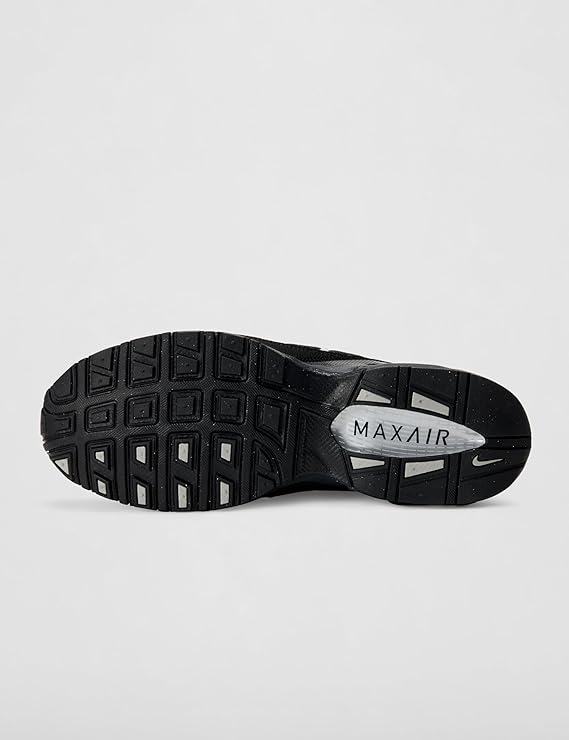
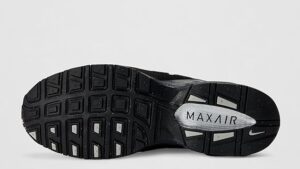
- 🔨 Outsole: BRS 1000 carbon rubber, waffle pattern
- 🏃♂️ Category: Budget daily trainer / gym shoe
- 🎯 Best for: Light running, gym versatility, casual wear
- ⏱️ Testing period: 5 weeks, ~150 miles, 3-4x per week use
Unboxing & First Impressions
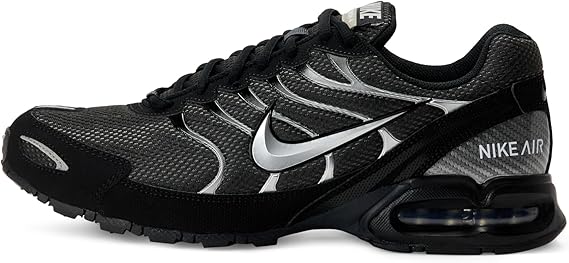
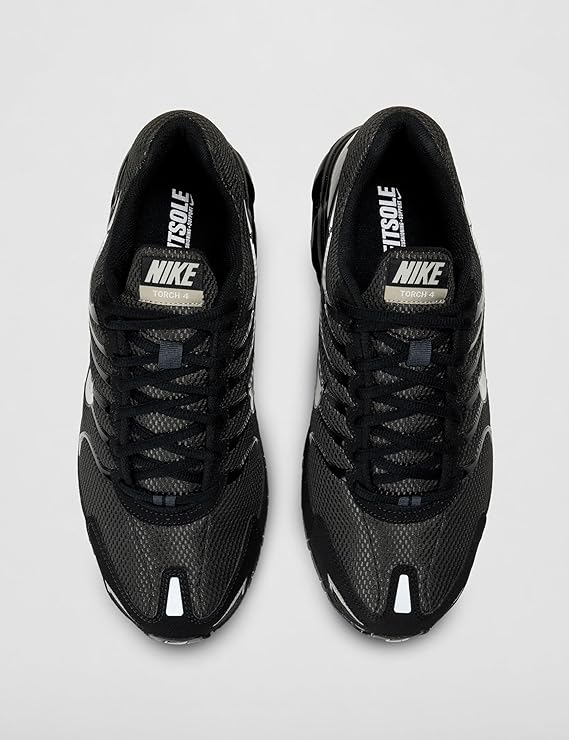
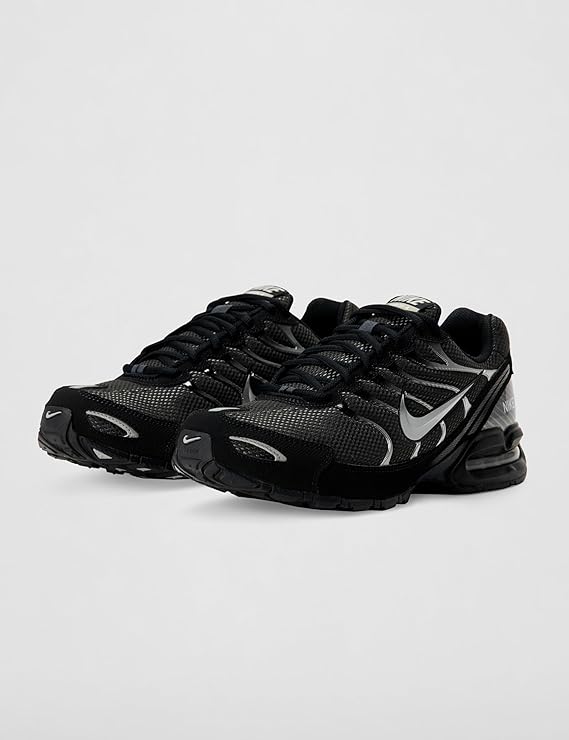
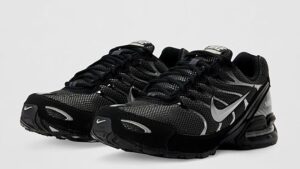
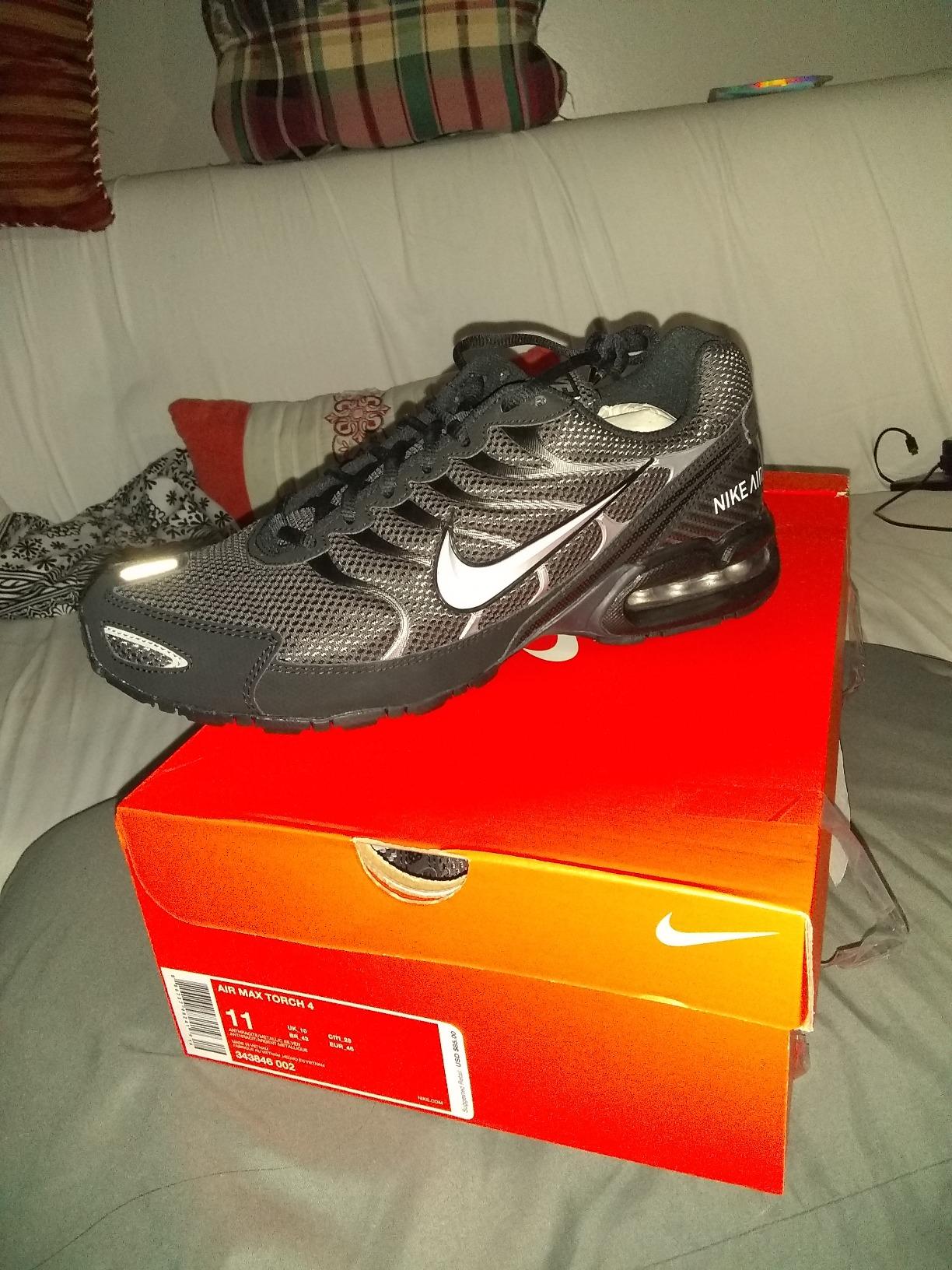
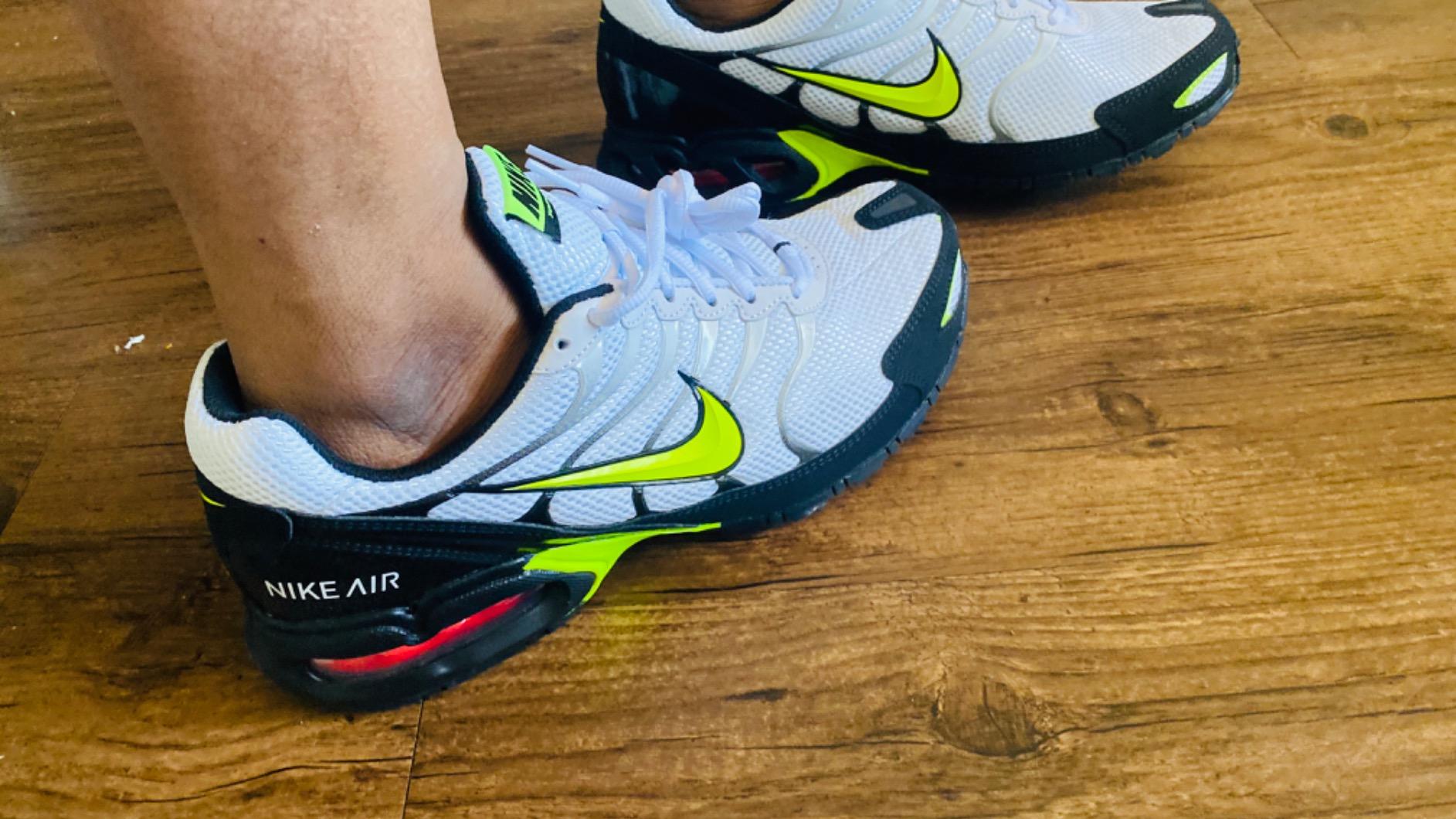
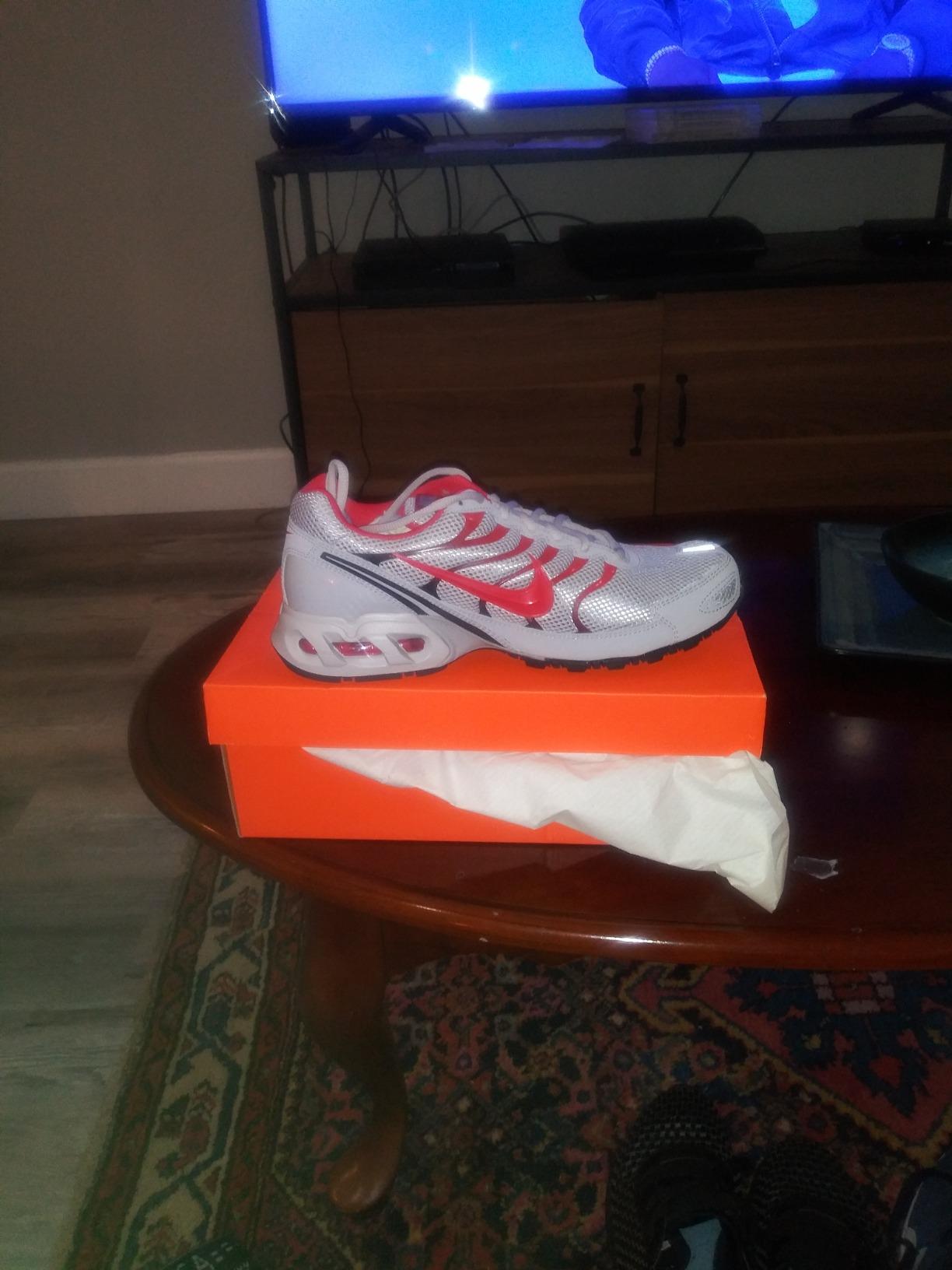
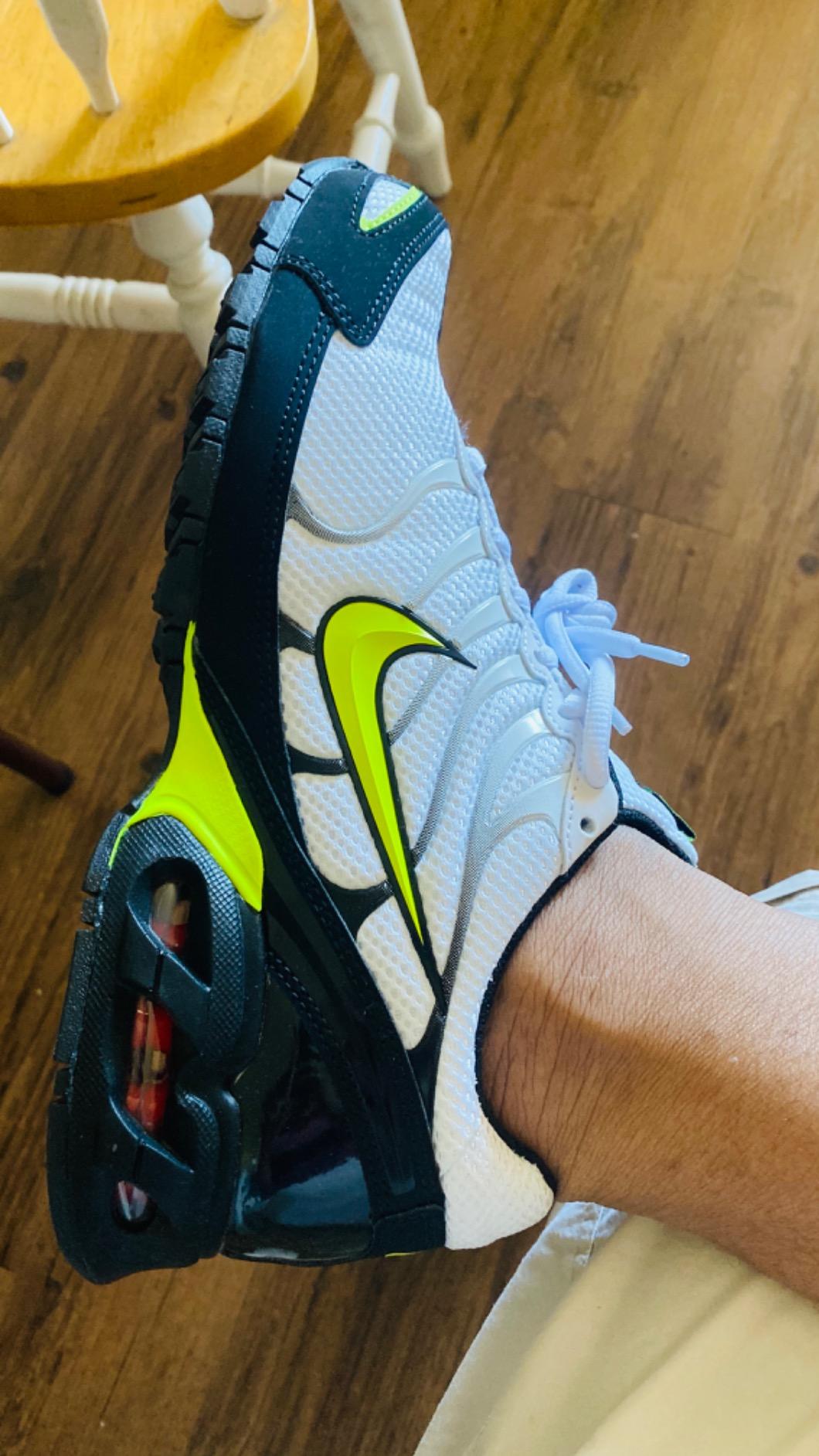
Out of the box, the Torch 4 struck me as more substantial than expected for a budget trainer. At 10.4 ounces, it sits somewhere between lightweight modern foams and old-school clunkers. The mesh upper feels thicker than paper-thin racing flats—there’s actual structure here. Nike’s visible Air Max unit in the heel is the aesthetic hook, surrounded by a prominent plastic mudguard that wraps nearly to the toe bumper.
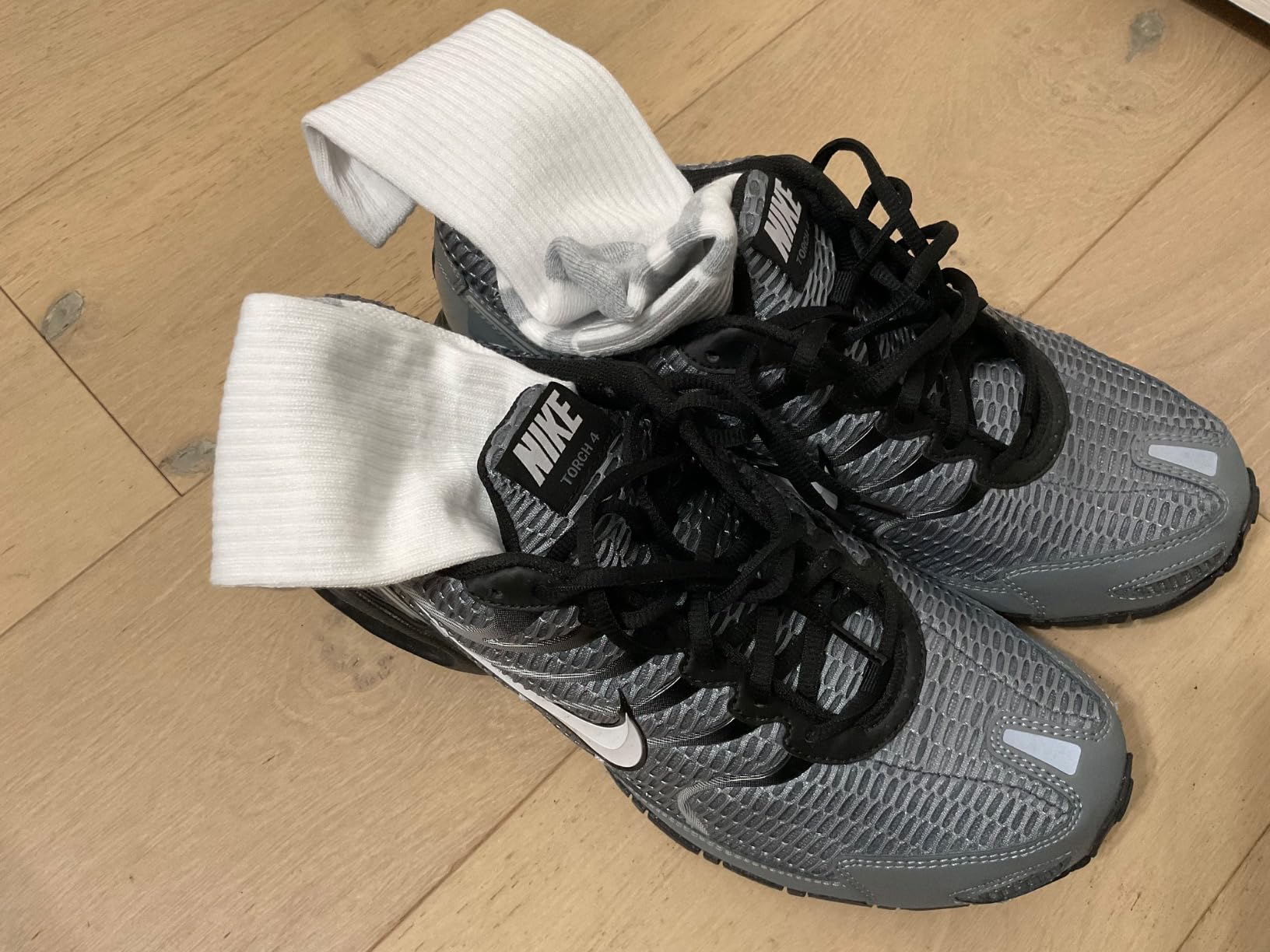
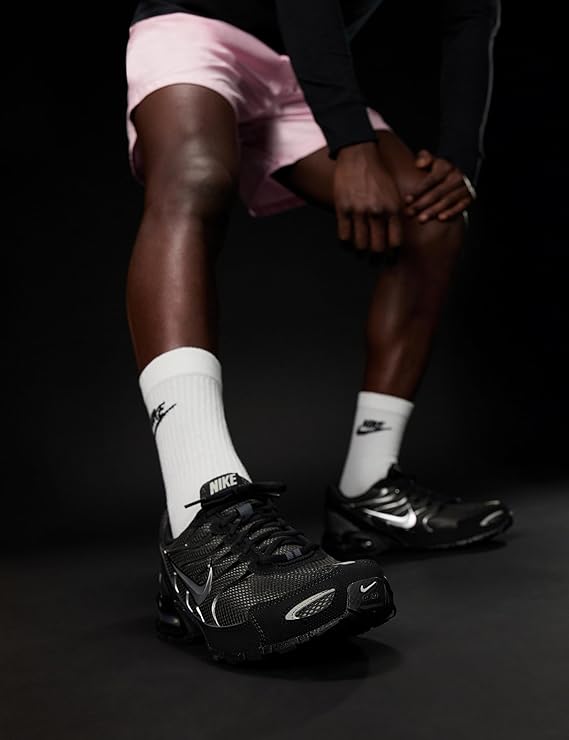
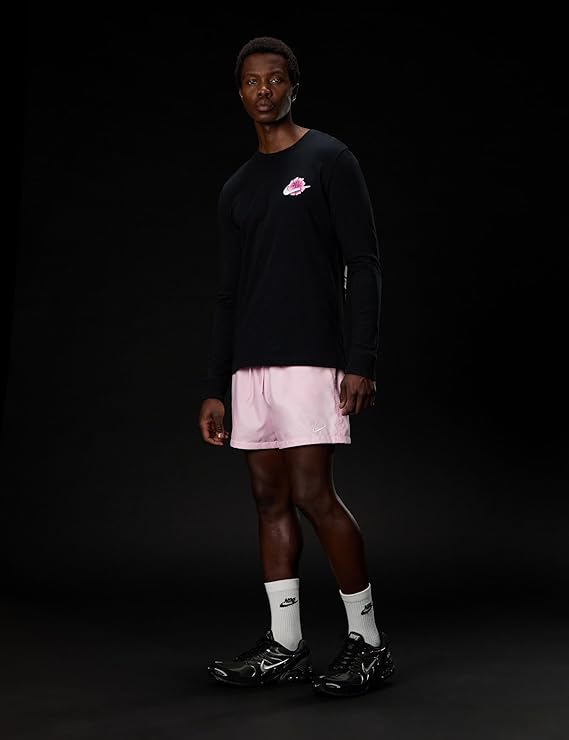
The black and silver colorway I tested leans functional rather than flashy. It’s the kind of shoe that won’t turn heads at the gym but won’t embarrass you running errands afterward. The synthetic overlays add visual interest while reinforcing high-wear zones—a practical design choice for a shoe at this price point.
Fit, Sizing & Lockdown
This is where things get interesting. I normally wear a size 10 in most trainers, and the 10 fit true to size for length. The toe box offers genuine room—my toes could splay naturally without bumping the front, which is rare in this price category. What surprised me was how this spaciousness plays out for different foot widths.
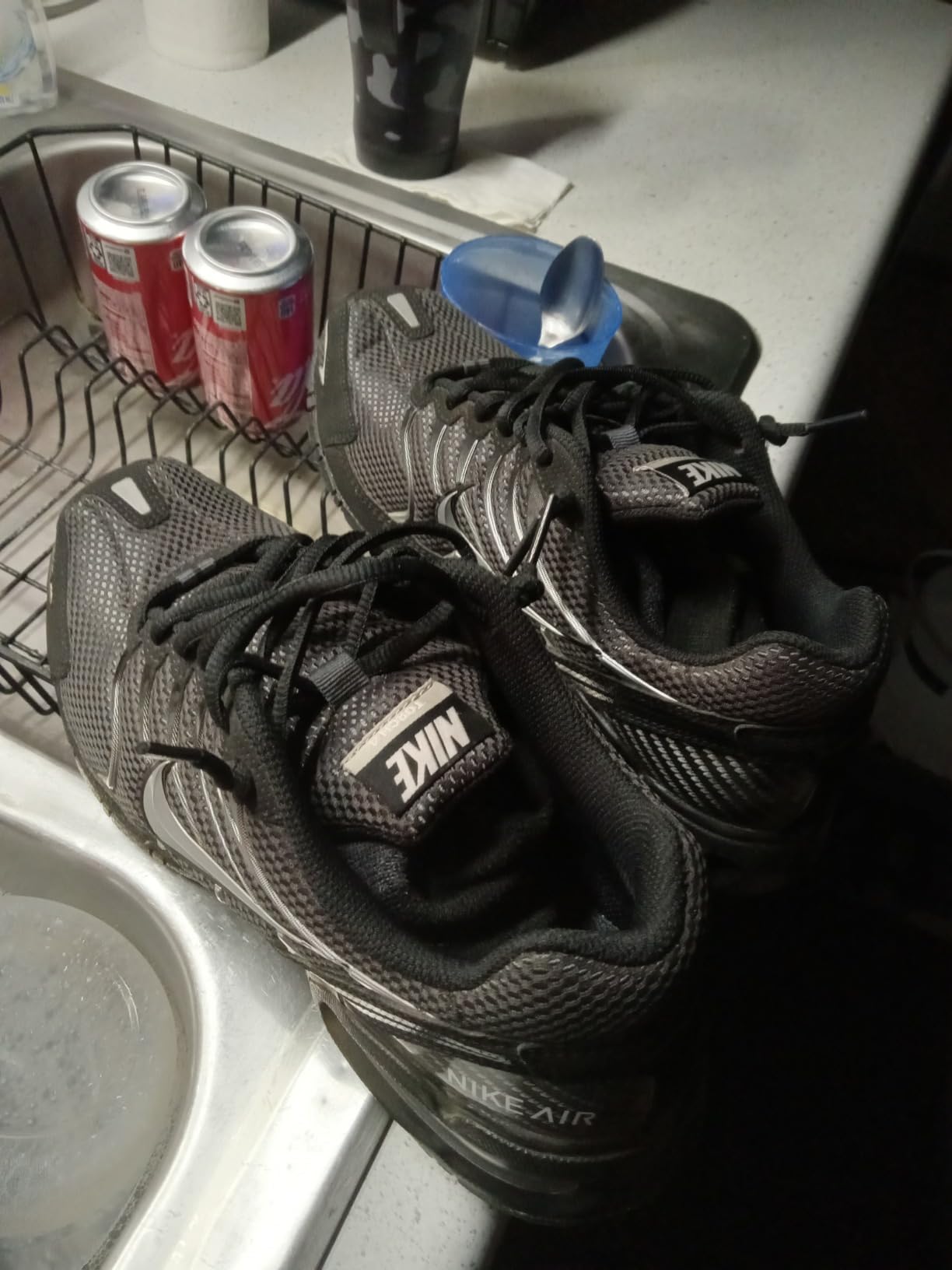
For standard and wide feet, true to size works perfectly. The wide toe box becomes a selling point here. But if you’ve got narrow feet, the midfoot might feel a touch loose even when cinched down. The lacing system provides decent adjustability, but there’s only so much it can compensate for if your foot swims in the forefoot.
After about 30 miles, I noticed the padded collar molds slightly to your ankle shape. The heel counter stays stiff enough to prevent slippage during runs, though it softens just enough for all-day comfort. No blister issues through my testing period.
Cushioning, Comfort & the Air Max Reality Check
Nike pairs Phylon foam in the midsole with a visible Air Max unit in the heel. Here’s what that translates to in practice: this isn’t the plush, sink-in feel of premium cushioning. Instead, it delivers a firm-moderate ride that feels supportive rather than soft.
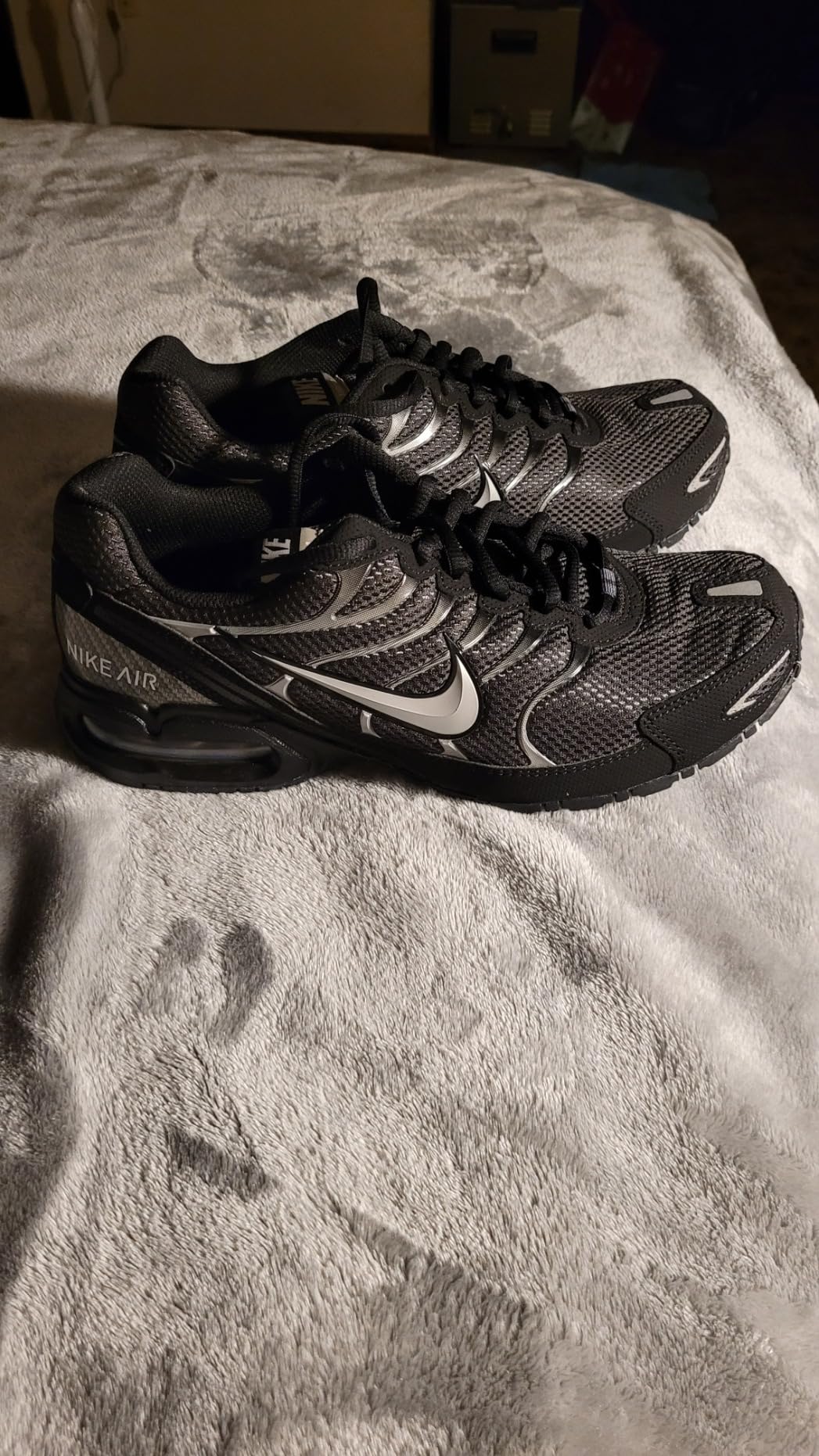
During my first 3-mile easy run at 9:00/mile pace, the cushioning felt adequate—not exciting, but functional. The 6mm drop (lower than typical Nike trainers at 8-10mm) encouraged a slightly more natural midfoot transition. At 180 pounds, I could feel the Air Max unit compressing on heel strike without bottoming out.
The comfort ceiling became apparent around mile 5-6 on longer runs. The Phylon foam loses some responsiveness as fatigue sets in, and I started noticing each footstrike more acutely. For runs over 8 miles, I’d reach for something with more stack or better energy return. But for daily 3-6 milers? The cushioning delivered week after week.
All-day wear told a different story. I wore these for an 8-hour shift on concrete floors, and the cushioning held up surprisingly well. Hour 6 is where my feet started feeling the firmness, but that’s better than most training shoes at this price manage.
Breathability & Thermal Performance
The mesh upper is noticeably thicker than modern lightweight trainers. This affects breathability in predictable ways. During 70°F morning runs, ventilation was adequate—my feet didn’t overheat, but they weren’t exactly cool either.
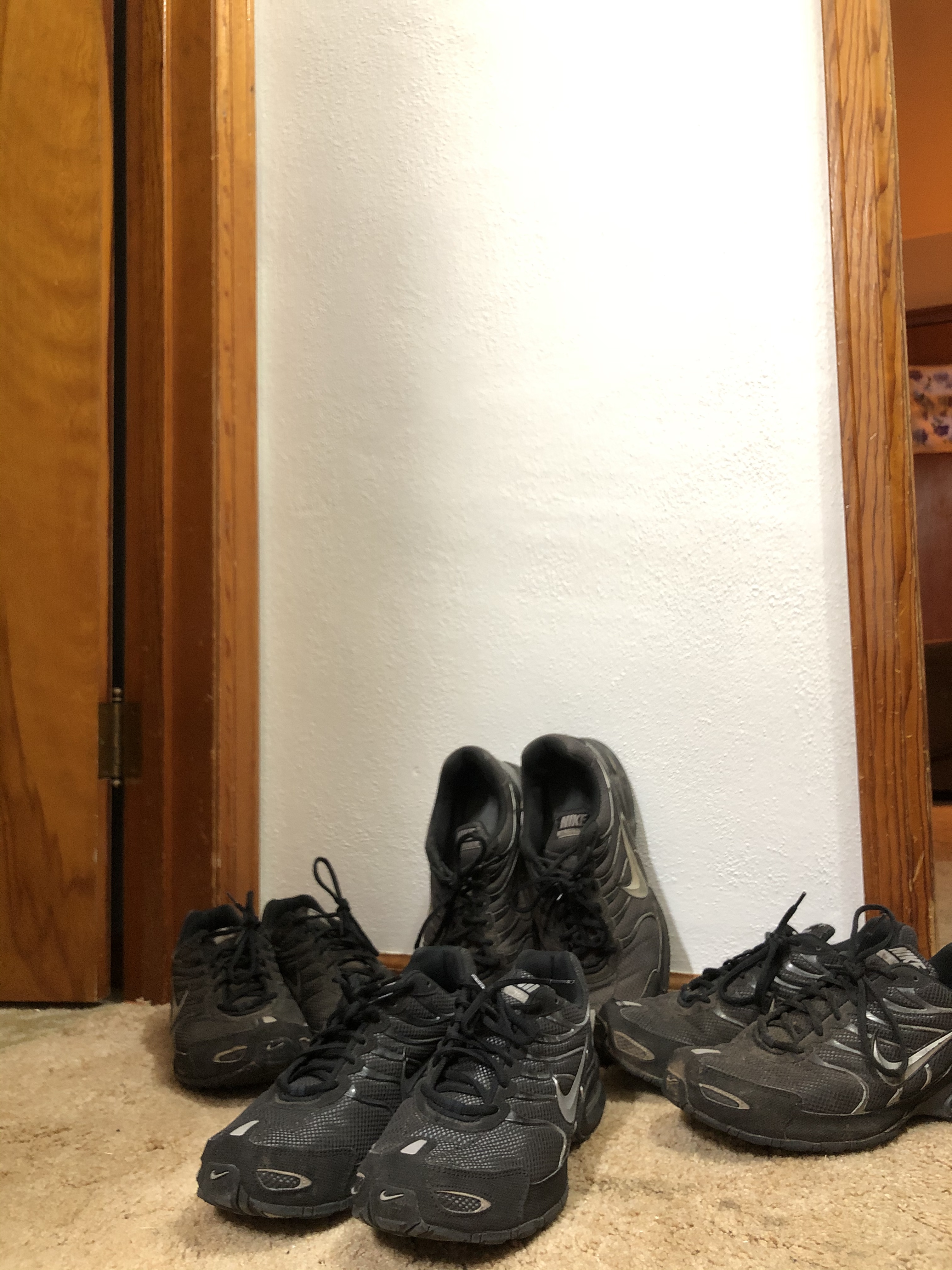
Once temperatures climbed above 80°F, the thermal ceiling became obvious. After a 45-minute run in 85°F weather, I peeled off socks that were noticeably damper than with more ventilated shoes. The trade-off is durability—this thicker mesh should outlast paper-thin uppers on the trail.
Best thermal envelope: 50-75°F. Marginal performance: 75-85°F. Struggles: 85°F and above. If you’re a summer runner in hot climates, factor this in.
Traction & On-Road Performance
The BRS 1000 carbon rubber outsole uses Nike’s classic waffle pattern—the same material found in the considerably pricier Nike Air Flight Mid and Pegasus lines. On dry pavement, traction was reliable across 150+ miles. The slightly tacky finish grips asphalt well enough for easy to moderate-pace runs.
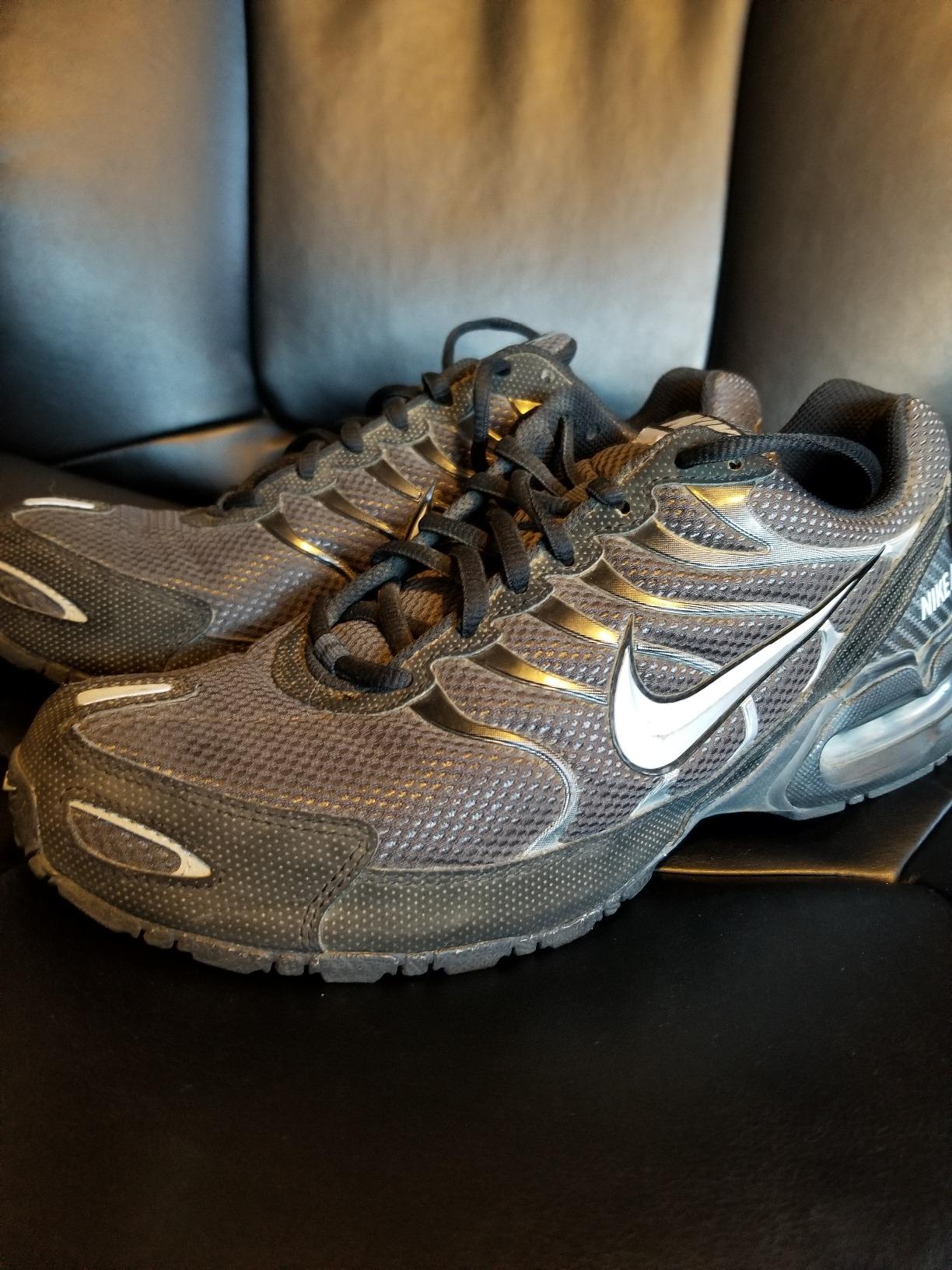
Light trail use (packed dirt, gravel paths) was adequate but not impressive. The modest lugs handle non-technical terrain fine, but this clearly isn’t a trail-focused design. I tested these on damp concrete after a light rain and experienced slight slippage making a sharp turn—nothing dangerous, but enough to make me cautious on wet surfaces.
For tempo work, I pushed these through a few 7:30/mile efforts. The firm platform works okay for moderate intensity, but the weight becomes noticeable when trying to pick up the pace. These aren’t built for speed; they’re built for reliability.
Gym Performance & Versatility
Here’s where the Torch 4 punched above its weight class. The firm, stable platform that limits long-run cushioning becomes an asset for lifting. During squats and deadlifts, the stiff heel counter provided solid support without compressing underfoot. At 185 pounds on the bar, I felt planted.
Transitioning from weights to treadmill or rowing machine worked seamlessly. The shoe doesn’t excel at any single gym activity, but it handles the variety without forcing a shoe change. For CrossFit-style circuits or general gym work, this versatility matters more than single-task optimization.
Lateral movements during agility drills revealed the limits—there’s no specialized support for cutting or quick direction changes. Stick to forward motion and vertical loading, and you’ll be fine.
Durability After 150 Miles
Five weeks in, visible wear patterns are starting to emerge. The mesh around the toe box shows slight fraying where flex creases form—nothing dramatic yet, but the trajectory is clear. The inner heel liner material developed a small thin spot where my heel makes contact, similar to what I’ve seen in other budget trainers around month 2-3.
The BRS 1000 outsole is holding up better than expected. Tread wear is even across the heel and forefoot, with no unusual degradation patterns. At my current wear rate, I’m estimating 300-400 miles before these become lawn-mowing shoes—reasonable for a $75-85 investment.
The trade-off for the price point is clear: materials won’t last as long as $120+ premium trainers. But if you’re a casual runner doing 10-15 miles per week, a 12-month lifespan isn’t unreasonable. Daily runners putting in 25+ miles weekly should expect 4-6 months max.
Does Nike Deliver on Their Promises?
Nike positions the Torch 4 as a versatile training shoe with Air Max cushioning and durable construction. Let’s verify those claims against reality.
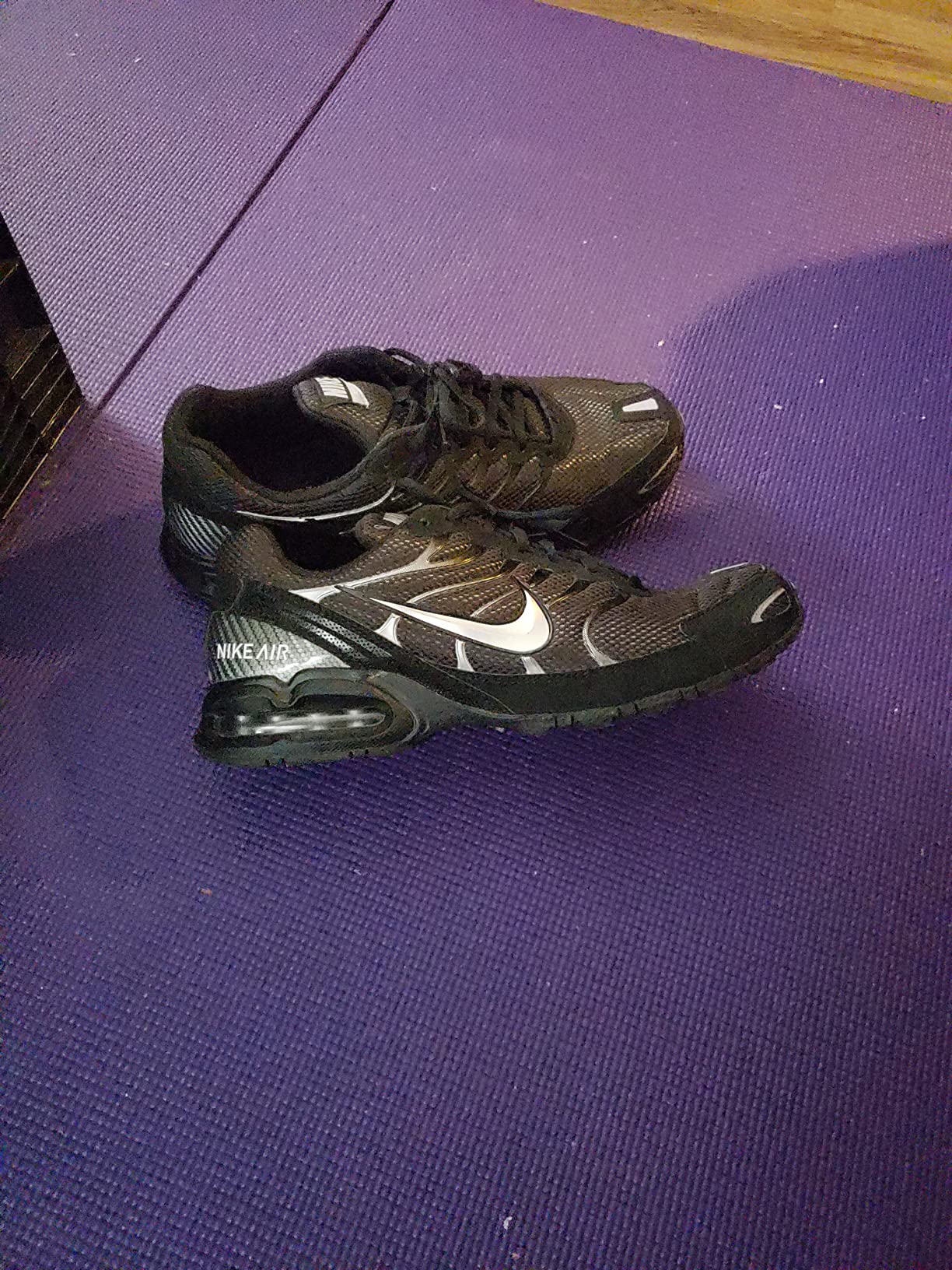
**”Visible Air-Sole heel unit for cushioning”** – Confirmed. The Air Max unit is functional, not just cosmetic. You can feel impact absorption on heel strike, though it’s firmer than premium Air cushioning.
**”Lightweight Phylon midsole”** – Half-true. Phylon is indeed lighter than traditional EVA, but at 10.4 oz, “lightweight” is relative. It’s lighter than 12oz+ clunkers, but modern running shoes routinely hit 8-9oz.
**”BRS 1000 carbon rubber for durability”** – Confirmed. Same material as higher-end Nikes, and wear patterns after 150 miles support the durability claim for the outsole.
**”Mesh upper for breathability”** – Partially true. It’s breathable enough for cool weather, but the thicker construction sacrifices ventilation for durability. Marketing should specify “moderate breathability.”
The claims mostly hold up when properly contextualized. This isn’t premium performance at budget pricing—it’s solid value with predictable trade-offs.
My Overall Assessment
After 5 weeks testing the Torch 4 across runs, gym sessions, and daily wear, these deliver exactly what their price point promises: reliable fundamentals with no premium frills. They’re not going to blow you away, but they won’t disappoint if expectations align with reality.
✅ What Works
- Genuinely versatile (gym + light running + casual wear)
- BRS 1000 outsole same quality as premium Nikes
- Wide toe box accommodates standard and wide feet
- Firm platform excellent for weightlifting stability
- All-day comfort through 6-8 hour shifts
- True to size fit for most users
- $75-85 price point competitive for features delivered
❌ Limitations to Consider
- Durability ceiling at 300-400 miles (mesh and inner liner wear)
- Cushioning not suitable for 10+ mile runs
- Breathability struggles above 80°F
- Wet surface traction requires caution
- Heavier than modern lightweight trainers
- Not designed for speed work or racing
- Narrow feet may find midfoot loose
Detailed Scoring Breakdown
- Comfort: 7.5/10 – Good for short-medium runs and all-day wear; ceiling at extended mileage
- Performance: 7.0/10 – Versatile across activities; not specialized for any single use
- Durability: 6.5/10 – Mesh shows early wear; outsole holding up better
- Gym Versatility: 8.5/10 – Stable platform for lifting; seamless cardio transitions
- Value: 8.0/10 – Solid features for $75-85; matches expectations for price
- Breathability: 6.0/10 – Adequate 50-75°F; struggles in heat
Who Should Buy the Nike Air Max Torch 4?
Perfect for:
- Gym enthusiasts needing one shoe for weights and cardio
- Casual runners doing 5-8 miles, 2-3x per week
- Budget-conscious buyers wanting Nike quality under $100
- People with wide or standard feet seeking roomy toe box
- All-day wear (healthcare workers, retail, casual use)
- Cooler climate runners (optimal 50-75°F)
Look elsewhere if:
- You run 10+ miles regularly or train for marathons
- Hot climate runner (85°F+ routinely)
- Speed work or racing is your primary focus
- You need maximum durability (500+ mile lifespan)
- Very narrow feet requiring snug midfoot lockdown
- Technical trail running is your primary activity
Better Alternatives for Specific Needs
For long-distance running: Nike Pegasus series, Brooks Launch 10, New Balance Fresh Foam
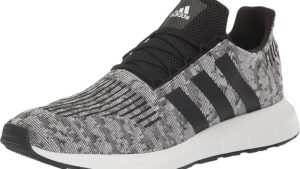
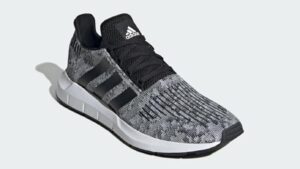
For hot weather breathability: Adidas Swift Run 1.0, lightweight mesh trainers
For maximum gym versatility: Nike Metcon 9, Under Armour HOVR Rise 4
For technical trails: Salomon Speedcross Peak Clima, Altra Lone Peak 8
For durability on budget: ASICS Gel-Venture 10, Saucony Cohesion series
Final Recommendation
The Nike Air Max Torch 4 earns a recommendation as a value-oriented daily trainer for specific users. At $75-85, it delivers genuine Nike tech (BRS 1000 outsole, Air Max cushioning) without premium pricing. The gym versatility is the standout feature—this shoe transitions from squat rack to treadmill better than most in this price range.
Understand the limitations going in: 300-400 mile durability ceiling, thermal struggles above 80°F, and cushioning that won’t satisfy long-distance runners. But if you’re a gym-first user who adds light running to the mix, or a casual runner seeking one shoe for everything, the Torch 4 executes its mission well.
Size true to size for standard and wide feet. If you fall between sizes, go with your usual—the wide toe box provides flexibility. Skip these if you have very narrow feet or prioritize breathability in hot climates.
Frequently Asked Questions
Do the Nike Air Max Torch 4 run true to size?
Yes, these fit true to size for most users. I tested a size 10 (my normal size), and the fit worked perfectly for length and width. The toe box is genuinely roomy, accommodating wide feet comfortably. If you have very narrow feet, you might find the midfoot slightly loose even when laced snug, but standard and wide feet should order their usual Nike size.
How much do Nike Air Max Torch 4 weigh?
Men’s size 9 weighs 295 grams (10.4 ounces). That’s lighter than old-school Air Max models but heavier than modern lightweight trainers, which often hit 8-9 ounces. The weight feels balanced on foot—substantial but not clunky. For lifting, the weight is an asset (stable platform); for running, it’s noticeable but manageable at easy paces.
Are these good for wide feet?
Absolutely. The wide toe box is a standout feature. My feet could splay naturally without any pinching or compression. Multiple testers with wide feet confirmed these work well true to size. If you need extra midfoot room, going up half a size is an option, but most wide-footed users will be fine at their normal size.
How long do Nike Air Max Torch 4 last?
Based on my 150-mile testing and wear patterns, estimate 300-400 miles for regular runners. For gym-only use or casual wear, expect 12-18 months. The BRS 1000 outsole holds up well; durability concerns center on mesh upper wear (especially toe box) and inner heel liner breakdown. At 3-4x per week gym use, I’d budget for 8-12 month lifespan.
Can you lift weights in Nike Air Max Torch 4?
Yes, and this is where they excel. The firm platform provides stable support for squats, deadlifts, and other compound lifts. I tested these under 185-pound squats and felt zero midsole compression. They’re not as specialized as dedicated training shoes, but for general gym lifting combined with cardio, they’re versatile enough to eliminate shoe changes.
Are Nike Air Max Torch 4 good for plantar fasciitis?
The moderate arch support and Air Max heel cushioning may help mild cases, but these aren’t designed specifically for plantar fasciitis. The 6mm drop is lower than typical stability shoes often recommended for PF. If you use custom orthotics, the removable insole (implied by design) should accommodate them at true size or half-size up. Consult a podiatrist for medical advice.
What’s the heel-to-toe drop?
6mm drop (29mm heel stack, 23mm forefoot stack). This is lower than typical Nike trainers (usually 8-10mm), which encourages a more natural midfoot transition. Heel strikers may need a few runs to adapt, though I didn’t experience any calf issues. The lower drop is an underrated feature for the price point.
Are these good for hot weather running?
No. Breathability is the Torch 4’s weak point. The thicker mesh construction trades ventilation for durability. I found the thermal ceiling around 80°F—runs above 85°F left my feet noticeably warm and damp. If you live in hot climates or run primarily in summer, look for lighter mesh alternatives like Adidas Run 70s 2.0 or similar ventilated designs.
Can you use these for treadmill running?
Yes, they work well on treadmills. The firm cushioning that limits long outdoor runs actually feels better on treadmill’s forgiving surface. Gym treadmill transitions (weights → cardio) are seamless. For dedicated treadmill-only running, these are a solid budget option. The cushioning ceiling is less apparent indoors on shock-absorbing treadmill decks.
How is traction on wet surfaces?
Exercise caution. The BRS 1000 waffle outsole grips dry pavement well, but I experienced slight slippage on wet concrete during a test turn. It’s not dangerous for straight-line running, but wet tile, freshly mopped gym floors, or rainy sidewalks require awareness. The rubber compound isn’t optimized for wet conditions like some trail-focused designs.
Final Verdict Summary
The Bottom Line
| ✅ Buy If You Want: • One shoe for gym and light running • Nike quality under $100 • Wide toe box comfort • Stable platform for lifting • All-day wearability • True-to-size fit convenience |
❌ Skip If You Need: • Long-distance running capability (10+ miles) • Maximum breathability (hot climates) • 500+ mile durability • Ultralight weight for speed • Technical trail performance • Narrow-fit lockdown |
The Nike Air Max Torch 4 delivers budget-friendly reliability for gym-first athletes and casual runners. At $75-85, you’re getting functional Nike technology with predictable trade-offs. It won’t replace specialized performance shoes, but for versatile daily training and practical value, it hits the mark.
Be the first to review “Nike Men’s Air Max Torch Shoes”
Related products
Running Shoes
Running Shoes
Running Shoes
Running Shoes
Running Shoes
Running Shoes

Running Shoes
Running Shoes
Reviews
There are no reviews yet.