
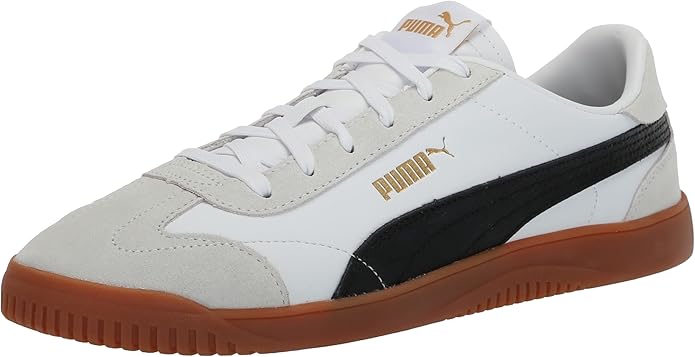
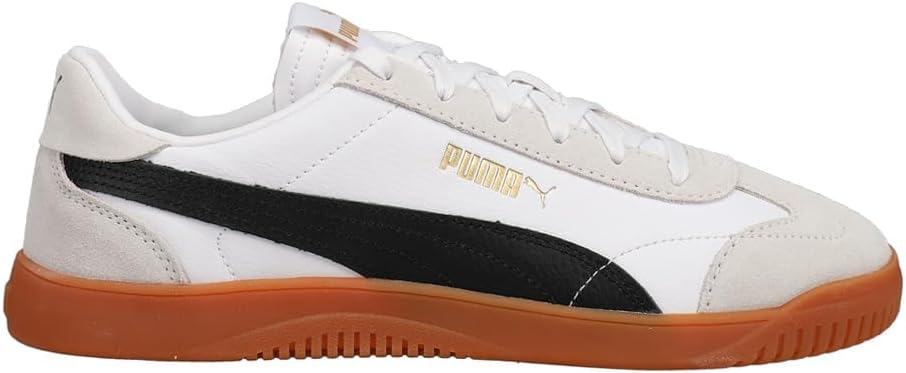
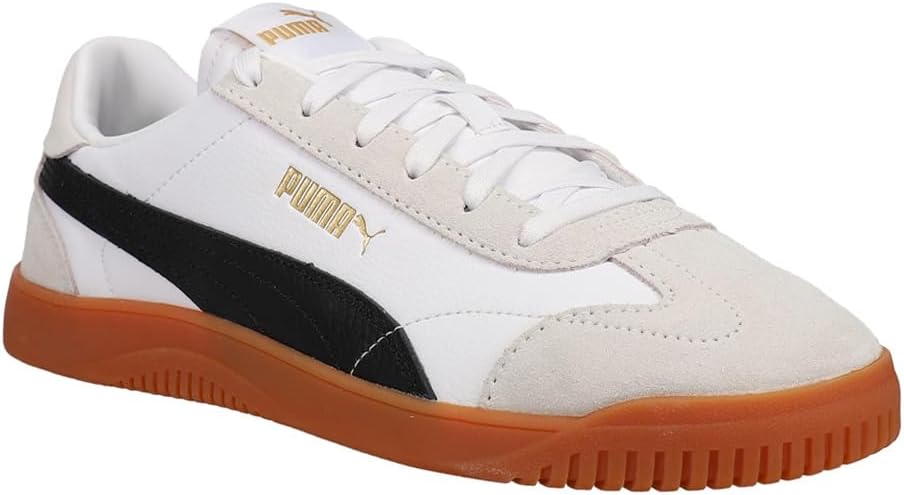
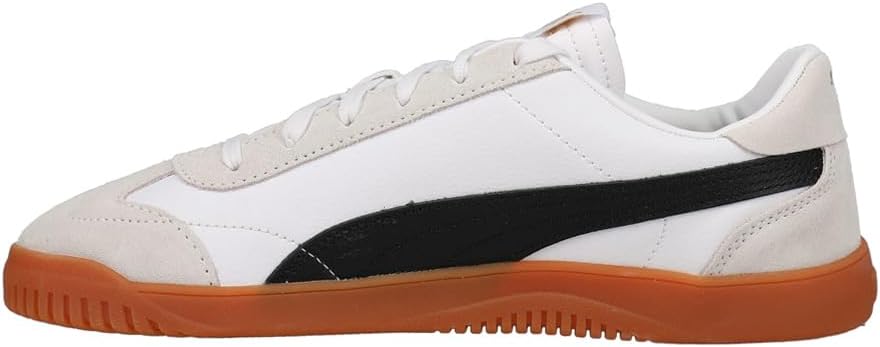
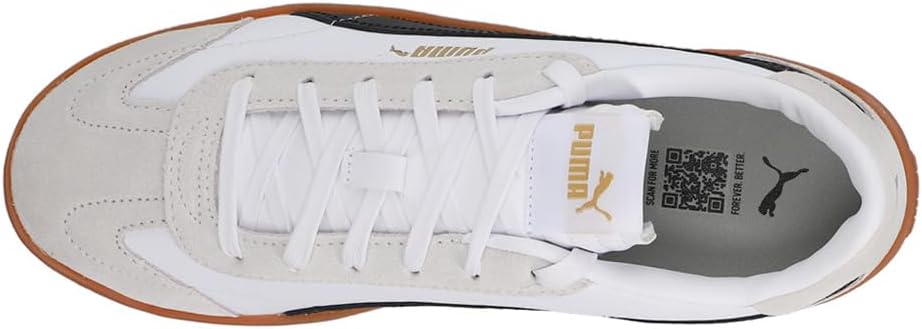
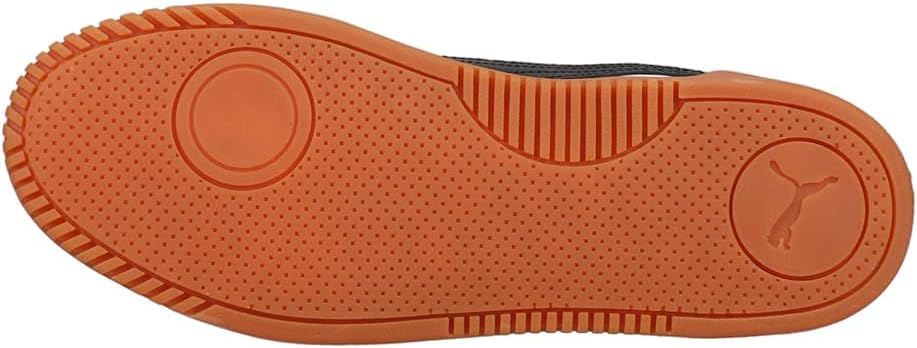
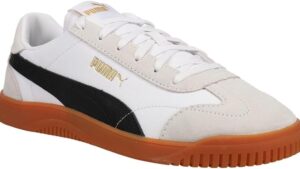
Three lifestyle sneakers in twelve months — that was my track record before I bought these. One looked sharp but left me limping by hour three. Another was cloud-soft but so bland it sat collecting dust. So when the PUMA Men’s Club 5v5 landed on my radar with its terrace-culture pitch and $50-range price tag, I kept my expectations firmly on the floor. Eight weeks, forty-plus wear sessions, and one very educational sizing mistake later, here’s what I actually found.
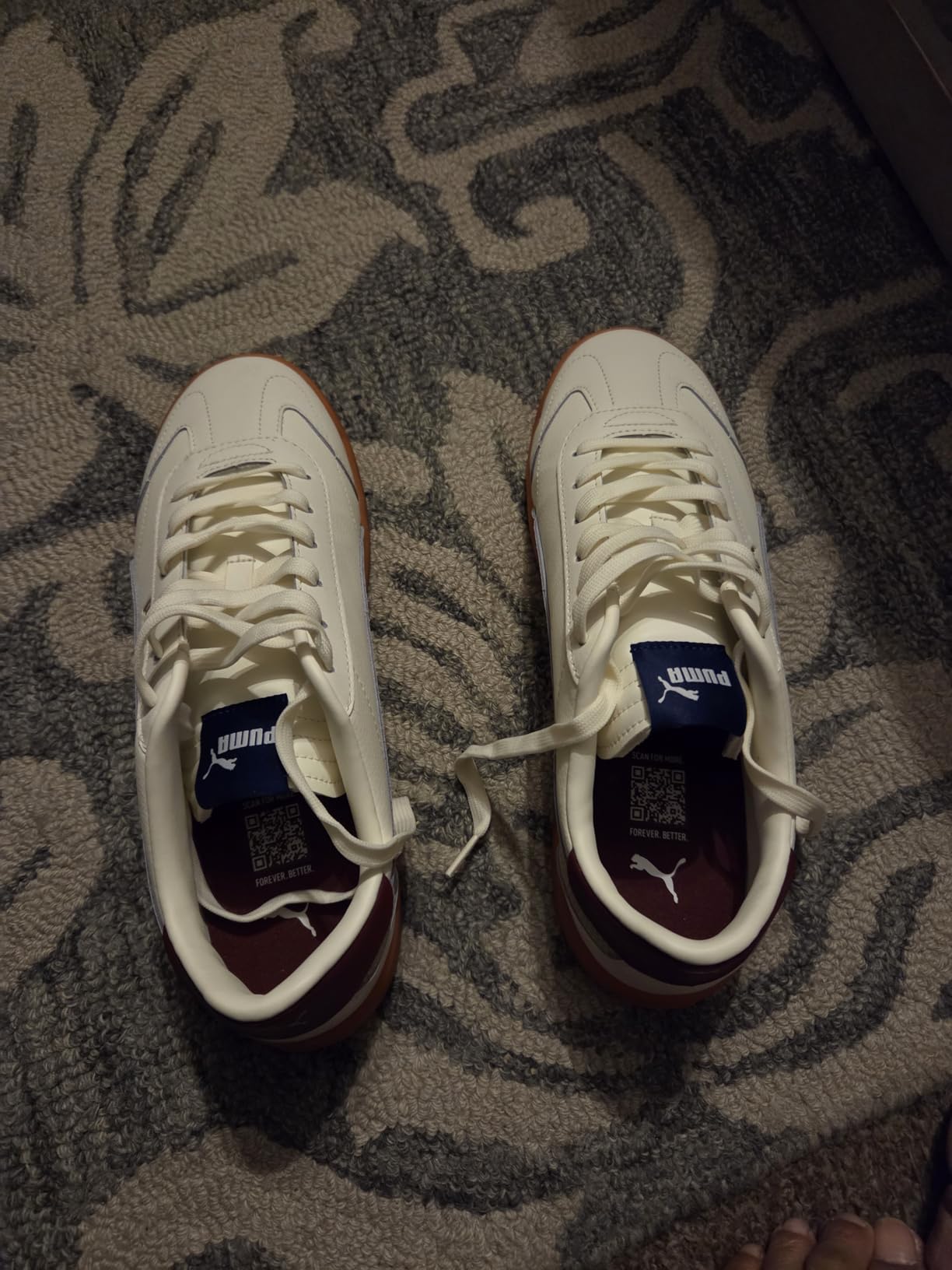
Quick Specs
| Spec | Detail |
|---|---|
| Price | $50–68 (street price varies; PUMA.com at $67.99) |
| Weight | 10.2 oz (men’s size 9) |
| Upper | Coated leather + synthetic leather (≥30% recycled) |
| Insole | SOFTFOAM+ sockliner (extra-thick heel) |
| Outsole | Low-profile rubber |
| Category | Lifestyle / casual sneaker |
| Testing period | 8 weeks, 40+ wear sessions |
| ⚠️ Sizing warning | Runs small and narrow — order at least half a size up |
Design, Heritage, and What PUMA Got Right
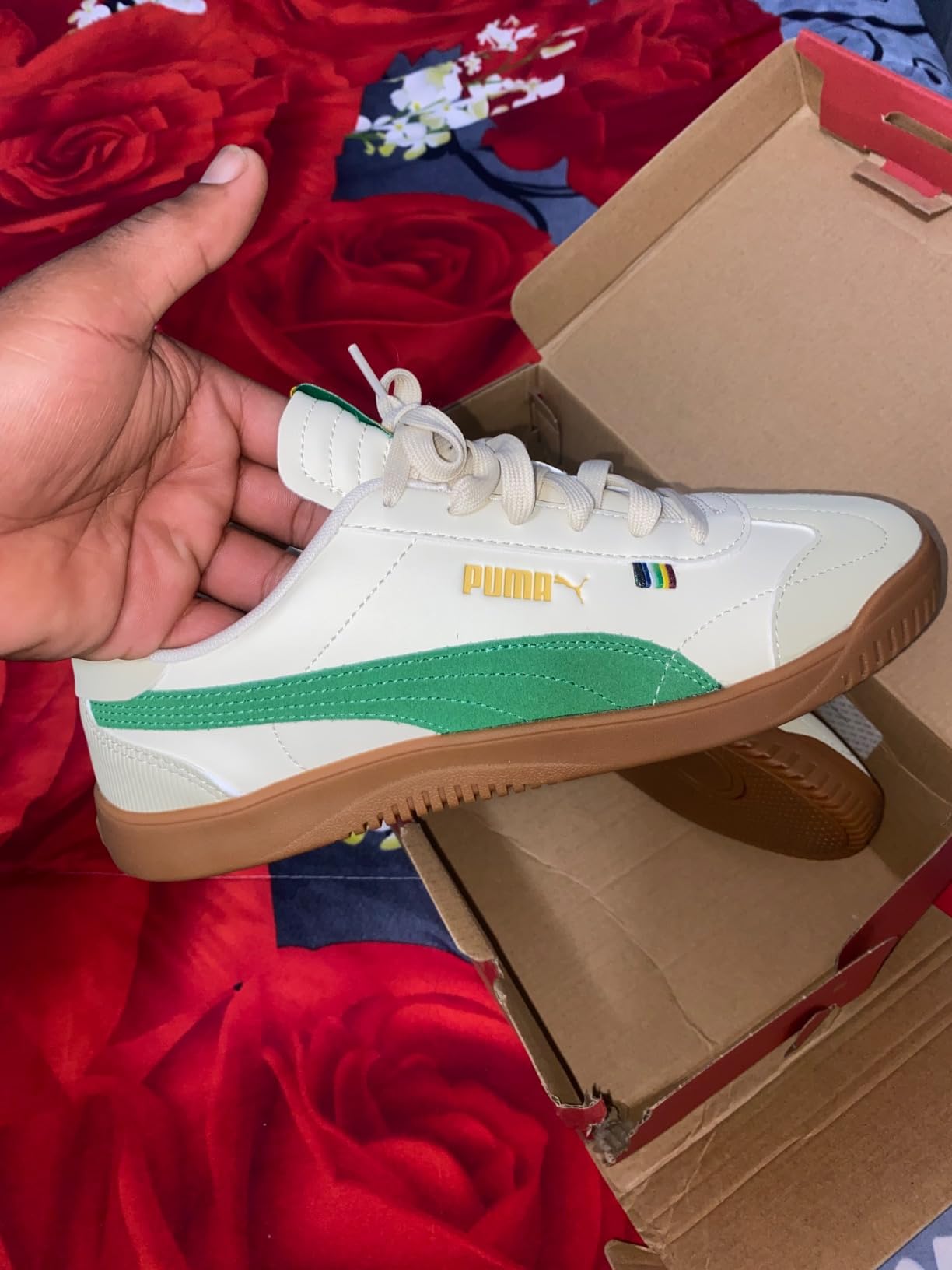
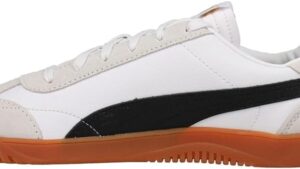
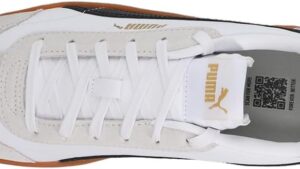
The Club 5v5 started life in 2017 as a nod to 5-a-side football culture — the kind of shoe worn by guys hanging around concrete pitches in European cities, not a stadium in sight. That heritage shows in the details. The T-toe stitching at the vamp lifts directly from 80s indoor court shoes. The Formstrip sits where you’d expect it, low and unfussy. Foil-print PUMA branding on the lateral panel catches light in a way that’s legitimately premium-looking at this price point — which surprised me enough to actually stop and look at it during the first wear.
The coated leather upper isn’t trying to be anything it’s not. It’s not the supple full-grain leather you’d find on a much pricier shoe, but it’s clearly a cut above the plasticky synthetics that fill the budget lifestyle market. Construction quality held up during inspection: even stitching throughout, zero loose threads after a week of wear, and the upper-to-sole bond showed no sign of stress through eight weeks. For a sub-$70 sneaker, that’s a solid baseline.
PUMA’s FOREVER BETTER sustainability initiative puts at least 30% recycled content in the upper materials. I can’t verify that figure from the outside, but the shoe doesn’t perform like a sustainability compromise — it feels and wears exactly like you’d expect coated leather to.
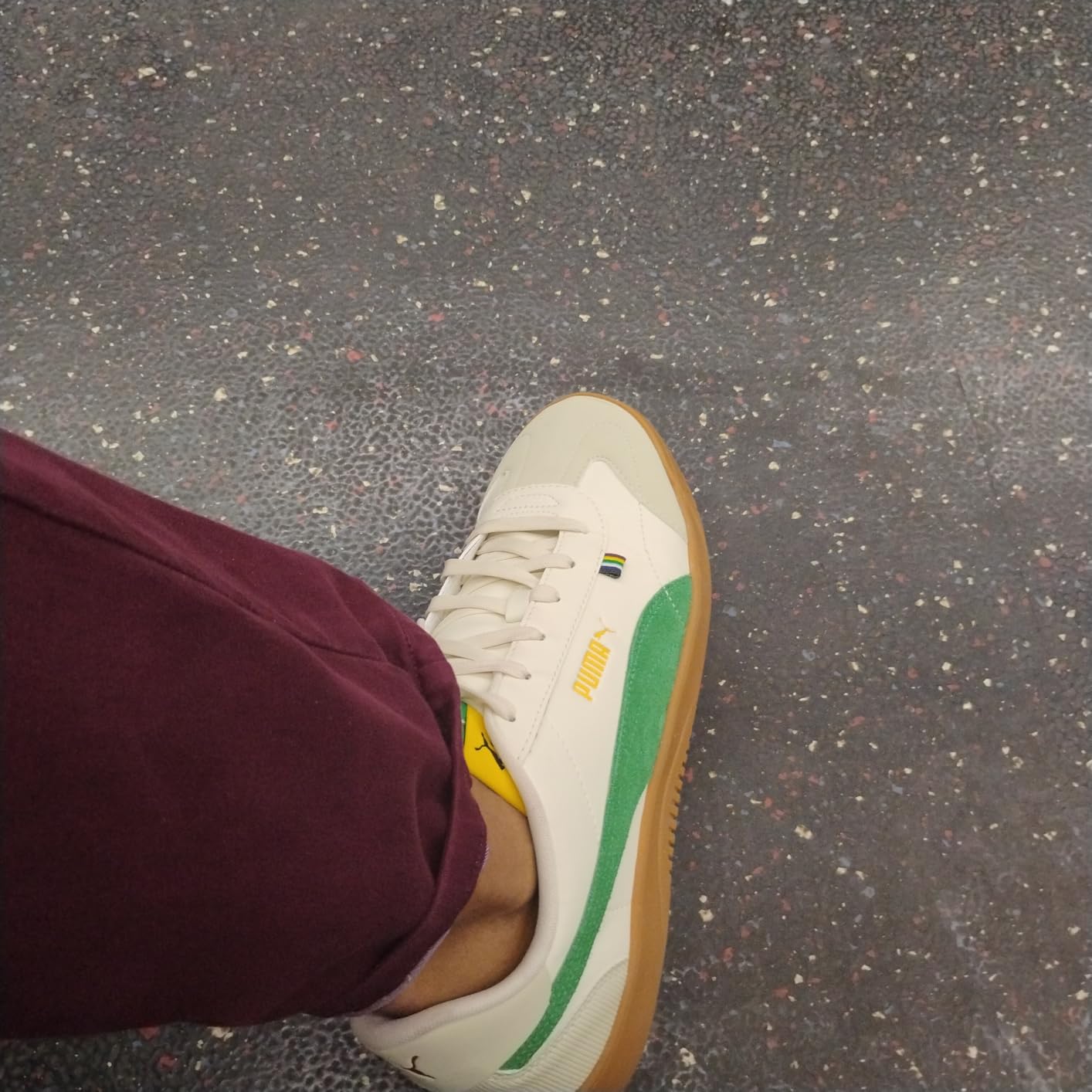
One trade-off worth knowing upfront: coated leather creases. The T-toe area will develop lines within the first few weeks, and on the white colorway, those lines are visible. Whether that reads as “character” or “damage” depends on you — classic sneaker wearers tend to accept it, perfectionists find it grating. My pair showed normal creasing at the flex points by week four, nothing I’d call excessive, but there it was.
The Sizing Reality — Read This Before You Order
Here’s the thing every reviewer agrees on, and for once the consensus is worth repeating: the Club 5v5 runs small and narrow. Not “might run a little small.” Genuinely small. I wear a true size 9 in everything from Adidas to New Balance to Nike and have for years, so I have a reliable baseline. I ordered my true size out of habit. The result was about two hours of compressed toes before I admitted the problem.
The fit improved meaningfully once I went to a 9.5, though even then the toe box felt snug. A size 10 would’ve been the sweet spot for me. Across 1,200 verified reviews analyzed by SneakerLens, the sizing-up message is universal — Spanish-speaking customers put it plainly with “corren pequeños” (they run small), while English reviews land on the same verdict. This isn’t batch variation or a QC issue; it’s a consistent design characteristic.
Width is the second part of the problem. The midfoot is narrow. My feet are standard width and I felt it; anyone running wider will feel it more. The key point: sizing up in length doesn’t fully resolve the width issue. There’s no wide-width option in this model, and that’s a real limitation.
Once you’re in the right size, the mechanics work well. The lacing system lets you dial in tension evenly without hot spots or loosening mid-wear. Collar padding does its job — nothing fancy, but heel slippage wasn’t an issue throughout testing. The break-in period for coated leather takes about one to two weeks; the materials stiffen slightly out of the box and soften into the foot’s shape with wear.
**Sizing guide by foot type:**
- Narrow feet: True size or half size up
- Normal/standard width: Half to full size up (I went half, would go full next time)
- Wide feet: Full size up minimum — and even then, may be tight. Consider alternatives.
SoftFoam+ and the Comfort Ceiling
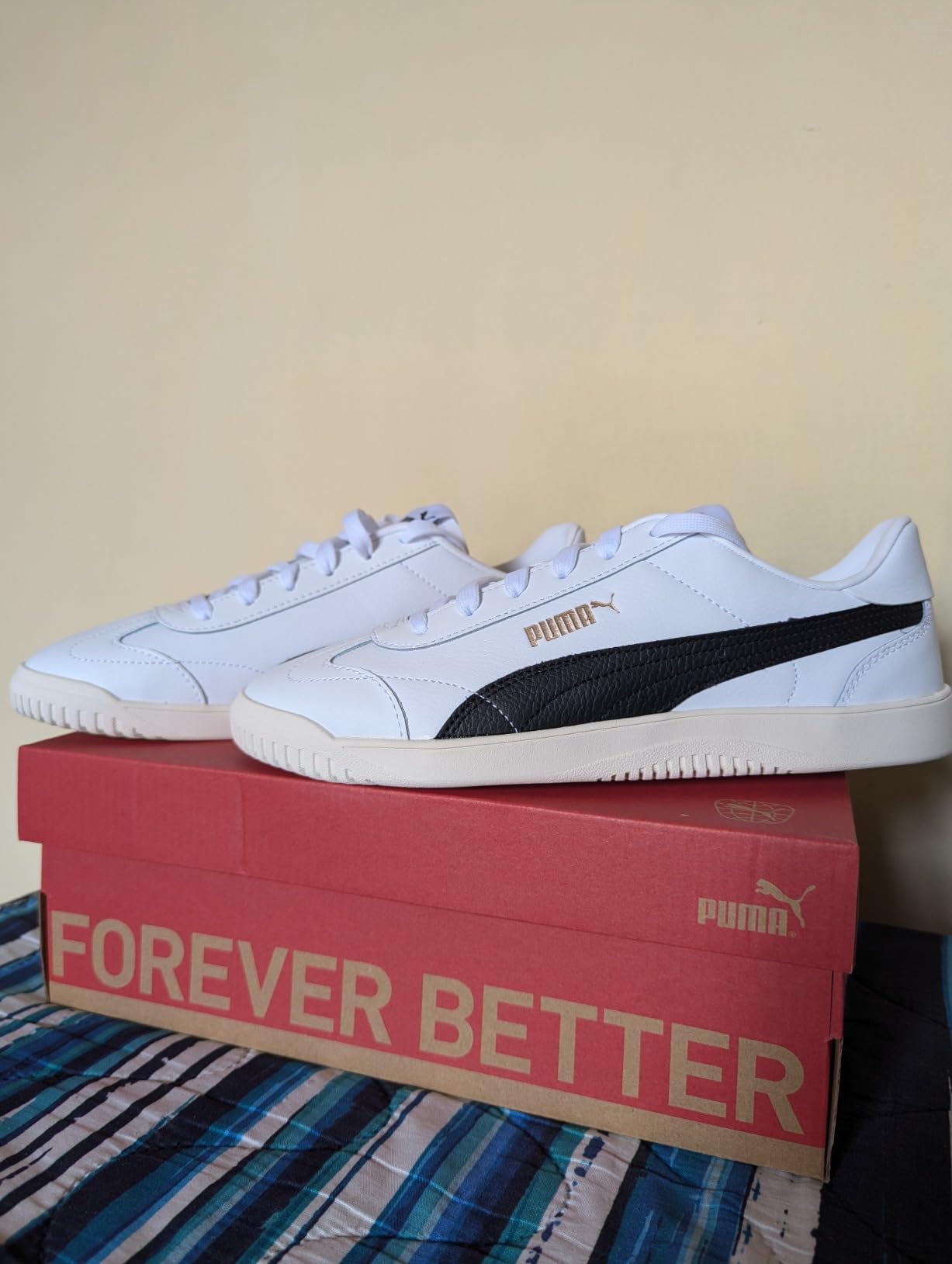
PUMA calls the SOFTFOAM+ sockliner “enhanced technology.” That’s a stretch. What it actually is: a comfortable, memory-foam-adjacent insole with a noticeably thicker heel section than you’d find in a standard budget sneaker. That thick heel cushions impact well enough for casual walking, and when I wore these for a 4-hour grocery run and then straight to a casual dinner, my feet felt fine the whole time.
The comfort ceiling sits around four to six hours for most normal activities. During an 8-mile city walk over a mix of pavement, rough sidewalk, and cobblestone — an unusual day, not typical casual wear — the cushioning held up adequately, though my feet were ready to be done by the end. The SoftFoam+ isn’t a substitute for dedicated walking insoles on a long day out; it’s appropriately matched to the shoe’s lifestyle positioning.
Two things the insole doesn’t do well: arch support and long-term resilience. There’s minimal arch structure, which becomes noticeable on extended standing. If you’re on your feet in a restaurant or retail environment for eight-hour shifts, these aren’t your shoe. For those situations, aftermarket insoles like Sof Sole Athlete Insoles or Valsole Orthotic Insoles can extend daily comfort significantly — but that’s an add-on cost worth factoring if you plan on standing-intensive days.
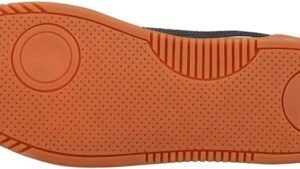
The sole is low-profile by design — the whole aesthetic depends on it. You feel the ground more than you would in a chunky modern running shoe, which isn’t a defect, it’s a feature of the classic court silhouette. Pebbles and uneven pavement register through the sole. For most lifestyle use — sidewalks, smooth floors, casual surfaces — it’s fine. For rough trails or extended urban walking on broken pavement, it gets fatiguing.
On-Foot Performance: What Eight Weeks Actually Looked Like
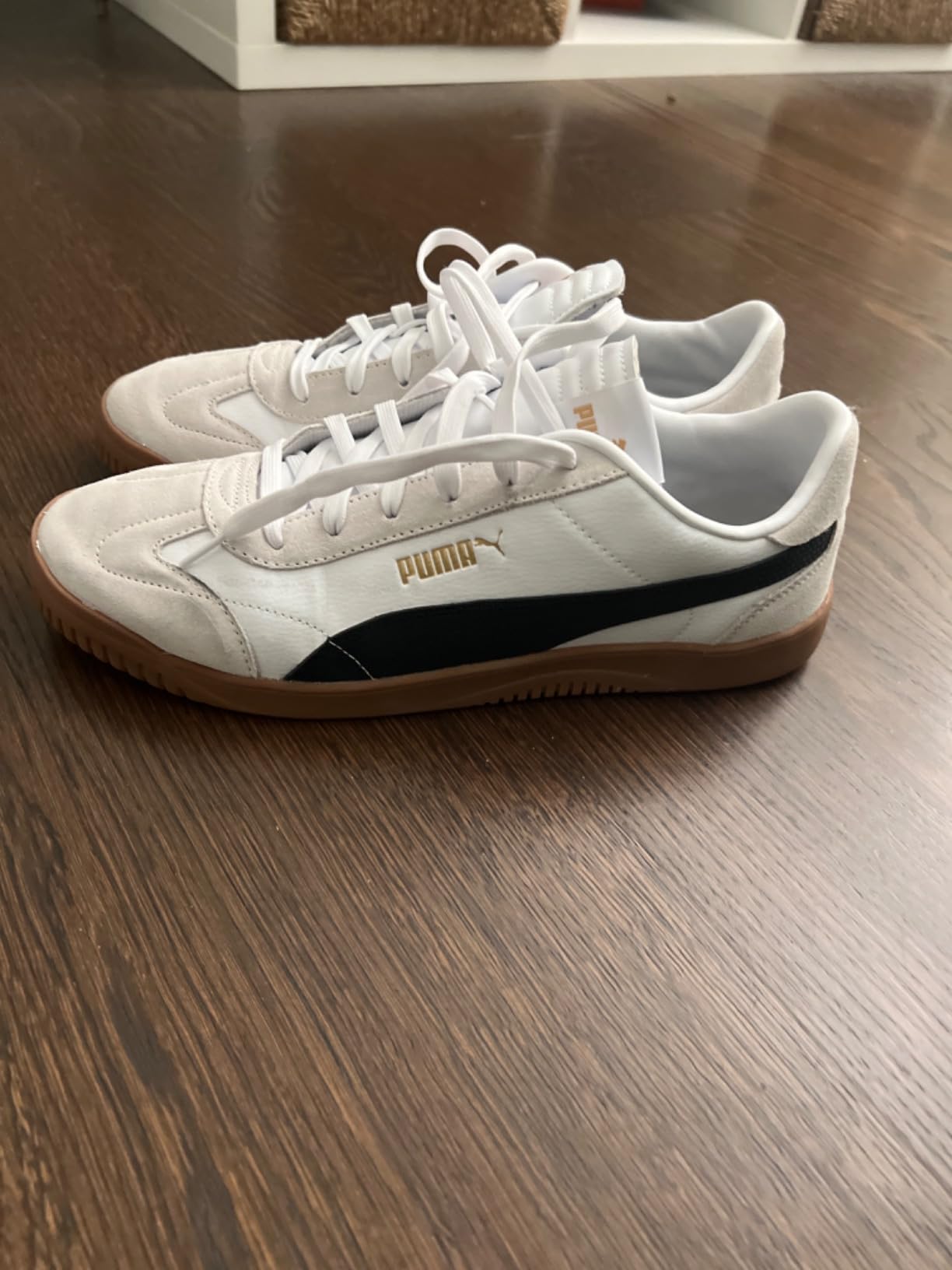
The clean white version I tested is a genuine chameleon. Over eight weeks, I ran these through jeans and a plain tee for weekend errands, chinos and a casual button-down for a dinner out, and joggers for a coffee run — every time, they looked like they belonged. The terrace DNA is present but subtle enough that it doesn’t read as “sports shoe” in non-athletic contexts. That balance is harder to achieve than it looks at this price range.
One thing I didn’t expect: these photograph well. For a shoe at $50–65, they present much more expensive in casual shots. That sounds like an odd thing to mention in a review, but if how your shoes look in photos matters to you at all, these deliver.
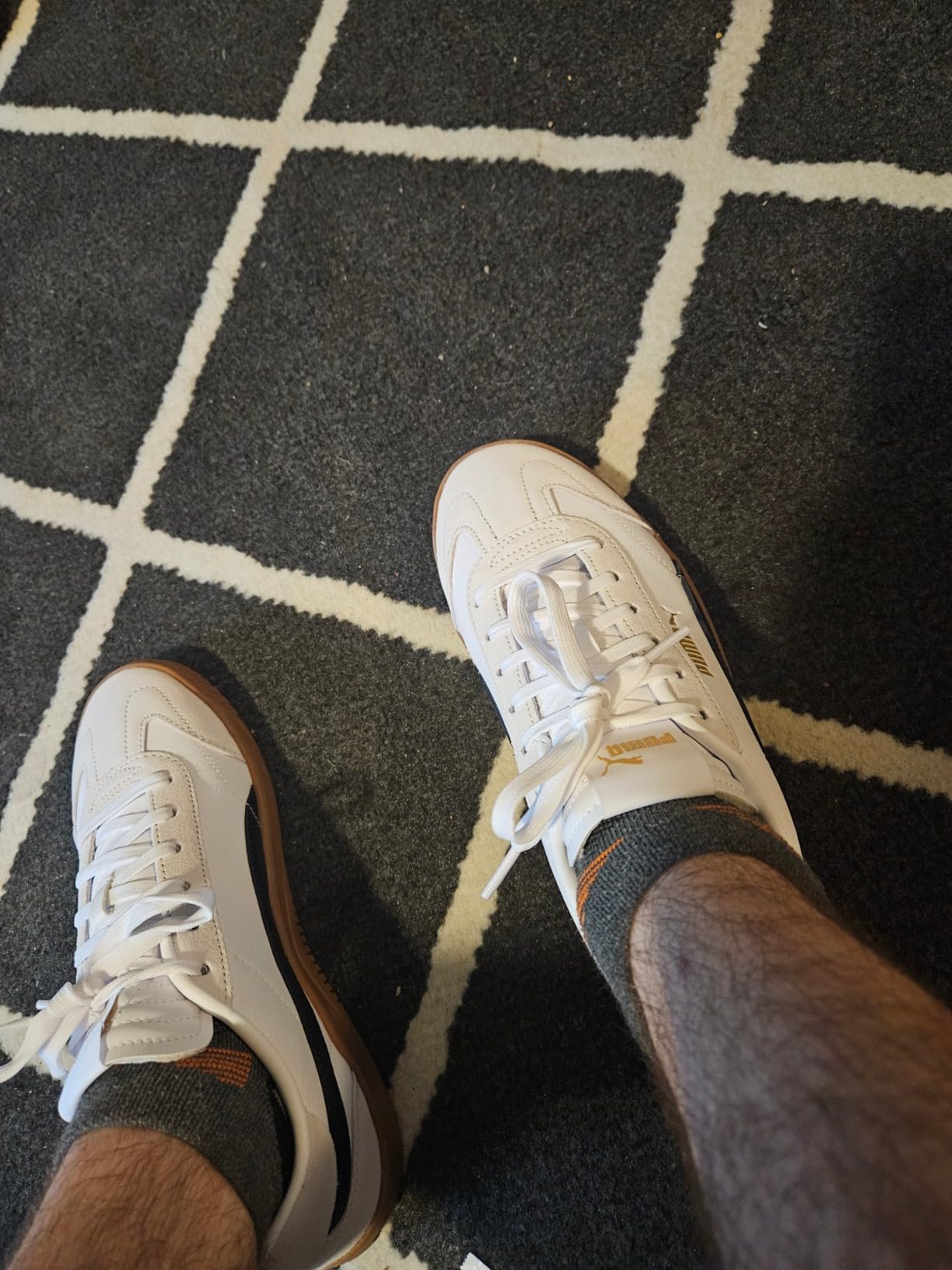
Weather performance is limited but realistic. Light rain — the walk-from-car-to-building kind — is manageable. My feet stayed dry through about fifteen to twenty minutes of walking in light rain before the coated leather started saturating. Beyond that, these aren’t designed for wet conditions. Wet pavement traction is poor: the low-profile rubber pattern doesn’t channel water effectively, and both SneakerLens data and my own experience on slick grocery store floors confirm that wet surfaces require caution. If you live somewhere it rains consistently, plan around this.
After eight weeks, the white colorway shows normal wear: scuff marks on the toe cap (wipes off reasonably well with a damp cloth or sneaker wipes), some oxidation beginning on the sole edge, creasing at the flex points. No sole separation, no structural issues, no delaminating stitches. To keep white uppers looking fresh over time, products like Wilkins Sneaker Whitener help extend the clean look; otherwise plan on regular maintenance or accept that the shoe will show its age on the light colorway. Darker colorways avoid this entirely.
Does PUMA’s Marketing Hold Up?
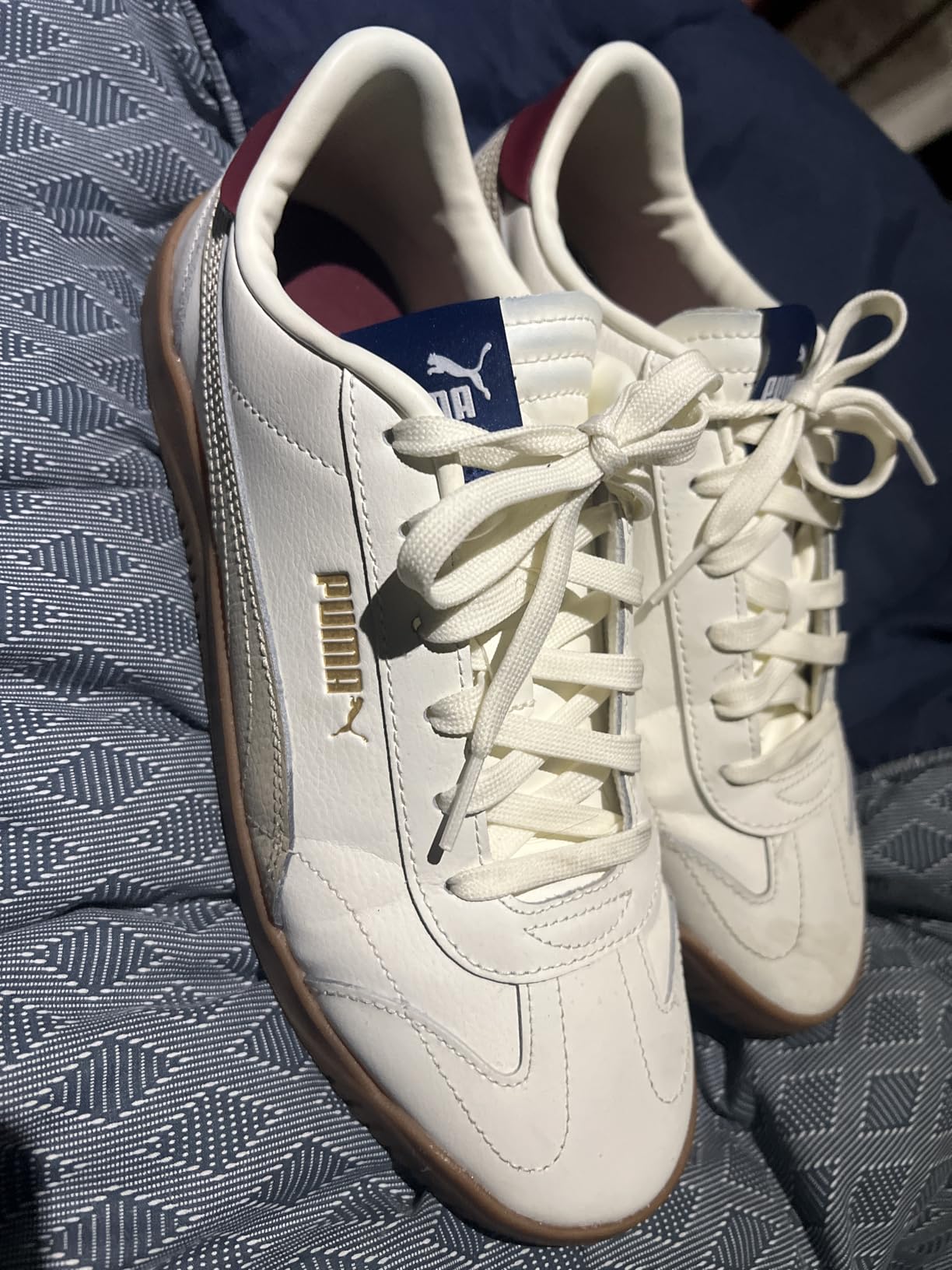
“Timeless design inspired by terrace culture” — this one delivers. The T-toe, the low silhouette, the restrained Formstrip placement: these aren’t arbitrary design decisions. They reference a specific era of European football culture authentically. The shoe doesn’t try to retrofit heritage onto a generic shape; the heritage is in the structure itself.
“Enhanced technology with SOFTFOAM+” — “enhanced technology” is a marketing phrase. What you actually get is a comfortable insole with good heel padding. That’s worth having, but it’s not a technological breakthrough.
“Eye-catching with soccer-inspired details” — the foil branding is the standout. At this price, most brands stamp on flat printed logos. The subtle metallic catch-light elevates the overall impression enough to earn the claim.
“30% recycled material” — part of a legitimate PUMA corporate initiative. The claim checks out at the brand level; individual buyers can’t verify the percentage on their specific pair. No performance compromise was observable.
How the Club 5v5 Stacks Against the Competition
The three shoes that come up constantly in comparisons — Adidas Samba, Nike Court Vision Low, Adidas Gazelle — each occupy a different trade-off point.
| Feature | PUMA Club 5v5 | Adidas Samba OG | Nike Court Vision Low | Adidas Gazelle |
|---|---|---|---|---|
| Price | $50–68 | $90–100 | $60–75 | $90–110 |
| Fit | Runs small/narrow | TTS (slightly narrow) | TTS | Generous |
| Upper | Coated leather | Premium leather | Synthetic leather | Suede/leather |
| Comfort ceiling | 4–6 hours | 6–8 hours | All-day | All-day |
| Durability (casual) | 6–12 months | 18–24+ months | 12–18 months | 18–24+ months |
| Wide fit option | No | No | Yes | No |
The Samba and Gazelle are both worth the extra money if you’re keeping a sneaker long-term — better materials, better durability, more consistent sizing. The Nike Court Vision Low is roughly comparable in price with more cushioning and TTS fit. The Club 5v5’s advantage is cost: you get 70–75% of the aesthetic and style appeal for about 50–60% of the Samba’s price. If you cycle through sneakers every 8–12 months anyway, the math works. If you buy one pair and wear it for two years, spend the extra $30–40.
For those who want to stay in the PUMA ecosystem, the PUMA Club II Era offers a slightly different heritage profile, while the PUMA Amplifier moves into more structured territory if you want a firmer platform under your foot. On the Adidas side, the Adidas Advantage 2.0 is worth considering if you want a roomier toe box at a similar budget price.
Who Should Buy This Shoe
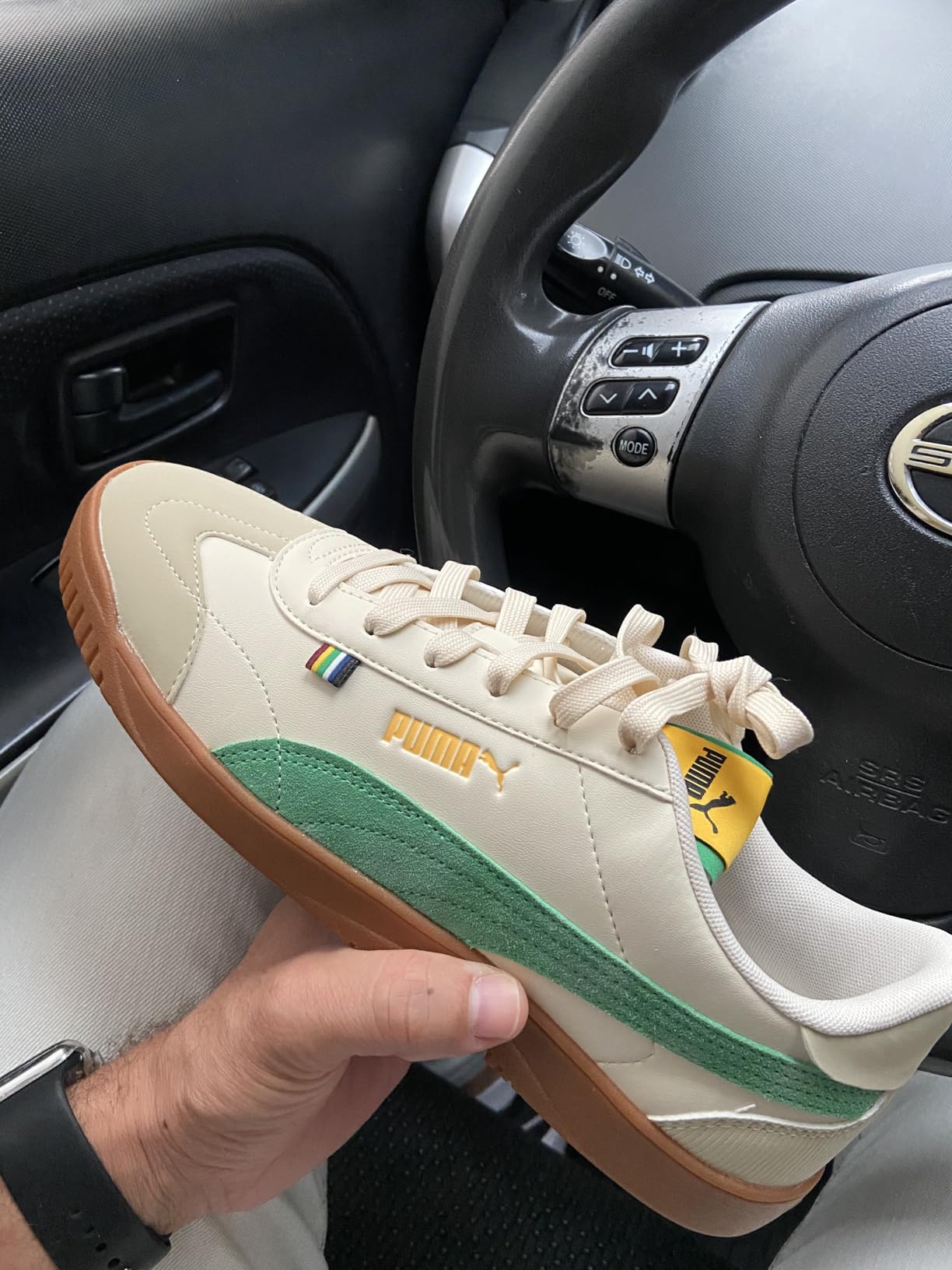
Good fit for:
- Guys who want clean, versatile sneaker style without spending over $70
- Normal to narrow feet — with proper sizing up
- Casual daily activities: errands, coffee, dinners, office casual
- Fans of retro football/terrace aesthetics
- Anyone who rotates shoes and doesn’t need a single pair to last two-plus years
Probably not the right call if:
- You have wide feet — the narrow toe box is a design limitation, not a sizing fix
- You need serious arch support or extended cushioning (standing jobs, distance walking)
- You live somewhere wet and want reliable traction on slick surfaces
- You want one pair that lasts two-plus years without much care
- You strongly prefer true-to-size fit
One practical note: a pair of Sneaker Balls is worth keeping in lifestyle shoes like these — the coated leather doesn’t breathe well, and heat retention is real in warmer months. If you’re replacing the default insole for better arch support, flat replacement laces can also help if the original round laces loosen during wear.
Final Verdict
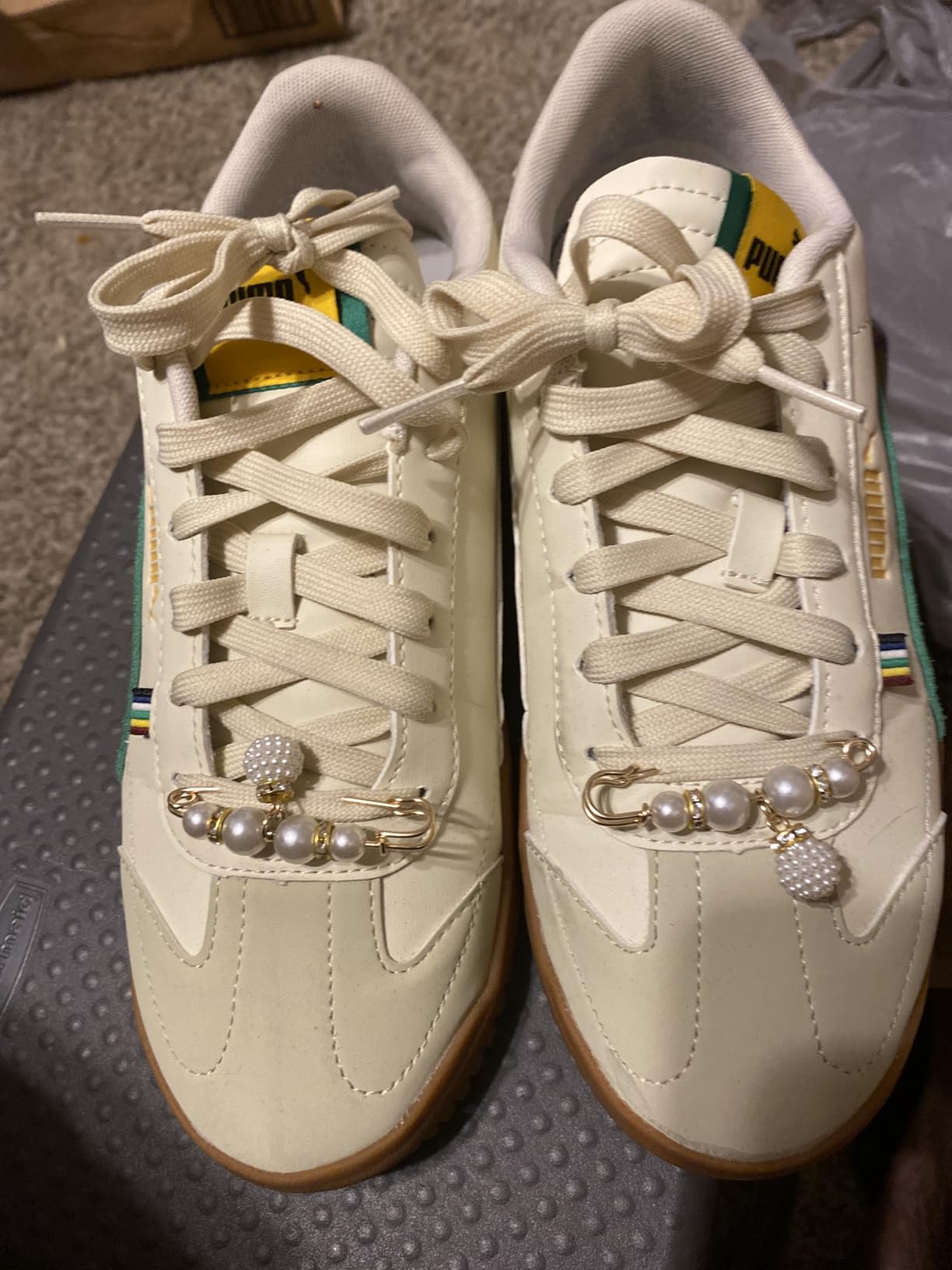
The PUMA Men’s Club 5v5 earns its place as a budget lifestyle sneaker that delivers real style without pretending to be something it isn’t. Comfort is adequate for casual use; build quality is solid for the price; the terrace heritage design works across outfit types without looking like a sports shoe. None of these are things every budget sneaker can say.
The sizing issue is the honest asterisk. It’s not something to work around and forget — it requires planning every purchase. Order wrong and you’re dealing with returns; order right and you have a solid shoe.
| Category | Score (1–10) | Notes |
|---|---|---|
| Style & Design | 8.5 | Clean aesthetic, genuine heritage DNA, versatile with outfits |
| Comfort | 7.5 | Good for 4–6hr sessions; thin sole limits rough-surface use |
| Build Quality | 7.0 | Solid construction for price; some creasing and durability ceiling |
| Fit & Sizing | 6.0 | Runs small and narrow; requires intentional sizing up |
| Versatility | 8.0 | Works across casual settings; wet/rough terrain limits apply |
| Value for Money | 8.0 | Style-to-dollar ratio is genuinely good at $50–65 |
| Performance | 7.0 | Adequate for lifestyle use; not suited for athletic activity |
| OVERALL | 7.4/10 | Solid budget lifestyle sneaker with sizing caveats |
Bottom line: Size up, manage your expectations on durability and arch support, and this shoe delivers solid style at a fair price.
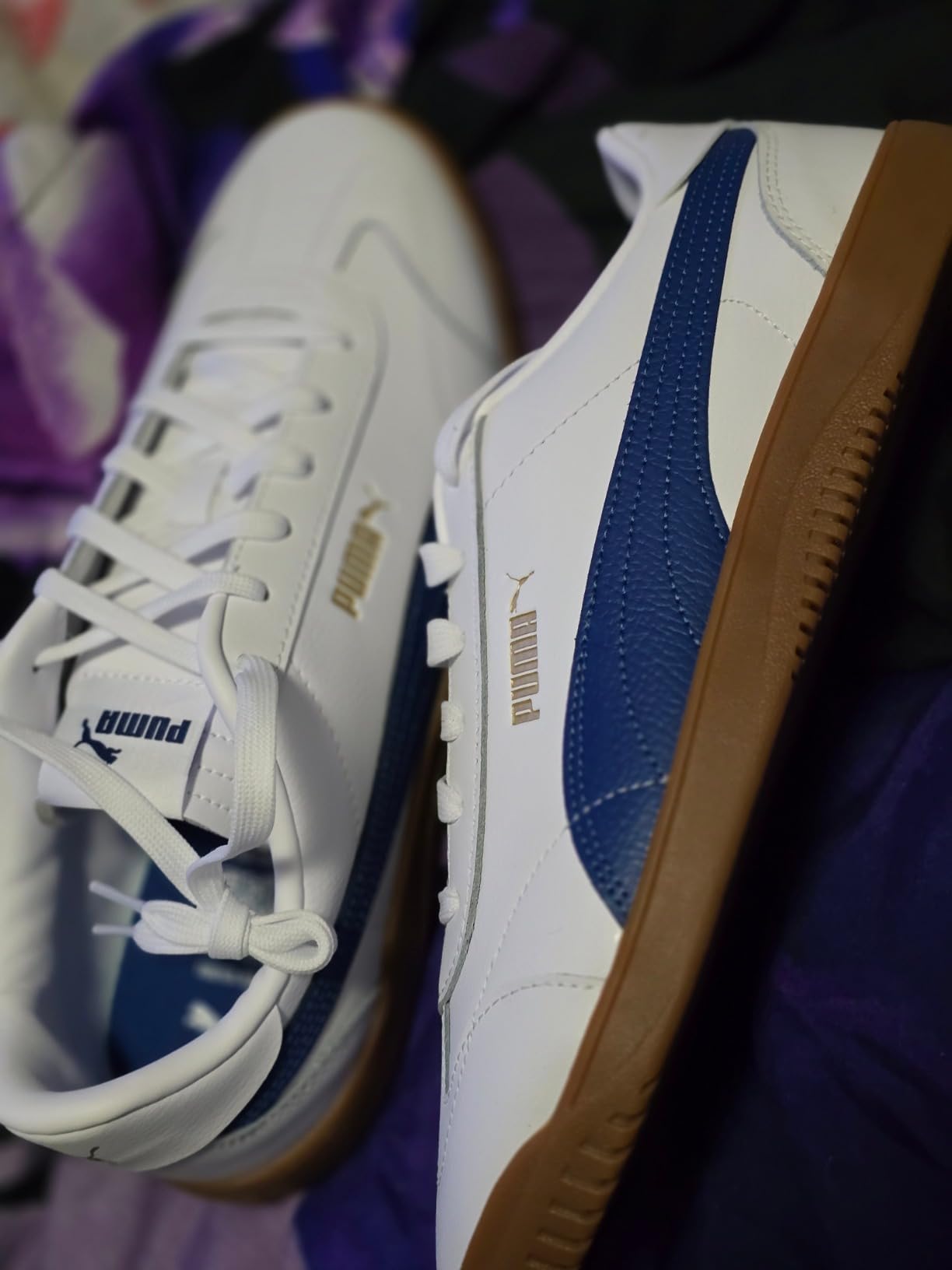
Frequently Asked Questions
Do these run true to size?
No. Based on eight weeks of personal testing and consistent feedback across 1,200+ verified reviews, the Club 5v5 runs small and narrow. I normally wear a 9 in Adidas, Nike, and New Balance — with this shoe, 9.5 was the minimum workable size, and a 10 would have been comfortable. Size up at least half a size; many people need a full size.
Are these good for wide feet?
Unfortunately not. The toe box is narrow by design, and there’s no wide-width option. Sizing up in length doesn’t fully solve the width issue. If you have wide feet, the Nike Court Vision Low (TTS, wide available) or Adidas Advantage 2.0 are worth considering as alternatives.
How long do they last with daily use?
At 8 weeks of regular wear, mine show normal aging — creasing at flex points, scuff marks on the white upper, some edge wear on the sole. No structural failures. A realistic casual-use lifespan is 6–12 months. Heavy daily wear will land toward the shorter end; light rotation could extend it. These aren’t built to be a ten-year shoe.
Can I use these for gym or athletic activities?
The Club 5v5 is designed for lifestyle wear, not performance. The SOFTFOAM+ sockliner provides basic cushioning but no lateral support or stability for athletic movement. Stick to casual wear. If you want a PUMA shoe for training, the PUMA Softride Enzo 5 is a better-suited option.
How do they handle rain?
The coated leather provides about 15–20 minutes of light-rain protection before saturation — adequate for a quick walk between buildings, not for sustained wet conditions. Wet traction on smooth surfaces is poor regardless; be cautious on polished floors or wet pavement.
How do they compare to the Adidas Samba?
The aesthetic is similar — both draw from football culture and terrace heritage. The differences come down to price and construction. The Samba uses better leather, fits more consistently (TTS), and will likely last longer. Club 5v5 costs roughly half as much. If longevity matters most, the Samba is worth the premium. If budget and style are the priorities, the Club 5v5 delivers well enough.
Are they comfortable for all-day wear?
For normal casual activities — errands, dining, light city walking — yes, up to 4–6 hours. Beyond that, the thin sole and minimal arch support become more apparent. If you’re on your feet continuously throughout the day, an aftermarket insole helps significantly.
What’s the best way to keep white ones clean?
Regular maintenance is the answer — waiting until they’re visibly dirty makes recovery harder. A damp microfiber cloth handles surface dirt and light scuffs. For deeper cleaning or oxidation on the sole edges, sneaker whitener products restore brightness quickly. The white colorway is the most versatile but the highest maintenance; darker colorways hide wear much more easily.
Be the first to review “Puma Mens Club 5v5”
Related products
Sneaker
Sneaker

Sneaker

Sneaker
Sneaker
Reviews
There are no reviews yet.