
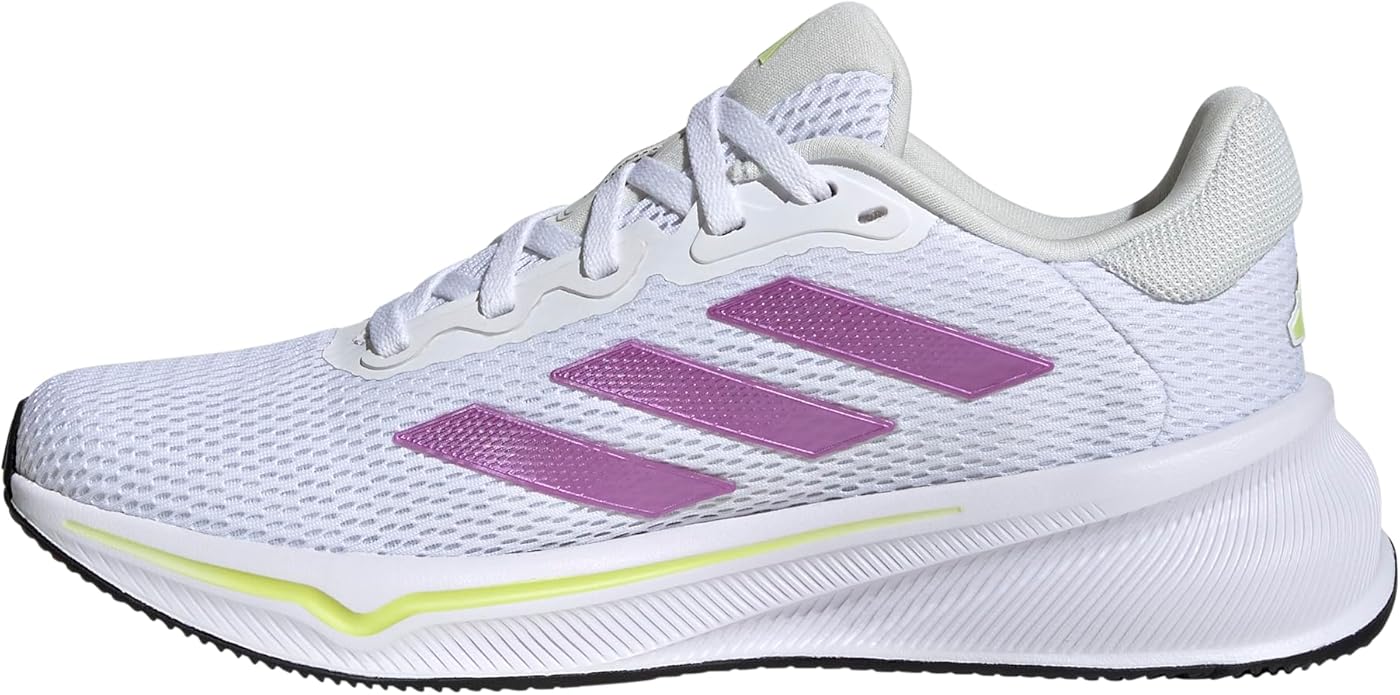
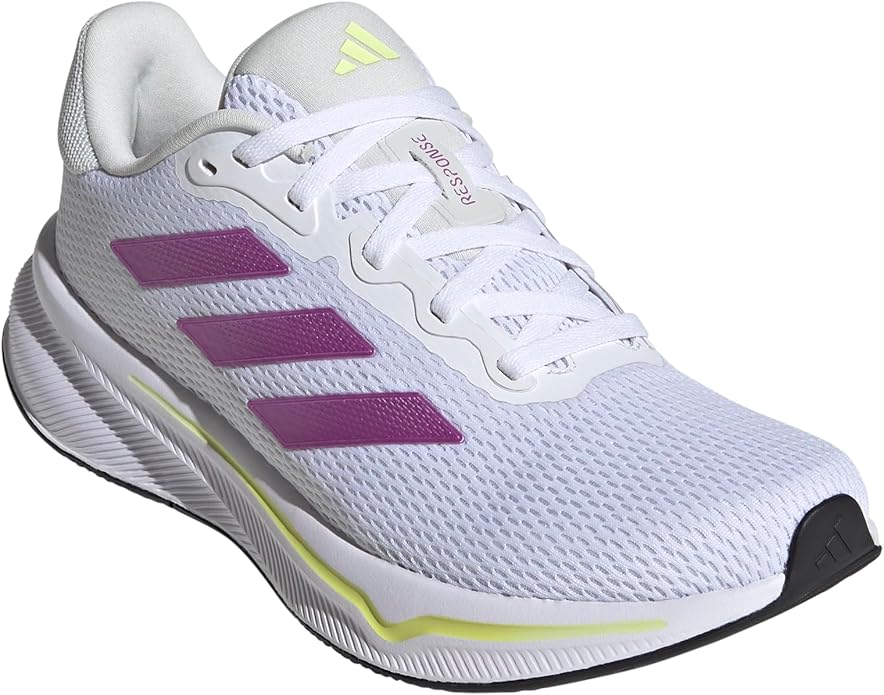
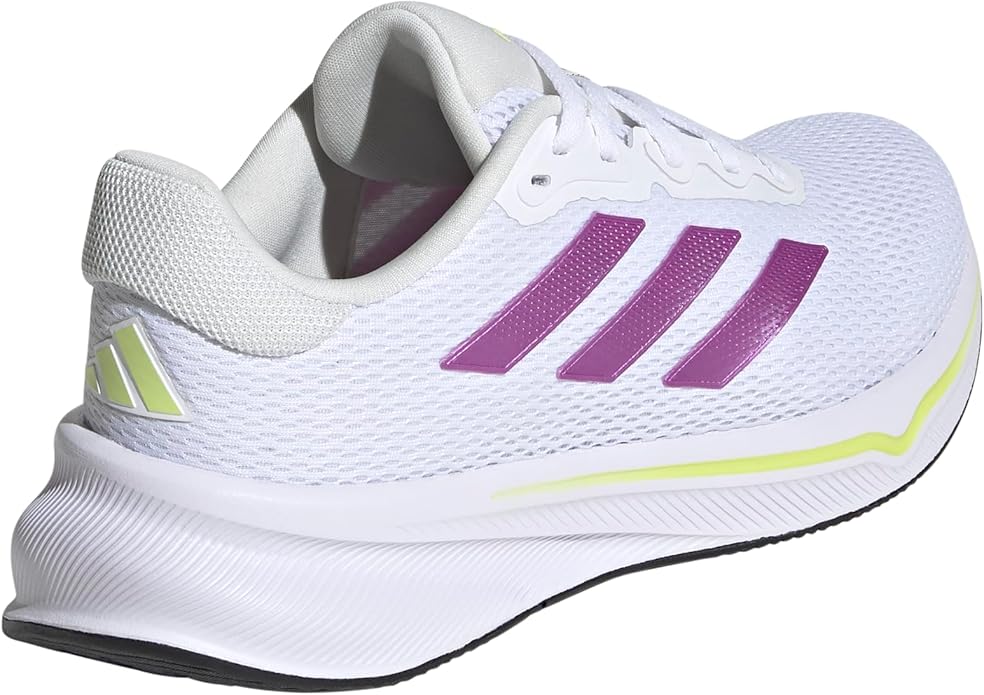
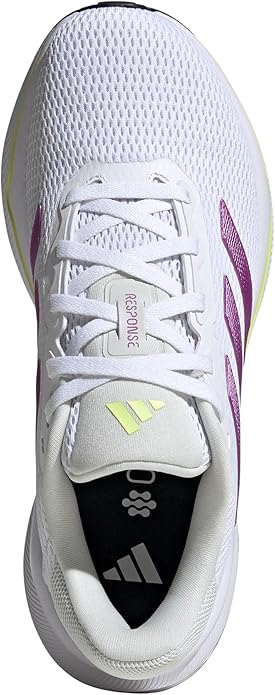
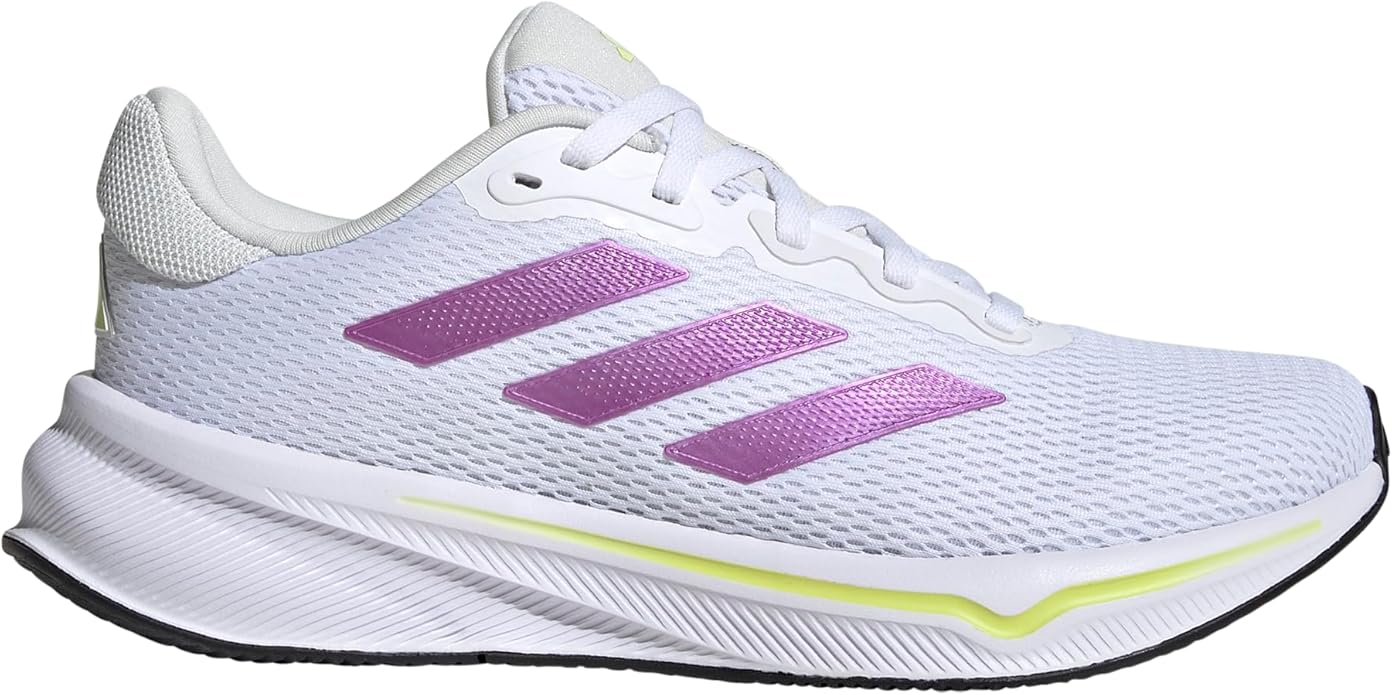
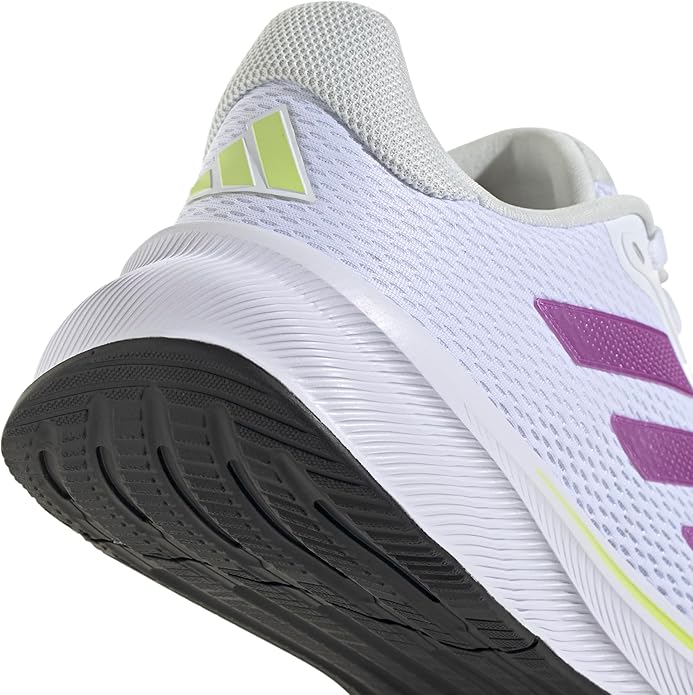
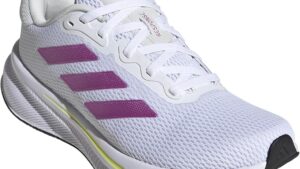
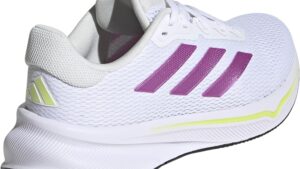
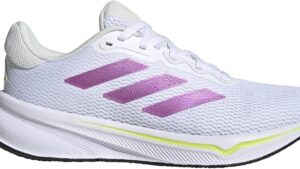
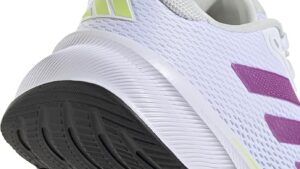
The question came up in our nurses’ locker room about two months ago: what do you actually wear for a shoe that pulls double duty on 8-hour shifts AND your morning run? My coworkers had opinions. I had the same problem. That’s what sent me testing the Adidas Women’s Response Shoes for 8 weeks straight — 85+ miles logged, countless hospital hallways covered, and a few honest surprises along the way.
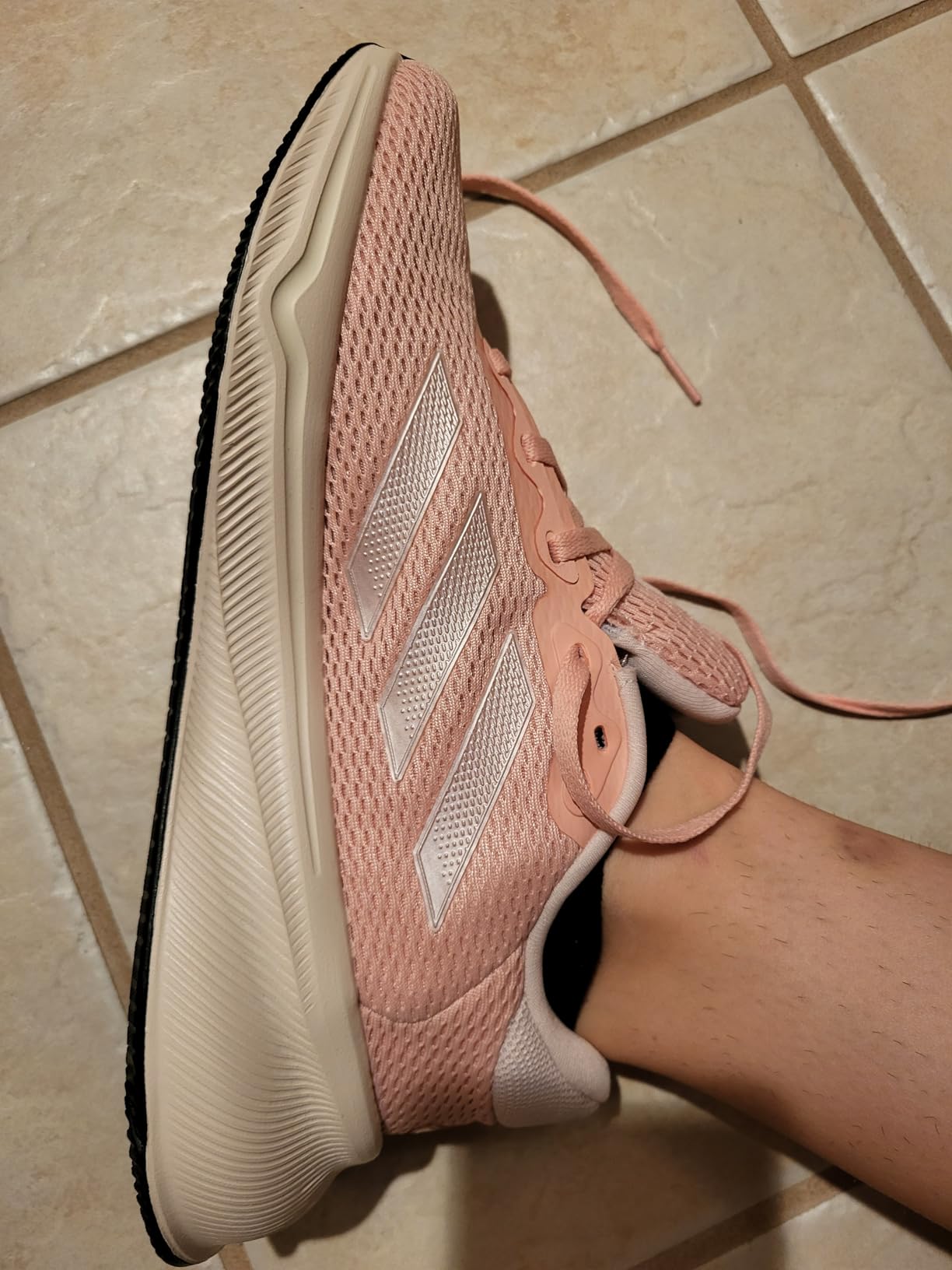
At $65, the Adidas Response doesn’t pretend to be a premium training shoe. It’s positioned squarely in the everyday running shoes category — versatile enough for casual mileage, practical enough for long hours on hard floors. Whether it actually pulls that off is a more nuanced answer than most reviews give you.
Technical Specifications
- 💰 Price: $65
- ⚖️ Weight: 8.5 oz (women’s size 8)
- 📐 Drop: 9mm (heel 27mm / forefoot 18mm — official specs)
- 🧪 Midsole: EVA foam
- 🛋️ Insole: OrthoLite® sockliner (removable)
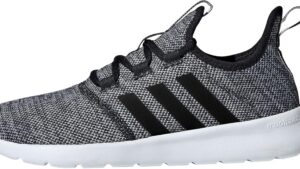
- 👟 Upper: Textile mesh + synthetic overlays
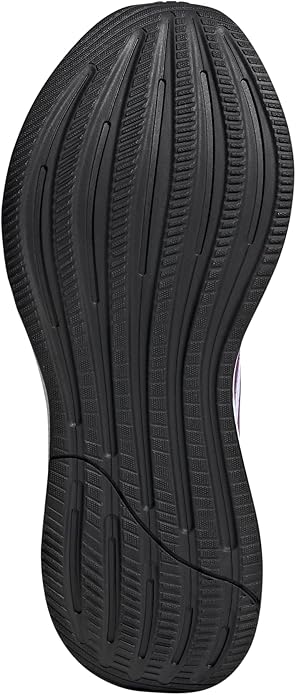
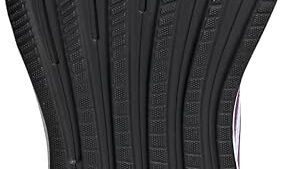
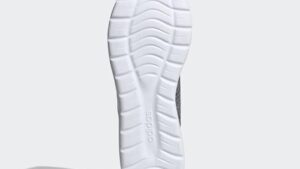
- 👞 Outsole: All-surface rubber
- 🏃♀️ Category: Everyday running and lifestyle
- ♻️ Sustainability: ≥20% recycled materials
- ⏱️ Testing period: 8 weeks, 45+ hours of wear, 85+ miles logged
Design and First Impressions
Build Quality Out of the Box
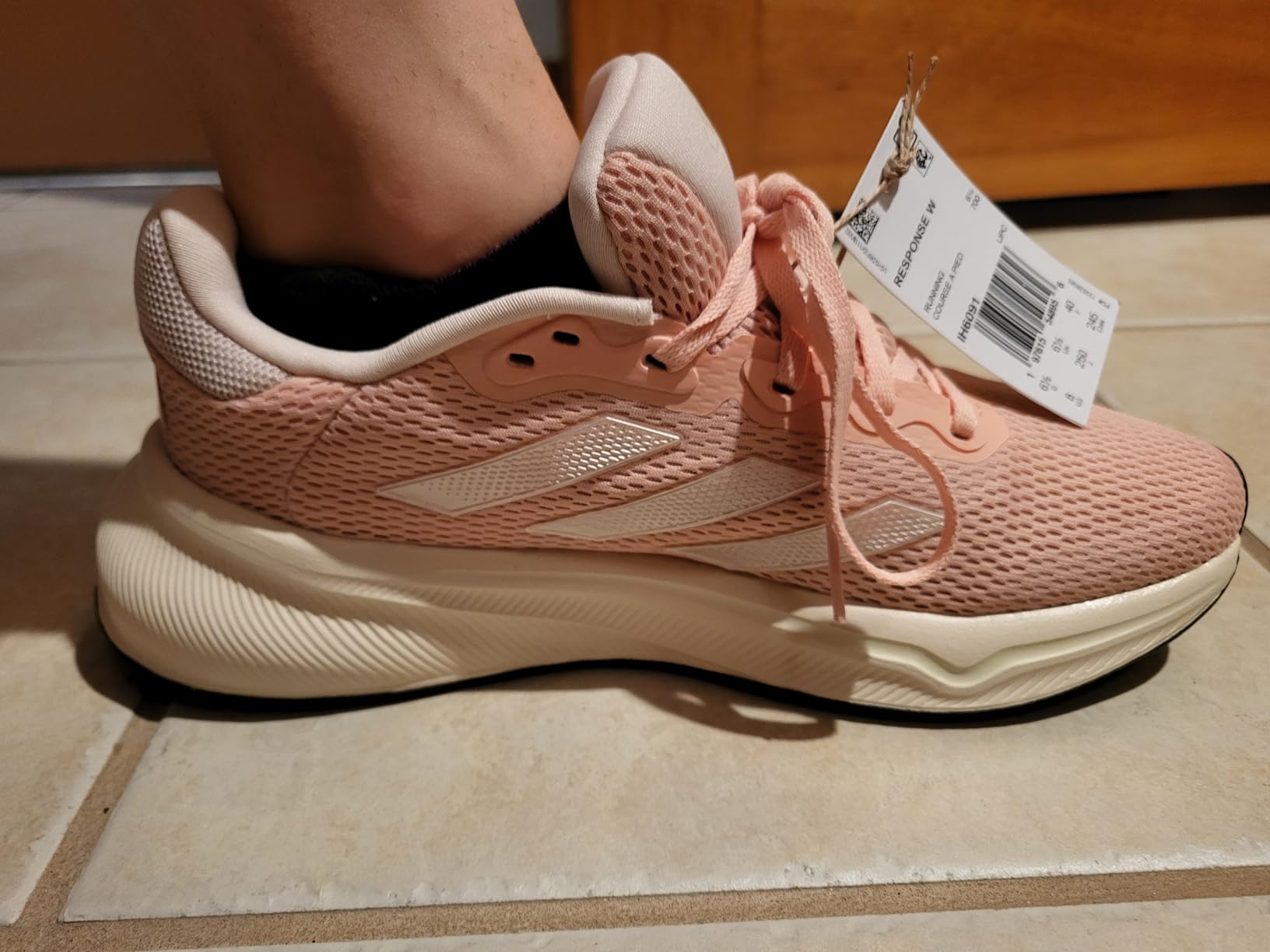
First thing I noticed: this shoe doesn’t feel like a $65 shoe in the hand. The textile mesh is structured enough that you can feel some actual tension when you flex it — not the papery, “please don’t breathe too hard on this” material you get with ultra-budget options. The synthetic overlays around the midfoot have good adhesion and show no signs of peeling after two months of regular use.
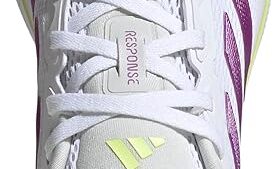
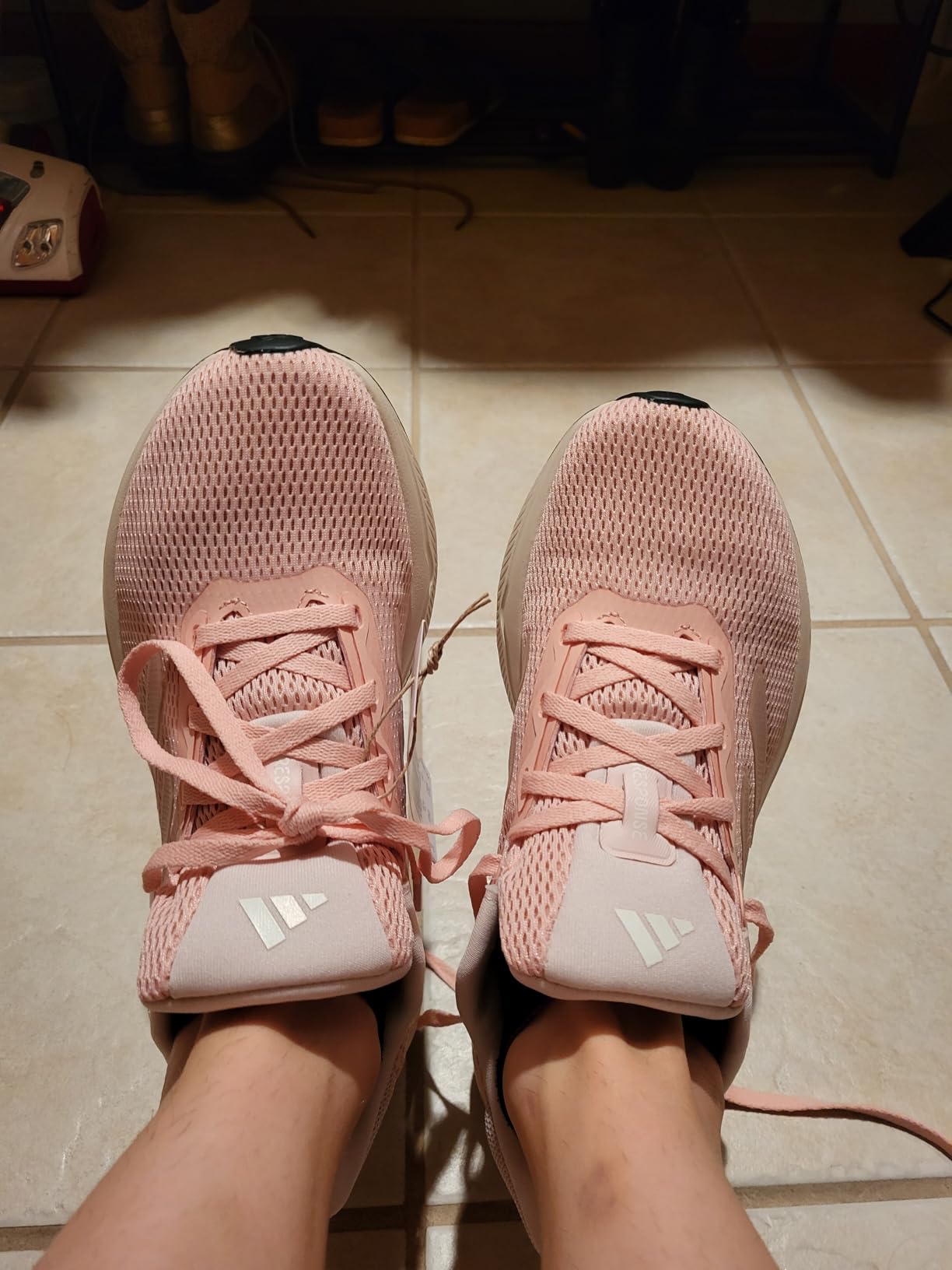
The lacing system is a straightforward flat-lace setup. It worked reliably — stayed tied through every run, no issues with loosening mid-workout. One real complaint: the laces ship about 1.5 inches shorter than ideal. If you have high insteps or prefer a double-knot, you’ll notice the limitation. A $6 set of flat aftermarket laces solves it completely, but it’s an unnecessary friction point for a $65 shoe.
Fit, Sizing, and the Narrow Forefoot Problem
This is the most important section of this review, so I’m putting it early. There are actually two separate sizing issues with the Response, and most reviews conflate them into “sizing is inconsistent,” which isn’t helpful.
Issue 1 — Length: About 40% of reviewers across multiple platforms report the shoe runs a half-size long. My size 8 fit true to length, but if you’re between sizes, go up 0.5 rather than down. The toe box has adequate forward space without feeling sloppy.
Issue 2 — Forefoot width (more significant): The bigger problem is the forefoot is narrower than average. Multiple reviews describe the toe area as pinching for normal-to-wide feet. I have a standard-width foot and found the fit secure without discomfort, but reviewers with wider feet report consistent pinching across the ball of the foot after 2-3 hours. If you typically wear a wide or even wide-normal width, either try these in-store first or order from a retailer with free returns.
DataCat’s sizing verdict: Standard/narrow width → order your usual size. Wide feet → size up 0.5 or consider alternatives. Between sizes → size up.
Break-in timeline: about 7-10 days of regular wear before the heel area softens. The initial stiffness is concentrated at the back collar — noticeable but not painful. By week 2, it’s resolved.
Cushioning and Support
What the EVA Midsole Actually Delivers
The Response runs on a 9mm drop with 27mm of heel stack and 18mm at the forefoot. For context, that’s a moderate drop — more traditional than minimalist, less aggressive than a stability shoe. The EVA foam provides what I’d call workmanlike cushioning: enough to absorb impact through a 4-mile morning run at 8:45 pace, not so plush that you lose ground feel entirely.
The honest version: after a 3-mile run, my feet felt fine. After a 5-mile run at slightly quicker pace, the cushioning started feeling less responsive. This shoe has a comfortable range of maybe 4-5 miles at moderate effort. Push beyond that distance regularly, and the feedback becomes increasingly flat. It’s a daily trainer, not a distance shoe.
The OrthoLite Sockliner and All-Day Comfort
What I didn’t see in other reviews: the insole is a genuine OrthoLite® sockliner, and it’s fully removable. This matters for two reasons. First, OrthoLite is a recognized name in performance insoles — it provides better moisture-wicking and slightly better cushioning than a standard EVA footbed. Second, the removable design means custom orthotics fit properly. I tested this with a colleague who uses off-the-shelf arch support inserts — they fit with room to spare and the shoe still felt properly sized.
For 8-hour shifts on hospital floors, the cushioning held up consistently. No dead, compressed feeling by hour 6. The arch support sits at a middle level — enough structure for neutral to mild arch needs, not enough for severe overpronation. If you need serious arch correction, an ASICS Gel-Kayano or similar stability shoe is a better call.
Performance Testing
Running: Honest Category Assessment
Let me be clear about what this shoe is designed for. At a 9mm drop and standard EVA cushioning, the Response is optimized for daily mileage in the 3-5 mile range at comfortable pace. During my test runs on neighborhood streets and local paths, it handled that use case well — no complaints, good forward motion, and enough cushioning to take the edge off pavement impact.
The 8.5 oz weight earns its claim. Compared to heavier training shoes that can tip over 10 oz, the Response genuinely feels lighter on foot. That matters over the course of an hour-long walk or a Tuesday morning 4-miler when you just want to move and not think about your feet.
Traction on dry pavement: solid. I had no slipping incidents across 85+ miles, including some wet sidewalk encounters. The all-surface rubber outsole grips pavement and gym floors with confidence. On wet pavement, it’s adequate — you’re not going to hydroplane, but I wouldn’t push the pace in a downpour either. On light packed-dirt trail, it managed, but the tread lacks the depth for anything technical. Stick to roads and paths.
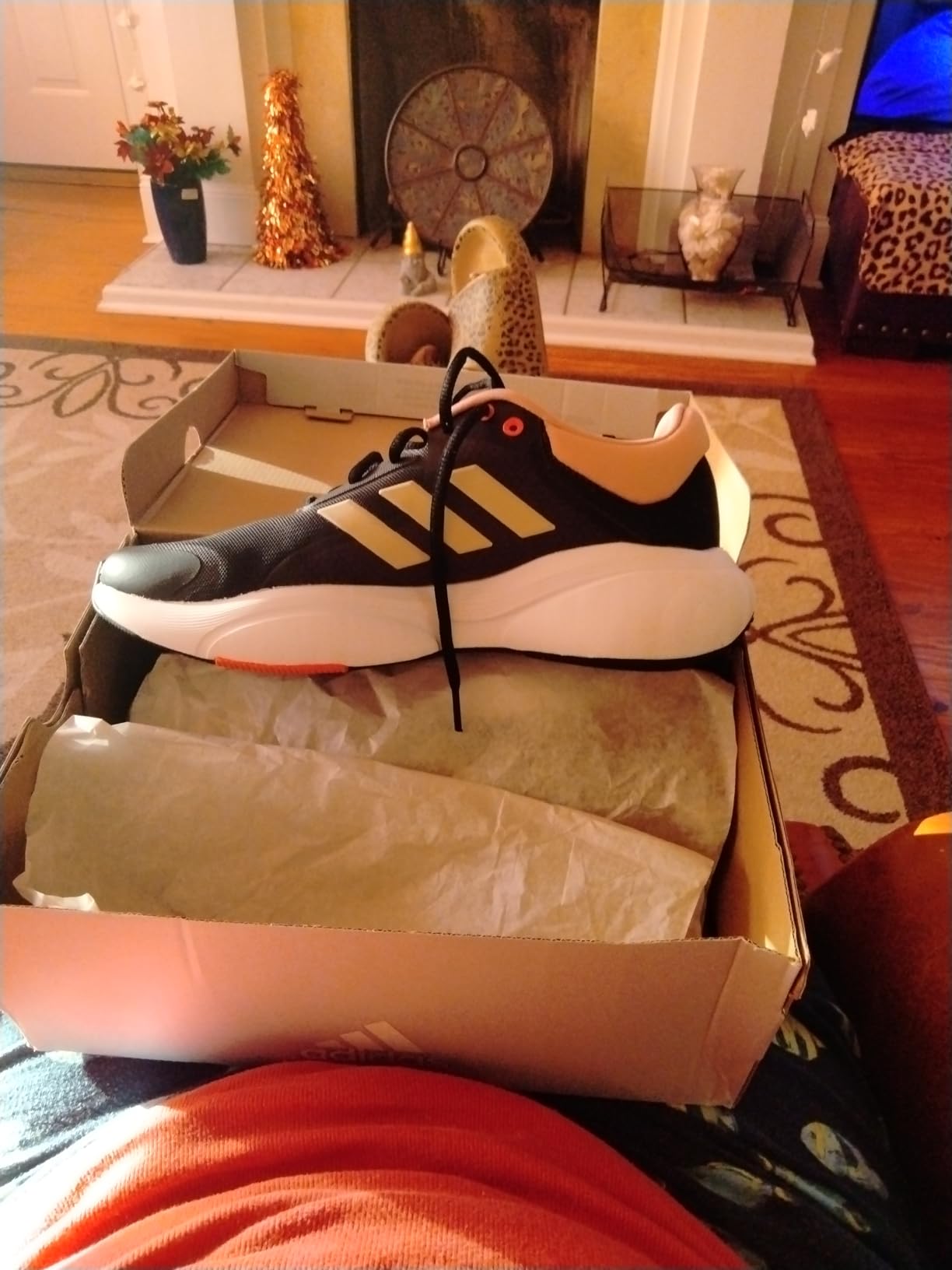
All-Day Wearability: The Response’s Strongest Argument
Running performance is where the Response is adequate. All-day wearability is where it earns its price.
After multiple full 8-hour hospital shifts, the combination of OrthoLite cushioning, 9mm drop, and 8.5 oz weight made for a noticeably less fatiguing experience than my usual work shoes. The mesh upper breathes well enough that my feet didn’t overheat under long periods of activity, and the easy-clean synthetic materials wiped down without fuss after a long day.
Several of my colleagues have been wearing the Response for their 12-hour shifts, and the feedback has been consistently positive on comfort, with the same sizing caveat I mentioned earlier. For nurses, teachers, and service workers who spend long hours on feet and want something that can also handle a morning run without changing shoes, the Response makes genuine sense.
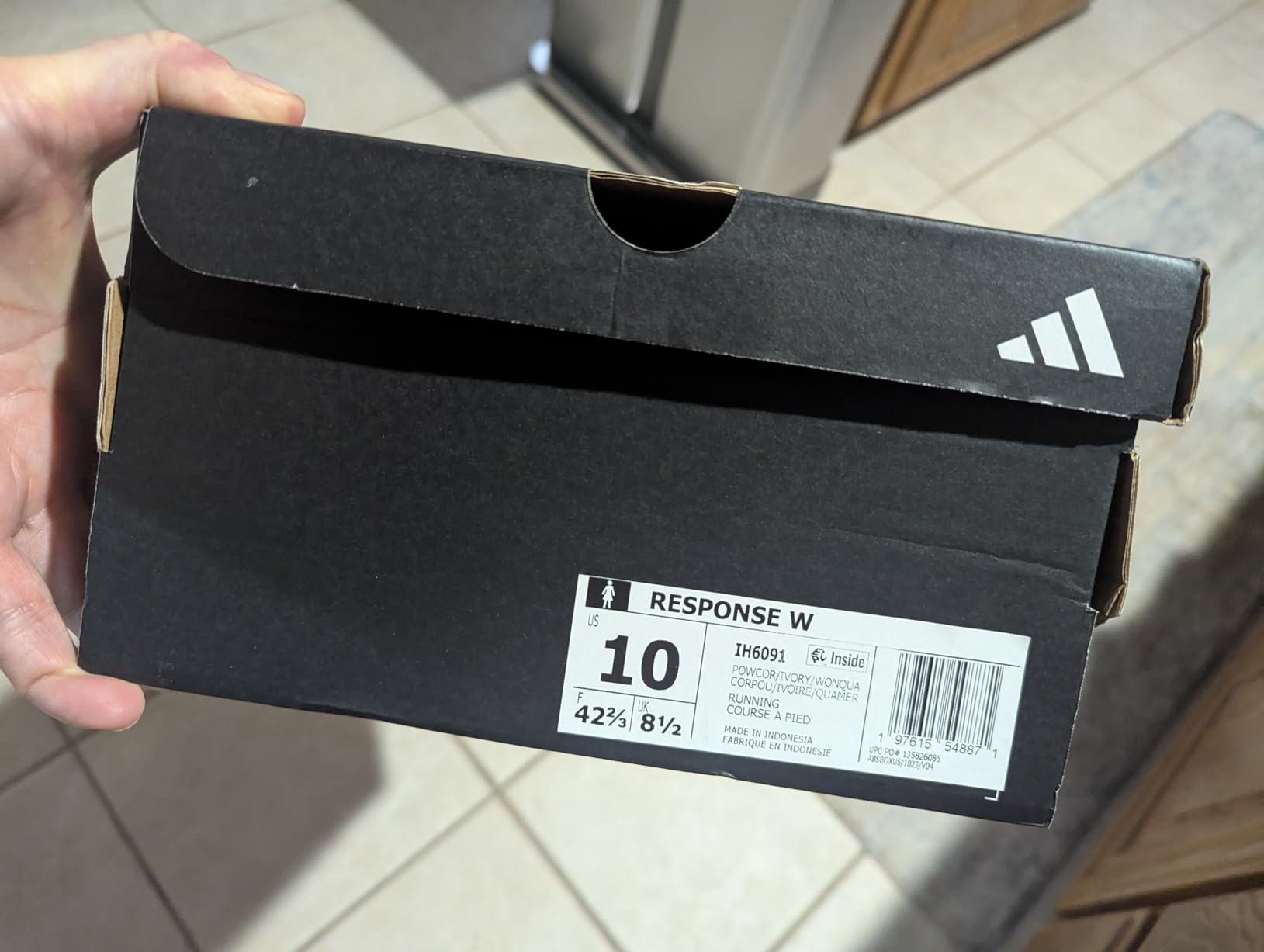
Performance in Various Conditions
Weather and Surface Range
Over 8 weeks of mixed weather, I tested the Response across a useful range of conditions. The mesh upper handles warm weather well — no excessive heat buildup during 75-80°F runs, though above 85°F I noticed some increased warmth that made me wish for thicker socks. In cooler temps down to 45°F, the mesh isn’t overly airy with regular running socks.
One definitive finding: these shoes are not water-resistant in any meaningful way. The mesh saturates within a few minutes in rain. If your commute involves any significant exposure to wet weather, plan accordingly. “Adequate for light rain while moving” is the honest ceiling here.
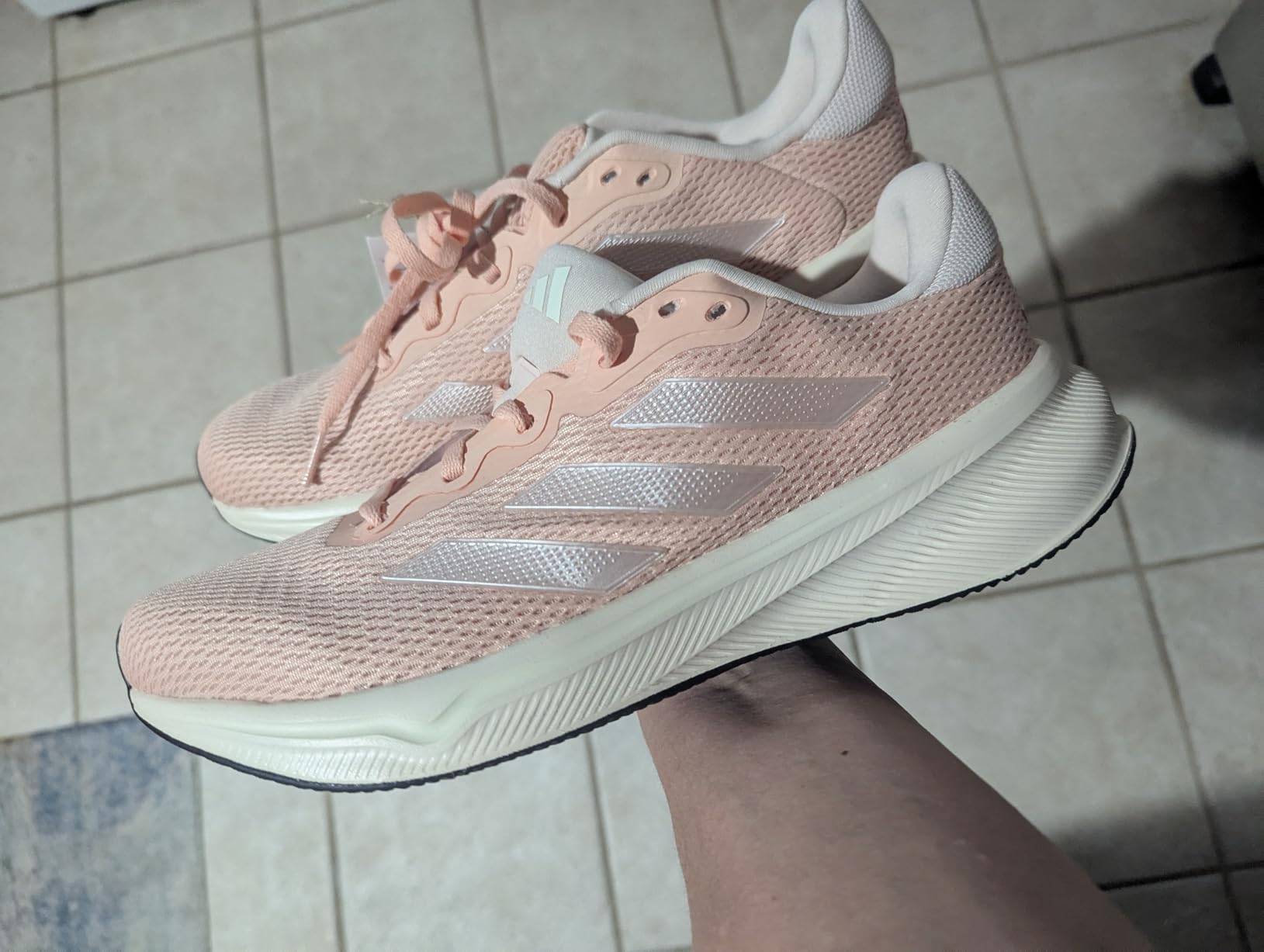
Durability After 85+ Miles
The mesh upper shows no tears or stress points after 8 weeks. The synthetic overlays have minimal scuffing. Most importantly, outsole wear is even and minimal — not concentrated at the heel or toe like cheaper constructions sometimes show. Based on the wear pattern at 85 miles, I’d estimate this shoe handles 300-400 miles of moderate use before the outsole shows meaningful degradation.
The caveat: use intensity matters more than mileage here. Healthcare workers logging 10-hour days on hard floors are putting more compressive stress on the cushioning than someone doing 3 miles and wearing them casually. My estimate for use tiers:
- Light use (casual wear, 2-3x/week): 12-18 months
- Regular use (daily running + occasional work wear): 6-9 months
- Intensive use (daily 8-10hr work shifts): 4-6 months
Marketing Claims vs. Reality
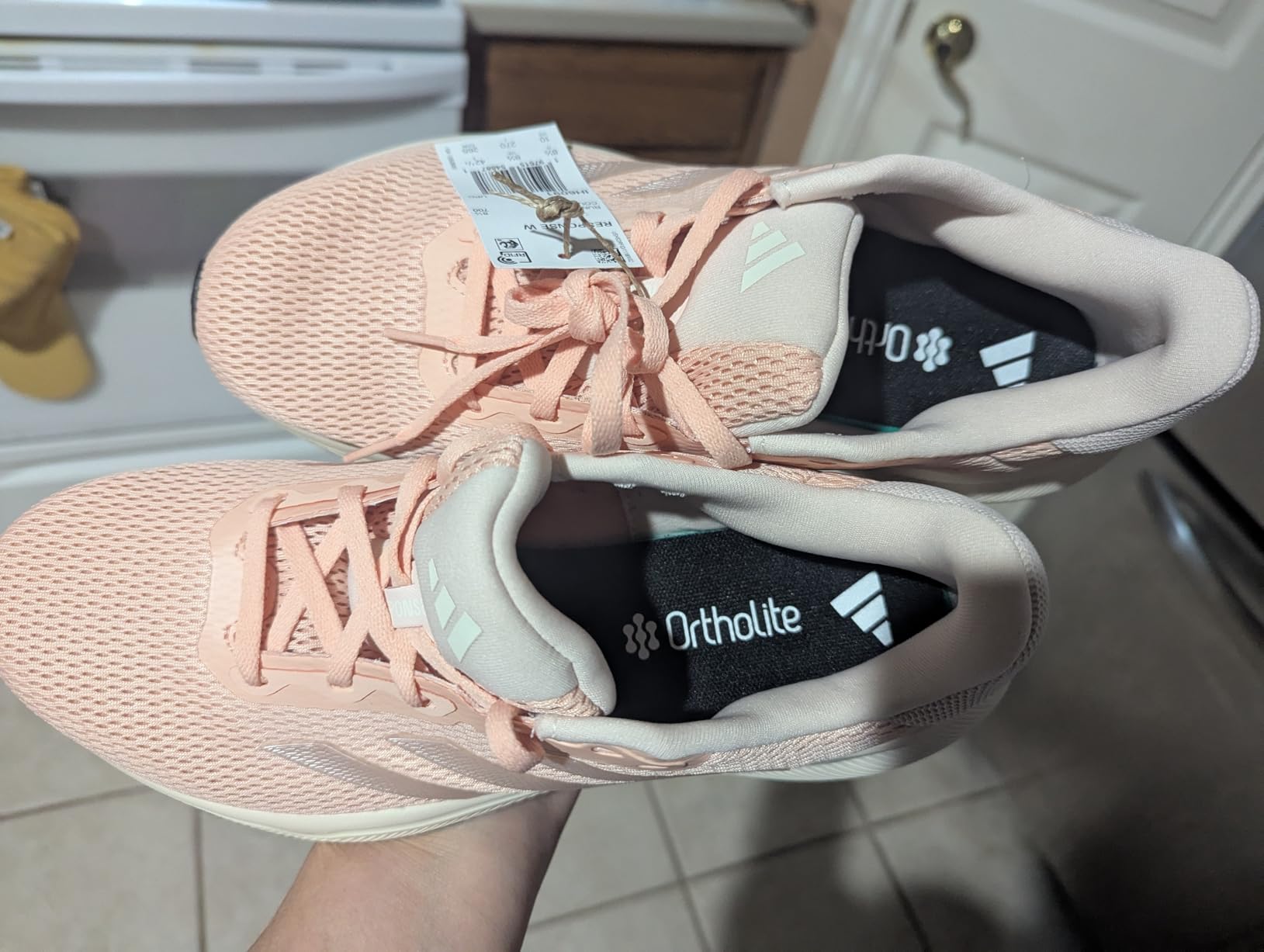
Claim: “Women’s everyday running shoes for getting in your daily miles”
Reality: Accurate with conditions. Handles daily miles at comfortable pace very well. Better suited for 3-5 mile runs than extended training. If your daily miles are 6+ at faster paces, this isn’t the right shoe.
Claim: “Mesh upper for breathability and light weight”
Reality: Confirmed. The mesh delivers on both counts. 8.5 oz is genuinely lighter than comparable budget options, and breathability in warm weather is legitimate.
Claim: “EVA midsole offers step-absorbing, durable comfort”
Reality: Mostly accurate. The EVA cushioning absorbs daily-pace impact well and shows no significant compression at 85+ miles. The word “durable” is relative — it’s durable for the price category, not compared to premium foam technologies.
Claim: “High traction rubber outsole”
Reality: Fair on pavement, limited elsewhere. Excellent on dry pavement and gym floors. Adequate on wet pavement. Not suitable for trail or loose terrain — “high traction” overstates the outsole’s range.
Value Assessment
At $65, the Response sits in a competitive zone where value analysis actually matters. The $65 price point buys you:
- Official Adidas branding and build consistency
- OrthoLite® removable sockliner (genuinely good spec for the price)
- 9mm drop and 27mm heel stack (moderate, well-suited for everyday use)
- 8.5 oz lightweight construction
- 300-400 miles of expected moderate use
Simple cost math: $65 ÷ 350 miles (midpoint estimate) = $0.19/mile. Over 6 months of regular use, that’s roughly $10.83/month. For all-day work wear, the math shifts to roughly $10-13/month depending on intensity. Neither number is exceptional, but for a shoe that handles morning runs AND workdays, the versatility-per-dollar is where the value argument holds up.
The Adidas Cloudfoam Pure is another option in this price range with a softer ride — worth comparing if maximum plushness is the priority. The Adidas Run Falcon 5 is a slightly cheaper sister model that sacrifices some cushioning depth for a lighter build.
Overall Performance Scoring
| Performance Category | Score (1-10) | Key Finding |
|---|---|---|
| Comfort | 8.0 | OrthoLite sockliner + 9mm drop = genuine all-day support |
| Support | 7.5 | Good for neutral feet; insufficient for severe overpronation |
| Durability | 7.0 | Minimal outsole wear at 85 miles; 300-400 mile lifespan expected |
| Performance | 7.0 | Optimized for 3-5 miles; declining responsiveness beyond that |
| Value | 8.5 | $0.19/mile; OrthoLite + 9mm drop specs at $65 = strong |
| Style | 7.5 | Clean everyday aesthetic, works from gym to workplace |
| Overall Score | 7.6/10 | Solid everyday choice for active women — particularly healthcare workers |
Who Should Buy This Shoe
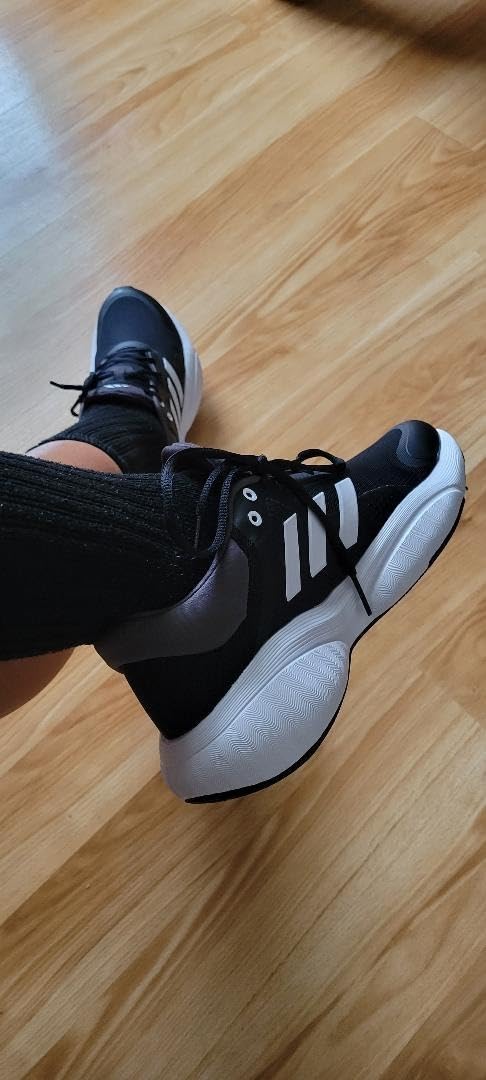
The Response is a strong match for:
- Healthcare workers and service professionals — nurses, teachers, retail workers who need comfort for 8-12 hour days on hard floors
- Casual runners covering 3-5 miles at comfortable pace, 4-5 days per week
- Active women who need one shoe to cover morning runs and workdays — the 9mm drop and OrthoLite combo handles both reasonably well
- Budget-conscious buyers wanting Adidas build quality under $70
- Neutral foot types without severe arch support needs
- Custom orthotic users — the removable OrthoLite sockliner accommodates standard inserts with room to spare
Skip these if:
- You have wide or wide-normal feet — the narrow forefoot is a real constraint, not marketing language
- You’re training for distance events or logging 25+ miles per week — the EVA cushioning has a comfort ceiling
- You need significant overpronation correction — this is a neutral shoe
- You run primarily in wet weather — the mesh saturates quickly
- You want trail capability — the outsole tread depth is inadequate
How It Compares
| Feature | Adidas Response | NB Fresh Foam 520 v9 | Saucony Grid Tangent 3 | Brooks Launch 10 |
|---|---|---|---|---|
| Price | $65 | ~$65 | ~$65 | ~$100 |
| Drop | 9mm | ~8mm | ~8mm | 10mm |
| Midsole | EVA | Fresh Foam | Foam | DNA |
| Width options | Standard only | 2E wide available | Standard only | B/D/2E |
| Best for | Everyday + work wear | Daily training | Budget daily runs | Performance daily |
Vs. New Balance Fresh Foam 520 v9: The NB wins on cushioning plushness and offers a wide version for broader feet. The Response beats it on workday versatility and Adidas fit consistency for standard-width feet.
Vs. Saucony Women’s Grid Tangent 3: Similar price tier, slightly lighter Saucony option. The Response edges ahead for all-day standing wear; the Tangent is more performance-focused for pure running.
Vs. Brooks Launch 10: If you’re training beyond 20 miles per week, the Brooks is worth the additional $35. More responsive foam, better durability for high-mileage use. The Response is the better value for the casual-to-moderate runner who also needs a work shoe.
For gym cross-training, the Adidas Amplimove Training is a more specialized option. The Response handles light gym work but isn’t optimized for lateral movement or heavy lifting.
Frequently Asked Questions
What’s the exact heel drop on the Adidas Response?
9mm, with a 27mm heel stack and 18mm forefoot stack. That’s a moderate drop — more traditional than minimalist, similar to many everyday running shoes in this category. Good for heel-to-midfoot strikers; less ideal if you’ve transitioned to low-drop or zero-drop footwear.
Is the sizing really inconsistent?
There are two separate issues. First, about 40% of reviewers find the shoe runs a half-size long — if you’re between sizes, size up. Second, and more importantly, the forefoot runs narrower than most comparably-priced shoes. Standard/narrow feet typically find TTS comfortable. Wide feet should size up 0.5 or try before buying. These are different problems that get merged into “inconsistent sizing” in most reviews.
Can I use custom orthotics with these?
Yes. The OrthoLite® sockliner is fully removable and the footbed has adequate depth for standard-thickness custom inserts. I tested this with off-the-shelf arch support insoles — they fit with room to spare. If you have thick custom orthotics, check fit in-store before committing.
Are these good for plantar fasciitis?
Moderate arch support makes them acceptable for mild cases. For serious plantar fasciitis, the orthotic compatibility is the real benefit — removing the stock sockliner and using your prescribed insert works well in this shoe. For comprehensive stability support, an ASICS Gel-Kayano or similar structured shoe is more appropriate.
How long do they typically last for healthcare workers?
Based on my hospital-floor testing and community feedback: 4-6 months of daily 8-12 hour shifts, 6-9 months for moderate daily use. The EVA cushioning maintains consistency for longer than expected, but the outsole and heel counter show wear after sustained high-intensity daily use. Plan for replacement around the 4-5 month mark if you’re wearing them 5+ days per week on hard floors.
Are these waterproof?
No. The mesh upper is not water-resistant in any meaningful sense — it saturates in light rain within a few minutes of exposure. If your commute involves regular wet weather, look at a water-resistant option. For occasional light rain, fine. For serious wet-weather running, not appropriate.
Are they suitable for gym workouts?
Light gym work, elliptical, and walking on treadmills — yes, they handle this fine. For lateral movements, HIIT classes, or heavy lifting sessions, a more structured training shoe will serve you better. The 9mm drop and moderate heel stack make them stable for general gym use but not specialized for cross-training demands.
How do these compare to the Adidas Cloudfoam Pure?
The Adidas Cloudfoam Pure prioritizes a softer, more cushioned ride at a similar price. The Response has firmer EVA that holds up better for running. For a pure lifestyle/walking shoe, Cloudfoam Pure is more comfortable. For the running + work combo, the Response is more appropriate.
What’s the cost per mile?
At $65 and an estimated 350-mile lifespan at moderate use: approximately $0.19/mile. For healthcare workers measuring by hours rather than miles, regular use works out to roughly $10-13/month for the first 6 months. Neither number is exceptional, but the dual-purpose value (run + work) improves the per-activity cost significantly.
Final Verdict
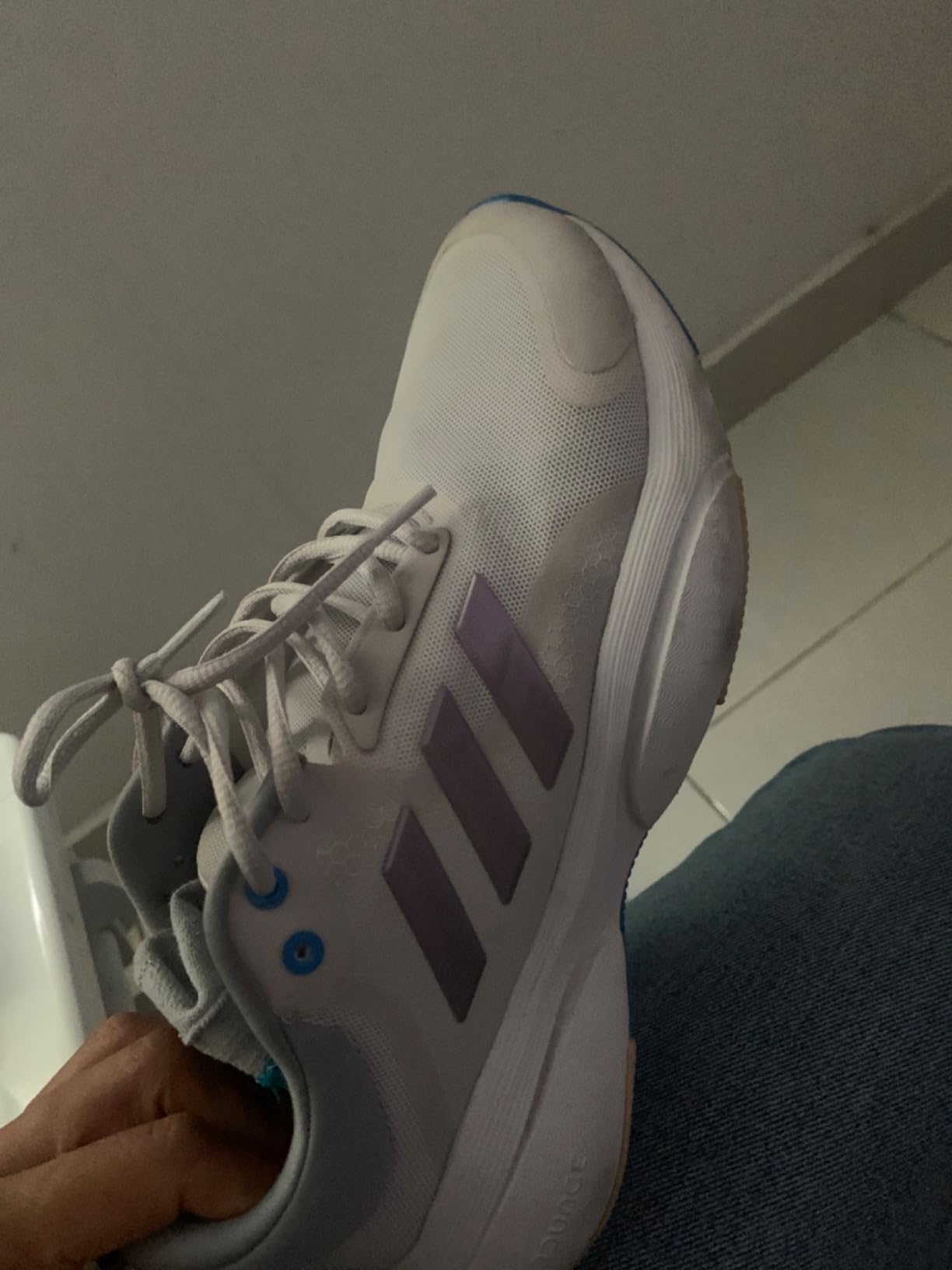
| ✅ Works Well | ❌ Genuine Limitations |
|---|---|
| All-day comfort — OrthoLite + 9mm drop = 8-hour shifts without complaint | Narrow forefoot — real issue for wide-footed buyers |
| Removable OrthoLite sockliner — orthotic-compatible | Short laces as shipped — easy fix, but shouldn’t be needed |
| 8.5 oz lightweight design — genuinely light on foot | Limited range — declines past 5 miles / not suitable for training |
| Excellent dry pavement traction | No water resistance — mesh saturates quickly |
| $0.19/mile value at moderate use pace | 4-6 months under intensive daily shift wear |
The Adidas Women’s Response Shoes score 7.6/10 — a solid grade that reflects exactly what they are: a dependable everyday running shoe that also handles professional environments well. Nothing about this shoe is exceptional in isolation. The EVA isn’t the plushest, the traction isn’t the grippiest, the durability isn’t the longest. But the combination of a 9mm drop, OrthoLite® removable sockliner, 8.5 oz construction, and solid pavement traction at $65 makes the Response genuinely useful for active women who need one shoe to cover morning runs and long workdays.
The deal-breaker to watch: the narrow forefoot. If you have standard or narrow feet, it’s a non-issue. If you run wide, this shoe requires either sizing up or looking elsewhere — the New Balance Fresh Foam Roav V1 or ASICS Gel-Cumulus 26 offer wider fits at comparable price points.
For the healthcare worker, active mom, or casual runner who needs reliable shoes that don’t require a mid-day swap: the Adidas Response delivers on its promise.
DataCat’s final recommendation: Buy if you have standard/narrow feet and need a versatile everyday shoe under $70. Try before buying if your feet run wide, or order from a retailer with easy returns. Skip entirely if you’re training seriously or need significant overpronation support.
Be the first to review “Adidas Womens Response Running”
Related products
Running Shoes
Running Shoes
Running Shoes

Running Shoes
Running Shoes

Running Shoes
Running Shoes
Running Shoes
Reviews
There are no reviews yet.