
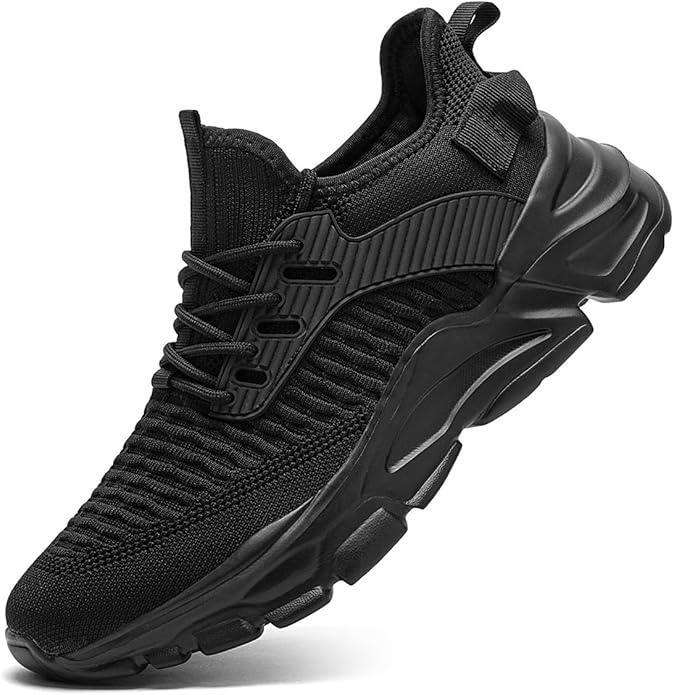
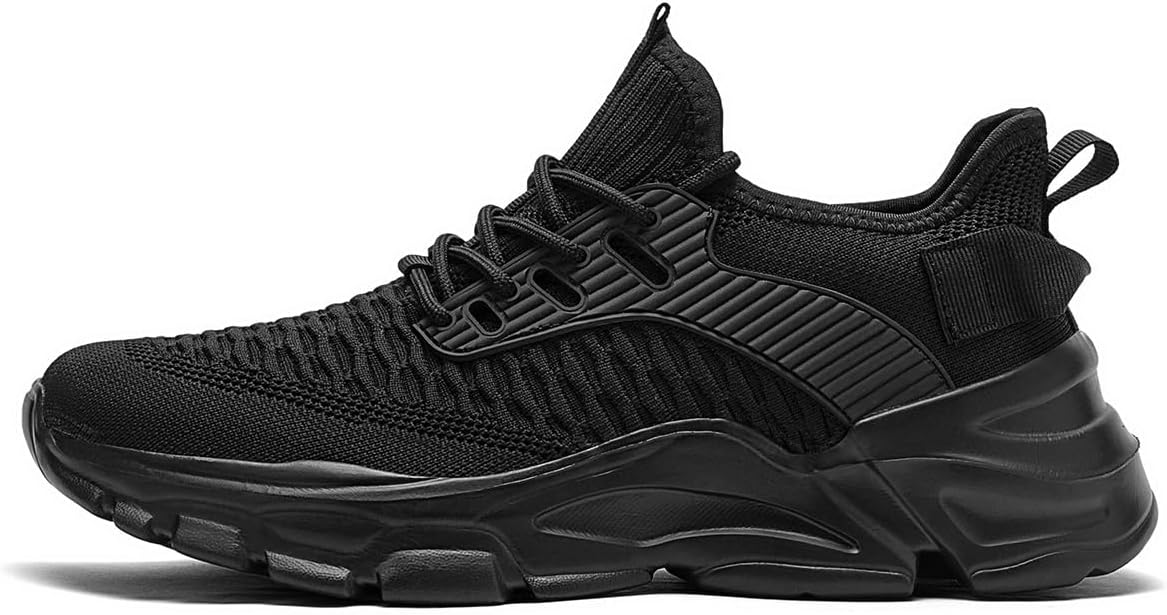
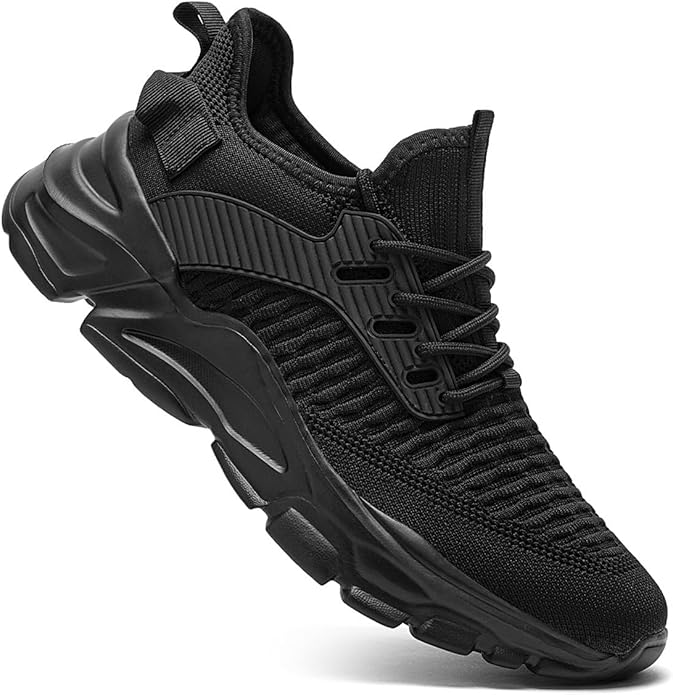
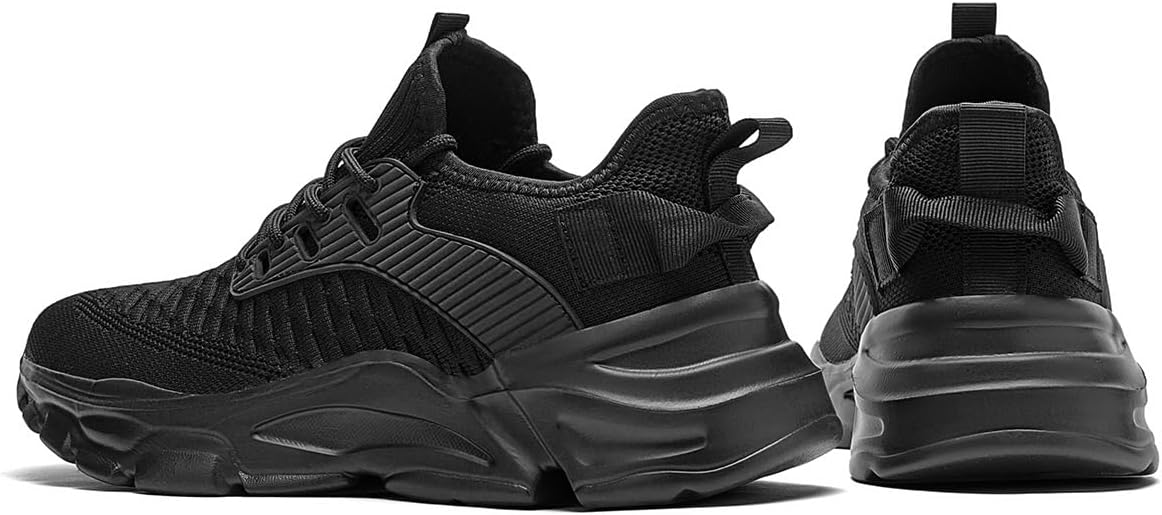
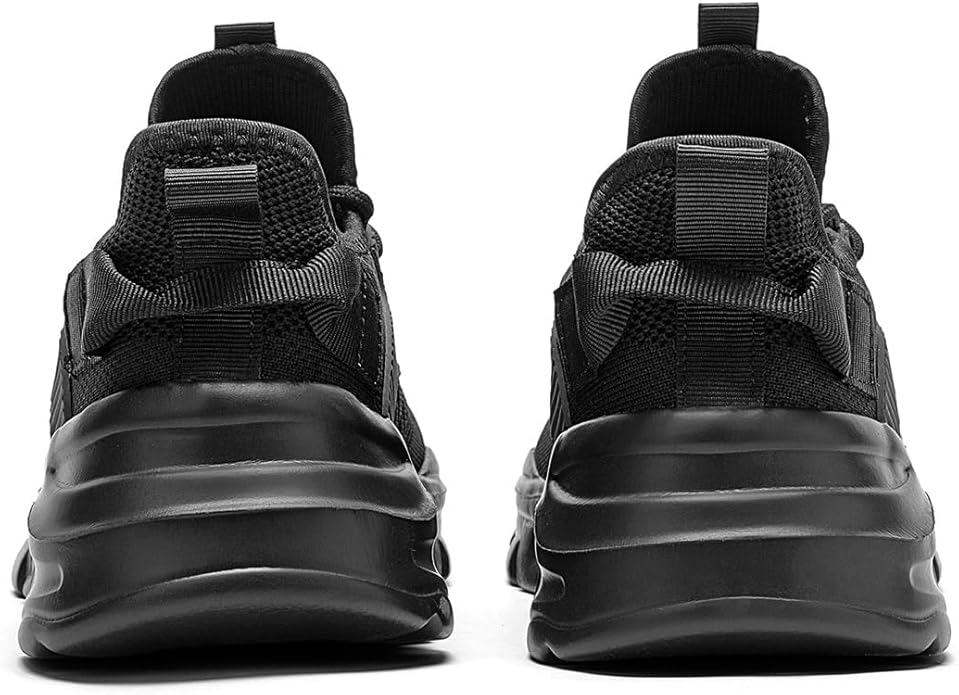
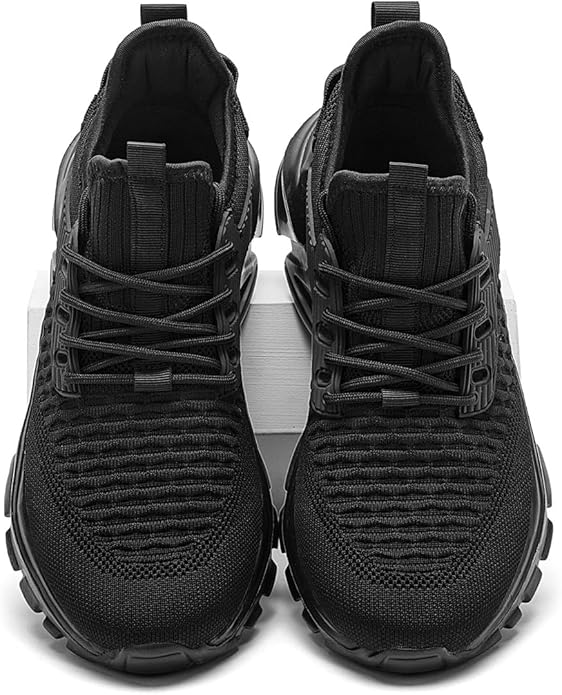
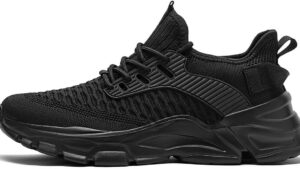
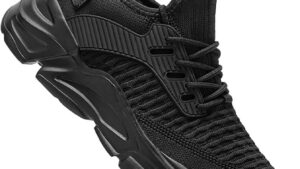
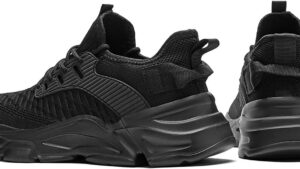
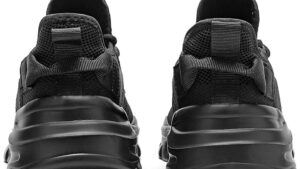
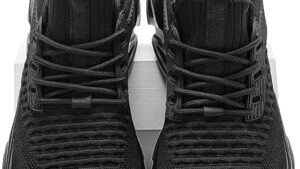
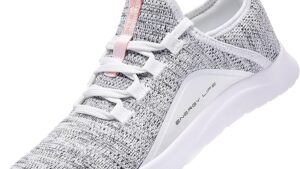
Six weeks ago I grabbed a pair of Kapsen Men’s Slip-On Walking Shoes off Amazon for $29 — the kind of impulse buy that makes sense at midnight when your current work shoes are held together by habit and optimism. What I didn’t expect was that testing them would turn into a lesson in how much a single word in a product title (“slip-on”) can misrepresent what you’re actually buying. Here’s what 200+ hours on concrete floors taught me.
Let me give you the short version first: at 8.2 oz, these are genuinely light shoes, and the mesh breathes like it should. But the “slip-on” marketing is misleading, the insole is paper-thin, and if you work on concrete, the sole will start visibly breaking down around week two and a half. I rate them 5.2/10 overall.
That score doesn’t mean they’re useless — it means they’re useful for a specific, limited scenario. My goal here is to tell you exactly what that scenario is, and what happens when you push them beyond it.
How I Tested These
I wore these as my primary work shoe for six weeks — 42 consecutive days, roughly 200+ cumulative hours. My job involves eight-hour shifts on concrete floors. I’m 180 lbs, wear a US 11 in standard width, and I put in about 9,000 steps per day just during work hours. Evenings and weekends, I used them for neighborhood walks (1-2 miles) and light gym sessions.
Concrete is a deliberately harsh testing surface. It has zero give, transfers every bit of impact directly into the sole, and grinds down soft materials fast. Work boots are designed specifically for this environment. Budget casual sneakers typically aren’t — and that gap matters a lot when you’re evaluating durability claims.
The Slip-On Problem Nobody Mentions
The name says “slip-on.” The Amazon listing calls it “Slip on with Shoelace.” The product photos show a clean, pull-on silhouette. So on day one, I tried exactly that — lined my heel up against the back counter and pressed down.
The heel collapsed inward.
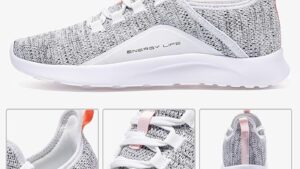
Not partially. Not on one unlucky attempt. Every single time. The rear structure folds when your foot puts pressure on it, which means you can’t actually slide into the shoe without manually holding the heel open first. I grabbed a Zomake metal shoe horn after day two, and that fixed the entry problem practically. But “use a shoe horn to put on your slip-on shoes” is a contradiction that shouldn’t exist.
This matters beyond convenience. The whole appeal of slip-ons is rapid entry and exit — critical if you’re changing footwear multiple times a shift, dealing with kids, or just hate bending down to deal with laces. If that’s your buying reason, these shoes don’t deliver on it. For genuine hands-free entry, the Skechers Bounder 2.0 Slip-In or the Jackshibo Slip-On Walking Shoes are better bets — both designed specifically for no-hands entry.
Once you’re actually in the shoe, the lace system works fine. The mesh upper conforms reasonably well, the padded collar doesn’t create pressure points, and there’s no obvious slippage at the heel when the shoe is on properly.
Comfort: A 90-Minute Ceiling
The first hour in these shoes isn’t bad. They’re light enough that you don’t feel fatigued just from the weight, the mesh keeps airflow moving, and the initial cushioning is adequate for light activity. If you’re running errands for an hour or doing a short walk around the office, you won’t be thinking about the shoes at all.
Something shifts around the 90-minute mark.
I noticed it consistently across multiple test days: at roughly the hour-and-a-half point of continuous wear, the arch starts to fatigue and the ball-of-foot pressure becomes noticeable. By hour three, you’re consciously aware your feet want a break. By hour five or six, on a concrete floor, it goes from discomfort to actual pain.
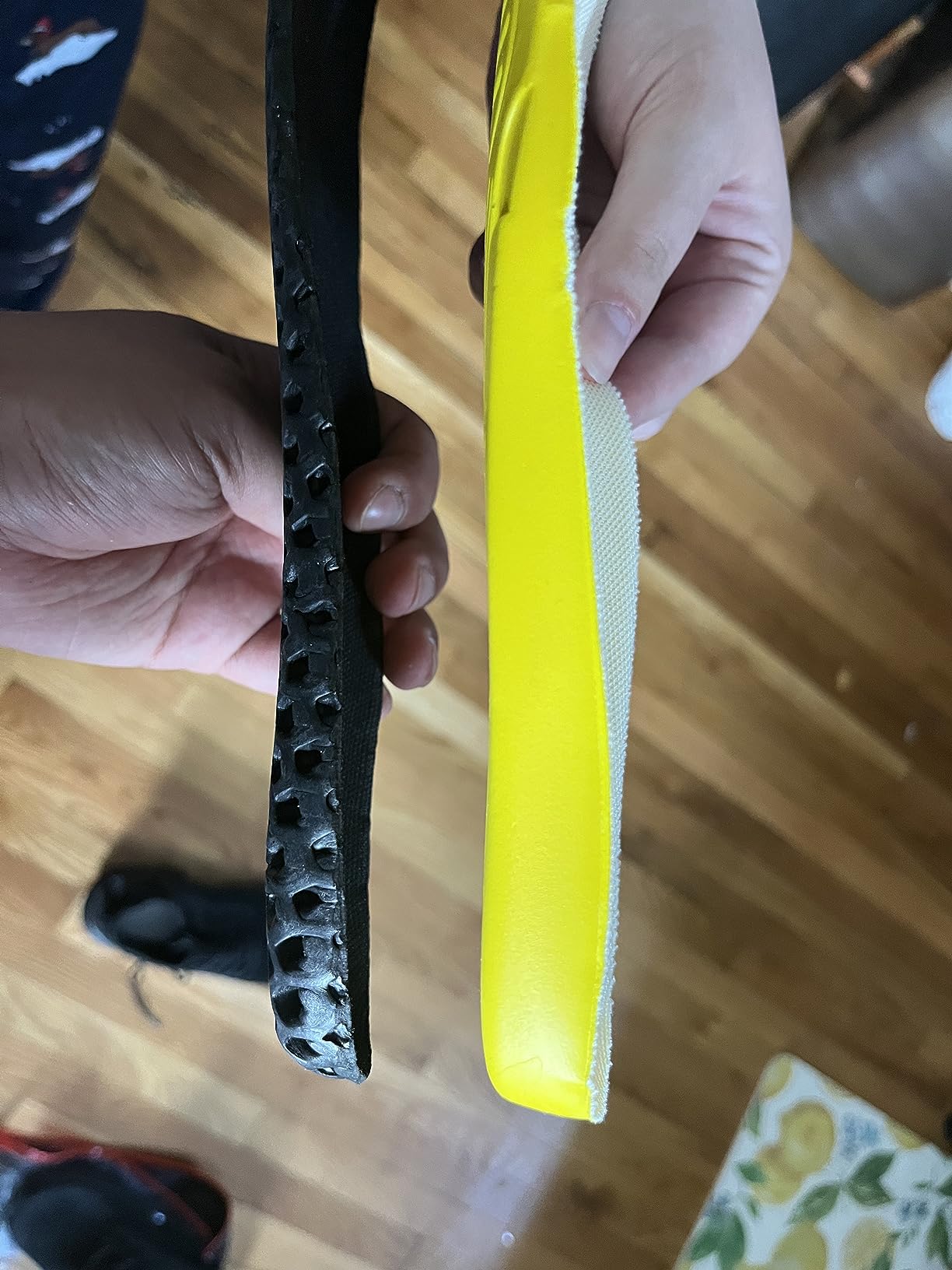
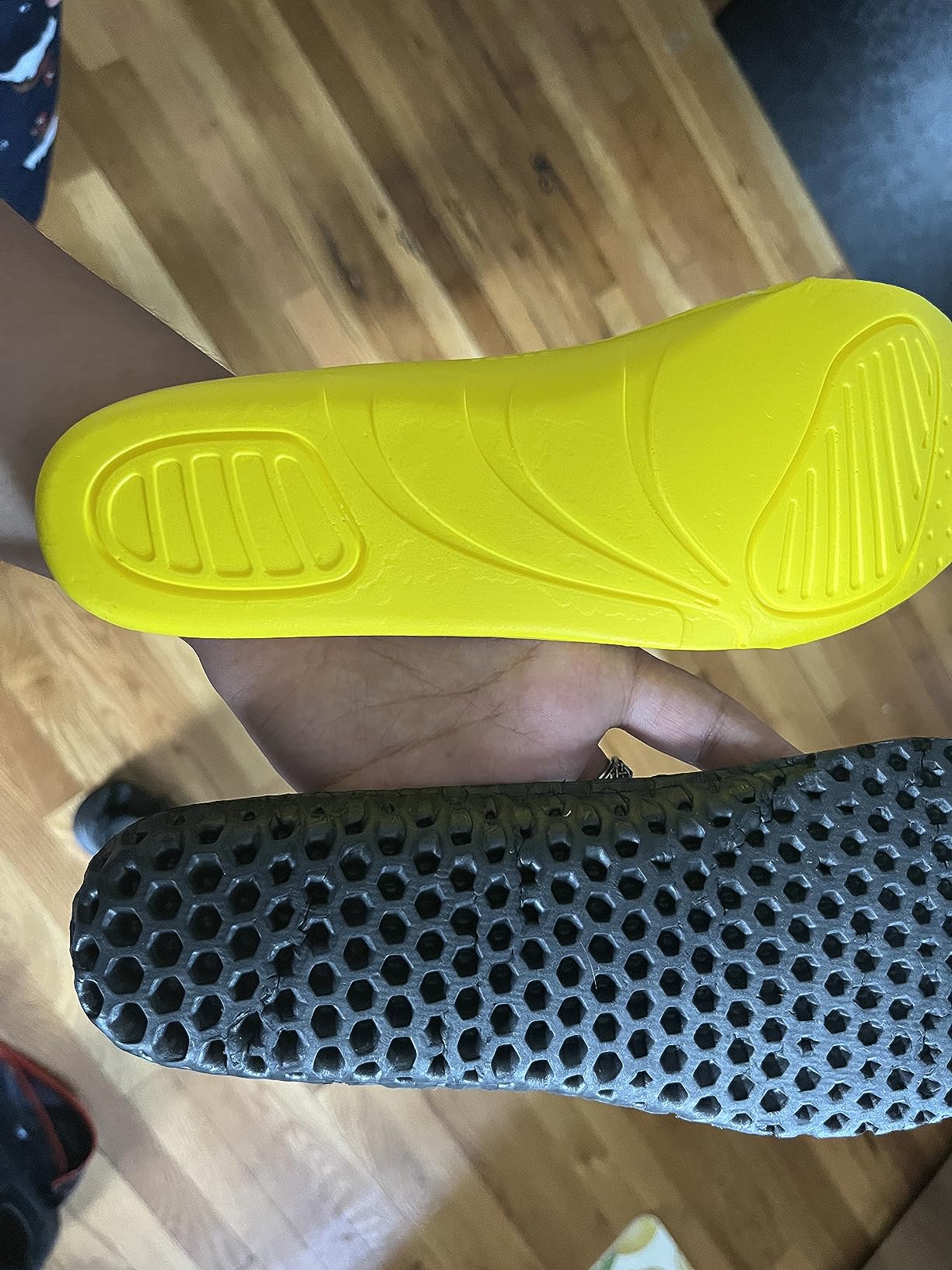
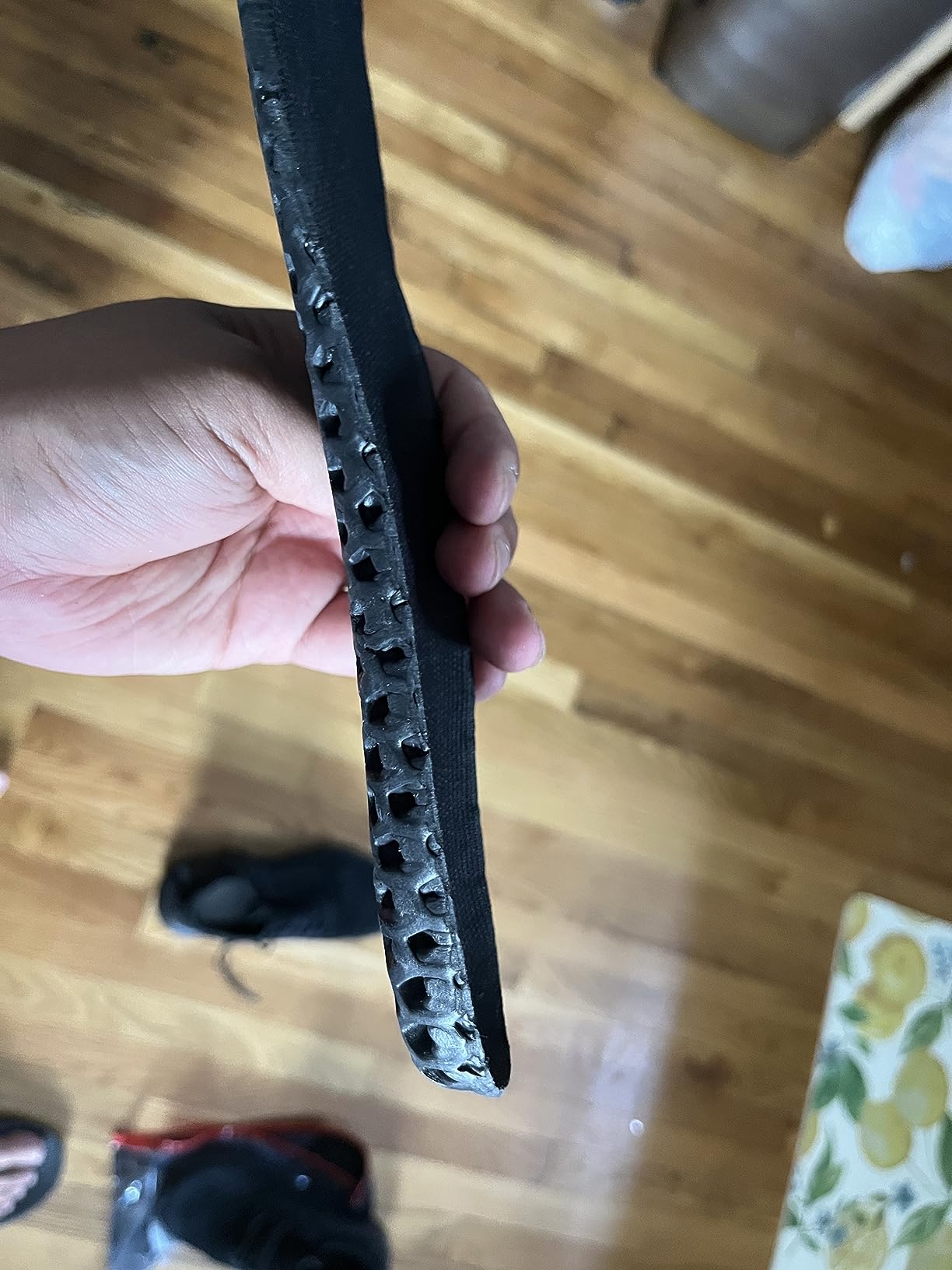
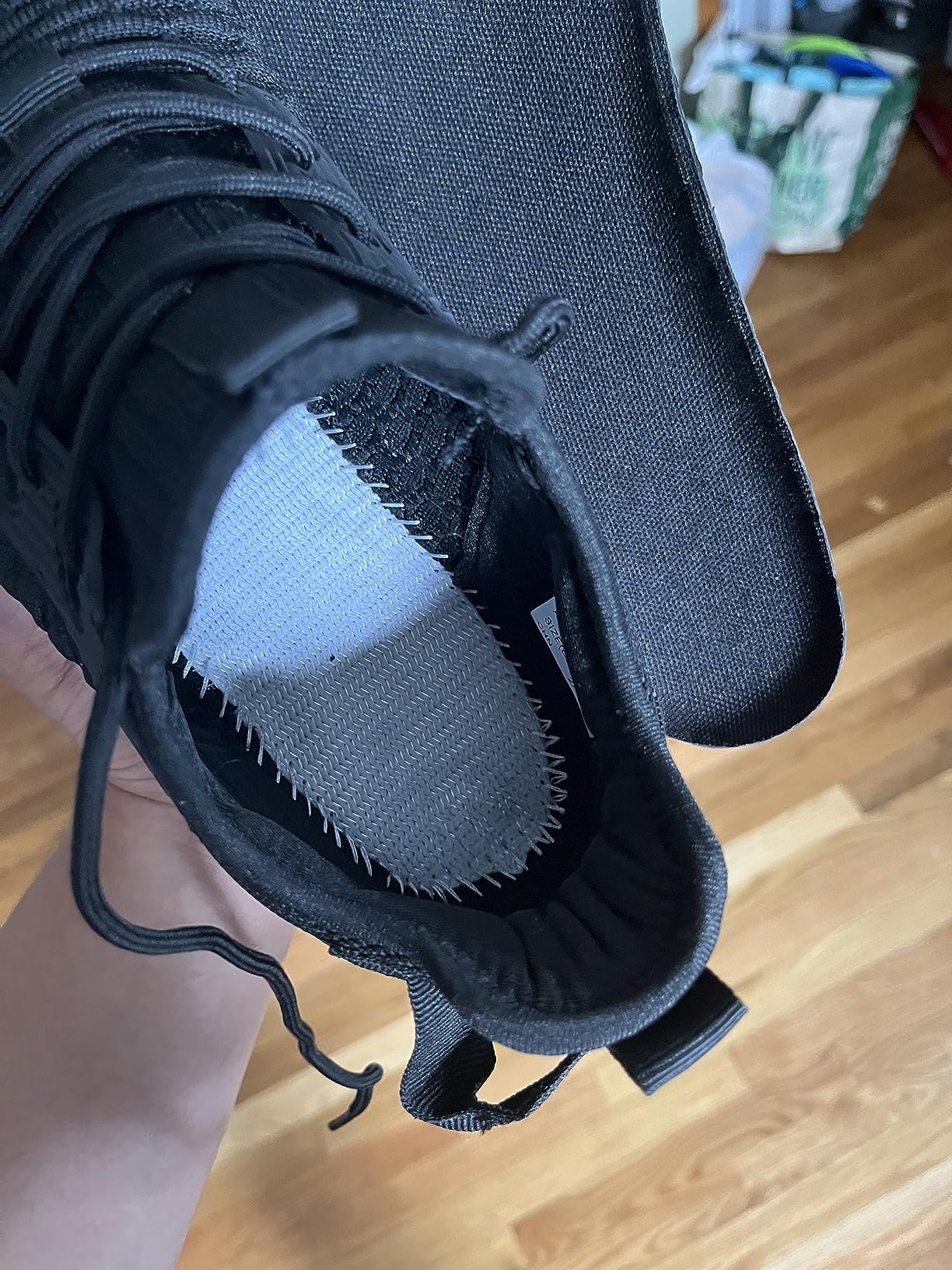
The reason is the insole. I pulled it out on day one to examine it — thin compressed foam, maybe 3mm at most in the arch zone, with essentially no structural support. Whatever the marketing says about cushioning technology, what’s actually in there is basic padding that bottoms out fast. If you have any pronation, high arches, or flat feet, you’ll feel the absence of support much sooner than 90 minutes.
Aftermarket insoles do help. I tried a pair of Sof Sole Athlete Insoles around week three and extended my comfortable wear time noticeably — but they made the already-snug fit tighter, and you’re now spending $15-25 on top of $29 for a shoe that still has durability problems.
Durability: The Timeline Nobody Tells You
Weeks one and two looked fine. Tread pattern defined, outsole intact, no complaints on that front. I was cautiously optimistic — maybe the rubber compound was better than the price suggested.
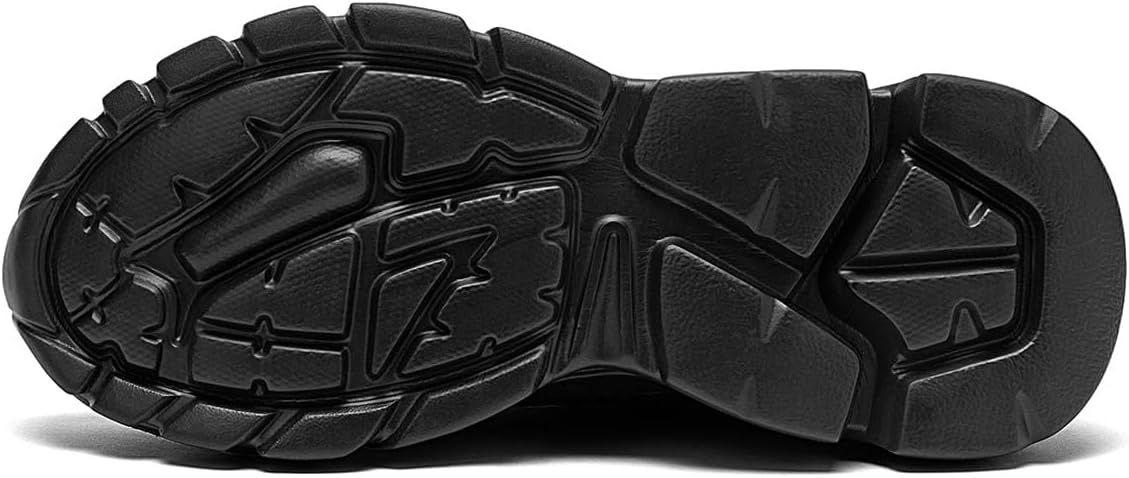
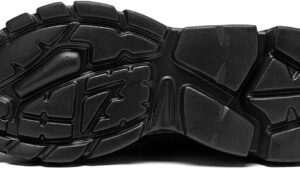
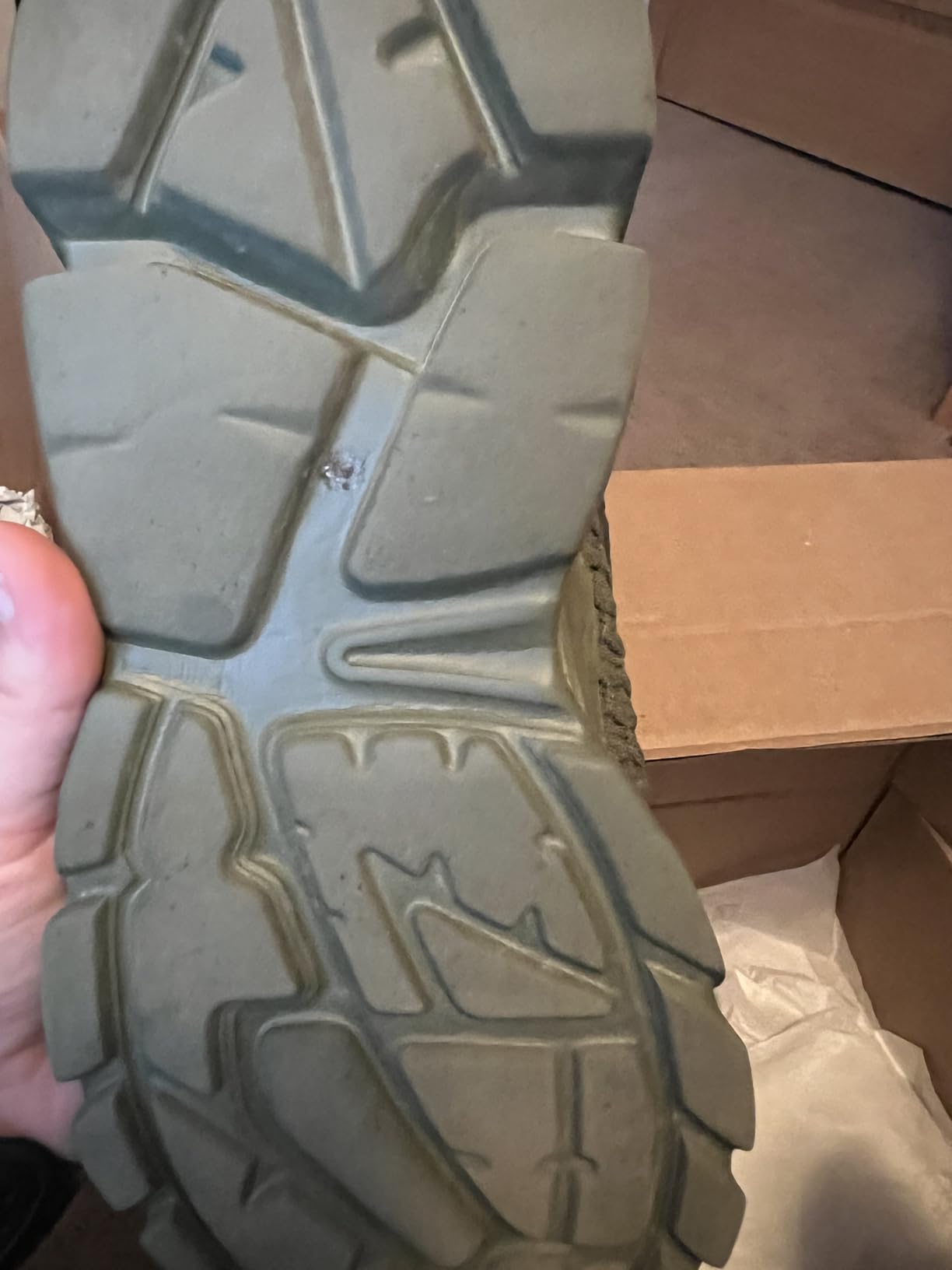
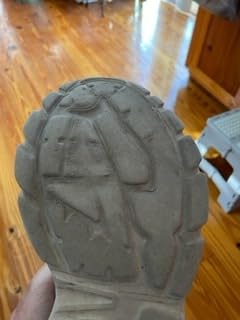
By day 17 or 18, I noticed it under the shop lights. The heel strike zone and ball-of-foot areas were noticeably flatter. The tread channels that should have stayed crisp were compressing. At 9,000 steps per day, that’s roughly 160,000 steps — which sounds like a lot until you realize that’s just a little over two weeks of regular work.
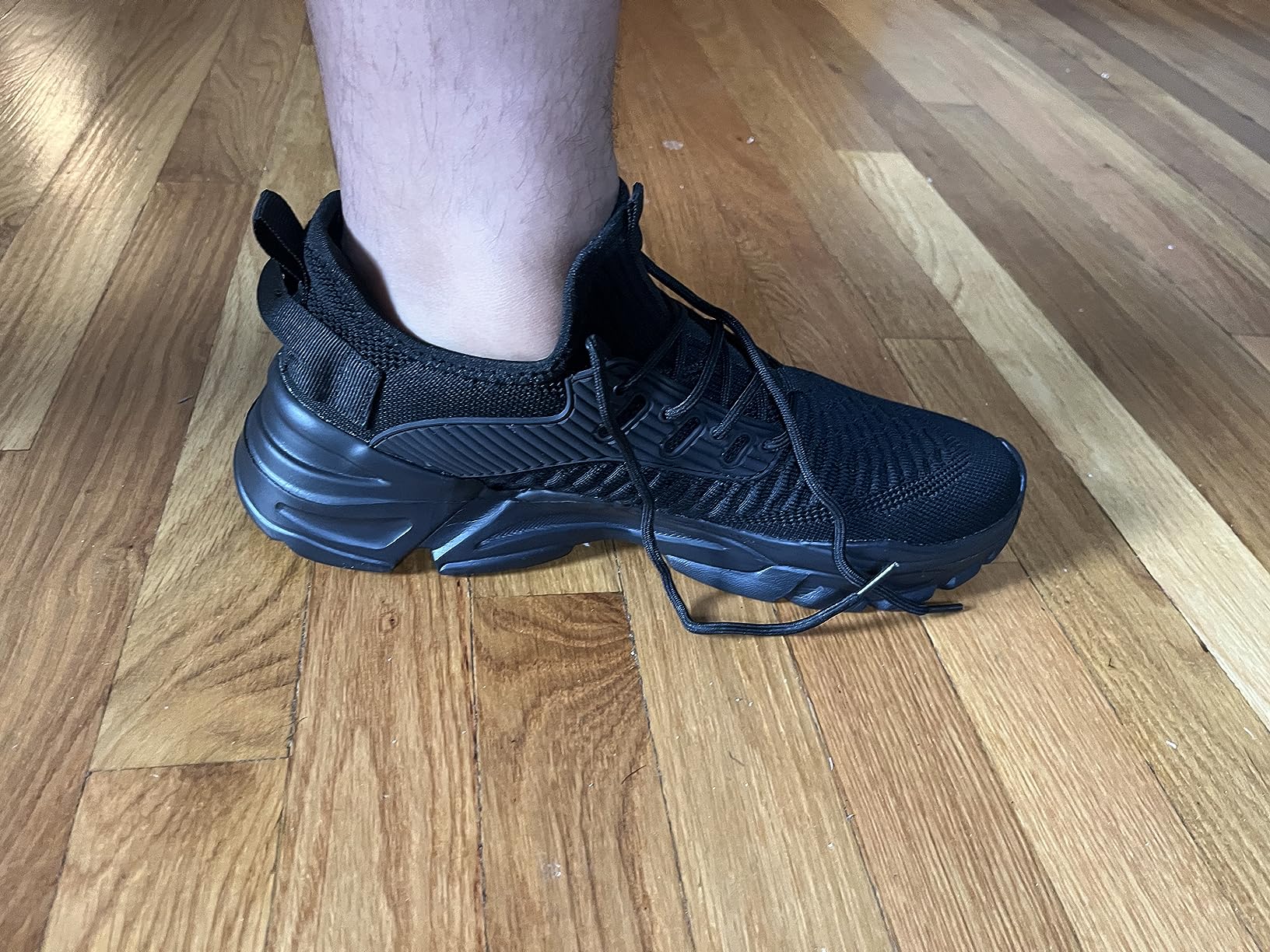
By week six, the degradation was substantial. The traction I had in week one was meaningfully reduced — not dangerous on dry floors, but I was more cautious than I should have had to be on wet tile. The midsole had compressed enough that I could feel the difference in ride height when I compared them to fresh shoes. The upper held up reasonably — mesh is forgiving material and I didn’t see tearing or significant delamination — but the structural integrity of the shoe as a whole was in decline.
Here’s the math that stings: $29 divided by a five-week effective lifespan (being generous) is $5.80 per week. If you’re buying these as a rotation work shoe, you’d go through roughly ten pairs per year. That’s $290 annually. A $100 shoe with a six-month lifespan costs $200 per year. The “budget” option ends up being the more expensive one.
Build Quality: What’s Actually Inside
The mesh upper genuinely impressed me. It held its shape across all six weeks, didn’t stretch out at the toe box, and the stitching stayed clean. For a $29 shoe, the fabric construction is the standout positive — and it’s the reason the breathability score stays at 8/10 even as everything else declines.
The EVA midsole is standard budget-tier material: decent initial cushion, compresses with use. Not the problem.
The outsole rubber is where things fall apart. Budget rubber compounds are softer, which helps initial grip but accelerates wear on abrasive surfaces like concrete. The Amazon listing claims “increased rubber at the outsole for better traction and durability” — the traction part is true early on; the durability claim doesn’t hold up at work-grade intensity.
The insole, as I mentioned, is the core weakness. For a shoe marketed for daily activity, a 3mm compressed foam pad is insufficient. The Valsole Orthotic Insoles are one option if you want to extend the comfort life of these shoes, though at that point you’ve created a $50 budget shoe — which starts approaching territory where better purpose-built options exist.
Real Performance Numbers from Concrete Testing
For casual use — neighborhood walks, errands, light indoor activity — these shoes perform acceptably in the first three to four weeks of ownership. The light weight is a real advantage if you’re coming from heavier footwear, and the breathability genuinely keeps feet cooler than synthetic alternatives at this price.
For work:
– Hours 0-1: Comfortable. Light, breathable, no issues.
– Hours 1-2: Manageable. Arch support limitations becoming perceptible.
– Hours 3-4: Uncomfortable. Feet fatigued, cushioning clearly insufficient.
– Hours 5-8: Unpleasant to painful. Not suitable for this duration.
I tried the traction on wet concrete and smooth tile after week four and wouldn’t characterize it as reliable. The early grip degraded proportionally to the sole wear. For environments where wet floors are common — kitchens, warehouses, food service — this is a genuine safety concern. For work in those environments, something like the Skechers Nampa Food Service Shoes is a better fit: purpose-built for exactly that kind of traction requirement.
Claims vs. What I Actually Found
“Slip-On Design” — FALSE
Heel collapses on entry. Requires shoe horn or manual assistance. Not a minor inconvenience if slip-on convenience is the reason you’re buying.
“Memory Foam Insole” — MISLEADING
Thin compressed foam. There’s no meaningful difference in how this insole performs versus basic shoe padding. The 90-minute comfort ceiling exists because of this.
“Full-Length Air Unit Cushioning” — UNVERIFIABLE
The Amazon listing claims this. I couldn’t feel any distinction from standard EVA foam. Marketing language that doesn’t translate to a perceptible experience difference.
“Lightweight and Breathable” — TRUE
8.2 oz is legitimately light. The mesh upper breathes well. These claims hold up.
“Durable Rubber Outsole” — MISLEADING
The outsole is rubber — that’s accurate. Whether it’s durable depends on what you’re doing in it. On carpet or light indoor surfaces, possibly fine. On concrete at 9,000 steps/day, it wears out in under three weeks.
Sizing
For standard and medium-width feet, these run true to size. My US 11 standard fit exactly as expected — no length or width issues out of the box. For wide feet, sizing up half to a full size is the consistent recommendation, both from my testing and across Amazon reviews.
What sizing doesn’t fix: the comfort ceiling is structural, not size-related. You can have a perfect fit and still hit the 90-minute insole limitation at the same point.
Who Should Actually Buy These
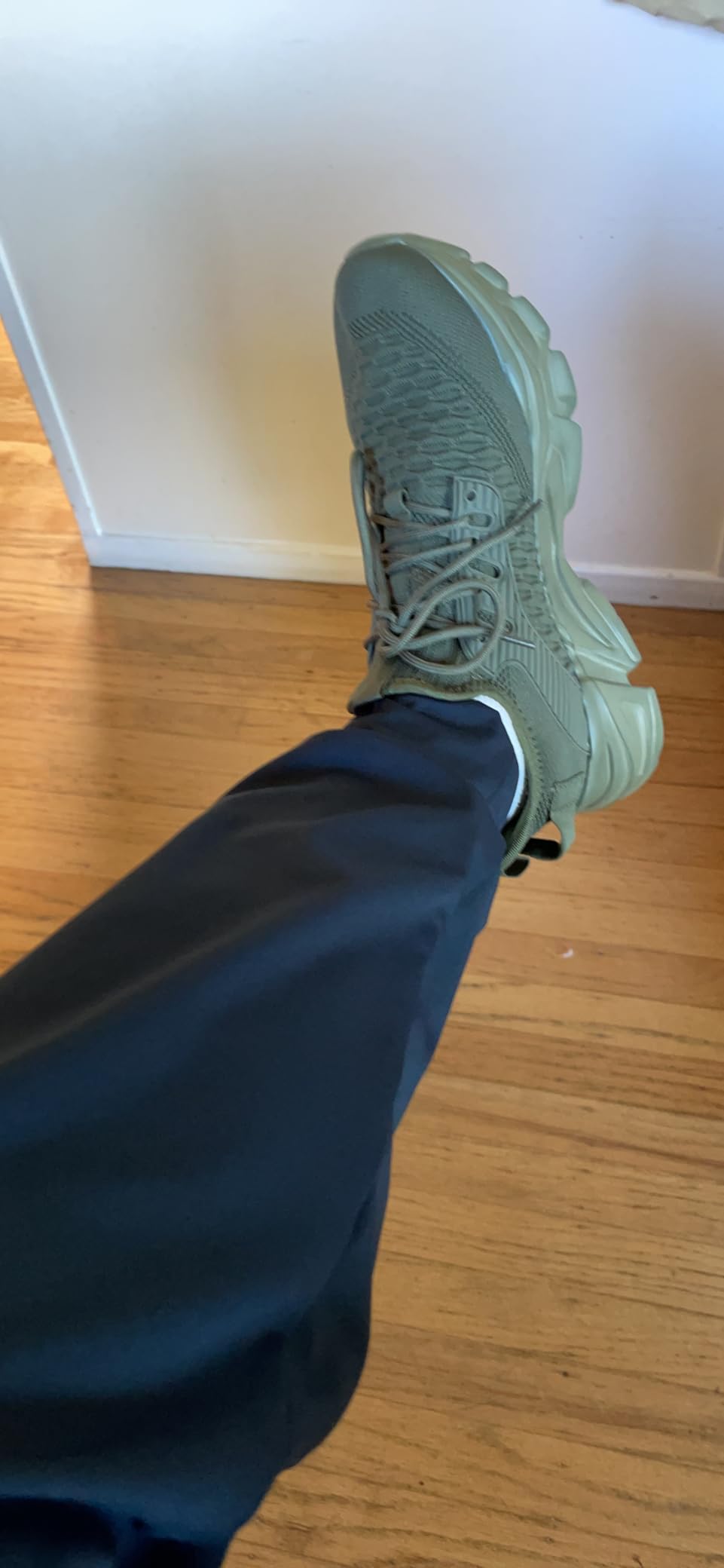
Buy these if:
- You need a lightweight backup pair for occasional casual use (1-2 times per week)
- Wear sessions are typically under 90 minutes
- You’re not on concrete or demanding surfaces
- Budget is genuinely fixed at $30 and expectations are calibrated accordingly
- Breathability matters more than cushioning or durability for your use case
Skip these if:
- You need a true slip-on — the heel design doesn’t deliver on that promise
- You work on hard surfaces for long shifts
- You walk 2+ hours daily in them as a primary shoe
- You need reliable long-term traction (wet surfaces especially)
- Wide feet — sizing up helps with fit but doesn’t address the other limitations
Better Options at Similar or Slightly Higher Prices
If the budget reality is strict ($25-35), the Amansse Men’s Walking Shoes are worth looking at as a comparable-price alternative with better insole support reported by users with similar daily-wear use cases.
If you can stretch to $50-60, the range of options improves substantially. The ASICS Gel-Venture 10 runs around that price point and has a documented 300-400 mile lifespan — well beyond what the Kapsen delivers. For workers specifically needing arch support and durability on hard surfaces, the G-Defy Mighty Walk addresses exactly the comfort-over-time limitation that makes the Kapsen unsuitable for long shifts.
For the best overall walking and running shoes across different budgets, there are purpose-built options that hold up significantly better under daily stress.
Frequently Asked Questions
Do these actually slip on without bending down?
No. The heel collapses inward when you try to enter the shoe without hands. You’ll need to manually hold the heel open, or use a shoe horn. If hands-free entry matters to you, look elsewhere.
How long do these realistically last?
On concrete with heavy daily use (8+ hours), about 4-6 weeks before the traction and cushioning are noticeably compromised. On light casual use (1-2 times per week on softer surfaces), you might get 3-4 months. The sole is the limiting factor, not the upper.
Is the insole actually memory foam?
No. It’s thin compressed foam — roughly 3mm, with minimal arch structure. It provides basic initial comfort but has no meaningful memory-foam properties. Genuine memory foam molds to your foot and recovers slowly when pressed; this insole doesn’t do that.
Can I use aftermarket insoles to fix the comfort problem?
Yes, partially. Aftermarket insoles extend comfortable wear time. The trade-off is that the toe box becomes tighter (the shoe isn’t built with much extra volume), and you’ve now spent $45-55 total on a shoe that still has durability limitations.
Do they run true to size?
For standard and medium-width feet, yes. Wide feet: size up half to a full size. Narrow feet: true to size should work. Sizing doesn’t affect the structural comfort limitations.
Are they suitable for a 6- or 8-hour work shift?
Not comfortably. The insole bottoms out by the 90-minute mark under sustained wear. By hour four on concrete, most people will be in meaningful discomfort. These aren’t work shoes in the functional sense — they’re casual shoes at a work-adjacent price.
How’s the traction in wet conditions?
Early weeks: adequate on dry surfaces, marginal on wet. By week four: noticeably reduced grip as tread wears. For wet-floor environments (food service, kitchens, wet warehouses), these aren’t the right shoe — and they get less right as they age.
What’s the weight exactly, and does it matter?
8.2 oz in a men’s US 9. That’s genuinely lightweight and one of the shoe’s real strengths. If you’re coming from heavy leather work boots or stiff dress shoes, the difference in leg fatigue from just the shoe weight is noticeable by midday. Credit where it’s due — this spec is accurate and impactful.
Final Verdict
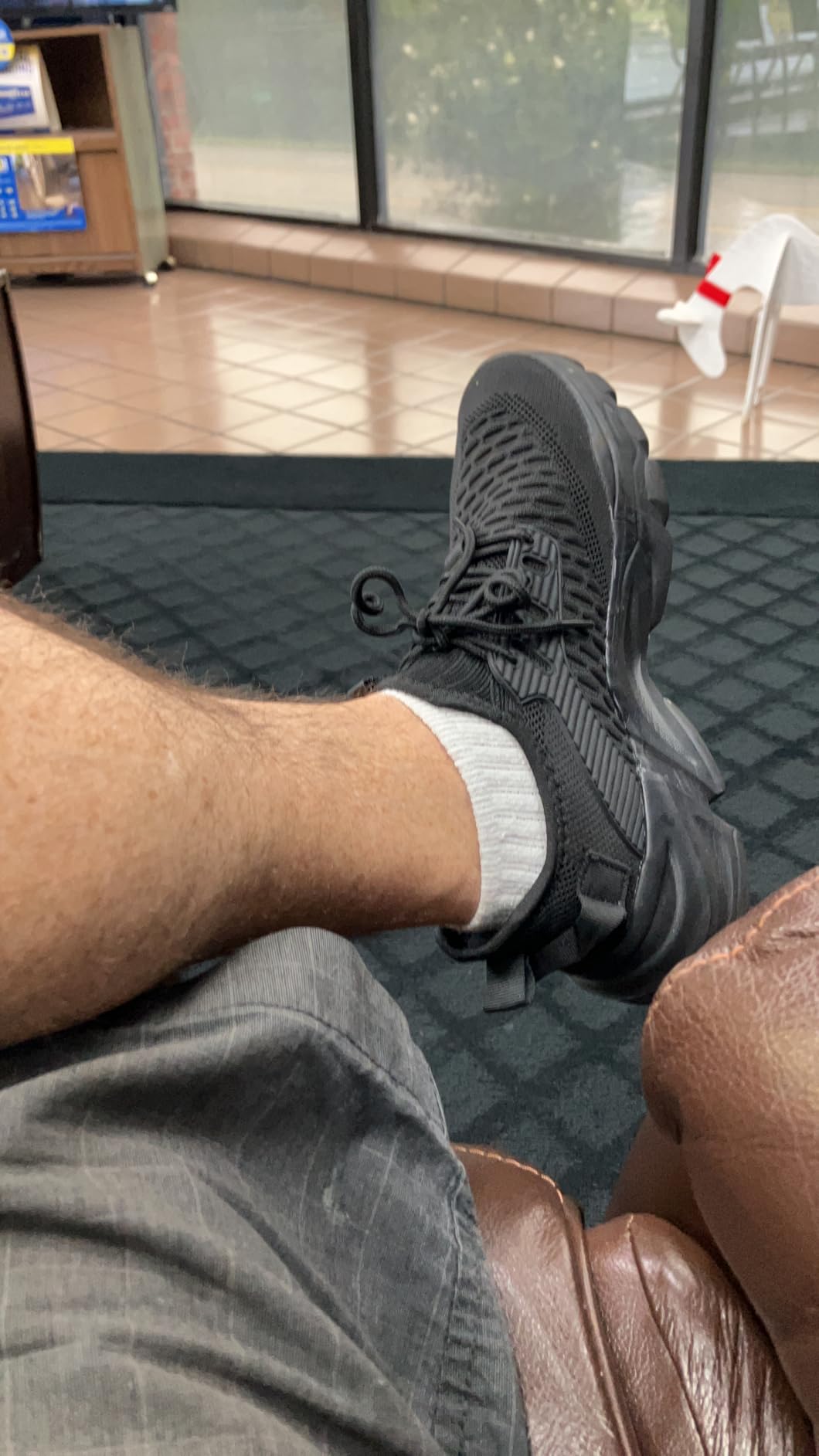
The Kapsen Men’s Slip-On Walking Shoes nail two things: weight and breathability. Everything else — the slip-on convenience, the cushioning, the durability — ranges from overstated to outright misleading.
At $29, with calibrated expectations and a specific use case (casual, light, infrequent), they’re not a terrible option. For weekend errands or light indoor walking where sessions stay under 90 minutes and you’re not concerned about longevity, they’ll get the job done.
For anything more demanding — daily work shifts, concrete floors, extended walking, or anyone who actually needs a true slip-on — they’ll disappoint you by week three and potentially frustrate you by week five.
The math is what it is. Five weeks of daily use at $5.80/week isn’t the deal the $29 price tag implies.
Overall Score: 5.2/10
| Category | Score | Key Finding |
|---|---|---|
| Weight | 9/10 | 8.2 oz — genuinely lightweight, noticeable advantage |
| Breathability | 8/10 | Mesh upper works well; feet stay dry even on busy shifts |
| Design/Appearance | 7/10 | Clean look, modern silhouette, doesn’t read “budget” |
| Comfort (Short-term) | 7/10 | First 60-90 minutes: adequate for light activity |
| Value for Money | 5/10 | $29 upfront; $302/year if used as daily shoe |
| Comfort (Long-term) | 4/10 | Comfort cliff at ~90 minutes; inadequate for full shifts |
| Marketing Accuracy | 4/10 | “Slip-on” and “memory foam” claims don’t hold up |
| Durability | 3/10 | Visible wear at week 2.5; significant degradation by week 6 |
| OVERALL | 5.2/10 | Casual occasional use: acceptable. Daily work shoe: no. |
Be the first to review “Kapsen Men’s Slip on Walking Shoes Tennis Running Sneakers”
Related products
Running Shoes
Running Shoes


Hiking/Trekking Shoes
Running Shoes
Running Shoes

Running Shoes
Hiking/Trekking Shoes
Reviews
There are no reviews yet.