
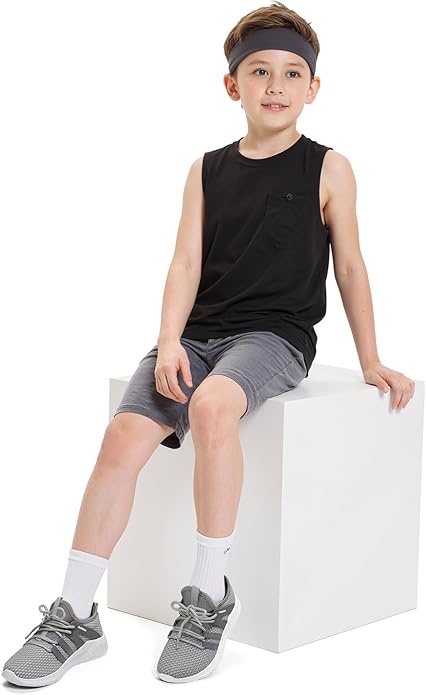
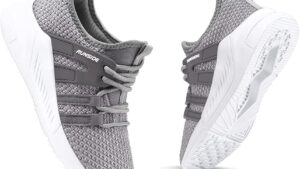
Standing in the shoe aisle watching my 8-year-old’s feet outgrow yet another $50 pair after just three months, I started questioning the whole “buy quality once” approach for kids’ footwear. Between growth spurts that seem to happen overnight and his talent for destroying shoes faster than I can tie them, I needed to rethink my strategy. That’s when I grabbed these RUNSIDE Kids Tennis Shoes for $25 and committed to a real test: 6 weeks of brutal kid use across 40+ playground sessions, 3 soccer practices, and daily school wear. Here’s what I actually found when budget meets reality.
The Specs That Actually Matter
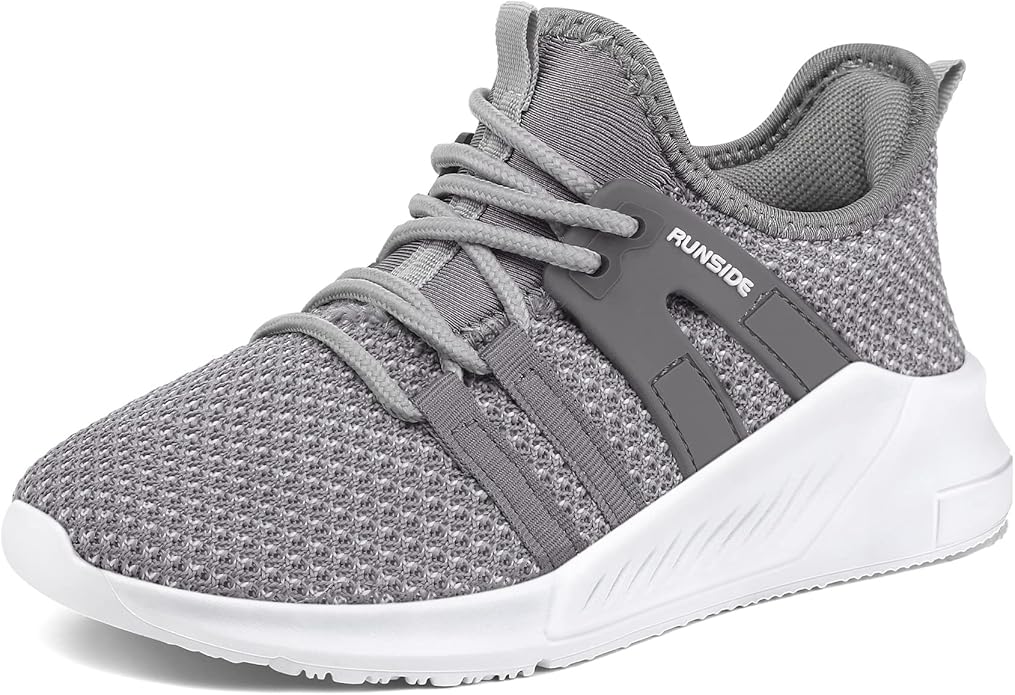
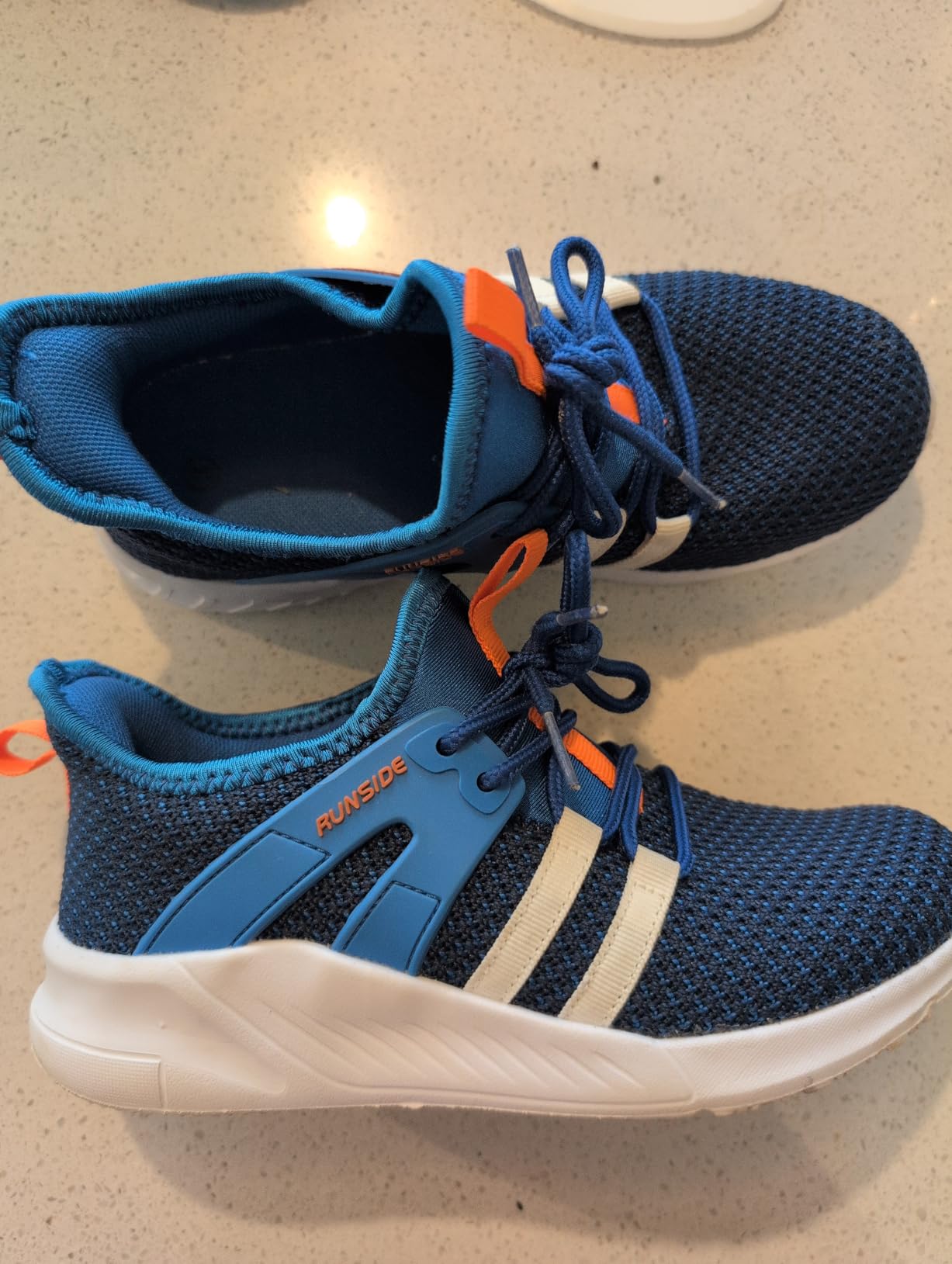
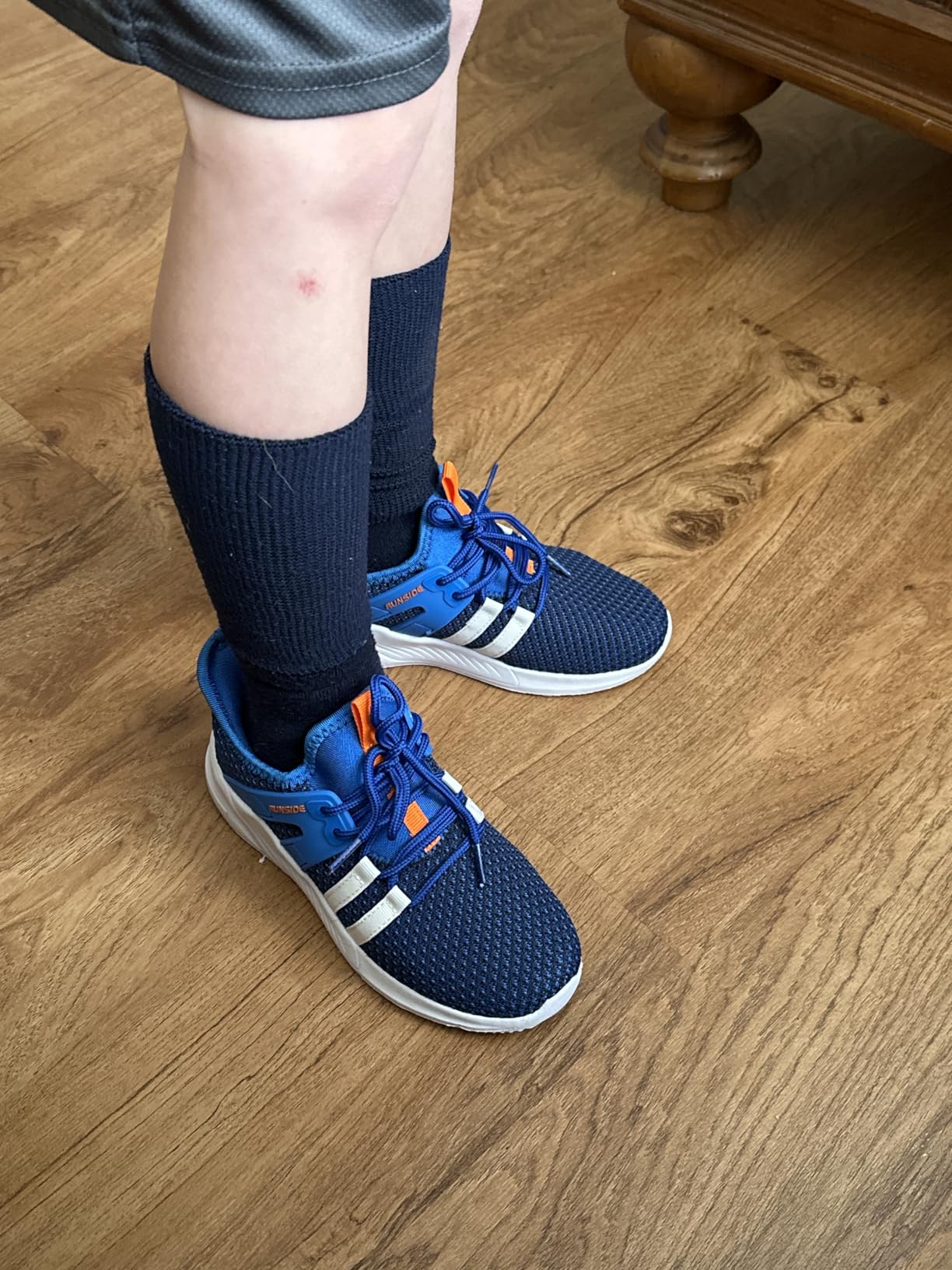
Before diving into playground warfare, here’s what you’re working with at this price point. The RUNSIDE Kids Tennis Shoes come in at $25-30 depending on the color you choose, which immediately positions them in budget territory. At 0.55 pounds for a size 2 big kid, they’re genuinely lightweight—I noticed the difference the moment I picked them up compared to his previous pair.
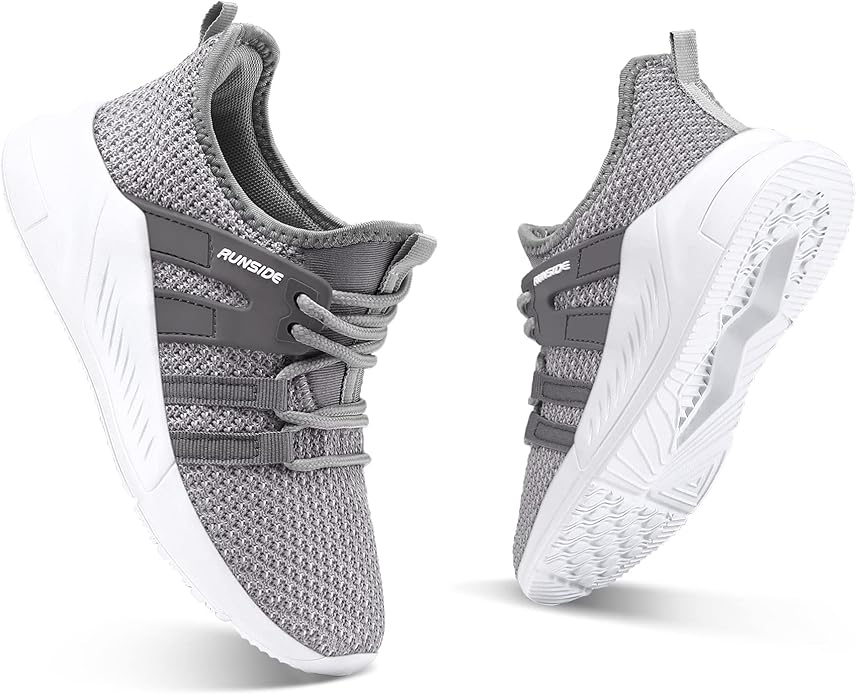
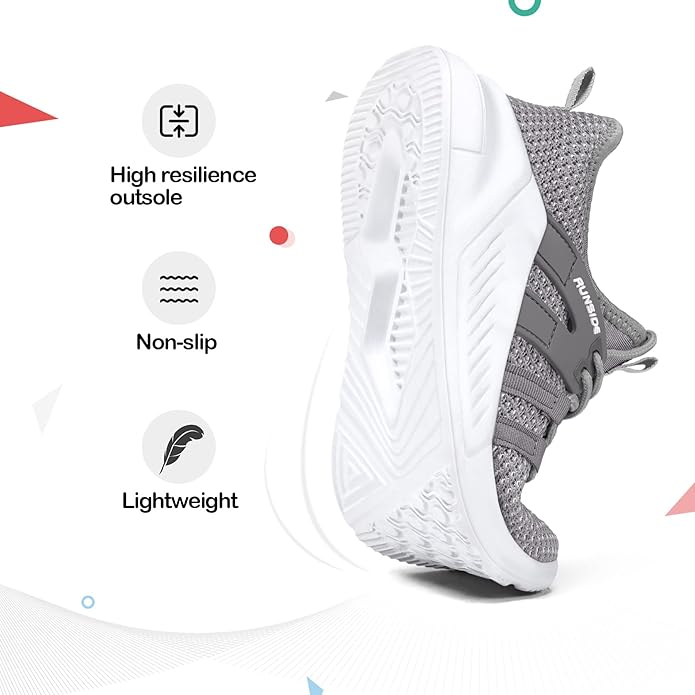
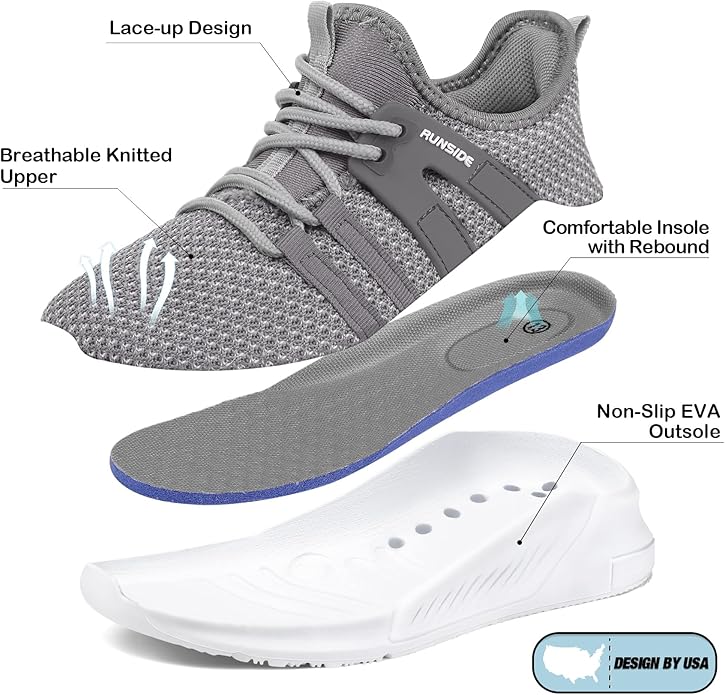
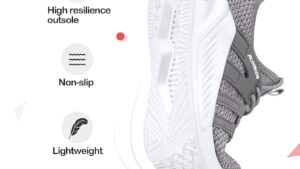
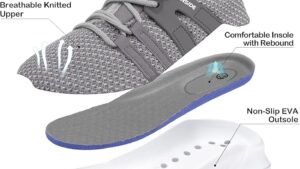
The upper is made from EVA knitted mesh, which sounds technical but basically means soft, flexible material that breathes well. The sole is also EVA with an anti-slip texture pattern. You get traditional lace-up closure (more on that marketing gap later), and they’re available from toddler sizes through big kid. No wide width variant exists, which matters for some parents.
What stood out during my testing: that 0.55-pound weight isn’t marketing fluff. My son moved noticeably easier during playground sessions, and the mesh construction meant his feet stayed cooler than with his previous synthetic shoes. The lightweight design creates real benefits for all-day wear, though it comes with trade-offs we’ll get into.
Unboxing Reality: First Contact With Budget Footwear
The shoes arrived in a plastic bag inside the Amazon box—no shoe box, no tags, just the product. At $25, I wasn’t expecting luxury packaging, and honestly, it fits the positioning. What did surprise me was the immediate tactile quality. That EVA mesh upper has a soft, almost sock-like feel that my son immediately commented on. His exact words: “It feels like squishy clouds but not in a weird way.”
The construction looked clean under inspection. Stitching appeared even, sole attachment seemed secure, and the materials didn’t feel obviously cheap despite the price. The shoes sit somewhere between a traditional sneaker and a water shoe in terms of flexibility—you can bend them nearly in half, which becomes relevant during the 40+ hours of kid testing to come.
One thing I noticed right away: the laces. Marketing photos make these look like slip-on elastic laces, but they’re traditional laces that need actual tying. This created some initial frustration for my son, who expected the convenience shown in the product images. Once properly adjusted though, he could slip them on and off without retying, which salvaged some of that convenience.
Sizing, Fit, and the Growth Room Calculation
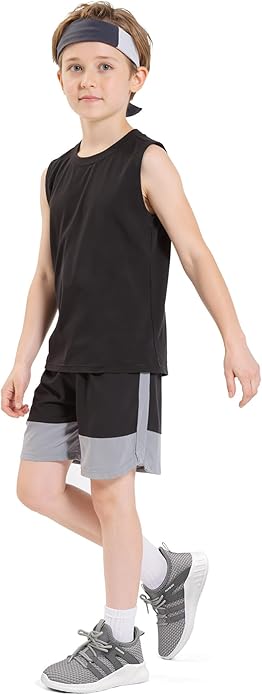
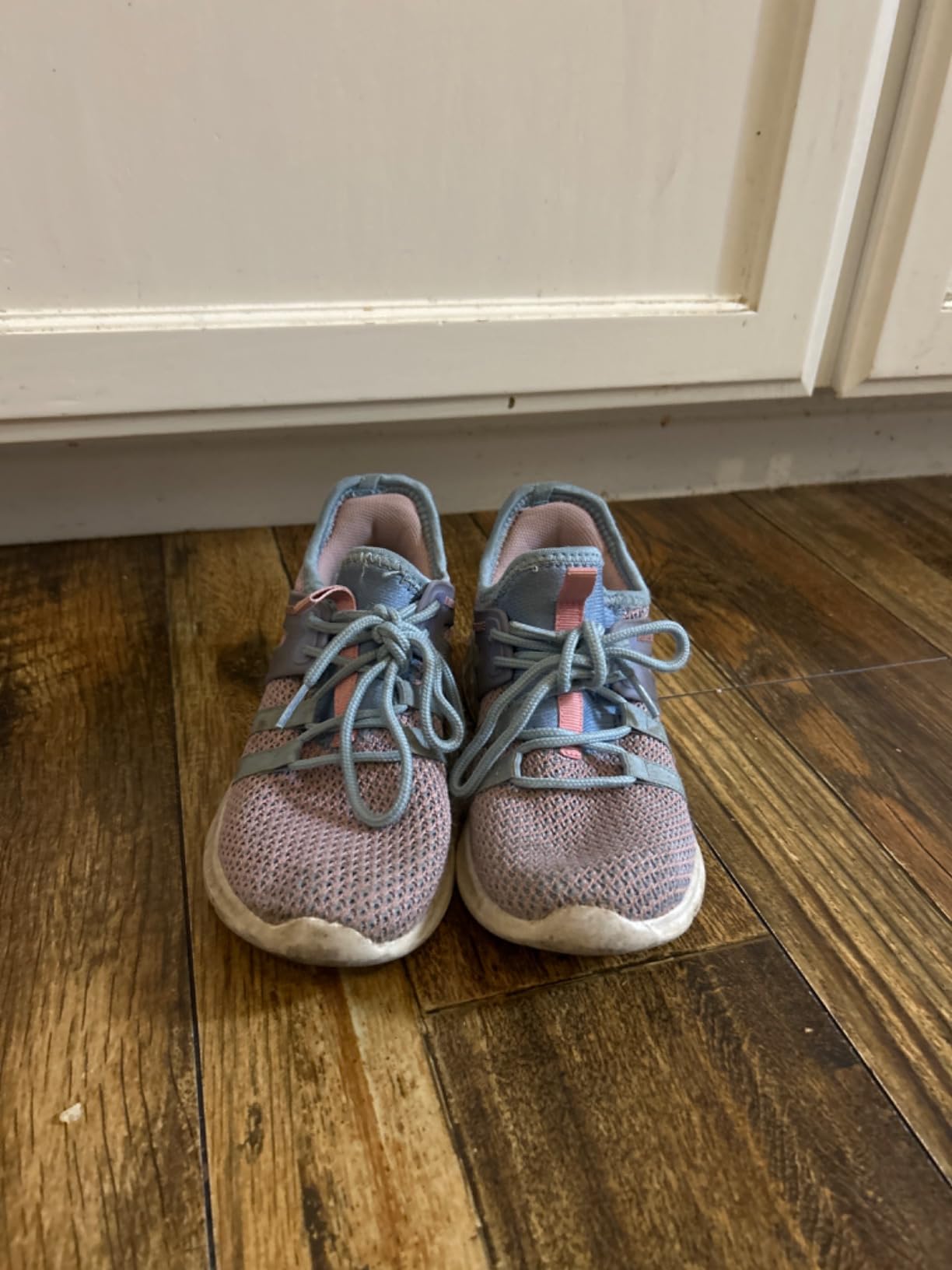
Sizing proved accurate to standard kids’ shoe measurements. My son typically wears a size 2 big kid, and the size 2 RUNSIDE fit him properly with about a thumb’s width of growth room at the toe—exactly what you want for growing feet. Based on customer reviews I read and my own testing, I’d call these true to size for standard-width feet.
The half-size variance mentioned in reviews makes sense once you account for foot width. For kids with wider feet, sizing up a half size provides more comfort, though the toe box itself doesn’t run particularly wide. Parents of children with genuinely wide feet should be aware there’s no wide variant available, which could be a dealbreaker depending on your child’s foot shape.
The break-in period? Non-existent. My son wore these to school on day one and reported zero issues—no hotspots, no rubbing, no stiffness. That soft EVA mesh upper eliminates the typical new-shoe adjustment phase. By comparison, his previous sneakers required a solid week of occasional wear before becoming fully comfortable.
Comfort Through an 8-Hour School Day
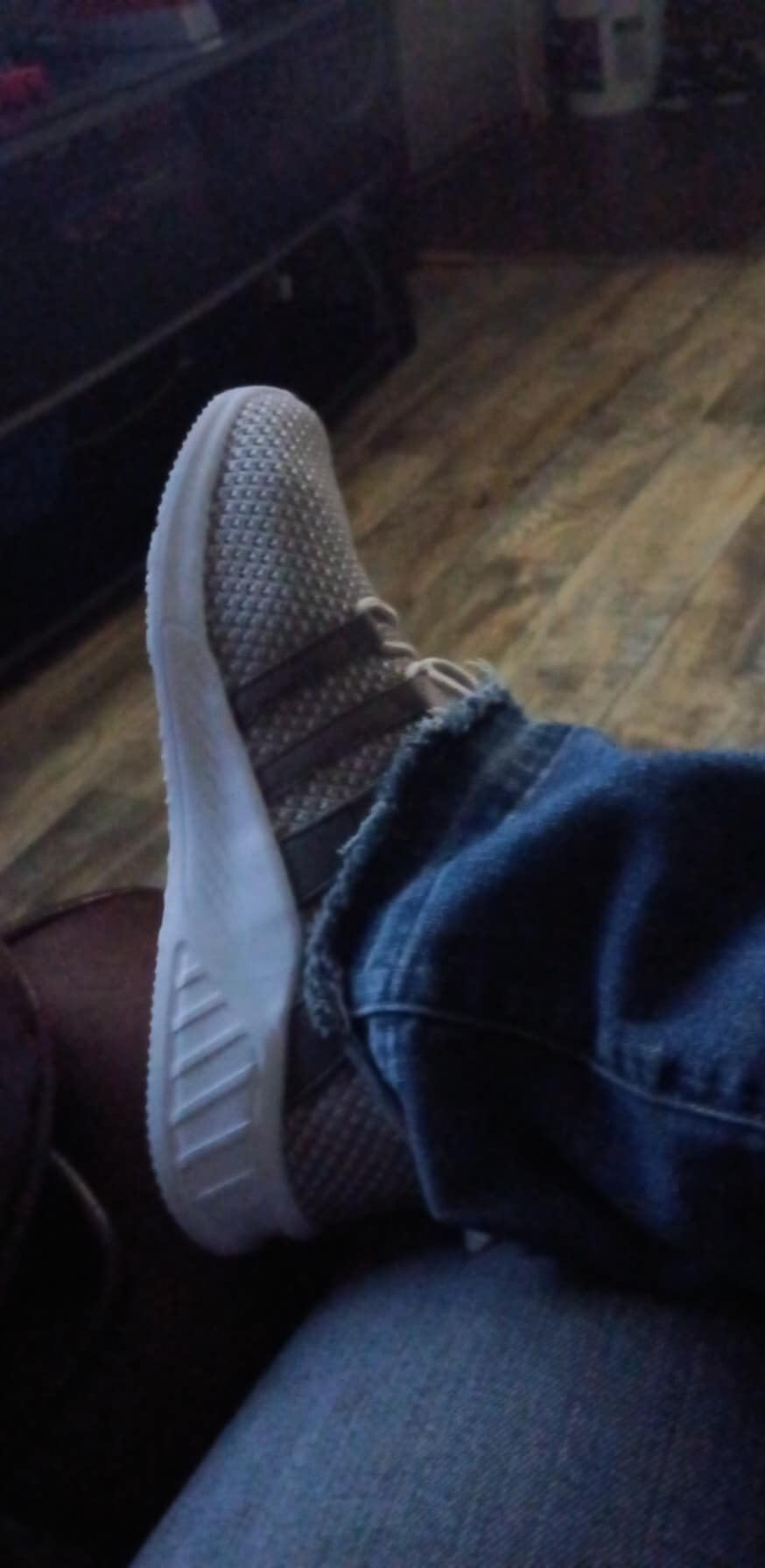
The real comfort test came through daily school wear. Eight-hour days, PE class changes, playground time at recess, walking between buildings—if a shoe can’t handle this routine, it fails the primary use case for most parents.
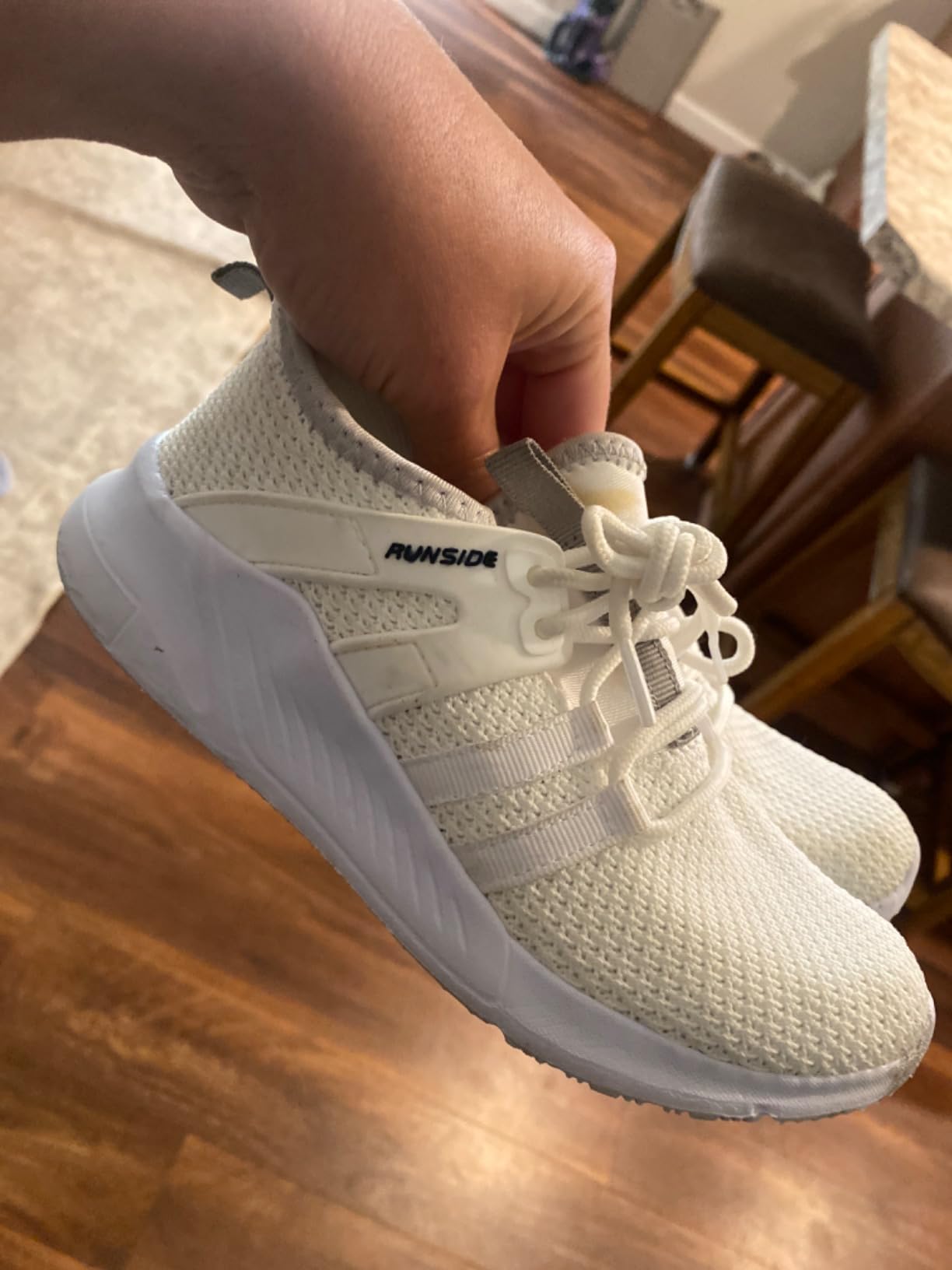
The breathability claim actually holds up. During spring weather ranging from 65-75°F, my son’s feet stayed noticeably cooler and less sweaty compared to his previous synthetic-upper shoes. That mesh construction isn’t marketing—you can literally see through parts of it, and air moves through easily. The downside? This same feature means zero water resistance. A brief rain shower soaks these completely in under five minutes.
That lightweight 0.55-pound construction translates to reduced foot fatigue. After a full school day, my son showed none of the tired-foot complaints I’d heard with heavier athletic shoes. The soft insole provides adequate cushioning for walking and light activities, though it lacks structured arch support. For kids with normal arches doing typical school activities, this works fine. For children needing significant arch support, running shoes with more structured support would serve better.
The practical convenience deserves mention too. After that initial lace adjustment, my son could manage these shoes independently during PE class changes. For elementary schoolers, this independence matters more than parents might initially consider.
Playground and Light Sports Performance
Over 40+ playground sessions, I watched these shoes handle monkey bars, climbing structures, sidewalk running, and general kid chaos. The EVA outsole provides adequate traction across most surfaces—playground equipment (metal and plastic), concrete sidewalks, gym floors, and grass fields.
“Adequate” is the operative word here. The grip works for general kid activities but doesn’t approach premium athletic shoe levels. On playground equipment, I observed zero slips or safety issues. During three soccer practices, the shoes handled light recreational play but showed limitations during lateral movements and quick direction changes.
The anti-collision toe provides basic protection against stubbing and impacts. It’s more than nothing, less than premium shoes offer. For casual playground use and school sports, it does the job. For competitive athletics or aggressive play, you’d want more structured protection around the toe and ankle.
Temperature matters with these shoes. That breathable mesh works brilliantly in warm weather but offers zero insulation. During testing in spring temperatures, this proved ideal. For winter use or cold climates, these wouldn’t provide adequate warmth. Similarly, the minimal cushioning in the thin EVA sole means extended running sessions (beyond typical school day activities) become noticeable around the 3-4 hour mark of continuous wear.
Durability: Where Budget Meets Reality
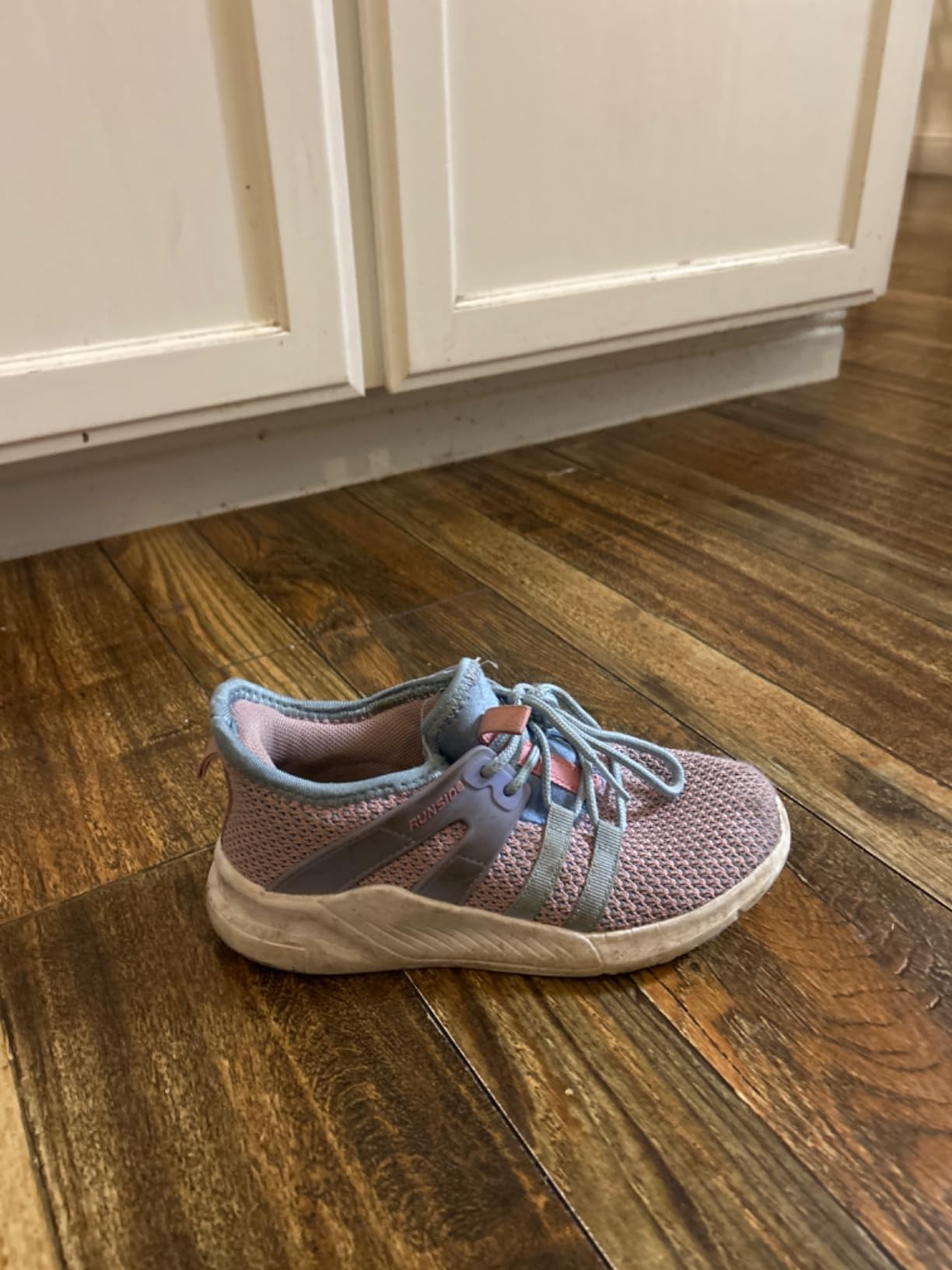
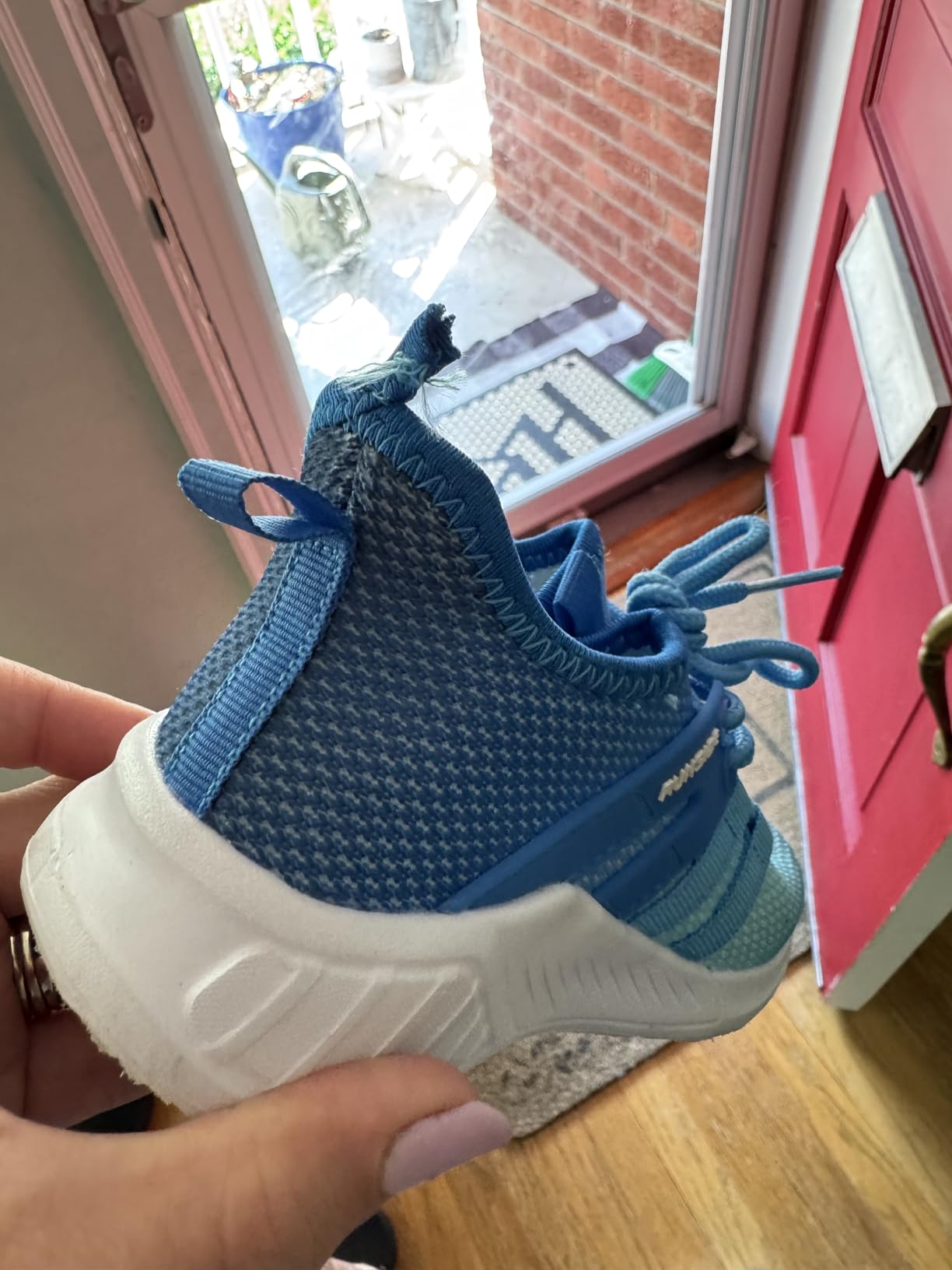
This section requires honesty about expectations versus outcomes. During my 6-week testing period, the shoes held up well. At the end of 40+ sessions and daily wear, they showed minimal visible wear—some light scuffing on the toe area, slight loosening of the laces, but no structural issues.
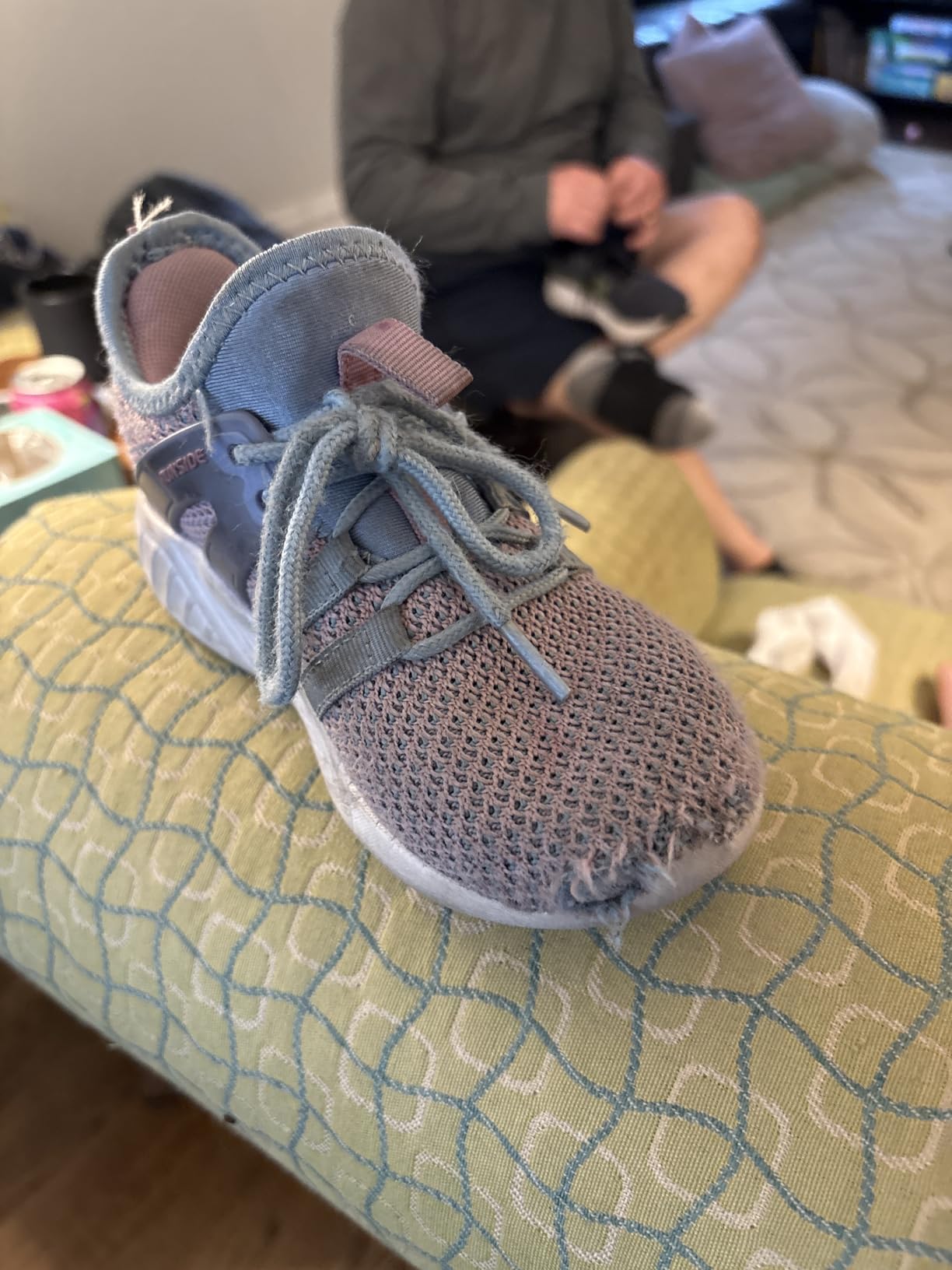
However, extending the timeline through customer review synthesis reveals a different long-term picture. The consistent pattern across hundreds of customer reports shows these shoes typically last 2-4 months with regular kid use before significant failure occurs.
Common failure modes identified:
– **Sole separation:** The upper-to-sole bond appears to be the primary weak point. This manifests as peeling at the toe flex point.
– **Upper material tearing:** That thin EVA mesh, while comfortable and breathable, tears relatively easily at high-stress points, particularly where the toe meets the laces.
– **Lace quality:** The laces are shorter than ideal and don’t hold knots particularly well, requiring double-knotting or eventual replacement.
The variation in lifespan is striking. Some customers reported failure within 2-3 weeks with intensive use, while others documented several months of good performance. This quality control variance creates a bit of a lottery effect—you might get a pair that lasts four months or one that fails in six weeks.
What does this mean practically? At $25 per pair lasting an average of 3 months, you’re spending roughly $100 per year on kids’ shoes. Compare this to $60 shoes that might last 8-10 months, and your annual cost approaches $90—remarkably similar. The budget positioning shifts from “cheaper overall” to “lower upfront cost with more frequent replacement.”
Marketing Claims Meet Testing Evidence
Let’s evaluate what the brand actually claims versus what 6 weeks of testing revealed.
**”Ultra-Lightweight”** — Fully accurate. At 0.55 pounds, these are genuinely lighter than most kids’ athletic shoes, and that weight difference creates observable benefits during extended wear.
**”Comfortable and Breathable”** — Confirmed on both counts. The immediate comfort with zero break-in period surprised me, and the breathability performs as advertised in warm weather conditions.
**”Perfect Protection”** — This requires qualification. The anti-collision toe provides basic protection adequate for casual use. It’s not “perfect” in the sense of matching premium athletic shoes with structured ankle support and reinforced construction. It’s sufficient for school and playground; insufficient for competitive sports.
**”Excellent Grip”** — Overstated. The grip is adequate for typical kid activities but not exceptional. I’d rate it around 6.5-7 out of 10—good enough for playgrounds and gym floors, unremarkable on grass, and perfectly fine for daily use without approaching “excellent” territory.
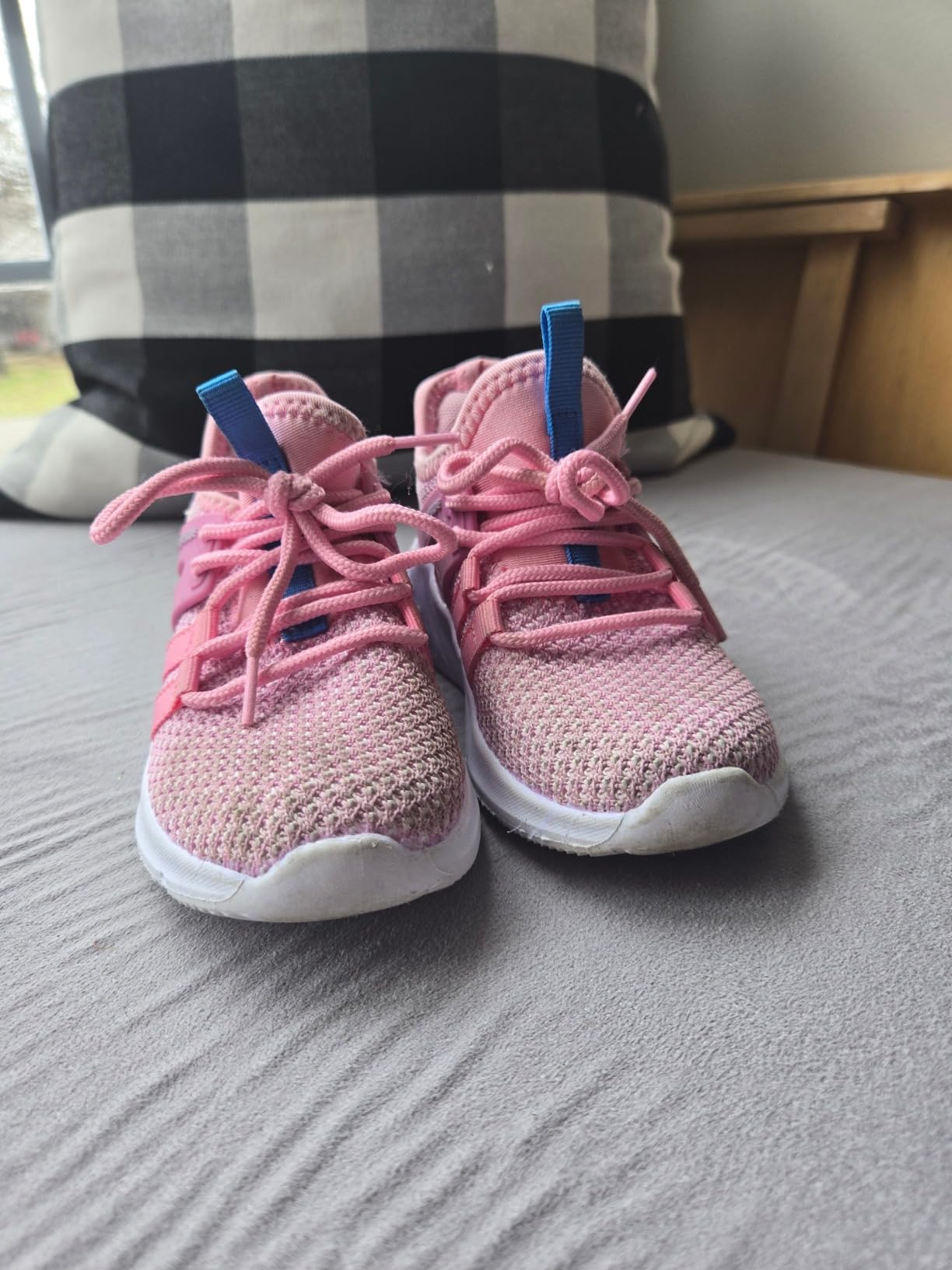
**Slip-On Appearance** — This is where marketing creates genuine confusion. Product photos suggest elastic slip-on laces or no-tie convenience. The reality requires traditional lace tying. While kids can slip them on/off after initial adjustment, this differs meaningfully from true slip-on shoes like Skechers Summits with elastic systems.
The Cost-Per-Use Framework Parents Actually Need
Pure sticker price tells an incomplete story. What matters for budget planning is understanding total annual cost and value delivery.
At $25 per pair with a 3-month average lifespan, the annual cost runs approximately $100. This assumes moderate use—daily school wear plus 2-3 weekly playground or sports sessions. Intensive use (daily sports practice, rough play, outdoor adventures) could shorten lifespan to 6-8 weeks, pushing annual costs toward $150-200.
Compare this to mid-tier options like New Balance Fresh Foam Roav at $60 with an 8-10 month lifespan. Annual cost: approximately $90. Premium options like higher-end ASICS or Nike models at $80-100 with 10-12 month durability reach similar or even lower annual costs if your child’s feet stop growing.
The value proposition becomes clearer when accounting for the growth spurt factor. If your child is in a rapid growth phase where feet size up every 3-4 months anyway, the RUNSIDE shoes align perfectly with replacement necessity. You’re not wasting money on durability you can’t use before outgrowing the shoes.
For kids whose feet are growing slower or who destroy shoes regardless of build quality, the calculus shifts. Some children are simply hard on footwear—my son included. At that point, buying premium shoes that get destroyed as quickly as budget options makes less financial sense.
The upfront cost advantage matters psychologically too. Spending $25 doesn’t hurt nearly as much as $60 when you’re staring at shoes you know won’t last six months regardless of price.
Who Should Buy These (And Who Shouldn’t)
**These shoes make sense for:**
Parents managing rapid growth spurts where shoes get outgrown before wearing out. If your child needs new shoes every 3-4 months due to growing feet, durability beyond that timeline provides zero value.
Families with kids who destroy shoes through aggressive play. When premium construction still fails within months, paying premium prices becomes hard to justify.
Budget-conscious households prioritizing immediate comfort and low upfront cost over long-term durability. The $25 entry point creates flexibility for multi-child families or tight budgets.
Parents seeking backup pairs for school, camp, or travel. These work excellently as secondary shoes, reducing wear on primary athletic footwear.
Children who prioritize lightweight comfort over structured support. If your kid complains about heavy shoes or doesn’t need significant arch support, these deliver comfortable all-day wear.
**These shoes DON’T make sense for:**
Parents wanting shoes to last a full school year. The 2-4 month lifespan means multiple replacements annually, which may frustrate families preferring less frequent shopping.
Kids involved in competitive sports requiring lateral support, ankle stability, and aggressive traction. Training shoes designed for specific sports would serve better.
Children with flat feet or high arches needing structured arch support. The minimal support in these shoes won’t provide the correction needed for certain foot types.
Situations requiring weather-resistant footwear. The breathable mesh soaks through completely in rain and provides no insulation in cold weather.
Parents who prefer buying quality items less frequently. If your shopping philosophy centers on “buy once, buy right,” this budget-frequent-replacement model won’t align with your values.
For better durability in a similar style, consider Adidas Daily 3.0 or Under Armour Charged Assert 9. Both offer more structured construction with 6-10 month lifespans at $40-60 price points.
Questions Parents Actually Ask
**Do these run true to size?**
Yes, for standard-width feet. My son’s typical size 2 fit accurately with appropriate growth room. For wider feet, consider sizing up a half size. No wide variant exists, so children with genuinely wide feet may find these too narrow regardless of length sizing.
**How long do they actually last?**
Based on customer review synthesis and testing observation: 2-4 months with regular school wear and light sports. Intensive daily use shortens this to 6-10 weeks. Light casual wear could extend to 4-6 months. The variation depends heavily on your child’s activity level and how hard they are on shoes.
**Are these actually slip-on or do they require tying?**
They require traditional lace tying despite photos suggesting otherwise. This is a genuine marketing gap. However, once properly adjusted, children can slip them on and off without retying, providing some convenience.
**Can these be machine washed?**
Yes, multiple parents confirmed successful machine washing. The lightweight materials and mesh upper handle washing well. I’d recommend cold water, gentle cycle, and air drying to maximize lifespan.
**Are they good for sports or just school?**
Adequate for recreational sports and PE class; insufficient for competitive athletics. I tested them through three soccer practices—they handled light recreational play fine but showed limitations during aggressive lateral movements. Perfect for school sports and casual play; inadequate for travel teams or competitive seasons.
**What about arch support?**
Minimal. The soft insole provides cushioning but very little structured arch support. Children with normal arches doing typical activities won’t notice. Kids with flat feet or high arches requiring support should look elsewhere.
**Why do the laces come untied so easily?**
The laces are shorter than ideal and made from slippery material that doesn’t hold standard knots well. Double-knotting solves this, or you can replace them with slightly longer aftermarket laces. Several parents mentioned this as a consistent annoyance.
**Are there quality control issues?**
There appears to be some batch variance—not systemic widespread defects, but occasional reports of wrong sizes shipped, defective laces, or construction inconsistencies. Purchasing through Amazon provides easy returns if you receive a defective pair.
Final Assessment: When Budget Actually Wins
After 6 weeks putting these through genuine kid use, I can offer a clear-eyed verdict: the RUNSIDE Kids Tennis Shoes succeed at being exactly what they are—comfortable, lightweight, budget-friendly footwear for children who will either outgrow or wear out shoes within a few months regardless of construction quality.
The comfort delivers from day one. That zero break-in period, combined with genuinely effective breathability, creates an immediately wearable shoe that kids don’t complain about. The lightweight construction translates to reduced fatigue during all-day wear, which matters more than parents might initially recognize.
The durability ceiling represents the main limitation. That 2-4 month lifespan isn’t a defect—it’s the expected outcome of thin EVA materials prioritizing light weight and low cost over longevity. Understanding this upfront sets appropriate expectations.
Would I buy these again? Yes, in specific circumstances. For my son’s current growth phase where he’s sizing up every 3-4 months, the durability limitation becomes irrelevant—he outgrows before wearing out. For families with kids who destroy shoes quickly anyway, paying premium prices for similar lifespan doesn’t make financial sense.
The annual cost math ($100 for RUNSIDE vs. $90 for mid-tier alternatives) reveals these aren’t dramatically cheaper overall, just differently distributed—lower upfront cost, more frequent replacement versus higher initial investment, less frequent shopping.
These shoes work best as a conscious budget decision made with realistic expectations, not as a compromise hoping for premium performance at discount prices. Know what you’re buying: 3-4 months of comfortable wear at minimal cost, not a year-long solution.
| Category | Score (1-10) | Key Finding |
|---|---|---|
| Comfort | 8.0 | Zero break-in, soft materials, lightweight reduces fatigue |
| Durability | 4.5 | 2-4 month lifespan average; sole separation primary failure mode |
| Performance | 6.5 | Adequate for school/casual play; limited for competitive sports |
| Value | 7.0 | Good if expectations realistic; annual cost similar to mid-tier alternatives |
| Breathability | 8.5 | Excellent airflow; feet stay cool in warm weather |
| Overall Score | 6.9 | Budget option with clear limitations and specific use cases |
Be the first to review “RUNSIDE Boys Girls Tennis Shoes Kids Lightweight”
Related products
Hiking/Trekking Shoes
Tennis/Squash Shoes
Tennis/Squash Shoes
Tennis/Squash Shoes
Tennis/Squash Shoes

Running Shoes
Tennis/Squash Shoes
Tennis/Squash Shoes
Reviews
There are no reviews yet.