
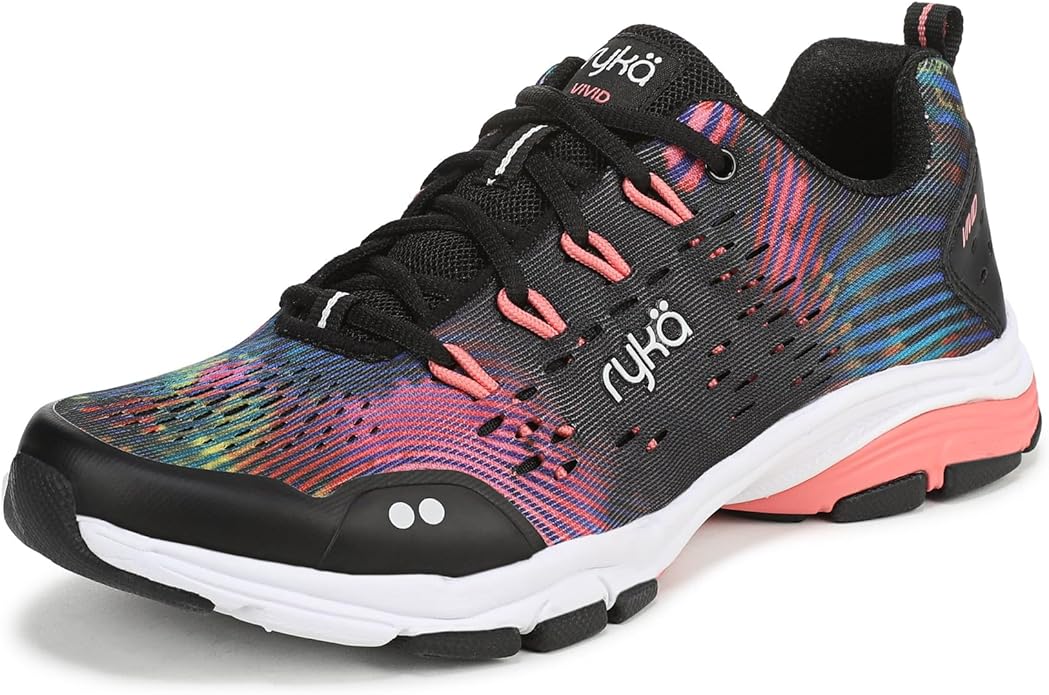
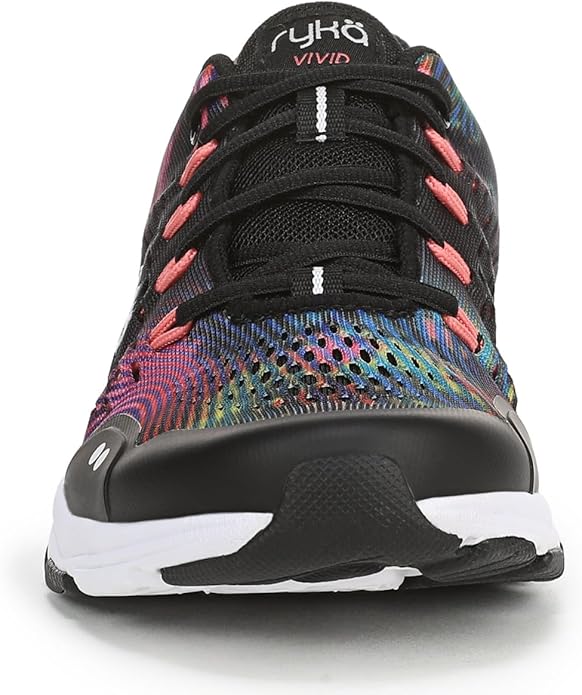
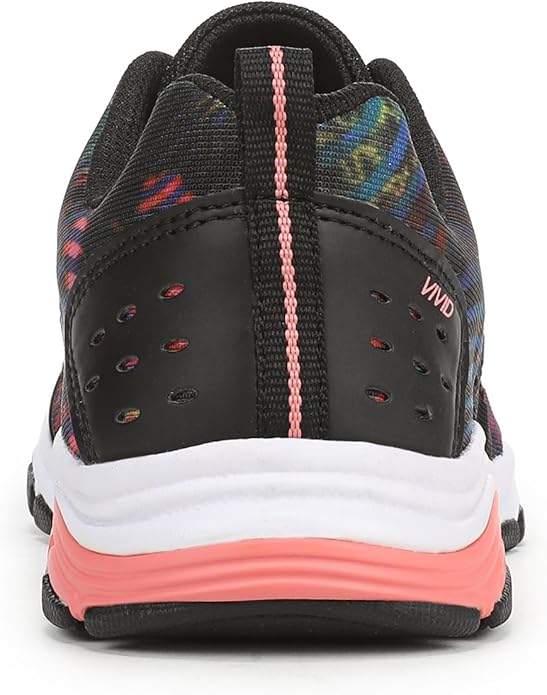
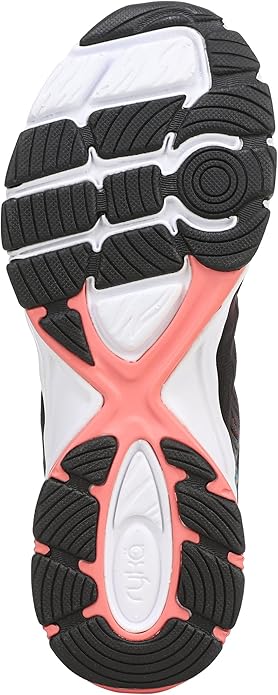
The recommendation came from someone I trust: Jasmine, a group fitness instructor with eight years of class floors under her shoes. She described the Ryka Vivid RZX during our cool-down after Zumba — specifically, she said her heel finally stopped moving around during lateral sequences. That detail is what got my attention. I’ve been compensating for heel float in cross-trainers for years. Sarah here, and after six weeks, twenty-four sessions, and one very revealing three-mile walk, here’s the honest picture of whether these shoes deliver.
Technical Specifications
- 💰 Price: $65
- ⚖️ Weight: 8.2 oz / 234g (women’s size 8)
- 📏 Heel-to-toe drop: 9mm
- 🧪 Midsole: RE-ZORB responsive cushioning + Lightweight EVA
- 👟 Upper: Breathable engineered mesh + faux leather toe cap
- ⚙️ Technologies: Pivot Point, Ultra Flex, RE-ZORB
- 🏃♀️ Category: Cross-training and dance fitness
- 🎯 Best for: Zumba, HIIT classes, gym workouts, lateral movements
- ⏱️ Testing period: 6 weeks, 24 workout sessions, daily wear
Design, Build Quality & The Women-Specific Fit Question
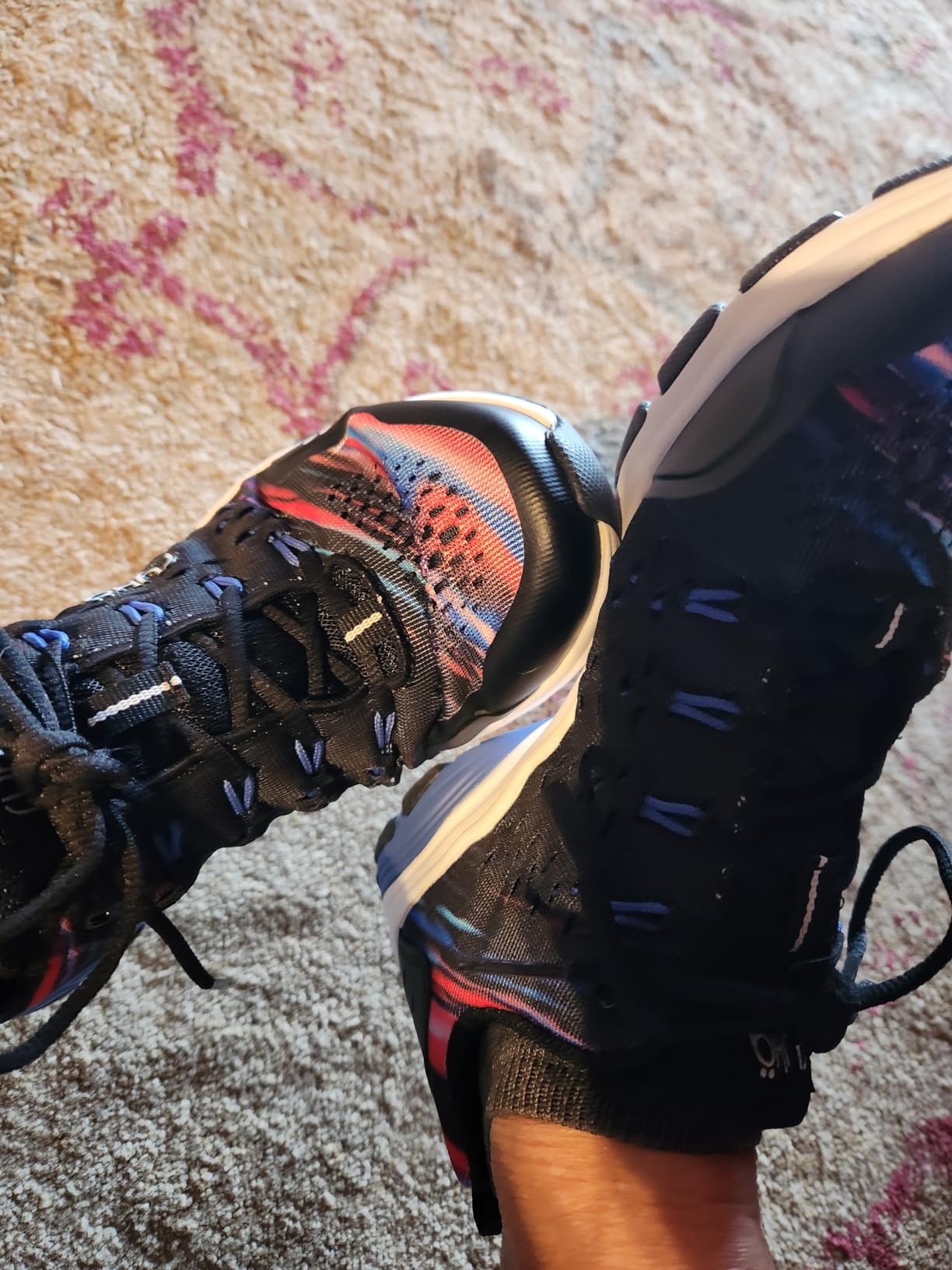
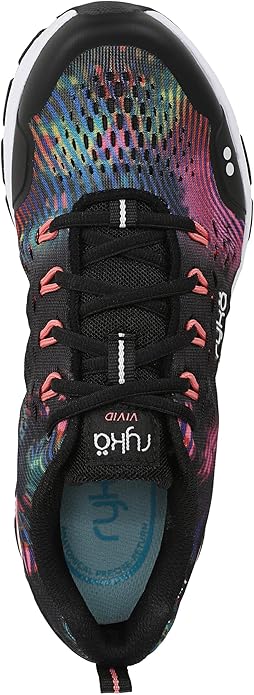
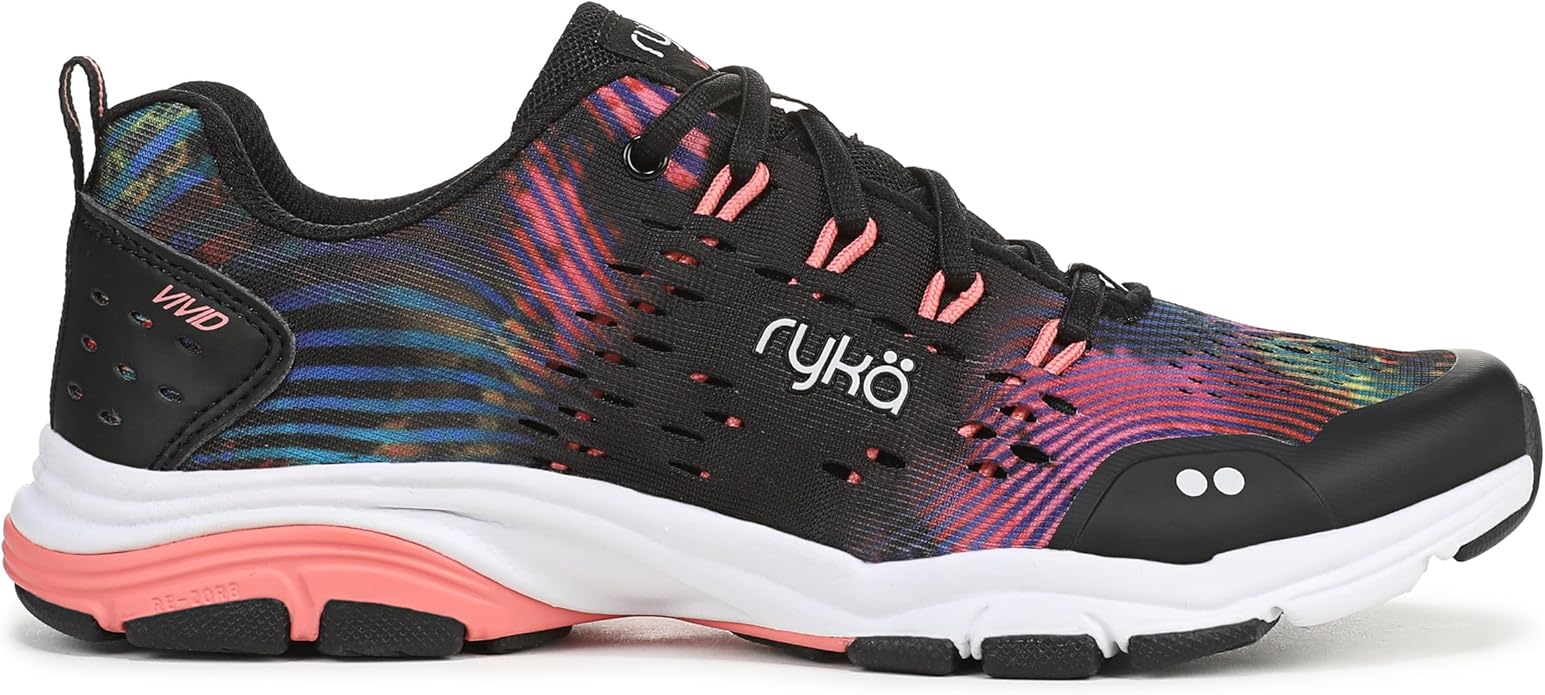
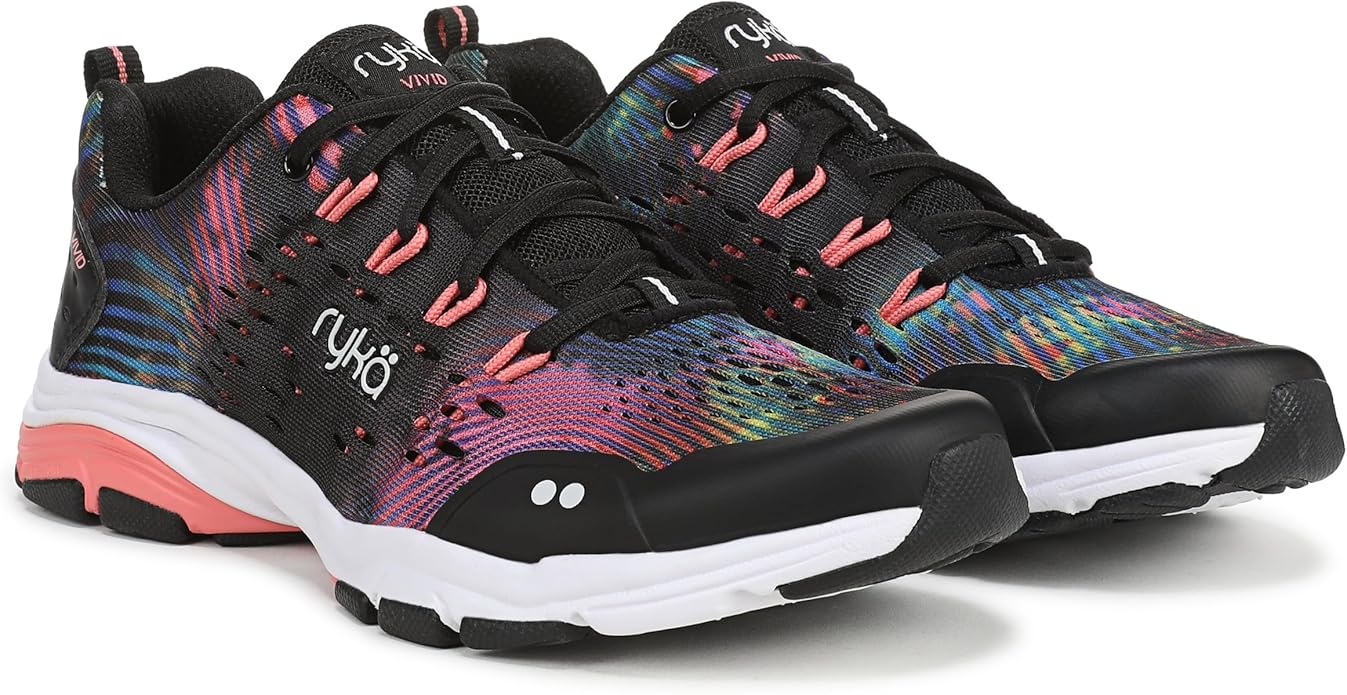
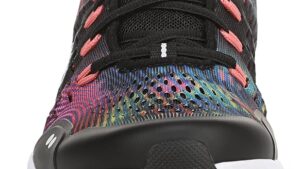
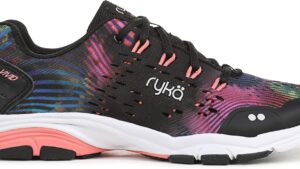
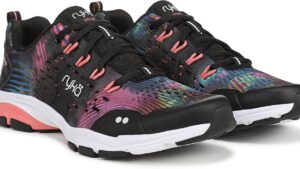
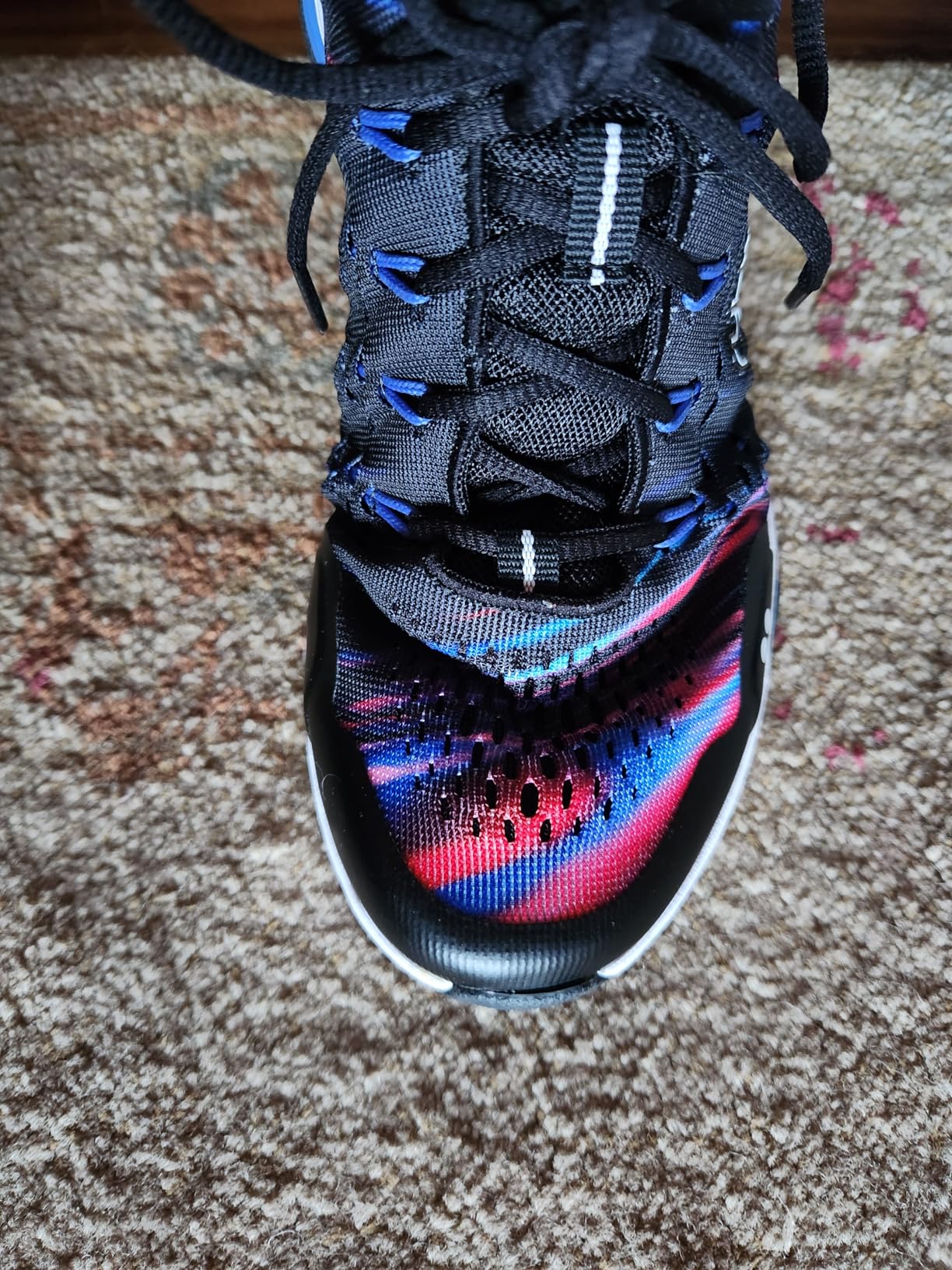
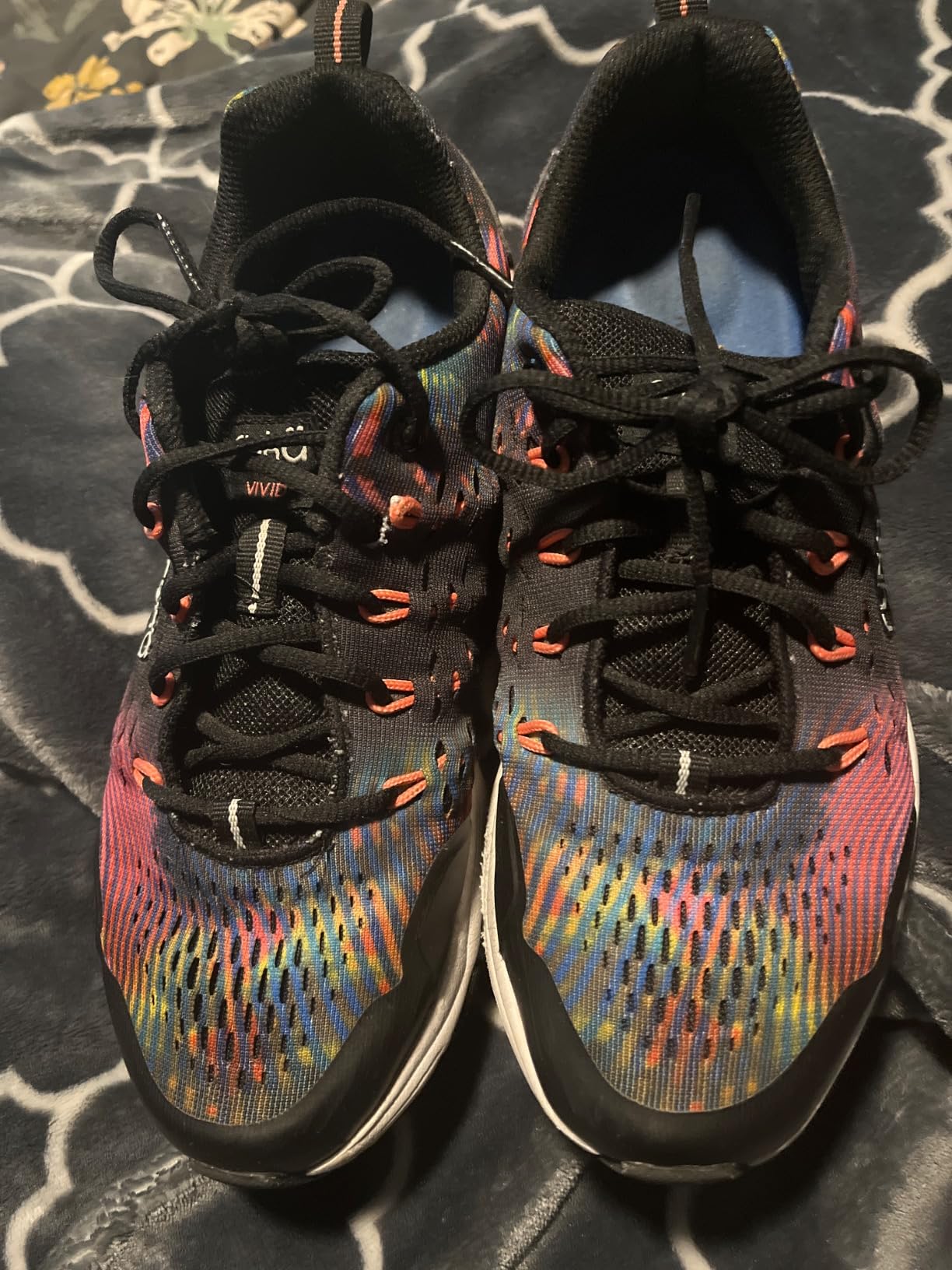
The tie-dye colorway arrived more vivid than any product photo suggested — these are genuinely eye-catching in a way that makes you want to actually wear them to class rather than just own them. First impressions matter for motivation, and on that front, Ryka nails it.
The mesh upper has a soft, slightly knit-adjacent texture that felt breathable before I’d even put them on. Lateral squeeze test: gives without collapsing. The faux leather toe cap adds structure where you need it without stiffening the forefoot.
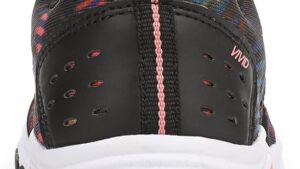
What I noticed immediately — and what became the central validation of the whole “Made for Women” concept — was the heel collar. Compared to my previous sneakers (a standard unisex model), the fit around my heel was noticeably more contained. Not tight, just present. That’s the narrower heel design doing its job, and it’s a real engineering difference, not marketing copy.
The toe box opens proportionally — enough room that my toes weren’t compressed during a 45-minute session, but not so loose that the fit felt sloppy. Women with a wider forefoot and narrower heel, which describes a meaningful portion of the female population, will recognize this immediately.
The Lacing System: Innovation With a Trade-Off
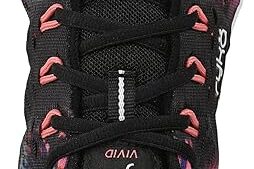
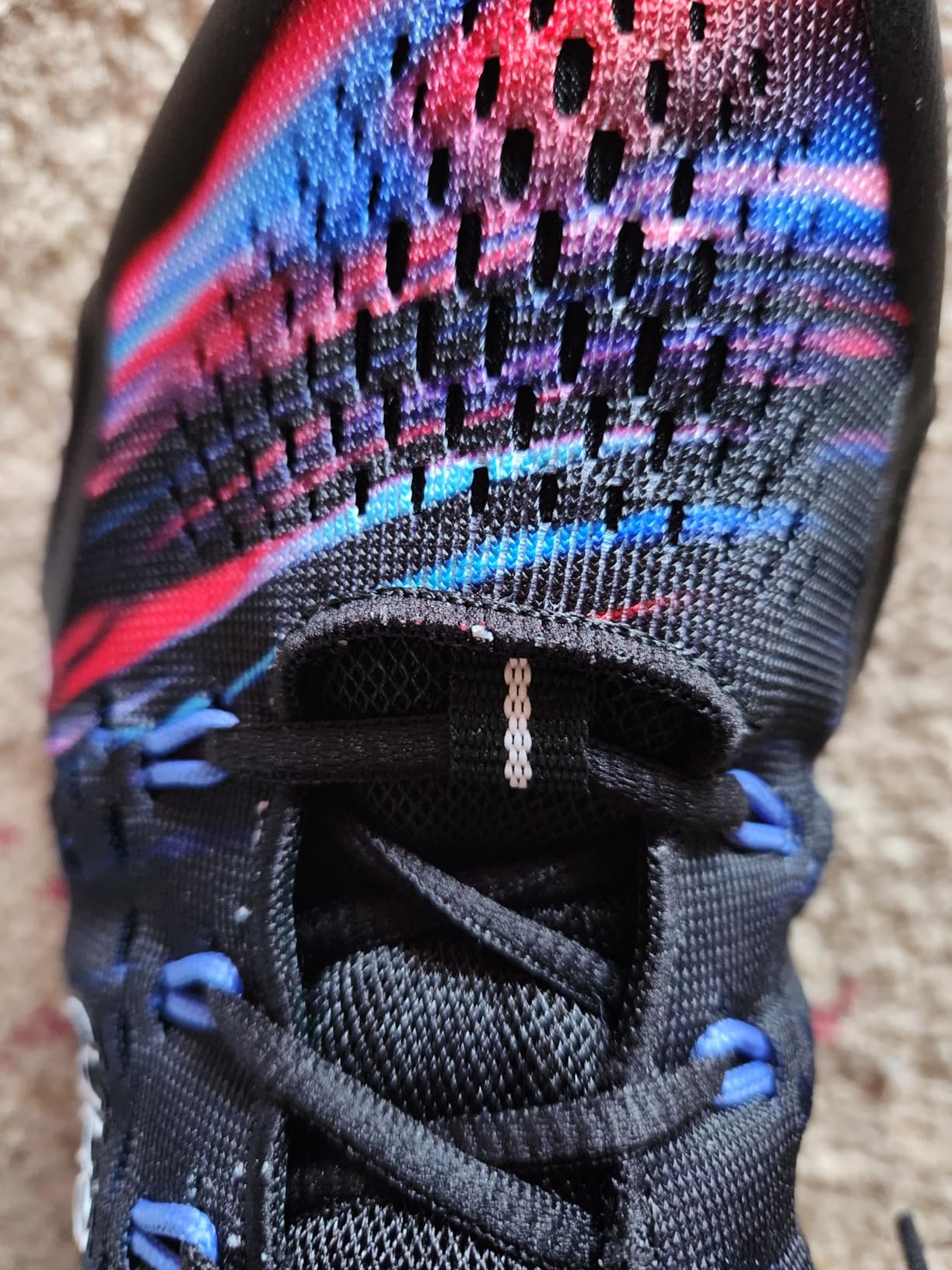
The fabric lace loop system deserves its own honest treatment. Instead of traditional metal eyelets, Ryka uses integrated cloth loops along the lace path. First few wears: it feels cleverer than it sounds — no metal edges, cleaner aesthetic, smooth lace movement.
By week five of testing, two loops on my left shoe showed visible fraying where the fabric meets the upper. My pair never fully failed, but the pattern documented across Zappos reviews — including three separate customers reporting loop breakage before any actual wear — suggests a manufacturing variance issue rather than just a use-case limitation. If you get a good batch, you may never encounter this. If you get a problematic one, you’ll know within the first few lace-ups.
It’s a genuine trade-off: comfort versus structural longevity. Worth knowing before you buy.
Cross-Training Performance: Where the Vivid RZX Genuinely Excels
Zumba and Dance Fitness
The Pivot Point technology became real to me about twelve minutes into my first Zumba class. We were in a sequence that required a quick 180-degree turn into a side shuffle — the kind of movement where a forward-propulsion shoe (dedicated running shoes, for example) creates that frustrating lag where your foot goes one direction while the shoe debates whether to follow.
With the Vivid RZX, the turn just happened. No resistance, no fighting, just the natural rotational movement the choreography required. At 150 pounds, I’m aware of my contact with the floor during lateral work, and the combination of Pivot Point and the narrower heel translated into something close to confidence I hadn’t expected at this price point.
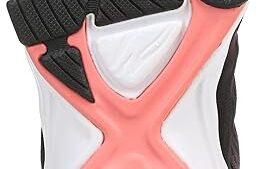
Side lunges, shuffle steps, that diagonal cha-cha pattern that always gets me: the shoe tracked my foot rather than working against it through a full 45-minute session. The RE-ZORB heel cushioning absorbed the repetitive impact without making the midsole feel unstable — it’s firm enough to feel responsive.
HIIT and Dynamic Workouts
The Ultra Flex claim is the most accurately marketed feature on this shoe. Burpees, mountain climbers, jump squats — the forefoot bends naturally with your foot’s flexion pattern. Some cross-trainers fight this movement. The Vivid RZX accommodates it, which adds up over a full class.
Grip on gym surfaces held up across the rubber mats and hardwood studio floors I tested. Planted during quick lateral moves, no unexpected slipping during plyometric work. For the shoe’s intended environment, the rubber outsole does its job.
What It’s Not Built For
Two activity categories where this design comes up short: running and extended cardio in a single direction. The 9mm drop and lateral-movement optimization mean that forward-propulsion efficiency — the thing that makes a proper running shoe feel right — isn’t what these deliver. Anyone wanting a single shoe for both treadmill sessions and group fitness classes should look elsewhere.
Comfort Through Daily Life
The 8.2 oz weight makes itself known in the best way when you’re stacking errands after a morning class. Saturday: Zumba at 8am, grocery run, school pickup, an errand loop that stretched to about two hours. The shoes remained comfortable throughout, and the low weight meant I wasn’t adding fatigue to an already active day.
The Arch Support Ceiling
Here’s where I need to give you an honest boundary: these shoes were not designed for extended distance walking, and a three-mile neighborhood loop with my workout buddy made that clear around mile two. The cushioning is sized and positioned for gym-class bursts — the kind where you’re on your feet for 45 intense minutes but not continuously loading your arch for 60+ consecutive minutes of walking.
By the time we hit the halfway turnaround, I had the familiar mid-arch fatigue that tells you a shoe wasn’t built for sustained distance. On that walk, I would have been better served by the Skechers Go Walk Joy — the arch geometry is simply engineered for different demands.
For class-to-errands-to-pickup transitions where “all day” means a few hours of mixed activity? These work well. For jobs that require 8+ hours on your feet, or for anyone who averages more than a mile or two of walking daily outside the gym, the arch support isn’t sufficient.
One upside worth noting: the footbed is removable, which means Sof Sole Athlete insoles or Valsole orthotic insoles are compatible. Adding aftermarket arch support costs $15-25 but can meaningfully extend the daily-wear comfort range.
The Durability Reality Check
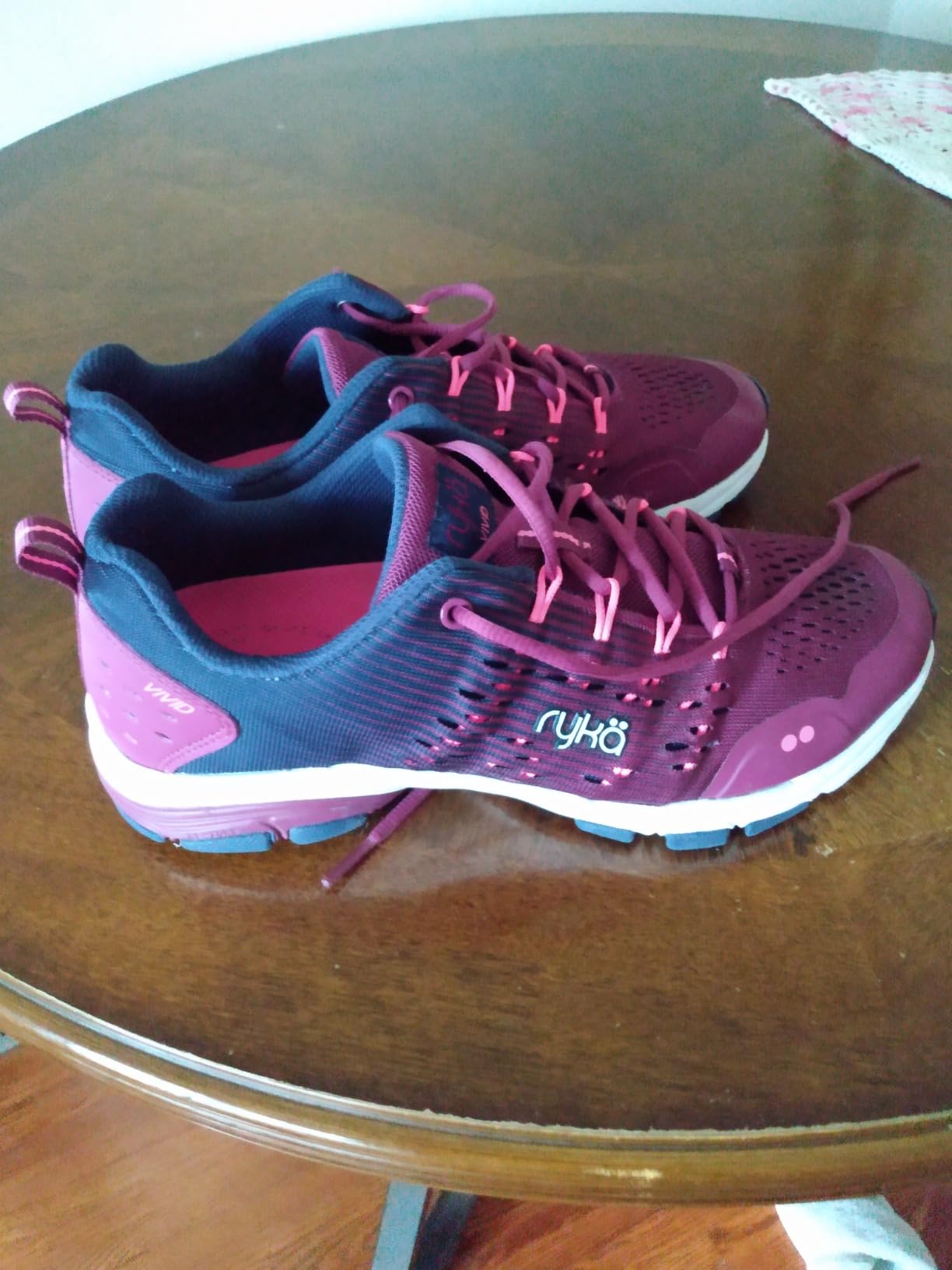
This is the section that changes the purchase calculation. And I want to be precise with you: the performance is good, the design is genuine, but the construction quality doesn’t match either of those things.
My six-week testing window didn’t produce a catastrophic failure. But it did produce early warning signs that corroborated what 466 Zappos reviewers describe in unusual collective detail.
What I Personally Observed
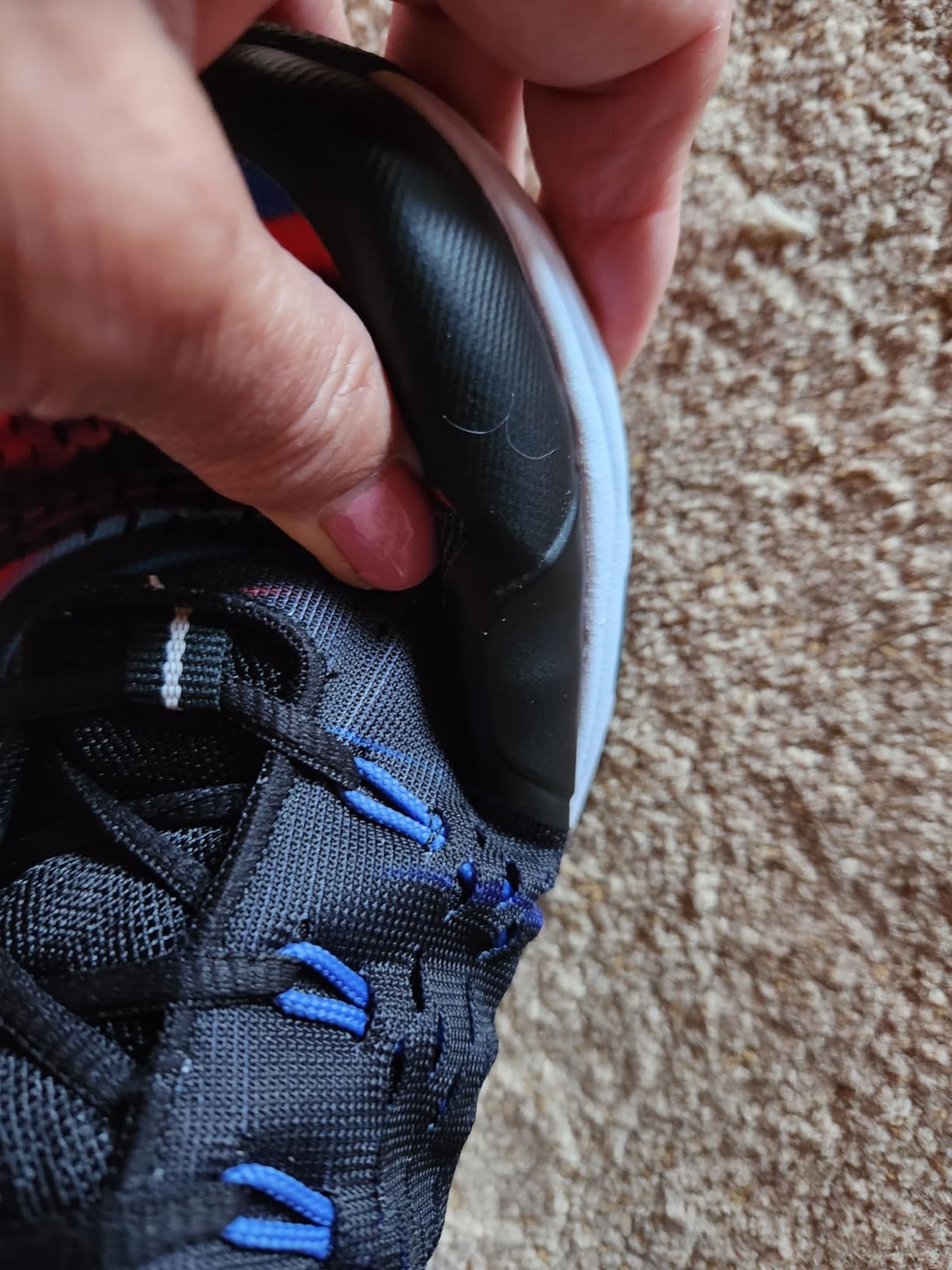
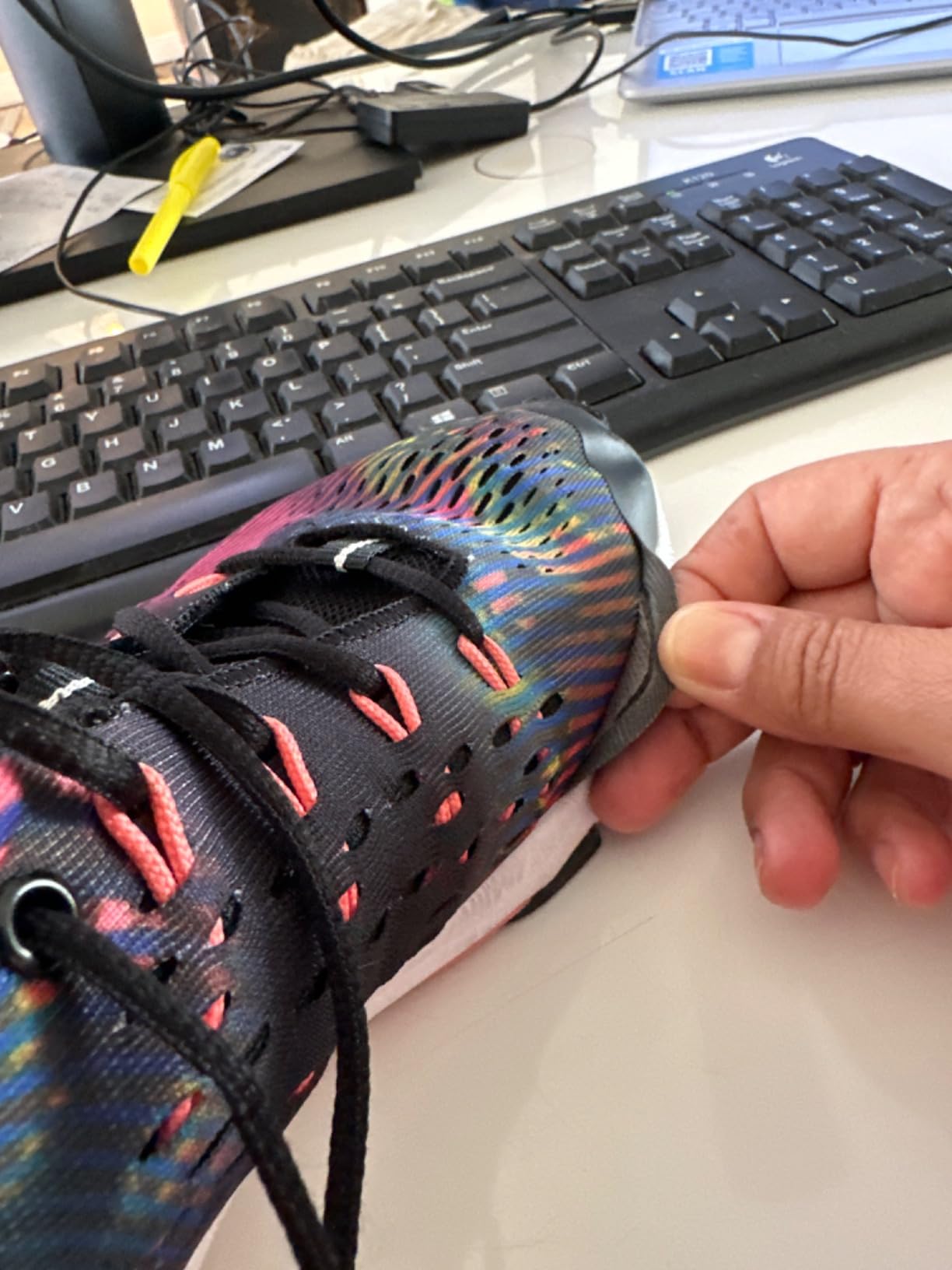
Week five: a hairline separation in the adhesive along the lateral heel edge — barely visible but palpable when I pressed the sole away from the upper. Two fabric lace loops showed fraying at their base. The toe cap bond looked intact, but examining the flex zone under the forefoot, I could see the area where failures typically originate.
These aren’t catastrophic. They’re also not random. They’re early-stage versions of the documented failure pattern.
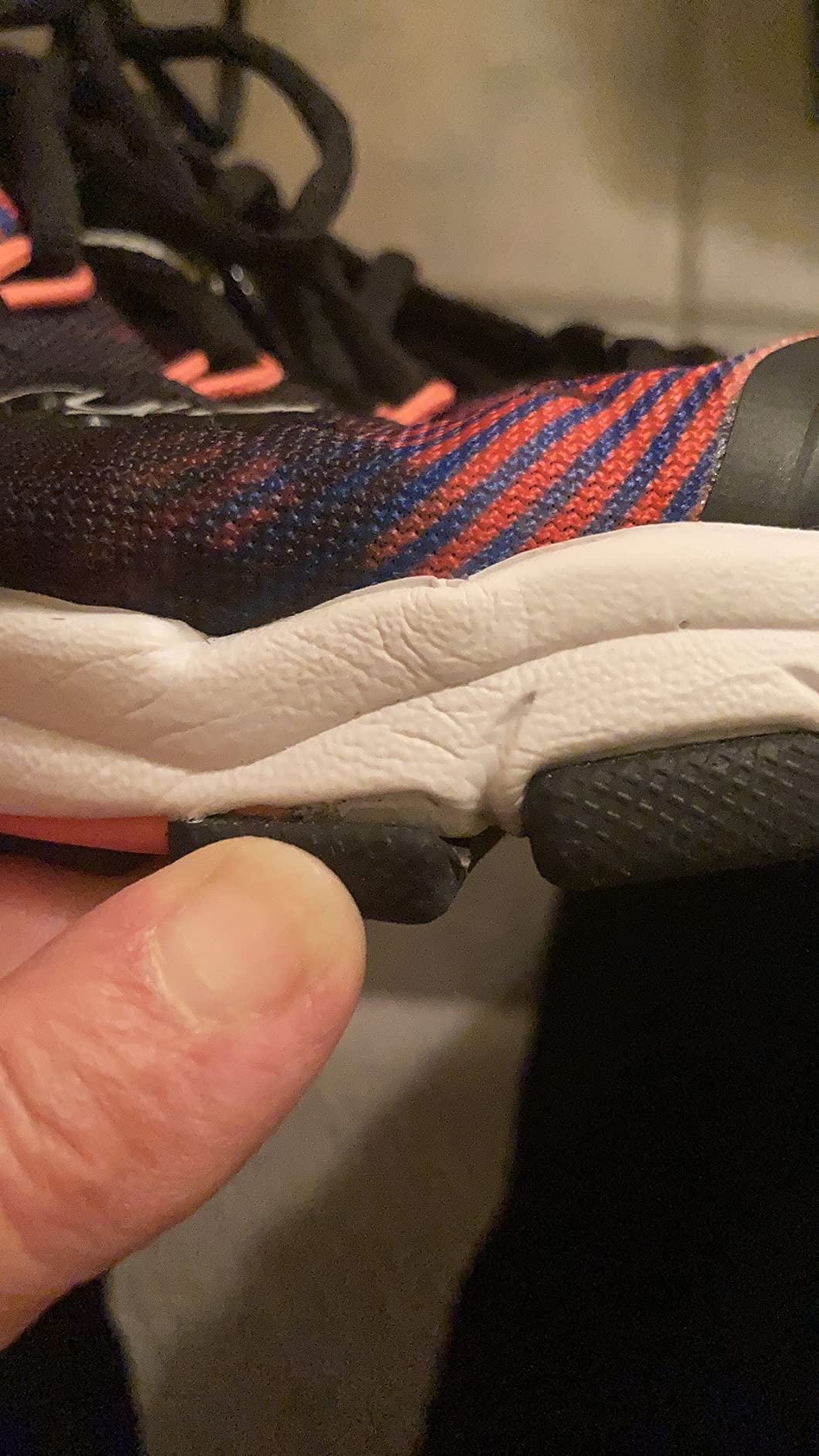
The Two Failure Modes
Fabric lace loop failure. The integrated cloth loops are the design trade-off that bites back. Unlike metal eyelets, which distribute lace tension across rigid hardware, fabric loops absorb that tension in the weave itself. Repeated cinching degrades the material. Once a loop detaches, you lose the ability to properly tension that section of the lace — you’re threading through air. Some users report this happening before any actual wear. Others get several months. The variance suggests a QC issue, not a predictable wear-out.
Sole adhesive failure. This is the more significant failure. The bond between the midsole and upper degrades, typically starting at the toe box flex point where repeated bending stress concentrates. The progression: hairline gap you can feel when bending the shoe → visible separation → progressive delamination. Shoe glue is documented as a temporary fix only; the structural load continues working at the bond.
The community timeline is consistent enough to be actionable: solid performance for 6-8 weeks, visible wear signals around months 2-3, actual failures commonly between months 3-6 at 2-4 sessions per week.
What This Means for Your Budget
At $65 and a 3-6 month lifespan, you’re looking at $11-22 per month in shoe cost. If these become your primary workout shoes, that’s $130-264 annually. A more durably constructed cross-trainer at $100-120 that lasts 12-18 months costs roughly half as much per year. The value math depends entirely on your use frequency and tolerance for replacement cycles.
Does Ryka Deliver on “Made for Women”?
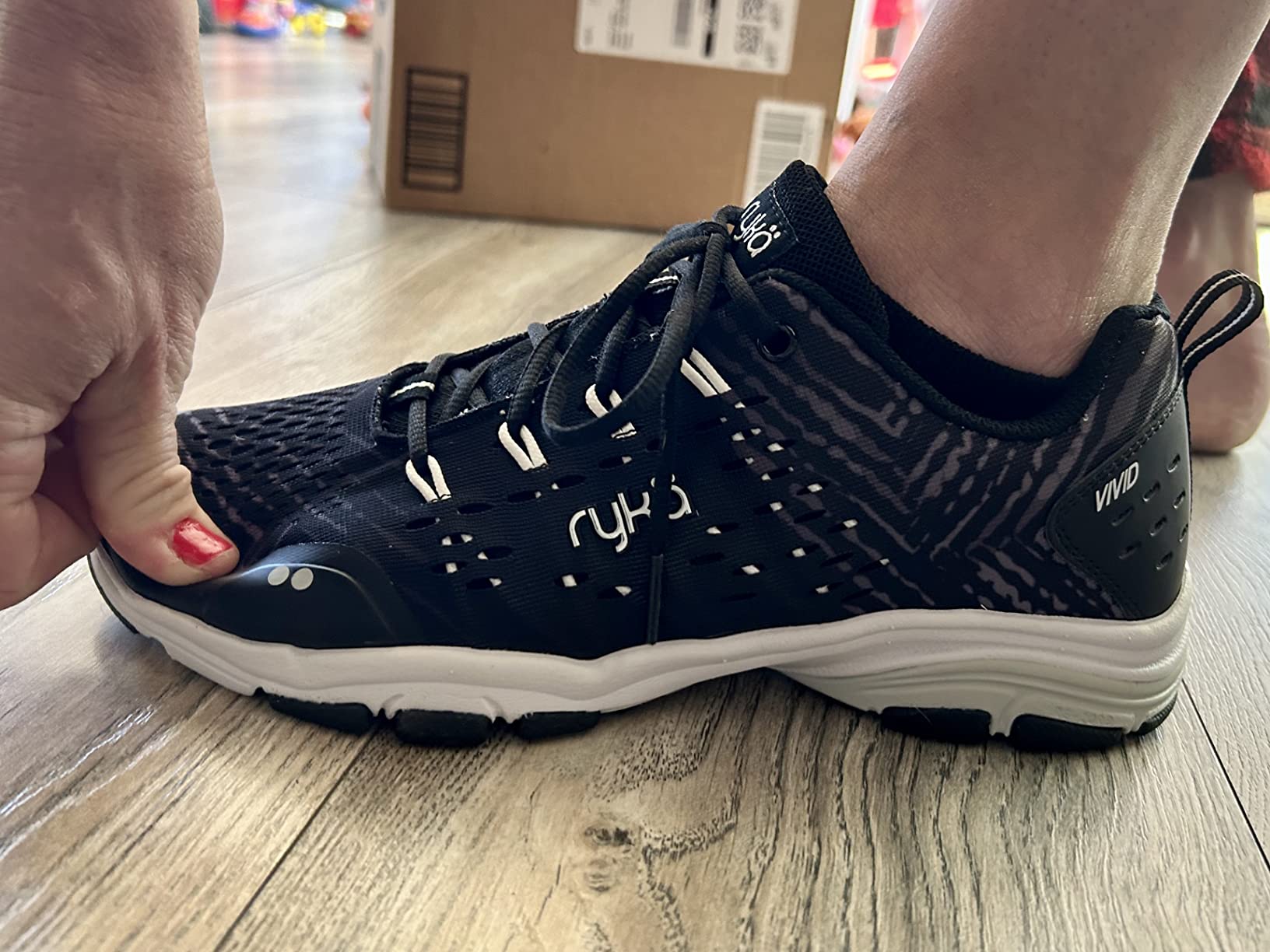
Ryka makes four specific marketing claims for the Vivid RZX. Here’s where each one landed after six weeks:
“Designed for a woman’s unique foot shape, muscle movement, and build” — This delivers. The narrower heel and roomier toe box aren’t aesthetic choices; they reflect real differences in average female foot architecture. If you’ve been lacing your cross-trainers extra tight at the heel to compensate for float, or if your toes have felt crowded in shoes that fit correctly at the heel, the women-specific design addresses both issues simultaneously.
“RE-ZORB responsive cushioning for impact protection” — Adequate, not exceptional. It performs noticeably better than the basic EVA in budget trainers. It performs a tier below the cushioning systems in premium ASICS or Brooks models. For dance fitness and HIIT classes, “adequate” is genuinely fine.
“Ultra Flex for ultimate flexibility” — Accurate. This is the most honestly marketed feature on the shoe. The forefoot flexibility during complex footwork is a genuine standout.
“Durable rubber sole” — This is where reality and marketing diverge. The rubber outsole itself shows reasonable wear resistance. The adhesive bonding the components together does not. Ryka is technically correct that the rubber is durable; the shoe fails before the rubber does.
My Overall Assessment
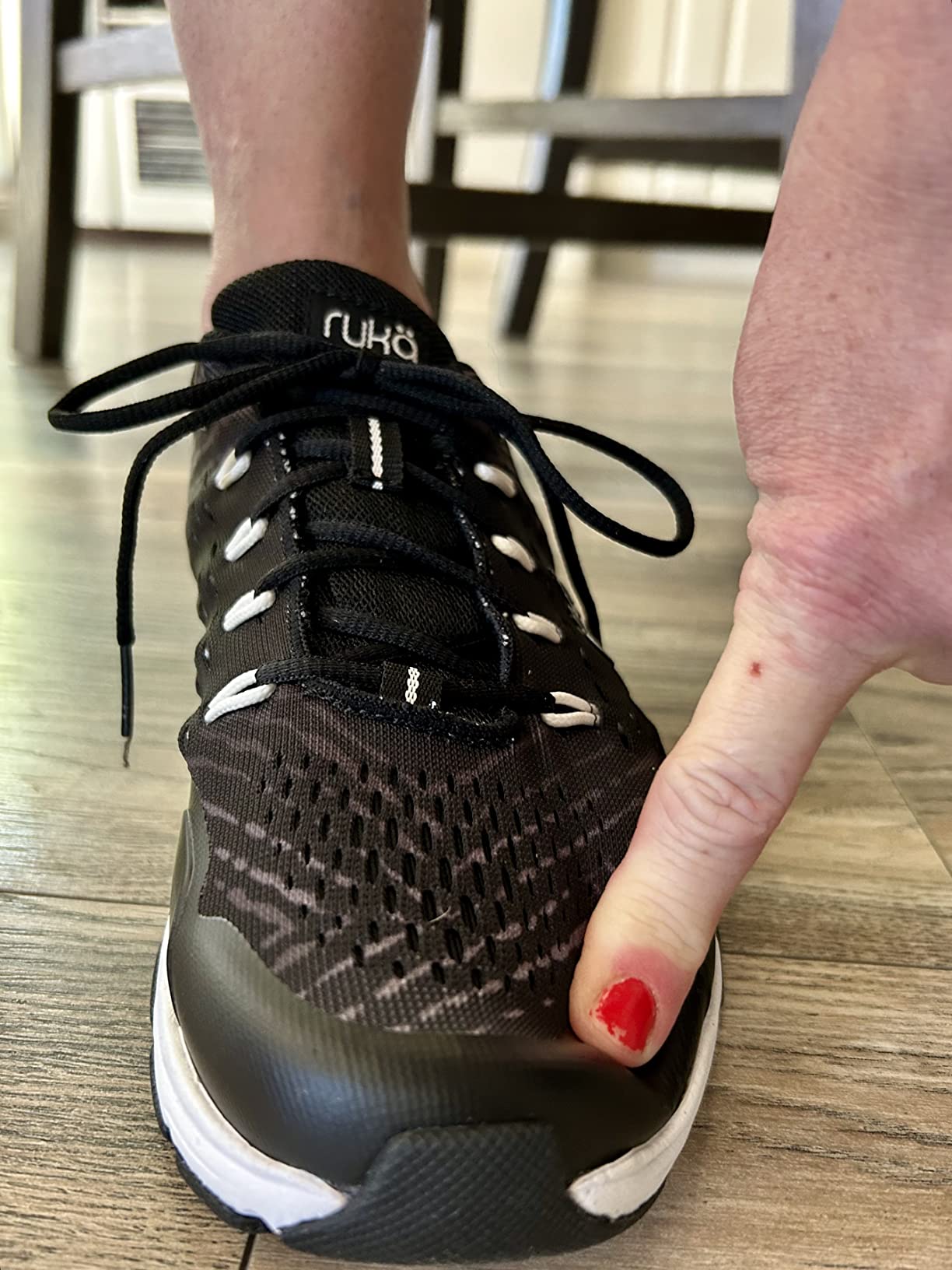
👍 What Works
- True women’s fit — narrower heel, roomier toe box validates the engineering
- Pivot Point technology — the standout feature for dance fitness and lateral work
- Lightweight at 8.2 oz — genuinely feels weightless during class
- Zero break-in period — comfortable from the first session
- Ultra Flex forefoot — excellent for dynamic and dance movements
- Breathable mesh — no overheating during intensive sessions
- Vibrant colorways — the motivational factor is real
👎 What Doesn’t
- Sole adhesive failure — documented pattern, 2–6 months with regular use
- Fabric lace loop weakness — structural design trade-off with durability consequences
- Limited arch support — adequate for classes, insufficient for extended walking
- QC variance — durability timeline varies significantly by manufacturing batch
- Not for running — pivot-optimized design limits forward-propulsion efficiency
- Annual cost math — 3–6 month lifespan makes $65 feel less affordable at scale
Final Verdict: Who Should Buy the Ryka Vivid RZX?
The Vivid RZX does exactly what it’s designed to do. That matters more than it sounds — many shoes fail at their core purpose. This one succeeds: it’s a lightweight, women-specific platform for dance fitness and lateral cross-training, with pivot technology that genuinely works and a fit that feels like it was made for your specific foot architecture rather than adapted from a men’s last.
The construction quality is where the story becomes more complicated.
✅ Buy these if:
- Zumba or dance fitness is your primary workout — this is the ideal shoe for that use case
- You’re exploring women-specific fit for the first time and want an accessible entry point
- You have a wider forefoot with a narrower heel and have always felt like cross-trainers don’t quite fit
- You attend 1-2 classes per week and are comfortable with a seasonal replacement cycle
- You found them on sale under $50, which improves the value math considerably
❌ Skip if:
- You need a shoe that holds up to daily intensive training for 12+ months
- High arch support is non-negotiable for your comfort
- You want a single shoe that handles both running and cross-training
- All-day standing or extended walking is part of your regular use case
- You’re teaching fitness classes 4-5 days per week — the annual replacement cost becomes significant
Better Options for Specific Needs
For durability-focused cross-training: The Nike Metcon 9 and PUMA Voltaic Evo cross-trainer both carry stronger construction track records for intensive use. Higher upfront cost, but better long-term value for frequent trainers.
For all-day walking comfort: The Adidas Amplimove Training offers a more versatile arch support setup for mixed gym-and-errands days.
For more durable Ryka options: Within the Ryka lineup, the Ryka Devotion Plus 3 is the brand’s walking-focused model with different construction priorities, and the Ryka Courtside Pickleball brings a lateral-movement design with a different sole construction approach.
For extended walking specifically: The Skechers Go Walk Joy is built around sustained distance comfort in a way the Vivid RZX simply isn’t.
Frequently Asked Questions
Based on the collective pattern from Zappos reviews and personal testing, expect 3–6 months with regular use at 2-4 sessions per week. The failure timeline is fairly consistent: excellent performance for the first 6-8 weeks, visible wear signals around months 2-3, actual structural failures (sole separation, lace loop breakage) most commonly reported between months 3-6. Some units fail sooner due to manufacturing variance.
No. The Vivid RZX is built around lateral movement — the Pivot Point technology, the 9mm drop, and the outsole geometry are all optimized for multi-directional gym work and dance fitness, not forward propulsion. Using them for running means you’re fighting the shoe’s design rather than working with it.
82% of Zappos buyers report true to size, making TTS the safe starting assumption. Some users with narrow width or between-size fit prefer a half-size up. There’s also documented batch variance — some production runs have been reported as slightly small — so if you’re ordering online without trying them, the standard return window is useful insurance.
Yes — the footbed is removable and the interior volume accommodates standard orthotic thickness. This is worth knowing if the arch support ceiling is a concern. Adding aftermarket insoles like Sof Sole Athlete or a custom orthotic costs $15-40 and meaningfully extends the daily-wear comfort range, though it also adds to the total cost equation.
Instead of traditional metal eyelets, the Vivid RZX uses integrated fabric loops along the lace path. The comfort benefit is real — no metal edges, smoother lace movement. The structural trade-off is that fabric loops are more susceptible to fraying and detachment under repeated cinching stress than metal hardware. The Zappos review record includes three instances of loops failing before the shoe was worn at all, which suggests manufacturing quality variance rather than purely a use-case issue.
More so than at full price, yes. Under $50 improves the value math — at $65 and a 3-6 month lifespan, you’re spending $11-22 monthly. Under $50 brings that closer to a reasonable cost-per-wear for the performance delivered. If you use them primarily for 1-2 Zumba classes per week rather than daily intensive training, the lifespan stretches and the value equation becomes more favorable.
Within Ryka’s lineup, the Vivid RZX is lighter and more flexibility-focused than the Devotion series, which prioritizes walking comfort and durability. The Influence model sits between those in terms of support. If longevity matters more than pivot performance for your use case, the Ryka Devotion Plus 3 is the stronger long-term construction choice.
Temporarily. Shoe adhesive (Barge cement or similar) is the most reliable fix, but user reports consistently describe it as a recurring issue rather than a one-time repair. The structural load that caused the original separation continues acting on the bond after repair. Treating it as a stop-gap that extends the shoe’s life by a few weeks is realistic; treating it as a permanent fix is not.
Yes. Both medium and wide width variants are available through major retailers including Walmart. The wide option accommodates very wide feet while preserving the narrower-heel design intent. If you’re on the border between medium and wide, the wide variant is worth trying — the toe box geometry makes it a reasonable fit for many foot shapes.
Three practical steps: First, rotate them with a second pair rather than using them as your only cross-trainer — rotation extends lifespan for any shoe. Second, monitor the lace loops early; if you feel loosening in the fabric, reinforcing with a dab of flexible adhesive before they detach is more effective than repairing after. Third, buy through Amazon or Zappos specifically for the return window — if you receive a unit with early QC issues, the return policy covers you without friction.
Be the first to review “Ryka Women’s Vivid RZX Sneaker”
Related products
Training Shoes

Training Shoes
Running Shoes
Tennis/Squash Shoes
Sneaker
Training Shoes
Training Shoes
Reviews
There are no reviews yet.