
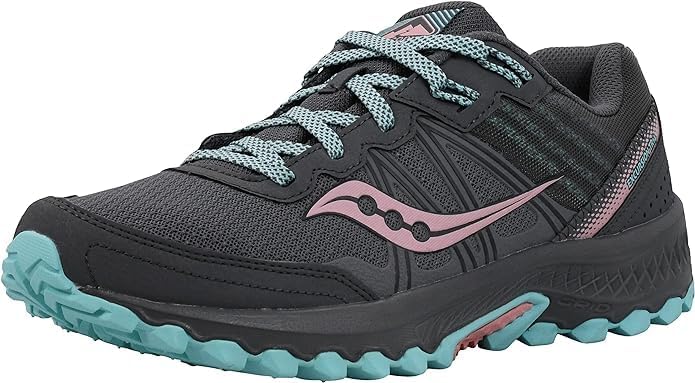
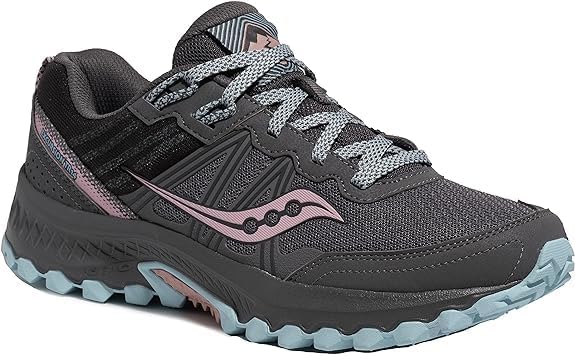
Eight weeks ago, I was standing in front of a trail shoe wall at the running store, completely overwhelmed. My hiking group had a 6-mile route planned, my school pickup schedule needed a shoe that could survive parking lot sprints, and my budget had exactly one slot for athletic footwear. My sister suggested the Saucony Excursion TR14. My first reaction: “Isn’t that the $70 trail shoe?” She nodded like that was the whole point. Sarah here — teacher, perpetually-on-the-move mom, and someone whose feet have strong opinions after hour eight. What followed was eight weeks of testing across forty-plus activities, and I’m still not sure whether to be impressed or annoyed that a $70 shoe made this much sense for my life.
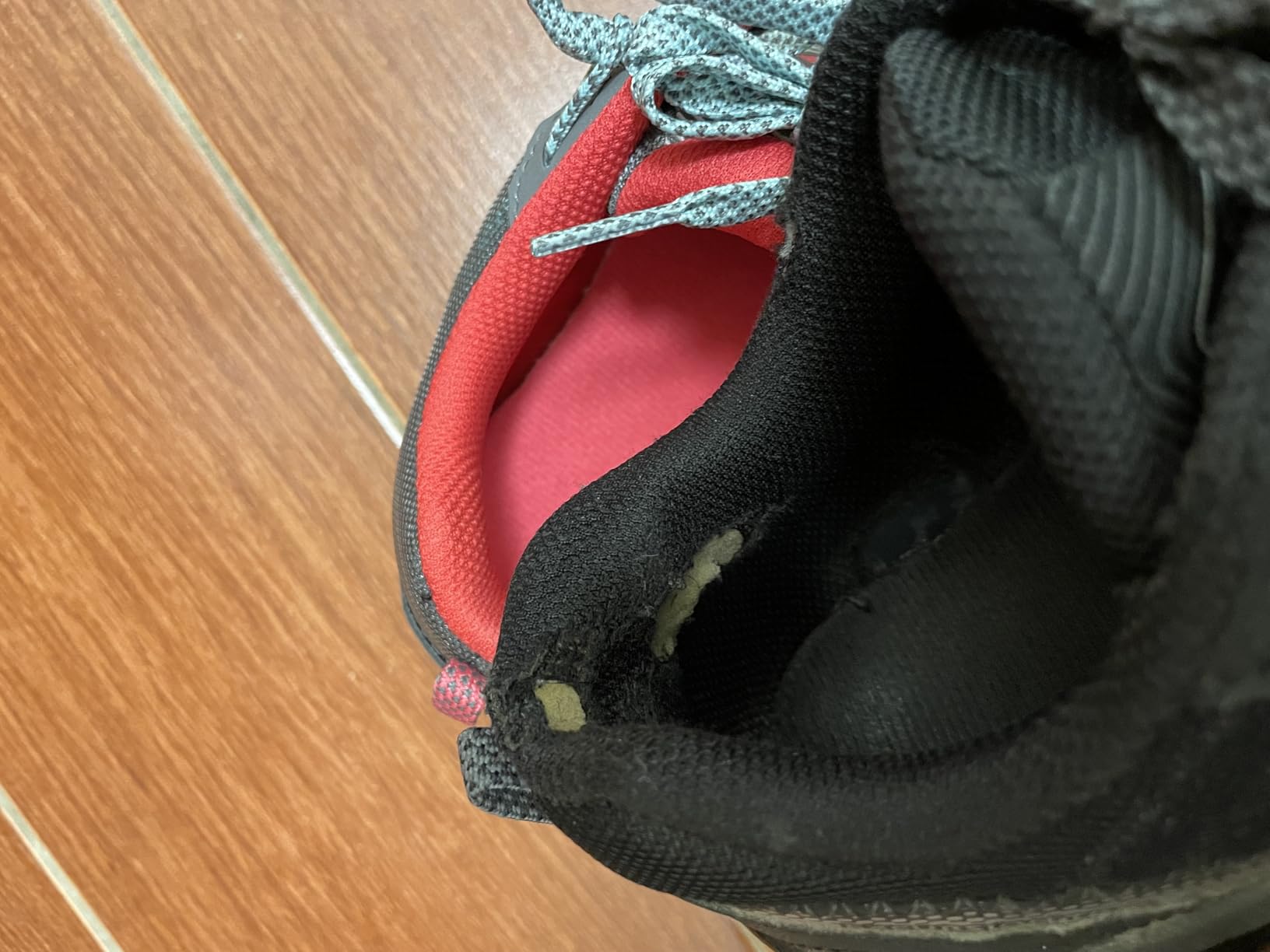
Technical Specifications at a Glance
| Specification | Detail | Context |
|---|---|---|
| Price | $60–80 | Varies by colorway and retailer |
| Weight | 8.8 oz (women’s size 8) | Mid-range for trail shoes — not ultralight, not heavy |
| Heel-to-Toe Drop | 8mm | Moderate — suits heel-strikers, easy transition from road runners |
| Midsole | VERSARUN cushioning | Saucony’s entry-level compound — consistent across terrains |
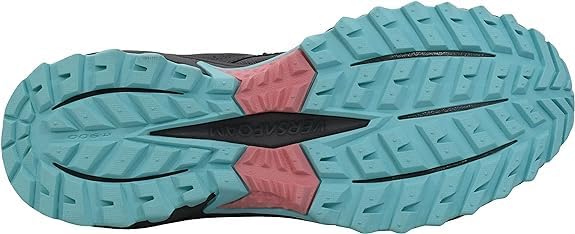
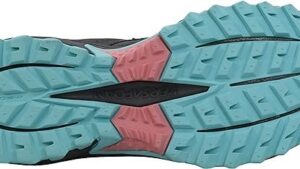
| Outsole | Carbon rubber, 6mm lugs | Off-road traction; still manageable on pavement |
| Upper | Trail-specific mesh + overlays | Breathable, protective — not waterproof |
| Category | Trail running / hiking / all-purpose athletic | Designed for versatility, not peak trail performance |
| Testing Period | 8 weeks, 40+ activities | Trails, daily walks, errands, theme park, work |
What You’re Getting: Build Quality Up Close
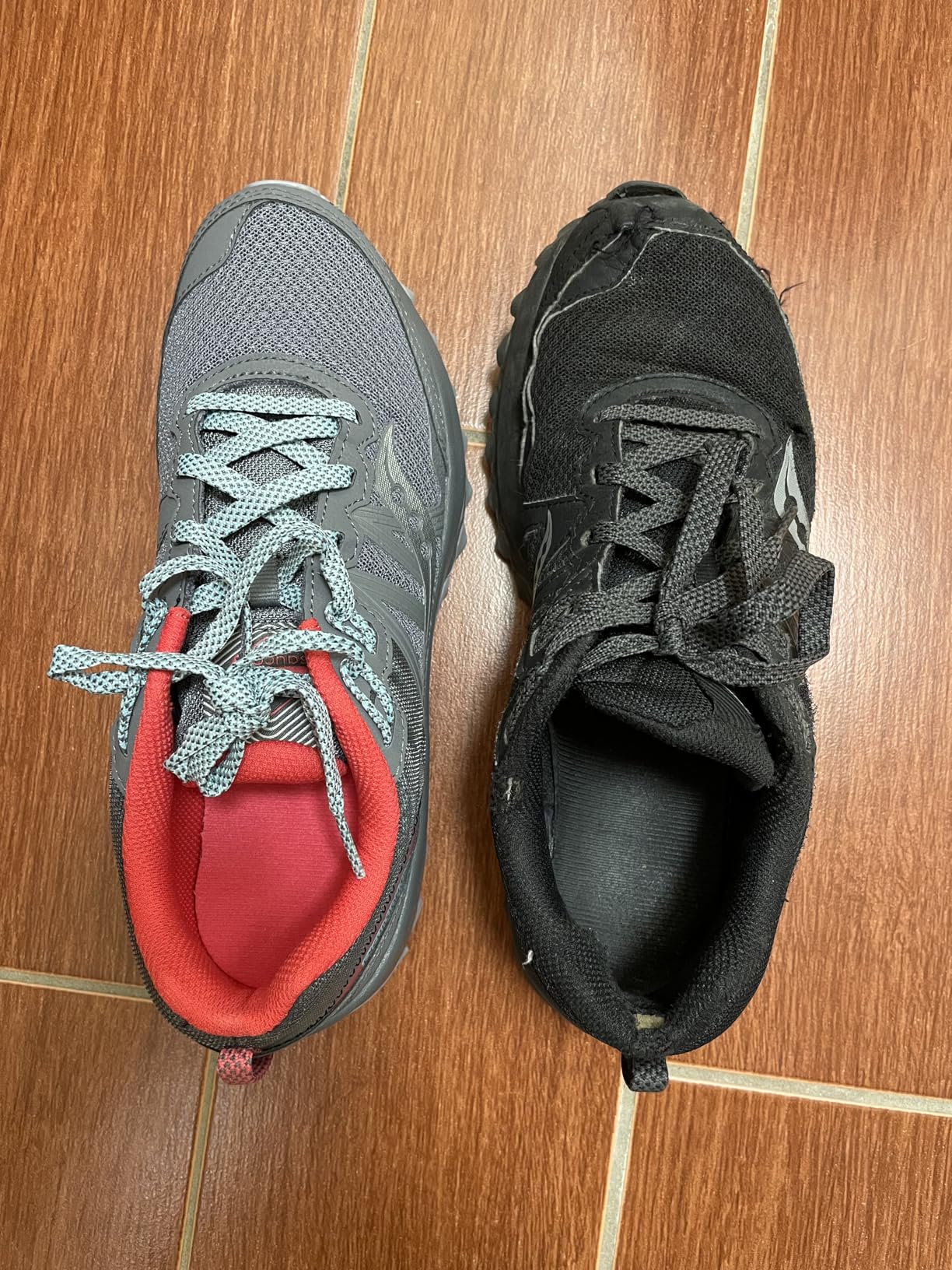
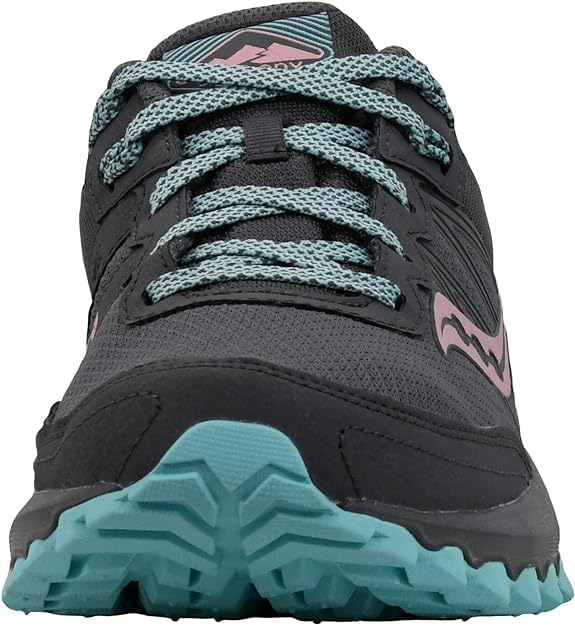
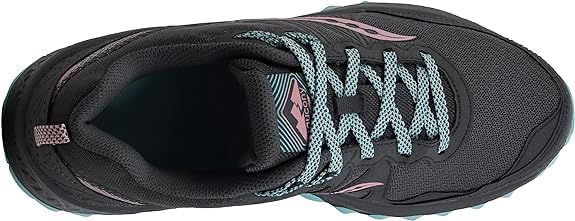
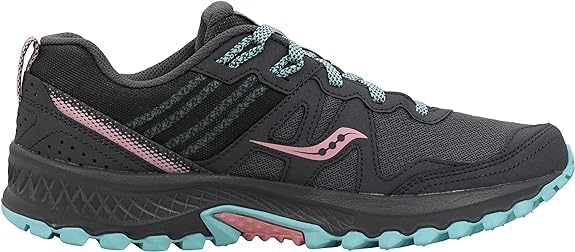
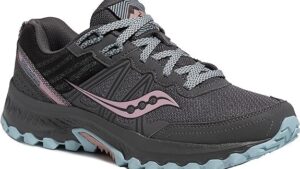
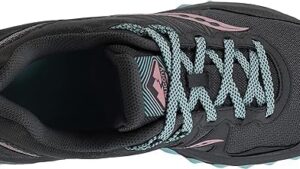
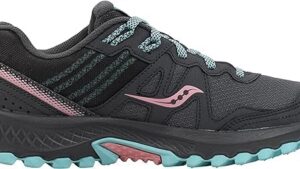
The TR14 doesn’t try to look expensive. That’s not a criticism — it’s a design philosophy I’ve come to appreciate. The mesh upper has a functional, purposeful quality that cheaper shoes tend to fake through shiny overlays and elaborate logos. Here, the overlays are placed where they need to be: along the sides for lateral support, wrapping the toe box to protect against rocks and roots. After eight weeks, those overlays haven’t shifted or separated, which matters more than aesthetics.
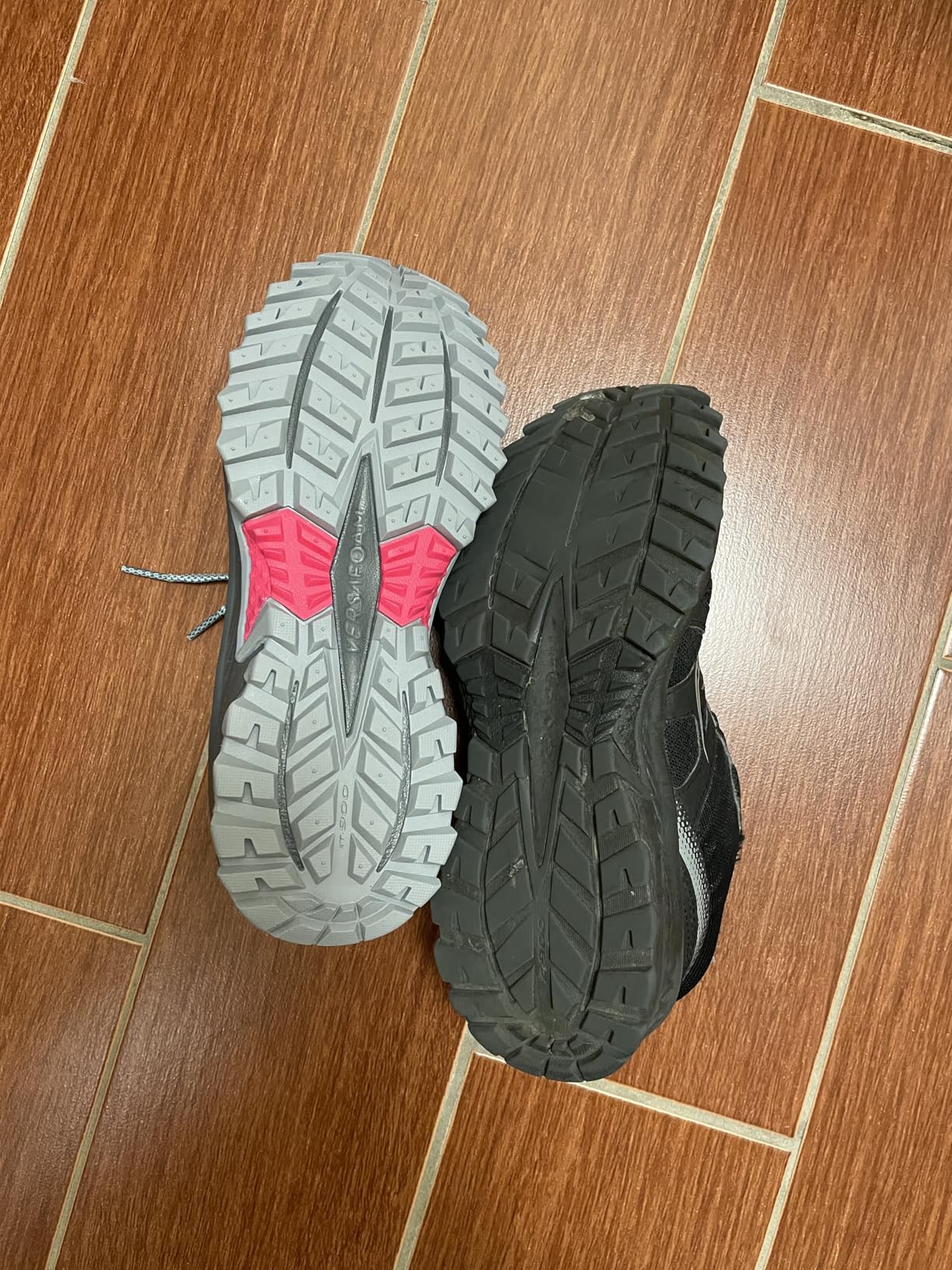
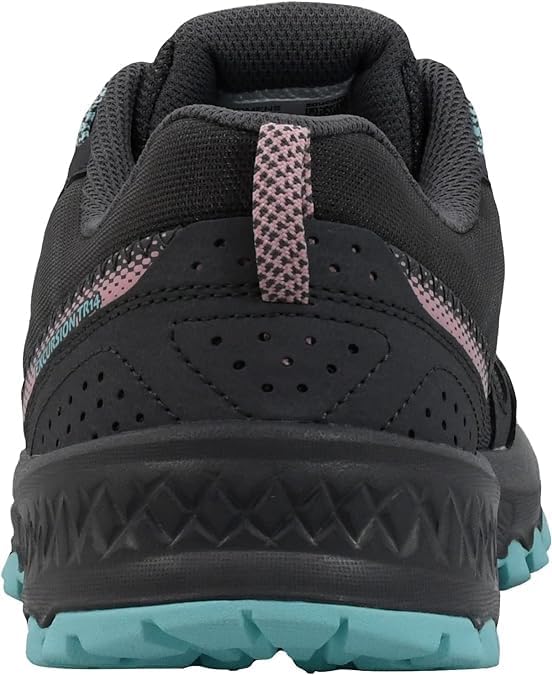
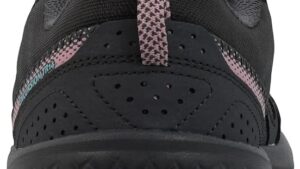
The construction feels genuinely solid for the price point. The heel cup has real structure — when you lace up and flex your foot, you feel it maintaining its shape rather than collapsing inward. The tongue is padded enough to prevent lace pressure during longer hikes, and the ankle collar holds its form through extended wear. I did notice slight fabric softening around that collar area around week six, which is normal for a mesh-heavy construction at this price. It’s cosmetic, not structural.
One thing worth noting for first-time buyers: these do not look like your hiking boots. The silhouette is a proper trail running shoe, streamlined enough to wear through a grocery store without drawing looks, but clearly athletic. If you’re expecting a chunky hiking aesthetic, this isn’t that.
Fit & Sizing: The Wide Toe Box Difference
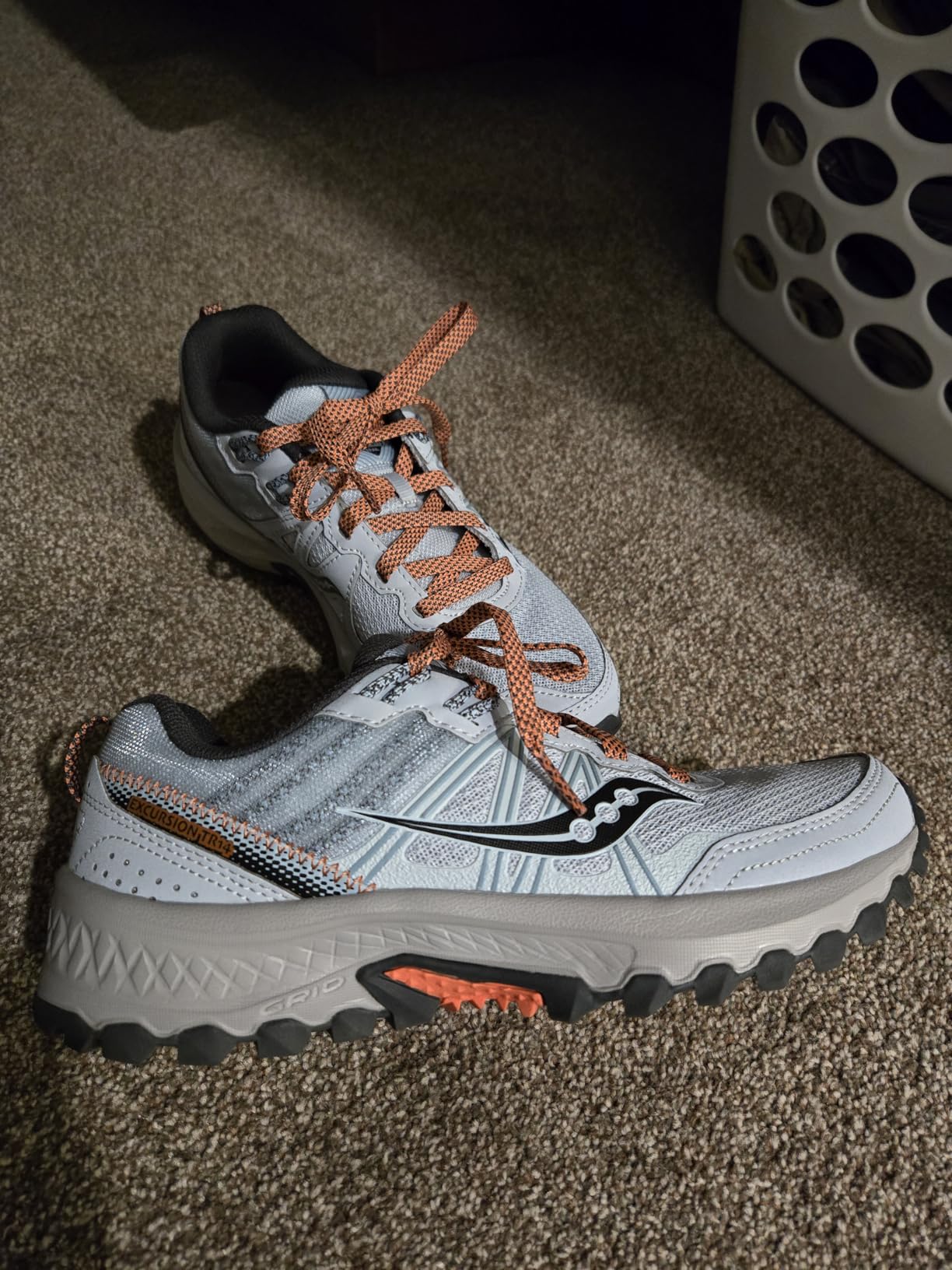
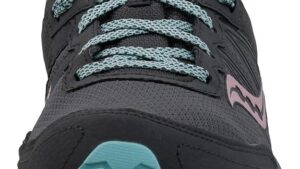
My standard size fit perfectly — no hunting for half sizes, no awkward break-in period where the toe box felt tight. What made the fit feel different from my usual road runners was the toe box geometry: there’s measurably more room across the front of the foot, allowing toes to spread naturally during push-off.
For women with wider feet, this is relevant: several of my hiking group members typically size up or go to wide variants in other brands. In the TR14, two of them found standard width acceptable — the toe box accommodates without the narrow pinch you get in some trail shoes. That said, if you have genuinely narrow feet, you might find the forefoot feels slightly generous; in that case, standard width is still fine but sock thickness matters.
| Foot Type | Recommendation |
|---|---|
| Standard width, medium arches | True to size — straightforward |
| Wider feet | TTS — wide toe box usually accommodates |
| Narrow feet | TTS — wear slightly thicker socks if needed |
| Between sizes | Size up 0.5 — wide toe box means less toe crunch |
| High arches / flat feet | TTS, but consider adding aftermarket insoles |
With 3,707 Amazon reviews averaging 4.4 out of 5 stars, the community satisfaction rate suggests sizing consistency is high across production runs — a point worth noting for a budget shoe, where QC variance is sometimes an issue.
VERSARUN Cushioning: Honest Assessment
VERSARUN is Saucony’s entry-level foam system — a polyurethane-blend EVA compound that prioritizes consistency over peak plushness. If you’re coming from a shoe with Saucony’s PWRRUN or PWRRUN+ (their premium foams), VERSARUN will feel firmer. That’s not an accident; it’s a design tradeoff that actually benefits trail use.
On rocky sections, I appreciated that the foam doesn’t squish dramatically underfoot — you get a stable platform rather than a bouncy one, which matters when you’re placing your foot precisely on uneven terrain. The trade-off is that standing on hard concrete for extended periods feels firmer than premium cushioning systems. Hours one through seven: no complaints. By hour ten on a concrete-heavy day, my feet were ready to sit down — though that’s true of most shoes at that duration.
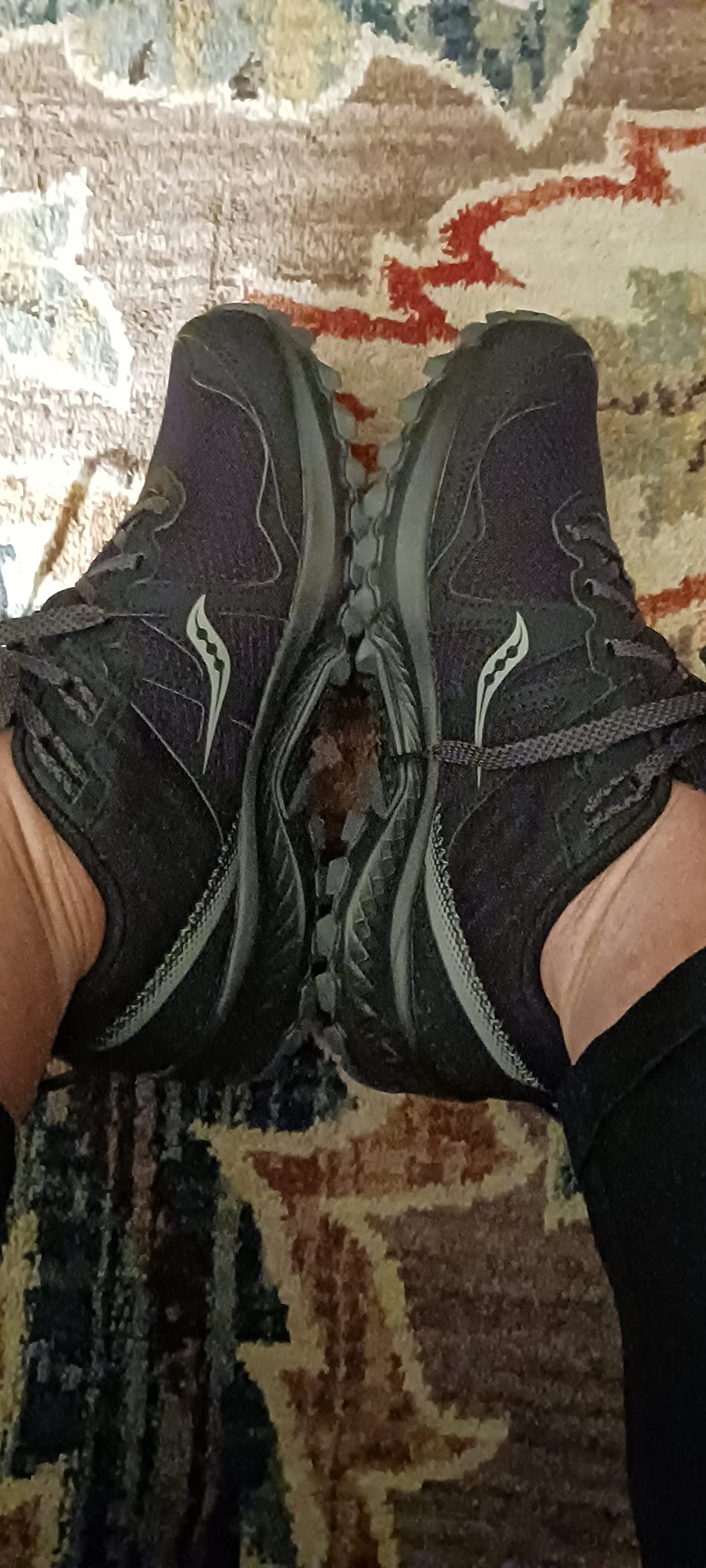
The all-day wear story is genuinely strong. My testing included a theme park day with approximately 16,000 steps across varied surfaces — concrete, asphalt, grass, brick. My feet never hit a fatigue wall the way they do in casual sneakers by hour six. Healthcare workers and retail employees show up consistently in the Amazon review section describing 12-hour shift comfort, which aligns with my experience: VERSARUN isn’t glamorous cushioning, but it’s steady, reliable cushioning that holds up across long hours.
For medium arches like mine, the stock footbed provides enough support to go without custom insoles. High-arch users will likely want to pair these with aftermarket insoles — I’d suggest looking at the Sof Sole Athlete Insoles or Valsole Orthotic Insoles to dial in the support level.
Trail Performance: Where the 6mm Lugs Actually Matter
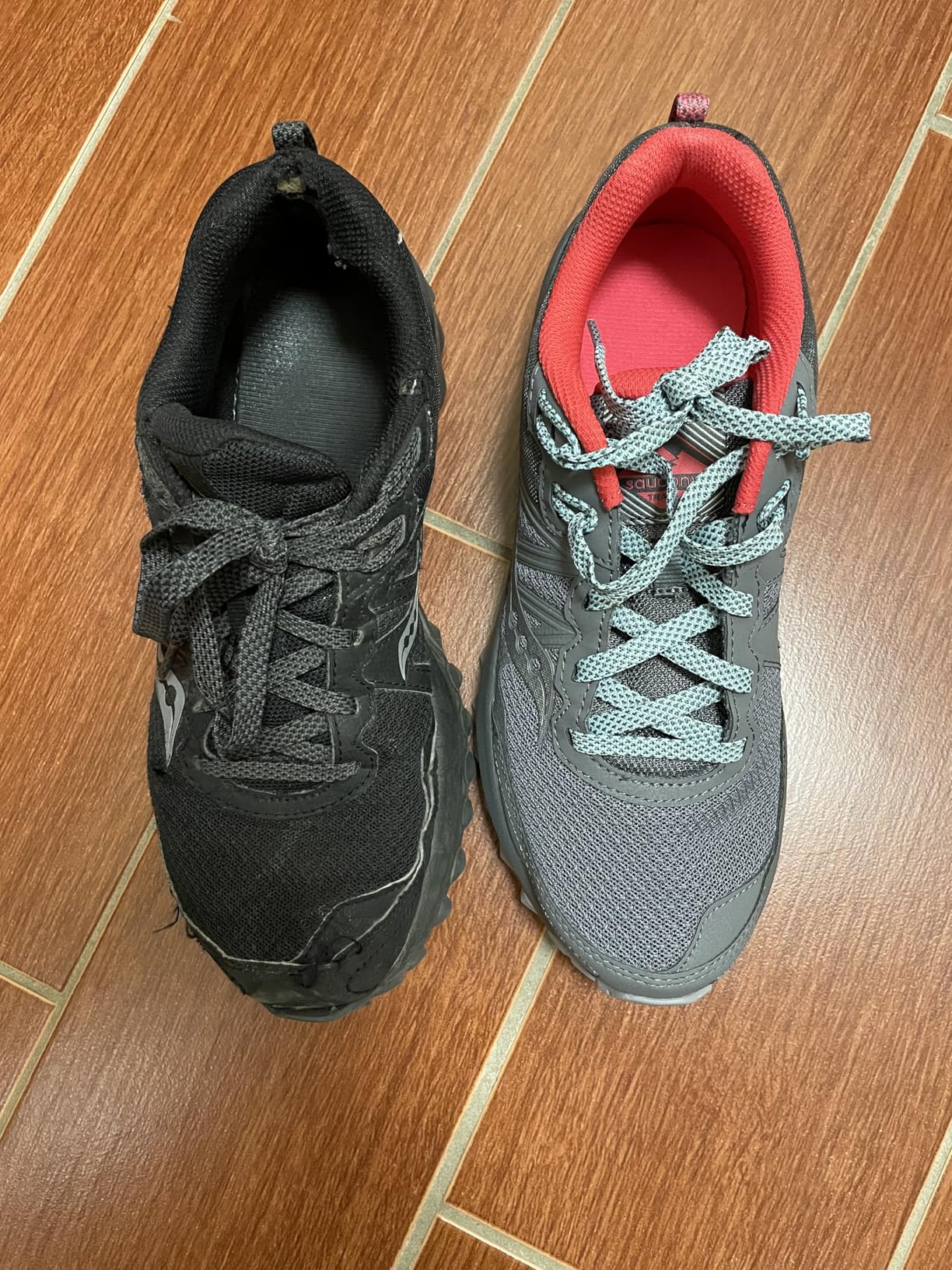
The most honest test I ran was a 6-mile hike with my sister — a route that included a creek crossing (not ankle-deep but deep enough that careless footing mattered), two sustained steep climbs, and loose gravel sections on the descent. I’d classify this as beginner-to-moderate difficulty; nothing technical, but enough real terrain to separate a trail shoe from a trail-adjacent one.
The TR14 handled all of it. The 6mm carbon rubber lugs grabbed loose gravel confidently on the descent — the foot placement felt decisive rather than tentative. On wet rocks near the creek, the grip was adequate rather than outstanding; I was confident, not reckless. The mesh upper saturated briefly when I stepped too deep crossing a narrow section, then dried noticeably faster than I expected. Within about thirty minutes of hiking, my foot felt dry.
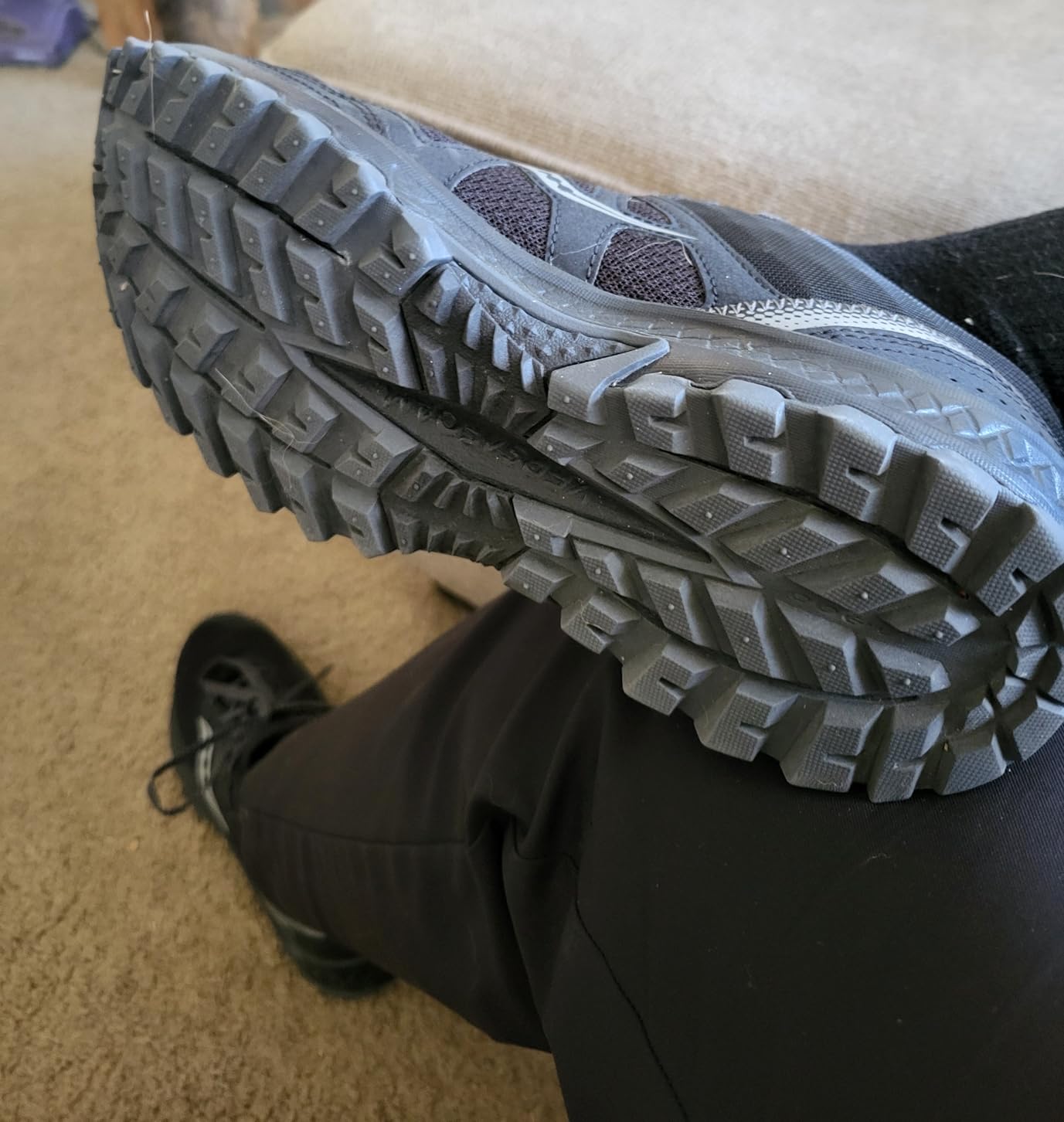
For everyday use, the same traction translates well to pavement. During a rainy week of school pickups and grocery runs, the outsole gripped wet concrete without hesitation — a win that many dedicated trail shoes fail at because their lugs are too aggressive for smooth surfaces. At week eight, the lugs show even wear but maintain their grip profile. No significant flattening or cracking in the rubber.
What the TR14 isn’t: a shoe for technical alpine terrain, aggressive scrambling, or serious competitive trail hiking. For that, you’d want something like the Saucony Endorphin Edge or a dedicated technical hiking boot. The Excursion TR14 is built for the 80% — trails most women actually hike, not the 20% that require specialized gear.
Weather & Water Resistance: Realistic Expectations
The TR14 is not waterproof. That’s not a flaw — it’s a deliberate choice that shapes everything else about the shoe’s performance. The mesh upper that breathes during summer hikes is the same mesh that won’t seal out sustained rain. The tradeoff is explicit.
What the TR14 does well in wet conditions is more nuanced than a simple pass/fail:
| Condition | Performance |
|---|---|
| Morning dew on grass | ✓ Handles fine |
| Light drizzle (under 15 min) | ✓ Sheds well |
| Creek splash / shallow crossing | ✓ Dries within 30 min |
| Steady rain (30+ min) | ⚠ Mesh will saturate |
| Heavy downpour or stream wading | ✗ Not designed for this |
If waterproofing is non-negotiable for your hiking style, consider the Merrell Women’s Moab 3, KEEN Women’s Circadia Waterproof, or the more budget-friendly CC-Los Women’s Waterproof Hiking Shoes. All sacrifice some breathability in exchange for the dry interior guarantee. The TR14’s choice — breathability over waterproofing — is the right call for the majority of trail conditions, especially for summer hikers in variable-but-not-extreme weather.
Durability: Eight Weeks of Real Data
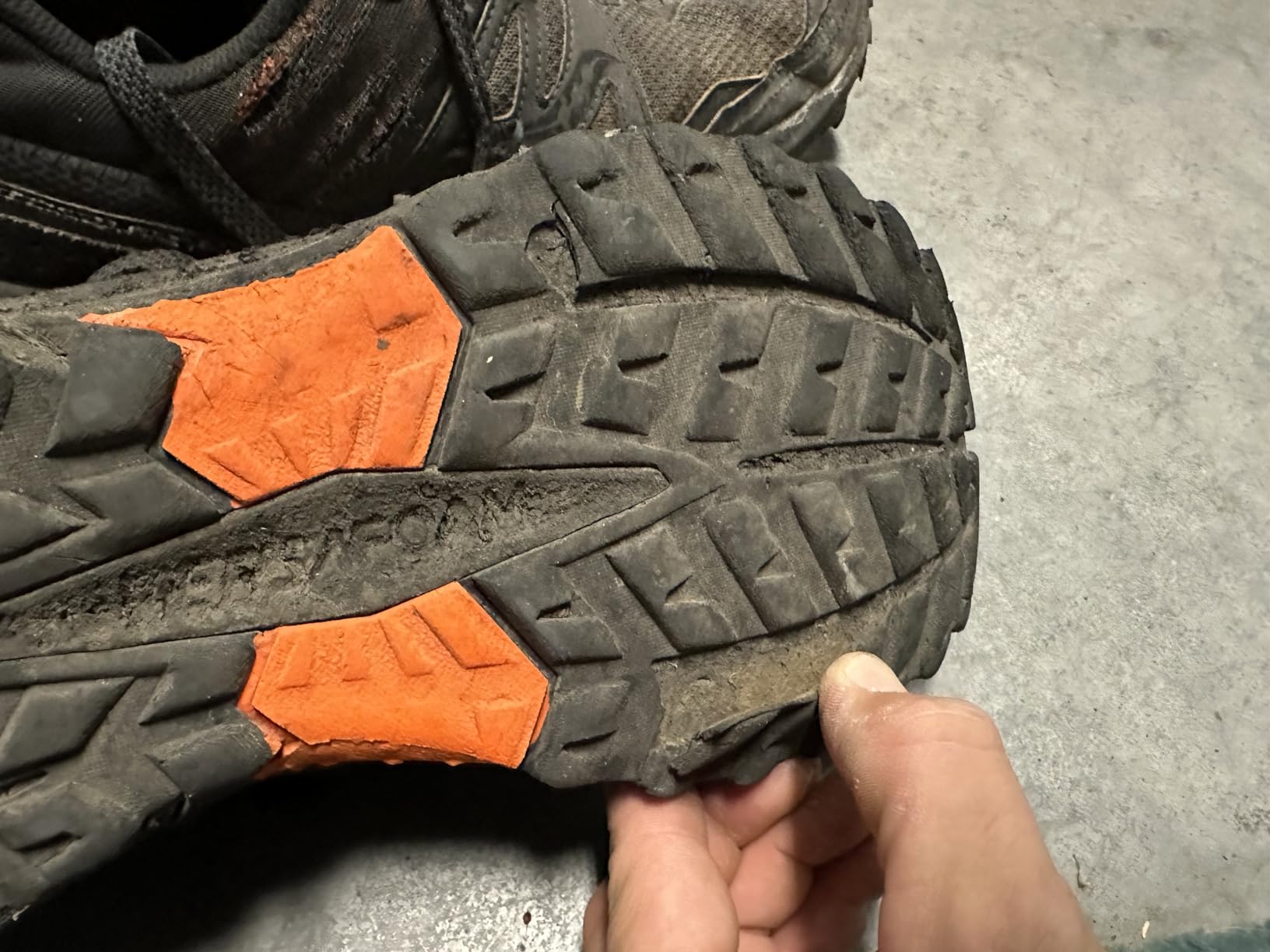
Let me be direct about what eight weeks of 40-plus activities actually looked like on these shoes:
Weeks 1–2: The mesh was pristine. No softening, no dirt staining beyond what a quick wipe addressed. The overlays showed zero signs of separation.
Weeks 3–4: Minor dirt staining appeared on the mesh — particularly in lighter colorways. This doesn’t wash out completely with a damp cloth; machine wash on cold/gentle resolves it (remove insoles first). The ankle collar fabric began its subtle softening process, which I didn’t notice consciously until I compared it to a new pair.
Weeks 5–8: No tears, no overlay separation, no structural issues. The carbon rubber outsole wears evenly — no heel strike divots or asymmetric wear that would indicate a fit problem. The lugs still bite into loose terrain with the same confidence as week one. The primary visible change is the ankle collar texture, which is softer but not compromised.
Lifespan projections based on wear rate at week eight:
- Casual use (1–2x/week, mixed terrain): 12–18 months
- Regular use (3–4x/week, daily walking + weekend hikes): 6–9 months
- Heavy daily use (daily commuting + frequent trails): 4–6 months
The community feedback supports these estimates — repeat purchasers describe getting two-plus years from casual use, while daily-use reviewers cycle through pairs more frequently. One useful detail from the Poshmark secondary market: used pairs selling for $25–$50 suggest the shoes don’t disintegrate; they wear out gracefully.
Saucony’s Marketing Claims vs. Eight Weeks of Testing
Saucony markets the TR14 on three specific claims. Here’s what actually happened:
| Claim | Reality After 8 Weeks | Verdict |
|---|---|---|
| “Rugged outsole for off-road traction” | Handled: loose gravel, muddy single track, wet rocks, creek crossings, wet pavement. Lugs intact at week 8. | ✓ Delivered |
| “Versarun cushioning for underfoot comfort no matter the destination” | All-day wear to hour 10+, 16k-step theme park day, trail hike, grocery runs. Consistent performance across all surface types. | ✓ Delivered |
| “Trail-specific mesh with overlays that lock your foot in place” | Overlays intact, no foot shifting on descents, heel cup maintained structure. Ankle collar softened slightly at week 6 — cosmetic only. | ✓ Mostly Delivered |
What Saucony’s marketing doesn’t mention: the zero break-in period and the quick-dry mesh are genuine advantages that nobody’s advertising. Both showed up consistently in my testing and the broader community feedback.
Performance Scores
| Category | Score (1–10) | Notes |
|---|---|---|
| Comfort | 8.5/10 | All-day wearability from day one; medium arch support solid |
| Trail Performance | 8.0/10 | Strong for beginner-intermediate terrain; not for technical routes |
| Versatility | 9.0/10 | Trails to errands to work — handles all three without compromise |
| Durability | 7.5/10 | Solid at 8 weeks; long-term timeline typical of price point |
| Value for Money | 9.0/10 | $70 for this breadth of capability is genuinely strong |
| Fit & Sizing | 8.0/10 | TTS with forgiving wide toe box; 4.4/5 from 3,707 reviews confirms consistency |
| Style/Appearance | 7.0/10 | Functional-first design; gray colorways run lighter than online photos |
| OVERALL RATING | 8.2/10 | Excellent choice for versatile daily-to-trail use at this price |
What the Community Is Saying
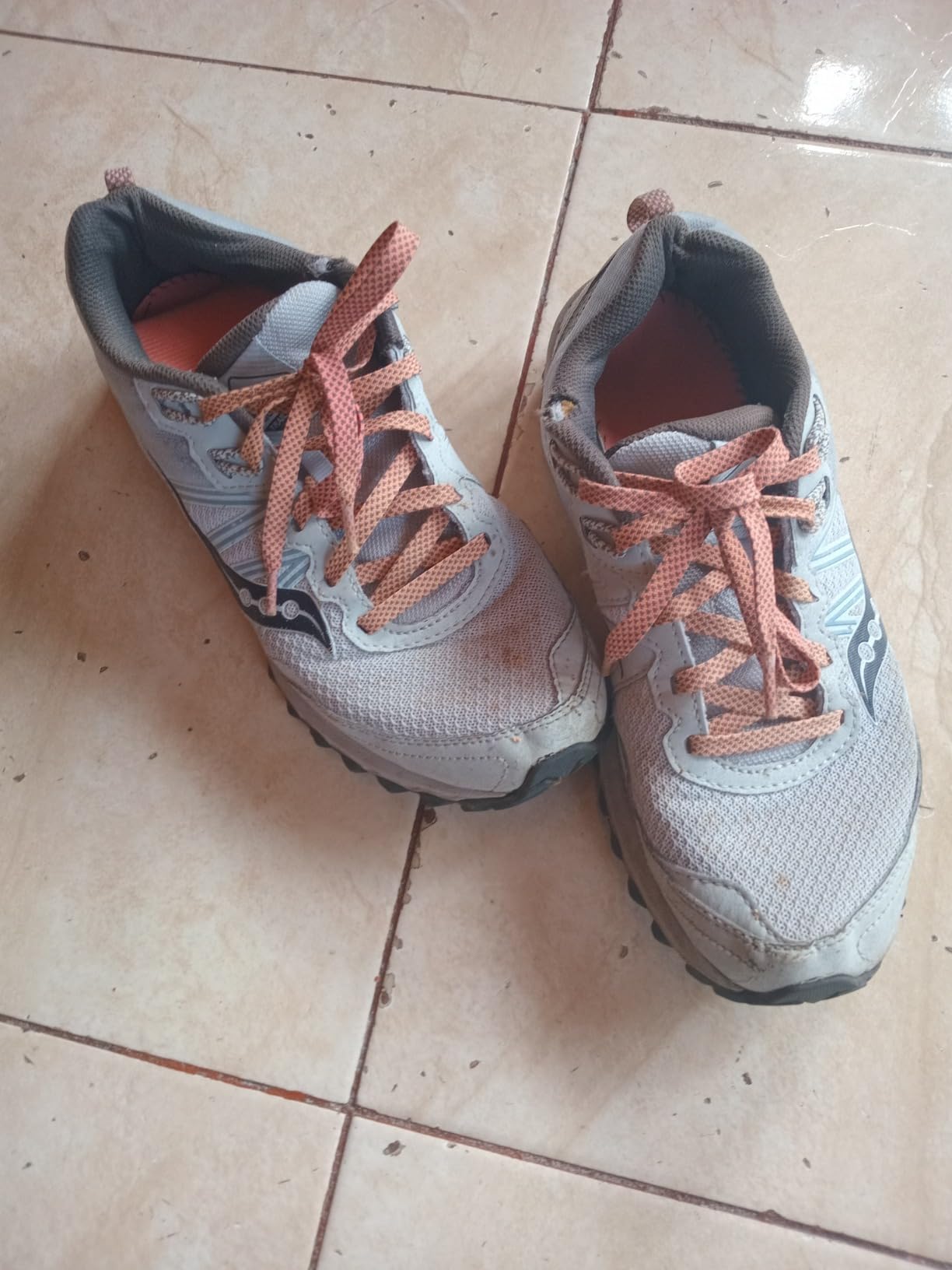
The pattern that stands out most across buyer feedback is repeat purchasing. Phrases like “on my fourth pair” and “been buying these for years” appear regularly in the Amazon reviews — uncommon for a budget shoe, where one-and-done purchases are the norm. That kind of loyalty usually signals a shoe that delivers consistent comfort without nasty surprises.
Healthcare workers and retail staff mention the TR14 specifically by name in a way that suggests it circulates through those communities as a genuine recommendation, not random discovery. The 12-hour shift comfort claim has real community backing.
Two consistent criticisms worth noting: gray colorways photograph darker than they ship (plan accordingly if ordering light colors), and some long-term users report fabric fraying around the ankle collar after 8–12 months of heavy use — which tracks with the softening I observed at week six. Neither is a dealbreaker, but both are worth knowing before you order.
Who Should Buy the Saucony Women’s Excursion TR14
This shoe fits you well if:
- You want a single pair for morning walks, weekend hikes, and weekday errands — without three different shoes
- You’re a teacher, nurse, retail worker, or anyone who logs 8+ hours on their feet
- You’re a beginner or occasional trail hiker (state park routes, fire roads, day hikes under 10 miles)
- Budget matters — you need genuine trail capability without paying $120+
- You want zero break-in period (this is legitimately day-one comfortable)
- You have medium or wider-than-average feet and find narrow trail shoes frustrating
Consider alternatives if:
- You need a waterproof membrane for frequent wet-weather hiking
- You have high arches requiring structured support (stock footbed is moderate)
- You’re running technical trails, races, or routes requiring aggressive footwork
- You’re prioritizing maximum cushioning for long-distance running
Alternatives Worth Considering
For waterproof hiking: The Merrell Women’s Moab 3 and KEEN Women’s Targhee III both bring Gore-Tex or waterproof membranes with durable construction — expect to pay $100–$130. If you’re price-sensitive, the NORTIV 8 Women’s Waterproof Hiking Shoes or Cottimo Waterproof Hiking Shoes offer sealed uppers closer to the TR14’s price range.
For more arch support: The TR14’s stock footbed handles medium arches without issue, but if you need more, adding the Sof Sole Athlete Insoles adds meaningful support for about $15–20. Alternatively, the Romensi Women’s Arch Support Walking Shoes offer built-in orthopedic structure if daily walking is the primary use.
For serious trail running: The Saucony Endorphin Edge and the Adidas Terrex Soulstride step up the trail performance significantly. The ASICS Women’s Gel-Excite Trail 2 is another option at a similar price point to the TR14, with a more running-focused build.
Frequently Asked Questions
Q: How does the TR14 compare to the TR13 or TR15?
A: The TR14 represents the sweet spot in that lineup — the VERSARUN foam and carbon rubber outsole are consistent across iterations, but the TR14 specifically benefits from the mesh construction refinements that improved breathability over the TR13. The TR15 updated the design further; which you choose often comes down to price availability. For current purchase decisions, the TR14 still represents excellent value if found on sale.
Q: Does true to size really mean I shouldn’t order a half size up?
A: For most buyers, yes — order your normal size. The wide toe box means you won’t feel cramped at the front of the foot even if you’re between sizes. The exception: if you typically run between sizes and usually go half-up, I’d still size up here.
Q: Can I machine wash these?
A: Yes, with caveats. Cold water, gentle cycle, remove the insoles first, and air dry. Do not put in a dryer — the heat affects the foam bonding and mesh tension. The outsole cleans fine with a brush; the mesh body needs the gentle cycle to avoid distortion.
Q: Are these good for standing all day at work?
A: One of the strongest use cases for the TR14. The VERSARUN foam maintains its support profile across extended standing in a way that foam-heavy fashion sneakers don’t. Healthcare workers and retail staff consistently validate 10–12 hour shift comfort in community reviews, which aligns with my own extended-wear testing.
Q: What happens to the cushioning after 6+ months?
A: Based on community feedback and wear-rate projections, the VERSARUN foam maintains its cushion profile longer than softer premium foams because it compresses less dramatically. The ankle collar fabric softens before the midsole noticeably degrades — so your first sign of “wearing out” will likely be the collar texture, not the cushioning underfoot.
Q: Do these work for flat feet?
A: The stock footbed isn’t specialized for flat feet. If you have flat arches, the TR14 will work better with an aftermarket insole like the Valsole Orthotic Insoles. The removable footbed accommodates aftermarket insoles without sizing up.
Q: What’s the deal with the color accuracy complaints?
A: Gray colorways consistently photograph darker online than they arrive in person — multiple buyers confirm this. If you’re ordering gray, expect a lighter shade than the product photos suggest. Other colorways (blue, black) appear more accurately represented in listings. Always check customer-submitted photos on the product page before ordering color-sensitive purchases.
Q: How does the traction hold up on wet city pavement?
A: Better than expected for a trail-focused lug pattern. The 6mm carbon rubber lugs transition to urban surfaces without the aggressive clicking and slipping that some trail shoes exhibit on concrete. During a rainy week of school pickups and errands, I never felt unstable — the grip on wet asphalt was confident.
Final Verdict
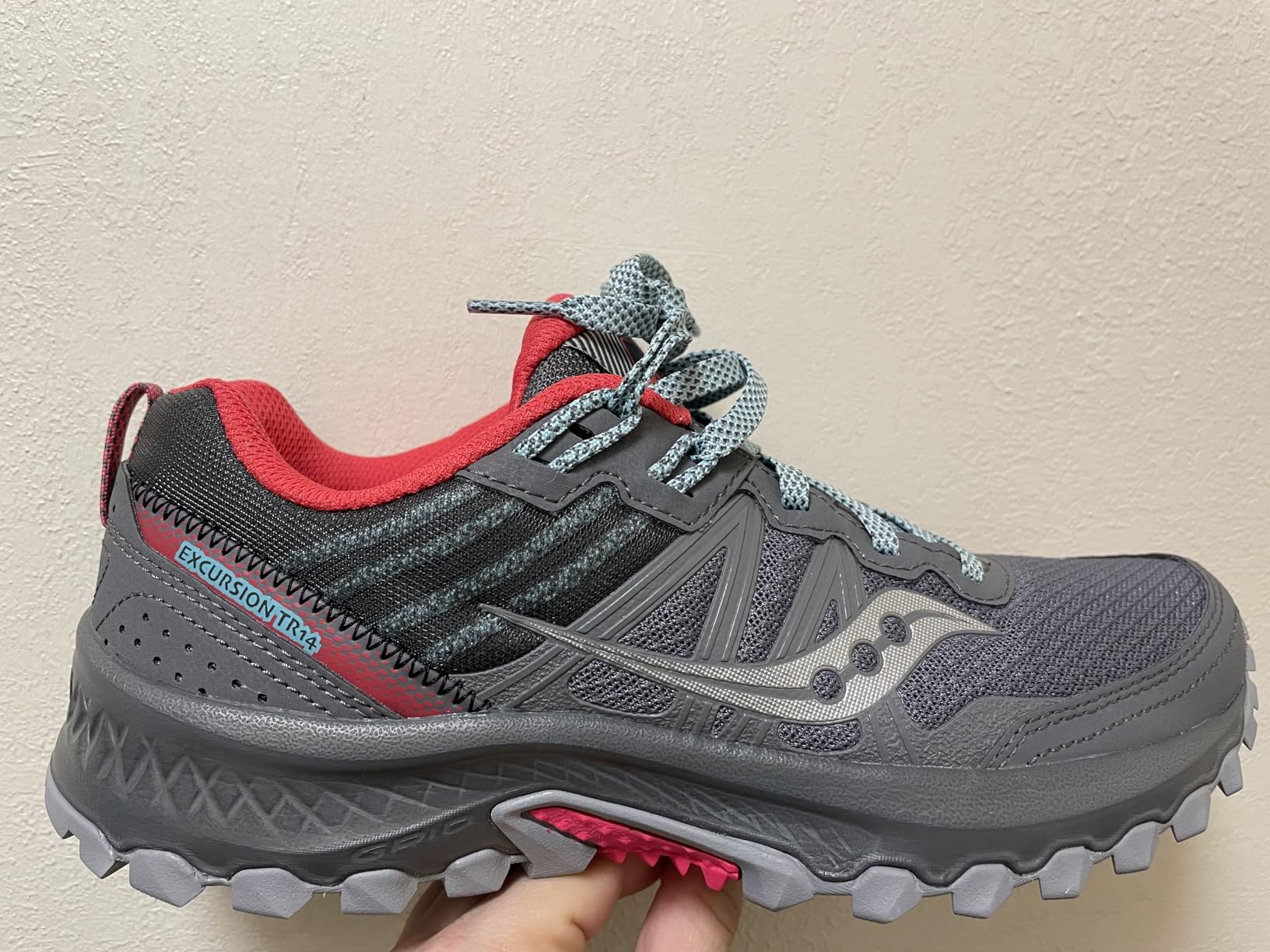
My sister was right, which I find slightly irritating.
The Saucony Women’s Excursion TR14 isn’t the most comfortable shoe I’ve worn, the most technically capable trail shoe I’ve tested, or the most stylish option at $70. What it is: the shoe I kept reaching for across eight weeks of wildly different days — because it never made any single activity harder.
For busy women who need one pair that can move from a 6-mile hike to school pickup without a wardrobe change, the math here is simple. Trail capability that doesn’t sacrifice daily wearability, zero break-in period, and genuine cushioning that holds up past hour eight — at a price that leaves room in the budget for other things. The VERSARUN foam is honest about what it is: not premium, but steady. The 6mm lugs are honest about what they are: not aggressive, but effective. For most of what most women actually do outdoors, that’s exactly right.
Recommended for: Busy women wanting genuine trail-to-daily versatility without the premium price. One of the strongest value propositions in the $60–80 athletic shoe category.
| Performance Category | Score | Weight | Weighted Score |
|---|---|---|---|
| Comfort & Fit | 8.5/10 | 25% | 2.13 |
| Trail Performance | 8.0/10 | 20% | 1.60 |
| Versatility | 9.0/10 | 20% | 1.80 |
| Value for Money | 9.0/10 | 15% | 1.35 |
| Durability | 7.5/10 | 15% | 1.13 |
| Style/Appearance | 7.0/10 | 5% | 0.35 |
| FINAL WEIGHTED SCORE | 8.36/10 | 100% | 8.36 |
Be the first to review “Saucony Excursion TR14 Women’s”
Related products
Running Shoes
Running Shoes


Hiking/Trekking Shoes
Running Shoes
Running Shoes
Running Shoes

Running Shoes
Running Shoes
Reviews
There are no reviews yet.