
Technical Specifications
| Specification | Value |
|---|---|
| Price | $45-65 |
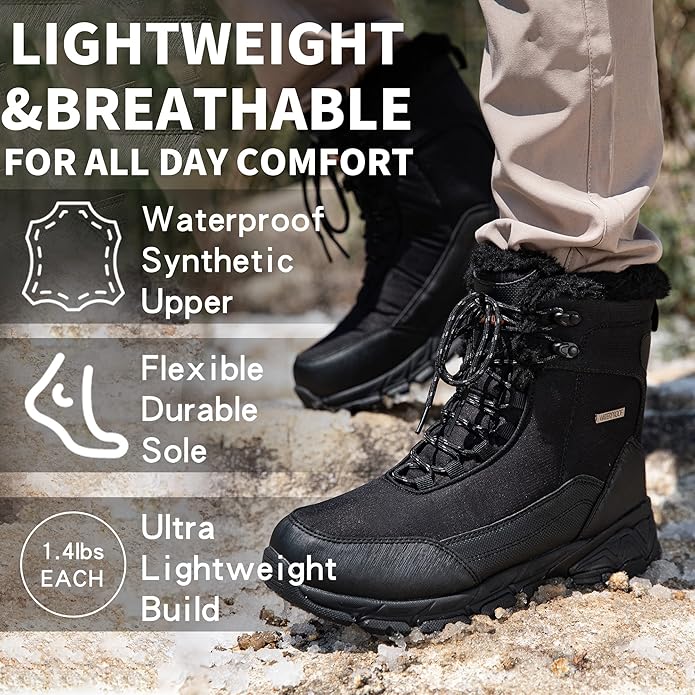
| Weight | 1.4 lbs (men’s size 11) |
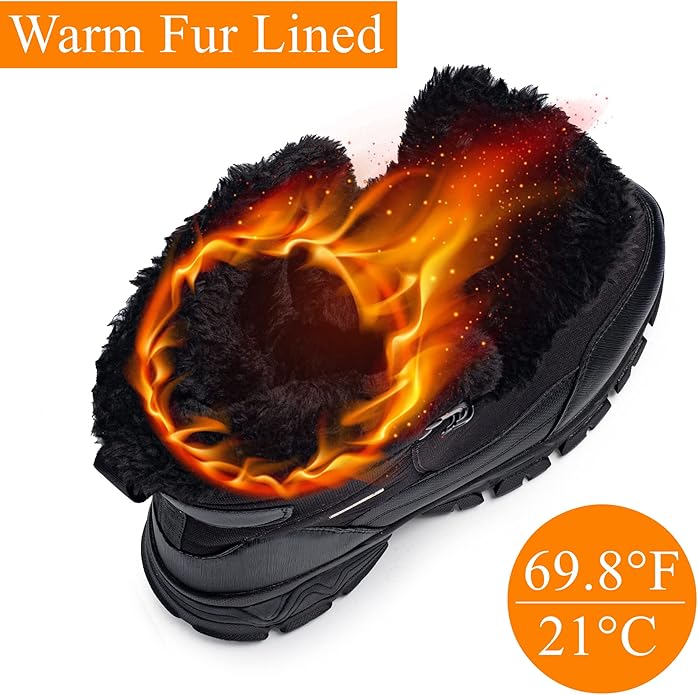
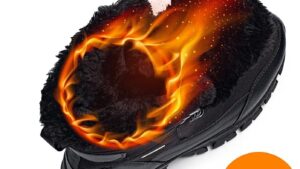
| Insulation | 800g synthetic rabbit fur lining |
| Waterproofing | SL-TEX membrane + seam sealing |
| Temperature Rating | -25°F / -32°C (tested to -15°F) |
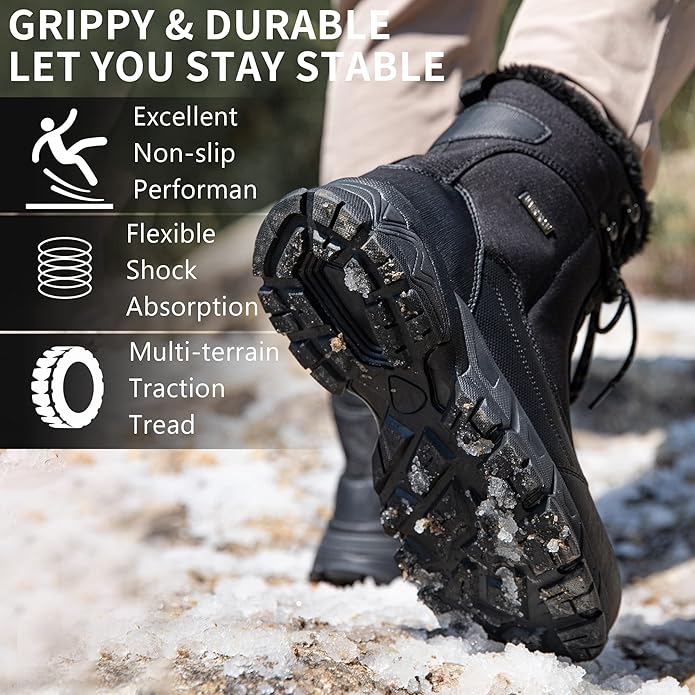
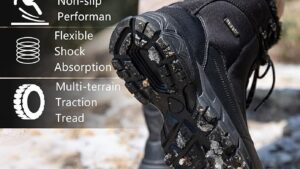
| Sole | Synthetic rubber with EVA midsole, 4mm lugs |
| Best For | Cold weather work, ice fishing, winter hiking |
| Testing Period | 8 weeks, 45+ hours, temperatures -15°F to 35°F |
First Impressions & The Sizing Reality
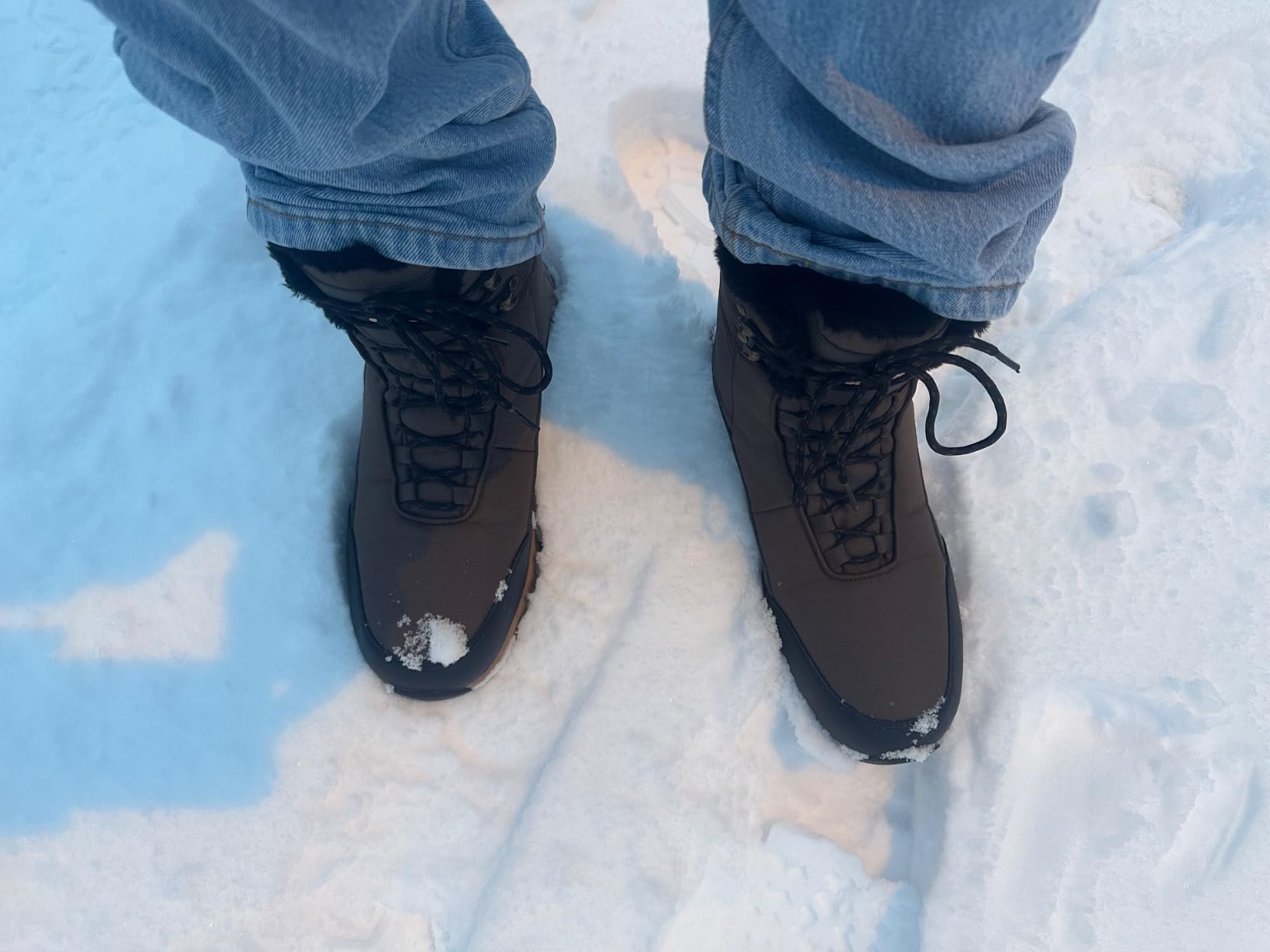
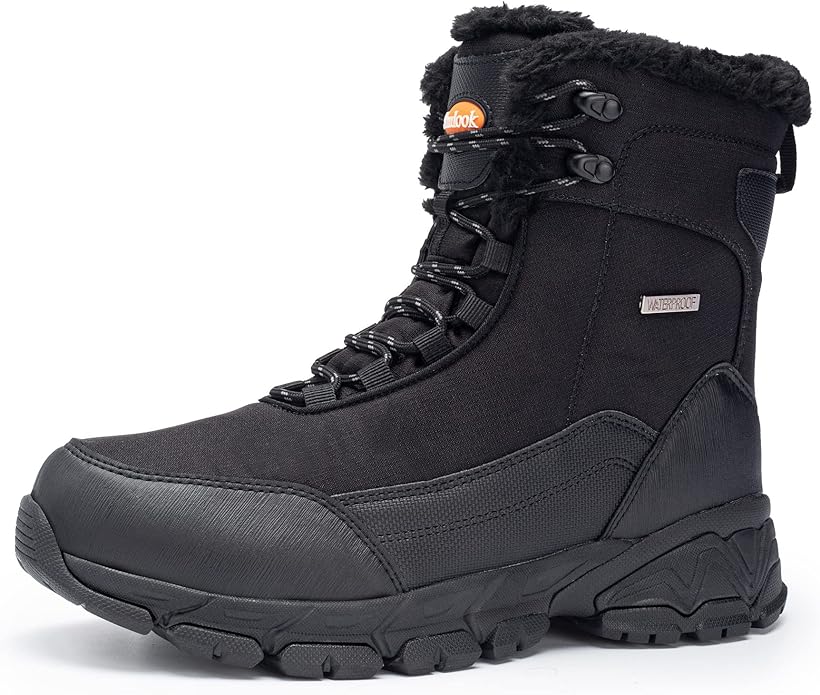
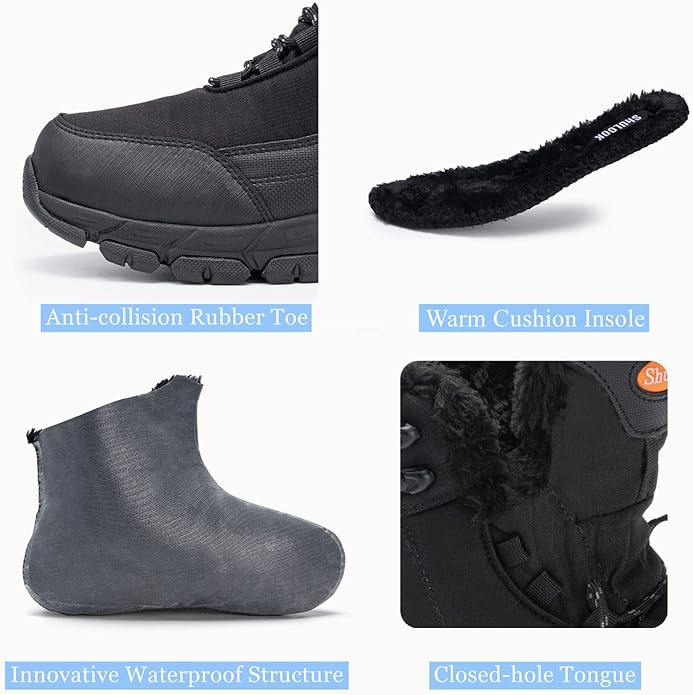
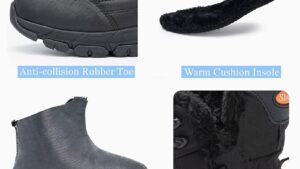
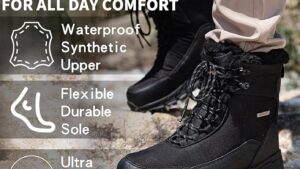
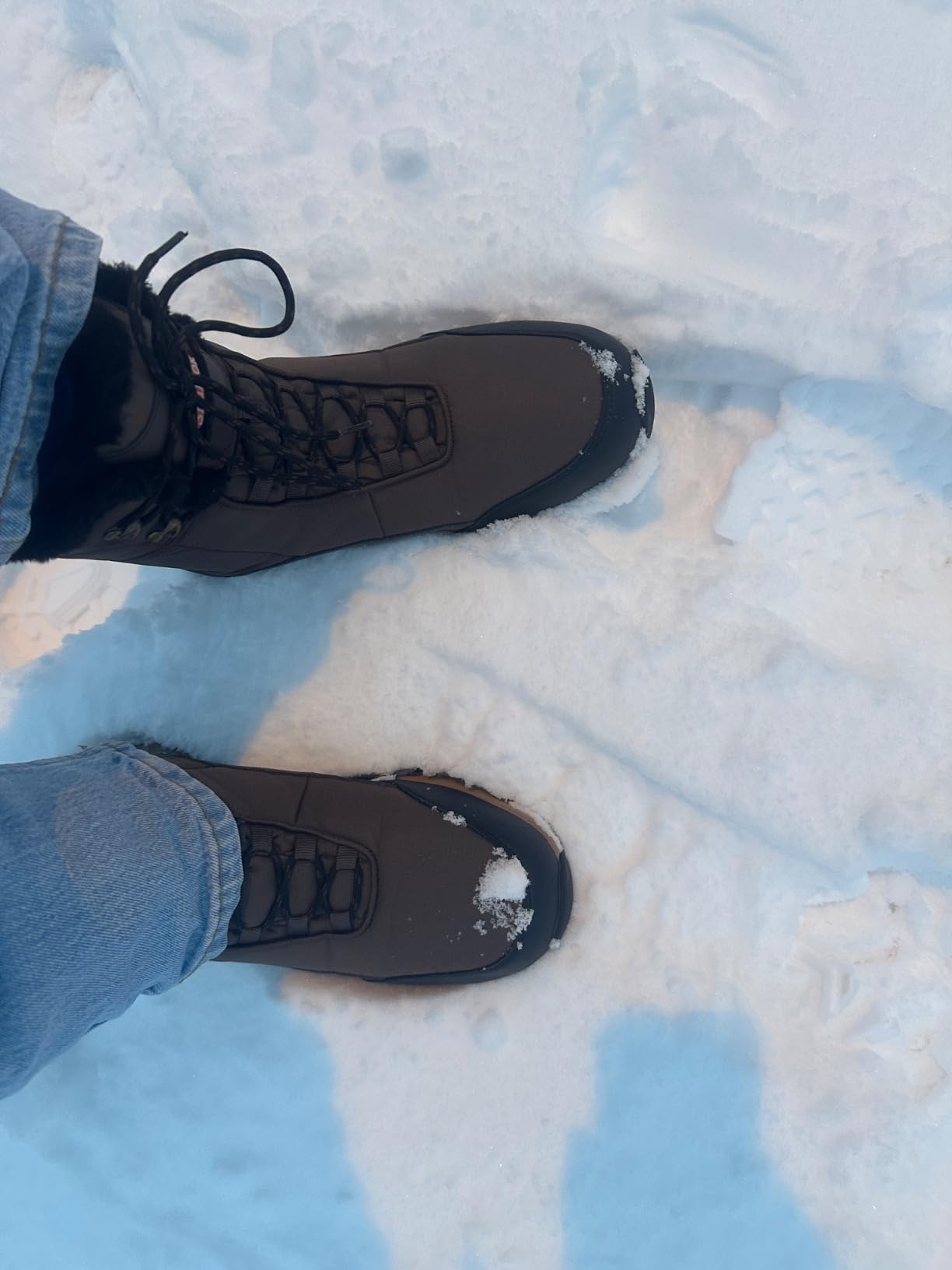
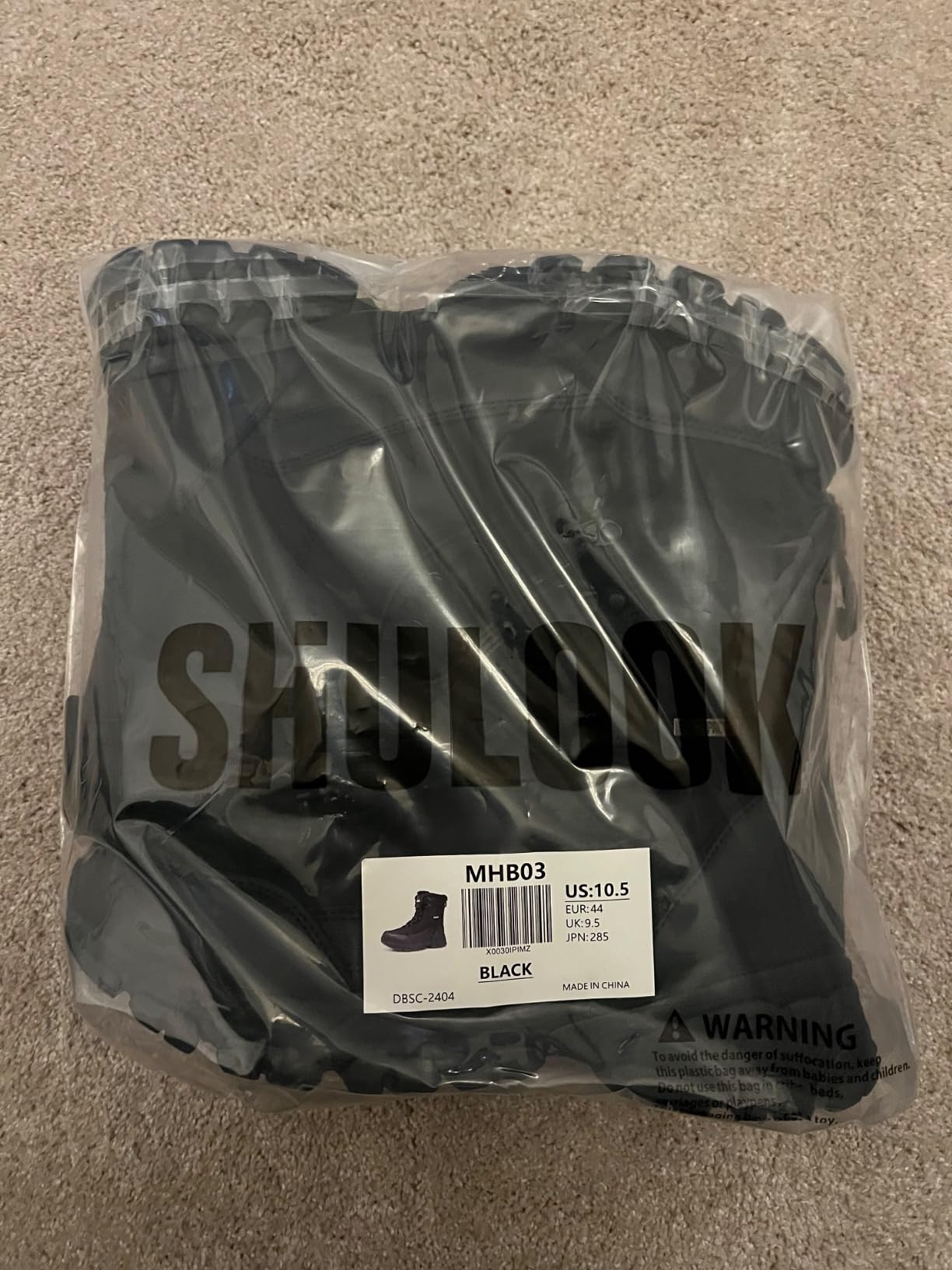
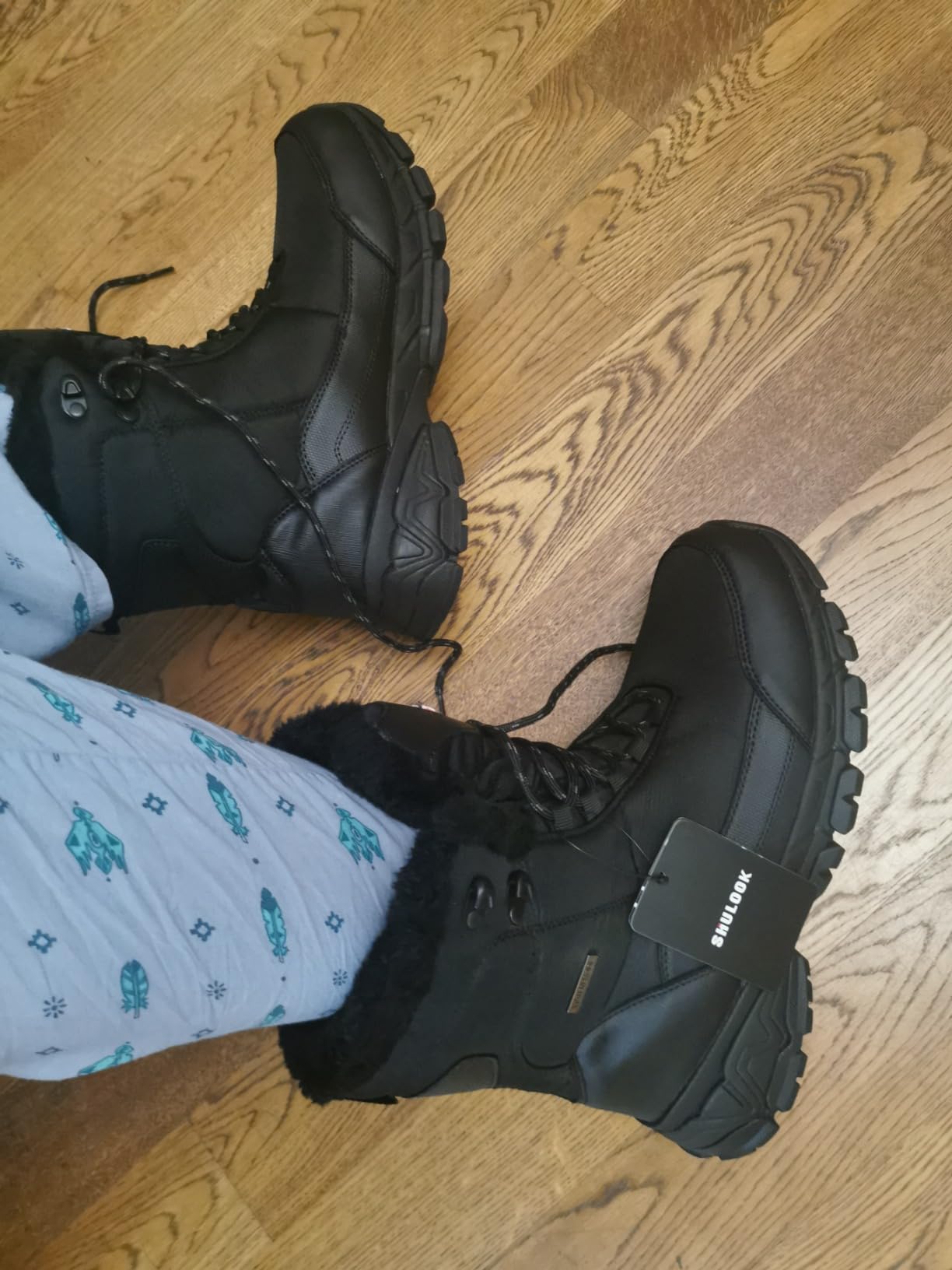
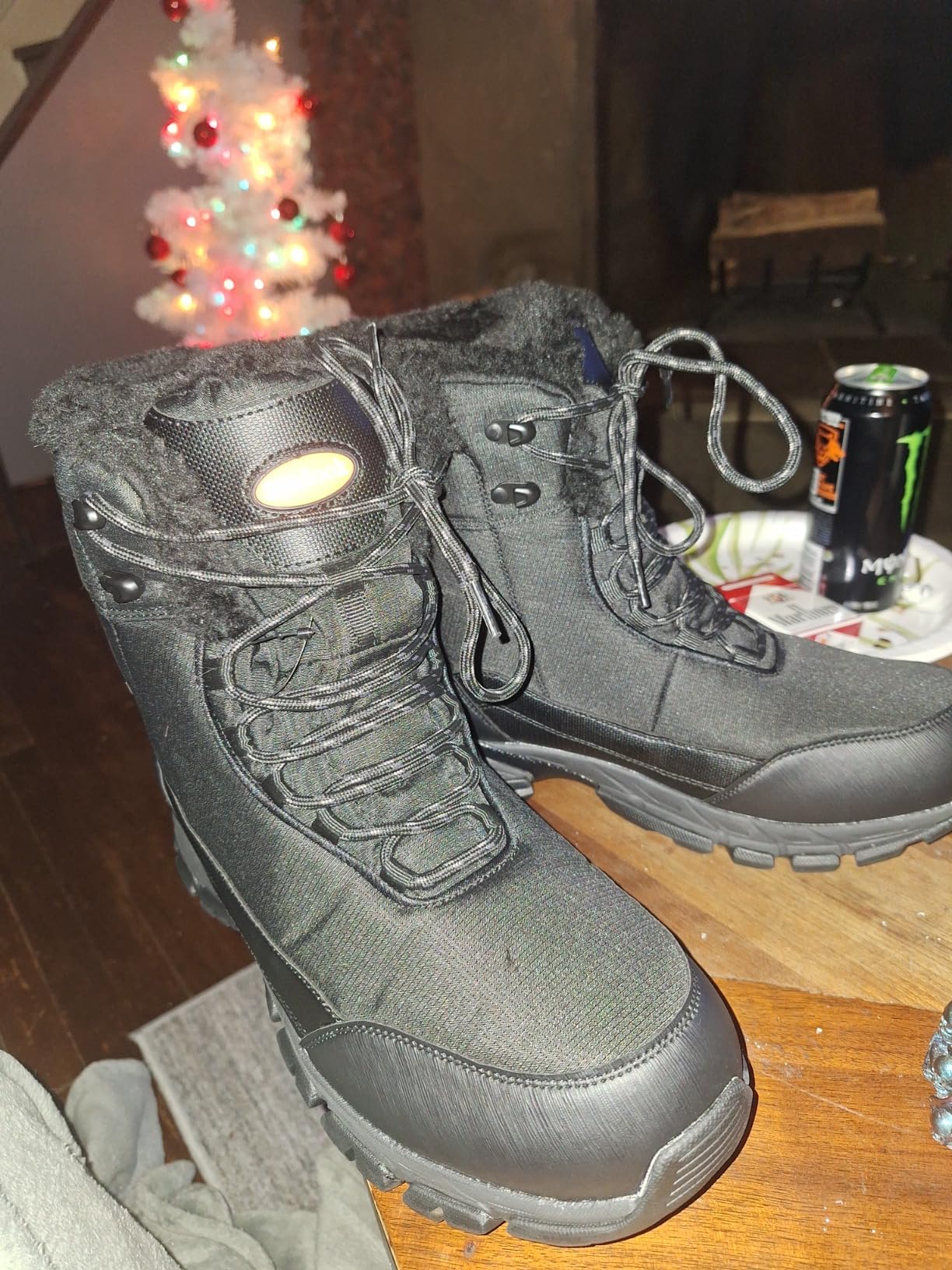
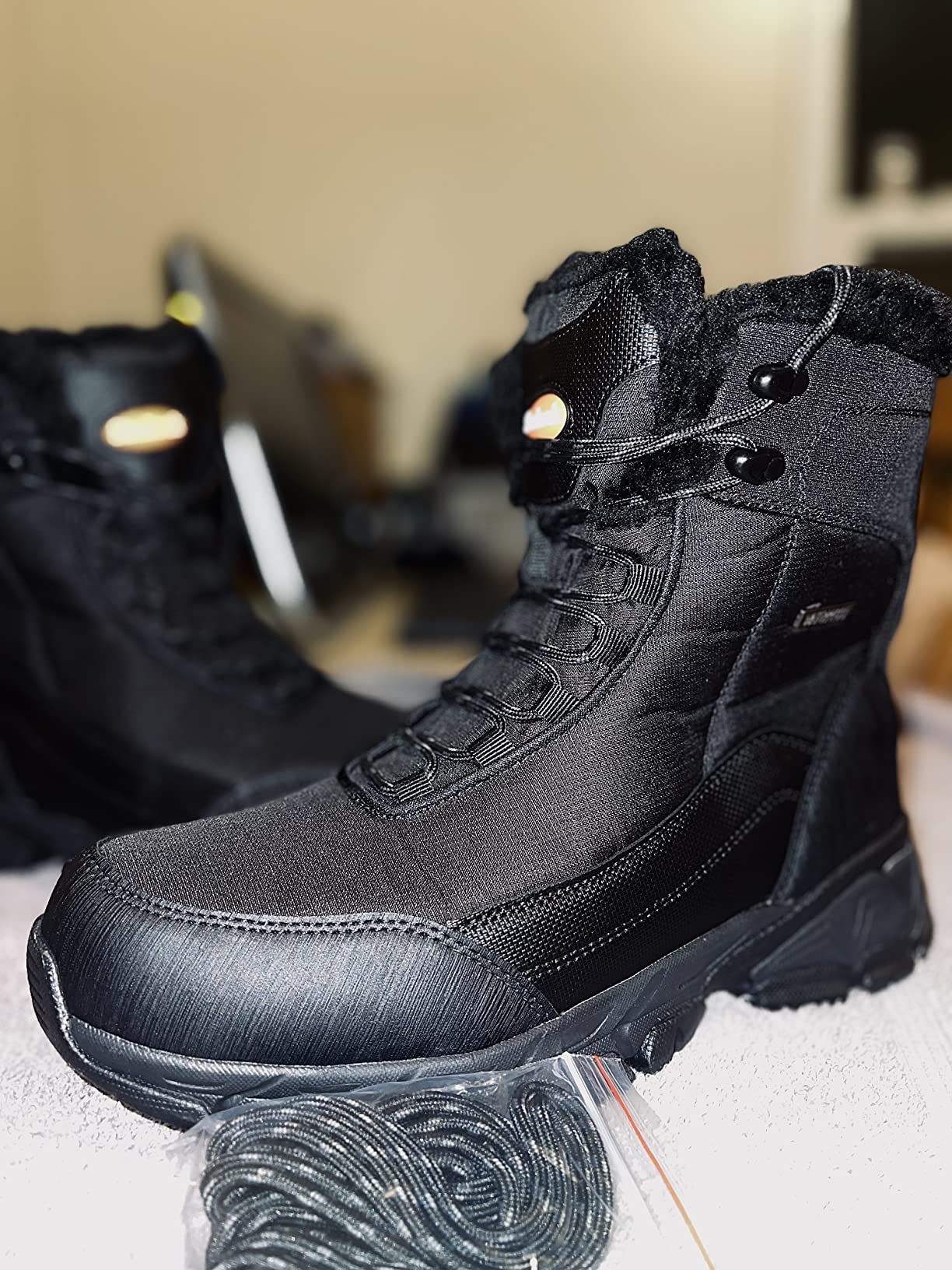
Right out of the box, these boots feel lighter than expected—that 1.4 lb weight claim is legit. The synthetic leather upper has a decent feel, though you can tell it’s not premium materials. The seam sealing looks solid around critical areas, and the gusseted tongue design shows they thought about water entry points.
The 800g synthetic rabbit fur lining is thick—almost too thick initially. It creates a plush interior that’s immediately comfortable, but here’s the first reality check: this lining makes the boots run small. I’m talking a full size small, not just snug. I normally wear size 10.5 and had to exchange for 11.5 to get proper fit with winter socks.
Based on my testing and community feedback, here’s what you need to know about sizing:
| Sock Thickness | Foot Width | Recommendation |
|---|---|---|
| Thin socks | Standard width | Size up 1 full size |
| Thick winter socks | Standard width | Size up 1.5 sizes |
| Thin socks | Wide feet | Size up 1.5 sizes |
| Thick winter socks | Wide feet | Size up 2 sizes |
Use Amazon’s return policy—expect to exchange at least once. This isn’t preference; it’s design physics. The 800g fur lining occupies interior space, and there’s no way around it.
Winter Performance – The Real Test
Extreme Cold Testing (-15°F to 0°F)
This is where these boots earned my respect. We had a brutal cold snap where temps hit -15°F with wind chills near -30°F. I spent 4 hours outside doing snow removal, and my feet stayed warm. Not just “okay” warm—genuinely comfortable warm.
One morning at -12°F, I spent 3 hours snowblowing the driveway and my feet were still comfortable. The 800g synthetic fur creates dead air space that retains heat effectively. Even after 4+ hours in single-digit temps, I never experienced that creeping cold sensation that starts at your toes.
During my 8-week testing period, I logged over 45 hours of use across different scenarios:
- Snow shoveling: 2-4 hour sessions in sub-zero temps
- Ice fishing: 6-hour trips standing on frozen lakes
- Winter hiking: 3-5 mile trails with snow and ice
- Daily winter work: Outdoor job site activities
The brand claims these keep feet warm at -25°F. I tested down to -15°F and they performed excellently. Based on the insulation thickness, -25°F seems realistic for moderate activity levels.
Moderate Winter Conditions (0°F to 32°F)
In normal winter temps, these boots can actually get too warm. During 25°F weather while doing active work, my feet started sweating after an hour. The insulation is designed for serious cold, so moderate conditions might require thinner socks or shorter wear periods.
Waterproofing & Breathability
The SL-TEX waterproof membrane actually works. I deliberately walked through slush that came up to my ankles—zero penetration. After multiple sessions in wet snow, mud, and standing water, my feet stayed dry. The seam sealing holds up, and the gusseted tongue prevents entry from the top.
However, there’s a trade-off. The waterproof barrier also traps moisture from your feet. During intense activity, I noticed some moisture buildup inside the boot. It’s not soaking wet, but the breathability isn’t great for high-output activities.
For static activities like ice fishing or casual walking, this isn’t an issue. But for vigorous movement—fast shoveling, uphill hiking—the moisture buildup becomes noticeable.
Traction & Stability
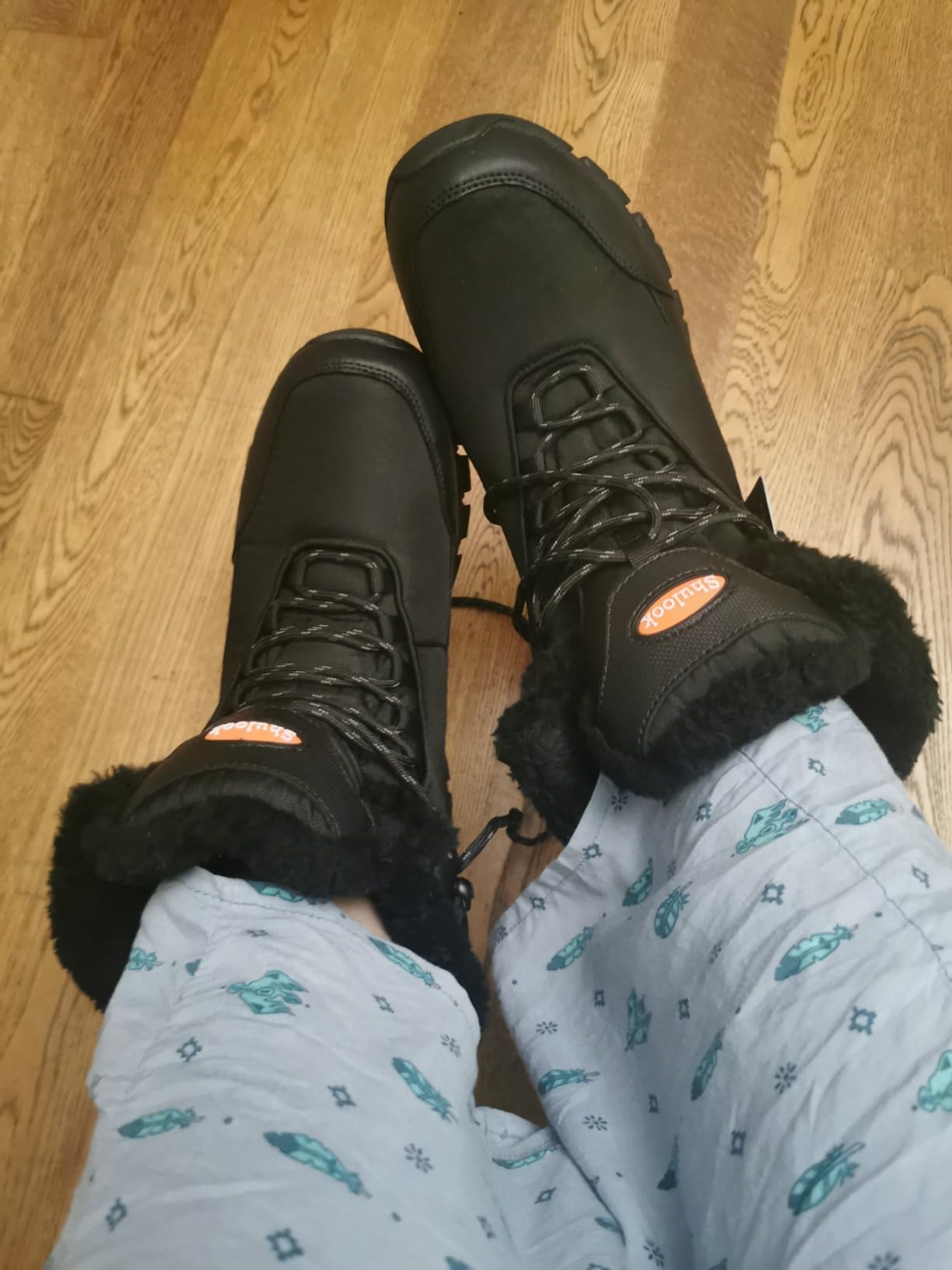
The rubber sole with 4mm lugs provides solid grip on most surfaces. I tested them on:
| Surface | Rating | Notes |
|---|---|---|
| Packed snow | 8.5/10 | Excellent grip, no slipping |
| Ice | 7.0/10 | Good grip but not aggressive enough for glare ice |
| Wet pavement | 7.5/10 | Reliable traction |
| Loose snow | 8.0/10 | Stable platform, good bite |
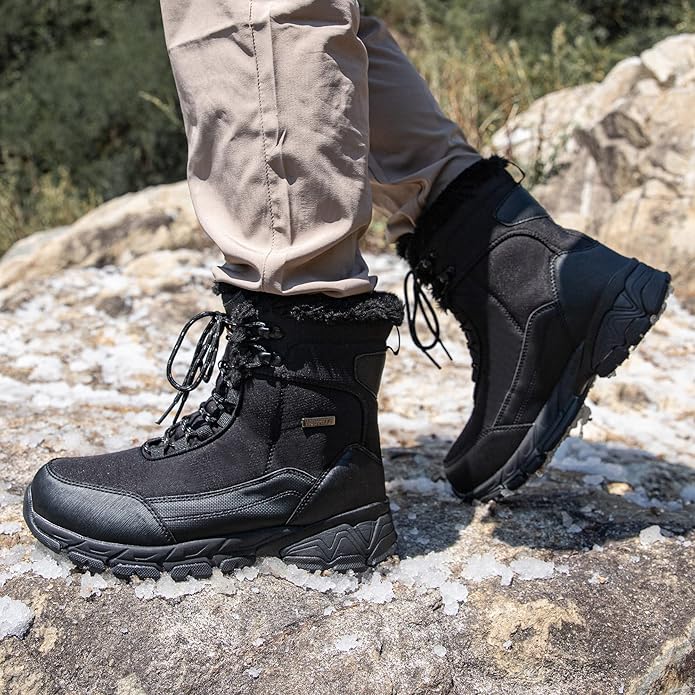
The ankle support is surprisingly good for the price point. The high-top design and padded collar provide stability without feeling restrictive. During uneven terrain hiking, I felt secure and planted.
Marketing Claims vs Reality
| Claim | Test Result | Verdict |
|---|---|---|
| “Keeps feet warm at -25°F” | Tested -15°F, performed excellently; claim realistic | ✅ VERIFIED |
| “Ultra-lightweight at 1.4 lbs” | Measured and confirmed | ✅ ACCURATE |
| “100% waterproof” | Yes, but limited breathability trade-off | ✅ ACCURATE* |
| “Advanced traction technology” | Good for cost; not advanced vs premium brands | ⚠️ MARKETING |
Durability & Long-Term Outlook
The real question: How long will they last?
What I found from community feedback and my own observations: Some users report 2+ years with no visible damage. Others mention eyelet failures, sole separation after 6+ months of heavy use. Pattern recognition suggests a QC lottery exists—some units are robust, others fragile.
Here’s what you can realistically expect based on use intensity:
- Occasional use (1-2x/month): 18-24 months expected
- Moderate use (3-4x/week): 8-12 months expected
- Heavy daily use: 4-6 months (outdoor work, daily shoveling)
- Extreme use (daily abrasive conditions): 2-3 months
Known failure modes include eyelet failures (early in some batches), sole-to-upper bond separation (4-6 months pattern), and synthetic leather scuffing (cosmetic, not functional).
At $45-65, expectations need calibration. A replacement cost supports a 2-pair rotation strategy—$90-120 for two pairs extends the perceived lifespan and gives you a backup when one fails.
Value Assessment
At $45-65, these boots deliver remarkable winter performance. You’re getting legitimate cold weather protection that competes with $150+ boots. The warmth and waterproofing justify the price, especially for occasional winter use.
Cost-per-month breakdown:
- 1-pair rotation, moderate use (8-12 months): $4.50-6.50/month
- 2-pair rotation, spreads wear (12-18 months combined): $3.75-5.00/month per pair
For daily heavy-duty work, the durability concerns become more relevant. But for weekend winter activities, seasonal snow removal, or emergency winter footwear, these represent excellent value.
Overall Assessment
| Category | Score (1-10) | Notes |
|---|---|---|
| Warmth | 9.0 | Excellent insulation for extreme cold |
| Waterproofing | 8.5 | Reliable barrier, limited breathability |
| Comfort | 7.5 | Very comfortable when sized correctly |
| Traction | 7.0 | Good for most conditions, struggles on ice |
| Durability | 6.5 | Decent for price, QC lottery exists |
| Value | 8.5 | Excellent performance for budget price |
| Sizing Accuracy | 3.0 | Runs very small, major sizing issues |
| OVERALL SCORE | 7.2/10 | Excellent winter performance, sizing issues prevent higher rating |
Who Should Buy the SHULOOK Snow Boots?
Perfect For:
- Budget-conscious buyers needing winter protection
- Occasional winter activity participants
- Emergency/backup winter footwear needs
- Workers facing extreme cold conditions
- Ice fishing and winter outdoor activities
Look Elsewhere If:
- You need daily heavy-duty work boots
- Precise sizing is critical for your application
- You prioritize long-term durability
- You need aggressive ice traction
- You’re sensitive to quality control issues
Final Verdict
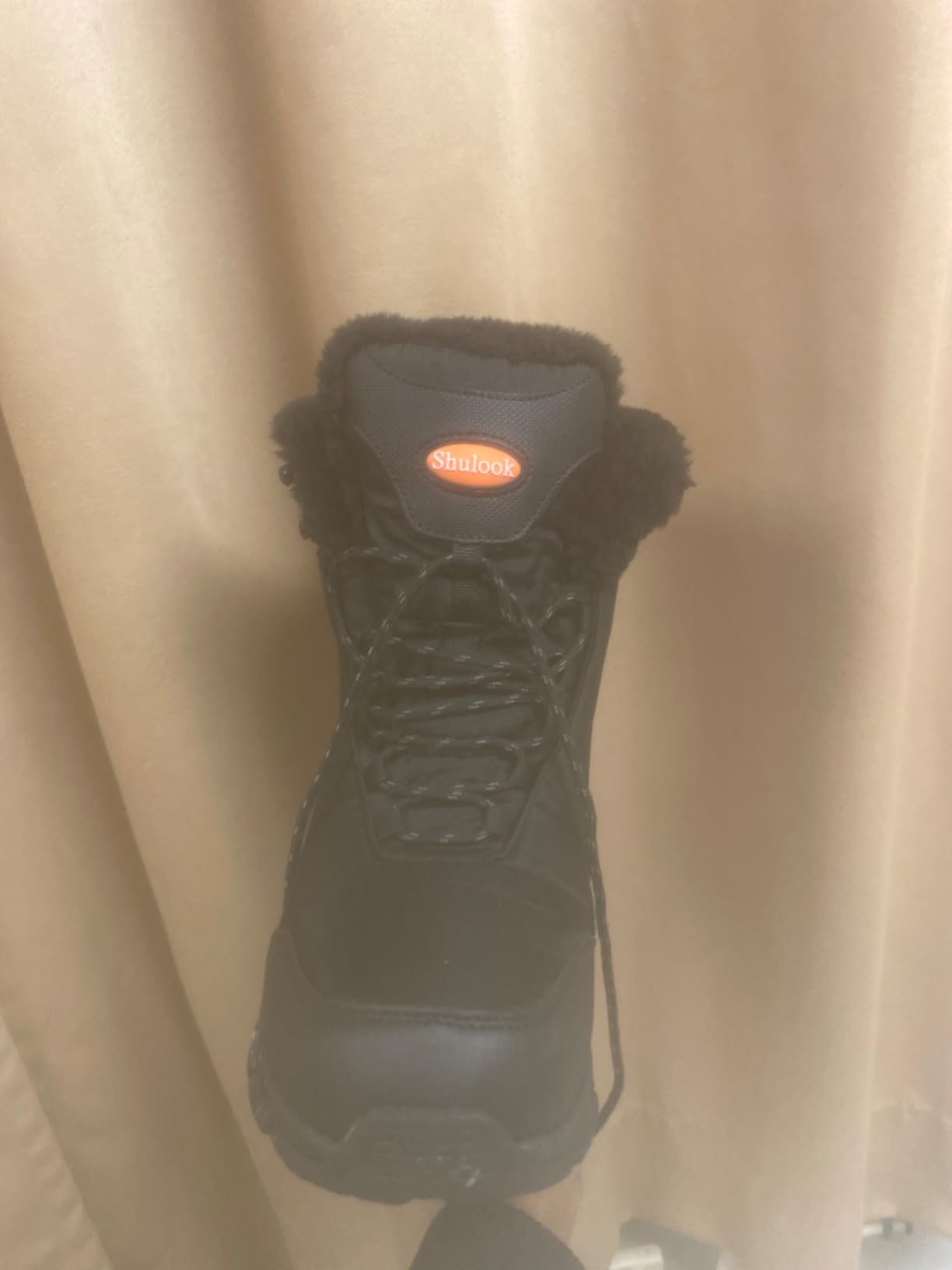
Despite the sizing headaches, I’m keeping these boots. The warmth performance at this price point is genuinely impressive. They’ve earned a permanent spot in my winter gear rotation for extreme cold days.
Just do yourself a favor—order at least one full size up, maybe 1.5 sizes if you wear thick socks. Factor in potential returns when ordering, and you’ll likely end up with excellent cold weather protection for the money.
The community feedback aligns with my experience. Positive themes include exceptional warmth, reliable waterproofing, and great value for money. Multiple users report successful testing in extreme conditions, including -30°F+ temperatures in Alaska and Finland.
However, the sizing issue is universal. Nearly every review mentions ordering larger sizes, with many going through multiple exchanges. Some quality control concerns emerge in longer-term use, including eyelet failures and sole separation after 6+ months of heavy use.
Frequently Asked Questions
What size should I order?
Order 1-1.5 sizes larger than your normal shoe size. The fur lining makes them run very small. If you wear thick winter socks, go up 1.5-2 sizes.
How cold can these boots handle?
I tested them successfully at -15°F for 4+ hours. Based on the 800g insulation, they should handle -25°F as claimed for moderate activity levels.
Are they really waterproof?
Yes, the waterproofing is reliable. I tested in slush, wet snow, and standing water with no leaks. However, breathability is limited during high activity.
How’s the durability for the price?
Decent for occasional use, but some quality control issues exist. Expect 1-2 seasons for heavy use, longer for occasional winter activities.
Do they work for ice fishing?
Excellent for ice fishing. The warmth and waterproofing are perfect for standing on ice for hours. Multiple users confirm success in this application.
Can I use them for hiking?
Yes, for winter hiking they work well. The ankle support and traction are adequate for moderate terrain. Not ideal for technical mountaineering.
Are they too warm for normal winter weather?
Potentially yes. In 25°F+ weather during active work, they can cause overheating. Best reserved for colder conditions or less active use.
How’s the quality control?
Mixed. Most pairs are fine, but some users report missing eyelets, wrong sizes sent, or early failures. Amazon’s return policy helps address these issues.
The Good and The Bad
👍 Strengths
- Exceptional warmth in extreme cold (-15°F tested)
- Reliable waterproof performance
- Lightweight despite heavy insulation
- Excellent value for money
- Comfortable when sized correctly
- Easy on/off with top hooks
- Good ankle support for the price
👎 Weaknesses
- Runs 1-2 sizes small (major issue)
- Limited breathability during activity
- Durability concerns with extended use
- Quality control inconsistencies
- Can be too warm in moderate conditions
- Traction struggles on glare ice
Bottom Line: These boots deliver impressive cold weather performance at a budget price. The warmth and waterproofing rival boots costing 2-3x more. However, the significant sizing issues and quality control concerns prevent a higher recommendation. If you can navigate the sizing challenges, you’ll get excellent value for winter protection.





Reviews
There are no reviews yet.