
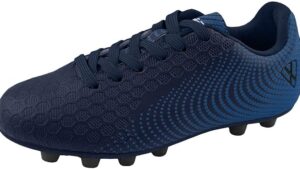
Vizari Stealth Firm Ground Soccer Cleats
$29.99
- 💰 Price: $25–30
- ⚖️ Weight: 8.2 oz (youth size 2)
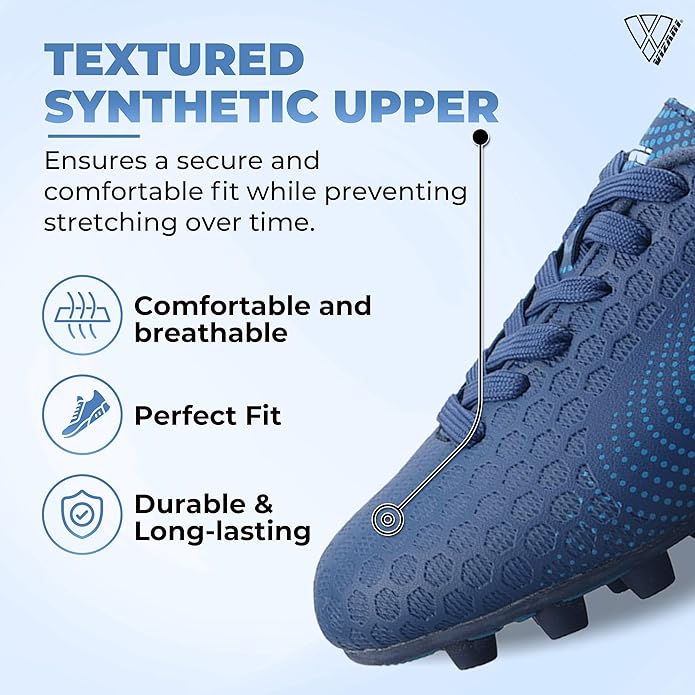
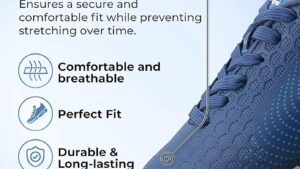
- 🧪 Upper: Two-color textured synthetic with anti-stretch lining
- 👟 Midsole: EVA foam
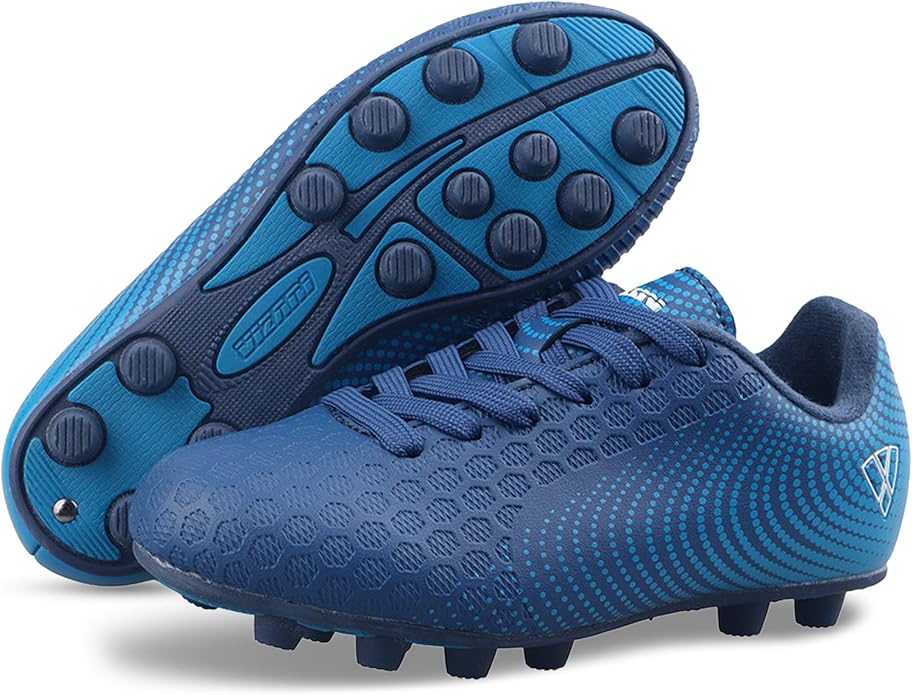
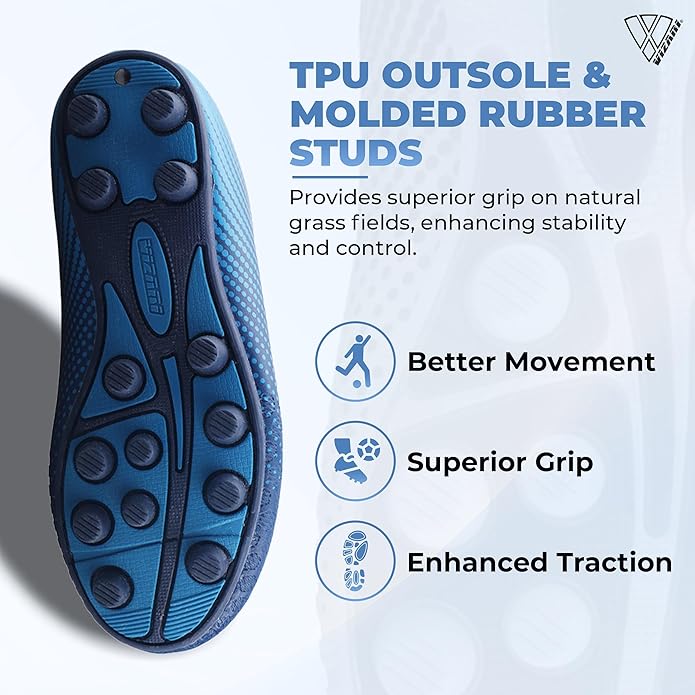
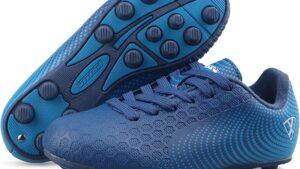
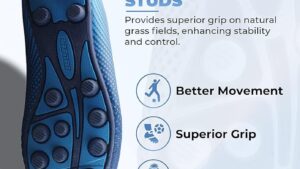
- 👟 Outsole: Molded polyurethane, stitched to upper
- ⚽ Type: Firm ground (FG) — designed for natural grass
- 📏 Sizes: Child 8C to Youth 6
- 🌈 Colors: 8+ options (lime green, black/orange, black/green, pink/black, blue/white)
Three kids. Eight weeks. Twenty-four practices, twelve games, and one heel stud that called it quits on week six. Sarah here — soccer mom, carpool captain, and apparently the person everyone in our neighborhood texts before buying youth gear. The Vizari Stealth cleats kept coming up in those texts, so I put them on all three of my kids and tracked everything. Here’s the complete picture before you order.
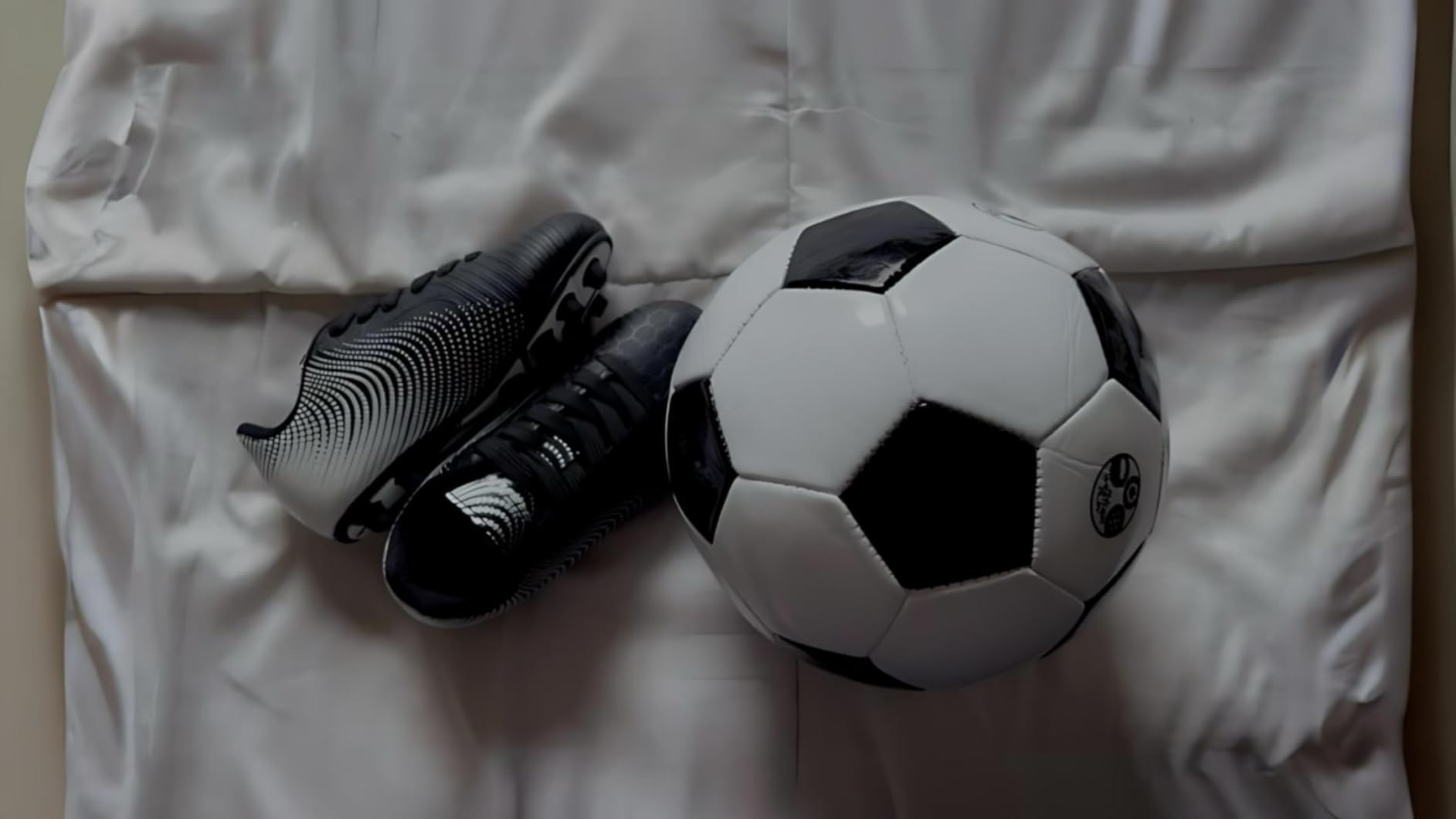
First Look: What $25–30 Gets You Out of the Box
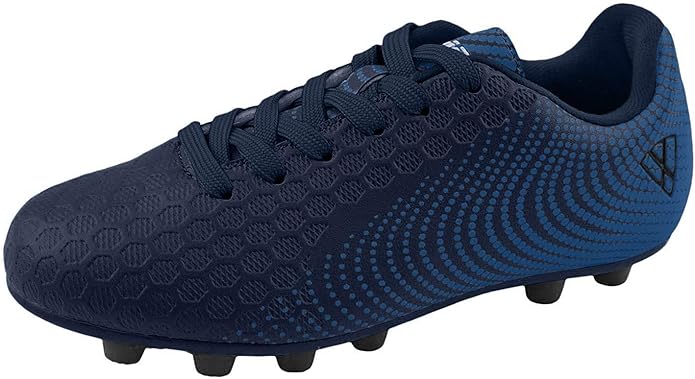
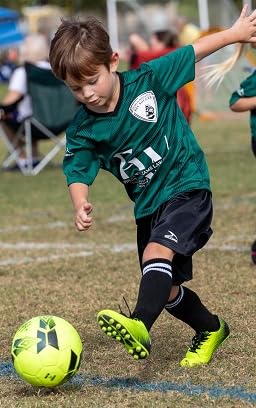
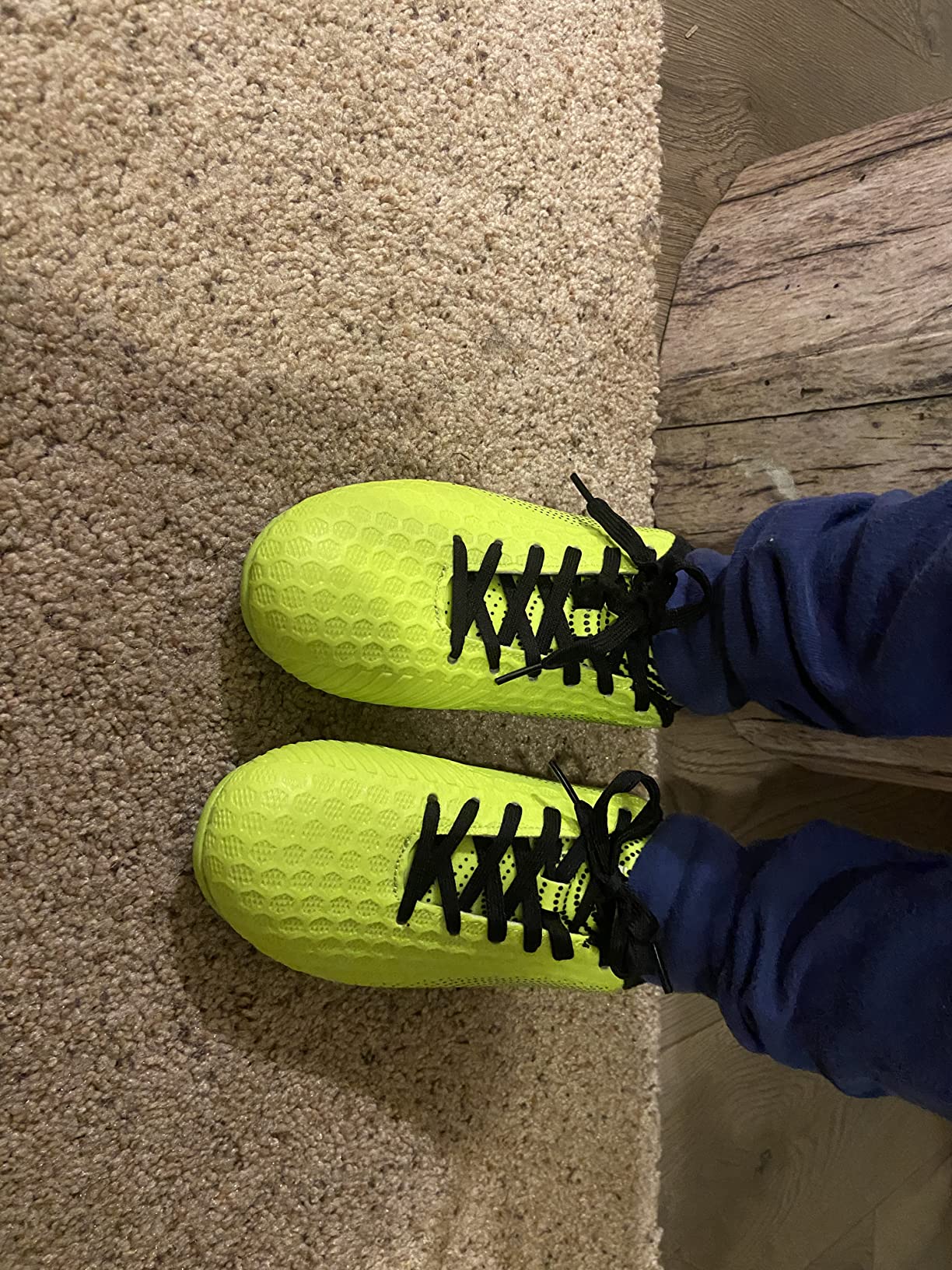
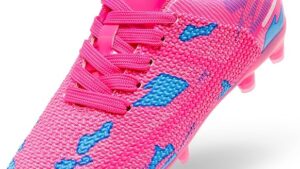
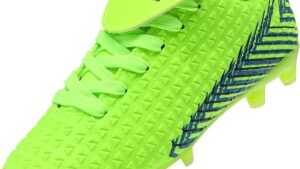
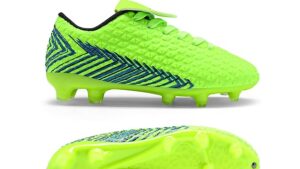
My 6-year-old had her cleats on before I finished cutting the shipping tape. That’s the first thing worth knowing about the Vizari Stealth — the design does its job before a single practice. Bold dual-color patterns in lime green, black and orange, or pink and black genuinely excite kids in a way that sensible navy-blue options don’t, and at this price, the excitement factor costs you nothing extra.
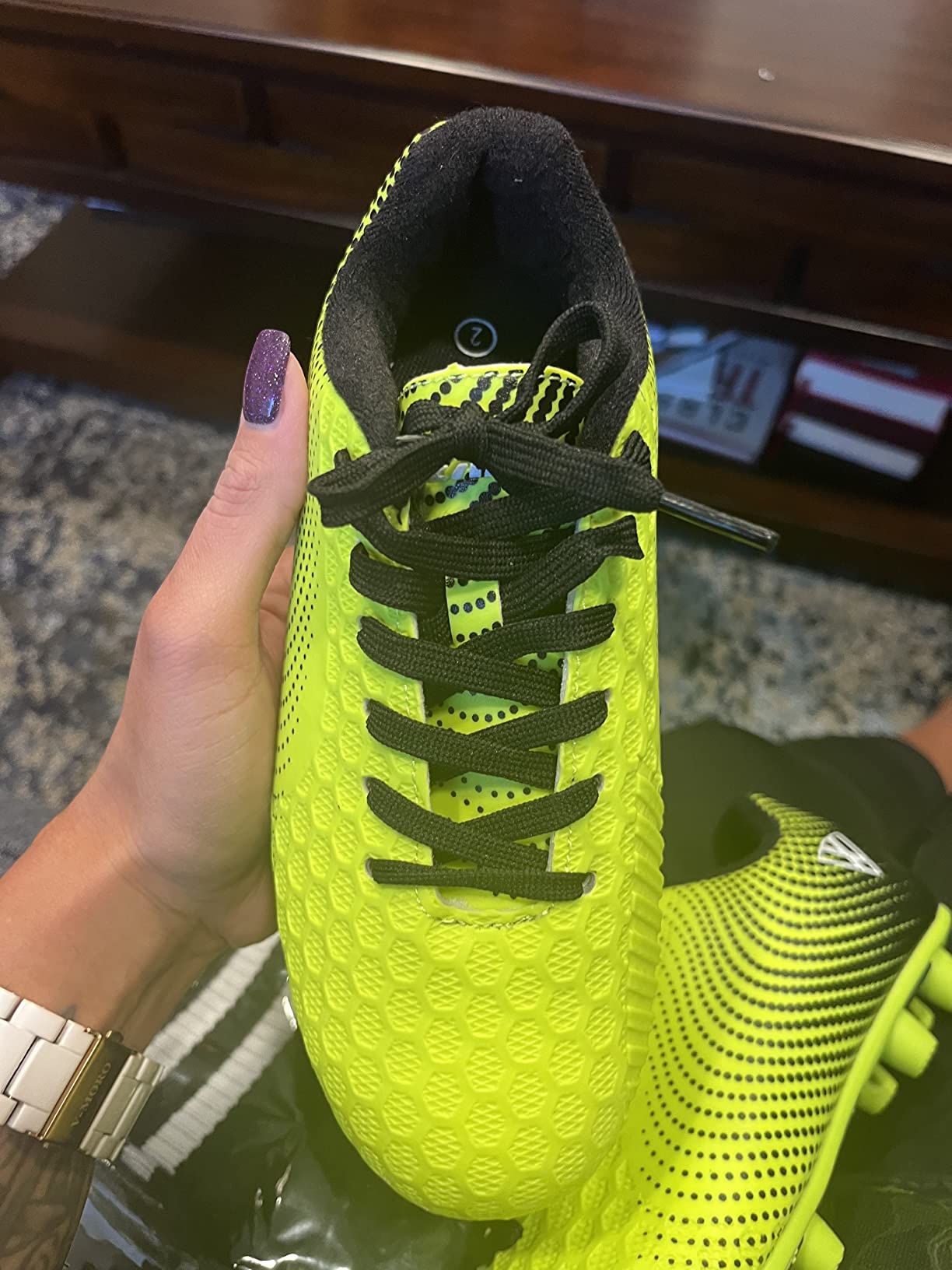
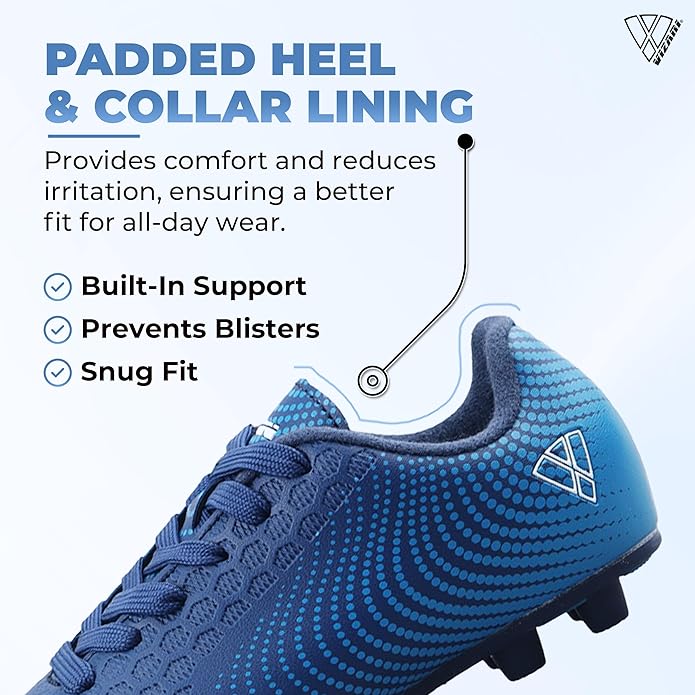
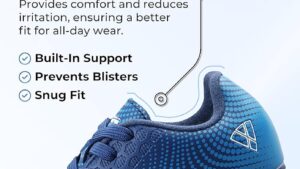
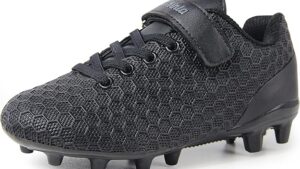
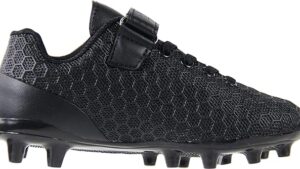
The synthetic upper feels more substantial than I expected. It’s textured with hexagonal panels that give it a structured look, and the padded collar and heel lining are visibly present — not just marketing language. The outsole stitching is clean and tight. Nothing about the build says “this will fall apart after three games.”
What you’re not getting is a rigid heel counter, premium leather uppers, or the kind of ankle structure you’d find on a $75 boot. The Stealth is lightweight and flexible by design — which has real trade-offs we’ll get to.
Fit and Sizing: The Part Most Reviews Get Wrong
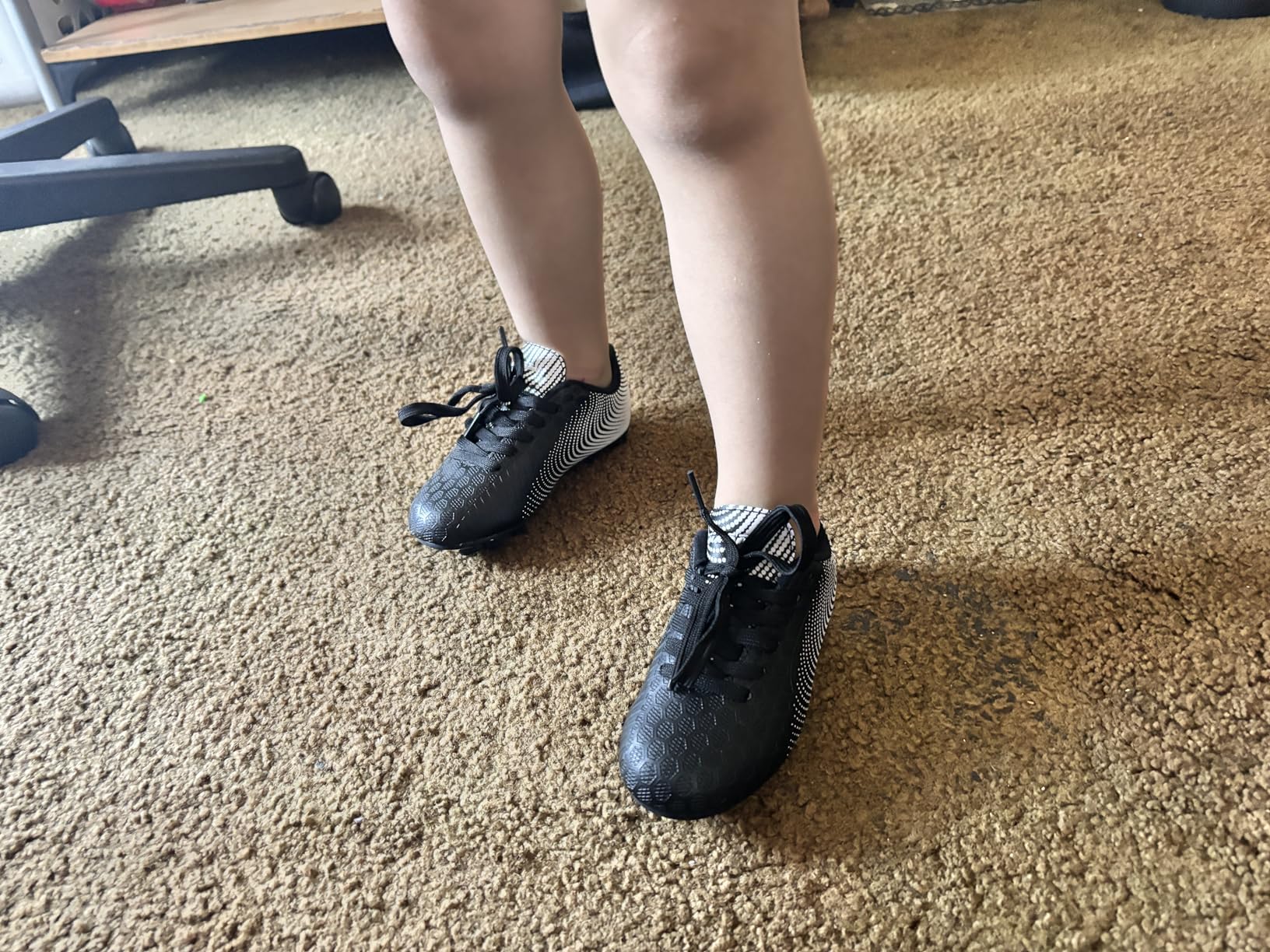
This is where Vizari reviews tend to contradict each other. One says “runs small.” Another says “wide-friendly.” Both are technically accurate — but incomplete. After testing on kids with three different foot profiles, here’s what’s actually happening.
The Sizing Reality Across Foot Widths
The cleat runs slightly short and slightly narrow simultaneously. For my 8-year-old (standard width), a half-size up from her normal shoe size hit the sweet spot — comfortable at the toe, secure at the heel. My 11-year-old with wider feet needed a full size up before the forefoot stopped pinching. My youngest, who has narrow feet, fit fine at her exact size.
The wide-foot finding is worth dwelling on. Once you’re in the correct size (full size up), the Stealth’s toe box accommodates without squeezing. That’s not common among budget firm ground soccer cleats at this price — most either fit narrow across the board or compromise in the toe area. For wide-foot families, the sizing workaround is real and functional, though the length will run slightly generous. Thicker socks or a thin insole fill that extra space without much fuss.
Laces Are a Minor Annoyance
Shorter than ideal — all three pairs. Double-knotting is technically possible but tight, and several parents I’ve compared notes with flagged the same issue. A set of flat oval laces runs about $3–5 and solves it cleanly. Not a dealbreaker, but worth the $4 investment before the first game.
Quick Sizing Reference:
| Foot Type | Recommended Size | Note |
|---|---|---|
| Narrow | True to size | Snug and secure; TTS works well |
| Standard width | Half size up | Sweet spot for most kids |
| Wide | Full size up | Width accommodates; length slightly generous |
| Between sizes or uncertain | Size up | Better too long than pinching at toe |
Comfort: Strong Out of the Gate, Honest About the Arc
No break-in period — that’s the straightforward truth. All three kids wore these from box to practice on day one without complaint, without blisters, and without the stiff-boot adjustment phase you sometimes get with stiffer synthetic options. The EVA midsole and padded collar lining do exactly what Vizari claims.
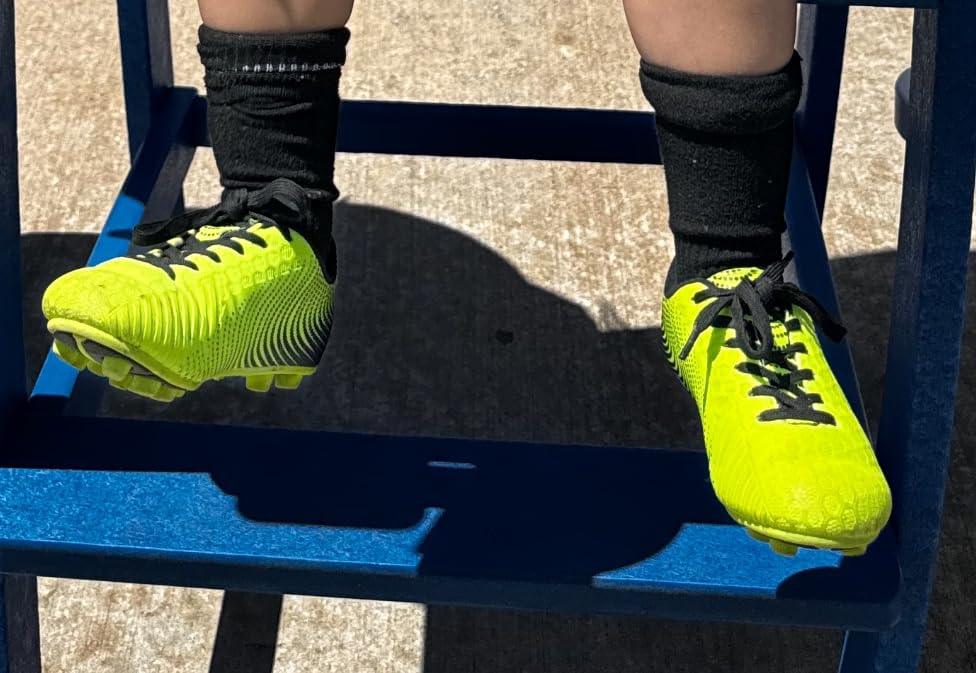
The honest part: EVA compresses. By weeks 4–5, what was “noticeably cushioned” had settled into “adequately cushioned.” It’s still playable — and for recreational players doing 2–3 sessions per week rather than daily training, the compression is gradual enough that kids barely notice. But if your child trains daily or attends intensive summer camps, the midsole will feel flat faster than it should at any price point.
One practical advantage I didn’t fully expect: the synthetic material dries quickly. On dewy Tuesday mornings, these were dry within an hour. On the rainy Saturday where everything got soaked, they were wearable again by Thursday practice. With three kids on alternating schedules, that turnaround actually matters.
Traction and Field Performance
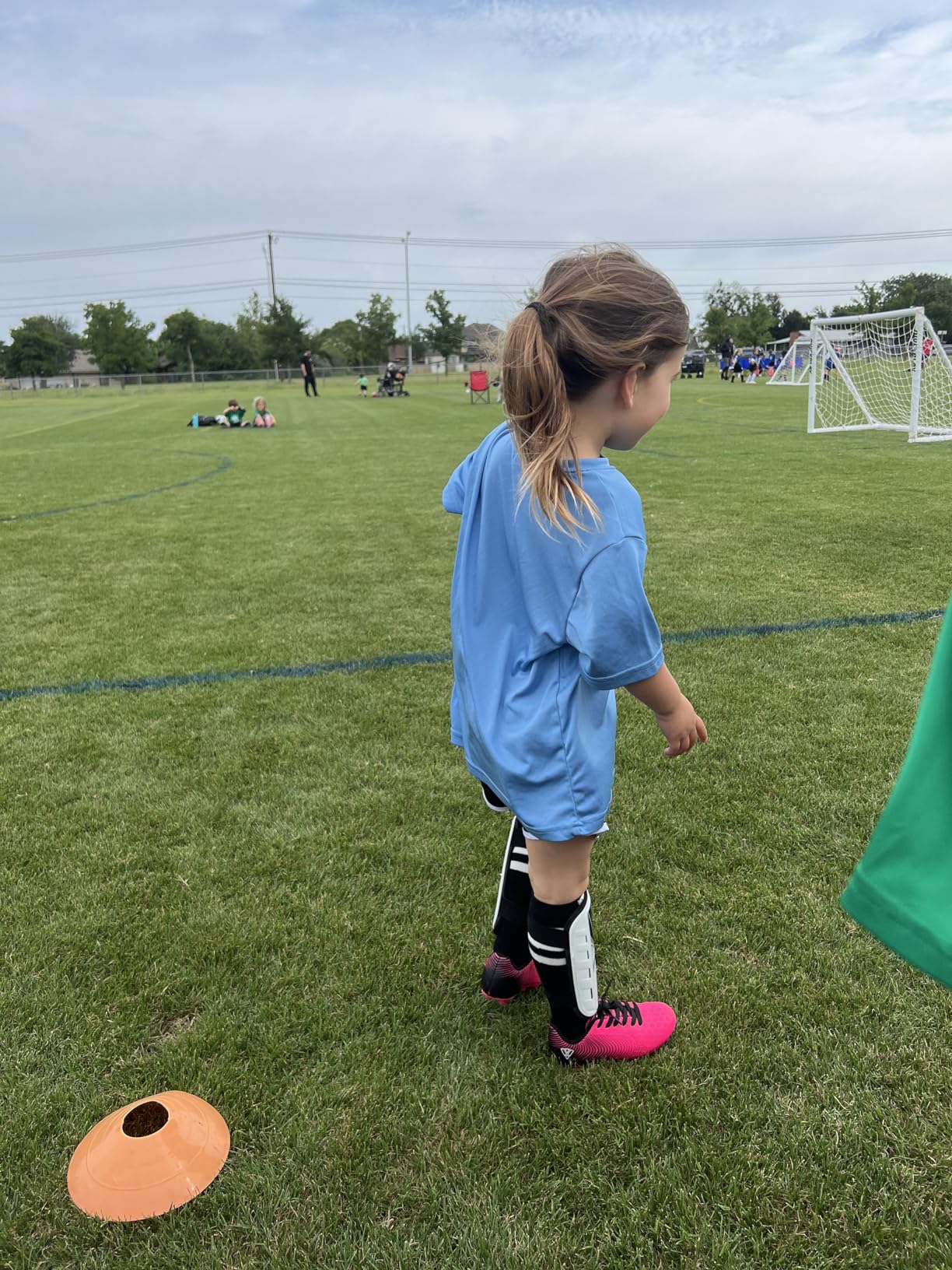
On well-maintained natural grass — the surface these are actually designed for — the Vizari Stealth delivers performance I stopped thinking about after week two. That’s the goal.
Dry Natural Grass
The molded polyurethane studs grip firmly and release cleanly. Sprint drills, planting hard for a cross, sharp direction changes in tight spaces — all of it happened without hesitation or compensation. I was watching from the sideline and didn’t notice any of the three kids adjusting their movement to account for traction. On dry firm ground, this cleat punches above its price bracket.
Wet Conditions: FG Has Limits
This is where the FG designation becomes genuinely important, not just a label. On a damp Tuesday practice — overnight rain, still-wet field — two of my three kids slipped during cut movements they handle confidently on dry days. Neither fall was dangerous, but the hesitation was visible.
Heavy rain or muddy fields amplify this significantly. Molded FG studs are designed for firm turf — they don’t adapt to soft or waterlogged conditions the way adjustable-stud cleats can.
Turf and Indoor: Wrong Tool
Tried it once during a rain delay when the indoor gym was the only option. The studs create drag on synthetic surfaces, slow lateral movement, and fatigue legs faster than flat-soled shoes would. For kids playing primarily on artificial turf, Brooman Kids Turf Soccer shoes or Dream Pairs Indoor Turf Soccer options are worth a separate purchase. The FG-vs-turf distinction actually matters more than most parents realize when buying first cleats. And for gym floor sessions specifically, flat-soled training shoes are better — studs on hardwood create unnecessary foot fatigue.
Surface Performance by Condition:
| Surface | Rating | Notes |
|---|---|---|
| Dry natural grass | 8.5/10 ✅ | Excellent grip; confident cuts; matches premium options here |
| Damp/dewy grass | 6.5/10 ⚠️ | Workable but slipping risk is real on fast changes of direction |
| Muddy/wet fields | 4/10 ❌ | Studs clog; not designed for soft or saturated ground |
| Artificial turf | 5/10 ❌ | FG stud catches turf fiber; wrong spec for this surface |
The Durability Question — Honest Data Only
I want to address this section before describing it: stud wear is the central variable in the Vizari Stealth’s value proposition, and it deserves more than “most pairs last a season.” Here’s what we actually tracked.
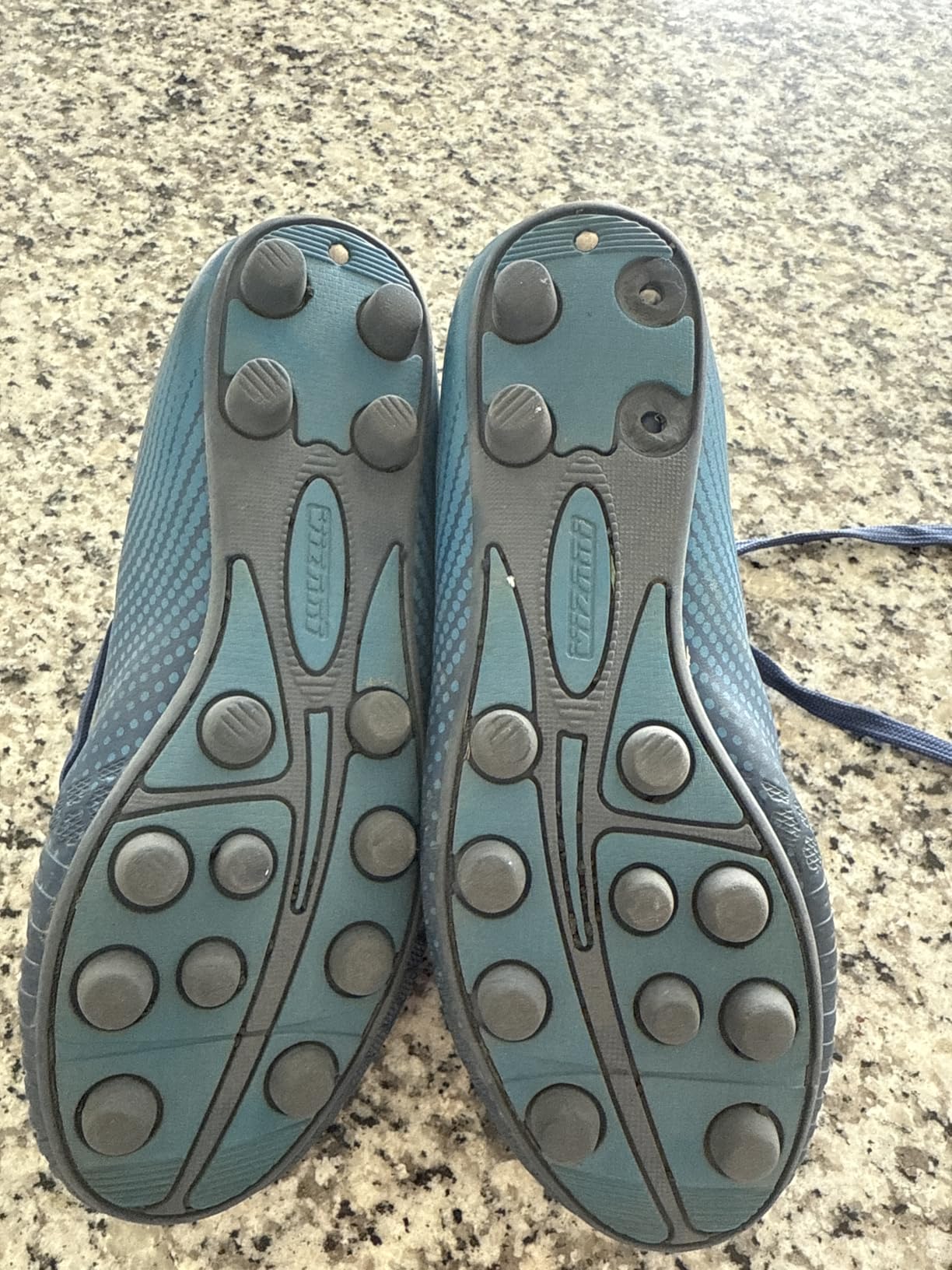
Week-by-Week Stud Observation
Weeks 1–4: All three pairs intact. Studs show light polishing on contact faces (normal for molded rubber/polyurethane) but no chipping or structural change. Traction performance unchanged.
Week 5: Light wear visible on heel studs of the most-active pair. Nothing alarming.
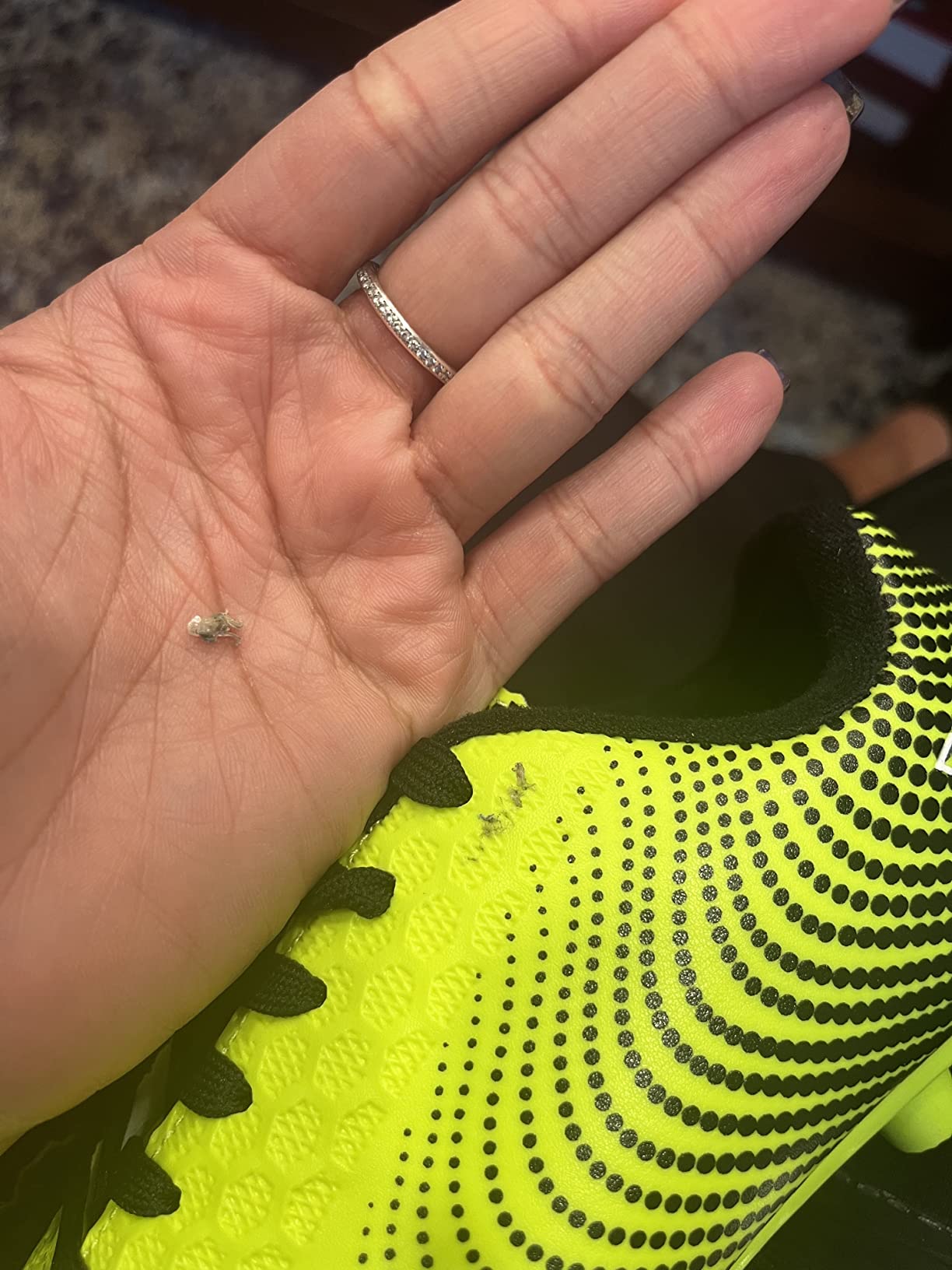
Week 6: One heel stud broke off on my 11-year-old’s right cleat during an intense dry-field practice. Hard-stopping sprints put significant impact load on the heel’s first-contact studs, and polyurethane breaks under that stress rather than simply wearing smooth.
Weeks 7–8: Two additional stud chips on the same pair. The other two kids’ cleats held fine through week 8.
The Breakage Pattern and What Drives It
Across our testing and the broader customer review picture, a consistent pattern emerges: approximately 25–30% of buyers see stud failure within 6–12 weeks, concentrated heavily at the heel.
What correlates with being in the 25-30% failure group versus the 70% who make it through a full season:
- Playing intensity — intensive training 4+ days/week accelerates heel stud stress
- Field hardness — dry, firm ground increases impact load per step
- Playing style — hard-sprinting, heel-dominant runners put more force on back studs
- Kid weight — heavier kids mean more force per stud contact
If your kid is recreational (2–3x weekly on maintained fields), the odds favor a clean full season. If they’re attending competitive clinics or playing at travel level, the math shifts.
Where Vizari Actually Delivers on Durability
The stitched outsole is the real story. Zero sole separation across all three pairs at 8 weeks — not even stress cracking at the toe box edge where glued soles typically fail first. That stitching is a genuine differentiator at this price point. Many budget cleats use adhesive-only bonding, and the toe-box peel is a common failure mode that Vizari sidesteps.
Lifespan by Use Intensity
| Use Level | Estimated Playable Lifespan | Notes |
|---|---|---|
| Light (1–2x/week rec league) | Full season — 14–18 weeks | Most buyers land here; studs hold well |
| Moderate (3x/week + weekend games) | 8–12 weeks before stud performance drops | 25–30% risk window begins week 6 |
| Heavy (daily or competitive) | 4–8 weeks to noticeable stud degradation | Wrong price tier for this intensity |
Growing Feet Economics
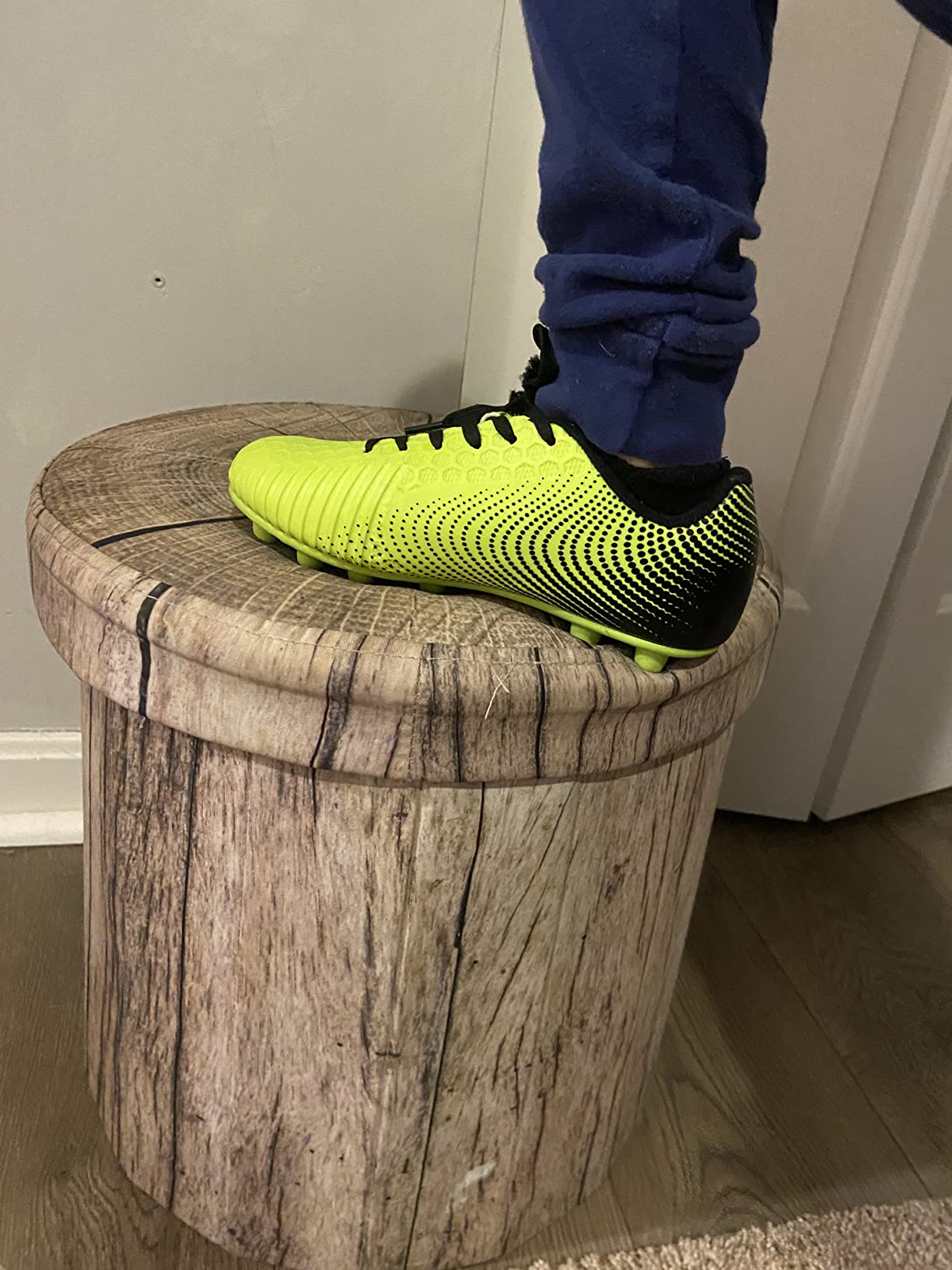
Here’s the conversation that’s almost never in gear reviews but shapes the actual value calculation for families with younger kids: children under 10 typically outgrow their shoes every 3–6 months. If your kid will wear one size for exactly one rec season and then size up, the durability discussion above becomes secondary to the cost-per-wear over that specific window.
The One-Season Math
Our fall season ran 12 games and 22 practices — 34 total field sessions. At $25–30, that’s roughly $0.74–0.88 per session if the cleats last the full season. Premium youth FG cleats at $70–80 amortized over a comparable single season come out at $2.06–2.35 per session. For recreational players in the same size for one season, Vizari’s value case is strong.
For three kids that math is $75–90 total versus $210–240 — the difference funds two months of tournament registration fees.
When Premium Makes More Sense
If your child stays in the same size for two full seasons — more common after age 10 when growth slows — the calculation flips. A $75 pair amortized over two seasons = $37.50 per season. Two consecutive Vizari purchases for the same window = $50–60. The premium option becomes the better value by season two.
The Hand-Down Consideration
One practical detail: if your wide-foot kid needed a full size up in their Vizaris, those cleats won’t hand down cleanly to a standard-width sibling at the same nominal size — the sizing compromise doesn’t transfer. Wide-foot to narrow-foot hand-downs become awkward when the sizing was a workaround in the first place. If hand-downs between kids with different foot widths matter to your family, build that into the original purchasing decision.
Who Should Buy These — And Who Shouldn’t
Best Match ✅
- Multi-child households with multiple rec-league players: $25–30 per kid keeps total gear spend manageable without sacrificing real performance
- Kids growing rapidly: If they’ll need a new size in four months regardless, durability beyond one season doesn’t matter
- Wide-foot kids on a budget: Most affordable FG cleats run narrow; with the full-size-up strategy, Vizari accommodates
- First-time cleats for beginners: Low financial risk if the sport doesn’t stick; strong enough performance to develop the basics
- Dry-climate regions: Wet-ground performance limitations matter less in consistently dry conditions
Consider Alternatives If ⚠️
- Your kid trains 4+ times weekly at competitive intensity (stud failure risk increases)
- Your region has frequent wet fields or rainy season play
- Your child stays in the same size for two or more seasons (premium durability payoff)
- You play primarily on artificial turf (FG is the wrong spec entirely)
- You need cleats to hand down between kids with different foot widths
Budget Alternatives Worth Comparing
Dream Pairs Soccer Cleats (~$30–38): Slightly higher price but frequently cited for marginally better stud durability. Similar traction profile on dry grass. Worth comparing if you want a small step up in longevity without committing to premium pricing.
Brooman Kids Soccer Cleats (~$20–28): Similar price tier, often runs wider TTS than Vizari — which benefits standard-to-wide-foot kids without requiring the size-up calculation. Less flashy in colorways but comparable build at the same intensity level.
Bomkinta Kids Soccer Cleats (~$35–45): Modest step up in stud composition. Narrower toe box than Vizari at equivalent size — worth trying on before buying if wide feet are a factor.
MIFAWA Kids Soccer Cleats: Budget tier with a reputation for slightly better wet-grass grip than Vizari. Fewer colorway options — relevant if team kit color matching matters.
For indoor soccer specifically: The PUMA Attacanto Indoor is built for court and indoor surfaces where FG studs are completely wrong. If your league alternates between outdoor fields and indoor facilities, consider a separate pair rather than compromising on either surface.
Nike/Adidas youth FG ($65–90): For kids training competitively 4–5 times weekly, the durability upgrade is worth the cost. Stud lifespan roughly doubles. Wet-ground performance noticeably better. The price gap makes more sense when amortized over longer use.
Scorecard
| Category | Score (1–10) | What It Reflects |
|---|---|---|
| Fit Accuracy | 6.5 | Sizing up required for most; wide feet need full size-up; narrow fit manageable |
| Comfort (Weeks 1–4) | 9.0 | Immediate comfort, zero break-in, padded collar works as claimed |
| Comfort (Weeks 5–8) | 7.0 | EVA compression noticeable; still playable at 2–3x/week use |
| Dry Grass Traction | 8.5 | Reliable grip on intended surface; matched performance of pricier options |
| Wet Traction | 6.5 | Slipping incidents on damp fields; FG designation is a real constraint |
| Stud Durability | 6.0 | 25–30% failure risk by week 6–8 at moderate intensity; heel most vulnerable |
| Sole Construction | 9.0 | Stitched outsole held at 8 weeks; zero separation on any pair |
| Value (One Season) | 8.5 | $0.74–0.88/session is competitive; strong for growing kids and multi-child families |
| Kid Appeal / Style | 9.0 | Bold colorways generate genuine enthusiasm; helps with practice habit formation |
| Overall | 7.4/10 | Strong rec-league value with honest stud caveat |
Parent FAQs
Will these survive a full soccer season?
For recreational players (2–3 sessions weekly), most pairs — about 70–75% — hold through a full season with acceptable traction throughout. The 25–30% of buyers who see stud issues typically experience heel failures between weeks 6–12. Competitive players training 4+ days weekly face higher risk. If you want higher durability odds, consider LIZRHA Kids Soccer Cleats or other firm ground options in the $30–45 range.
Wide feet — will these actually work?
Yes, with a deliberate strategy: order a full size up from your child’s normal shoe size. The toe box accommodates wider feet at that sizing, though the length will be slightly roomy. Thicker soccer socks or a cushioned insole manage the extra length well. Of budget FG options we’ve tested, Vizari is one of the few where wide-foot kids can find a functional fit without paying premium prices.
Are these safe to use on artificial turf?
No — FG studs on synthetic turf catch fibers, reduce lateral mobility, and accelerate both cleat wear and turf damage. If your league plays primarily on artificial surfaces, invest in purpose-built turf shoes separately. The FG designation isn’t marketing language — it’s a real performance and safety distinction.
How should I clean them after muddy games?
Cold water rinse immediately is most effective — the synthetic upper releases mud before it sets. A stiff brush on the studs while wet gets the remaining debris. Machine wash on cold, gentle cycle is fine. Avoid hot water (EVA and synthetic uppers are heat-sensitive and may shrink at the heel) and skip the dryer entirely. Most pairs air-dry overnight.
My kid might not stick with soccer — are these worth the risk?
Perfectly suited for the “maybe” stage. At $25–30, you’re not committed to a sport. The immediate comfort and zero break-in means kids who do engage with practice are wearing comfortable gear from day one. And if the cleats sit in a closet after three sessions, the financial loss is what you’d spend on one team water bottle.
Can siblings share these?
Depends on foot width. If both kids have similar foot widths and the older child wore close to their normal size, the hand-down works fine. If the older child required a full size up due to wide feet, the cleat will be too large for a standard-width sibling at the same nominal size. Different-width hand-downs are awkward and usually don’t work well.
Lime green versus other colors — any performance difference?
No performance difference across colorways. The lime green is the fan favorite with kids under 9 and happens to be useful from the sideline — bright colors make it significantly easier to spot your specific child in a crowd of similarly-kitted players. A practical side benefit nobody mentions.
When does spending more on Nike or Adidas make sense?
If your child trains 4–5 times weekly, plays competitive or travel soccer, stays in the same shoe size for two or more seasons, or plays frequently on wet fields — premium cleats at $65–90 make more financial sense over time despite the higher upfront cost. The durability gap is real at that intensity level, and the cost-per-season math starts favoring quality after the first year.
Final Verdict
Eight weeks in, here’s where I landed:
The Vizari Stealth is a well-designed budget FG cleat for a specific buyer. Excellent immediate comfort, solid dry-grass traction, genuinely useful colorways, and a stitched outsole that holds better than the price suggests. The stud durability question is real — roughly one in four buyers will see heel stud failures before the season ends — and that caveat belongs in every buying decision at this price point.
Where it earns its money: families with multiple rec-league kids, kids growing through sizes quickly, wide-foot players who struggle to find affordable options, and families where a $25 bet on a new sport makes more sense than an $80 commitment.
Where it doesn’t: competitive players training intensively, wet-climate regions, or situations where two-season durability matters for the investment to pay off.
For our household, we’ll keep buying Vizaris for the two recreational players and invest in proper performance cleats for the competitive one. That’s not a criticism of the product — it’s just matching the tool to the use case, which is the most useful thing any gear review can help you do.
Be the first to review “Vizari Stealth Firm Ground Soccer Cleats”
Related products
Football Shoes
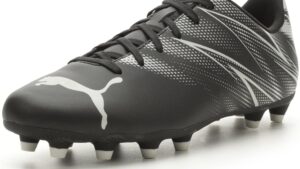
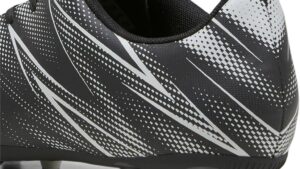
Football Shoes
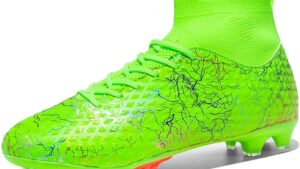
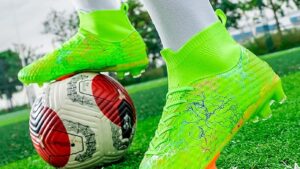
Football Shoes
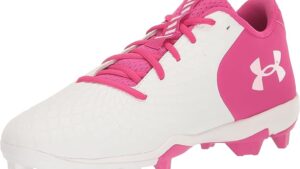
Football Shoes
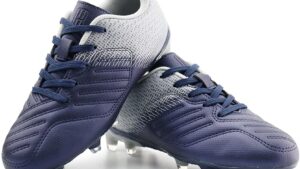
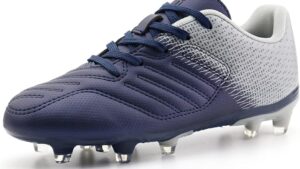
Football Shoes
Football Shoes
Reviews
There are no reviews yet.