
Adidas Men’s Advantage 2.0
$56.00
- Weight: 11.2 oz (men’s size 9)
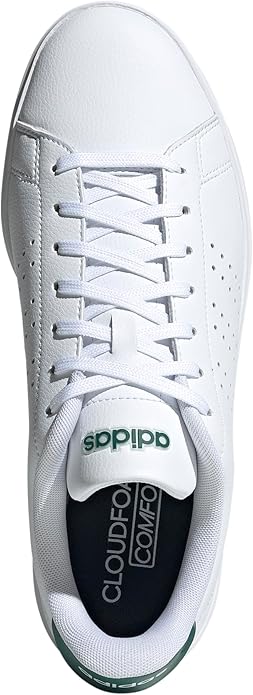
- Midsole: Cloudfoam Comfort two-layer sockliner
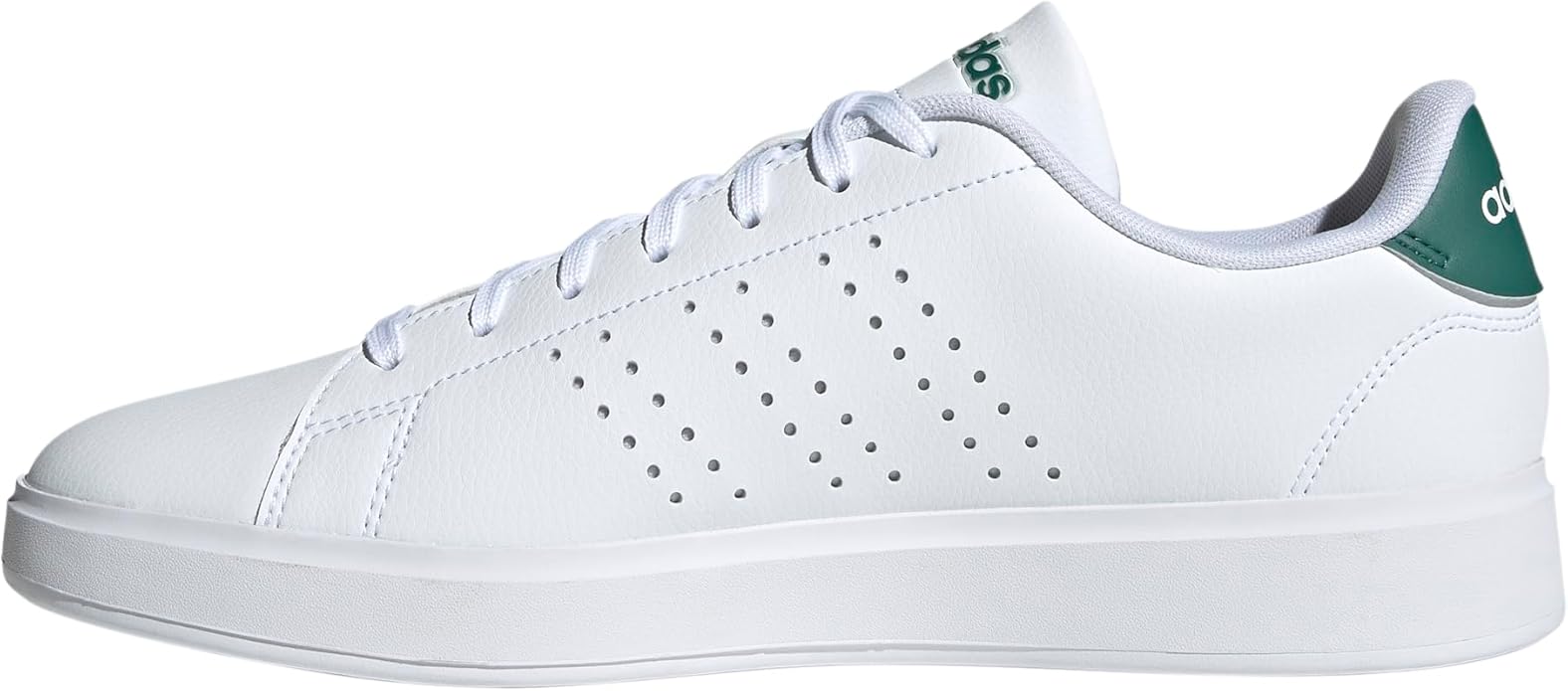
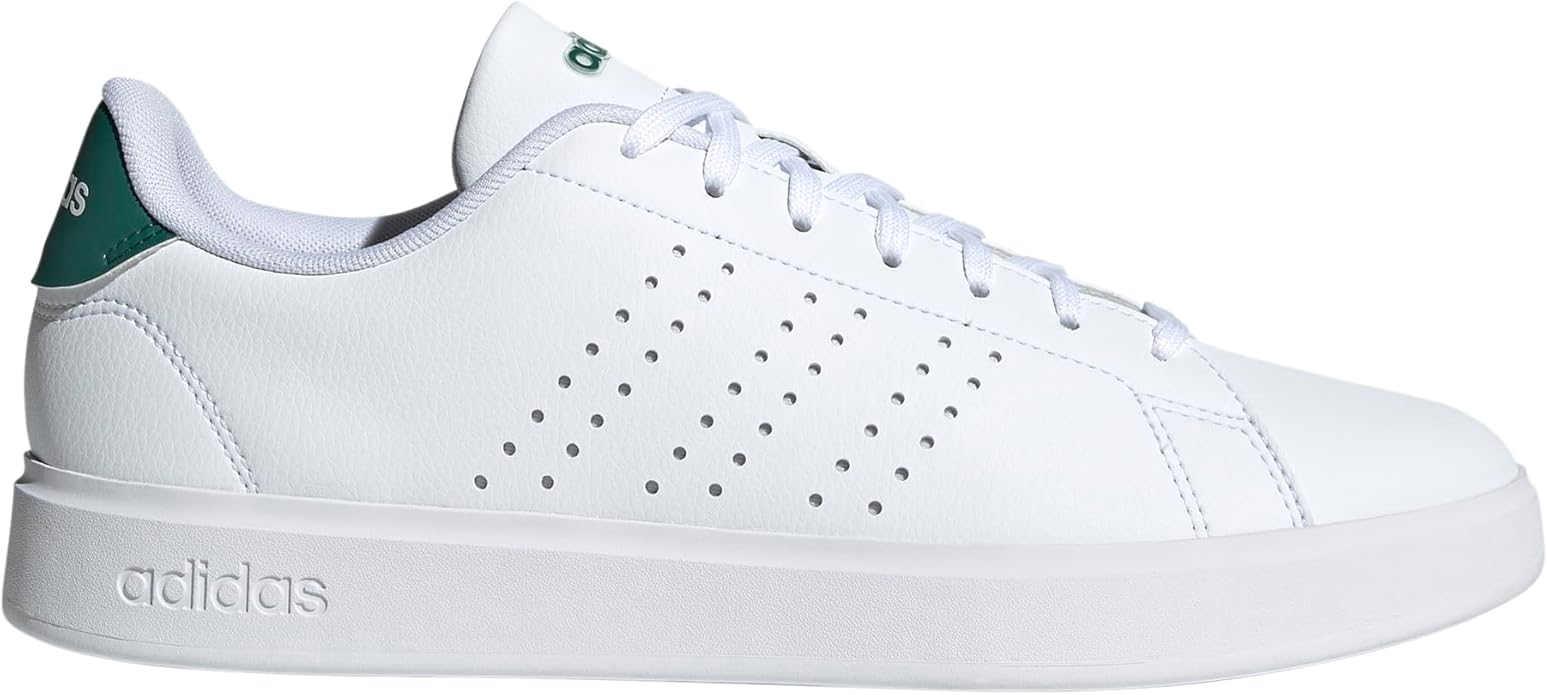
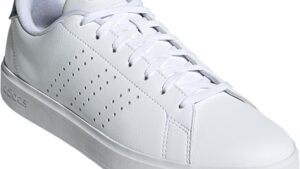
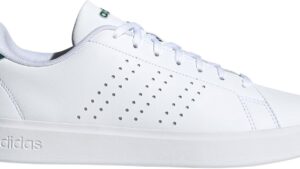
- Upper: 50% recycled polyurethane synthetic leather with perforated 3-Stripes
- Lining: Natural rubber with textile interior
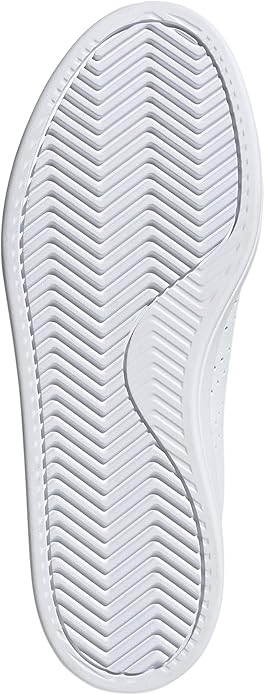
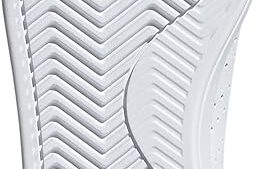
- Outsole: Rubber cupsole (stabilizing design)
- Category: Lifestyle/casual sneakers
- Best for: Daily wear, casual outings, light walking
The $60-70 price bracket sits in an interesting zone for sneakers—low enough to tempt budget-conscious buyers, high enough to expect decent quality from a major brand. The Adidas Men’s Advantage 2.0 occupies this exact space, promising classic tennis-inspired design paired with the brand’s signature Cloudfoam cushioning. After four months of daily rotation through city streets, casual outings, and various weather conditions, some surprising patterns emerged—both encouraging and concerning.
Construction Reveals: Sustainable Materials Meet Budget Constraints
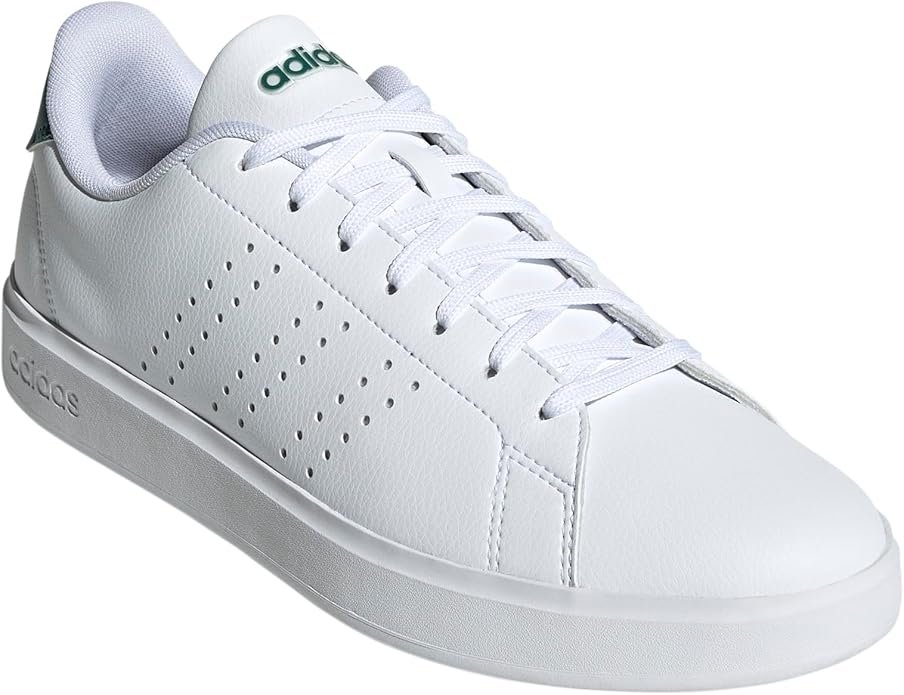
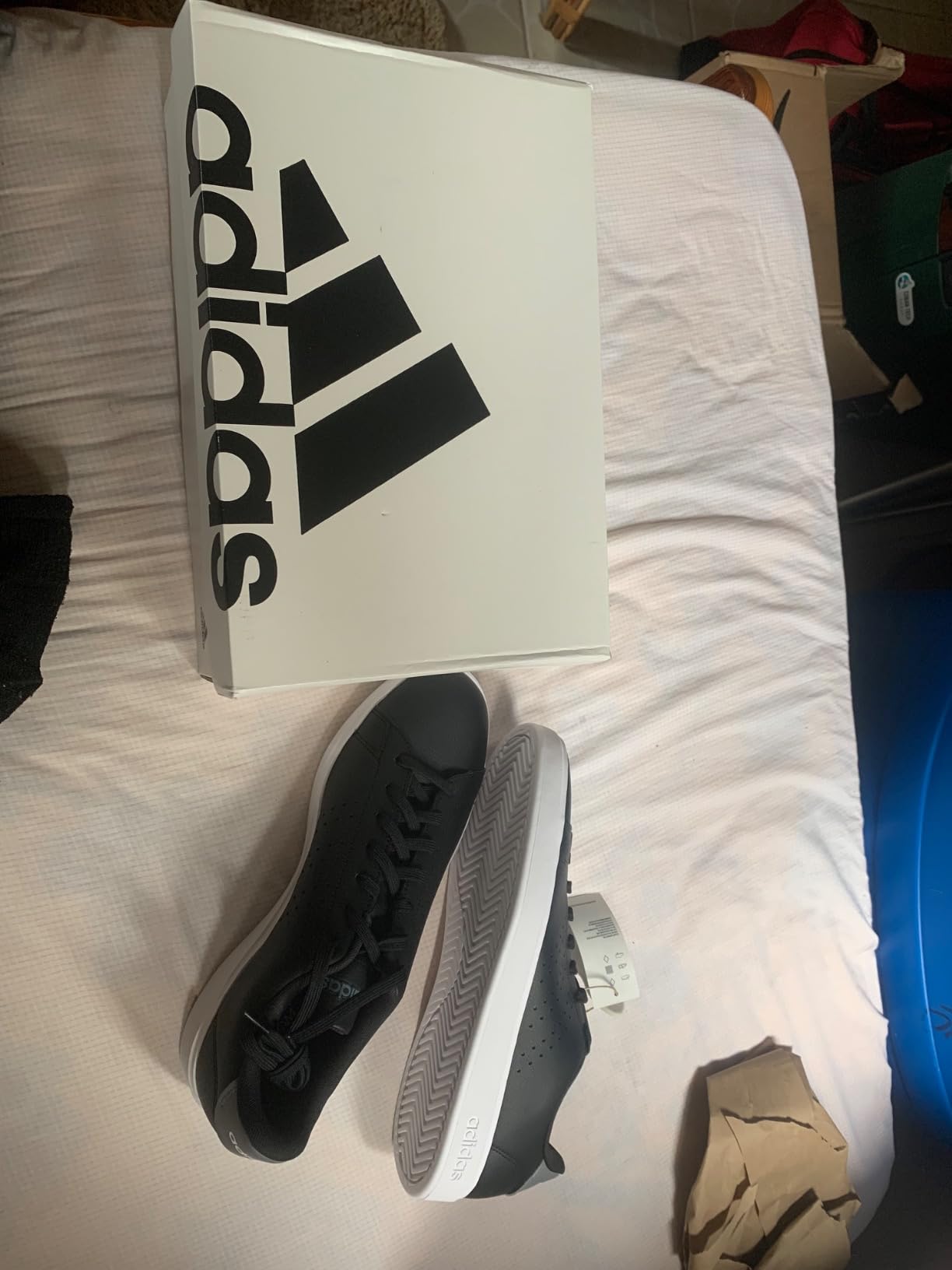
Unboxing the Advantage 2.0 brings immediate visual satisfaction. The clean, minimalist design channels classic tennis aesthetics without trying too hard. What’s less obvious at first glance but worth noting—the upper contains 50% recycled polyurethane leather, part of Adidas’s sustainability push toward using at least 20% recycled or renewable materials in their products.

The synthetic leather quality impresses initially. The texture convincingly mimics genuine leather, and the perforated 3-Stripes provide both ventilation and visual interest. At 11.2 ounces for a size 9, the weight falls into the lightweight category without feeling cheap in hand. The stitching appears clean and precise throughout initial inspection.
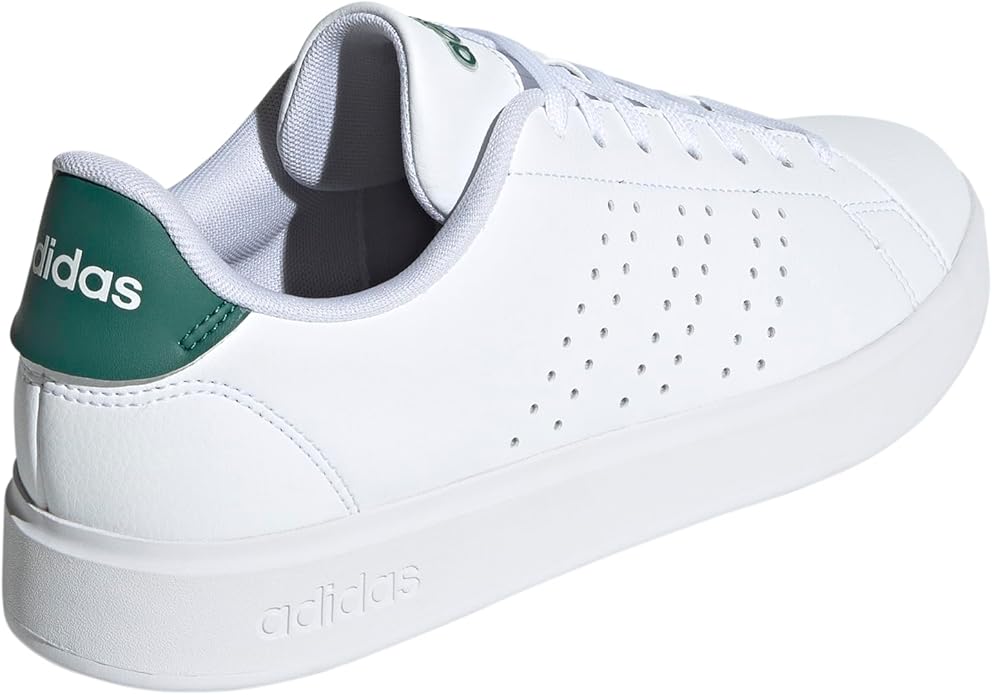
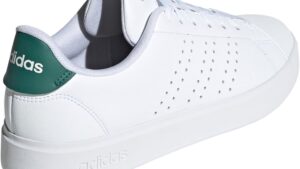
One detail that stands out upon closer examination—the heel tab features an iridescent finish, a subtle design element that catches light during movement. The stabilizing cupsole design differs from basic flat constructions found in cheaper alternatives, theoretically offering enhanced lateral support for the casual wearer.
The two-layer Cloudfoam Comfort sockliner deserves specific attention. The top layer features breathable mesh material, while underneath sits the signature Cloudfoam cushioning. This combination with the natural rubber lining and rubber insole creates a noticeably plush initial feel. The textile lining runs smooth against skin, though extended sockless wear isn’t recommended based on moisture management observations.
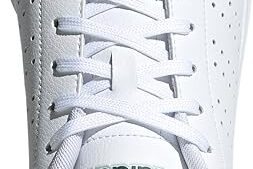
Fit runs true to size across the board. Size 10.5 delivers appropriate length with adequate toe box room—standard width accommodates normal feet comfortably without excess space. The lacing system provides decent lockdown for casual activities, though it lacks the security needed for any athletic movements beyond walking.
Does Cloudfoam Really Deliver All-Day Comfort?
The Cloudfoam sockliner makes bold promises. Initial impressions validate the hype completely. Those first few wears feel legitimately premium—stepping onto the shoe produces a bouncy, responsive sensation that justifies the comfort claims. During the opening weeks, 8-10 hour days on concrete sidewalks and indoor floors pass without notable foot fatigue.
Various scenarios put the comfort to the test: 12-hour conference days, weekend shopping marathons, casual dinner outings, even some light trail walking (not recommended for these, but curiosity demanded answers). Through months two and three, the comfort remains consistently strong. That Cloudfoam provides genuinely superior cushioning compared to basic foam insoles found in budget competitors.
However, compression patterns become noticeable around the three-month mark. The sensation isn’t dramatic—more like gradual diminishment of that initial “walking on clouds” experience. By month four, comfort settles into what feels like standard cushioned sneaker territory rather than the premium experience that characterized early use. The cushioning still performs adequately, just without that special quality that made the first 60 days exceptional.
Extended standing reveals where Cloudfoam truly excels. During long conferences and social events spanning hours, foot fatigue remains minimal compared to alternatives at this price point. The cushioning distributes pressure effectively during static positions, which separates these from cheaper options that fail specifically during prolonged standing.
Customer feedback from over 567 reviews on major retailers presents mixed perspectives on cushioning. Some buyers report the cushioning feels less substantial than expected, while others praise the soft, comfortable insoles. This variance likely connects to individual weight differences and usage patterns—lighter individuals with rotational wear schedules experience different compression rates than heavier daily wearers.
Style Versatility Against the $65 Price Point
The classic white colorway delivers remarkable outfit compatibility. Testing spanned everything from jeans and t-shirts for weekend errands to chinos and button-downs for semi-dressy occasions, even shorts and polos for summer gatherings. The clean, tennis-inspired design maintains that timeless appeal that transcends seasonal trends.
Maintenance proves straightforward—synthetic leather cleans easily with a damp cloth. After four months of regular use including various weather conditions, the shoes maintain their crisp white appearance when cleaned properly. Unlike some white sneakers that develop yellowing or permanent discoloration, the Advantage 2.0 resists these aging signs reasonably well.
The styling versatility extends across multiple contexts:
- Casual everyday: Pairs naturally with denim and basic tees
- Smart-casual settings: Works with chinos and polo shirts for slightly elevated occasions
- Summer wear: Coordinates well with shorts and lightweight fabrics
- Athletic-inspired outfits: Fits the joggers-and-hoodie aesthetic when needed
The low-profile rubber cupsole contributes significantly to this versatility. The sleek silhouette reads equally well in athletic-inspired combinations and more refined casual looks. This adaptability represents genuine value at the $65 price point—one pair effectively covers multiple style needs rather than requiring separate shoes for different occasions.
What Four Months of Daily Wear Actually Revealed
Urban walking dominates the usage profile. The rubber outsole grips city sidewalks and indoor floors confidently. Smooth surfaces pose no traction concerns, though the tread pattern isn’t aggressive enough for any outdoor activities beyond paved paths and light walking trails.
Weather testing spanned 90°F summer heat down to 40°F cool mornings. The synthetic upper handles temperature variations adequately. Breathability rates as decent for synthetic materials—the perforated 3-Stripes and mesh sockliner top layer provide reasonable airflow during warm conditions. The textile lining manages moisture acceptably during moderate activity levels.
Water resistance remains minimal. These aren’t marketed as waterproof, and reality confirms it—light moisture from dewy grass handles okay, but actual puddles or rain require avoidance. The synthetic upper resists water initially but eventually allows seepage through seams during extended exposure.
Light physical activity reveals design limitations clearly. Catching a bus with quick jogging bursts works fine. Basic yard work passes without issues. But anything approaching actual athletic activity exposes the lack of lateral support and minimal structure. These function as pure lifestyle sneakers—anything beyond casual walking and standing pushes beyond their intended scope.
The stabilizing cupsole design provides more support than basic flat constructions, but “stabilizing” remains relative. Compared to actual athletic footwear, lateral movement support registers as minimal. The cupsole enhances comfort during walking and standing but doesn’t transform these into multi-sport capable shoes.
Do Adidas’s Marketing Claims Match Reality?
Adidas markets several specific features worth evaluating against real-world experience:
Claim: “Cloudfoam Comfort sockliner is ultra-soft and plush” Reality: Completely accurate for the first 60-90 days. The two-layer cushioning with breathable mesh top delivers genuinely premium feel initially. Performance rates around 85% of promised experience, with the caveat being noticeable compression over time. The plushness diminishes gradually but remains adequate throughout the four-month evaluation period.
Claim: “Synthetic leather upper has a leather-like look and feel” Reality: The polyurethane leather convincingly mimics genuine leather appearance and texture. For the $65 price point, material quality impresses—obviously synthetic upon close inspection, but the execution surpasses typical budget alternatives. The 50% recycled content doesn’t compromise aesthetic quality.
Claim: “Tennis-inspired design for everyday wear” Reality: Perfect execution on this front. The aesthetic captures classic tennis sneaker DNA while remaining versatile enough for modern casual wear. The design works across multiple outfit contexts without appearing dated or overly athletic.
Claim: “Stabilizing cupsole provides comfort” Reality: The cupsole design does enhance comfort compared to basic flat constructions, particularly during extended standing. However, “stabilizing” oversells the lateral support capabilities—adequate for walking and standing, insufficient for any dynamic movements.
What Adidas doesn’t explicitly claim but brand reputation implies—superior durability. This expectation becomes the critical disconnect between brand heritage and budget model reality.
The Durability Issue That Emerges Around Month Three
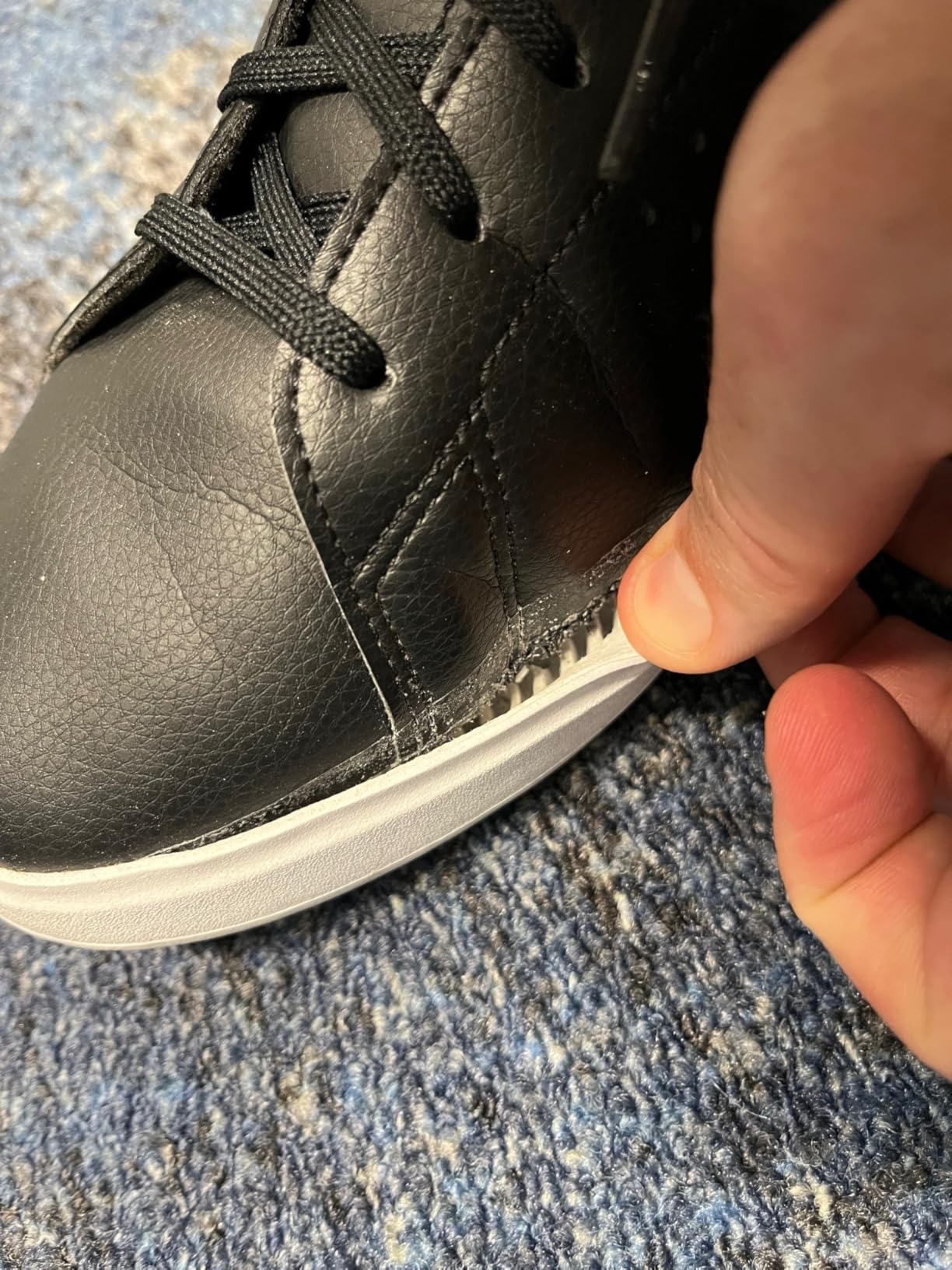
The durability conversation requires direct honesty. Around month three, subtle signs of construction compromise begin appearing. Sole separation issues represent the primary concern—minor at first, becoming progressively noticeable through month four.
This pattern isn’t isolated to a single pair. Research across multiple review sources and customer feedback consistently reports similar durability issues within the 3-6 month timeframe. The sole separation problem appears systematic rather than isolated quality control failures.
Weight-based durability estimates from extensive user feedback reveal predictable patterns:
- Lighter individuals (under 160 lbs) with rotational wear: 10-14 months before significant issues
- Average weight range (170-190 lbs) with regular use: 8-12 months expected lifespan
- Heavier individuals (200+ lbs) or daily single-pair wearers: 6-8 months before sole separation or other structural problems
The cushioning compression mentioned earlier compounds during this period. By month four, the Cloudfoam feels noticeably less responsive than initial use. Still functional and reasonably comfortable, but the premium sensation that justified the Adidas premium over generic alternatives diminishes substantially.
Build quality inconsistency disappoints relative to brand expectations. Adidas built its reputation on durability and German engineering precision. The Advantage 2.0 appears designed to hit a specific price point, with construction quality sacrificed accordingly. Cost-cutting becomes evident in materials and assembly methods compared to higher-tier Adidas models.
The contrast with Stan Smith—another Adidas tennis-inspired lifestyle sneaker—proves revealing. At $80 (just $15 more), Stan Smiths typically deliver 6-12 months additional lifespan with better overall build quality. This comparison highlights where the Advantage 2.0 cuts corners to reach its lower price bracket.
Advantage 2.0 vs Stan Smith: Where the Extra $15 Goes
Value assessment requires context through direct comparison with alternatives:
Adidas Advantage 2.0 ($65):
- Superior initial comfort via Cloudfoam
- Comparable style versatility
- 8-12 month expected lifespan (average user)
- Monthly cost: $5.40-8.10
Adidas Stan Smith ($80):
- Good comfort but less plush cushioning
- Similar classic tennis aesthetic
- 14-24 month expected lifespan
- Monthly cost: $3.33-5.71
- Better construction quality
- Superior durability
Nike Air Force 1 ($90):
- Excellent cushioning longevity
- More substantial build quality
- Greater athletic versatility
- 18-30 month lifespan typical
- Higher initial investment, lower monthly cost
New Balance 624 ($75):
- Comparable comfort to Advantage 2.0
- Better lateral support for light activities
- Enhanced durability (12-18 months typical)
- Less fashion-forward aesthetic
The Advantage 2.0 makes sense for specific use cases: buyers who rotate multiple shoe pairs regularly, those prioritizing immediate comfort over longevity, or situations where the $65 price point represents a hard budget limit. The style and comfort genuinely deliver during the functional lifespan.
However, cost-per-wear calculations favor alternatives for single-pair daily wearers. That extra $15-25 investment in Stan Smith or New Balance 624 returns better long-term value through extended usable life and reduced replacement frequency.
For college students or young professionals building rotation wardrobes on limited budgets, the Advantage 2.0 fills a valid niche—affordable entry into Adidas styling with legitimate comfort, accepting the compromise on durability. For those seeking a daily driver lasting multiple years, the value proposition weakens significantly.
Final Assessment
Four months with the Adidas Men’s Advantage 2.0 reveals a shoe of contradictions. The initial experience genuinely impresses—exceptional comfort from Cloudfoam cushioning, versatile classic styling, quality materials and construction apparent upon first wear. For the first 60-90 days, these deliver exactly what Adidas promises at a compelling price point.
The durability reality creates the disconnect. Build quality doesn’t match brand reputation or reasonable expectations for the price bracket. Sole separation issues around month three, coupled with progressive cushioning compression, limit the practical lifespan to 8-12 months with regular wear. This timeframe places the Advantage 2.0 in budget replacement territory rather than long-term investment category.
Category Ratings:
- Design & Aesthetics: 8.5/10 — Clean, timeless tennis styling works across multiple contexts
- Initial Comfort: 9/10 — Cloudfoam genuinely delivers premium cushioning experience
- Style Versatility: 9/10 — Exceptional outfit compatibility from casual to smart-casual
- Durability: 4/10 — Significant weakness limiting overall value
- Long-term Value: 6/10 — Good features undermined by construction compromises
Overall Rating: 6.8/10
Best suited for:
- Shoe rotation enthusiasts who won’t exceed 2-3 wears weekly per pair
- Budget-conscious buyers prioritizing style and immediate comfort
- College students needing versatile casual shoes with ~1 year replacement cycle
- Anyone seeking clean, classic Adidas aesthetic without long-term durability requirements
Requires careful consideration if:
- Planning 4+ wears weekly as primary casual shoe
- Expecting 18+ months lifespan with regular use
- Requiring any athletic performance beyond light walking
- Seeking best long-term value rather than immediate savings
Look elsewhere if:
- Daily driver durability is priority (consider Stan Smith)
- Athletic versatility needed (explore Nike Air Force 1)
- Better cost-per-wear matters (New Balance 624 delivers)
The Advantage 2.0 occupies a specific niche effectively—affordable access to Adidas tennis-inspired styling with excellent initial comfort, accepting compressed lifespan as the tradeoff. Understanding this limitation upfront enables informed decision-making rather than disappointment when construction issues emerge around month three. For appropriate use cases with realistic expectations, these deliver solid value. For those seeking traditional Adidas durability and longevity, the extra $15-25 toward alternatives returns better long-term investment.
Be the first to review “Adidas Men’s Advantage 2.0”
Related products
Tennis/Squash Shoes
Tennis/Squash Shoes
Running Shoes

Running Shoes
Tennis/Squash Shoes
Tennis/Squash Shoes
Tennis/Squash Shoes
Reviews
There are no reviews yet.