
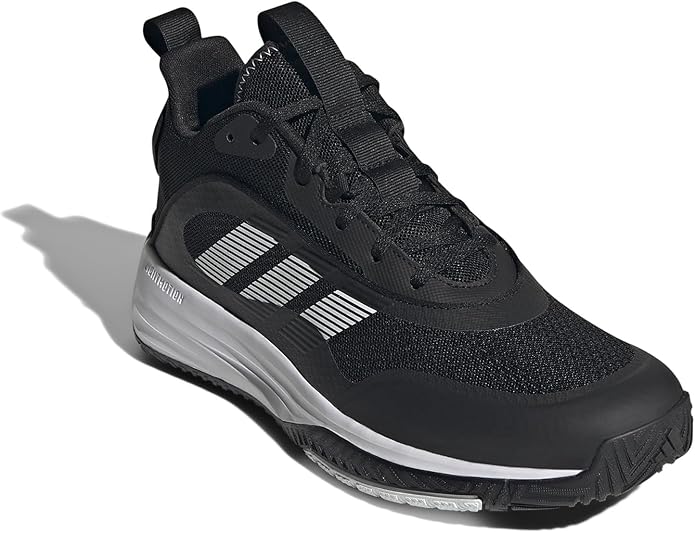
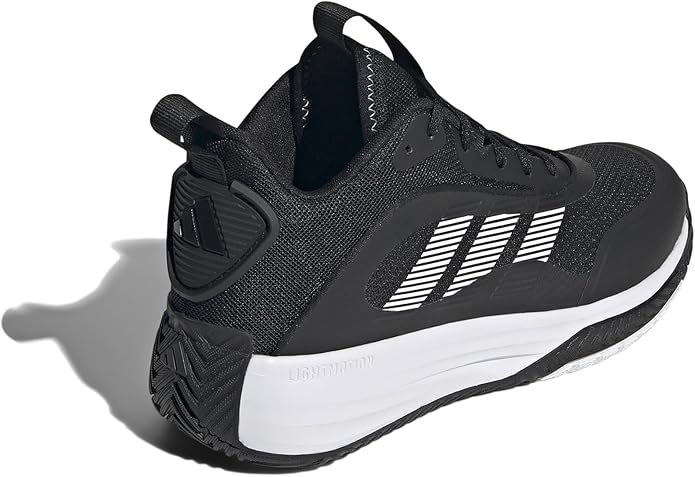
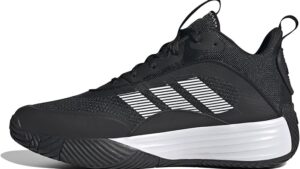
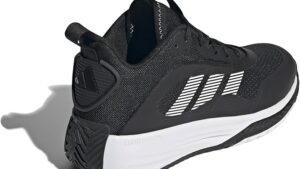
Can a $60 basketball shoe deliver legitimate court performance without cutting corners where it matters? The adidas Own The Game 3.0 enters the budget basketball market with some bold promises about lightweight cushioning and durability. After 6 weeks of regular court sessions—24 games totaling 48 hours of play—the real-world performance tells a more nuanced story than the marketing claims suggest.

Out of the Box: A Straightforward Basketball Design
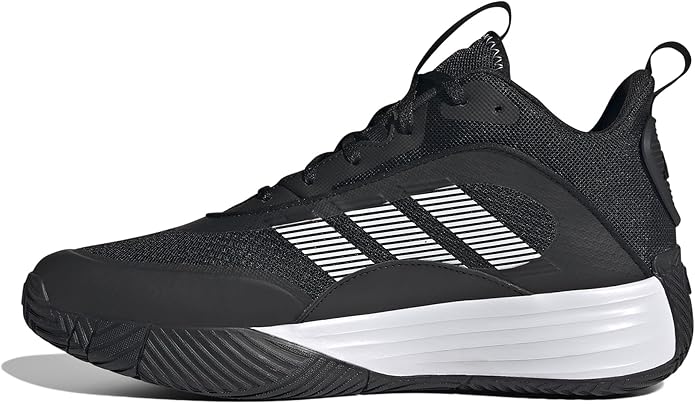
The Own The Game 3.0 presents itself as a no-nonsense court shoe from the moment the box opens. The mesh upper delivers noticeably better breathability than expected at this price point—air circulation remains steady even during intense fourth-quarter play. During the first pickup game session, feet stayed cool despite sustained activity, a pleasant surprise for a budget option.
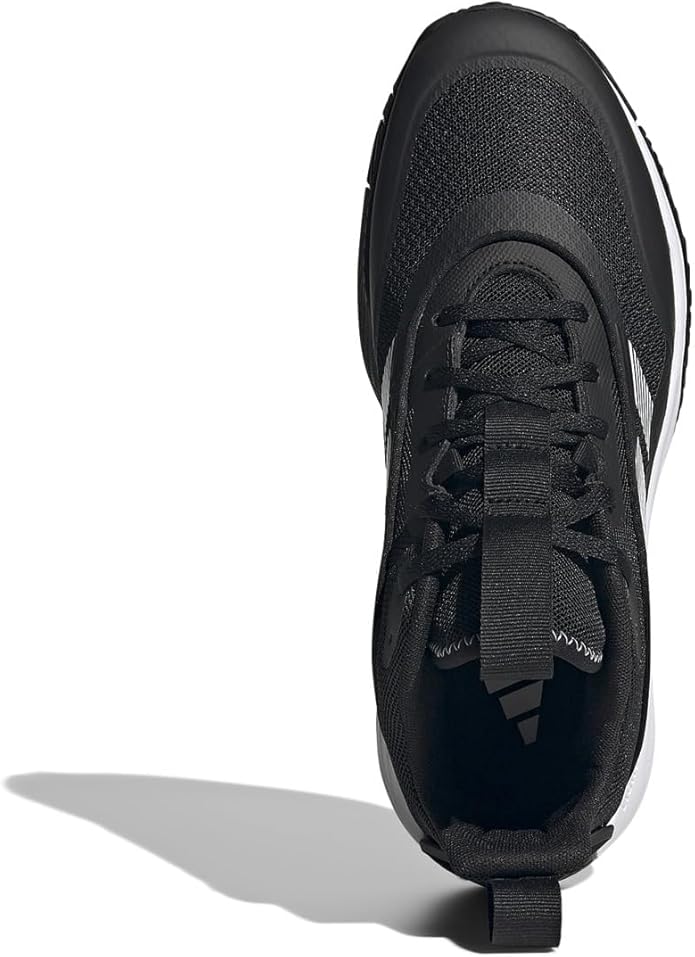
The synthetic overlays provide structural support without adding bulk, though they clearly represent cost-cutting compared to the premium leather found on $150+ models. The lacing system handles lockdown duties adequately for a 180-lb frame, though heavier players may find the containment insufficient for aggressive movements. One notable positive: the tongue stays positioned during lateral movements, eliminating a common frustration with budget basketball shoes.

After 48 Hours on Court: Performance Reality Check
The LIGHTMOTION midsole technology operates in the “adequate” range rather than the “impressive” category. Fast breaks reveal decent energy return without mushiness, placing the cushioning somewhere between basic and responsive. At 180 lbs with a history of knee sensitivity, the impact protection proved sufficient for 2-hour recreational sessions. The cushioning handles casual basketball well but shows limitations during serious jumping drills or aggressive rebounding.
After extended play, knees remained comfortable—a meaningful indicator of adequate shock absorption. However, the protection ceiling becomes apparent quickly. Players engaging in intensive jumping training or those carrying 200+ lbs will likely find the cushioning insufficient for their needs.
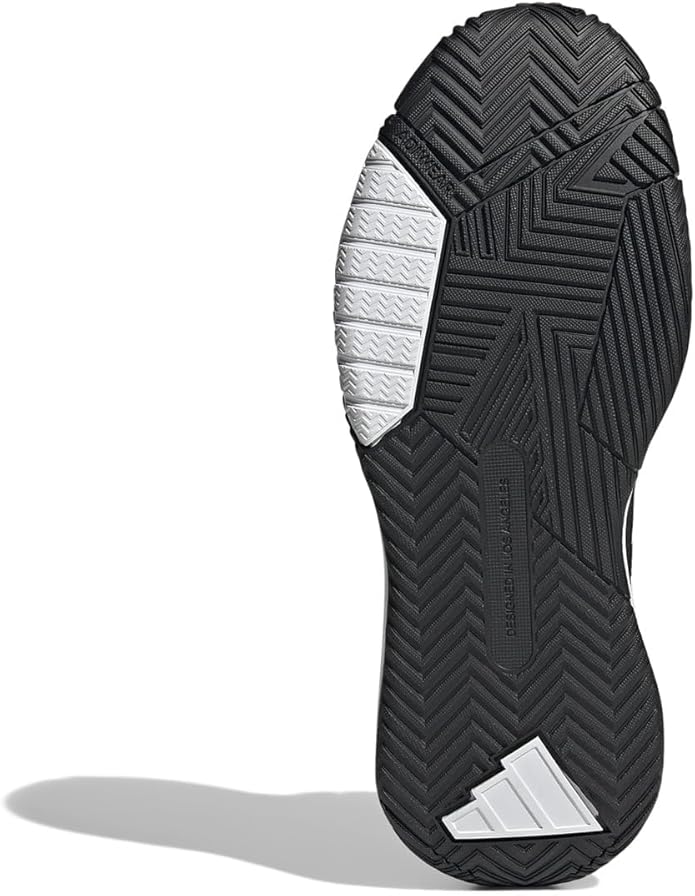
The Adiwear outsole delivers genuinely impressive traction performance. During baseline drives and defensive slides, the grip pattern provides solid bite on both indoor hardwood and outdoor blacktop. The traction never catches on dusty courts while maintaining reliable grip during quick crossovers—a balance that budget shoes often struggle to achieve.
How Does the Rubberized Heel Construction Actually Perform?
The heel stability system requires patience. Initial wear reveals noticeable stiffness around the ankle area, creating some discomfort during the first week of play. After 5-6 sessions totaling approximately 10-12 hours of court time, the support structure softens to a comfortable level while maintaining stability.
For perimeter-focused playing styles with occasional drives, the ankle support exceeds baseline requirements. The rubberized heel clip—a feature adidas prominently advertises—does provide measurable stability during lateral movements. However, players who rely heavily on explosive cuts and aggressive defensive slides may want more substantial containment than this design offers.
Outdoor Blacktop Reality: Where Durability Concerns Emerge
Hot summer afternoons at 90°F+ on concrete courts revealed the construction limitations quickly. While traction remained solid across 8 outdoor sessions, outsole wear accelerated noticeably compared to indoor-only use. The mesh upper handled heat effectively, but the overall build quality isn’t engineered for daily outdoor abuse.
Indoor hardwood courts clearly represent this shoe’s natural habitat. Evening league games showed the Own The Game 3.0 at its best—consistent traction, responsive court feel, and excellent temperature control during 2-hour sessions. Feet never overheated, and performance remained stable throughout extended play.
The durability equation shifts significantly based on playing surface. Indoor-only wear should deliver 8-12 months of life for recreational players (2-3 sessions weekly). Daily outdoor use cuts that timeframe by 30-40%, bringing expected lifespan down to 4-6 months. Light players under 160 lbs can push toward the upper end of these estimates, while heavier players (200+ lbs) or those playing 4+ times weekly should expect performance degradation closer to the lower bounds.

$60 Against the Competition: Nike Precision 7 and Under Armour Lockdown 7
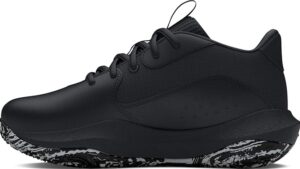
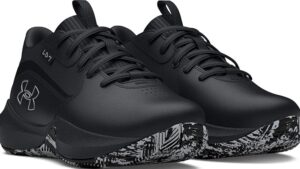
At $60, the Own The Game 3.0 sits in direct competition with Nike’s Precision 7 ($80) and Under Armour’s Lockdown 7 ($70). The adidas offering delivers similar court performance at $10-20 less, with superior breathability compared to both competitors. Nike edges ahead slightly in overall durability, particularly for outdoor use, but the price difference narrows that advantage considerably.
The 2024 budget basketball rankings place this shoe at #10 among options under $100, with the Nike Giannis Immortality 4 taking top honors when found on sale around $60. However, the Immortality 4’s availability at that price point remains inconsistent. For consistent value at the $60 price point, the Own The Game 3.0 competes effectively.
Breaking down the cost-per-session calculation: $60 divided by an estimated 200-session lifespan equals $0.30 per game. This represents solid value for recreational players who prioritize reliable court performance without premium pricing.
What About the Narrow Toe Box Complaint?
The narrow toe box represents the most consistent criticism across user experiences. Around mile marker 90 minutes of continuous play, the constriction becomes noticeable. Players with normal-width feet should strongly consider ordering a half size up. Those with legitimately wide feet need a full size increase to avoid discomfort.
The fit challenge extends beyond simple width. The toe box design creates a tapered feel that becomes more pronounced during extended sessions. For typical 60-90 minute games, comfort remains acceptable. Beyond that threshold, foot fatigue increases noticeably. This limitation alone eliminates many potential users from the target audience.
Compared to Nike’s fit, the Own The Game 3.0 runs slightly narrow but true to length. A size 10 in Nike Air Force 1s typically requires a size 10.5 in these shoes to achieve comparable comfort. Against other adidas basketball models, the sizing remains consistent.
Six Weeks In: What the Break-in Process Reveals
The break-in timeline follows a predictable pattern. Days 1-3 bring noticeable stiffness, particularly around the heel support structure. Days 4-7 show gradual softening as materials begin adapting to foot shape. By sessions 5-6, the ankle support settles into its final comfort level—supportive without restriction.
The mesh upper requires minimal break-in time, feeling comfortable almost immediately. Most adaptation occurs in the heel area, where the rubberized construction needs wear time to achieve optimal flexibility. After 10-12 hours of total court time, all comfort issues typically resolve.
One unexpected positive: the lightweight feel (14.2 oz for size 9) never creates the flimsy sensation that sometimes accompanies budget basketball shoes. The construction maintains structural integrity despite the low weight, avoiding the cheap feeling that plagues some competitors in this price range.

My Final Take
The adidas Own The Game 3.0 delivers straightforward budget basketball performance without pretending to be something it isn’t. At $60, the combination of reliable traction, adequate cushioning, and solid breathability covers the fundamentals for recreational players logging 2-3 sessions weekly. The shoe knows its target audience and serves them well.
However, the limitations prove equally clear. The narrow toe box eliminates many potential users unless they size up. The cushioning, while sufficient for casual play, lacks the premium feel needed for intensive training or heavy players. Durability concerns with outdoor use restrict the shoe’s versatility. For serious players spending 4+ hours weekly on court or those with specific fit requirements, the extra $20-40 for premium options becomes worthwhile.
Best practice recommendations: Order a half size up for normal-width feet, full size up for wide feet. Allow a full week of regular play for proper break-in. Prioritize indoor use to maximize lifespan. Consider rotating with another pair if playing frequently.
The Own The Game 3.0 works best for recreational basketball players with narrow to normal feet who want reliable court performance around the $60 price point. For that specific audience, it delivers solid value without major disappointments.
Be the first to review “adidas Men’s Own The Game 3.0”
Related products
Basketball Shoes

Hiking/Trekking Shoes
Tennis/Squash Shoes
Training Shoes
Tennis/Squash Shoes

Tennis/Squash Shoes
Basketball Shoes
Basketball Shoes
Reviews
There are no reviews yet.