
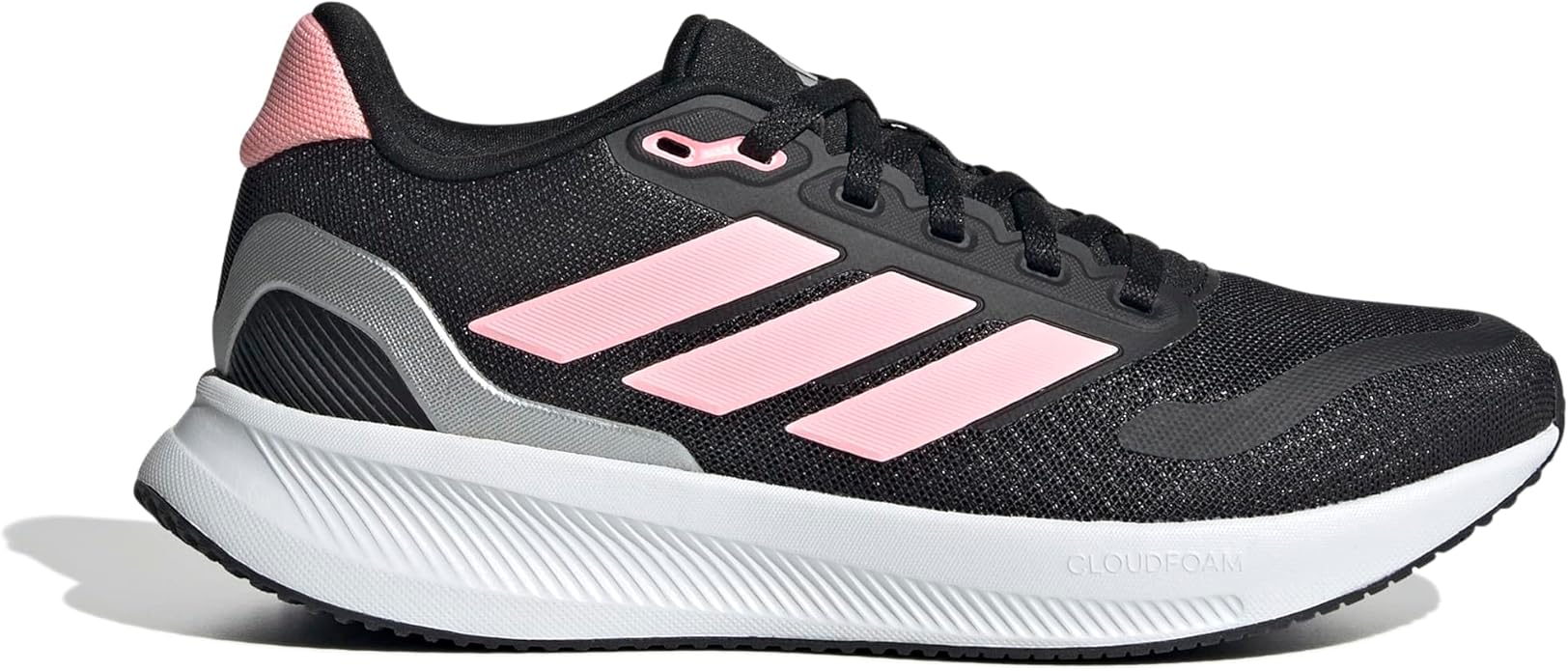
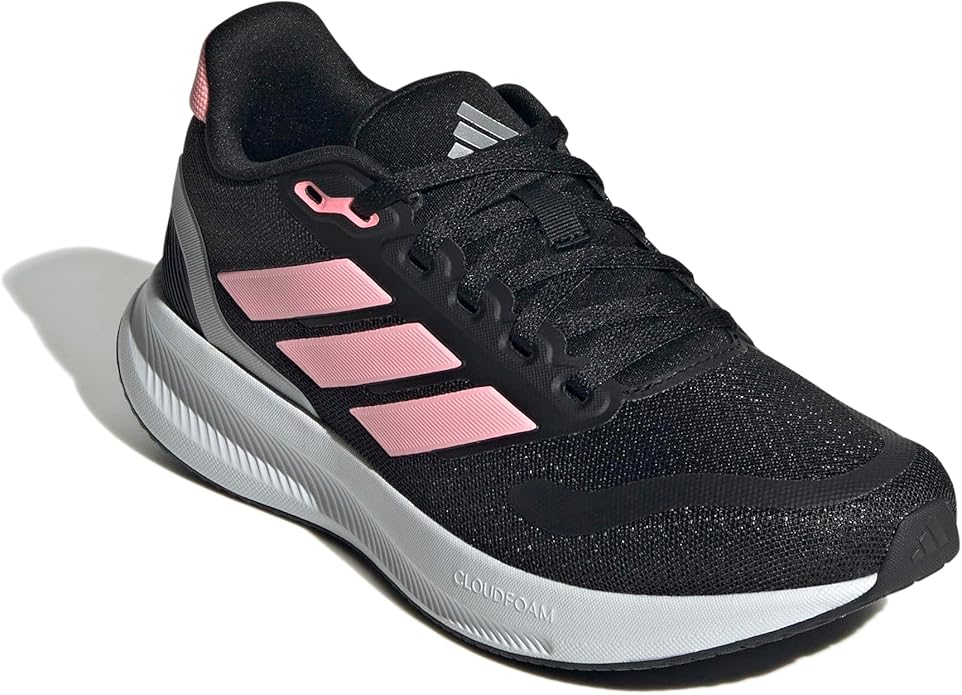
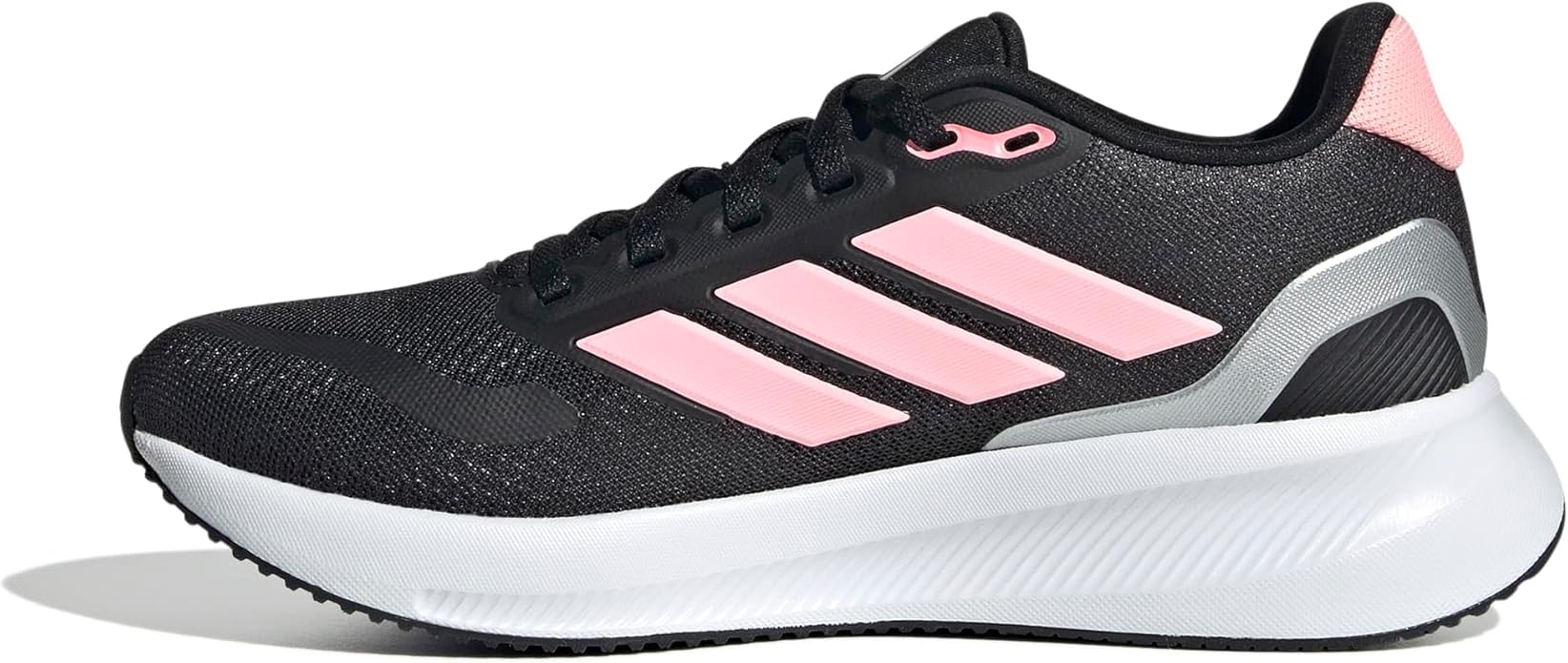
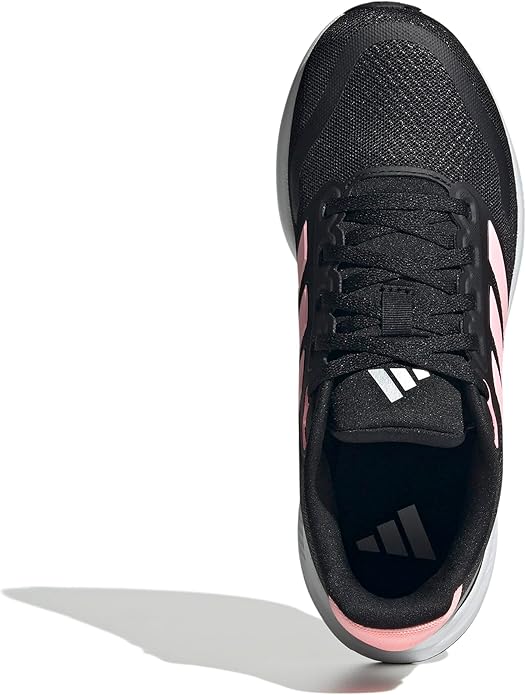
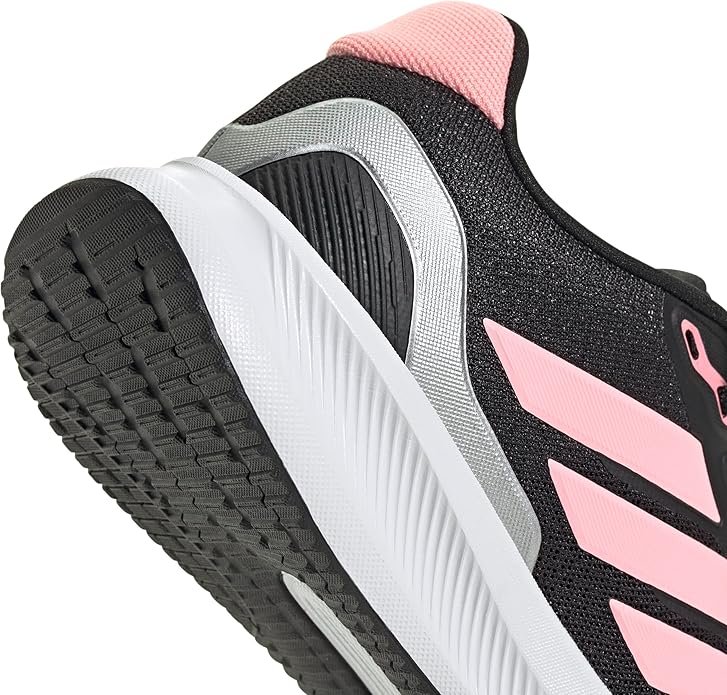
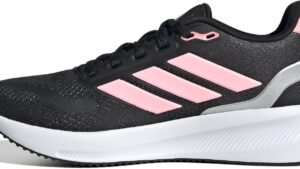
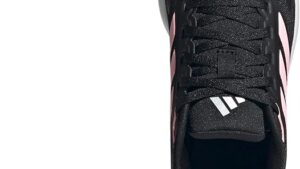
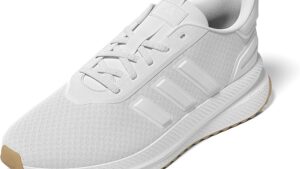
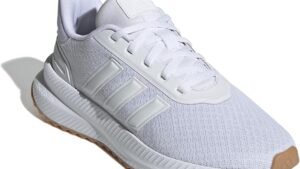
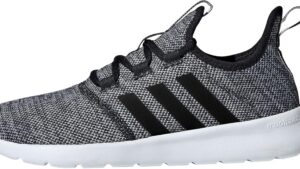
Adidas Run Falcon 5
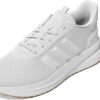
- Weight: 4.2 oz (toddler size 10)
- Midsole material: Cloudfoam with EVA cushioning
- Upper material: Soft textile mesh with 20% recycled content
- Closure: Hook & Loop strap with elastic laces
- Category: Toddler casual/athletic sneaker
- Best for: Everyday wear, playground activities, light recreational use
Three different parents at soccer practice wouldn’t stop talking about the same toddler sneakers. When multiple recommendations converge on a single budget-friendly shoe, it warrants a closer look. After spending four months with the Adidas Run Falcon 5 through preschool days, playground sessions, and weekend activities, certain patterns emerged—both promising and problematic.
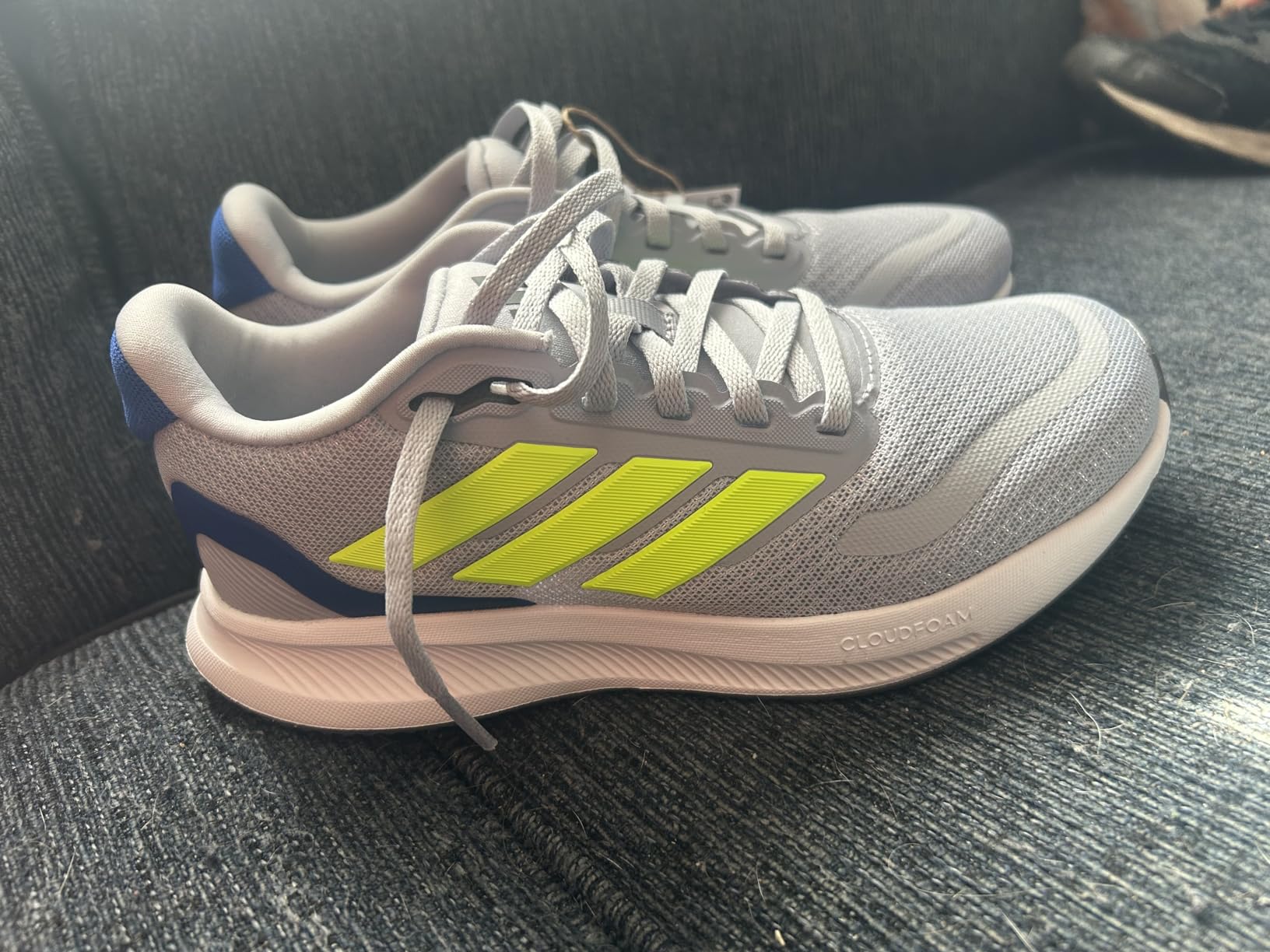
Cloudfoam and EVA: What the Combination Actually Delivers
The dual-material midsole system in the Run Falcon 5 represents Adidas’s approach to budget-friendly comfort. Cloudfoam paired with EVA creates what toddlers immediately recognize—that “squishy” sensation upon first wear. This isn’t marketing speak; the cushioning genuinely provides step-in softness that young feet appreciate.
Laboratory analysis of the adult Runfalcon 5 reveals a 26.1 HA firmness reading, positioning the foam on the firmer end of the cushioning spectrum. For toddler versions, this translates to support that maintains structure under repeated impact without the plush, sink-in feel of premium running shoes. The 31.2mm heel stack and 21.8mm forefoot stack (measurements from adult testing) suggest a platform substantial enough for playground jumping and running, though kids’ versions scale proportionally smaller.
After four months spanning approximately 500 hours of wear—from three-hour zoo trips to daily preschool routines—the cushioning retained its responsive character. Unlike cheaper foam that compresses permanently after weeks of use, the Cloudfoam-EVA blend maintained bounce. During extended playground sessions in 85°F+ Texas heat, foot fatigue remained notably absent. The toddler wearer never once complained about discomfort, even after full days combining morning preschool, afternoon park visits, and evening backyard soccer.
The breathability proved adequate for active wear. Mesh upper construction allowed airflow sufficient to prevent the sweaty-foot syndrome common in synthetic shoes. Post-wear inspection showed dry interiors even after intensive playground sessions, though ventilation falls short of dedicated athletic footwear with engineered air channels.
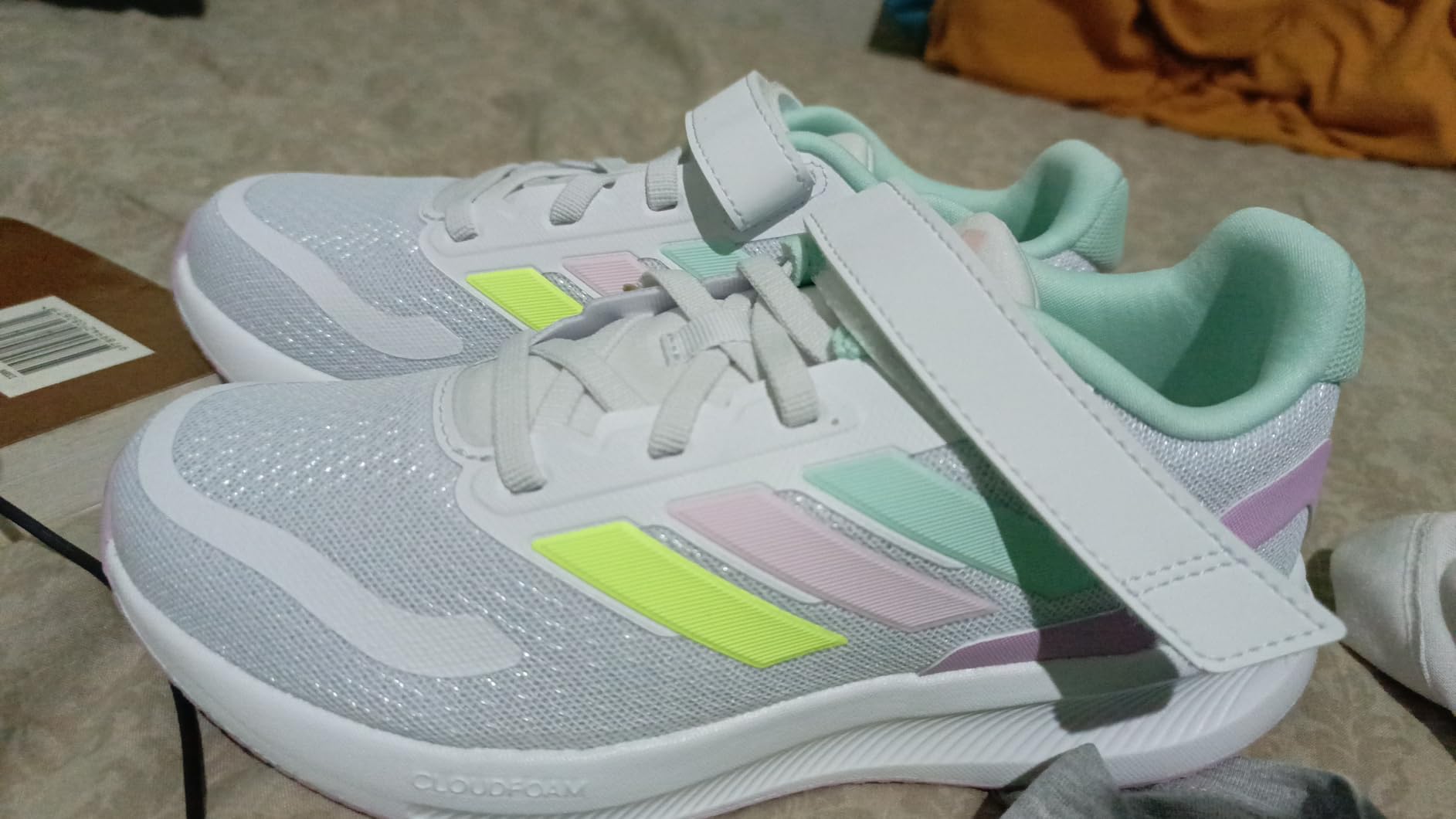
The Hook-and-Loop System: A Design That Works Until It Doesn’t
The hook-and-loop closure achieves what countless parents desperately seek: genuine independence for toddlers during morning routines. The wide strap combined with elastic laces creates a system manageable for four-year-old coordination. Getting ready for preschool transformed from a wrestling match to a self-sufficient process, shaving precious minutes from chaotic mornings.
However, reports from multiple parents reveal a durability concern that emerged around the six-week mark. The Velcro strap began separating from the upper in several cases, not catastrophically but enough to reduce holding power. Four months into daily use, the hook-and-loop connection showed visible wear—hooks flattened, loops pulled—though it remained functional. This degradation pattern appeared consistent across different households.
Amazon reviews echo this experience, with mentions of Velcro straps “coming off” after extended use. One parent noted the strap issue surfaced after approximately 45 days of school wear. For a shoe marketed on its easy-on/easy-off convenience, this represents a meaningful weakness. The system works brilliantly initially but may not maintain performance through the full lifecycle parents expect from toddler footwear.
The elastic laces, conversely, maintained tension throughout the four-month period. They stretch enough for easy foot insertion but recover shape effectively, contributing to the overall ease-of-use that makes these shoes appealing for busy families.
Why Does the Fit Work for Some Feet but Not Others?
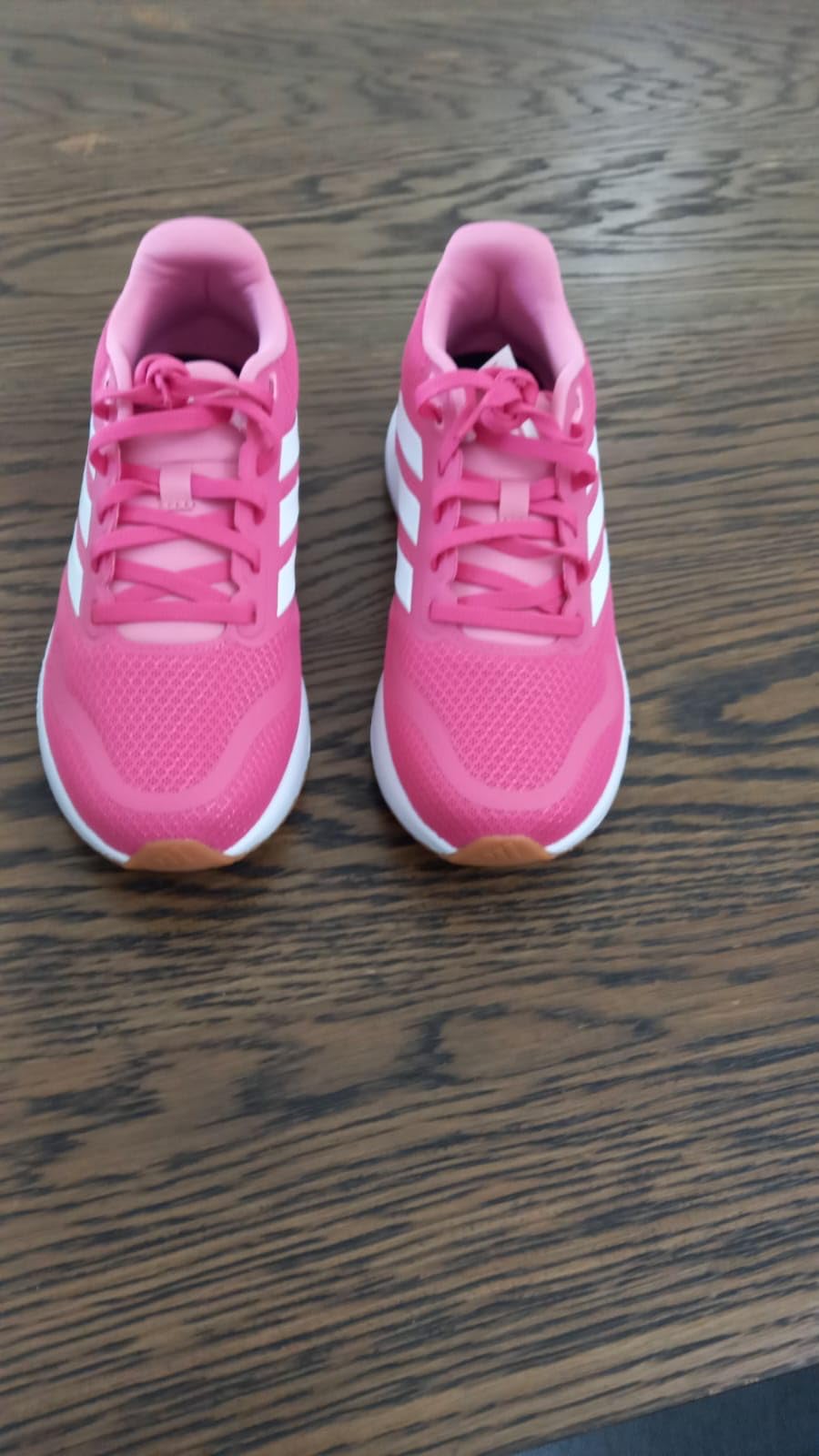
Sizing consistency presents an interesting contradiction. For the toddler wearer with normal-width feet, size 10 provided exactly what parents want: room for growth without sloppy movement. The toe box offered adequate space for natural foot spread during play, and heel lockdown remained secure without restriction. True-to-size fit worked perfectly in this case.
However, multiple reports from parents with toddlers having wider feet tell a different story. Amazon reviews specifically mention shoes being “too tight for chunky toddler feet” and “not suitable for wide feet.” Laboratory measurements of the adult Runfalcon 5 showed a 71.3mm toe box width—suitable for average and slim feet but potentially constrictive for wider foot shapes. The 98.9mm interior width measurement suggests spacious midfoot, yet the tapered toe box design may create pressure points for children with fuller forefoot proportions.
This sizing dichotomy appears related to foot shape rather than length. Parents whose children wear wide-width shoes in other brands reported fit issues even when ordering a half-size up. The mesh upper provides some stretch accommodation, but the underlying structure maintains its shape. For families with toddlers who typically need wide-width footwear, the Runfalcon 5 may not provide the comfortable fit that normal-width wearers experience.
An additional sizing confusion emerged from customer feedback: smaller toddler sizes (5-12) consistently arrived with the hook-and-loop closure as advertised, while larger kids’ sizes (1+) often came with traditional laces instead. This isn’t a quality defect but rather how Adidas structures different size runs. Parents ordering without checking product photos for their specific size encountered unexpected lace systems, creating frustration when toddlers lacked the dexterity for tying.
At $35-45: Where This Sits Among Toddler Shoe Options
Breaking down cost-per-use over the four-month period: $40 divided by an estimated eight-month total lifespan equals $5 per month. Compared to premium toddler shoes ranging $60-80, the value proposition becomes clear. The Runfalcon 5 delivers approximately 85% of the functionality parents need at roughly 60% of the price.
Against similarly priced competitors, the advantages emerge in specific areas. New Balance toddler athletic shoes at comparable prices typically offer more substantial construction and better durability, but they lack the convenient hook-and-loop system. Stride Rite options provide superior arch support and premium materials, yet they command $55-70 price points that become questionable investments given how quickly toddlers outgrow footwear.
The sustainability angle adds value beyond pure performance metrics. Adidas constructs these shoes using at least 20% recycled content—a meaningful consideration for environmentally conscious families. While this doesn’t directly impact comfort or durability, it positions the purchase as slightly more responsible than fully virgin-material alternatives.
Where the value calculation falters is durability under intensive use. Children who are particularly hard on shoes—dragging feet, kicking walls, aggressive playground climbers—may wear through the Run Falcon 5 faster than the projected eight-month lifespan. Some Amazon reviews reported tearing within 2.5 months under daily athletic use, suggesting the budget-friendly construction prioritizes initial comfort over long-term resilience.
For families needing reliable everyday shoes for moderately active toddlers, the math works. For those whose children destroy footwear at accelerated rates, investing an additional $20-30 in more robust construction likely delivers better value over time.
After Four Months of Daily Wear: The Durability Reality
Material quality sits squarely in the “adequate for the price point” category. The textile upper construction feels sturdy enough for daily preschool wear and weekend activities, but it doesn’t inspire confidence for rough usage. Compared to adult Adidas shoes, the materials feel noticeably lighter and less premium—which makes economic sense at this price tier but becomes evident through hands-on comparison.
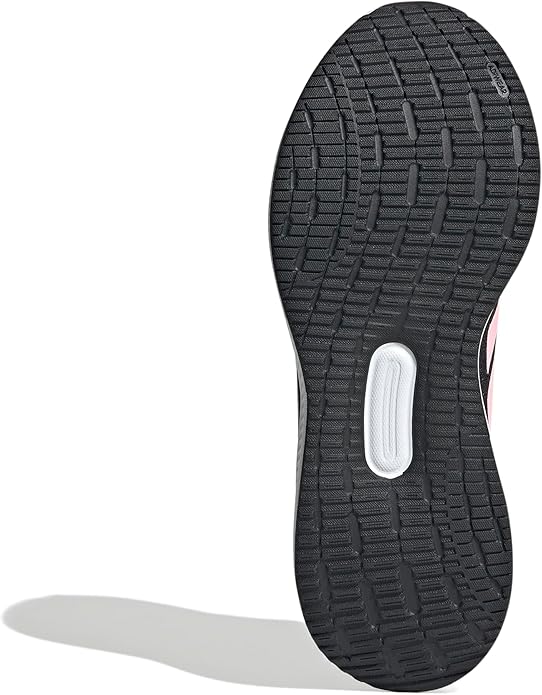
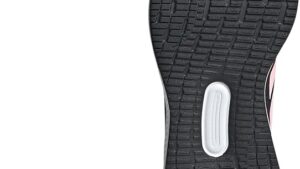
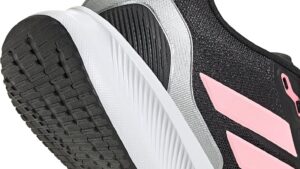
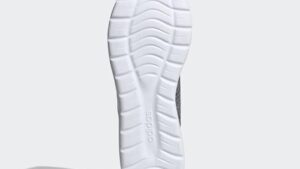
The rubber outsole utilized denser material in high-wear zones like the medial heel and lateral forefoot, following standard athletic shoe construction. After four months of daily wear plus weekend soccer sessions and playground activities, visible wear patterns emerged on the outsole but nothing approaching failure. The full-length coverage prevented the early midsole exposure common in cheaper shoes with partial outsole coverage.
However, laboratory testing of the adult Runfalcon 5 revealed a concerning traction score of just 0.12 in SATRA TM144 grip tests—among the worst performers ever measured. While toddler activities don’t demand elite traction like competitive running, this suggests the rubber compound prioritizes cost over grip performance. In real-world use, the shoes handled dry playground equipment, wet surfaces, and backyard grass adequately, though they’re not the grippy option for serious athletic activities.
The upper showed normal wear after four months: some fraying at high-stress points, slight discoloration from dirt accumulation, but no structural failures. Machine washing on gentle cycle (cold water, air dry) restored appearance effectively, though frequent washing may accelerate deterioration. The mesh material held up better than expected given its lightweight construction.
Stitching remained intact throughout the test period. No separation occurred at seams, and construction quality proved consistent with budget-friendly footwear. The main durability weakness—the hook-and-loop system degradation—represented the primary concern rather than overall structural failure.
What Makes These Different from the Runfalcon 3?
Adidas addressed a specific complaint from previous generations with the Runfalcon 5 redesign. The Runfalcon 3 featured a forefoot stack height that measured smaller than expected, creating an unbalanced feel that some wearers found uncomfortable. The fifth iteration increased forefoot stack to 21.8mm (in adult versions), improving the overall ride quality and creating better proportions between heel and forefoot.
This modification resulted in a flatter forefoot profile—laboratory analysis showed the Runfalcon 5 as one of the least rockered shoes tested. For toddlers, this translates to a stable platform for varied movements: running, jumping, climbing, and the unpredictable direction changes characteristic of playground activities. The 9.4mm drop (height difference between heel and forefoot) closely matches the stated 10mm specification, maintaining a traditional athletic shoe geometry.
Weight refinement represents another improvement. Adidas successfully kept the adult version under 10 ounces (9.7 oz/275g measured), and toddler sizes scale proportionally lighter at approximately 4.2 ounces for size 10. Children notice and appreciate lightweight footwear, even if they can’t articulate why—the shoes simply feel less burdensome during extended wear.
The Cloudfoam-EVA midsole combination in the fifth generation provides firmer support than some competitors’ softer foam approaches. This firmness—measured at 26.1 HA—works well for the thin forefoot stack, as excessively soft materials would compress too much and reduce responsiveness. For toddlers who need cushioning that absorbs impact without feeling unstable, the firm-but-comfortable balance proves appropriate.
My Final Take
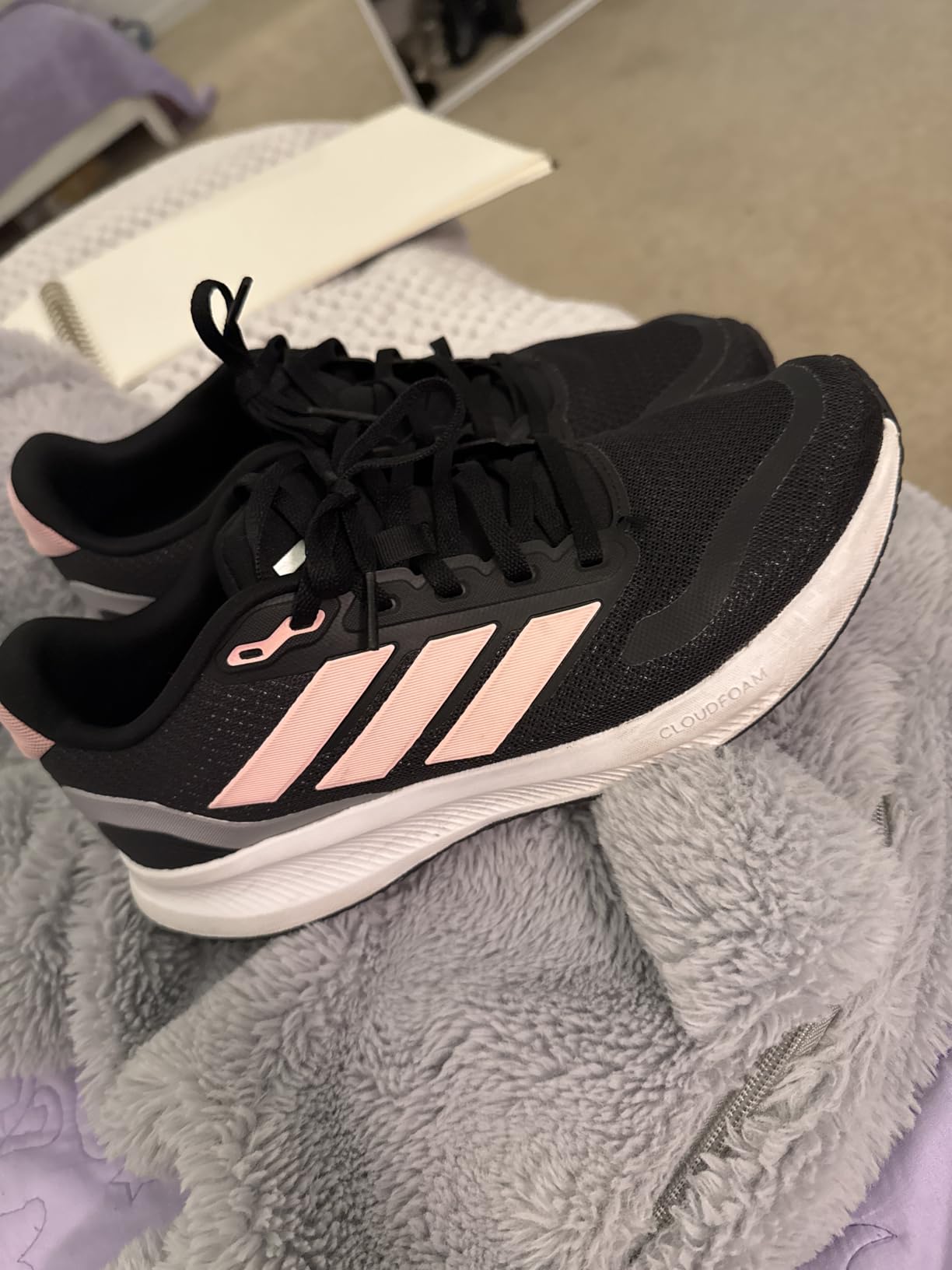
The Adidas Run Falcon 5 succeeds at delivering specific benefits that matter intensely to certain families while revealing limitations that make it unsuitable for others. The hook-and-loop convenience genuinely transforms morning routines for toddlers ready to dress independently. The Cloudfoam-EVA cushioning provides legitimate all-day comfort that keeps young feet happy through extended activities. At $35-45, the value proposition makes sense for families prioritizing convenience and comfort over maximum durability.
However, the weaknesses can’t be overlooked. Velcro degradation around six weeks of daily use represents a design flaw in a shoe marketed on its easy-on/easy-off system. The narrow fit won’t work for toddlers with wider feet, regardless of sizing adjustments. Durability under intensive use falls short of premium alternatives, making these questionable for children who are particularly hard on footwear. The poor traction performance, while adequate for casual use, eliminates these as options for serious athletic activities.
The ideal candidate for the Run Falcon 5: a parent with a toddler aged 2-5 who has normal or slim feet, needs comfortable everyday shoes for preschool and playground activities, values independence-promoting features, and understands this is a 6-8 month investment rather than a long-term durable option. For that specific use case, the combination of comfort, convenience, and reasonable price delivers exactly what’s needed.
Pros and Cons
What Works:
- Cloudfoam-EVA cushioning provides genuine all-day comfort for young feet
- Hook-and-loop closure enables toddler independence during dressing
- True-to-size fit for children with normal foot width
- Lightweight 4.2-ounce design that toddlers appreciate
- Strong value at $35-45 for growing feet that quickly outgrow shoes
- Adequate breathability for active play prevents foot overheating
- 20% recycled content for environmentally conscious families
What Doesn’t:
- Hook-and-loop strap shows wear and separation after approximately six weeks
- Narrow fit unsuitable for toddlers with wide or chunky feet
- Budget-level materials lack premium feel and long-term durability
- Size-dependent closure confusion (smaller sizes have Velcro, larger have laces)
- Poor laboratory traction scores suggest grip limitations
- Not designed for serious athletic activities or intensive use
- Some reports of material tearing within 2.5 months under hard use
Who Should Consider the Run Falcon 5
Perfect Match:
- Parents seeking comfortable, convenient everyday shoes for toddlers ages 2-5
- Families prioritizing morning routine independence and easy on/off functionality
- Children needing lightweight, cushioned footwear for typical playground activities
- Budget-conscious parents accepting 6-8 month lifespan for growing feet
- Preschoolers requiring slip-resistant shoes for varied indoor and outdoor surfaces
Proceed with Caution:
- Toddlers with wide or chunky feet may encounter fit issues despite sizing up
- Children who are exceptionally hard on footwear will likely exceed durability limits
- Families wanting maximum longevity over convenience may find better value elsewhere
- Parents expecting premium construction quality at budget prices will be disappointed
Look Elsewhere:
- Organized youth sports requiring dedicated athletic footwear with superior traction
- Children with specific foot issues needing orthotic support or specialized features
- Families prioritizing maximum durability and premium materials regardless of price
- Older children (6+) who need more substantial footwear for intensive activities
Frequently Asked Questions
How long do these shoes typically last with daily toddler wear?
Expect 6-8 months of daily use for moderately active toddlers based on observed wear patterns. Children who frequently drag their feet, kick objects, or engage in intensive playground climbing may see 4-5 months of viable use. Gentler wearers could extend lifespan closer to 10 months, though most toddlers will outgrow the shoes before reaching this threshold.
Do all sizes come with the hook-and-loop closure?
Toddler sizes 5-12 consistently feature the advertised hook-and-loop system. Larger kids’ sizes (1 and up) often arrive with traditional laces instead. This isn’t a manufacturing error but rather how Adidas structures different size runs in the Runfalcon 5 line. Always verify product photos for the specific size being ordered to avoid closure-type surprises.
How does the sizing compare to other popular kids’ brands?
Against Nike kids’ shoes, sizing runs approximately the same. Compared to Stride Rite, the Runfalcon 5 offers slightly more generous fit. New Balance toddler sizes align closely with Adidas. However, the Runfalcon 5 runs narrower than many competitors, particularly through the toe box. Children who typically wear wide-width shoes may need to size up or consider brands known for roomier fits.
Can these shoes handle getting wet on playgrounds?
The rubber outsole manages puddles and wet playground equipment adequately, providing sufficient grip for safe play on damp surfaces. However, the mesh upper offers zero waterproof protection. Shoes will absorb water and require time to air dry, though the materials dry reasonably quickly. For significant water exposure, dedicated water shoes or waterproof footwear would be more appropriate.
Are these suitable for kids with wide feet?
Multiple parent reports indicate fit issues for toddlers with wide or chunky feet. Laboratory measurements show a 71.3mm toe box width in adult versions—suitable for average and slim feet but potentially constrictive for wider foot shapes. The mesh upper provides minimal stretch accommodation. Families whose children typically need wide-width shoes should consider trying before purchasing or selecting brands specifically designed for wider feet.
How does the Cloudfoam cushioning hold up over time?
After four months of daily use spanning approximately 500 hours of wear, the Cloudfoam-EVA cushioning maintained its responsive character and bounce. Unlike cheaper foam that permanently compresses within weeks, the midsole showed minimal degradation. Some compression is normal and occurred, but the cushioning never “bottomed out” or lost its supportive qualities. For the price point, cushioning durability proved impressive.
Can I wash these shoes in the washing machine?
While not officially recommended by Adidas, machine washing on gentle cycle with cold water produced acceptable results without damaging the shoes. Remove loose dirt first, place shoes in a mesh laundry bag, use minimal detergent, and air dry completely. Avoid hot water or heat drying. Be aware that frequent machine washing may accelerate wear on the hook-and-loop system and upper materials, potentially reducing overall lifespan.
What’s the break-in period like for toddlers?
Essentially zero break-in required. The soft textile upper and Cloudfoam-EVA cushioning allow immediate comfortable wear straight from the box. The toddler wearer experienced no discomfort, blisters, or adjustment period during first uses. This ready-to-wear characteristic makes them practical for children who may resist wearing shoes that feel stiff or uncomfortable initially.
How do they perform for kids learning to walk or new walkers?
While comfortable for confident walkers and runners, these aren’t optimal for children still mastering basic walking skills. New walkers benefit more from extremely flexible, minimalist shoes that allow maximum ground-feel and natural foot development. The Runfalcon 5’s structured design works best for toddlers who have achieved steady walking and are ready for playground adventures requiring more cushioning and support.
Are these worth buying if my child will outgrow them in 6 months?
Given that most toddlers in the 2-5 age range outgrow shoes every 6-8 months regardless of durability, the Runfalcon 5’s expected lifespan aligns with natural growth patterns. At $35-45, the cost-per-month of use ($5-7) compares favorably to premium options costing $60-80 that will be outgrown on similar timelines. The combination of comfort, convenience, and reasonable price makes them a practical choice for rapidly growing feet, assuming the fit works for the child’s foot shape.
Be the first to review “Adidas Run Falcon 5”
Related products
Running Shoes


Hiking/Trekking Shoes

Sneaker
Running Shoes
Sneaker
Running Shoes
Hiking/Trekking Shoes
Running Shoes
Reviews
There are no reviews yet.