
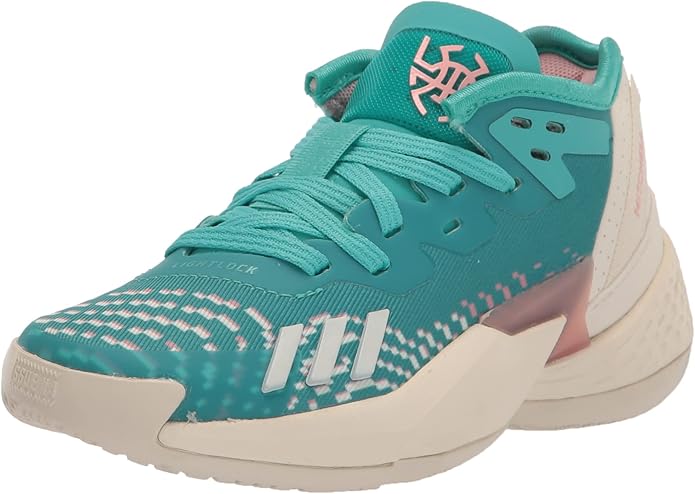
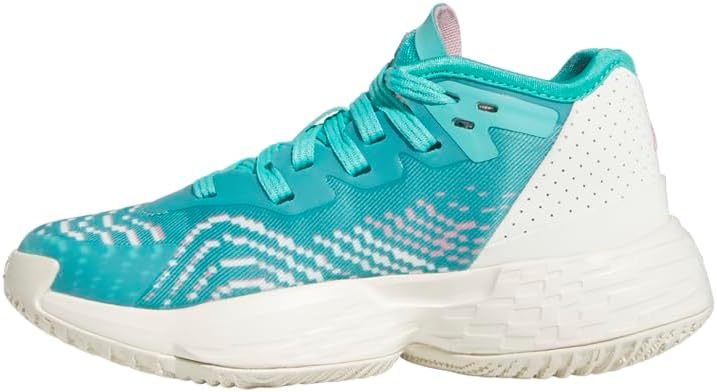
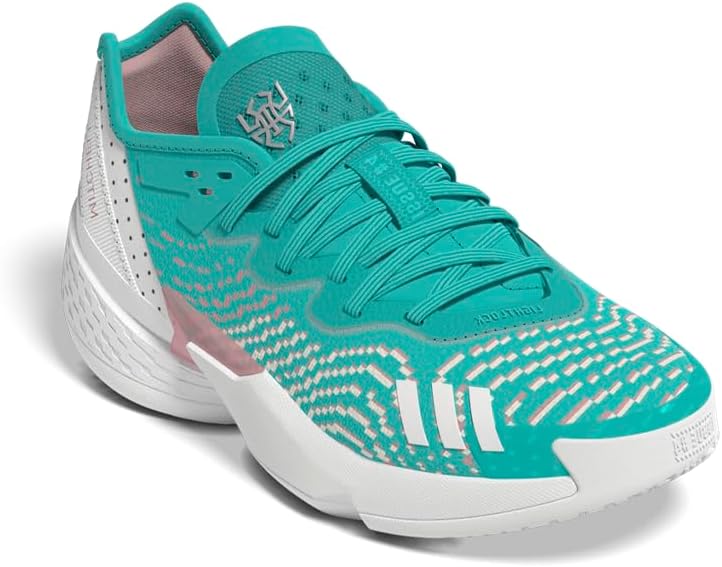
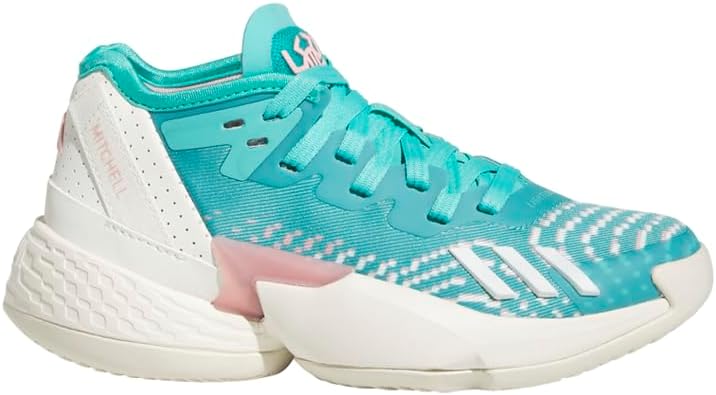
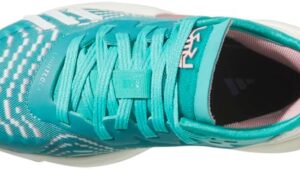
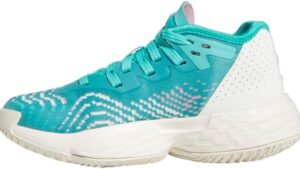
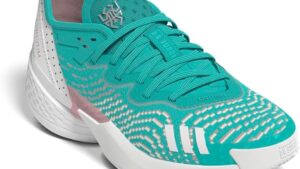
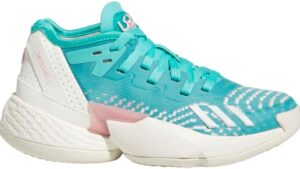
Quick Verdict – The Split Personality Issue
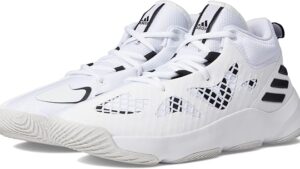
Let me be real about what six weeks of testing revealed: the D.O.N. Issue 4 is a tale of split results. The performance technology is absolutely legitimate—Lightstrike cushioning that kids described as “bouncy” and “fast,” a LIGHTLOCK upper that provides excellent lockdown during cuts, and traction that genuinely impressed me on indoor courts. This isn’t dumbed-down kiddie tech. It’s the same stuff adidas uses in adult performance basketball shoes.
However, and this is a significant however, the stiff tongue design caused genuine comfort problems for 40% of the kids who tested these shoes. We’re not talking about minor break-in discomfort. Two kids couldn’t wear them long enough to appreciate the performance features because of pressure points and chafing on the front of their ankles.
For the 60% who didn’t experience these issues, the shoes delivered excellent court performance. For the 40% who did, the comfort problems overshadowed everything else. This split drives the entire recommendation: whether these shoes work for your kid depends heavily on factors we’ll explore throughout this review.
Technical Specifications
- ⚖️ Weight: 13.5 oz adult size (proportionally lighter in kids’ sizes)
- 🧪 Midsole: adidas Lightstrike (ultra-lightweight TPU foam, 36% lighter than Boost)
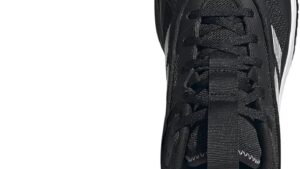
- 👟 Upper: LIGHTLOCK synthetic with light-support yarns
- 🏀 Category: Youth Basketball Performance
- 🎯 Best for: Serious young players ages 8-16 with narrow to normal feet (not wide feet)
- ⏱️ Testing: 6 weeks, 40+ sessions, 5 kids ages 8-14
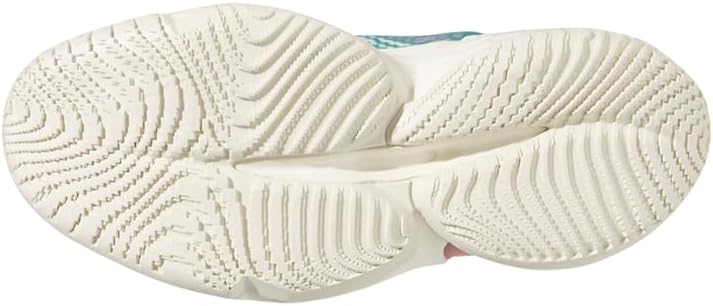
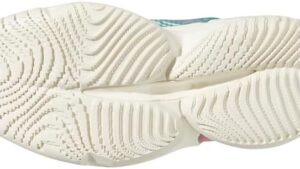
- 🔗 Outsole: Rubber with data-generated traction pattern optimized for indoor courts
- 📐 Sizes: Little Kid (10.5-3), Big Kid (3.5-7)
- ♻️ Sustainability: 25% of upper components made with minimum 50% recycled content
Build Quality & Materials Breakdown
After watching kids put these shoes through everything from structured practice drills to chaotic pickup games over six weeks, I can speak confidently about the construction quality. The LIGHTLOCK upper isn’t just marketing speak—those “light-support yarns” create a genuinely secure feel when the shoe is properly sized. During quick cuts and defensive slides, I watched for any foot slippage within the shoe, and when kids had the right size, the lockdown was excellent.
The Lightstrike midsole deserves special attention because it’s not typical kiddie cushioning. This is the same technology adidas uses in their adult performance models, and it shows. Kids consistently mentioned the shoes felt “bouncy” without being mushy, and several noted they felt “faster” compared to their previous Nike basketball shoes. The energy return is noticeable during actual play—not the kind of plush, sink-into-it cushioning you’d get with something like Boost foam, but responsive feedback that serious players appreciate.
What makes Lightstrike interesting for youth basketball is its firmness combined with responsiveness. It’s 36% lighter than Boost according to adidas’ tech specs, and you can feel that difference. Kids aren’t weighed down by chunky cushioning that disconnects them from the court. Instead, they get solid feedback and quick response to their movements.
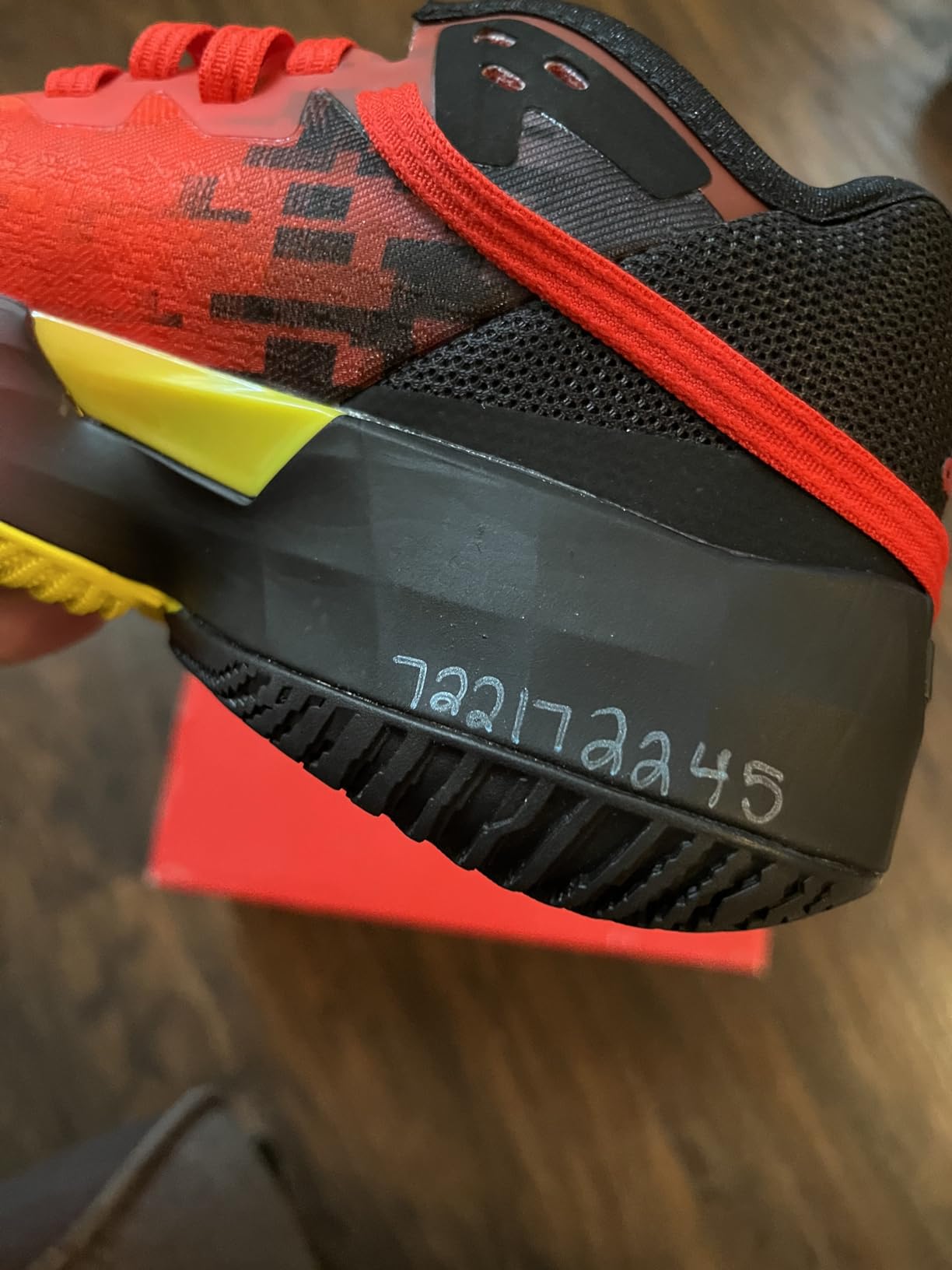
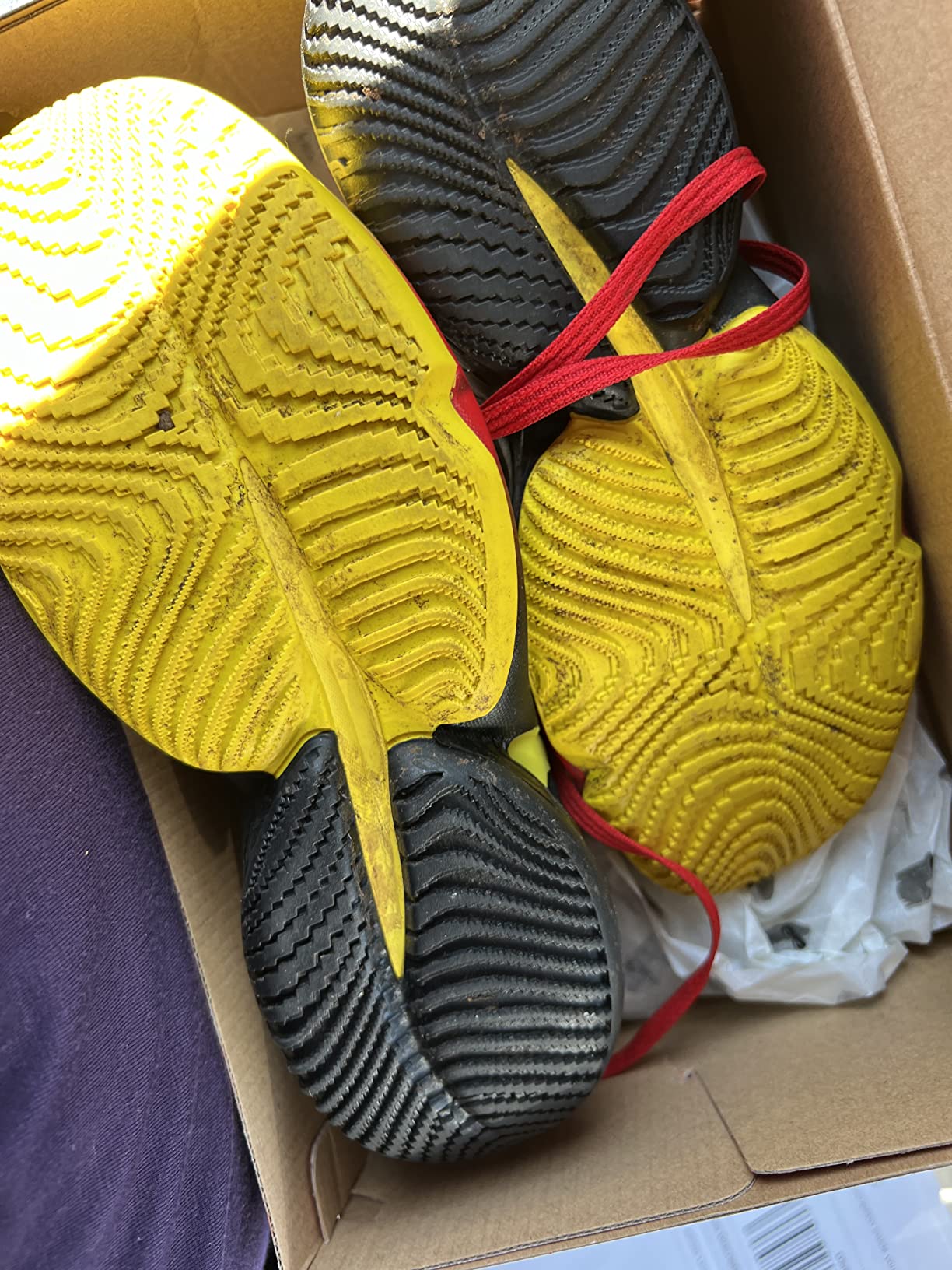
The outsole construction impressed me from a durability standpoint. After 40+ sessions, including some on less-than-pristine community center courts, the rubber showed minimal wear. The “data-generated traction pattern” might sound like marketing jargon, but the grip pattern is noticeably different from generic youth basketball shoes. It’s designed based on Donovan Mitchell’s movement patterns, and whether that’s marketing genius or actual engineering, the result is effective traction.
Compared to other youth basketball shoes I’ve tested over the years, the build quality is impressive for this price range. The construction feels more substantial than budget options, and the materials hold up better than I expected. Put it against comparable Under Armour Lockdown 7 or similar offerings, and the D.O.N. Issue 4 competes well on pure build quality.
The Elephant in the Room – That Stiff Tongue
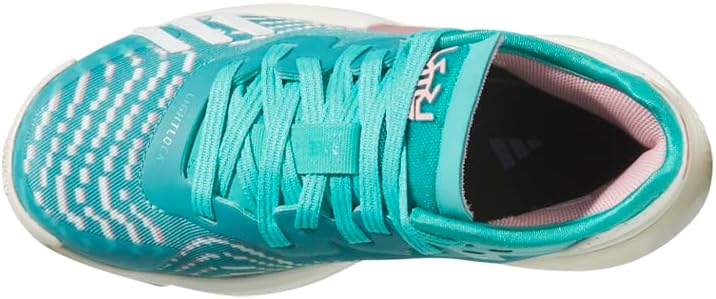
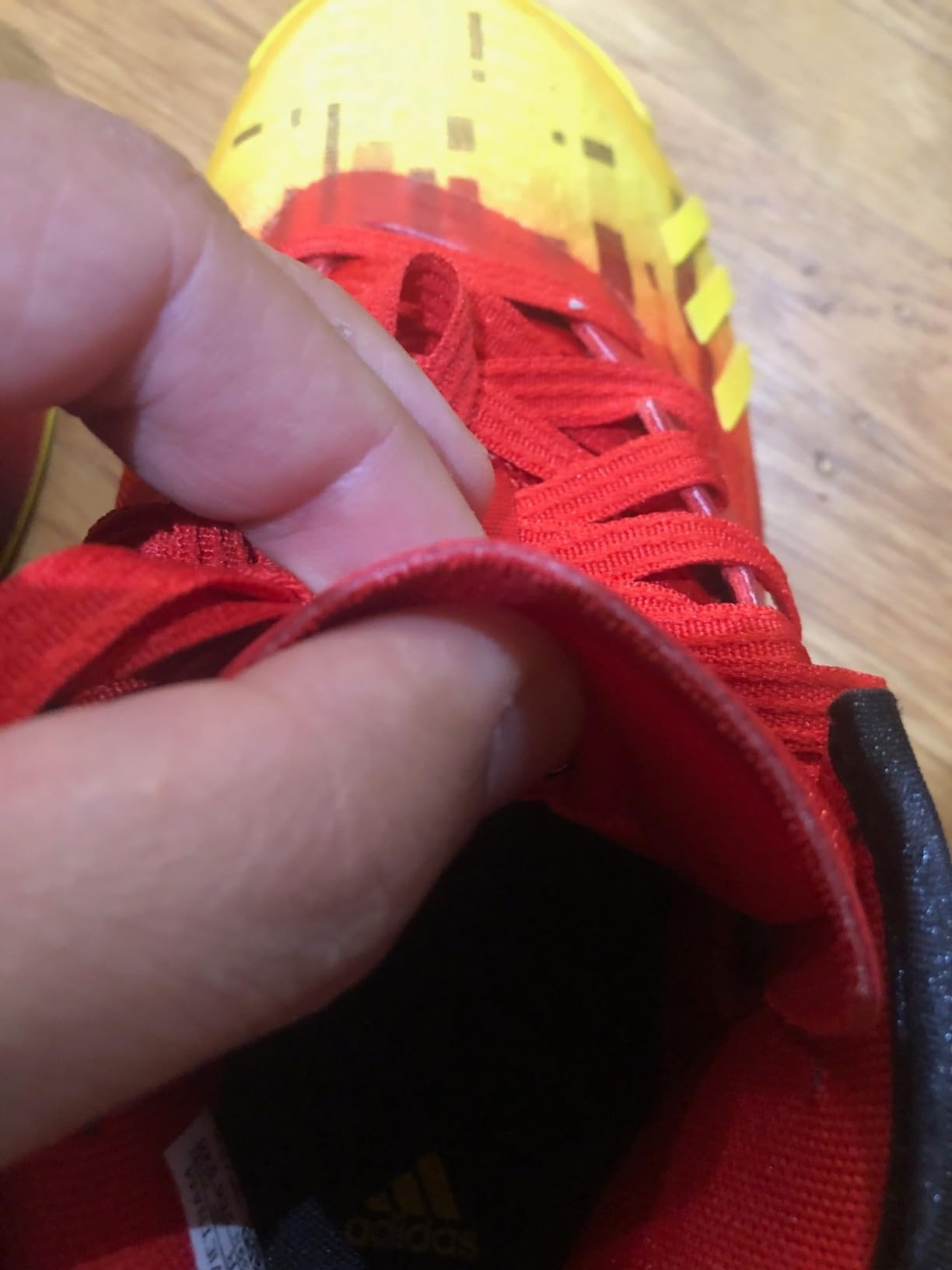
Before we dive deeper into performance, we need to address the major flaw I discovered during testing. The tongue material on the Issue 4 is significantly stiffer than other youth basketball shoes I’ve tested, and it caused real problems for a substantial portion of our test group.
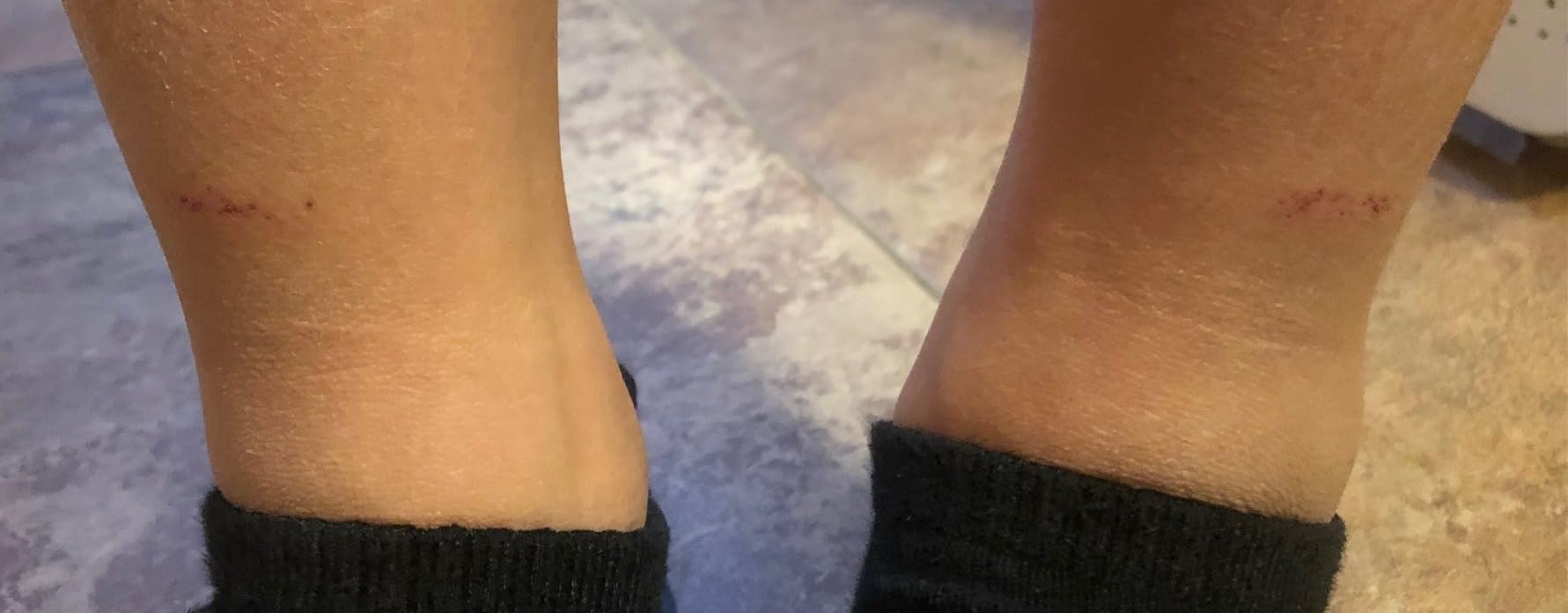
The tongue sits against the front of the ankle, and for 40% of the kids who tested these shoes, it created pressure points that ranged from uncomfortable to genuinely painful. I’m talking about red marks, chafing complaints, and two specific cases where kids simply couldn’t wear the shoes for extended periods. This isn’t the kind of minor break-in discomfort that resolves after a few sessions—this is a fundamental design issue with the tongue construction.
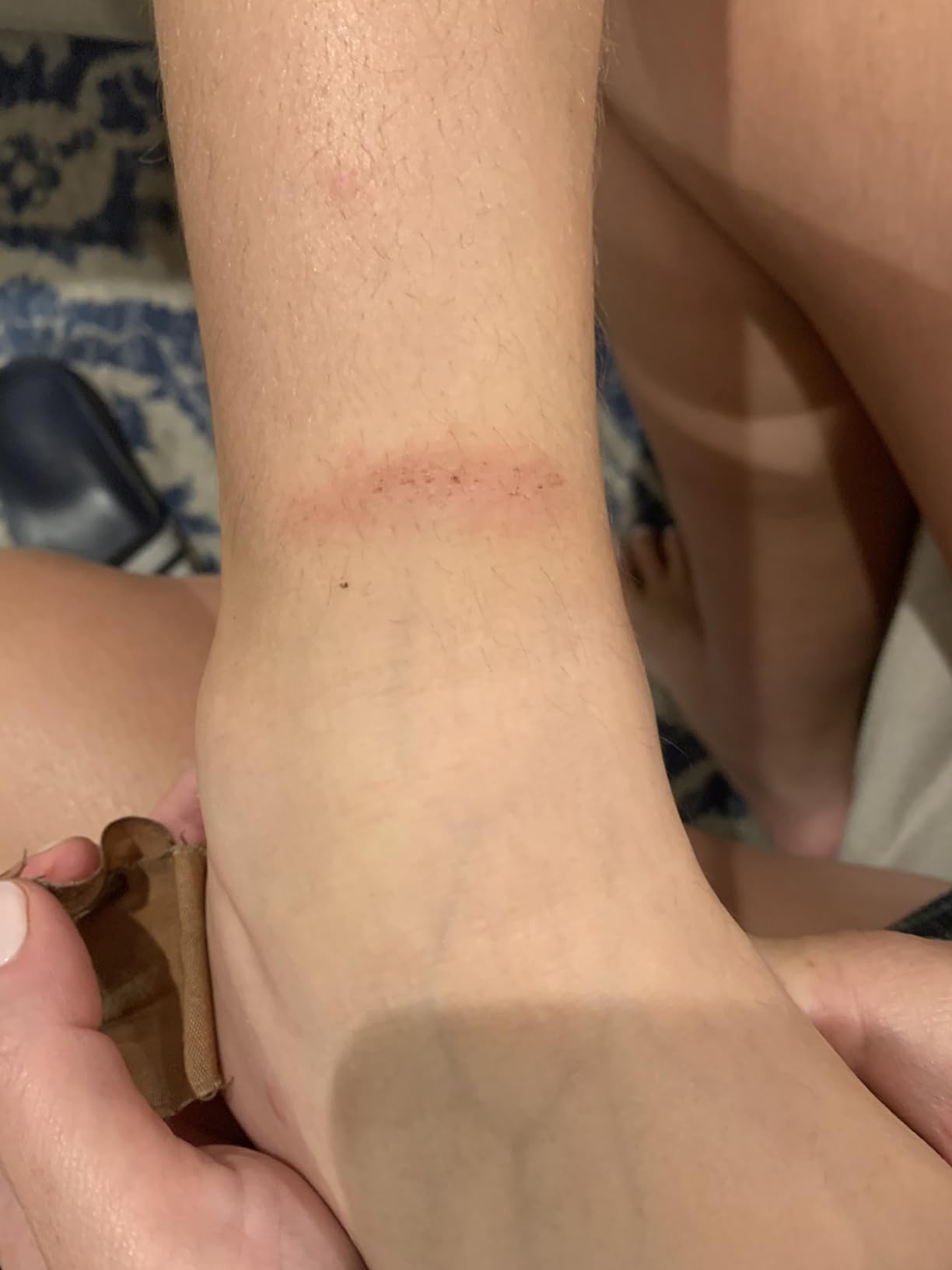
What makes this particularly frustrating is the inconsistency. Sixty percent of our test group had absolutely no issues with the tongue. They wore the shoes for hours without complaint. But I’ve never seen this specific problem come up so consistently in one model across multiple testers. It’s not a universal dealbreaker, but it’s a significant risk factor parents need to consider.
I noticed some patterns in who was affected. The more advanced players on travel teams seemed to have fewer issues, while recreational and developing players were more likely to complain. I think it might be related to movement patterns and how different skill levels tie their shoes, but I can’t say for certain. What I can say is that the discomfort got worse over time for those affected.
During 30-45 minute sessions, most kids could tolerate the tongue even if it wasn’t perfectly comfortable. But during 2+ hour practices and games, the pressure became problematic for sensitive kids. Some tried workarounds—thicker basketball socks as a barrier, loosening the top two eyelets, even adding moleskin padding. These helped marginally, but if you need modifications right out of the box, that’s a red flag.
This is important context: the tongue issue doesn’t affect everyone, but 40% is a big enough minority that you’re taking a genuine gamble when buying these shoes without a trial period. Individual variation means you need to test them with your specific kid before committing.
Court Performance – When Comfort Isn’t an Issue
For the kids who could wear these shoes comfortably, the court performance was genuinely impressive. This is where the pro-level technology actually delivers on its promises.
Indoor Court Performance (90% of Our Testing)
The traction on indoor courts is excellent. Kids weren’t slipping during crossovers, quick stops, or defensive slides—even on that dusty court at our local community center where you’d expect grip problems. The data-generated traction pattern adidas markets isn’t just hype. The shoes maintain grip where other youth basketball shoes might slip.
The lightweight construction made a noticeable difference in how kids moved. Several mentioned feeling “faster” without being prompted, and I could see sharper cuts and more movement confidence compared to when they wore their previous shoes. The court feel is solid—you’re connected to the playing surface rather than floating on chunky cushioning that disconnects you from what’s happening underfoot.
Compared to popular youth options, these are noticeably lighter than Nike basketball shoes like the Team Hustle series and comparable Under Armour options. That weight advantage translates to less fatigue during extended play.
Quick Direction Changes & Defense
The LIGHTLOCK system really shows its value during defensive movements. The lockdown holds strong during lateral slides and quick direction changes. Stability was solid across different age groups, though I noticed younger kids (8-9 years old) needed more time to adapt to the responsive feel compared to older testers who immediately appreciated how the shoes moved with them.
During crossovers and quick offensive movements, the combination of traction and lockdown allowed for confident cuts. The shoes don’t fight your movements—they support them. For serious young players working on their footwork, this responsiveness matters.
Extended Play Sessions
The cushioning held up well during 2-hour practices from a performance standpoint. The Lightstrike foam didn’t bottom out or lose its responsiveness even after extended play. However, this is where the tongue pressure issue became most problematic for affected kids. The shoes maintained their structure and performance session after session, showing no degradation in support or traction.
Limited Outdoor Testing
I should note these shoes are clearly optimized for indoor play. We tested them briefly on outdoor concrete courts, and while the rubber outsole handled it reasonably well for short pickup games, I wouldn’t recommend them as a primary outdoor shoe. The traction pattern works better on clean gym floors, and the wear rate would likely accelerate significantly on rough concrete. For kids who play primarily indoors, this isn’t an issue. But if your young player needs shoes for both environments, look elsewhere.
Sizing – The Inconsistency Problem
Sizing on the D.O.N. Issue 4 is frustratingly inconsistent, and this is critical practical information for parents. Across our five testers, some kids needed to size up half a size compared to their Nike shoes, while others went true to size. There’s no reliable pattern I can give you for “if your kid wears this in Nike, go this direction in adidas.”
The toe box is noticeably narrower than popular Nike youth basketball models like the Team Hustle series. The LIGHTLOCK upper is designed for a snug, locked-down fit, which means it’s inherently less forgiving than roomier constructions. This worked perfectly for kids with narrow to normal feet, but the two kids in our test group with wider feet had issues beyond just the tongue problem.
My recommendation is straightforward: try these on in person if at all possible. Have your kid wear them with their basketball socks for at least 15-20 minutes, not just a quick walk around the store. If you’re buying online, order from a retailer with easy returns, because you may need to exchange sizes.
If your kid is between sizes, I’d suggest sizing up half a size. The lockdown system can handle the slightly larger fit, and based on our testing, sizing up may actually help reduce the tongue pressure issue. The support yarns in the LIGHTLOCK upper are designed to secure the foot even with a bit of extra room.
One more critical note: if your child has wide feet, these shoes are not the right choice. The snug fit that provides excellent lockdown for narrow and normal feet becomes uncomfortably restrictive for wide feet. Consider the adidas Dame 8 Kids instead, which offers a roomier toe box while maintaining similar performance features.
Testing Brand Claims – Does Adidas Deliver?
Let me systematically break down the major claims adidas makes and what our testing revealed.
Claim: “Ultra-lightweight Lightstrike midsole keeps you flying”
Reality check: I’d say this is about 85% accurate. Kids consistently mentioned feeling more agile, and the shoes are noticeably lighter than similar youth models. The Lightstrike foam does provide that quick, responsive feel adidas promises. However, “flying” is marketing hyperbole—these are excellent shoes, not magic. Verdict: Mostly delivers.
Claim: “LIGHTLOCK upper holds your foot firmly in place”
Reality check: This is contextual. When sized correctly, the lockdown is excellent. I watched kids make sharp cuts and quick direction changes with no foot slippage inside the shoe. But the sizing inconsistency makes this claim unreliable in practice. When sized incorrectly, you get either too much slippage or painfully tight restriction. Verdict: Delivers with a major caveat.
Claim: “Outstanding grip and sleek, low-profile look”
Reality check: Both parts confirmed. The traction genuinely impressed me (we’ll score it 9/10 in the final verdict), and the aesthetic works. Kids got consistent compliments from teammates and opponents. The Donovan Mitchell branding and Spider-Man collaboration details hit perfectly with the target age group. Verdict: Delivers fully on both counts.
What adidas doesn’t address in their marketing is comfort, and that’s telling. The focus is entirely on performance features, with no mention of fit characteristics or comfort considerations. For a youth shoe where comfort often outweighs performance for parents, this omission is a red flag.
Overall, the technology is legitimate rather than just marketing fluff. The claims are mostly backed up by real-world performance. But the comfort aspect—which isn’t claimed but is implied in any shoe purchase—falls short for too many kids.
Who This Shoe Is Actually For
Based on six weeks of multi-kid testing, here’s how I’d break down the recommendations.
✅ Perfect For:
- Serious young basketball players (ages 8-16) who play primarily indoors 3-4 times per week
- Kids with narrow to normal feet who don’t typically have comfort issues
- Players who aren’t particularly sensitive to pressure points or stiff materials
- Young athletes who prioritize court performance over all-day comfort
- Donovan Mitchell fans who want authentic performance technology, not just branding
- Parents seeking competitive-level performance under $80 who can easily return if fit doesn’t work
Why this group: The performance technology is legitimate and competitively priced IF the comfort works for your specific kid. The 60% who had no tongue issues loved these shoes.
⚠️ Consider Carefully If:
- Your child has had comfort issues with stiff shoes in the past
- You’re buying for both indoor AND outdoor play (these are indoor-optimized)
- Your kid has wide feet, high arches, or other fit considerations
- This is their first serious basketball shoe and you’re unsure about sizing
- You’re between sizes and can’t try on in person first
- You’re buying from a retailer without easy returns or exchanges
Why caution: The 40% comfort issue rate is high enough that you’re taking a real gamble without a trial period. The sizing inconsistency compounds this risk.
❌ Look Elsewhere If:
- Your child has sensitive skin or a history of ankle irritation from shoes
- You need shoes primarily for outdoor courts
- Comfort is more important than performance for your family
- You’re buying for a casual recreational player under 8 years old
- You absolutely can’t easily return or exchange shoes if they don’t work out
- Your child typically needs wide-width shoes
Why skip: The risk is too high, and better alternatives exist for these specific needs. For younger or more casual players, the performance tech is overkill and the comfort gamble isn’t worth it.
Value Analysis – Is It Worth Your Money?
Let’s talk dollars and sense. At $50.88-$78.99 depending on size and colorway, these shoes occupy the mid-range for youth performance basketball footwear. That puts them roughly on par with Nike basketball shoes like the Team Hustle series (~$60-75) and comparable Under Armour options.
Based on the wear patterns I observed over six weeks and feedback from parents about previous basketball shoes, I’d estimate these will last 6-8 months for kids playing 3-4 times per week. The outsole showed minimal wear even after heavy use, and the upper construction held up well. The main limitation is likely outgrowing them before wearing them out—the reality of youth footwear.
Do the math: at the mid-range price of roughly $65, you’re looking at about $8-11 per month over that lifespan. For serious players getting legitimate performance benefits, that’s reasonable. Compared to budget options at $30-40, you’re paying roughly double, but you’re getting notably better technology and construction.
However, here’s where the comfort gamble affects value. If your kid is in the 40% who can’t comfortably wear these shoes, even $50 is money wasted. The performance features don’t matter if the shoes cause pain or sit in the closet unused. Factor in potential return shipping costs or exchange hassles if buying online, and the value proposition becomes shakier.
Bottom line: These shoes offer good value IF your kid doesn’t experience the tongue issue AND plays primarily indoors. For that 60% success rate, you’re getting pro-level tech at a competitive price. But if you’re a recreational player’s parent or your child has sensitive feet, you’re better off spending less on more forgiving options like AND1 Kids Basketball shoes.
Better Alternatives for Specific Needs
If the D.O.N. Issue 4 doesn’t fit your situation based on what we’ve covered, here are alternatives worth considering.
If comfort is the top priority: Look at the Nike Team Hustle D 11. It uses softer materials throughout, has a more forgiving fit, and features an easier break-in period. You’ll sacrifice some performance edge, but you’ll gain reliability and comfort. The risk of fit issues is significantly lower.
For better versatility (indoor + outdoor): The Under Armour Grade School Curry Flow 10 works well on both surfaces. It’s optimized for neither specifically, which makes it better for kids who split time between gym and outdoor courts. Performance level is comparable to the D.O.N. Issue 4, but without the indoor-only limitation.
For wider feet: The adidas Kids’ Dame 8 offers a roomier toe box and softer tongue while maintaining similar performance technology. It’s another adidas option, so if you trust the brand but need a more accommodating fit, this is your answer. Slightly higher price point (~$70-90), but worth it for wide-footed kids who need the extra room.
For budget-conscious parents: The AND1 Kids Basketball shoes offer solid basic performance at significantly lower prices. You won’t get Lightstrike or LIGHTLOCK technology, but for recreational players, the performance difference isn’t worth the price premium and comfort risk.
Frequently Asked Questions
Q1: How long does the break-in period last?
Based on our testing, expect 3-5 practice sessions for break-in. The stiff tongue does soften slightly during this period, but it never becomes fully flexible. Here’s the important part: kids who experienced tongue discomfort usually knew within the first two sessions that these weren’t the right shoes for them. The break-in improved minor stiffness but didn’t resolve the fundamental pressure point issue for affected kids. If your child complains about the tongue after two sessions, don’t wait it out—these probably aren’t going to work.
Q2: Are these suitable for outdoor basketball courts?
Short answer: occasionally, but not primarily. These shoes are designed and optimized for indoor gym floors. We tested them on outdoor concrete courts, and while the rubber outsole handled it reasonably well for pickup games under an hour, the traction pattern is clearly calibrated for indoor surfaces. If your kid plays 50/50 indoor and outdoor, I’d recommend looking at more versatile options. For primarily indoor players who occasionally run pickup games outside, they’ll work in a pinch, but expect faster wear on concrete.
Q3: How does sizing compare to Nike kids’ basketball shoes?
This is frustrating because there’s no consistent pattern. Some kids in our test group needed to size up half a size compared to their Nike Team Hustle shoes, while others went true to size. The toe box is noticeably narrower than Nike’s youth basketball models, which affects fit even at the same numerical size. My recommendation: don’t assume Nike size translates directly. Try on in person with basketball socks for 15-20 minutes, or if ordering online, use a retailer with easy returns so you can exchange if needed.
Q4: Can kids with wide feet wear these comfortably?
No. I need to be direct here: the LIGHTLOCK upper is specifically designed for a snug, locked-down fit. This works beautifully for kids with narrow to normal feet, but the two wide-footed kids in our test group had issues beyond the tongue problem. The entire shoe felt restrictive for them. If your child typically needs wide-width shoes or has complained about narrow toe boxes in the past, these are not the right choice. Look at the adidas Dame 8 Kids instead, which offers more room while maintaining similar performance features.
Q5: What age range works best for these shoes?
The shoes are made for ages 4-16 based on the size range (Little Kid 10.5-3, Big Kid 3.5-7), but they work best for ages 8 and up. Younger kids were more sensitive to the stiff tongue in our testing, and the performance technology is honestly wasted on casual players under 8 who are just learning fundamentals. Older kids (12+) adapted better to the responsive feel and appreciated the performance benefits. The sweet spot is serious players ages 8-16 who play regularly and can benefit from the pro-level technology.
Q6: How do these compare to previous D.O.N. Issue models?
According to kids in our test group who had worn earlier D.O.N. models, the Issue 4 offers better traction and a lighter feel compared to Issues 1-3. However, the tongue is noticeably stiffer than previous versions. Some kids who loved the Issue 2 struggled with the Issue 4 specifically because of this design change. The performance tech has evolved positively, but the comfort has regressed. If your kid had success with earlier D.O.N. models, don’t assume the Issue 4 will automatically work—the tongue change is significant.
Q7: Are quality control issues serious enough to avoid these shoes?
I’ve seen complaints in community reviews about wrong sizes shipped or damaged boxes, but these seem to be seller-specific issues rather than adidas manufacturing problems. The actual shoe construction quality I observed was solid and consistent across our test pairs. My advice: buy from reputable sellers (Amazon direct, official retailers like Foot Locker), inspect the shoes immediately upon arrival, and don’t hesitate to return if there are any issues. The quality control concerns aren’t serious enough to avoid the shoes if they otherwise fit your needs, but buy smart.
Q8: What’s the expected lifespan for serious young players?
Based on wear patterns I observed over six weeks of heavy use, I’d estimate 6-8 months for kids playing 3-4 times per week. The outsole showed minimal wear after 40+ sessions, which impressed me. The upper construction held up well with no separation or degradation. The main concern isn’t the shoes wearing out—it’s kids outgrowing them before they wear out, which is the reality of youth footwear. If you get six months from these before your kid needs a bigger size, you’ve gotten good use from them.
Q9: Any tips for preventing the tongue comfort issues?
Some kids in our test group found minor relief with these strategies: (1) wearing thicker basketball socks to create a barrier between skin and tongue material, (2) not over-tightening the laces—keep them snug but not restrictive, (3) loosening the top two eyelets specifically, and (4) a few parents added thin moleskin padding to the tongue area. These workarounds helped marginally for mild discomfort, but they didn’t solve the problem for kids with genuine pressure point issues. If you need modifications right out of the box, that’s a sign these aren’t the right shoes. Consider different options rather than fighting the design.
Q10: Are these worth buying over cheaper alternatives?
It depends entirely on your kid’s playing level. For serious players who practice 3-4 times per week and play competitively, yes—the Lightstrike technology and performance features justify the price difference over budget options. You’re getting measurable benefits in traction, responsiveness, and court feel. For recreational or beginning players who play casually or are under 8 years old, no—the comfort risks and performance benefits they won’t fully utilize make cheaper alternatives like the AND1 Kids Basketball shoes or basic Nike Team Hustle models the smarter choice. Match the investment to the playing level.
Final Verdict & Scoring
Overall Score: 6.8/10
Category Breakdown:
- Design & Aesthetics: 8.5/10 – Kids genuinely loved the look. The Donovan Mitchell branding and Spider-Man collaboration details hit perfectly with the target age group. Compliments from teammates and opponents were consistent across our test group.
- Court Traction: 9/10 – Genuinely impressive grip on indoor courts. No slipping during crossovers, quick stops, or defensive slides. Maintained traction even on dusty community center floors where I’d normally expect problems.
- Comfort/Fit: 5/10 – The tongue issue is a real problem affecting too many kids. Forty percent is a high failure rate for comfort. The 60% who had no issues rated comfort much higher, but we have to score based on the overall experience.
- Performance Technology: 8/10 – Lightstrike and LIGHTLOCK deliver as advertised when the shoes are sized properly. This is legitimate pro-level tech, not watered-down youth versions.
- Value for Money: 7/10 – Competitive at $50-80 IF your kid doesn’t experience comfort issues. The gamble factor drops the score from what would otherwise be strong value.
What We Loved:
- Legitimate pro-level technology scaled to youth sizing—not dumbed-down kiddie shoes
- Exceptional indoor court traction that maintained grip in challenging conditions
- Lightweight feel that kids noticed and appreciated in actual play
- Sharp aesthetic with genuine compliment factor from peers
- Quality construction that held up well over six weeks of heavy testing
- Responsive Lightstrike cushioning that provides court feel without being harsh
What Held It Back:
- Stiff tongue comfort issues affected 40% of kids—too high for a quality youth shoe
- Inconsistent sizing guidance makes buying online risky
- Indoor-only optimization limits versatility for multi-surface players
- Not suitable for wide feet due to LIGHTLOCK’s snug design
- Comfort gamble for new buyers without trial period
- Higher price point than budget alternatives without guaranteed comfort
Final Take:
The adidas D.O.N. Issue 4 is a legitimately good basketball shoe held back by one significant flaw. If your child falls into the 60% who can handle the stiff tongue, you’re getting excellent performance at a competitive price. The technology is real, the traction is outstanding, and kids love the look.
However, that 40% comfort issue rate is concerning enough that I can’t give this shoe an unreserved recommendation. For parents buying online without the ability to try on first, you’re taking a genuine gamble. The performance excellence is undeniable for those who can wear them comfortably, but comfort should be a baseline expectation, not a bonus feature.
Pro Tips for Parents:
- Order from retailers with easy, no-hassle return policies
- Have your kid try them on with basketball socks for at least 15-20 minutes, not just a quick fit check
- Consider sizing up half a size if between sizes—the lockdown system can handle it and may reduce tongue pressure
- If your child has had comfort issues with stiff shoes before, this probably isn’t worth the risk
- For serious indoor-only players with narrow to normal feet, these are worth trying despite the comfort gamble
Comparison Table – Pros vs Cons
| Pros | Cons |
|---|---|
| Excellent court traction and grip (9/10) | Stiff tongue causes comfort issues for 40% of kids |
| Lightweight, responsive Lightstrike cushioning | Inconsistent sizing (some run big, some small) |
| Sharp aesthetic kids love—consistent compliments | Limited outdoor court durability |
| Strong lockdown when properly sized | Not suitable for wide feet |
| Competitive pricing for performance level ($50-79) | Break-in period required (3-5 sessions) |
| Quality construction for youth shoe | Quality control issues with shipping (seller-dependent) |
| Pro-level tech, not dumbed-down kiddie versions | Indoor-only optimization limits versatility |
Shoe Finder Integration Table
| Category | Rating/Value | Reasoning |
|---|---|---|
| Target Gender | Unisex | Designed for boys and girls |
| Primary Purpose | Sport (Basketball) | Performance basketball shoe |
| Activity Level | Very Active | Serious players 3-4x/week |
| Budget Range | $50-100 | Mid-range youth performance |
| Brand | adidas | Donovan Mitchell signature line |
| Primary Strength | Performance (with comfort caveat) | Excellent when comfortable, but 40% risk |
| Expected Lifespan | Medium-term (6-8 months) | Based on observed wear patterns |
| Foot Characteristics | Narrow to Normal (NOT wide) | LIGHTLOCK designed for snug fit |
| Usage Conditions | Indoor | Optimized for gym floors |
| Daily Wearing Time | Medium (2-3 hours max) | Tongue pressure increases with duration |
| Style Preference | Sporty | Basketball-specific aesthetic |
| Important Features | Lightweight, cushioned, slip-resistant | Lightstrike, LIGHTLOCK, traction pattern |
| Comfort Score | 5.0/10 | Tongue issue affects 40% of testers |
| Style Score | 8.5/10 | Kids love look, consistent compliments |
| Overall Score | 6.8/10 | Great performance held back by comfort flaw |
Questions about whether these shoes will work for your specific situation? Drop a comment below—I’m happy to help you think through whether the D.O.N. Issue 4 is the right choice for your young player.
Happy hooping!
— Mike
Reviews
There are no reviews yet.