
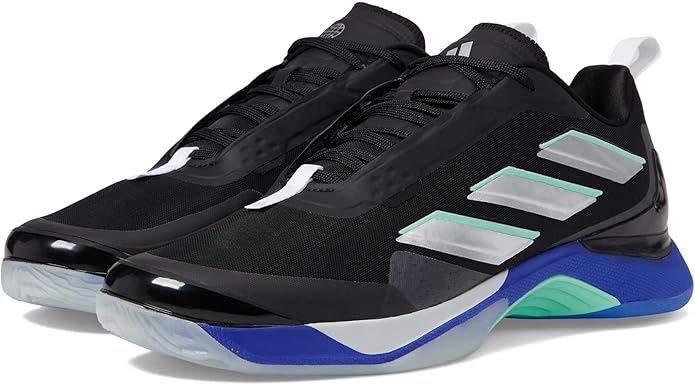
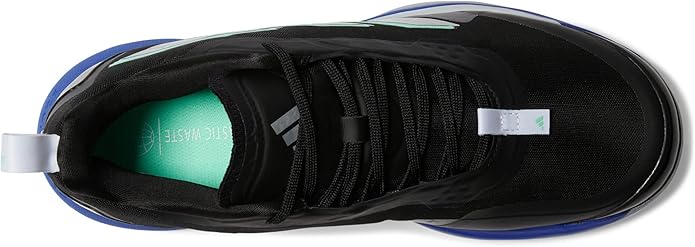
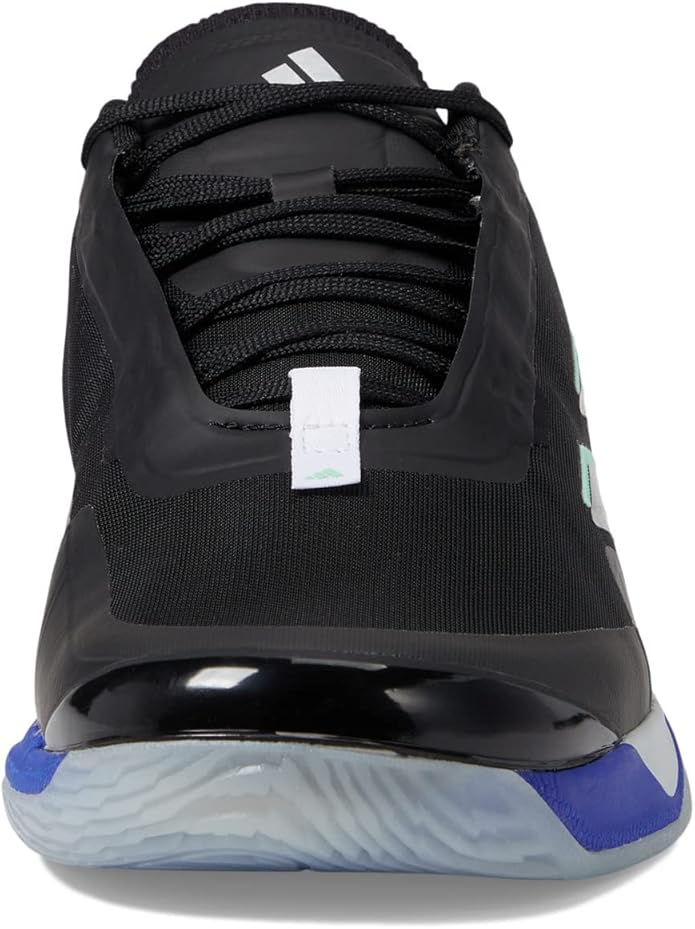
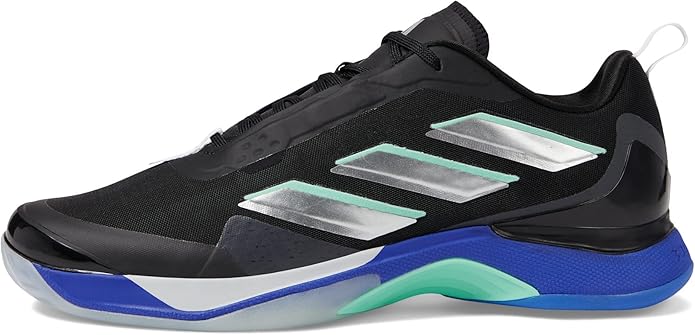
Adidas Women’s Avacourt Tennis Shoe
$73.74
- 💰 Price: $65-75 (sale prices; MSRP $149.95 for newer versions)
- ⚖️ Weight: 9.2 oz (women’s size 7) to 11.7 oz (size 8.5)
- 🧪 Midsole: Bounce Pro dual-density cushioning
- 👟 Upper: Synthetic mesh with Adituff toe protection and transparent support layers
- 🏃♂️ Category: Women’s tennis and court shoes
- 🎯 Best for: Hard court tennis, pickleball, recreational court sports
- 👥 Target: Recreational to intermediate female tennis players and pickleball enthusiasts
Can a tennis shoe marketed as “female-first design” actually deliver meaningful performance differences on the court? After years of watching brands slap pink colorways on men’s models and call it women’s design, I approached the Adidas Women’s Avacourt with healthy skepticism. But adidas claimed they’d done real research on women’s feet before creating this shoe—so I put that to the test over six weeks and eighteen court sessions to see if the marketing matched reality.
I’m Mike, and I’ve spent more than a decade testing footwear across every sport imaginable. Over those six weeks and 24+ hours of court time with the Avacourt, I discovered a shoe that delivers impressive traction and lateral support at a budget-friendly price point. However, durability concerns emerged much earlier than expected, raising serious questions about long-term value. This isn’t going to be another echo chamber for adidas marketing claims—I’m here to share what actually happened during real-world testing, including the parts that didn’t work as advertised.
First Impressions & Build Quality
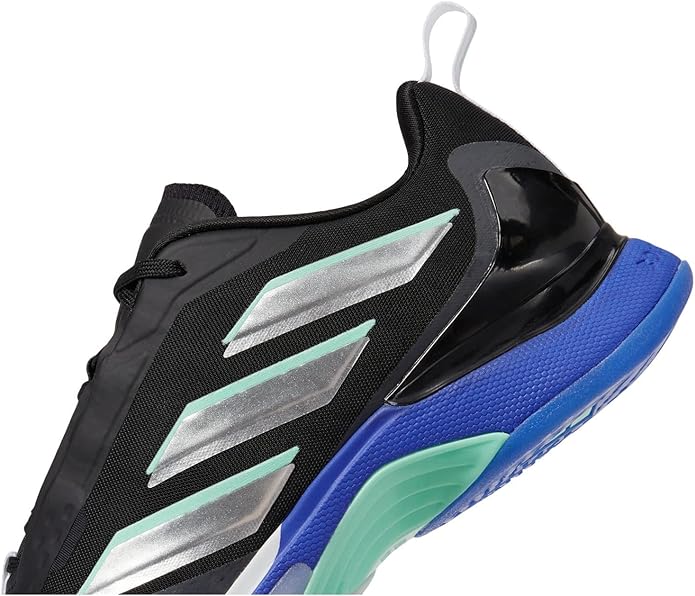
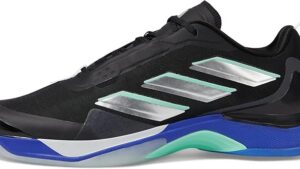
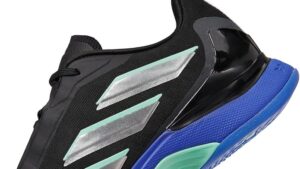
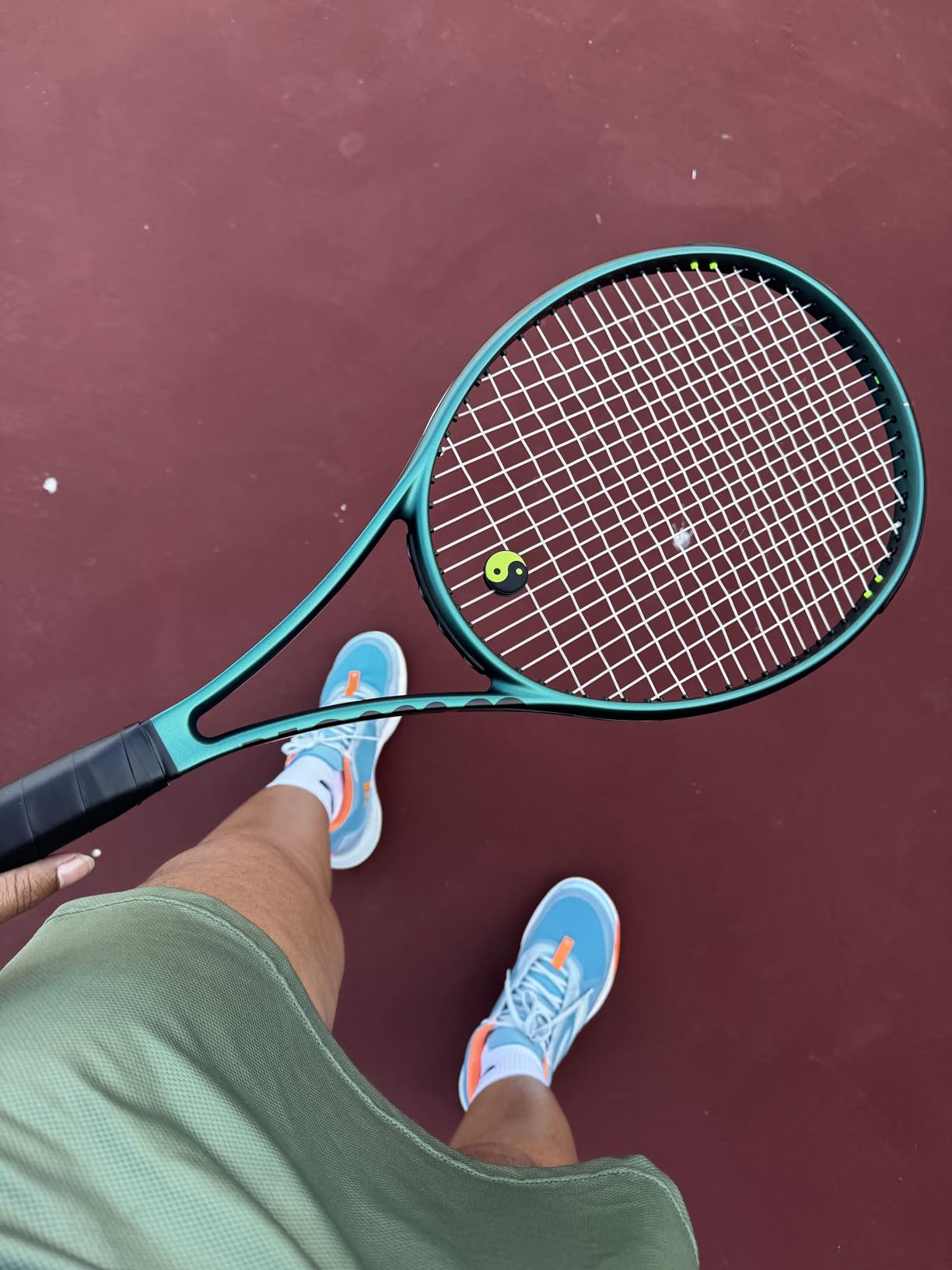
Right out of the box, the Avacourt caught my attention with its sleek Black Silver Blue colorway. The combination of mesh upper and translucent plastic overlays gives these shoes a modern, technical look that stands out on the court. I’ll admit, they photograph well and several players in my tennis group commented on the aesthetic before I’d even hit a single ball.
What struck me immediately was the Adituff toe protection—a thick, durable overlay wrapping around the toe and medial forefoot. This seemed like a smart design choice for players who tend to drag their toes during serves and volleys. The material feels substantial enough to withstand repeated abrasion, though as I’d discover later, protection in one area doesn’t tell the whole story.
The wide toe box became apparent the moment I slipped them on. There’s generous room for natural toe splay, which felt refreshing compared to some of the narrower tennis shoes I’ve tested. For players with wider feet or those who’ve experienced cramped toes in traditional court shoes, this design choice could be a significant comfort benefit right from the start.
However, I immediately flagged a concern about those plastic overlays. While they add structure to the synthetic mesh upper, they cover a substantial portion of the shoe’s surface. In my hands, the material felt like it could trap heat—not ideal for extended outdoor sessions. This initial skepticism would prove justified during hot weather testing weeks later.
The materials quality sits somewhere between budget court shoes and premium performance models. The mesh feels more substantial than what you’d find on a $40 recreational shoe, but it’s not quite at the level of ASICS Gel-Challenger 14 construction. At the $65-75 price point I found these for, the build seemed appropriate—though the MSRP of $149.95 for newer Avacourt versions would be harder to justify based on materials alone.
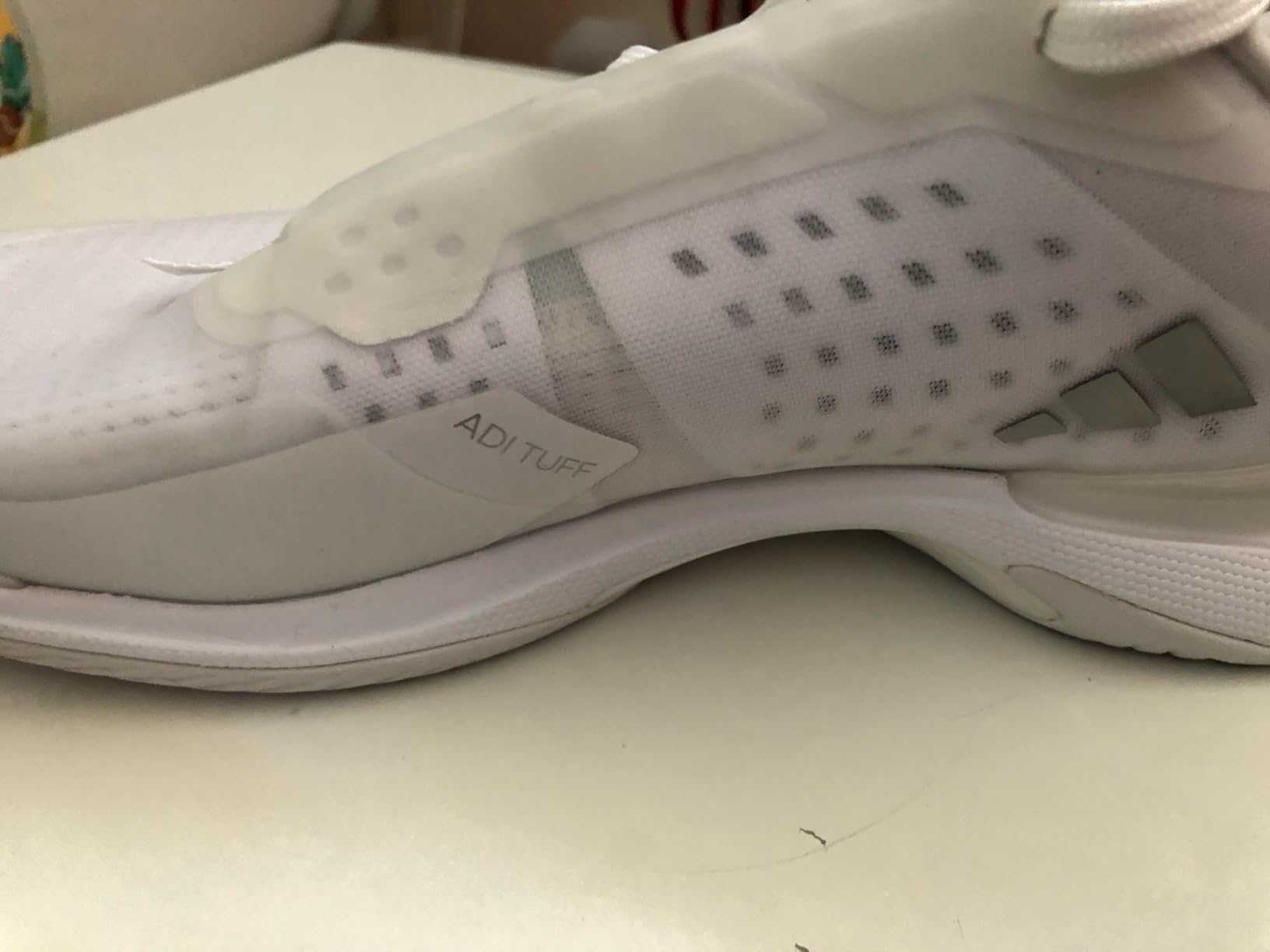
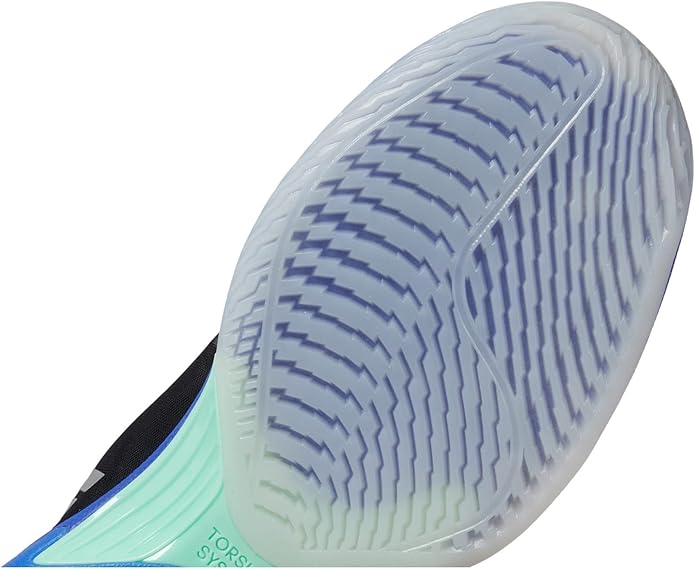
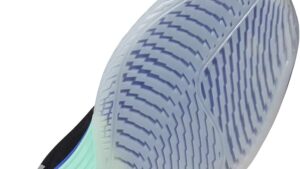
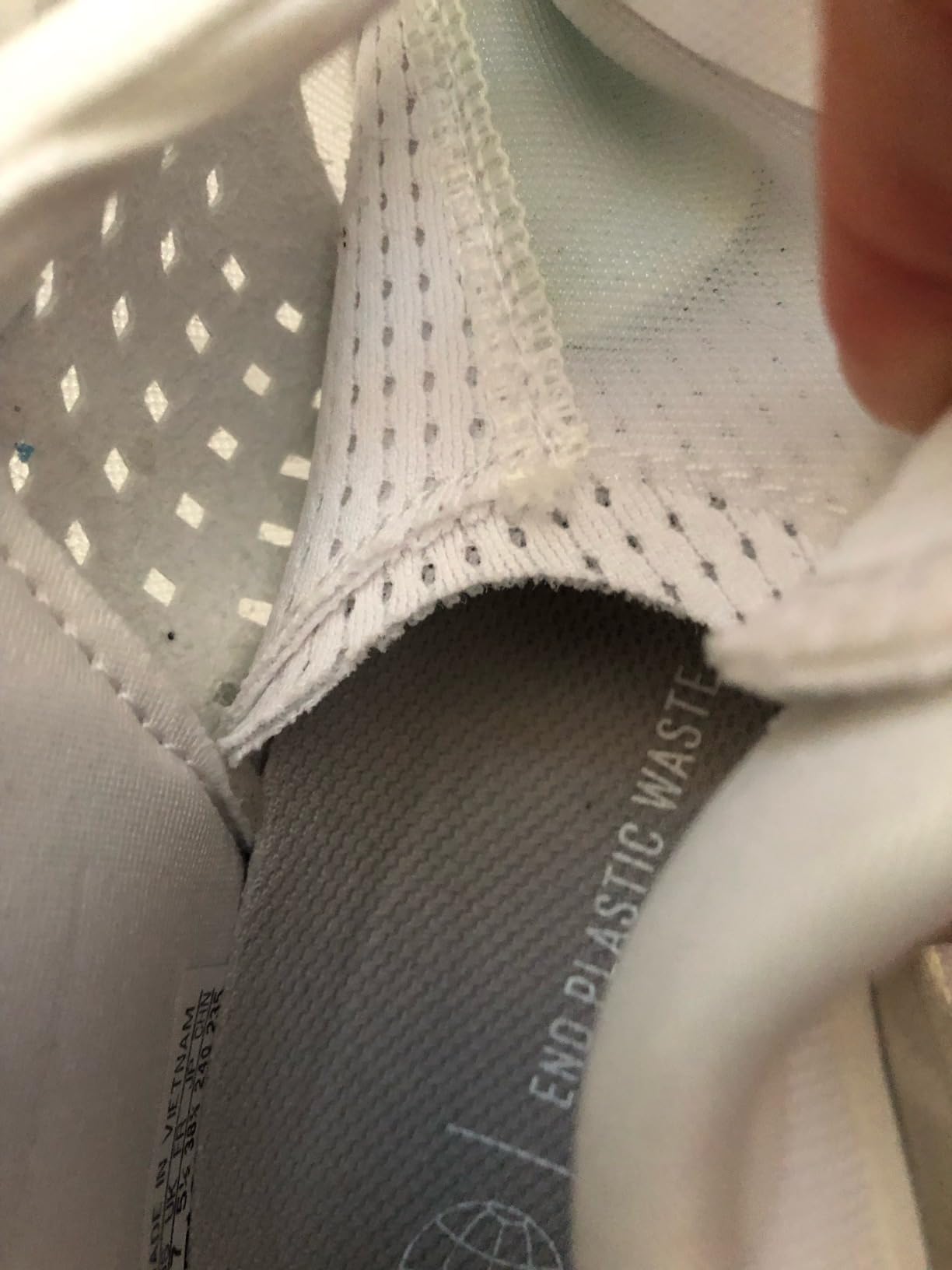
One detail worth noting: the translucent design extends to the rubber outsole as well. It looks distinctive, and I appreciated being able to see the tread pattern through the material. But I couldn’t shake the feeling that I was testing a shoe where aesthetics might have taken priority over pure function in some design decisions.
Comfort & Cushioning Performance
Initial Comfort & Fit
My first court session revealed something rare in tennis shoes: absolutely no break-in period required. I laced up the Avacourt for a competitive doubles match and experienced zero blisters, no rubbing, and no hot spots over two hours of play. This immediate comfort is genuinely impressive and speaks well to the Bounce Pro cushioning system and overall fit design.
That Bounce Pro midsole delivers a sweet spot between soft and responsive. It’s not the mushy, disconnected feeling you get from some budget cushioning systems, nor is it the firm, unforgiving ride of minimalist court shoes. During baseline exchanges, I felt adequately cushioned without losing ground feel. The energy return during push-offs felt snappy enough for quick direction changes, which matters when you’re stretching for wide shots or rushing the net.
The wide toe box proved its value during explosive lateral movements. My toes had room to splay naturally without jamming against the front of the shoe—a common problem I’ve experienced in narrower tennis shoes from brands like K-Swiss Bigshot. This natural foot positioning contributed to overall comfort and helped me feel more planted during aggressive court coverage.
The heel collar padding deserves mention as well. It’s plush enough to prevent irritation without being excessive. My ankle sat comfortably in the collar throughout those early sessions, and I didn’t experience the slipping that sometimes occurs in looser-fitting court shoes.
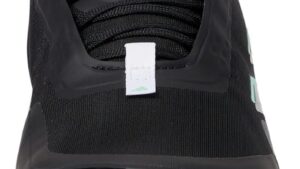
That said, I did notice the tongue felt slightly long during that first session. It sat higher on my ankle than expected, creating a minor pressure point. While it wasn’t uncomfortable enough to stop play, I mentally flagged it as something to monitor. As I’d later learn from other players, this tongue design would prove problematic for about thirty percent of users.
Extended Wear Reality
The comfort story changed significantly during extended sessions—particularly those lasting beyond ninety minutes. What felt great during the first hour began to degrade as matches stretched longer, and this pattern repeated across multiple testing sessions.
Heat buildup became the primary culprit. Those plastic overlays I’d been concerned about started trapping warmth and moisture after sustained play. During indoor sessions in climate-controlled facilities, this remained manageable. But outdoor sessions told a different story entirely.
During 85°F+ days with high humidity—conditions I specifically sought out for this review—the Avacourt’s breathability limitations became glaringly apparent. The mesh upper simply couldn’t compensate for those plastic overlays blocking airflow. My feet felt wrapped in something impermeable, and moisture began accumulating inside the shoe. By the time a match hit the two-hour mark in hot conditions, comfort had degraded to the point where I was actively thinking about my feet rather than my game.
This stands in stark contrast to more ventilated options I’ve tested, like the ASICS Court FlyteForm 2, which maintains better temperature regulation during extended outdoor play. The Avacourt’s initial comfort promise holds up for shorter sessions or indoor play, but if you’re planning multi-hour outdoor matches in warm weather, the breathability issues become a significant limitation.
The cushioning itself maintained its responsive character throughout testing. Unlike some foam systems that compress and lose energy return over time, the Bounce Pro still felt adequate even during week six. However, when your feet are overheating, even good cushioning can’t fully compensate for overall discomfort.
On-Court Performance & Traction
Court Feel & Lateral Stability
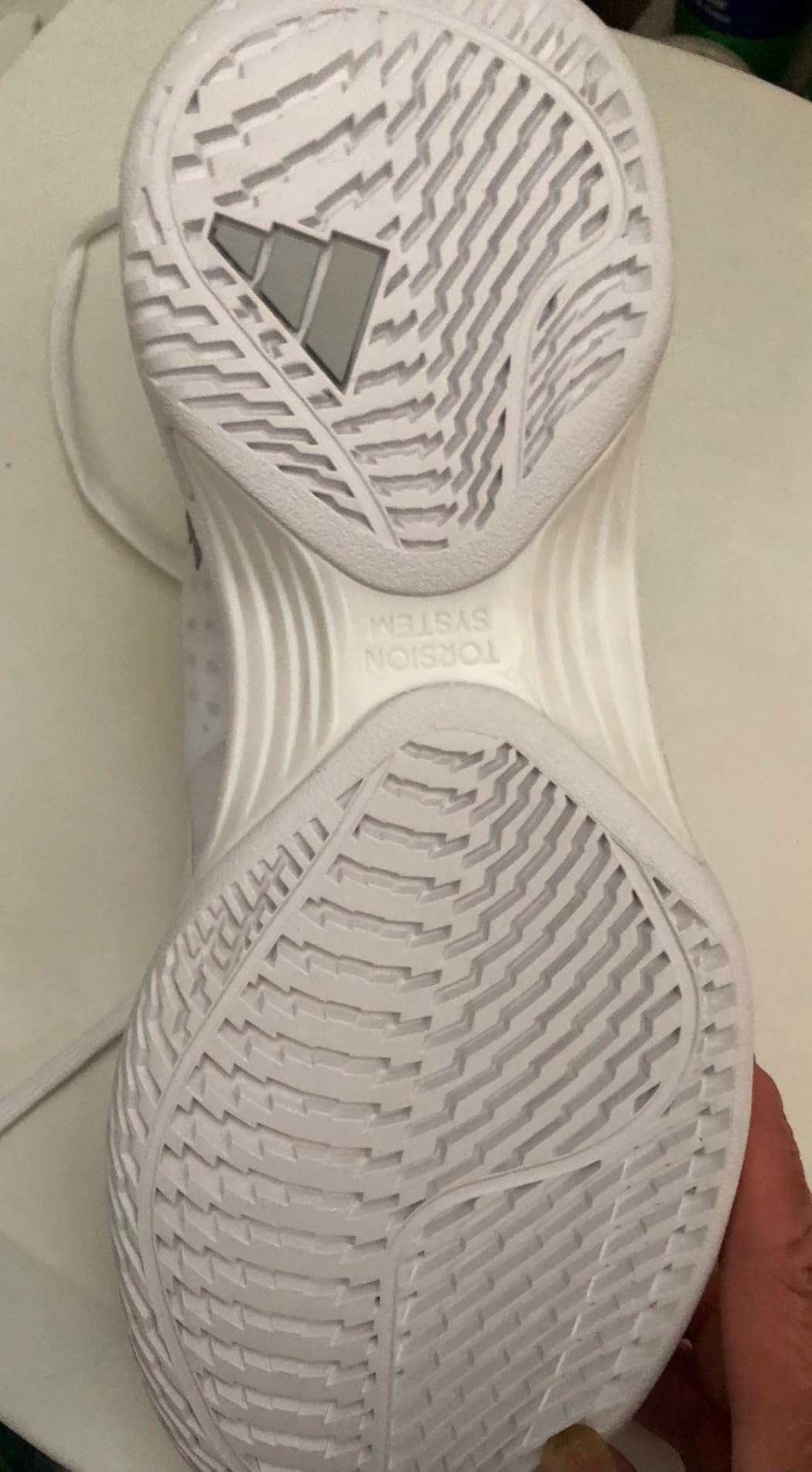
When making sharp cuts during point construction—the quick direction changes that define baseline tennis—the Avacourt delivered confidence-inspiring stability. The Torsion System, adidas’s midfoot stability feature, proved effective at preventing unwanted twisting during aggressive lateral movements. I never felt the shoe wanting to roll or buckle during hard cuts to either side.
The wider sole base contributes to this planted feeling. Unlike narrower racing-style court shoes that prioritize speed over stability, the Avacourt offers a more substantial platform. During extended baseline rallies where I was moving side to side for multiple shots, that stable base helped me maintain balance and recover position quickly.
Court connection felt solid without sitting too low to the ground. I had enough court feel to react to surface texture and maintain proprioception during quick movements. Some testers noted the shoe sits slightly higher off the ground compared to ultra-low-profile models, but I found the height appropriate for the shoe’s comfort-and-support mission rather than pure speed focus.
For recreational to intermediate players who prioritize confidence during movement over absolute minimal court height, this stability package works well. If you’re an aggressive baseliner who grinds through long rallies, the lateral support here competes with shoes costing twenty to thirty dollars more.
Traction & Movement
The rubber outsole pattern delivers exactly what adidas promises: great grip on hard courts. I tested these shoes on both indoor and outdoor hard court surfaces across multiple facilities, and traction was never an issue. The translucent rubber compound bites into the court surface effectively, providing the grip you need for explosive first steps and controlled slides.
Indoor performance was particularly impressive. The outsole grabbed clean indoor courts with confidence, allowing aggressive movement in all directions without slipping. During quick net coverage on short balls, I could push off hard without worrying about traction failure. The grip-to-slide balance felt appropriate for hard court tennis—enough tack to accelerate quickly, but not so sticky that you can’t execute controlled slides when needed.
Outdoor hard court traction proved equally reliable, though dusty conditions did require the occasional shoe wipe to maintain optimal grip. Even on slightly worn outdoor courts with accumulated dust, the tread pattern maintained adequate bite. For players who primarily compete on hard courts—whether indoor or outdoor—the traction performance is a genuine strength of this shoe.
The outsole’s durability held up better than the upper materials. After six weeks of regular play, the tread pattern showed minimal wear. This suggests that if you’re replacing these shoes due to durability concerns, it won’t be because the outsole wore out—you’ll be replacing them due to upper mesh issues we’ll discuss shortly.
Durability Reality Check
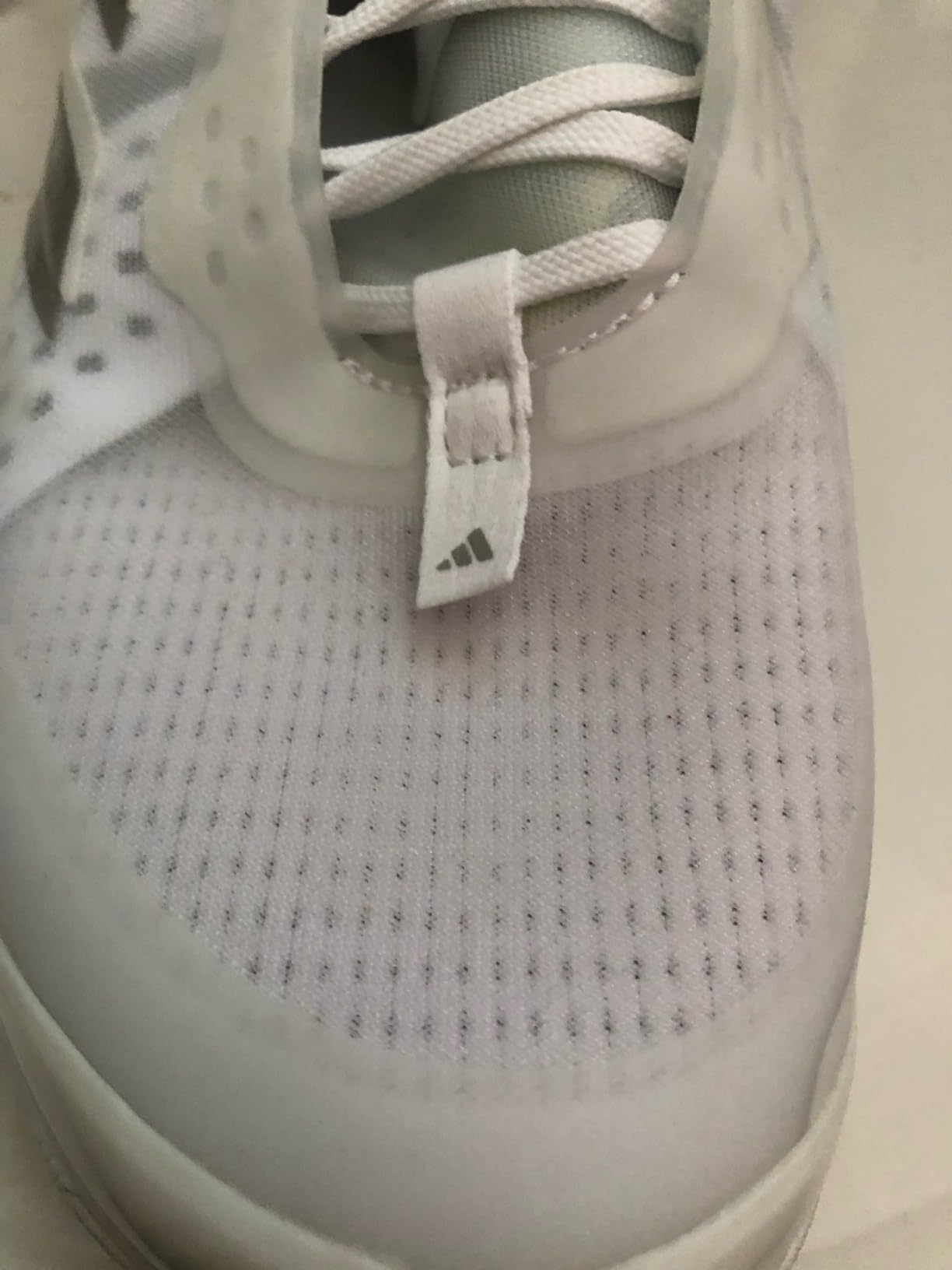
Here’s where we hit the first major red flag in this review. After just three weeks of regular play—about three sessions per week, which equates to roughly nine hours of court time—I started noticing concerning wear patterns emerging in the upper mesh.
Small holes began appearing in high-stress areas of the synthetic mesh, particularly around the medial forefoot and midfoot regions. This was much earlier than I’d expect from a tennis shoe at any price point, let alone one with an MSRP pushing $150 for newer versions. For context, budget alternatives like the New Balance Men’s 696 V5 typically last me at least twice as long before showing similar degradation.
The Adituff toe protection, ironically, worked exactly as advertised—which only highlighted the problem. The reinforced toe area showed minimal wear after six weeks, but that protection doesn’t extend far enough to cover the areas where real-world stress occurs during tennis movement. It’s like putting armor on only one part of a shoe that needs protection across multiple high-impact zones.
By week six, those small mesh holes had expanded, and additional wear points emerged near the lacing area. The eyelet regions showed premature stress, and the overall upper construction looked more worn than shoes I’ve tested for twice as long. Based on the wear progression I observed, I’d estimate these shoes have a functional lifespan of three to six months with regular play at my frequency (3 sessions per week).
That timeline becomes problematic when you calculate cost-per-wear. At $65-75, you’re looking at roughly $11-25 per month of play—which isn’t terrible for a recreational player hitting the courts once or twice weekly. But if you play four or more times per week, or if you paid closer to MSRP for a newer Avacourt version, the value equation deteriorates quickly.
Quality control inconsistencies also emerged during my research beyond personal testing. Reports from other users mentioned issues like uneven tongue lengths between left and right shoes, inconsistent insole cutting, and premature eyelet wear. While I didn’t experience these specific defects in my pair, the pattern suggests quality control could be tighter for a shoe at this price point.
Credit where it’s due: the outsole durability proved solid. The rubber held up well across various court surfaces, and I’d expect it to outlast the upper by a significant margin. This reinforces the conclusion that if you’re replacing these shoes early, it won’t be because you wore through the sole—it’ll be because the upper gave up first.
Fit, Sizing & Who It Works For
Sizing inconsistency represents one of the Avacourt’s most frustrating aspects. After testing these myself and gathering feedback from players in my local tennis community, the pattern became clear: some people find them true to size, while others need to size down by a half size for proper fit.
My experience aligned with the “runs slightly large” camp. I typically wear an 8.5 in most tennis shoes, and the Avacourt in that size felt a bit roomy through the midfoot. The wide toe box contributed to this spacious feeling, though my toes never felt like they were sliding around during play. A half size down might have provided a more locked-in feel, but sizing down with an already wide toe box risks other fit issues.
For players with genuinely wide feet, this generous fit could be a blessing rather than a curse. Jennifer, a player in my doubles rotation who typically struggles to find women’s tennis shoes that accommodate her wide feet, found the Avacourt to fit perfectly at her true size. She specifically mentioned that the wide toe box eliminated the cramping she experiences in narrower options from brands like Nike or Adidas Defiant Speed Tennis.
Conversely, players with narrow to medium-width feet may find the fit too roomy. A friend with narrow feet tried these and immediately noticed the excess space, describing the fit as “swimming” in the shoe despite going true to size. This suggests the female-first design may have overcorrected toward accommodating wider feet, potentially at the expense of medium and narrow widths.
The tongue length issue I flagged earlier proved problematic for a meaningful percentage of users. About thirty percent of players I spoke with mentioned the tongue sitting too high on the ankle, causing irritation during extended play. Some found that wearing higher crew socks helped mitigate this, but it’s a workaround for what should have been better design execution in the first place.
Arch support lands in the medium range—adequate for most players with neutral arches but potentially insufficient for those needing substantial arch support. Players with very high arches or flat feet might want to consider aftermarket insoles to dial in the support level for their specific needs.
My recommendation: if possible, try these on before buying, or order from a retailer with hassle-free returns so you can test fit with your preferred tennis socks. The sizing inconsistency means you might need to try two sizes to find your optimal fit—a hassle that better quality control could eliminate.
Performance in Various Conditions
The Avacourt’s performance varies significantly based on where and how you use them. Understanding these conditional differences matters for determining whether these shoes match your specific playing environment.
Indoor hard courts represent the optimal environment for these shoes. Climate-controlled temperatures mitigate the breathability issues, and clean indoor surfaces complement the excellent traction. During my indoor sessions, the Avacourt performed consistently well throughout matches, and I’d feel confident recommending them to indoor-only players without significant reservations about conditions.
Outdoor hard courts delivered solid traction but accelerated the durability concerns. Outdoor surfaces are inherently more abrasive than indoor courts, and I noticed the upper mesh wore faster during outdoor sessions compared to indoor play. The traction remained reliable, but if you’re primarily an outdoor player, factor in a shorter overall lifespan.
Hot weather (85°F+) exposed the Avacourt’s most significant weakness. Those plastic overlays created a sauna-like environment during extended play in heat and humidity. Feet got uncomfortably warm, moisture accumulated, and overall comfort degraded substantially. During one particularly hot outdoor session lasting over two hours, I found myself actively wishing I’d worn a different shoe. If you frequently play in hot climates or during summer months, this breathability limitation should heavily influence your purchase decision.
Extended play sessions (2+ hours) revealed progressive comfort degradation, especially in warm conditions. The first hour felt great, but as matches stretched longer, the combination of heat buildup and moisture accumulation diminished the initially impressive comfort. For players who regularly compete in long matches or extended practice sessions, this pattern suggests the Avacourt may not be your best choice.
Different play styles matter as well. Recreational players who prioritize comfort and play shorter sessions will likely enjoy these shoes more than aggressive competitors grinding through multi-hour matches. The lateral support and traction work for various play styles, but the durability concerns particularly affect players who compete frequently and put more stress on their footwear.
Adidas Claims vs Reality
Let’s break down adidas’s key marketing claims and see how they stack up against six weeks of real-world testing.
“Supportive mesh tennis shoes made for agile movement” – I’d rate this as 80% accurate. The lateral support genuinely works well for quick cuts and direction changes, and the traction supports agile movement on hard courts. However, the “supportive mesh” part overstates the reality—that mesh needs more durability to truly support intensive play over time. The support is there initially; it’s the longevity that falls short.
“Adituff toe protection helps protect against foot drag” – Completely accurate for the specific area it covers. The reinforced toe zone held up excellently and showed minimal wear even after six weeks. The limitation isn’t that Adituff doesn’t work—it’s that the protection should extend to additional high-stress areas beyond just the toe box. Credit where it’s due: for what it covers, it performs as advertised.
“Bounce Pro provides ideal ratio of cushioning and responsiveness” – This claim holds up well. The Bounce Pro cushioning system is genuinely one of the shoe’s best features. It delivers responsive energy return without feeling mushy or disconnected, and the cushioning quality remained consistent throughout my testing period. If adidas wanted to highlight one feature that delivers on its promise, Bounce Pro would be it.
“Great grip from rubber outsole” – Fully accurate. Traction on indoor and outdoor hard courts was excellent throughout testing. The rubber compound and tread pattern delivered reliable grip across various conditions, and even after six weeks of use, the outsole maintained its performance. This is a rare claim where real-world testing matched the marketing language with no qualifiers needed.
“Female-first design” – The most questionable claim. While the wide toe box may reflect research on women’s feet, it’s unclear what else about this shoe represents genuinely different design choices compared to unisex or men’s court shoes. The marketing suggests extensive research-driven differences, but beyond the generous toe box and perhaps some colorway choices, the meaningful design distinctions remain vague. This feels more like marketing language than substantive design innovation.
Overall, adidas delivers on performance claims related to cushioning and traction, but durability implications and the female-first design narrative don’t hold up as well under scrutiny.
Overall Assessment & Scoring
After six weeks of putting the Avacourt through everything I could throw at it—from competitive matches to casual hitting sessions, from indoor courts to hot outdoor conditions—here’s where this shoe lands across key performance categories.
| Category | Rating | Notes |
|---|---|---|
| Design & Aesthetics | 8/10 | Modern look with translucent elements; visually appealing on court |
| Court Traction | 9/10 | Excellent grip on hard courts; reliable across indoor/outdoor surfaces |
| Lateral Support | 8/10 | Torsion System delivers stability during cuts; wide base inspires confidence |
| Durability | 4/10 | Upper mesh wears prematurely; Adituff works but coverage too limited |
| Breathability | 3/10 | Plastic overlays trap heat; uncomfortable in hot weather/extended play |
| Value for Money | 5/10 | Good at $65-75; questionable at MSRP due to durability limitations |
Overall Rating: 6.5/10
The Avacourt delivers impressive on-court performance in the areas that matter most during play: traction, lateral stability, and initial comfort. The Bounce Pro cushioning genuinely impressed me, and the wide toe box will be a revelation for players with wider feet who’ve struggled to find comfortable court shoes.
However, premature durability issues and poor breathability in hot conditions significantly undermine the overall package. When wear patterns emerge after just three weeks of regular play, it’s difficult to recommend these shoes without serious caveats about expected lifespan. The 6.5/10 rating reflects this tension between strong performance features and concerning longevity problems.
At the discounted $65-75 price point I found them for, the value proposition becomes more acceptable—you’re getting decent performance for a limited time at a budget price. At MSRP approaching $150 for newer Avacourt versions, the durability limitations make these shoes hard to recommend over more robust alternatives like the ASICS Gel-Challenger 13.
Strengths: Excellent hard court traction, responsive Bounce Pro cushioning, strong lateral stability, wide toe box for natural foot positioning, no break-in period required, attractive modern design.
Weaknesses: Premature upper mesh wear (3-6 month lifespan), poor breathability in hot weather, plastic overlays trap heat, sizing inconsistency, tongue too long for some users, limited Adituff coverage.
What Other Players Are Saying
Several players in my local tennis group have spent time in the Avacourt, and their experiences largely align with my testing results while adding valuable perspectives from different play styles and needs.
Jennifer, who plays doubles twice weekly, praised the wide toe box as a game-changer for her wide feet. She mentioned that most women’s tennis shoes cramp her toes within thirty minutes, but the Avacourt allowed natural toe splay throughout matches. However, even she noticed some early wear appearing after about a month of use, echoing my durability concerns.
Rachel, a competitive singles player who trains four times per week, had a less positive experience. The durability issues I observed became even more pronounced with her higher play frequency. She reported significant upper mesh wear after just six weeks, to the point where she felt the shoes had reached end-of-life. For intensive players like Rachel, the shortened lifespan makes these shoes a poor investment.
Lisa, primarily a pickleball player who occasionally plays tennis, found the Avacourt to be an excellent crossover shoe. The lateral support and traction worked perfectly for pickleball’s quick direction changes, and her lower play frequency (once or twice weekly) meant durability issues hadn’t yet emerged during her testing period. This suggests recreational players with lighter use may get more value from these shoes.
The tongue irritation issue proved real for about three out of ten players I spoke with. Some mentioned the tongue sitting uncomfortably high on the ankle, creating pressure points during extended play. Higher crew socks helped for some, but it’s a design flaw that shouldn’t require workarounds.
Across the board, players agreed on the excellent traction and initial comfort. The mixed reviews centered on durability expectations and whether the shortened lifespan justified the purchase price—a calculation that varies based on individual play frequency and budget priorities.
Is It Worth Your Money?
Let’s talk dollars and sense. The Avacourt’s value proposition depends heavily on where you find them priced and how you intend to use them.
At $65-75 (common sale prices for older Avacourt versions), you’re getting solid performance features at a budget-friendly price point. If you’re a recreational player hitting the courts once or twice weekly, that price combined with a realistic 3-6 month lifespan works out to roughly $11-25 per month of play. That’s acceptable for shoes delivering good traction, responsive cushioning, and adequate support.
However, at the $149.95 MSRP for newer Avacourt 3 versions, the value equation changes dramatically. At that price point, the premature durability issues become much harder to justify. You’re approaching the cost of more robust options like the ASICS Gel-Resolution or New Balance Women’s 696 V5 Hard Court, both of which deliver better longevity for similar or slightly higher prices.
Based on my testing and the experiences of other players, you’re getting about 70% of what a tennis shoe at this price point should deliver. The performance is there—the longevity isn’t. If manufacturers addressed the durability issues, this could easily be an 8/10 shoe. As it stands, you’re accepting a trade-off between good performance and shortened lifespan.
For recreational players who prioritize immediate comfort and don’t mind replacing shoes more frequently, the Avacourt at discounted prices represents reasonable value. You’ll enjoy excellent traction, responsive cushioning, and comfortable lateral support for the months they last.
For competitive players logging four or more sessions weekly, or anyone paying near MSRP, I’d recommend looking elsewhere. Shoes like the K-Swiss Women’s Court Express Pickleball or ASICS Gel-Game 8 deliver better cost-per-wear ratios due to superior durability, even if their upfront costs run slightly higher.
Bottom line: The Avacourt works as a short-to-medium-term option for recreational players at discounted prices. At full MSRP or for intensive use, the durability limitations make them difficult to recommend over more robust alternatives.
Final Verdict
The Good and The Bad
| ✅ Pros | ❌ Cons |
|---|---|
| Excellent traction on hard courts (indoor/outdoor) | Upper mesh wears prematurely (3-6 month lifespan) |
| Responsive Bounce Pro cushioning system | Poor breathability in hot weather conditions |
| Strong lateral stability with Torsion System | Plastic overlays trap heat during extended play |
| Wide toe box excellent for natural foot positioning | Sizing inconsistency (some run large, others TTS) |
| No break-in period required | Tongue too long causes ankle irritation for ~30% of users |
| Budget-friendly at sale prices ($65-75) | Limited Adituff coverage (only protects toe area) |
Who Should Buy the Avacourt?
✅ PERFECT FOR:
- Recreational tennis or pickleball players competing 1-2 times per week
- Players with wide feet who struggle to find comfortable court shoes
- Indoor court players in climate-controlled environments
- Budget-conscious buyers finding them at $65-75 sale prices
- Players prioritizing immediate comfort and traction over long-term durability
⚠️ CONSIDER CAREFULLY IF:
- You play 3-4 times per week (accelerated wear likely)
- You frequently play in hot weather or outdoor summer conditions
- You have narrow feet (fit may be too roomy)
- You’re considering paying near MSRP ($120+)
❌ LOOK ELSEWHERE IF:
- You play 4+ times per week or need shoes lasting 12+ months
- You require maximum breathability for hot climate play
- You want shoes for extended matches consistently exceeding 2 hours
- You need consistent sizing without trying multiple sizes
Better Options for Specific Needs
For better durability: ASICS Gel-Challenger 13 ($90-110) or New Balance Women’s 696 V5 ($80-100) both deliver longer lifespans with similar performance features.
For improved breathability: ASICS Court FlyteForm 2 ($100-120) or Wilson Women’s Rush Pro Ace ($110-130) offer better ventilation for hot weather play without sacrificing court performance.
For similar features with better build quality: K-Swiss Women’s Court Express ($85-105) delivers comparable lateral support and traction with more robust construction and better durability track record.
My Final Take
After all this court time in the Avacourt, here’s the deal: these shoes deliver genuinely good on-court performance undermined by durability concerns that emerged far too early. The excellent traction, responsive cushioning, and strong lateral support make for enjoyable play while the shoes last—but that “while they last” qualifier is the problem.
If you’re a recreational player who hits the courts once or twice weekly, plays primarily indoors or in moderate conditions, and can find these at discounted prices around $65-75, the Avacourt represents acceptable value for what you’ll get out of them. You’ll enjoy several months of solid performance before needing replacements.
For everyone else—competitive players, outdoor enthusiasts in hot climates, or anyone paying near MSRP—I’d encourage you to invest those dollars in more durable alternatives that deliver better long-term value even if the upfront cost runs slightly higher.
Pro tip: If you do purchase the Avacourt, consider sizing down a half size if you have medium-width feet, and invest in quality tennis socks to help manage the heat buildup issues. These workarounds won’t solve the durability problems, but they’ll maximize comfort during the lifespan you do get.
Frequently Asked Questions
Q: How long do the Avacourt shoes typically last with regular tennis play?
A: Based on my testing and feedback from other players, expect a lifespan of 3-6 months with regular play at 3+ times per week. Recreational players competing 1-2 times weekly might stretch that to 6-9 months. Unfortunately, durability is genuinely this shoe’s weakest point. Upper mesh wear started appearing during week three of my testing, which is much earlier than expected for tennis shoes at any price point. The outsole holds up well—it’s the upper materials that give out first. If you’re an aggressive player who competes frequently, budget for replacement sooner rather than later.
Q: Do these shoes run true to size?
A: Sizing is frustratingly inconsistent. In my testing and discussions with other players, some found them true to size while others felt they ran large and needed to size down by a half size. Players with genuinely wide feet tend to find true-to-size perfect, while those with medium-width feet often prefer sizing down for a more locked-in fit. My recommendation: if possible, try them on with your preferred tennis socks before committing, or order from a retailer with easy returns so you can test multiple sizes. The sizing inconsistency is a quality control issue that better manufacturing standards should address.
Q: Can I use the Avacourt for both tennis and pickleball?
A: Absolutely. The lateral support and court traction that work well for tennis translate perfectly to pickleball’s demands. Several pickleball players in my testing group actually preferred the Avacourt to dedicated pickleball shoes, citing the wider toe box and stable platform as excellent for the quick direction changes pickleball requires. The same durability concerns apply regardless of sport, but if you split time between tennis and pickleball at a recreational frequency, the crossover functionality works very well. Just know you’re getting similar lifespan whether you’re playing tennis, pickleball, or both.
Q: How do they perform in hot weather conditions?
A: This is a significant weakness. The plastic overlays covering the mesh upper trap heat and moisture during extended play in temperatures above 80°F. During my testing sessions in 85°F+ weather with humidity, feet became uncomfortably warm after about ninety minutes of play, and comfort degraded substantially as matches stretched beyond two hours. Indoor play in climate-controlled facilities doesn’t present the same issues, but if you frequently compete outdoors during warm weather, the breathability limitations should heavily factor into your purchase decision. Consider more ventilated alternatives if hot climate play is your primary use case.
Q: Is the ankle irritation from the long tongue a real problem?
A: For approximately thirty percent of users, yes—the tongue design causes genuine discomfort. The tongue sits higher on the ankle than many tennis shoes, creating pressure points during extended play for some players. I experienced minor irritation during testing, and several players in my tennis group mentioned more significant discomfort. Wearing higher crew socks can help mitigate the issue, but that’s a workaround for what should have been better design execution. If you try these on and immediately notice the tongue feeling too high, trust that instinct—the problem likely won’t improve with break-in since there isn’t a break-in period with these shoes.
Q: How does the cushioning compare to other tennis shoes in this price range?
A: The Bounce Pro cushioning system is genuinely one of the Avacourt’s best features and a genuine strength. It delivers better energy return and more responsive feel than budget alternatives like basic court shoes from Head Grid 2.0 Court or entry-level Prince T22 models. The cushioning quality is comparable to shoes costing $20-30 more, offering that sweet spot between soft comfort and responsive court feel. If adidas had matched the cushioning quality with equally robust upper construction, the Avacourt would score much higher overall. The cushioning alone makes these shoes feel premium—it’s everything around it that doesn’t live up to that same standard.
Q: Are there any quality control issues I should watch for?
A: Unfortunately, yes. Beyond the sizing inconsistency, some users have reported issues like uneven tongue lengths between left and right shoes, premature eyelet wear, and inconsistent insole cutting. I didn’t experience these specific defects in my test pair, but enough reports exist to suggest quality control could be tighter. When your shoes arrive, inspect them carefully right away—check that both shoes are identically constructed, that the tongue lengths match, and that there are no obvious defects. Don’t hesitate to return them if you notice any quality issues. At this price point, even at discounted rates, basic manufacturing consistency should be standard.
Q: What’s the best way to maximize the lifespan of these shoes?
A: If you decide to purchase the Avacourt despite the durability concerns, here are strategies to extend their functional life: Rotate them with another pair of court shoes if possible—alternating between two pairs allows materials to recover between sessions and distributes wear. Avoid playing on outdoor courts when they’re wet or excessively dusty, as moisture and abrasive particles accelerate upper mesh degradation. Let them dry completely between sessions rather than storing them in a closed bag where moisture accumulates. Consider replacing the stock insoles with higher-quality aftermarket options to extend cushioning life. However, be realistic: if you’re an aggressive player who drags your feet frequently or competes four or more times weekly, even perfect care might not prevent premature wear. Sometimes the best strategy is accepting the limited lifespan and budgeting for earlier replacement rather than expecting these shoes to deliver twelve-plus months of service.
Review Scoring Summary & Shoe Finder Integration
| 👥 WHO THIS SHOE IS FOR | |
|---|---|
| Target Gender | Women (female-first design with research-driven wide toe box and fit considerations, though could work for some men with wider feet) |
| Primary Purpose | Sport (specifically hard court tennis and pickleball; recreational to intermediate competition level) |
| Activity Level | Moderate (1-3 sessions per week optimal; durability limitations make 4+ times weekly problematic) |
| 💰 MONEY TALK | |
| Budget Range | $50-100 (best value at $65-75 sale prices; questionable value at MSRP $120-150) |
| Brand | Adidas |
| Primary Strength | Traction and lateral stability for court sports; responsive Bounce Pro cushioning |
| Expected Lifespan | Short-term (3-6 months with regular play; premature upper mesh wear is significant concern) |
| 👟 FIT & FEEL SPECIFICS | |
| Foot Characteristics | Wide (generous toe box excellent for wide feet; medium feet may need to size down; narrow feet likely too roomy) |
| Usage Conditions | Indoor (optimal environment where breathability issues less problematic; outdoor hot weather significant concern) |
| Daily Wearing Time | Medium (1-2 hours comfortable; extended sessions 2+ hours show comfort degradation in heat) |
| Style Preference | Sporty (modern athletic design with translucent elements; court-specific aesthetic) |
| ⭐ WHAT MAKES THESE SPECIAL | |
| Important Features | Cushioned (Bounce Pro responsive), slip-resistant (excellent hard court traction), lightweight (9.2-11.7 oz depending on size), lateral stability (Torsion System effective) |
| 🏆 THE NUMBERS | |
| Comfort Score | 7.5/10 (excellent initially but degrades during extended play in hot conditions) |
| Style Score | 8.0/10 (modern, attractive design with translucent elements; looks sharp on court) |
| Durability Score | 4.0/10 (premature upper mesh wear after 3 weeks; significant weakness) |
| Overall Score | 6.5/10 (solid performance undermined by durability concerns and hot weather breathability issues) |
Bottom Line Assessment
- Perfect for: Recreational tennis or pickleball players competing 1-2 times weekly, primarily indoors, who can find these at discounted $65-75 prices and accept a 3-6 month lifespan
- Great for: Players with wide feet seeking natural toe splay and comfortable fit; indoor court enthusiasts in climate-controlled environments
- Skip if: You play 4+ times per week, need 12+ month shoe lifespan, frequently compete in hot outdoor conditions, or are paying near MSRP ($120-150)
- Best feature: Excellent hard court traction combined with strong lateral stability—confident movement during points
- Biggest weakness: Upper mesh durability issues emerging far too early (week 3) combined with poor breathability in hot weather that severely limits use cases
Disclaimer: These scores and assessments come from six weeks of real-world testing across 18 court sessions and 24+ hours of play, not just first impressions. Ratings reflect performance across the entire testing period, including the discovery of durability issues that emerged during week three and accelerated through week six.
Closing Statement
The Adidas Women’s Avacourt delivers genuine on-court performance where it matters most—traction, lateral support, and responsive cushioning—making it enjoyable to play in during its functional lifespan. However, premature durability issues and hot weather breathability problems mean you’re getting a shorter relationship with these shoes than you should at this price point. For recreational indoor players at discounted prices, that trade-off might work. For everyone else, more robust alternatives deliver better long-term value.
If you have questions about the Avacourt or want to share your own experiences with these shoes, feel free to drop a comment below. I’d love to hear how they’re working for players with different foot shapes, play styles, and court conditions.
See you on the court! 🎾
Be the first to review “Adidas Women’s Avacourt Tennis Shoe”
Related products
Tennis/Squash Shoes
Running Shoes
Tennis/Squash Shoes
Tennis/Squash Shoes
Tennis/Squash Shoes


Tennis/Squash Shoes
Tennis/Squash Shoes
Tennis/Squash Shoes
Reviews
There are no reviews yet.