
Can a $25 walking shoe deliver genuine comfort without disintegrating after a few weeks of daily use? After 6 weeks and over 150 miles of real-world wear across concrete sidewalks, gym floors, and indoor surfaces, the AMANSSE Men’s Walking Shoes reveal both surprising strengths and predictable limitations that every budget-conscious walker should understand before purchasing.
First Impressions: Vacuum-Sealed Budget Reality
The packaging immediately establishes expectations. The AMANSSE Men’s Walking Shoes arrive vacuum-sealed in a plastic bag with zero protective boxing—a packaging approach common among sub-$30 footwear brands prioritizing cost reduction over presentation. Once past this utilitarian delivery method, the actual construction tells a different story.
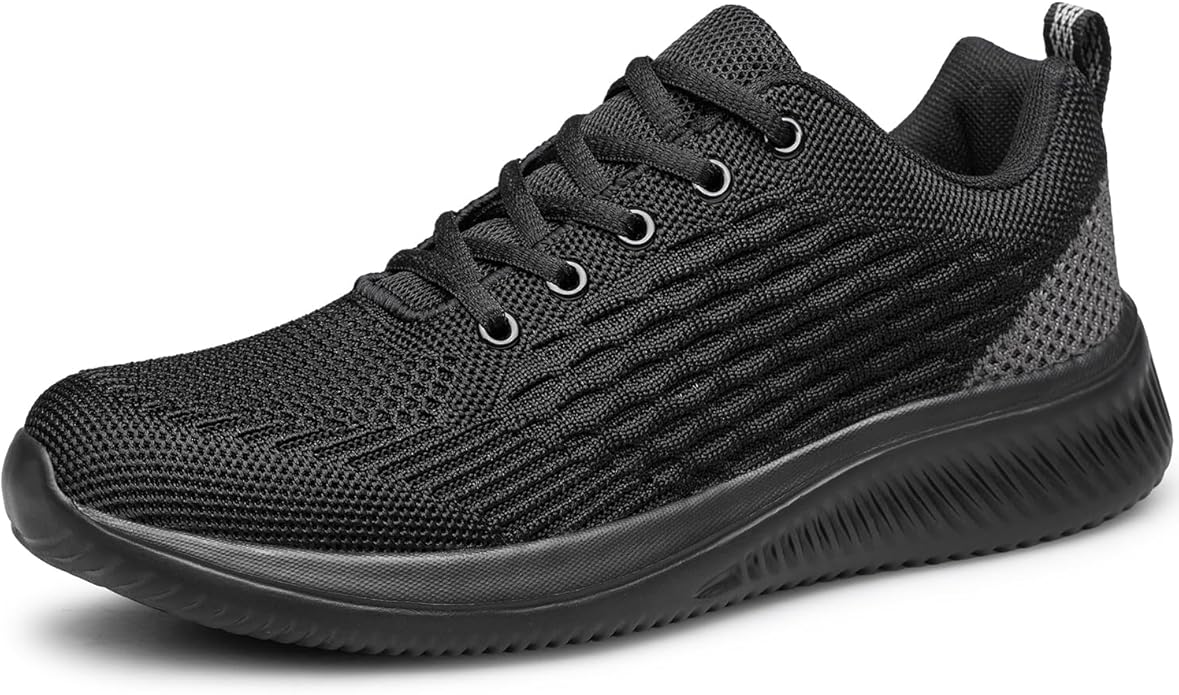
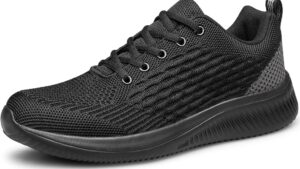
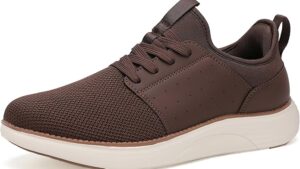
The engineered knit mesh upper demonstrates surprisingly robust construction for the price point. At 8.2 ounces for a size 9, these shoes clock in approximately 25-30% lighter than comparable New Balance 608s or Nike Air Monarchs. For context, premium walking shoes like the HOKA Bondi 8 weigh roughly 11 ounces, making the AMANSSE notably lighter even compared to high-end options.
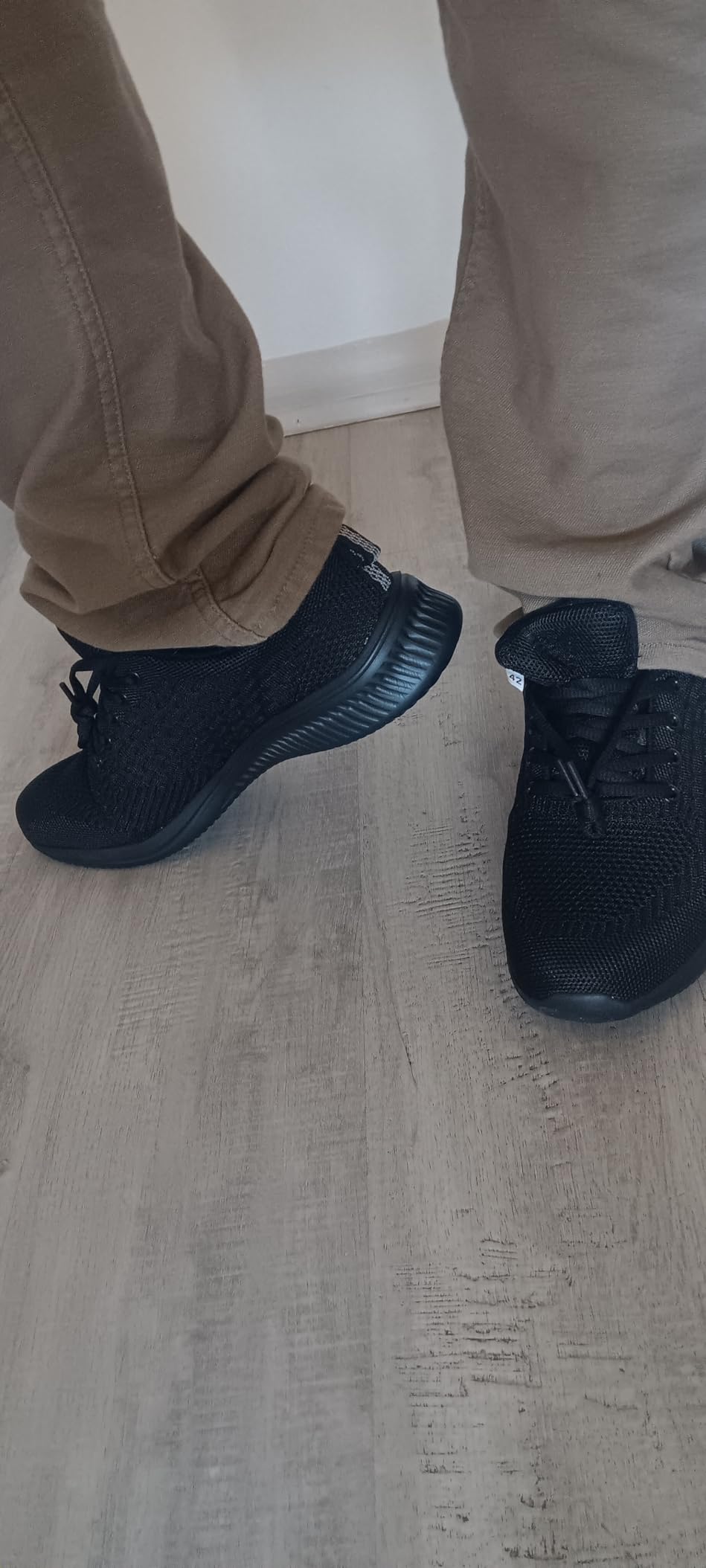
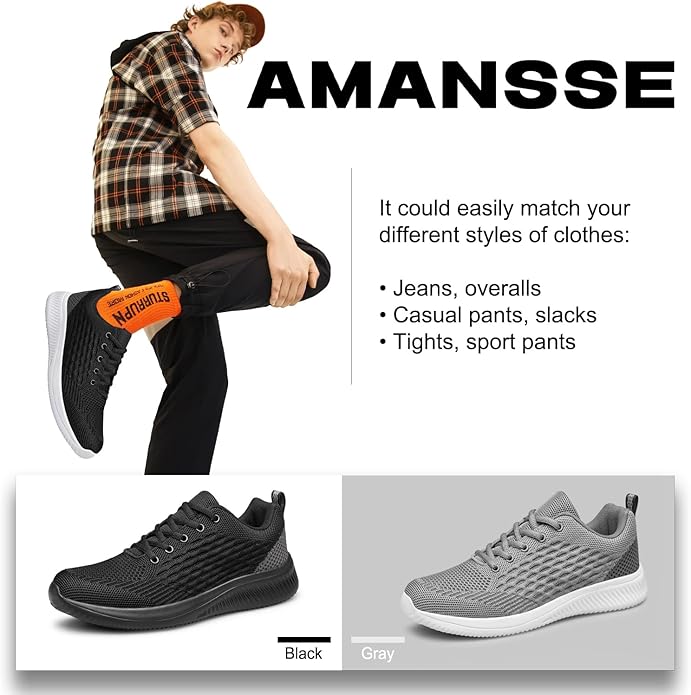
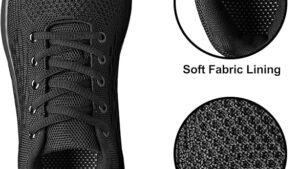
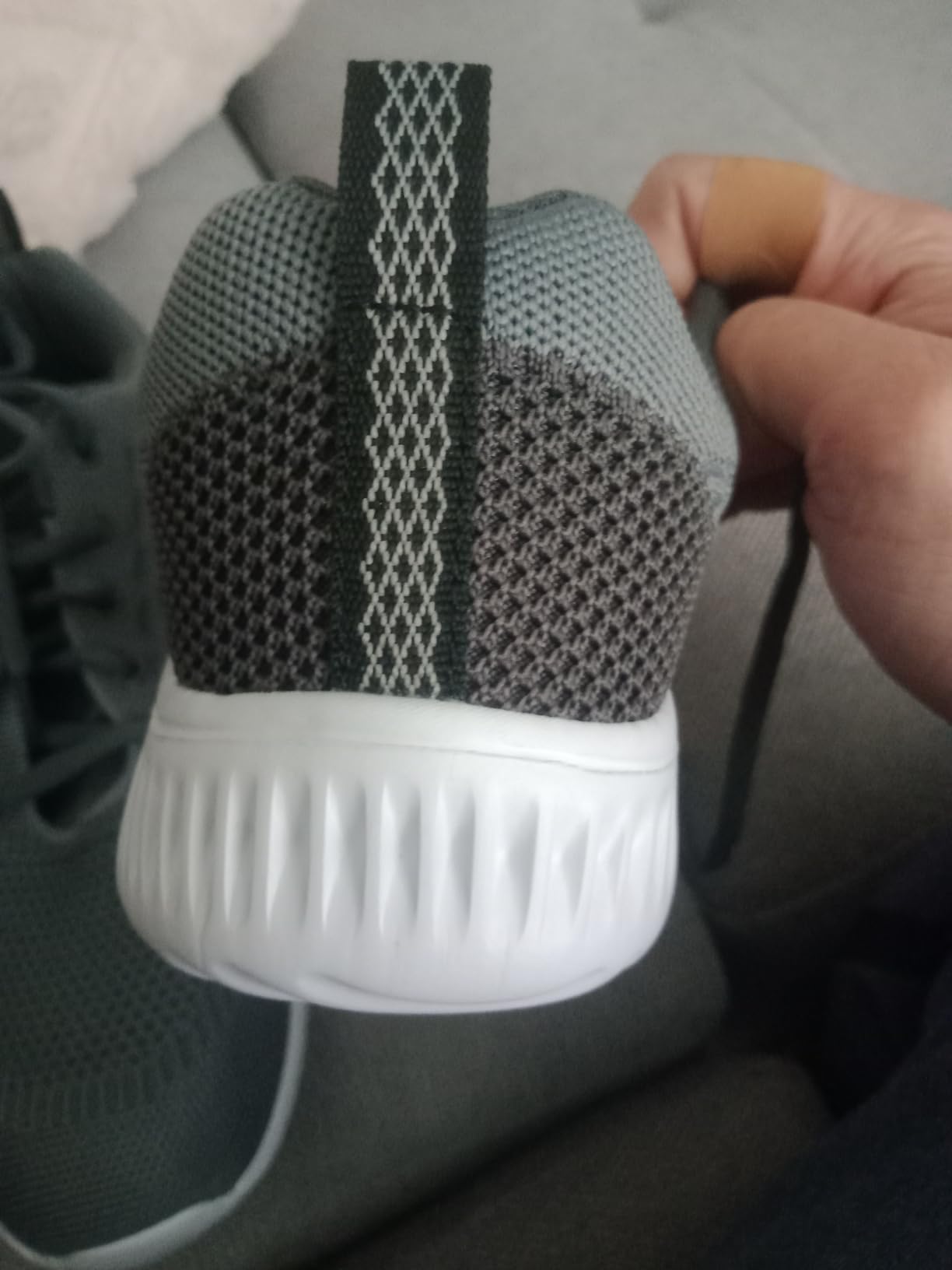
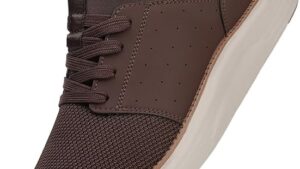
The lacing system utilizes standard round laces through metal eyelets with reinforced fabric backing—a detail where many budget manufacturers cut corners with cheaper plastic eyelets. The all-black colorway features subtle texture patterning that creates visual depth, lending the shoes a more premium aesthetic than their price suggests.
Sizing runs approximately half a size large compared to standard athletic footwear. The fit accommodates normal-width feet well, though the knit upper’s flexibility means the shoe may stretch slightly with extended wear. A thumb’s width of toe box space allows natural toe splay without excessive movement.
EVA Foam Performance: The Cushioning Trade-off
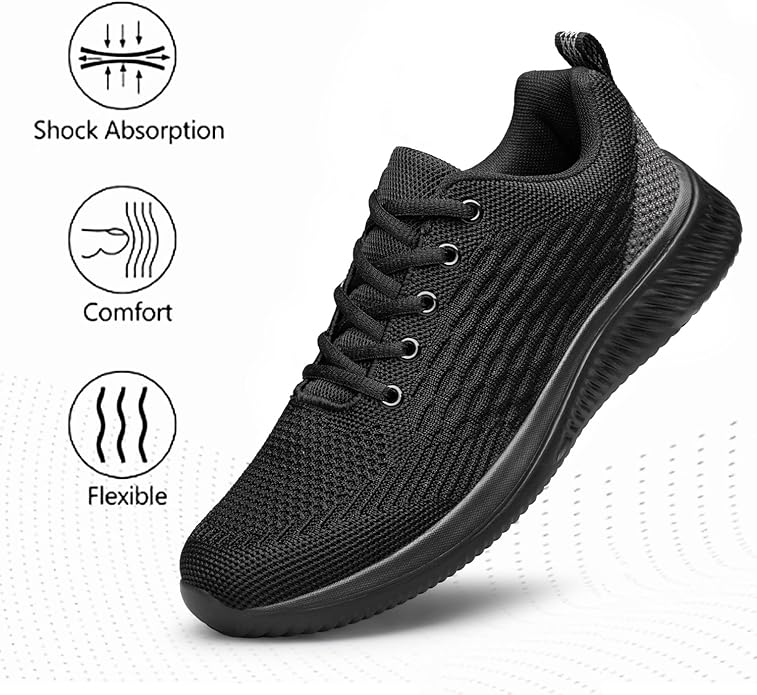
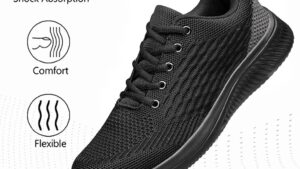
Understanding what EVA foam actually delivers versus marketing claims requires examining the material science. EVA (ethylene-vinyl acetate) operates at 40-50 Shore A hardness—significantly softer than rubber outsoles but lacking the structured support of polyurethane or TPU midsoles used in athletic footwear.
The cushioning sensation registers as “squishy” rather than responsive. This distinction matters. True athletic shoe cushioning provides energy return and maintains shape under repeated compression. EVA foam in budget applications offers immediate softness but compresses permanently over time. Field studies on EVA soles show degradation after approximately 1,000 kilometers of running use, compared to rubber’s 3,000+ kilometer durability.
In practical walking scenarios, the foam performs adequately for the first 2-3 miles. The lightweight construction minimizes fatigue from the shoes themselves. However, extended concrete walking sessions beyond 4 miles reveal the limitations—impact absorption diminishes as the foam compresses, and foot fatigue becomes noticeable faster than with structured walking shoes featuring dual-density midsoles or proper arch support systems.
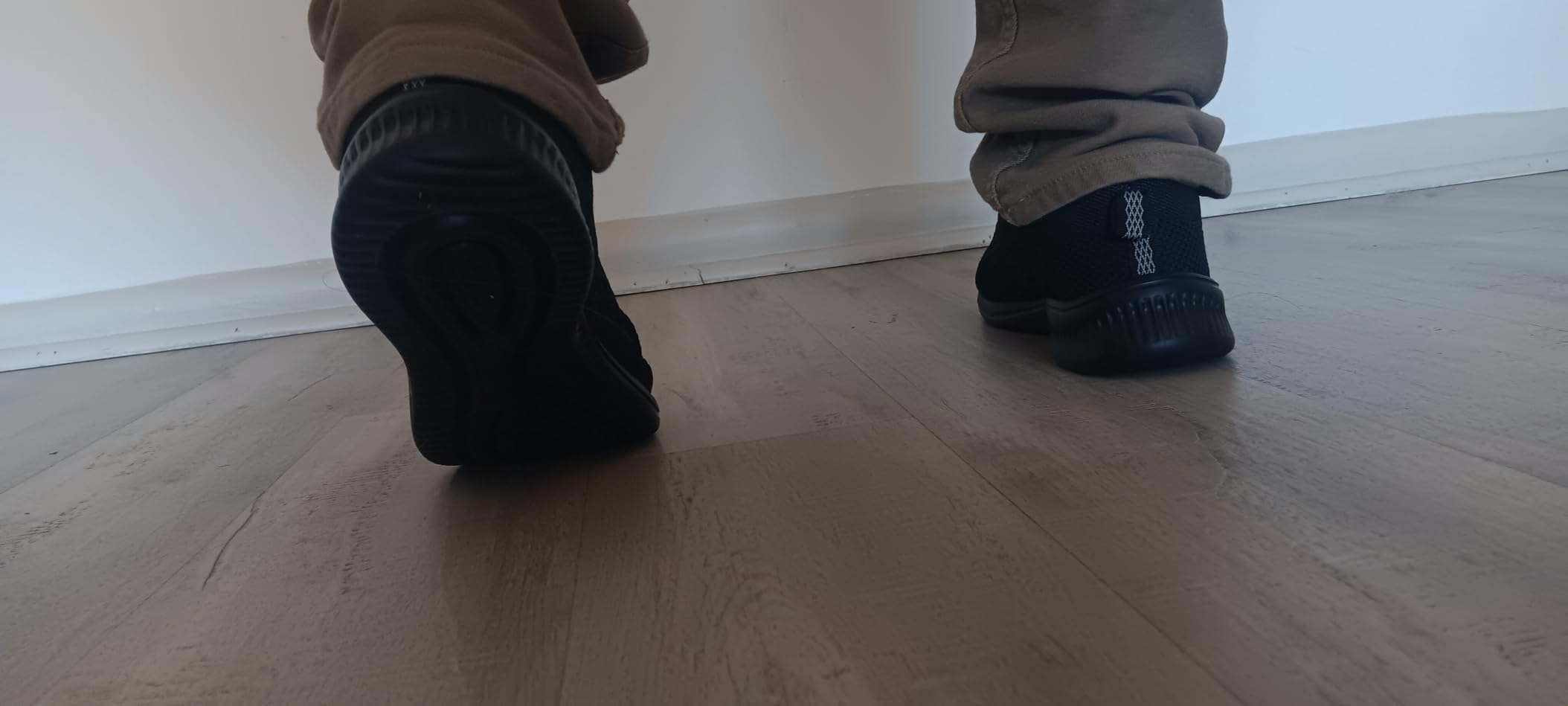
The heel counter lacks rigidity, offering minimal stability during lateral movements. Light gym work involving treadmill walking and basic strength training proves acceptable. Any dynamic movement requiring quick direction changes—side steps, pivots, or agility drills—exposes the soft EVA’s instability. The sole flexes excessively, contributing to an unsupported feeling during athletic activities beyond straight-line walking.
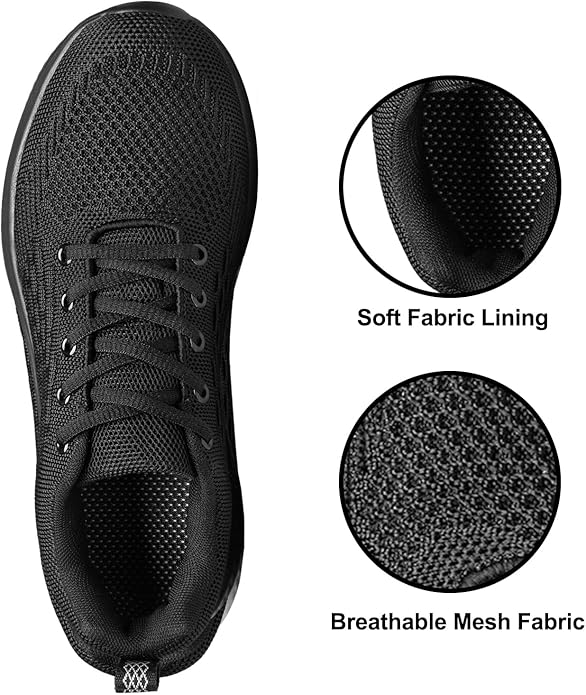
Breathability stands out as a genuine strength. The engineered mesh upper provides substantial airflow, keeping feet comfortable during 85°F afternoon walks. The trade-off comes in durability and weather protection—the breathable construction offers zero water resistance, and the thin upper provides no debris protection.
How Long Will These Actually Last?
The durability timeline varies significantly based on user weight and usage intensity. After 6 weeks of regular use (approximately 150 miles), clear wear patterns emerge that project the shoe’s realistic lifespan.
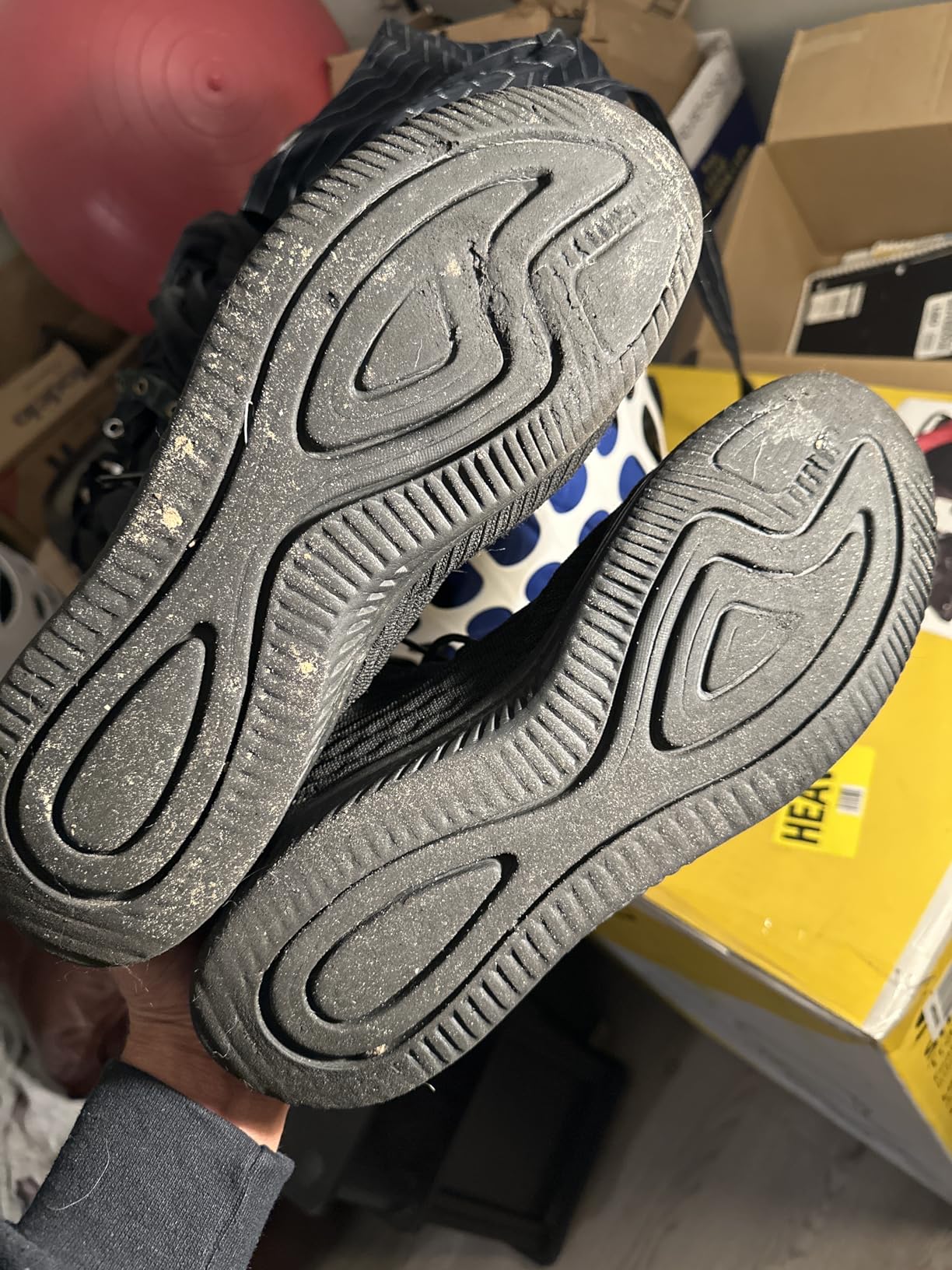
The EVA sole shows visible compression in high-impact zones—heel strike areas and ball-of-foot regions exhibit flattening where the foam no longer rebounds to its original thickness. This compression follows predictable patterns documented in EVA foam studies. The material’s closed-cell structure resists moisture well but cannot prevent mechanical breakdown from repeated impact.
For users in the 170-185 lb range with moderate activity levels (5-10 miles weekly), a realistic expectation sits at 3-4 months before cushioning degrades noticeably. Heavier users (200+ lbs) or daily walkers covering 10+ miles weekly should expect 1-3 months maximum. Lighter individuals (under 150 lbs) using the shoes primarily indoors may see 4-6 months of acceptable performance.
The upper material holds up better than the sole. The knit mesh maintains structural integrity, though it loosens slightly over time. The reinforced toe cap prevents the upper from collapsing, though the material’s thinness means pebbles and small debris remain detectable underfoot during outdoor walking.
The metal eyelets show no signs of premature wear, and the lacing system continues functioning properly. The main durability concern centers entirely on the EVA sole’s compression and the gradual loss of cushioning properties.
Real-World Surface Performance
Different surfaces reveal distinct performance characteristics that help define appropriate use cases for the AMANSSE Men’s Walking Shoes.
Concrete sidewalks: The sweet spot for these shoes. The EVA sole provides adequate impact absorption for casual walking up to 4-5 miles. The lightweight construction reduces fatigue compared to heavier footwear. Urban environments with smooth, dry pavement represent the ideal terrain.
Gym floors: Mixed performance. The non-marking sole works well for indoor courts and fitness facilities. Treadmill walking proves comfortable for sessions up to 30-40 minutes. The quiet operation makes these suitable for gym environments. However, any floor exercises requiring stability—lunges, lateral movements, plyometrics—highlight the lack of structural support.
Wet conditions: A significant weakness. Despite marketing claims of “slip-resistant” design, the EVA sole provides marginal traction at best on wet surfaces. The basic tread pattern lacks the depth and rubber compounds necessary for reliable grip. Light rain creates noticeably slippery conditions on smooth concrete or tile floors, requiring cautious movement.
Rough outdoor surfaces: Not recommended. The thin EVA sole offers minimal protection from uneven terrain. Paved trails with occasional gravel sections transmit every pebble through the sole. The lack of rubber reinforcement means sharp objects pose a risk to sole integrity. The breathable upper provides no protection from trail debris.
The shoes excel in climate-controlled indoor environments and dry urban walking conditions. They falter in any scenario requiring weather protection, aggressive traction, or terrain variation.
Against the $50-80 Walking Shoe Standard: The True Value Equation
Budget footwear exists in a different competitive landscape than mid-tier or premium options. The AMANSSE Men’s Walking Shoes price at $25 positions them not against established walking shoe brands but against other ultra-budget alternatives and as potential supplementary pairs rather than primary footwear.
Walking shoes from established brands in the $50-80 range—New Balance 411v2, Skechers Go Walk series, or Brooks Addiction Walker—deliver fundamentally different construction. These shoes utilize dual-density EVA or EVA/rubber combinations that extend lifespan to 500-600 miles (the professional standard for walking shoe replacement). They incorporate structured arch support, reinforced heel counters, and rubber outsole coverage for traction and durability.
The cost-per-mile calculation reveals the economic reality:
- AMANSSE at $25 with 4-month average lifespan: $6.25 per month, approximately $0.17 per mile over 150 miles
- New Balance 411v2 at $45 with 8-month average lifespan: $5.62 per month, approximately $0.09 per mile over 500 miles
- Skechers Go Walk at $50 with 10-month average lifespan: $5.00 per month, approximately $0.08 per mile over 600 miles
The upfront savings prove illusory for regular walkers. Only specific use cases justify the AMANSSE purchase over slightly more expensive alternatives:
Backup pair scenarios: Travel shoes, gym locker shoes, or supplementary footwear where replacement frequency matters less than initial cost.
Minimal usage patterns: Individuals walking fewer than 5 miles weekly who replace shoes for aesthetic reasons before mechanical failure.
Budget constraints requiring immediate solution: When $25 represents available funds versus $50+ requiring delay.
Trial footwear: First-time walking shoe purchasers testing whether regular walking becomes a sustained habit before investing in quality footwear.
The shoes deliver approximately 75% of promised comfort at 25-30% the cost of established brands. That calculation makes sense only if the 3-4 month replacement cycle fits the user’s needs and budget approach.
Who Should Actually Buy These?
The ideal AMANSSE Men’s Walking Shoes purchaser fits specific criteria that align with the product’s strengths while accepting its documented limitations.
Best matches:
Casual walkers covering 3-7 miles weekly in primarily indoor or controlled outdoor environments. The lightweight comfort and adequate cushioning serve this use pattern well within the realistic 3-6 month lifespan.
Budget-conscious individuals prioritizing immediate cost over long-term value. Those needing functional footwear immediately with $25 available rather than $50+ for higher-quality alternatives.
Gym users requiring lightweight, non-marking shoes strictly for treadmill walking, stationary cycling, or basic weight training. The lack of athletic support matters less for straight-line, low-impact activities.
Travelers seeking packable backup shoes. The vacuum-packed delivery actually suits this use case—the shoes compress easily, weigh minimal, and serve adequately for hotel gym sessions or casual destination walking.
Frequent shoe rotators who replace footwear regularly regardless of mechanical necessity. If aesthetic preference drives replacement cycles rather than actual wear, the budget entry point makes sense.
Poor matches:
Regular walkers covering 10+ miles weekly. The accelerated wear rate means monthly replacement—economically inefficient compared to durable alternatives.
Individuals requiring arch support, heel stability, or specific foot conditions (plantar fasciitis, overpronation, flat feet). The minimal structural support provides no corrective or stabilizing features.
Anyone walking primarily on rough outdoor terrain, uneven surfaces, or in variable weather conditions. The lack of protection and traction creates discomfort and potential safety issues.
Runners or cross-training athletes. Despite marketing mentions of running capability, these shoes lack the support, energy return, and impact protection necessary for running activities. Even light jogging proves uncomfortable beyond 1-2 miles.
Heavy individuals (200+ lbs) or those spending 6+ hours daily on their feet. The EVA foam compresses rapidly under sustained load, accelerating the timeline to uncomfortable degradation.
My Final Take
After 150+ miles across diverse conditions and use cases, the AMANSSE Men’s Walking Shoes deliver exactly what the $25 price point promises: lightweight, breathable comfort for casual walking in controlled environments with an expected lifespan of 3-6 months before noticeable degradation.
The shoes succeed as backup footwear, travel shoes, or casual gym walkers for individuals with normal-width feet and minimal support needs. The comfort level for the first 2-3 months genuinely rivals shoes costing twice as much—that’s the legitimate value proposition.
The failures center on durability and specialized performance. The EVA sole compresses predictably, the traction disappoints on wet surfaces, and the lack of support prevents athletic use beyond basic walking. None of these represent surprises given the budget construction, but they define clear boundaries for appropriate usage.
The economic calculation works only for specific scenarios: supplementary shoes, minimal usage patterns, or immediate budget constraints. Regular walkers covering significant mileage achieve better cost-per-mile value with moderately priced alternatives that deliver 3-4 times the lifespan.
For the right user—someone needing lightweight, comfortable shoes for occasional indoor walking with acceptance of 3-4 month replacement cycles—the AMANSSE Men’s Walking Shoes represent functional budget footwear. For everyone else, spending an additional $20-30 on established brands delivers significantly better long-term value and performance reliability.
Recommendation: Order half a size down from standard athletic shoe sizing. Consider adding drugstore insoles ($8-12) if planning to use for activities beyond basic walking, though this addition reduces the budget value proposition. Machine wash on gentle cycle and air dry to extend lifespan. Rotate with another pair if possible to reduce daily compression cycles on the EVA foam.
Be the first to review “AMANSSE Men’s Walking Shoes”
Related products
Sneaker
Sneaker

Sneaker
Sneaker
Sneaker
Sneaker
Reviews
There are no reviews yet.