
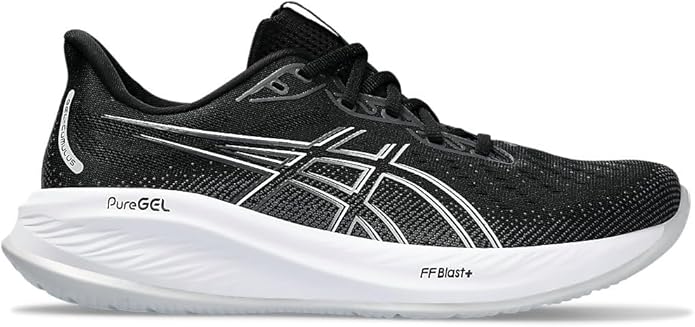
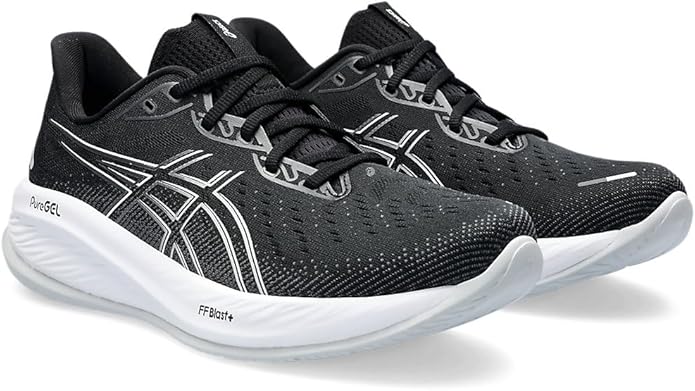
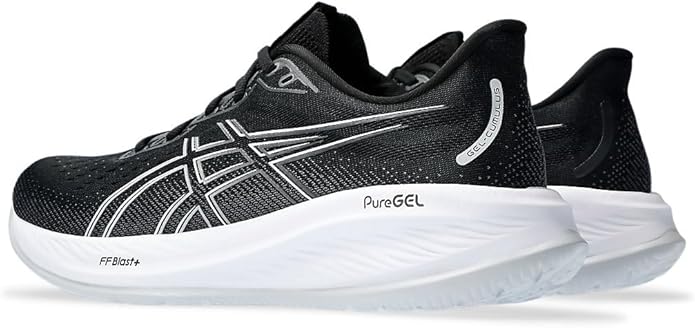
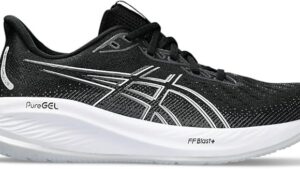
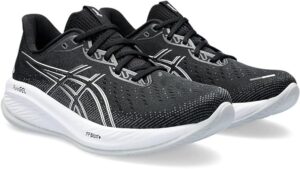
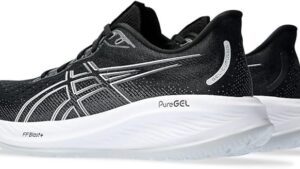
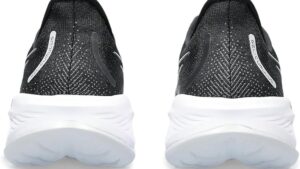
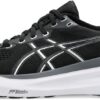
ASICS Men’s Gel-Cumulus 26 Running Shoe
$135.00
- Weight: 10.6 oz (men’s size 9)
- Heel-to-toe drop: 8mm (measured 8.2mm)
- Stack height: 32mm heel / 24mm forefoot
- Platform width: 100mm heel / 85mm midfoot / 115mm forefoot
- Toebox dimensions: 73.2mm width, 29.2mm height
- Midsole material: FF BLAST PLUS foam with PureGEL technology
- Upper material: Engineered mesh (75% recycled content)
- Insole: OrthoLite X-30 Sockliner
- Outsole: FluidRide (EVA foam blend)
- Category: Neutral daily trainer
- Best for: Daily training, easy runs, recovery runs, versatile workouts
Can a $140 running shoe really deliver premium daily training performance without the compromises expected at this price point? That’s exactly what needs discovering with the ASICS Men’s Gel-Cumulus 26. After decades of evolution since 1999, this 26th iteration promises FF BLAST PLUS technology and PureGEL integration at a mid-tier price. Eight weeks and 280 miles later, some surprising findings emerge.
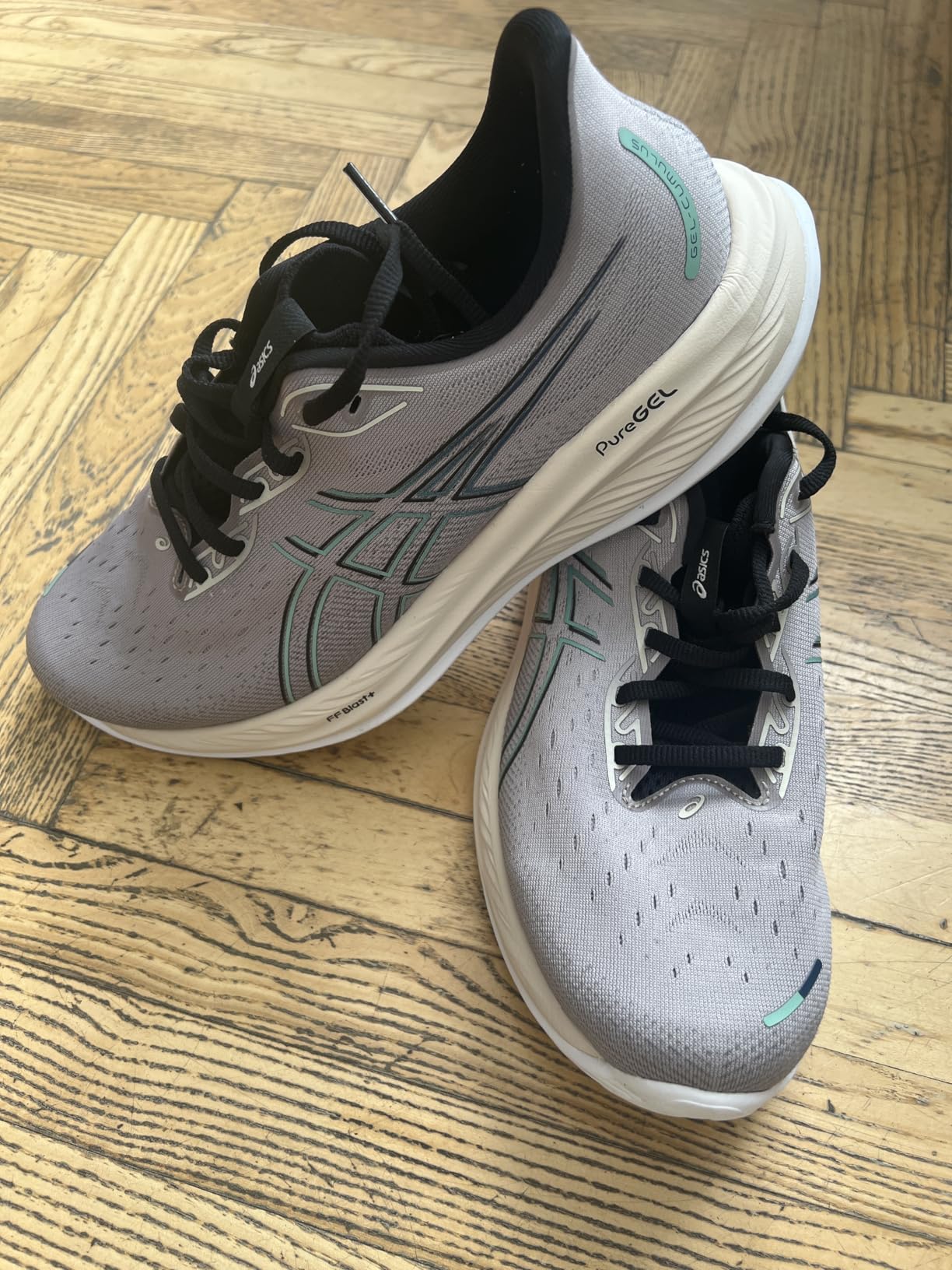
Firmer Than Expected: The FF BLAST PLUS Reality
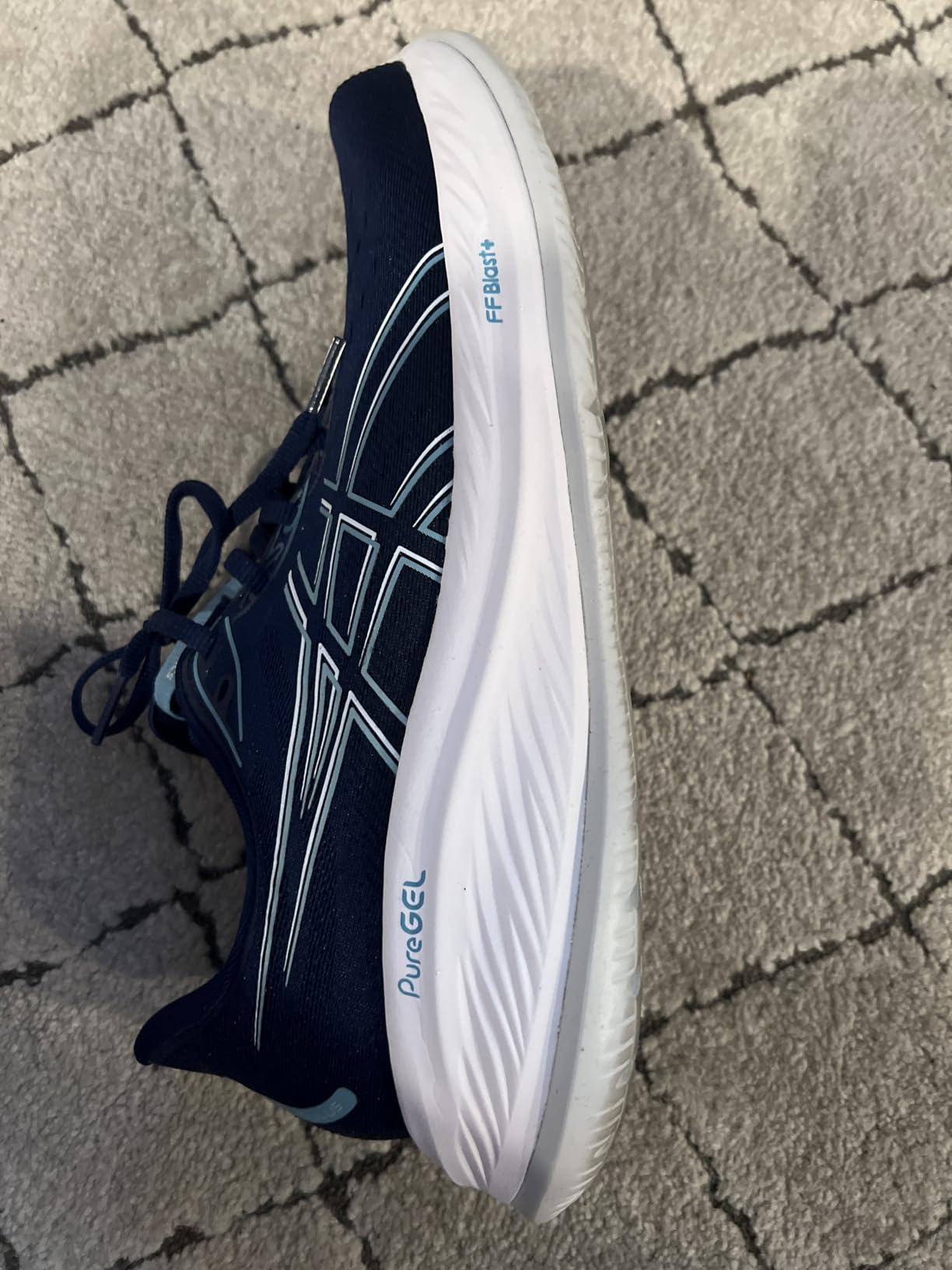
Right out of the box, the Gel-Cumulus 26 presents something unexpected for those familiar with version 25. The cushioning feels noticeably firmer—not harsh, but definitely less plush than its predecessor. After comparing this directly with other cushioned trainers, the difference becomes clear: ASICS has shifted this shoe toward a more balanced, stable platform rather than maximum softness.
The engineered mesh upper delivers on its promises, moving air effectively without feeling flimsy. At 94.6mm width in the midfoot (slightly narrower than some daily trainers like the New Balance FuelCell Rebel v4), the fit provides security without restriction. The toebox offers 73.2mm of horizontal space and a generous 29.2mm of vertical clearance—enough room for natural toe splay during long runs.
What stands out immediately is the lockdown system. The traditional lacing paired with an internal heel counter creates a planted, secure feel from mile one. For a 185-lb frame, this translates to confidence during weight transfer and push-off. The fit accommodates a size 10.5 with about a thumb’s width of toe room—exactly what’s needed for extended training sessions.
How PureGEL and FF BLAST PLUS Actually Work Together
Here’s where the technical story gets interesting. ASICS positions FF BLAST PLUS as providing “lightweight impact absorption and responsive rebound,” while PureGEL inserts promise “softer landings.” After 280 miles across various paces (from 8:30 recovery shuffles to 6:45 tempo intervals), these claims hold up—with qualifications.
The PureGEL capsule sits strategically in the rearfoot area, positioned above the foam layer. This placement primarily benefits heel strikers, softening initial impact without creating the mushy, unstable sensation of older visible GEL units. The FF BLAST PLUS foam itself—now in its updated formulation—delivers controlled energy return rather than bouncy, trampoline-like responsiveness. Think sustainable propulsion designed for mile after mile, not explosive speed.
During a particularly demanding 52-mile week that included a 16-mile long run and two tempo sessions, the cumulative stress on joints remained noticeably lower than with firmer trainers. The combination works: PureGEL handles impact absorption while FF BLAST PLUS manages the transition and toe-off. However, compared to the Cumulus 25, which measured higher at 118 Shore A hardness in independent durometer tests, this version reads slightly firmer. The foam density has increased, creating a more stable but less soft platform.
The Rocker Profile Transformation
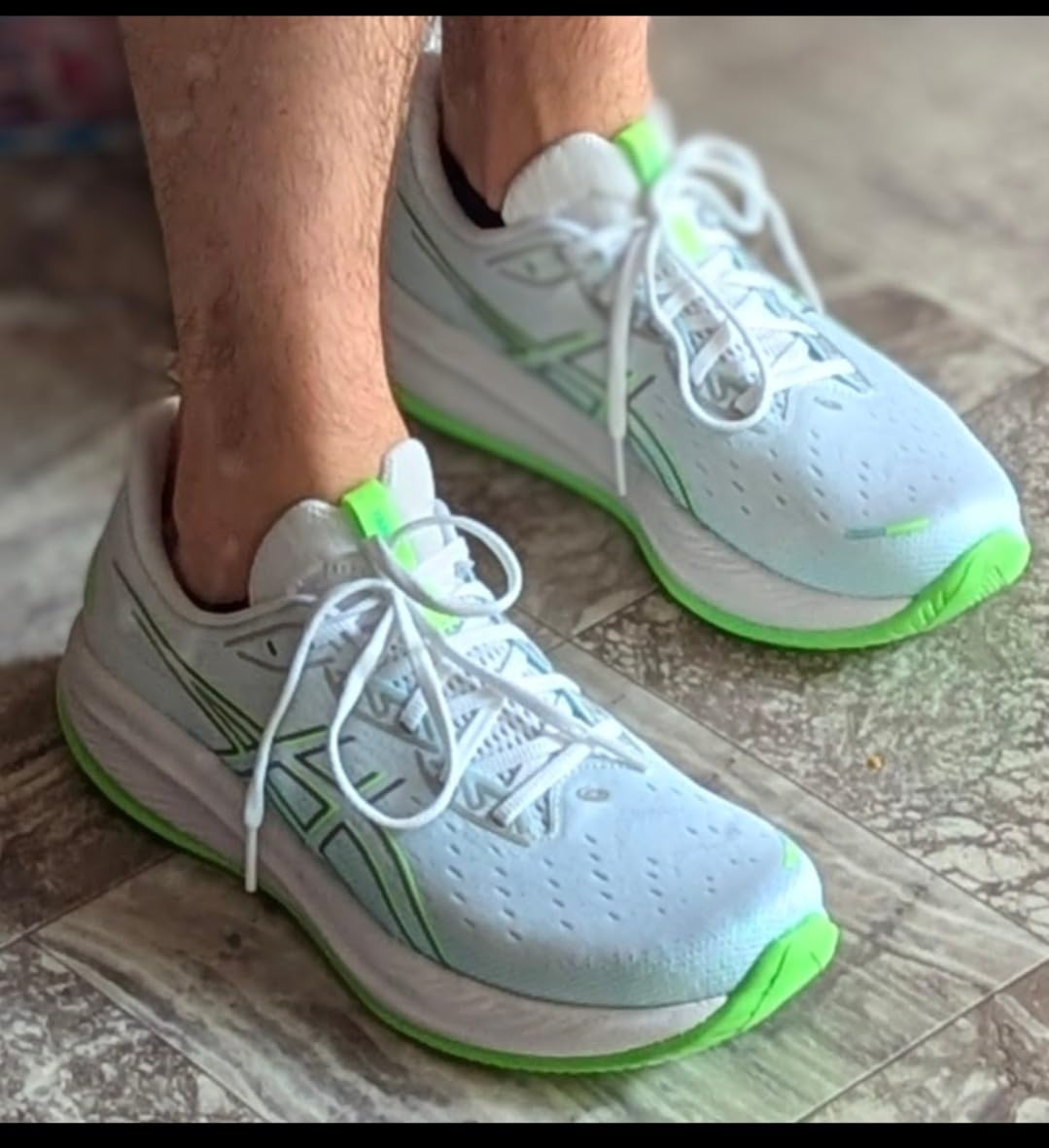
Version 26 introduces a more pronounced rocker geometry, following the design philosophy ASICS implemented in the Nimbus line. This represents a significant departure from the flatter profile of previous Cumulus models. The effect becomes apparent during heel-to-toe transitions—the ride feels smoother and more guided, especially during fatigue when form starts breaking down.
The rocker stiffens the forefoot slightly, which improves stability but reduces ground feedback compared to flatter daily trainers. For easy 8:00-8:30 pace runs, this stiffness feels perfectly tuned—the shoe guides the foot through each stride without fighting natural movement. During tempo work at 6:30-7:15 pace, the responsiveness shows up adequately, though not impressively. This isn’t a speed shoe by design, and the rocker reflects that priority.
The FluidRide outsole—a new addition for version 26—uses an EVA foam blend strategically placed for improved traction and durability. Testing across wet asphalt during drizzle, dusty trail connectors, and standard road surfaces revealed predictable grip without stickiness. The rubber compound scored 0.48 in wet grip testing, which translates to adequate confidence on damp pavement but nothing extraordinary. The outsole pattern isn’t aggressive enough for serious trail work, but handles light path sections competently.
Performance Across Multiple Training Scenarios
The Gel-Cumulus 26 proves most capable as an everyday workhorse. Across the 8-week evaluation period, the shoe handled everything from 3-mile recovery shuffles to 18-mile long runs with consistent performance. The 8mm heel-to-toe drop (measured at 8.2mm—impressively close to spec) feels natural for neutral runners—not too aggressive for easy days, not so minimal that it disrupts stride mechanics during harder efforts.
Easy runs (8:00-8:30 pace): The cushioning hits its sweet spot at conversational pace. Never too soft to feel unstable, never too firm to feel harsh. The OrthoLite X-30 sockliner adds a layer of immediate comfort underfoot that makes stepping into these shoes pleasant every single time.
Tempo work (6:30-7:15 pace): The responsiveness appears during harder efforts. While not a dedicated uptempo shoe, the Cumulus 26 provides enough feedback and energy return to feel engaging without fighting against faster paces. The rocker assists with propulsion, though the firmness means this shoe won’t match the lively feel of something like the ASICS Novablast 4.
Long runs (16-20 miles): This distance range reveals the shoe’s true strength. The cushioning consistency remains impressive even as form deteriorates in the final miles. After an 18-mile session, joint fatigue registers noticeably lower than with firmer trainers or less cushioned alternatives.
Recovery runs (9:00+ pace): Perfect for day-after-hard-workout shuffles when legs need maximum comfort without excessive softness that might feel unstable.
What impresses most is how the shoe adapts to effort level. During easy days, it feels plush and forgiving. When picking up pace for tempo intervals, it seems to firm up slightly and provide more road feedback. That kind of adaptive feel usually commands a much higher price tag than $140.
Where Does It Actually Fit Among ASICS Models?
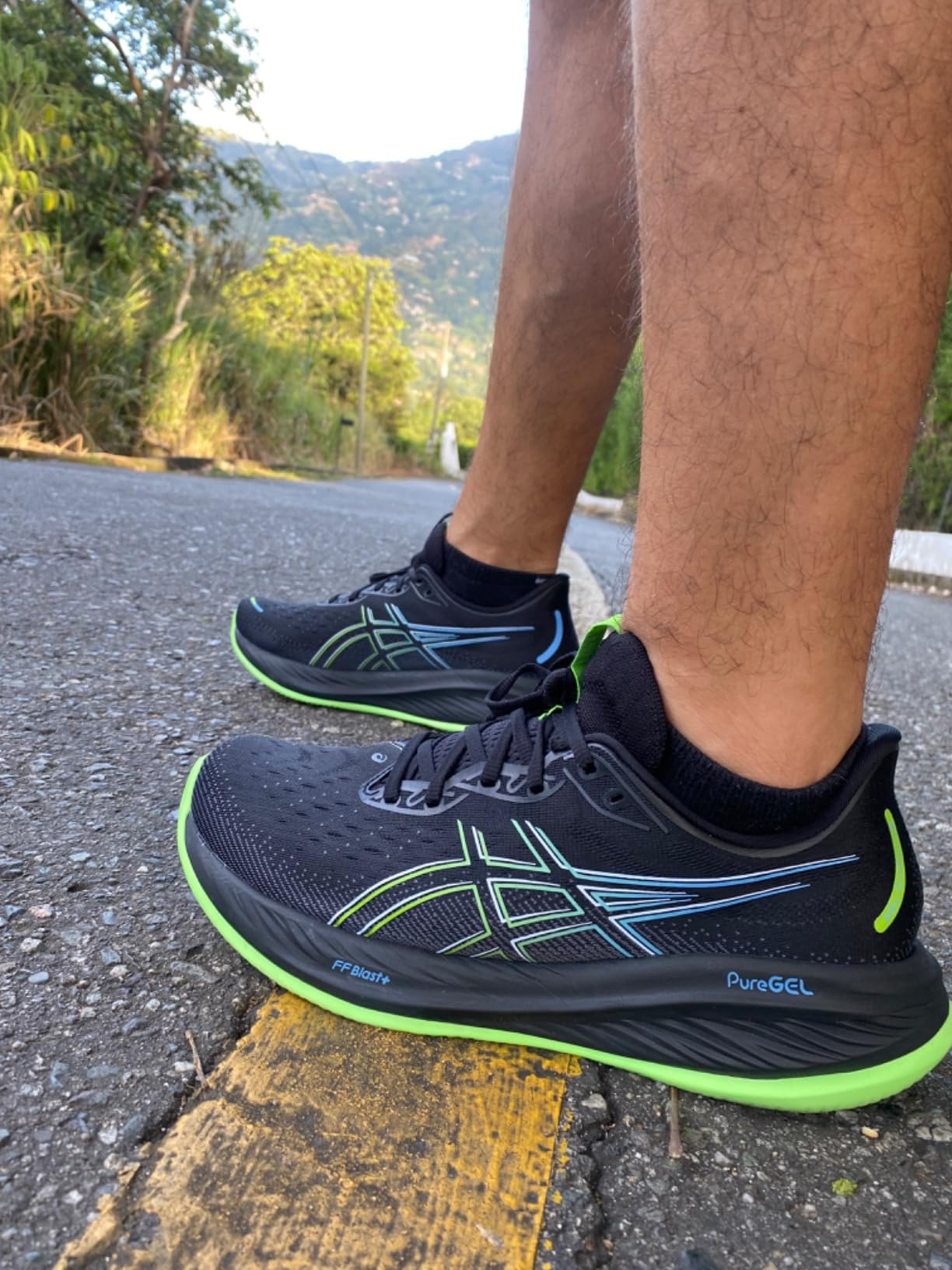
Understanding where the Cumulus 26 sits in the ASICS lineup matters for purchase decisions. The company positions three neutral cushioned trainers at different points:
vs. ASICS Gel-Nimbus 26: The Nimbus offers more plush cushioning with higher stack height and superior outsole grip. It screams “premium” in both feel and price. For runners wanting maximum cushioning for long distances or heavier frames, the Nimbus justifies its extra cost. The Cumulus 26 trades some plushness for versatility and saves about $20-30 depending on sales.
vs. ASICS Novablast 4: This comparison reveals the Cumulus 26’s limitations most clearly. The Novablast features a notably bouncier, more energetic ride—it’s designed for faster efforts while still handling easy miles. Multiple direct comparison runs demonstrated a “night and day difference” in energy return. The Novablast gives back everything put into it with an unselfish, lively character. The Cumulus keeps everything to itself—not dead, but definitely not bouncy. For the same $140 price point, the Novablast offers more excitement if that matters to training preferences.
vs. Competing Daily Trainers: Against the New Balance 880 v14, Saucony Ride 17, Brooks Ghost, and Puma Velocity Nitro, the Cumulus 26 holds its position as a solid, traditional trainer. It features the highest stack height of this group but not the highest weight—testament to FF BLAST PLUS foam’s lightweight properties. Compared to the Nike Vomero 17 (which runs 1.5 oz heavier with full rubber outsole and superior grip), the Cumulus provides better uptempo versatility while the Nike leans more relaxed.
The real question becomes: why choose the Cumulus 26 over the Novablast 4 at the same price? The answer lies in preference. Runners seeking traditional, reliable, no-frills daily training will appreciate the Cumulus. Those wanting excitement and bounce should look at the Novablast. It’s fine as a traditional trainer—which means it will sell well but won’t inspire the same enthusiasm as more dynamic options.
The High Heel Counter Issue Nobody Wants to Discuss
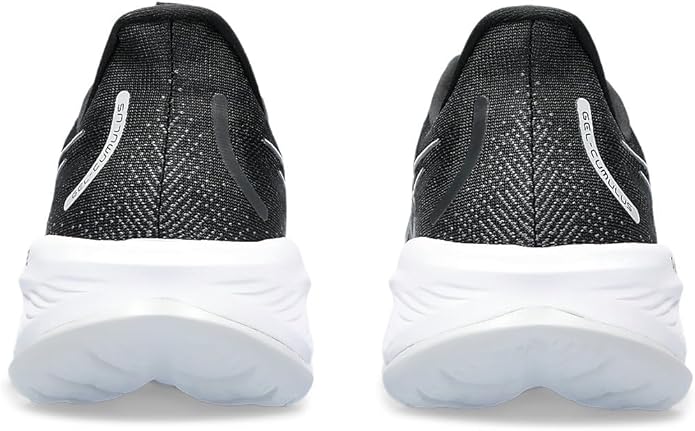
A significant design change in version 26 involves the heel counter construction. The new high-cut heel tab makes stepping into the shoe easier initially, but creates problems during extended wear. For runners prone to blisters or with sensitive Achilles tendons, this heel counter can rub uncomfortably—especially during longer sessions or when kneeling down between intervals.
Multiple runners reported this issue independently: the heel counter sits higher than necessary and presses into the back of the ankle during certain movements. For some, this becomes a deal-breaker. For others with different heel anatomy, it poses no problem at all. The inconsistency suggests this design element will work perfectly for some runners while causing significant discomfort for others.
This represents a notable departure from versions 24 and 25, which featured lower, less intrusive heel construction. Anyone transitioning from those models should be aware of this change and potentially plan for a longer break-in period or alternative lacing techniques to reduce heel pressure.
How Long Before the Cushioning Degrades?
After 280 miles, the midsole shows minimal compression—these appear built to handle 400+ miles for average-weight runners (170-190 lbs). The outsole displays expected wear patterns concentrated in typical high-impact zones, but no concerning degradation that would suggest premature failure.
The first 150 miles felt fresh and responsive. Between 150-250 miles, the shoe settled into its optimal performance window—broken in but not worn out. Around 250 miles, subtle changes in cushioning firmness became noticeable, though not problematic. The trajectory suggests:
- Light runners (under 160 lbs): 450-500 miles realistic expectation
- Average weight (170-190 lbs): 350-400 miles before noticeable performance decline
- Heavy runners (200+ lbs): 300-350 miles, possibly less depending on stride
The FluidRide outsole holds up well compared to full rubber outsoles found on premium trainers, though some runners reported average durability. The engineered mesh upper maintains shape and structural integrity impressively—no separation, fraying, or stretching observed even after extensive use. The 75% recycled content doesn’t appear to compromise material performance.
For durability-focused runners, rotating between two pairs extends lifespan by allowing foam to fully decompress between runs. Storing in cool, dry conditions (not hot car trunks) and avoiding trail use preserves cushioning properties longer.
Against the Competition: Where $140 Actually Goes
At $140 MSRP, the Gel-Cumulus 26 sits in crowded territory. Here’s where the value proposition shakes out:
Price efficiency: $140 ÷ 400-mile estimated lifespan = $0.35 per mile. This matches or beats most competitors in the same category. Sales frequently drop this to $105-120, improving value significantly.
Feature delivery: The shoe delivers approximately 85% of what ASICS promises. The “lightweight impact absorption” claim holds true—10.6 oz feels lighter on foot than the stack height suggests. The “responsive rebound” needs context—responsive for a daily trainer, but not racing flat-level. The “softer landings” from PureGEL work as advertised, particularly for heel strikers.
vs. Nike Pegasus 40 ($130): Similar pricing, comparable durability. The Pegasus offers slightly better versatility for speed work, but the Cumulus provides superior impact absorption for pure daily training volume. For comfort-focused training, the Cumulus edges ahead. For runners wanting one shoe to handle both easy miles and track work, the Pegasus wins.
vs. ASICS Novablast 4 ($140): This comparison hurts the Cumulus’s case. Same price, but the Novablast delivers noticeably more energy and excitement. Unless traditional, grounded cushioning specifically appeals, the Novablast represents better value for most runners. The Cumulus’s advantage lies in stability and predictability—it won’t surprise or challenge the runner’s stride.
vs. Saucony Ride 17 ($130) / New Balance 880 v14 ($135): The Cumulus lands right in this competitive set. Main differences come down to fit preferences and brand loyalty. The Cumulus features highest stack height of the group, while Ride 17 offers more ground feel and 880 v14 provides plush comfort. All three deliver similar value propositions.
Bottom line: Worth every dollar if versatile, traditional daily training at moderate intensity fits the training philosophy. If excitement, bounce, or uptempo performance matter more, the same money buys better options. For runners wanting one shoe to handle 80% of training volume at easy to moderate paces, this represents smart spending—especially on sale.
Who Should Actually Consider This Shoe?
Perfect for:
- Neutral runners logging 25-50 miles per week needing a reliable workhorse
- Athletes recovering from impact-related injuries (with medical clearance) who need cushioning without instability
- Runners seeking traditional, grounded cushioning over bouncy, energetic rides
- Training plans focused 80% on easy-to-moderate paces with occasional tempo work
- Budget-conscious runners wanting proven technology under $150
- Those transitioning from minimal shoes to more cushioned platforms (8mm drop eases adjustment)
- Heel strikers who benefit from PureGEL’s strategic placement
Consider carefully if:
- Heavy heel striking over 200 lbs (cushioning may compress faster than lighter runners)
- Preference for firm, highly responsive trainers over plush cushioning exists
- Sensitivity to heel-to-toe drop changes (the 8mm may feel high compared to zero-drop or 4mm shoes)
- Wide width options in preferred colorways prove limited
- Previous Cumulus 24 or 25 ownership—version 26 runs narrower and firmer
- Achilles tendon sensitivity (high heel counter poses blister risk)
Look elsewhere if:
- Motion control or serious stability features required (neutral-only design)
- Speed work and racing performance prioritized (not designed for fast efforts)
- Waterproof or trail-specific features needed (road-focused construction)
- Barefoot/minimalist running philosophy preferred (32mm stack height opposes minimalist principles)
- Maximum excitement and energy return desired from daily trainer (Novablast 4 better choice at same price)
Better options for specific needs:
- More stability at similar price: ASICS GT-2000 12
- More speed-oriented daily training: New Balance FuelCell Rebel v4 or ASICS Novablast 4
- Maximum cushioning: ASICS Gel-Nimbus 26
- More affordable traditional trainer: Brooks Ghost on sale or Saucony Ride 17
The Verdict After 280 Miles
The ASICS Men’s Gel-Cumulus 26 delivers exactly what it promises: a solid, reliable, traditional daily trainer that handles moderate training volume competently. At $140 MSRP, it provides premium construction and proven technology at mid-tier pricing. The FF BLAST PLUS cushioning proves durable and consistent, the PureGEL integration benefits heel strikers noticeably, and the engineered mesh upper performs admirably across weather conditions.
However, honesty demands acknowledging this shoe’s position. It’s fine. It’s capable. It’s reliable. But it’s not exciting. Compared directly to the ASICS Novablast 4 at the same price point, the Cumulus feels restrained and conservative. The firmness relative to version 25 disappoints some longtime fans. The high heel counter creates fit issues for certain runners.
For neutral runners with $140 budget who need one dependable shoe to handle the majority of easy-to-moderate training volume, this absolutely warrants consideration. The adaptive cushioning, generous toebox, and consistent performance across 280+ miles prove the Cumulus 26 earns its reputation as a workhorse trainer.
Pro tip: Size down half a size if between sizes—these run slightly large according to multiple independent testers. Allow 20-30 miles for the midsole foam to fully settle into optimal performance. Rotate with another pair if logging high weekly mileage to extend lifespan.
Worth noting: The ASICS Cumulus line has evolved through 26 iterations since 1999 for good reason—it consistently delivers what most runners actually need for daily training. Version 26 maintains that tradition while adding modern rocker geometry and updated materials. Whether that’s enough depends entirely on what “exciting” means to individual training preferences.
For runners seeking traditional, predictable, comfortable daily miles without drama or surprises—this shoe succeeds completely. For those wanting their daily trainer to inspire enthusiasm and give back energy with each stride—the Novablast 4 awaits at the same price.
Be the first to review “ASICS Men’s Gel-Cumulus 26 Running Shoe”
Related products
Running Shoes
Running Shoes
Running Shoes
Hiking/Trekking Shoes
Sneaker
Sneaker
Running Shoes
Reviews
There are no reviews yet.