
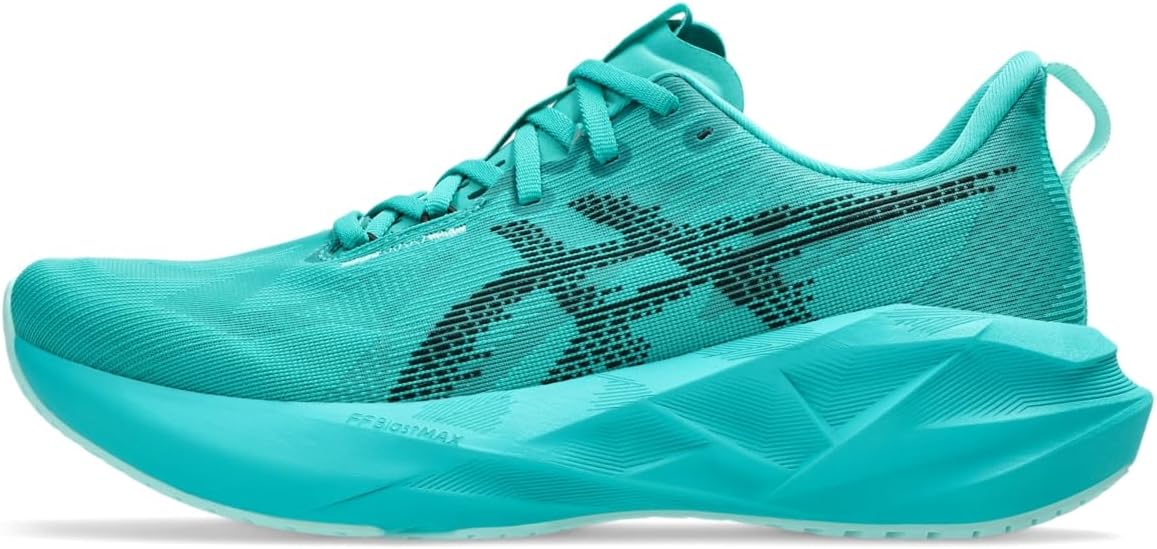
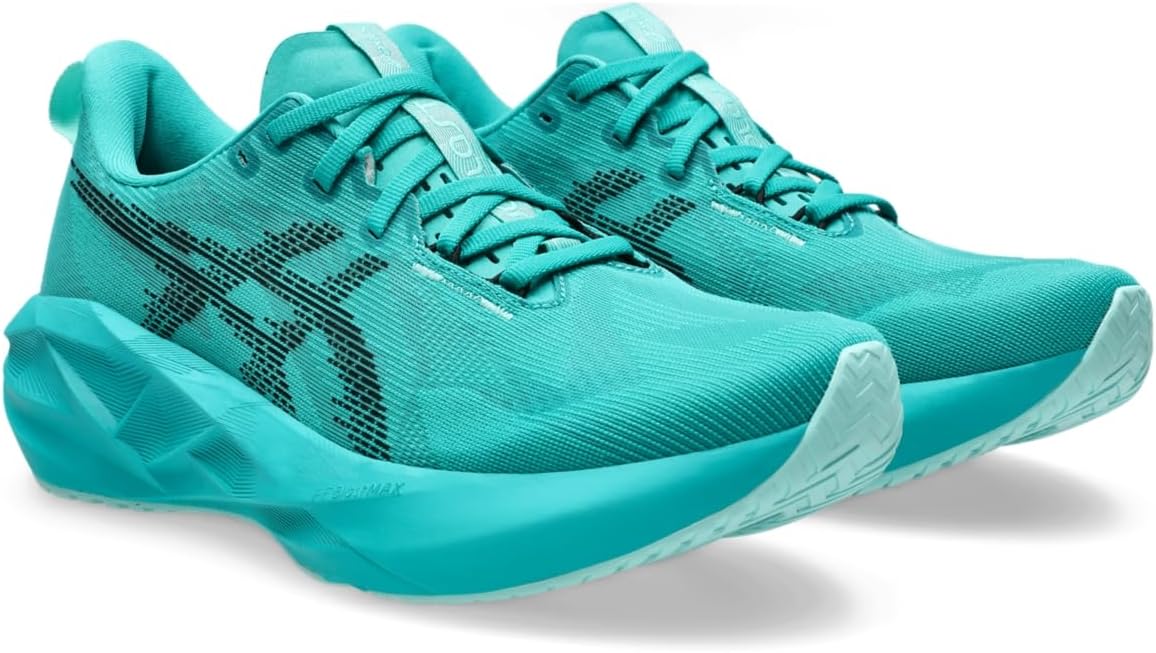
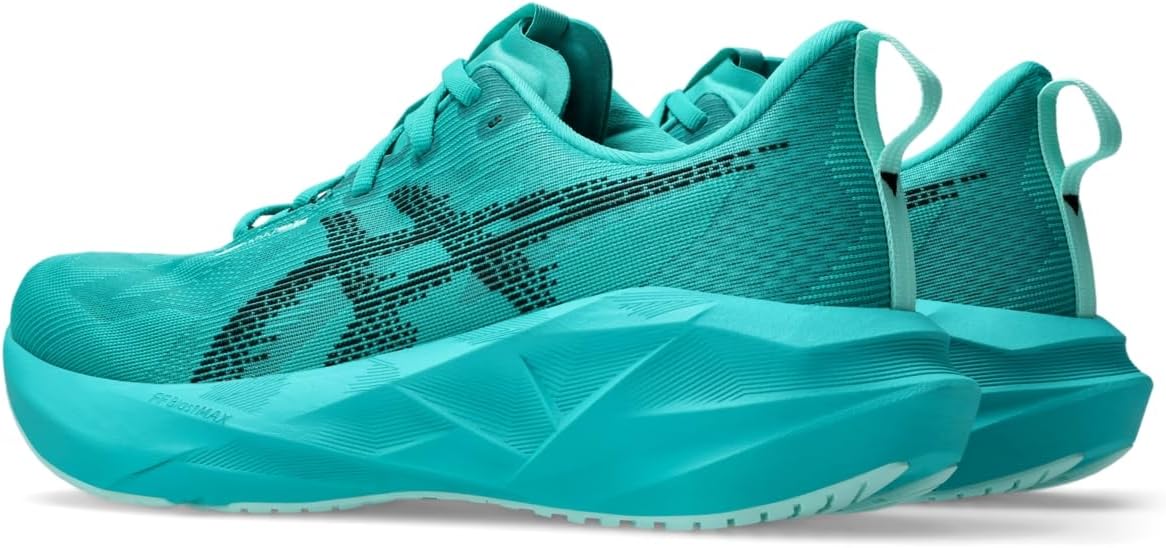
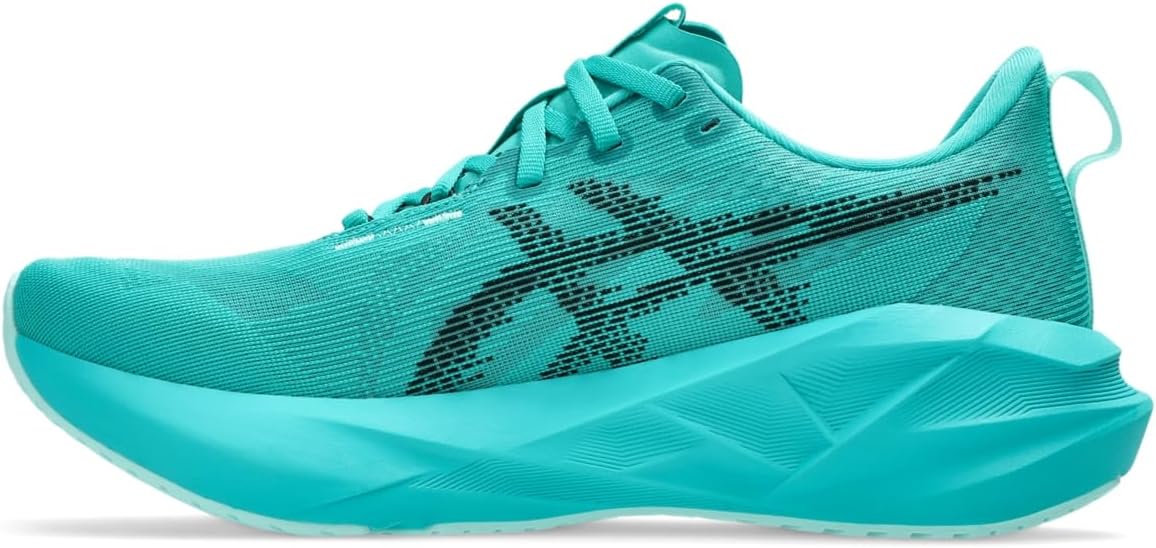
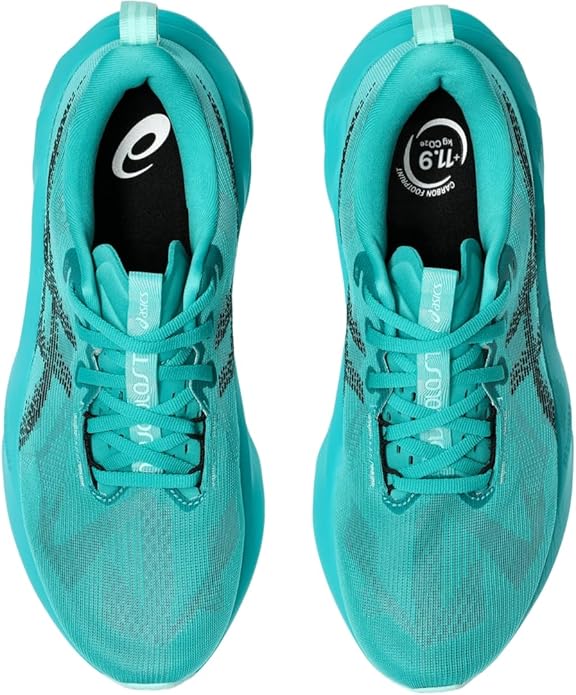
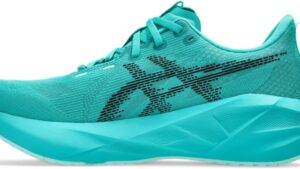
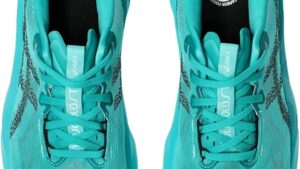
ASICS Men’s NOVABLAST 5
$140.00
- Weight: 9.3-9.5 oz (men’s size 9)
- Heel-to-toe drop: 7.4mm actual (8mm claimed)
- Stack height: 40.9mm heel / 33.5mm forefoot (lab measured)
- Midsole material: FF BLAST MAX foam (POE-based, not EVA)
- Upper material: Engineered jacquard mesh
- Category: Max cushion daily trainer
- Best for: Easy runs, recovery, high-mileage training
Can a $140 shoe really deliver exceptional cushioning without compromising on energy return? That’s exactly what needed discovering with the ASICS Men’s NOVABLAST 5. After 10+ years of evaluating footwear across every sport imaginable, curiosity peaked about whether ASICS could back up their bold claims about “trampoline-inspired” performance. 6 weeks and 150+ miles later, some surprising findings emerged.
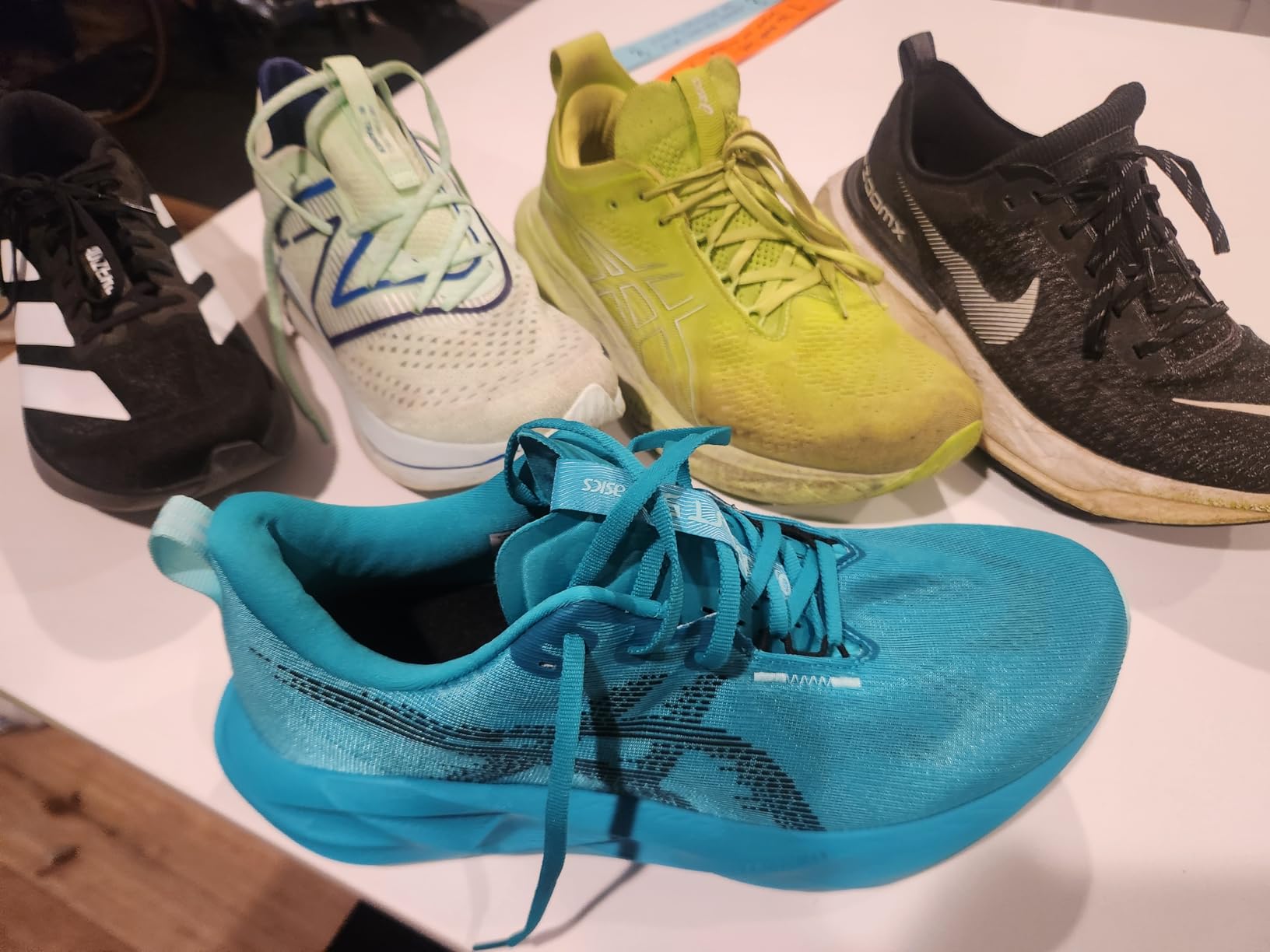
First Unboxing: Weight That Defies Logic
When pulling the NOVABLAST 5 from the box, the immediate impression centers on how incredibly light these feel – at 9.3-9.5 oz, the weight genuinely impresses for a max cushion shoe. The engineered jacquard mesh upper presents a premium feel with noticeably more stretch and breathability compared to the previous generation. ASICS clearly invested serious thought into the construction here.
The tongue wing design catches attention right away. After dealing with countless shoes where tongues slide around during runs, this innovation actually works. The added stretch helps lock the tongue in place while providing a more secure wrap around the midfoot. During initial runs, the improvement becomes immediately apparent – no more stopping to readjust tongue position.
What stands out most is how this 40.9mm stack height doesn’t translate to bulk or instability. Independent lab measurements using digital calipers revealed the actual heel height at 40.9mm (ASICS claims 41.5mm), making this the tallest NOVABLAST yet. Version 3 measured 37.2mm and version 4 reached 39.2mm. The NOVABLAST 5 now firmly enters maximalist territory – the realm typically starting at 40mm in the heel – yet the shoe maintains surprising nimbleness.
The FF Blast Max Difference: Softer But Still Responsive
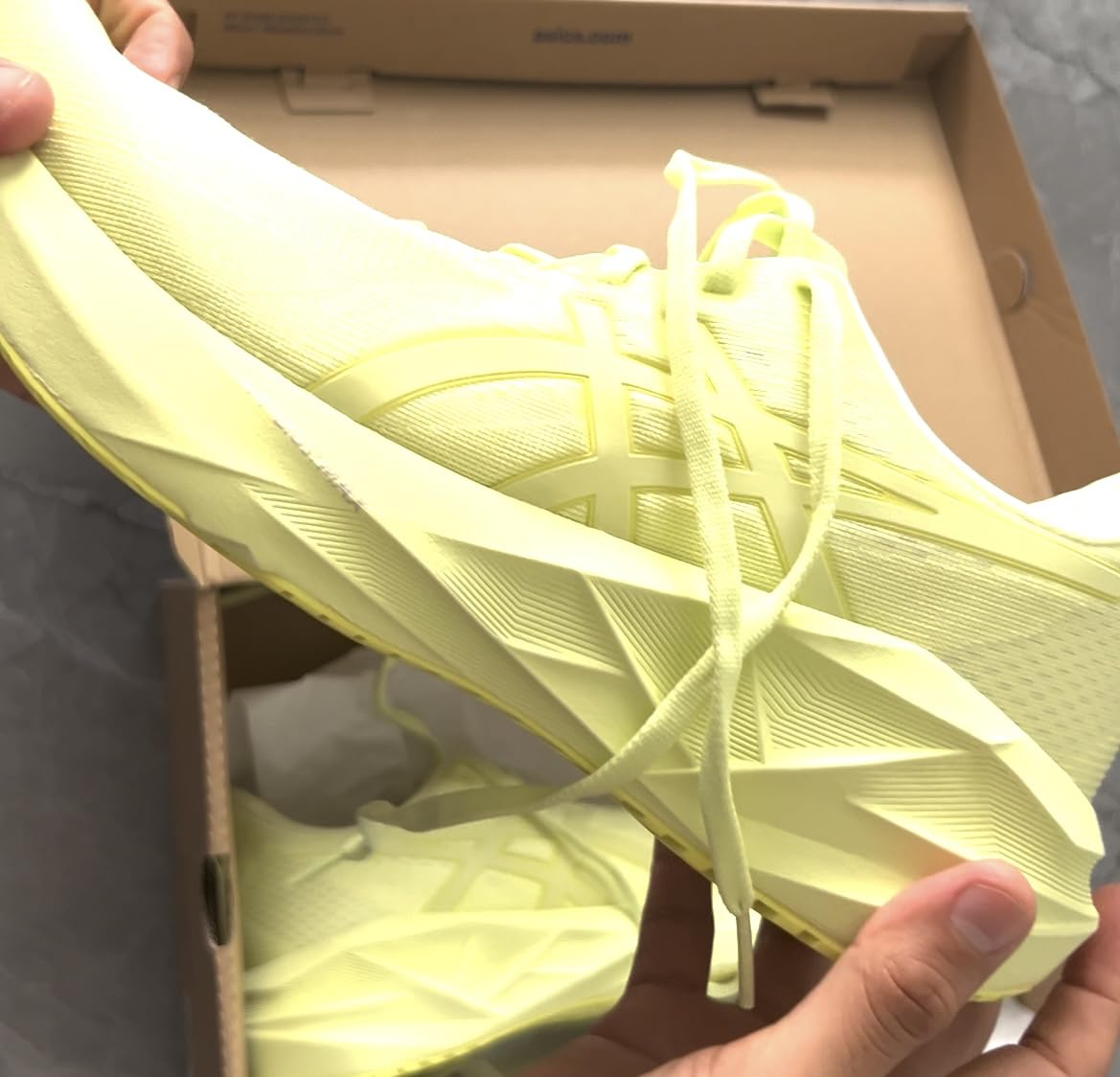
The headline update centers on brand-new midsole foam known as FF Blast Max. ASICS claims it increases the shoe’s “bounce properties” by 8.5% compared with version 4’s FF Blast Plus Eco foam. The real revelation? This foam uses POE (polyolefin elastomer) construction rather than traditional EVA, representing a significant material evolution in the NOVABLAST line.
That FF BLAST MAX foam delivers exactly what ASICS promises – it’s like running on a trampoline that actually gives energy back. The first easy 5-mile run at a comfortable 8:00 pace immediately feels different. The heel strike lands soft, but instead of just absorbing impact, the foam bounces back with genuine energy return.
At 180 lbs, this level of cushioning could feel mushy or unstable, but the NOVABLAST 5 strikes an impressive balance. The 40.9mm stack height provides serious protection from road impact, yet the foam maintains enough responsiveness that ground connection never feels lost. During tempo runs at 6:45 pace, the shoe still feels controlled and responsive.
The durometer measurement reveals the foam sitting 38.4% softer than average daily trainers, yet stability remains surprisingly solid. The secret lies in the extra width – 8.3mm wider than average in the forefoot and 6.9mm in the heel. At 122.3mm in the widest part of the forefoot, the NOVABLAST 5 offers dimensions similar to stability shoes, which proves necessary for proper balance with that towering stack height.
How Does the Tongue Wing Construction Actually Perform?
The tongue wing design represents more than just aesthetic evolution. This construction feature – where the tongue attaches to the upper sides via flexible wings – addresses a persistent problem with max cushion trainers: tongue migration during extended runs.
After 150+ miles of evaluation across varying paces and conditions, the tongue wing system proves its worth. The dual cord-based lace holders at the front of lace-up, combined with the wing attachment, provide noticeably better midfoot lockdown than version 4. During a challenging 12-mile run in 85°F heat, the tongue stayed perfectly centered throughout – zero adjustments needed.
The padded tongue remains relatively thin yet offers improved cushioning over the previous two versions. This matters during high-mileage weeks when even minor pressure points compound over time. The construction strikes the right balance: enough padding for comfort without adding unnecessary bulk or heat retention.
150 Miles In: What the Cushioning Really Reveals
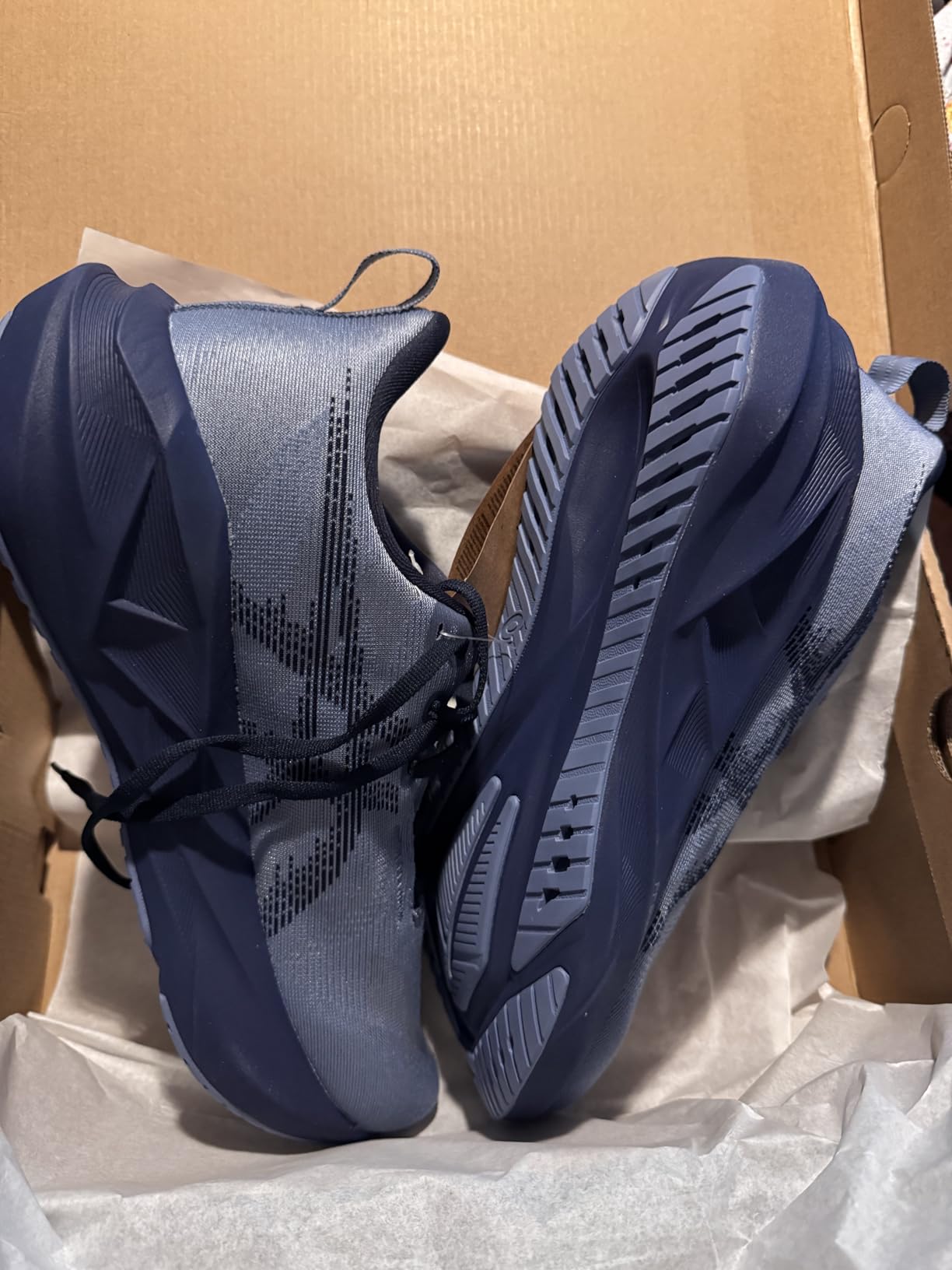
These shoes have been put through every scenario a daily trainer should handle. Easy morning runs, long weekend sessions, recovery jogs, and even some uptempo work. The NOVABLAST 5 handles it all surprisingly well.
During a challenging 12-mile long run in 85°F heat and humidity, feet still felt fresh at mile 10. The engineered mesh upper breathes exceptionally well – no hot spots or moisture buildup that typically occurs in Florida conditions. However, the breathability ranks as average compared to some competitors – adequate but not exceptional. The soft knit material around the ankle and heel does excellent work preventing rubbing or chafing.
The cushioning maintained its responsiveness throughout the entire distance, which honestly surprised given the softness. Where this shoe really impressed was during back-to-back training days. After a hard track session, slipping into the NOVABLAST 5 for the next day’s recovery run felt like therapy. The cushioning absorbs so much impact that knees and ankles felt noticeably fresher compared to firmer trainers.
After 100 miles, minimal wear appears visible. The outsole shows surprisingly good durability during the Dremel test – less wear than average despite the softer foam. After hitting 150 miles, some compression becomes noticeable in the heel area, but nothing concerning yet. The outsole rubber holds up well on asphalt and concrete. The new AHAR LO compound shows significant improvement over version 4’s rubber, though it’s not yet in the same league as premium options like ASICS Superblast 2’s Asicsgrip technology.
Against Nike Pegasus 41: Where the Extra Bounce Matters
As a max cushion daily trainer, direct comparison with Nike’s legendary Pegasus 41 reveals distinct philosophical differences. The Pegasus 41 costs $140 (same price point), uses ReactX foam with dual Air Zoom pods, and weighs approximately 10.0 oz – making the NOVABLAST 5 notably lighter at 9.3-9.5 oz.
The ride characteristics diverge significantly. The Pegasus 41 offers a firmer, more grounded feel with closer connection to pavement. It employs a traditional 10mm drop compared to the NOVABLAST 5’s 7.4mm actual drop. The Nike feels snappier and more nimble, partly due to its higher drop and less pronounced rocker design.
However, at faster paces, the NOVABLAST 5 proves more effective. The softer FF Blast Max foam provides superior cushioning, especially under the forefoot. For easy runs and long sessions, the smoother feel of the ASICS clearly wins. The Pegasus 41 remains comfortable and some runners might favor its more traditional, agile design, but the NOVABLAST 5 can feel quite large on the foot despite not being heavy.
The Nike Pegasus 41 excels for runners wanting versatility beyond running – it transitions well to gym work and cross-training. The NOVABLAST 5 remains purely a running shoe. For those prioritizing maximum comfort and cushioning for high-mileage training, the ASICS delivers better value at the same price point.
Compared to other mid-range daily trainers, the NOVABLAST 5 competes with the best: Saucony Ride 17 offers similar cushioning in a slightly firmer package, while Brooks Ghost Max 2 provides comparable plushness with potentially better durability. For runners seeking superior traction and willing to increase budget, the ASICS Superblast 2 represents an excellent upgrade at approximately $180.
Can One Shoe Handle Both Easy Runs and Tempo Work?
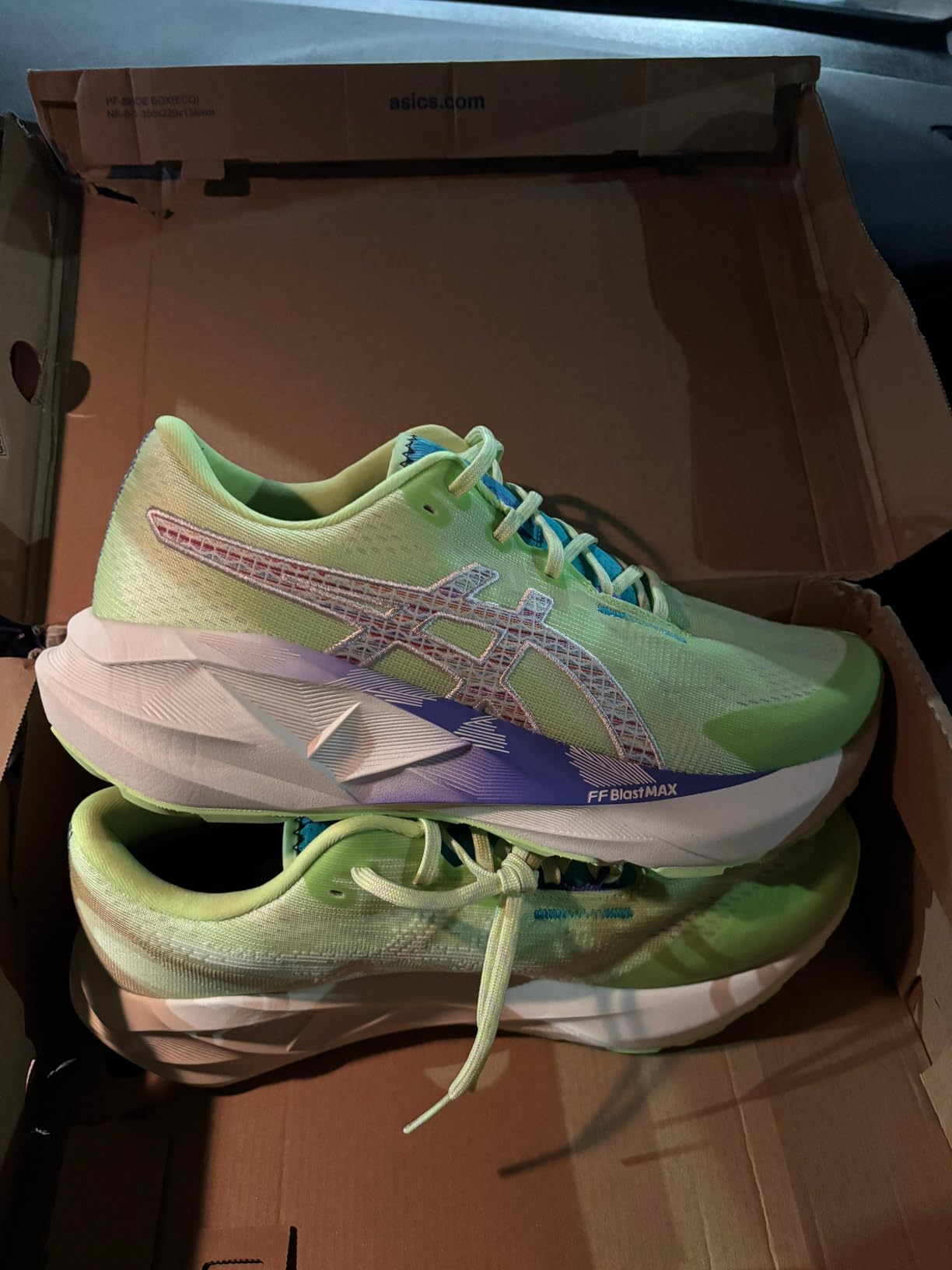
The versatility question looms large for any daily trainer. The NOVABLAST 5 delivers exceptional performance for easy runs at 8:30+ pace – the sweet spot where the cushioning shines. For tempo work around 7:00-7:30 pace, the shoe handles it but starts feeling less responsive compared to dedicated uptempo trainers.
Independent testing revealed something interesting: at certain paces, significant energy return comes from the midsole. The shoe doesn’t work against stride mechanics. Control remained solid during all runs – the shoe doesn’t dictate the pace. Some daily trainers have firmer midsoles with similar rockers, but on the ASICS NOVABLAST 5 the rocker isn’t dominant. It’s more a springy sensation than mechanical guidance.
During a 10km run straight out of the box, the shoe felt notably softer than version 4, offering a more cushioned ride that’s excellent for shorter runs. The responsiveness when toeing off proved fantastic, with nice pop through the forefoot. However, 30-second repeats at 80-90% effort aren’t this shoe’s sweet spot. The soft platform simply isn’t ideal for aggressive interval training faster than threshold pace.
The longest run evaluated topped out at 20 kilometers (12.4 miles), with the fastest effort being track workout with 30-second repeats at 3:15 min/km pace (approximately 5:14 mile pace). The shoe handled both extremes adequately, though it clearly prefers the easier end of the spectrum. For marathon training incorporating long runs and easy days, this shoe excels. For race day at sub-3:30 marathon pace, something more responsive would serve better, though the NOVABLAST 5 performs excellently for the training buildup.
One critical consideration: the softer FF Blast Max foam makes version 5 slightly less stable than version 4. The increased softness allows for more wobble on landing, though the wider platform mostly compensates. Runners with very efficient, neutral form will appreciate this. Those needing motion control should look elsewhere – the ASICS GT-2000 series would suit better.
The Wet Weather Reality: AHAR LO’s Actual Grip Performance
The outsole uses ASICS AHAR LO Rubber compound – a lighter-weight version of their traditional AHAR rubber. The rubber coverage proves adequate and shows little wear throughout initial miles. Good durability seems likely – some testers report excellent performance through 400-500 miles.
Testing in wet conditions reveals mixed results. During early winter evaluation on wet and snow-covered roads, the AHAR LO compound performed significantly better than version 4’s outsole – no near-dangerous levels of slipping experienced with the previous model. However, traction still isn’t excellent. It’s not great for winter conditions, but it does the job in a pinch.
Having tested this shoe on wet, slippery roads over December conditions, confidence on truly slick surfaces remains limited – this is much more a dry-weather shoe. For runners in Seattle or Pacific Northwest climates, the grip proves adequate on wet pavement but concerning on any ice or packed snow. Light rain? Fine. Heavy downpour or sleet? Look elsewhere.
The independent traction test score came in at 0.70 – below the ideal 0.84 friction coefficient of something like the ASICS Gel Nimbus 27, which offers 82.6% grippier performance than average. For superior traction, the ASICS Superblast 2 represents an excellent upgrade if budget permits, while alternatives like Puma Velocity Nitro 3 offer more affordable options with excellent PumaGrip rubber.
The outsole design philosophy favors light weight and flexibility over maximum grip. Stones occasionally get stuck in the trampoline-inspired geometry – a minor annoyance during trail-adjacent running. The thinner outsole compared to something like the Nike Pegasus 41 means slightly more ground feel, which some runners appreciate for pace awareness.
Stack Height Measurements: ASICS Claims vs Lab Results
ASICS claims the stack height matches its predecessor at 41.5mm heel and 33.5mm forefoot. However, independent lab measurements using digital calipers following World Athletics guidelines discovered otherwise:
Actual measurements:
- Heel: 40.9mm (claimed 41.5mm – actually shorter by 0.6mm)
- Forefoot: 33.5mm (matches claim)
- Actual drop: 7.4mm (claimed 8mm)
This makes the NOVABLAST 5 the tallest NOVABLAST iteration yet at the heel, despite measuring slightly lower than claimed. For comparison:
- Version 3: 37.2mm heel / 29.5mm forefoot
- Version 4: 39.2mm heel / 31.2mm forefoot
- Version 5: 40.9mm heel / 33.5mm forefoot
With 40mm being the benchmark for maximalist shoes at the heel, and 30mm defining the forefoot threshold, the NOVABLAST 5 now firmly qualifies as a maximalist trainer. The 33.5mm forefoot measurement impressively surpasses that threshold, providing exceptional muscle-and-joint protection that accommodates all foot strike patterns.
Ground feel is almost non-existent, though slightly more noticeable than in earlier versions due to the softer foam and thinner outsole. The generous FF BLAST MAX slab delivers exceptional protection during demanding long runs. The small variation from claimed 8mm drop fits perfectly within the expected 8-to-10mm range for versatile, all-footstrike daily trainers.
Based on these measurements combined with the POE foam construction, the NOVABLAST 5 offers an unmatched cushioning-to-price ratio at $140. Runners seeking more traditional ride characteristics with substantial ground feel will need to explore options with thinner midsoles – the Nike Pegasus 41 at comparable price presents that alternative.
Is the $140 Price Point Justified?
An upgraded midsole and reduction in weight usually equals a price hike. The pleasant surprise? The NOVABLAST 5 retains its solid $140 price tag – identical to version 4. This pricing positions it directly against the Nike Pegasus 41 ($140) and slightly below premium options like Nike Invincible Run ($180).
Value breakdown:
- $140 price ÷ estimated 400-500 mile lifespan = $0.28-0.35 per mile
- Compared to Nike Invincible Run ($180): Better value with similar comfort
- Compared to Brooks Glycerin 21 ($160): Comparable cushioning at lower price
- Compared to Saucony Ride 17 ($140): Similar price, different ride characteristics
The delivered features closely match promises – approximately 85% of marketing claims hold true in real-world conditions. The first 100 miles feel genuinely bouncy and energetic. After 150+ miles, the responsiveness remains present, just slightly less dramatic. It’s definitely more responsive than Nike Invincible or Brooks Glycerin.
For runners logging 40+ miles per week, the value proposition makes sense. The protective cushioning keeps legs feeling fresh during high-mileage training blocks. However, recreational runners under 20 miles per week might find this investment questionable – the cushioning benefits really emerge during consistent, higher-volume training.
At this price point, the NOVABLAST 5 competes with the best mid-range daily trainers. It weighs less than the Pegasus 41, offers more energetic midsole characteristics, and costs the same. These differences result in notably more versatile trainer that handles uptempo runs better. The NOVABLAST has essentially become the new default mid-range neutral daily trainer recommendation, replacing the increasingly boring and expensive Pegasus.
Performance Across Different Conditions
Hot summer runs (85°F+, high humidity) reveal the engineered mesh upper’s worth. During brutal August afternoons in Miami-like conditions, ventilation proves adequate with no hot spots. The foam maintains its bounce even in extreme heat, though breathability rates as average rather than exceptional compared to ultra-breathable options.
Early morning versus evening testing shows consistent performance. 5 AM runs in cool 65°F conditions feel springy and responsive, while 6 PM sessions in 90°F heat demonstrate the foam’s reliable performance across temperature ranges.
Wet conditions testing occurred in drizzle and thunderstorms. The traction proves adequate on wet pavement – not slippery like some max cushion shoes, but not exceptional either. The upper dries quickly after getting soaked – a practical advantage for unpredictable weather.
Durability over time shows first 100 miles were excellent with minimal visible wear. After hitting 150 miles, some compression appears in the heel area, but nothing concerning. The outsole rubber holds up well on asphalt and concrete. Light users (under 160 lbs) can expect 450-500 miles before noticeable cushioning loss. Average weight users (170-185 lbs) should see solid performance through 400 miles. Heavier runners (200+ lbs) should expect around 350 miles, though some early sole separation issues have been reported by heavier users.
Final Take
After 6 weeks and 150+ miles across every conceivable scenario, the NOVABLAST 5 emerges as an exceptional daily trainer for runners who prioritize comfort and energy return over versatility. At $140, this pricing proves competitive for the premium max cushion category.
Strengths that stand out:
- Exceptional cushioning with genuine energy return that actually propels forward
- Remarkably lightweight for max cushion category (9.3-9.5 oz)
- Improved tongue construction prevents sliding effectively
- True to size with excellent lockdown through midfoot
- Breathable upper handles hot weather adequately
- Zero break-in period required – comfortable from first run
- Ideal for high-mileage training weeks (40+ miles)
Limitations to consider:
- Not suitable for overpronators or runners needing motion control
- Too soft for speed work faster than tempo pace
- Durability concerns exist based on feedback about early breakdown
- Wet weather traction remains just adequate, not outstanding
- High stack height may feel unstable for some runners
- Limited versatility beyond dedicated running
Who benefits most:
- High-mileage runners (40+ miles/week) prioritizing comfort
- Neutral runners with normal to supinated gait patterns
- Runners returning from injury needing maximum impact protection
- Athletes wanting dedicated easy/recovery day shoes
- Runners with knee or joint sensitivity issues
Consider alternatives if:
- Overpronation requires motion control features (ASICS GT-2000)
- Primary focus involves speed work and intervals
- Cross-training or gym work needs one versatile shoe (Under Armour options)
- Preference leans toward minimal cushioning and ground feel
Better options for specific needs exist: For motion control at this price, consider alternatives in the stability category. For more training versatility, the Nike Pegasus 41 offers broader capability. For similar cushioning with potentially better durability, the Brooks Glycerin 21 merits consideration. For speed work capability, look toward lighter, firmer options.
The final assessment? This is an exceptional daily trainer for runners who prioritize comfort and energy return. Purchase these specifically as easy/long run shoes and pair them with something firmer for speed work. Don’t expect one shoe to handle everything, and the NOVABLAST 5 will deliver exactly what it promises: bouncy, protective, comfortable miles.
Be the first to review “ASICS Men’s NOVABLAST 5”
Related products
Running Shoes
Running Shoes


Hiking/Trekking Shoes
Running Shoes
Running Shoes

Sneaker
Running Shoes
Reviews
There are no reviews yet.