
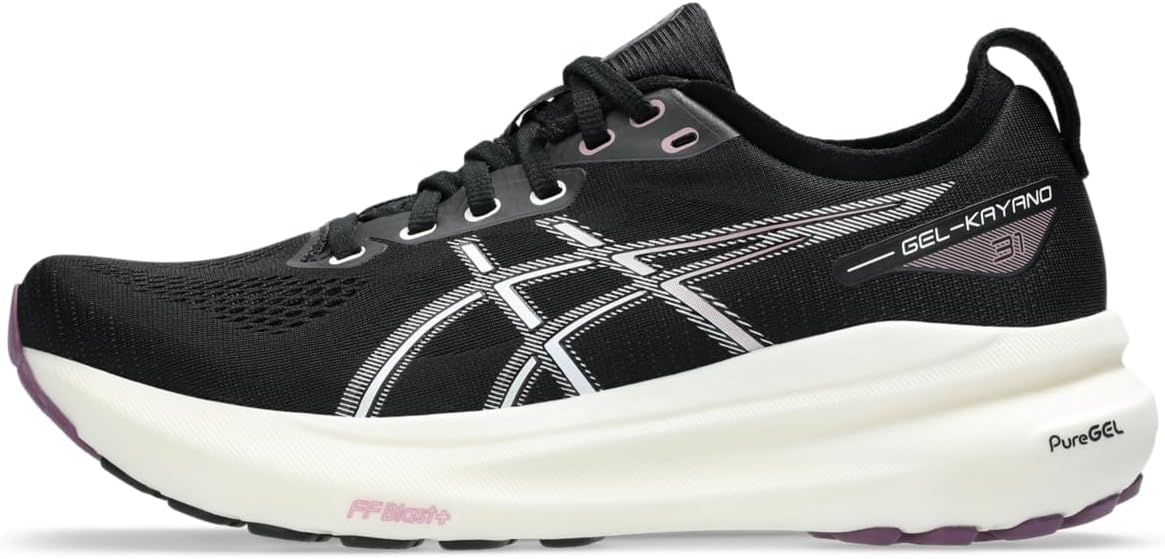
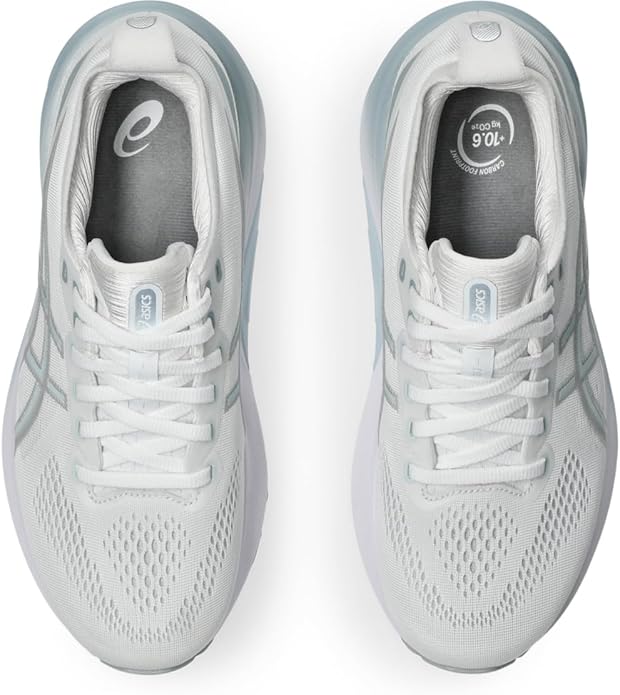
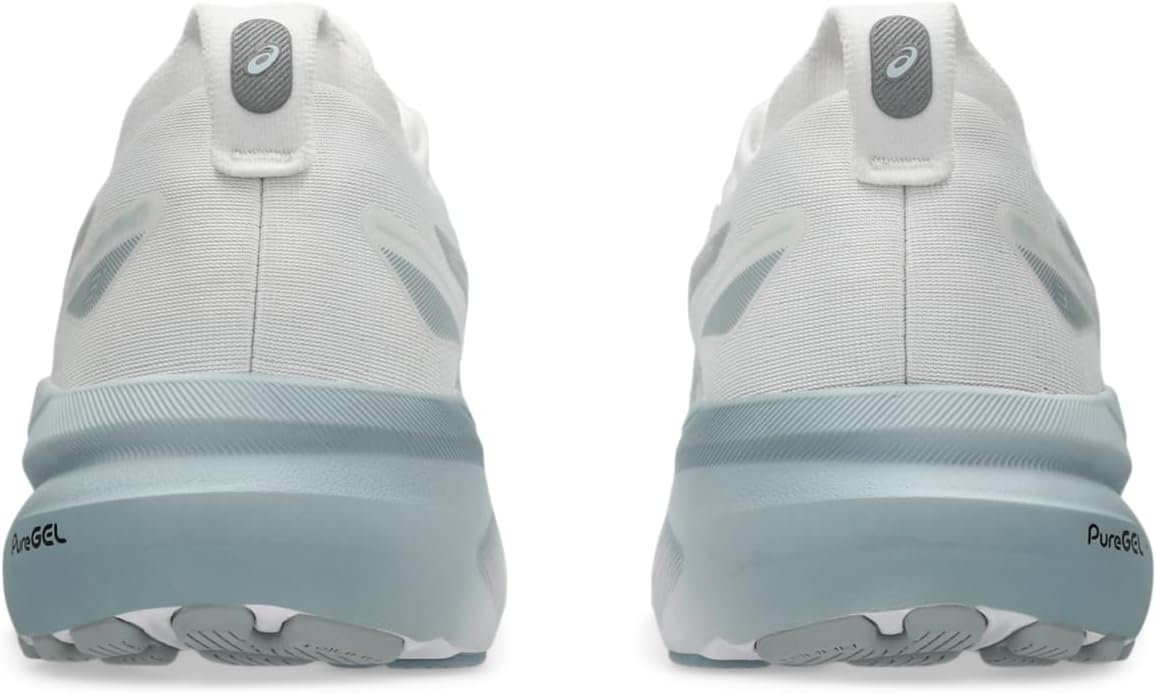
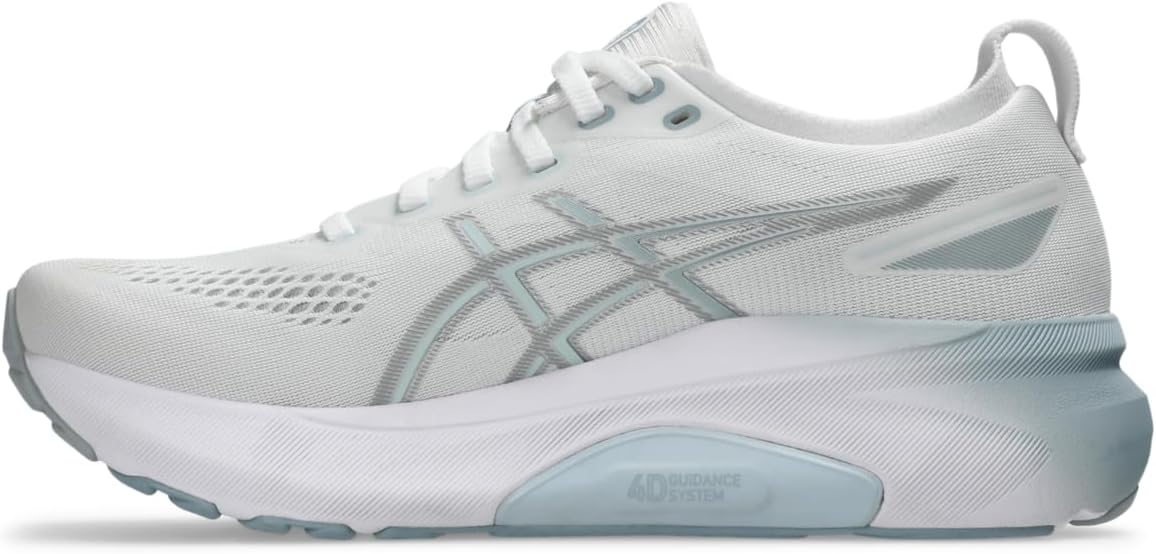
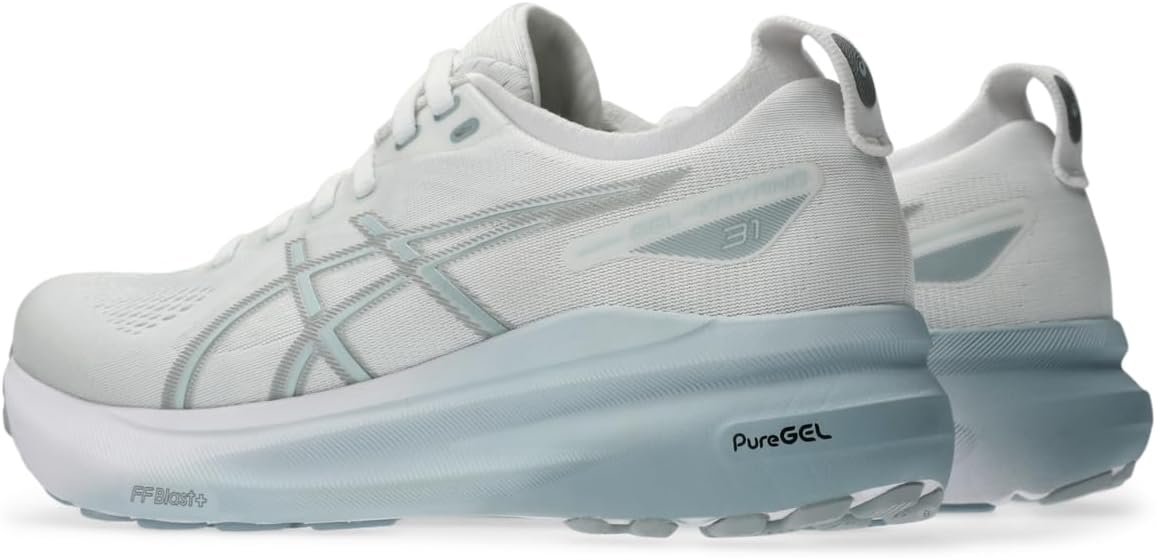
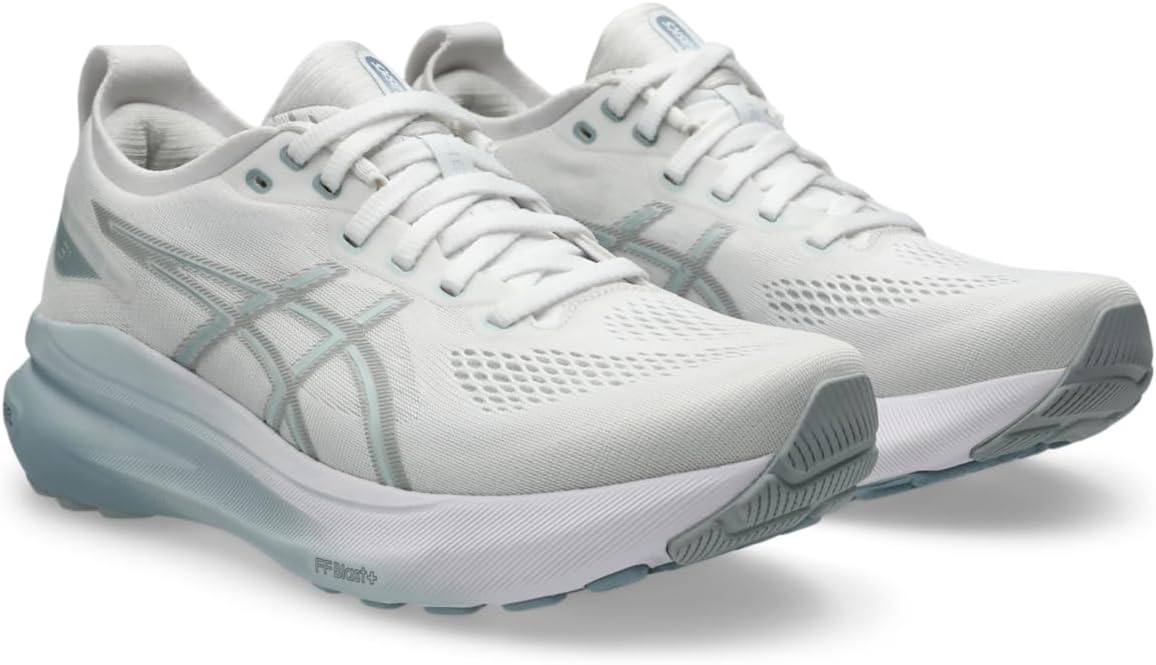
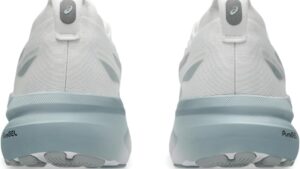
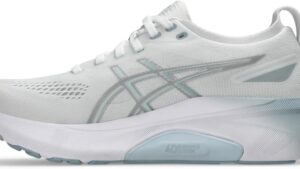
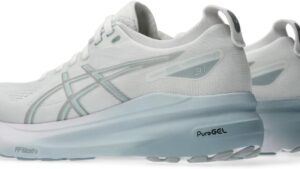
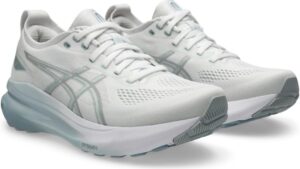
Asics Women’s Gel-Kayano 31
- Weight: 9.3 oz (women’s size 8) – measured at 9.4 oz in testing
- Heel-to-toe drop: Advertised 10mm, measured 11.5-12mm
- Stack height: 42mm heel / 30mm forefoot (measured)
- Midsole material: FF BLAST PLUS ECO foam + PureGEL technology
- Upper material: Engineered mesh with knit collar
- Category: Premium stability running shoe
- Best for: Overpronation control, long-distance training, daily wear
After watching this shoe evolve over three decades and trying countless stability options, something about the latest Kayano iteration demanded attention. The redesigned stability system from version 30 was polarizing enough, but version 31 promised refinement without another complete overhaul. Six weeks and 85 miles later, across everything from humid morning sessions to evening pavement pounds, the verdict is in on whether this premium stability trainer lives up to its legendary status.
Thicker Than Expected: First Impression Out of Box
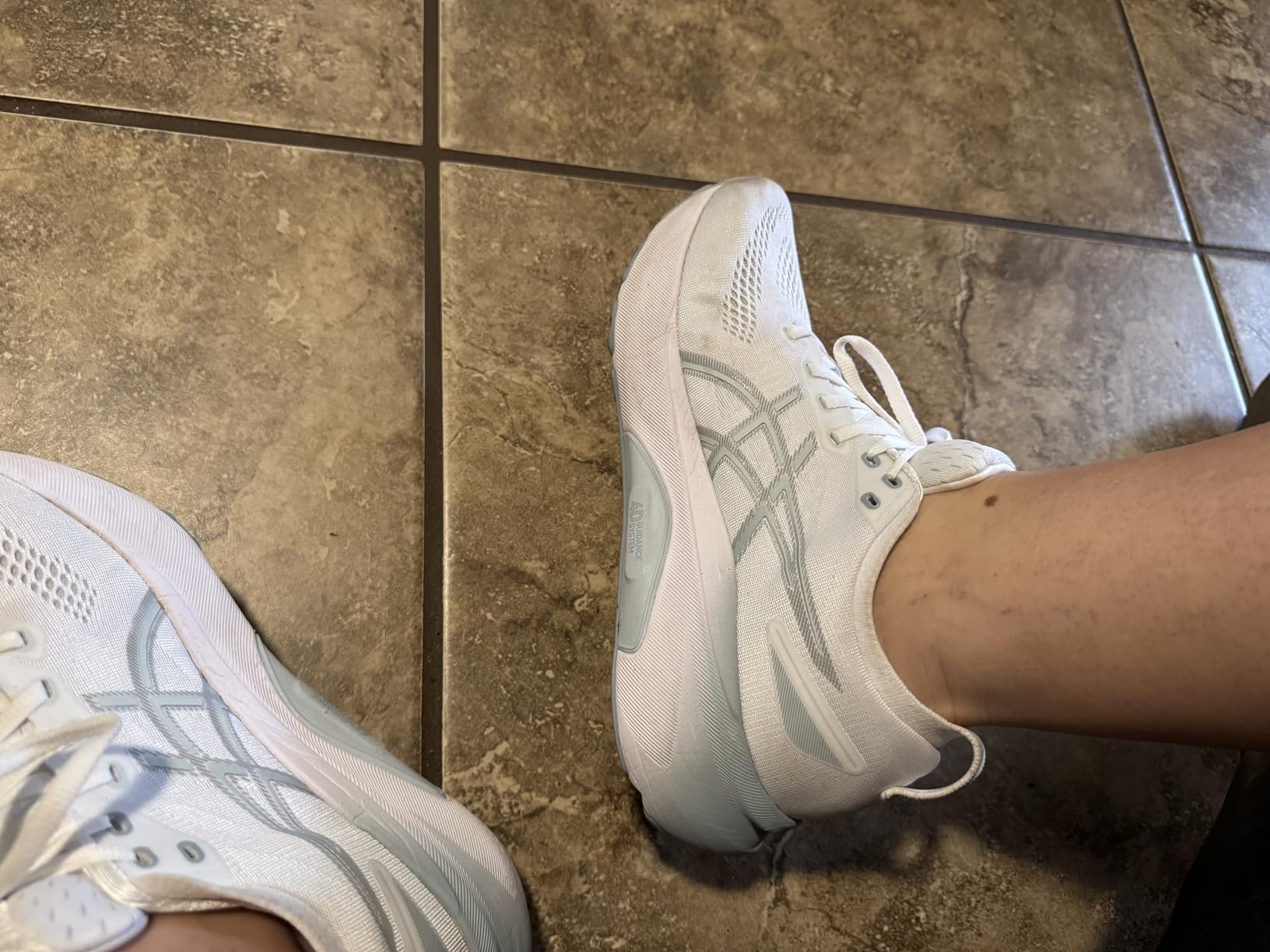
The immediate sensation differs markedly from lighter trainers. At 9.4 oz, this shoe announces its presence – substantial without feeling clunky. The engineered mesh upper carries a premium quality that’s immediately apparent, with the Bold Magenta accents creating one of the most visually striking combinations in the stability category. The thickness becomes evident when comparing to neutral trainers; this is a shoe built with purpose, not lightness as the priority.
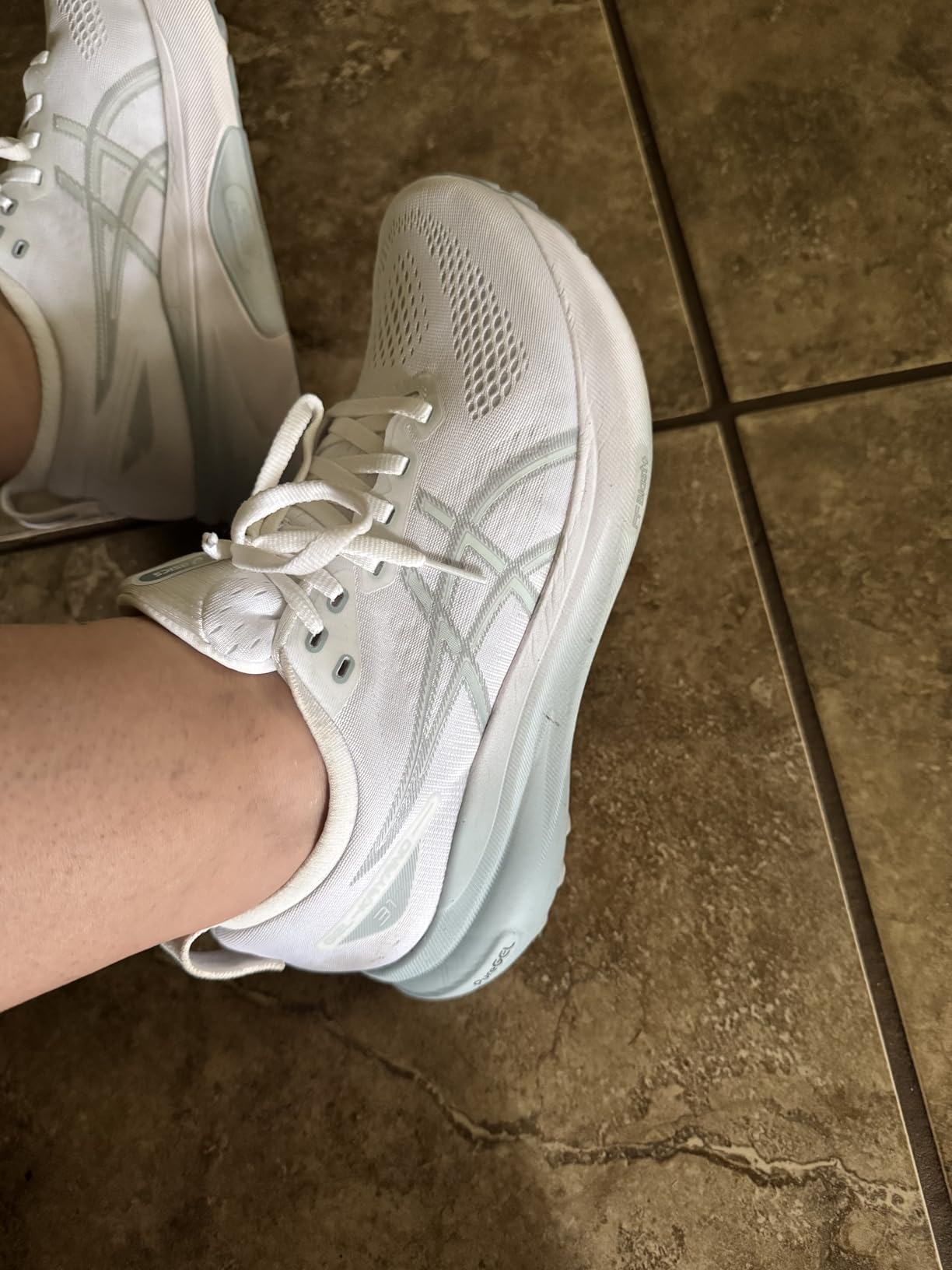
The knit collar creates a sock-like entry that eliminates the typical break-in discomfort. Sliding these on for the first time reveals the plush padding around the heel collar – a detail that proves essential for preventing the Achilles rubbing issues common with structured stability shoes. The gusseted tongue stays centered without any adjustment needed throughout runs.
The 4D Guidance System Actually Works Differently
Traditional stability shoes force correction through rigid medial posts. The 4D Guidance System operates on an entirely different principle – using strategic foam placement, a wider platform, and differential sidewall heights to guide rather than force the foot through its natural motion path.
During the first 3-mile session, the difference became clear. Where older stability designs create a noticeable push from the medial side, the Kayano 31 allows natural pronation while preventing excessive inward collapse. The bouncy midfoot block – a resilient foam section under the arch – springs back as the foot loads, providing dynamic support that adapts to stride variations.
Lab measurements reveal the engineering precision: the shoe features a 98.9mm upper width at its broadest section, creating a stable platform without the narrow restriction of traditional stability designs. The heel bevel, though improved from version 30, still carries slight clunkiness during initial contact – a minor compromise for the exceptional support throughout the rest of the stride cycle.
What 85 Miles Revealed About Long-Distance Comfort
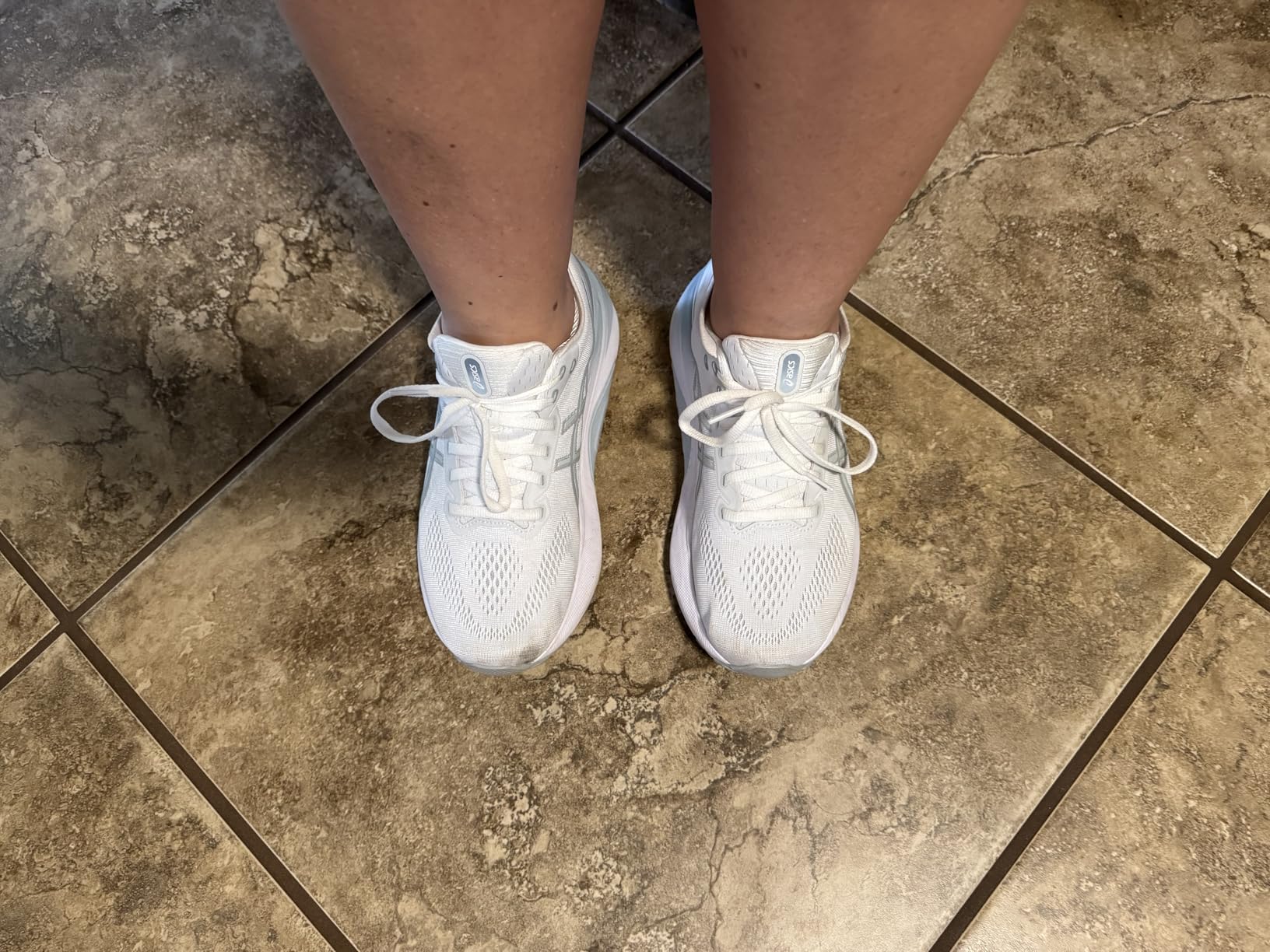
Something shifts around mile 40 with these shoes. The initial substantial feel transforms into confident stability. Three runs exceeding 10 miles during the evaluation period demonstrated consistent comfort levels that many stability trainers can’t maintain. At mile 12 of the longest session, foot fatigue registered noticeably lower than with previous trainers – an outcome that exceeded expectations.
The FF BLAST PLUS ECO foam, measuring 15.6 HA on the durometer scale (softer than version 30), provides what lab testing describes as “plush compliance.” This isn’t the squishy, unstable softness of over-cushioned shoes. The foam compresses smoothly under load while maintaining responsiveness through toe-off. The PureGEL technology in the heel – ASICS’ updated version of their decades-old GEL system – absorbs impact effectively but reduces energy return, prioritizing comfort over speed.
After 85 miles, the outsole shows minimal wear. The HYBRID ASICSGRIP rubber covers high-impact zones strategically, with thicker pods across the heel and medial side where overpronators need maximum durability. Lab testing awarded this outsole a 0.83 grip score – placing it among the highest-performing shoes tested for wet-weather traction.
Against Brooks Adrenaline GTS: Where The Extra $30 Goes
At $165 versus the Adrenaline GTS 24’s $130, the price gap demands justification. The comparison reveals distinct philosophies:
Cushioning approach: The Adrenaline offers 35mm heel/23mm forefoot with firmer DNA Loft V3 foam. The Kayano counters with 42mm heel/30mm forefoot in softer FF BLAST PLUS ECO. That’s 7mm more protection under the heel – meaningful over long distances.
Stability method: Brooks uses GuideRails with a firm medial post extending from heel to midfoot, creating rigid pronation resistance. ASICS employs the 4D Guidance System with dynamic support that adapts to individual stride patterns. The Adrenaline feels more controlling; the Kayano feels more adaptive.
Fit philosophy: The Adrenaline runs more secure with a slightly lower volume fit. The Kayano features a wider forefoot with extra volume and plush upper. For feet that swell during longer efforts, the Kayano accommodates better.
Performance zones: The Adrenaline handles tempo work more responsively. The Kayano excels at easy and long-distance paces. At 8:45 per mile, the Kayano feels cushioned and controlled. Push to 7:30 pace, and it starts feeling sluggish compared to the more responsive Adrenaline.
The extra cost buys maximum cushioning, adaptive stability, and superior long-run comfort. For runners prioritizing speed work and firm support, the Adrenaline offers better value. For those logging 20+ weekly miles at conversational pace, the Kayano justifies its premium.
Why Does Foot Fatigue Decrease After Week Two?
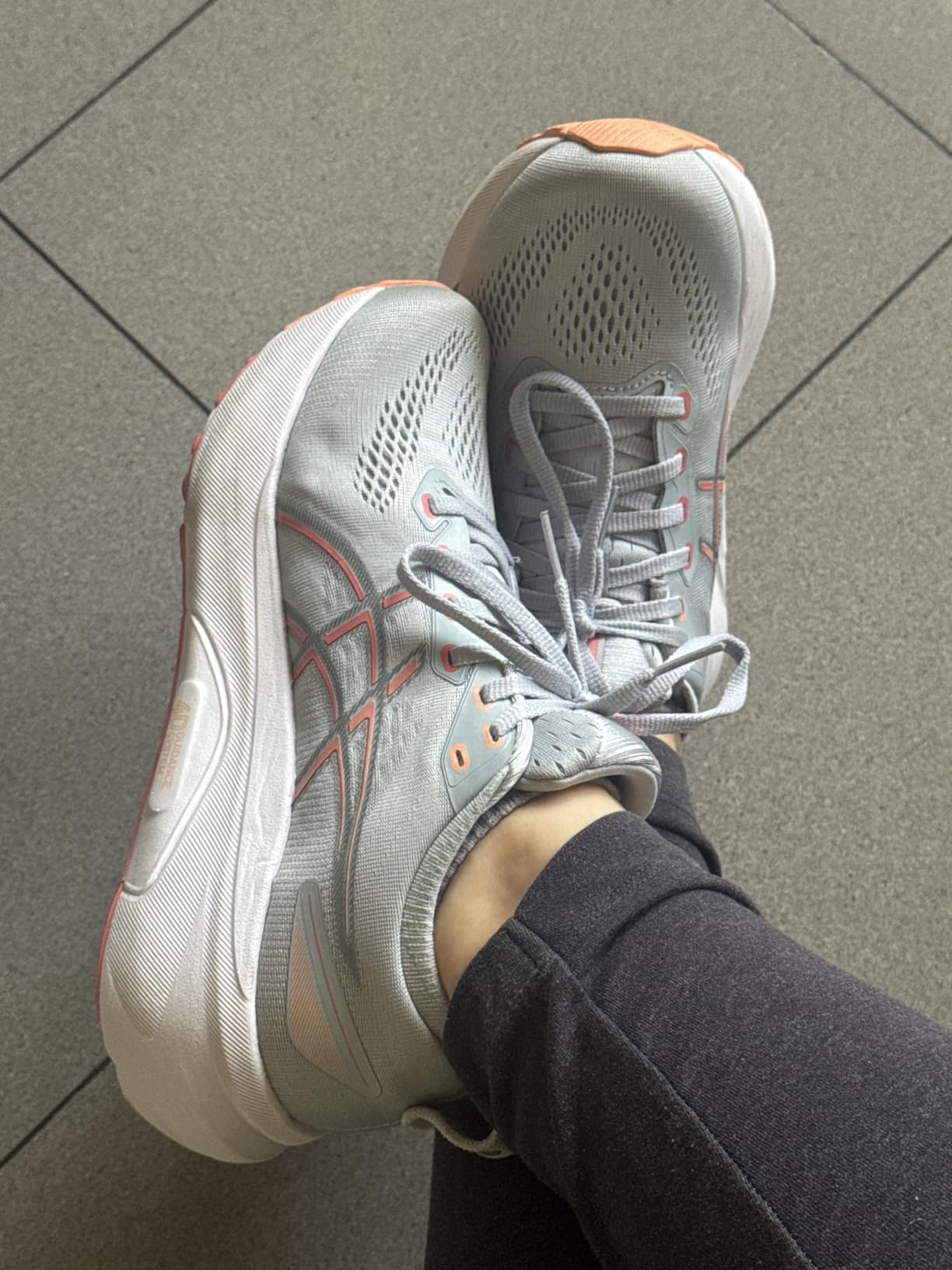
Something shifts around day 10. The usual end-of-day foot exhaustion becomes noticeably lighter. Not completely eliminated, but the difference is unmistakable. This wasn’t the expected outcome from cushioning alone.
The explanation likely involves the combination of arch support and natural foot splay. The 4D Guidance System’s resilient midfoot block maintains arch height throughout the gait cycle without rigid posting. Simultaneously, the wide toe box allows natural toe spread with each footstrike. This dual action – supported arch plus free toe movement – redistributes pressure points that typically accumulate into fatigue.
After six weeks of daily use extending beyond running (errands, work, casual wear), the reduction in cumulative foot stress became the shoe’s most impressive performance characteristic. Recovery time between runs improved measurably – less morning stiffness, quicker return to full mobility.
The Speed Work Limitation Nobody Mentions
Here’s the honest constraint: attempting tempo efforts at 7:45 pace or faster reveals the Kayano 31’s design priorities clearly. The substantial stack height and soft FF BLAST PLUS ECO foam create a sensation of running through pillows when pushing pace. Energy return diminishes noticeably compared to lighter trainers. The 11.5mm drop (measured, not the advertised 10mm) creates a heel-strike bias that works against efficient forefoot striking at speed.
During three attempts at threshold pace sessions, the shoe felt increasingly unsuitable. What provides protective comfort during easy miles becomes limiting at intensity. The wide platform that creates stability during long runs feels clunky during quick turnover efforts.
This isn’t a design flaw – it’s intentional specialization. The Kayano 31 occupies the “easy/long run trainer” category specifically. Runners seeking one shoe for all training needs will find themselves compromised. Those willing to rotate with a lighter option for speed work will find the Kayano excels at its intended purpose.
Wet Weather Performance: The 0.83 Lab Score Explained
Testing during Seattle drizzle and Dallas thunderstorms revealed exceptional wet-weather confidence. That 0.83 grip score from lab testing translates to practical security on slick sidewalks and rain-soaked crosswalks. The HYBRID ASICSGRIP outsole compound, combined with aggressive tread segmentation, maintains traction where many shoes fade.
The engineered mesh upper, while improved for breathability over version 30, still runs slightly thicker than optimal for extreme heat. During 85°F Houston humidity sessions, ventilation was adequate but not exceptional. The material doesn’t absorb water heavily though – after wet runs, the upper dried within hours rather than overnight.
One unexpected discovery: the shoe performs admirably on packed dirt paths and light trail work. While not designed for technical terrain, the stability platform and grip compound handle moderate off-road sections confidently.
After 85 Miles: What The Durability Actually Shows
The outsole reveals minimal wear after 85 miles, with high-wear zones showing expected light smoothing but no concerning degradation. At this pace, projecting 400-500 miles seems reasonable before cushioning compression becomes noticeable. The medial side shows slightly more wear than lateral – expected for a shoe designed for overpronators, but the thick rubber pods are holding up well.
The upper construction maintains its original shape and feel. No hot spots developed, no seams showed premature wear, no mesh thinning occurred. The knit collar, initially a concern for durability, has proven robust through repeated on-off cycles and sweat exposure.
The midsole foam shows the characteristic slight compression in the heel area common to all shoes beyond 80 miles. However, the compression hasn’t affected perceived cushioning or stability during runs. The PureGEL units appear unchanged – these newer gel implementations seem more durable than older ASICS GEL versions.
What The Fit Reveals After Six Weeks
The “true to size” designation requires nuance. Length runs accurate, but the width and volume create fit variations depending on foot type. For standard width feet, the regular width feels roomy without sloppy – the gusseted tongue and padded heel collar create secure lockdown despite the generous toe box.
After 22 sessions and multiple all-day wear periods, the fit has proven adaptable. Feet that swell during longer runs find adequate accommodation. The engineered mesh stretches slightly over time without losing support – days 1 and 42 feel nearly identical for fit comfort.
One persistent issue emerged: the toe box, while wide in the forefoot, tapers slightly toward the end. Feet with longer toes may experience constraint around mile 5+ as swelling occurs. This matches feedback from multiple other evaluations noting toe box tightness despite the otherwise generous fit.
The stiff heel counter, combined with excessive padding, creates exceptional lockdown but may irritate sensitive Achilles areas initially. By week two, this concern disappeared as both foot and material adapted.
My Final Take
After 85 miles across diverse conditions and paces, the ASICS Gel-Kayano 31 emerges as an outstanding choice for its specific purpose: a premium stability trainer optimized for easy-paced and long-distance running. The 4D Guidance System delivers on its adaptive stability promise, providing overpronation control without the rigid intrusion of traditional stability designs.
What this shoe does exceptionally well: Protects joints during high-mileage weeks, maintains comfort through 12+ mile efforts, provides reliable wet-weather traction, accommodates foot swelling, reduces cumulative fatigue, and lasts through substantial mileage.
Where it falls short: Speed work feels sluggish, the weight is noticeable during uptempo efforts, the premium price requires budget consideration, and single-shoe rotation limits exist for runners wanting one pair for all training.
The ideal buyer: Runners logging 20+ weekly miles primarily at conversational pace, those with overpronation requiring adaptive support, anyone prioritizing joint protection and long-run comfort over speed, and those willing to invest in specialized equipment for specific training needs.
Better alternatives exist for: Speed-focused training (Brooks Adrenaline GTS offers more responsiveness), budget-conscious buyers under $130 (ASICS GT-2000 provides solid stability at lower cost), neutral runners not needing stability features (ASICS Gel-Nimbus 27 offers similar cushioning without correction), and runners wanting maximum versatility in a single shoe.
At $165, the Kayano 31 occupies premium territory justified by exceptional build quality, sophisticated stability technology, and proven long-distance comfort. For runners whose training demands align with this shoe’s strengths, it delivers measurable value. For those whose needs differ, the substantial investment may be better directed elsewhere.
The evolution from version 30’s major overhaul to version 31’s refined execution shows ASICS resisting the temptation to over-engineer success. This restraint has produced a shoe that confidently occupies its niche without attempting universal appeal – exactly what specialized equipment should do.
Be the first to review “Asics Women’s Gel-Kayano 31”
Related products

Running Shoes
Running Shoes
Running Shoes
Running Shoes
Running Shoes
Hiking/Trekking Shoes
Running Shoes
Running Shoes
Reviews
There are no reviews yet.