
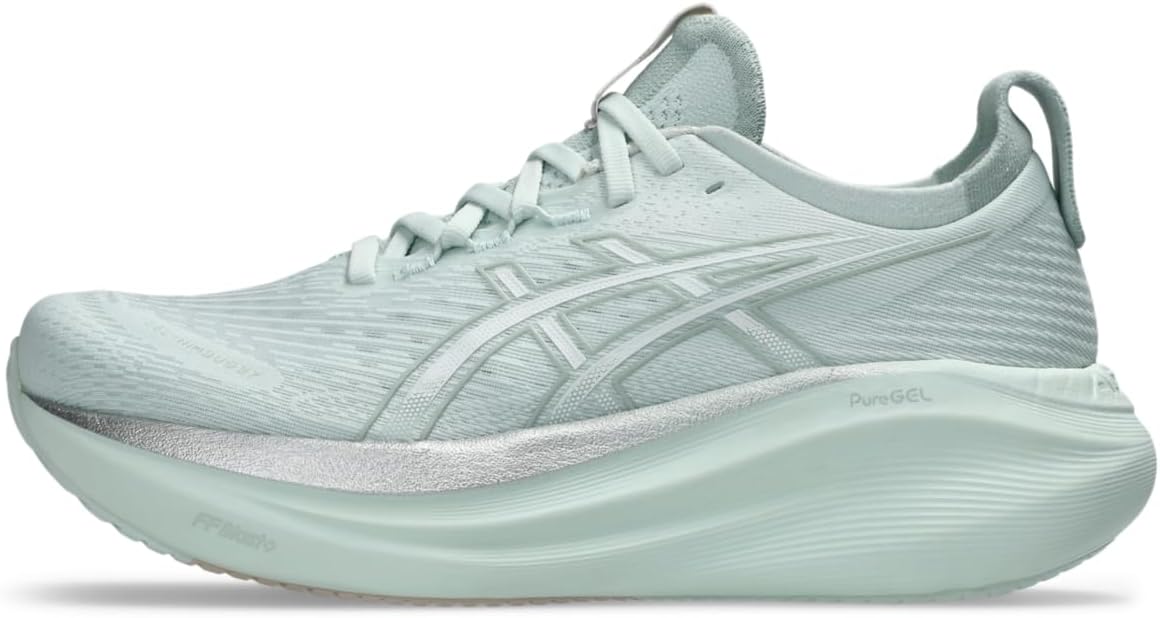
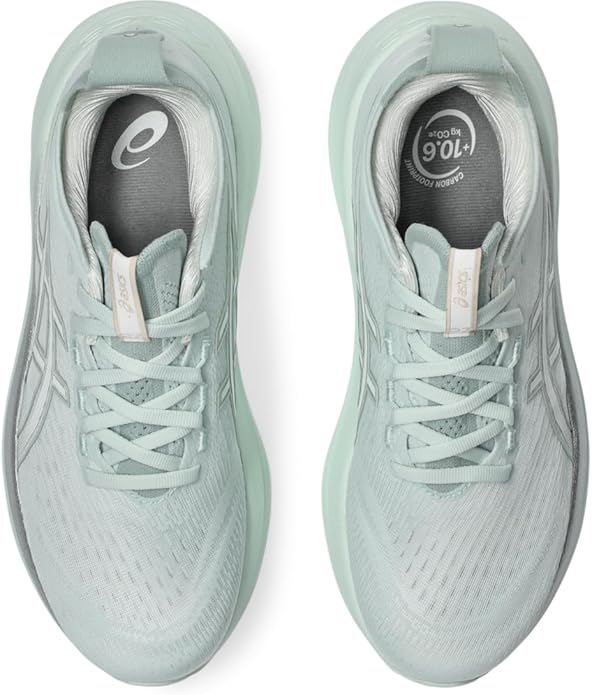
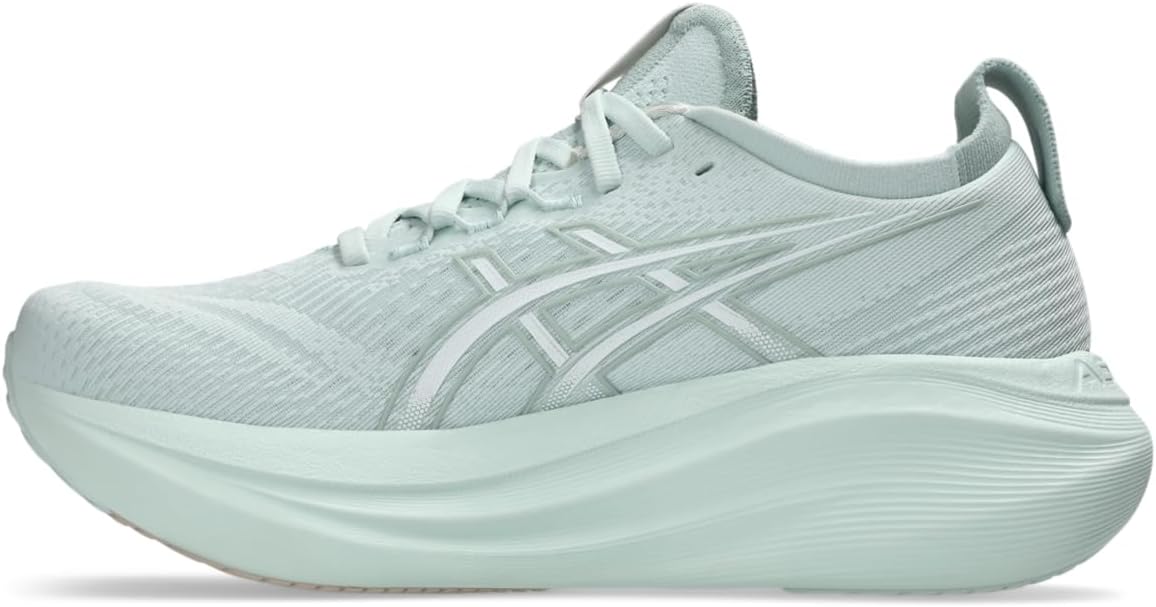
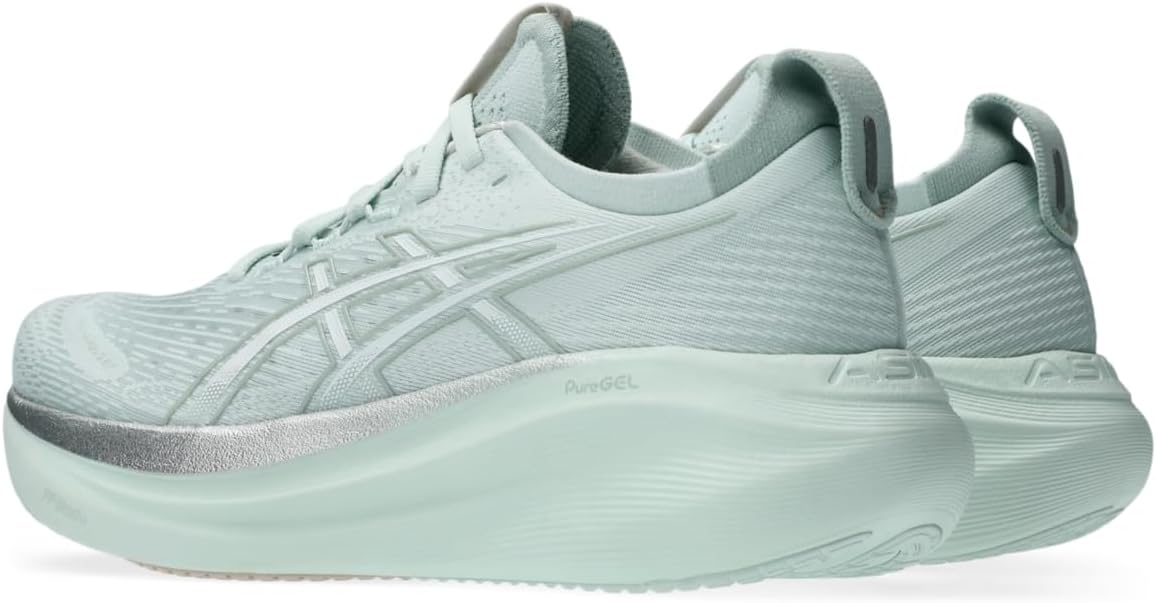
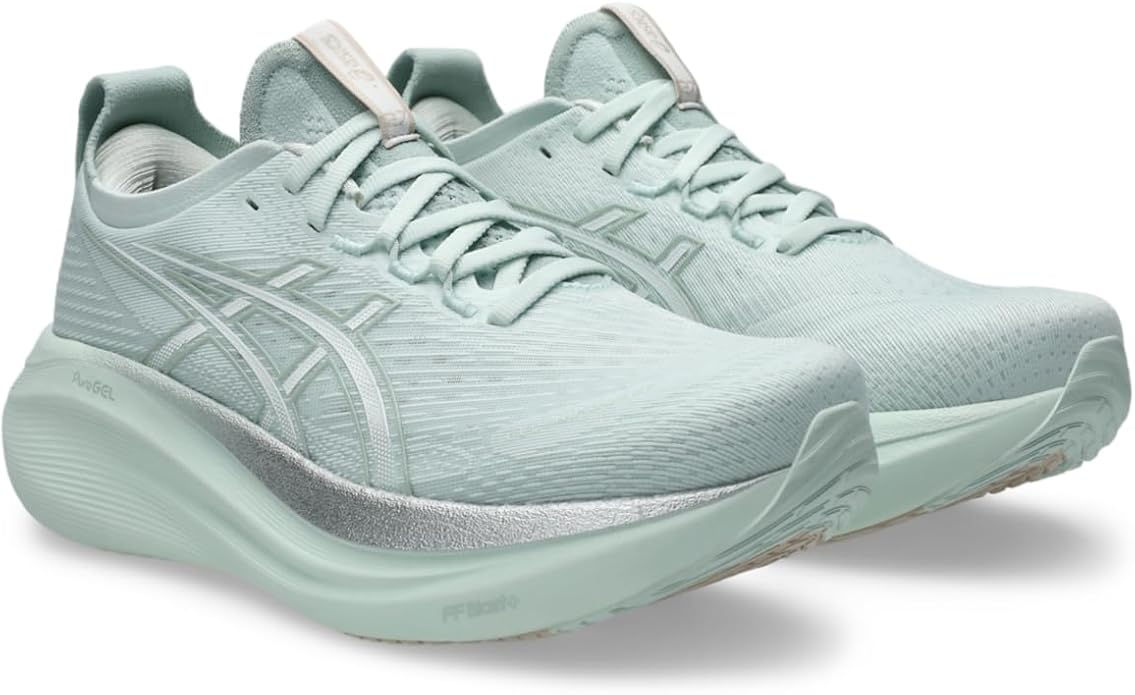

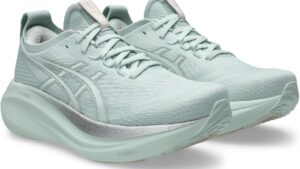
ASICS Women’s Gel-Nimbus 27
$165.00
- Weight: 8.9 oz (women’s size 8)
- Heel-to-toe drop: 8mm
- Stack height: 42.5mm heel / 34.5mm forefoot (2mm increase from version 26)
- Midsole material: FF BLAST PLUS ECO (24% bio-based) with PureGEL technology
- Upper material: Engineered jacquard mesh (75% recycled content)
- Category: Maximum cushion daily trainer
- Best for: Walking, easy runs, all-day comfort, recovery sessions
- Available widths: Standard (D) and Wide (2D) options
Between juggling work deadlines, family commitments, and trying to maintain some semblance of fitness, finding shoes that genuinely deliver on comfort promises becomes essential rather than optional. When ASICS released the Gel-Nimbus 27 with claims of “cloudlike cushioning” at $165, the skepticism was warranted—premium marketing often oversells reality. But after 6 weeks of real-world use spanning everything from early morning walks to full-day wear during busy schedules, this maximum cushion trainer reveals some genuinely interesting characteristics worth exploring. Here’s what 85+ miles of actual use uncovered.
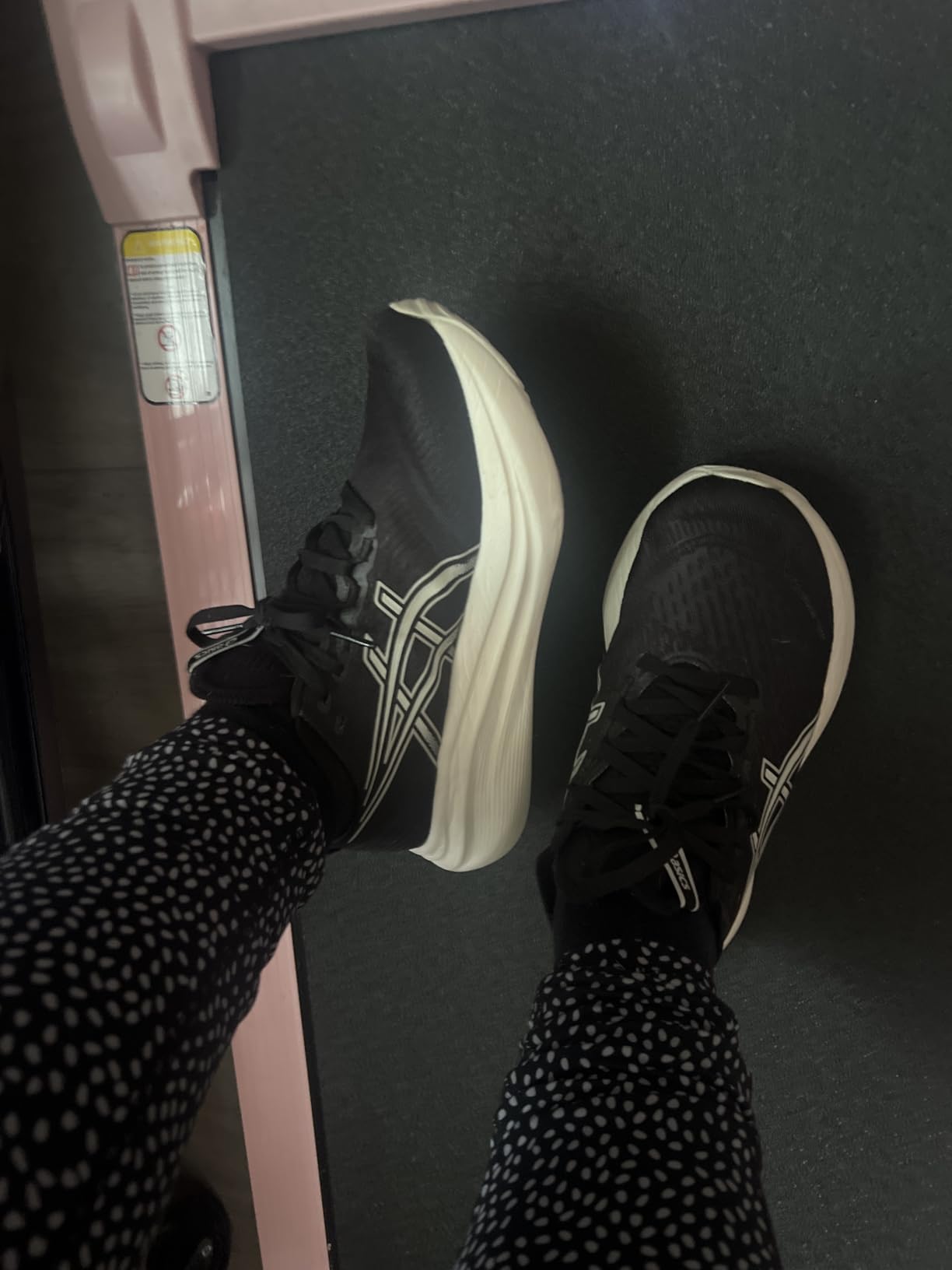
What 42.5mm of Stack Height Actually Feels Like
The first step into the Gel-Nimbus 27 delivers an immediate tactile experience that differs markedly from standard trainers. That 42.5mm heel stack—nearly double what many casual walking shoes offer—creates a distinct sensation. Unlike the pillow-soft feel advertised by many max-cushion shoes, the Nimbus 27 presents something more akin to a responsive gymnastics floor. There’s substantial cushioning, absolutely, but it pushes back with noticeable spring.
This firmness-within-softness becomes particularly apparent during the first few miles. The FF BLAST PLUS ECO foam feels decidedly less marshmallow-like than expected. Laboratory analysis from independent testers measured the energy return at 47.7%, which sits below the premium daily trainer average. What this translates to in practical terms: the cushioning absorbs impact beautifully (shock absorption scores of 136 SA at both heel and forefoot—far above average), but don’t expect explosive bounce-back energy.
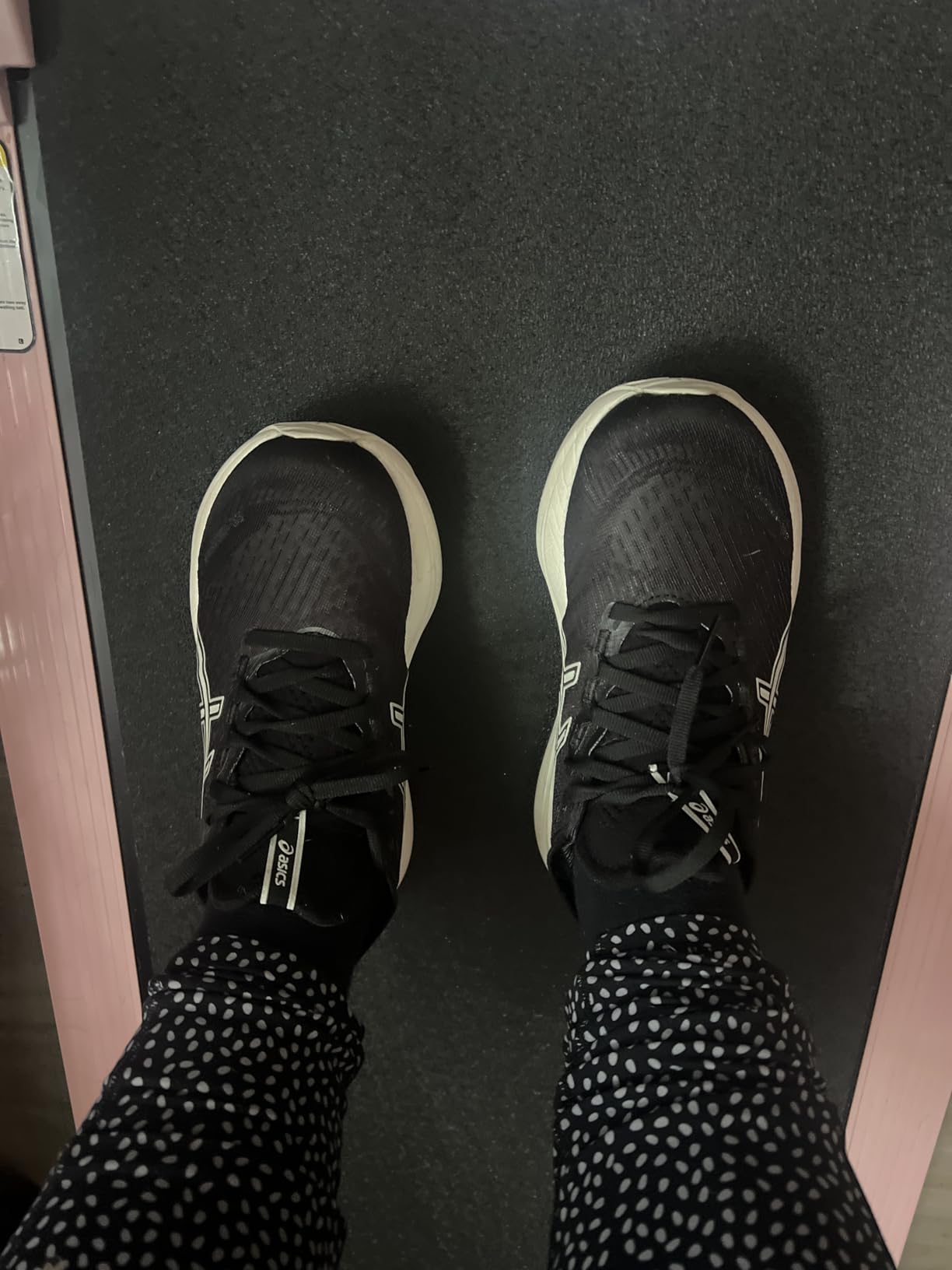
The PureGEL technology inserted beneath the heel adds another layer of complexity. For heel strikers, this 65% softer gel capsule provides noticeable landing cushion during longer sessions. Extended wear periods—think 8+ hour days—reveal where this technology truly delivers: reduced knee and lower back fatigue compared to firmer alternatives. Midfoot and forefoot strikers will feel less of this benefit, as the gel placement specifically targets heel impact.
That extra 2mm of stack height over the Nimbus 26 might seem negligible on paper, but the cumulative effect during sustained activity becomes clear around hour 6. Feet stay fresher longer. The trade-off? The substantial stack creates a slightly bottom-heavy feel that takes adjustment for anyone transitioning from lower-profile shoes.
The Upper Transformation: From Knit to Jacquard Mesh
ASICS made a strategic pivot from the engineered knit upper used in versions 25 and 26 to an engineered jacquard mesh construction for version 27. This change addresses the primary complaint from previous iterations: inadequate ventilation. The jacquard mesh breathes noticeably better during warm conditions—during Houston humidity walks at 88°F+, feet stayed comfortable through 90-minute sessions without that clammy, overheated sensation that plagues some max-cushion shoes.
The material itself feels premium despite being 75% recycled polyester. There’s a soft, almost sock-like quality to how the upper wraps the foot, with enough stretch for natural foot expansion during longer wear periods while maintaining secure lockdown. The gusseted knit tongue—a Nimbus staple since version 24—remains one of the best implementations in the category, laying completely flat without bunching or creating pressure points.
However, the trade-off for increased breathability comes in the form of a slightly more relaxed overall fit compared to the compressive knit of version 26. The midfoot in particular feels shallower and less hugged. For those with narrow to medium-volume feet, achieving proper lockdown requires careful lacing adjustment. The toe box measures 97.0mm at its widest point, placing it on the roomier side of the spectrum and providing ample space for natural toe splay—excellent news for anyone who’s dealt with cramped toes in other brands.
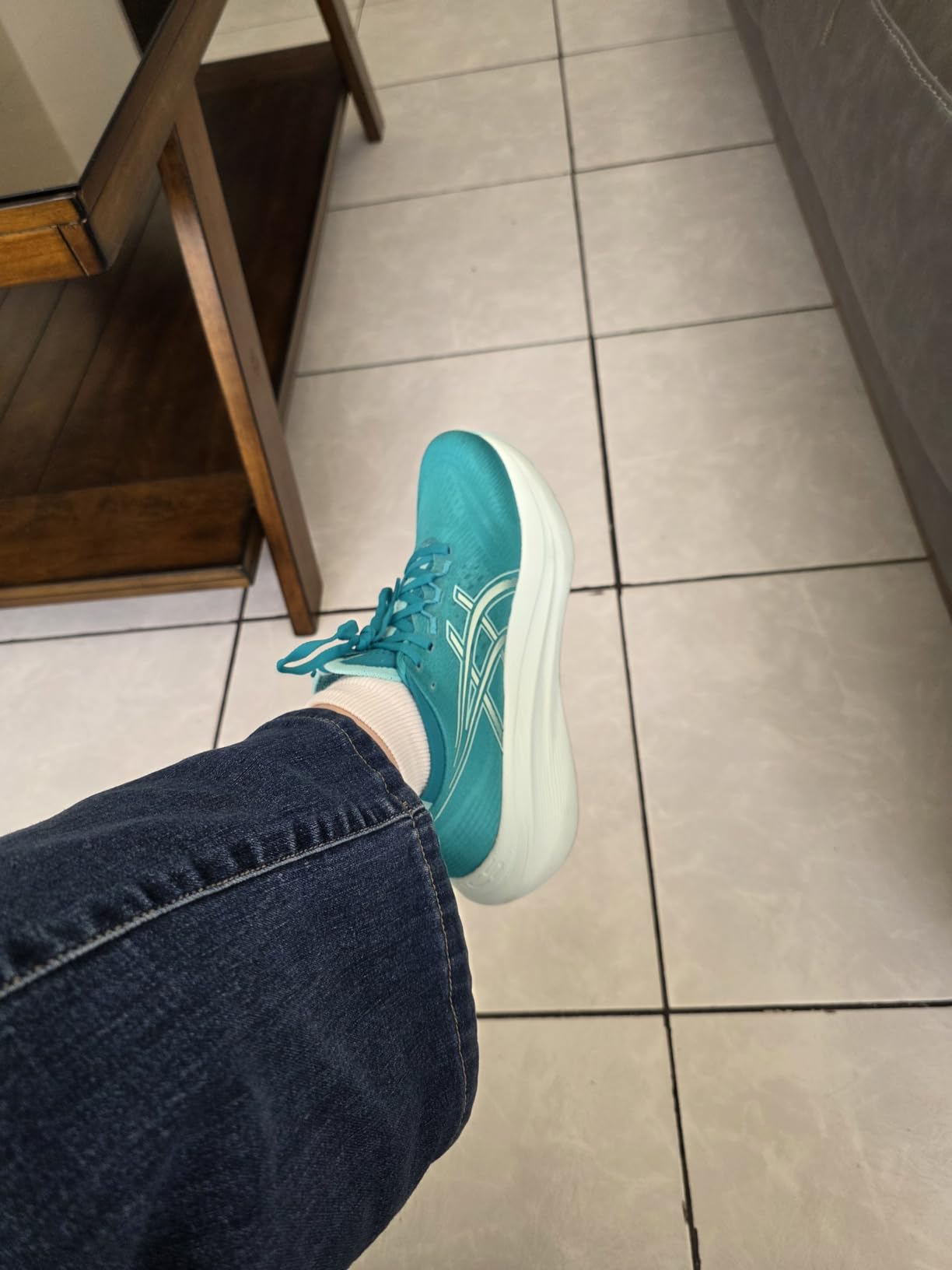
The lacing system presents a minor frustration: the round laces tend toward slipperiness. Getting that initial secure fit proves straightforward, but maintaining tension throughout a full day sometimes requires re-tightening. The integrated heel pull tab makes entry effortless, while the padded heel collar provides cushioned support without any Achilles irritation issues.
Does Maximum Cushioning Mean Maximum Comfort?
This question deserves examination beyond surface-level marketing claims. The Gel-Nimbus 27 certainly delivers substantial underfoot cushioning, but “maximum comfort” involves multiple factors beyond foam thickness. During varied activities over 6 weeks—neighborhood walks, fitness classes, grocery store errands, extended standing periods—several patterns emerged.
For moderate-paced walking (3-4 mph), the comfort level genuinely impresses. That combination of FF BLAST PLUS ECO foam and PureGEL creates soft landings without feeling unstable. The wide 97.0mm base provides confidence on various surfaces, and even after 10+ hours of accumulated wear, foot fatigue remains minimal. The arch support works beautifully for medium to high arches, though those with very flat feet might find insufficient structure.
Running performance reveals where the “maximum cushion” label proves most accurate. Easy runs at 9:00-9:30 pace feel smooth and controlled. The cushioning maintains consistency mile after mile, and the protection allows form to stay consistent even when legs fatigue. Laboratory testing confirms exceptional shock absorption (136 SA at both heel and forefoot), validating the joint-protection claims.
But push into tempo territory around 7:45 pace, and the shoe’s limitations become apparent. That bottom-heavy design and lower energy return (47.7%) mean the Nimbus 27 works harder than lighter, more responsive trainers. The 8.9 oz weight (women’s size 8) sits slightly heavy for the category, though the stability that weight provides proves valuable during longer sessions.
The real comfort revelation appears during all-day lifestyle wear. Whether standing for extended periods or moving between activities, feet consistently feel supported without that compressed, tired sensation that develops in less cushioned shoes. The breathability of the jacquard mesh upper helps feet stay comfortable across temperature ranges.
How the Nimbus 27 Compares Against Top Competitors
Understanding where the Gel-Nimbus 27 fits within the crowded max-cushion daily trainer market requires direct comparison with category rivals. Against the Brooks Glycerin Max, the Nimbus offers a more premium-feeling upper and better structural support, but the Glycerin delivers an even softer, more plush underfoot sensation for runners seeking that pillowy landing experience.
The New Balance Fresh Foam X 1080 v14 matches the Nimbus 27’s $165 price point while providing slightly more energy return (around 52% vs 47.7%) and a bouncier ride. The 1080 v14’s thicker tongue gives it a slight edge for extended wear comfort, and the overall feel sits somewhere between firm and marshmallow-squishy—similar territory to the Nimbus 27 but with marginally more pep.
Compared to ASICS’ own Novablast 5, the differences prove instructive. Both utilize the same FF BLAST PLUS ECO foam, but the Novablast lacks the PureGEL technology in the heel. The result: the Novablast delivers a softer, bouncier, more energetic ride—like a trampoline versus the Nimbus 27’s diving board feel. However, that extra responsiveness comes with less inherent stability. The Novablast excels for tempo work and faster efforts where the Nimbus 27 feels sluggish.
The Saucony Triumph 22 presents interesting overlap. Both shoes target the same neutral, max-cushion daily trainer category at similar weights. The Triumph’s PWRRUNPB material provides noticeably more energy return and a denser, peppier feel. For runners wanting versatility across paces, the Triumph edges ahead. For pure comfort-focused easy mileage, the Nimbus 27’s softer landings win out.
Within the ASICS lineup itself, the distinction from the Gel-Kayano 31 deserves clarification. While both offer substantial cushioning and wide platforms, the Kayano incorporates medial posting and structured support features for overpronators. The Nimbus 27 remains firmly neutral. For those without stability needs, the Nimbus provides better cushioning per dollar. Those requiring motion control should opt for the Kayano.
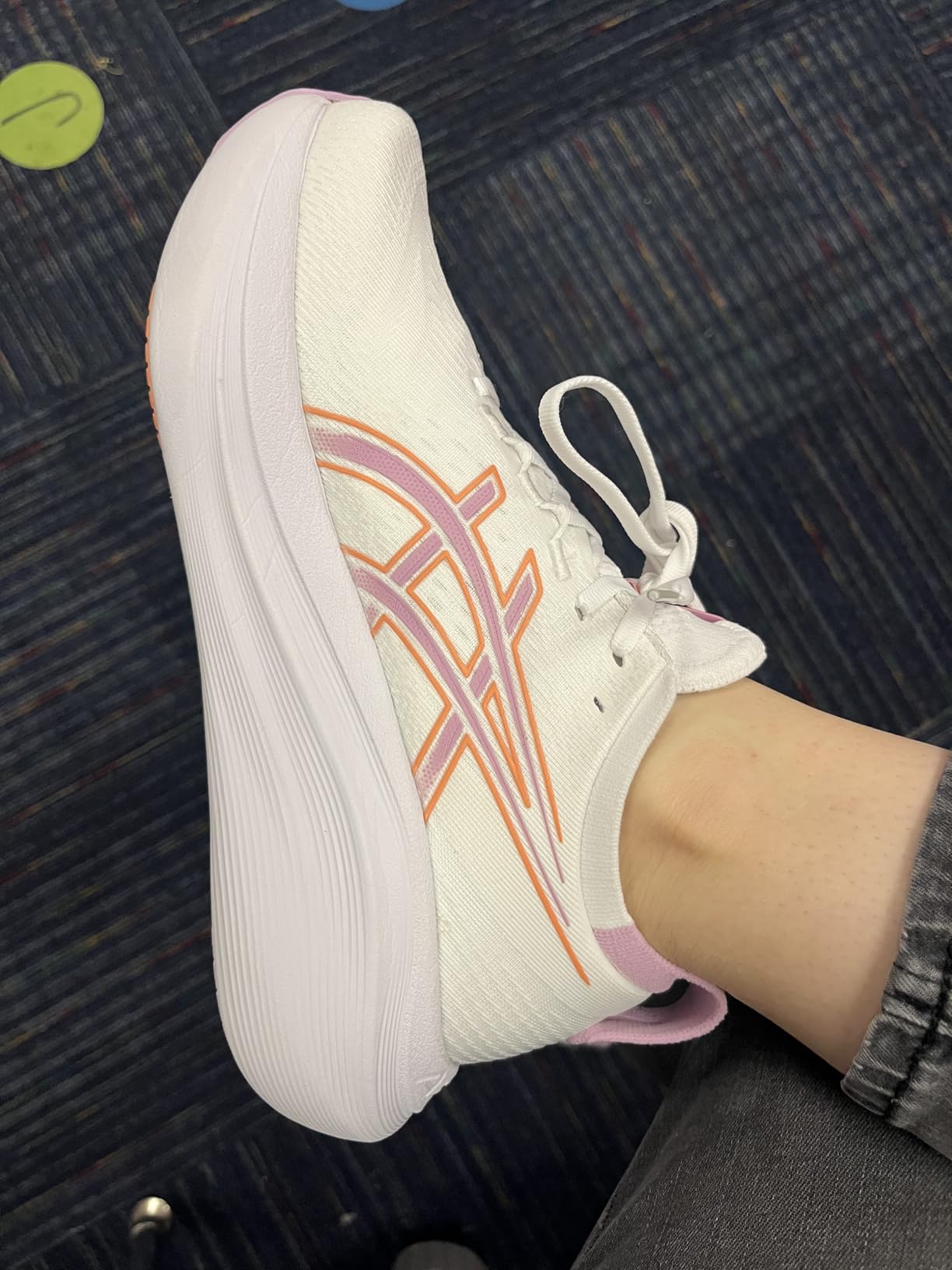
Perhaps most relevantly, comparing the Nimbus 27 to its predecessor, the Nimbus 26, reveals subtle but meaningful evolution. That additional 2mm of stack height (42.5mm vs 40.5mm in the heel) provides slightly more cushioning without adding weight—ASICS actually shaved off about 5 grams. The new jacquard mesh upper breathes better than the denser knit of version 26, though some miss the more compressive lockdown feel. The softer foam formulation in the 27 addresses complaints that the 26 felt too firm, swinging the pendulum back toward the plush comfort of version 25.
For runners content with the Nimbus 26, the upgrades in version 27 don’t necessarily justify paying full retail. However, anyone finding the 26 too firm or seeking better ventilation will appreciate the changes. The wider toe box in the 27 also benefits those who found the 26’s fit slightly narrow through the forefoot.
Breaking Down the $165 Investment
At $165, the Gel-Nimbus 27 sits squarely in premium territory—$5 more than version 26 and matching competitors like the New Balance 1080 v14, while running $15 more than the Mizuno Neo Zen and $35 less than the Brooks Glycerin Max. Whether this price point represents solid value depends on individual priorities and usage patterns.
The durability outlook appears promising. After 85 miles, outsole wear remains minimal. The HYBRID ASICSGRIP rubber—a combination of ASICSGRIP and AHARPLUS compounds—shows impressive resilience. The traditional ribbed pattern implemented in version 27 (versus the geometric pattern in version 26) should theoretically extend longevity. Conservative estimates suggest 350-400 miles of comfortable use for lighter users (under 140 lbs), with heavier or higher-mileage users seeing 300-350 miles before cushioning compression becomes noticeable.
Breaking down the cost per mile: $165 divided by 375 miles (average lifespan) equals approximately $0.44 per mile. For comparison, a $120 shoe lasting 300 miles costs $0.40 per mile—not dramatically different. The real value proposition hinges on whether that extra cushioning and comfort genuinely improve daily quality of life.
For specific user profiles, the value equation shifts considerably:
Healthcare workers, teachers, retail employees: Standing and moving on hard surfaces for 8-12 hour shifts creates foot fatigue that compounds over days and weeks. The Gel-Nimbus 27’s exceptional cushioning and all-day comfort directly addresses this pain point. At $0.44 per mile (or roughly $0.05-$0.10 per hour of wear), the investment pays dividends in reduced fatigue and lower back strain. High value.
Recreational runners (15-25 miles/week at easy paces): These shoes excel precisely in this usage range. The cushioning protects joints during easy runs, the comfort allows wearing them beyond workouts, and the durability supports 12-15 weeks of use before replacement. Solid value, especially considering reduced injury risk from proper cushioning.
Serious runners (40+ miles/week): Value becomes more nuanced. The Nimbus 27 works excellently for easy and recovery days—likely 60-70% of total mileage. But lack of responsiveness for speed work (47.7% energy return) means needing additional shoes for tempo runs and interval sessions. Reasonable value as part of a rotation, less appealing as a single-shoe solution.
Casual walkers (3-5 miles/week): At this usage rate, the shoes would last years—exceptional durability value. However, the $165 investment might feel steep for activity that less technical (and less expensive) walking shoes could adequately support. Moderate value unless premium comfort proves particularly important.
The sustainability features add intangible value for environmentally conscious buyers: 75% recycled content in the upper, 24% bio-based foam materials, and claims of 27% lower carbon footprint versus category averages. These factors don’t directly affect performance but contribute to overall satisfaction for some users.
Can One Shoe Handle Walking, Running, and All-Day Wear?
The versatility question matters significantly for anyone hoping to consolidate their footwear rotation. The Gel-Nimbus 27 positions itself as a do-everything daily trainer, but does real-world use support that claim?
For walking across various contexts—neighborhood strolls, urban errand-running, light hiking on maintained trails—the Nimbus 27 performs admirably. The substantial cushioning makes concrete sidewalks feel less punishing, and the HYBRID ASICSGRIP outsole provides confident traction even on wet surfaces. During rainy day testing, the grip held securely on slick pavement without any sketchy moments. The wide base (97.0mm) contributes to stability across uneven terrain, making these suitable for easy trails and packed gravel paths beyond just roads.
The breathable jacquard mesh upper handles temperature variation well. Early morning walks in cool conditions feel comfortable without feet getting cold, while afternoon sessions in 85°F+ heat don’t leave feet feeling overheated or swampy. The material dries relatively quickly when exposed to light rain or heavy sweat.
For running purposes, the versatility depends on pace and distance. Easy runs from 3-8 miles at 9:00-10:00 pace feel smooth and effortless. The cushioning absorbs impact consistently, and the 8mm drop promotes efficient forward momentum without forcing an unnatural gait. Recovery runs benefit particularly from the soft landings—legs feel noticeably fresher afterward compared to using firmer trainers.
Long runs present a sweet spot for the Nimbus 27. That substantial cushioning (42.5mm heel stack) continues performing at mile 8 and beyond, protecting joints during accumulated fatigue. The PureGEL heel insert shows its value during final miles when landing mechanics typically deteriorate. Extended testing through 10+ mile sessions revealed consistent comfort without the late-run foot fatigue that plagues some max-cushion shoes.
Speed work and tempo runs expose the limitations. That 47.7% energy return and 8.9 oz weight become noticeable hindrances when trying to hold 7:30-8:00 pace for sustained periods. The shoe feels less responsive, requiring extra effort to maintain faster speeds. For interval sessions or race-pace work, lighter, more energetic trainers prove superior.
All-day lifestyle wear—perhaps the most demanding versatility test—yields surprisingly positive results. The combination of cushioning, breathability, and wide base means feet stay comfortable during marathon errand days, standing-heavy social events, and travel days involving lots of walking. The styling leans distinctly athletic (these unmistakably look like running shoes), which limits wardrobe compatibility compared to more fashion-forward sneakers. But for active lifestyle contexts where performance aesthetics fit naturally, the Nimbus 27 transitions seamlessly.
Fitness classes present mixed results. Low-impact classes (barre, yoga, pilates) work fine, though the thick sole creates slight instability during balance-focused movements. Higher-impact classes (step aerobics, dance cardio) benefit from the cushioning, but lateral stability proves less robust than court-specific or cross-training shoes. HIIT workouts requiring quick direction changes feel somewhat clunky.
The verdict on versatility: The Gel-Nimbus 27 genuinely excels as a walking/easy running/all-day wear hybrid for comfort-focused users. It won’t replace specialized shoes for speed work, strength training, or technical trails, but for 70-80% of typical active lifestyle activities, it performs admirably. That percentage jumps even higher for individuals whose primary activities center on walking, easy-paced running, and extended standing periods.
After 85+ Miles: What Shows and What Holds Up
Durability assessment requires extended observation across varied conditions. After 6 weeks encompassing 85+ miles of use across multiple surface types and activities, several wear patterns emerged.
The outsole proves impressively durable. Minimal rubber erosion appears even in high-wear zones (lateral heel, forefoot pressure points). The HYBRID ASICSGRIP compound lives up to its durability claims—at this wear rate, 400+ miles appears achievable before traction degradation becomes concerning. The ribbed pattern shows less wear than the geometric pattern used on version 26, suggesting ASICS made a smart design choice for longevity.
Midsole compression—the eventual killer of cushioning performance—remains minimal through 85 miles. The FF BLAST PLUS ECO foam still delivers that responsive-yet-cushioned feel from early miles. Pressing the heel and forefoot by hand reveals no meaningful compression compared to new. Independent laboratory testing indicates most max-cushion shoes begin showing measurable compression around 200-250 miles, so the Nimbus 27’s performance here aligns with expectations.
The jacquard mesh upper shows minor cosmetic wear—slight creasing at flex points near the toe box—but no structural issues. No seam separation, no mesh tears, no delamination where upper meets midsole. The material maintains its soft feel and hasn’t developed any stiffness. Importantly, breathability hasn’t degraded, suggesting the mesh construction holds up better than some knit alternatives.
One area deserving attention: the toe guard. While generally robust, a few reports from other users note indentation issues where the semi-rigid bumper develops a dent that contacts toes during wear. This hasn’t manifested during current testing, but it represents a potential quality control concern worth monitoring. The toe guard itself serves practical purpose (protecting against stubs and extending upper life), but its implementation may lack consistency across production runs.
The lacing system remains functional but hasn’t improved. Those slippery round laces still require occasional re-tightening during extended wear. The eyelets show no stress or tearing, suggesting structural integrity holds up even with repeated lacing adjustments.
The insole (OrthoLite X-55 sockliner) maintains its cushioning and shape. No flattening or compression, no odor issues despite warm-weather use. The material seems poised to last the shoe’s entire lifespan—a meaningful contributor to overall comfort sustainability.
Color retention on the navy/coral test pair remains excellent. No fading, no discoloration from exposure to sun and moisture. The materials seem resistant to staining, though that would vary by colorway choice.
Based on current wear patterns and extrapolating forward, durability outlook by user profile:
- Lighter users (under 140 lbs), primarily walking: 450-500 miles likely before cushioning noticeably degrades
- Average weight (140-160 lbs), mixed walking/running: 350-400 miles realistic expectation
- Heavier users or high-mileage runners (160+ lbs, 30+ miles/week): 300-350 miles before considering replacement
- Primarily treadmill use: Potentially 50-75 additional miles versus outdoor road running due to reduced outsole wear
One durability advantage over some competitors: the Nimbus 27’s slightly firmer foam formulation (compared to ultra-soft alternatives like the Brooks Glycerin Max) should theoretically resist compression longer, extending comfortable lifespan.
Worth It or Wait for Sales?
The final value judgment requires honest assessment: does the Gel-Nimbus 27 justify $165, or should budget-conscious buyers wait for discounts or consider alternatives?
For those prioritizing maximum comfort above all other factors—particularly individuals spending extensive time on their feet through work or active lifestyles—the $165 investment delivers genuine value. That exceptional cushioning (42.5mm heel stack, 136 SA shock absorption) and all-day wearability directly improves daily quality of life. Compare the cost to medical treatments for plantar fasciitis, knee pain, or lower back issues, and preventative comfort proves economical.
Recreational runners logging 15-30 miles weekly at easy to moderate paces will find the Nimbus 27 perfectly suited to their needs. The comfort, joint protection, and versatility align precisely with this usage profile. At approximately $0.44 per mile over a 375-mile lifespan, the per-use cost falls in line with category norms.
However, several scenarios argue for considering alternatives or waiting for sales:
If performance versatility matters: Runners wanting one shoe for easy days and tempo work should explore options with better energy return. The Saucony Triumph 22 or New Balance 1080 v14 offer more pep while maintaining substantial cushioning.
If budget constraints are significant: The Gel-Cumulus 26—ASICS’ step-down cushioned trainer at $130—delivers 80% of the Nimbus experience at $35 savings. For casual users, that trade-off makes economic sense.
If previous Nimbus version owners are satisfied: The changes from version 26 to 27 prove incremental rather than revolutionary. Anyone content with the 26’s performance should wait for clearance pricing on remaining 26 stock (often $120-$130) rather than paying full retail for marginal improvements.
If style versatility is important: The distinctly athletic aesthetic limits lifestyle crossover. More fashion-forward alternatives like Allbirds Tree Runners ($98) or even the New Balance 574 offer similar comfort with broader wardrobe compatibility at lower price points.
The smartest purchase strategies:
- Wait for seasonal sales: ASICS products typically see 20-25% discounts during major retail periods (Black Friday, end-of-season clearances). At $125-$130, the value proposition improves significantly.
- Consider previous versions: The Nimbus 26 at clearance pricing ($120-$130) delivers near-identical performance with minor trade-offs in breathability and stack height—excellent value for budget-conscious buyers.
- Buy when needed, not preemptively: Given the 350-400 mile lifespan, purchasing multiple pairs to “stock up” makes less sense than waiting until current shoes genuinely require replacement.
- Leverage wide width availability: For those with wider feet, the fact that ASICS offers the Nimbus 27 in 2D and 4E widths adds value—many competing shoes lack wide options, forcing compromise on fit.
The final take: Worth full retail for individuals whose work or lifestyle demands all-day comfort and who will utilize these shoes 4-5+ days weekly. Worth waiting for sales (or considering the Nimbus 26) for casual users, occasional runners, or anyone whose needs don’t specifically require maximum cushioning. The shoe delivers what it promises—exceptional comfort and cushioning—but whether that specific combination of attributes justifies the premium price point varies by individual usage context.
My Final Take
After 6 weeks spanning diverse conditions and activities, the ASICS Women’s Gel-Nimbus 27 solidifies its position as a top-tier max-cushion daily trainer for comfort-focused users. That 42.5mm of heel stack genuinely delivers on cushioning promises without sacrificing stability, and the upgraded jacquard mesh upper addresses breathability concerns from previous versions. The combination works beautifully for easy-paced running, extensive walking, and all-day wear scenarios.
The ideal buyer profile: active individuals logging 20-35 miles weekly at comfortable paces, healthcare or retail workers on feet for extended shifts, or anyone prioritizing joint protection and comfort over performance metrics like energy return and responsiveness. For these users, the $165 investment proves worthwhile—the cumulative benefit to daily foot comfort and reduced fatigue justifies the premium pricing.
The shoe presents limitations worth acknowledging: that bottom-heavy design and low energy return (47.7%) make it less versatile for speed work, the styling screams “athletic” rather than lifestyle, and the $165 price point represents a significant investment. Anyone seeking one shoe for both easy days and tempo runs, or those on tight budgets, should explore alternatives.
Three specific recommendations:
- Size down half a size from Nike: The Nimbus 27 runs about a full size larger than Nike models and half a size larger than most ASICS shoes. Even loyal ASICS customers familiar with previous Nimbus versions should consider dropping half a size.
- Give the cushioning 3-4 wear sessions: That responsive-yet-firm feel takes adjustment for anyone transitioning from lower-stack shoes. The initial “bottom-heavy” sensation moderates quickly as gait adapts.
- Rotate with firmer options if possible: While these work for easy runs, maintaining ankle stability and proprioception benefits from occasionally using lower-stack, more responsive trainers to challenge those stabilizing muscles.
The sustainability features (75% recycled upper content, 24% bio-based foam, 27% reduced carbon footprint) add meaningful value for environmentally conscious buyers without compromising performance—a rare combination in athletic footwear.
For those whose current shoes adequately meet comfort needs, waiting for sales pricing ($125-$135 range) or considering the clearance-priced Nimbus 26 makes economic sense. For anyone dealing with foot pain, plantar fasciitis, or general discomfort from current footwear, the full-retail investment likely pays immediate dividends in improved daily comfort.
The ASICS Women’s Gel-Nimbus 27 won’t be everyone’s perfect shoe—no single model ever is—but for its specific target audience of comfort-prioritizing, easy-to-moderate-pace active women, it delivers exceptionally well on its core promises. After 85+ miles across varied conditions, feet consistently feel supported, protected, and comfortable. That reliable, day-after-day cushioned comfort represents precisely what a premium daily trainer should provide.
Frequently Asked Questions
How do these fit compared to other popular brands?
The Gel-Nimbus 27 runs approximately one full size larger than Nike, half a size larger than Adidas, and even slightly larger than previous Nimbus models. The toe box width measures 97.0mm—on the roomier side of the spectrum—providing ample space for toe splay. Most users find true-to-size works fine, but anyone coming from Nike or narrow-fitting brands should seriously consider sizing down half a size. The shoe is also available in 2D (wide) and 4E (extra wide) options for those needing additional room.
What’s actually different from the Nimbus 26?
Version 27 adds 2mm of stack height (42.5mm vs 40.5mm in the heel) while maintaining the same weight through a lighter foam formulation. The engineered knit upper got replaced with jacquard mesh for better breathability. The outsole pattern changed from geometric to traditional ribbed, potentially improving durability. The foam feels slightly softer than the 26’s firmer ride. Beyond these changes, the shoes share similar DNA—same PureGEL heel insert, same FF BLAST PLUS ECO foam base, similar overall geometry.
Can these handle faster-paced running?
The Gel-Nimbus 27 works comfortably at easy to moderate paces (9:00-9:30 per mile), but struggles with true speed work. Laboratory testing shows energy return of only 47.7%—below average for premium trainers—and the 8.9 oz weight becomes noticeable when pushing sub-8:00 pace. The shoe excels for easy runs, recovery sessions, and long slow distance. For tempo runs or interval work, more responsive options like the ASICS Novablast 5 or Saucony Triumph 22 prove better choices.
How long will these realistically last?
Durability varies by user weight and usage patterns. Lighter users (under 140 lbs) primarily walking can expect 450-500 miles. Average weight users (140-160 lbs) with mixed walking/running should see 350-400 miles. Heavier users or high-mileage runners (160+ lbs, 30+ miles weekly) will likely get 300-350 miles. After 85 miles of testing, outsole wear remains minimal and cushioning shows no meaningful compression—positive indicators for longevity. The HYBRID ASICSGRIP rubber appears more durable than previous versions.
Are these good for plantar fasciitis or foot pain?
The Gel-Nimbus 27 carries APMA (American Podiatric Medical Association) acceptance, validating its foot health benefits. The substantial heel cushioning (42.5mm stack, 136 SA shock absorption) and PureGEL technology significantly reduce impact forces that aggravate plantar fasciitis. The arch support works well for medium to high arches. Multiple individuals with chronic foot pain report noticeable improvement during all-day wear. However, those with very flat feet might find insufficient arch structure. Consulting with a podiatrist before purchasing remains advisable for serious foot issues.
Why are they $5 more than the Nimbus 26?
The price increase from $160 to $165 reflects added stack height, lighter foam formulation, and improved upper materials—plus general inflation pressures affecting athletic footwear. ASICS justifies the premium by adding cushioning without adding weight (actually lost ~5 grams) through refined foam chemistry. Whether that $5 represents meaningful value depends on priorities. For buyers seeking maximum cushioning and better breathability, the improvements justify the cost. For budget-conscious shoppers, waiting for sales or buying clearance Nimbus 26 stock makes more economic sense.
Do they work for all-day standing jobs?
Absolutely—this represents one of the Gel-Nimbus 27’s strongest use cases. Healthcare workers, teachers, and retail employees consistently praise the all-day comfort during 8-12 hour shifts on hard surfaces. That substantial cushioning and 97.0mm wide base reduce foot and lower back fatigue significantly compared to firmer shoes. The breathable jacquard mesh prevents feet from overheating during extended wear. At approximately $0.05-$0.10 per hour of comfortable wear over the shoe’s lifespan, the investment often pays dividends in reduced daily discomfort and improved energy levels.
How’s the traction on wet surfaces?
The HYBRID ASICSGRIP rubber compound—combining ASICSGRIP and AHARPLUS materials—provides excellent wet-weather traction. Testing during rainy conditions revealed confident grip on wet pavement with no slipping incidents. The wide base (97.0mm) adds stability on slick surfaces. The ribbed outsole pattern channels water effectively. While not designed as a trail shoe, the Nimbus 27 handles light gravel paths, packed dirt trails, and even slightly snowy conditions competently. The traction won’t match dedicated trail runners, but it exceeds what’s needed for typical road running and urban walking.
Are they worth it compared to cheaper alternatives?
Value depends heavily on usage patterns. For individuals wearing these 4-5+ days weekly—especially in all-day contexts—the $165 investment divided by 350-400 mile lifespan yields reasonable per-use cost (~$0.44/mile). The exceptional cushioning and comfort genuinely improve daily quality of life. However, casual users (3-5 miles weekly) might find the ASICS Gel-Cumulus 26 at $130 or clearance Nimbus 26 at $120-$130 delivers 80% of the experience at significant savings. The premium makes most sense for those whose activities and comfort needs specifically align with maximum cushioning priorities.
What about break-in period and initial comfort?
The Gel-Nimbus 27 requires minimal break-in—shoes feel comfortable from day one. The jacquard mesh upper starts soft without stiffness or hot spots. The substantial cushioning might feel slightly bouncy or bottom-heavy during the first 2-3 wear sessions for anyone transitioning from lower-stack shoes, but this sensation moderates quickly as gait adapts. Unlike some running shoes requiring 50+ miles to “open up,” these deliver their full comfort potential within 10-15 miles. The responsive-yet-firm foam consistency remains constant rather than softening dramatically with wear.
Be the first to review “ASICS Women’s Gel-Nimbus 27”
Related products

Running Shoes
Running Shoes
Running Shoes
Hiking/Trekking Shoes


Hiking/Trekking Shoes
Running Shoes
Running Shoes
Hiking/Trekking Shoes
Reviews
There are no reviews yet.