
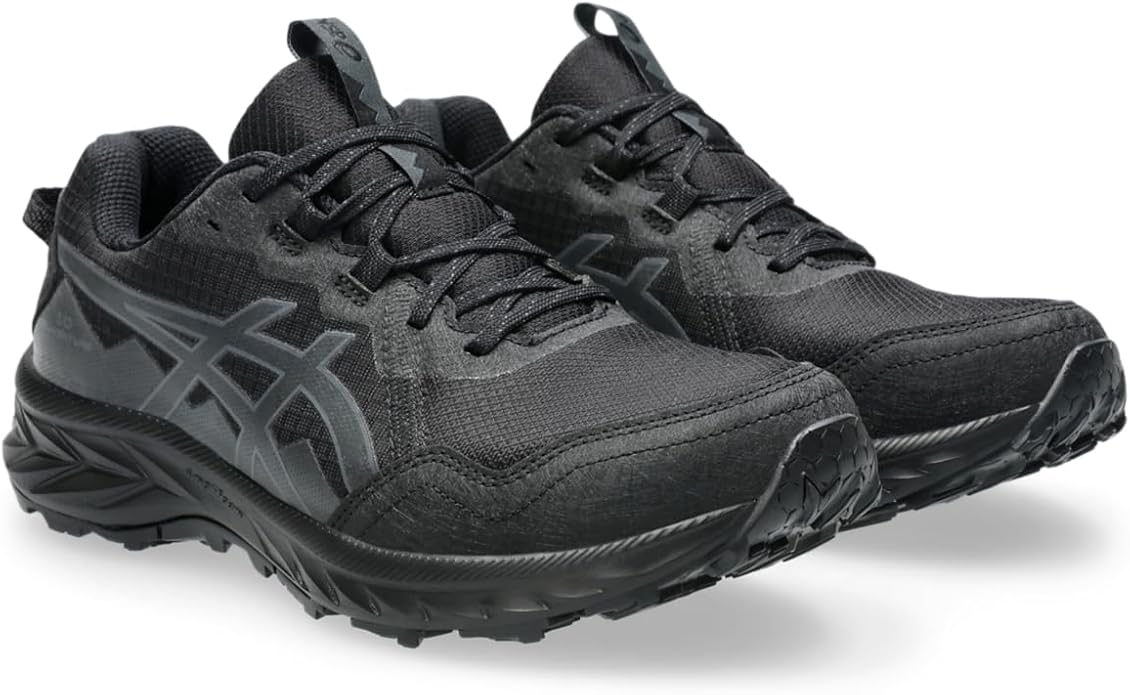
Mike here, and my friend Sarah called me three weeks into her Gel-Venture 10 experiment with a one-sentence verdict: “These $65 shoes have no business being this good on fire roads.” That kind of claim gets my attention. After testing shoes for over a decade and putting well over a thousand pairs through structured evaluations, I’ve learned that budget trail shoes usually cut corners somewhere painful. So I grabbed a pair, laced them up, and spent 6 weeks and 45+ hours across trail runs, road sessions, gym workouts, and full work days to find out where ASICS got it right – and where they didn’t.
Short version? The Gel-Venture 10 is the best budget trail hybrid I’ve tested for recreational runners who need one shoe to handle dirt, pavement, and everything in between. At $65, the value proposition is genuinely hard to beat. But there’s a sizing problem that almost nobody in the industry is addressing honestly, and it nearly ruined my experience before it started. More on that in a moment.
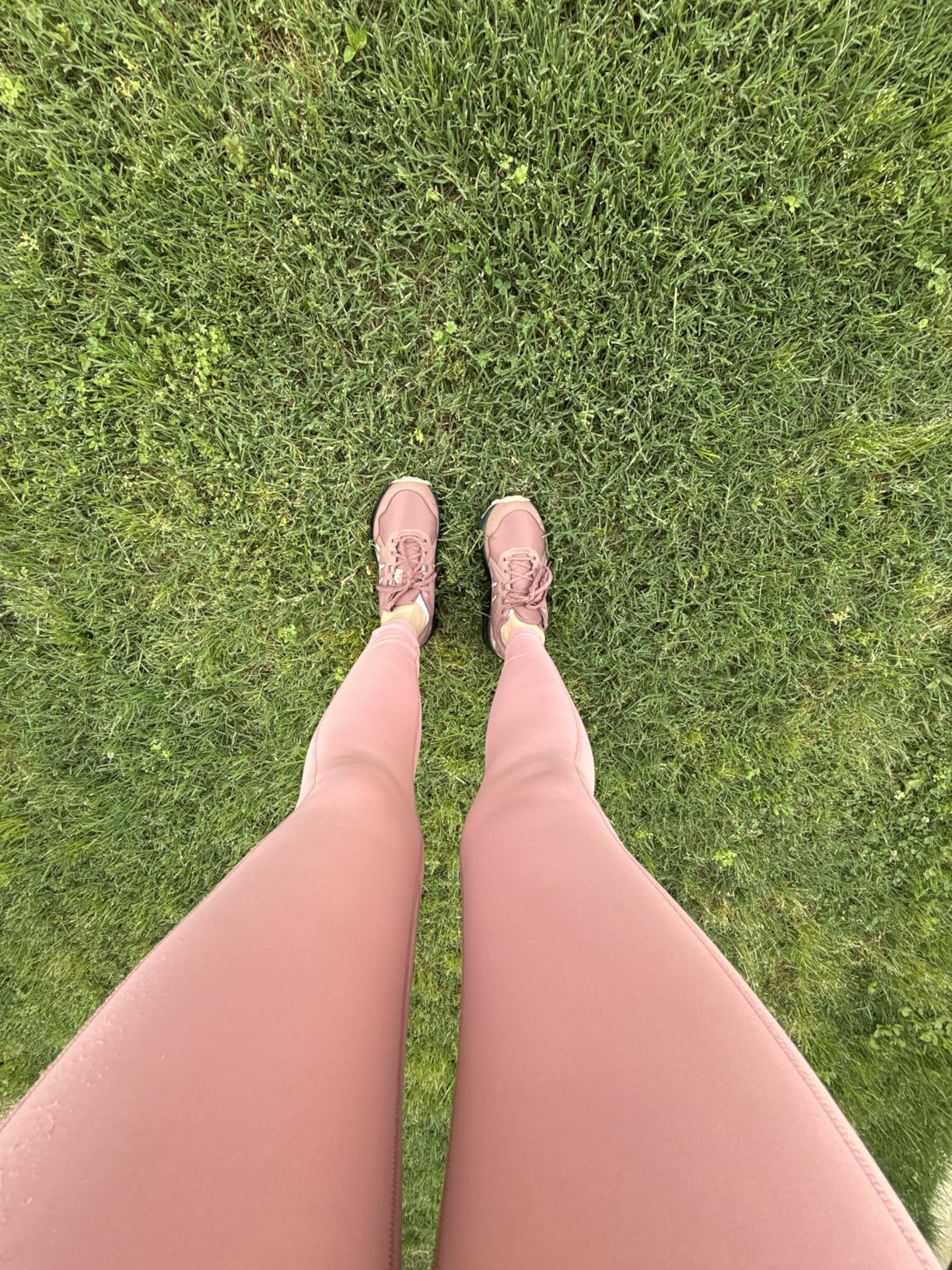
Technical Specifications
| Spec | Value |
|---|---|
| Price | $65-75 (typical street price ~$65) |
| Weight | 11.4 oz (322g) – Women’s Size 8 |
| Heel-to-Toe Drop | 10mm |
| Stack Height | 35.3mm (heel) / 25.3mm (forefoot) |
| Midsole | AMPLIFOAM cushioning |
| Heel Cushioning | Rearfoot GEL technology |
| Upper | Engineered mesh |
| Outsole | Trail-specific pattern, 3.1mm lug depth |
| Support Type | Neutral to underpronation |
| Eco Feature | Solution Dye sockliner (33% less water, 45% less carbon vs conventional) |
| Removable Sockliner | Yes (orthotic compatible) |
Testing period: 6 weeks across 5-mile runs, 3-hour hikes with daypack, 8-10 hour work days, tempo sessions, gym circuits, and casual dog walks. At 175 lbs running an 8:30 easy pace and occasionally pushing to 7:00 tempo, I put these through conditions that expose weaknesses fast.
First Impressions and Build Quality
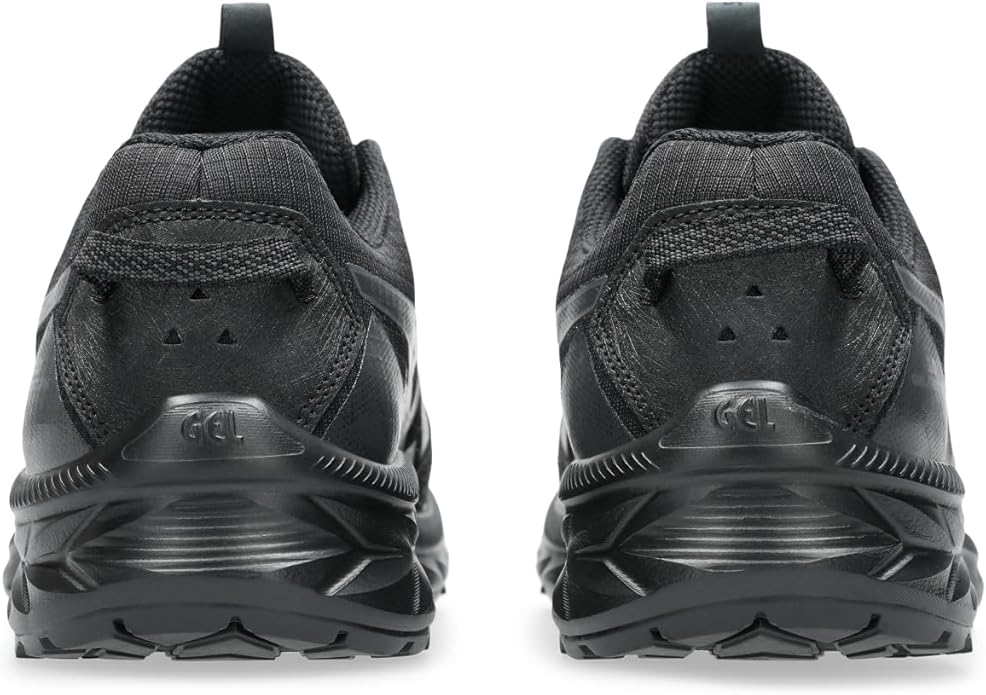
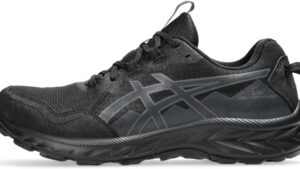
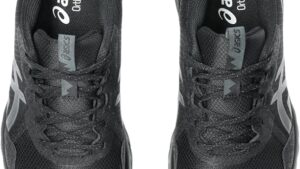
Pulling the Gel-Venture 10 out of the box, the first thing I noticed was weight. At 11.4 oz, these aren’t featherweight racers. They feel substantial – more like a shoe built to survive trail abuse than one designed to chase PRs. That’s an important distinction, and it set my expectations correctly from the start.
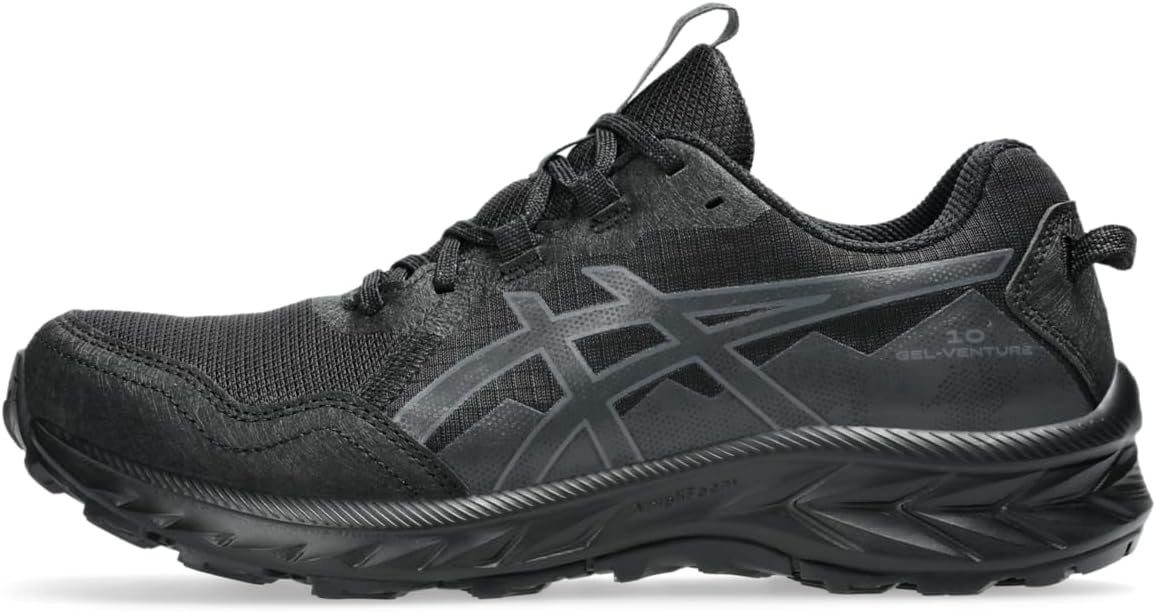
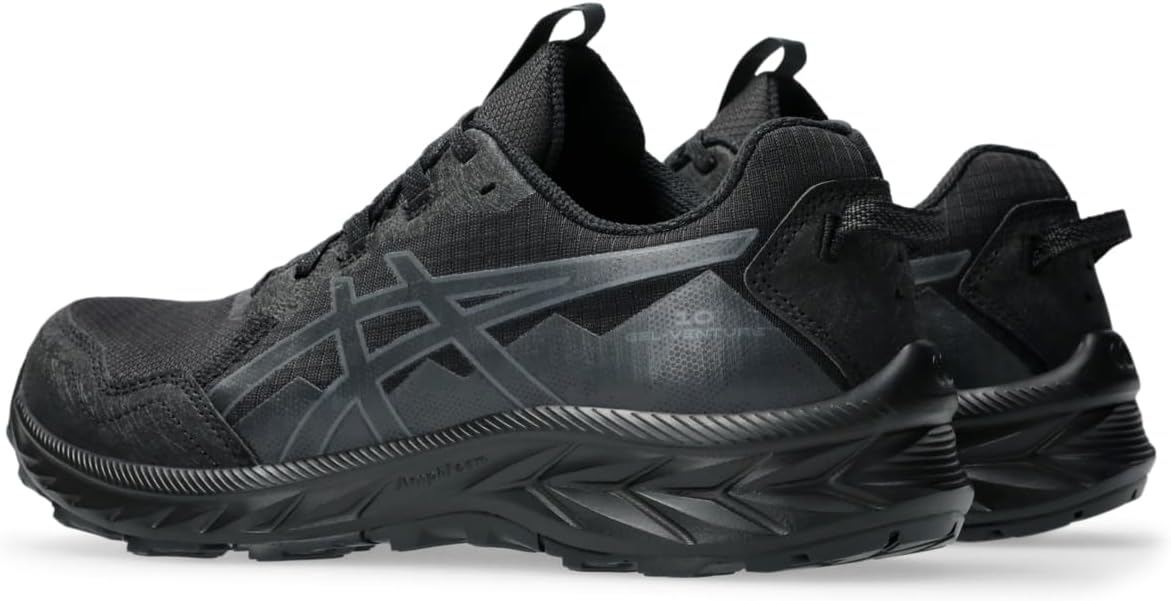
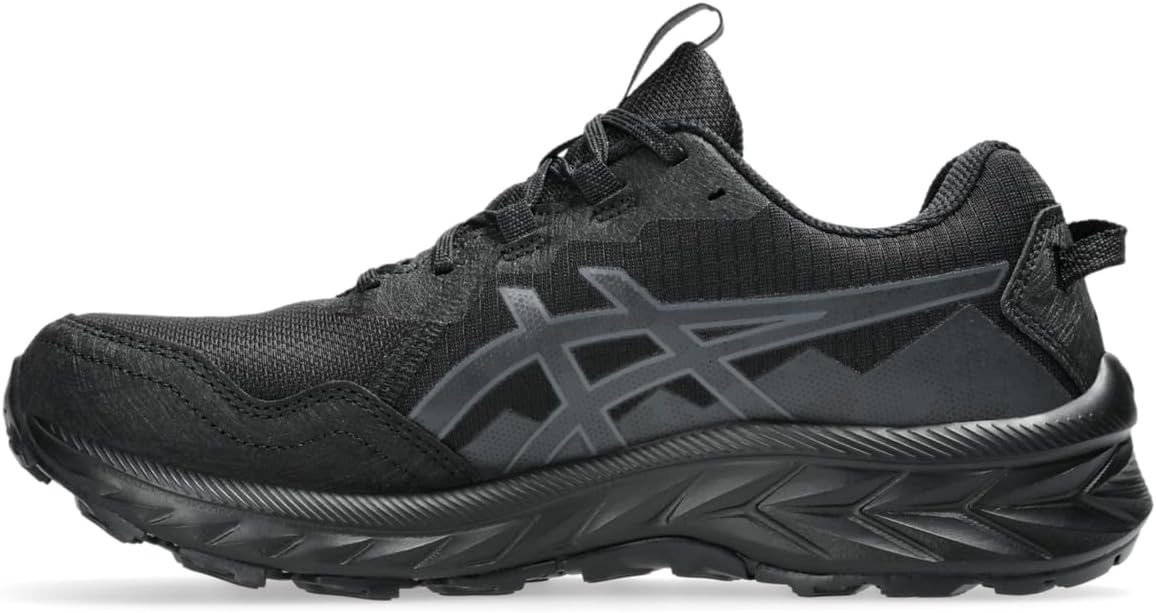
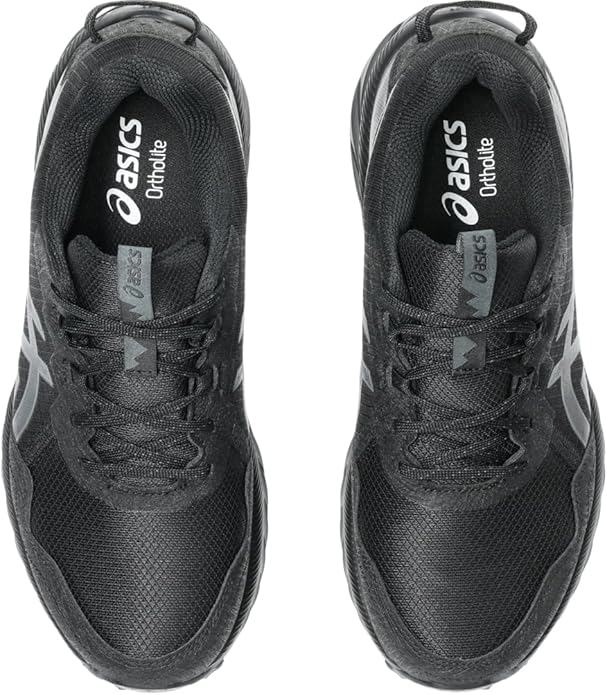
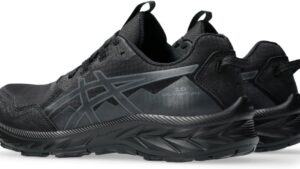
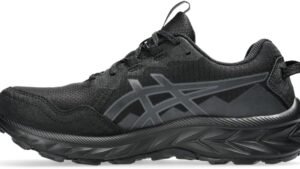
The engineered mesh upper looks and feels like a modest upgrade over the V9’s standard mesh. ASICS added reinforced overlays around the midfoot and a toe cap that wraps slightly higher than previous versions. Running my fingers over the construction, the stitching is clean and the material feels appropriate for the price tier – not premium, not cheap. Somewhere squarely in “solid for $65” territory.
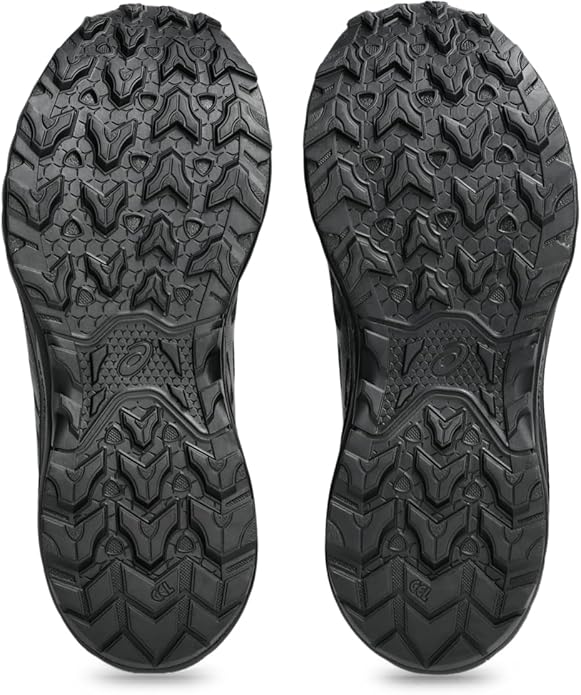
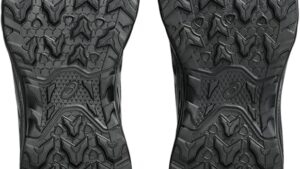
Flip the shoe over and the trail outsole pattern immediately tells you what this shoe prioritizes. Multi-directional lugs at 3.1mm depth cover the full sole with slightly more aggressive patterning in the heel and forefoot contact zones. Compared to my Brooks Ghost 13, which has a road-focused flat outsole, the Venture 10’s lugs look ready for dirt. Whether they actually deliver is a different question I’ll get to shortly.
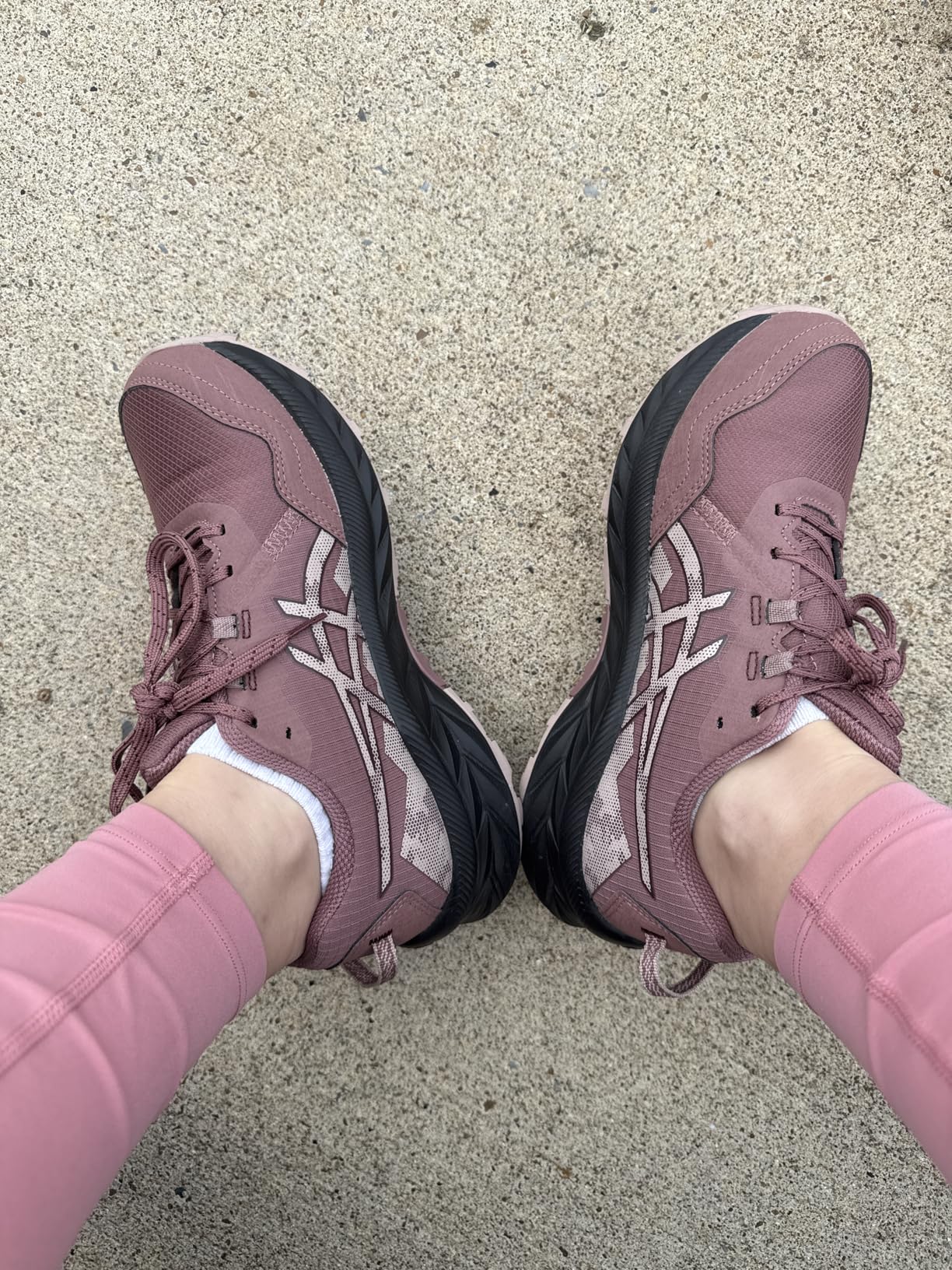
The Sizing Reality Check
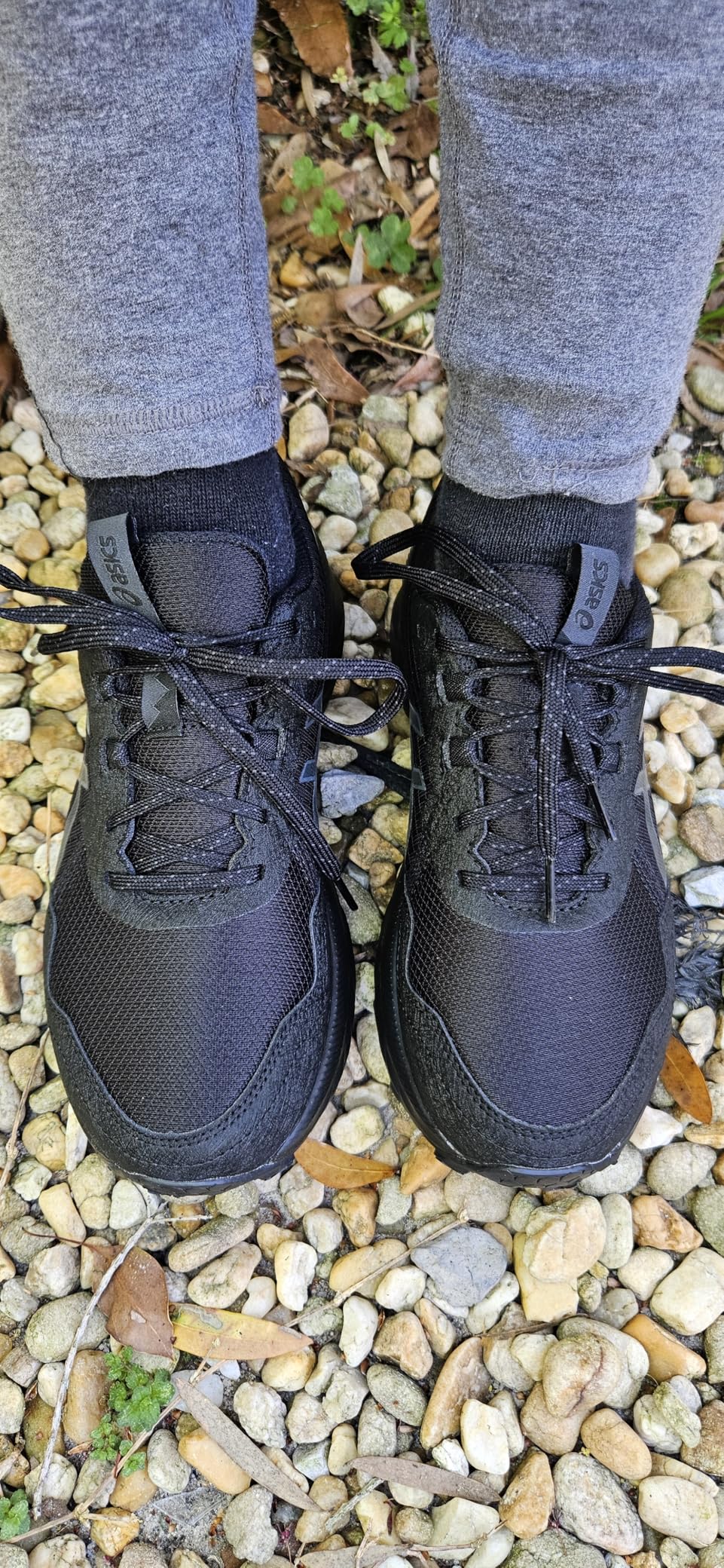
I need to address this before anything else, because it almost derailed my entire review. ASICS lists the Gel-Venture 10 as “true to size.” Zappos survey data shows 84% of buyers agreed. And yet, when I ordered my standard size, the fit was immediately, obviously wrong. The toe box felt cramped. My toes were pressed against the front wall with zero breathing room. The thumb-width test between longest toe and shoe end? Failed completely.
I’m not the only one. RunRepeat’s lab measurements confirm the toebox width at 92.7mm – well below average – with what they call an “extremely tapered toebox.” The shoe literally measures narrower and shorter-fitting than its own predecessor, the Gel-Venture 9.
Half-size up solved the problem. Sarah had the same experience – ordered her regular size, returned them within two days, went up half a size and described the fit as “totally different shoe.” One Amazon reviewer put it bluntly: “Shoes were incredibly small – like a 7 or 7.5 when ordered size 8.” Another wrote: “ORDER UP A FULL SIZE!!!!” with four exclamation marks, and honestly, I understand the frustration.
A repeat ASICS buyer on Zappos confirmed the pattern: “This is my 6th pair of various styles of ASICS… I did go up a 1/2 size in the Gel Venture 10. It gave me a bit more room in the toe box and I’m glad I did.”
Comfort and Cushioning Performance
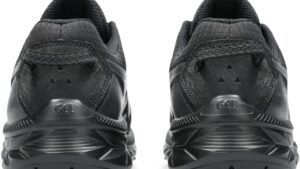
Once I got the sizing sorted, the comfort story changed dramatically. The rearfoot GEL technology is the headline feature here, and ASICS claims it “improves impact absorption and creates a softer feeling at footstrike.” After 3-hour hikes with a loaded daypack and multiple 8-10 hour work days, I can confirm the heel cushioning does its job. My knees felt noticeably less beaten up after long trail sessions compared to firmer budget shoes I’ve worn in the past.
An ER nurse with 40 years of experience backs this up: “Asics gel running shoes are extremely comfortable especially after being on your feet for a long 12 hour work shift.” Another healthcare worker reported the Gel-Venture 10 “prevents lower back pain even on 12 hour shifts.” These aren’t performance runners making claims – they’re professionals who depend on their footwear to survive brutal schedules.
The AMPLIFOAM midsole sits beneath the GEL and provides the primary cushioning platform. RunRepeat measured energy return at 52.8%, which they categorize as a “muted ride.” That tracks with what I felt. During easy 8:30 pace runs, the cushioning felt comfortable and protective – exactly what you want for recreational distance. But when I pushed to 7:00 tempo efforts, the midsole didn’t bounce back with the responsive snap you get from premium foams like Nike’s React or Adidas Boost. The shoe absorbs impact well. It just doesn’t give much energy back.
Break-in period was essentially zero. One Amazon reviewer captured this perfectly: “I put them on, went out and walked 4 miles and they literally felt like I was wearing clouds.” My experience matched – comfortable from the first step, no hotspots, no blisters even during extended initial sessions.
The 10mm drop felt natural across every activity I tested. At easy pace, it supports a relaxed heel strike without feeling overly built up. During faster tempo work, it accommodated my naturally shifting strike pattern toward midfoot without resistance. For all-day work wear, the drop maintained comfortable posture through 10-hour stretches. Worth noting though – the rearfoot GEL emphasis means heel strikers benefit most. If you’re a committed forefoot striker, the cushioning isn’t where you need it.
Trail Performance – Where It Actually Shines
Fire roads, gravel paths, maintained park trails – this is the Gel-Venture 10’s natural habitat, and it delivers with confidence. During 3-hour hikes on mixed surfaces, the 3.1mm lugs gripped dirt and loose gravel without slipping. Uphill sections felt stable, and downhill grades didn’t produce that sketchy sliding sensation that cheaper trail shoes create.
On rocky sections with exposed roots, the outsole handled moderate technical features well enough for recreational hiking. I never felt like I was going to roll an ankle or lose footing on standard trail obstacles. A 67-year-old hiker named Billie on Zappos summarized the terrain capability nicely: “I was looking for a shoe that could handle slippery hiking slopes and also provide great comfort and cushioning. This shoe is perfect for me and a good price!”
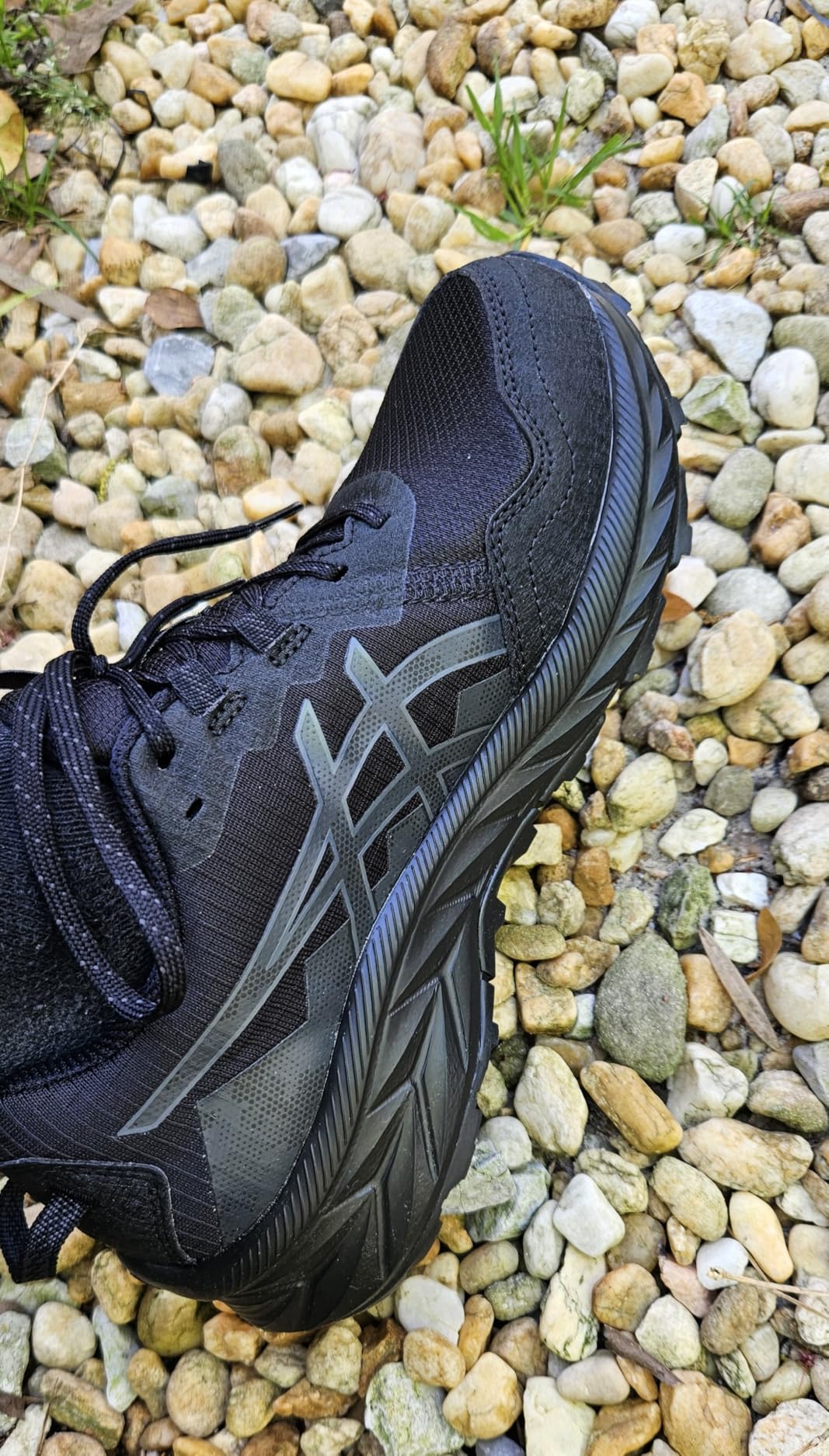
But let’s be clear about the boundaries. This is a recreational trail shoe, not a technical mountain runner. On steep, rocky descents with loose scree, the lugs don’t provide the aggressive bite you’d get from something like the Salomon Speedcross or Altra Lone Peak 8. If your trails involve scrambling, significant elevation change, or sustained technical terrain, you’ll want purpose-built trail footwear. The Venture 10 is built for the 80% of trail users who stick to established paths – and for them, it performs admirably.
Road Running and Gym Versatility
Sarah’s specific use case – splitting time between fire roads and neighborhood pavement – is where the Venture 10 earns its “hybrid” label. On road runs at 8:30 pace, the shoe performs adequately. Not great, not terrible. The trail lugs add a slight textural irregularity on smooth pavement that you wouldn’t notice during a walk but can feel during sustained running. It’s not uncomfortable – just a reminder that this shoe prioritizes trail surfaces.
Tempo work at 7:00 pace on pavement exposed the energy return limitation more clearly. That 52.8% return rate means the shoe feels flat during faster efforts. My morning dog walks on pavement and sidewalks? Perfectly fine. Pushing for speed? Reach for a road shoe.
In the gym, the Gel-Venture 10 surprised me as a decent training shoe for circuit work. The 10mm drop and stable platform supported bodyweight exercises, light plyometrics, and machine work without issues. I wouldn’t do heavy deadlifts in them – the heel cushioning creates too much compression under heavy loads – but for general fitness circuits, they worked.
Breathability and Weather Considerations
Running in 85-degree heat and high humidity gave the mesh upper a proper stress test. Airflow was solid – RunRepeat rates breathability at 4 out of 5, which aligns with my experience. Feet stayed reasonably cool during 5-mile summer runs, and moisture management prevented that swampy, soggy feeling that plagues shoes with poor ventilation.
Here’s the trade-off though, and competitors consistently downplay this: wet weather performance is concerning. On a morning run after overnight rain, the trail lugs lost significant grip on wet rocks and damp packed earth. Mud turned the outsole into a skating rink. This isn’t a waterproof shoe – the mesh upper soaks through in wet grass within minutes – and the traction compound doesn’t compensate on slick surfaces. If you run in the Pacific Northwest or anywhere with regular rain, factor this in seriously.
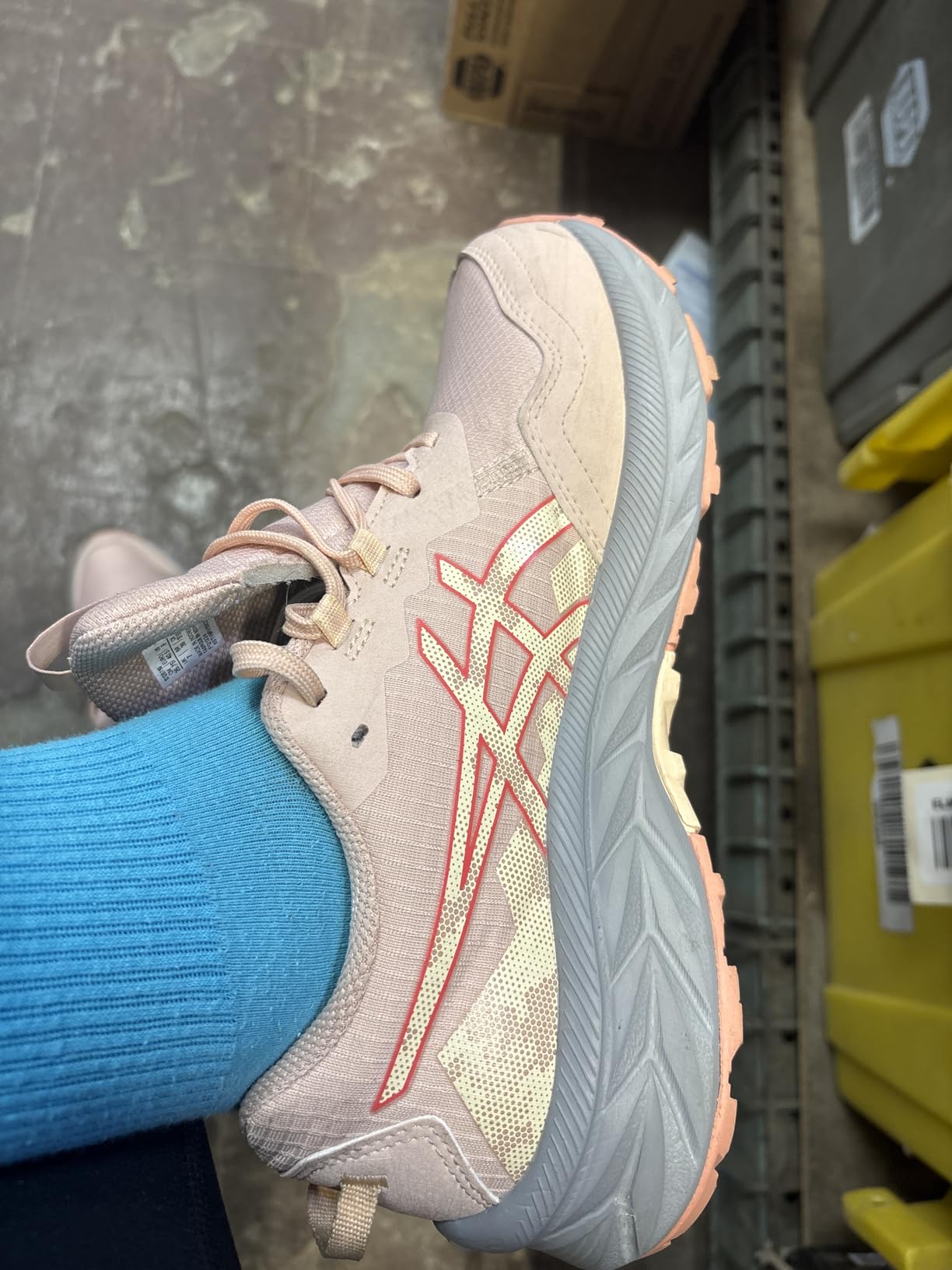
ASICS does offer a waterproof Gel-Venture 10 edition for about $10-15 more. If wet conditions are part of your regular rotation, that version addresses the water resistance gap without changing the core performance profile.
Durability and Long-Term Wear
After 45+ hours of testing over 6 weeks, the outsole lugs show minimal wear. The rubber compound held up well across trail, road, and gym surfaces – the lugs still have defined edges and the tread pattern hasn’t flattened. At this pace of use, I’d project 300-500 miles of life from the outsole, which is respectable for the price.
The mesh upper tells a different story. Around the toe box, I can see early signs of abrasion where the mesh meets the trail overlay. It hasn’t compromised the shoe’s structure yet, but the wear pattern suggests the mesh will be the limiting factor for lifespan rather than the outsole. Multiple user reviews echo this concern – the words “toe box durability” appear repeatedly in longer-term assessments.
Let’s put the value math into perspective. At $65 and a projected 400-mile lifespan, you’re paying roughly $0.16 per mile. Compare that to a premium trail shoe like the Brooks Cascadia at $130 that might last 500 miles ($0.26 per mile), and the Venture 10’s cost efficiency becomes clear. You could buy two pairs of Gel-Venture 10s for less than one premium alternative and get more total mileage.
Does ASICS Deliver on Their Promises?
“Trail-specific outsole improves grip on various surfaces” – Confirmed, with a caveat. On dry fire roads, gravel paths, and maintained trails, the grip is genuinely solid. On wet surfaces and technical rock, it falls short of the “various surfaces” claim. Call it 80% true.
“Rearfoot GEL improves impact absorption” – Confirmed. After back-to-back 3-hour hikes, my knees thanked me. The 105 SA shock absorption measurement from RunRepeat’s lab translates to real-world comfort during extended use. Not revolutionary for the category, but effective at this price point.
“True to size fit” – Contradicted. Lab measurements confirm the shoe runs narrow (92.7mm width) and shorter than the V9. Nearly 2,000 reviews across Amazon and Zappos contain enough sizing complaints to call this a systemic issue. Order up.
“Breathable mesh upper” – Confirmed, with a durability trade-off. Breathability performs as claimed – 4/5 in lab testing, and my summer run experience matches. The cost is mesh durability in the toe box area, and zero water resistance.
“Versatile trail-to-road” – Context-dependent. The shoe handles trails confidently and roads adequately. “Versatile” is fair if you set expectations correctly – trail primary, road acceptable, gym passable.
My Overall Assessment
| Category | Score |
|---|---|
| Value for Money | 8.5/10 |
| Trail Performance | 8/10 |
| Comfort & Cushioning | 8/10 |
| Breathability | 7.5/10 |
| Durability (projected) | 7/10 |
| Road Performance | 6.5/10 |
| Fit & Sizing | 6/10 |
| Overall | 7.5/10 |
A 7.5 might look underwhelming until you factor in the $65 price tag. In the budget trail category, this score represents excellent value. The sizing issue drags the overall rating down – if ASICS fixed the fit discrepancy, this would be an easy 8.
What Other Women Runners Are Saying
The community feedback across 1,842+ Amazon reviews (4.3/5 average) and 60+ Zappos reviews largely confirms my testing. The positives cluster around comfort, value, and trail traction. The negatives center on sizing and durability.
A 67-year-old woman named Billie, who wears men’s size 10s, found the Gel-Venture 10 “perfect” for hiking slopes with “great comfort and cushioning” at a good price. An ER nurse with nearly four decades in healthcare called ASICS gel shoes her consistent choice for surviving 12-hour shifts, noting they prevent knee and foot aches. A verified Amazon buyer reported walking 4 miles immediately and feeling “like wearing clouds.”
The negative testimonials are equally instructive. A user on ASICS Direct who upgraded from the V9 found the V10 “smaller and narrower than previous model” and experienced foot aches even after sizing up a full size. That’s a meaningful data point – the sizing issue isn’t just about length but overall volume and shape.
Is It Worth Your Money?
At $65 against the $120-140 premium trail shoe market, the Gel-Venture 10 delivers roughly 75-80% of the performance at about 50% of the cost. You sacrifice some energy return, upper durability, and wet weather capability. You gain exceptional cost-per-wear value and honest trail competence for recreational use.
The maximum value sweet spot is clear: recreational trail runners, hiking enthusiasts on maintained paths, and cross-trainers who want one versatile shoe without spending $130+. If you’re running 40+ miles per week or tackling mountain trails, spend more. For weekend warriors and daily walkers, this is the value play.
Final Verdict
The Good and The Bad
Pros:
- Excellent value at $65-75 – hard to beat dollar-for-dollar in the trail category
- Solid trail traction on fire roads, gravel paths, and maintained trails
- Comfortable rearfoot GEL cushioning that protects knees during extended sessions
- Genuine trail-to-road-to-gym versatility for one-shoe rotation
- Removable sockliner works with aftermarket insoles and orthotics
- Solution Dye eco-process – rare sustainability feature at this price tier
- Good breathability for warm weather running and hiking
- Zero break-in period – comfortable from the first step
Cons:
- Runs noticeably small – sizing confusion is a real and widespread issue
- Wet weather traction drops significantly on slick and muddy surfaces
- Mesh upper durability concerns, particularly in the toe box area
- Road performance adequate but not optimized – you feel the trail lugs on pavement
- 52.8% energy return means a muted, flat feel during faster efforts
- Narrow fit may frustrate those with wider feet, even in standard width
- Forefoot strikers get minimal cushioning benefit from the rearfoot GEL design
Who Should Buy the Gel-Venture 10?
Perfect for:
- Budget-conscious trail beginners discovering off-road running at the $65 entry point
- Recreational hikers on fire roads, park trails, and maintained paths
- Women seeking a versatile trail-to-road hybrid without buying multiple shoes
- Cross-trainers rotating through gym sessions, runs, and walks
- Orthotic users who need a removable sockliner in a trail shoe
- Healthcare workers and professionals on their feet for extended shifts
Consider carefully if:
- You have wide feet – try before buying, and check the wide width option
- You run primarily on technical mountain trails with rock and scree
- Wet weather running is regular in your area
- You’re a forefoot striker who needs forward cushioning
Look elsewhere if:
- You need waterproof trail shoes (consider the Gel-Venture 10 WP edition)
- You’re training for trail races and need aggressive traction and energy return
- Wide feet and the wide width option isn’t available in your preferred color
Better Options for Specific Needs
- Road-focused cushioning with ASICS tech: ASICS Gel-Nimbus 27 – premium ride for pavement runners
- Stability and support: ASICS Gel-Kayano 31 – structured support for overpronators
- Waterproof trail performance: Salomon Speedcross Peak Clima – technical grip in wet conditions
- Wide toe box trail running: Altra Lone Peak 8 – foot-shaped design for wider feet
- Budget road running: ASICS Gel-Cumulus 26 – optimized for pavement at a reasonable price
My Final Take
Six weeks and 45+ hours later, the Gel-Venture 10 earned a permanent spot in my trail rotation. Not because it’s the best at anything, but because at $65, it’s good enough at everything a recreational runner needs. The sizing issue is real and frustrating – order half a size up, maybe a full size if you’re between sizes or have wider feet. Once you nail the fit, you get a capable, comfortable trail hybrid that punches well above its price tag.
Sarah still has hers. She’s put over 100 miles on them since her initial call and reports the outsole is holding strong, the mesh is showing some wear in the toe area, and she wouldn’t trade them for anything in the sub-$80 category. I trust her judgment – and after thorough testing, mine lines up.
Frequently Asked Questions
Are the ASICS Gel-Venture 10 true to size?
No. Despite survey data suggesting “true to size,” lab measurements confirm the Gel-Venture 10 runs narrow (92.7mm toebox width) and shorter-fitting than the V9. Based on my testing and consensus from 1,900+ user reviews, order 0.5 to 1 full size up from your standard ASICS size. If you have wide feet, try them on in-store first or order the wide width version.
Are the Gel-Venture 10 waterproof?
The standard version is not waterproof. The engineered mesh upper prioritizes breathability over water resistance, and will soak through in wet grass or rain within minutes. ASICS offers a separate Gel-Venture 10 Waterproof edition for approximately $10-15 more that addresses this.
How do they perform on wet trails?
Honestly – not great. During my testing on damp packed earth and wet rocks after rain, traction dropped noticeably. The trail lugs that grip dry surfaces confidently lose effectiveness when moisture enters the equation. Muddy conditions are worse. For regular wet weather running, look at the waterproof edition or a shoe with a stickier rubber compound.
Can I use custom orthotics with the Gel-Venture 10?
Yes. The sockliner is fully removable, creating space for aftermarket insoles or custom orthotics. The footbed accommodates standard orthotic shapes without significantly altering the fit profile – though given the narrow sizing, factor in orthotics thickness when deciding your size.
How long will the Gel-Venture 10 realistically last?
Based on my 45+ hour test period, I project 300-500 miles of total use. The outsole rubber is the strong point – lugs showed minimal wear after extensive trail and road use. The mesh upper is the limiting factor, with toe box abrasion appearing after several weeks of regular trail running. At $65, that translates to roughly $0.16 per mile – excellent value.
Are they good for wide feet?
The standard width runs narrow, measuring 92.7mm at the widest point with what RunRepeat calls an “extremely tapered toebox.” A wide width version exists but only in select colorways. One reviewer who ordered the wide width still found them “even more narrow than regular.” If you have wide feet, I’d recommend trying in-store before committing or exploring wide-specific trail options.
Trail vs road performance – which is better?
Trail, definitively. The 3.1mm lug pattern, outsole geometry, and overall design prioritize off-road surfaces. Trail performance scores 8/10 in my testing while road performance comes in at 6.5/10. The shoe functions on pavement – you can run on it, walk on it, commute in it – but it’s not optimized for sustained road running. The lugs create a textured feel on smooth surfaces that road-specific shoes eliminate.
How does the V10 compare to the Gel-Venture 9?
The V10 brings a softer midsole (+2mm stack height, 35.3mm vs 33.3mm heel), the Solution Dye eco-process for the sockliner, and updated mesh construction. The trade-off: it weighs 0.3 oz more (11.4 oz vs 11.1 oz) and runs noticeably smaller and narrower than the V9. Core technology – AMPLIFOAM plus rearfoot GEL – remains the same. If the V9 fit you well, size up when moving to the V10.
Is the Gel-Venture 10 good for plantar fasciitis?
It provides moderate arch support (77% of Zappos reviewers described it as “moderate”) and the GEL cushioning helps absorb heel impact, which can benefit some plantar fasciitis sufferers. However, this isn’t a medical-grade support shoe. The removable sockliner lets you swap in specialized orthotic insoles for targeted arch support, which is probably the best approach if plantar fasciitis is your primary concern.
What’s the best terrain for the Gel-Venture 10?
Fire roads, maintained trails, gravel paths, and light hiking terrain. This is where the outsole pattern and cushioning system perform at their peak. The shoe handles these surfaces with confidence and comfort across extended sessions. It’s not built for technical mountain trails with sustained rock scrambling, steep scree fields, or heavy mud. Think recreational trail parks, not alpine adventures.
Shoe Finder Integration
| Attribute | Detail |
|---|---|
| Price Range | $65-75 |
| Weight | 11.4 oz (Women’s Size 8) |
| Drop | 10mm |
| Primary Terrain | Trail / hybrid (trail-to-road) |
| Cushioning Level | Moderate (GEL + AMPLIFOAM) |
| Support Type | Neutral to mild underpronation |
| Width Options | Standard (wide available, limited colors) |
| Best For | Recreational trail running, hiking, cross-training |
Target User Fit Ratings
| User Type | Fit Rating |
|---|---|
| Budget Trail Beginners | 5/5 |
| Recreational Hikers | 5/5 |
| Cross-Training Versatility | 4/5 |
| Road-Primary Runners | 3/5 |
| Technical Trail Runners | 2/5 |
Performance Summary
| Category | Rating |
|---|---|
| Value | 8.5/10 |
| Trail Traction | 8/10 |
| Cushioning | 8/10 |
| Breathability | 7.5/10 |
| Durability | 7/10 |
| Road Performance | 6.5/10 |
Bottom line: Best budget trail hybrid for recreational users who prioritize value and versatility. Size up half a size. Not for technical terrain or wet weather warriors.
Be the first to review “ASICS Women’s Gel-Venture 10 Running Shoes”
Related products
Hiking/Trekking Shoes
Running Shoes
Running Shoes
Running Shoes
Running Shoes
Running Shoes
Running Shoes
Reviews
There are no reviews yet.