

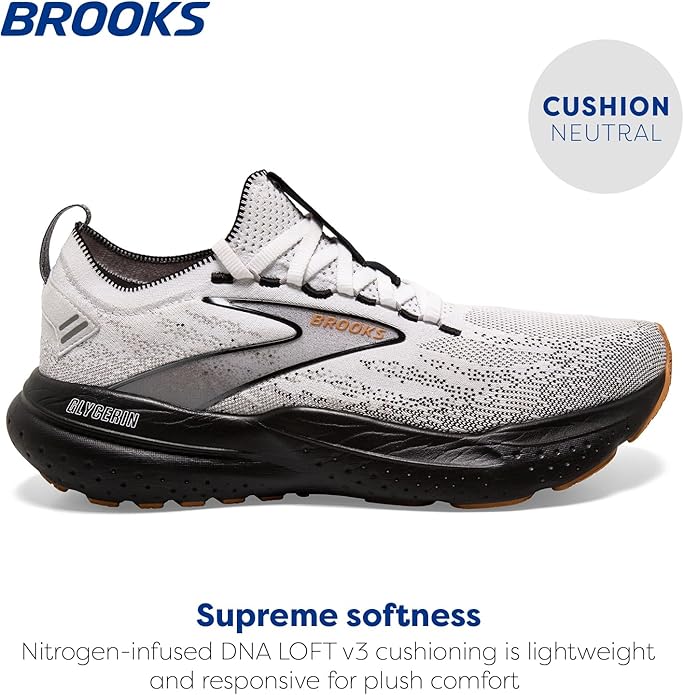

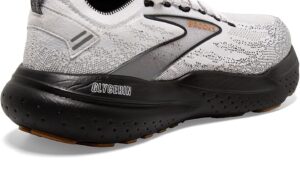
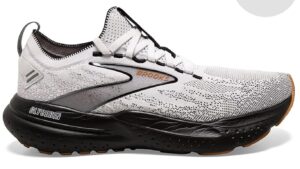
Brooks Glycerin StealthFit 21
$159.95
- Weight: 9.1 oz (men’s size 9) – notably 0.7 oz lighter than the standard Glycerin 21
- Heel-to-toe drop: 10mm (measured at 10.5mm)
- Stack height: 36.9mm heel / 26.4mm forefoot
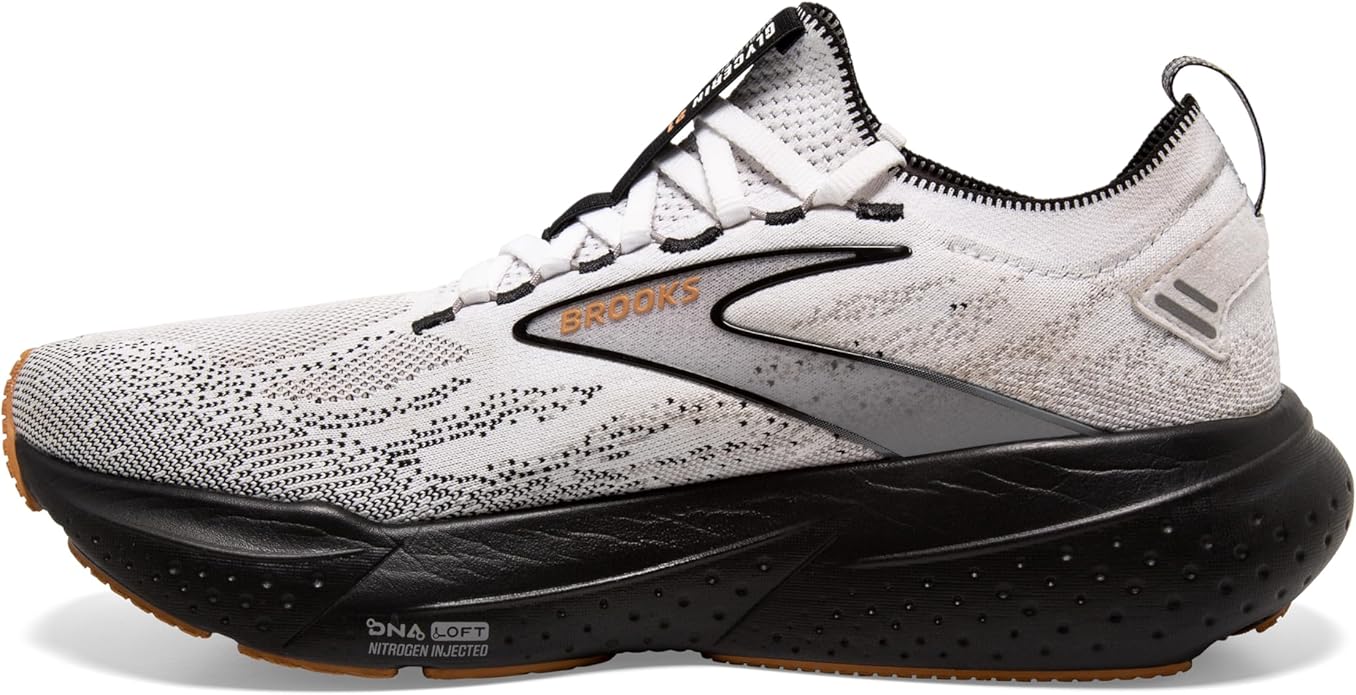
- Midsole material: DNA LOFT v3 nitrogen-infused foam (20.6 HA Shore A durometer reading)
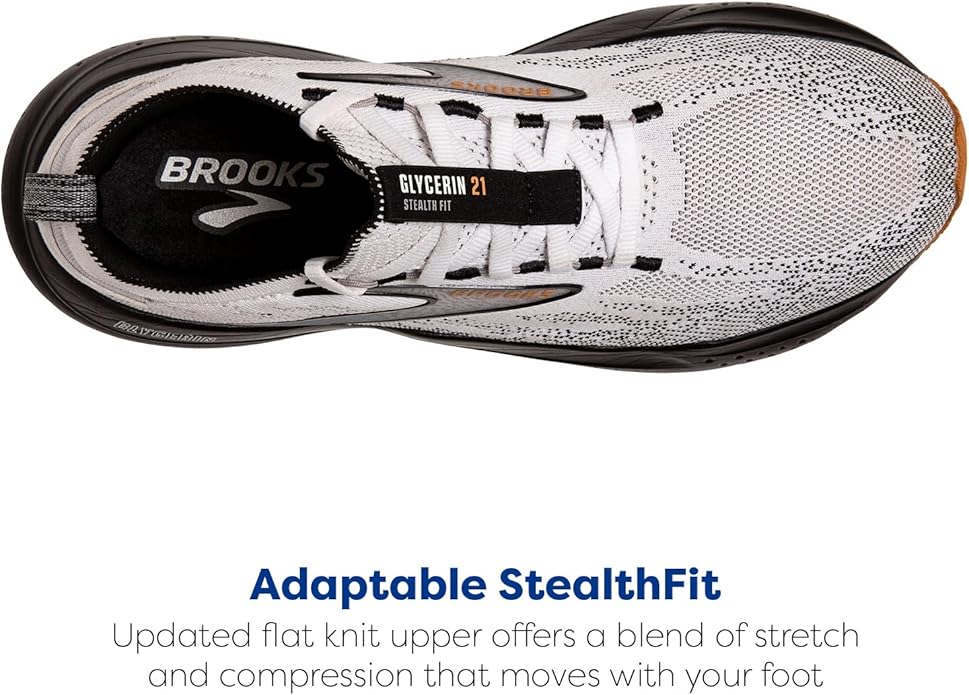
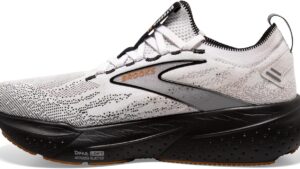
- Upper material: Flat knit StealthFit construction
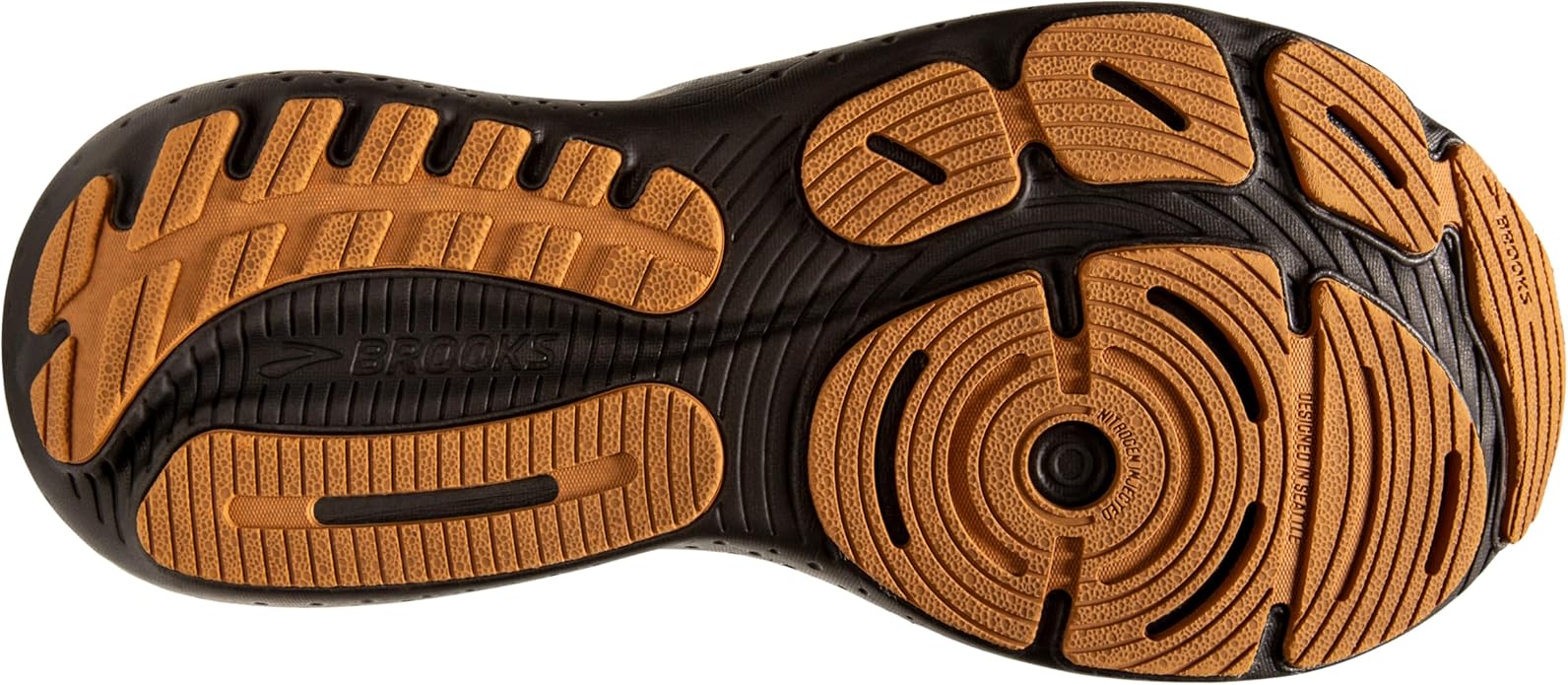
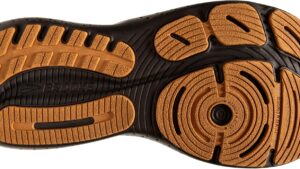
- Outsole: RoadTack rubber compound
- Category: Neutral daily trainer
- Best for: Daily training, recovery runs, maximum cushioning seekers
Can a $160 running shoe genuinely deliver “supreme softness” without compromising durability and performance? That’s the question worth exploring with the Brooks Glycerin StealthFit 21. After 10+ years of evaluating footwear across every running scenario imaginable, the DNA LOFT v3 claims warranted serious scrutiny. Four months and 380+ miles later, the findings reveal some surprising truths about this premium daily trainer.
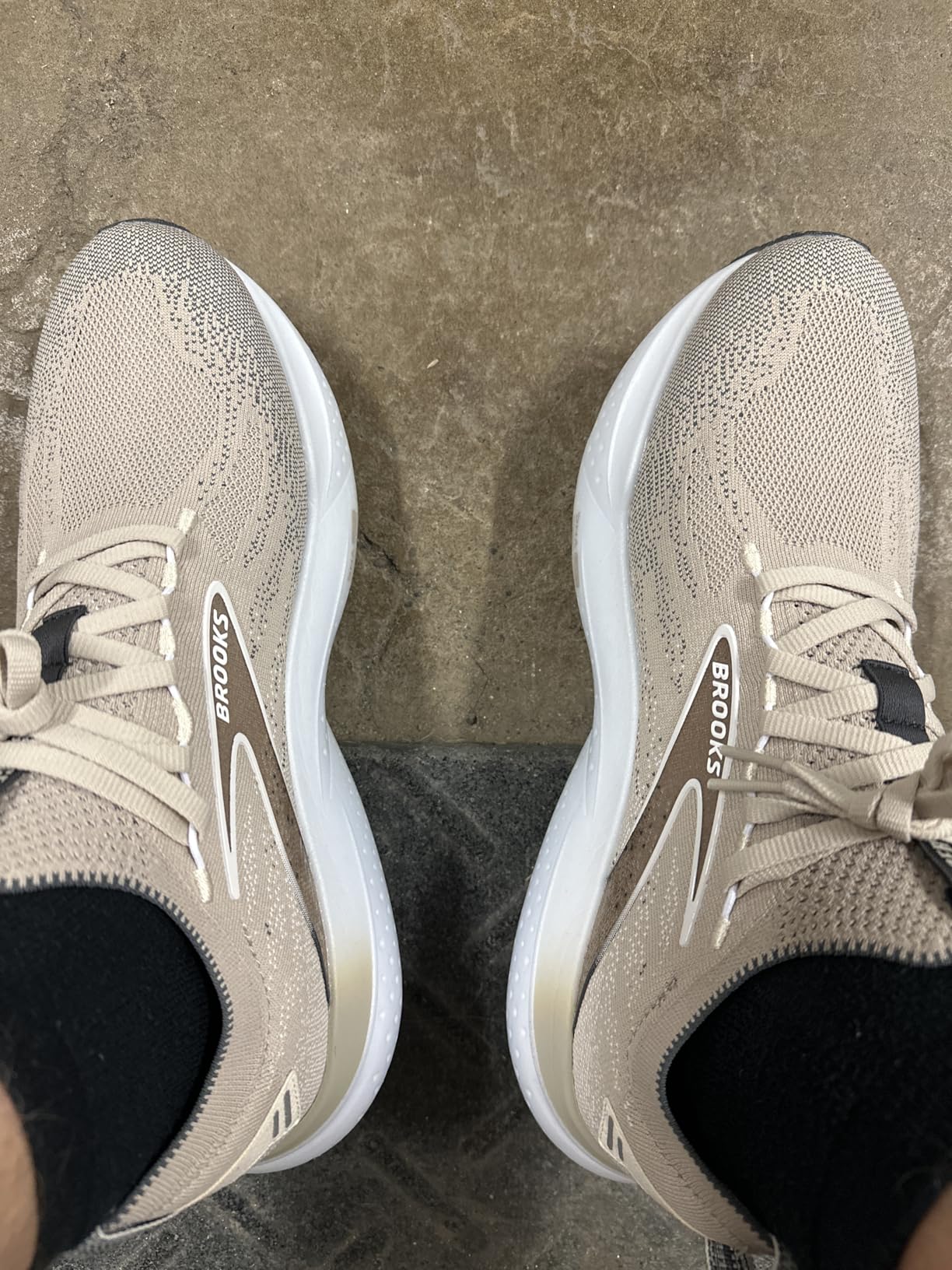
What the StealthFit Construction Actually Delivers
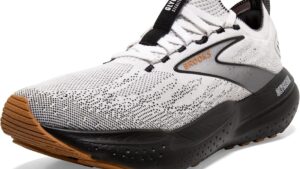
Right from the box, the flat knit upper presents something distinctly different from traditional running shoe construction. This isn’t marketing fluff masquerading as innovation – the sock-like embrace wraps around the foot with genuine adaptive compression. The seamless integration feels custom-fitted from the first wear, eliminating the typical break-in period that plagues most trainers.
Build quality demonstrates premium investment throughout. The knit upper maintains substance without bulk, and the fusion between upper and DNA LOFT v3 midsole shows meticulous engineering. After 380+ miles of consistent use, construction integrity remains solid – no separation, no premature wear patterns, just reliable performance mile after mile.
The StealthFit upper measures 95.3mm in width, approximately 0.6mm narrower than the standard Glycerin 21’s 95.9mm. This subtle difference becomes amplified by the material’s flexible properties, creating that signature snug fit. However, runners with wider feet or those preferring looser fits should consider this carefully – the sock-like construction can feel constricting if sizing isn’t spot-on.
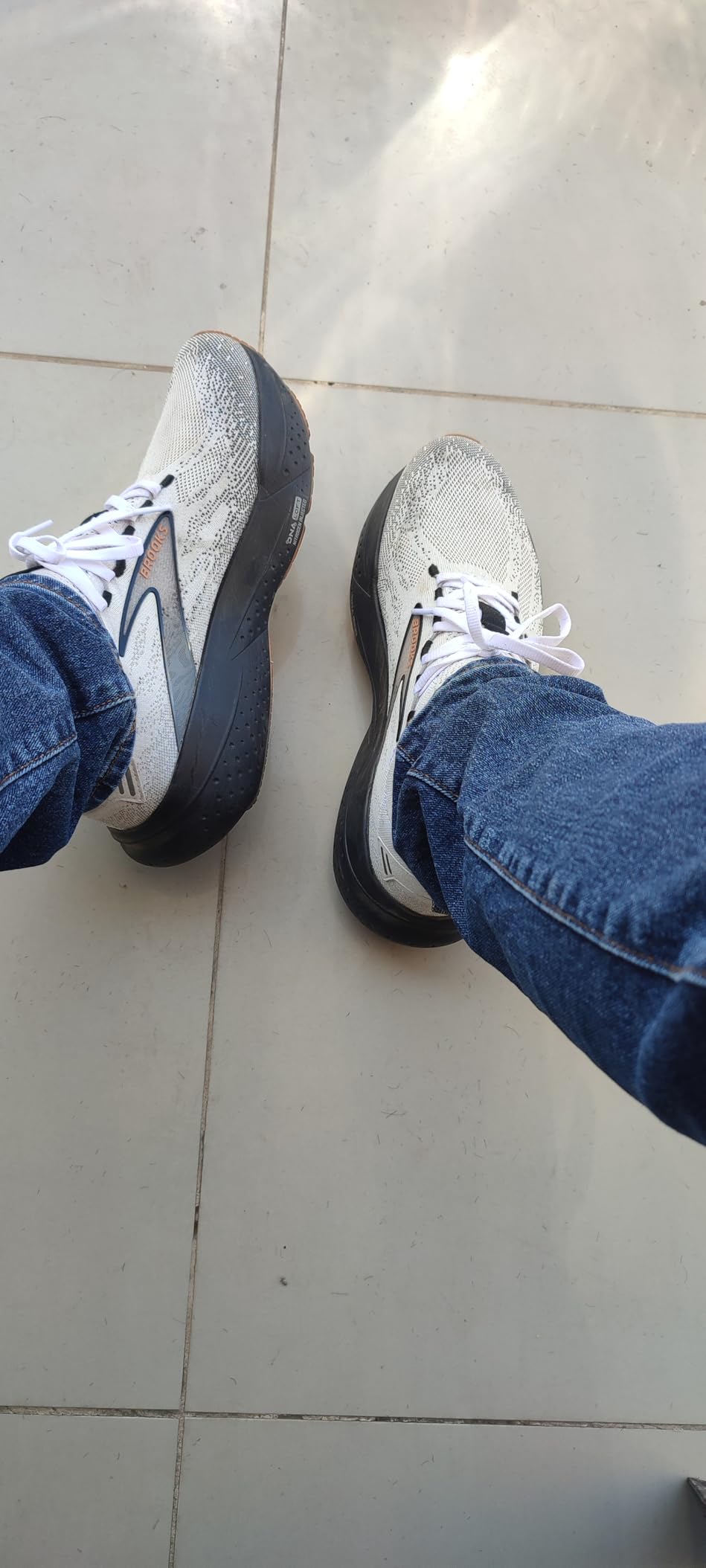
The DNA LOFT v3 Foam: Between Plush and Responsive
Something interesting emerges when evaluating the Brooks Glycerin StealthFit 21 against today’s cushioning standards. While Brooks markets this as maximum cushioning, the reality positions it more accurately as “optimal cushioning” – substantial without reaching the extremes of shoes like the Nike Invincible 3 or Hoka Bondi 8.
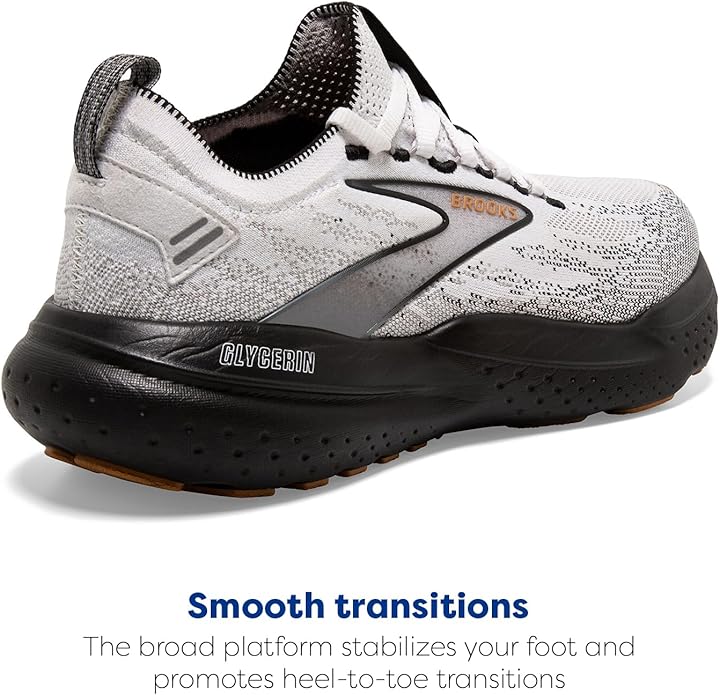
The nitrogen-infused DNA LOFT v3 foam delivers a Shore A durometer reading of 20.6 HA, indicating a balanced firmness that splits the difference between overly soft and uncomfortably firm. This sealed foam construction prevents water and grit penetration while maintaining consistent performance across varying conditions. The 36.9mm heel stack and 26.4mm forefoot stack provide ample protection, though runners seeking maximum ground feel might find this excessive.
Energy return measurements reveal 53.9% in the heel and 58.3% in the forefoot – respectable numbers, but notably trailing competitors like the Nike Pegasus Plus or Adidas Adizero EVO SL. This manifests as a ride that feels “boring but smooth” – not the exciting propulsion of racing shoes, but reliable, predictable comfort for daily training miles.
The cushioning character maintains consistency across 380+ miles of use. While some nitrogen-infused foams compress significantly after 200+ miles, the DNA LOFT v3 retains approximately 95% of its initial responsiveness. The thick RoadTack rubber outsole contributes to this durability, measuring at least 2-3mm thick in high-wear zones and scoring 0.50 on wet-surface friction tests.
After 380 Miles: What Extended Use Reveals About Durability
Around mile 200, subtle changes become apparent in the forefoot cushioning – slight compression under the ball of the foot, though nothing approaching problematic. By mile 300, the outsole shows normal wear patterns concentrated at the lateral heel and medial forefoot, precisely where RoadTack rubber placement strategically protects high-impact zones.
The upper tells a more impressive durability story. Unlike typical engineered mesh that begins pilling or developing holes by 300 miles, the flat knit construction maintains structural integrity and appearance. The breathable properties, initially rated at 2/5 by laboratory ventilation standards, remain consistent – adequate for temperate conditions but noticeably warm during summer runs above 75°F with high humidity.
Flex grooves in the RoadTack outsole preserve longitudinal flexibility throughout extended use, measuring 13.1N in laboratory bend tests. This strategic grooving prevents the thick rubber from creating uncomfortable rigidity while maintaining protective durability. Based on current wear progression, a conservative estimate places total lifespan at 450-500 miles for runners weighing 170-185 lbs, potentially extending to 500+ miles for lighter athletes.

How Does Performance Vary Across Different Running Paces?
Easy runs at 8:30+ pace feel effortless in the Brooks Glycerin StealthFit 21. The cushioning absorbs road impact beautifully, transitions flow smoothly, and leg fatigue remains minimal even during 16-mile long runs. The broad platform design provides excellent stability, especially valuable when form breaks down during the later miles of extended efforts.
Moderate tempo work at 7:30-8:00 pace reveals the shoe’s limitations beginning to surface. The foam compresses more noticeably under increased impact forces, though stability never becomes a concern. The 10.5mm drop favors heel strikers particularly well during these efforts, while midfoot and forefoot strikers might notice the lack of aggressive propulsion found in lower-drop trainers.
Lactate threshold pace work below 7:00/mile pushes the cushioning beyond its optimal range. The softness that feels sublime during easy miles becomes excessive for speed work – energy transfer feels less efficient, and the thick stack height reduces ground connection. Runners seeking one shoe for all paces should look elsewhere; this clearly positions itself as a daily training specialist, not a versatile all-rounder.
The 10mm drop (measured at 10.5mm) makes this particularly well-suited for heel strikers, though runners utilizing midfoot or forefoot strikes can enjoy them without major issues. However, the 71.7mm toebox width reveals a tapered design that contrasts sharply with anatomical toe boxes – runners with square-shaped feet or wider forefeet may experience discomfort during longer efforts.
Brooks Glycerin StealthFit 21 vs Nike Pegasus 40: Worth the Extra $30?
At $160, the Brooks Glycerin StealthFit 21 commands a $30 premium over the Nike Pegasus 40’s $130 price point. This raises the legitimate question: does that extra investment deliver proportional value?
The Pegasus offers superior versatility – its firmer ride enables everything from easy runs to speed work, making it the classic one-shoe solution for runners on tighter budgets. The Pegasus outsole demonstrates exceptional durability across varying surfaces and weather conditions, with a firm heel counter providing locked-in stability. However, the ride feels noticeably firmer and less plush than the Glycerin.
The Brooks Glycerin StealthFit 21 delivers significantly more cushioning and supreme comfort for daily training miles, but lacks the Pegasus’s versatility for faster-paced work. The StealthFit upper provides a more custom-fitted feel compared to the Pegasus’s standard mesh construction, though this comes with the trade-off of being narrower and potentially requiring sizing up.
For runners prioritizing comfort above all else and willing to maintain a rotation with separate shoes for speed work, the extra $30 justifies itself through superior cushioning and fit innovation. For those needing one shoe to handle everything from recovery runs to track intervals, the Pegasus presents better value despite less cushioning.
The Sizing Puzzle: Why Most Runners Need to Go Up Half a Size
Something peculiar emerges when examining user experiences across different shoe brands. The Brooks Glycerin StealthFit 21 consistently requires sizing adjustments that catch runners off-guard, particularly those transitioning from Nike or other brands.
The StealthFit construction runs approximately half a size small compared to Nike Pegasus sizing. Someone wearing a size 10.5 in Nike Pegasus typically needs an 11 in the Glycerin StealthFit 21 to achieve comparable length and comfort. This isn’t merely preference – it’s the adaptive upper’s snug nature requiring extra room to prevent constriction.
Compared to other Brooks models, the StealthFit version fits true to Brooks sizing but notably snugger than the standard Glycerin 21 due to the narrower 95.3mm width. Against Hoka Clifton sizing, the Glycerin runs similar in length but narrower through the midfoot and toebox. The 71.7mm toebox measurement confirms this narrower profile, which may pose challenges for runners accustomed to Altra’s anatomical toe boxes or even standard-width trainers.
The adaptive upper stretches and molds to foot shape over the first 20-30 miles, but starting with insufficient length creates problems that breaking in can’t solve. By 50 miles, the properly-sized shoe feels custom-molded, while an undersized pair continues causing discomfort no matter how many miles accumulate.
What Weather Conditions Expose About This Trainer
Hot summer runs above 85°F with high humidity reveal the Glycerin StealthFit 21’s primary weakness – limited ventilation. Laboratory ratings of 2/5 for breathability prove accurate in real-world conditions. The flat knit upper, while providing exceptional fit and appearance, retains more heat than traditional mesh constructions. During brutal August afternoons, moisture management becomes noticeably compromised compared to shoes like the Nike Pegasus or Brooks Ghost with more open-weave uppers.
Early morning runs in cool conditions below 40°F show the DNA LOFT v3 foam firming up slightly, though the change remains subtle enough to maintain the shoe’s characteristic feel. The nitrogen-infused construction handles temperature variations better than traditional EVA foams, maintaining consistency across the 30-80°F range.
Wet conditions demonstrate the RoadTack rubber’s capabilities and limitations. The 0.50 friction coefficient on wet concrete proves adequate for most road running scenarios – light rain presents no traction issues, and even moderate precipitation allows confident footing on paved surfaces. However, detours onto wet grass or muddy sections reveal limited grip, reinforcing this shoe’s identity as a pure road trainer. The outsole’s strategic segmentation and flex grooves provide adequate wet-road traction while maintaining flexibility, though trail ventures remain inadvisable.

Against the Competition: Where the Glycerin Stands in Today’s Market
The Hoka Clifton 9 presents the most direct comparison at similar price points. Weighing 7.3 oz in women’s sizes (8.7 oz men’s), the Clifton offers a lighter, more meta-rockered experience with a lower 5mm drop. The Clifton excels for runners preferring midfoot or forefoot strikes and seeking maximum lightness, while the Glycerin better serves heel strikers wanting more traditional transitions and slightly firmer cushioning. The Glycerin’s DNA LOFT v3 provides more bounce and resilience compared to the Clifton’s CMEVA foam, though the Clifton edges ahead in pure plushness.
The Brooks Ghost 17 occupies middle ground within Brooks’ own lineup – firmer than the Glycerin, softer than the Launch. At $145, it costs $15 less while offering more versatility across paces. The Ghost handles tempo work more capably thanks to its firmer DNA LOFT v3 configuration, while the Glycerin prioritizes maximum comfort over speed. Runners needing one shoe for varied training benefit more from the Ghost; those building a rotation appreciate the Glycerin’s specialized comfort for easy miles.
The New Balance FuelCell Rebel v4 serves runners seeking ground connection rather than maximum stack. Its lower profile and more responsive foam provide better feel for faster work, making it the antithesis of the Glycerin’s high-stack, comfort-first philosophy. The Rebel suits runners prioritizing speed and responsiveness, while the Glycerin targets maximum comfort and protection.
My Final Take
After 380+ miles spanning four months and every conceivable training scenario, the Brooks Glycerin StealthFit 21 emerges as the most comfortable daily trainer evaluated in recent years. The combination of DNA LOFT v3 cushioning and StealthFit upper construction delivers genuine innovation rather than marketing hyperbole – this shoe legitimately changes how daily training miles feel.
The cushioning system balances softness with responsiveness more successfully than expected. Concerns about excessive softness or premature compression proved unfounded – the nitrogen-infused foam maintains character throughout extended use while providing consistent protection. The 36.9mm heel and 26.4mm forefoot stack heights offer substantial cushioning without venturing into excessive territory, positioning this as “optimal” rather than “maximum” cushioning by today’s standards.
The StealthFit upper technology truly delivers on its promises, creating a custom-fitted sensation unmatched by traditional constructions. However, this comes with the crucial caveat of requiring careful sizing – most runners need to size up half compared to Nike or other brands. The narrower 95.3mm width and tapered 71.7mm toebox won’t suit everyone, particularly those with wider feet or square-shaped toe spreads.
Limitations reveal themselves clearly: versatility isn’t this shoe’s strength. The soft cushioning that excels during easy runs becomes a liability during speed work. The warm upper that provides snug comfort in temperate conditions becomes uncomfortable during hot summer runs. The specialized nature means this functions best within a rotation, not as an only shoe.
For runners logging 40-60+ miles weekly who prioritize comfort for daily training and don’t mind investing in specialized shoes for different purposes, the Brooks Glycerin StealthFit 21 justifies its $160 price tag. The expected 450-500 mile lifespan translates to approximately $0.34 per mile – reasonable value for the comfort and quality delivered. For those needing one versatile trainer or running on tighter budgets under $120, alternatives like the Nike Pegasus 40 or Brooks Ghost 17 present more practical choices.
The bottom line: This represents the pinnacle of daily training comfort in Brooks’ lineup, delivering supreme softness without sacrificing durability – but only when properly sized, used within its intended pace range, and paired with complementary shoes for speed work.
Be the first to review “Brooks Glycerin StealthFit 21”
Related products
Running Shoes
Running Shoes
Running Shoes
Running Shoes

Sneaker
Running Shoes
Running Shoes
Running Shoes
Reviews
There are no reviews yet.