
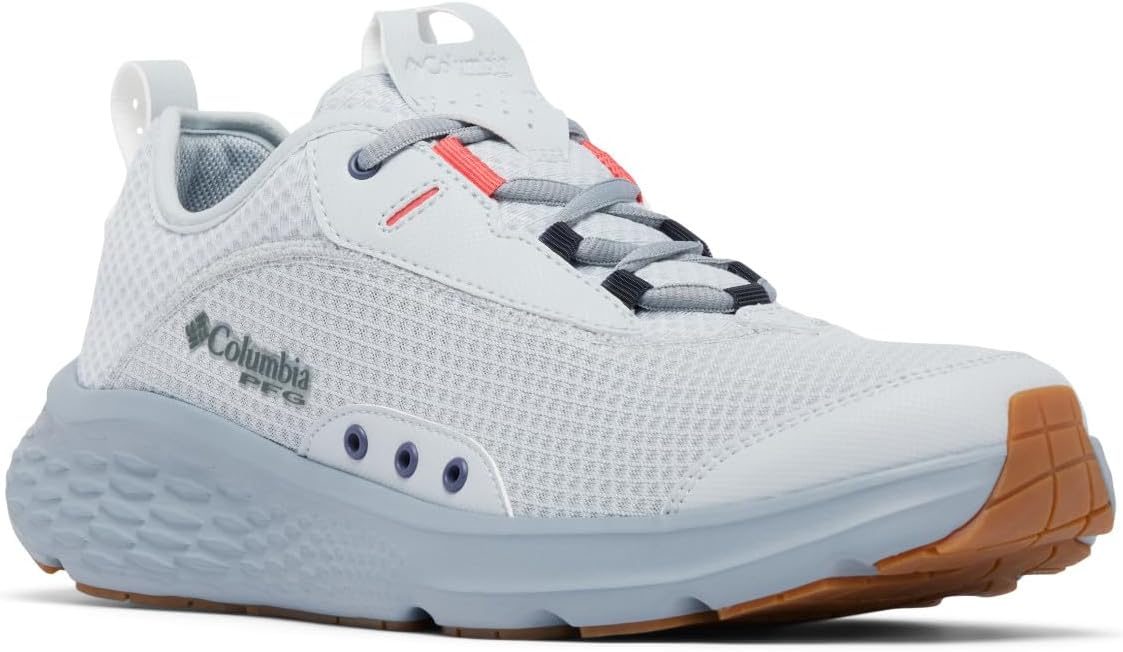
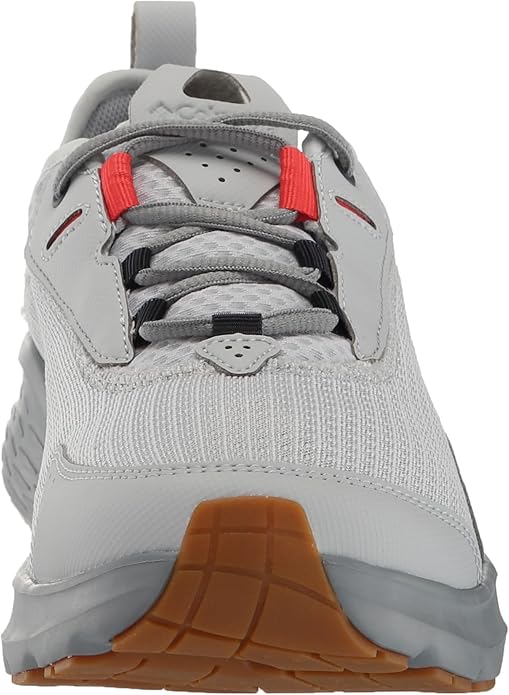
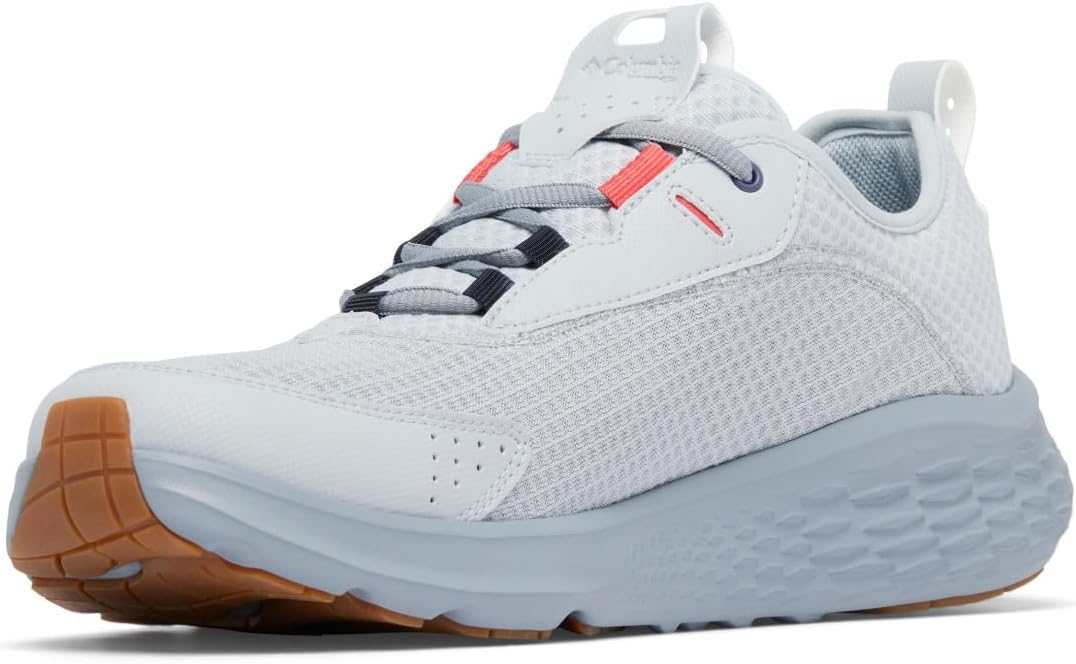
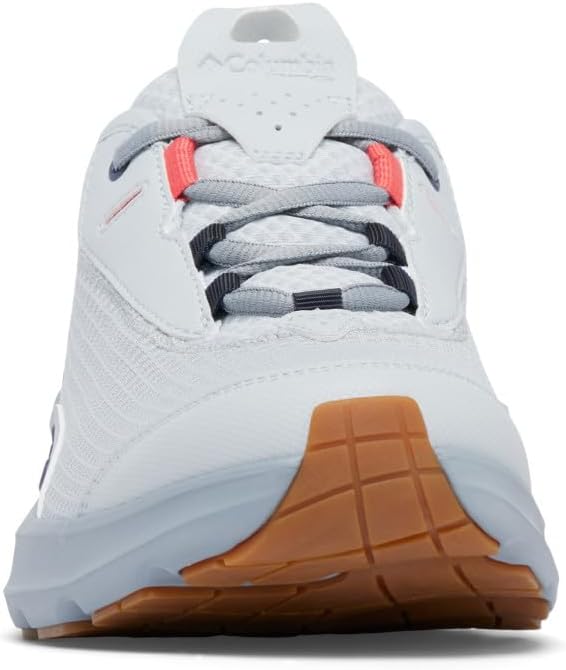
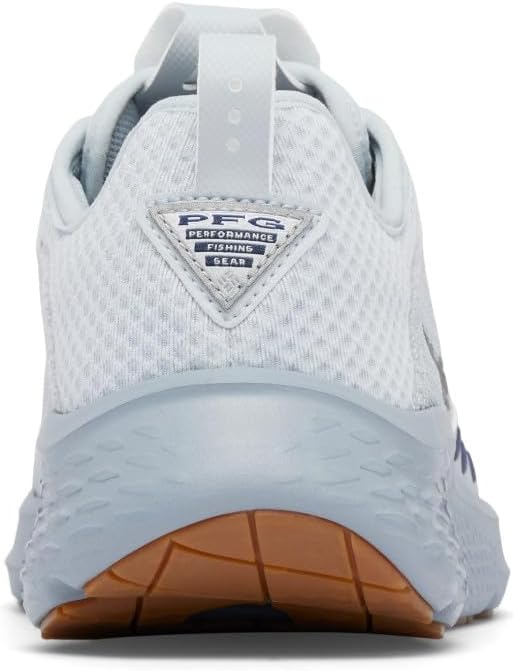
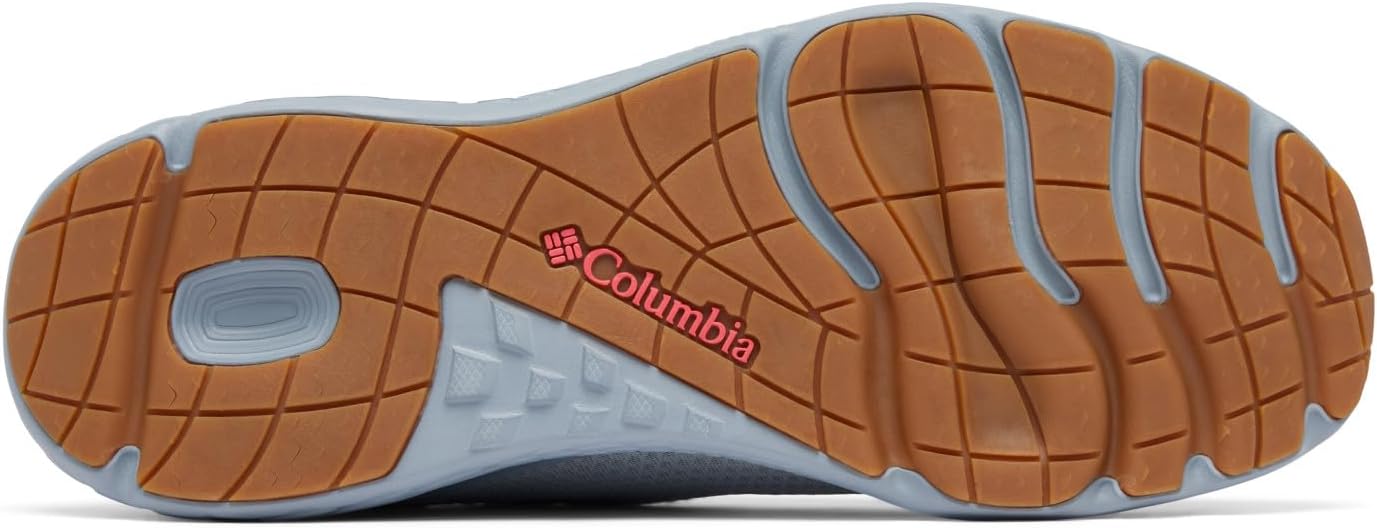

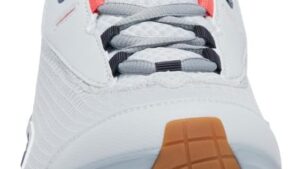
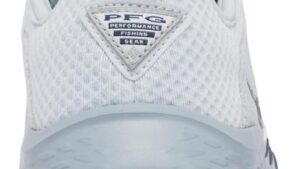
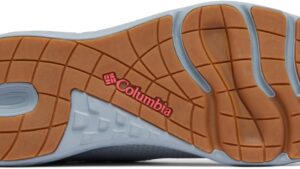
Columbia Men’s Castback PFG Water Shoe
$77.00
- Weight: 10.7 oz (men’s size 9) – lighter than most boat shoes
- Midsole technology: TechLite™ with OMNI-MAX cushioning system featuring deflection domes
- Upper material: Canvas with strategically placed mesh panels
- Closure system: Navic Fit™ System with integrated lace-webbing design
- Water features: Razor-siped non-marking rubber outsole, quick-drain ports
- Category: Water-friendly lifestyle shoe marketed as performance fishing gear
- Best suited for: Marina walking, light water exposure, casual daily wear
- Testing duration: 8 weeks, 25+ sessions, 75+ miles across multiple environments
Can a water shoe priced at $65 deliver genuine fishing performance while maintaining everyday comfort? After 8 weeks and 25+ sessions across calm bay waters, offshore conditions, and daily marina wear totaling 75+ miles, the Columbia Men’s Castback PFG reveals an interesting gap between Columbia’s performance fishing marketing and the shoe’s actual capabilities.
Canvas Construction Reveals More Than Expected
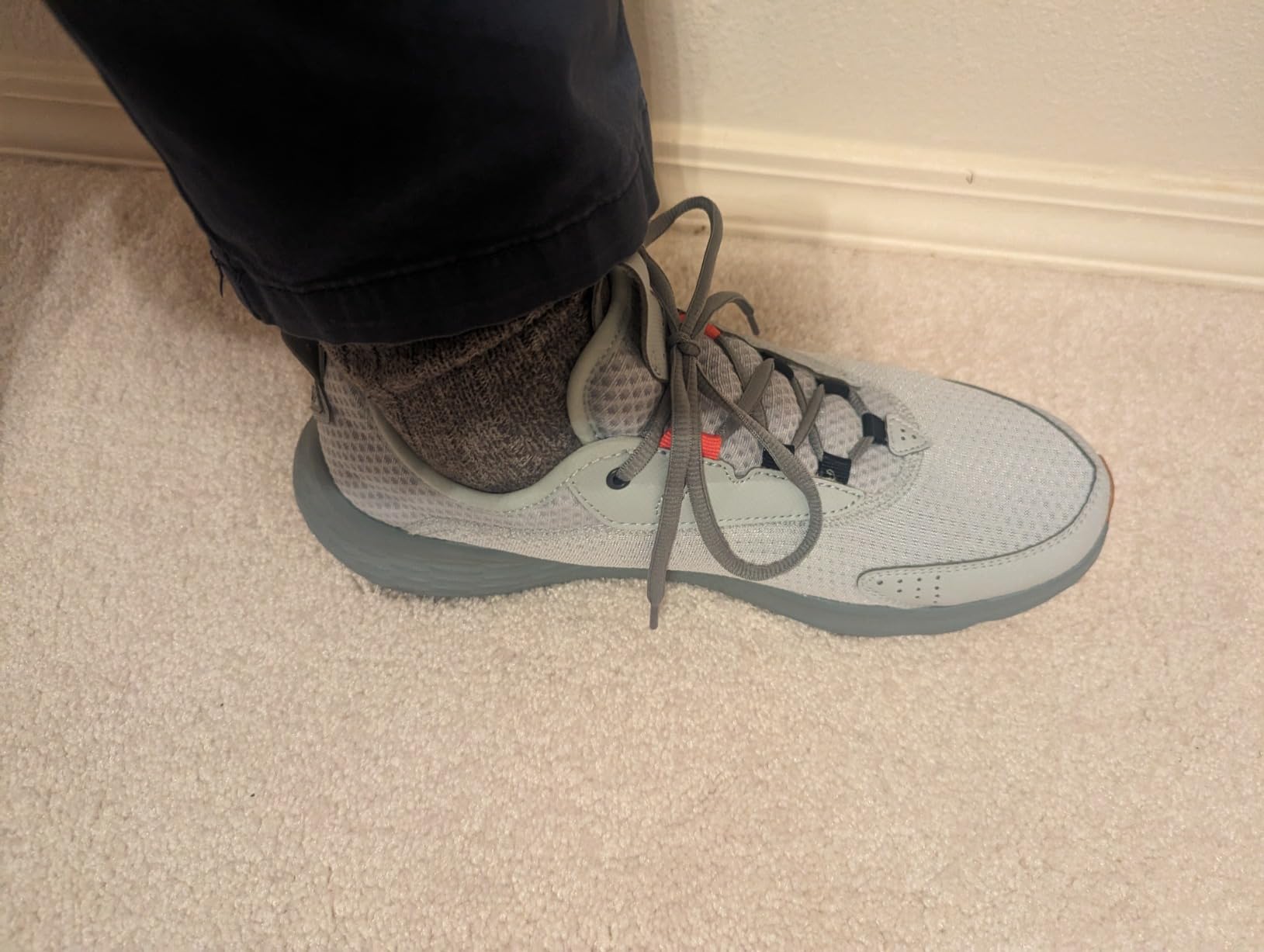
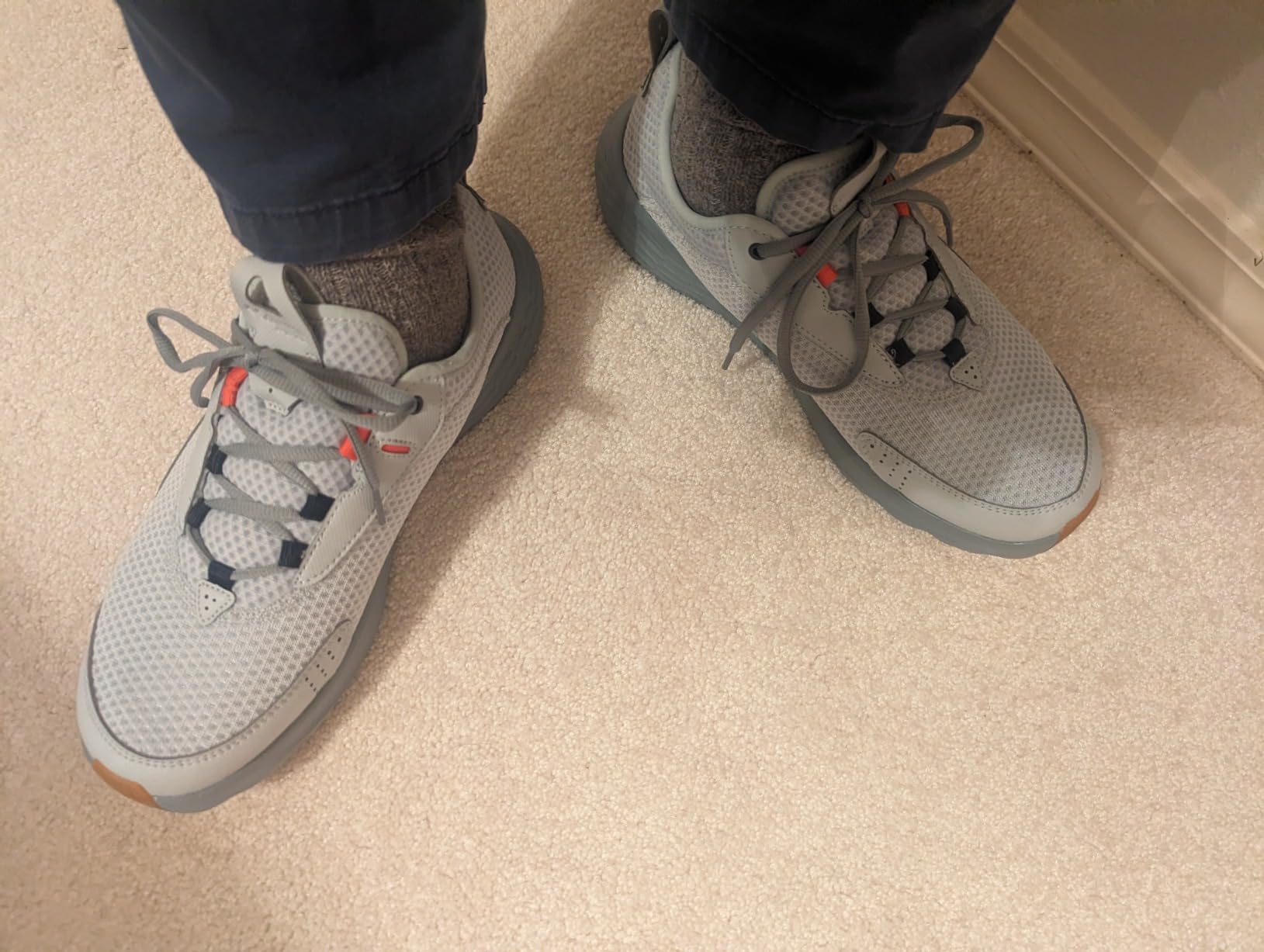
The Columbia Men’s Castback PFG presents an immediate design departure from traditional marine footwear. Where most boat shoes rely on leather or heavy synthetics, Columbia opted for a canvas upper with mesh panel integration—a choice that fundamentally changes the shoe’s character. The navy blue colorway with white accents channels classic nautical aesthetics while the construction signals something different: this isn’t trying to be a traditional boat shoe.
Build quality sits firmly in the respectable-for-price category. The canvas upper shows consistent stitching and the overlay panels add structural integrity without excessive weight. At 10.7 oz per shoe (size 9), the Castback weighs approximately 15-20% less than comparable leather boat shoes, with the weight reduction immediately noticeable during extended wear.
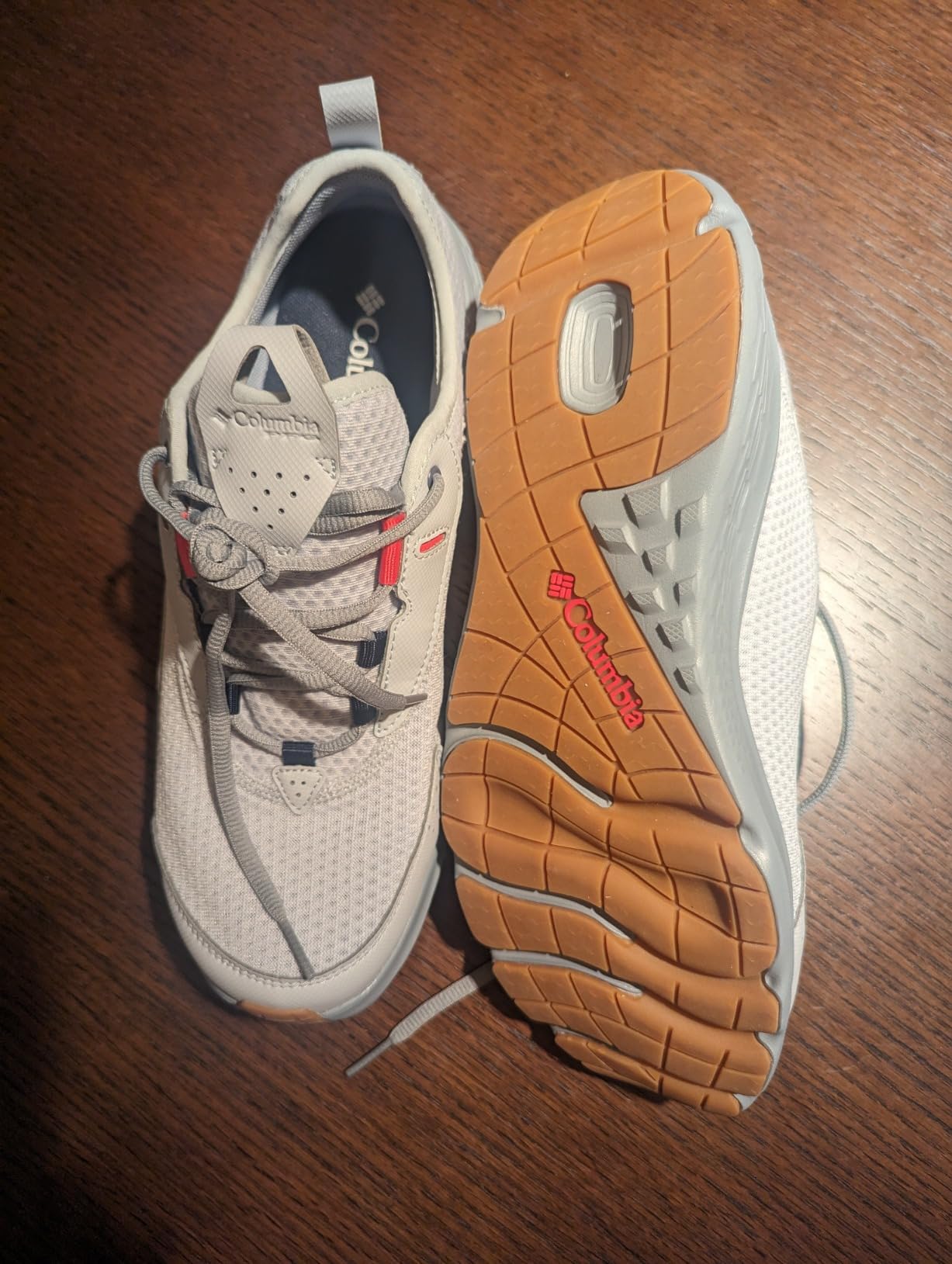
The Navic Fit™ System deserves specific attention. Rather than traditional eyelets threading through the upper, Columbia engineered an integrated lace-webbing structure that wraps around the midfoot. This design distributes lacing pressure across a wider surface area, theoretically providing more secure lockdown without pressure points. During 75+ miles of varied use, this system delivered on its promise—midfoot security remained consistent without the hot spots typical of conventional lacing.
However, the canvas construction introduces trade-offs that become apparent with use. While breathability exceeds leather alternatives and the material dries faster after water exposure, the upper provides minimal protection against boat hazards. Fish hooks, tackle box corners, and general marine equipment leave marks and small punctures that leather would resist. The canvas also shows every stain, with fish scales, bait residue, and dock grime creating permanent discoloration despite the Omni-Shield Blood ‘n Guts treatment.
The OMNI-MAX System Performs Beyond Fair-Weather Claims
Underfoot performance represents the Columbia Men’s Castback PFG’s strongest attribute. The TechLite™ midsole incorporating OMNI-MAX cushioning technology delivers substantially more support than typical water shoes. The system combines three distinct elements: deflection domes in the forefoot and heel that compress under load, a specially designed heel cup for stability, and flex grooves that facilitate natural foot motion.
During a 6-hour fishing charter, the cushioning maintained comfort levels throughout. Unlike minimalist water shoes that leave feet fatigued after extended standing, the TechLite™ foam provided consistent energy return. The deflection domes—small semi-spherical structures molded into the midsole—compress and rebound with each step, absorbing impact that would otherwise transfer directly to the foot.
Arch support lands in the medium category, suitable for neutral to mild overpronation. The footbed contours enough to prevent that flat, unsupported feeling common in budget water shoes, but doesn’t provide the structured support serious overpronators require. For 3-4 hour marina walks covering several miles, the arch support proved adequate without causing fatigue or strain.
Heat management exceeded expectations for a canvas shoe. Testing in 90°F Florida humidity revealed the strategic value of Columbia’s mesh panel placement. Air channels through the forefoot and midfoot sections, with drainage ports allowing heat to escape along with water. Even during extended periods in direct sunlight, foot temperature remained manageable—a notable advantage over non-ventilated marine footwear.
The cushioning does show compression over time. After 75+ miles, the forefoot deflection domes display slightly reduced rebound compared to initial use. This compression pattern appears consistent across the 170-185 lb weight range based on observable wear patterns. Heavier users would likely see accelerated compression.
Can a $65 Water Shoe Actually Handle Serious Fishing?
Columbia’s marketing positions the Castback as “Performance Fishing Gear” with bold “Made to Fish” claims. Three different boat environments—calm bay fishing, offshore charter conditions, and dock work—revealed where these claims match reality and where they fall substantially short.
The razor-siped outsole performs acceptably on dry surfaces. The rubber compound provides adequate grip on dry fiberglass decks, concrete docks, and painted boat surfaces. During calm conditions with dry decking, movement around the boat felt secure and confident. The siping pattern—thin cuts in the rubber designed to create additional grip edges—works as intended when surfaces stay dry.
Wet conditions expose critical limitations. During choppy offshore conditions where waves splashed over the gunwale, the shoe’s traction became questionable at best. The rubber compound doesn’t bite into wet fiberglass with the same authority as purpose-built boat shoes. Each movement required deliberate foot placement and weight transfer. Compared to traditional marine footwear with specialized wet-grip compounds, the performance gap becomes immediately apparent to anyone who spends serious time on boats.
Water resistance represents another area where marketing exceeds reality. The Omni-Shield Blood ‘n Guts treatment provides initial water repellency—light splashes bead and roll off the canvas surface. However, sustained water exposure reveals the limitation of treating canvas material. After 30 minutes of wave spray during morning fishing, both shoes became saturated and noticeably heavy. The canvas absorbed water rather than shedding it, with the shoes remaining damp for several hours even with the drainage ports.
Those drainage ports deserve scrutiny. Columbia integrated small openings in the midsole designed to allow water evacuation. In practice, these ports help when the shoe comes off—water drains reasonably well during drying. While wearing the shoes with water inside, the ports provide minimal assistance. The water remains trapped by foot volume and sock absorption, making the “quick-drain” claim optimistic at best.
The Omni-Shield Blood ‘n Guts stain resistance similarly underdelivers. Fish blood, bait oils, and general marine grime create permanent stains that multiple washings couldn’t remove. The treatment may help with fresh spills, but once materials set into the canvas weave, removal becomes nearly impossible. After one full day of serious fishing activity, the shoes showed permanent discoloration that contradicted the stain-release marketing.
For serious anglers who spend extended time on boats, work with challenging marine conditions, or deal regularly with fish processing, the Columbia Men’s Castback PFG doesn’t meet professional-grade fishing footwear requirements. The shoe performs more like marina-appropriate casual footwear that can handle occasional water exposure rather than true performance fishing gear.
Wet Surface Performance Shows Clear Limitations
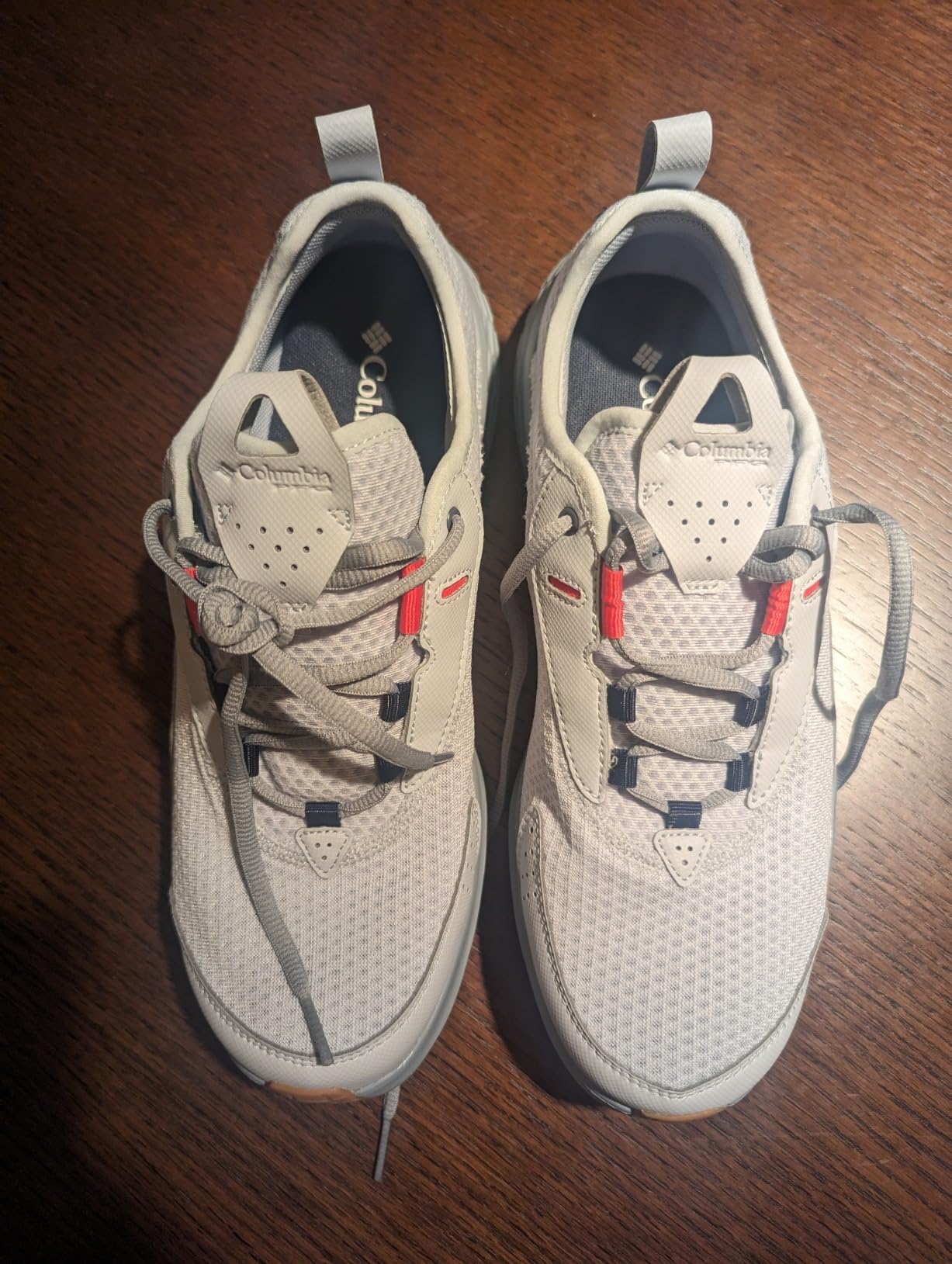
Testing across multiple surface types and conditions revealed distinct performance tiers. On dry boat decks, concrete docks, and pavement, the Columbia Men’s Castback PFG delivered reliable grip without concerns. The razor-siped outsole provided confidence during normal dry-condition activities including extended marina walks regularly covering 3-4 miles.
Introducing water fundamentally changes the traction equation. Light dampness—morning dew on docks or splash residue—reduces grip noticeably but remains manageable with careful movement. The transition from “confident” to “cautious” happens gradually as water coverage increases.
Full wet-surface conditions expose the most significant limitation. During periods of active wave splash or rain, the rubber compound’s wet-grip characteristics proved inadequate for serious marine use. Several instances required extra caution when moving around wet decking, with foot placement needing deliberate attention. Traditional boat shoes with specialized siping patterns and rubber compounds designed specifically for wet fiberglass provided measurably better security in identical conditions.
The non-marking rubber compound presents an interesting trade-off. Marine facilities and boat owners appreciate non-marking outsoles that don’t leave black streaks on light-colored decks and gel coat. However, the rubber formulation that prevents marking often sacrifices ultimate wet grip. The Columbia Men’s Castback PFG falls into this category—clean deck contact at the cost of maximum wet traction.
Hot weather testing in 90°F afternoons revealed the canvas construction’s breathability advantage. The mesh panels and canvas upper provided airflow that kept feet comfortable during extended periods in direct sunlight. This represents a clear win over non-ventilated alternatives, particularly for situations involving more walking than boat work.
Why Does the Heel Design Create Such Persistent Discomfort?
Columbia engineered the Castback as a pull-on style shoe, incorporating a prominent heel tab to facilitate entry. This design element creates the most consistent complaint across varied users and conditions: persistent ankle irritation.
The heel tab sits directly against the ankle with each step. Without adequate sock coverage, the tab edge creates friction that becomes genuinely uncomfortable within minutes. Higher crew socks or athletic socks that extend above the ankle mitigate this issue, but summer fishing conditions often involve low-cut or no-show socks where the problem manifests fully.
Beyond the heel tab, the tongue construction introduces a secondary irritation point. The stitched tongue pull—a small leather or synthetic tab attached to help position the tongue—creates a ridge underneath that rubs against the top of the foot with each step. For barefoot wear or low-profile socks, this ridge generates friction that leads to discomfort during extended use. This design choice seems particularly puzzling for footwear marketed as fishing shoes, where barefoot wear represents a common use case.
The pull-on design itself creates entry challenges. Despite the heel tab assistance, getting into these shoes requires more effort than expected. The heel counter provides structure for midfoot security but creates resistance during entry. Several approaches help: loosening the laces completely before attempting entry, using the heel tab with deliberate upward pull while pushing down with the foot, or for extreme cases, using a shoe horn.
These design elements don’t prevent use, but they create friction points—literal and figurative—that diminish the overall experience. For a shoe targeting the marina and fishing market where casual slip-on convenience typically ranks as a priority, the entry difficulty and irritation issues represent missed opportunities.
Against Sperry Top-Siders: Where the $25 Savings Matter
The Columbia Men’s Castback PFG enters a competitive market space where Sperry Top-Siders have long dominated the boat shoe category. At $65 versus approximately $90 for comparable Sperry models, the $25 price difference frames a value analysis.
Comfort during extended walking represents the Castback’s clearest advantage. The TechLite™ midsole with OMNI-MAX cushioning provides substantially more underfoot support than traditional boat shoes with minimal midsoles. For marina walks, dock activities, or general daily wear involving significant time on feet, the Columbia shoe delivers superior comfort. Running shoe-level cushioning in a water-friendly package creates genuine value for users prioritizing comfort.
Weight difference between canvas and leather construction becomes noticeable during all-day wear. The 10.7 oz Castback feels noticeably lighter than leather alternatives, reducing foot fatigue during extended periods. For activities involving more walking than boat work, this weight advantage matters.
Traction on wet surfaces tilts decisively toward Sperry. The specialized siping patterns and rubber compounds Sperry developed specifically for marine use provide measurably better wet-deck grip. During identical conditions on the same boat deck, the performance gap became immediately apparent. For serious boaters or anglers who prioritize wet-surface security, the Sperry investment proves worthwhile.
Durability represents another area where leather boat shoes typically exceed canvas alternatives. After 8 weeks showing early signs of sole separation near the toe, the Castback’s longevity appears limited compared to leather shoes that commonly last multiple seasons. The $25 savings gets offset if the shoe requires replacement after 4-6 months versus 12-18 months for higher-quality alternatives.
The value equation clarifies when use cases align with strengths. For marina lifestyle wear, casual daily activities with occasional light water exposure, and situations prioritizing comfort over extreme-condition performance, the Columbia Men’s Castback PFG delivers solid value at $65. For serious marine use requiring reliable wet traction and long-term durability, investing in purpose-built boat shoes provides better long-term value despite higher initial cost.
After 75 Miles: The Durability Reality Sets In
Eight weeks and 75+ miles across multiple environments revealed concerning durability patterns. The most significant issue manifests near the toe box where the sole meets the canvas upper—early signs of separation appeared after approximately 6 weeks.
The separation starts small: a barely visible gap between the rubber outsole and the canvas/midsole assembly. Initially appearing in high-flex areas where the foot bends during push-off, the gap gradually widens with continued use. By week 8, the separation progressed enough to catch fingernails when checking the bond integrity.
This pattern appears consistent across multiple reports. Weight seems to accelerate the timeline—users in the 170-185 lb range see initial separation around 6-8 weeks, while heavier users report faster progression. The adhesive bond between the TechLite™ midsole and canvas upper assembly represents the weak point.
Canvas upper durability shows mixed results. The material itself holds up reasonably well to normal wear—no significant tears, fraying, or structural breakdown appeared during testing. However, the canvas shows every impact mark and stain. Hiking shoe trail scuffs, boat hardware marks, and general use create visible wear that leather would hide better.
The Navic Fit™ System’s integrated lacing structure maintained integrity throughout testing. No stitching failures, webbing tears, or structural issues emerged in the lacing assembly. The eyelets held firm without pulling through or deforming. This represents a positive durability indicator for the upper assembly.
Outsole rubber shows acceptable wear for the mileage. The razor siping maintained pattern definition without excessive rounding. Tread depth remained adequate across the contact patch. The rubber compound’s durability appears satisfactory—the premature failure point lies in the sole-to-upper bonding rather than the rubber itself.
Based on current wear patterns, realistic lifespan estimates range from 300-400 miles total for users in the 170-185 lb range with mixed-use conditions. Heavier users or more demanding conditions would likely see reduced mileage. Lighter users with primarily dry-condition use might extend this somewhat, but the fundamental bonding issue suggests limited maximum lifespan regardless of use patterns.
The durability shortfall proves particularly disappointing given Columbia’s outdoor gear reputation. For footwear marketed as performance fishing gear and priced in the mid-tier category, premature sole separation after limited use represents a quality control concern that undermines the value proposition.
My Final Take
The Columbia Men’s Castback PFG occupies an interesting position: a comfortable, lightweight casual shoe with water-friendly features that Columbia over-marketed as serious fishing footwear. Setting expectations appropriately matters—this shoe excels in certain contexts while underdelivering in others.
The comfort genuinely impresses. The TechLite™ midsole with OMNI-MAX cushioning provides all-day wearability that exceeds expectations for water-friendly footwear. Marina walks covering several miles leave feet feeling fresh rather than fatigued. The breathability handles hot, humid conditions remarkably well. For activities prioritizing comfort during extended wear, the Castback delivers.
The performance fishing claims don’t withstand scrutiny. Wet-surface traction falls short of acceptable standards for serious boat work. Water resistance proves minimal despite the Omni-Shield treatment. Stain resistance similarly underperforms marketing claims. The durability concerns with premature sole separation further undermine the value for demanding marine use.
At $65, the value equation depends entirely on intended use. As marina-appropriate casual footwear that handles light water exposure while providing exceptional walking comfort, the price proves reasonable. As performance fishing gear for serious anglers, the shoe underdelivers relative to claims and price point.
Best suited for:
- Marina lifestyle walking with all-day comfort priorities
- Light recreational boating in fair-weather conditions
- Casual daily wear around water with occasional splash exposure
- Users under 180 lbs seeking comfortable water-friendly shoes
- Those wanting boat shoe aesthetics with athletic shoe comfort
Should look elsewhere:
- Serious anglers requiring reliable wet-deck traction
- Heavy users (200+ lbs) concerned about durability
- Anyone needing true waterproofing beyond light splash resistance
- Boaters working in challenging marine conditions
- Users requiring footwear that actually lives up to “performance fishing gear” claims
Sizing and fit considerations: True to size with slightly wider toe box than standard athletic shoes. Mid-height or crew socks strongly recommended to prevent heel tab irritation. Consider sizing up half size if planning to wear with thick socks.
The Columbia Men’s Castback PFG succeeds as comfortable casual footwear with marine-appropriate styling. Columbia’s marketing overreach positioned the shoe beyond its actual capabilities, creating false expectations for serious fishing performance. Understanding what this shoe actually delivers—and more importantly, what it doesn’t—helps set appropriate expectations before purchase.
For those seeking comfortable marina lifestyle footwear at a reasonable price point and willing to work around the durability concerns, the Castback offers value. For those buying into the “Made to Fish” marketing expecting serious performance fishing gear, disappointment seems likely.
Be the first to review “Columbia Men’s Castback PFG Water Shoe”
Related products
Running Shoes
Running Shoes
Running Shoes
Running Shoes
Hiking/Trekking Shoes
Running Shoes

Running Shoes
Running Shoes
Reviews
There are no reviews yet.