
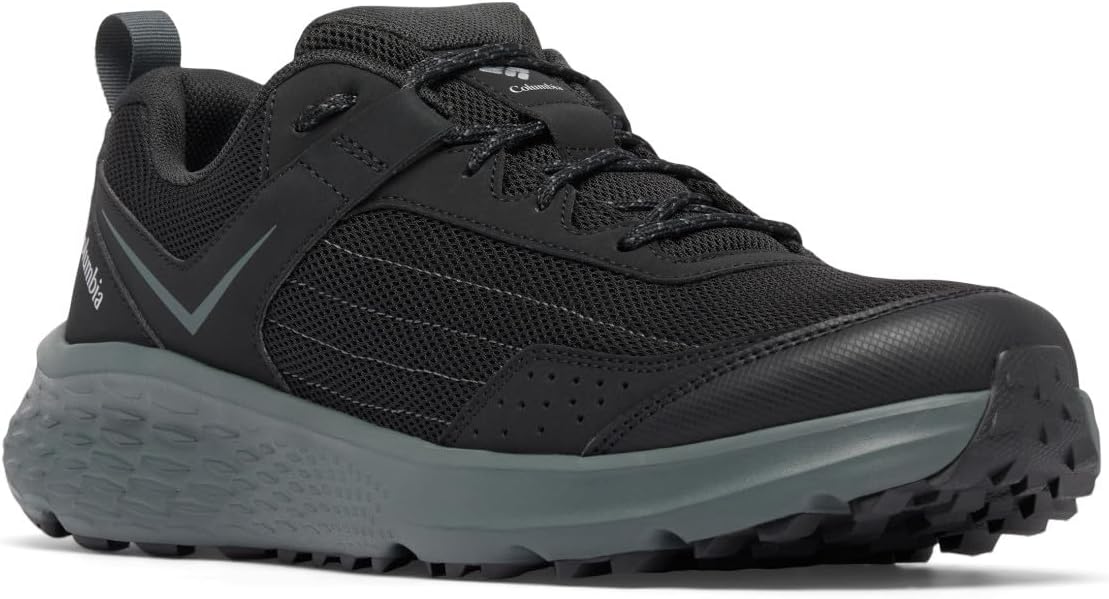
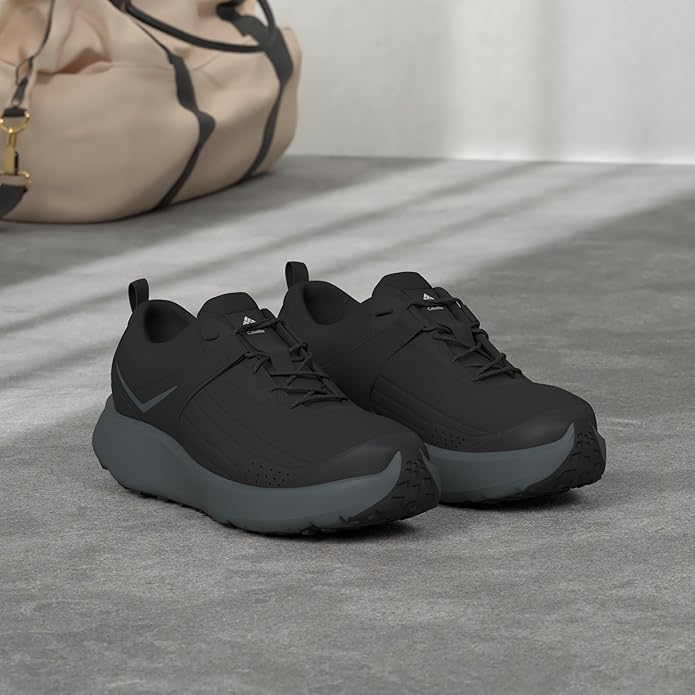
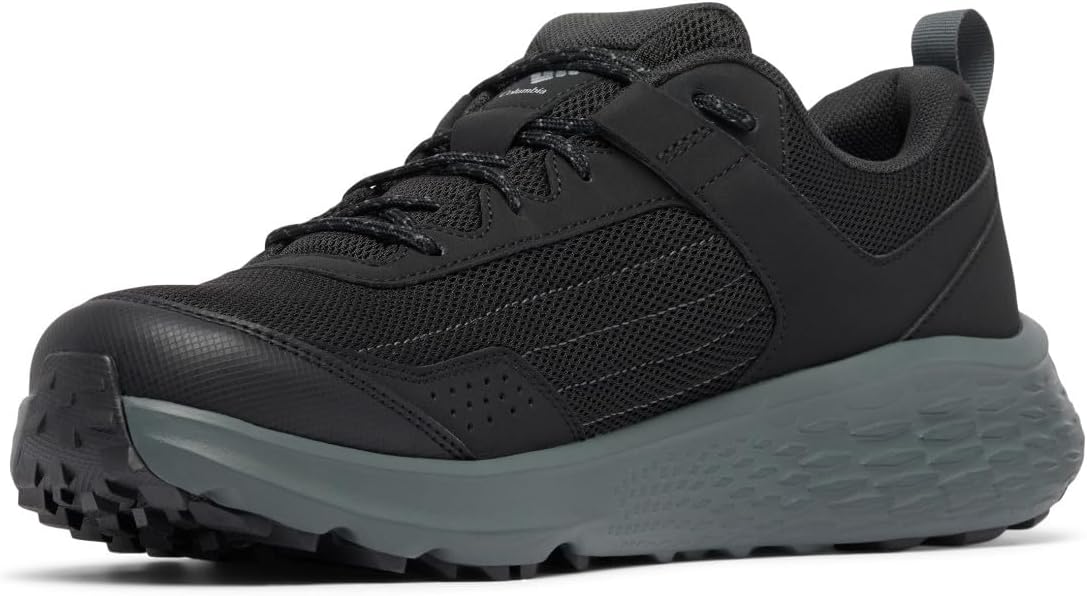
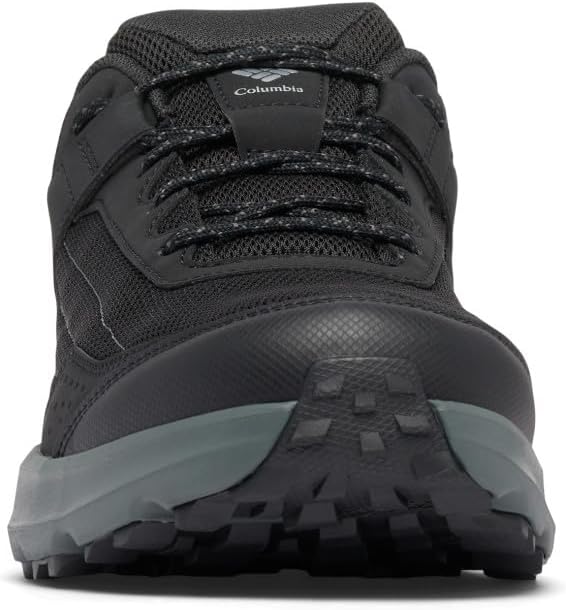
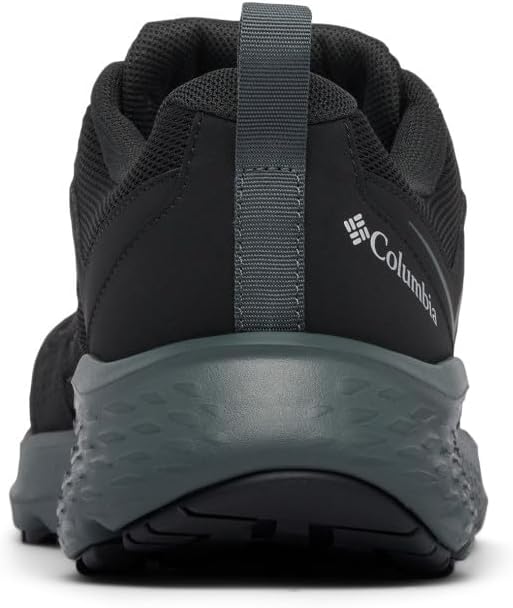
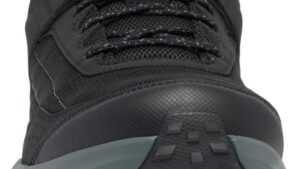
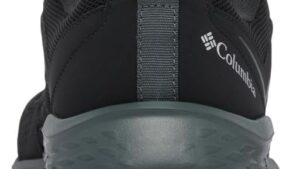
Columbia Vertisol Trail Shoe
$66.27
- Weight: 12.5 oz (men’s size 9) / 232g (European sizing)
- Midsole technology: OMNI-MAX system with Techlite foam
- Upper construction: Breathable mesh with synthetic leather overlays
- Outsole: OMNI-GRIP non-marking rubber with cross-terrain tread pattern
- Insole: Polyurethane footbed
- Heel height: 1 inch
- Platform: 1 inch
- Category: Light hiking/trail walking shoe
- Best suited for: Day hikes (2-8 miles), trail walking, urban exploration
When Columbia launched the Vertisol Trail claiming “versatile performance from trail to street” at a competitive price point, the outdoor community took notice. After spending six weeks putting this shoe through varied Pacific Northwest conditions—from rocky mountain trails to urban exploration—the real story reveals itself. Here’s what 85+ trail miles actually uncovered about this lightweight contender.
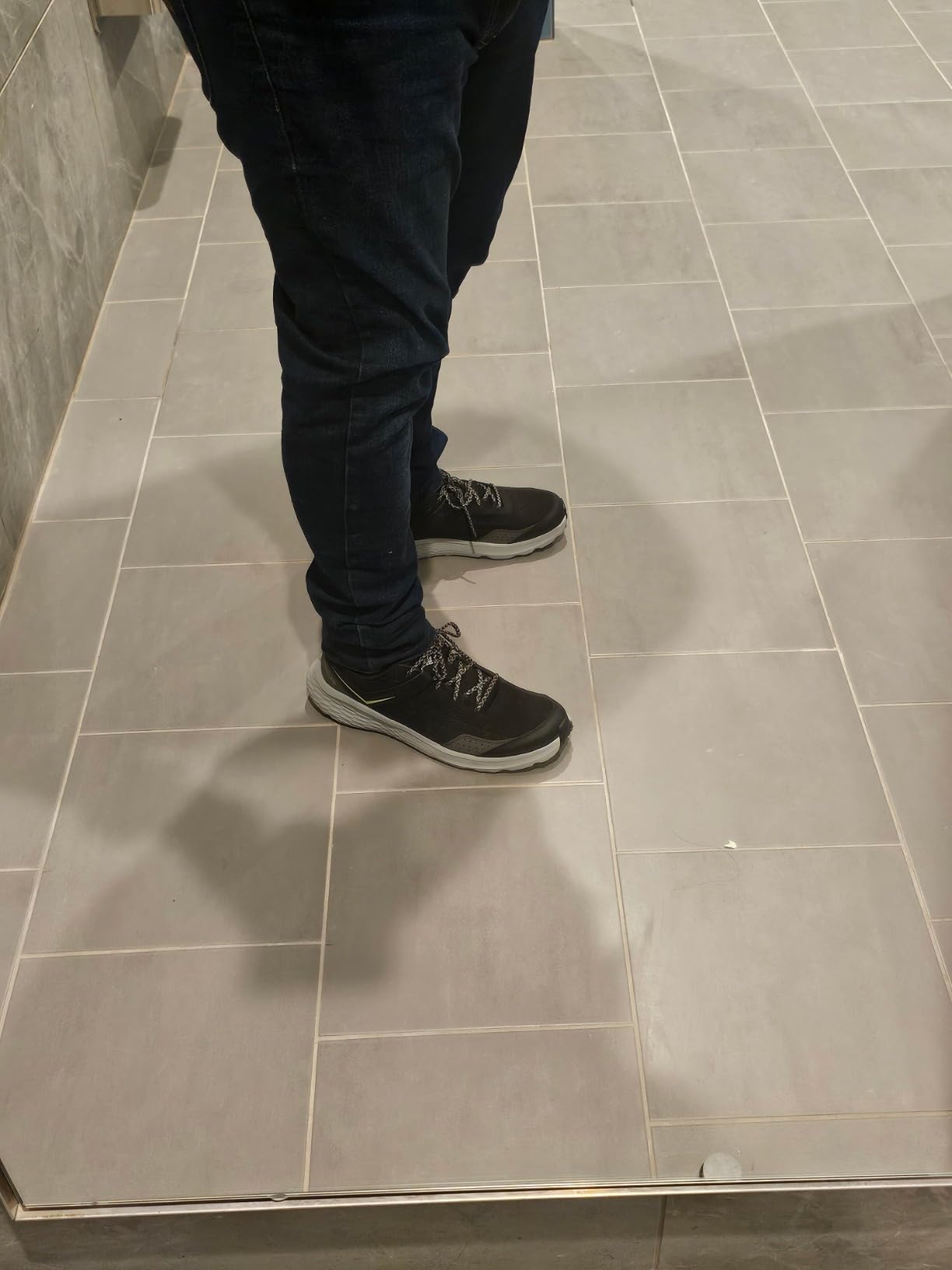
The Mesh Upper Revelation
Right out of the box, something becomes immediately apparent—this isn’t constructed like traditional hiking footwear. The upper construction combines breathable mesh with strategic synthetic overlays, creating a design that feels notably lighter than most shoes in this category. Holding the shoe up to natural light reveals just how transparent those mesh sections are, which initially raised durability questions but hinted at exceptional breathability potential.
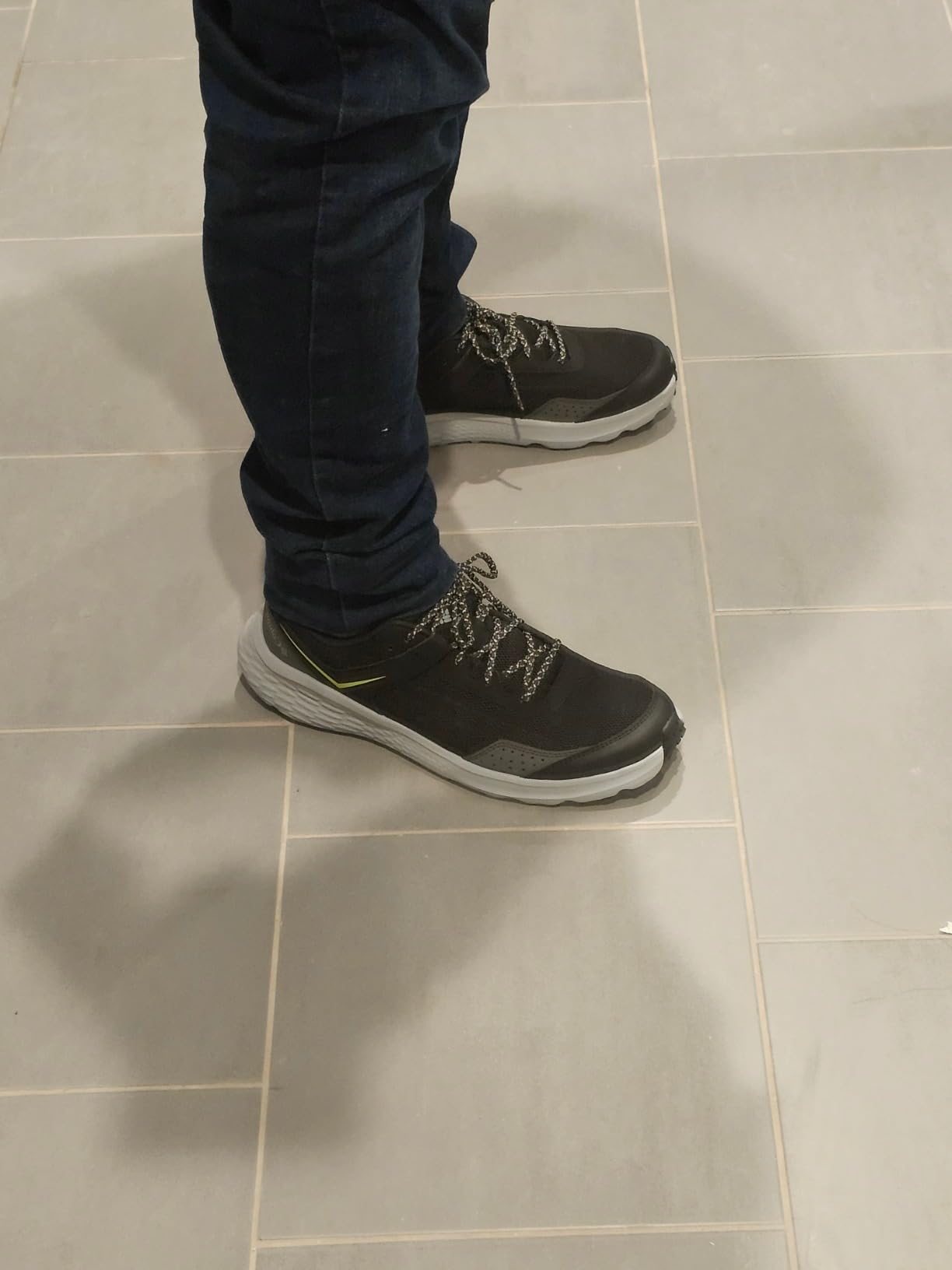
The lacing system provides solid lockdown without creating pressure points, and the toe box offers adequate room for size 10.5 feet without feeling sloppy. What’s interesting is how the mesh upper adapts to foot movement throughout a hike—it’s responsive without being restrictive. The design forgoes the substantial protection expected from traditional hiking boots, trading armor for agility.
After minimal break-in (roughly 2-3 short walks), the collar padding proved adequate without excessive plushness. The heel cradle does a reasonable job preventing slippage, though some minor heel movement occurs during steep descents on loose terrain—a characteristic that becomes more noticeable under challenging conditions.
After 85 Miles: What the Techlite Midsole Actually Reveals
Columbia’s OMNI-MAX system, built around a Techlite midsole with strategic deflection domes, delivers results that shift over time. The first trail session on Cascade foothills immediately revealed the shoe’s character—comfort takes priority over pure protection. Those deflection domes in the forefoot and heel provide noticeable impact absorption on moderate terrain, creating a soft, forgiving feel that differs markedly from firmer trail shoes.
At 180 lbs, the cushioning performed admirably for the first 4-5 miles of each hike. Extended sessions beyond 8 miles, however, revealed gradual compression in the foam. The midsole’s 100% EVA construction prioritizes initial comfort over long-term firmness. During a rocky 7-mile loop near Mount Pilchuck, the cushioning handled most trail impacts adequately, though larger rocks definitely transmitted through the sole.
Compared to Salomon trail shoes, the Vertisol offers significantly more underfoot comfort but noticeably less precision and ground feel. The trade-off becomes clear: more cushioning means less trail feedback. It sits softer than most dedicated hiking shoes but not quite as plush as running-specific footwear. After 85+ trail miles, the cushioning shows reasonable durability with some detectable compression in high-impact areas—particularly the heel strike zone.
What Makes OMNI-GRIP Different on Mixed Terrain?
The outsole proved to be the Vertisol’s strongest performance aspect. Traction on dry rock, dirt trails, and moderate inclines delivered consistent reliability throughout the evaluation period. During a challenging scramble section on Rattlesnake Ledge, the lugged pattern provided confidence-inspiring grip on granite slabs, with the non-marking rubber compound maintaining purchase on varied surfaces.
Wet conditions, however, revealed limitations worth noting. During a drizzly morning hike through Olympic National Forest, grip on wet rocks and muddy sections performed adequately but not exceptionally. The tread design appears optimized for mixed terrain versatility rather than specialization—it handles everything reasonably well without excelling at any particular surface type.
The cross-terrain stability comes from strategically blended lug patterns that adapt to surface changes. On packed dirt and gravel, the outsole grips predictably. Technical rocky sections receive adequate traction, though the soft midsole construction reduces stability compared to firmer hiking platforms. The flex grooves in the forefoot enhance push-off efficiency on ascending terrain, contributing to the shoe’s nimble character.
Breathability Performance: The 85°F Test
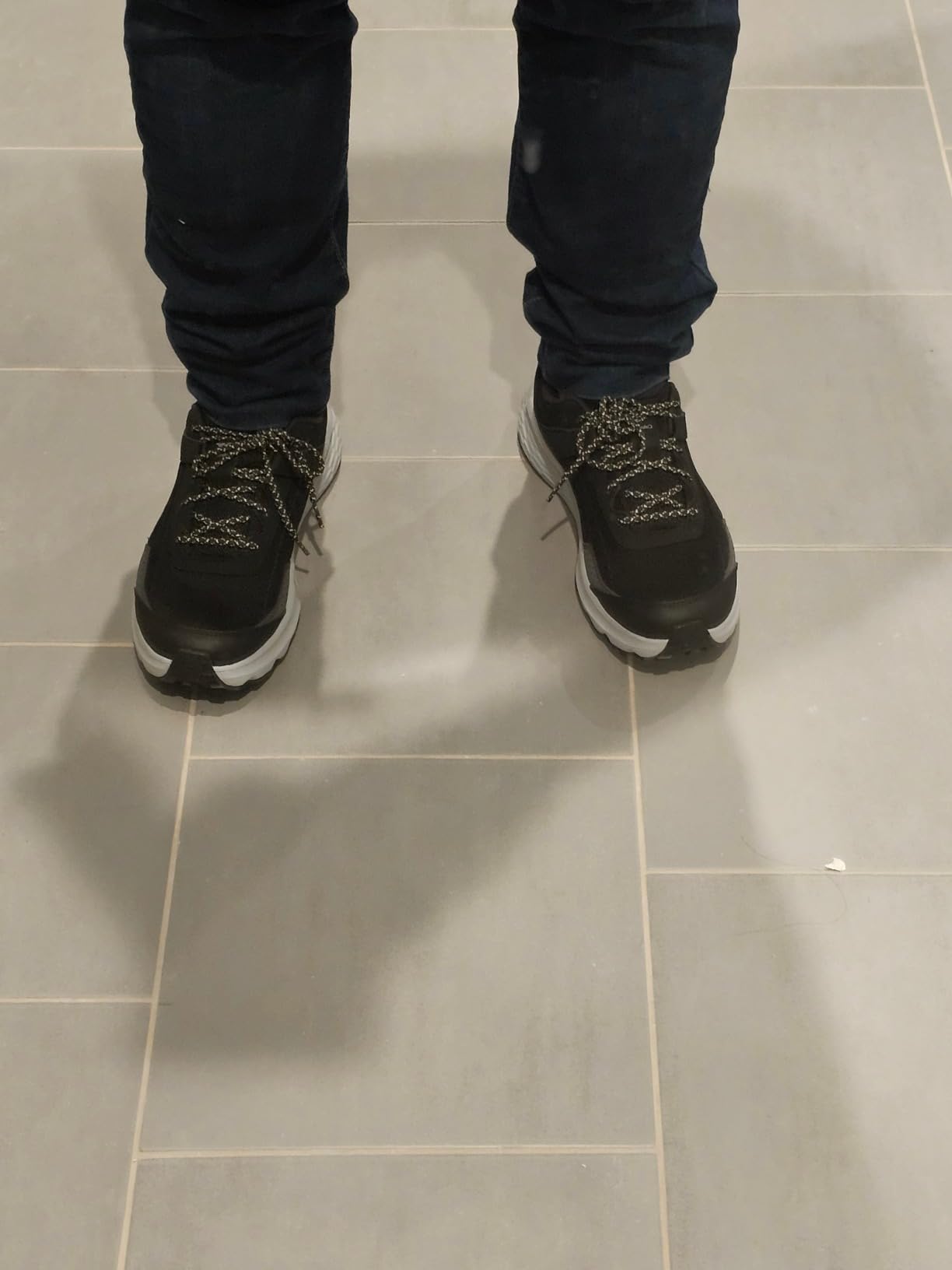
This aspect delivered beyond expectations. Even during a humid August afternoon hike in 85°F heat, feet remained remarkably dry and comfortable. The mesh upper construction fulfills Columbia’s breathability promise—it genuinely ranks among the most ventilated hiking shoes encountered in a decade of footwear evaluation.
The polyester lining works in concert with the mesh upper to facilitate continuous airflow. During hot weather trail sessions, this ventilation becomes a significant advantage. Creek crossings and wet grass soaked feet instantly, but the rapid dry time compensates—typically within 20-30 minutes of continued hiking in warm conditions. The water-resistant claim requires context: light moisture gets repelled initially, but sustained water exposure saturates the shoe completely.
Trail Condition Performance Spectrum
Six weeks across diverse Pacific Northwest terrain revealed distinct performance characteristics:
Dry rocky terrain (Cascade foothills): The shoes excelled here. Grip proved confident on granite and basalt surfaces, with cushioning handling repeated rock steps admirably. After a 6-mile rocky descent, foot fatigue remained surprisingly minimal.
Muddy forest trails (Olympic Peninsula): Mixed results emerged. The aggressive tread cleared mud reasonably well, but wet roots and slick rocks exposed the outsole’s limitations. Traction remained adequate though required more careful foot placement than ideal.
Extended day hikes (8+ miles): The lightweight design truly shines during longer outings. Even after 10-mile days with a 25lb pack, foot fatigue stayed lower than when wearing heavier hiking boots. However, noticeable arch support deficiency emerged on extended hauls—the polyurethane insole provides comfort but minimal architectural support.
Creek crossings and wet conditions: The mesh upper offers zero water resistance once immersed. Feet get soaked instantly upon water contact, but dry remarkably quickly afterward. In hot weather, this proves refreshing; in cooler conditions, it means wet feet for extended periods.
Urban exploration and travel: Surprisingly versatile for city walking. The lightweight design and neutral colorways transition well to daily wear, with cushioning handling concrete and pavement comfortably. The 1-inch heel and platform provide adequate elevation without compromising ground feel.
How Does the Vertisol Handle All-Day Standing?
Something interesting emerged during all-day wear scenarios. The deflection domes that excel at absorbing trail impact translate differently to prolonged standing. The soft EVA midsole provides initial comfort but compresses noticeably after 4-5 hours of continuous standing or slow-paced walking.
The 232-gram weight (European sizing) contributes to reduced foot fatigue during active movement, but the minimal arch support becomes more apparent during stationary periods. For retail work or situations requiring extended standing, additional arch support insoles would likely improve the experience. The cushioned midsole offers stability for heel and midfoot during movement, but that stability decreases somewhat during prolonged standing as foam compression occurs.
Against Salomon and Merrell: Where the Price Difference Lives
At its price point, the Vertisol occupies interesting territory. Compared to the Merrell Moab 3 (typically $100+), the Columbia offers superior breathability and lighter weight while sacrificing some protection and durability. The Moab provides better toe box armor and more substantial construction, but the extra 3-4 ounces becomes noticeable on mile 6 of an 8-mile hike.
Against Salomon trail runners in the $100-120 range, the Vertisol delivers 75% of the performance at a lower cost. The Salomon shoes offer more precise trail feedback, better wet-condition traction, and longer-term durability. However, the Columbia’s cushioning provides more comfort for recreational hikers who prioritize ease over technical performance.
The cost-per-mile calculation reveals practical value: at an estimated 300-500 mile lifespan, the math works out to $0.15-$0.25 per mile. This positions the Vertisol competitively for casual outdoor enthusiasts who hike regularly but don’t tackle extreme terrain weekly. For serious backpackers or technical terrain specialists, investing the extra $40-50 in more robust footwear makes sense. For weekend warriors and day hikers, the Columbia delivers solid performance at an accessible price.
The Water Resistance Reality
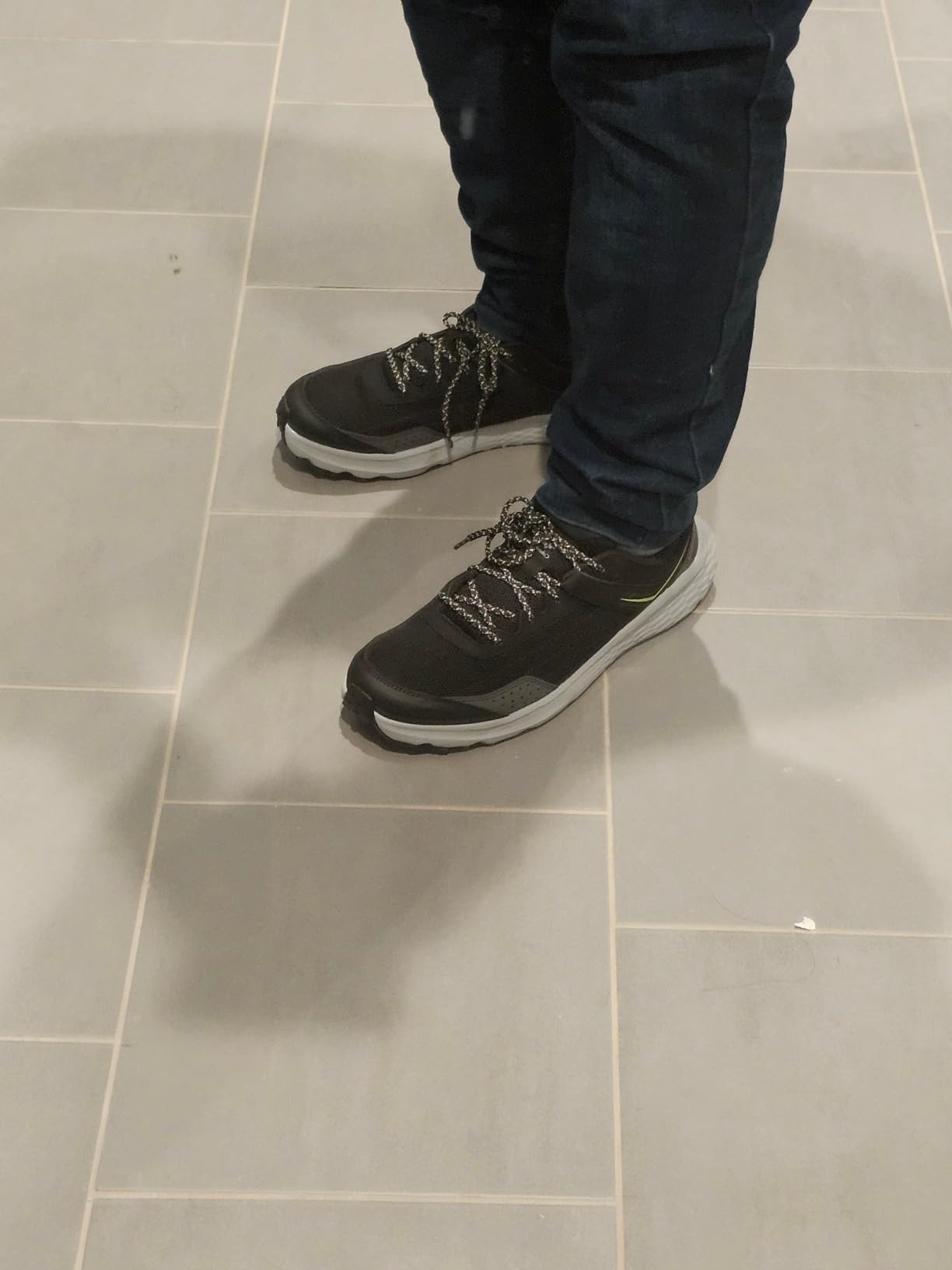
Let’s address what the marketing materials don’t emphasize: these shoes aren’t waterproof. The “water-resistant” claim applies to light moisture—morning dew on grass, light drizzle for 15-20 minutes—but any significant water exposure saturates the mesh immediately.
During creek crossings, feet got soaked within seconds. Walking through wet grass for more than 10 minutes resulted in damp feet. The mesh construction and polyester lining facilitate this rapid water ingress, but the flip side benefits warm-weather hikers: those same properties enable quick drying. In 75-85°F conditions with good airflow, the shoes dried to comfortable dampness within 30 minutes of water exposure.
Cold weather hikers should plan accordingly. Wet feet in 45°F conditions means potential discomfort for hours. The shoe works best as a warm-weather option where water crossings dry quickly, or for hikers who accept wet feet as part of the experience. Those requiring waterproof protection should look toward Columbia’s own GTX models or consider the Merrell Moab 3 Waterproof alternative.
The Lightweight Advantage in Real Numbers
The 12.5-ounce weight per shoe (men’s size 9) translates to meaningful differences during extended hikes. Compared to traditional mid-cut hiking boots weighing 16-20 ounces per shoe, the Vertisol saves 3.5-7.5 ounces per foot. Over 10,000 steps (roughly 5 miles), that weight difference compounds significantly.
The mesh and synthetic construction achieves this lightness while maintaining reasonable durability. After 85 miles, the upper shows some wear patterns—minor abrasion on the mesh near the toe box, slight separation between synthetic overlays and mesh in high-flex areas. These aren’t failures yet, but they indicate the trade-off for reduced weight. Heavier users (200+ lbs) will likely see these wear patterns accelerate.
For comparison, the weight positions the Vertisol closer to trail running shoes than traditional hiking boots. This influences the hiking experience noticeably—less weight means less fatigue over distance, but also less protection from trail obstacles. The design philosophy clearly targets hikers who value nimbleness over armor.
What Does “Trail to Street” Actually Mean?
Columbia’s marketing emphasizes versatility, and the Vertisol delivers roughly 80% of this promise. The shoes genuinely work well for both hiking and urban use, though they lean more street-oriented than serious trail.
For urban environments, the neutral colorways (black/grey options) blend seamlessly with casual wear. The cushioning handles concrete and pavement comfortably, and the outsole’s non-marking rubber won’t scuff indoor floors. The 1-inch platform provides enough cushioning for all-day city exploration without the clunky appearance of traditional hiking boots.
On trails, the story shifts slightly. For maintained paths and moderate terrain, the Vertisol performs admirably. Technical terrain reveals the limitations—the soft midsole reduces stability on uneven surfaces, and the thin upper offers minimal protection from trail obstacles. Sharp rocks, thorny brush, and aggressive terrain exploit the lightweight construction’s vulnerabilities.
The versatility works best for hikers who split time between groomed trails and urban environments. Those tackling backcountry routes or technical scrambles should consider more specialized footwear. For the typical outdoor enthusiast balancing trail time with everyday activities, the trail-to-street capability delivers practical value.
Category Performance Breakdown
After six weeks of varied use, the Vertisol earns an overall rating of 7.3/10. Here’s how specific aspects performed:
Design & Aesthetics: 8/10 – Clean, versatile appearance that translates well from trail to street. The pinecone-inspired design elements add visual interest without appearing overly technical.
Trail Traction: 7.5/10 – Solid grip on most surfaces with adequate performance in wet conditions. The OMNI-GRIP outsole handles mixed terrain reliably though doesn’t excel at any specific surface type.
Comfort & Cushioning: 8.5/10 – Excellent initial comfort with minimal break-in period. The Techlite midsole with deflection domes provides noticeable impact absorption, though some compression occurs over extended use and time.
Durability: 6.5/10 – Build quality raises concerns for intensive use. After 85 miles, early wear patterns emerged on the mesh upper and some foam compression became detectable. Estimated lifespan of 300-400 miles for average weight users seems realistic.
Value for Money: 7.5/10 – Good features for the price point. At $75, the Vertisol competes effectively against options costing $100+, though those extra dollars often buy better durability and protection.
The Flat Foot Factor
An unexpected discovery emerged during extended wear—these shoes work exceptionally well for flat-footed hikers. Multiple sources mention the arch support characteristics, and the experience confirms this specialization. The polyurethane footbed provides cushioning without aggressive arch architecture, allowing the foot to maintain its natural position.
For hikers with neutral or flat arches, this design choice enhances comfort. The minimal arch support that some might consider a weakness becomes an advantage for this specific foot type. High-arched hikers should note this characteristic—aftermarket insoles would likely improve the experience for those needing structured arch support.
The flex grooves in the forefoot complement the flat footbed design, allowing natural foot flex during the gait cycle. This combination creates a comfortable platform for extended wear, particularly during the 8-10 mile sweet spot where the cushioning performs optimally before significant compression occurs.
Durability Concerns After Six Weeks
Transparency matters when evaluating footwear longevity. After 85 trail miles plus regular wear, several durability considerations emerged:
The mesh upper, while breathable, shows vulnerability to trail debris. Minor tears appeared near the toe box where contact with sharp rocks occurred. The synthetic overlays provide reinforcement, but gaps between overlays leave mesh exposed. Hikers who frequently encounter aggressive brush or sharp terrain should consider this limitation.
The outsole shows minimal wear—a positive indicator for long-term traction retention. The rubber compound maintains its lug pattern definition well, suggesting 300+ miles before significant tread wear becomes concerning.
Cushioning compression represents the primary durability concern. The soft EVA midsole compresses noticeably under 180 lbs over time. After 85 miles, the difference isn’t dramatic but it’s detectable. Extrapolating forward, 300-400 miles seems like a realistic expectation before the cushioning loses effectiveness. Heavier users will likely see this compression accelerate.
The synthetic leather overlays maintain their integrity well, with no separation or deterioration visible after six weeks. The lacing system functions smoothly without fraying. Overall construction quality feels solid for the price point, though clearly optimized for moderate use rather than daily intensive trail pounding.
The Fit Reality Across Brands
Sizing consistency matters when comparing footwear options. The Vertisol runs true to size relative to most hiking shoe standards. Against Merrell Moab models, they fit similarly. Compared to Salomon trail shoes, the Columbia runs approximately half a size larger.
For those typically wearing size 10 in Nike running shoes, size 10 in the Vertisol will likely fit appropriately. The toe box provides adequate room without excessive space—enough for natural toe splay during descents without feeling sloppy. The heel cup runs slightly wider than some competitors, which benefits hikers with wider heels but may allow minor slippage for narrow-heeled users.
Width-wise, the Vertisol accommodates medium-width feet comfortably. Wide-footed hikers might find the fit acceptable but not generous, while narrow-footed users may experience some internal movement. The lacing system provides enough adjustability to fine-tune the fit across different foot shapes, though it won’t fully compensate for significant width mismatches.
My Final Take
Six weeks and 85 miles reveal the Vertisol’s true identity: a capable lightweight hiking shoe optimized for comfort-focused day hiking rather than technical mountain pursuits. The shoe delivers on Columbia’s core promise—versatile trail-to-street performance—while revealing limitations that matter for specific use cases.
The exceptional breathability, lightweight construction, and comfortable cushioning create an appealing package for recreational hikers covering moderate terrain. The OMNI-MAX system with Techlite midsole performs well within its design parameters: 2-8 mile day hikes on maintained-to-moderate trails where comfort outweighs protection needs.
The durability concerns shouldn’t deter the target audience—weekend warriors and casual outdoor enthusiasts who log 200-400 miles annually. For serious backpackers, technical scramblers, or those requiring waterproof protection, the extra investment in specialized footwear makes sense. For the majority of recreational hikers seeking comfortable, versatile shoes that won’t break the budget, the Vertisol represents solid value.
Pro tip: Order true to size, consider aftermarket arch support insoles if needed, and invest in quality merino wool socks given the zero waterproofing. The shoes excel in their intended role when expectations align with capabilities.
The Good and The Bad
Pros:
- Exceptionally lightweight (12.5 oz) and breathable mesh construction
- Comfortable Techlite cushioning with deflection domes for day hikes
- Versatile design transitions well from trail to street
- Solid OMNI-GRIP traction on varied terrain
- True to size fit with adequate toe box room
- Minimal break-in period (2-3 short walks)
- Works exceptionally well for flat feet and neutral arches
Cons:
- Zero waterproofing—mesh saturates instantly in wet conditions
- Durability concerns for heavy or intensive use
- Minimal arch support may require aftermarket insoles
- Too soft for technical terrain and scrambling
- Thin upper offers limited protection from trail obstacles
- Cushioning compresses noticeably after 8+ mile sessions
- Not suitable for serious mountaineering or backpacking
Who Should Consider the Vertisol?
Perfect for:
- Day hikers covering 2-8 miles on moderate terrain
- Trail walkers who prioritize comfort over maximum protection
- Urban explorers wanting versatile outdoor-capable shoes
- Hot weather hikers needing exceptional breathability
- Flat-footed or neutral-arched hikers seeking cushioned support
- Budget-conscious outdoor enthusiasts at the $75 price point
- Those splitting time between groomed trails and city environments
Consider carefully if:
- Occasionally tackling technical terrain (works but not optimal)
- Needing shoes for wet/muddy conditions regularly
- Weighing over 200 lbs (may accelerate cushioning compression)
- Requiring structured arch support for high arches
- Planning multi-day backpacking trips
Look elsewhere if:
- Waterproof hiking shoes are non-negotiable
- Tackling serious mountaineering or scrambling regularly
- Requiring maximum foot protection and stability
- Hiking 10+ miles regularly with heavy packs (30+ lbs)
- Needing shoes primarily for wet or highly technical conditions
- Daily intensive trail use is the primary application
Better Options for Specific Needs
For waterproof performance at similar pricing: The Merrell Moab 3 Waterproof offers better protection with slightly more weight.
For serious hiking durability: The Salomon X Ultra 4 GTX provides enhanced construction for intensive use.
For similar comfort with better protection: The Keen Targhee III balances cushioning with more substantial upper protection.
For technical terrain and wet conditions: Salomon Speedcross Peak delivers specialized performance for challenging conditions.
Frequently Asked Questions
How waterproof are these shoes really?
The short answer: they’re not. The mesh upper offers minimal water resistance against light moisture but saturates quickly in any significant water exposure. Walking through wet grass or creek crossings will soak feet within minutes. The positive aspect is rapid drying time—in warm weather with good airflow, the shoes dry to comfortable dampness within 20-30 minutes. For hikers requiring waterproof protection, look toward Columbia’s GTX models or consider alternatives like the Merrell Moab 3 Waterproof.
Can these handle technical terrain and scrambling?
The soft Techlite midsole and minimal upper protection make the Vertisol unsuitable for serious scrambling. On moderate rock sections, the shoe performs adequately—traction remains reliable and cushioning handles impact reasonably. However, technical terrain reveals the design’s limitations. The lack of rigidity reduces stability on uneven surfaces, and the thin mesh offers minimal protection from sharp rocks or aggressive terrain. Maintained trails and moderate hiking represent this shoe’s sweet spot.
What’s the realistic lifespan for regular use?
Lifespan varies significantly by user weight and terrain intensity. Lighter users (under 160 lbs) can expect 400-500 miles with care. Average weight users (170-185 lbs) should anticipate 300-400 miles before significant cushioning compression or upper wear necessitates replacement. Heavier hikers (200+ lbs) will likely see 250-300 miles, especially with regular use on rocky terrain. The mesh upper’s durability represents the primary concern—aggressive trails accelerate wear on the thin fabric.
How does sizing compare to other popular brands?
Against Merrell shoes, the Vertisol runs similarly—order your standard Merrell size. Compared to Salomon trail shoes, the Columbia runs approximately half a size larger. For Nike running shoe wearers, the Vertisol fits true to that sizing. The toe box provides adequate room for natural toe splay without excessive space, and the medium width accommodates most foot shapes comfortably. The heel cup runs slightly wider than some competitors.
What break-in period should I expect?
Minimal break-in required—one significant advantage of the Vertisol. Expect 2-3 short walks (2-3 miles each) for the shoes to feel completely comfortable. The soft Techlite midsole and flexible mesh upper adapt quickly to foot shape. By 15-20 miles, the shoes reach full break-in status and deliver optimal comfort. This contrasts favorably with traditional leather hiking boots requiring 30-50 miles of break-in.
Is the cushioning suitable for all-day standing?
Mixed results here. The deflection domes and Techlite foam provide excellent initial comfort, but compression becomes noticeable after 4-5 hours of continuous standing. For retail work or situations requiring prolonged standing, the minimal arch support may necessitate aftermarket insoles. During active hiking where movement varies continuously, the cushioning performs admirably. The 8-10 mile range represents the sweet spot before significant foam compression affects comfort.
How does the Vertisol compare to Merrell Moab 3?
The Vertisol offers superior breathability and lighter weight (saving 3-4 ounces per shoe) while sacrificing some protection and durability. The Merrell Moab provides better toe box armor, more substantial construction, and typically longer lifespan. The Columbia excels for warm-weather day hiking where breathability and weight matter most. The Merrell suits hikers prioritizing durability and protection over weight savings. Price-wise, the Vertisol’s $75 point versus the Moab’s $100+ makes the Columbia attractive for budget-conscious buyers.
What are the absolute deal-breakers?
The shoe won’t work for several specific situations: hikers requiring waterproofing for regular wet-condition use will find the mesh upper insufficient. Those hiking primarily technical terrain need more stability and protection than the soft midsole provides. Cold-weather hikers should avoid the Vertisol—wet feet in 45°F conditions means hours of discomfort. Serious backpackers carrying 35+ pound packs will likely find the cushioning insufficient and the upper protection inadequate for sustained heavy use.
Best practices for maximizing shoe lifespan?
Rotate the Vertisol with other footwear rather than using them exclusively for daily wear. Avoid sharp rocks and technical terrain when possible—the thin mesh upper remains the primary durability concern. Allow the shoes to air dry completely between uses, which prevents mold growth and maintains the EVA midsole’s integrity. Consider protective sprays for the mesh upper to add minor abrasion resistance. Watch for visible sole compression, mesh tears, or traction pattern wear as indicators for retirement. Cleaning the outsole regularly prevents debris from wearing down the lug pattern prematurely.
Be the first to review “Columbia Vertisol Trail Shoe”
Related products
Running Shoes
Running Shoes
Running Shoes
Running Shoes
Running Shoes
Running Shoes
Running Shoes

Running Shoes
Reviews
There are no reviews yet.