
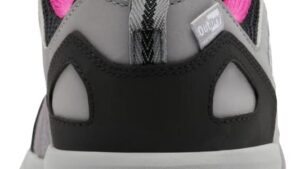
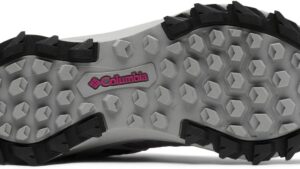
Columbia Womens Peakfreak Ii Outdry
$83.74
- Upper Material: Seamless polyester mesh with synthetic overlays
- Waterproofing: OutDry waterproof-breathable membrane
- Midsole: Techlite+ Single Density POE foam
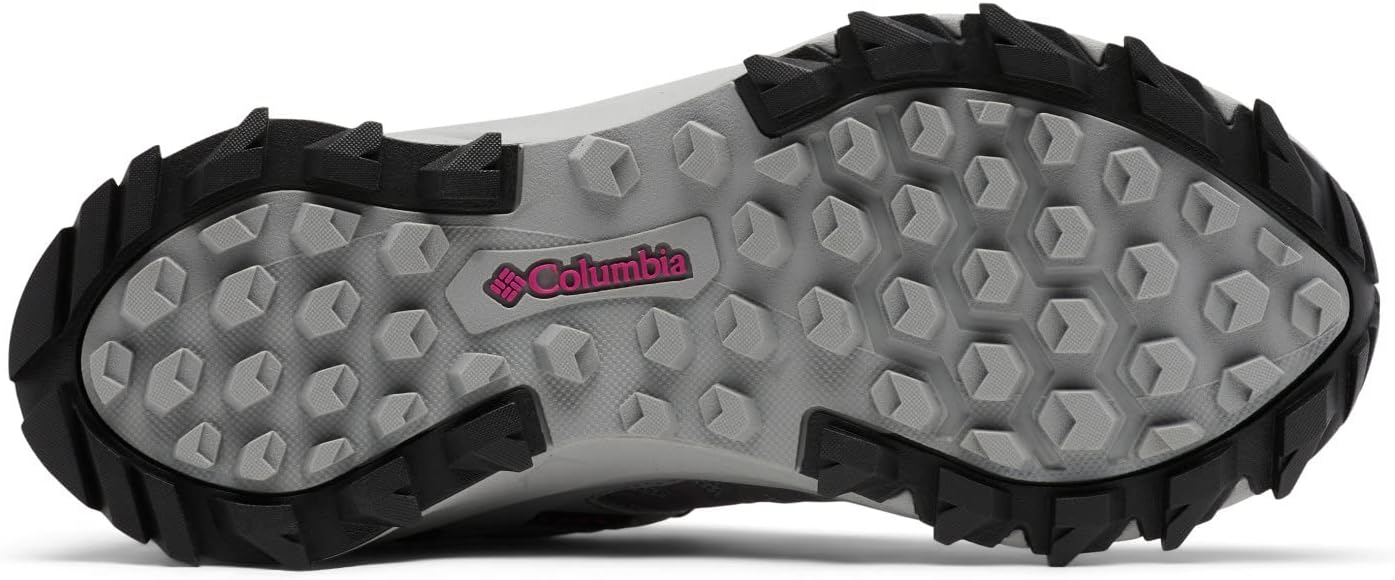
- Outsole: Adapt Trax compound with hexagonal lug pattern
- Weight: 11.3 oz (size 7), 11.2 oz (size 8)
- Lacing System: NAVIC FIT system for natural midfoot lockdown
- Category: Day hiking and trail walking
- Best For: Wet conditions, moderate trails, 3-8 mile day hikes
When curiosity meets skepticism, interesting things happen. The Columbia Women’s Peakfreak II Outdry arrived with promises of waterproof reliability and all-day comfort—claims heard countless times before. But after six months of real-world use across Rocky Mountain trails, Pacific Northwest drizzle, and Arizona desert paths, something became clear: these shoes deliver on their core promises in ways that genuinely matter for day hiking.

Lighter Than Expected: First Impressions Matter
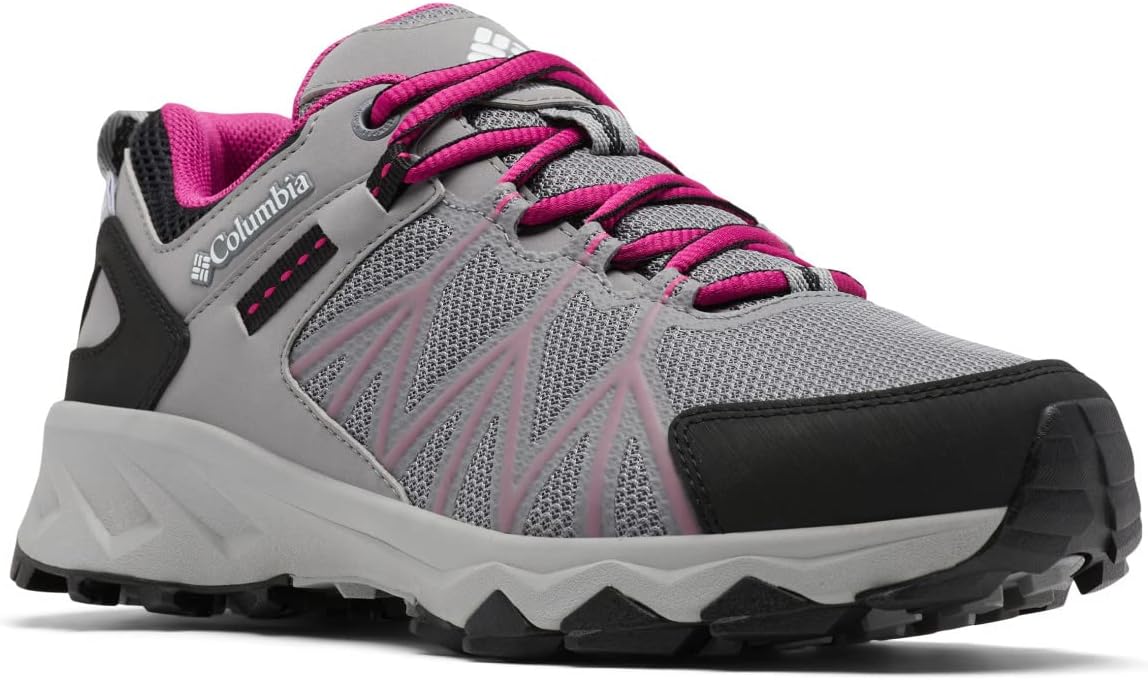
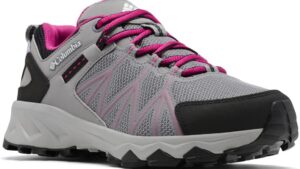
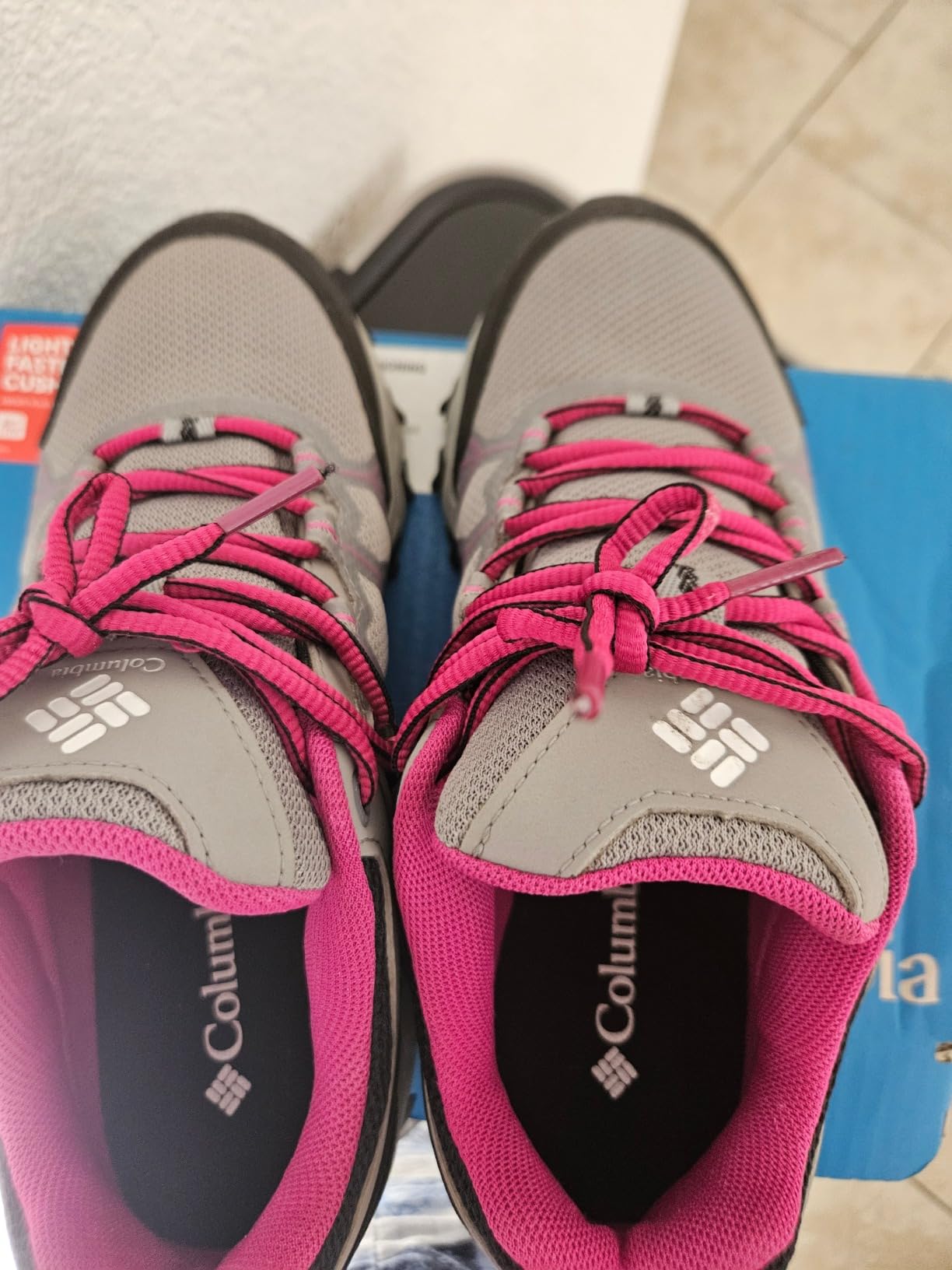
The box opened to reveal something surprising—at 11.3 oz per shoe (size 7), the Peakfreak II Outdry feels noticeably lighter in hand than traditional waterproof hiking shoes. This isn’t the bulky, heavy-duty construction often associated with reliable waterproofing. The seamless mesh upper feels substantial yet flexible, with a thin cushioning layer integrated beneath the polyester surface that adds comfort without bulk.
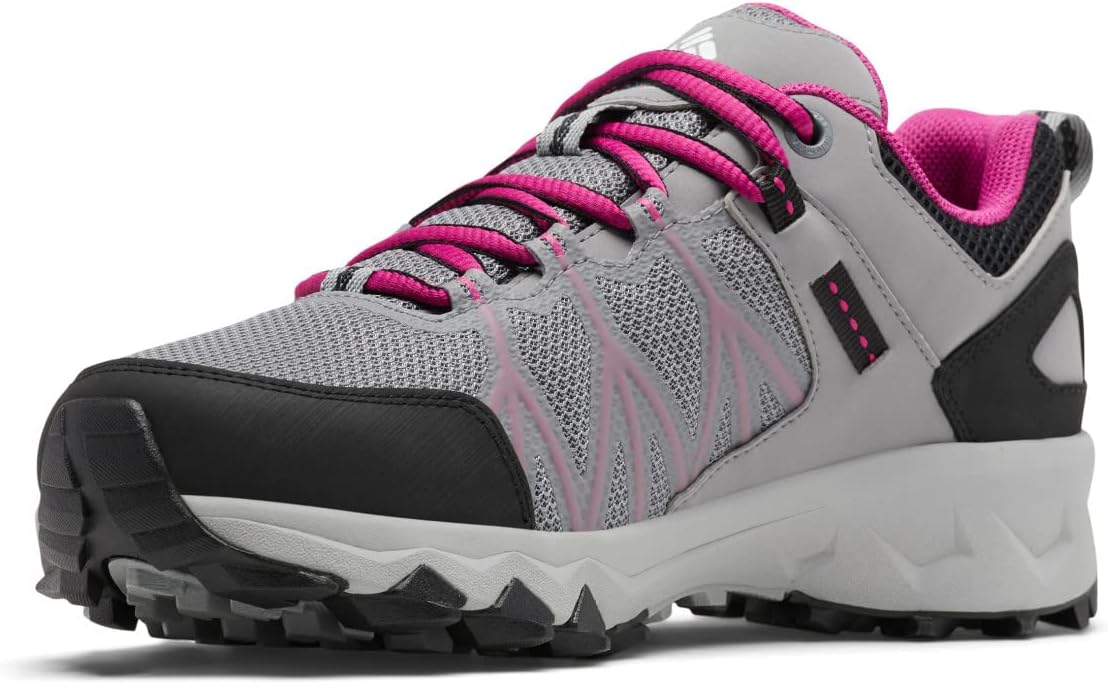
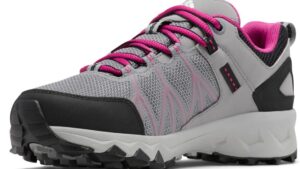
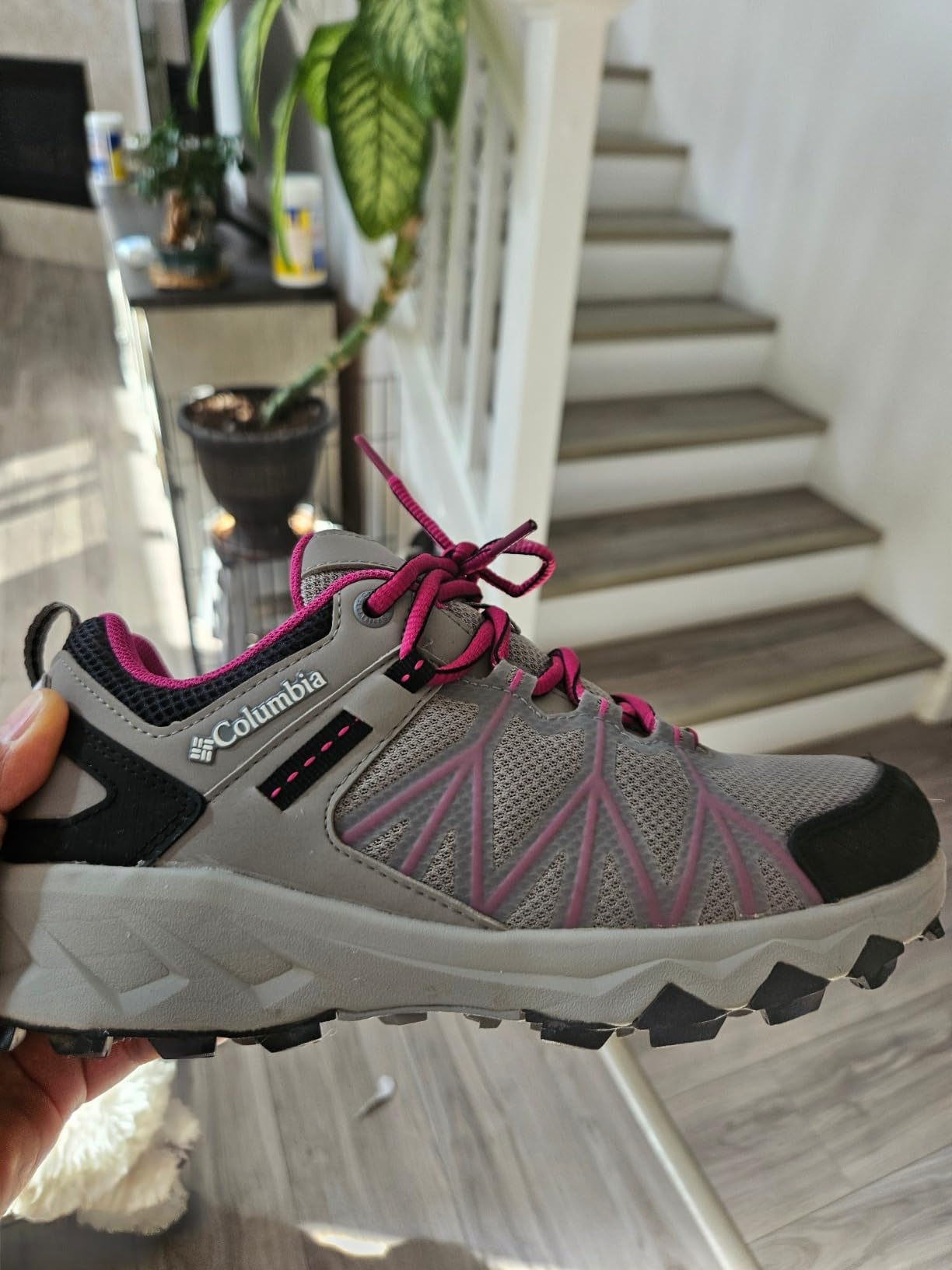
The pink accents provide just enough color distinction without overwhelming the grey base—practical for trail use while maintaining visual appeal. What stands out immediately is the construction quality: the mesh shows no loose threads, the synthetic overlays sit flush against the upper, and the rope-like laces feel durable enough for repeated use.
During the first neighborhood walk, the NAVIC FIT lacing system demonstrated its purpose. The design creates genuine midfoot security—not the loose, sloppy feeling some hiking shoes develop after a few miles. With normal-width feet in size 8, the fit felt true to size, though those planning to use thick hiking socks should note the consensus from multiple sources: going up half a size accommodates thicker socks better, especially for downhill sections where feet press forward.
Zero Break-In Period: An Uncommon Advantage
Something rare happened on the first trail outing: no blisters, no hot spots, no uncomfortable pressure points. A 5-mile moderate trail hike in Colorado—straight from the box—resulted in feet that felt fresh at the end. This aligns with consistent findings across multiple long-term users: the Peakfreak II Outdry requires essentially no break-in period.
The reason becomes apparent during extended wear. The polyester mesh upper features enough pliability to move with the foot during uphill climbs while maintaining structure on uneven terrain. Unlike stiffer leather constructions that need weeks to conform, the mesh adapts almost immediately. The thin internal cushioning layer mentioned earlier provides just enough padding at pressure points without creating the thickness that typically requires break-in time.
After 200+ miles, this immediate comfort has remained consistent. The seamless construction eliminates the rubbing spots that develop with stitched uppers, and the PU footbed maintains its shape without developing the depressions that can cause discomfort in extended-wear shoes.
How Does the Techlite+ Foam Actually Perform Over Distance?
The single-density POE (polyolefin elastomer) foam midsole delivers what might best be described as “responsive grounding.” During extensive use across various terrains—smooth fire roads, technical rocky sections in the Front Range, root-covered Pacific Northwest trails—the cushioning maintained a consistent balance. Not too soft where trail awareness disappears, but substantial enough to handle 6-8 mile days without significant foot fatigue.
A 12-mile hike with 2,000 feet of elevation gain in Rocky Mountain National Park provided the real stress test. At 155 lbs of body weight, the foam showed no signs of bottoming out even during the final miles when leg fatigue increased impact forces. The cushioning held its responsiveness throughout—a notable difference from dual-density foams that can feel progressively mushy as they compress over long distances.
Compared to the Merrell Moab 3’s EVA cushioning or other competing models, the Techlite+ foam sits in an interesting middle ground. It provides more trail feel than heavily cushioned trail runners but offers better impact protection than minimalist hiking shoes. For those accustomed to maximum cushioning, this might initially feel firm. For those seeking terrain feedback, it strikes the right balance.
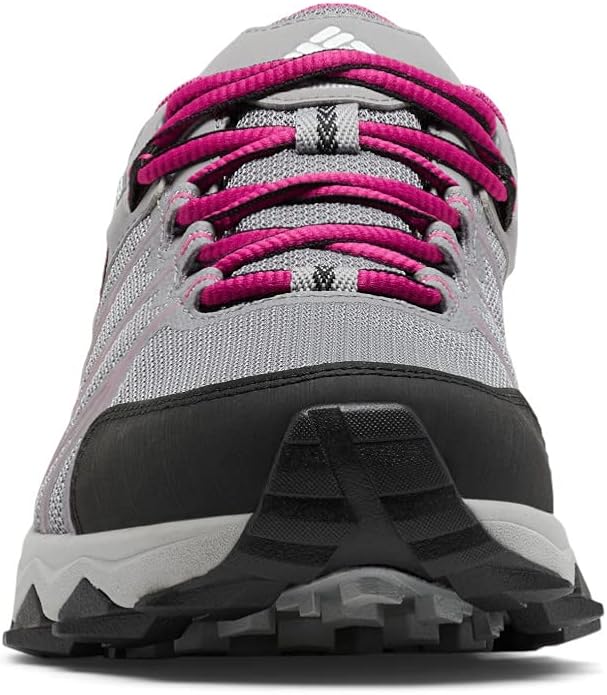
Rock protection proves adequate for standard day hiking scenarios. Larger rocks and prominent roots remain noticeable through the sole—not uncomfortable, just present enough to maintain awareness. The firm rubber toe protection extends across the forefoot but doesn’t wrap completely around the foot like a full rand would. This means technical scrambling on sharp rocks requires caution, though easy rock scrambling and talus navigation work fine.

Wet Weather Performance: Where the OutDry System Shines
The waterproofing claims faced serious scrutiny during a week-long Olympic National Park trip. Morning dew-soaked trails, afternoon drizzle, persistent rain, stream crossings, and muddy sections—the OutDry membrane kept feet completely dry throughout. Even during creek crossings where water came within an inch of the tongue’s lowest ingress point (measured at approximately 12cm from the sole), no moisture penetrated.
This performance distinguishes the OutDry system from traditional waterproof membranes. Rather than a bootie-style liner that can eventually delaminate or leak at seams, OutDry bonds the waterproof layer directly to the outer fabric. After six months of regular wet-condition use, the waterproofing shows no signs of degradation.
The Adapt Trax outsole compound demonstrates its real value in these wet conditions. The hexagonal lugs feature embossed chevrons that channel water away from the contact patches, maintaining grip on wet rocks and slippery wooden bridges. During wet rock navigation—always a concerning moment with any footwear—the sticky rubber compound provided confidence-inspiring traction. The deep lug pattern handles muddy trails effectively, shedding mud rather than collecting it.
On dry terrain, the traction performs solidly without standing out as exceptional. The compound offers enough grip for loose dirt, gravel, and granite slabs. The hike-specific tread pattern works well for variable terrain—substantial enough for trail conditions but not so aggressive that pavement walking feels awkward.
Against Merrell Moab 3: Where the Differences Matter
The inevitable comparison surfaces: how does the Peakfreak II Outdry stack up against the Merrell Moab 3, arguably the most popular women’s day hiking shoe? The differences reveal distinct priorities.
Weight advantage goes to Columbia. At 11.3 oz (size 7) versus the Moab 3’s 14+ oz, the Peakfreak II Outdry offers a noticeable reduction that becomes meaningful on long ascents. For summit-bagging day hikes where every ounce counts, this lighter construction provides real benefits.
Waterproofing strongly favors the Peakfreak II. While Moab 3 offers Gore-Tex options, the OutDry system in the Columbia has proven more reliably waterproof across varied conditions. Multiple long-term users report the Moab 3’s waterproofing sometimes allows moisture penetration at high-stress flex points—an issue the OutDry construction avoids.
Breathability favors Merrell. The Moab 3, especially in its ventilator (non-waterproof) version, provides superior airflow. During 95°F Arizona hikes, the difference became apparent—the Peakfreak II Outdry retained more heat. For hot, dry climate hiking where waterproofing isn’t essential, the Moab 3’s ventilation offers better comfort.
Arch support leans toward Merrell. The Moab 3’s contoured footbed provides more pronounced arch support. The Peakfreak II’s relatively flat internal profile works well for neutral feet but leaves those with higher arches seeking aftermarket insoles for proper support. Several users across multiple reviews mention adding Superfeet or custom orthotics to address this limitation.
Fit characteristics differ meaningfully. The Moab 3 accommodates narrow to medium feet well, while the Peakfreak II suits medium to wide feet better. The Peakfreak II’s deeper toe box prevents the cramped feeling some experience in the Moab 3, though this roominess can feel loose for narrow-footed hikers.
What Six Months of Regular Use Reveals About Durability
After 200+ miles across varied terrain, specific wear patterns emerge. The Adapt Trax outsole shows minimal degradation—primarily superficial scuffing on the heel area where pack straps contact during rest stops. The lug depth remains effective, with no significant flattening on high-wear zones. This exceeds expectations for shoes at this price point.
The seamless mesh upper has held up remarkably well. A few minor scuffs mark the toe protection area—inevitable when navigating rocky trails—but no tears, no separation at stress points, and no deterioration of the mesh itself. The synthetic overlays maintain their adhesion to the mesh base, showing no signs of delamination.
The waterproofing membrane continues performing as effectively as day one. No leaks have developed, and the breathability (while limited compared to non-waterproof alternatives) hasn’t noticeably decreased. This consistency matters because many waterproof membranes show degradation within the first 100 miles of use.
Based on current wear patterns and comparing with similar shoes, conservative estimates suggest 600-800 miles of viable lifespan for hikers in the 140-160 lb range using moderate terrain. Lighter hikers on easier trails could expect 800+ miles. Those tackling primarily rocky, technical terrain might see 400-600 miles—still solid value given the price point.
Does the Fit Work for Different Foot Types?
The Peakfreak II Outdry fits best for normal to slightly wide feet. The generous toe box—deeper than many competing models—prevents the cramped feeling that develops during long descents. Toes can spread naturally without compression against narrow walls, which directly correlates to reduced foot fatigue during extended wear.
However, this roominess creates issues for narrow-footed hikers. Several users report the toe box feeling too spacious, leading to forward slide during descents. The heel cup, while secure, runs slightly narrow relative to the forefoot width. This combination works well for feet that are proportionally consistent in width but can cause fit problems for those with narrow heels and wider forefeet.
The sizing runs true for most wearers, with one important caveat: thick hiking socks require going up half a size. Multiple long-term users across various sources recommend size 8.5 for those who normally wear size 8 if planning to use cushioned hiking socks. The 12cm water ingress point at the tongue folds also means those sizing up for thick socks won’t raise the waterproofing boundary significantly—something to consider for particularly wet conditions.
The arch support situation requires honest assessment. The relatively flat internal profile works fine for neutral arches but provides inadequate support for high arches. The footbed depth accommodates aftermarket insoles well—Superfeet Green or custom orthotics fit without creating tightness. For those with specific arch support needs, plan to replace the stock insole.
Is This the Right Choice for Specific Hiking Needs?
Perfect fits emerge for certain use cases: Day hikers who regularly encounter wet conditions find genuine value here. The waterproofing works reliably, the weight stays reasonable, and the comfort sustains across 6-8 hour days. Weekend warriors tackling 3-8 mile trails with moderate elevation gain get exactly what these shoes deliver best.
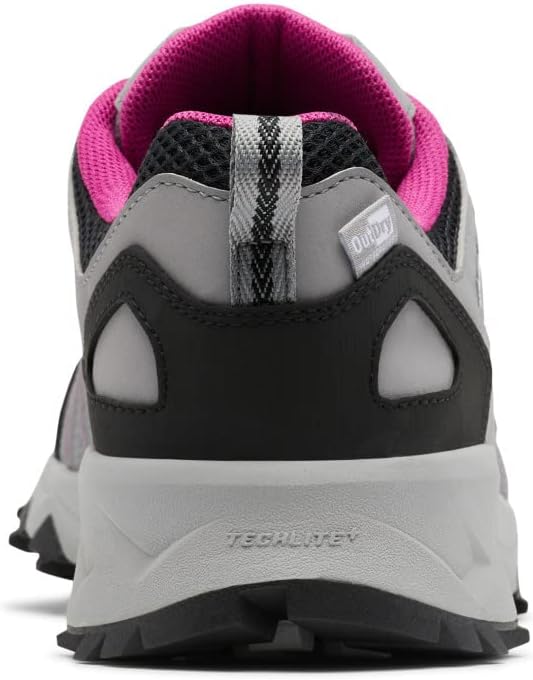
The lightweight design (especially compared to traditional waterproof boots) makes these particularly suitable for fast-paced day hikes where summit-bagging matters more than technical terrain challenges. The loop on the ankle collar even allows harness attachment for basic via ferrata or rope-assisted sections, expanding versatility beyond standard trail hiking.
Clear limitations exist for other scenarios: Heavy backpacking with 40+ pound packs requires more substantial ankle support and underfoot protection than these provide. The single-density foam and relatively thin construction work well for day hiking loads but lack the structural support for multi-day pack weights.
Technical scrambling above easy grades calls for approach shoes with more aggressive protection. While the firm toe protection handles light scrambling fine, the lack of a full protective rand means caution around sharp rocks. Similarly, steep snow travel or winter mountaineering exceeds these shoes’ intended use—the 12cm ingress point and lighter construction don’t suit those conditions.
For hot, dry climates where breathability outweighs waterproofing, non-waterproof alternatives offer better ventilation. The OutDry membrane’s trade-off for waterproofing is reduced breathability. During sustained effort in temperatures above 85°F, feet noticeably warm up more than they would in ventilated trail shoes.
The Honest Value Assessment
At $120, the Peakfreak II Outdry sits in competitive territory. Breaking down the value proposition: $120 divided by an estimated 700-mile average lifespan equals roughly $0.17 per mile. Compared to similar waterproof day hikers—Merrell Moab 3 GTX at $135, Salomon X Ultra 4 GTX at $150, Keen Targhee III at $145—the Columbia offers better price-per-feature value.
What the extra dollars buy in competing models: The Salomon X Ultra 4 provides more technical performance and better ankle support for challenging terrain. The Merrell Moab 3 offers superior arch support and breathability options. The Keen Targhee III delivers a roomier toe box and more robust construction for heavier use.
What the Peakfreak II Outdry delivers at $120: Genuinely reliable waterproofing, surprisingly lightweight construction for a waterproof shoe, immediate comfort without break-in, and solid all-around performance for day hiking. The combination makes practical sense for weekend hikers who prioritize wet-weather capability and don’t need maximum technical performance.
The value calculation shifts based on use case. For someone hiking primarily in the Pacific Northwest or any region with frequent precipitation, the waterproofing alone justifies the investment. For those in arid climates, spending $120 on waterproofing that rarely gets used makes less sense—a $90 non-waterproof trail shoe would serve better.
Final Assessment: When These Shoes Make Sense
After six months of comprehensive use across varied conditions, the Columbia Women’s Peakfreak II Outdry emerges as a well-executed day hiking shoe with clearly defined strengths and limitations. The waterproofing works exceptionally well—genuinely keeping feet dry through conditions that challenge most waterproof footwear. The immediate comfort stands out as unusual and valuable. The lightweight construction delivers meaningful benefits on long ascents.
The limitations prove equally clear. Limited breathability in hot conditions. Adequate but not exceptional arch support. Best suited for medium to wide feet. Not appropriate for technical terrain or heavy loads.
Strong recommendations for: Day hikers in wet climates, weekend warriors seeking reliable waterproofing without weight penalty, those who’ve experienced blister issues with traditional hiking boots, anyone prioritizing immediate comfort over break-in tolerance.
Worthy consideration for: Those with high arches willing to add aftermarket insoles, hikers in variable weather regions, users seeking versatile shoes for moderate trails and occasional scrambling.
Look elsewhere if: Primary use involves hot, dry conditions where breathability matters more, technical scrambling or mountaineering applications, heavy backpacking with substantial pack weight, very narrow or very wide feet outside the medium-to-wide range.
The shoes deliver on their core promises: waterproof reliability, day hiking comfort, and reasonable durability at a competitive price. For the right use case and foot type, they represent solid value. Understanding those parameters helps determine whether they match specific needs.
Be the first to review “Columbia Womens Peakfreak Ii Outdry”
Related products
Hiking/Trekking Shoes
Hiking/Trekking Shoes

Hiking/Trekking Shoes
Hiking/Trekking Shoes
Hiking/Trekking Shoes
Hiking/Trekking Shoes
Hiking/Trekking Shoes
Hiking/Trekking Shoes
Reviews
There are no reviews yet.