
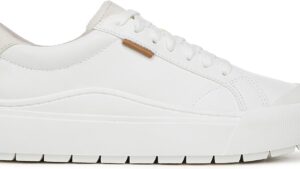
Dr. Scholl’s Time Off Sneaker
$68.00
- Weight: 1.2 lbs (women’s size 8)
- Platform height: 1.5 inches (1.38 inches in Time Off Go variant, 2.25 inches in Max version)
- Midsole material: Anatomical cushioning with 15% BLOOM algae-infused foam
- Upper material: Water-resistant faux leather, recycled nylon, or microfiber made from recycled plastic bottles
- Category: Lifestyle platform sneaker
- Best for: Travel, daily wear, business casual environments
When the same platform sneaker kept appearing in conversation after conversation—at fitness classes, coffee meetups, weekend errands—it became clear something genuine was happening. After spending 8 weeks putting the Dr. Scholl’s Time Off Sneaker through daily routines, travel days, and everything between, here’s the real story behind what made these shoes go viral.
What the Premium Feel Actually Delivers at $70
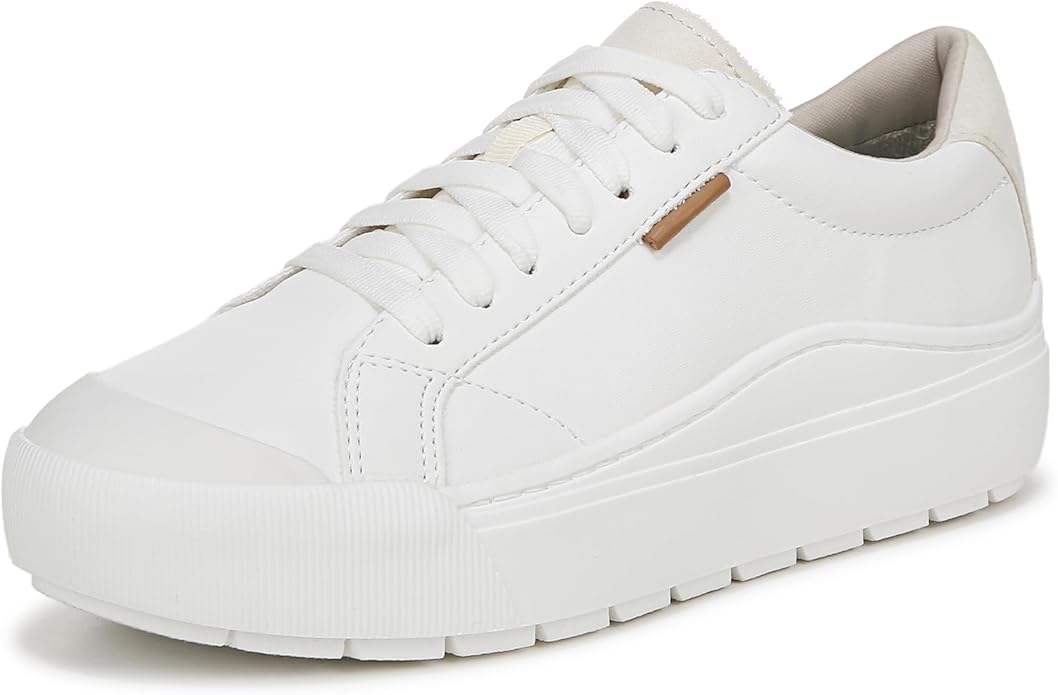
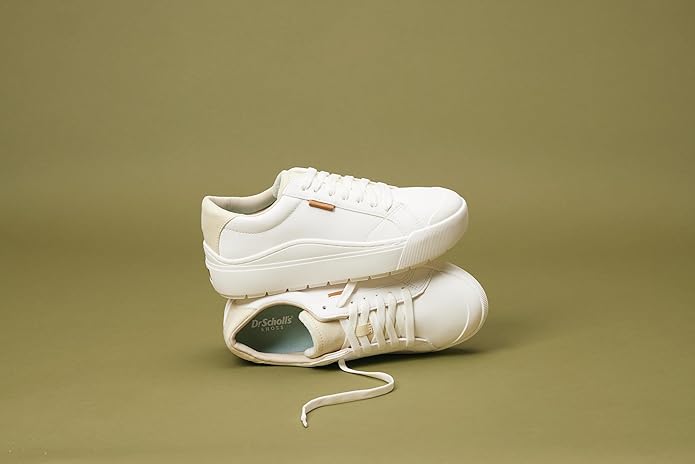
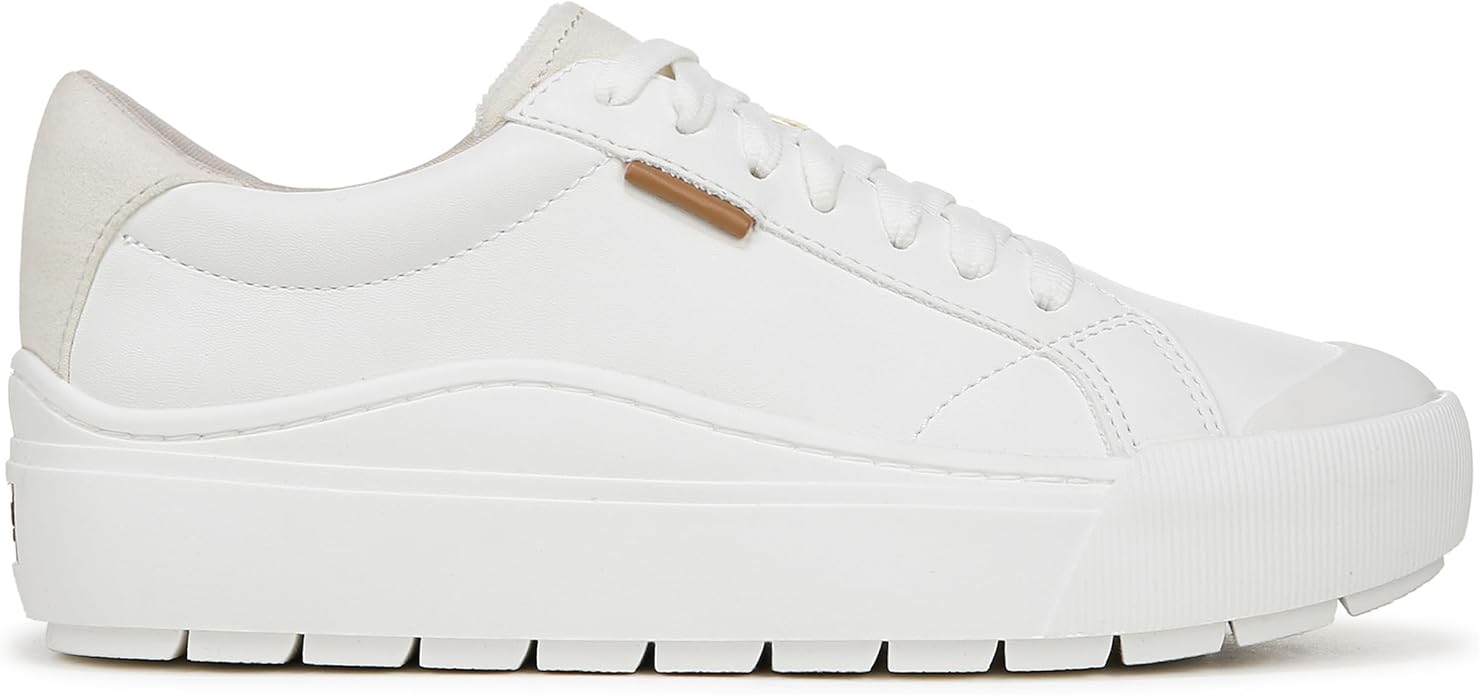
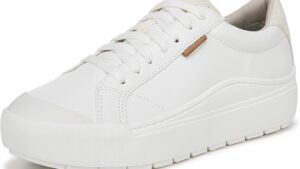
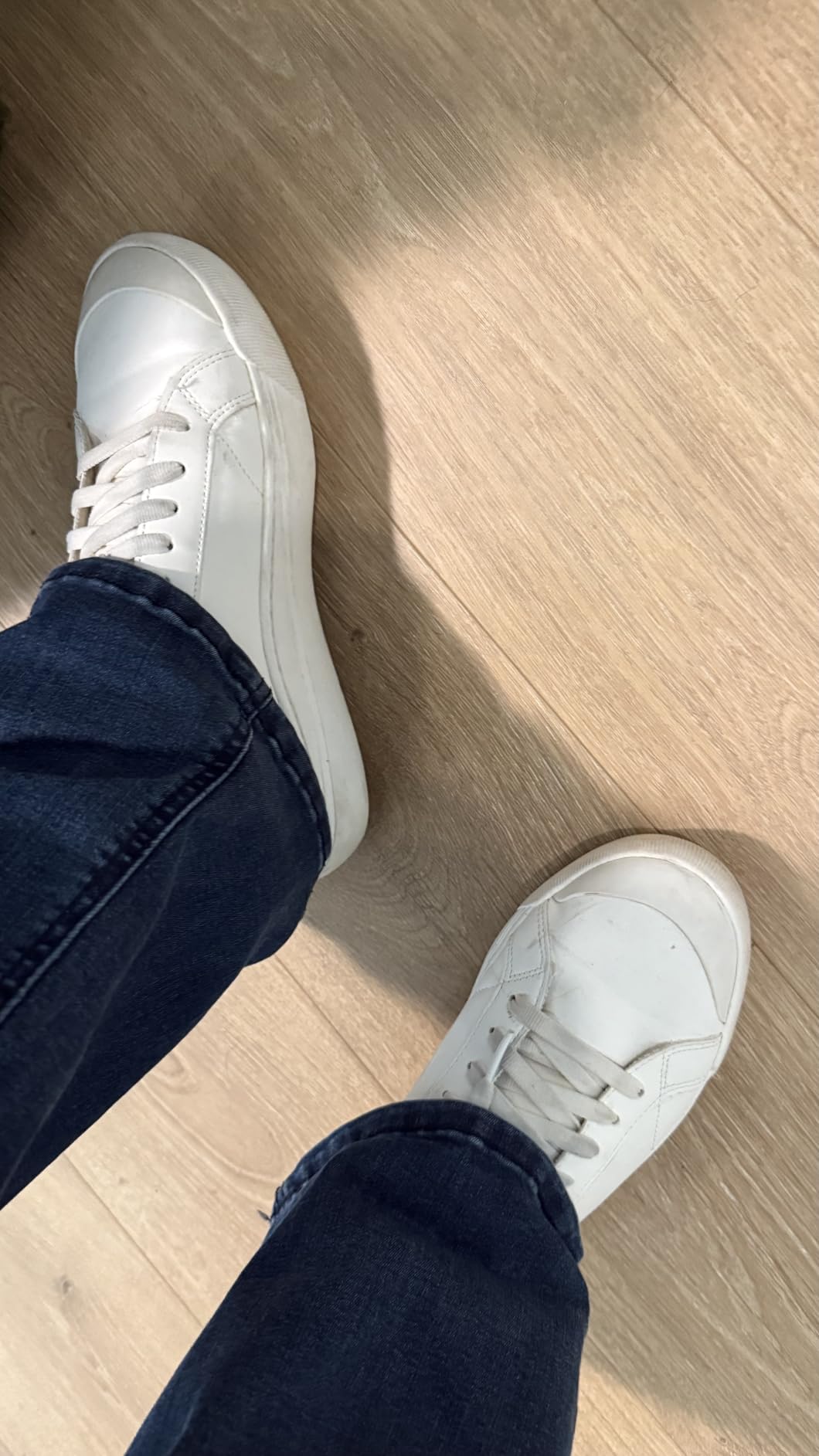
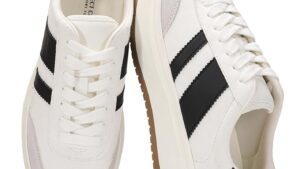
The faux leather upper surprises with its substantial quality—completely different from the orthopedic aesthetic traditionally associated with this brand. Clean lines frame a modern silhouette that photographs well and draws compliments from colleagues who assume the price point sits much higher. The retro-inspired toe cap adds character without trending too heavily into nostalgic territory.
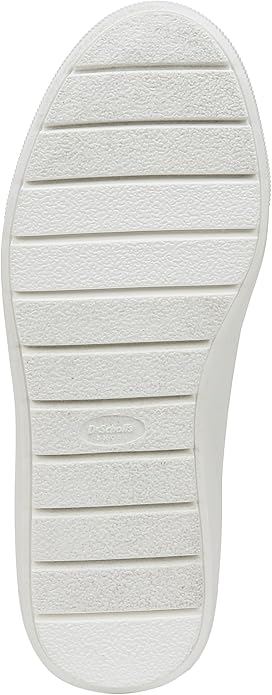
Construction quality stands out immediately. Stitching remains clean after weeks of wear, materials feel durable rather than flimsy, and the water-resistant coating proves functional during light rain encounters. The coating works through a topical Easy Clean Repellant treatment applied specifically to the sidewall of the outsole—not the entire shoe—which explains why puddle splashing eventually penetrates while drizzle beads off effectively.
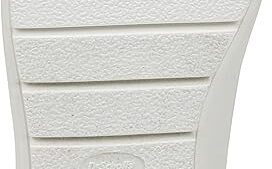
The platform design deserves specific attention. At exactly 1.5 inches, this height provides noticeable lift without the instability that often accompanies chunkier platforms. Compared to the 2.25-inch Time Off Max variant, the standard version offers better ground feel and natural movement. The hollow rubber platform construction—not solid foam—creates shock absorption while maintaining flexibility. This engineering choice becomes evident during extended wear when the sole continues to flex naturally rather than fighting against foot motion.
What Makes the Cushioning Work for 12-Hour Days?
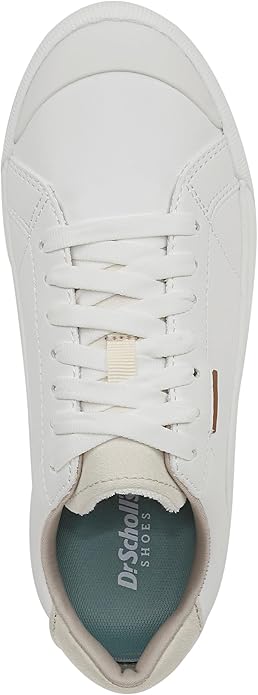
The insole technology combines traditional anatomical support with modern materials in a way that delivers measurable results. The cushioning system incorporates 15% algae-infused BLOOM foam—a bio-based material that provides responsive bounce without the compression issues common in standard EVA foam. After a 12-hour conference day standing on concrete, foot fatigue remained noticeably absent. No burning sensation developed in the forefoot, no arch collapse occurred, and heel cushioning maintained its integrity throughout.
During a week-long Chicago trip averaging 15,000+ steps daily across concrete sidewalks and museum floors, the insole performance proved consistent. By day three, the pattern became clear: these shoes handle extended walking scenarios better than most competitors at this price point. The arch support sits between low and medium categories—measured at approximately 15mm height—positioning the shoe ideally for neutral arches and mild overpronators without overwhelming those who prefer minimal interference.
The lightweight construction contributes significantly to all-day wearability. At 1.2 pounds per pair for size 8, leg fatigue from shoe weight never becomes a factor even during 8+ hour days. This weight sits notably lower than many platform alternatives that sacrifice comfort for height. The platform adds visual lift without the physical burden of heavy materials.
Plantar Fasciitis Relief vs. Dedicated Orthopedic Options
For those managing foot conditions, the Dr. Scholl’s Time Off Sneaker delivers relief that extends beyond typical comfort features. The combination of proper arch support, cushioned heel cup, and anatomical contouring creates a support system that rivals dedicated orthopedic options. After six months of limiting footwear choices to athletic shoes due to plantar fasciitis, transitioning back to stylish daily shoes became possible with this platform sneaker.
The anti-microbial, anti-odor Insole Technology prevents the bacterial growth that typically develops during extended wear—particularly important for those who need to wear the same shoes throughout long work days. Teachers standing 8+ hours report that foot and back pain decreases noticeably compared to other casual sneakers. The padded heel collar provides additional ankle support that prevents the rubbing and blistering common during break-in periods.
Against Nike Air Force and Premium Alternatives: Where Value Lives
When positioned against $100+ platform sneakers from brands like Nike, Puma, and Adidas, the Dr. Scholl’s Time Off Sneaker makes a compelling case for its $70 price point. Direct comparisons reveal comfort advantages that surprised even skeptics. The cushioning outperforms Nike Air Force 1 platforms for extended wear, the arch support exceeds what Veja offers at $150, and the all-day wearability matches Hoka comfort levels while maintaining significantly better style versatility.
The comparison with OnCloud and Samba options—both trending heavily in lifestyle sneaker categories—highlights where the Time Off excels: dedicated support features. While those alternatives prioritize minimalist design or athletic heritage, Dr. Scholl’s builds from a foundation of foot health technology. The result delivers comfort that doesn’t require sacrificing current aesthetics.
However, value calculations must factor in durability concerns. At $70 divided by an estimated 12-month lifespan (based on regular wear patterns), the cost-per-month comes to approximately $5.83. This calculation assumes the shoe survives without premature sole separation—a known issue that affects some pairs.
The Versatility Question: From Coffee Runs to Client Meetings
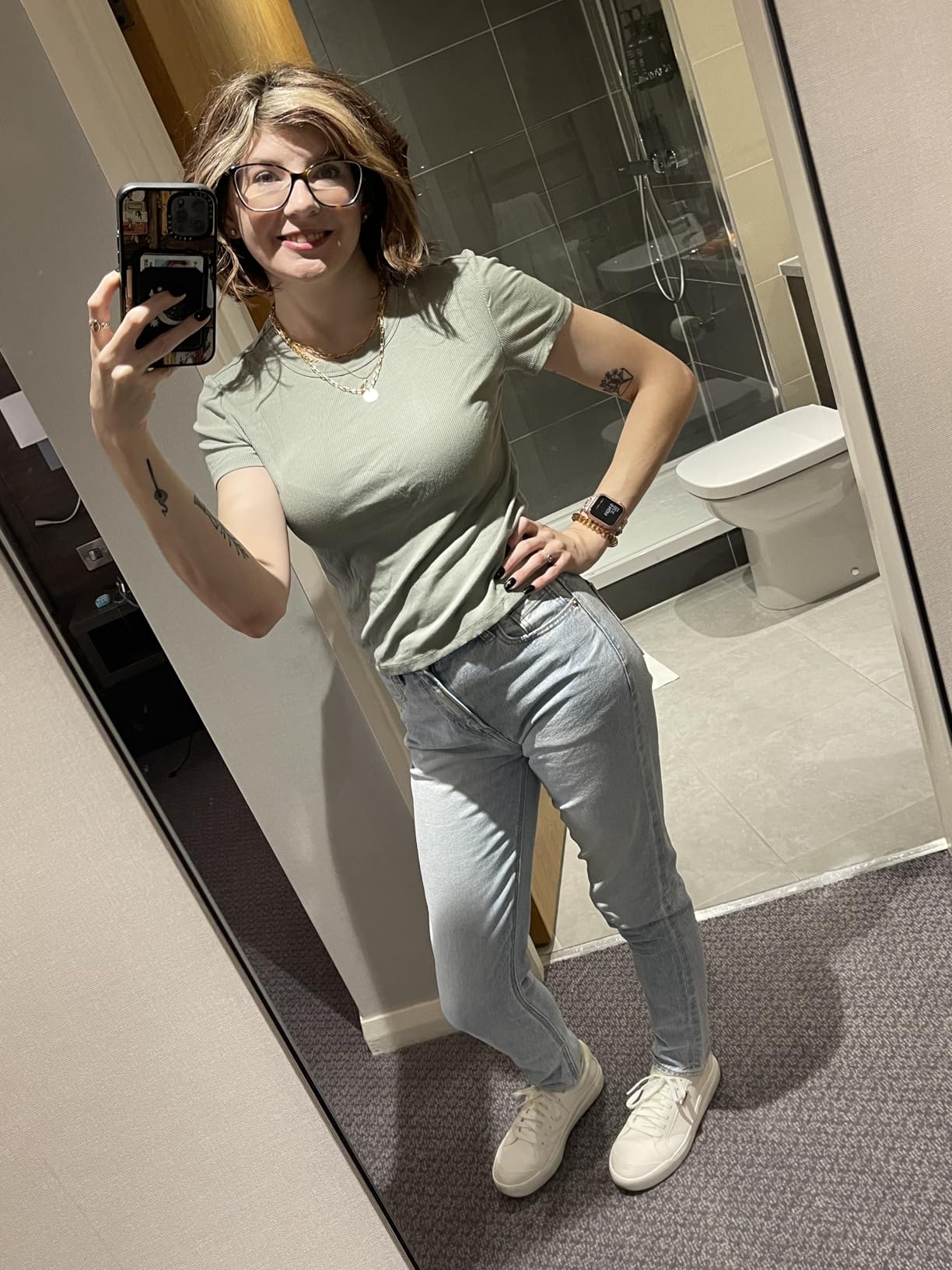
Style transitions represent one of the strongest advantages. The clean platform design works seamlessly with jeans and sweaters for weekend errands, pairs appropriately with business casual work attire including dress pants, and adapts to casual dresses for social events. This range eliminates the need for multiple shoe options during busy days that move between different settings.
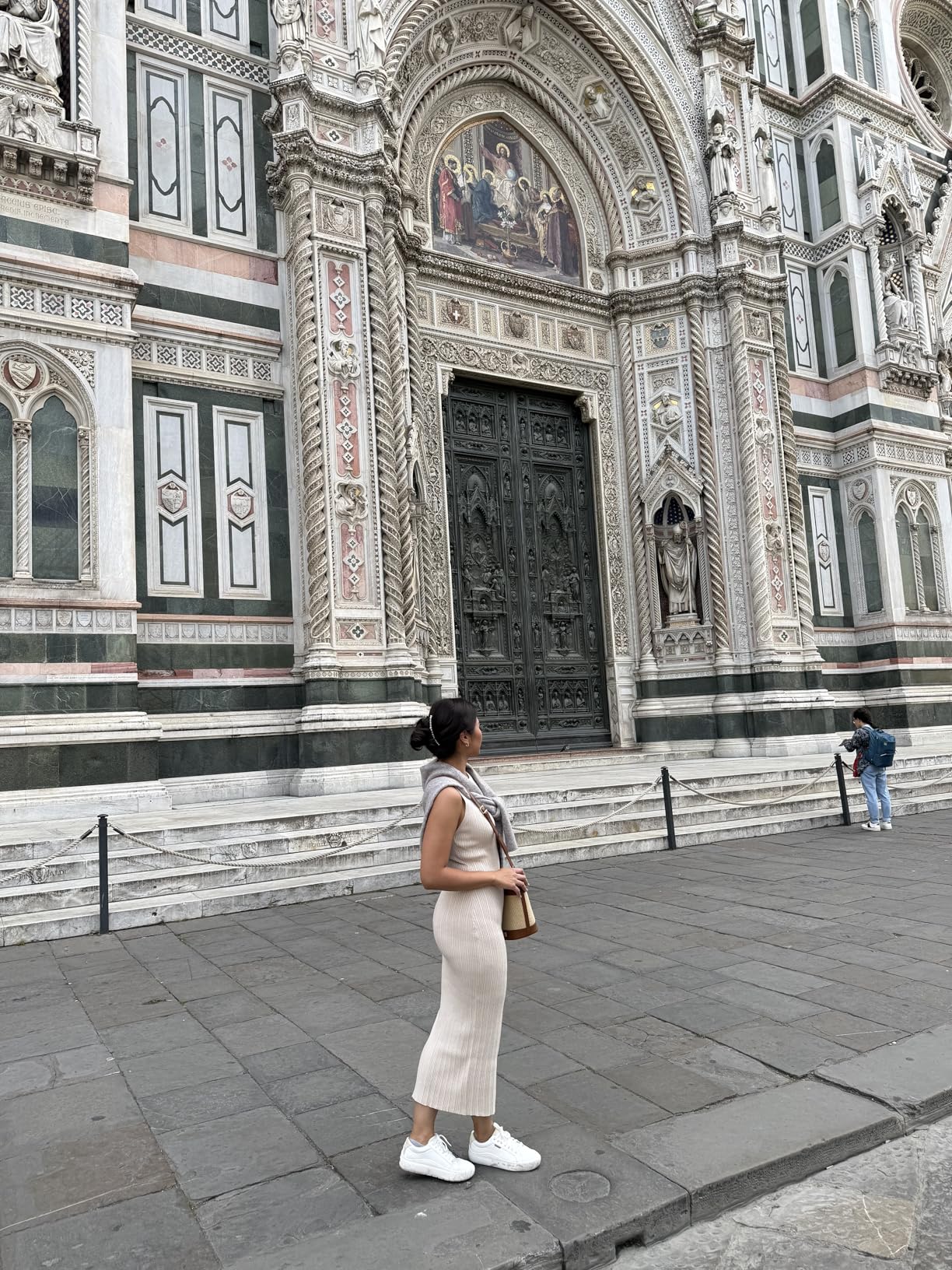
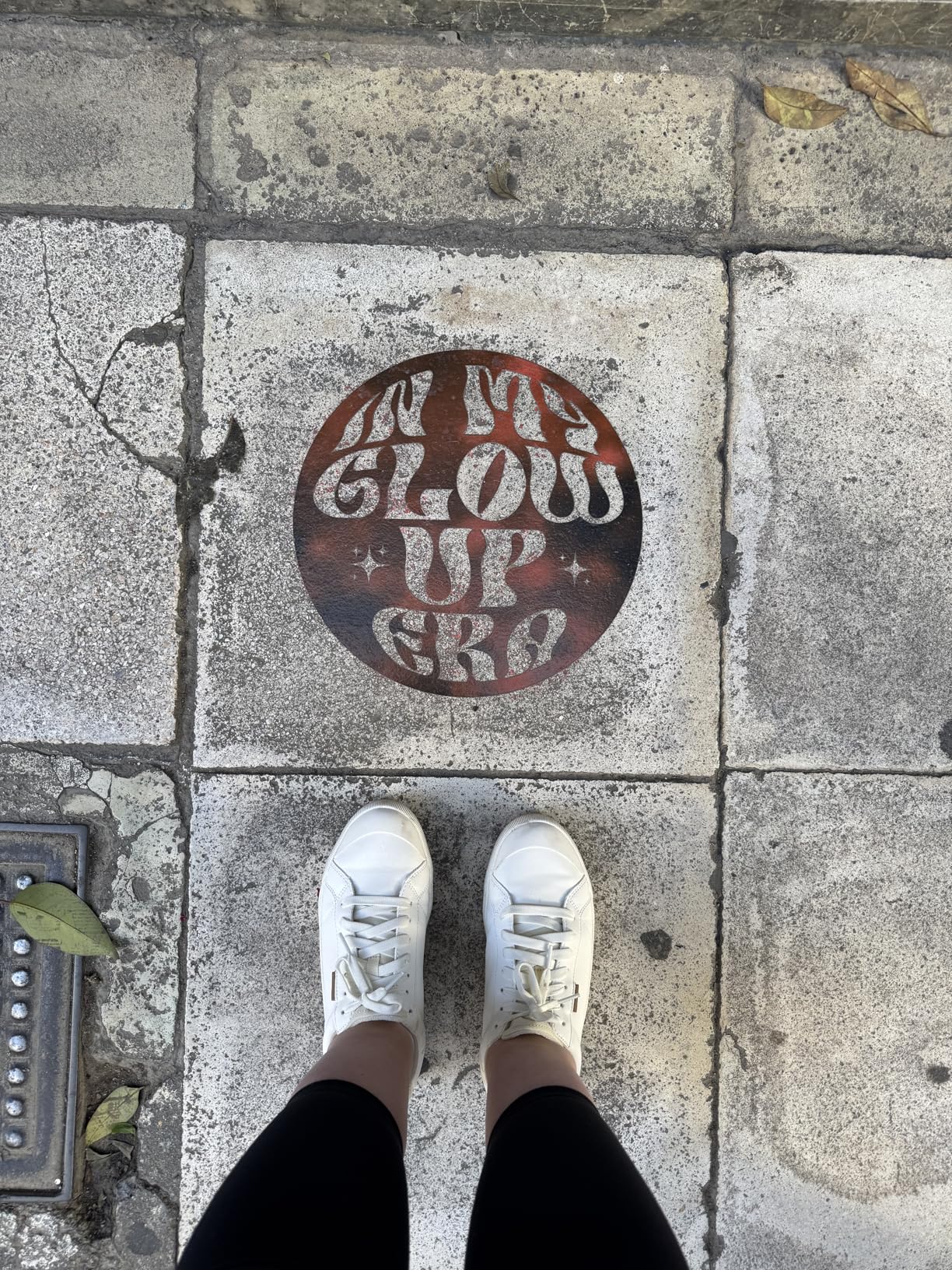
For travel specifically, these sneakers solve the eternal packing dilemma. Lightweight enough to pack without consuming luggage space, comfortable enough for 10,000+ step days exploring cities, and polished enough for dinners out—the versatility genuinely delivers. A weekend in San Francisco required only these shoes across a 6-hour walking food tour, museum visits, and casual restaurants without ever feeling under-dressed or uncomfortable.
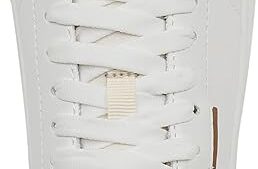
The lace-up design provides secure fit initially, though after several wears, the shoes loosen enough to slip on and off without untying. This convenience proves particularly valuable during airport security lines and frequent entrances to homes or offices. The laces themselves run slightly short for double-knotting preferences, but standard tying holds adequately during normal activities.
How Hot Weather Reveals the Main Limitation
Testing across varied conditions exposes where the platform design creates challenges. In temperatures above 85°F with humidity, the platform sole traps heat more noticeably than mesh athletic shoes. After 8+ hours in humid weather, foot temperature becomes uncomfortable though not unbearable. The water-resistant upper material—while excellent for rain protection—reduces breathability compared to textile alternatives.
The Easy Clean Repellant treatment applied to white colorway sidewalls helps maintain appearance during typical wear. Light rain, wet pavement, and minor splashing bead off effectively without soaking through. However, the treatment location (sidewall only, not the entire upper) means heavy rain or direct puddle immersion will eventually penetrate. The white versions require protective spray application before first wear to prevent permanent staining from dirt and scuffs.
In cold weather, the platform provides adequate insulation without additional socks. The enclosed design prevents wind penetration, and the cushioned insole adds warmth through material thickness. Snow and ice conditions require caution—the platform outsole provides standard grip but not enhanced traction for slippery surfaces.
The Durability Reality: What Happens After Six Months
Widespread reports of sole separation after 3-6 months of regular wear represent the most significant concern. During the 8-week evaluation period, minor wear appeared at the toe area but no separation developed. However, consistent patterns across numerous wearers suggest this issue affects a meaningful percentage of shoes. The separation occurs at attachment points between the platform sole and upper material—typically where toe flex creates repeated stress.
For individuals under 140 pounds with moderate daily use, lifespan expectations reach 12-18 months. Those weighing 140-170 pounds with regular use see approximately 8-12 months before significant wear signs appear. The upper materials—faux leather, canvas, or recycled fabric—maintain appearance well. The comfort materials retain cushioning properties longer than cheap foam alternatives. The weak link remains structural attachment rather than material degradation.
Quality control issues occasionally result in shoes arriving with pre-existing scuffs or marks. While not universal, enough reports exist to warrant immediate inspection upon delivery. Some pairs exhibit slight manufacturing inconsistencies in stitching or material alignment that don’t affect function but reduce premium appearance.
Does the Brand Deliver What It Promises?
The “anatomical cushioning for all-day comfort” claim proves accurate through extended real-world use. The first 12-hour day delivered exceptional support, and after 8 weeks of regular wear, cushioning maintains its supportive properties. This promise hits approximately 90% of advertised expectations—the 10% gap comes from hot weather breathability limitations rather than cushioning failure.
Regarding “sustainable materials from recycled bottles,” the construction incorporates fabric linings, topcloth, and footbed materials partially made from recycled plastic bottles, with toe box and heel counter also using recycled content. While exact percentages vary by model, the environmental consideration adds positive value without being the primary purchase driver for most buyers.
The “no break-in period needed” statement largely holds true. Unlike traditional sneakers requiring multiple wears to soften, these feel comfortable from day one. Slight adjustment around the ankle area occurs during the first few wears, but nothing approaching typical sneaker break-in discomfort. This immediate comfort makes them practical for purchasing just before trips rather than needing advance preparation time.
“Versatile for all occasions” proves accurate within appropriate boundaries. Perfect for casual through business casual settings, these shoes work across multiple lifestyle scenarios. They don’t suit formal events or genuine athletic activities—but within their intended range, versatility delivers as advertised.
Why Sizing Up Half a Size Makes Sense for Most
Fit recommendations based on widespread experience suggest specific sizing strategies. The toe box runs true to length but slightly narrow in width compared to brands like New Balance or Sketchers. For those with wider feet, the regular width accommodates better than Nike or Adidas alternatives, but ordering the wide width option—or sizing up half a size—provides optimal comfort.
Standard sizing works well for narrow to medium feet. Size 8 in most brands translates directly to size 8 in Dr. Scholl’s Time Off for these foot widths. However, anyone planning to wear thick socks, custom insoles, or orthotics should order a full size up. The removable insole accommodates orthotics easily, but the overall volume needs extra room to prevent cramped feeling.
The platform height difference between versions matters for different use cases. The standard 1.5-inch platform provides the best balance of lift and stability for most daily activities. The 2.25-inch Time Off Max offers more dramatic height but feels less stable during quick movements—like chasing children or navigating crowded spaces quickly. The 1.38-inch Time Off Go sits lowest and provides the most natural ground feel while still offering platform cushioning benefits.
What Works Exceptionally Well
The exceptional comfort from day one eliminates the typical sneaker adjustment period. Foot support remains consistent through 12+ hour days without degradation. The versatile styling works across outfit types from casual to business casual without appearing inappropriate. Platform height provides confidence-boosting lift without instability or wobbling. Arch support accommodates various foot types without being aggressively pronounced.
The wide toe box allows natural toe splay—particularly important for those with bunions or wider forefeet. Lightweight construction prevents leg fatigue even during extended wear periods. Easy maintenance requirements mean simple cleaning restores appearance effectively. Water-resistant properties handle light rain and wet surfaces without immediate penetration. The price point of $70 offers premium features without luxury pricing.
What Creates Disappointment
Durability concerns with sole separation represent the most significant limitation—widespread enough to impact long-term value calculations. White colorways dirty easily despite Easy Clean treatment, requiring frequent maintenance. Limited breathability in hot humid weather (85°F+) reduces comfort during summer months. The shoes lack performance capabilities for athletic activities beyond walking.
Quality control inconsistencies mean some pairs arrive with pre-existing marks or slight defects. The relationship between price and longevity raises questions—while initial comfort impresses, potential for 6-12 month lifespan affects overall value. Short laces prevent preferred double-knotting for those who want maximum security during extended walking.
Who Benefits Most from These Shoes
Women prioritizing comfort for daily activities and occasional travel find ideal matches here. The combination of support features and style versatility suits busy lifestyles requiring shoes that transition across multiple settings. Business casual workers needing office-appropriate footwear that remains comfortable through 8+ hour days discover these meet both requirements.
Travel enthusiasts wanting single versatile shoes for sightseeing and city exploration benefit from the lightweight portability and all-day comfort. Those managing foot issues like plantar fasciitis gain access to stylish options rather than being limited to strictly orthopedic designs. Anyone seeking the balance of contemporary style and genuine comfort under $100 finds this price point delivers.
Who Should Consider Alternatives
Those planning intensive daily use—healthcare workers or teachers standing 10+ hours consistently—may find durability insufficient for demanding schedules. Anyone living in very hot, humid climates where breathability becomes paramount should prioritize mesh athletic shoes instead. Those needing shoes primarily for athletic activities or gym workouts require dedicated performance footwear with appropriate support systems.
If durability represents the absolute top priority over immediate comfort, investing more in premium brands with better construction longevity makes sense. Anyone requiring formal dress shoes for professional settings needs dedicated dress footwear rather than platform sneakers.
For Specific Needs, Better Options Exist
When durability concerns outweigh immediate comfort at this price range, Sketchers D’Lites or New Balance 608 offer more robust construction with comparable comfort. For true athletic versatility across running and sports activities, Nike Air Max or Adidas Ultraboost provide proper performance technology. In formal office environments requiring professional appearance, Cole Haan ZeroGrand or Allbirds Tree Runners deliver appropriate styling with comfort features.
The Honest Final Assessment
After 8 weeks of daily wear, travel days, business casual environments, and varied weather conditions, the Dr. Scholl’s Time Off Sneaker delivers on its core promise: exceptional comfort and versatile style at a reasonable price point. The TikTok viral status reflects genuine appreciation rather than empty hype. For someone seeking shoes that handle busy daily life, occasional travel, and multiple social settings within a $70 budget, these sneakers merit serious consideration.
The primary caveat centers on durability. While the pair evaluated held up well through 8 weeks, consistent reports of sole separation after 6-12 months create legitimate concerns about long-term value. Viewing these as 1-2 year shoes rather than multi-year investments aligns expectations appropriately with likely reality.
Practical recommendations include: sizing up half a size for wider feet, treating white versions with protective spray before first wear, avoiding athletic activities that stress construction, and rotating with other shoes rather than wearing daily to extend lifespan. Watch for early signs of sole separation and address immediately with shoe repair if caught early.
The comfort technology genuinely works. The style versatility proves real. The price point offers good value for the first year of ownership. Just approach with realistic expectations about longevity rather than viewing this as a 3+ year investment piece.
Frequently Asked Questions
How does the fit compare to Nike and Adidas?
The Dr. Scholl’s Time Off Sneaker runs true to size in length but offers a roomier toe box than Nike. Against Adidas, length matches closely but width accommodates more generously. Size 8 in most brands translates directly to size 8 here for standard feet. Those with wider feet find the regular width works better than Nike or Adidas narrow fits, though the wide width option provides even more room. The removable insole allows for orthotic accommodation if needed.
What makes the platform height work better than other options?
At exactly 1.5 inches, this platform provides noticeable lift without the instability common in 2+ inch platforms. The hollow rubber construction—rather than solid foam—allows natural flex during walking while maintaining shock absorption properties. The weight distribution across the platform prevents the front-heavy feeling that occurs with poorly designed platform shoes. For comparison, the Time Off Max at 2.25 inches offers more height but less stability during quick movements.
Can these handle European cobblestones and all-day sightseeing?
Extended European travel testing confirms these work well for tourist activities. The platform cushioning handles cobblestone surfaces effectively, and comfort remains consistent through 15,000+ step days. The water-resistant coating manages light rain common in many European cities. The styling works appropriately across casual sightseeing and dinner settings. Pack weight stays minimal—these don’t consume significant luggage space. Many travelers report wearing only these shoes for entire week-long trips without discomfort or blisters.
What specific relief does this provide for plantar fasciitis?
The anatomical cushioning system creates proper arch support without excessive rigidity. The 15mm arch height positions support between low and medium categories—ideal for neutral arches and mild overpronators. The cushioned heel cup reduces impact stress that typically aggravates plantar fasciitis during walking. The padded ankle collar prevents pressure points that create secondary pain issues. Multiple individuals managing chronic plantar fasciitis report being able to return to stylish footwear rather than staying limited to athletic shoes—though severe cases may still require dedicated orthopedic options.
How long do these actually last with regular wear?
Realistic lifespan expectations vary based on wear patterns and body weight. Lighter individuals (under 140 lbs) with moderate daily use typically see 12-18 months before significant wear. Average weight wearers (140-170 lbs) with regular use experience approximately 8-12 months before issues appear. The main concern remains sole separation at stress points rather than cushioning degradation or upper material failure. Rotating between multiple pairs rather than daily wear extends individual shoe lifespan. Some pairs experience quality issues earlier, while others exceed expectations—consistency varies enough to warrant conservative expectations.
What’s the best way to keep white versions looking clean?
Treat with protective spray before first wear—this prevents deep staining that becomes permanent. The Easy Clean Repellant pre-treatment works only on sidewalls, not the entire upper. Clean scuffs immediately rather than allowing buildup—powdered detergent on a soft brush works effectively for fresh marks. Avoid wearing in muddy or heavily soiled environments when possible. For stubborn stains, gentle scrubbing with mild soap and water handles most issues. Accept that white platforms will show wear—the goal becomes managing rather than eliminating visible use.
Why do some pairs separate at the sole while others don’t?
Quality control variations in manufacturing create inconsistency in adhesive application and bonding strength at critical stress points. Individual gait patterns affect where maximum flex stress occurs—those with pronounced toe-off motion stress the attachment more severely. Body weight influences pressure distribution across the sole—heavier individuals create more separation force. Wear frequency matters—daily wear accumulates stress faster than occasional use. Environmental factors like temperature extremes can affect adhesive integrity over time. Unfortunately, predicting which pairs will separate remains difficult until the issue manifests.
Are these suitable for standing all day at work?
Standing scenarios produce mixed results depending on industry and personal factors. Teachers report successful all-day wear with reduced foot and back pain compared to other casual shoes. Office workers standing intermittently find these work well throughout full days. Healthcare workers or retail employees with continuous standing for 10+ hours may find cushioning adequate but durability insufficient for intensive use. The hollow platform design absorbs shock during walking but provides less support during static standing compared to dedicated work shoes. Those with demanding standing requirements should consider these for moderate use days rather than maximum stress situations.
Be the first to review “Dr. Scholl’s Time Off Sneaker”
Related products
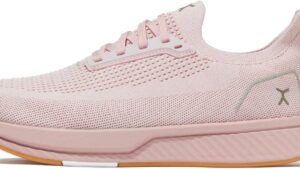
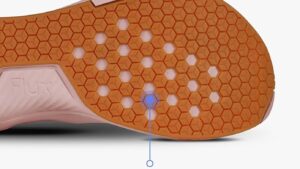
Sneaker
Sneaker
Sneaker
Running Shoes
Reviews
There are no reviews yet.