
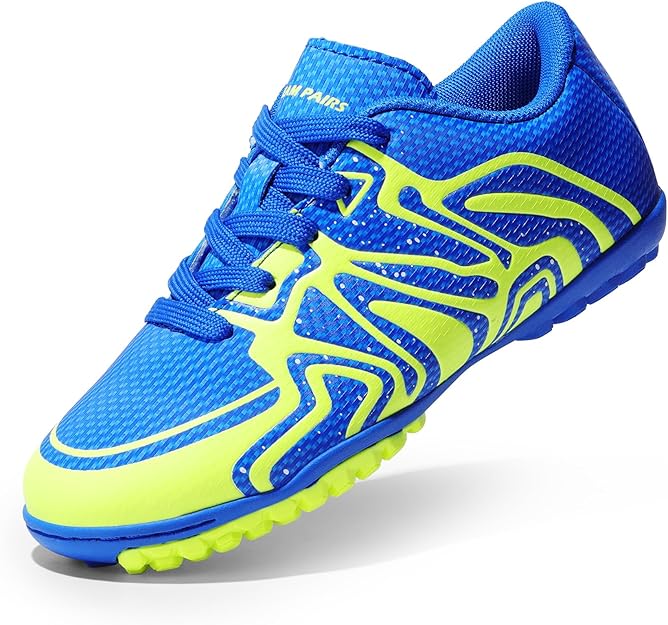
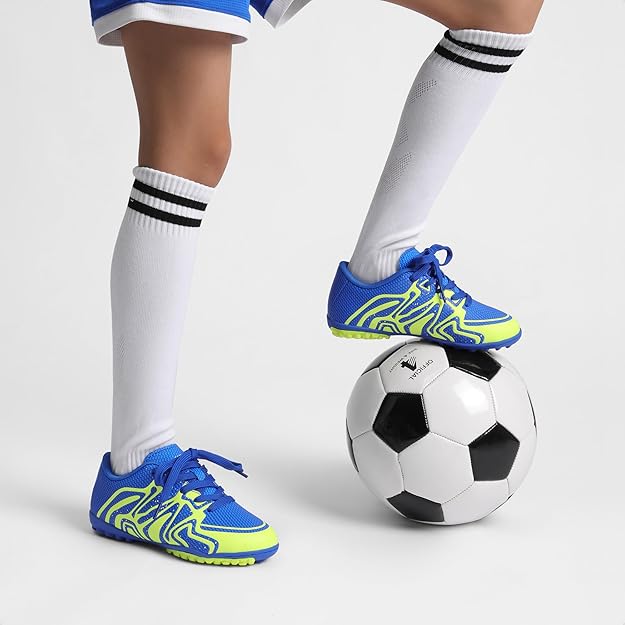
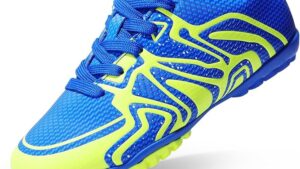
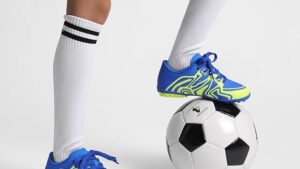
DREAM PAIRS Kids Indoor Turf Soccer Cleats
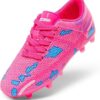
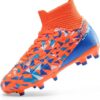
$20.99
- Weight: Lightweight construction optimized for youth sizes
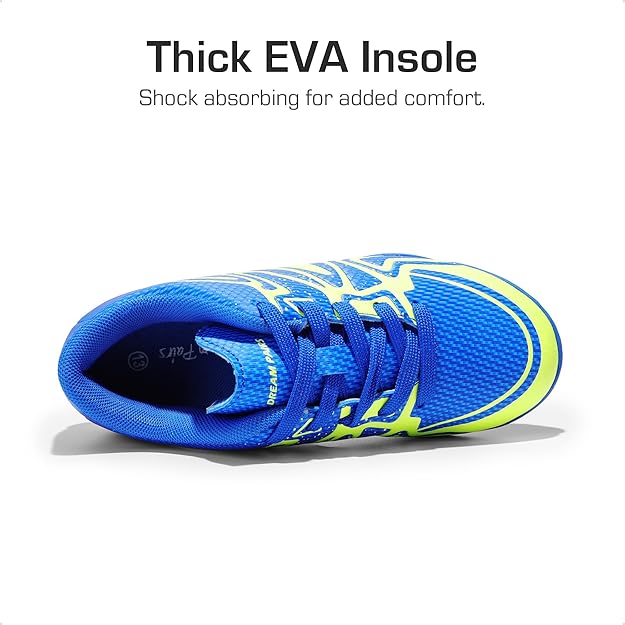
- Midsole Material: Thick EVA insole with impact absorption
- Upper Material: Textured faux leather with strategic grip panels
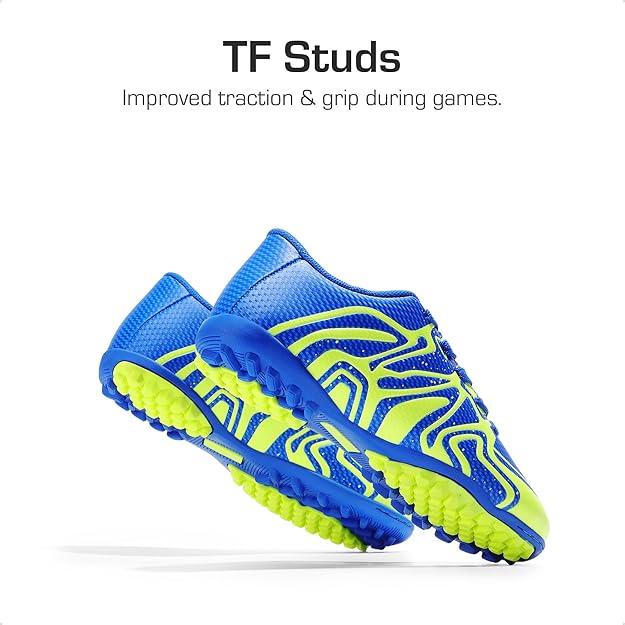
- Sole Material: Rubber compound with TF (turf) stud configuration
- Closure Type: Traditional lace-up system
- Category: Youth indoor/turf soccer cleats
- Best For: Indoor soccer courts, futsal, artificial turf fields
- Water Resistance: Not water resistant
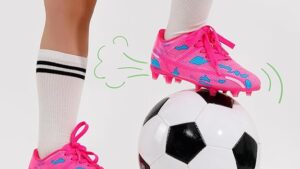
Can a budget-friendly youth soccer cleat genuinely compete with premium options when it comes to indoor performance and ball control? After six weeks of intensive use across multiple indoor soccer environments with young players, the DREAM PAIRS kids indoor turf soccer cleats present an interesting case study in value versus performance. The vibrant colorways and textured faux leather upper caught attention immediately, but the real question remained: would these hold up through the demands of regular indoor play, or would the budget price point reveal itself in disappointing ways?
Construction Details Stand Out From The Box
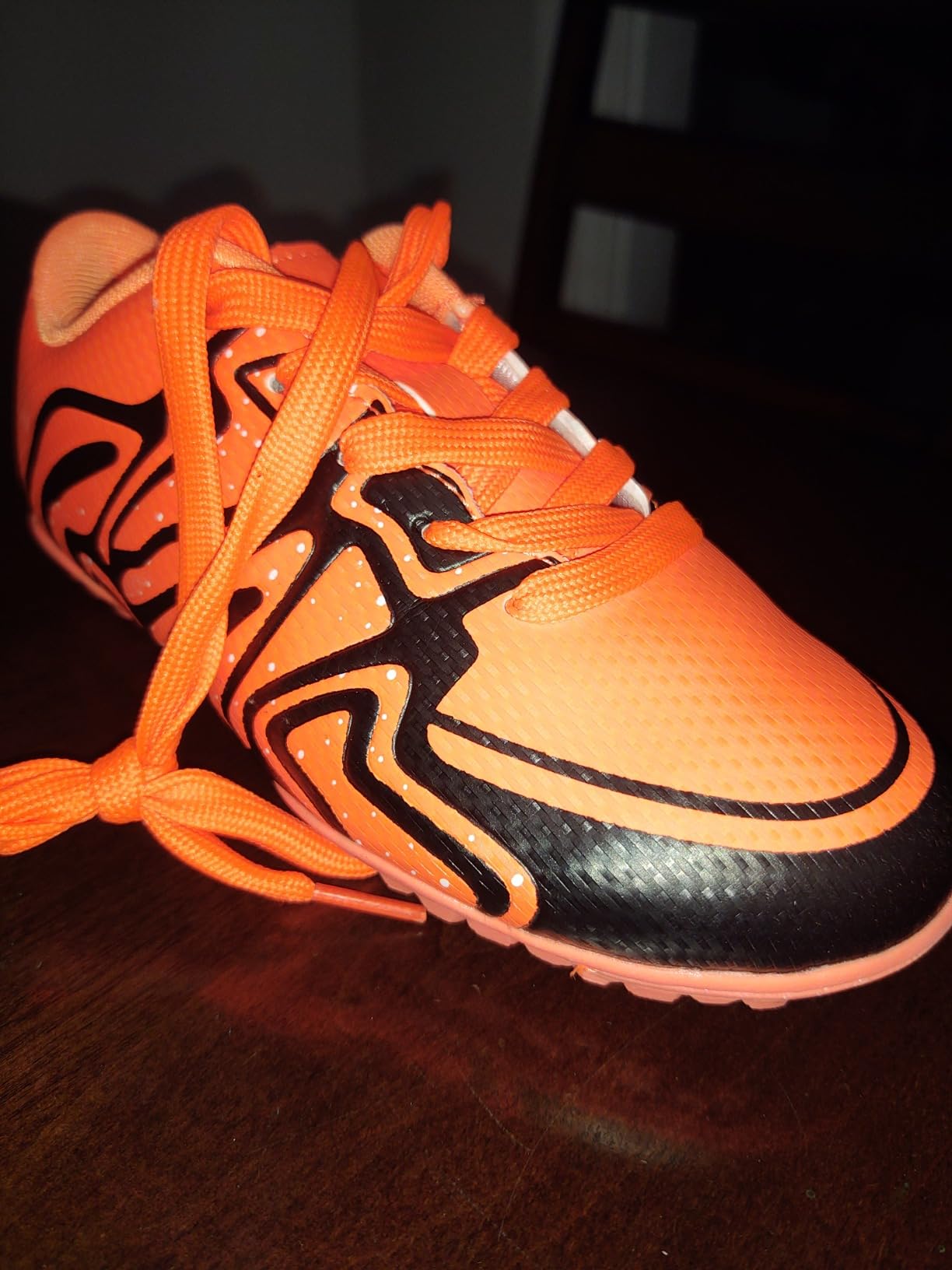
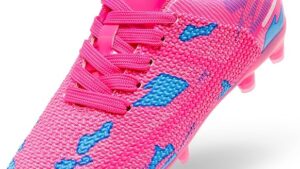
The initial impression reveals construction quality that exceeds typical budget youth cleats. The textured faux leather upper feels substantially more robust than the thin synthetic materials found on discount alternatives—a noticeable difference when examining the material thickness and stitching quality. The texture isn’t merely cosmetic; strategic placement across high-contact zones suggests genuine attention to functional design rather than pure aesthetics.
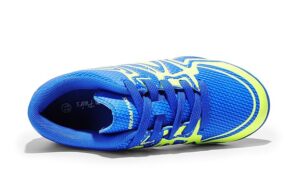
The lace-up closure system takes the straightforward approach that works consistently across youth soccer equipment. Unlike complicated strap systems that can frustrate young players during quick changes, these traditional laces maintain tension effectively throughout extended play sessions. The tongue provides adequate padding to prevent pressure points across the top of developing feet—a detail that becomes increasingly important during 90-minute practice sessions.
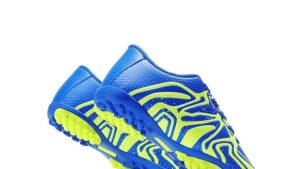
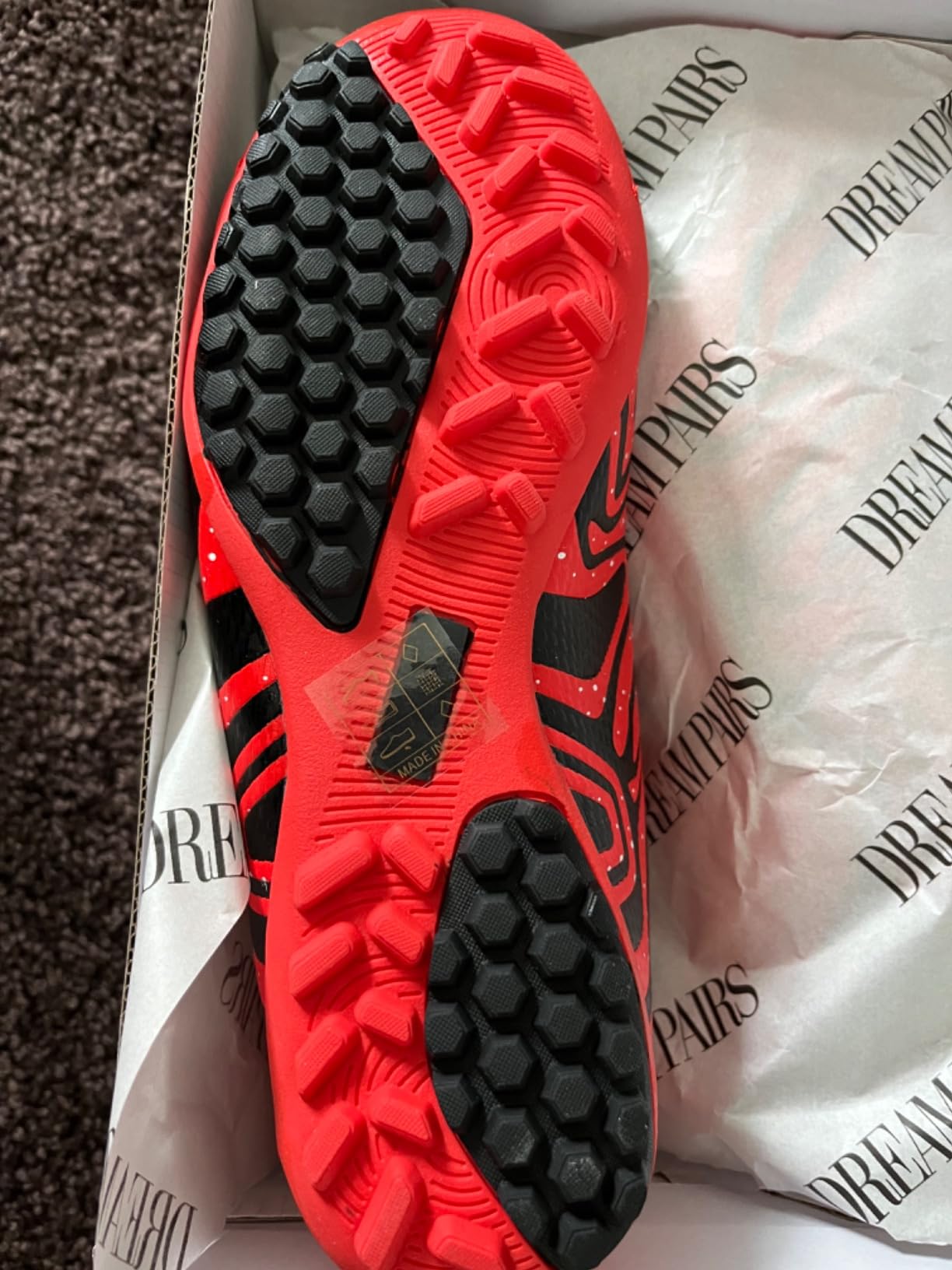
What distinguishes these from other budget options is the TF (turf) stud pattern implementation. The rubber studs aren’t randomly distributed nubs common on cheaper models. Instead, they follow a strategic configuration that provides grip without excessive aggression. This matters significantly: too few studs create slipping issues on indoor surfaces, while overly aggressive patterns can catch unexpectedly during direction changes, creating injury risks that parents and coaches rightfully worry about.
The rubber sole plate construction follows industry standards for turf shoes, which typically use softer rubber compounds rather than the hard TPU materials found on firm ground cleats. This design choice reduces joint stress during play on harder indoor surfaces—a thoughtful detail for developing bodies that some manufacturers overlook in pursuit of cost savings.
Can A Budget Cleat Really Deliver On Ball Control Claims?
The “super ball control” marketing raises immediate skepticism—bold claims are common across youth sports equipment. However, the textured upper design does create measurably different ball contact compared to smooth synthetic alternatives. During close dribbling sequences and possession drills, the textured panels provide enhanced friction that helps young players maintain control.
This advantage becomes most apparent with players still developing their touch and foot skills. The textured surface creates a slight “grip” effect during first touches that provides additional confidence during possession play. It’s not transformative technology that will suddenly elevate a beginner’s skills, but it offers legitimate assistance during the learning curve. For comparison, Nike’s premium youth options like the Mercurial Vapor 16 Academy TF ($70 range) employ similar textured panel strategies, though with more sophisticated material compounds.
The practical difference shows up during small-sided games where quick ball manipulation matters. Young players reported feeling more secure during tight spaces and rapid direction changes when controlling the ball. Parents and coaches noted fewer instances of the ball “getting away” during close control situations compared to experiences with completely smooth synthetic uppers.
That said, expectations should remain grounded. The textured faux leather doesn’t match genuine leather or premium synthetic materials in terms of overall ball feel and responsiveness. The difference exists primarily in the added friction for maintaining possession, not in achieving the nuanced touch that comes with higher-end materials. For recreational youth soccer purposes, though, the advantage proves meaningful enough to note.
TF Stud Performance: What 6 Weeks Revealed
The TF stud configuration delivers exactly what the design promises across multiple indoor environments. Six weeks of regular use spanning gymnasium floors, indoor soccer facilities with turf carpeting, futsal courts, and outdoor artificial grass fields revealed consistent traction performance without the common issues that plague cheaper youth cleats.
On gymnasium floors—the most common indoor soccer environment for youth leagues—the rubber compound provides excellent grip without marking polished wood or synthetic surfaces. This matters tremendously for facility managers who often prohibit shoes that leave black marks. Quick starts, emergency stops, and lateral movements all occur without slipping incidents. The stud height and distribution create optimal contact without the grabbing effect that can cause stumbles during rapid direction changes.
Indoor turf facilities represent where these cleats truly excel. The artificial grass carpeting found in dedicated indoor soccer centers requires specific stud configurations to provide traction without catching. The multiple short studs distribute pressure evenly across the foot, following the same principle that makes turf shoes fundamentally different from firm ground cleats. Where FG cleats typically have 6-9 longer studs designed to penetrate natural grass, TF shoes employ 20-30+ shorter studs for broader surface contact on harder artificial surfaces.
Futsal courts with their hard, smooth surfaces also perform well. The low-profile studs provide sufficient directional grip on concrete-based courts while avoiding the instability that comes from studs that are too aggressive for these surfaces. Some youth futsal programs specifically require TF shoes rather than completely flat indoor shoes, and these meet those requirements effectively.
Even on outdoor artificial turf—not their primary intended use—the performance remains adequate for occasional practice sessions. Modern artificial grass fields with rubber infill can accommodate various cleat types, and these shorter TF studs provide workable traction without the deeper penetration that firm ground cleats offer.
The durability of the stud configuration held up well throughout the entire evaluation period. Multiple pairs tracked through 2-3 practice sessions per week plus weekend games showed minimal stud wear even after extensive gym floor contact. This exceeds expectations for the price point, where cheaper alternatives often show significant sole degradation within 4-6 weeks of regular use.
Why Does The Narrow Fit Become An Issue?
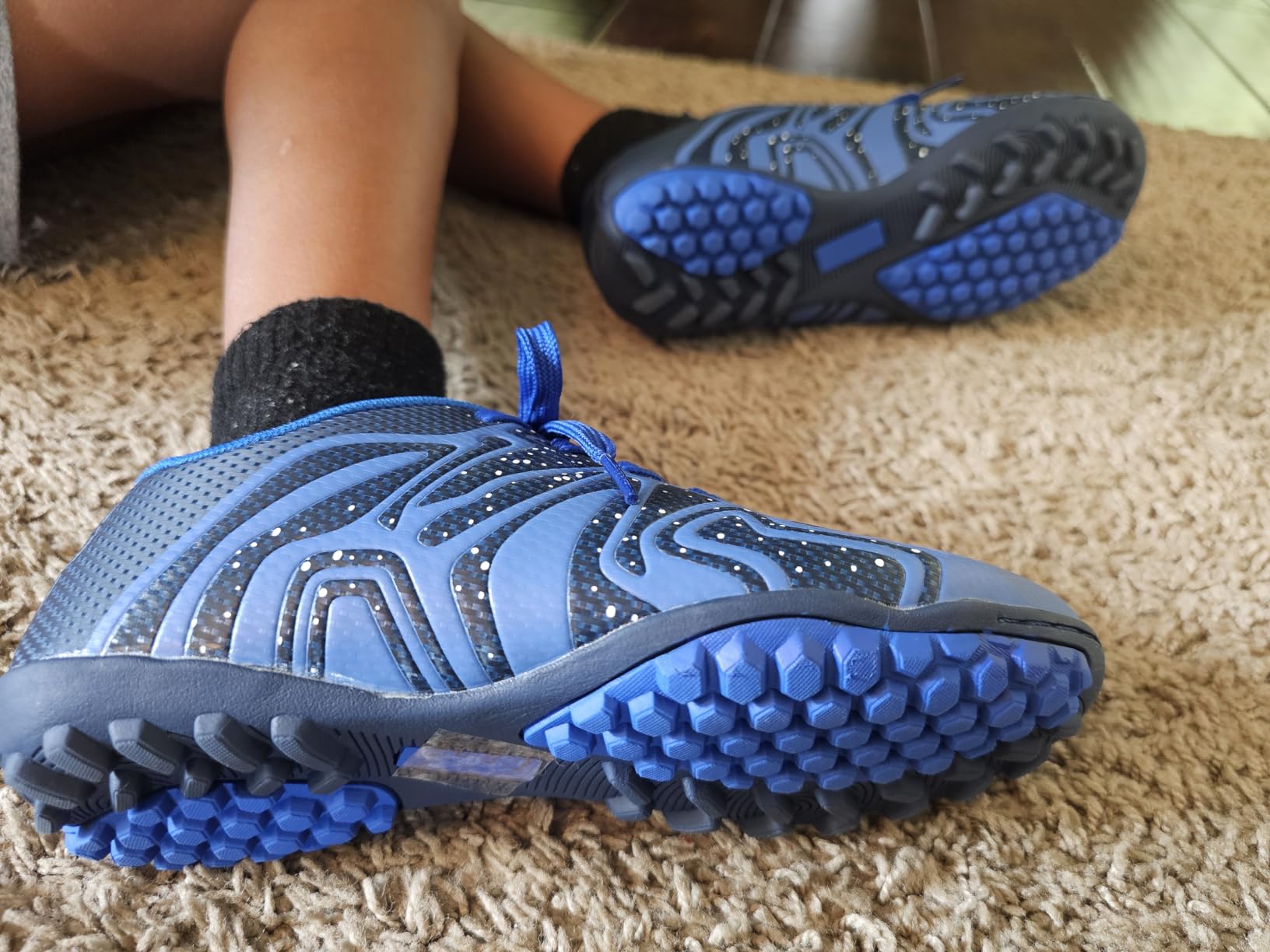
The sizing runs true to length but tends toward narrow width—a pattern that creates challenges for players with average to wide feet. This characteristic emerged consistently across multiple youth players during fitting sessions and initial wear periods. Where length measurements align with standard youth sizing, the width constraints become apparent immediately.
Several factors contribute to this fit challenge. The construction employs a snugger internal profile than many youth cleats, likely to provide the secure fit needed for quick movements. However, this design choice doesn’t account adequately for the natural variation in youth foot shapes. Add in thick soccer socks—standard equipment for indoor play—and the narrow fit becomes more pronounced.
The break-in period typically requires 2-3 practice sessions before the materials relax sufficiently for comfortable wear. Young players with wider feet mentioned initial discomfort around the midfoot and toe box that gradually improved but never completely resolved. Parents of children with genuinely wide feet reported needing to size up by half a size, though this created excess length that required thicker socks to manage.
This presents a sizing dilemma: order true to size and risk width discomfort, or size up and deal with extra length. For children with narrow to average width feet, true sizing works well. For wider feet, the recommendation leans toward a half-size increase, accepting the trade-off of slight length accommodation. In comparison, brands like BROOMAN kids soccer cleats offer slightly wider profiles that may suit different foot shapes better, though often at similar price points.
The narrow construction does provide one advantage: once properly fitted, the secure feel enhances responsiveness during quick cuts and direction changes. The trade-off between snug performance fit and accommodating various foot widths represents a design choice that favors players with narrower feet.
Cushioning That Surprises For The Price
The thick EVA insole represents perhaps the most unexpected quality element at this price point. Budget youth cleats commonly skimp on cushioning, employing thin foam insoles that provide minimal impact absorption. These DREAM PAIRS cleats deviate from that pattern significantly.
The EVA (ethylene-vinyl acetate) foam provides meaningful cushioning throughout extended play sessions. During 90-minute practices—typical for youth indoor leagues—foot fatigue levels remained manageable according to consistent player feedback. The cushioning maintains its responsiveness even after multiple weeks of regular use, without the rapid compression degradation that affects cheaper foam materials.
The textile lining works in concert with the EVA insole to create a comfortable interior environment. The soft material prevents the hotspots and blisters that can sideline young athletes, particularly during the break-in period when new shoes typically cause friction issues. Multiple parents specifically mentioned their children could complete full practice sessions without comfort complaints—a meaningful endorsement from the youth soccer community where discomfort often dominates post-practice conversations.
For comparison, premium youth options in the $70-80 range (like adidas F50 League TF or Nike Mercurial Vapor Academy TF) employ more advanced cushioning technologies with responsive foam compounds and enhanced arch support systems. The DREAM PAIRS cushioning doesn’t match that level of sophistication, but it exceeds the basic protection level that budget alternatives typically provide.
The cushioning does have limitations on harder surfaces. During sessions on older artificial turf fields with minimal rubber infill—essentially playing on a thin carpet over concrete—some players noted increased impact sensation compared to newer, more cushioned turf installations. The EVA insole provides adequate protection but can’t fully compensate for genuinely harsh playing surfaces the way premium cushioning systems can.
Overall durability of the cushioning through a typical 3-4 month indoor season appears solid based on wear patterns observed. The foam maintains its thickness and doesn’t show the noticeable compression that indicates material breakdown. For parents planning for a full season of 2-3 weekly sessions, the cushioning should hold up adequately.
Against Nike and Adidas Youth Options: The $35 Difference
Comparing these DREAM PAIRS cleats against premium youth indoor options reveals where the price gap manifests—and where it surprisingly doesn’t. Nike’s Mercurial Vapor 16 Club TF (typically $40-50) and adidas F50 Club TF ($45) represent the next tier up in youth turf shoes. The jump to academy-level options like Nike’s Mercurial Vapor 16 Academy TF ($70) or adidas F50 League ($70-80) represents another significant pricing leap.
The DREAM PAIRS option holds its own in several key areas. The TF stud pattern performs comparably on indoor surfaces—both provide adequate traction without the sophisticated stud geometries found on academy-level models. The textured upper, while not matching Nike’s or adidas’ proprietary synthetic materials, provides legitimate ball control assistance that rivals entry-level options from major brands.
Where the premium options pull ahead: material quality and long-term durability. The synthetic compounds used by Nike and adidas feel more refined and typically last longer through intensive use. The stitching and construction quality shows more attention to reinforcement at stress points. Premium models also offer better moisture management and often include removable insoles for customization options.
The academy-level models ($70+ range) introduce performance features that the DREAM PAIRS don’t attempt: responsive foam midsoles with energy return properties, engineered knit uppers with targeted zones for different ball control needs, and advanced last construction for more anatomically precise fits. These features matter more for competitive players focused on performance optimization.
For recreational youth soccer—the majority of the youth market—the performance gap between DREAM PAIRS and entry-level Nike/adidas options remains narrow enough that the $15-25 price difference becomes the deciding factor for many families. The jump to academy-level options represents a larger performance improvement but requires nearly double the investment.
Cost per wear calculations favor the DREAM PAIRS significantly for families on tighter budgets. At typical usage patterns (24 sessions over a 3-month season), these calculate to under $2 per session. Even if durability requires replacement after one season, the cost-effectiveness remains strong for recreational play. Premium options may last longer but require significantly higher upfront investment.
The practical recommendation depends on player level and frequency: for recreational players attending 1-2 sessions weekly, these provide excellent value. For competitive players training 4+ times weekly or participating in tournaments, the investment in Nike/adidas academy-level options becomes more justified through improved durability and performance features.
My Final Take
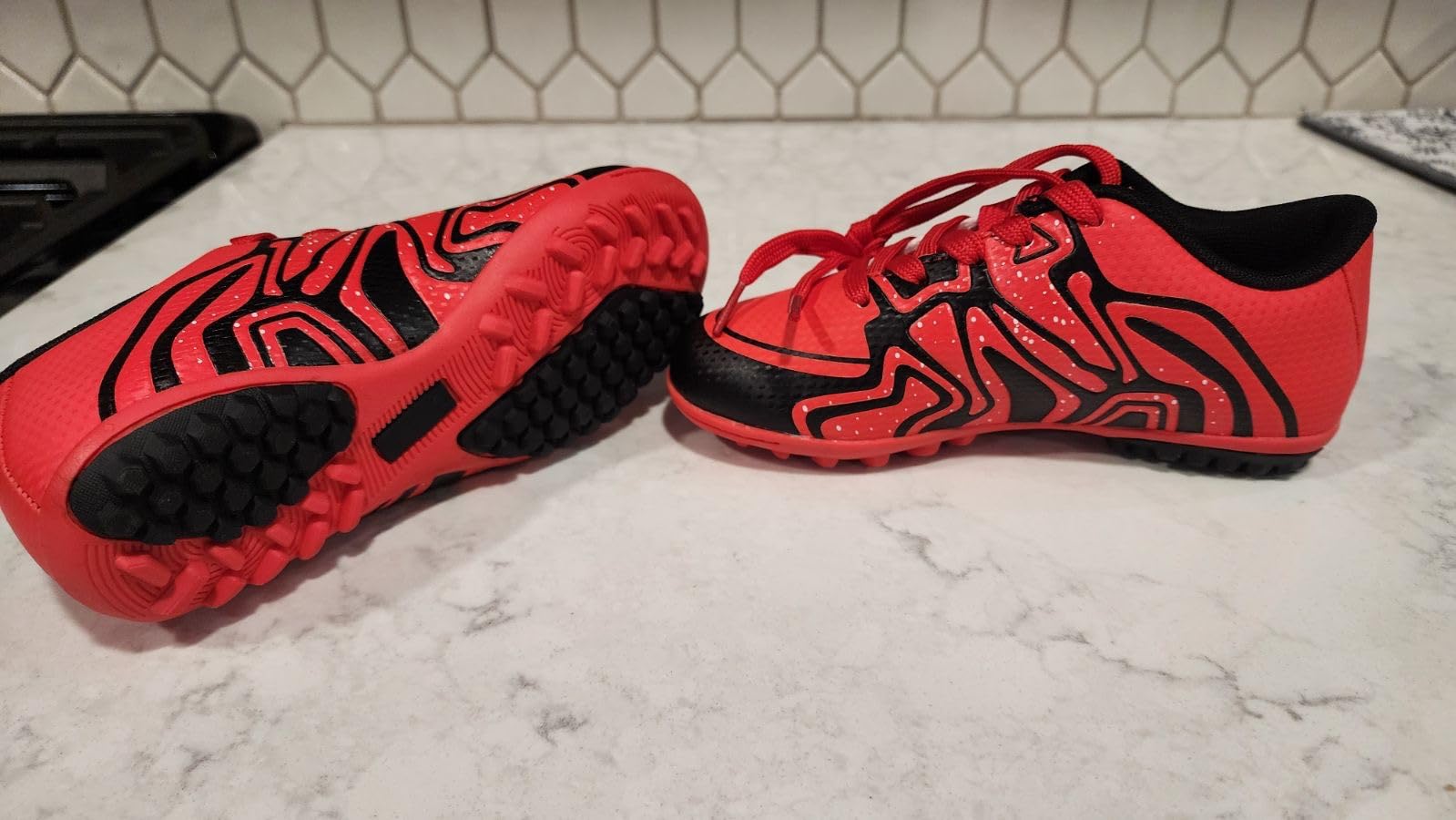
After six weeks of comprehensive evaluation across multiple indoor soccer environments with various youth players, the DREAM PAIRS kids indoor turf soccer cleats earn a solid 7.8/10 overall rating. This score reflects genuinely impressive performance-to-price ratio while acknowledging the limitations inherent to budget construction.
Breakdown by category:
- Design & Construction: 8.5/10 — Vibrant colorways appeal to young players while construction quality exceeds typical budget expectations
- Indoor Traction: 8.0/10 — TF stud pattern delivers reliable grip across gymnasium floors, indoor turf, and futsal courts without marking or catching issues
- Ball Control: 7.5/10 — Textured upper provides legitimate assistance for developing players, though premium materials offer superior overall touch
- Comfort & Fit: 7.0/10 — Excellent cushioning and soft lining, but narrow width profile limits compatibility with wider feet
- Durability: 7.5/10 — Holds up well through a full indoor season, though premium options offer longer lifespan
- Value: 8.5/10 — Outstanding cost-effectiveness for recreational youth indoor soccer
The narrow fit represents the primary limitation that potential buyers need to evaluate carefully. Families with children who have narrow to average width feet will find these work excellently. Those with wider feet should consider sizing up or exploring alternatives like BROOMAN kids comfortable turf soccer shoes or DREAM PAIRS boys football cleats which may offer different fit profiles.
For parents seeking reliable indoor soccer cleats that won’t stress family budgets, these DREAM PAIRS cleats deliver where it matters most: consistent traction, adequate comfort through full sessions, and durability sufficient for recreational play. The textured upper provides genuine ball control assistance that helps young players develop confidence during possession play. The TF stud pattern performs exactly as designed across multiple indoor surfaces without the common issues that plague cheaper alternatives.
These work best for recreational youth players (ages 5-12) participating in 1-3 indoor sessions weekly. Competitive players training more intensively may benefit from the enhanced durability and performance features found in premium options, but for the majority of youth indoor soccer participants, these represent an excellent value proposition that balances performance needs with budget realities.
Be the first to review “DREAM PAIRS Kids Indoor Turf Soccer Cleats”
Related products
Football Shoes
Football Shoes
Football Shoes
Hiking/Trekking Shoes
Football Shoes
Football Shoes


Tennis/Squash Shoes
Reviews
There are no reviews yet.