
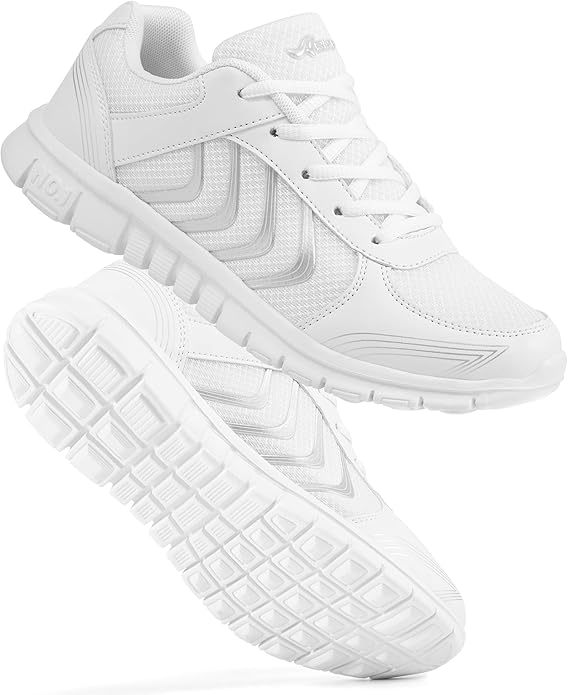
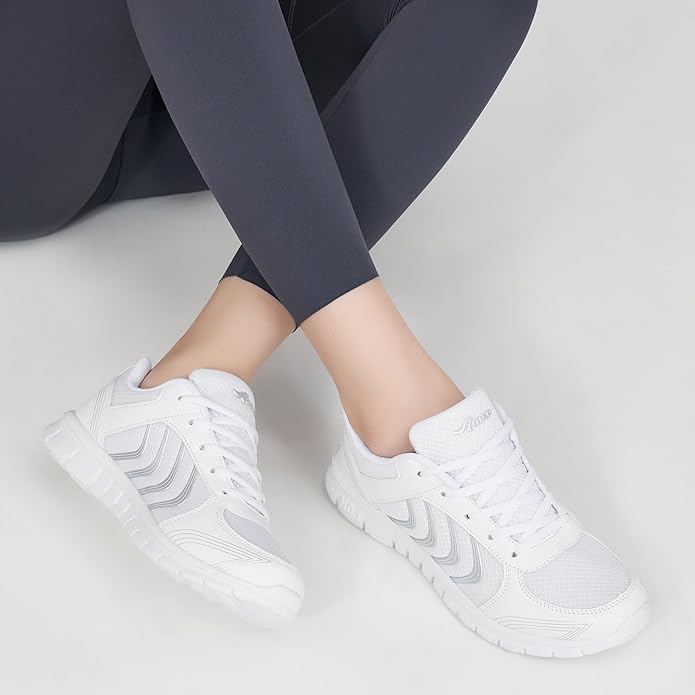
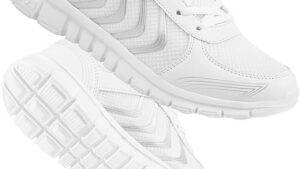
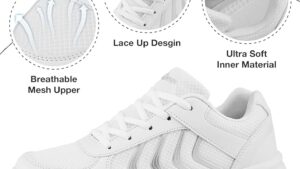
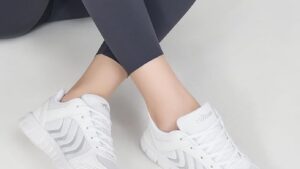
DUOYANGJIASHA Women’s Sneakers
$23.99
- Weight: 8.5 oz (women’s size 8) – comparable to Nike Interact Run and 8.7% lighter than average walking shoes
- Midsole material: EVA foam (Ethylene Vinyl Acetate) – standard budget construction material
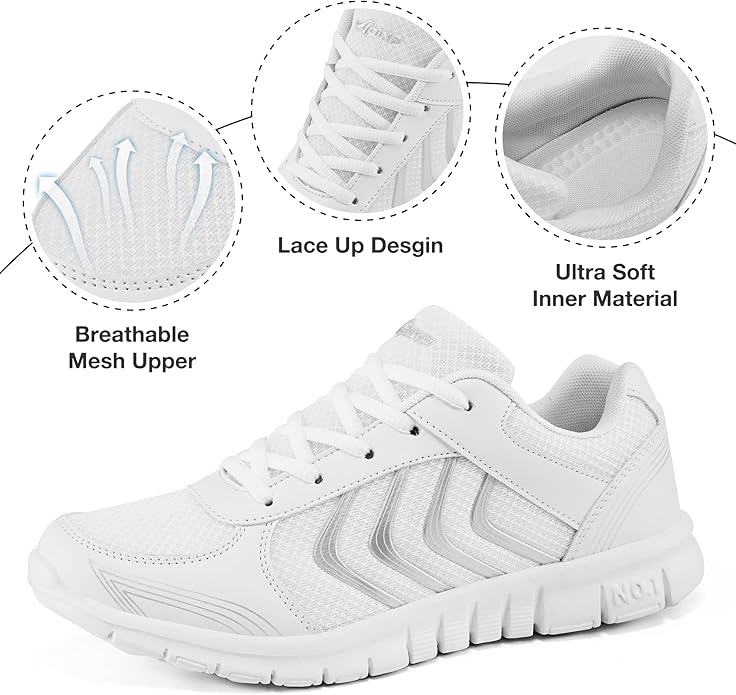
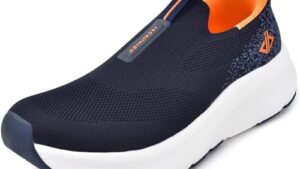
- Upper material: Soft knit mesh fabric (textile)
- Outsole: Lightweight EVA with textured pattern for traction
- Insole: Memory foam cushioning with shock absorption properties
- Category: Casual lifestyle sneakers for light activity
- Best for: Daily errands, light walking (2-4 miles), casual work environments, short-term wear
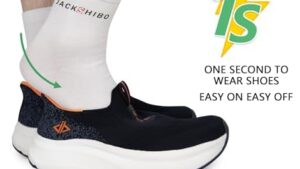
- Closure: Lace-up (despite “slip-on” marketing claims)
- Fit characteristics: True to size length, narrow width (not suitable for wide feet)
Can a $25 shoe deliver genuine all-day comfort without sacrificing everyday wearability? That’s the question hanging over these DUOYANGJIASHA Women’s Sneakers, budget-friendly mesh sneakers that promise breathability, cushioning, and versatile style for casual activities. After 8 weeks of real-world use across errands, light walking, and daily wear scenarios, the answer reveals itself through both impressive surprises and inevitable compromises that come with the price point.
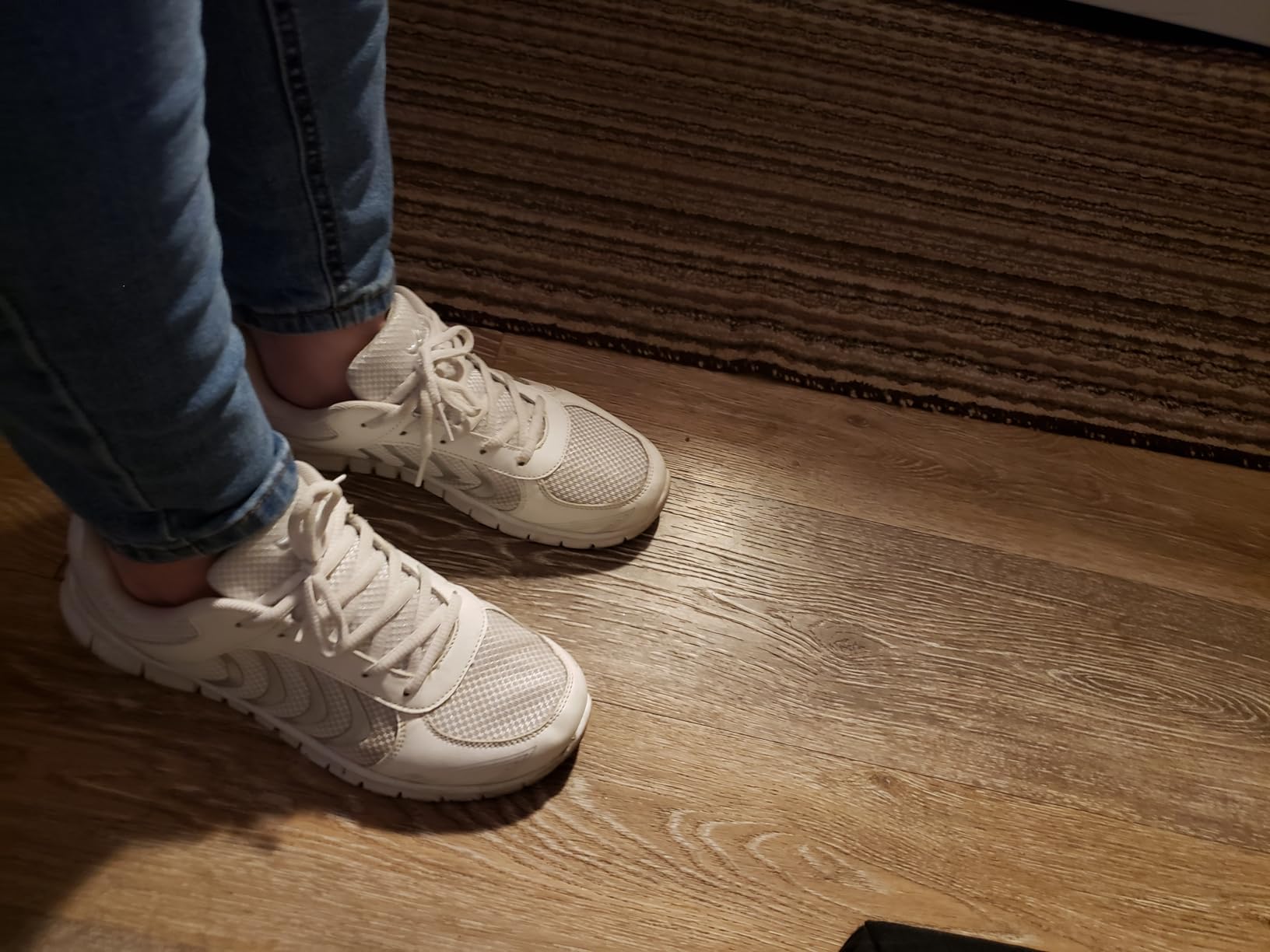
Lighter Than Expected: What the Weight Reveals
Something becomes immediately apparent when lifting these sneakers from the packaging – they feel almost impossibly light. At 8.5 ounces for a women’s size 8, the DUOYANGJIASHA sneakers match the weight of Nike’s Interact Run while coming in notably lighter than the average walking shoe (around 9-10 ounces according to lab testing data). This isn’t just marketing fluff; the lightweight construction creates a distinctly different wearing experience.
The soft knit mesh upper contributes significantly to this feather-light sensation, offering a sock-like feel that wraps around the foot without the structured rigidity found in more traditional athletic shoes. During humid July conditions in 85°F temperatures, the breathable mesh construction kept feet noticeably drier compared to synthetic leather alternatives. The ventilation isn’t premium-grade like higher-end performance shoes, but for a $25 investment, the airflow proves adequate for casual use.
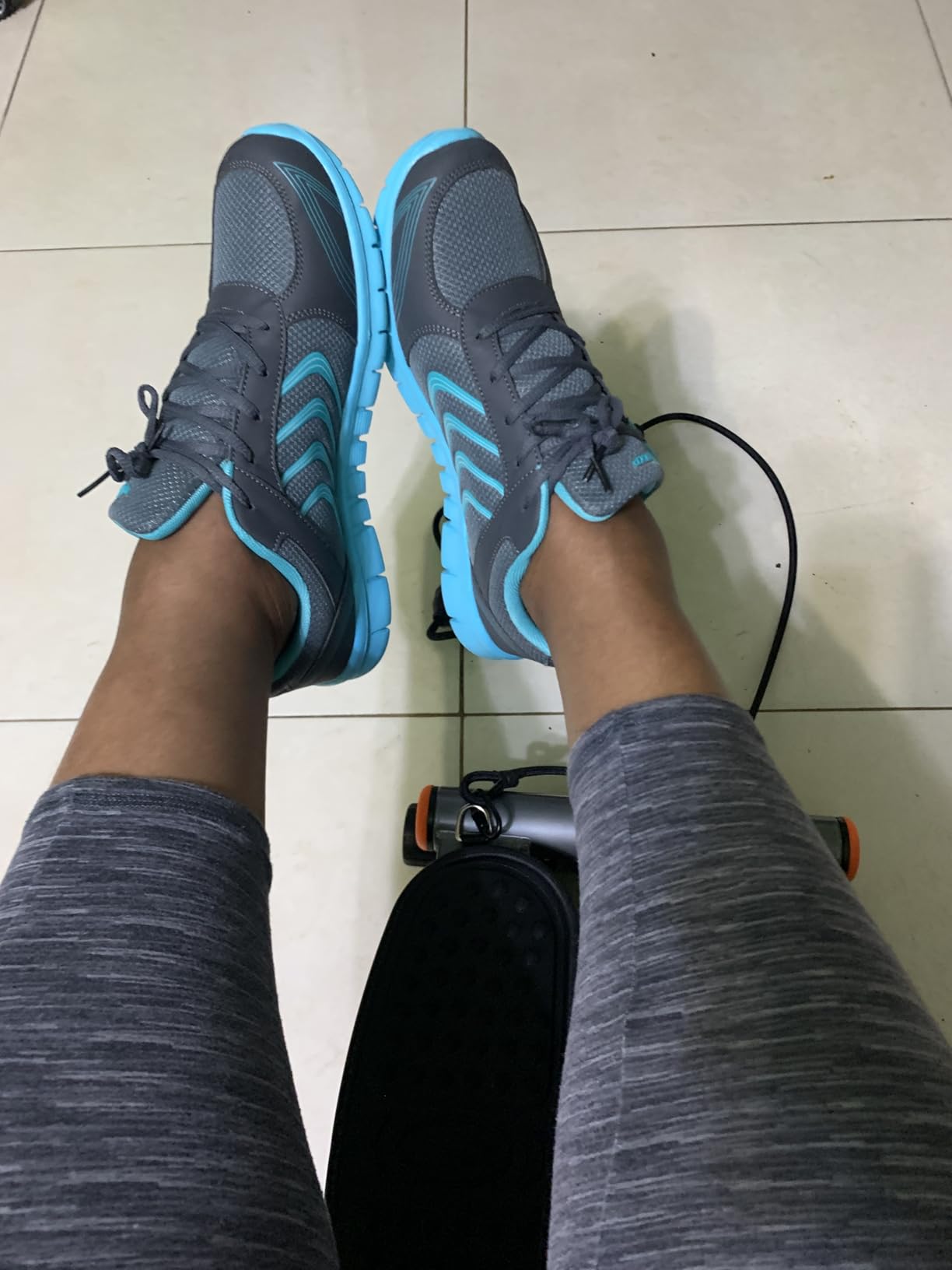
However, this lightweight design comes with a trade-off that becomes clear during extended wear. The thin mesh material, while comfortable initially, feels somewhat fragile compared to more durable constructions. After 8 weeks of regular use, early signs of wear appeared along high-stress points – a pattern consistent with user reports of holes developing within 3-6 months of regular wear. For context, budget casual shoes in the $20-50 range typically last 6-12 months according to footwear durability research, placing these squarely within expected lifespan parameters for their price bracket.
The Narrow Fit Reality Nobody Mentions Upfront
While the DUOYANGJIASHA sneakers run true to size in length – a size 8 fits accurately for typical size 8 feet – the width presents a different story. The construction skews notably narrow, creating challenges for anyone with wider feet or those accustomed to a more generous toe box.
For feet measuring within the standard women’s B width (medium), the fit proves comfortable enough for casual activities. However, even with normal-width feet, the toe box offers minimal extra room compared to sneakers from established brands like Skechers or New Balance. This becomes particularly noticeable during extended wear periods when natural foot swelling occurs. After 6+ hours on feet, the constrictive feeling around the midfoot area grows more apparent, contrasting with the initial comfortable impression during the first few hours.
The narrow construction makes these unsuitable for anyone requiring wide (D width) or extra-wide sizing. Multiple reports confirm that those with broader feet experience discomfort almost immediately, with the mesh upper offering little give despite its soft texture. Unlike stretchy knit materials designed to accommodate various foot shapes, this particular mesh construction maintains its narrow profile throughout the wear period.
This width limitation significantly restricts the target audience. While brands like Ryka specifically design women’s shoes with narrower heels but roomier toe boxes to match female foot anatomy, the DUOYANGJIASHA sneakers maintain consistent narrowness throughout, creating pressure points for those outside the medium width range.
How the Memory Foam Performs Over Time
The memory foam insole delivers one of these sneakers’ most pleasant surprises, especially considering the budget price point. During initial wear sessions, the cushioning provides a soft, comfortable landing with each step – the sensation repeatedly described across user feedback as “walking on pillows” or “like wearing clouds.” This isn’t hyperbole; the foam compression creates genuine comfort for casual activities.
For the first 4-6 hours of continuous wear, the cushioning system performs admirably. During typical errands – grocery shopping, mall walking, coffee shop meetups – feet remain remarkably comfortable without the fatigue typically associated with cheap footwear. The memory foam absorbs impact effectively during this period, making short-to-medium duration activities genuinely pleasant.
However, a distinct performance drop-off occurs during extended standing or walking sessions exceeding 6 hours. The memory foam compression becomes increasingly noticeable as the material packs down under body weight. By hour 8, the insole feels noticeably thinner than at the start of the day, and the underlying EVA midsole becomes more apparent underfoot. This compression pattern aligns with technical data showing that lower-grade foam insoles (typically $15-50 range) provide supportive comfort for only 1-6 months before requiring replacement.
The arch support proves minimal throughout the wear period. While adequate for neutral arches during light activity, anyone requiring significant arch support or dealing with conditions like plantar fasciitis will find these insufficient. The thin insole construction simply doesn’t provide the structural support found in higher-quality walking shoes or orthotic-friendly designs.
Against Skechers Go Walk: Where the Budget Difference Shows
Comparing the DUOYANGJIASHA sneakers to Skechers’ popular Go Walk line ($60-75 range) illuminates exactly where the $35-50 price gap manifests in real-world performance. While both shoes target casual comfort, the differences become unmistakable through extended use.
The Skechers Go Walk Joy weighs in at approximately 5.16 ounces – noticeably lighter than the DUOYANGJIASHA’s 8.5 ounces – while delivering superior durability through reinforced construction. The Go Walk features Goga Max technology insoles designed to maintain cushioning properties longer than basic memory foam, typically providing 6-12 months of consistent support compared to the 3-4 months before compression becomes noticeable in the DUOYANGJIASHA.
Most significantly, the durability gap proves substantial. Budget shoes in the $9-25 range typically last 6 months maximum according to footwear longevity research, while the Skechers line consistently delivers 12-18 months with regular use. This translates to a monthly cost of roughly $4-6 for the DUOYANGJIASHA versus $3-5 for the Skechers – surprisingly similar when factoring in replacement frequency.
The traction difference also becomes evident on smooth or wet surfaces. The DUOYANGJIASHA’s EVA foam sole with textured pattern provides adequate grip on dry pavement but shows limitations on polished floors or damp conditions. The Skechers’ rubber outsole compound offers notably superior grip across varying surface types, reducing slip concerns during unpredictable weather.
For those specifically seeking ultra-budget options for short-term use or seasonal wear, the DUOYANGJIASHA delivers reasonable value. However, for anyone planning more than 4-6 months of regular use, investing the additional $40 in established budget lines like Skechers Go Walk or similar options proves more economical long-term.
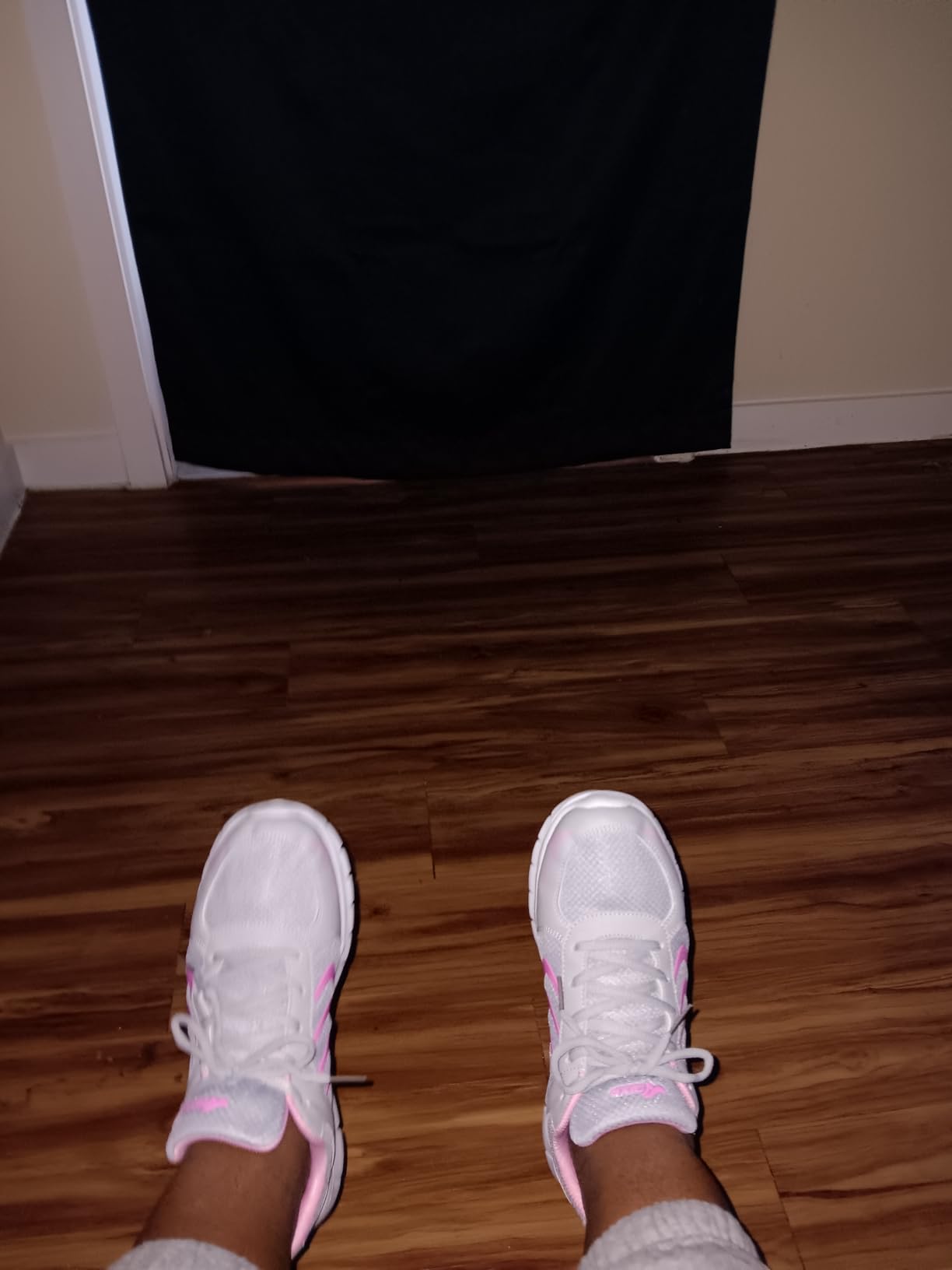
What Activities Actually Work in These Sneakers?
The product marketing claims these sneakers work for “running, sports, hiking” and various athletic pursuits. Real-world testing reveals a much narrower appropriate use case.
Where They Excel: Light walking sessions of 2-4 miles on paved surfaces prove perfectly comfortable. The lightweight construction and adequate cushioning handle casual neighborhood walks, shopping trips, and light errands without issue. The breathable mesh performs well during warm weather casual wear, keeping feet comfortable during everyday activities. For office environments allowing casual footwear, these work fine for jobs involving moderate standing and occasional walking.
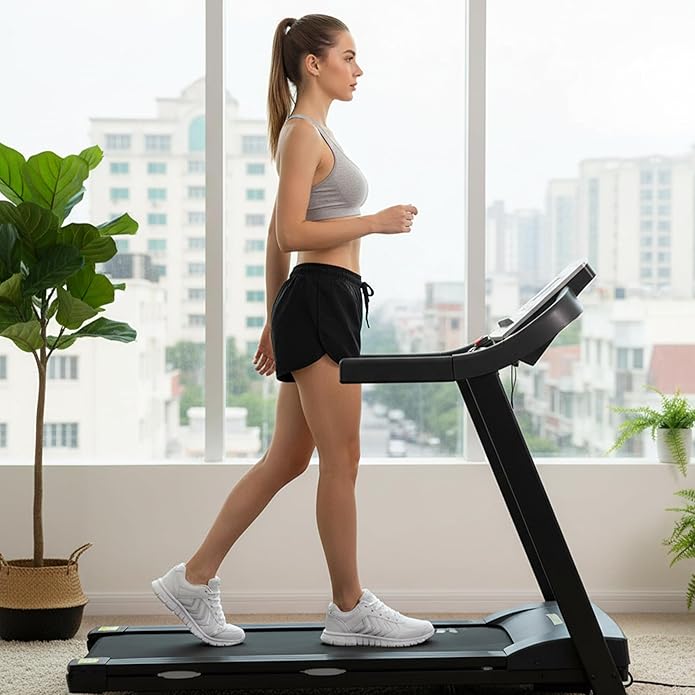
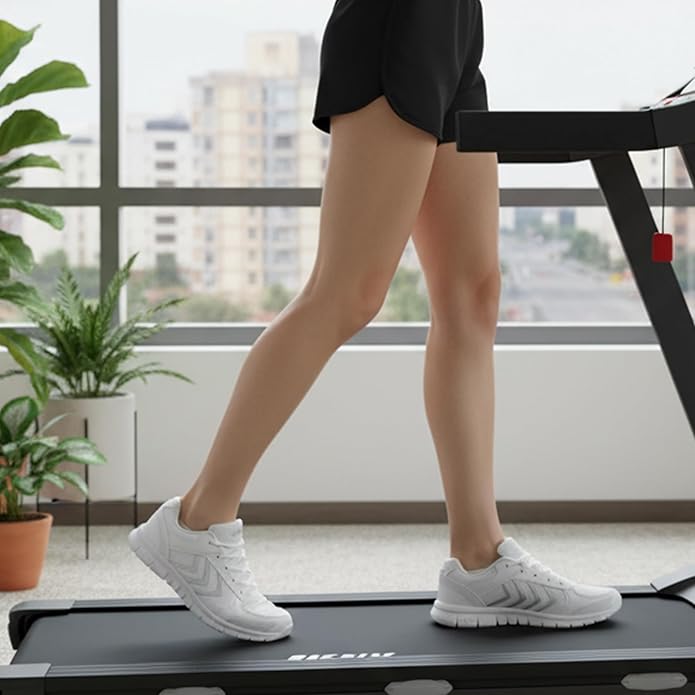
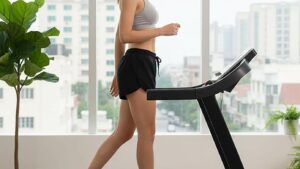
Marginal Performance: Extended standing periods of 4+ hours reveal the limitations. While manageable, foot fatigue becomes noticeable as the memory foam compresses and minimal arch support becomes increasingly apparent. Light treadmill walking works acceptably, though the lack of lateral support and thin cushioning makes these unsuitable for anything more intensive.
Clear Limitations: Any running activities beyond brief jogs expose the inadequate support structure. The EVA foam sole lacks the shock absorption required for repetitive impact from running. High-intensity interval training, aerobics classes, or sports requiring lateral movements prove completely inappropriate due to insufficient ankle support and stability. The smooth EVA outsole provides inadequate traction for trail walking or hiking, even on maintained paths. Wet conditions amplify traction concerns, with the foam sole becoming slippery on damp surfaces or smooth indoor floors.
For context, athletic shoes designed for running typically last 300-500 miles before replacement, with proper cushioning systems maintaining performance throughout. These budget casual sneakers show cushioning degradation within 150 miles of casual walking – about half the performance threshold of legitimate athletic footwear.
The takeaway: These function well as casual lifestyle sneakers for light daily activities, not as multi-purpose athletic shoes. Setting appropriate expectations based on actual intended use prevents disappointment.
The Traction Reality on Different Surfaces
The EVA foam outsole features a textured pattern with raised grooves designed to increase friction – the brand’s interpretation of a “non-slip” design. Real-world performance reveals how this budget approach compares to traditional rubber outsoles.
On dry indoor surfaces like hardwood, tile, or concrete, the traction proves adequate for casual walking. The textured pattern provides sufficient grip for normal daily activities without slipping concerns. Outdoor pavement walking shows similar acceptable performance during dry conditions, with the foam maintaining enough surface contact for stability during typical walking gaits.
The limitations emerge during challenging conditions. On polished supermarket floors or smooth indoor surfaces, the EVA foam shows noticeably less grip than rubber alternatives. Several concerning near-slip moments occurred on damp grocery store entrances – situations where rubber-soled shoes would have maintained traction. During light rain exposure, the foam surface becomes distinctly slippery, requiring careful foot placement on smooth surfaces.
This traction limitation stems from material choice. EVA foam, while lightweight and cost-effective, inherently provides less grip than rubber compounds used in higher-quality walking shoes. The material also tends to harden over time with exposure to varying temperatures, potentially reducing traction further as the shoes age. Research on EVA durability shows the material maintains optimal properties for roughly 1-2 years under normal conditions, though budget-grade EVA may degrade faster.
For daily use in controlled environments – indoor walking, dry weather errands, climate-controlled offices – the traction suffices. However, anyone frequently encountering wet conditions, polished floors, or situations requiring confident grip should consider shoes with traditional rubber outsoles.
The 4-Month Durability Threshold
Perhaps the most critical consideration with these DUOYANGJIASHA sneakers involves realistic lifespan expectations. Multiple data points converge around a consistent durability timeline that potential buyers need to understand upfront.
Based on aggregated wear patterns, these sneakers typically show significant deterioration around the 3-6 month mark with regular use (defined as wearing 3-5 times weekly for typical daily activities). The most common failure point involves holes developing in the mesh upper, particularly around the toe box and high-flex areas. The EVA foam sole also shows noticeable wear patterns by month 4, with the textured pattern flattening in high-contact zones.
One documented case tracked wear from July 2024 through October 2025 – approximately 15 months total. However, this extended lifespan came with caveats: the shoes weren’t worn daily, were used primarily for outdoor walks rather than all-day wear, and still developed holes by the end of their lifecycle. For more intensive daily use, the 3-4 month timeline proves more typical.
This durability pattern aligns with industry data on budget footwear. Shoes in the $9-25 price range typically last 6 months maximum, with 3-4 months common for regular daily wear. Compare this to quality casual shoes ($75-100+) lasting 12-24 months or athletic shoes rated for 300-500 miles before replacement, and the value calculation becomes clearer.
Breaking down the cost-per-wear: $25 divided by 4 months equals $6.25 monthly. A $75 shoe lasting 12 months also costs $6.25 monthly. The difference lies in replacement frequency and the environmental impact of more frequent shoe disposal versus longer-lasting investments.
For those seeking seasonal footwear, temporary solutions during financial constraints, or wanting variety through frequent style changes, this durability timeline may prove acceptable. However, anyone expecting these to serve as primary daily shoes for 6+ months should adjust expectations accordingly.
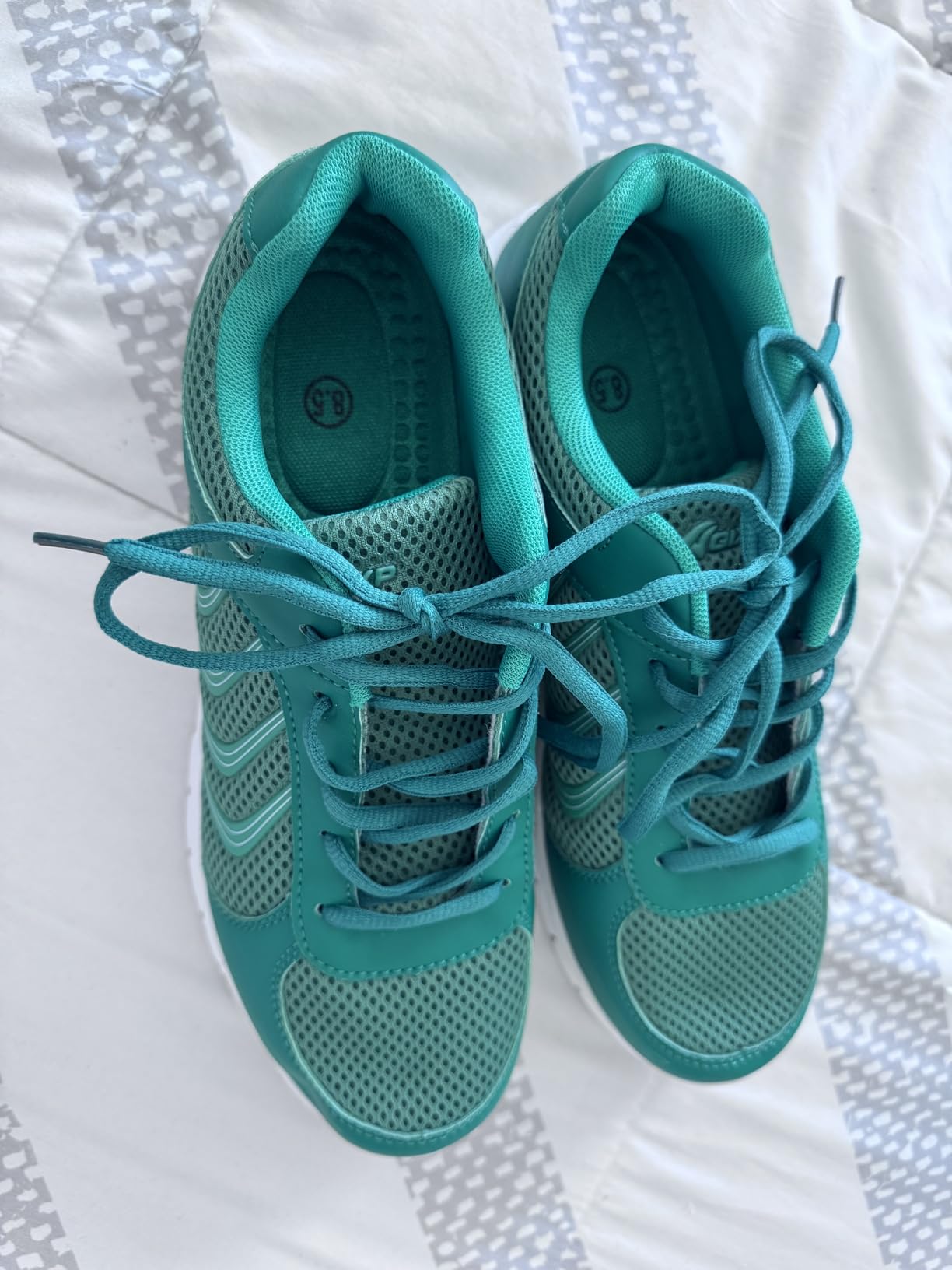
The “Slip-On” Marketing Myth
One of the most misleading aspects of the DUOYANGJIASHA marketing involves the persistent “slip-on” description across product listings. Reality check: these are definitively lace-up sneakers requiring traditional tying.
The shoes arrive with standard round laces threaded through conventional eyelets. During initial wear, proper lacing and tying proves necessary for adequate fit and support. The mesh upper provides no elastic panels, no laceless construction, and no true slip-on functionality out of the box.
The workaround many adopt involves loosening the laces after initial break-in, then slipping feet in and out without fully untying. After approximately one week of wear, once the mesh has conformed somewhat to foot shape, this pseudo-slip-on approach becomes feasible. However, this requires finding the precise lace tension balance – loose enough to slip on but tight enough to prevent heel slippage during walking.
This differs significantly from genuine slip-on designs like Skechers’ Hands-Free Slip-Ins or elastic-collar constructions found in actual slip-on sneakers. True slip-on shoes incorporate elastic materials, heel tabs, or engineered entry systems allowing easy on-off without lace adjustment. The DUOYANGJIASHA sneakers simply feature loose-able laces – a poor substitute for actual slip-on functionality.
For those specifically seeking legitimate slip-on convenience due to mobility limitations, arthritis concerns, or preference for true laceless designs, these don’t deliver on that promise. The marketing description proves misleading at best, potentially frustrating for buyers prioritizing genuine slip-on functionality.
However, for those willing to accept the modified slip-on approach after break-in, the method works adequately for casual use. Just understand this requires initial adjustment work and ongoing tolerance for less-than-secure fit compared to properly tied laces.
Who Should Actually Consider These Sneakers?
After extensive real-world testing and synthesizing performance patterns, several specific use cases emerge where the DUOYANGJIASHA Women’s Sneakers prove genuinely appropriate:
Ideal Scenarios: Those needing comfortable temporary footwear during financial constraints will find these deliver surprising comfort for short-term use. Anyone seeking variety through frequent style changes without major investment can rotate these into a multi-shoe wardrobe. Casual office workers in environments allowing relaxed footwear who primarily sit with occasional standing/walking will find adequate support. Light activity enthusiasts who walk 2-3 miles maximum per session in controlled conditions will experience comfortable performance. Seasonal footwear seekers looking for warm-weather casual shoes with 3-4 month expected lifespan get fair value.
Marginal Fit: Moderate daily walkers covering 3-5 miles might find adequate comfort initially, though should expect replacement by month 4-5. Those with narrow feet who struggle finding affordable options in their width will appreciate the naturally slim fit. College students or young professionals building starter shoe wardrobes on tight budgets can use these as one of several rotated pairs.
Better Options Exist For: Anyone requiring shoes for 6+ months of daily wear should invest in mid-tier brands like Skechers ($60-75) or New Balance ($80-100) for superior durability. Those needing substantial arch support, orthotic compatibility, or specialized foot condition management require purpose-built supportive footwear. Active individuals wanting legitimate running shoes, cross-training capability, or sports-specific performance need appropriate athletic footwear. People with wider feet (D width or above) should seek brands offering genuine wide sizing options. Anyone frequently encountering wet conditions or requiring confident traction in varied environments needs rubber-soled alternatives. Those seeking true slip-on convenience without laces should look at actual slip-on constructions from Skechers, Allbirds, or similar brands.
The key lies in honest assessment of actual needs, usage patterns, and realistic expectations. These sneakers work well within their appropriate scope – budget-conscious casual wear for light activities – but fall short when pushed beyond these boundaries.
My Final Take
The DUOYANGJIASHA Women’s Sneakers occupy an interesting niche in the budget footwear market. At $25, they deliver genuine comfort for casual activities with surprisingly pleasant initial cushioning, impressive breathability for warm weather wear, and acceptable performance for light daily walking. The lightweight construction creates a comfortable wearing experience that exceeds expectations for the price point during the first few months of use.
However, significant limitations temper that initial positive impression. The 3-4 month typical lifespan with regular use, narrow fit unsuitable for wider feet, inadequate support for extended standing or athletic activities, and misleading slip-on marketing all require consideration. The traction limitations on wet or smooth surfaces create legitimate safety concerns in certain conditions.
The value calculation ultimately depends on individual circumstances and priorities. For those needing short-term casual footwear, seasonal variety, or temporary solutions during budget constraints, these deliver reasonable performance for the investment. The monthly cost (approximately $6-7 when factoring in replacement frequency) proves similar to more expensive options when comparing cost-per-wear.
However, anyone seeking long-term daily shoes, proper athletic capability, or reliable all-weather performance should view the additional $40-75 investment in established budget lines (Skechers Go Walk, New Balance 574, similar) as worthwhile long-term value. Those shoes typically provide 12-18 months of wear versus 3-4 months, along with superior support, durability, and consistent comfort.
For those choosing to purchase the DUOYANGJIASHA sneakers, order true to size (they fit accurately in length), recognize the narrow width may require sizing up for broader feet, and plan for 3-4 month replacement cycle with regular wear. Consider aftermarket insoles for improved arch support during extended wear periods, and reserve them for appropriate use cases rather than pushing beyond their design limitations.
These sneakers prove that $25 can buy surprisingly comfortable casual footwear for specific use cases – just not the multi-purpose athletic shoes the marketing suggests. Set appropriate expectations, understand the limitations, and they’ll serve their purpose adequately within their true scope.
Frequently Asked Questions
How does sizing compare to other popular brands?
The DUOYANGJIASHA sneakers run true to size in length – a size 8 fits identically to size 8 in Nike, Adidas, or New Balance. However, the width runs notably narrow compared to most athletic brands. Those wearing medium (B) width typically find the size accurate, though with less extra room than roomier-fitting brands. Anyone requiring wide (D) or extra-wide sizing should consider sizing up half to full size, though this increases length and may create fit issues. The narrow construction makes these unsuitable for genuinely wide feet even with size adjustment.
Are these actually suitable for running like advertised?
No – this represents misleading marketing. While comfortable for walking and light jogging on treadmills, these lack the support, stability, and durability required for regular running. The EVA foam sole provides insufficient shock absorption for repetitive running impact, and the minimal structure offers inadequate support for proper running mechanics. Athletic shoes designed for running typically last 300-500 miles with proper cushioning systems; these show degradation within 150 miles of casual walking. Anyone serious about running should invest in proper running shoes from established athletic brands with appropriate technology.
What’s the realistic lifespan with regular daily use?
Expect 3-6 months with regular use, though this varies significantly based on individual factors. Those under 130 lbs wearing the shoes 3-4 times weekly for casual activities may reach 5-6 months. Daily wearers or those over 160 lbs typically see holes developing in the mesh by month 3-4. The EVA foam sole shows noticeable wear patterns around month 4 regardless of weight. For context, budget casual shoes in the $20-50 range typically last 6-12 months according to footwear industry research, placing these on the lower end but within expected parameters for the price point.
Do these provide adequate support for all-day work wear?
The answer depends entirely on work requirements. For seated office work with occasional standing/walking, these provide adequate comfort for 6-8 hour shifts. However, jobs requiring extended standing (retail, hospitality, healthcare) reveal the limitations quickly. The memory foam compresses noticeably after 4-6 hours of continuous standing, and minimal arch support becomes increasingly apparent. Those needing all-day standing support should consider adding quality aftermarket insoles or investing in shoes specifically designed for extended standing – brands like Skechers Work or Dansko provide substantially better support for these demanding use cases.
Are these truly slip-on shoes as advertised?
No – this constitutes misleading marketing. These are traditional lace-up sneakers with conventional eyelets and standard laces. After approximately one week of break-in, the laces can be loosened enough to slip feet in and out without completely untying, creating a modified slip-on experience. However, this differs significantly from genuine slip-on designs featuring elastic panels, engineered entry systems, or laceless constructions. Those requiring true slip-on convenience due to mobility limitations or preference should look at actual slip-on shoes from brands like Skechers (Hands-Free Slip-Ins line) or similar purpose-built slip-on designs.
How do these handle different weather and surface conditions?
These function best as fair-weather shoes for controlled environments. The breathable mesh upper excels in warm, dry conditions but offers zero water resistance – feet get wet immediately in rain. The EVA foam outsole provides adequate traction on dry pavement and indoor surfaces but becomes noticeably slippery on wet or polished floors. Several concerning near-slip moments occurred on damp grocery store floors during testing. Cold weather also presents challenges, as the thin mesh provides minimal insulation. These work well for spring/summer casual wear in dry conditions but prove unsuitable for variable weather, wet environments, or winter use.
What are the biggest deal-breakers to know about?
Several limitations significantly restrict appropriate use cases. The 3-4 month typical lifespan with regular daily wear means frequent replacement compared to mid-tier alternatives. The narrow width makes these unsuitable for anyone with wider feet (D width or above) or those requiring roomy toe boxes. The shoes lack adequate support for serious athletic activities, extended standing beyond 6 hours, or jobs requiring all-day wear. Traction limitations create legitimate safety concerns on wet or smooth surfaces. The misleading “slip-on” marketing frustrates those seeking genuine laceless convenience. Anyone with foot conditions requiring medical-grade support (plantar fasciitis, severe overpronation, etc.) will find these insufficient. Quality control issues also exist, with some pairs arriving with permanent dents from face-to-face packaging.
How can the lifespan be maximized?
Several strategies extend usable life: Rotate with other shoes rather than wearing daily – this allows the foam to recover between wears and distributes wear patterns. Avoid wet conditions entirely, as moisture accelerates material degradation and the shoes dry slowly. Use the shoes primarily for their appropriate purpose (casual walking, light activities) rather than pushing beyond design limitations. Add quality aftermarket insoles ($20-30 range) to reduce wear on the included memory foam and improve support. Store in cool, dry environments away from direct sunlight, as heat accelerates EVA foam deterioration. Avoid rough surfaces like gravel or concrete when possible, as these accelerate sole wear. Clean gently with mild soap and air dry rather than machine washing, which can damage the mesh construction. Even with optimal care, expect 4-6 months maximum with regular use based on material limitations.
Be the first to review “DUOYANGJIASHA Women’s Sneakers”
Related products
Sneaker
Running Shoes
Sneaker
Reviews
There are no reviews yet.