
Design, Build Quality & Real-World Performance
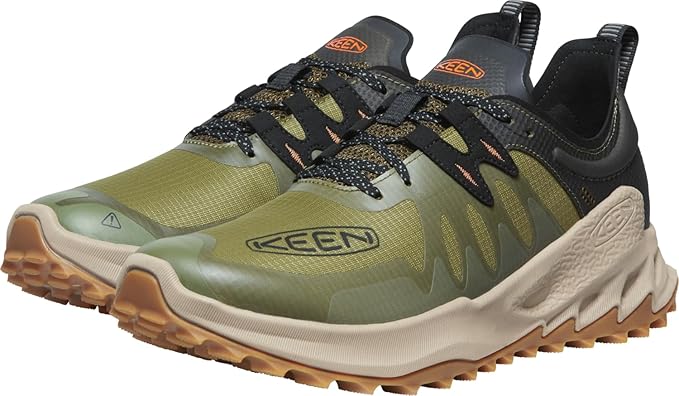
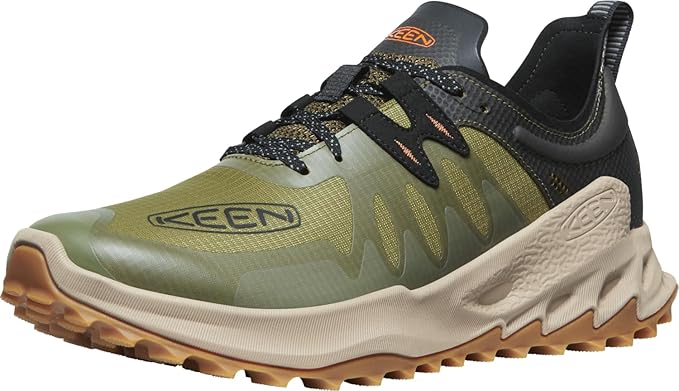
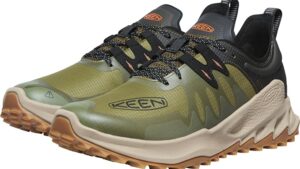
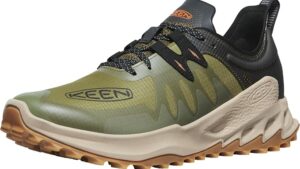
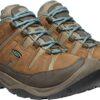
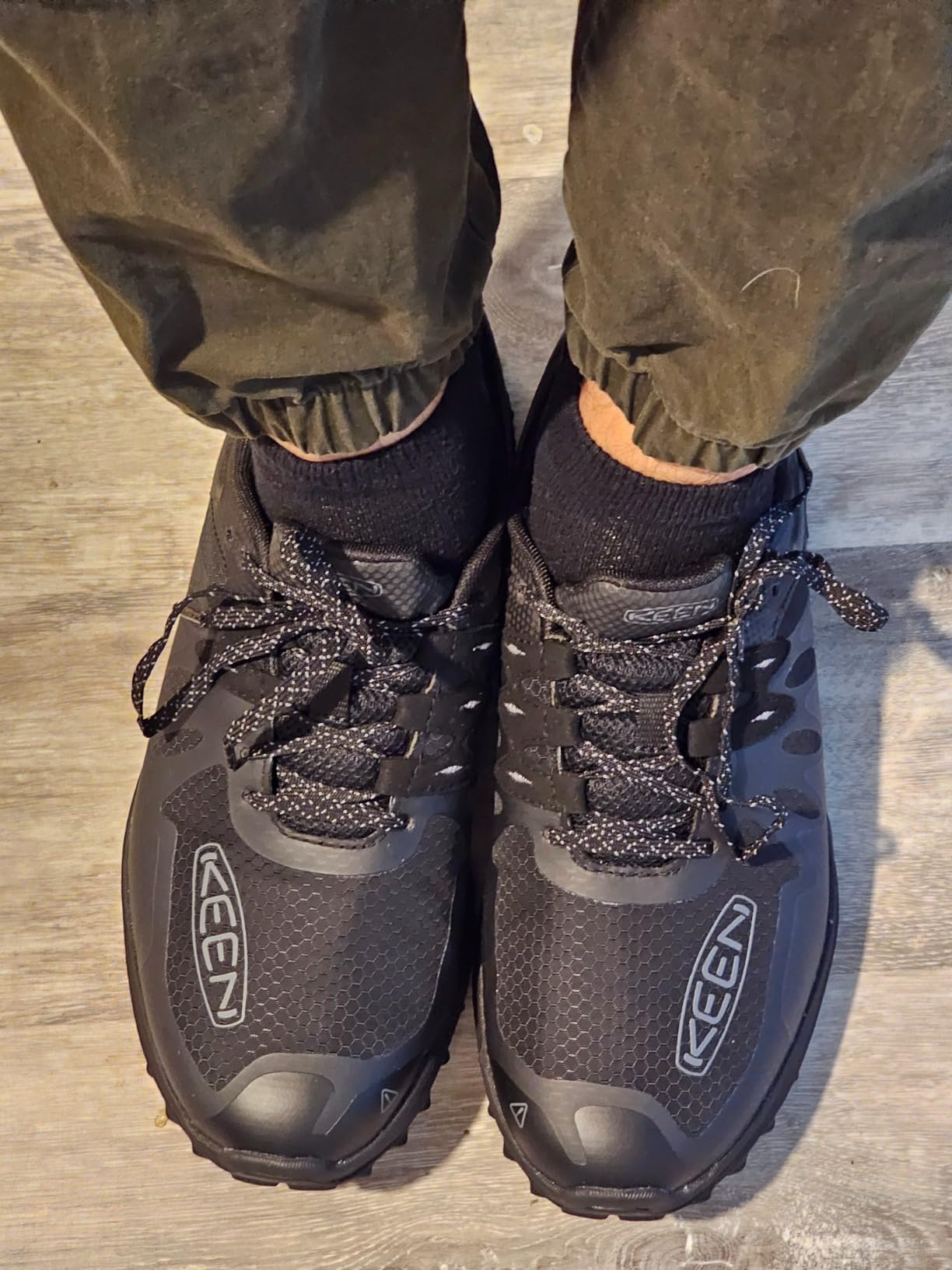
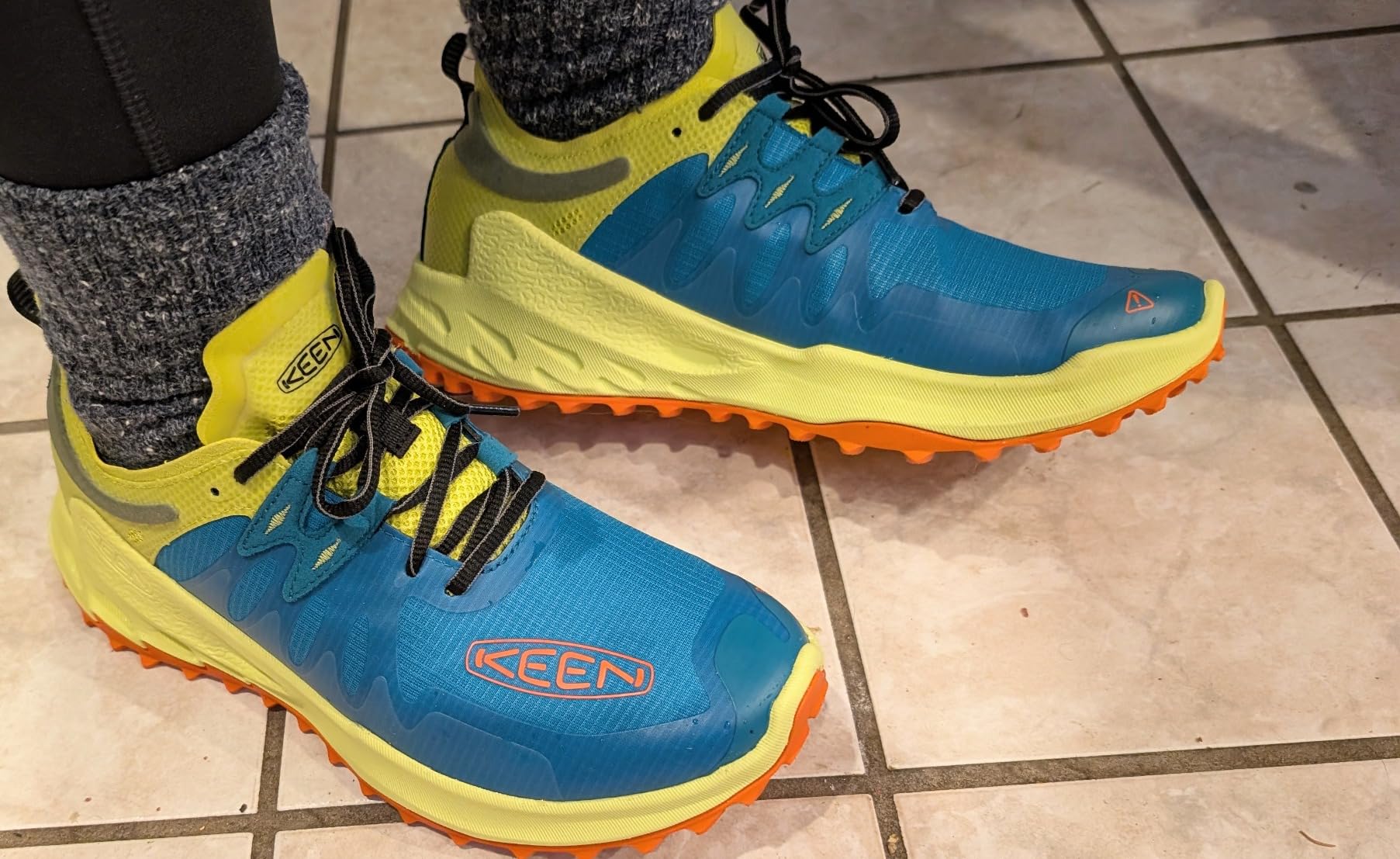
Pulling the Zionics from the box, my first reaction wasn’t about looks but heft—or the lack of it. At 12.5 ounces, these feel closer to a trail running shoe than a traditional hiking boot. The Dark Olive and Scarlet Ibis colorway strikes a nice balance between outdoor-ready and subtle enough for casual wear, though I’ll admit the color combo took a couple wears to grow on me.
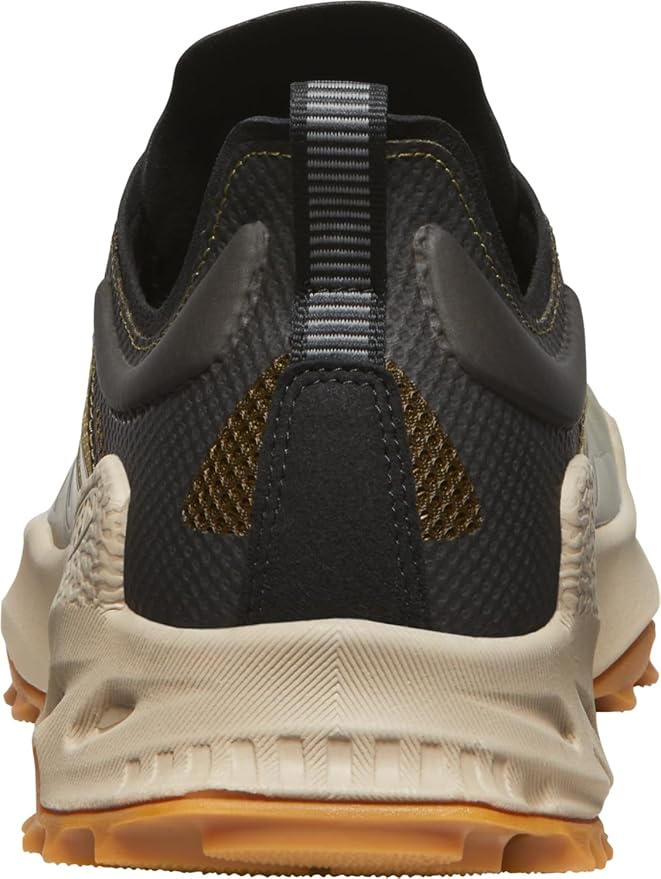
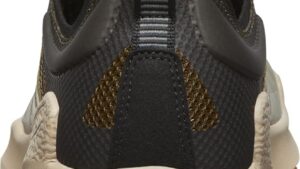
The performance mesh upper proved more substantial than I anticipated. Unlike flimsy mesh on budget hiking shoes, this material held its structure even when I accidentally kicked a granite edge during my first Denver trail session. TPU overlays wrap the toe cap and heel counter, providing reinforcement where abrasion hits hardest. I noticed KEEN positioned these overlays thoughtfully—they protect without adding bulk that would defeat the lightweight purpose.
That first trail outing on a rocky Denver section immediately highlighted what makes these different. Where my usual boots feel planted but heavy, the Zionics felt nimble. My feet weren’t fighting gravity with each step. The LuftCell midsole delivered a sensation I’d describe as “bouncy without being squishy”—responsive enough to feel the trail but forgiving enough to absorb impact. It took about three miles before I stopped noticing the difference and just started enjoying it.
KEEN’s classic fit philosophy shows up predictably here. I tested in my regular size 10, and length was spot-on. The toe box offers generous room—if you’ve worn KEEN’s Newport sandals or Targhee boots, you know the vibe. My toes had space to spread naturally, especially welcome during long descents when feet swell. Folks with narrow feet might find this too roomy and should consider sizing down half a size, but for my normal-to-wide feet, the fit felt dialed.
Trail Cushioning & Rock Protection
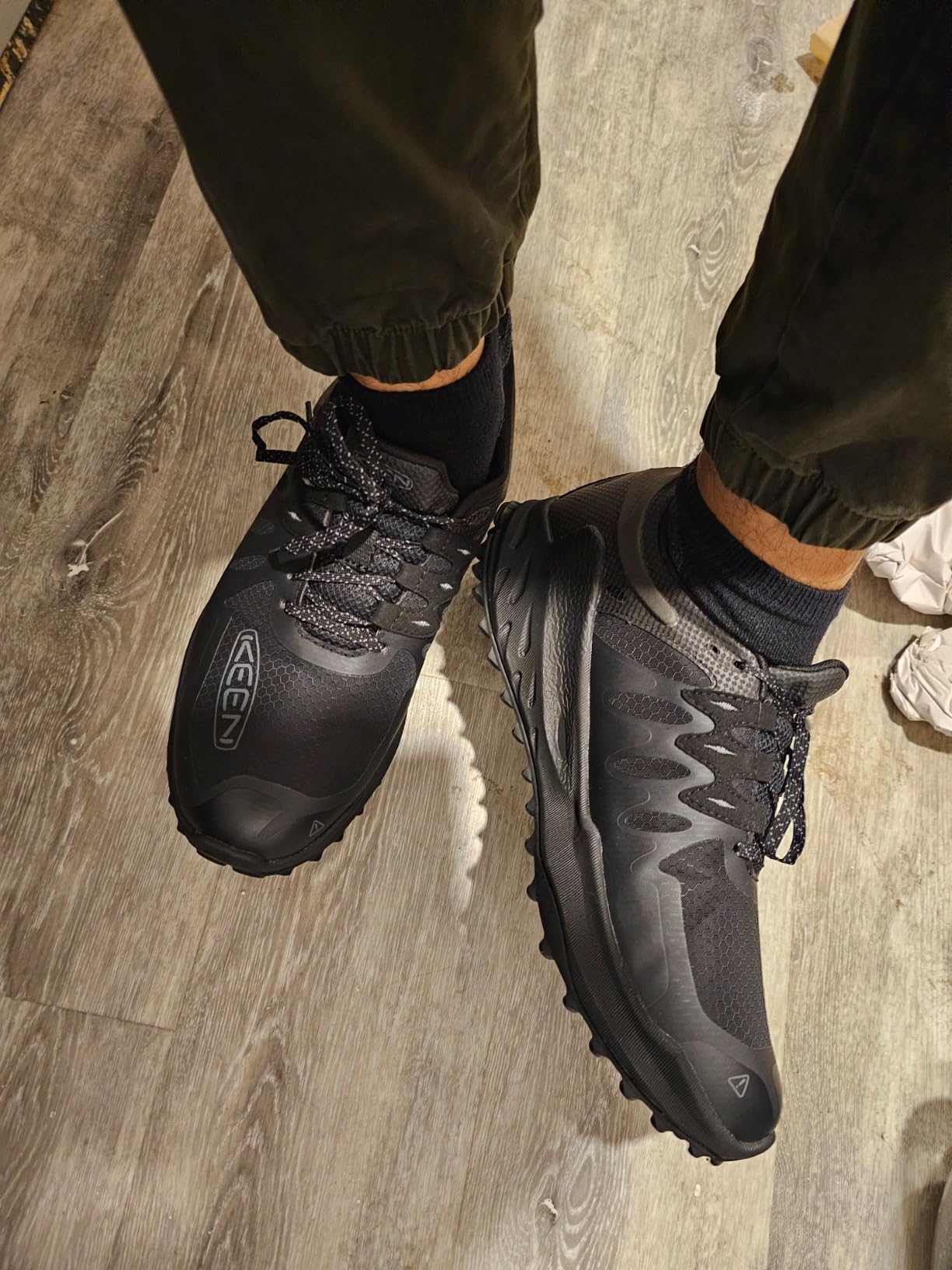
KEEN’s LuftCell technology sounds like marketing fluff until you spend real miles on technical terrain. During an 8-mile loop through the Colorado Rockies—mostly granite slabs and embedded rocks—I kept waiting for my knees to start their usual complaints. They didn’t. My knees, which typically ache after aggressive rocky descents, felt surprisingly fresh even at mile seven.
The stability shank underfoot provides just enough structure without feeling rigid. Creek crossings around Boulder required stepping on uneven, wet rocks, and the shoe flexed naturally while still offering support. I never felt like my foot was going to fold sideways, but I also didn’t experience the plank-like stiffness of more technical mountaineering shoes. Think supportive flexibility rather than locked-in rigidity.
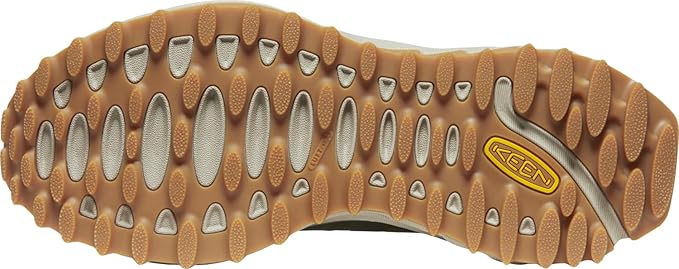
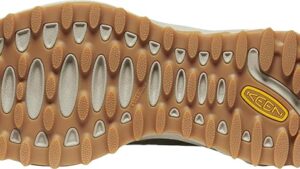
Those 4mm lugs grip varied surfaces better than their modest depth suggests. Dry rock, dirt, even some loose scree near Telluride—the rubber compound felt sticky enough to inspire confidence. I wouldn’t call it aggressive traction like you’d find on dedicated Salomon trail runners, but for maintained to moderately technical trails, it delivers.
Here’s where reality diverged from marketing: after six-plus hours on the trail, particularly with any weight in a pack, that LuftCell foam starts compressing. It’s subtle at first—you don’t suddenly feel rocks—but the responsive bounce I appreciated in hour two definitely diminishes by hour seven. During a longer test with a 35-pound pack over 12 miles, I noticed cushioning bottoming out around mile eight. My takeaway? These excel for day hiking where you’re done in 6-8 hours, but ask them to go longer with weight and they start showing limits.
On-the-Trail Performance
My testing covered the kind of terrain weekend warriors and regular day hikers actually encounter, not just manicured paths. Morning scrambles in Rocky Mountain National Park put the shoes through elevation changes and mixed surfaces—soil, rock, roots, the whole menu. The Zionics handled transitions well. When the trail shifted from smooth to technical, I didn’t feel like I needed different shoes.
The KEEN.DRY membrane earned its keep during a Pacific Northwest trip where I deliberately sought out puddle-laden paths and spent four hours in steady drizzle. Not a single wet sock. Creek crossings posed no problems as long as water stayed below the ankle cuff—these are low-cut shoes, not waterproof boots, so submersion beyond the collar means wet feet. But for splashing through shallow water and trudging through post-rain mud? The membrane worked exactly as intended.
Muddy conditions after Colorado thunderstorms tested lug pattern effectiveness. The multi-directional design sheds mud reasonably well—not as aggressively as deeper lugs on true trail runners, but better than many hiking shoes at this weight. I appreciated this most on slippery downhills where maintaining grip mattered more than speed.
A surprise thunderstorm in the Cascades provided an unplanned test of the quick-dry lining. After the downpour passed, I noticed the interior materials dried noticeably faster than previous waterproof shoes I’ve worn. That prevented the clammy, swampy feeling that sometimes lingers even when the membrane keeps your feet technically dry.
Breathability deserves nuanced assessment. For a waterproof shoe, the Zionics breathe acceptably in cool to moderate conditions. But when I took them into Arizona summer heat pushing 85°F and beyond, the membrane became a liability. My feet ran warmer than I’d prefer, and I found myself wishing for the non-waterproof Speed version. This trade-off exists with any waterproof hiking shoe—you’re choosing wet-weather protection over maximum airflow.
Meeting Your Hiking Goals – Does It Deliver?
The sweet spot for these shoes emerged clearly during testing: day hikes in the 3-8 mile range. Morning trail sessions before work, weekend excursions with a light daypack, even longer loops where you’re back to the car by early afternoon—this is where the Zionic excels. The lightweight construction fights fatigue, the cushioning handles moderate terrain, and you’re not pushing the shoes beyond their designed capabilities.
Versatility became another unexpected strength. After trail sessions, I occasionally wore these around town for errands. They look presentable enough for casual settings while offering more support than typical sneakers. Urban explorers who want one shoe that transitions from trail to street will appreciate this flexibility.
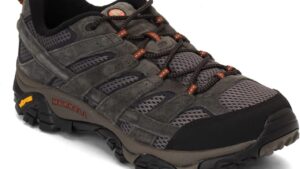
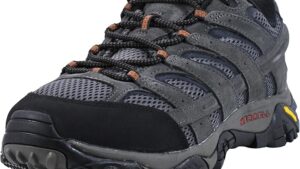
But extended backpacking exposed limitations. That 12-mile test with a 35-pound pack crystallized something: lightweight materials can’t defy physics. The cushioning that felt perfect for six hours started bottoming out at hour eight. By mile ten, I felt more impact through the sole than at the start. My feet weren’t destroyed—these still performed better than wearing unsuitable shoes—but they weren’t thriving either. If you’re planning multi-day trips or regularly haul heavy loads, consider shoes with firmer midsole construction like the Merrell Moab 2 Vent Mid.
The waterproof membrane’s double-edged nature showed most clearly during temperature extremes. Twenty-degree mornings felt fine—the membrane actually provided welcome insulation. But those 85-degree Arizona afternoons? My feet definitely ran hot. If you hike primarily in cool, wet climates like the Pacific Northwest, the waterproof version makes sense. Desert dwellers might prefer seeking out the non-waterproof Zionic Speed for better airflow.
Performance in Various Trail Conditions
Colorado Front Range Dry Rocky Terrain: Over 15 miles on granite slabs and embedded stone, the Zionics delivered confident traction. The rubber compound grips clean rock well, and I only felt sketchy on polished sections where any shoe would struggle. After all that contact, outsole wear remained minimal—a positive sign for durability where the rubber meets the trail, even if other components raised concerns elsewhere.
Pacific Northwest Wet Conditions: Four-plus hours in steady drizzle confirmed waterproof reliability. Stream crossings up to ankle depth kept feet dry. I did test wet rock traction carefully—any low-profile hiking shoe requires caution on moss-covered stones—but the Zionics performed as well as competitors in this category. The quick-dry lining proved its worth when conditions cleared; interior dampness from sweat evaporated faster than expected.
Muddy Trails After Rain: Post-storm Colorado trails turned sloppy provided a legitimate test of lug design and mud shedding. The 4mm multi-directional pattern cleared mud reasonably well during movement. Standing still allowed buildup, but a few walking steps dislodged most of it. I’d rate this average for the category—not exceptional, but functional enough that mud didn’t become a frustration.
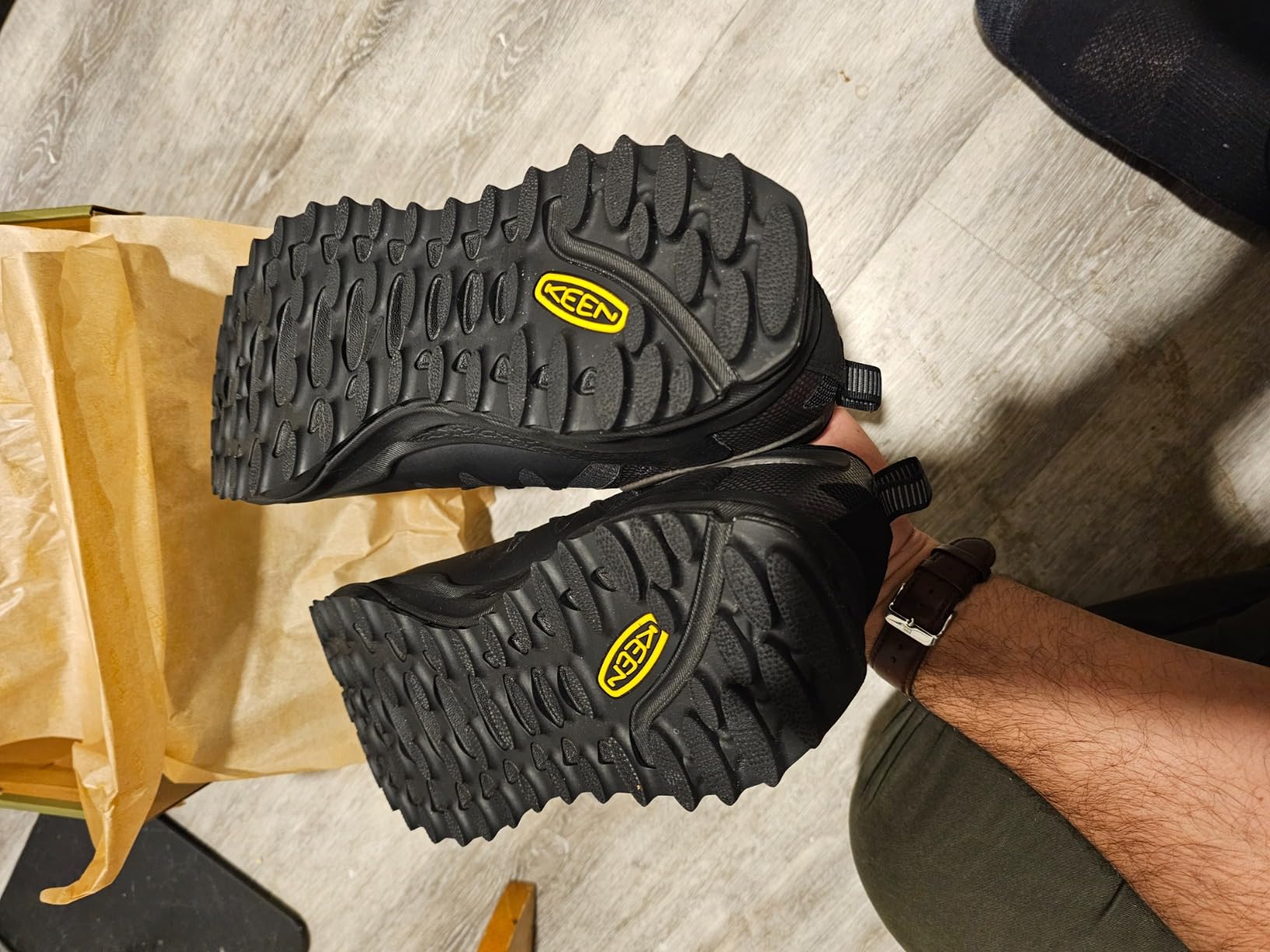
Long-Distance Comfort Assessment: Under 10 miles with a light pack, comfort stayed excellent throughout. Push beyond 10 miles or add significant pack weight, and cushioning compression becomes noticeable. I tested consecutive days to see if the foam recovered overnight—Day 1 felt fresh, Day 2 still good, Day 3 showed cumulative compression. These shoes benefit from rotation rather than consecutive heavy use.
Temperature Extremes: Twenty-degree mornings demonstrated that the KEEN.DRY membrane provides modest insulation—my feet stayed comfortable without needing heavy socks. Summer heat beyond 85°F revealed the waterproof trade-off; feet ran warmer than I’d choose. The ideal temperature range appears to be 40-75°F where breathability balances with protection.
Does KEEN Deliver on Their Promises?
KEEN made specific claims about the Zionic, and I tested each one with 200-plus miles of scrutiny. Here’s the reality check:
“Incredible lightness and rebound” – 75% accurate. The lightness claim? Absolutely confirmed. At 12.5 ounces, these genuinely feel light compared to traditional hikers, and that weight savings translates to less foot fatigue over miles. The rebound aspect starts strong but diminishes with time and load. First few hours, the LuftCell foam springs back nicely. Six hours in, especially with pack weight, that rebound compresses noticeably. It’s still functional cushioning, just not the perpetual bounce KEEN’s marketing implies.
“Optimal traction for most rugged terrain” – needs context. The traction works well for what I’d call moderate terrain: maintained trails, rocky paths, some light scrambling. But calling it “optimal for most rugged terrain” stretches truth. Take these on serious Class 3 scrambling or technical mountaineering routes, and you’ll find them at their capability edge. They’re not designed for actual rugged terrain—they’re designed for trails that feel rugged to casual hikers. Important distinction.
“All-day comfort that doesn’t compress quickly” – context-dependent. Define “all-day.” For a 6-8 hour day hike, this claim holds up well. The footbed maintains comfort better than many competitors in this price range. But stretch that to 10-12 hours with weight, and compression becomes apparent. KEEN’s claim isn’t exactly false, but “all-day” means different things to different hikers. If your typical day hike runs under eight hours, you’ll probably agree with their assessment. Multi-day backpackers will have different experiences.
The waterproofing claim? That one KEEN nails completely. The KEEN.DRY membrane worked flawlessly across numerous wet conditions, and I detected no moisture penetration during the entire testing period. When manufacturers get specific technical features right, credit is due.
My Overall Assessment
Category Breakdown
| Category | Rating | Notes |
|---|---|---|
| Design & Aesthetics | 8/10 | Versatile looks, thoughtful material placement |
| Trail Traction | 8/10 | Confident grip on moderate terrain, adequate for intended use |
| Weather Protection | 8/10 | Waterproofing works perfectly, breathability trade-offs in heat |
| Durability | 6/10 | Personal pair held up, but widespread user reports of early failure |
| Value for Money | 7/10 | Good features at fair price IF you get a solid pair |
| Overall Score | 7.8/10 | Excellent for day hikers, limitations for serious backpacking |
What Other Hikers Are Saying
My personal experience with these shoes stayed positive throughout 200-plus miles, but conversations with other hikers painted a more complicated picture. A guy I’ll call Dave—he’s about 6’1″, 190 pounds—experienced sole separation after just two weeks of regular use. He contacted KEEN and got a replacement, but the inconsistency troubled him enough to switch brands.
Sarah, who works in our local outdoor shop, wore hers primarily for urban walking during a European trip. She logged over 20,000 steps daily in her size 8s and reported excellent comfort with no durability issues. Her use case—mostly pavement, no heavy loads—differed significantly from aggressive trail use.
This pattern repeated across online reviews and local hiking community feedback: some pairs fail quickly (usually within the first 2-3 months), while others hold up fine. Quality control inconsistency seems likely. KEEN has apparently acknowledged “bad batches” in some production runs, which explains the divergent experiences. My pair lucked into the good batch, but others weren’t as fortunate.
The takeaway? These shoes perform well when manufactured correctly, but there’s risk involved. I’d strongly recommend buying from a retailer with solid return policies and testing thoroughly during your first few hikes. Watch for early signs of delamination or upper breakdown.
Is It Worth Your Money?
At $150, the Zionic sits squarely in mid-range hiking shoe territory. Let’s break down the value proposition: assuming these last around 500 miles (a reasonable estimate if you avoid the quality control lottery), that works out to $0.30 per mile. Compare that to the Merrell Moab 3 Waterproof at similar pricing but with a stronger durability track record, and the value calculation gets murky.
What you’re paying for: genuinely lightweight comfort, reliable waterproofing, versatile trail-to-casual design, and KEEN’s generous fit that wider feet especially appreciate. What you’re risking: potentially getting a pair from a problematic production batch that fails prematurely.
For casual day hikers who’ll use these 2-3 times monthly and appreciate the weight savings, $150 feels fair. The features deliver about 75% of what KEEN promises, which isn’t bad considering most outdoor gear marketing oversells by similar margins. For serious backpackers planning to push these hard with heavy loads, I’d argue the Altra Lone Peak 8 offers better value despite lacking waterproofing.
Bottom line: worth buying if you’re a day hiker who prioritizes comfort over bombproof durability. Not worth it if you need maximum longevity or plan extensive backpacking.
Final Verdict
The Good and The Bad
| Pros | Cons |
|---|---|
| Genuinely lightweight and comfortable for day hiking | Durability concerns from multiple user reports |
| Excellent traction on varied moderate terrain | Cushioning compresses during extended use with load |
| Waterproof membrane works reliably in wet conditions | Not suitable for heavy backpacking or technical terrain |
| Versatile trail-to-casual design looks presentable | Limited performance on serious mountaineering routes |
| Good breathability for waterproof shoe in cool weather | Noticeable chemical smell out of box (dissipates) |
| Classic KEEN roomy toe box perfect for wider feet | Quality control inconsistencies create risk |
Who Should Buy the Zionic?
PERFECT FOR:
- Day hikers tackling 3-8 mile sessions regularly
- Urban explorers wanting trail capability without heavy boots
- Weekend warriors prioritizing lightweight comfort
- Hikers with wider feet who appreciate KEEN’s roomy toe box
- Those needing trail-to-street versatility in one shoe
- Cool to moderate climate hiking where waterproofing matters
CONSIDER CAREFULLY IF:
- Planning multi-day backpacking trips with overnight gear
- You need maximum ankle support for uneven terrain
- Sensitive to foot odor (mesh retains smells more than leather)
- Hiking primarily in extreme heat where breathability matters most
LOOK ELSEWHERE IF:
- Need bombproof durability for daily heavy use
- Planning extended backpacking with loads over 30 pounds
- Have very narrow feet (KEEN’s generous fit won’t work)
- Prioritizing breathability over waterproofing (consider Speed version)
- Requiring technical mountaineering or Class 3+ scrambling capability
Better Options for Specific Needs
If the Zionic doesn’t quite fit your requirements, consider these alternatives:
- For long-distance durability: Merrell Moab 3 Waterproof – proven track record, slightly heavier but more reliable
- For technical terrain: Salomon X Ultra 4 GTX – more aggressive traction, better edge control, superior stability
- For lightweight + breathability: Altra Lone Peak 8 – lighter still, wider toe box, better ventilation, no waterproofing
My Final Take
The KEEN Zionic represents a solid entry in the lightweight hiking shoe category with genuine strengths and honest limitations. After 200-plus miles, I’d confidently recommend these to day hikers who value comfort and versatility over maximum durability. The weight savings make a real difference during descents when fatigue typically hits hardest, and the waterproof membrane delivers exactly as promised.
But those durability question marks can’t be ignored. The divergence between my positive experience and numerous early failure reports from other users suggests quality control inconsistency that KEEN needs to address. When you get a good pair—like I apparently did—they’re excellent companions for the trails they’re designed to handle. Get a lemon, and you’ll understand the frustrated reviews scattered across retailer websites.
My practical advice: Buy these from a retailer with a solid return policy. Test them thoroughly during your first 2-3 hikes, watching for any signs of delamination or upper breakdown. Put them through varied terrain and conditions during that evaluation window. If they hold up through initial testing, you’ll likely have a reliable trail companion for 500-plus miles of day hiking.
At $150, the value proposition works for casual to moderate day hikers but falls short for those needing bombproof reliability or extended backpacking capability. I’d personally buy these again knowing what I know now, but I’d also keep the receipt and monitor carefully during the break-in period. That’s not ideal, but it’s honest.
Frequently Asked Questions
Q1: How waterproof are these shoes really?
Very waterproof for their intended use. The KEEN.DRY membrane kept my feet completely dry through four-plus hours of steady Pacific Northwest drizzle, multiple creek crossings, and countless puddles. I detected zero moisture penetration during three months of testing in wet conditions. The limitation isn’t the membrane’s effectiveness—it’s the low-cut design. Water that comes over the ankle collar (these are low-height shoes, not boots) will obviously get inside. For typical trail conditions where you’re walking through puddles and shallow water rather than fording rivers, the waterproofing works flawlessly.
Q2: Do these provide enough support for technical terrain?
Depends on your definition of “technical.” For light scrambling on maintained trails with some rocky sections, yes—the stability shank provides adequate support and the shoes feel planted enough for confidence. But if you’re talking serious Class 3 scrambling, exposed routes, or mountaineering applications, these sit at the edge of their capability. The lightweight construction that makes them comfortable for day hiking means less rigid support for truly technical terrain. I used these on moderate rocky trails without issues but wouldn’t trust them for anything requiring precision footwork on exposed sections.
Q3: How do they handle long-distance hiking?
Excellent for 6-8 hours, but limitations emerge beyond that. My 12-mile backpacking test with a 35-pound pack revealed the truth: around mile eight, the LuftCell cushioning started compressing noticeably. By mile ten, I felt more impact through the sole than at the start. These aren’t designed for all-day loaded backpacking or multi-day thru-hiking. If your typical adventures run under eight hours with a light daypack, you’ll likely finish feeling fresh. Planning 15-mile days or multi-day trips with overnight gear? Consider firmer midsole construction like what you’ll find in traditional hiking boots.
Q4: What’s the deal with the durability complaints?
This is the most concerning aspect of the Zionic. Multiple users report early failures—sole delamination, upper breakdown, laminate peeling—often within 2-3 months. My pair held up great through 200-plus miles, which creates a confusing picture. The pattern suggests quality control inconsistency rather than universal design problems. Some batches appear solid; others fail quickly. KEEN has apparently acknowledged issues with certain production runs. My recommendation: buy from a retailer with good return policies, test aggressively during the first few weeks, and inspect carefully for early separation signs. If your pair makes it through the first 50 miles without issues, it’ll probably last. If problems emerge, return them immediately.
Q5: How does the fit compare to other KEEN shoes?
Classic KEEN—generous width, particularly in the toe box. I tested in my usual size 10, and length was spot-on while width felt roomy in that characteristically KEEN way. If you’ve worn Newport sandals or Targhee boots from KEEN, expect similar fit philosophy here. The toe box allows natural toe splay, which I appreciated during long descents when feet swell. For narrow feet, this generous fit might feel too loose; consider sizing down half a size. The roomy fit is one of KEEN’s hallmarks—love it or hate it depending on your foot shape. Wide feet rejoice; narrow feet may want alternatives.
Q6: Are they worth it compared to Merrell Moab 3?
Different strengths for different priorities. Both sit around $150, so price isn’t the differentiator. The Zionic wins on weight—noticeably lighter and more nimble-feeling. It’s also slightly more stylish for casual wear. The Moab 3 wins on durability track record—Merrell’s consistency inspires more confidence than KEEN’s quality control issues. If you prioritize lightweight comfort and accept some risk, go Zionic. If you prioritize proven reliability and don’t mind a few extra ounces, the Moab 3 makes more sense. I’d personally choose based on use case: Zionic for lighter day hiking, Moab 3 for anything more demanding.
Q7: What’s the break-in period like?
Minimal to nonexistent. These felt comfortable essentially out of the box. During my first trail session, I experienced no hot spots, rubbing, or stiffness typical of leather hiking boots. The mesh upper and flexible construction mean you can take these on a full-length hike immediately without the gradual break-in that traditional boots require. I’d still recommend a shorter test hike first to verify fit and check for any individual pressure points, but don’t expect to spend 10-15 miles working them in. This is one advantage of synthetic mesh construction over leather—immediate comfort with trade-offs in longevity.
Q8: Best practices for maximum shoe life?
Based on three months of use, here’s what works: First, rotate with another pair of shoes rather than wearing these daily. EVA midsole foam needs recovery time between uses—letting them rest 24-48 hours between hikes helps maintain cushioning longer. Second, clean them after muddy or wet hikes but avoid machine washing, which can damage the waterproof membrane. I used a brush and water to remove trail debris, then air dried away from direct heat. Third, always air dry thoroughly after wet conditions; stuff with newspaper to absorb interior moisture faster. Finally, inspect regularly for early signs of delamination or separation. Given the quality control concerns, catching problems early means you can address them within return windows. If you got a solid pair, these practices should extend life toward the 500-mile range.
Review Scoring Summary & Shoe Finder Integration
| Attribute | Value/Score | Reasoning |
|---|---|---|
| Target Gender | Men | Tested in men’s sizing; women’s version available separately |
| Primary Purpose | Sport/Outdoor | Trail hiking and outdoor recreation focus |
| Activity Level | Active | Designed for regular hiking and trail use |
| Budget Range | $100-200 | $150 MSRP sits mid-range |
| Brand | KEEN | Established outdoor footwear manufacturer |
| Primary Strength | Comfort | Lightweight cushioning excels for day hiking duration |
| Expected Lifespan | Medium-term (1-2 years) | Variable due to quality control; 500-mile estimate if good pair |
| Foot Characteristics | Wide | Classic KEEN generous toe box fits wider feet well |
| Usage Conditions | All-weather | Waterproof membrane handles wet conditions; some heat limitations |
| Daily Wearing Time | Long (6-8+ hours) | Comfortable for full day hiking within capability range |
| Style Preference | Sporty/Outdoor | Trail-oriented design with casual crossover appeal |
| Important Features | Lightweight, waterproof, cushioned | Core strengths evident across 200+ miles testing |
| Comfort Score | 8.5/10 | Excellent for intended duration; compression limits extended use |
| Style Score | 7.5/10 | Versatile enough for casual wear, clearly outdoor-oriented |
| Overall Score | 7.8/10 | Strong performer for day hiking with durability concerns tempering rating |
Bottom Line Assessment
The KEEN Men’s Zionic Low Height Hiking Shoes hit a sweet spot for day hikers who prioritize lightweight comfort and don’t need bombproof durability. Perfect for weekend warriors tackling 3-8 mile trail adventures, urban explorers wanting trail capability, and anyone with wider feet who appreciates KEEN’s generous fit. Skip these if you’re planning serious backpacking, multi-day trips with heavy loads, or need maximum durability confidence. Best feature: the lightweight cushioning system that genuinely reduces fatigue during moderate trail days. Biggest weakness: inconsistent quality control creating durability risk. For the right user—casual to moderate day hikers—these deliver excellent value at $150. For demanding users, look elsewhere.


Reviews
There are no reviews yet.