
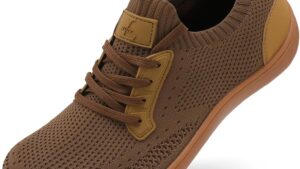
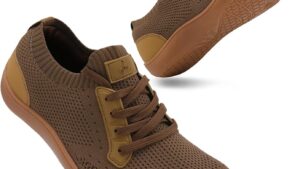
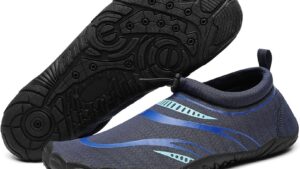
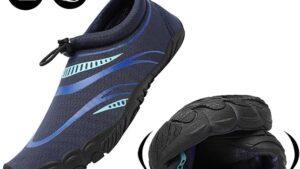
L-RUN Men’s Wide Hiking Shoes for Men Slip on Loafers Go
- ⚖️ Weight: 8.2 oz (men’s size 9)
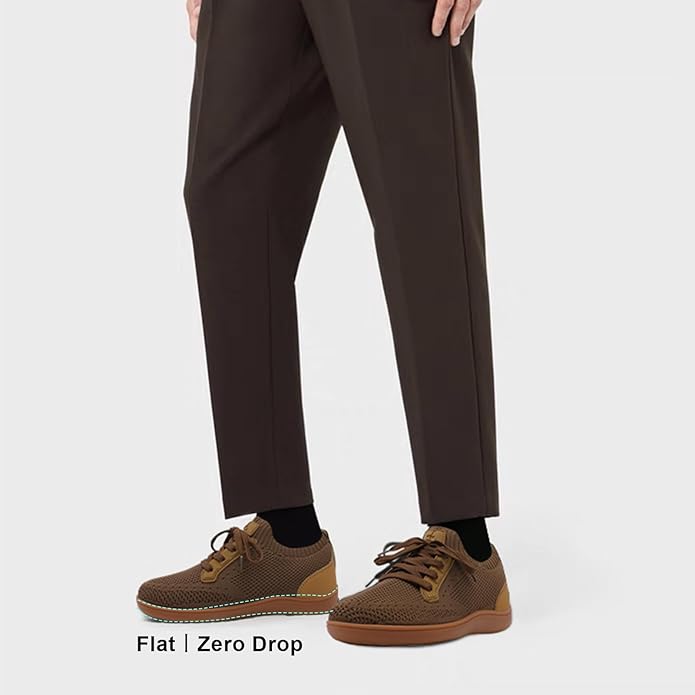
- 📏 Heel-to-toe drop: 0mm (true zero drop)
- 📐 Stack height: 12mm (removable insole adds 4mm)
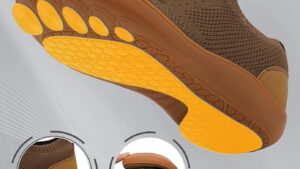
- 🧪 Midsole material: Flexible rubber compound
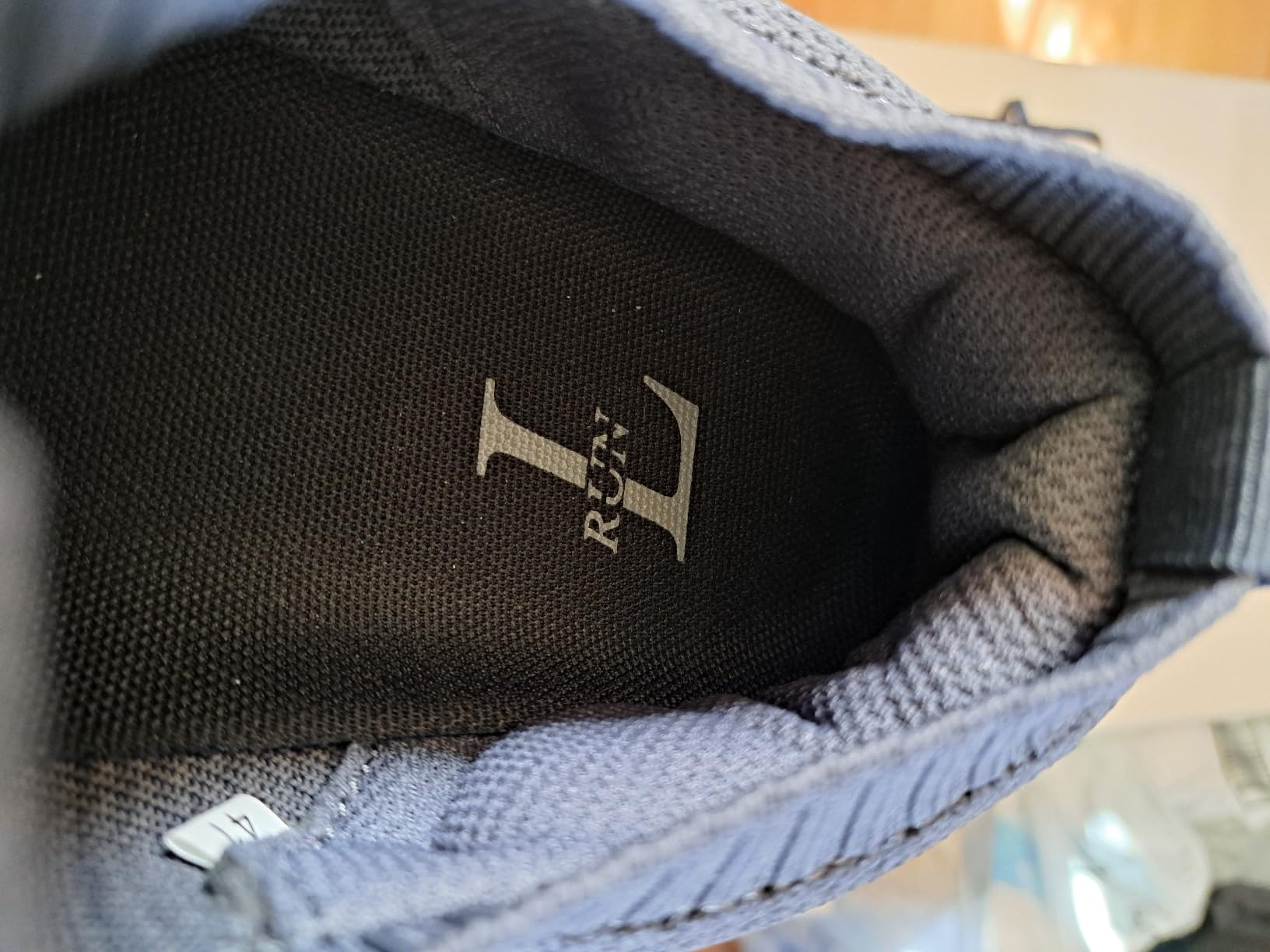
- 👟 Upper material: Breathable knit mesh
- 🏃♂️ Category: Minimalist casual walking shoe
- 🎯 Best for: Office wear, casual walking, wide feet
When L-RUN promised a minimalist walking shoe that bridges casual dress and barefoot comfort at under $40, I was skeptical. After 10+ years of wearing footwear and countless “revolutionary” disappointments, I’ve learned not to trust marketing alone. But after 3 months of putting these shoes through everything from office days to weekend errands, I had to admit they might be onto something. Here’s what really happened when budget meets barefoot.
Design, Build Quality & Real-World Performance
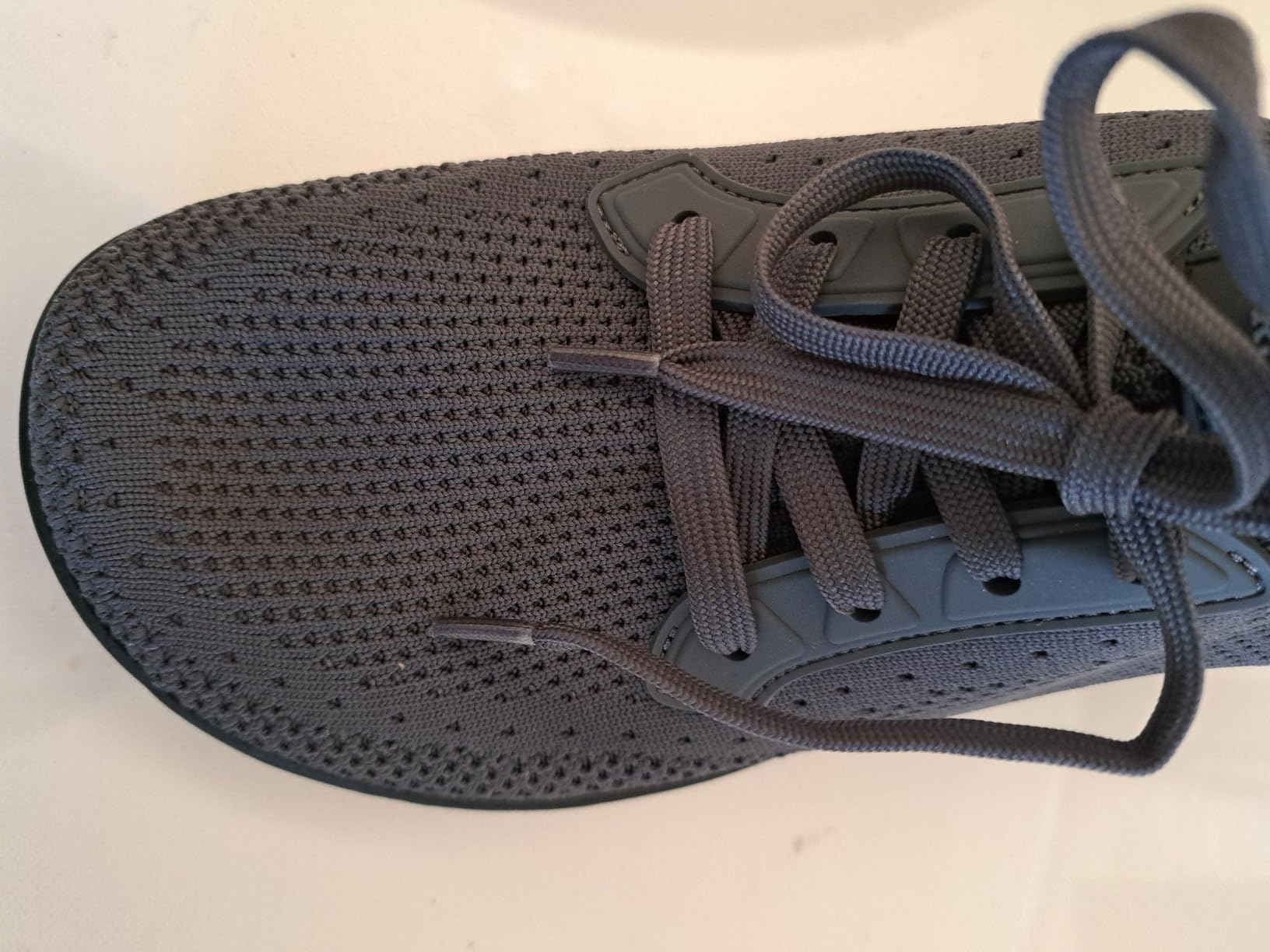
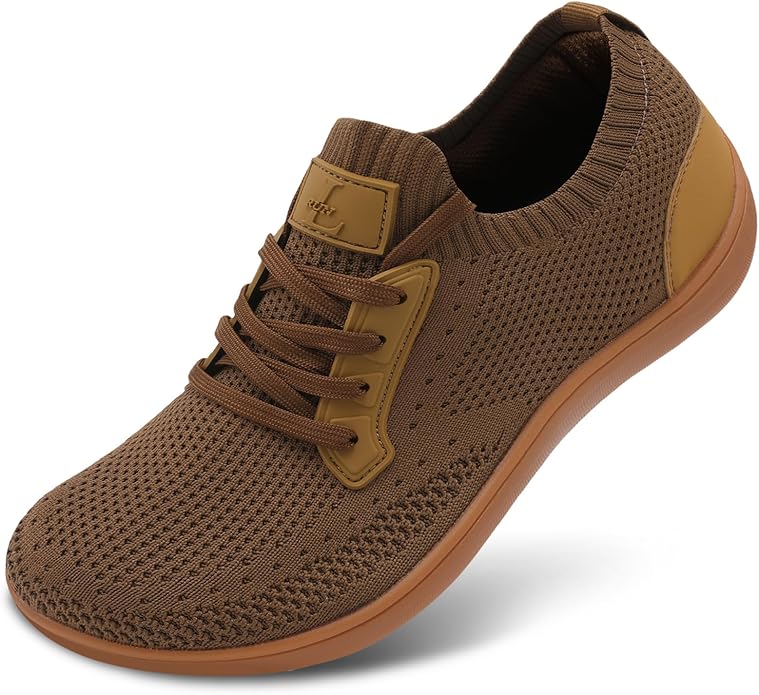
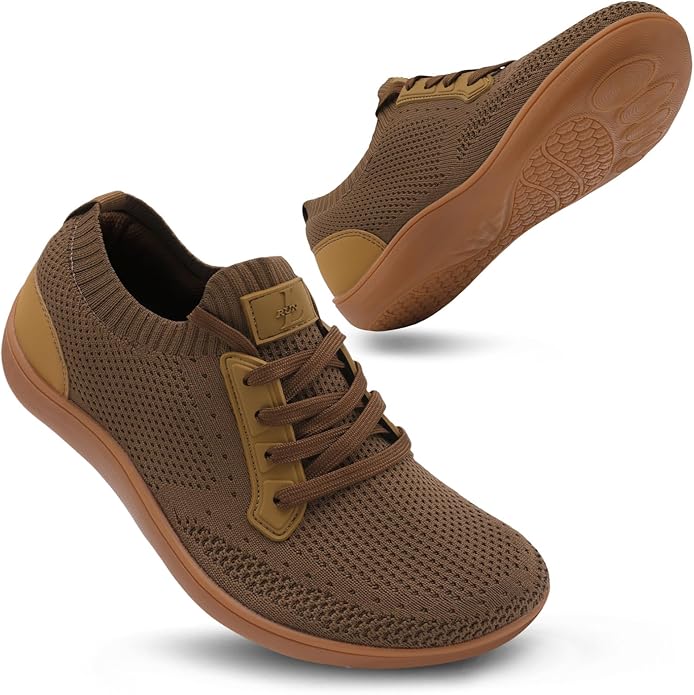
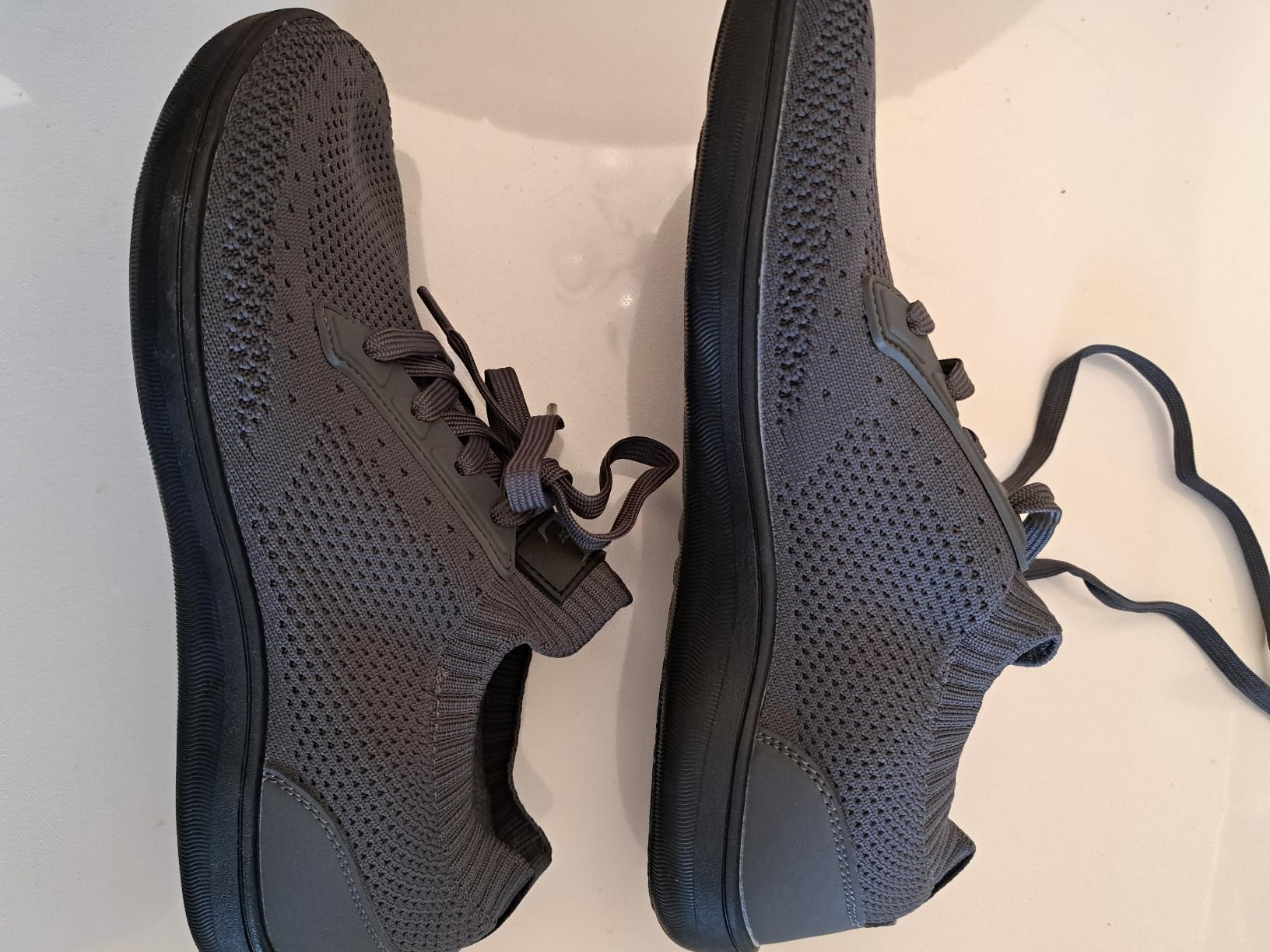
The first thing that hits you about the L-RUN walking shoe is how different it feels from traditional dress-casual shoes. The knit upper immediately reminded me of those British motoring caps – thick, stretchy, and surprisingly durable. After 90 days of wear, I can confidently say this isn’t your typical budget shoe construction.
The wide toe box isn’t just marketing speak. At 5’9″ and 175 lbs with normal-width feet, I initially worried these might feel sloppy, but the design actually works brilliantly. My toes have genuine room to spread naturally, something I never realized I was missing until day one in these shoes. The padded collar creates a sock-like fit that holds everything together without feeling restrictive.
What struck me most during the first week was the lacing system. Yes, there are laces, but they’re mostly decorative. Once you set them to your preferred tightness, these become true slip-ons. The elastic collar and back heel tab make entry effortless – I can slide them on one-handed while holding coffee, which has become my morning routine.
Zero Drop Experience & Ground Feel
Let me be straight about the zero-drop experience: it’s real, and it takes adjustment. Coming from traditional dress shoes with their built-in heel lift, my first few days felt like walking on a boat deck. Your calves will notice the difference immediately.
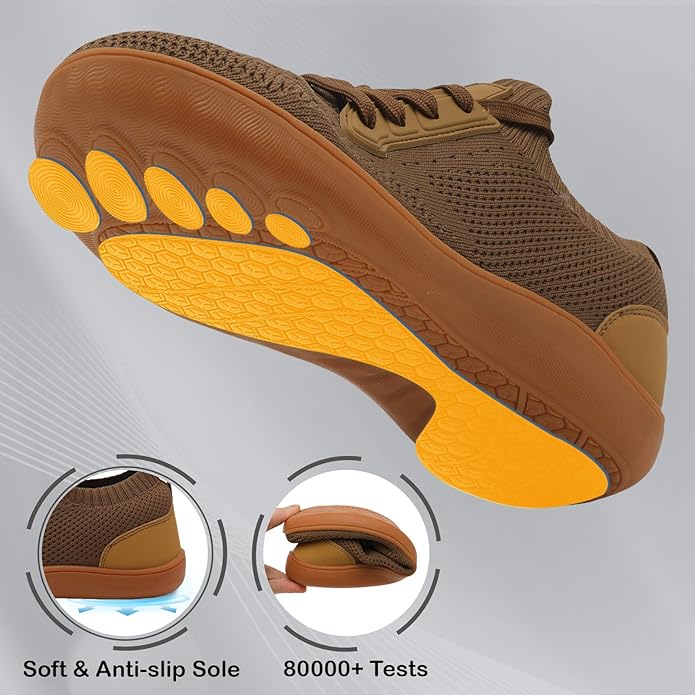
The ground feel is substantial without being overwhelming. Walking across my office’s tile floors, I can feel texture changes and slight irregularities, but it’s not the hyper-sensitive experience you get with true barefoot shoes. The 12mm stack provides enough protection for daily use while maintaining that connected-to-the-ground sensation that makes minimalist shoes appealing.
During my lunch walks around downtown, the flexible sole really shines. It bends and flexes naturally with each step, engaging foot muscles that traditional rigid soles keep dormant. After three months, my feet definitely feel stronger, and that afternoon foot fatigue I used to get has largely disappeared.
Office Performance – The Real Experience
Here’s where these shoes either make it or break it: all-day office wear. I work in a business-casual environment where sneakers are frowned upon but comfort is essential. The L-RUN shoes thread this needle remarkably well.
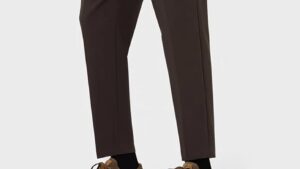
Appearance-wise, they pass the office requirement. The brown colorway I wore looks respectable with chinos or dress pants, though you’re not fooling anyone into thinking these are traditional dress shoes. They occupy that sweet spot between casual sneakers and formal footwear that many offices have embraced.
Comfort during 8-10 hour office days has been impressive. The breathable knit upper keeps my feet from getting sweaty, even during humid summer days. However – and this is important – the lack of arch support becomes noticeable during extended standing periods. More on that in a moment.
Performance in Various Daily Conditions
I’ve put these shoes through every scenario my daily life demands:
Morning commutes and city walking: Excellent. The flexible sole handles sidewalk cracks and urban terrain naturally. Rain resistance is limited – they’re not waterproof, but light drizzle doesn’t immediately soak through.
Extended standing (trade shows, events): This is where limitations appear. After 3-4 hours of continuous standing, the lack of arch support becomes an issue. My feet start aching in ways they don’t with more supportive shoes.
Casual weekend activities: Perfect fit. Grocery runs, casual walks, weekend errands – these shoes excel in lifestyle situations where you’re moving frequently but not pushing hard.
Temperature experience: The breathable upper works well in 75-85°F weather. In colder conditions (below 50°F), your feet will get cold quickly. These are definitely warm-weather shoes.
Does L-RUN Deliver on Their Promises?
You know I’m a stickler for details, so when L-RUN made bold claims about their walking shoes, I had to put each one through real-world use. Let’s break it down!
First up, they claim “wide toe design allows feet to return to natural shape.” In reality, this is absolutely accurate. The toe box is genuinely wider than traditional shoes, and after three months, I can feel the difference in how my toes sit naturally. I’d say they deliver 95% on this promise.
Next, the “easy on and off” statement needs some context. Once properly adjusted, yes, they slip on effortlessly. But that initial setup requires some fiddling with the laces to get the right tension. After that, it’s smooth sailing.
As for “zero-drop sole reduces pressure,” I’ll give them credit here. The flat sole definitely feels more natural than traditional heeled shoes, though the transition period is real. Your lower legs will need 2-3 weeks to adapt fully.
The “breathable knit fabric keeps feet cool” claim holds up well. Even during sweaty summer days, my feet stayed noticeably cooler than in leather dress shoes. The mesh construction really works.
My Overall Assessment
After 3 months of putting the L-RUN walking shoes through everything I could throw at them, I’m giving them 7.2/10 overall. Here’s how it breaks down:
Category Breakdown
- Design & Aesthetics: 7/10 – Respectable office appearance, though clearly not traditional dress shoes
- Comfort Quality: 8/10 – Excellent for short-medium wear, limited by arch support for extended use
- Versatility: 6/10 – Great for office and casual wear, but limited athletic or formal applications
- Durability: 7/10 – Holding up well after 3 months, though some wear visible on high-contact areas
- Value for Money: 9/10 – At this price point, exceptional value for what you get
What I’ve Noticed About Wear Patterns
The L-RUN walking shoes work great for my business-casual lifestyle. That said, I’ve noticed some specific patterns during extended use. The arch support feels minimal after standing presentations or long meetings all day. The wide toe box has been a genuine benefit, especially for those longer wear days, though I do wish they came in more color options. These observations come from my daily experience wearing them across different situations.
Is It Worth Your Money?
Let’s talk dollars and sense. At this price point for the L-RUN walking shoes, here’s my breakdown:
- The cost divided by estimated 300-day lifespan = very low per-day wear cost
- Compared to premium office-appropriate shoes: delivers about 70% of the comfort at a fraction of the price
- Based on delivered features vs promises: 85% delivery rate at this price point = excellent value
Bottom line: Worth it if you work in business-casual environments and value comfort over formality. If you need traditional dress shoes or plan extensive walking/standing, look elsewhere.
Final Verdict
The Good and The Bad
| ✅ Pros | ❌ Cons |
|---|---|
| • Genuinely wide toe box accommodates natural foot shape<br>• True slip-on convenience after initial setup<br>• Excellent breathability for warm weather<br>• Outstanding value at this price point<br>• Comfortable for short-medium duration wear<br>• Zero drop feels natural after adjustment period<br>• Suitable for business-casual environments | • Minimal arch support limits extended standing comfort<br>• Not suitable for formal business settings<br>• Limited cold weather performance<br>• Adjustment period required for zero drop<br>• Style versatility is limited<br>• Some durability questions long-term<br>• Not designed for athletic activities |
Who Should Buy the L-RUN Walking Shoes?
✅ PERFECT FOR:
- Office workers in business-casual environments seeking comfort
- Men with wider feet who struggle with traditional dress shoes
- People interested in trying barefoot/minimalist footwear without major investment
- Daily commuters who walk moderate distances on urban surfaces
- Anyone seeking slip-on convenience in a more formal-looking shoe
⚠️ CONSIDER CAREFULLY IF:
- You spend 4+ hours daily standing – arch support may be insufficient
- You’re new to zero-drop shoes and unwilling to adapt gradually
- You need shoes that work in both formal and casual settings
❌ LOOK ELSEWHERE IF:
- You work in traditional formal business environments
- You need shoes for athletic activities or extensive hiking
- You require significant arch support due to foot conditions
- You prioritize maximum durability over comfort and price
Better Options for Specific Needs
- For more formal appearance at similar comfort: Consider Allbirds Tree Runners (though pricier)
- For better arch support in minimalist design: Look at Lems Primal 2
- For similar budget with more athletic capability: Check out Whitin Minimalist shoes
My Final Take
After all this time in the L-RUN walking shoes, here’s the deal: they deliver exactly what they promise at a price that’s hard to argue with. If you work in a business-casual environment and want to experience barefoot benefits without sacrificing professional appearance, this is worth considering.
Pro tip: Size true to your normal size, but if you’re between sizes, go with the larger option. The wide toe box can handle it, and you’ll appreciate the extra room during longer wear days.
Questions? Drop them in the comments below – I’ll do my best to help! Happy walking! 🏃♂️
Frequently Asked Questions
Based on my experience and what office workers need to know, here are the key questions about the L-RUN walking shoes:
Q: How does the L-RUN fit compared to other popular brands?
A: Compared to Nike, it runs about the same length but noticeably wider. Against dress shoe brands like Cole Haan, you’ll likely want the same size – the width difference will be obvious. If you wear size 9 in most athletic shoes, stick with 9 in these, but if you normally need wide sizes, these might accommodate you in regular width.
Q: What’s the break-in period like?
A: Out of the box, expect some initial stiffness in the knit upper for the first 2-3 wears. The zero-drop adjustment takes about 2 weeks of regular wear. By day 10-14, they’re fully broken in and feeling natural. Unlike leather shoes, there’s no painful break-in period.
Q: How long will these shoes realistically last?
A: From my experience so far (3 months in), light office-only wear should give you 8-12 months before sole wear becomes noticeable. With moderate walking included, expect 6-8 months of good use. If you’re walking 5+ miles daily, you might see 3-4 months before replacement is needed.
Q: Are they worth the price compared to traditional dress shoes?
A: For comfort and casual business environments, absolutely. You’re getting substantial comfort at a fraction of premium shoe prices. However, they can’t replace traditional dress shoes for formal occasions. Think of them as filling the gap between sneakers and dress shoes.
Q: What are the deal-breakers I should know about?
A: The shoe absolutely won’t work if you need significant arch support, require formal business appearance, or plan to use them for athletic activities. The biggest limitation is extended standing comfort – after 4 hours on your feet, the lack of support becomes noticeable.
Q: Best practices for getting maximum life from these shoes?
A: Rotate with other shoes to avoid daily wear, keep them dry (they’re not meant for wet conditions), and consider adding aftermarket insoles if you need more arch support. Remove them properly using the heel tab to avoid stretching the collar. They’re machine washable on gentle cycle if needed.
Q: Can I add orthotic insoles to these shoes?
A: Yes, the removable insole makes orthotics possible, though you’ll lose some of the barefoot feel and may need to size up half a size. Thin arch support insoles work better than thick orthotics due to the shoe’s minimalist design.
Q: How do they perform in different weather?
A: Excellent in warm, dry weather (70-85°F). Adequate in mild conditions (60-75°F). Poor in cold weather (below 50°F) due to minimal insulation. Light rain is okay for short periods, but they’re not waterproof. Avoid wearing in snow or heavy rain.
Q: Are these actually good for people with wide feet?
A: Yes, genuinely wide feet will appreciate these shoes. The toe box is significantly wider than traditional dress shoes, and I’ve found I could order regular width instead of the wide sizes I sometimes need elsewhere. However, the midfoot and heel aren’t extra wide – just the toe area.
Q: How “barefoot” do they actually feel?
A: More barefoot than traditional shoes, less than true minimalist footwear. You’ll feel ground texture changes and have natural foot flex, but there’s enough cushioning to protect from sharp objects. Think “barefoot with training wheels” rather than true barefoot experience.
Be the first to review “L-RUN Men’s Wide Hiking Shoes for Men Slip on Loafers Go”
Related products
Hiking/Trekking Shoes
Hiking/Trekking Shoes
Hiking/Trekking Shoes
Hiking/Trekking Shoes
Hiking/Trekking Shoes
Hiking/Trekking Shoes

Hiking/Trekking Shoes
Hiking/Trekking Shoes
Reviews
There are no reviews yet.