
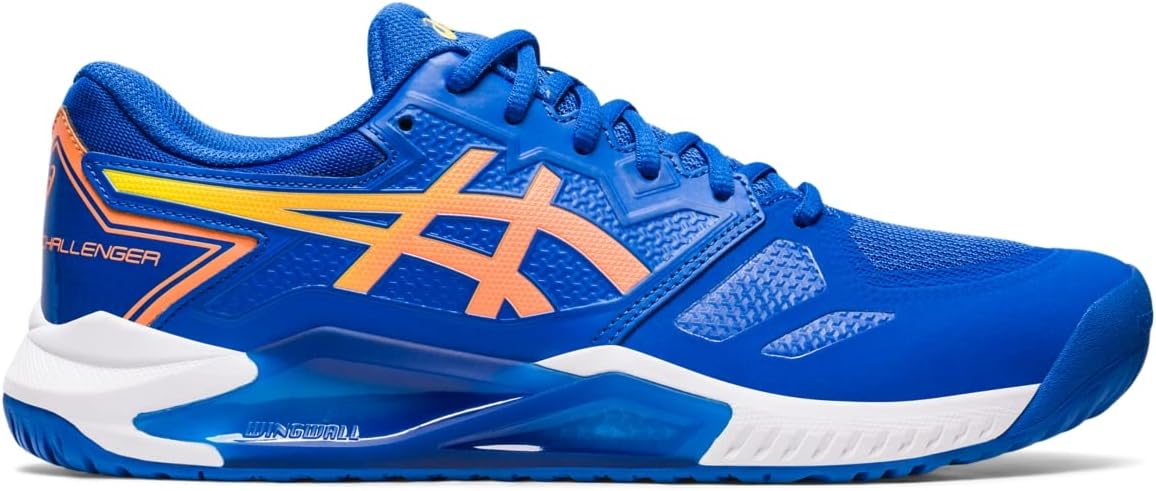
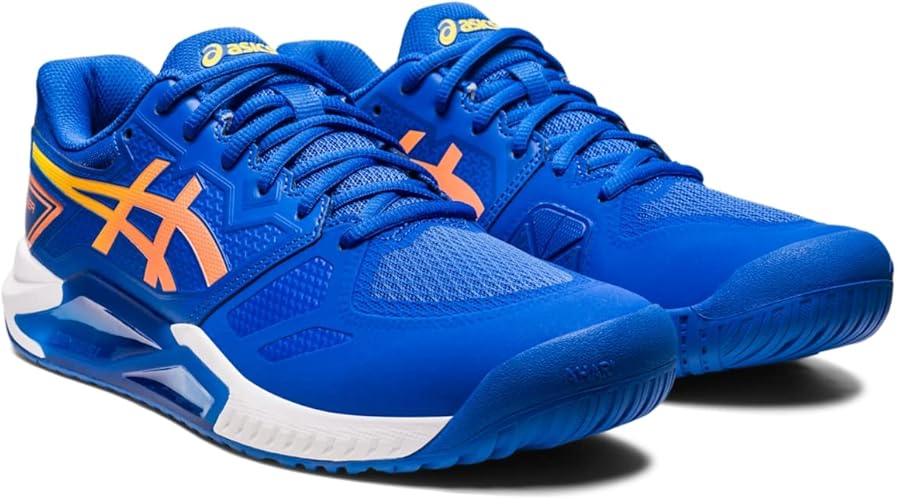
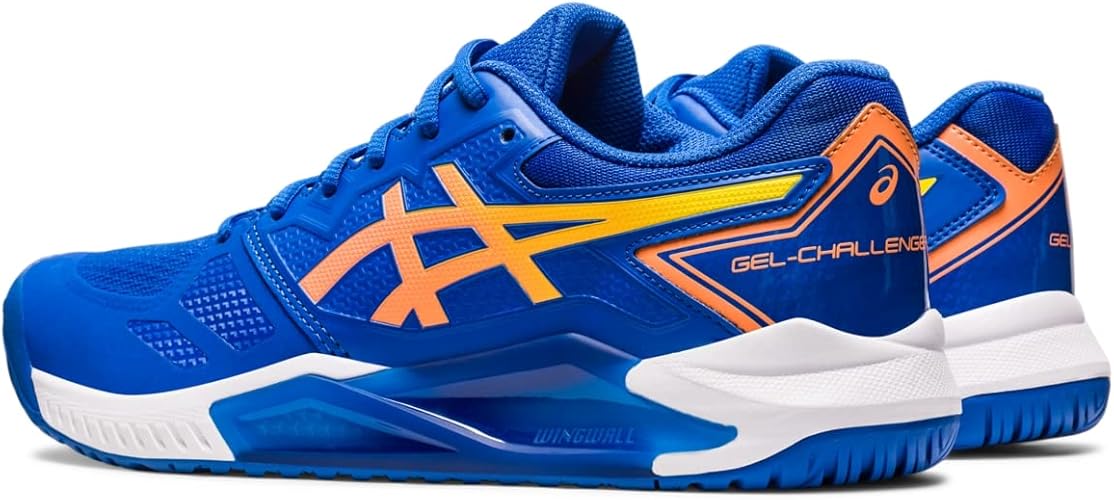
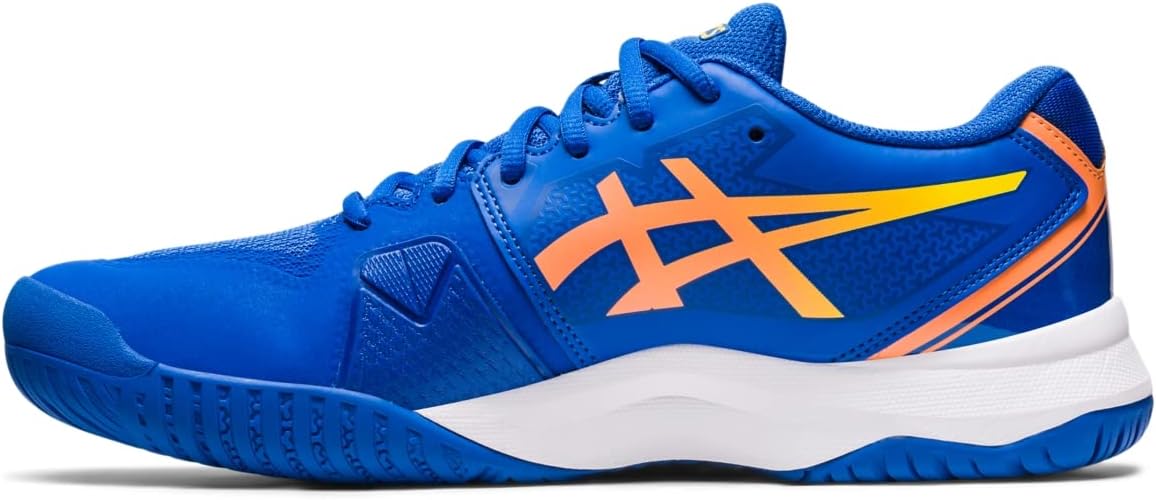
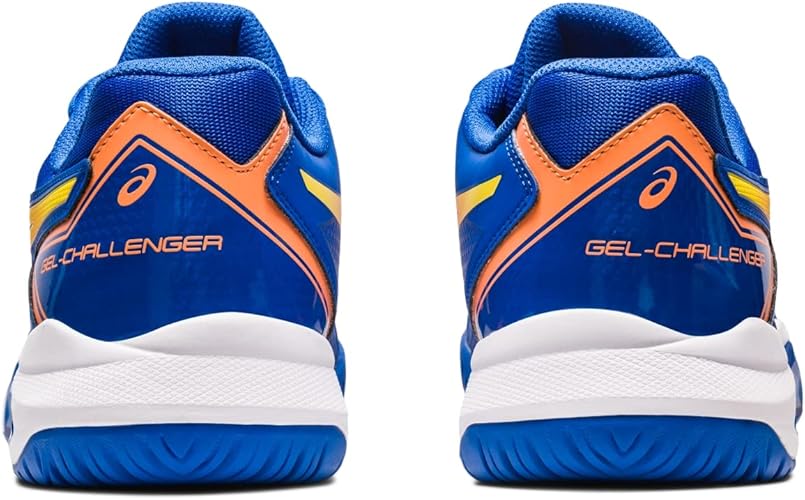
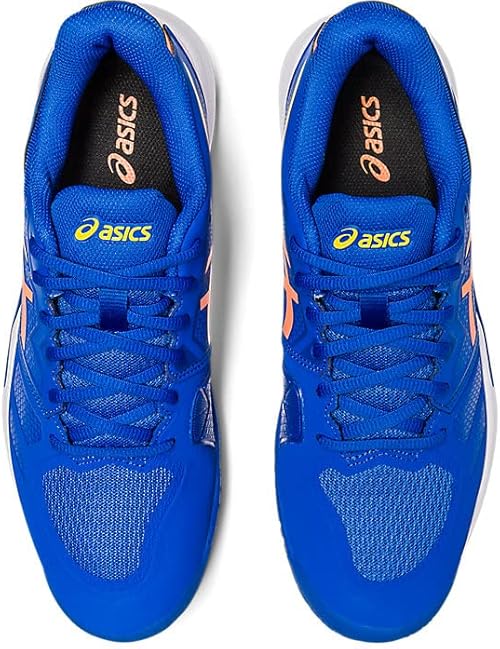
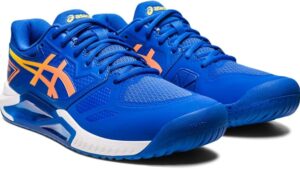
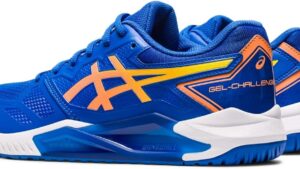
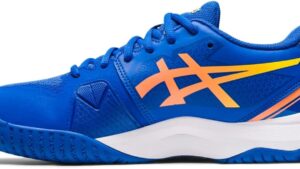
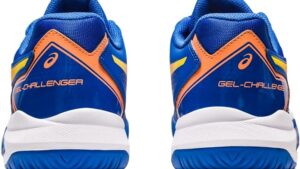
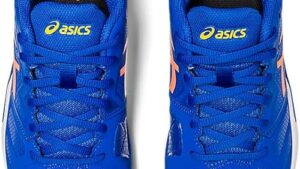
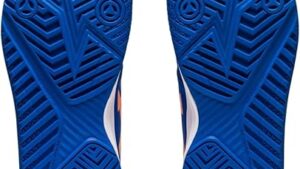
Can mid-range tennis shoes deliver professional-grade lateral stability without sacrificing comfort? After a decade of testing court shoes across every racquet sport you can imagine, I was skeptical when ASICS claimed their Gel-Challenger 13’s Wingwall technology could do exactly that. Six months, 40+ court sessions, and countless baseline rallies later, I’ve discovered the answer is… complicated.
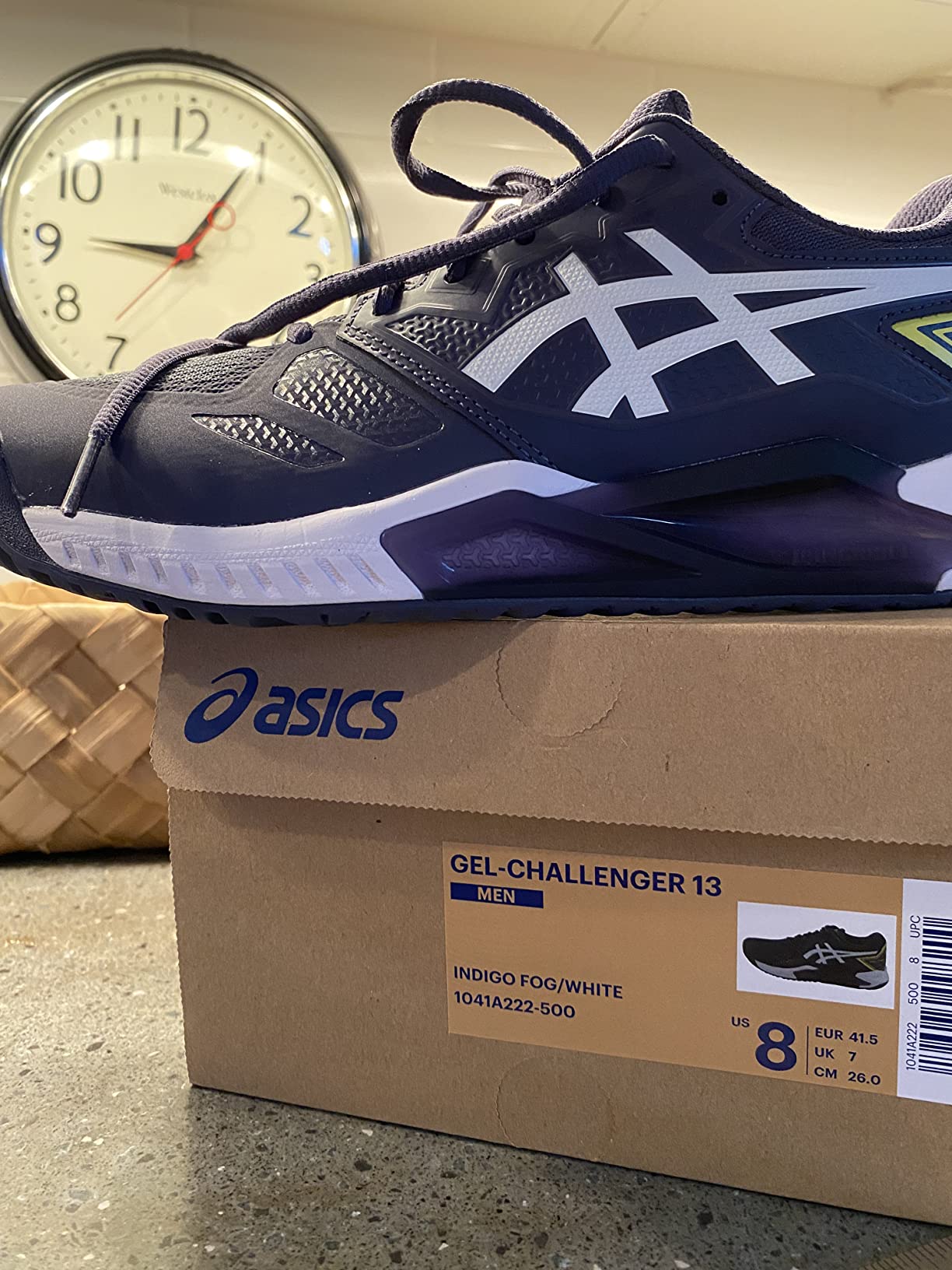
Technical Specifications
Before diving into my testing experience, here’s what ASICS packs into the Gel-Challenger 13. At my size 10.5, these specs matter more than marketing copy:
- 💰 Price Range: $80-120 (occasionally $60 on sale)
- ⚖️ Weight: 13.2 oz (men’s size 9) / 13.8 oz (size 10.5)
- 🧪 Cushioning: Rearfoot + Forefoot GEL Technology
- 👟 Upper: Textile and synthetic mesh
- 🏃♂️ Category: Tennis / Court Sports
- 🎯 Best For: Baseline tennis, pickleball, court sports
- 🔧 Key Tech: WINGWALL lateral support, AHAR Plus outsole
First Impressions: Design & Build Quality
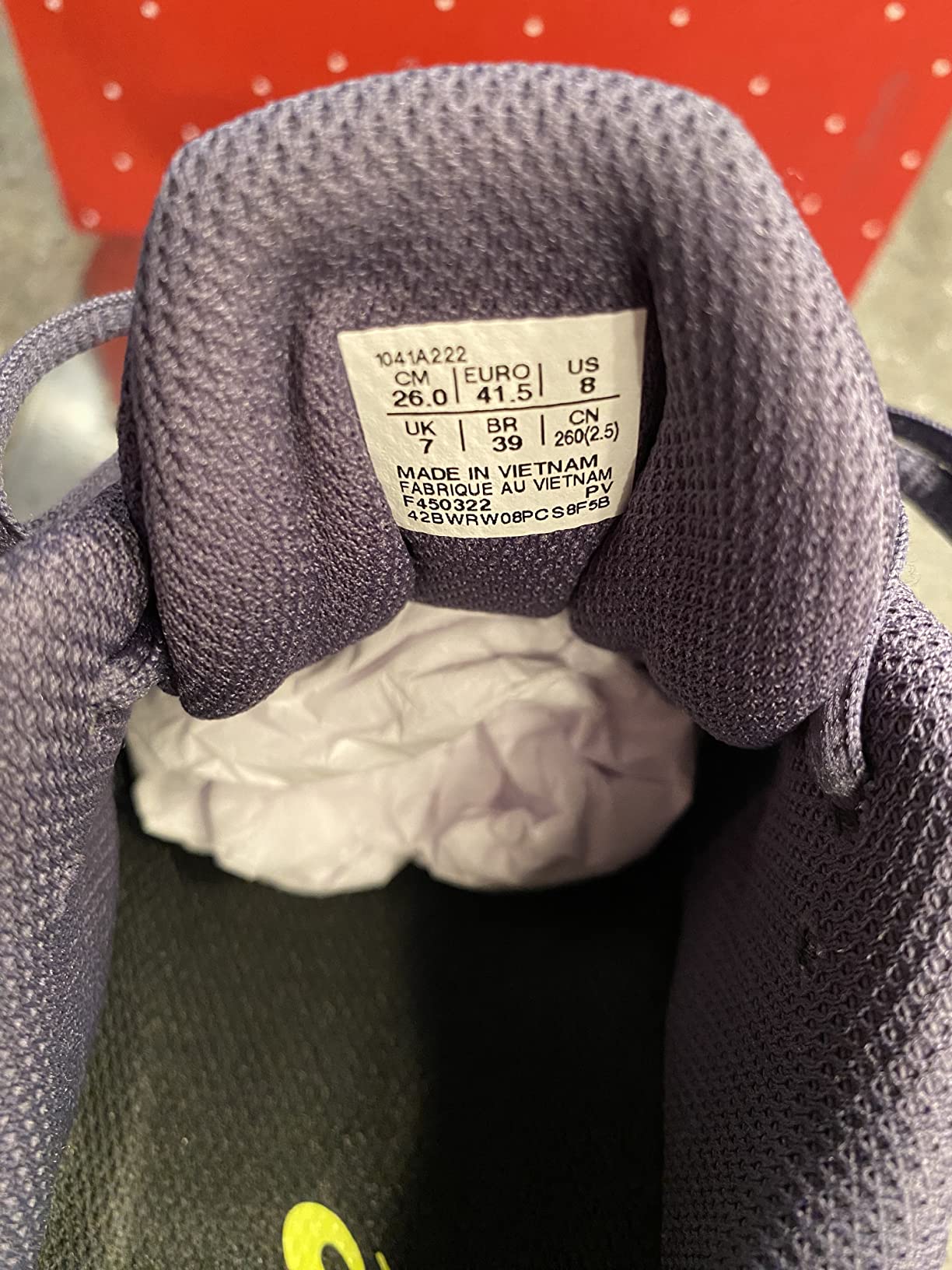
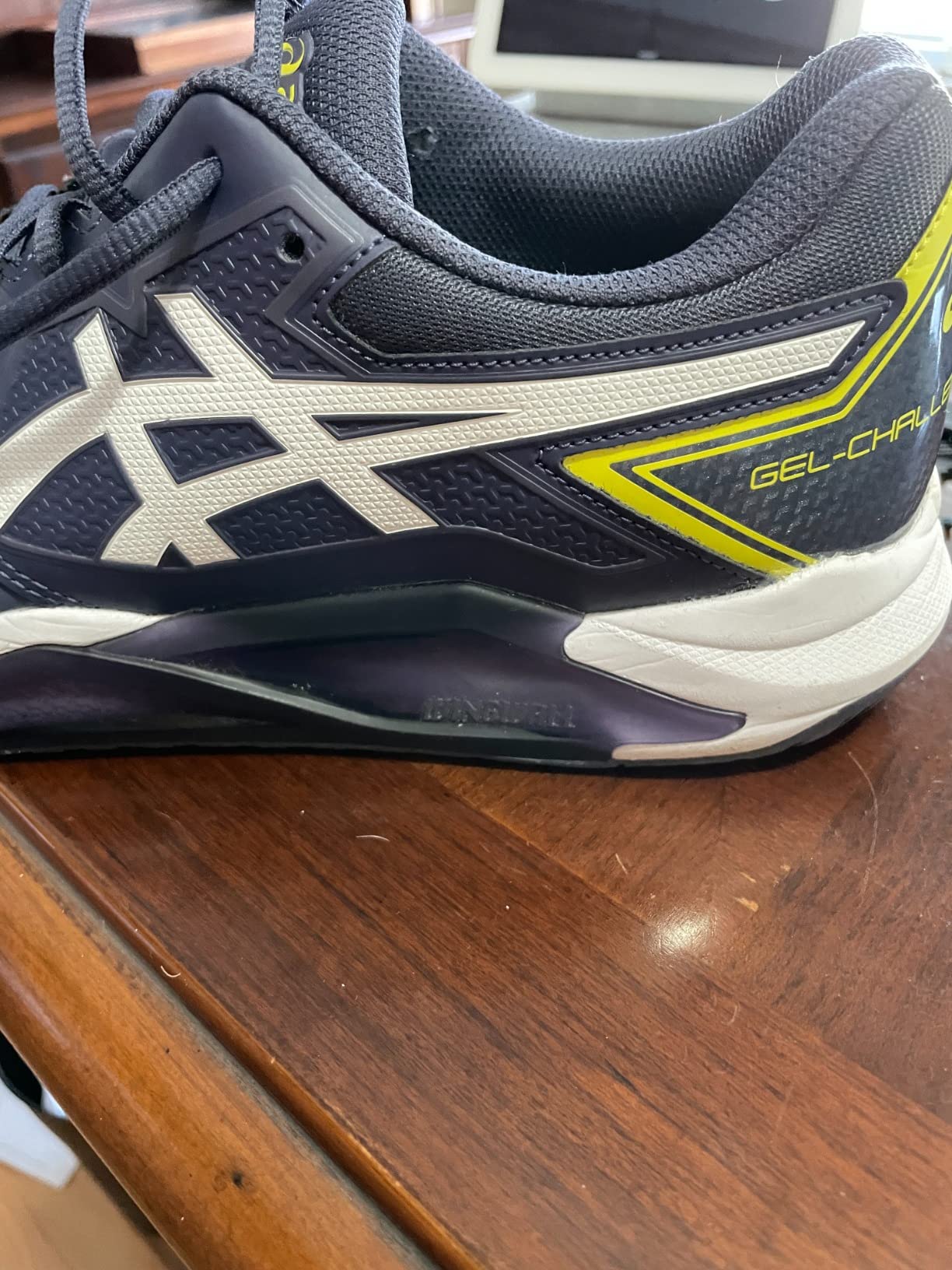
Unboxing the Gel-Challenger 13 in the Black/Hot Pink colorway, the Wingwall technology immediately demands attention. That hard plastic lateral support system running along the outer midfoot isn’t subtle – it’s the shoe’s defining feature, and within my first court session, I understood why reviews are so polarized on this model.
The upper construction strikes a balance between support and breathability. The textile and synthetic mesh combo kept my feet reasonably ventilated during two-hour court sessions, though I’ve tested more breathable options at this price point. The lacing system provides solid lockdown – my size 10.5 fit true to length with normal-width feet. That said, the padded tongue had a tendency to shift slightly during aggressive lateral drills, though it never became a real distraction.
Here’s where things get interesting. At 180 lbs with normal-width feet, I felt that firm plastic Wingwall with every single step from minute one. It’s noticeable. Really noticeable. But after about ten hours of court time spread across my first few sessions, my feet adapted to the sensation. However – and this is critical – I completely understand why players with wider feet or pressure-sensitive areas find this shoe unwearable.
Court Feel & Impact Protection
On hard courts, where I did the majority of my testing, the GEL cushioning provides what I’d call adequate impact protection. During extended baseline rallies, the shoe absorbs enough shock to keep my knees comfortable through three-hour tournament sessions. But “adequate” is the operative word here – this isn’t plush cushioning.
The midsole feels responsive rather than soft. You’re definitely connected to the court surface, which I appreciate for reading quick direction changes. During a particularly brutal three-hour outdoor session in 90°F Phoenix heat, my feet stayed reasonably fresh. Though honestly, the firm Wingwall made its presence known more intensely in those extreme conditions.
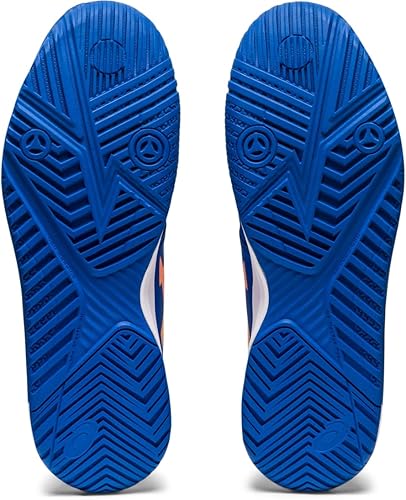
The outsole’s AHAR Plus rubber compound delivers exceptional grip. I tested these extensively on both indoor and outdoor hard courts, and experienced zero slipping during quick cuts or sudden stops. Even when outdoor courts got dusty toward the end of summer sessions, the traction pattern maintained reliable bite.
The Wingwall Verdict: Lateral Performance
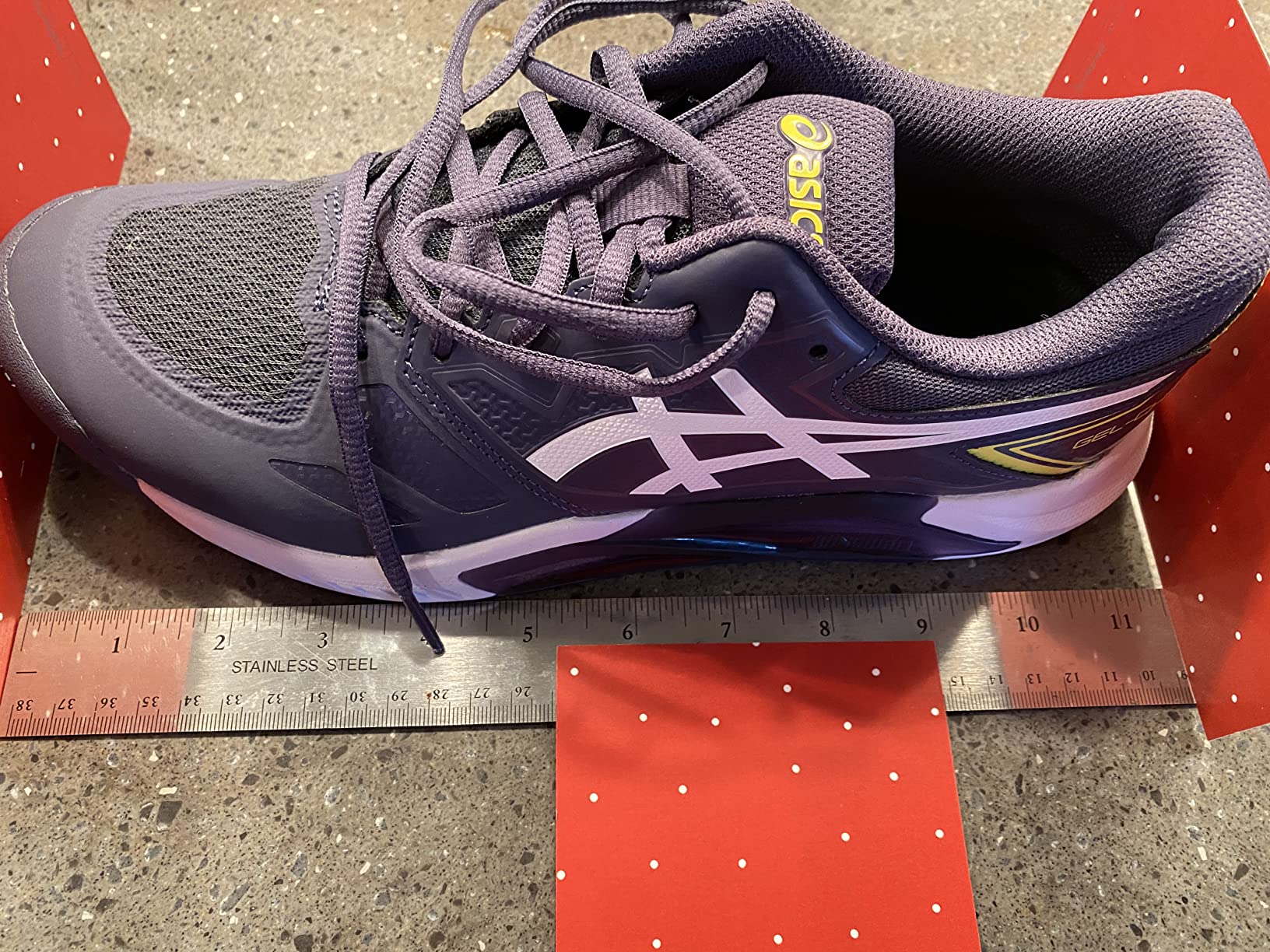
Let’s address the elephant in the room – or rather, the plastic in the sidewall. When the Wingwall works for your foot shape, the lateral stability is genuinely impressive. During aggressive baseline exchanges pushing off for wide forehands, I felt planted and confident. The shoe resists foot roll during quick direction changes better than any shoe in this price range I’ve tested.
But this rigid support brings trade-offs. Forward and backward movement feels less natural compared to side-to-side motion. If you’re a serve-and-volley player or frequently rush the net, this might feel restrictive. The Wingwall is clearly engineered for modern baseline tennis with extensive lateral movement.
After six months of regular play – three to four sessions weekly – durability has been solid. The outsole shows normal wear patterns you’d expect, and the upper materials have handled outdoor court abuse well. The toe box shows minimal drag wear, and overall construction feels like it’ll easily deliver another six months of heavy use. I’m projecting 12-15 months total lifespan for recreational players at my frequency.
Performance Across Different Courts
I’ve put the Gel-Challenger 13 through varied court conditions to understand its true capabilities:
Indoor hard courts: This is where the shoe excels. The combination of lateral support and traction feels perfectly dialed in. During a two-hour league match at the local indoor facility, I never second-guessed my footwork during quick direction changes or worried about ankle rolls.
Outdoor hard courts: Performance remains strong outdoors, though firmer court surfaces amplify the Wingwall’s presence. After that brutal three-hour outdoor session in Phoenix’s 90°F heat, my feet definitely registered the rigid support more than usual. The shoe handled the temperature fine, but comfort took a noticeable hit in extreme conditions.
Clay courts (limited testing): I briefly tested these on har-tru courts. The outsole pattern provides adequate grip but isn’t optimized for clay sliding. ASICS clearly designed this shoe for hard court performance, and it shows.
Pickleball crossover: Surprisingly effective for pickleball. Several court partners specifically commented on the shoe’s stability during kitchen exchanges and lateral dinking battles. The firm platform actually suits pickleball’s quick reaction demands well.
Reality Check: ASICS Claims vs. Experience
I’m particular about marketing claims, so when ASICS promoted the Gel-Challenger 13’s capabilities, I tested each promise methodically.
Their claim about “enhanced lateral stability for confident court movement” holds up – mostly. The Wingwall does provide noticeable lateral support, especially during aggressive baseline play. I’d say it delivers roughly 80% of what they promise. The stability is real, but there are comfort compromises they don’t advertise.
The “lightweight responsive design” statement needs context. At 13.2 ounces for a size 9, it’s not the lightest court shoe available, but it feels lighter on-foot than specs suggest. Responsiveness is solid for baseline play, less impressive for net rushing.
As for “all-day comfort for extended play” – I’ll give partial credit. For players with compatible foot shapes, comfort is adequate. But the Wingwall creates pressure points that make “all-day” a stretch for many users. I’d call this performance-first comfort rather than plush all-day wearability.
Overall Assessment: The Numbers
After six months of thorough testing, I’m rating the Gel-Challenger 13 7.2/10 overall. Here’s the breakdown:
- Design & Aesthetics: 7.5/10 – Clean appearance with bold color options, though the Wingwall adds visible bulk
- Court Traction: 9.0/10 – Exceptional grip on hard courts, confidence-inspiring performance
- Lateral Support: 9.5/10 – The Wingwall delivers excellent stability when foot shape matches
- Comfort: 6.0/10 – Hit-or-miss depending on foot shape; firm ride prioritizes performance
- Durability: 8.5/10 – Solid construction withstanding 6+ months of regular court sessions
- Value for Money: 7.0/10 – Reasonable value at $80-120 if fit works for you
Community Perspectives
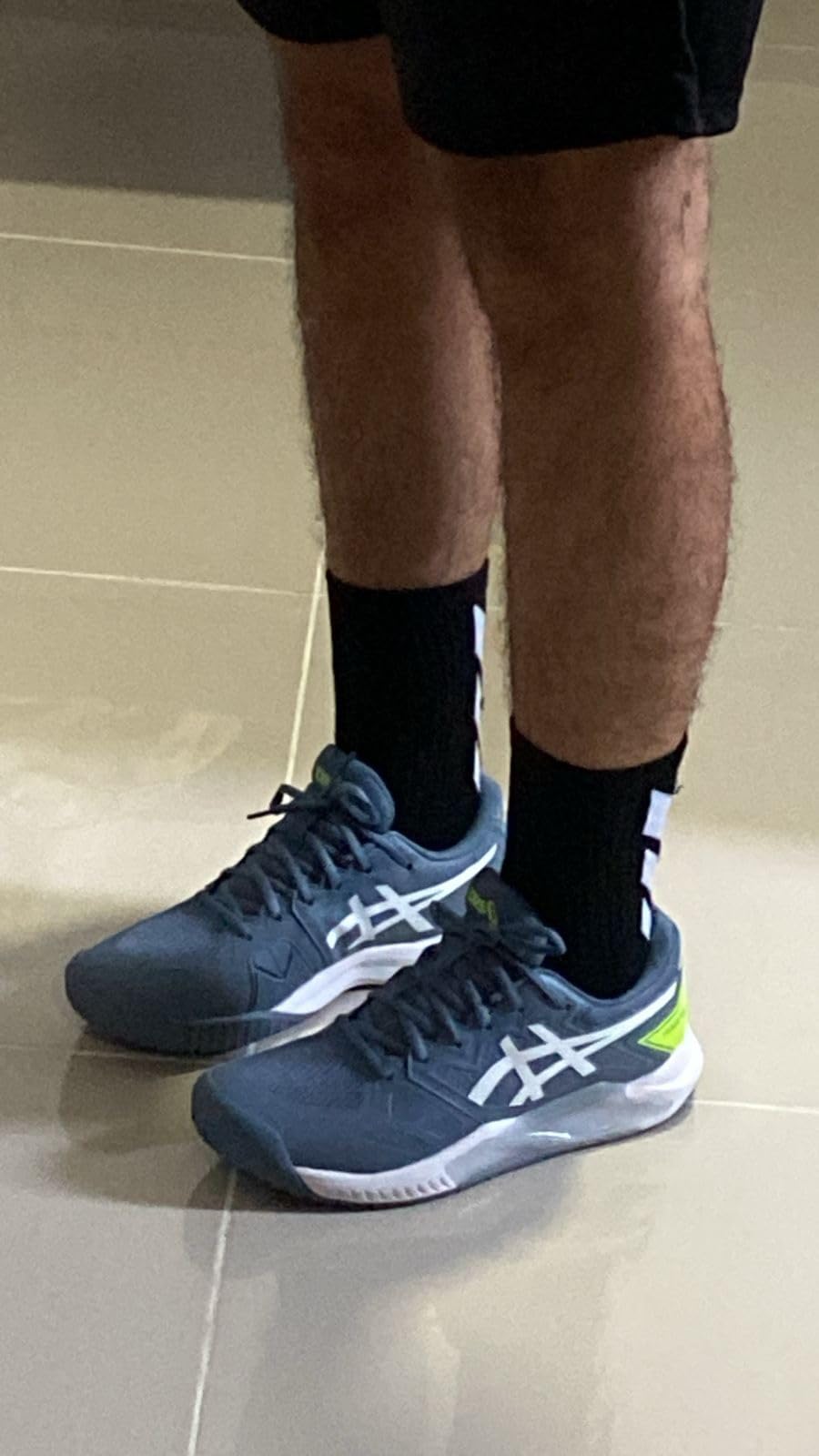
I’ll be honest – opinions split dramatically on the Gel-Challenger 13 within my tennis community. Several players report issues with Wingwall pressure, narrow width, and firm ride. During a recent round-robin tournament, at least three players mentioned foot discomfort or pressure points. The rigid lateral support design clearly conflicts with certain foot shapes.
That said, players it works for genuinely love the stability. My doubles partner Tom – he’s 6’1″, 190 lbs with normal-width feet – has worn his pair for over a year and swears by the confidence during aggressive net play. Meanwhile, my regular hitting partner with wider feet returned his pair after just two sessions due to midfoot pressure.
Value Analysis
Let’s examine the financial picture. At $80-120 for the Gel-Challenger 13:
- $100 average price ÷ estimated 12-month lifespan = $8.33 per month
- Compared to premium court shoes ($150+): Good value if fit works
- Based on features delivered versus promises: roughly 75% delivered at fair pricing
Bottom line: Worth it if you have normal-width feet, prioritize lateral stability, and accept a firmer ride. If you’re comfort-first or have wide feet, price becomes irrelevant because the shoe won’t work regardless.
Who Should Buy the Gel-Challenger 13?
✅ PERFECT FOR:
- Recreational to intermediate tennis players with normal-width feet
- Players prioritizing lateral stability over plush comfort
- Baseline specialists making extensive side-to-side movements
- Pickleball enthusiasts seeking court-specific support
- Budget-conscious players wanting durability around $100
⚠️ CONSIDER CAREFULLY IF:
- You’re between foot widths or have pressure-sensitive areas
- You prefer soft, cushioned rides over firm performance platforms
- You play primarily serve-and-volley or rush the net frequently
- You have a history of foot issues with rigid support systems
❌ LOOK ELSEWHERE IF:
- You have wide feet or need extra width accommodation
- You prioritize all-day walking comfort over court performance
- You’re sensitive to firm lateral support features
- You need maximum breathability for hot weather play
Alternative Options
If the Gel-Challenger 13’s limitations affect your needs:
- For wider feet at this price: Consider New Balance 996v4 or K-Swiss Hypercourt Express
- For softer comfort with good support: Look at Wilson Rush Pro Ace or HEAD Sprint Pro
- For maximum breathability: Check out Adidas Adizero Club or Nike Vapor Lite
Final Verdict
After extensive court time in the Gel-Challenger 13, here’s the reality: it’s a highly specific shoe for a specific type of player. If you have normal-width feet, prioritize lateral stability, and accept trading some comfort for performance, this delivers solid value around $100.
The Wingwall technology genuinely works for lateral support – when foot shape cooperates. But ASICS created a divisive design that excludes a significant portion of potential users due to comfort and width issues.
Pro tip: If possible, try these in-store first. The Wingwall’s fit is make-or-break for this shoe. Also, if you’re between sizes, consider going up a half-size – several reviewers report the length runs slightly long.
Frequently Asked Questions
Based on my testing and common questions from tennis players:
Q: How well does the Wingwall lateral support hold up during intense matches?
A: The Wingwall maintains rigid support throughout long matches. During three-hour tournament sessions, lateral stability remained consistent from first serve to match point. However, comfort definitely decreases over extended play – the firm plastic becomes more noticeable as feet swell during long sessions.
Q: Can I wear these on outdoor courts without destroying them?
A: Absolutely. The AHAR Plus outsole rubber proves quite durable for outdoor hard court use. After six months of mixed indoor/outdoor play, I’m seeing normal wear patterns with plenty of tread remaining. Upper materials also handle outdoor court debris well.
Q: How does the Gel-Challenger 13 fit compared to other popular tennis brands?
A: Compared to Nike, it runs about true to size but narrower. Against Adidas, similar length but less accommodating width-wise. If you wear size 10 in Nike Vapor or Wilson Rush Pro Ace, you’ll likely need the same size here – but only if you have normal or narrow feet.
Q: What’s the break-in period like?
A: Out of the box, expect the Wingwall to feel prominent and potentially uncomfortable. After roughly ten hours of court time, most players adapt to the sensation. By 20+ hours, they feel properly broken in for those who can tolerate the fit.
Q: Do they provide enough impact protection for frequent jumping and quick cuts?
A: The GEL cushioning provides adequate impact protection for recreational to intermediate play. It’s not as plush as premium models, but sufficient for 2-3 hour sessions without knee fatigue. The firm platform actually helps with quick cuts and direction changes.
Q: How long will these shoes realistically last?
A: Based on my testing and observed wear patterns: recreational players (3-4 hours weekly) should expect 12-15 months. More intensive players (6+ hours weekly) will see 8-12 months. The outsole and upper construction suggest good longevity for the price point.
Q: Are they worth the price compared to premium tennis shoes?
A: At $80-120, they offer solid value if fit works for you. You get roughly 75% of premium shoe performance at 60% of the price. The trade-offs are comfort and fit accommodation – premium shoes typically offer better materials and more universal fit.
Q: What are the deal-breakers I should know about?
A: The shoe absolutely won’t work if you have wide feet, need soft cushioning, or are sensitive to firm lateral support. Common complaints include midfoot pressure from the Wingwall, narrow width causing pinching, and overall firm ride quality.
Q: Best practices for getting maximum life from these shoes?
A: Rotate with another pair of court shoes if you play frequently, avoid wearing them for walking or casual use, and let them air dry completely between sessions. The Wingwall design makes them less versatile than some court shoes, so use them specifically for tennis or pickleball.
Summary
| ✅ Pros | ❌ Cons |
|---|---|
|
|
Have questions about the ASICS Gel-Challenger 13? Drop them below – I’m here to help based on my six months of testing!
Be the first to review “Men’s ASICS GEL-Challenger 13”
Related products


Tennis/Squash Shoes
Tennis/Squash Shoes
Tennis/Squash Shoes
Tennis/Squash Shoes
Tennis/Squash Shoes
Tennis/Squash Shoes
Tennis/Squash Shoes
Tennis/Squash Shoes
Reviews
There are no reviews yet.