
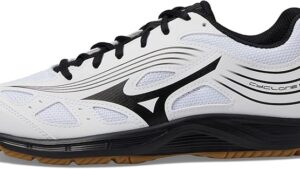
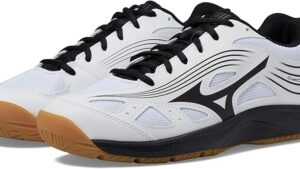
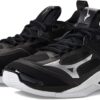
My volleyball league has a running joke: I’m the person everyone brings their new shoes to for a verdict. So when the Mizuno Cyclone Speed 3 kept showing up on the feet of players across our rec and club circuits — most of them paying around $65 — I had to figure out why a budget shoe was generating this kind of loyalty. I picked up a pair and spent three months logging court time through league nights, weekend tournaments, and sweaty practice sessions. The short version? This shoe punches above its weight class on the court, but you’d better do your homework before hitting “buy now.” Here’s why.
First Impressions and What’s Under the Hood
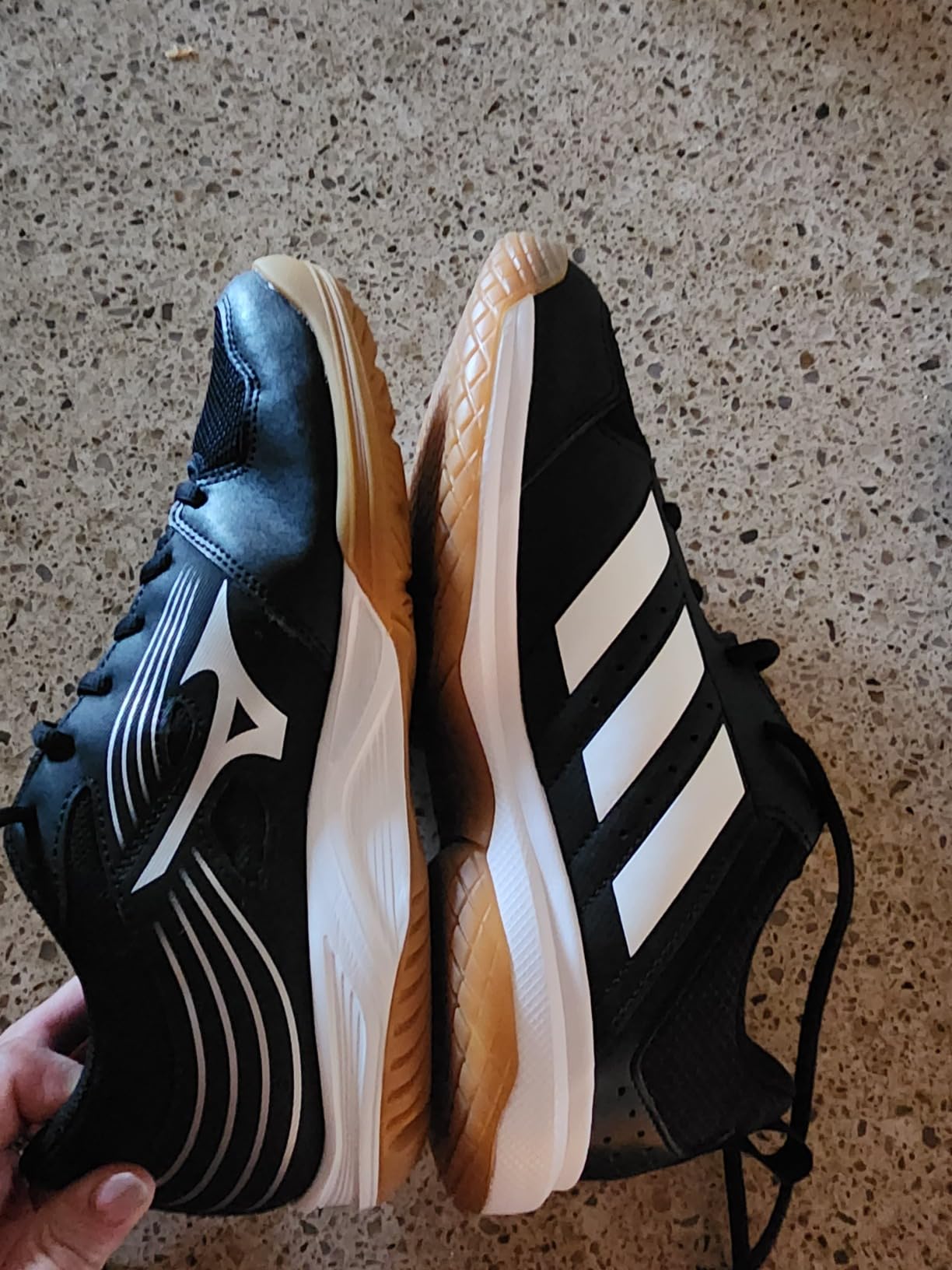
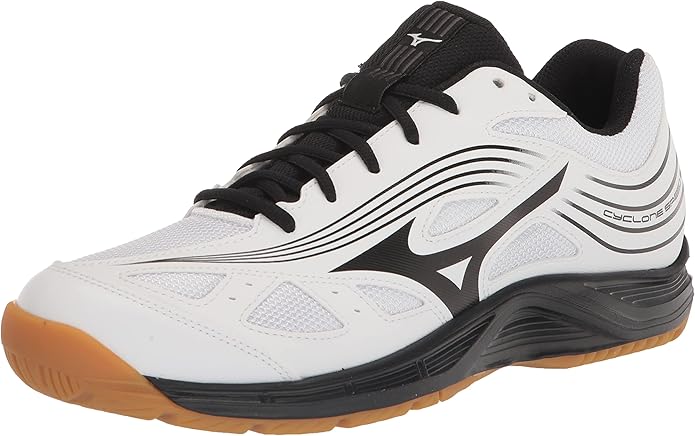
Pulling these out of the box, two things register immediately: they’re light — noticeably so compared to the ASICS and Nikes sitting in my gear bag — and the profile is slim. Almost too slim, which turned out to be foreshadowing.
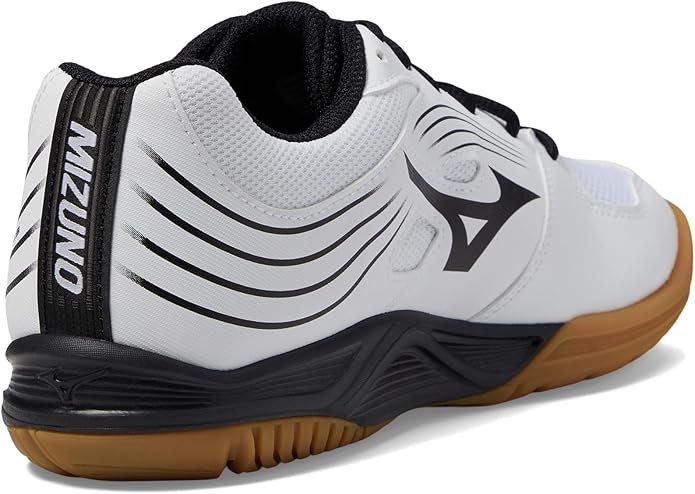
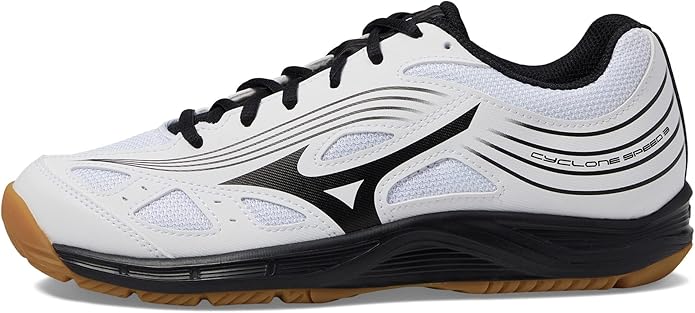
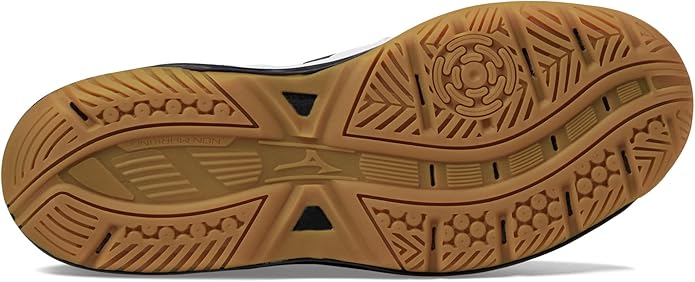
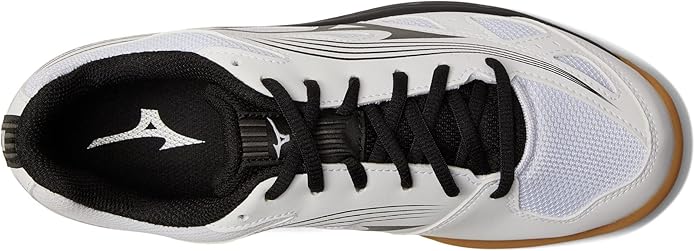
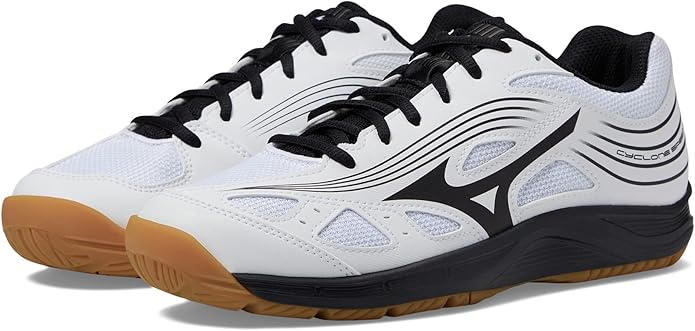
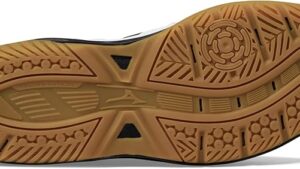
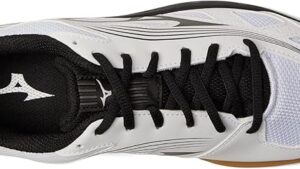
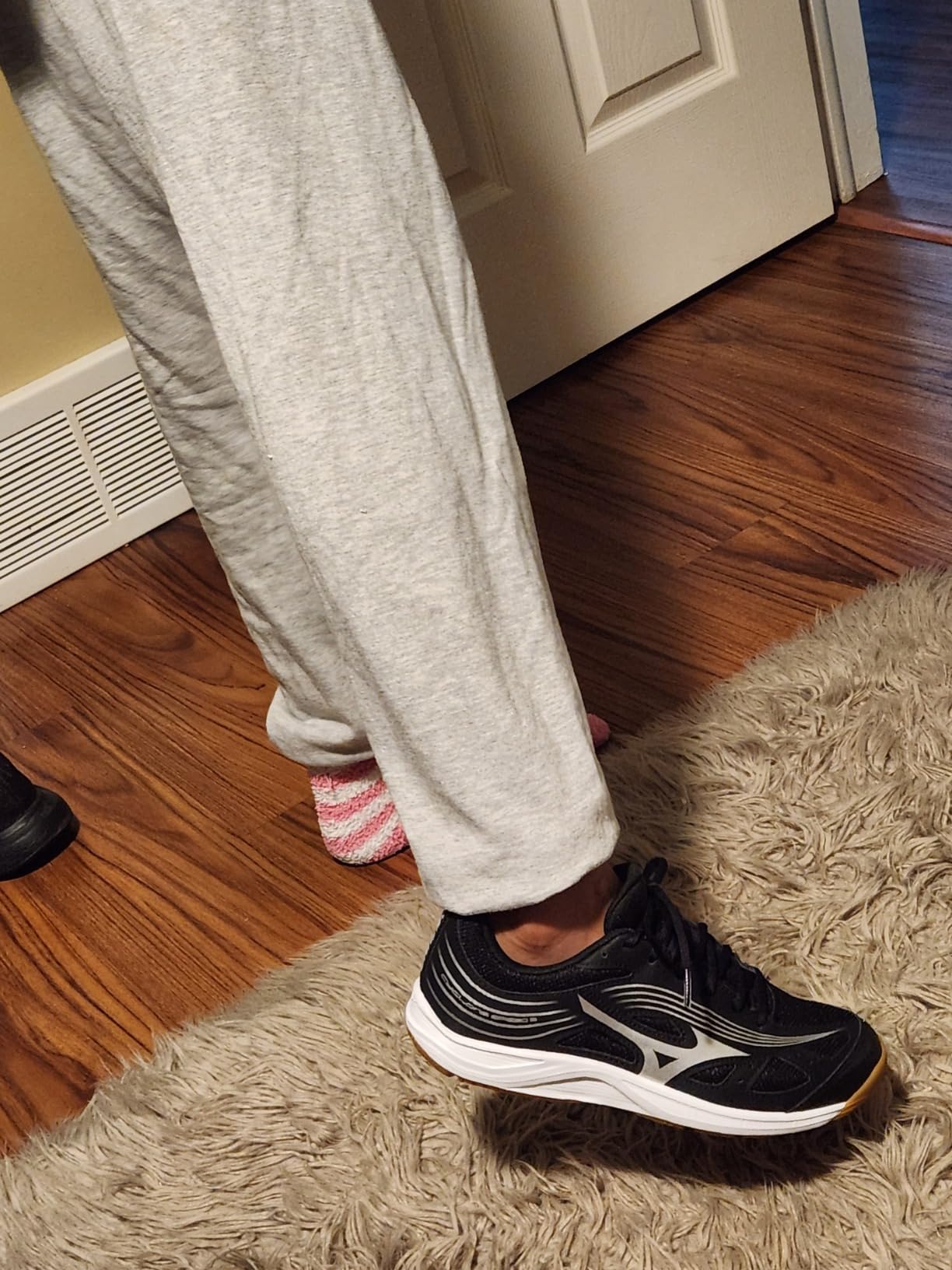
The construction tells you where Mizuno spent their engineering budget. Synthetic overlays crisscross the midfoot and heel in a layered pattern that’s clearly designed for lateral reinforcement. Between those overlays, mesh panels handle ventilation. The whole upper sits on an EVA midsole — nothing exotic, but EVA at this price point is exactly what you’d expect, and it’s executed well here. Underneath, a non-marking rubber outsole features flex grooves through the forefoot for natural bending.
What I didn’t see: premium materials, fancy branding, or unnecessary bulk. This is a purpose-built volleyball shoe stripped down to what matters on court. At $65, Mizuno clearly chose function over flash — and for their target buyer, that’s the right call.
The Sizing Situation — Read This Before You Order
I’m putting this up front because it’s the single most important thing to know about the Cyclone Speed 3, and it could save you a return trip.
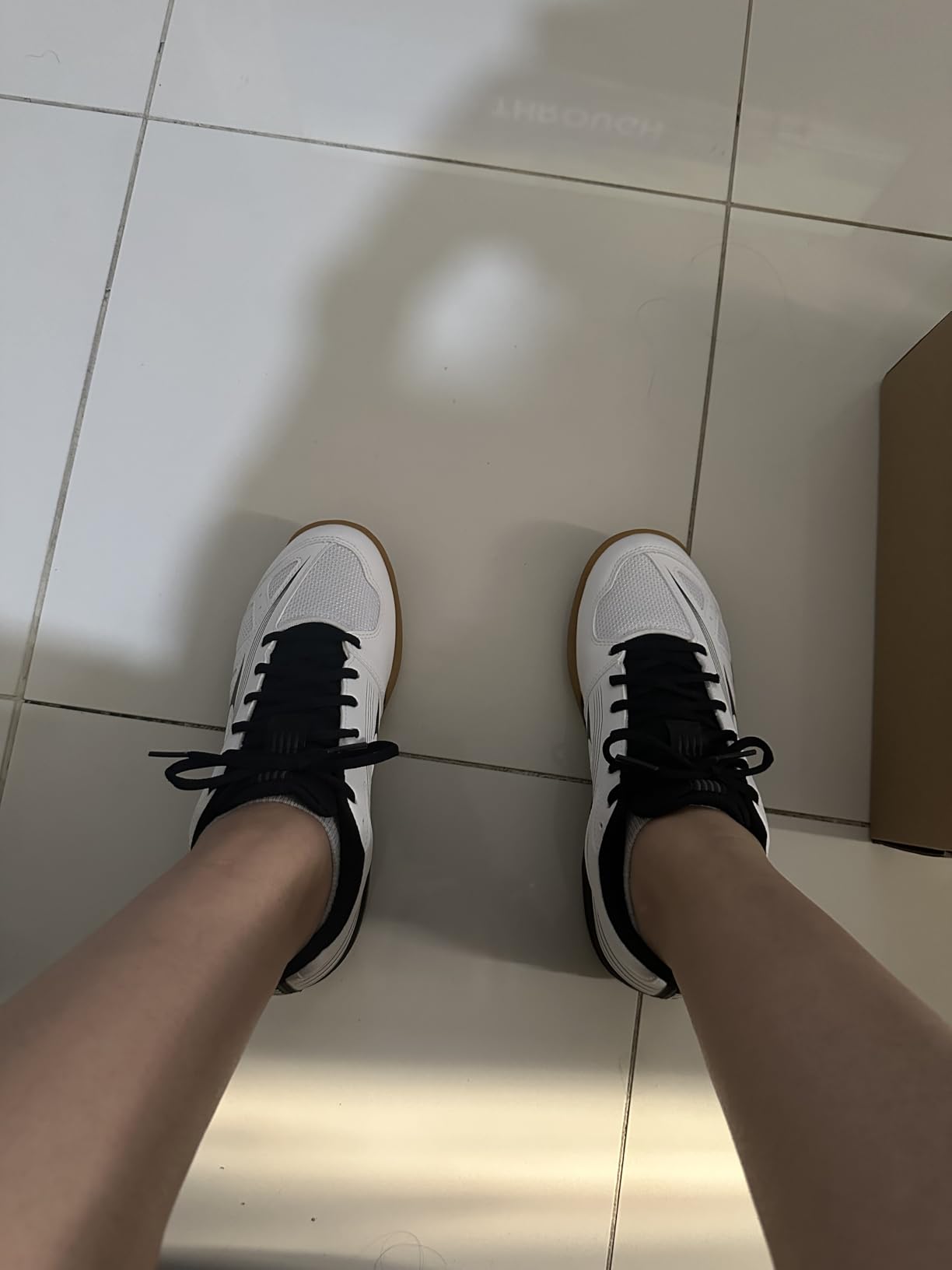
I wear a size 8 in most athletic shoes — Nikes, ASICS, even other Mizuno models. In the Cyclone Speed 3, I ended up in a 9.5. Not a half size up. Not one size up. A full size and a half. And even then, the toe box stays snug.
This isn’t a one-off experience. Across 624 Amazon ratings, sizing complaints are the most frequent negative theme. One parent noted her 12-year-old daughter “wears a shoe size 7.5 but had to get a size 9.” Another buyer who normally wears 8.5-9.0 needed a 10. The pattern is consistent enough that it’s clearly a design characteristic, not a defect.
The width compounds the issue. These run genuinely narrow — not “snug” narrow, but “if you have anything wider than a B width, these probably aren’t for you” narrow. A teammate of mine with slightly wide feet sized up and still found the width restrictive. It’s worth noting that one reviewer from the UAE actually regretted upsizing, saying their normal size would have been fine — so there is some individual variation. But the overwhelming consensus tilts toward ordering larger.
My sizing advice: Start 1.5 sizes above your normal athletic shoe size. Order two sizes if your retailer offers free returns. And if you have wide feet (D width or wider), seriously consider the ASICS Gel-Rocket 11 or Nike Zoom HyperAce 2 instead — the Cyclone Speed 3’s narrow last simply isn’t built for wider feet.
On-Court Performance — Where It Matters
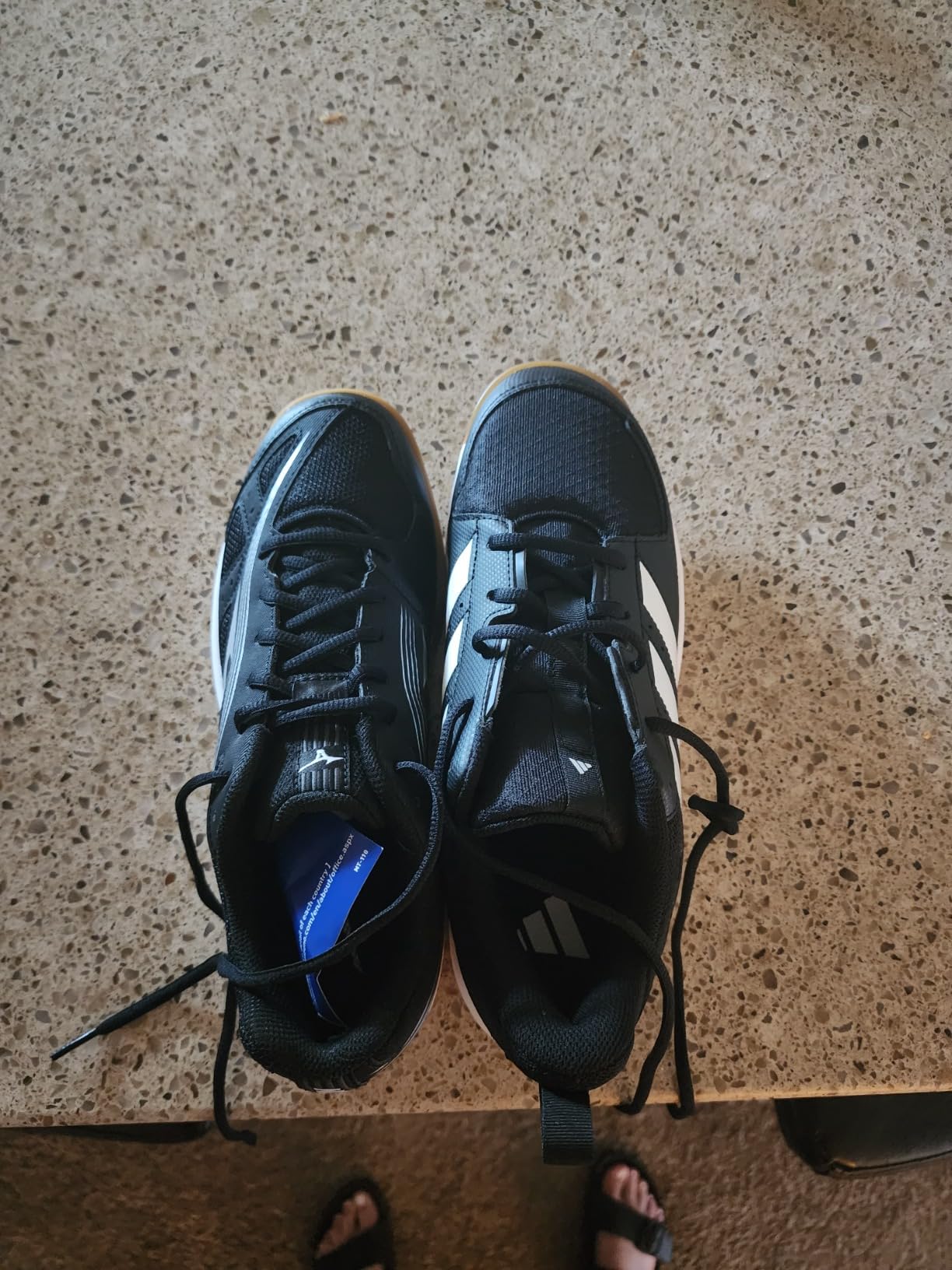
Here’s where the Cyclone Speed 3 earns its reputation, and where that $65 starts looking like a steal.
Traction
I played on three different gym floors over my testing period — a newer rubberized surface at our league’s home gym, an older hardwood at a community center, and a mixed-surface at a tournament venue. Zero slipping incidents across all three. The outsole grip pattern handles lateral slides, quick pivots, and approach jumps without hesitation. During one particularly intense defensive rally where I was shuffling and diving across the back row, I felt completely planted. That kind of confidence in your footing changes how aggressively you play.
Lateral Stability
Those synthetic overlays aren’t just cosmetic. During direction changes — the kind where you’re reading a hitter, committing to a defensive position, then reacting when the ball goes the other way — the shoe holds your foot steady through the transition. Blocking shuffles along the net felt secure. Aggressive crossover steps to chase down balls in the corner kept my foot from rolling or shifting inside the shoe.
For recreational and club-level play, the lateral support is legitimately strong. I’d stop short of calling it “immense,” as Mizuno’s marketing copy does, but it handles the demands of competitive rec volleyball without complaint.
Cushioning and Court Feel
The EVA midsole is honest work. During jump landings, it absorbs impact without feeling mushy — there’s enough firmness to maintain court feel, which matters when you need to read the surface and react quickly. At 155 lbs, I found the cushioning adequate for back-to-back league matches. It doesn’t have the springy energy return of Mizuno’s Wave technology in their premium lines, but it doesn’t collapse or flatten out during long sessions either.
After three months of regular use, the cushioning still feels close to how it did in week two (post break-in). That durability is a real win at this price point — some budget shoes start feeling dead underfoot after six weeks.
The flex grooves do their job quietly. During quick direction changes, the shoe bends with your foot’s natural movement rather than resisting it. It’s the kind of feature you don’t notice until you switch to a stiffer shoe and realize what you’ve been taking for granted.
Comfort Through Long Sessions
The break-in period ran about 3-5 court sessions for me. Those first couple of practices, the synthetic upper felt stiff around the forefoot, and I could feel the overlays pressing into my midfoot during extended lateral drills. By session four, things softened up and the shoe started conforming to my foot shape.
Once broken in, comfort through a standard 2-hour practice was solid. The mesh panels breathe well enough that my feet never felt overheated, even in our league’s notoriously warm gym. Moisture management was adequate — not remarkable, but my feet weren’t sliding around inside the shoe by the end of a session.
The real test came during a weekend tournament: four matches on Saturday, three on Sunday. Saturday went fine — the cushioning held, the fit felt right, the shoes performed. By Sunday morning, though, I noticed the narrow fit more acutely. My feet had swelled slightly from the previous day’s play, and what was snug became tight. This is where the sizing issue intersects with performance: if you’re playing multi-day events, that extra half-size of room matters.
Checking Mizuno’s Marketing Claims
Mizuno makes several specific claims about the Cyclone Speed 3. Here’s how they held up against three months of actual use:
“High stability in lateral movements” — Confirmed. The overlay system delivers real lateral support during volleyball-specific movements. Not elite-level, but well above what I’d expect at $65.
“Reduced weight due to less rubber” — Confirmed. At roughly 8.6-9.2 oz (depending on size), these are noticeably lighter than competitors like the ASICS Upcourt 6 (~9.6 oz) or Gel-Rocket 11 (~10.5 oz). The weight difference translates to less leg fatigue during tournament play — and over a full day of matches, every fraction of an ounce adds up.
“EVA responsive cushioned midsole” — Partially confirmed. The cushioning is good and holds up well over time. “Responsive” is doing some heavy lifting in that claim though. It’s more accurately described as “adequate with good durability.” If you want genuinely responsive cushioning, you’re looking at the Wave Lightning Z6 price range.
“Immense stability” — Overstatement. The stability is very good for this price tier. “Immense” implies a level of lockdown you’d get from a mid-tier or premium shoe. What you actually get is reliable, confidence-building stability that handles recreational through intermediate competitive play effectively.
Beyond Volleyball — Pickleball and Other Courts
Something interesting showed up in the Amazon reviews: multiple buyers use the Cyclone Speed 3 for pickleball. “Love these, look great, very comfortable and use them for pickleball,” wrote one verified purchaser. Another called them “WONDERFUL for pickleball.” A fencing athlete praised the traction and support for their sport.
This crossover makes sense. The same traits that work for volleyball — non-marking grip, lateral stability, lightweight feel — translate well to other indoor court sports. For pickleball players who want a budget-friendly court shoe without buying a sport-specific model, the Cyclone Speed 3 is a viable option.
Where it won’t work: outdoor surfaces. The non-marking rubber outsole will wear down quickly on concrete or asphalt. And while the lateral support is good for volleyball and pickleball movements, it’s not robust enough for the more demanding cuts in basketball or the lateral coverage needed for tennis.
How It Stacks Up
| Feature | Mizuno Cyclone Speed 3 | ASICS Upcourt 6 | ASICS Gel-Rocket 11 | Mizuno Wave Lightning Z6 |
|---|---|---|---|---|
| Price | ~$65 | ~$55 | ~$70 | ~$50-80 (discontinued) |
| Weight | ~8.6-9.2 oz | ~9.6 oz | ~10.5 oz | ~9.5 oz |
| Cushioning | EVA | EVA | GEL + EVA | Wave Plate + SR Touch |
| Width | Narrow | Standard | Standard | Standard-narrow |
| Amazon Rating | 4.6/5 (624) | 4.5/5 (2K+) | 4.6/5 (1.9K) | 4.7/5 (718) |
| Best For | Budget-conscious, narrow feet | Beginners, standard width | All-around, cushioning priority | Intermediate-advanced |
| Key Strength | Lightest, great grip | Cheapest, wide availability | Best cushioning in class | Premium tech at clearance prices |
My pick for each buyer:
- Narrowest budget + narrow feet: Cyclone Speed 3
- Absolute cheapest entry: ASICS Upcourt 6
- Best all-around value: ASICS Gel-Rocket 11
- Stepping up to premium tech: Mizuno Wave Lightning Z6 (if you can find it)
The Verdict — Who Should (and Shouldn’t) Buy These
After three months and 45+ sessions, I’m giving the Mizuno Cyclone Speed 3 a 7.8 out of 10. Here’s the breakdown:
- Court Traction: 8.5/10 — Genuinely excellent across multiple gym surfaces
- Lateral Support: 8/10 — Overlays deliver real stability for volleyball movements
- Value: 8.5/10 — Hard to beat the performance-per-dollar at $65
- Design: 8/10 — Clean volleyball aesthetic, professional looking
- Comfort & Fit: 6/10 — Good once you find the right size, but the sizing struggle is real
The Good and The Bad
| What Works | What Doesn’t |
|---|---|
|
|
Buy These If:
- You’re a youth volleyball player (or a parent outfitting one) who needs legitimate court performance without premium pricing
- You play recreational or club-level volleyball and prioritize value
- You have narrow to normal width feet and don’t mind ordering up in size
- You’re a pickleball player looking for a budget-friendly court shoe
- Lightweight feel is a priority — your legs will thank you during tournaments
Skip These If:
- You have wide feet (D width or wider) — the narrow last won’t accommodate you comfortably
- You need out-of-box comfort without a break-in period or sizing guesswork
- You play at a competitive/elite level and need premium cushioning and responsiveness
- You want versatile shoes for both court and casual wear
- You play outdoors — the non-marking outsole isn’t built for rough surfaces
Better Options for Specific Needs
- Wider feet at a similar price: ASICS Gel-Rocket 11 or Nike Zoom HyperAce 2
- More cushioning: ASICS Gel-Rocket 11 (GEL technology) or Mizuno Wave Lightning Z6
- Tightest budget: ASICS Upcourt 6 (~$55)
- Premium performance: Mizuno Wave Momentum 3 or ASICS Sky Elite
Frequently Asked Questions
How much should I size up when ordering the Cyclone Speed 3?
Start with 1.5 sizes above your normal athletic shoe size. If you typically wear an 8, try a 9.5 first. The shoe runs both short and narrow, so the length issue is compounded by the tight width. Ordering two sizes through a retailer with free returns is the safest approach — I went through this process myself and landed on 1.5 sizes up from my usual 8.
Will these work for players with wide feet?
Honestly, probably not. The narrow profile is a fundamental design characteristic, not something that resolves with sizing up. Going larger adds length but doesn’t meaningfully increase width. Several players I know with wider feet tried the Cyclone Speed 3 and returned them. The ASICS Gel-Rocket 11 offers a more accommodating fit in a similar price range.
How does the Cyclone Speed 3 compare to the Mizuno Wave Lightning Z6?
The Cyclone Speed 3 is Mizuno’s entry-level volleyball shoe; the Wave Lightning Z6 is their mid-to-premium offering. The biggest difference is cushioning technology — Wave Plate versus EVA — which gives the Lightning Z6 noticeably more responsive energy return during jumps. Upper materials are also more refined on the Lightning. That said, for recreational play, the Cyclone Speed 3 delivers roughly 70-80% of the on-court performance at a fraction of the price.
Can I use these for outdoor volleyball?
No. The non-marking rubber outsole is designed specifically for indoor court surfaces. On concrete, asphalt, or sand courts, the sole will wear down rapidly and lose its grip pattern. For outdoor volleyball, look for shoes with more durable outsole compounds designed for rough surfaces.
How long will the Cyclone Speed 3 last with regular use?
Based on my three months of testing at 3-4 sessions per week, I’d project 8-12 months for recreational players. The EVA midsole retains its cushioning properties well — after 80+ hours of play, mine still felt close to the broken-in feel rather than flat or dead. Youth players who are growing may outgrow them before wearing them out. For players practicing daily, expect 6-8 months before the outsole grip starts noticeably declining.
Are these suitable for pickleball?
Yes, and multiple Amazon reviewers confirm this. The non-marking grip, lateral stability, and lightweight design translate well to pickleball’s court movements. You won’t get sport-specific features like some dedicated pickleball shoes offer, but at $65, the Cyclone Speed 3 is a solid crossover option for recreational pickleball players.
What’s the break-in period like?
Expect 3-5 court sessions before the shoe fully conforms to your foot. The synthetic upper starts stiff, particularly around the forefoot and where the overlays cross the midfoot. I’d recommend breaking them in during practice sessions rather than debuting them at a tournament or important match. By session four, the stiffness resolved for me and the shoe started feeling natural.
Is the Cyclone Speed 3 worth it for a growing teenager?
At $65, it’s one of the best value propositions in youth volleyball footwear. Growing athletes will outgrow shoes within a season regardless of quality, so paying premium prices makes less sense. The Cyclone Speed 3 delivers legitimate volleyball performance — real traction, real lateral support, real cushioning — without the $120+ investment of higher-end models. Just budget for the sizing trial-and-error, and order early enough before the season starts to exchange if needed.
Be the first to review “Mizuno Womens Cyclone Speed 3 Volleyball Shoe”
Related products
Tennis/Squash Shoes
Tennis/Squash Shoes
Tennis/Squash Shoes
Tennis/Squash Shoes
Tennis/Squash Shoes
Tennis/Squash Shoes
Tennis/Squash Shoes
Reviews
There are no reviews yet.