
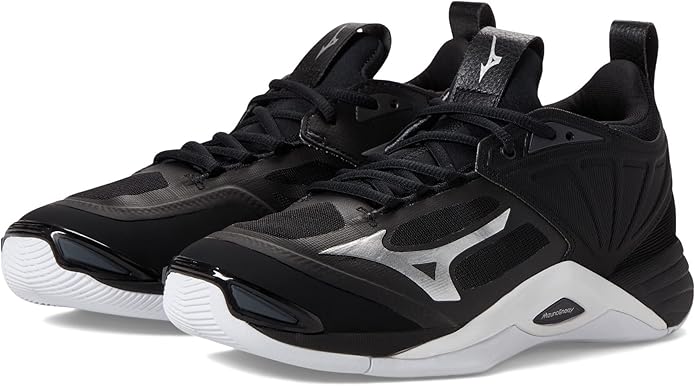
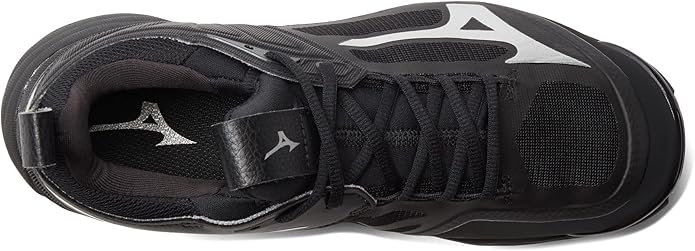
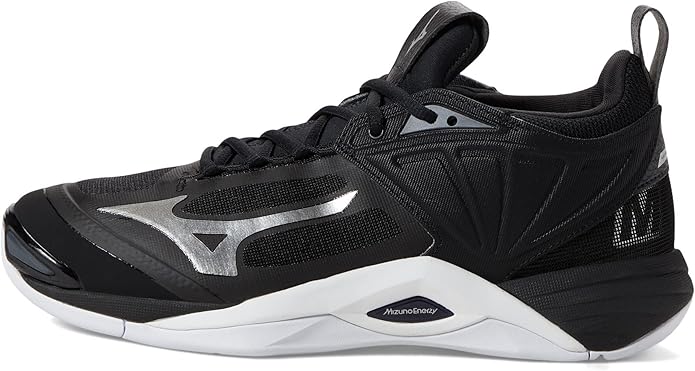
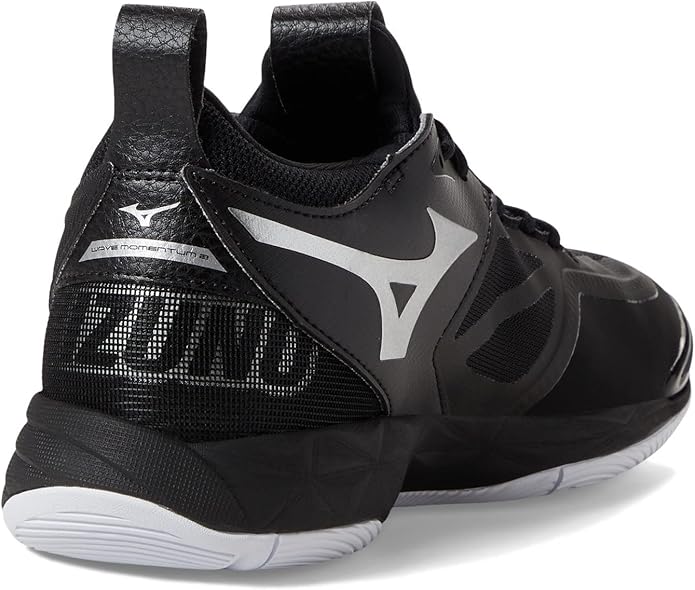
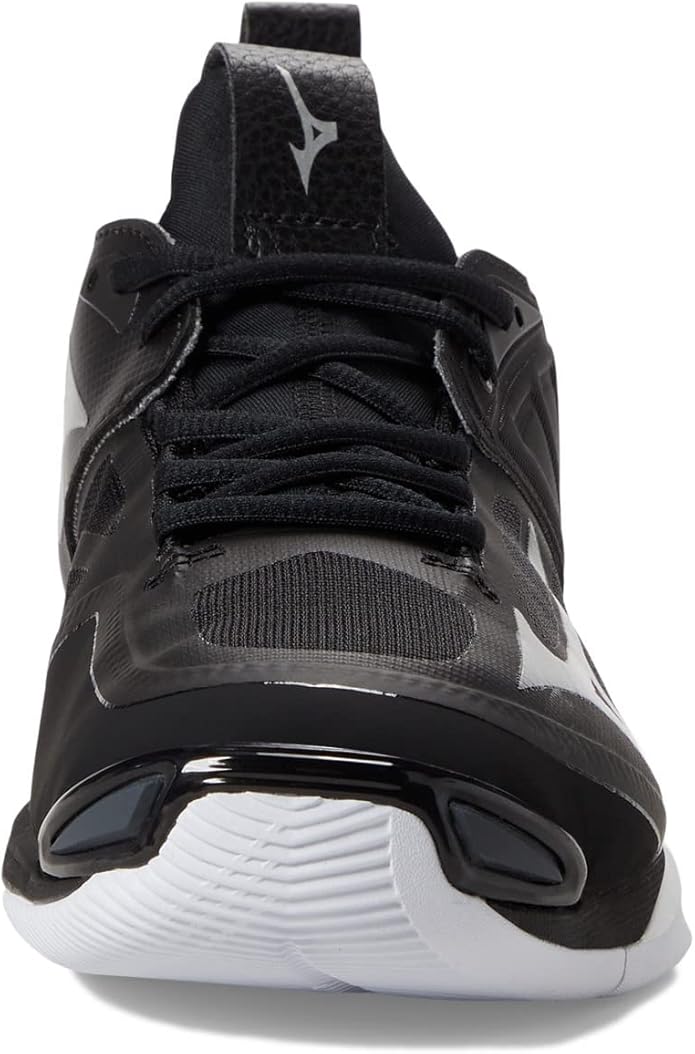
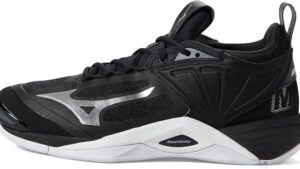
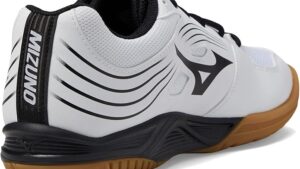
Mizuno Women’s Wave Momentum 2 Volleyball Shoe
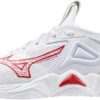
$149.99
- Weight: ~10.4 oz (women’s size 8)
- Upper: Nylon mesh with DynamotionFit Bootie construction
- Midsole: MIZUNO ENERZY Foam + Mizuno Wave Plate + EVA
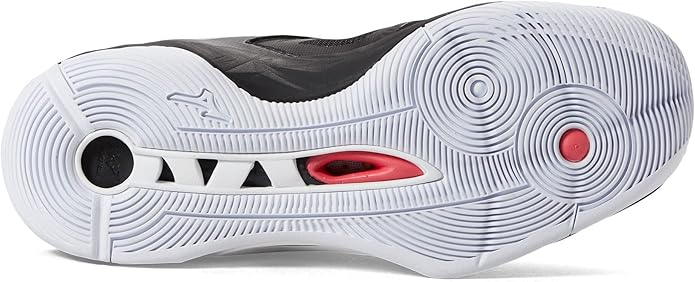
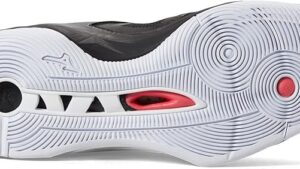
- Outsole: XG Rubber (non-marking)
- Category: Indoor Court — Volleyball, Pickleball, Badminton
- Best for: Serious players who prioritize cushioning and lateral stability
Design, Build Quality & On-Court Performance
The DynamotionFit Bootie — A Love-Hate Relationship
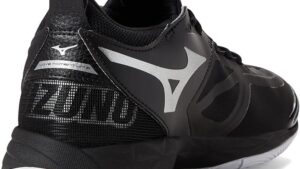
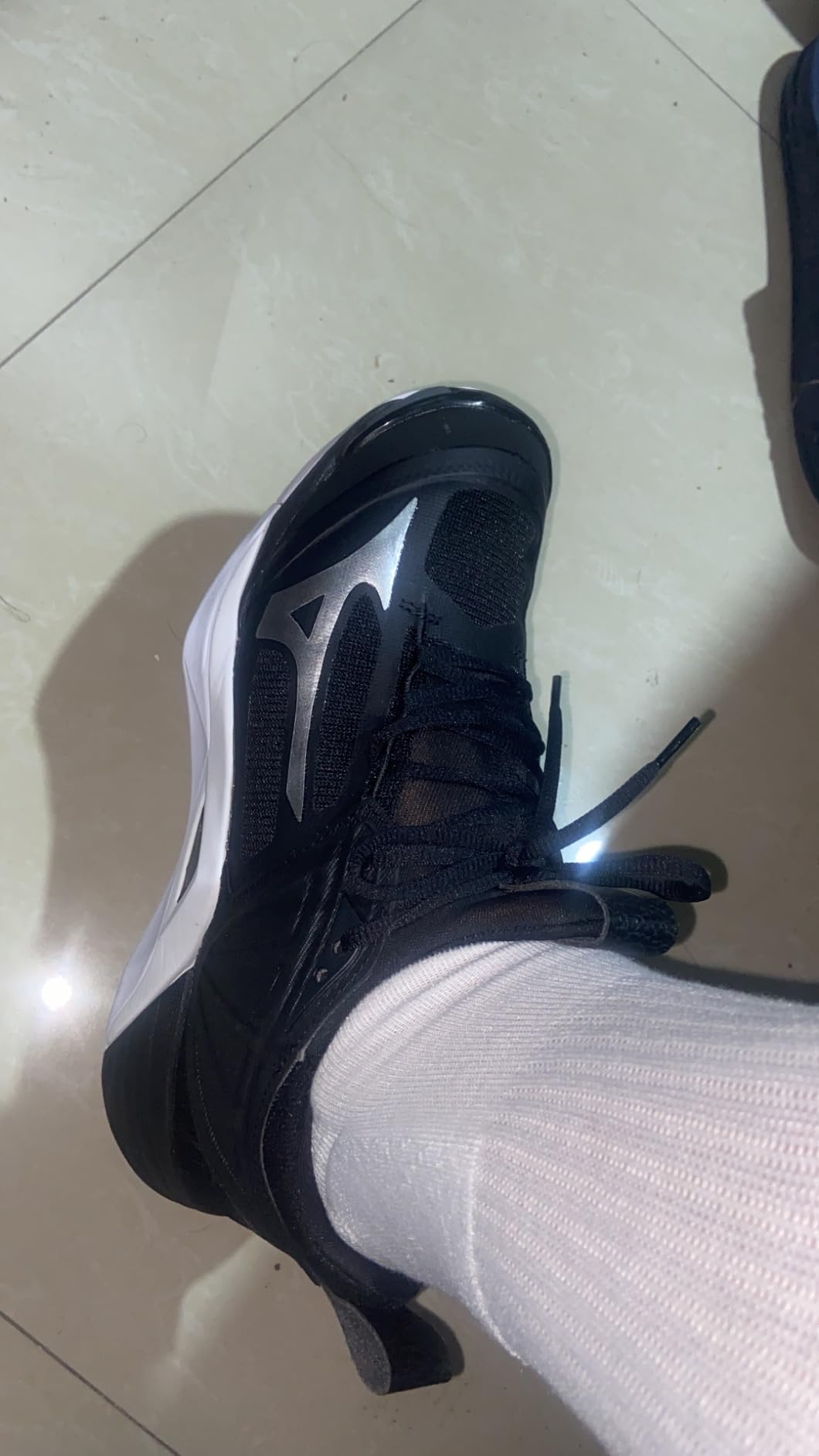
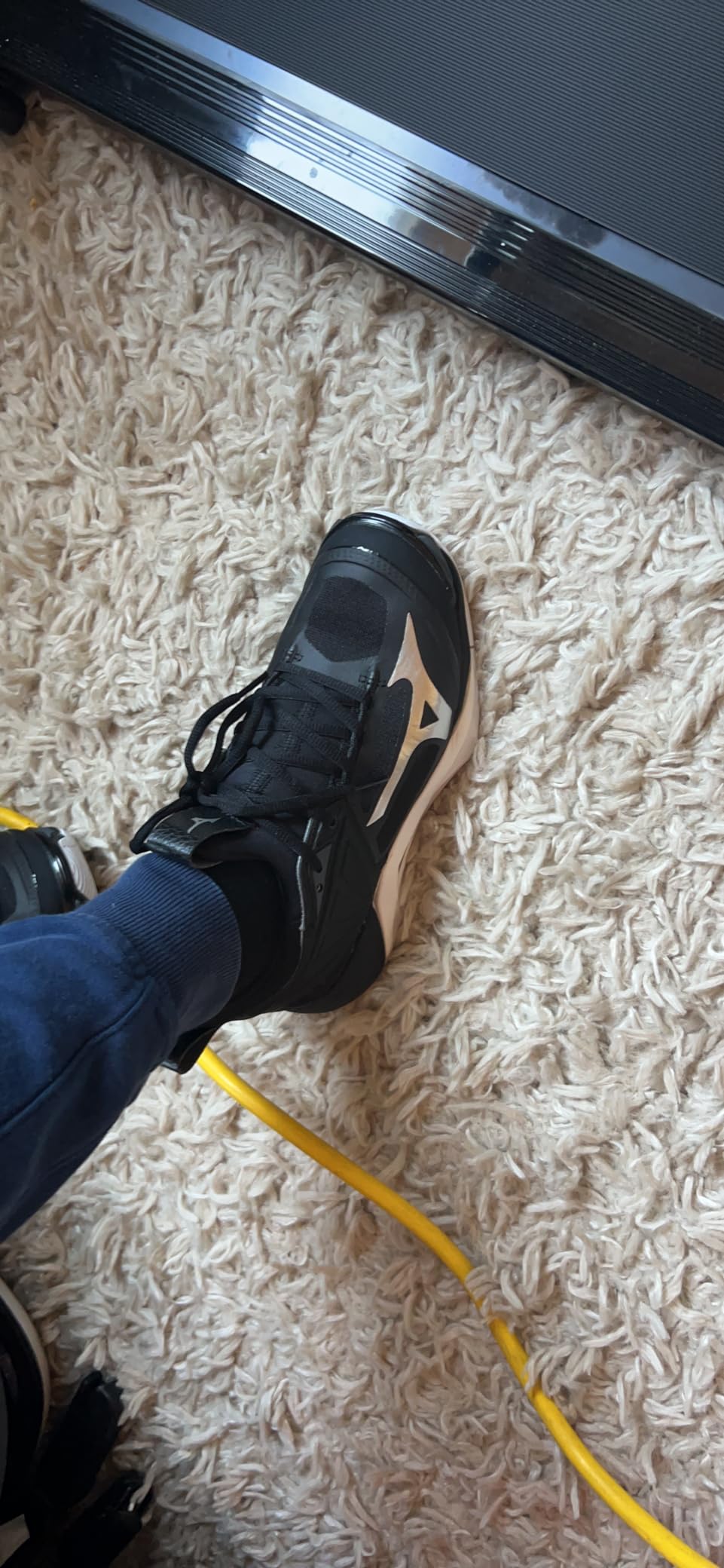
Out of the box, the Wave Momentum 2 looks sharp. The Black/Silver colorway has a clean, purposeful aesthetic that works with any uniform without screaming for attention. But the design story here starts and ends with the DynamotionFit Bootie construction — and you need to know what you’re signing up for.
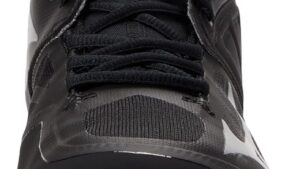
Instead of a traditional tongue, Mizuno integrated it directly into the upper, creating a single sock-like opening. Getting your foot in the first few times feels like a mini workout. You’ll need both pull tabs — front and back — and some genuine effort. One customer put it perfectly: they’re tough to get into at first, but once they’re on, they grip like a glove. That’s exactly right. The initial struggle gives way to a fit that feels like the shoe was molded around your foot. Zero internal sliding, zero heel lift, zero hotspots from a shifting tongue. Your foot simply… stays.
The ENERZY Cushioning — Where This Shoe Earns Its Reputation
I need to give some context here. I have high arches and the start of a bunion on my right foot, which has turned shoe shopping into an ongoing frustration. Over the years, I’ve gone through six different court shoes from top brands, and none of them got the comfort right for my feet. The Wave Momentum 2 changed that from the first practice session.
Mizuno’s ENERZY foam replaced the older U4ic material, and the difference is substantial. The cushioning feels plush — genuinely soft underfoot — but it doesn’t bottom out or feel disconnected from the court surface. During jump landings, the foam absorbs impact smoothly while the Mizuno Wave Plate in the heel disperses that energy outward across a wider area. The result is a feeling of controlled softness: your joints are protected, but you still get the court feedback you need for quick reactions.
What convinced me wasn’t just my own experience. A teammate who deals with flat feet and wears custom inserts told me these are the first volleyball shoes she’s been able to wear through a full tournament day without switching to recovery shoes at lunch. That’s a significant endorsement from someone who’s tried everything.
The cushioning held up, too. After four months of hard use — including back-to-back tournament days where I was on court for 6+ hours — the ENERZY foam showed no signs of packing out or losing its responsiveness. Some training shoes I’ve owned started feeling flat within weeks. Not these.
Stability That Actually Lets You Commit
Lateral stability in a volleyball shoe isn’t just a spec — it’s the difference between committing fully to a defensive dig and hesitating because you don’t trust your footing. The Wave Momentum 2 is one of the most confidence-inspiring platforms I’ve played on.
The Wave Plate works with the bootie’s secure wrap to create a locked-in base. I’m prone to rolling my ankles (two minor sprains in the last three years), and this shoe made me feel genuinely secure during aggressive lateral cuts and block landings. The XG Rubber outsole contributes here too — the grip on clean indoor courts is outstanding, letting me push off hard without any slip. A buyer who was a former Olympic volleyball player mentioned purchasing these for his club-level daughters specifically because of the lateral support. That tracks with what I felt.
The Problem Mizuno Won’t Talk About — Breathability
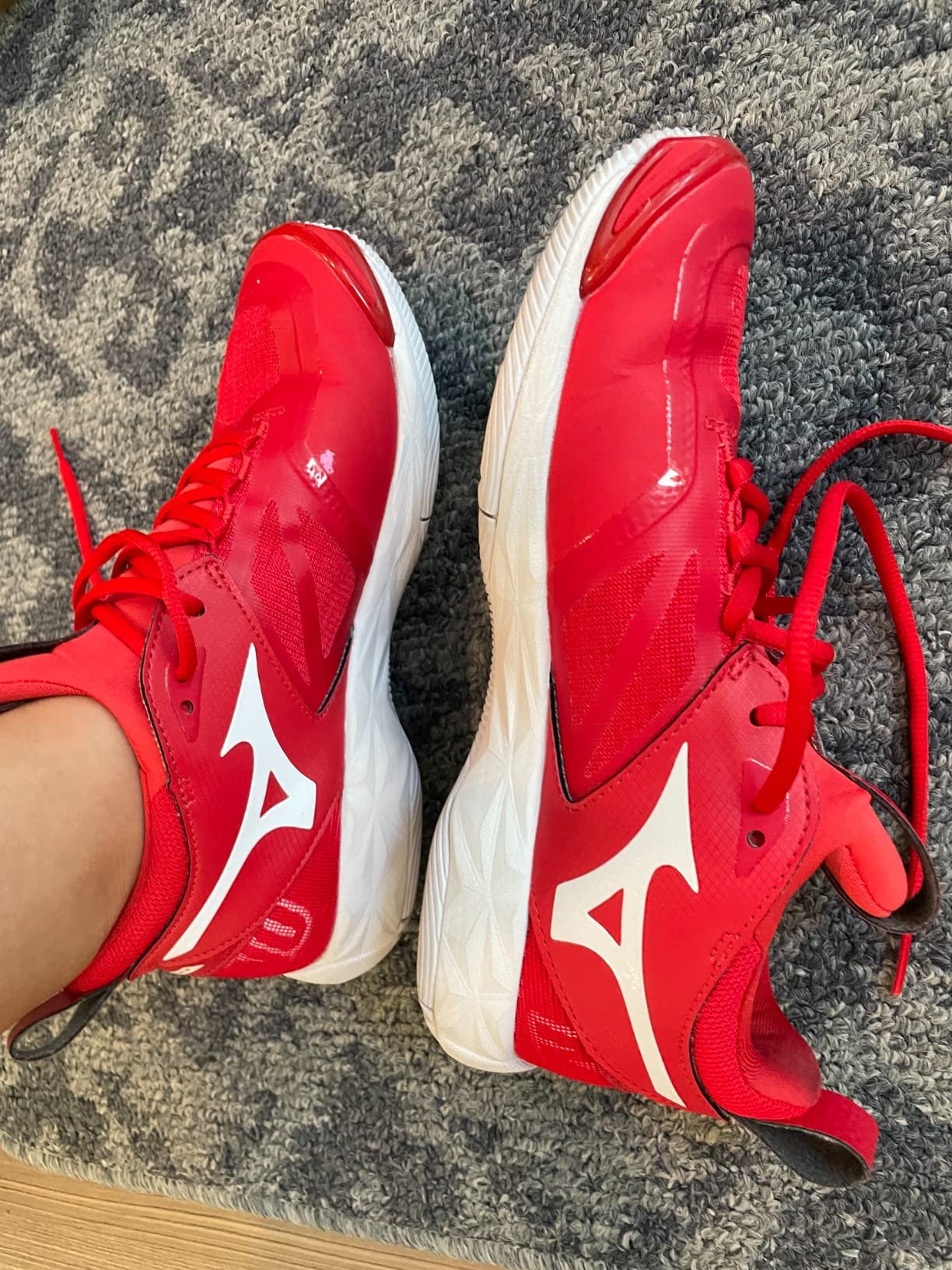
Here’s where I have to be straight with you. Mizuno’s INTERCOOL system promises to “reduce heat and humidity build-up.” After four months of testing, I can say with confidence: that claim is false.
My feet were noticeably damp after every intense session. Not just warm — actually wet. The nylon bootie construction that creates such a secure fit also traps moisture with nowhere to go. The ventilation system, whatever it’s doing, doesn’t move enough air to counteract the sealed design. And the odor problem that follows is real. Multiple Amazon reviewers describe it as the worst-smelling shoe they’ve ever owned, and while that might sound dramatic, I understand where they’re coming from.
There’s a secondary effect worth knowing about: on long tournament days, the trapped moisture causes the upper material to stretch slightly, which chips away at that locked-in ankle stability you worked so hard to get. By hour five of play, the fit felt noticeably looser than it did in hour one.
Practical solution: Invest in a quality shoe dryer and a cedar-based deodorizer. Let the shoes air out for at least 24 hours between sessions. If you play multiple times per week, consider rotating with a second pair. This isn’t optional maintenance — it’s essential with this shoe.
Sizing, Fit & Getting the Right Pair
Sizing on the Wave Momentum 2 has generated more confusion than almost any shoe I’ve reviewed. The online community is genuinely split, and I think there’s a reason for that: the bootie construction makes the shoe feel different from conventional volleyball shoes, so people’s reference points don’t translate neatly.
My experience: I wear a size 8 in most athletic shoes, and the 8 in the Wave Momentum 2 fit me well. Once past the initial bootie entry, the shoe settled around my foot with just the right amount of room in the toe box and a secure wrap through the midfoot.
But I’m in the minority. A significant number of buyers — particularly those with wider feet or who wear ankle braces — found them too snug and recommend going up a half size. One player who normally wears men’s sizes ordered a women’s 11.5 equivalent and found it perfect.
My sizing framework:
- Normal-to-narrow feet, thin socks: Order your usual size
- Wider feet or bunions: Go up half a size
- Plan to wear ankle brace or thick socks: Go up half a size
- Between sizes normally: Go up to the larger size
The bootie requires about 3–5 court sessions to break in properly. The entry gets slightly easier, and the material conforms better to your foot’s shape. Don’t judge the fit entirely on the first wear.
Putting Mizuno’s Marketing Claims on Trial
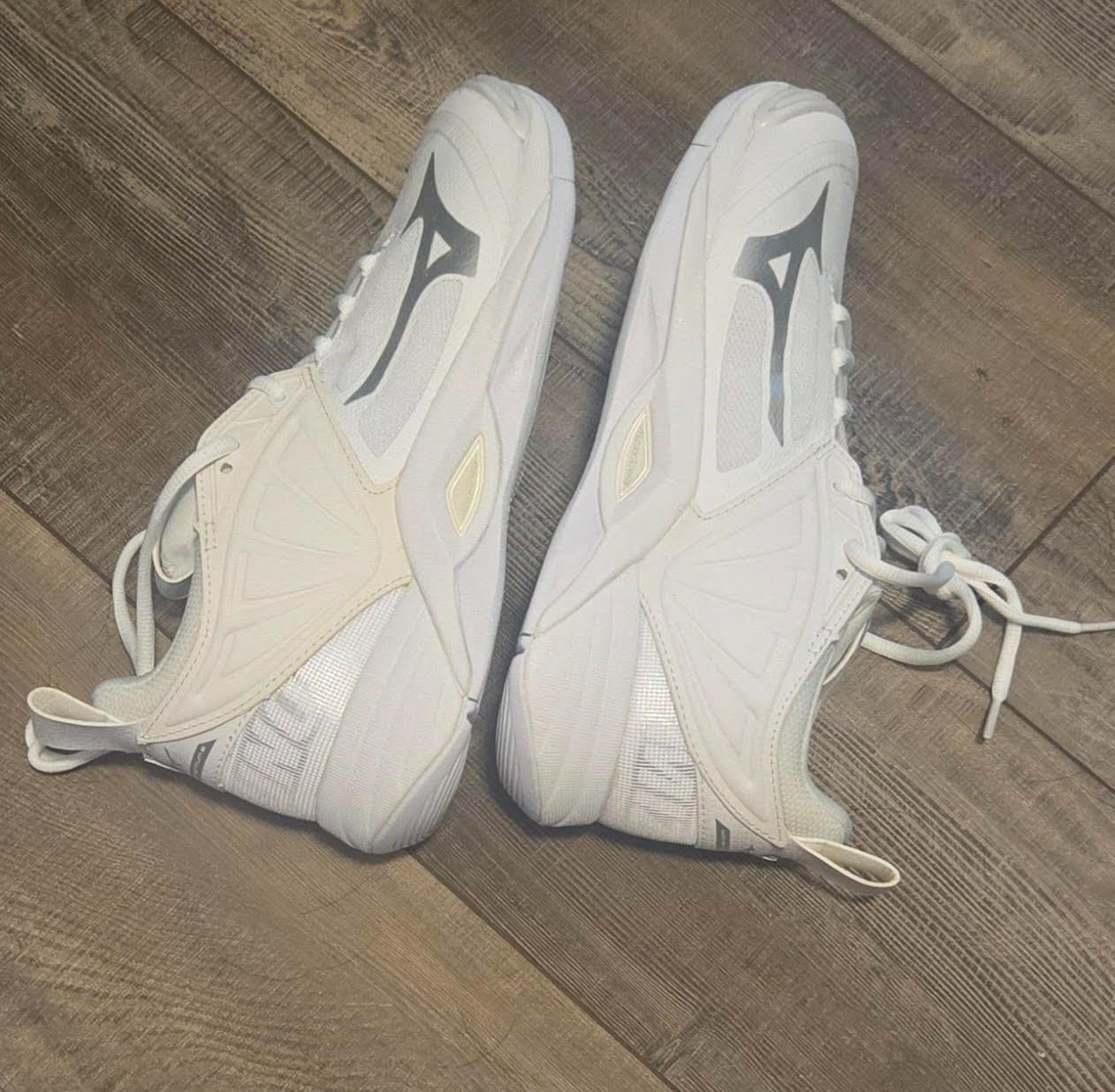
I always run brand claims against real-world use. Here’s how each one held up:
- “Unprecedented comfort and cushioning” (MIZUNO ENERZY)
- Verdict: TRUE. The ENERZY foam is the real deal. Across four months, it delivered the most consistently comfortable experience I’ve had in a court shoe. My feet, my teammate’s feet, the community consensus — all align on this.
- “DynamotionFit Bootie — comfortable, snug fit and maximum stability”
- Verdict: MOSTLY TRUE. The fit once you’re in is outstanding. The stability is excellent. But calling the entry process “comfortable” is generous at best. It’s a struggle, especially for the first few wears. Half the promise delivered perfectly; the other half requires redefining “comfortable.”
- “INTERCOOL — cool and dry, reduces heat and humidity”
- Verdict: FALSE. My testing directly contradicts this claim, and the Amazon review consensus backs me up. The shoe traps heat and moisture at a level that creates genuine problems over time. This is the one area where Mizuno’s marketing doesn’t match reality.
- “Dura Shield — protects toe from friction damage”
- Verdict: TRUE. Four months of toe-drag serves, defensive slides, and general wear — the toe area looks remarkably intact. The Dura Shield is quietly doing excellent work.
A note on quality control: Several Amazon buyers reported receiving shoes with visible glue, paint that faded within weeks, and even pairs that arrived looking used. My pair didn’t have these issues, but the reports are frequent enough that it’s worth mentioning. Check your pair carefully when they arrive.
How the Wave Momentum 2 Stacks Up
If you’re considering other Mizuno options, here’s how the Momentum 2 fits into the lineup:
| Feature | Wave Momentum 2 | Wave Momentum 3 | Wave Dimension | Cyclone Speed 3 |
|---|---|---|---|---|
| Price | $100–$140 | $140–$165 | ~$130 | $65 |
| Weight (W8) | ~10.4 oz | ~11.5 oz | ~10 oz | 9.2 oz |
| Cushioning | ENERZY + Wave Plate | ENERZY + Wave Plate (improved) | ENERZY + Wave Plate | EVA only |
| Breathability | Poor | Improved | Better | Decent |
| Bootie Entry | Difficult | Reportedly easier | Tight initially | Traditional tongue |
| Amazon Rating | 4.7 (490) | 4.6 (582) | 4.8 (418) | 4.6 (624) |
| Best For | Cushion + stability seekers | All-around upgrade | Lighter alternative | Budget / youth players |
Choose the Momentum 2 if: You want the best cushioning at a lower price point than the Momentum 3, and breathability isn’t your top concern. At $100–$140 compared to the Momentum 3’s $140–$165, you’re getting about 90% of the performance for meaningfully less money. The Momentum 3 improves ventilation and the eyelet structure, but the core cushioning experience is very similar.
Choose the Cyclone Speed 3 if: Budget matters more than premium cushioning. At $65, it covers the fundamentals — good grip, reasonable stability, lightweight — but won’t match the Momentum 2’s comfort on long tournament days.
Beyond Volleyball — Where Else Does This Shoe Work?
One of the unexpected findings from the broader user community: the Wave Momentum 2 has a following outside of volleyball. A badminton player who weighs 180 lbs and has injured knees described it as solving every issue he’d struggled with across Yonex, Adidas, ASICS, and Solomon shoes — and he bought four pairs. Another buyer uses them for indoor pickleball on gym floors and says the grip and cushioning transformed the experience. There’s even a fencer who swears by them.
The reason is straightforward: the features that make this shoe excellent for volleyball — lateral stability, impact cushioning, court grip — translate directly to any sport involving quick direction changes on hard indoor surfaces. That said, keep them indoors. The XG Rubber outsole will wear down quickly on concrete or asphalt, and the tread pattern isn’t designed for outdoor textures.
The Verdict
Category Scores
- Design & Aesthetics: 8.5/10 — Clean, modern, looks professional with any uniform
- Comfort & Cushioning: 10/10 — The ENERZY foam is genuinely best-in-class for court shoes
- Stability & Support: 9.5/10 — Wave Plate + bootie creates a confidence-building platform
- Traction: 9.0/10 — XG Rubber grips indoor courts without feeling sticky
- Breathability: 3/10 — The INTERCOOL system fails, and the odor consequences are real
- Value for Money: 8.0/10 — Premium pricing justified by performance, if you can manage the flaw
- Overall: 8.2/10
Who Should Buy This Shoe
Perfect For:
- Competitive volleyball players who train or compete multiple times per week — the cushioning protects your joints through a long season
- Players with difficult feet — high arches, flat feet, bunions, or wide feet all find accommodation here that’s hard to match elsewhere
- Ankle-injury-prone athletes — the locked-in stability from the bootie + Wave Plate combination builds genuine confidence
- Multi-sport indoor athletes — pickleball, badminton, squash, and fencing players who want one shoe that handles lateral court movement
Think Twice If:
- You play in hot gyms or are prone to foot moisture issues — the breathability problem is not minor
- You want a shoe you can slip on quickly — the bootie entry is a commitment every time
Skip Entirely If:
- Breathability is your non-negotiable priority — look at the FILA Volley Zone or ASICS Gel-Rocket series instead
- You want a traditional-tongue shoe with easy on/off — the Cyclone Speed 3 or ASICS Upcourt series are better fits
Is It Worth the Money?
At $100–$140, this is a premium court shoe. But consider the math: if you play twice a week for a year, that’s roughly 100 sessions. At $140, that’s $1.40 per session of elite cushioning and stability. Compare that to the cost of even one visit to a physical therapist for an ankle injury or chronic foot pain. For serious players, the Wave Momentum 2 is less an expense and more an investment in keeping your body on the court.
My Final Take
Four months in the Mizuno Wave Momentum 2 taught me that a shoe can be both exceptional and flawed in equal measure. The cushioning is the best I’ve worn in a court shoe — full stop. The stability gave me confidence I hadn’t felt since before my last ankle sprain. These qualities genuinely improved how I play and how my feet feel after long days.
But the breathability failure is significant. It’s not a minor inconvenience; it requires active management with shoe dryers, deodorizers, and rotation schedules. If you’re willing to put in that maintenance, what you get in return is a remarkably capable shoe that handles the demands of serious indoor court sports.
Pro tip: Pick up a UV shoe sanitizer/dryer — they cost around $30–$40 and will pay for themselves by keeping these shoes functional and odor-free far longer than air-drying alone.
Frequently Asked Questions
Q: Do the Wave Momentum 2 shoes run true to size, or should I size up?
A: The community is genuinely divided on this. I wear a size 8 in most athletic shoes and found the 8 fit well once past the bootie entry. However, a significant number of buyers recommend going up half a size — particularly those with wider feet, who wear ankle braces, or who prefer thicker volleyball socks. If you can try them on locally, do that. If ordering online, lean toward the half-size-up option unless you know you have narrow feet.
Q: How difficult is the bootie to get on, really?
A: Difficult enough that it’s worth mentioning. The integrated tongue means you can’t just loosen the laces and slide in. You need to use both pull tabs and genuinely work your foot through the opening. It does get easier after a few sessions as the material gives slightly, and the secure fit you get once they’re on is the reward. But if quick on-and-off matters to you, this design will be frustrating.
Q: Can I wear these for pickleball, badminton, or other court sports?
A: Yes — and users already are. One badminton player liked them so much he bought four pairs. The lateral stability, court grip, and cushioning translate well to any indoor sport involving quick direction changes. Pickleball players on gym floors report excellent performance too. Just keep them indoors — the sole isn’t designed for outdoor surfaces.
Q: How is the ankle support for someone with previous injuries?
A: The support comes from stability rather than rigid bracing. The shoe sits a bit higher than some court shoes, and the bootie design wraps your foot and ankle securely. I’m ankle-sprain-prone, and the Wave Momentum 2 gave me more confidence in lateral cuts than any shoe I’ve tested recently. It’s not a replacement for a medical brace if your doctor recommends one, but for general confidence and roll-prevention, it’s excellent.
Q: How long will these shoes realistically last with regular play?
A: For a competitive player training 2–3 times per week, expect solid performance for 8–12 months before the cushioning starts losing its edge. The outsole is durable, and the Dura Shield keeps the toe area intact. However, some Amazon buyers reported the interior heel lining wearing through in under two months, and the paint on some colorways fades fast. Inspect yours carefully, and if you notice interior fabric wear early, that may be a QC issue worth returning over.
Q: What are the absolute deal-breakers I should know about?
A: Two main ones. First, the breathability is genuinely poor — your feet will be damp after intense play, and the shoes will develop an odor problem without active management (shoe dryer, deodorizer, rotation). Second, the bootie entry is a real hassle that some players can’t get past. If either of those is a hard no for you, look at alternatives with traditional tongues and better ventilation.
Q: Can I replace the stock insole with custom orthotics?
A: Yes. The stock insole is removable, and the shoe accommodates aftermarket insoles or custom orthotics well. Given how accommodating the upper is for various foot shapes (arches, bunions, width), pairing custom insoles with this shoe’s cushioning could be an excellent combination for players with specific podiatric needs.
Q: How does this compare to ASICS or Nike volleyball shoes in the same price range?
A: The Momentum 2 trades blows with the ASICS Gel-Rocket series and Nike Zoom HyperAce 2 in interesting ways. Mizuno wins decisively on cushioning comfort and accommodating difficult foot shapes. ASICS typically offers better breathability and lighter weight. Nike tends to have a more modern, athletic fit but can feel narrower. If cushioning and stability are your priorities, the Momentum 2 leads. If breathability and easy on/off matter more, ASICS is likely your better bet.
Review Scoring Summary & Shoe Finder Integration
After putting the Mizuno Wave Momentum 2 through 4 months of competitive volleyball, here’s how I’m scoring it for our Shoe Finder system. Every rating comes from on-court testing — no guesswork.
| CATEGORY | ASSESSMENT | REASONING |
|---|---|---|
| WHO THIS SHOE IS FOR | ||
| Target Gender | women | Marketed and designed as a women’s shoe, though men’s and unisex versions exist separately. |
| Primary Purpose | sport | Built for indoor court sports. The outsole, cushioning, and lateral support are all sport-specific. |
| Activity Level | very-active | Handles multi-day tournament loads without cushioning breakdown. Designed for frequent, intense use. |
| MONEY TALK | ||
| Budget Range | 100-200 | Retails $100–$140 on Amazon. Premium tier for volleyball shoes, but justified by performance. |
| Brand | Mizuno | Long-established volleyball shoe manufacturer with strong court-sport reputation. |
| Primary Strength | comfort | The ENERZY cushioning outperformed every court shoe I’ve tested. Accommodates difficult foot shapes. |
| Expected Lifespan | medium-term | 8–12 months of regular competitive play. Outsole holds up well; interior lining is the weak point. |
| FIT & FEEL | ||
| Foot Characteristics | normal, wide, flat, high-arch | Tested on high arches with bunion. Community confirms compatibility with wide and flat feet. |
| Usage Conditions | indoor | XG Rubber outsole optimized for indoor gym floors. Will degrade quickly on outdoor surfaces. |
| Daily Wearing Time | medium | Handles 2–4 hour intense sessions comfortably. Built for sport activity, not all-day casual wear. |
| Style Preference | sporty | Clean, athletic design. Multiple colorways. Looks sharp on court but not designed for street wear. |
| STANDOUT FEATURES | ||
| Important Features | cushioned, arch-support, slip-resistant | ENERZY cushioning is class-leading. Wave Plate provides excellent arch support. XG Rubber outsole prevents slipping. |
| THE SCORES | ||
| Comfort Score | 9.5/10 | Near-perfect. The cushioning is unmatched, losing half a point only for heat buildup during extended play. |
| Style Score | 8.5/10 | Modern athletic look in multiple colorways. Professional without being flashy. |
| Overall Score | 8.2/10 | Elite cushioning and stability dragged down by a serious breathability failure. Exceptional shoe with one notable flaw. |
Bottom Line
- Perfect for: Competitive volleyball players who need elite cushioning and stability to protect joints through a demanding season
- Great for: Active women in indoor court sports (pickleball, badminton, squash) who play 2–3 times per week
- Skip if: You can’t tolerate shoes that trap heat and develop odor, or if a difficult entry process is a firm deal-breaker
- Best feature: MIZUNO ENERZY cushioning — genuinely the most comfortable court shoe foam I’ve tested in 10+ years
- Biggest limitation: Breathability. The INTERCOOL system doesn’t work as advertised, and the consequences are noticeable.
Be the first to review “Mizuno Women’s Wave Momentum 2 Volleyball Shoe”
Related products
Tennis/Squash Shoes
Tennis/Squash Shoes
Tennis/Squash Shoes
Tennis/Squash Shoes

Running Shoes
Tennis/Squash Shoes
Tennis/Squash Shoes
Tennis/Squash Shoes
Reviews
There are no reviews yet.