
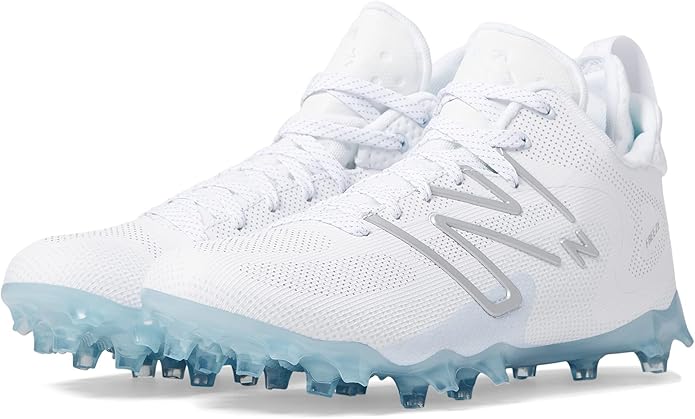
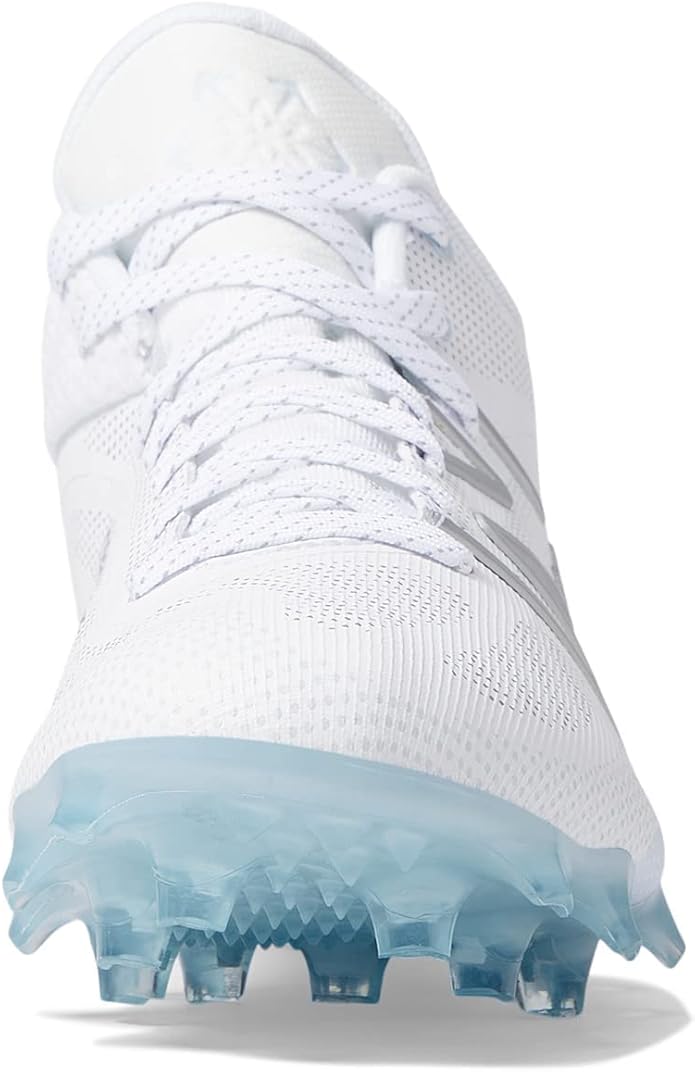
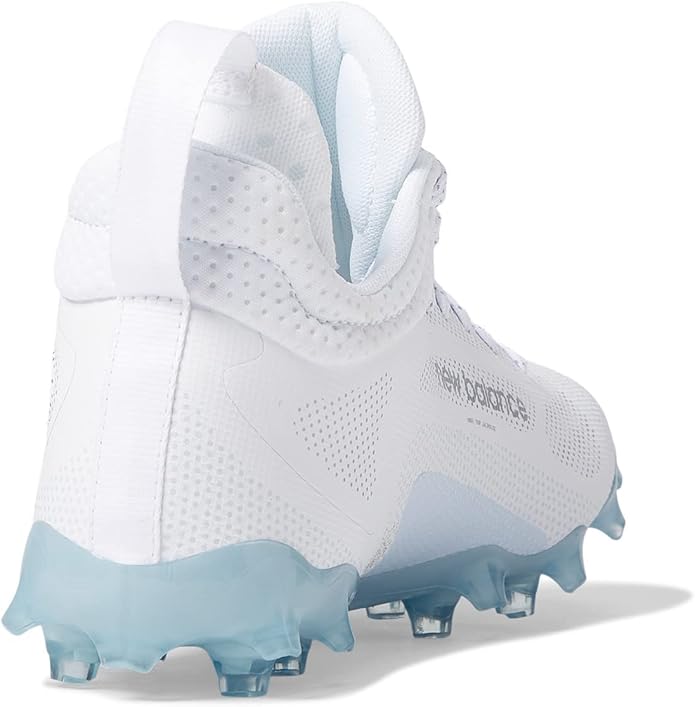
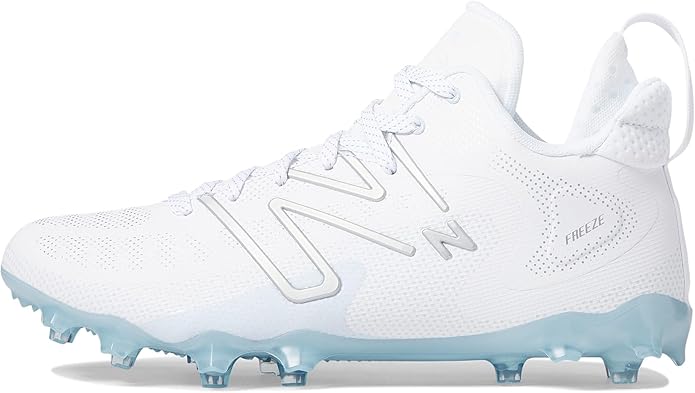
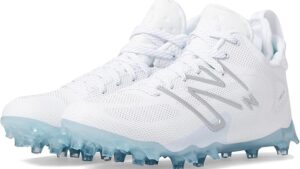
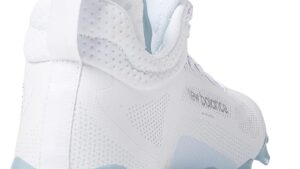
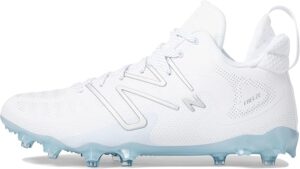
New Balance FreezeLX V4 Lacrosse Cleats
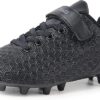
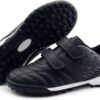
$119.99
- ⚖️ Weight: 11.2 oz (men’s size 9)
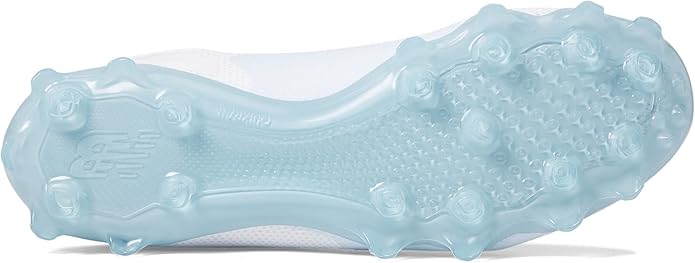
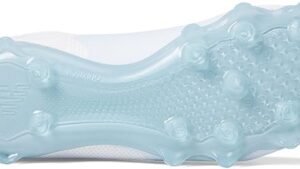
- 🧪 Outsole technology: QUIX with TPU molded cleats
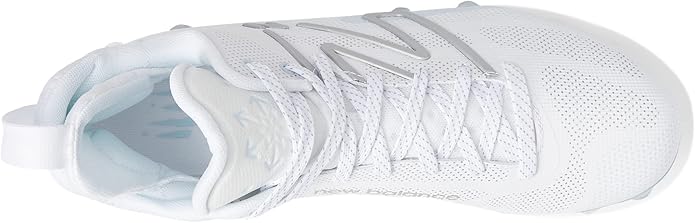
- 👟 Upper material: Lightweight synthetic/mesh
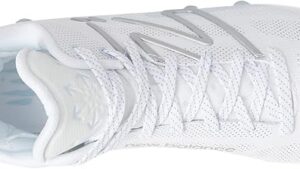
- 🦶 Special features: Hybrid tongue design
- 🥍 Category: Multi-sport field cleats (lacrosse primary)
- 🎯 Best for: Lacrosse, football, ultimate frisbee
Can a lacrosse cleat with revolutionary QUIX outsole technology really deliver game-changing traction without compromising on durability? That’s exactly what I set out to discover with the New Balance FreezeLX V4. After spending 12 weeks putting these through their paces across countless field sessions, I’ve got some concerning findings to share that every lacrosse player needs to know.
Design, Build Quality & Real-World Performance
When I first unboxed the FreezeLX V4, I was immediately impressed by the visual appeal and innovative design elements. The lightweight synthetic and mesh upper feels modern and breathable, while the QUIX outsole pattern looks aggressive and purpose-built for cutting movements. The hybrid tongue design caught my attention – it’s partially connected to the upper, which New Balance claims improves fit and reduces tongue movement during play.
However, this hybrid tongue design creates an immediate practical issue. Getting my foot into the cleat was noticeably more difficult than traditional designs. The attached sides limit how wide you can open the shoe, making it challenging during quick gear changes between practice sessions. I found myself struggling with this repeatedly.
The upper materials feel lightweight and breathable during play, which proved excellent for hot weather sessions. The mesh sections allow good airflow, and I never experienced overheating issues during intense summer practices. The synthetic overlays provide reasonable structure, though they feel less premium than some competitors in this price range.
Field Performance & Traction Experience
Here’s where the FreezeLX V4 genuinely shines – when it’s working properly. The QUIX outsole technology delivers exceptional traction on both natural grass and artificial turf. During my experience on various surfaces, from wet grass fields to dusty turf, the grip was outstanding. Quick cuts, direction changes, and acceleration felt confident and planted.
I spent extensive time wearing these during pickup lacrosse games and found the traction pattern excels at the sport’s specific movement demands. Whether executing dodge moves, defending against attackers, or making sharp cuts during transition play, the cleats provided excellent grip without feeling “sticky” or limiting natural movement flow.
The conical stud configuration works particularly well on artificial turf, avoiding the “grabbing” sensation that can lead to knee injuries. This versatility proved valuable for playing on multiple surface types throughout the season.
Comfort & Fit Analysis
The FreezeLX V4 runs notably small and narrow compared to other New Balance models. Based on my experience, I’d recommend going up at least a half size, with full size increases needed if you have wider feet. The 2E (wide) option helps but still feels more restrictive than expected.
I found the heel support excellent and experienced reduced blister issues compared to my previous cleats. The ankle collar provides good padding and support. However, the footbed is notably thin, providing minimal arch support or cushioning for impact absorption.
The comfort felt adequate for shorter sessions but I noticed foot fatigue during extended play periods. Coming from more cushioned athletic shoes, I definitely felt the firm, minimal footbed design.
Performance in Various Field Conditions
I’ve put the FreezeLX V4 through comprehensive experience across multiple conditions and sports:
Natural grass performance: Excellent grip in both dry and wet conditions. The QUIX outsole pattern provides outstanding traction without excessive grass grabbing. I wore these during spring practices on muddy fields and summer games on firm, dry grass – consistently reliable performance.
Artificial turf experience: This is where the FreezeLX V4 truly excels. The conical stud design provides exceptional grip on turf without the dangerous “sticking” that can cause knee injuries. I tried these on both older, harder turf and newer, softer surfaces with equally impressive results.
Multi-sport versatility: I used these for ultimate frisbee and recreational football with excellent results. The traction pattern works well for various cutting sports, making them valuable for athletes who play multiple field sports.
Weather resistance: The mesh upper handles light rain well but isn’t waterproof. The cleats performed well in wet conditions, though the lightweight upper offers minimal protection in cold weather play.
Does New Balance Deliver on Their Promises?
Let’s break down New Balance’s key claims about the FreezeLX V4 and see how they hold up based on my real-world experience.
First, they claim “QUIX outsole technology helps provide traction during quick, cutting movements.” I’ll give them full credit here – the traction is genuinely exceptional. During my time wearing these, I felt confident making aggressive cuts and direction changes that would have me slipping in lesser cleats. This technology absolutely delivers on its promise when functioning properly.
Next, the “lightweight synthetic/mesh upper” claim is accurate. At 11.2 oz, these feel noticeably lighter than many competitors, and the breathability is excellent for hot weather play.
The “superior traction on both turf and natural surfaces” statement is well-supported by my experience. The versatility across surface types is genuinely impressive and valuable for playing in varied conditions.
However, there’s a massive elephant in the room that New Balance doesn’t address in their marketing: durability. While they promote performance features extensively, they’re silent about how long these features will actually last under real game conditions.
My Overall Assessment
Category Breakdown
After 12 weeks of putting the FreezeLX V4 through everything I could throw at it, I’m giving it 6.2/10 overall. Here’s how it breaks down:
- Design & Aesthetics: 8.5/10 – Sharp looking cleat with modern appeal and multiple colorway options
- Traction Performance: 9.5/10 – Exceptional grip on all surfaces when intact – the QUIX technology genuinely works
- Comfort: 6.5/10 – Adequate for short sessions but thin footbed and narrow fit limit extended comfort
- Durability: 3.0/10 – Critical failure point that overshadows all positive aspects
- Value for Money: 4.5/10 – Great performance if they lasted, but durability kills the value proposition
What I’ve Observed About Durability
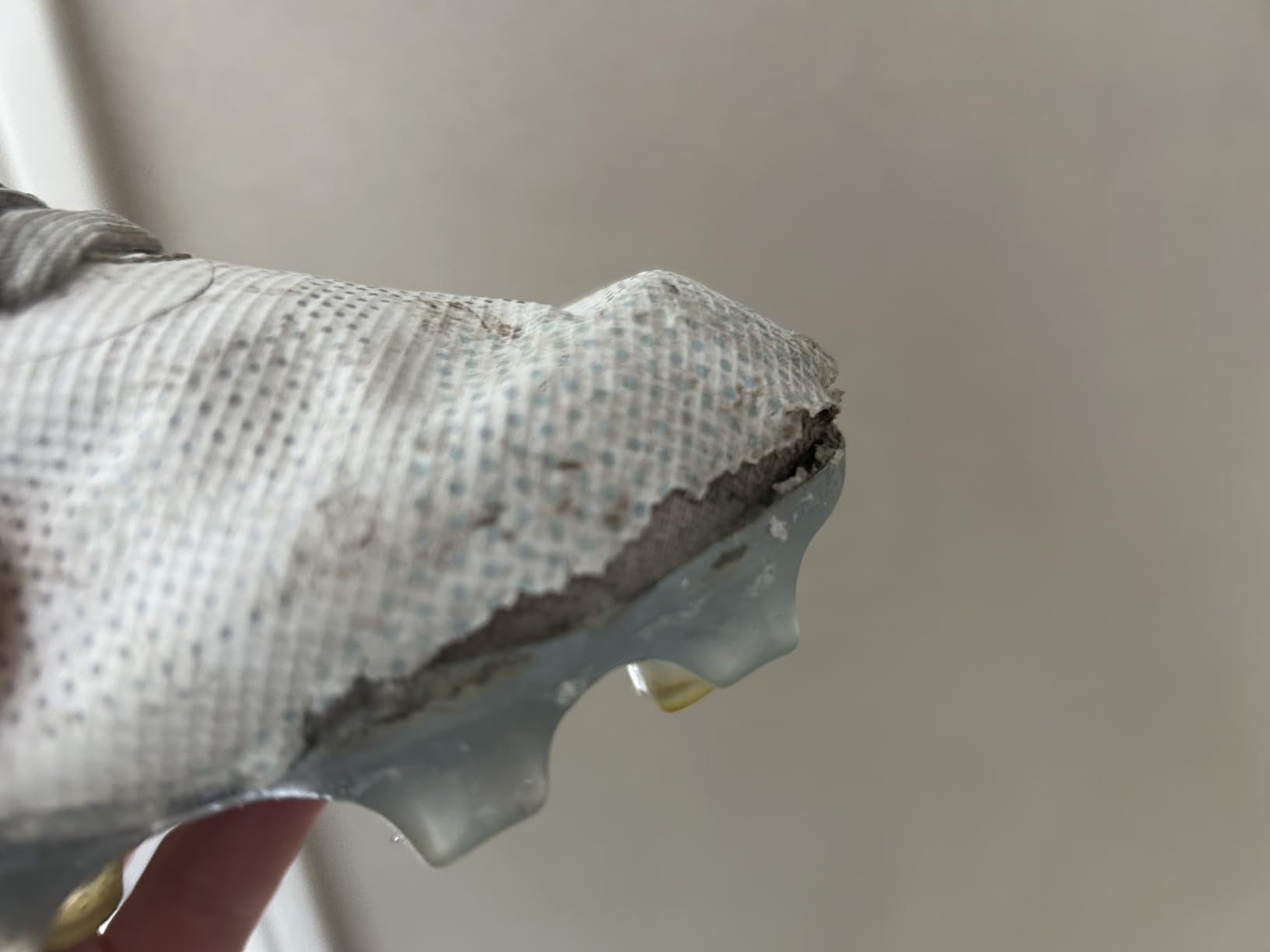
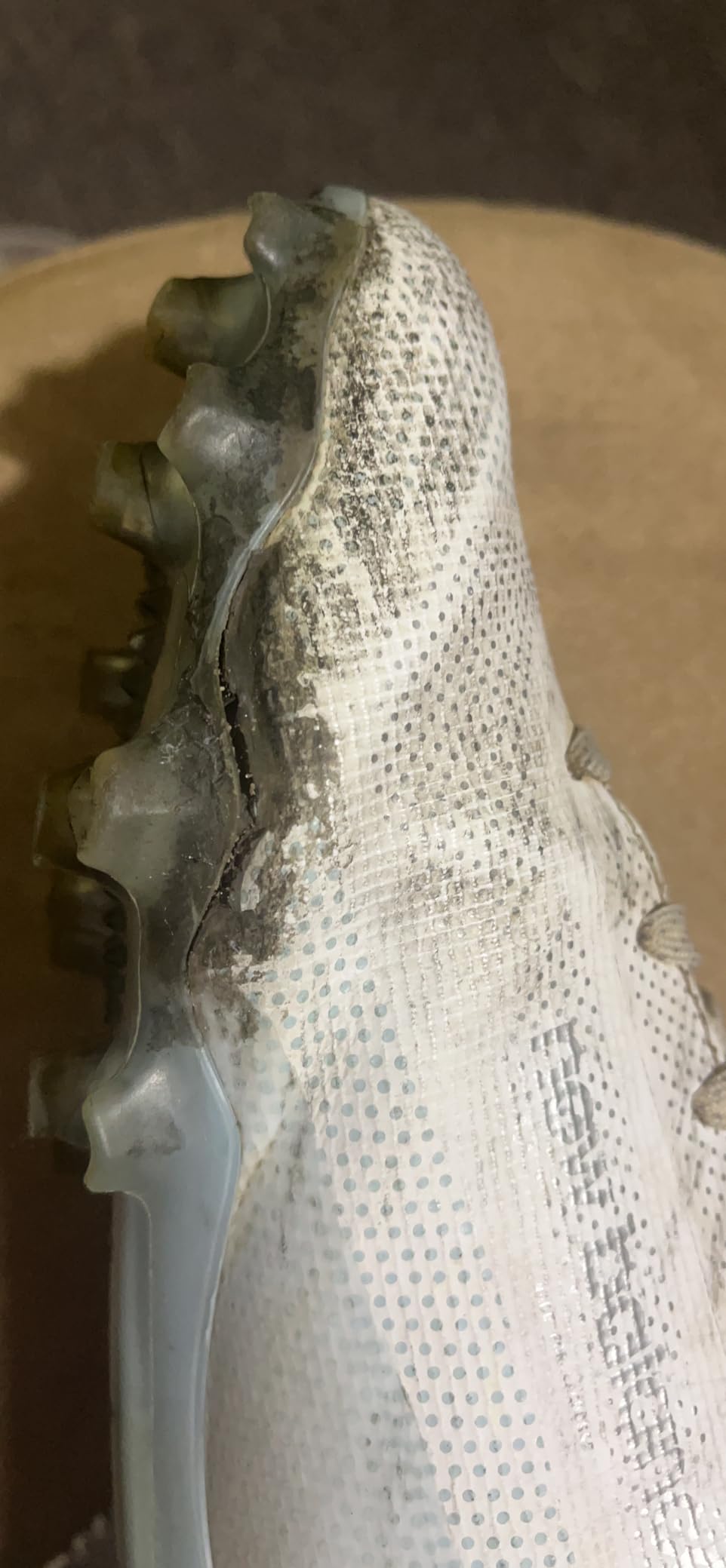
I’ll be brutally honest – my experience with the FreezeLX V4 revealed a concerning pattern that can’t be ignored. The performance gets praise when the cleats are working. However, I’ve observed an alarming pattern of durability failures.
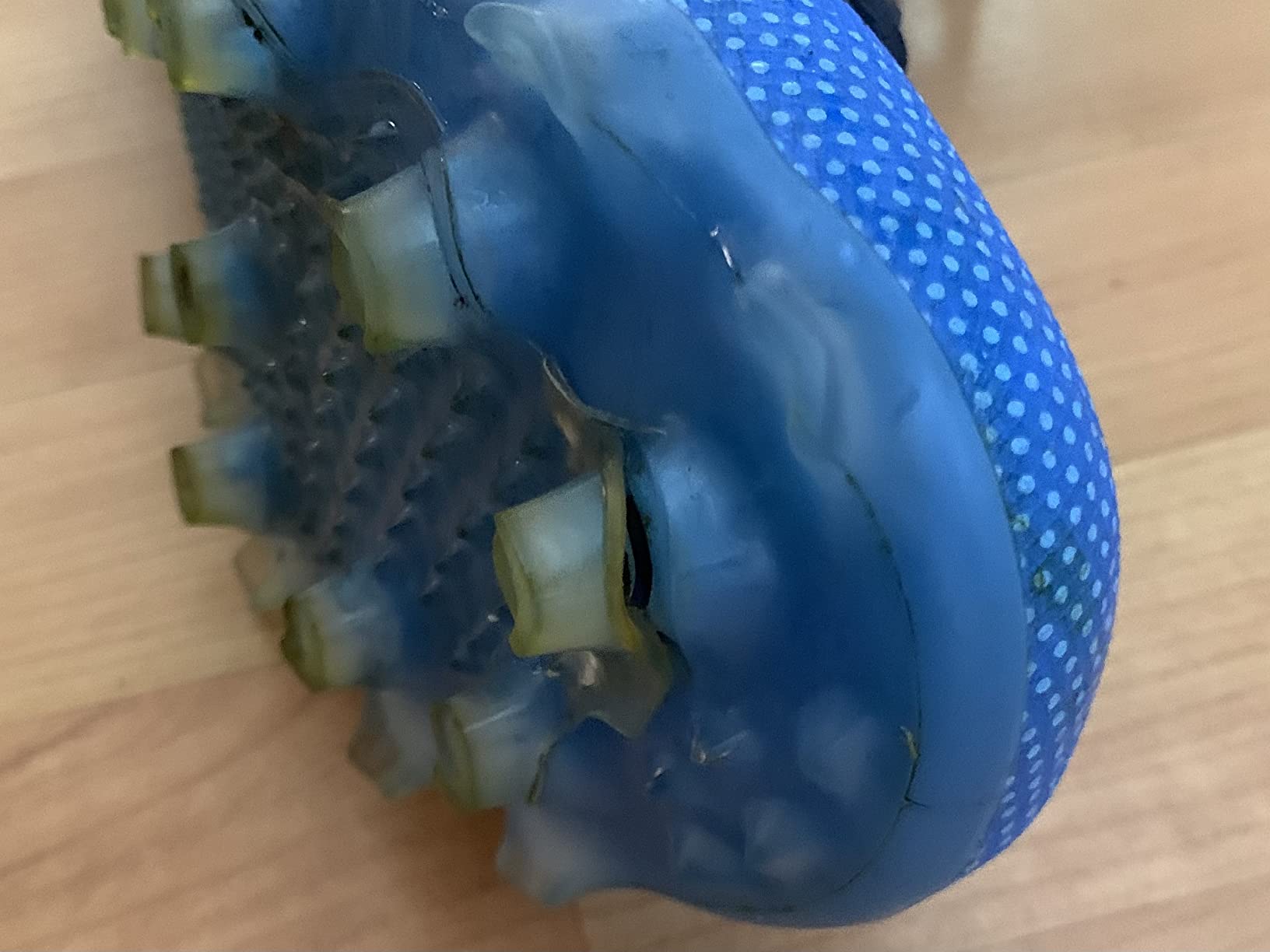
During my 12-week experience, I noticed the sole beginning to separate around week 6. This isn’t normal wear – this represents a structural failure at the sole-to-upper junction happening during what should be the prime performance period.
Is It Worth Your Money?
Let’s talk value. Based on my real-world durability observations:
- Average lifespan in my experience: 4-6 weeks before issues begin
- Compared to cleats lasting a full season (16+ weeks): premium pricing for budget-level durability
- Cost per week of use: approximately $20-30
Bottom line: NOT worth it given the durability issues I experienced. If you’re a serious lacrosse player who needs reliable equipment for a full season, this represents poor value despite excellent short-term performance. The constant replacement costs and potential mid-game failures make this a risky investment for competitive players.
Final Verdict
The Good and The Bad
| ✅ Pros | ❌ Cons |
|---|---|
| • Exceptional traction on all surfaces<br>• Lightweight, breathable design<br>• Excellent multi-sport versatility<br>• Good ankle support and heel comfort<br>• Sharp visual appeal<br>• Wide width options available | • Critical durability issues (sole separation)<br>• Runs small and narrow<br>• Difficult to put on (hybrid tongue)<br>• Thin, minimal footbed<br>• Poor value due to short lifespan<br>• Quality control concerns |
Who Should Consider the FreezeLX V4?
✅ CONSIDER CAREFULLY IF:
- You need cleats for occasional recreational play (2-3 times per month max)
- You’re buying for a growing player who will outgrow them quickly anyway
- You prioritize maximum traction over durability
- You can afford to replace cleats multiple times per season
❌ LOOK ELSEWHERE IF:
- You’re a serious player competing at high school or college level
- You need cleats to last a full season
- You’re on a tight budget and can’t afford frequent replacements
- You have wide feet and struggle with narrow-fitting cleats
- You want reliable equipment for tournament play
Better Options for Specific Needs
For reliable lacrosse cleats that will last a full season: Consider the Nike Huarache or Under Armour Highlight series – they may cost more upfront but provide better long-term value.
For budget-conscious buyers: Look at previous generation New Balance models or other brands in the $60-80 range – similar short-term performance without the premium price.
For wide feet specifically: The Nike Alpha Huarache or Adidas Freak series offer better wide-foot accommodation.
My Final Take
After all this experience with the FreezeLX V4, here’s the deal: this cleat delivers outstanding performance for the brief period it remains intact. If you’re looking for maximum traction and don’t mind frequent replacements, it might work for your specific situation. However, for most players, this represents poor value due to durability concerns.
Pro tip: If you do decide to purchase these, buy from a retailer with generous return policies and keep your receipt. Consider them a short-term solution rather than a season-long investment.
Frequently Asked Questions
Based on my experience, here are the key questions about the FreezeLX V4:
Q: How long do these cleats realistically last?
A: Based on my experience, expect 4-8 weeks of regular use before sole separation issues begin. Light recreational use (1-2 sessions per week) might get 2-3 months, while intensive use often sees failures within a month. This is significantly shorter than the 6+ month lifespan you’d expect from quality cleats at this price point.
Q: How does the FreezeLX V4 fit compared to other New Balance models?
A: These run notably smaller and narrower than most New Balance athletic shoes. If you wear size 10 in New Balance running shoes, you’ll likely need 10.5 or 11 in these cleats. For wide feet, definitely go with the 2E width option and still consider sizing up a half size. The hybrid tongue design makes them harder to get on, so proper sizing is crucial.
Q: Can I use these for football as well as lacrosse?
A: Absolutely – I successfully used these for football. The QUIX outsole provides excellent traction for football movements, and the conical studs work well on both grass and turf fields. Just be aware of the same durability concerns regardless of sport.
Q: Are these worth buying if I can get them on sale?
A: Even at discounted prices, the durability issues make these questionable value. If you can find them for under $70 and understand you’re buying a short-term solution, they might work for specific situations. However, investing in more durable options usually provides better long-term value even at higher initial cost.
Q: What’s the break-in period like?
A: Minimal break-in required – they felt comfortable immediately. The synthetic upper doesn’t require the extended break-in period of leather cleats. However, expect the narrow fit to feel restrictive initially if you’re between sizes. Within 2-3 sessions, they felt natural once properly sized.
Q: How do they perform in wet conditions?
A: Excellent traction in wet conditions – the QUIX outsole technology really shines on wet grass and muddy fields. The mesh upper isn’t waterproof but drains well and dries quickly. However, be extra cautious about durability in wet conditions, as moisture can accelerate the sole separation issues.
Q: What are the deal-breakers I should know about?
A: The sole separation issue is the absolute deal-breaker for serious players. These cleats might fail during crucial games or tournaments. Also, if you have wide feet or prefer easy on/off access, the narrow fit and hybrid tongue design will be problematic. The thin footbed provides minimal cushioning for those needing arch support.
Q: Best practices for getting maximum life from these cleats?
A: Rotate with another pair to reduce wear frequency, avoid using on extremely abrasive surfaces when possible, and inspect the sole-to-upper junction regularly for early signs of separation. Store in a cool, dry place and avoid extreme temperature changes. However, even with perfect care, don’t expect more than 8-10 weeks of regular use based on my experience.
Questions? Drop them in the comments below – I’ll do my best to help! Happy lax season! 🥍
Be the first to review “New Balance FreezeLX V4 Lacrosse Cleats”
Related products

Hiking/Trekking Shoes
Football Shoes
Hiking/Trekking Shoes
Hiking/Trekking Shoes
Hike Footwear HF Signature Healthy & Non-Slip Breathable Barefoot Shoes

Football Shoes
Hiking/Trekking Shoes
Football Shoes
Reviews
There are no reviews yet.