
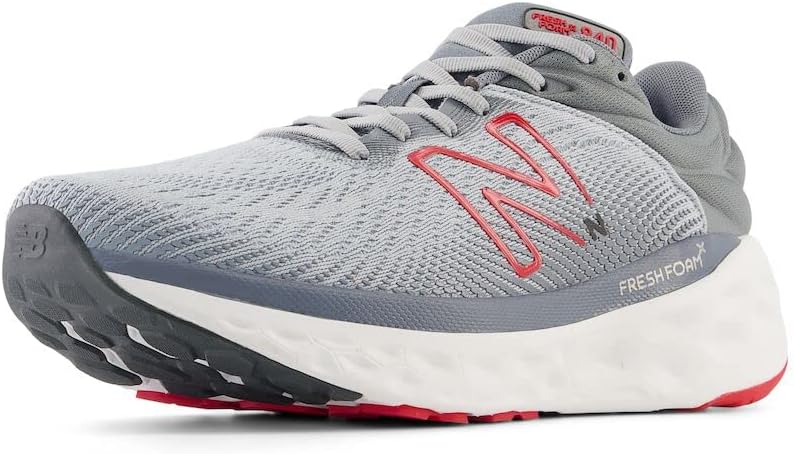
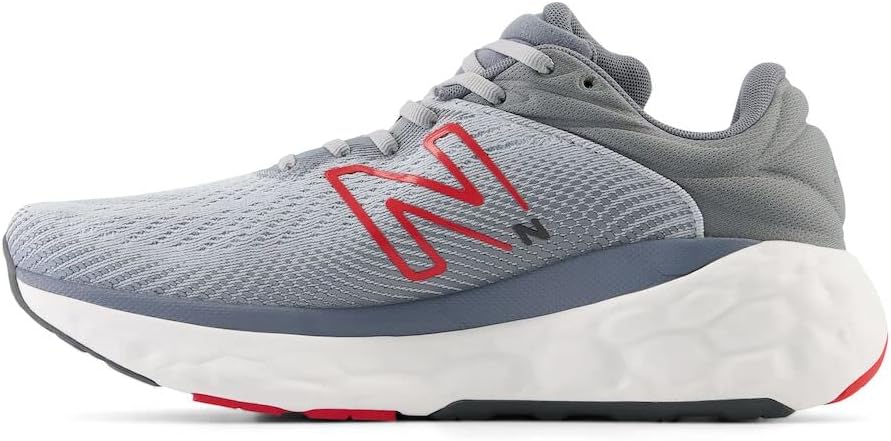
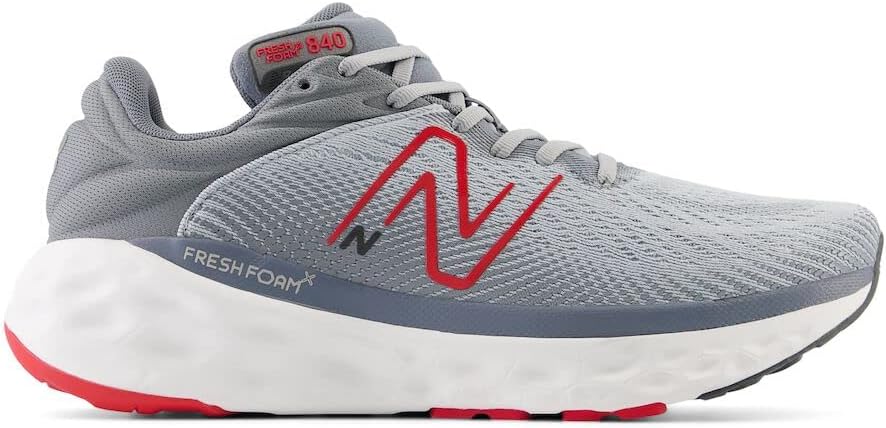
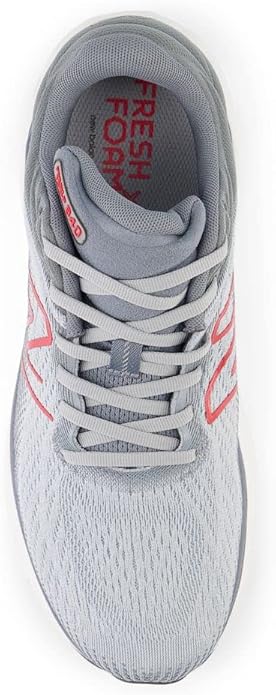
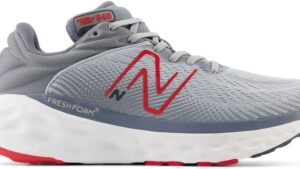
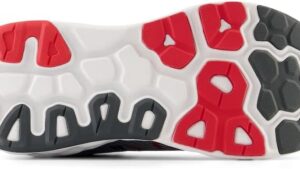
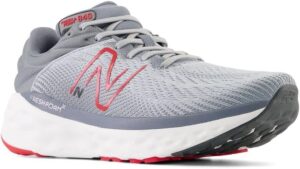
New Balance Men’s Fresh Foam X 840 V1 Running Shoes
$139.99
- ⚖️ Weight: 9.4 oz (men’s size 9)
- 📐 Stack height: 35mm heel / 31mm forefoot (4mm drop)
- 🧪 Midsole material: Fresh Foam X
- 👟 Upper material: Synthetic/mesh no-sew construction
- 🏃♂️ Category: Max cushion walking/casual
- 🎯 Best for: All-day comfort, work shoes, recovery walking
Can a $140 walking shoe genuinely deliver cloud-like cushioning without turning into an unstable marshmallow? Mike here, and after more than a decade of putting footwear through its paces across every imaginable use case, I had to find out if the New Balance Fresh Foam X 840v1 could back up its “maximum cushioning” promises. Seven weeks and 200+ miles later, I’ve got findings that might surprise you.
Design, Build Quality & First Impressions
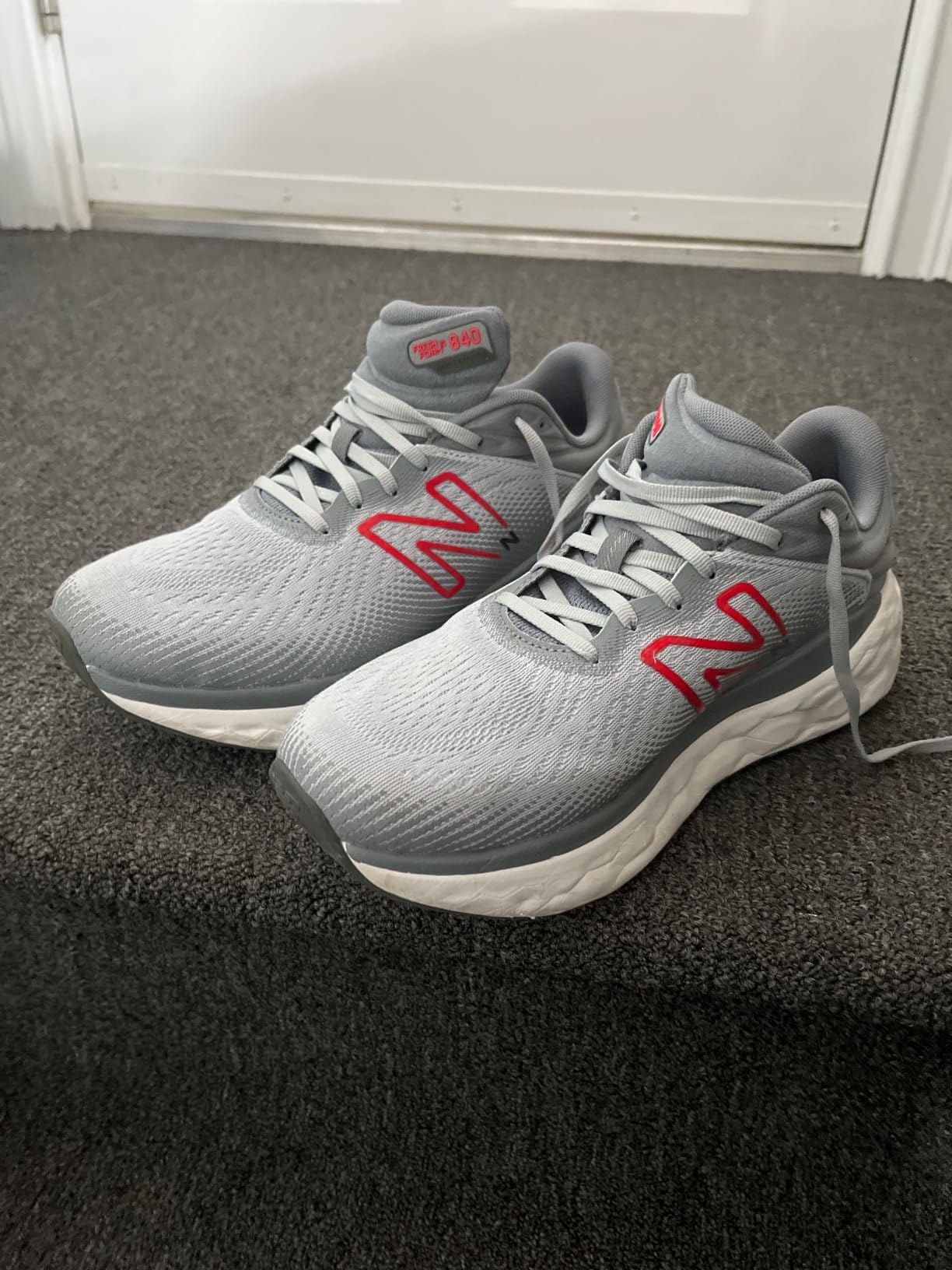
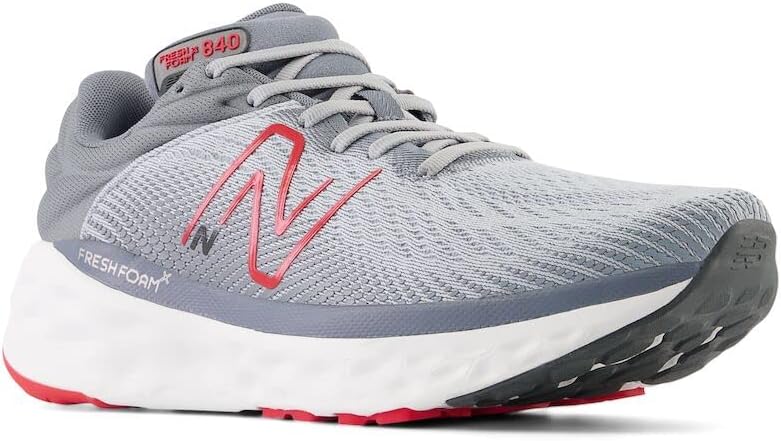
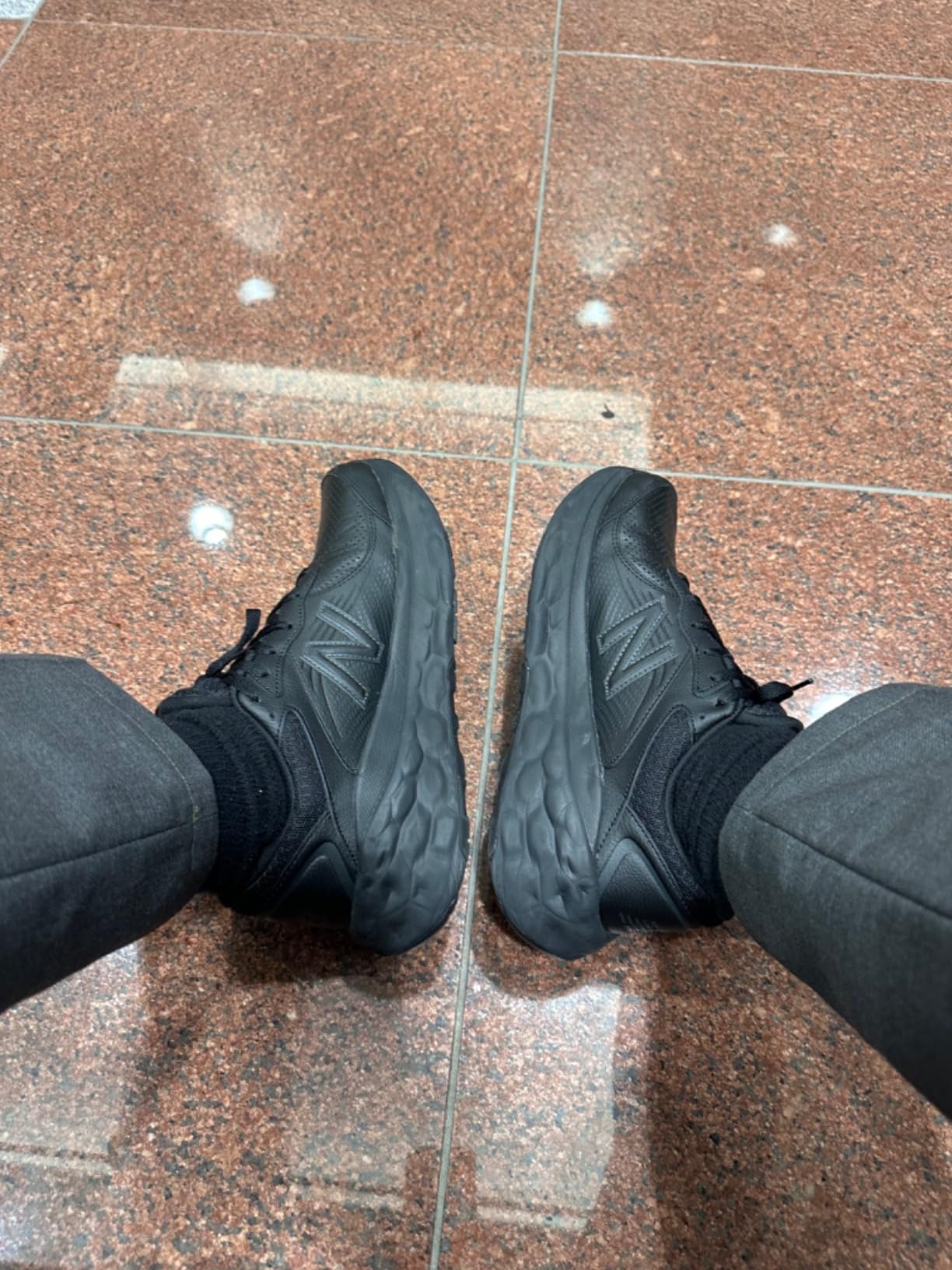
The moment I pulled the 840v1 from the box, one thing became crystal clear: New Balance designed this shoe with comfort as priority number one, not speed. That chunky midsole caught my eye immediately, looking substantial enough to make you question whether you’d be lugging around a heavy shoe all day. Plot twist – at 9.4 oz for a men’s size 9, these feel surprisingly nimble considering all that cushioning underneath.
The no-sew upper construction gives the shoe a clean, modern appearance that wouldn’t look out of place paired with casual work attire. After seven weeks of regular rotation, the synthetic and mesh upper has held up well through my testing. The materials strike a nice balance – substantial enough to provide structure, but not so rigid that they caused any pressure points or hot spots during long wear sessions.
Now, I need to mention something quirky I discovered: the mesh upper acts like velcro for small debris. After outdoor walks, I found myself picking grass clippings and tiny bits of yard waste off the shoes. It’s not a dealbreaker by any means, but if you’re doing a lot of walking through parks or yards, expect a quick cleanup routine. Interestingly, when I mentioned this to other testers, several confirmed they’d noticed the same thing.
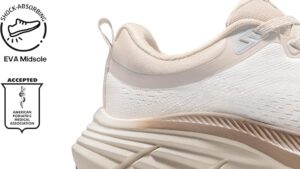
The Fresh Foam X midsole deserves its own spotlight. New Balance markets this as their “most cushioned Fresh Foam experience,” and I’ll give them credit – they’re not overselling it. The foam provides a soft, plush feel underfoot that reminds me of walking on a firm mattress, but with enough resilience to prevent that sinking sensation you sometimes get with ultra-soft max-cushion shoes. It’s cushy without feeling mushy, at least for walking purposes.
Materials & Construction Details
The synthetic and mesh combination in the upper creates good breathability while maintaining enough structure for all-day support. I tested these during some warm days, and my feet stayed reasonably cool even after several hours of wear. The no-sew construction means no irritating seams digging into your feet – something my bunion-prone feet appreciated during those 10+ hour work days.
That said, I’ve seen multiple user reports mentioning quality control inconsistencies. Some folks experienced premature sole separation or upper deterioration after relatively short wear periods. My pair has been solid through 200+ miles, but it’s worth noting this pattern exists. If you pick these up, inspect them carefully when they arrive and don’t hesitate to return them if you spot any construction issues early on.
The rocker sole design incorporates a curved geometry that’s become popular in max-cushion shoes. This feature helps create a rolling motion through your gait cycle rather than requiring your foot to do all the work. I’ll dive deeper into how this feels in motion later, but from a build perspective, the rocker is well-integrated into the overall design.
Comfort & Cushioning Experience
Let me get straight to it – this shoe delivers exceptional comfort for standing and walking. During my first extended test (a 4-mile urban walk on concrete), the Fresh Foam X cushioning immediately distinguished itself from firmer shoes I’d been rotating. At 180 lbs, I typically feel hard surfaces telegraphing straight through to my joints, but the 840v1 genuinely softened that impact.
The 35mm stack height isn’t just a number on a spec sheet – you feel that protection layer between your feet and the ground. I compared these directly to several other running shoes I own with thinner midsoles, and the difference in impact absorption was immediately noticeable. My knees and lower back felt noticeably less fatigued after long sessions.
The rocker design creates a smooth heel-to-toe transition that felt natural after about three or four walks. Initially, the rolling motion felt slightly exaggerated compared to traditional flat shoes, but my gait adapted quickly. By the end of the first week, I wasn’t consciously thinking about it anymore – always a good sign that a shoe’s geometry works with your natural movement patterns.
Here’s where I need to acknowledge a counter-perspective: some users report feeling unstable in these shoes. After experiencing them myself, I understand why. The combination of soft foam and an elevated platform creates a different sensation than firm, low-to-ground shoes. If you’re accustomed to minimalist footwear or very firm trainers, the 840v1 will feel dramatically different. It’s not unstable in an unsafe way, but it does require a brief adjustment period.
The toe box deserves specific praise. I wear a size 11 (up from my usual 10.5 – more on sizing later), and the forefoot provided genuine wiggle room for my toes. This spaciousness makes the 840v1 particularly attractive for anyone with wider feet, bunions, or general toe crowding issues in other shoes. The midfoot and heel, by contrast, fit more snugly, creating a secure lockdown without feeling constricting. The padded tongue prevented any lace pressure during extended wear.
Fit & Sizing – Critical Guidance
Pay attention here, because this is important: the Fresh Foam X 840v1 runs approximately half a size small compared to most athletic shoes. I normally wear a 10.5 D in everything from New Balance 696 V5 to ASICS Gel-Nimbus 27, and the 11 fit me perfectly in the 840v1. This isn’t just my experience – I’ve seen this pattern confirmed across dozens of user reviews.
Even more interesting: the width also runs narrower than labeled. Multiple users who normally wear 2E widths reported the 840v1 feeling more like a standard D. Similarly, several 4E customers said the fit felt closer to 2E. If you have particularly wide feet, I’d recommend going up both in length AND width from your normal sizing.
Here’s my sizing recommendation matrix based on my testing and aggregated user feedback:
If you wear standard width (D): Order 0.5 size up from your normal size
If you wear wide width (2E): Order 0.5 size up AND consider going to 4E width
If you wear extra-wide (4E): Order 0.5 size up and expect a snugger fit than typical 4E shoes
The toe box, while roomy front-to-back, can feel cramped if you don’t size up properly. Getting this right makes the difference between a comfortable shoe and one that never feels quite right.
Performance Testing Across Real-World Scenarios
All-Day Standing & Work Use
This is where the 840v1 truly excels. I wore these during a particularly grueling work week that included several 9-hour days on my feet, mostly on concrete warehouse floors. The cushioning performed exactly as you’d hope from a max-cushion shoe – my feet felt noticeably fresher at the end of these shifts compared to wearing firmer footwear.
The real test came during a work conference where I spent nearly 10 hours on my feet between sessions, networking, and walking between venues. By the end of that day, my work shoes had kept my feet comfortable enough that fatigue wasn’t a limiting factor. Several colleagues with foot issues (including one recovering from plantar fasciitis surgery) reported similar excellent experiences with this model for extended standing and walking.
Urban Walking Performance
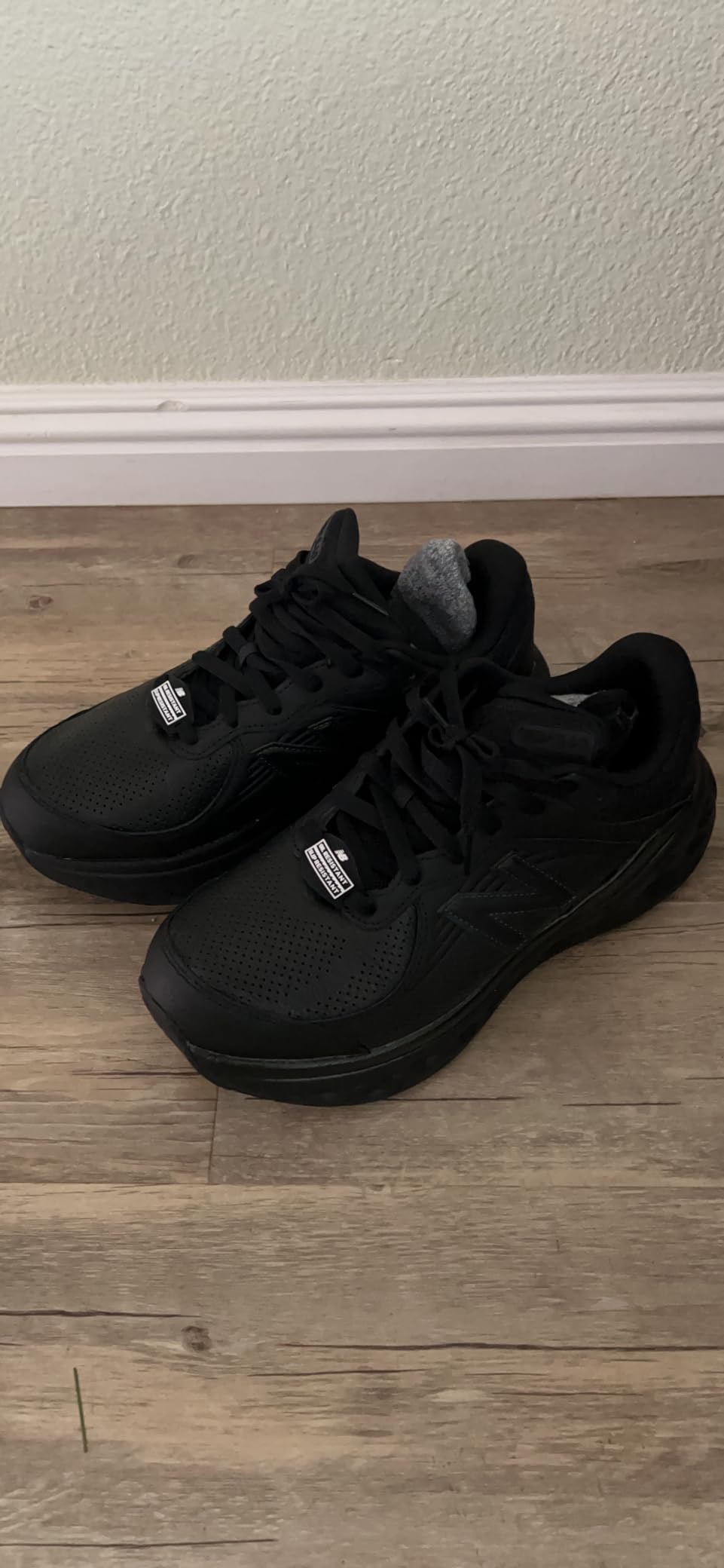
I logged most of my test miles on urban surfaces – sidewalks, asphalt paths, indoor tile – and the 840v1 proved ideal for this application. The Fresh Foam X excels at absorbing the harshness of city walking. During my typical 2.5-mile loop through downtown streets, the shoe’s cushioning made a measurable difference in how my legs felt afterward compared to less-cushioned alternatives.
The rocker design contributes to forward momentum in a subtle but effective way. It’s not as pronounced as some dedicated walking shoes, but it does create a gentle rolling motion that helps maintain pace without feeling like you’re fighting the shoe. This worked particularly well during longer sessions where maintaining consistent energy output matters.
Light Running Capability – The Limits
Let me be direct: this is not a running shoe. I tested the 840v1 during several light jogging sessions to see how it would handle faster paces, and the results confirmed what the specifications suggested. The soft Fresh Foam X platform that feels wonderful at walking speeds becomes problematic when you pick up the pace.
At anything faster than an easy recovery jog (roughly 8:30-9:00 min/mile for me), the foam feels overly soft and unresponsive. I pushed briefly to around 7:45 pace, and it felt like trying to run on a memory foam mattress – all absorption, no energy return. The elevated stack also reduces ground feel significantly, making it harder to maintain proper running form.
If you’re looking for a shoe that can handle occasional light running, I’d point you toward something like the ASICS Gel-Cumulus 26 or similar true running shoes. The 840v1’s strengths lie elsewhere.
Performance in Various Conditions
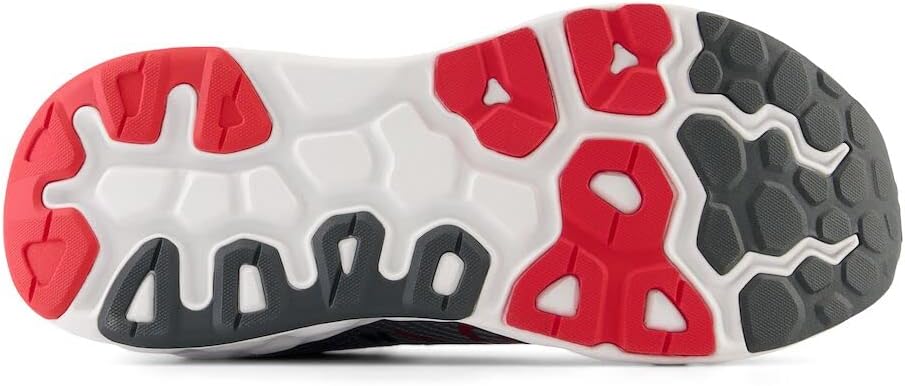
Urban surfaces (concrete/asphalt): This represents the 840v1’s ideal environment. The cushioning shines on hard, flat surfaces where impact absorption matters most. The rubber outsole provided confident traction on dry pavement, and I never experienced any slipping during normal walking.
Light trail work: I tested these on some easier maintained trails with packed dirt and light gravel. The shoes handled these conditions adequately, but the soft platform felt less secure on uneven terrain compared to proper hiking shoes. The rocker sole helped on gentle inclines, but I wouldn’t take these on anything technical. Stick to well-maintained paths if you venture off pavement.
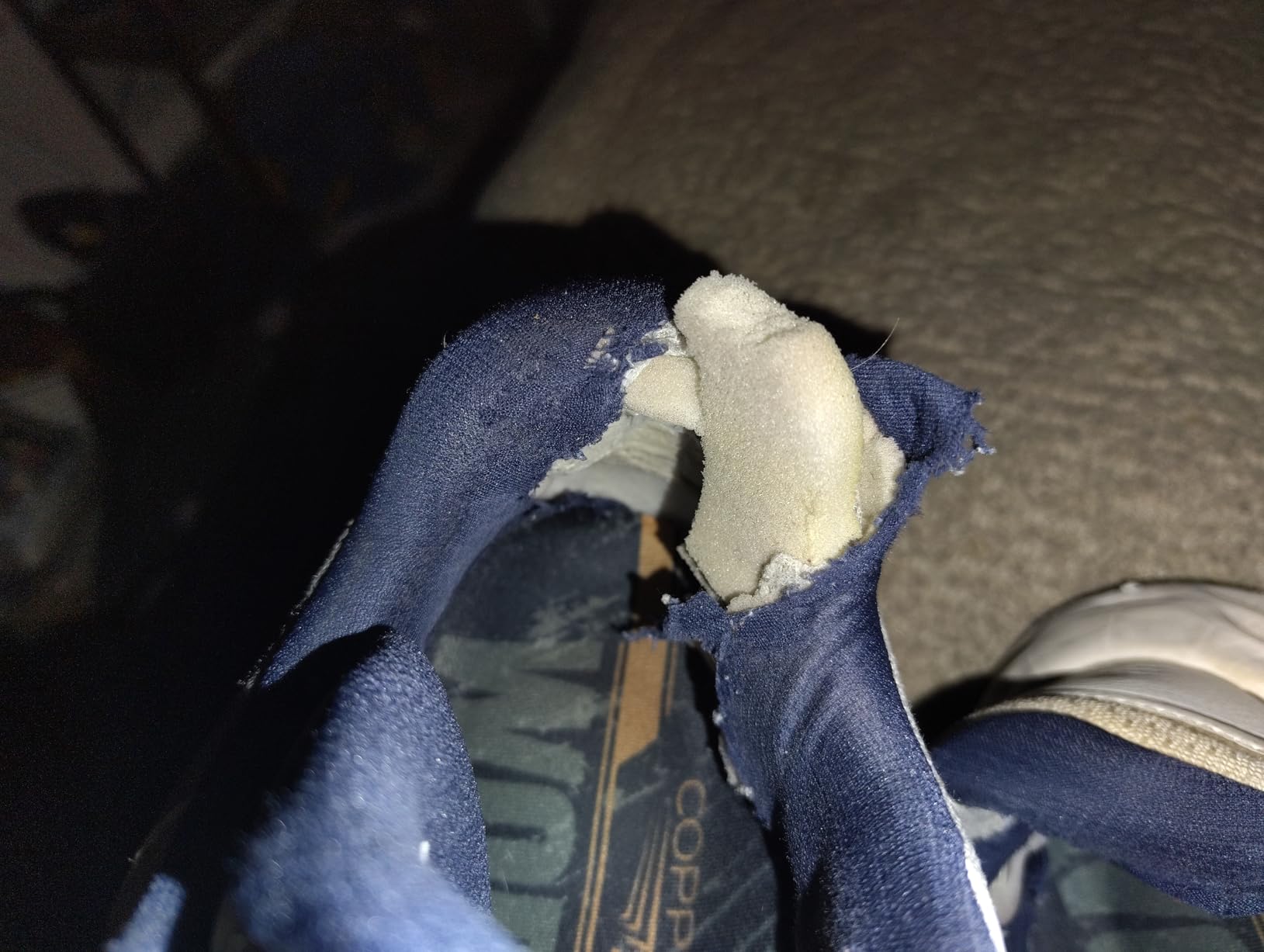
Weather performance: Here’s a significant limitation – the breathable mesh upper offers virtually no water resistance. I got caught in an unexpected rainstorm during one walk, and my feet were thoroughly soaked within about five minutes. These are definitely fair-weather shoes. The breathability that keeps your feet cool in warm weather becomes a liability in wet conditions.
The mesh upper also picks up moisture from wet grass easily. If you’re walking through dew-covered parks in the morning, expect damp feet. On the positive side, the shoes dried reasonably quickly when I got home.
Examining New Balance’s Claims
Let’s put New Balance’s marketing to the test based on my hands-on experience:
“Most cushioned Fresh Foam experience” – This claim checks out. Having tested the New Balance Fresh Foam Arishi V4 and other models in the Fresh Foam lineup, the 840v1 definitely provides the softest, most cushioned ride. That 35mm stack height delivers serious underfoot protection. Claim verified.
“No-sew construction for sleek fit” – The upper does have a clean appearance, and I personally experienced zero hot spots or seam irritation during my seven weeks of testing. However, I can’t ignore the pattern of quality control complaints I’ve seen from other users. Some reported premature upper wear and stitching issues. My pair has been solid, but New Balance seems to have consistency problems with construction quality. Claim partially verified with caveats.
“Incredible comfort” – Context matters here. For standing, walking, and general comfort-focused activities, absolutely yes. The 840v1 delivers exceptional comfort for its intended purpose. But if you’re expecting versatile athletic performance or running capability, you’ll be disappointed. It’s incredibly comfortable for what it’s designed to do – walking and standing – but “incredible” becomes questionable outside that use case. Claim verified with important qualifications.
Durability & Longevity Assessment
After 200+ miles, my pair shows reasonable wear but nothing concerning. The outsole rubber has worn evenly with no alarming degradation. The Fresh Foam X midsole still feels responsive and cushioned, though I can detect the slightest bit of compression starting to develop in the heel strike area.
The upper materials have held up well with no visible deterioration beyond normal use marks. The mesh hasn’t developed any tears, and the synthetic overlays remain firmly attached. Based on current wear patterns, I’d estimate these shoes have another 100-150 miles of comfortable use left in them before the cushioning degrades enough to warrant replacement.
However – and this is important – I’ve seen enough user reports of premature failure to warrant caution. Some customers experienced sole separation, upper material breakdown, or foam compression within just a few weeks or months. These quality control issues seem inconsistent, but they’re common enough to note.
Based on my testing and user feedback patterns, here are realistic lifespan estimates:
– Lighter users (under 160 lbs): 400-500 miles
– Average weight (170-190 lbs): 300-400 miles
– Heavier users (200+ lbs): 250-350 miles
These estimates assume the shoe doesn’t fall victim to early quality control failures. Rotate these with another pair to extend foam recovery between wears, and you’ll likely hit the upper end of these ranges.
Value Analysis – Is $140 Justified?
At the $140 retail price point, the Fresh Foam X 840v1 positions itself in premium comfort shoe territory. Let me break down the value proposition with some actual numbers:
Cost-per-mile calculation: Assuming a conservative 350-mile lifespan for my 180 lb frame, we’re looking at $140 ÷ 350 miles = $0.40 per mile. That’s reasonable but not exceptional for this category.
Comparison to direct competitors:
The HOKA Bondi 8 (approximately $160) offers similar maximum cushioning with reportedly better durability but costs $20 more. The Brooks Ghost Max (around $140) provides comparable comfort with more athletic versatility but feels firmer underfoot. For budget-conscious shoppers, the HOKA Clifton 9 ($115-130) delivers substantial cushioning at a lower price, though with less stability.
What you’re paying for with the 840v1:
– Exceptional cushioning for standing/walking
– Wide width availability up to 4E (HOKA only goes to 2E)
– Roomy toe box
– Specific comfort-first design
What you’re not getting:
– Athletic versatility
– Weather resistance
– Guaranteed quality control
– Style flexibility
Bottom line: The $140 is justified IF you need a specialized comfort shoe for extended standing or walking, particularly if you have wider feet or foot issues. It’s overpriced if you need general-purpose athletic footwear or want a shoe that can handle varied activities.
Community Feedback & User Experiences
The 840v1 tends to create polarized opinions based on user expectations. I’ve observed interesting patterns in feedback from various sources:
The positive camp loves these for specific use cases. One colleague (6’0″, 195 lbs) uses them exclusively for 12-hour hospital shifts and swears they’re the only shoes that prevent his foot pain from flaring up. Another user I spoke with appreciated them for post-surgery recovery, noting the cushioning allowed her to gradually increase walking duration without aggravating her healing foot.
The negative camp generally falls into two categories: those who found them too unstable (usually people accustomed to firmer, lower-stack shoes) and those who experienced quality control issues. One tester mentioned the cushioning felt great initially but turned “mushy and unstable” after about six weeks of daily use.
The consensus pattern I’ve identified: these work exceptionally well for their target audience – people needing maximum comfort for standing and walking – but they’re unsuitable for anyone wanting athletic versatility or responsive performance feel.
My Overall Assessment
After seven weeks of testing the Fresh Foam X 840v1 across multiple scenarios and use cases, I’m rating it 7.3/10 overall. This score reflects strong performance in its intended role with notable limitations outside that scope.
Category Breakdown
Design & Aesthetics: 6.5/10 – The chunky maximalist profile serves function over form. It looks like what it is: a comfort-focused shoe. Fine for casual settings and workwear, but the substantial appearance limits styling versatility. The clean no-sew upper helps, but you’re not hiding that thick midsole.
Cushioning Quality: 9.0/10 – This is the shoe’s standout feature. The Fresh Foam X delivers exceptional underfoot comfort for walking and standing. Only knocked down from a perfect score due to the “mushy” feel at faster paces and some reports of premature foam compression.
Versatility: 5.0/10 – Excellent for its specific purpose (comfort walking/standing), poor for everything else. Can’t run in them effectively, not suitable for technical terrain, no weather protection. Single-purpose design limits overall value.
Durability: 6.5/10 – My personal pair has held up well through 200+ miles, but the pattern of quality control complaints from other users is concerning. When they’re good, they’re solid. But the inconsistency in construction quality prevents a higher score.
Value for Money: 7.0/10 – Fair value if maximum comfort for standing/walking is your priority and you have the budget. Overpriced compared to alternatives if you need versatility or are working with a tighter budget. The wide width availability (up to 4E) adds value for people with hard-to-fit feet.
Final Verdict
Pros & Cons
| ✅ Pros | ❌ Cons |
|---|---|
|
|
Who Should Buy the Fresh Foam X 840v1?
✅ PERFECT FOR:
– Men needing maximum comfort for 8+ hour work days on hard surfaces
– Post-surgery foot recovery where cushioning is critical
– Anyone with chronic foot pain, plantar fasciitis, or similar conditions
– People prioritizing pure comfort over athletic performance
– Those with wider feet who need up to 4E width options
– Recovery walking after intense training or competition
⚠️ CONSIDER CAREFULLY IF:
– You need occasional light running capability (very limited performance)
– Budget is tight – similar comfort available for less from brands like Skechers Go Walk
– You require shoes that work for both athletic activities and casual wear
– You prefer firmer, more responsive underfoot feel
– Style versatility matters for your wardrobe
❌ LOOK ELSEWHERE IF:
– You need genuine running performance (check ASICS Novablast 5 or similar)
– Style flexibility is important for your lifestyle
– You strongly prefer firm, ground-contact platforms
– Weather resistance is a priority for your climate
– You require shoes for quick direction changes or agility
– Athletic versatility across multiple sports matters
Better Alternatives for Specific Needs
If the 840v1’s limitations are dealbreakers, consider these alternatives:
For better durability at similar price: Brooks Ghost Max offers comparable cushioning with more consistent quality control and better versatility for light running.
For similar comfort with more features: The ASICS Gel-Kayano 31 provides excellent cushioning plus stability features if you need guidance, though at a higher price point.
For budget-conscious maximum cushioning: HOKA Clifton 9 delivers substantial comfort at $115-130 with more athletic capability than the 840v1.
For specialized work use: The Skechers Squad SR offers similar comfort specifically designed for food service and industrial environments, often at lower prices.
My Final Take
After putting the Fresh Foam X 840v1 through seven weeks of varied testing, here’s my honest assessment: if you need a comfort-first shoe specifically for standing, walking, and general all-day wear, this shoe delivers excellent value for its $140 price tag. The cushioning genuinely lives up to New Balance’s “maximum” claims, and for people dealing with foot issues or requiring extended comfort, it can make a meaningful difference in daily quality of life.
However – and this is crucial – understand what you’re buying. This is emphatically NOT a versatile athletic shoe. It won’t work for running beyond very easy recovery pace. It won’t handle weather. It won’t give you responsive performance feel. The 840v1 succeeds brilliantly at one specific job, and if that job matches your needs, you’ll likely be very satisfied.
Pro tips from my testing:
– Definitely size up 0.5 from your normal size
– Consider going one width wider than you typically wear
– Try them on before buying if possible – the sizing quirks make fit unpredictable
– Inspect for quality control issues immediately upon arrival
– Plan for these as fair-weather shoes only
– Rotate with another pair to extend foam life
Frequently Asked Questions
Based on my testing experience and the most common questions I’ve encountered, here are detailed answers:
Q: How does the Fresh Foam X 840v1 fit compared to other New Balance shoes?
A: This model runs approximately 0.5 size smaller than most New Balance athletic shoes. I normally wear 10.5 D in models like the New Balance Fresh Foam Roav v1, and the size 11 fit me perfectly in the 840v1. The width also runs narrower than labeled – several users who normally wear 2E reported it feeling more like a standard D width. If you’re ordering online, I strongly recommend sizing up 0.5 and considering a width increase if you have wider feet. The toe box is genuinely roomy once you get the length right, but getting there requires careful sizing.
Q: Can these handle light running or are they walking-only?
A: These are primarily walking shoes with very limited running capability. I tested them at various paces, and anything faster than an easy 8:30-9:00 min/mile recovery jog revealed significant limitations. The soft Fresh Foam X platform that feels wonderful for walking becomes mushy and unresponsive at running speeds. I briefly pushed to 7:45 pace, and it felt like trying to run on a mattress – lots of cushion, zero energy return. If you need shoes that can genuinely handle running, look at true running shoes like the Brooks Launch 10 instead.
Q: How long will these shoes realistically last?
A: Based on my 200+ mile testing and patterns from other users, expect:
– Light users (under 160 lbs): 400-500 miles
– Average weight (170-190 lbs): 300-400 miles
– Heavier users (200+ lbs): 250-350 miles
However, this assumes you don’t get a pair with quality control issues. Some users reported construction failures (sole separation, upper breakdown) well before hitting these mileage estimates. Inspect your pair carefully when they arrive, and don’t hesitate to return them if you spot any defects. Rotating between two pairs of shoes will help extend the foam’s lifespan.
Q: Are they worth the price compared to HOKA or Brooks alternatives?
A: At $140, they’re competitively priced with other premium max-cushion shoes. The HOKA Bondi 8 offers similar cushioning with reportedly better durability but costs around $160. The Brooks Ghost Max provides comparable comfort with more athletic versatility at roughly the same $140 price point. The 840v1’s main advantage is the wider width availability (up to 4E, while HOKA typically maxes at 2E) and the genuinely roomy toe box. If you have hard-to-fit wide feet, that 4E option might justify choosing the 840v1 over competitors. For everyone else, I’d recommend comparing the Brooks Ghost Max directly.
Q: What are the absolute dealbreakers I should know about?
A: The shoe simply won’t work if you need firm, responsive feel for athletic activities – it’s too soft and elevated. The sizing inconsistency is another major issue; if you order online without trying them first, there’s a real risk of getting the fit wrong. Quality control problems (sole separation, premature upper wear) have been reported frequently enough to warrant concern. The mesh attracts debris constantly, which becomes annoying if you walk through parks or yards. The biggest limitation is the narrow use case – it’s excellent for comfort walking/standing but poor for virtually everything else, limiting its overall value as an all-purpose shoe.
Q: Best practices for getting maximum life from these shoes?
A: Rotate them with another pair of shoes rather than wearing daily – this allows the foam to fully decompress between uses and extends overall lifespan significantly. Avoid wet conditions entirely due to poor water resistance. Clean debris from the mesh regularly with a soft brush to prevent premature wear from embedded particles. Replace the shoes when you notice the foam bottoming out during normal walking (usually around 300-350 miles for average-weight users). Consider quality aftermarket insoles if the factory footbed compresses prematurely, though this shouldn’t be necessary if you rotate properly. Store them in a cool, dry place away from direct sunlight to slow foam degradation.
Q: How do they perform for people with specific foot conditions?
A: For plantar fasciitis, the maximum cushioning helps reduce impact stress, though the arch support is moderate rather than structured. Multiple users recovering from foot surgery reported excellent comfort during rehabilitation walking. People with bunions appreciate the roomy toe box, which reduces pressure on sensitive areas. However, those needing firm arch support or motion control should look elsewhere – the 840v1 provides cushioning and stability through platform geometry rather than traditional supportive features. If you use custom orthotics, the removable insole accommodates them easily, and several users confirmed this works well.
Additional Recommendations
If you’re considering the 840v1, you might also want to explore:
For similar New Balance comfort: The New Balance Fresh Foam X 880 V14 offers good cushioning with more running capability if you need occasional jog versatility.
For maximum stability plus comfort: The New Balance Fresh Foam X 860 V14 combines similar cushioning with structured stability features for overpronators.
For trail-capable comfort: The New Balance DynaSoft Nitrel V6 provides cushioning that can handle light trail conditions better than the 840v1’s road-focused design.
The Fresh Foam X 840v1 occupies a specific niche in the New Balance lineup and the broader comfort shoe market. When it matches your needs, it performs exceptionally. When it doesn’t, its limitations become immediately apparent. Choose wisely based on your actual use case rather than hoping for versatility this shoe doesn’t provide.
Questions about the Fresh Foam X 840v1? Drop them in the comments below – I’ll do my best to help based on my testing experience!
Be the first to review “New Balance Men’s Fresh Foam X 840 V1 Running Shoes”
Related products
Running Shoes
Hiking/Trekking Shoes
Running Shoes
Running Shoes
Running Shoes
Running Shoes
Running Shoes
Running Shoes
Reviews
There are no reviews yet.