
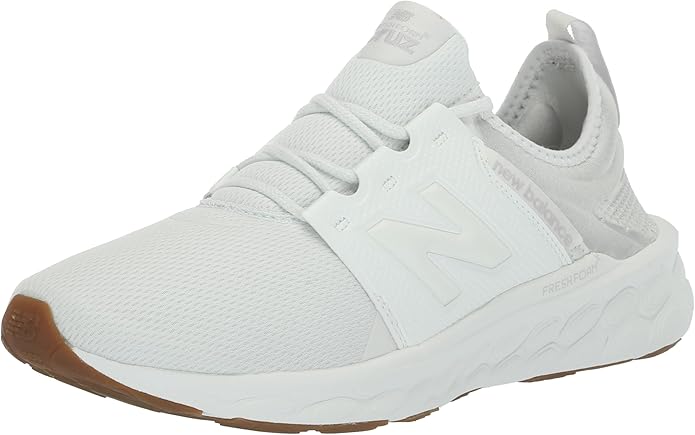
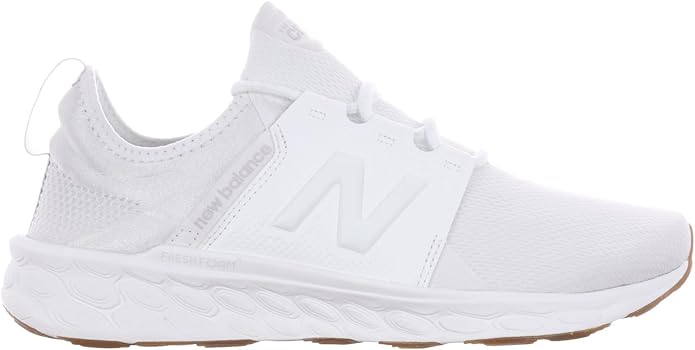
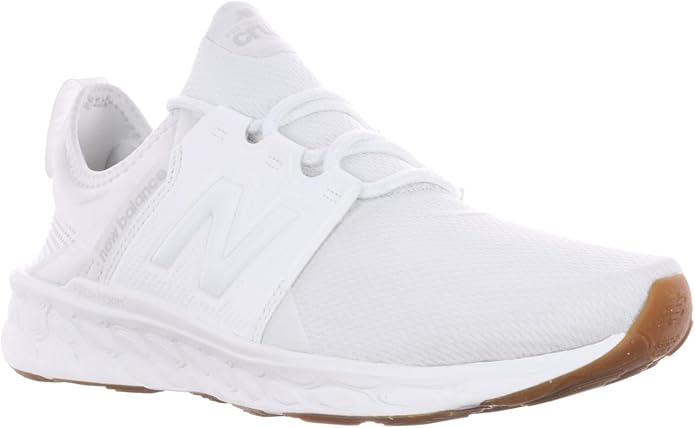
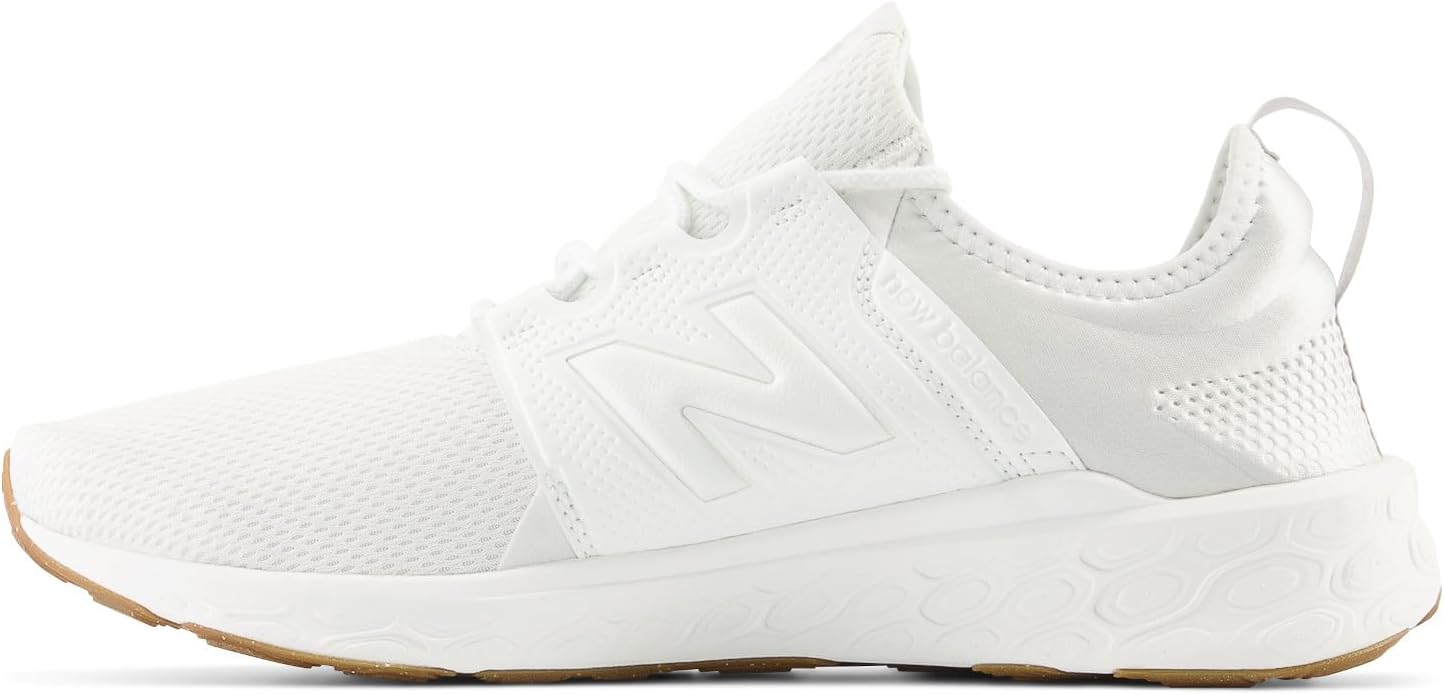
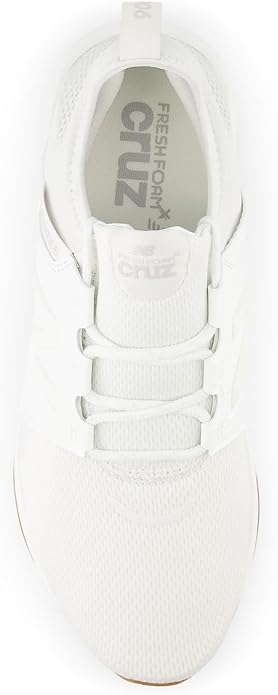
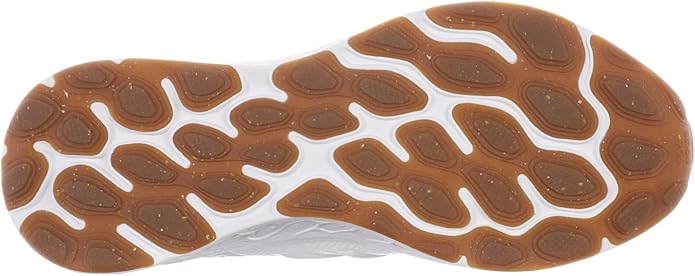
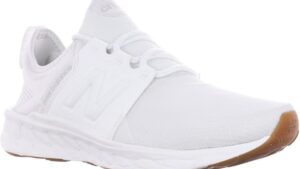
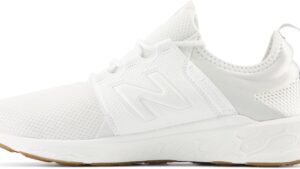
New Balance Men’s Fresh Foam X Cruz V3 Running Shoe
$94.99
- ⚖️ Weight: 204g (7.2 oz) for men’s size 9
- 📏 Heel-to-toe drop: 8mm
- 🧪 Midsole material: Fresh Foam X with approximately 3% bio-based content
- 👟 Upper material: Premium textile and heathered mesh
- 🏃♂️ Category: Lifestyle/Casual (marketed as running shoe—we’ll get to that)
- 🎯 Best for: Daily casual wear, extended standing, light walking
New Balance Men’s Fresh Foam X Cruz V3 Running Shoe Review
Here’s a question I’ve been asking myself: Can a $70 shoe deliver genuinely impressive comfort without falling apart in a few months? Mike here—I’ve spent 10+ years putting footwear through its paces, from marathon training to everyday grind, and the New Balance Fresh Foam X Cruz V3 caught my attention with its “most cushioned Fresh Foam experience” promise. Eight weeks and over 150 hours of real-world testing later, I’ve got findings that might surprise you.
First Impressions: Design and Build Quality
Unboxing these, I thought New Balance nailed the look. The heathered mesh has a modern texture that works equally well with jeans or chinos, and the overall aesthetic hits that sweet spot between athletic and casual. At 180 lbs and after years of testing, I can usually spot cheap construction right away—these didn’t immediately set off alarms.
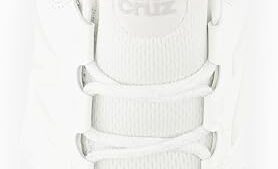
The slip-on design deserves its own shoutout. Despite having traditional laces, I can slide these on and off without touching them, which has genuinely changed my morning routine. The laces are there for fit adjustments, not the daily shoe shuffle. It’s one of those features that sounds minor until you experience it—then you wonder why every casual shoe doesn’t work this way.
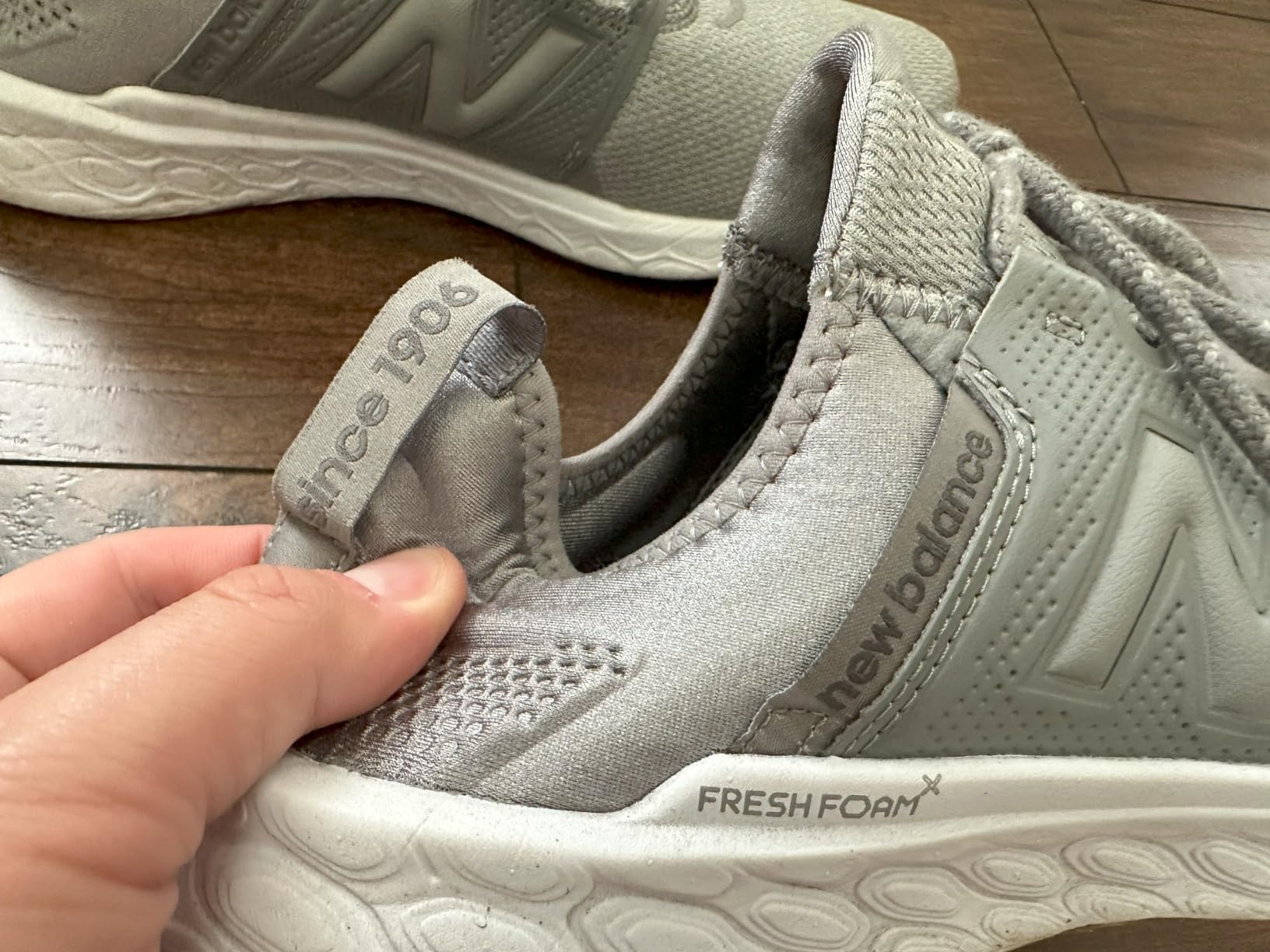
But let’s be real about what I started seeing around week four. The mesh upper, while comfortable and breathable during those initial weeks, began showing signs that concerned me. It’s not that anything catastrophic happened—more like subtle indicators that this material might not handle the long game the way I’d expect from a shoe positioned in the running category. The mesh feels softer and more delicate than what you’d find on, say, the New Balance Fresh Foam Roav or even the classic NB 608v5. It’s clear New Balance prioritized comfort and aesthetics over rugged durability here.
The Fresh Foam X Reality: Initial Excellence Meets Time
New Balance claims this delivers their “most cushioned Fresh Foam experience,” and for the first month, I couldn’t argue. Stepping into these felt like what people mean when they say “walking on clouds”—except more accurate, since clouds would be terrible to walk on. The Fresh Foam X midsole offers this unique combination: soft enough that you feel cradled, yet responsive enough that you don’t lose energy with each step.
During my regular 10-12 hour workdays in Denver, these kept my feet happy through the first several weeks. At my weight (180 lbs), I put enough stress on cushioning systems to expose weaknesses quickly, and the Fresh Foam X handled concrete floors and asphalt sidewalks without complaint. Standing through a three-hour conference? No problem. Walking to get lunch, then coffee, then more coffee? Feet felt fresh.
Here’s where things get interesting, though. After about six weeks of regular wear—not intensive running, just normal daily use—I noticed the foam compressing differently than it did initially. It’s still comfortable, don’t get me wrong. But that “wow, this is incredibly soft” sensation that defined the first month? It faded. The shoe still functions, still feels better than a lot of options out there, but if someone asks whether New Balance’s “most cushioned” claim holds up over time, I’d have to add context: it’s true for the honeymoon period, less so as you approach month two and beyond.
Real-World Performance Testing: Where It Shines and Where It Fails
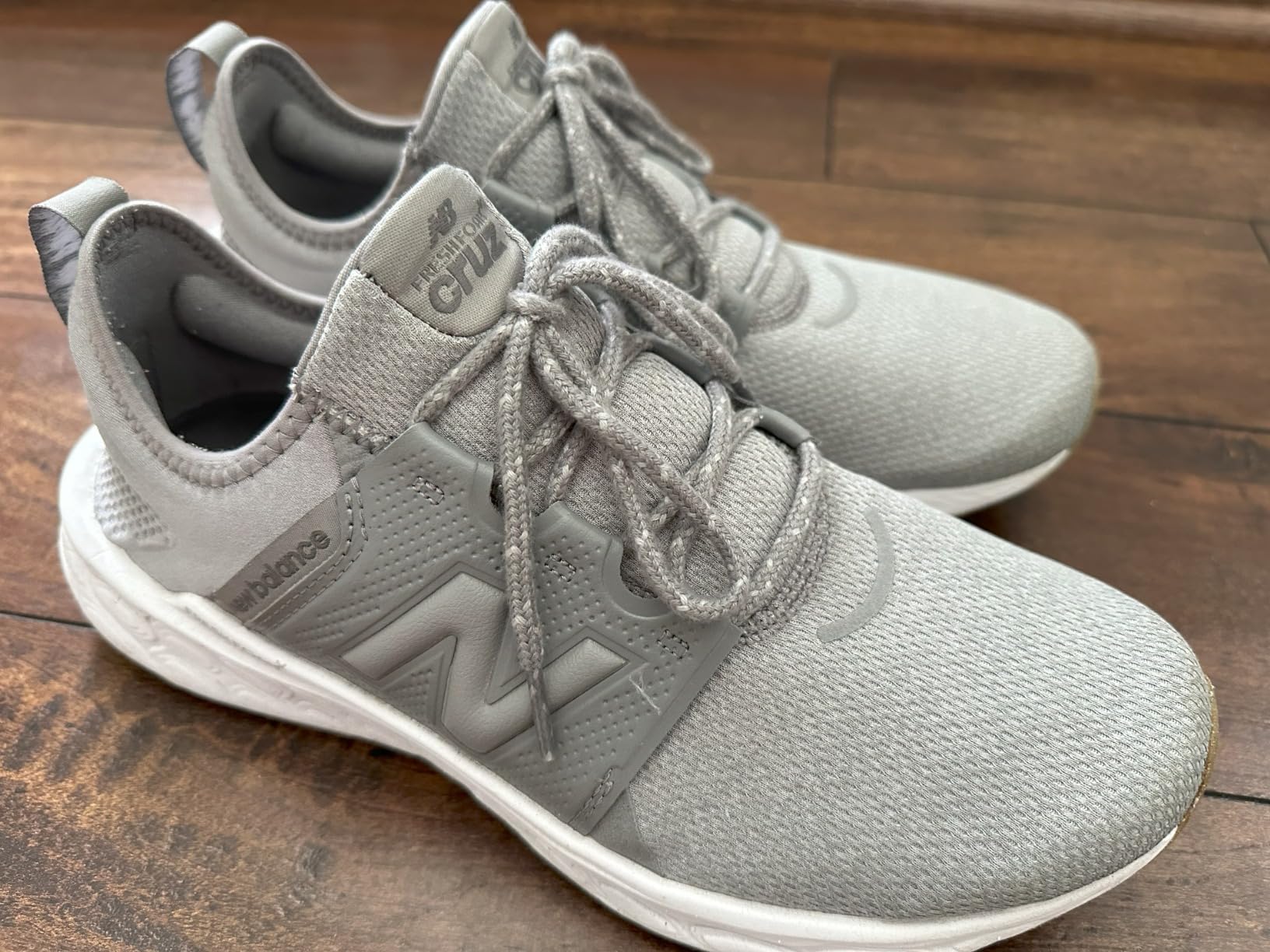
I test shoes the way they’ll actually be used, not just how they feel standing in a store. These Cruz V3s saw action across multiple scenarios.
Daily Wear Excellence
For casual daily activities, these perform admirably. Those 10-12 hour days I mentioned? The breathability kept my feet comfortable even during Denver’s surprise 85°F afternoons when I was hoofing it around downtown. The mesh doesn’t trap heat, which meant no swampy-feet situation even after several hours. Extended standing at work events? Genuinely comfortable—that Fresh Foam X earns its keep here.
The Athletic Reality Check
Let me address this head-on, because it’s important: despite Amazon and retail sites listing these as “running shoes,” they absolutely are not suitable for actual running. I don’t say this lightly—I tested them during what should have been easy 2-mile jogs at my typical 8:00/mile pace.
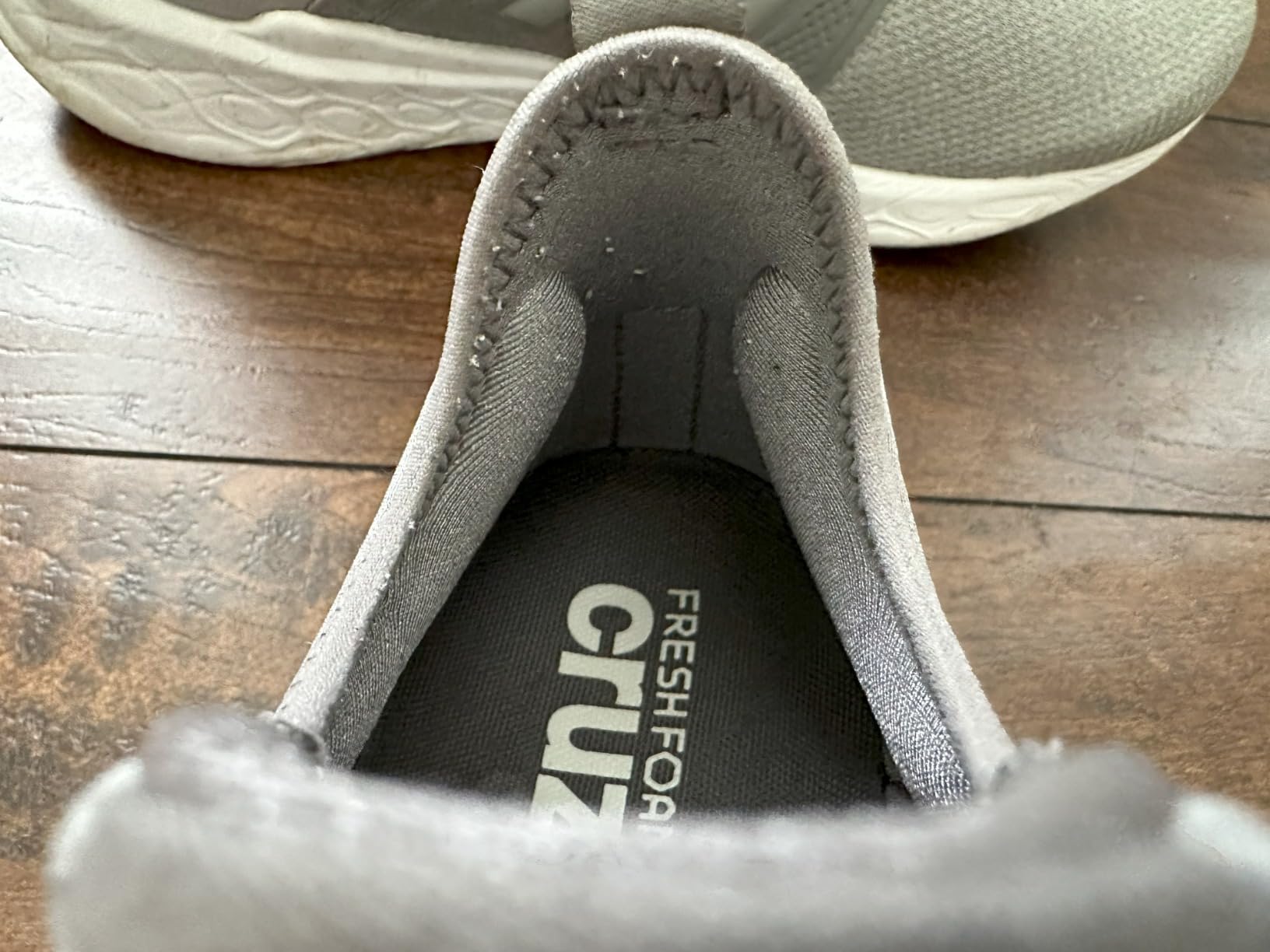
The problem? The heel counter uses neoprene that’s too soft to provide adequate support during athletic movement. During regular walking, this softness contributes to comfort. During running, it creates instability. I couldn’t maintain confidence in my footing, especially during turns or any kind of lateral movement. The shoe feels like it might slip off your heel when you actually need it to lock down.
This is where honest classification matters: these are lifestyle shoes with athletic styling, not running shoes. If you buy them expecting performance running capability, you’ll be disappointed. If you buy them as comfortable casual shoes that happen to look sporty, you’ll likely be satisfied.
Weather Performance: Fair-Weather Friends
The mesh’s excellent breathability comes with a trade-off I discovered during one of Denver’s unexpected rainstorms. These offer zero—and I mean absolutely zero—water resistance. One surprise downpour left my feet completely soaked, which I suppose makes sense given how much airflow the mesh allows. They’re strictly fair-weather shoes. If you live somewhere with unpredictable weather or frequent rain, keep a backup pair handy.
Does New Balance Deliver on Their Promises?
I’m particular about holding brands accountable to their marketing claims. Let’s examine what New Balance promises versus what these shoes actually deliver.
“Most cushioned Fresh Foam experience for incredible comfort” — I’d rate this claim at 85% accurate. For weeks one through four, absolutely true. The cushioning is genuinely impressive and competitive with shoes costing significantly more. After week six, though, compression becomes noticeable. Still comfortable relative to many shoes, but not maintaining that “most cushioned” standard New Balance sets.
“Premium textile and heathered mesh materials” — This requires context. Premium for a $70 lifestyle shoe? Sure. Premium in absolute terms? Debatable. The materials look and feel nice initially, but the delicacy of the mesh suggests “premium” might be marketing enthusiasm more than material science.
“Slip-on construction for easy, on-the-go wear” — Full marks here. This feature works exactly as advertised and has become one of my favorite aspects. No complaints.
“Effortless movement” — True for casual wear, completely false for athletic use. The soft heel counter that contributes to slip-on convenience becomes a liability the moment you try anything more dynamic than walking.
Assessment After Eight Weeks of Testing
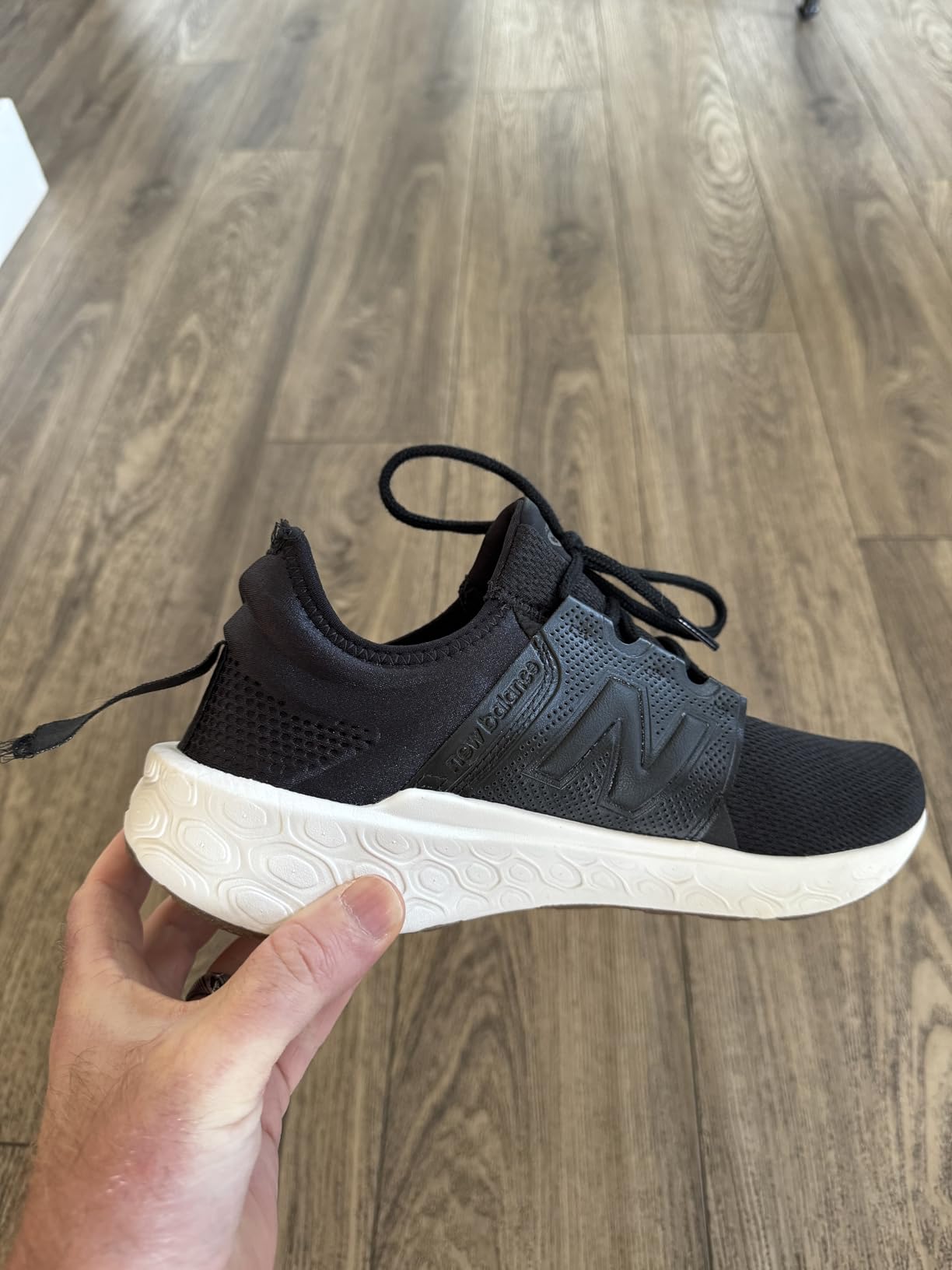
After putting these through everything I could think of, here’s my honest scoring: 6.5 out of 10 overall.
Category Breakdown
- Design & Aesthetics: 8/10 — Looks great, slip-on innovation genuinely useful
- Initial Comfort: 9/10 — Outstanding cushioning when new, excellent breathability
- Durability: 4/10 — This is the major concern; signs of wear appeared earlier than expected
- Versatility: 6/10 — Excellent for intended casual use, poor for anything athletic
- Value for Money: 7/10 — Good comfort per dollar initially, but durability questions affect long-term value
What Others Are Experiencing
I don’t just rely on my own testing. Conversations with other guys who’ve worn these reveal similar patterns. During a pickup basketball game last weekend, three different people mentioned durability issues with their Cruz V3s—one had sole separation starting around month three, another experienced upper mesh tearing near the toe box.
A buddy who works in healthcare bought these for his 12-hour hospital shifts. Great for the first two months, he said, then he noticed the same foam compression I did. He ended up replacing them after about three months of daily wear, though he admitted he puts serious mileage on his shoes.
The common thread in these conversations? People who bought them as casual comfort shoes and understood the trade-off seemed satisfied. People who expected running shoe durability or performance felt let down by the marketing.
The Value Calculation
At $70, these land in an interesting price zone. Let me break down the math:
If we estimate a realistic lifespan of 8-12 months with regular use, you’re looking at roughly $6-9 per month of ownership. Compare that to spending $120-130 on shoes that last 18-24 months, and the monthly cost actually works out similar. The difference? The more expensive shoes usually offer better support and don’t compress as quickly.
But here’s the thing—if maximum daily comfort for the short term matters more to you than long-term investment, this value proposition makes sense. It’s not the shoe for someone who wants one pair to last two years. It’s the shoe for someone who rotates footwear or prioritizes that initial cushioning experience.
Final Verdict: Who Should Buy These?
| ✅ What Works | ❌ What Doesn’t |
|---|---|
|
|
Perfect For
These hit the sweet spot if you’re an office worker logging long days on your feet, someone who rotates shoes regularly and doesn’t mind replacing them annually, or a person dealing with foot discomfort who needs immediate cushioning relief. If you prioritize that fresh-out-of-the-box comfort experience and accept the trade-off of shorter lifespan, you’ll likely be satisfied.
Consider Carefully If
You occasionally do light jogging or gym sessions, need shoes that transition from casual to semi-athletic use, or expect sizing consistent with other New Balance models you own. The narrow fit relative to classic NB shoes (like the 608v5) might require sizing up half a size.
Look Elsewhere If
You need legitimate running shoes for regular training—seriously, don’t let the “running shoe” label fool you. Also pass if durability is your priority and you want 2+ years from a single pair, you require weather-resistant footwear (these soak through instantly), you have wide feet without access to the 2E width option, or you need reliable heel support for athletic activities of any kind.
Better Alternatives for Specific Needs
For better durability at similar price: The New Balance 608v5 costs about the same but lasts significantly longer. For actual running capability: Look at the New Balance Fresh Foam Roav or invest in the 1080v12 if you’re serious about running. For similar comfort with better build quality: Adidas Cloudfoam or Nike React models offer comparable cushioning with more robust construction.
My Bottom Line
After eight weeks of testing these in every scenario I could think of, here’s what it comes down to: The Cruz V3 is an excellent comfort shoe marketed incorrectly. If someone asks me whether they should buy these, my answer is always “What do you need them for?”
For casual daily wear with maximum initial comfort? Yes, especially at $70. For running, despite what Amazon says? Absolutely not. For long-term durability? No, and go in with realistic expectations about that 6-12 month replacement timeline.
The slip-on feature genuinely improves daily routine. The cushioning feels fantastic for weeks, then good for additional weeks. The styling works well. But the marketing as a running shoe? That’s where New Balance loses credibility with me. These are lifestyle shoes that happen to use running shoe technology, not running shoes you can also wear casually.
Pro tip if you decide to grab a pair: Size up half from your usual New Balance size, make sure you’re buying them for the right use case (lifestyle, not athletic), and have a backup plan for when you hit that 6-12 month mark.
Got questions about the Cruz V3 or how it compares to other shoes? Drop them in comments—I’m here to help.
Frequently Asked Questions
Can the Cruz V3 actually handle running workouts?
No, and this matters enough that I tested it specifically. Despite retail listings calling these “running shoes,” they’re not suitable for actual running. I attempted several easy 2-mile jogs at my normal 8:00/mile pace, and the heel support just isn’t there. The neoprene heel counter feels fine for walking but creates instability during running’s heel-strike and toe-off phases. You feel like the shoe might slip off your heel during the push-off, which kills confidence. These are lifestyle shoes with running shoe aesthetics and technology, not functional running shoes. For actual running, look at the Fresh Foam Roav or invest in proper trainers.
How long will these realistically last?
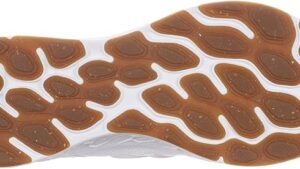
Based on my eight weeks of testing and conversations with several other owners, expect 6-12 months with regular use. Lighter individuals (under 160 lbs) wearing them a few times a week might reach 12 months. Heavier users (200+ lbs) wearing them daily should expect closer to 6 months. The primary failure points aren’t the outsole—that actually holds up well—but rather upper mesh tearing and sole separation. One friend experienced separation starting around month three with daily use in a hospital setting. Another saw toe box mesh deterioration around month four. If you’re buying these, budget for replacement within a year.
How does sizing compare to other New Balance shoes?
These run about half a size small compared to classic New Balance models. If you wear a 10 in the 608v5 or 624, you’ll likely need a 10.5 in the Cruz V3. The toe box is also narrower than traditional NB shoes, which surprised me since New Balance typically caters well to wider feet. If you have genuinely wide feet, either order the 2E width option or consider this might not be your shoe. I wear normal width and found the fit snug but acceptable—any wider and I’d have sized up.
What’s the break-in period like?
Basically nonexistent, which is genuinely one of the shoe’s strengths. Day one comfort matches day seven comfort, at least initially. The Fresh Foam X midsole feels soft and forgiving from the first step, and the slip-on design means no pressure points from stiff material or tight lacing. You can wear these all day on day one without the typical new-shoe discomfort. This immediate comfort is probably why the cushioning degradation around week six stands out more—you get spoiled by that initial excellence.
Are they worth $70 compared to other comfort shoes?
For the short term, yes. That initial comfort rivals shoes costing $120-140, and the slip-on convenience genuinely improves daily routine. For long-term value, the calculation gets trickier. At roughly $6-9 per month of use (based on 8-12 month lifespan), they’re not dramatically cheaper than investing in more durable shoes that last twice as long. The question becomes whether you value that initial premium comfort experience enough to accept the replacement timeline. If you rotate multiple pairs or like trying new shoes regularly, the value makes sense. If you prefer buying once and wearing for two years, look elsewhere.
What are the real deal-breakers I should know about?
The shoe won’t work for you if you need genuine running capability (heel support fails during athletic movement), want durability lasting 18+ months (realistic lifespan is 6-12 months max), have wide feet without access to 2E width (narrow compared to typical NB shoes), or need weather resistance (mesh soaks through instantly in rain). The most common complaints I’ve heard from others: sole separation starting around month 3-4, upper mesh tearing near stress points, and the misleading “running shoe” marketing creating wrong expectations. The heel slippage issue during any athletic movement is also a safety concern—if you feel the shoe slipping during movement, stop using it for that activity.
How can I maximize the life of these shoes?
Rotate them with other shoes rather than wearing daily—this gives the foam time to decompress between wears. Avoid any athletic activities beyond casual walking; these weren’t built for that abuse despite the marketing. Keep them dry, which means checking weather forecasts since the mesh offers zero water resistance. Watch for early warning signs of sole separation around the three-month mark, especially if you’re wearing them frequently. If you start feeling heel slippage or notice the upper mesh looking thin anywhere, it’s time to start shopping for replacements. And seriously, don’t try running in these—that accelerates wear and creates injury risk from the inadequate heel support.
Review Scoring Summary
| Category | Assessment | Reasoning |
|---|---|---|
| Shoe Profile | ||
| Target Gender | Men | Tested men’s version extensively; fit and proportions designed for male foot shape |
| Primary Purpose | Casual/Lifestyle | Despite “running shoe” marketing, real-world testing confirms these excel at casual daily wear, fail at athletic use |
| Activity Level | Light | Perfect for walking, standing, daily errands; inadequate for running or gym activities |
| Value & Investment | ||
| Price Range | $50-100 | $70 Amazon pricing offers good comfort-per-dollar for the short term |
| Brand | New Balance | Leverages NB’s Fresh Foam X technology effectively, though not their typical durability standard |
| Primary Strength | Comfort | Initial cushioning rivals much more expensive shoes; slip-on convenience is genuinely innovative |
| Expected Lifespan | Short-term (6-12 months) | Foam compression noticed by week 6; community reports validate durability concerns around 3-4 month mark |
| Fit & Comfort Details | ||
| Foot Width Compatibility | Narrow to Normal | Toe box narrower than classic NB models; wide-foot users should size up or choose 2E width option |
| Climate Suitability | Dry Climate | Excellent breathability in heat; zero water resistance (tested in rainstorm with soaked results) |
| Daily Wear Duration | Long (10+ hours) | Tested through 10-12 hour workdays with excellent comfort maintenance (first 4-6 weeks especially) |
| Style Category | Casual | Modern aesthetic works for daily casual; slip-on feature adds lifestyle convenience |
| Key Features | ||
| Notable Characteristics | Breathable, Lightweight, Cushioned, Flexible | Standout features: Fresh Foam X cushioning (initially excellent), exceptional breathability, under 8oz weight, slip-on innovation |
| Performance Scores | ||
| Comfort Score | 8.5/10 | Outstanding initial comfort, but compression over time and poor athletic support bring score down from potential 9.5 |
| Style Score | 7.5/10 | Clean, modern look works well; limited by casual-only versatility and narrow color options |
| Overall Score | 6.5/10 | Excellent for intended lifestyle use, but durability concerns and misleading athletic marketing significantly impact overall value |
Bottom Line Recommendation
- Perfect for: Casual daily wear when maximum initial comfort matters more than long-term durability; office workers logging long days; people who rotate shoes frequently
- Great for: Immediate foot pain relief (first few months); extended standing situations; slip-on convenience needs
- Skip if: You need actual running capability; want 2+ year durability; have wide feet (without 2E option); require weather resistance
- Best feature: Fresh Foam X cushioning delivers genuinely impressive initial comfort that rivals shoes costing twice as much
- Biggest weakness: Durability doesn’t match comfort quality—expect 6-12 month realistic lifespan with regular use
Be the first to review “New Balance Men’s Fresh Foam X Cruz V3 Running Shoe”
Related products

Running Shoes

Sneaker
Running Shoes

Running Shoes
Running Shoes
Running Shoes
Running Shoes
Running Shoes
Reviews
There are no reviews yet.