
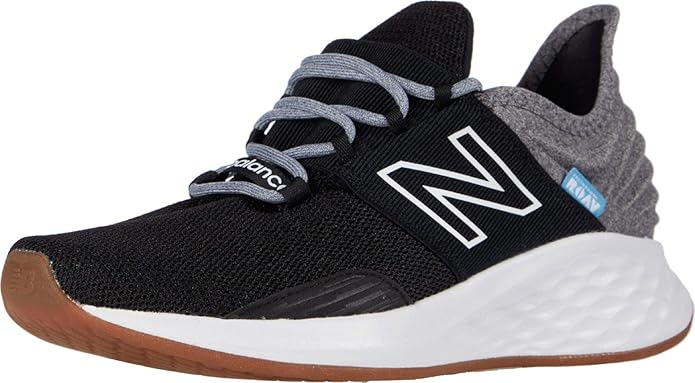
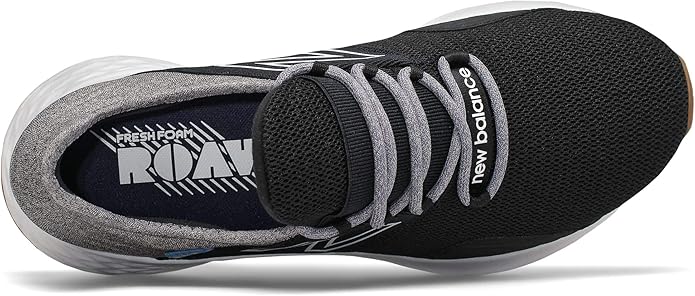
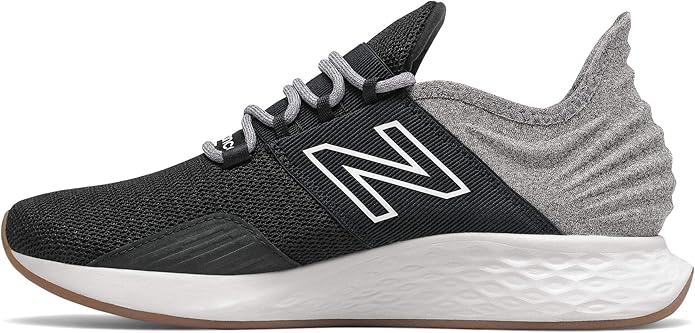
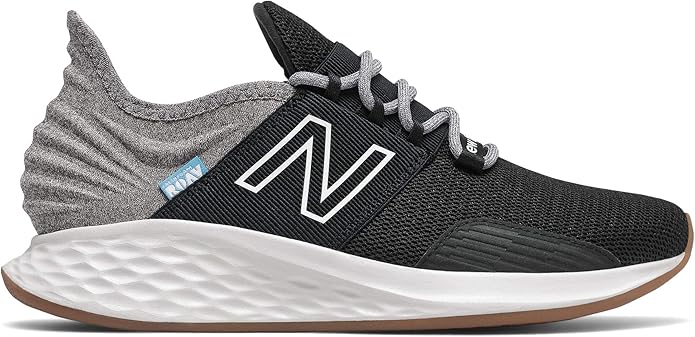
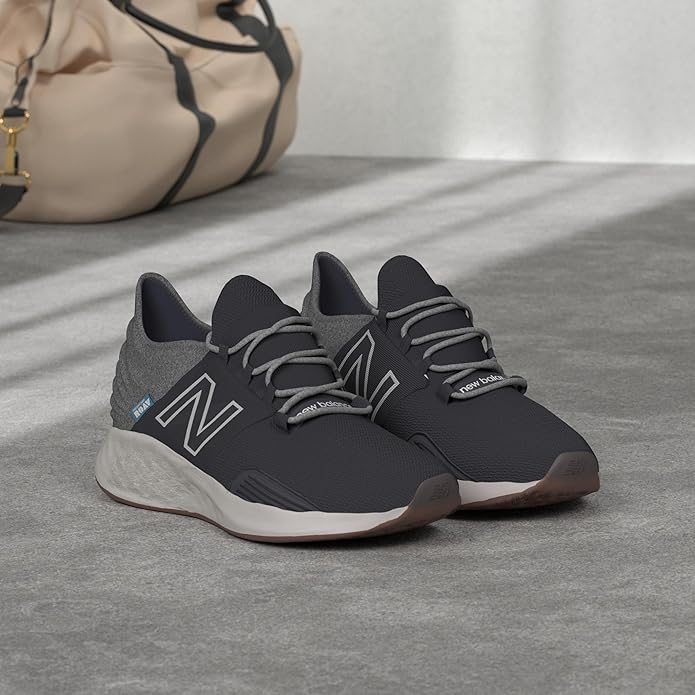
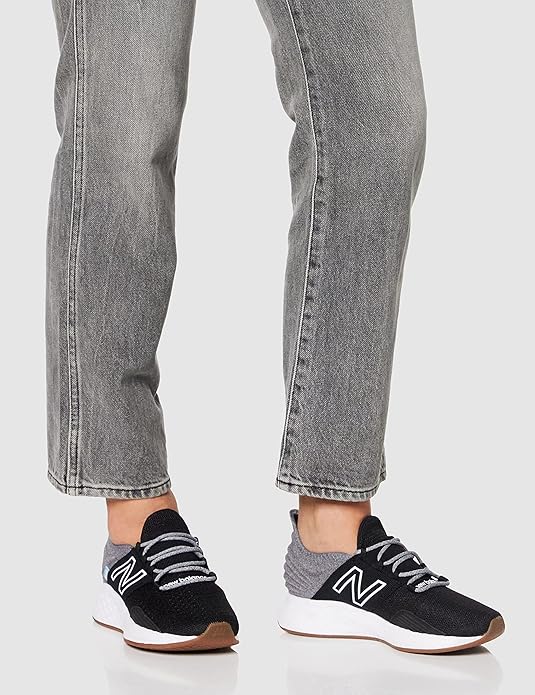
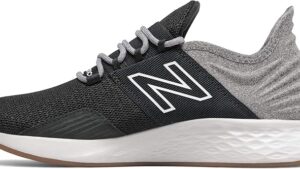
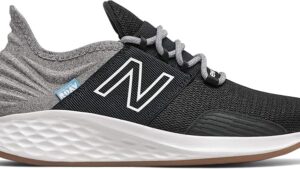
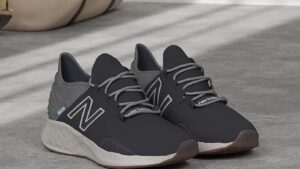
New Balance Women’s Fresh Foam Roav V1 Sneaker
$89.99
- Price: $75-$85 (frequently on sale)
- Weight: 7.8 oz (women’s size 8) – remarkably light
- Heel-to-Toe Drop: 8mm (measured closer to 7.2mm in independent testing)
- Midsole Technology: Fresh Foam cushioning (single-piece EVA)
- Upper Material: Breathable synthetic mesh with overlays
- Outsole: NDurance rubber (heel and toe zones)
- Best For: All-day comfort, healthcare workers, travel, light exercise, casual running
- My Context: 150 lbs, size 8, casual runner, part-time healthcare work
New Balance Women’s Fresh Foam Roav V1: Cloud-Like Comfort Meets Durability Concerns After 6 Months of Real-World Testing
When my workout buddy told me these sneakers felt like “walking on clouds,” I had to admit I was skeptical. After a decade of testing footwear, I’ve learned to approach comfort claims with a healthy dose of caution. But after wearing the New Balance Fresh Foam Roav v1 for six months across more than 150 wear sessions, I can confirm the comfort praise is genuine. However, and this is crucial, there’s one significant caveat every woman needs to know before purchasing: these shoes may not last as long as you’d hope. The breathable mesh that makes them so comfortable also becomes their Achilles heel, quite literally developing holes after just a few months of regular use.
Design, Build Quality and First Impressions
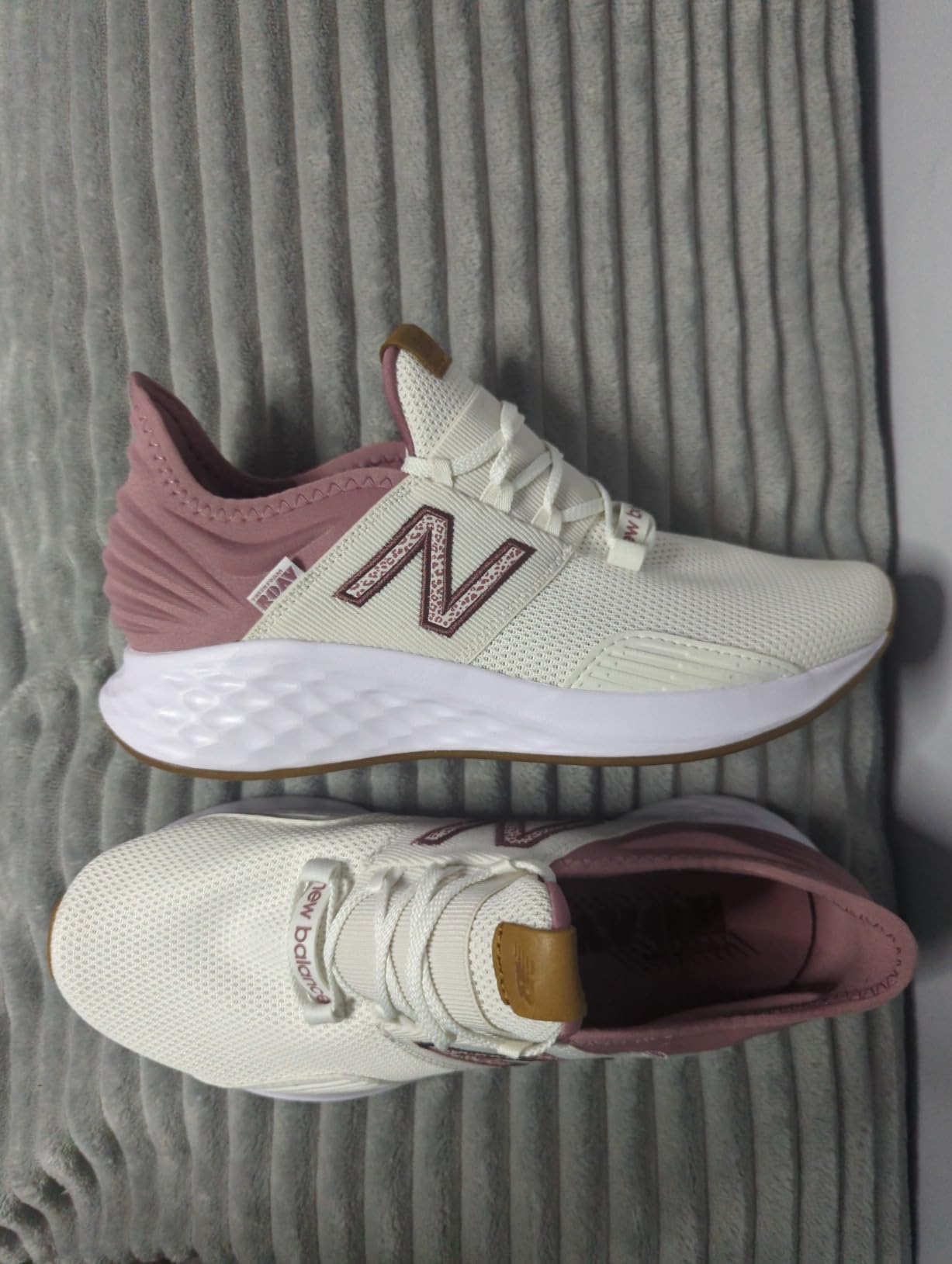
The moment I picked up these sneakers, the lightweight construction immediately caught my attention. At 7.8 ounces, they’re among the lighter shoes I’ve tested over the years, and you can feel that difference the second you slip them on. The clean, modern aesthetic works surprisingly well across different settings – I’ve worn them with everything from workout gear to business casual outfits without looking out of place.
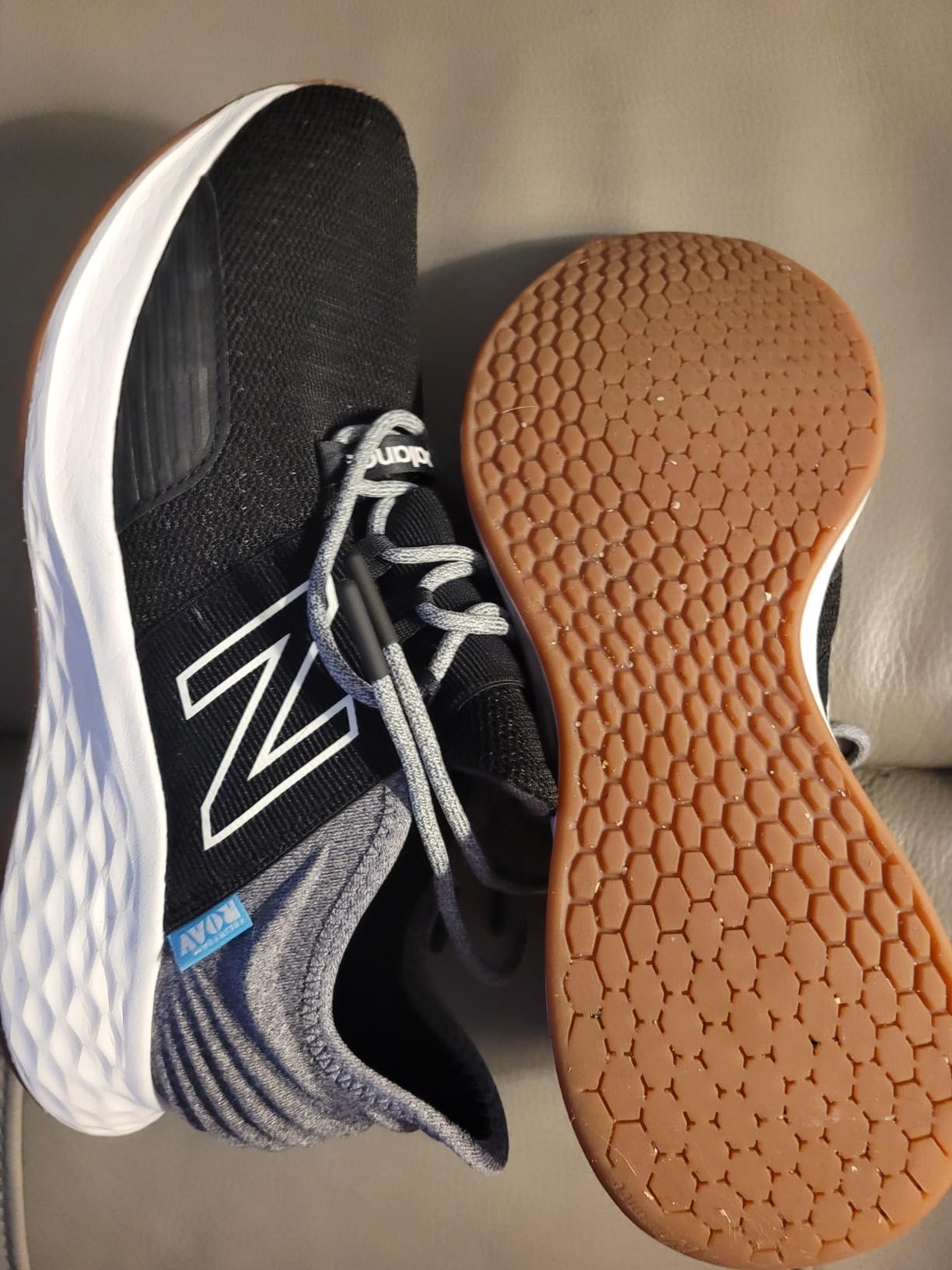
What really sets the Fresh Foam Roav apart from traditional sneakers is the Ultra Heel design. This flexible, shell-shaped heel counter creates a sock-like fit that hugs the back of your foot securely while still allowing the shoe to function almost like a slip-on. During my morning routine when I’m rushing to get out the door, I found myself reaching for these constantly because I could slide them on without bending down to untie laces. The attached bootie-style tongue means no fumbling with tongue placement either – it’s a surprisingly convenient combination that I didn’t realize I needed until I had it.
The synthetic mesh upper delivers on breathability, which proved invaluable during Texas summer heat. My feet stayed noticeably cooler compared to shoes with denser materials. That said, this mesh is notably thin. You can actually see sock colors through the material in certain lighting, and while this didn’t bother me aesthetically, it did raise early concerns about durability that would prove justified later in my testing.
Fresh Foam Cushioning: The Comfort That Lives Up to the Hype
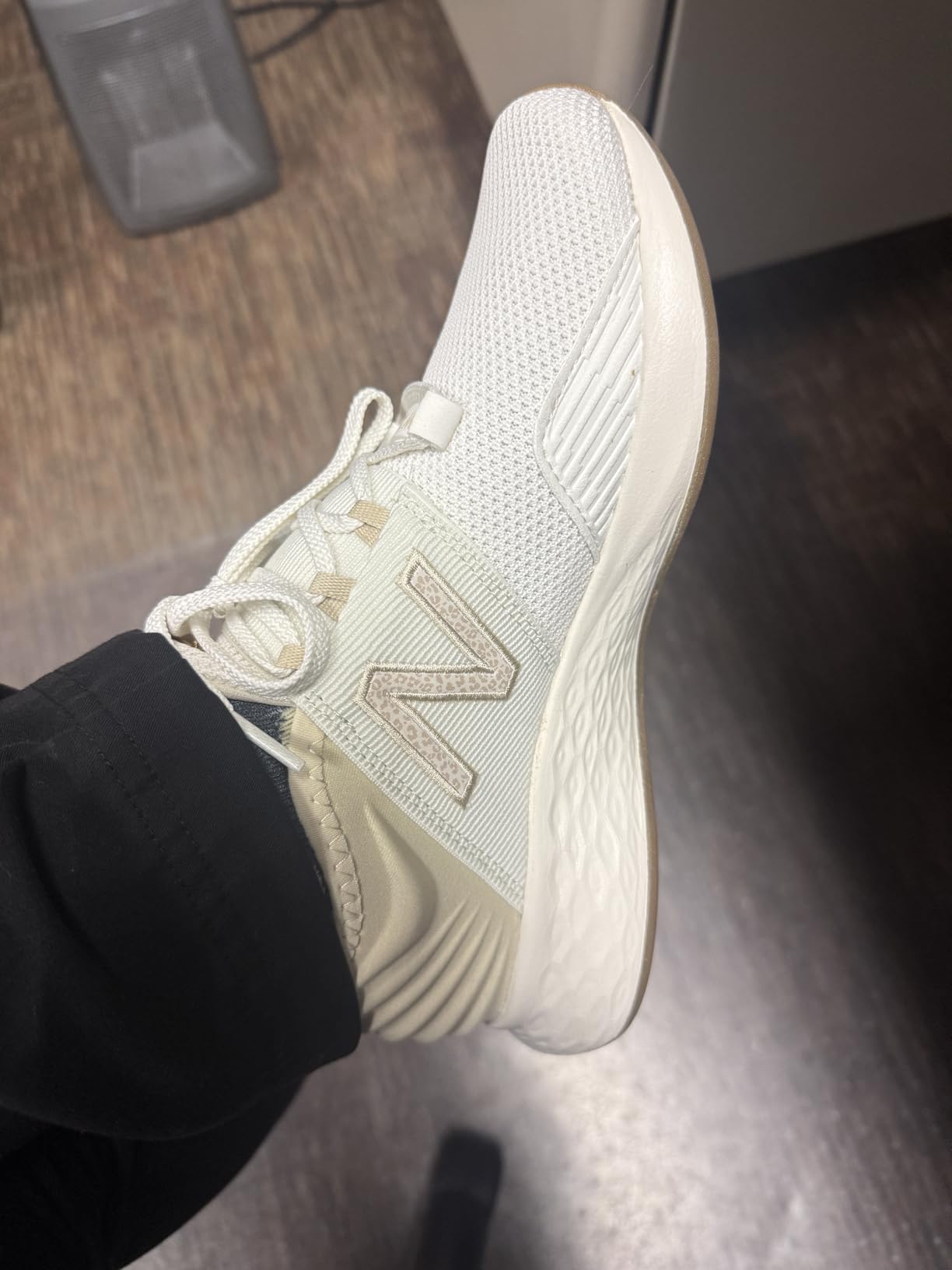
I’ll be honest – I wasn’t prepared for just how comfortable these shoes would be. My first full day wearing them involved a Saturday packed with activities: grocery shopping in the morning, a 45-minute fitness class, and dinner out with friends in the evening. By the time I got home that night, I checked my feet expecting the usual end-of-day fatigue. Instead, they genuinely felt fresh. That’s when I started to understand why my friend had been so enthusiastic.
The Fresh Foam midsole has a distinctly different feel compared to firmer EVA foams you’ll find in many athletic shoes. It’s plush and responsive, with a slight bounce that absorbs impact without feeling mushy or unstable. At my 150 pounds, the cushioning maintained this supportive feel throughout my testing period without bottoming out, though I suspect heavier users might experience more compression over time.
The 8mm heel-to-toe drop feels natural during both walking and running. I experienced no unusual pressure points or calf strain during my casual 2-3 mile neighborhood runs at a 9:00 pace. For someone like me who isn’t training for marathons but enjoys staying active, the cushioning provides adequate shock absorption without the overly-padded sensation you get from maximum cushioning shoes.
That said, the arch support is minimal. Several women in my fitness class mentioned adding aftermarket insoles to address this, and I’d recommend the same if you have flat feet or significant arch support needs. The wide toe box, however, is a genuine strength – my feet had room to splay naturally during long days on my feet, which contributes significantly to the overall comfort factor.
Real-World Performance Across Different Activities
Over six months, I put these shoes through comprehensive testing across the activities that make up my daily life. For my part-time work at a healthcare clinic, they proved to be genuinely excellent. During 8-12 hour shifts spent mostly on my feet, the cushioning reduced leg fatigue noticeably compared to my previous work shoes. The slip-resistant outsole performed well on hospital floors, and several nurse colleagues asked about them after seeing me wear them repeatedly.
During a week-long vacation where I regularly logged 15,000+ steps per day, the Fresh Foam Roav really demonstrated their strength. Airport walks, city exploration, museum days – I experienced no blisters, hot spots, or unusual foot fatigue. The lightweight construction meant they didn’t add bulk to my luggage, and the slip-on capability made airport security significantly less annoying. The versatile styling worked for both tourist activities and casual dinners without needing to pack multiple pairs of shoes.
For light exercise like yoga classes and casual gym sessions, these performed admirably. The platform provided stable footing for light strength training, though serious lifters would want shoes with firmer support. The cushioning handled moderate impact activities comfortably, making them suitable for fitness classes that mix cardio and bodyweight exercises.
Casual running up to 2-3 miles felt fine at easy paces. The cushioning provides reasonable shock absorption, and the shoe feels responsive enough for short jogs around the neighborhood. However, I wouldn’t recommend these for serious runners or anyone training for races – they simply lack the structured support and performance features that dedicated running shoes provide.
Weather Testing and the Critical Durability Discovery
During hot, humid Texas summer conditions, the breathable mesh performed exceptionally well. My feet stayed cooler than they would in denser materials, and the shoes dried quickly after sweat-intensive activities. In light rain, the shoes dried relatively fast thanks to the mesh construction, though they offer absolutely zero water resistance – they’ll soak through immediately in anything more than a drizzle.
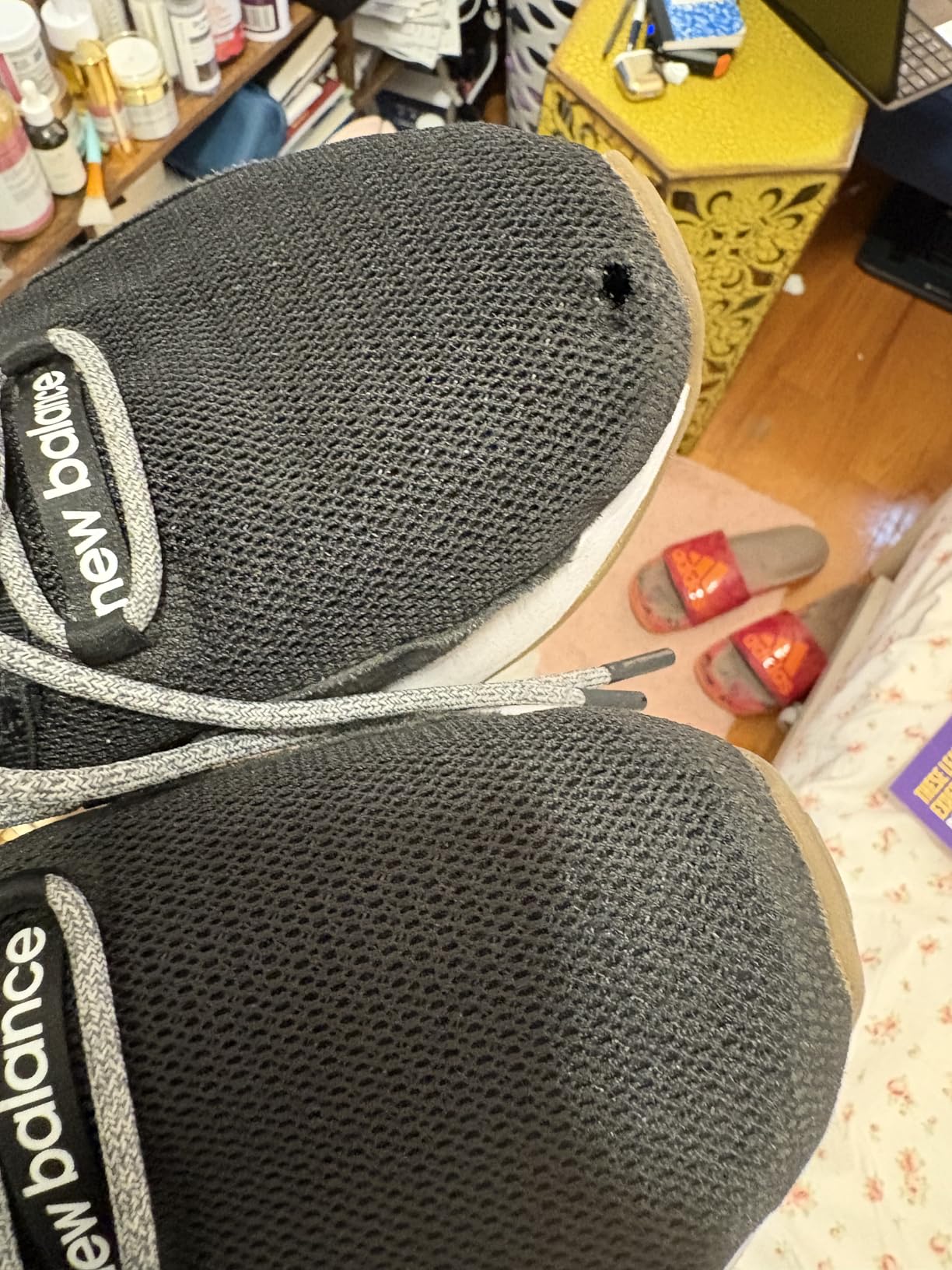
However, it’s here in the extended testing where the significant weakness emerged. Around the four-month mark, I noticed stress points developing in the mesh near my big toe on the right foot. The material looked strained in that area, almost like it was being pulled too thin. By month five, a small hole had developed – and notably, this wasn’t where my toenail made contact with the shoe. This was material failure from the thin mesh simply giving way under regular use.
Concerned this might be an isolated quality control issue with my pair, I researched online and found this is a widespread pattern. Multiple reviews on Amazon and Zappos describe similar holes developing after 2-6 months of regular wear. This isn’t a case of user error or unusual wear patterns – it’s a design limitation of using such thin mesh material in high-stress areas.
Does New Balance Deliver on Their Promises?
Let’s examine New Balance’s key marketing claims against my six-month reality:
“Cloud-like ride” – Completely accurate. The Fresh Foam cushioning genuinely delivers exceptional immediate comfort that matches this description.
“Ultra-cushioned, lightweight ride” – Absolutely true. At 7.8 ounces with substantial cushioning, this is an impressive engineering achievement.
“All-day comfort” – Yes, but with a caveat. These are comfortable for all-day wear during the first several months. However, “all-day” may not extend to “all-year” given the durability concerns.
“Superior durability in high-wear areas” – This is where reality diverges significantly from marketing. While the NDurance rubber outsole holds up reasonably well, the mesh upper – which is arguably the highest-stress area – definitely does not demonstrate superior durability. Holes after 4-5 months represents disappointing performance for a $75 shoe.
My Overall Assessment After Six Months
| Category | Rating | My Reasoning |
|---|---|---|
| Design & Aesthetics | 8.5/10 | Clean, modern look that works across multiple settings; lightweight construction is impressive |
| Comfort Quality | 9.5/10 | Exceptional cushioning and all-day wearability; genuinely lives up to comfort claims |
| Versatility | 8.0/10 | Works well for lifestyle activities, work environments, and light exercise; not suitable for serious athletics |
| Durability | 5.0/10 | Significant concerns with mesh upper longevity; holes developing at 4-6 months is unacceptable |
| Value for Money | 6.5/10 | Great immediate comfort, but durability issues hurt overall value proposition |
| Overall Score | 7.2/10 | Excellent comfort undermined by durability concerns; best for those who rotate multiple shoes |
What Other Active Women Are Saying
My experience with durability issues isn’t isolated. Lisa, a friend from my fitness class who’s about 5’5″ and 140 pounds, mentioned her pair developed holes after just two months of wearing them to work daily. “The comfort is amazing,” she told me, “but I was really disappointed by how quickly they wore through.”
Rachel, a yoga instructor who teaches multiple classes per week, had similar feedback: “They’re perfect for teaching – so comfortable I forget I’m wearing shoes. But I’m already on my second pair this year.” That pattern observation is telling: women who rotate these with other shoes report the happiest experiences, while those relying on them as daily drivers encounter durability problems much faster.
Is It Worth Your Money? The Real Value Breakdown
At $75, if these shoes lasted a full year with regular use, they’d represent excellent cost-per-wear value. The comfort alone would justify the price point. However, the reality check tells a different story: with a 4-6 month lifespan under regular daily wear, you’re looking at needing two pairs per year. That translates to approximately $150 annually for shoes that deliver exceptional comfort but questionable longevity.
Compare this to similarly comfortable lifestyle shoes that last 12-18 months with regular use, and the value proposition becomes more questionable. The Adidas Cloudfoam Pure, for example, offers comparable all-day comfort at a similar price point but typically lasts longer. The ASICS Gel-Nimbus series provides excellent cushioning with better durability, though at a higher initial price point.
That said, if you’re planning to rotate these with other shoes rather than wearing them daily, the lifespan extends considerably. Some users who alternate between multiple pairs report 8-12 months of use before durability issues emerge. In a rotation strategy, the value proposition improves significantly.
Final Verdict: Pros, Cons, and Who Should Buy
| What I Loved | What Could Be Better |
|---|---|
|
|
Who Should Buy the Fresh Foam Roav?
Perfect For:
- Women prioritizing immediate exceptional comfort over long-term durability
- Healthcare workers, teachers, retail employees needing all-day foot comfort for work shifts
- Casual exercisers wanting versatile shoes for light workouts combined with daily wear
- Frequent travelers valuing lightweight construction and slip-on convenience
- Women with wide feet who struggle to find comfortable footwear options
- Those who maintain a shoe rotation and won’t wear these daily
- Anyone seeking comfortable walking shoes for moderate activity levels
Consider Carefully If:
- You need shoes lasting 12+ months with daily wear patterns
- You require significant arch support for foot conditions or biomechanical issues
- You’re looking for true performance running shoes for training purposes
- You live in wet climates and need weather resistance or waterproofing
- You’re budget-conscious and need maximum durability from footwear investments
Look Elsewhere If:
- You need maximum durability and plan to wear shoes daily as your primary pair
- You have foot conditions requiring medical-grade support or orthotics
- You’re training for races or engaging in serious running with high weekly mileage
- You need shoes for outdoor activities, trail running, or harsh terrain conditions
- You’re on a tight budget and must have shoes last a full year minimum
Better Alternative Options for Specific Needs
If durability is your primary concern while maintaining similar comfort levels, consider the Adidas Cloudfoam Pure or ASICS Gel-Nimbus series. Both offer plush cushioning with better longevity, though you may sacrifice some of the lightweight feel.
For more arch support while keeping a lifestyle aesthetic, the Brooks Glycerin series or New Balance 880 provide structured cushioning that better supports biomechanical needs.
If you love the Fresh Foam Roav styling but need better durability, the Nike Air Max SC or Adidas Cloudfoam Pure deliver similar modern aesthetics with more robust upper materials.
Frequently Asked Questions
How long do these shoes realistically last with daily wear?
Based on my six-month testing and extensive research of user reviews, expect 4-6 months before durability issues appear with daily wear. The thin mesh upper develops holes in high-stress areas during this timeframe. Light users who rotate multiple pairs may get 8-12 months of use. This shorter lifespan significantly impacts the overall value proposition.
Do I need to size up from my normal shoe size?
Sizing is somewhat inconsistent across colorways, but general guidance suggests ordering true to size for standard width feet. If you’re between sizes or have wide feet, sizing up half a size is recommended. The slip-on design means you want a snug but not tight fit – too much room and your heel may slip. Based on Zappos survey data, about 60% of users find true to size works, while 40% prefer sizing up half.
Can I use these for actual running workouts?
These work fine for casual 2-3 mile runs at easy paces around 9:00 minutes per mile or slower. They’re not suitable for serious training, high mileage, or speed work. The cushioning and support are designed for lifestyle activities rather than performance running. If you’re training for races or running more than 10-15 miles weekly, invest in dedicated running shoes.
How do they handle sweat and moisture?
The breathable mesh handles sweat remarkably well, keeping feet cooler than denser materials. Shoes dry quickly after sweat-intensive activities thanks to the mesh construction. However, they offer zero water resistance – they’ll soak completely through in rain. If you live in wet climates or need weather protection, these aren’t the right choice.
Are these good for people with plantar fasciitis or foot problems?
The cushioning helps with general foot fatigue, but the minimal arch support makes them unsuitable for plantar fasciitis without custom insoles. If you have specific foot conditions, consult with a podiatrist before purchasing. Many users successfully add aftermarket insoles to address support needs, but the shoe itself doesn’t provide therapeutic-level arch support.
What’s the deal with the “slip-on” design – do they stay secure?
It’s a hybrid design – you lace them once to your preferred tightness, then can slip them on and off thereafter. They stay secure during normal walking, standing, and light exercise. I never experienced heel slippage during my activities. However, for high-intensity exercise requiring maximum foot lockdown, traditional laced shoes with rigid heel counters provide better security.
How do they compare to other New Balance models?
The Fresh Foam Roav prioritizes lifestyle comfort over performance, unlike New Balance’s Fresh Foam X or FuelCell series designed for serious running. The Roav is more comfortable for all-day casual wear but less durable and less suitable for athletic training. If you want New Balance cushioning with better durability, look at the 880 or 1080 models, though they’re heavier and more expensive.
Can I machine wash these shoes?
Yes, you can machine wash them on a gentle cycle with cold water. Remove the insoles first, use mild detergent, and air dry – never put them in the dryer. Some users report success with a small amount of bleach for white colorways. Keep in mind that machine washing, while convenient, may accelerate wear on the already-thin mesh material.
What should I do if I experience the toe durability issues?
Contact New Balance customer service immediately if holes develop early in the shoe’s life. Keep receipts and take photos documenting the damage. Some users have received replacements under warranty. Be aware this is a known design limitation rather than isolated quality control issues, so it may happen again with replacement pairs. Consider whether the exceptional comfort is worth the shorter lifespan before repurchasing.
Are there any tips for maximizing the lifespan of these shoes?
Rotate them with other shoes to reduce daily wear stress on the mesh. Keep toenails trimmed short to minimize pressure against the thin material. Avoid rough surfaces when possible. Some users report success reinforcing the toe area with clear protective tape if early wear signs appear. Most importantly, don’t rely on these as your sole daily shoe – rotation is key to extending their usable life.
Comprehensive Scoring Summary
| Category | Details |
|---|---|
| Who This Shoe Is For | Women seeking exceptional all-day comfort for lifestyle activities, healthcare work, travel, and light exercise; best for those with normal/neutral feet who maintain shoe rotation |
| Primary Purpose | Lifestyle/casual walking shoe with light running capability |
| Activity Level | Moderate – daily walking, standing work, light gym sessions, casual 2-3 mile runs |
| Budget Range | $75-$85 MSRP (frequently on sale for $65-$75); real annual cost ~$150 if daily wear requires biannual replacement |
| Brand Positioning | New Balance – established athletic brand with strong reputation for comfort |
| Primary Strength | Fresh Foam cushioning delivers genuinely exceptional all-day comfort |
| Primary Limitation | Thin mesh upper develops durability issues (holes) after 4-6 months regular wear |
| Expected Lifespan | 4-6 months with daily wear; 8-12 months with rotation strategy |
| Foot Characteristics | Best for: Normal/neutral arches, standard to wide width feet Avoid if: Significant overpronation, high arch support needs without custom insoles |
| Usage Conditions | Excellent: Indoor environments, dry weather, hot climates Poor: Rain/wet conditions, trail running, technical terrain |
| Daily Wearing Time | 8-12+ hours comfortably; tested extensively during long work shifts and high-step days |
| Style Preference | Clean, modern aesthetic; versatile across casual, athletic, and business casual settings |
| Important Features | • Ultra Heel slip-on design with secure fit • 7.8 oz lightweight construction • Wide toe box • Exceptional breathability • Fresh Foam cushioning technology |
| Comfort Score | 9.5/10 – Genuinely exceptional cushioning and all-day wearability that lives up to marketing claims |
| Style Score | 8.5/10 – Versatile modern design works across multiple settings without looking overly athletic |
| Overall Score | 7.2/10 – Outstanding comfort undermined by durability concerns; value depends on usage patterns |
Bottom Line: My Honest Recommendation
After six months of testing the New Balance Women’s Fresh Foam Roav V1 across more than 150 wear sessions, I can say definitively that the comfort is genuinely special. The Fresh Foam cushioning delivers on the “cloud-like” promise in a way that few lifestyle shoes achieve. For all-day wearability, these rank among the most comfortable shoes I’ve tested in over a decade.
However, I cannot overlook the durability concerns. Holes developing in the mesh upper after just 4-6 months of regular wear represents a significant limitation that fundamentally impacts the value proposition. At $75, these would be an excellent investment if they lasted a full year. Given the reality of needing replacement twice annually with daily wear, you’re looking at a real cost closer to $150 per year for shoes that feel amazing but don’t last.
My recommendation ultimately depends on your usage pattern: If you maintain a shoe rotation and won’t wear these daily, they’re worth buying for the exceptional comfort they provide. If you need a single pair of reliable daily drivers that will last through all four seasons, look elsewhere – the durability simply isn’t there.
Would I buy them again knowing what I know now? Yes, but with the explicit plan to rotate them with other shoes rather than relying on them as my primary pair. The comfort during those first several months is genuinely special enough to warrant the purchase, as long as you go in with realistic expectations about lifespan.
Have questions about whether these shoes are right for your specific situation? Feel free to ask – I’m happy to share more details about my testing experience.
Be the first to review “New Balance Women’s Fresh Foam Roav V1 Sneaker”
Related products
Sneaker
Sneaker
Sneaker
Sneaker
Sneaker
Reviews
There are no reviews yet.