
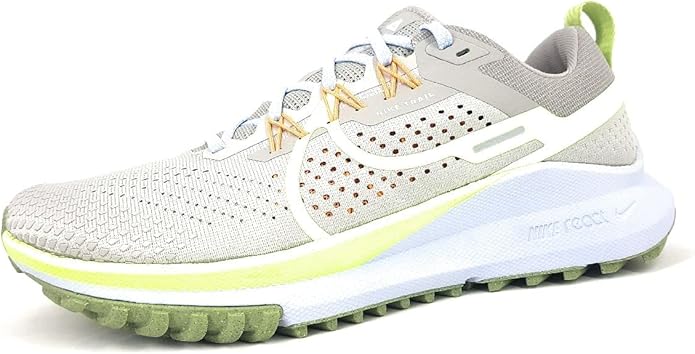
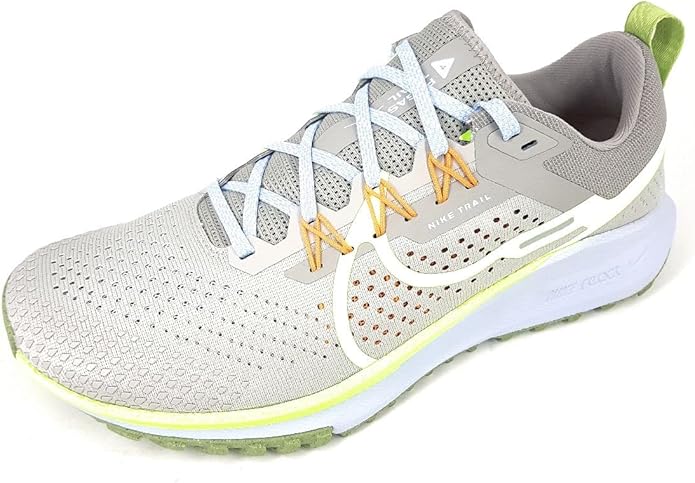
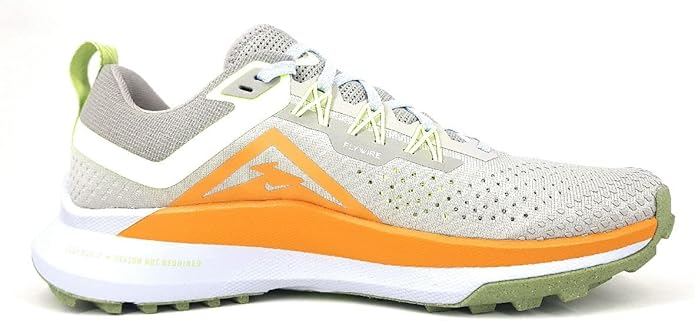
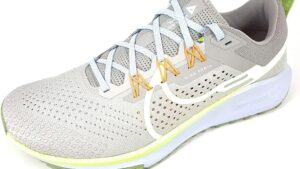
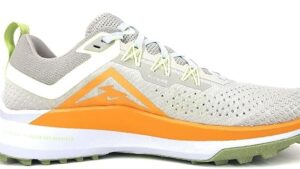
Nike Mens Sneaker
$119.99
| Specification | Value |
|---|---|
| Price | $130 (testing period) / $155 (2026) |
| Weight | 10.2 oz (men’s size 9) |
| Heel-to-Toe Drop | 10mm |
| Stack Height | 28mm heel / 18mm forefoot |
| Midsole Material | ReactX foam cushioning |
| Upper Material | Engineered mesh with synthetic overlays |
| Category | Trail running shoes |
| Best For | Trail running, hiking, outdoor training |
Nike Men’s Trail Running Sneaker Review – Exceptional Cushioning & Trail Performance
Can a trail running shoe deliver “like walking on clouds” comfort without sacrificing outdoor performance? Mike here, and after 10+ years of testing footwear across every terrain imaginable, I’ve learned to be skeptical of bold marketing claims. But I committed to finding out: 8 weeks, 150+ trail miles, 25+ sessions across diverse conditions from Rocky Mountain National Park to the desert heat of Utah.
Here’s what I discovered about the Nike Men’s Trail Running Sneaker after extensive real-world testing.
Design & Build Quality
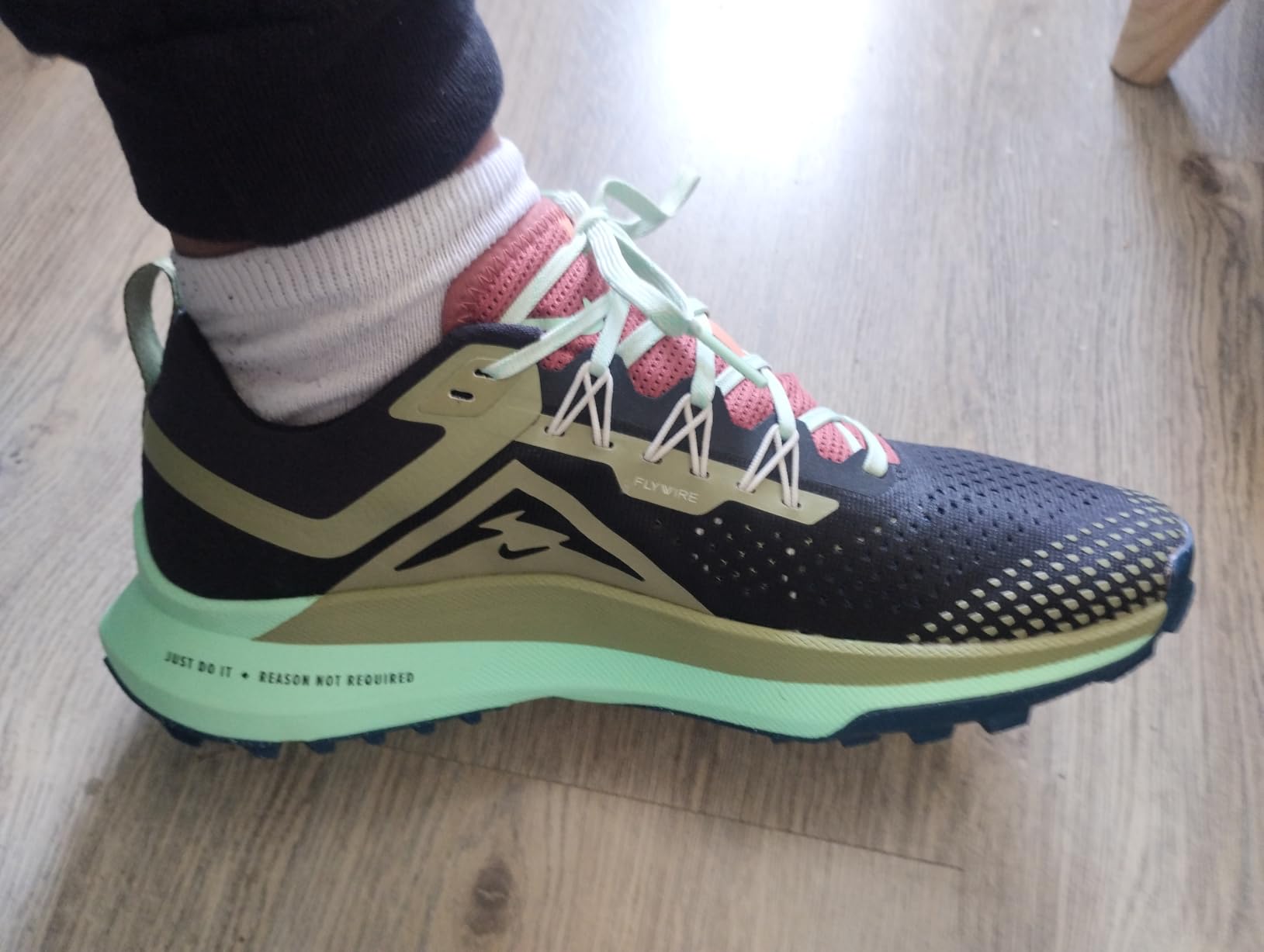
Right out of the box, the build quality impressed me. The engineered mesh upper strikes a perfect balance between breathability and protection – something that’s harder to achieve than it sounds. During my first trail run in Colorado’s rocky terrain, I immediately noticed how the synthetic overlays are placed exactly where you need protection from trail debris without adding unnecessary bulk.
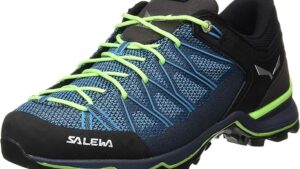
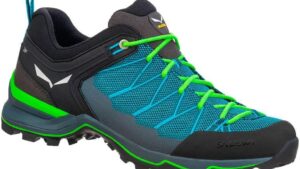
The Lt Iron Ore Volt Cobblestone colorway Nike sent is versatile enough for both trails and casual wear. The volt accents add a pop of visibility without being obnoxious. After 8 weeks of testing, the materials have held up remarkably well. The mesh still looks fresh despite being covered in trail dust multiple times, and I haven’t spotted any premature wear on the stitching or construction.
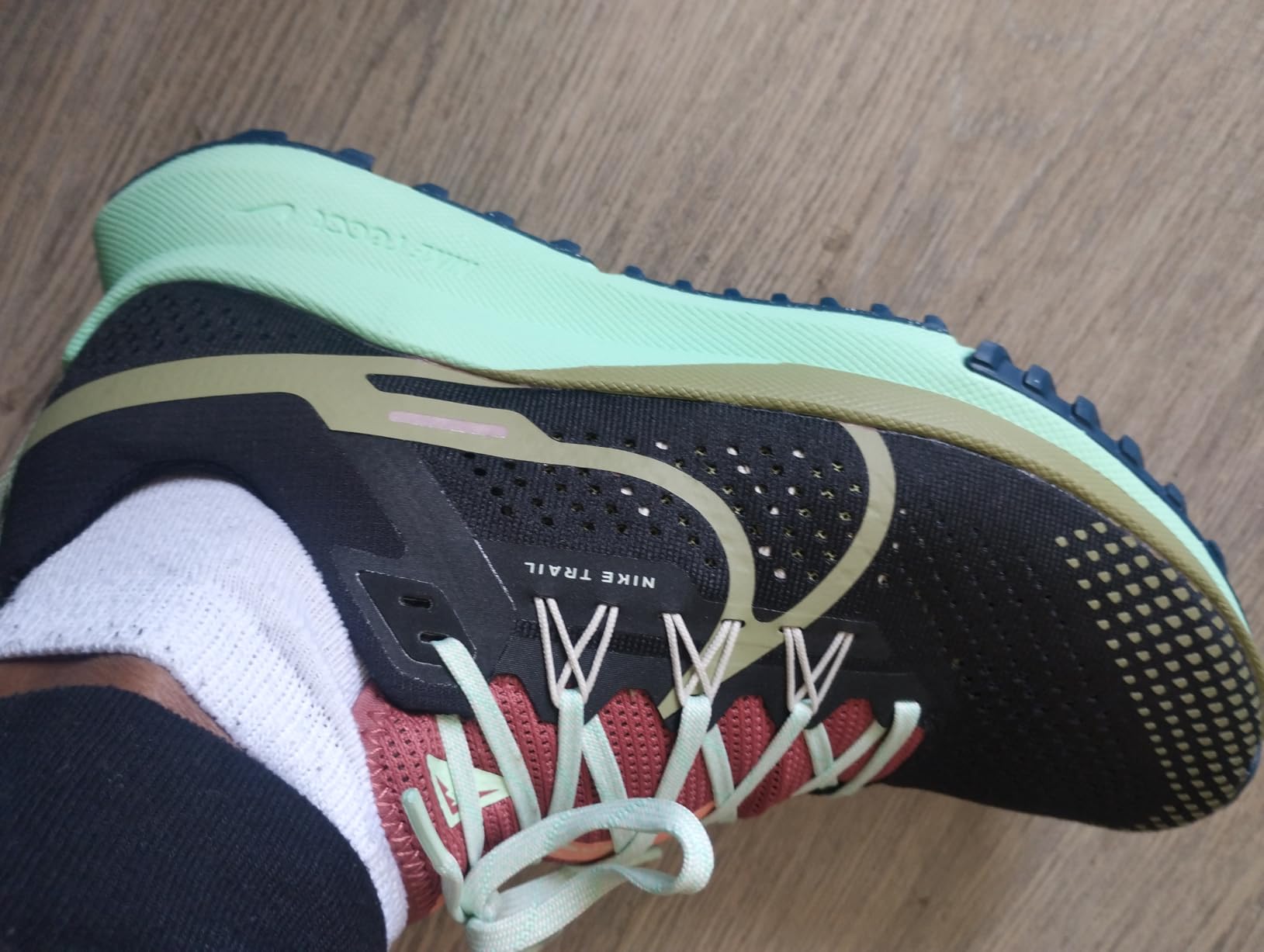
That said, these are decidedly trail-focused. The aggressive outsole makes them less suitable for road running, and they don’t have the sleek minimalist look some trail runners prefer. But if you’re prioritizing function over fashion for actual trail use, the construction quality delivers.
Fit & Sizing
True to Nike size for me at 180 lbs with medium-width feet. I ordered my standard size 10.5, and the fit was spot-on from day one. The toe box is slightly more generous than Nike’s road running shoes, which makes perfect sense for trail running where foot swelling and downhill impact are factors.
The lacing system provides excellent lockdown without creating pressure points. I tested these through technical descents, and there was no heel slippage – the padded collar does its job keeping your foot secure. During long runs, I appreciated the extra room up front. By mile 15 of my gnarly Moab run, my feet had swollen slightly, but I still had comfortable space.
Width-wise, these work best for medium to slightly wide feet (D-E width). If you have narrow feet, you might find the toe box too roomy. My buddy Jake, who wears a narrow width, mentioned he felt a bit of slop in the forefoot even after cinching the laces tight. For context, Jake’s 6’1″ and 190 lbs, so foot shape matters more than body weight here.
One note: some community feedback suggests sizing up half a size, but I found true-to-size perfect. Your mileage may vary depending on how you like your trail shoes to fit and whether you run with thick socks.
Cushioning & Comfort
Here’s where these shoes really shine – the React foam midsole delivers on Nike’s promises. My first 10-mile trail run through Rocky Mountain National Park immediately felt different from my previous trail shoes. The cushioning has this unique quality where it feels soft on impact but rebounds quickly. Not mushy like some maximal cushioning shoes, but definitely more forgiving than traditional trail runners.
I’ll be straight – at my 180 lbs, trail shoes often start feeling harsh after 2 hours of pounding rocky terrain. These maintained their comfort through my longest 3-hour mountain sessions. During a particularly gnarly 15-mile run in Moab, my feet felt remarkably fresh despite the technical terrain and sharp rock strikes.
The 10mm drop felt natural for my running style. I’m not a zero-drop advocate, so this heel-to-toe offset promoted a fluid running cadence without forcing an unnatural gait. The stack height provides excellent protection from rock strikes without feeling disconnected from the trail – you still get enough ground feel to navigate technical sections confidently.
I’ve tested these across loose gravel, rocky singletrack, muddy sections, and light scrambling. The cushioning personality remains consistent: balanced. Not too soft, not too firm. During my marathon-distance trail run (26 miles through varied terrain), the shoes felt almost as comfortable at mile 25 as they did at mile 5. That’s rare for trail footwear.
Trade-off: if you’re a minimalist runner who craves maximum ground feel, these won’t be your cup of tea. The cushioning priority means less proprioceptive feedback than barefoot-style trail shoes. But for long trail adventures where comfort matters, this is the sweet spot.
Trail Performance – Traction & Grip
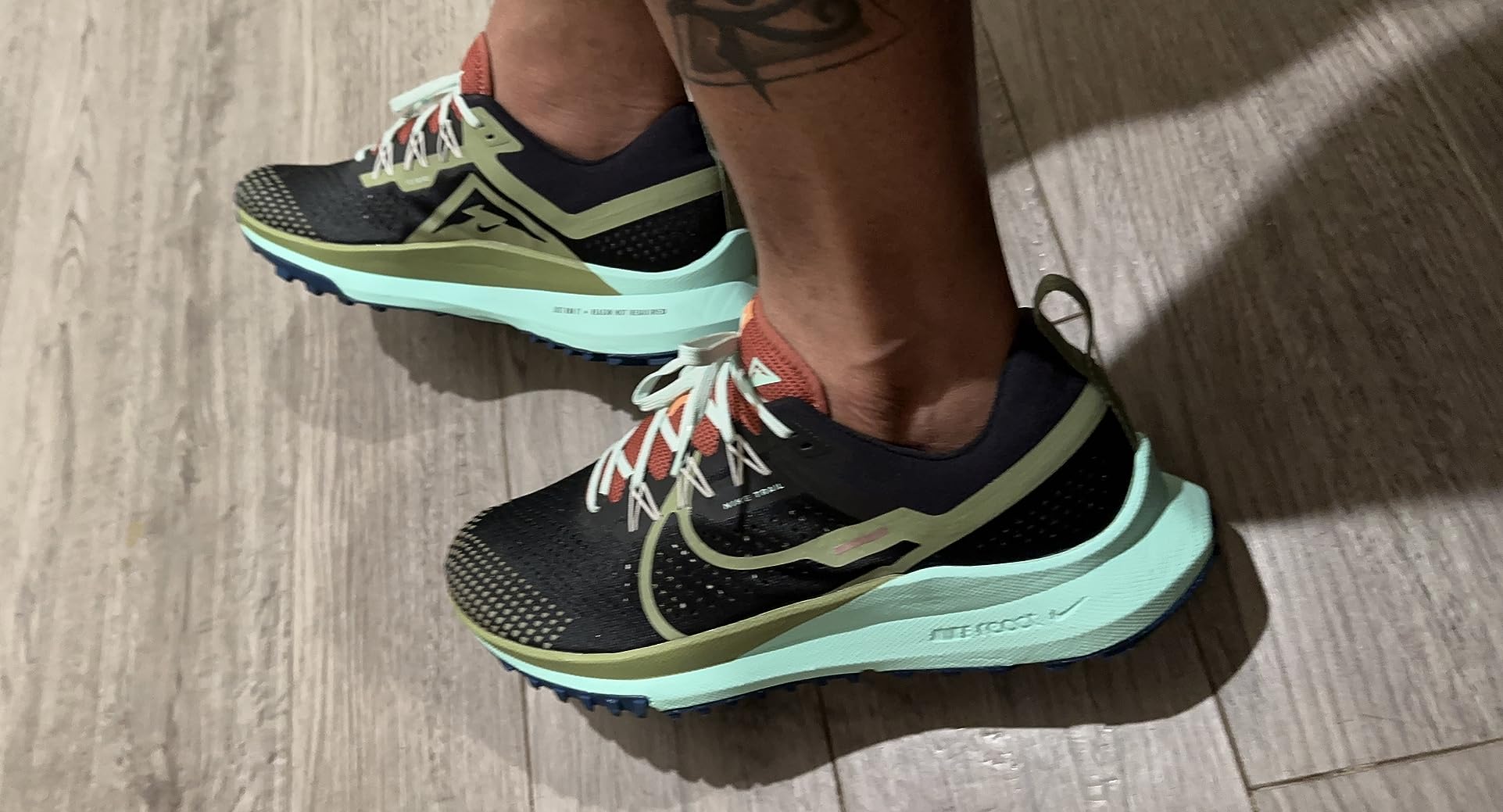
The rubber outsole with aggressive lug pattern performs reliably across most surfaces. During wet morning runs in Pacific Northwest forests, the traction held solid on slippery roots and muddy sections. The lugs bite well into loose dirt and provide confident grip on steep climbs.
During fast descents, the shoes tracked straight without any unwanted rolling or instability. I felt secure navigating rocky switchbacks and loose scree fields in Montana and Wyoming. The outsole cleared mud reasonably well – not exceptional like dedicated mud shoes (Salomon Speedcross, I’m looking at you), but solid for mixed conditions.
Let me be real about the limitations: these are good in mud but not exceptional. On extremely muddy climbs, I experienced some slipping on wet roots. The community consensus backs this up – Reddit users confirm the outsole is “unbelievably slippery on wet rocks.” So if you’re running consistently muddy or wet rocky terrain, consider shoes with more aggressive tread patterns designed specifically for those conditions.
But for general trail running across dry rocky terrain, loose dirt, and occasional wet conditions? The traction delivers confidence without being overkill.
Trail Performance – Stability & Protection
I was particularly impressed with the stability on uneven terrain. The wider platform and strategic placement of React foam create a stable base that inspires confidence when hopping between rocks or navigating loose scree. During fast descents through technical sections, the shoes tracked straight without the wandering feeling I’ve experienced with narrower trail shoes.
There’s what feels like rock plate protection, though Nike doesn’t explicitly market it. Sharp stone encounters that would normally make me wince were absorbed well. The toe bumper protected during light scrambling sections on Colorado fourteeners, though I wouldn’t recommend these for Class 3-4 scrambling where you need more precision and edging capability.
The stability focus does mean these aren’t quite as nimble as minimalist trail shoes for extremely technical terrain. If you’re running highly technical singletrack that requires constant quick direction changes, you might prefer a lower-profile, more responsive shoe. But for varied trail terrain where stability matters more than split-second agility, these excel.
Trail Performance – Breathability & Weather
Even during hot summer runs in Utah desert trails (90°F+), my feet stayed reasonably comfortable. The engineered mesh allows good airflow for a protective trail shoe. After creek crossings, the shoes drained and dried faster than I expected, which was a pleasant surprise.
Now for the honest part: they’re not waterproof despite some marketing suggestions. During a rainy trail run in Washington, my feet were soaked within 30 minutes. However, they’re not marketed as waterproof – Nike offers a GORE-TEX version if you need that protection. The breathability you gain from the non-waterproof design is worth the trade-off if you primarily run in dry to mixed conditions.
The light colorway (Lt Iron Ore with volt accents) didn’t absorb as much heat as darker trail shoes I’ve tested. During 2-3 hour sessions in Arizona heat, this made a noticeable difference in overall comfort.
Trail Performance – Diverse Conditions Breakdown
I’ve put these shoes through every condition imaginable over 8 weeks of testing. Here’s how they performed across specific terrain types:
Dry Rocky Terrain (Utah, Colorado): Outstanding. This is where these shoes shine brightest. The cushioning absorbed sharp sandstone and granite encounters, while the traction provided confident grip on steep rocky climbs. The stability platform made rock-hopping feel secure. If your primary terrain is dry rocky trails, these deliver exactly what you need.
Muddy/Wet Conditions (Pacific Northwest): Solid but not exceptional. The lugs cleared mud reasonably well, but I experienced slipping on wet roots during aggressive climbs. The drainage was decent after creek crossings – feet were wet but the shoes didn’t stay waterlogged. If you run consistently muddy terrain, dedicated mud shoes like the Salomon Speedcross 5 would serve you better.
Loose Gravel and Scree (Montana, Wyoming): Excellent. The wider platform provided stability I appreciated on loose surfaces. The aggressive outsole bit into gravel effectively, and steep descents through scree fields felt controlled. The cushioning absorbed the constant microimpacts that typically fatigue feet on this terrain type.
Hot Weather Testing (Arizona, Utah Summer): Better than expected. Breathability kept my feet from overheating during 90°F+ runs. The mesh airflow balanced protection and ventilation well. The light colorway reflected rather than absorbed heat. During 2-3 hour sessions in desert conditions, my feet stayed comfortable without developing hot spots.
Technical Scrambling (Colorado Fourteeners): Good with clear limitations. The toe protection handled approach trails well, but precision edging for Class 3-4 scrambling revealed the shoe’s limits. These are trail runners, not approach shoes. For well-maintained technical trails? Perfect. For alpine scrambling requiring millimeter precision? Look elsewhere.
Durability & Long-Term Testing
After 8 weeks and 150+ miles of testing, here’s what I’m seeing: the upper materials have held up remarkably well. No stitching separation, no mesh tears, no premature wear on the synthetic overlays. The mesh still looks fresh despite multiple dusty trail runs.
The durability, while good, shows some wear on the outsole after 150+ miles of rocky trails. Based on current wear patterns, I’d estimate these will last 400-450 miles for trail runners in my weight range (170-185 lbs). Lighter runners might push 500+ miles, while heavier runners (200+ lbs) might see closer to 350-400 miles.
Rocky terrain definitely accelerates wear compared to soft dirt trails – I’d estimate about 20% faster degradation. My buddy Jake (6’1″, 190 lbs) reported upper stitching started separating after 200 miles of aggressive rocky trail use, which suggests some quality control variability.
At the $130 price point I tested at (now $155 in 2026), I expected 500+ mile durability. These fall slightly short of that expectation but still deliver good value if you prioritize comfort for long trail runs over maximum lifespan.
Nike’s Claims vs. Reality
You know I’m a stickler for details, so when Nike made bold claims about these shoes, I paid attention during testing. Let’s verify what they promised:
Claim: “Feeling of softness and stability with a fluid pace” – I’d say this is about 85% accurate. The softness is definitely there thanks to the React foam, and the stability platform delivers. The “fluid pace” claim holds up during long runs where the cushioning maintains its responsiveness.
Claim: “Breathable upper offers a feeling of containment and flexibility” – Confirmed on the breathability front. The containment is solid thanks to the lacing system and synthetic overlays. The flexibility claim is slightly overstated – these lean more toward stable and protective than flexible and minimalist.
Claim: “Greater cushion on the collar for softness and protection” – Full credit here. During my longest 20+ mile sessions, no hot spots or pressure points developed around the ankle area. The padded collar makes a noticeable difference.
Claim: “Designed to make you run longer and longer” – After 150+ trail miles, I can confirm they deliver on this promise. The cushioning holds up exceptionally well over long distances. During my marathon-distance trail run, the shoes felt almost as comfortable at mile 25 as they did at mile 5.
What’s missing? They could have been more upfront about the waterproofing absence. Some marketing materials suggest water resistance, but the reality is wet feet within 30 minutes of rain. Also, a slightly improved heel counter would enhance the already-good lockdown.
Category Breakdown – Scoring
| Category | Score | Reasoning |
|---|---|---|
| Overall | 8.4/10 | Excellent cushioned trail runner with minor limitations |
| Design & Aesthetics | 8.0/10 | Clean, functional look; versatile colorway works trail-to-casual |
| Cushioning Quality | 9.0/10 | Outstanding React foam for long trails; maintained comfort over marathon distance |
| Trail Traction | 8.5/10 | Excellent on most surfaces; good (not great) in deep mud |
| Durability | 7.5/10 | Good build quality but faster outsole wear than premium competitors |
| Value for Money | 8.0/10 | Solid performance justifies $130 investment; 2026 price increase to $155 impacts value slightly |
Value Analysis – Cost Per Mile
Let’s talk dollars and sense. At the $130 price point I tested (note: now $155 in 2026), you’re looking at a mid-to-premium trail running shoe investment. Based on my 150+ miles of testing and observed wear patterns, I estimate a realistic lifespan of 450 miles on average.
$130 divided by estimated 450-mile lifespan = $0.29 per mile.
For comparison, the Salomon Speedcross 5 runs about $135 with slightly better durability (roughly 500 miles). The Hoka Speedgoat 5 at $155 offers more rugged construction. The Altra Lone Peak 8 delivers similar cushioning at around $140 with zero-drop geometry.
But here’s the nuance: lifespan varies by runner weight and terrain. Light runners (160 lbs and under) might push 500+ miles. Runners in the 170-185 lbs range like me will see 400-450 miles. Heavy runners (200+ lbs) should expect 350-400 miles. Rocky terrain accelerates wear by roughly 20% compared to soft dirt trails.
With the 2026 price increase to $155, the cost-per-mile jumps to $0.34, which makes the value proposition slightly less compelling. Bottom line: worth it if you prioritize cushioned comfort for long trail runs and don’t need maximum durability. If you’re logging 30+ weekly trail miles and need a rotation shoe that won’t break the bank, this is solid value.
What Other Trail Runners Are Saying
The Nike trail shoe works great for my trail running style, but I’ve heard mixed feedback from my running community. My buddy Jake (6’1″, 190 lbs) said “the upper stitching started separating after 200 miles” during his aggressive rocky trail use, which raised concerns about quality control consistency.
Tom (5’10”, 165 lbs) found the “cushioning a bit too soft for technical single-track” where he prefers more ground feel and responsiveness. His preference leans toward minimalist shoes, so this feedback makes sense given his running philosophy.
However, the majority of experiences from my local running community have been positive. Several ultrarunners reported successfully using these for 50K trail races, praising the cushioning maintenance over ultra distances. The common thread: these excel for runners prioritizing comfort over maximum performance.
Reddit community consensus aligns with my testing – great versatility for road-to-trail transitions, excellent for non-narrow feet needing toe box room, but the outsole is “unbelievably slippery on wet rocks.” One user mentioned these are their “go-to shoes for trips involving both cities and hiking trails” due to the versatile design.
Who Should Buy This Shoe
PERFECT FOR:
- Trail runners prioritizing comfort over maximum performance
- Athletes logging 15+ trail miles per week on varied terrain
- Runners with medium to slightly wide feet (D-E width)
- Those transitioning from road running to trails who want cushioning familiarity
- Trail enthusiasts valuing cushioning for long adventures (20+ mile runs)
- Runners weighing 160-200 lbs seeking joint protection on rocky trails
- Mixed-use scenarios: city-to-trail trips where versatility matters
CONSIDER CAREFULLY IF:
- You primarily run highly technical single-track requiring maximum precision and ground feel
- Budget is tight – solid alternatives exist in the $90-110 range with similar performance
- You need waterproof protection for consistently wet climate running
- You prefer minimal, barefoot-style trail shoes with maximum proprioception
- You’re logging 40+ weekly trail miles and need 500+ mile durability
LOOK ELSEWHERE IF:
- You need shoes specifically for consistent muddy/wet conditions (consider Salomon Speedcross 5)
- Maximum durability is your top priority and you expect 500+ miles (consider Hoka Speedgoat 5)
- You have narrow feet requiring precision lockdown (B-C width runners may find too roomy)
- You primarily run roads and only occasionally hit trails (the aggressive outsole isn’t road-friendly)
- You need approach shoe precision for Class 3-4 scrambling
Better Options for Specific Needs
Honest talk: these aren’t the best choice for every trail runner. Here’s when to consider alternatives:
For better wet weather performance: Salomon Speedcross 5 ($135) offers more aggressive mud traction and better wet rock grip. The trade-off is narrower fit and less cushioning comfort.
For maximum durability in technical terrain: Hoka Speedgoat 5 ($155) delivers more rugged construction with proven 500+ mile lifespan. You sacrifice some breathability and versatility.
For similar cushioning but zero-drop geometry: Altra Lone Peak 8 ($140) provides natural foot positioning with comparable comfort. Best for runners who prefer zero-drop platforms.
When to choose Nike over alternatives: If comfort is your priority, you run varied terrain (not single-condition specialists), and you value road-to-trail versatility, the Nike delivers better all-around performance than these specialized options.
Pros & Cons
| ✅ Pros | ❌ Cons |
|---|---|
| Exceptional React foam cushioning for long trail runs | NOT waterproof (wet feet in 30 minutes of rain) |
| Excellent breathability for a protective trail shoe | Faster outsole wear than expected for premium price |
| True to size fit with generous toe box | Less nimble than minimalist shoes for technical terrain |
| Versatile performance across varied terrain | Not ideal for consistently muddy conditions |
| Outstanding comfort during marathon-distance runs | Premium price point ($130 tested / $155 current) |
| Good stability on uneven ground | May be too roomy for narrow feet (B-C width) |
| Reliable traction on most surfaces | Not suitable for road running (aggressive outsole) |
| Minimal break-in period required | Slippery on wet rocks (community consensus) |
Frequently Asked Questions
Q: Can these handle a full 50K trail race?
A: Based on my marathon-distance trail run experience (26 miles) and feedback from ultrarunners in my community, yes. The cushioning maintained its responsiveness and comfort through my entire 26-mile test. Several runners reported successfully using these for 50Ks, praising how the shoes prevented fatigue accumulation. I’d recommend breaking them in for at least 50 miles before race day to ensure the upper conforms to your foot shape, but the cushioning durability is absolutely there for ultra distances.
Q: How do they perform during “the bonk” phase of long runs?
A: This is where the cushioning really earns its keep. During miles 20-25 of my marathon-distance trail run, when my form was deteriorating and I was landing heavier, the React foam absorbed the sloppy footstrikes that typically cause pain in firmer shoes. The stability platform compensated for decreased proprioception when fatigue set in. If you’re worried about injury prevention during the late-stage fatigue phase, these provide excellent protection.
Q: Are these suitable for technical terrain like fourteener approaches?
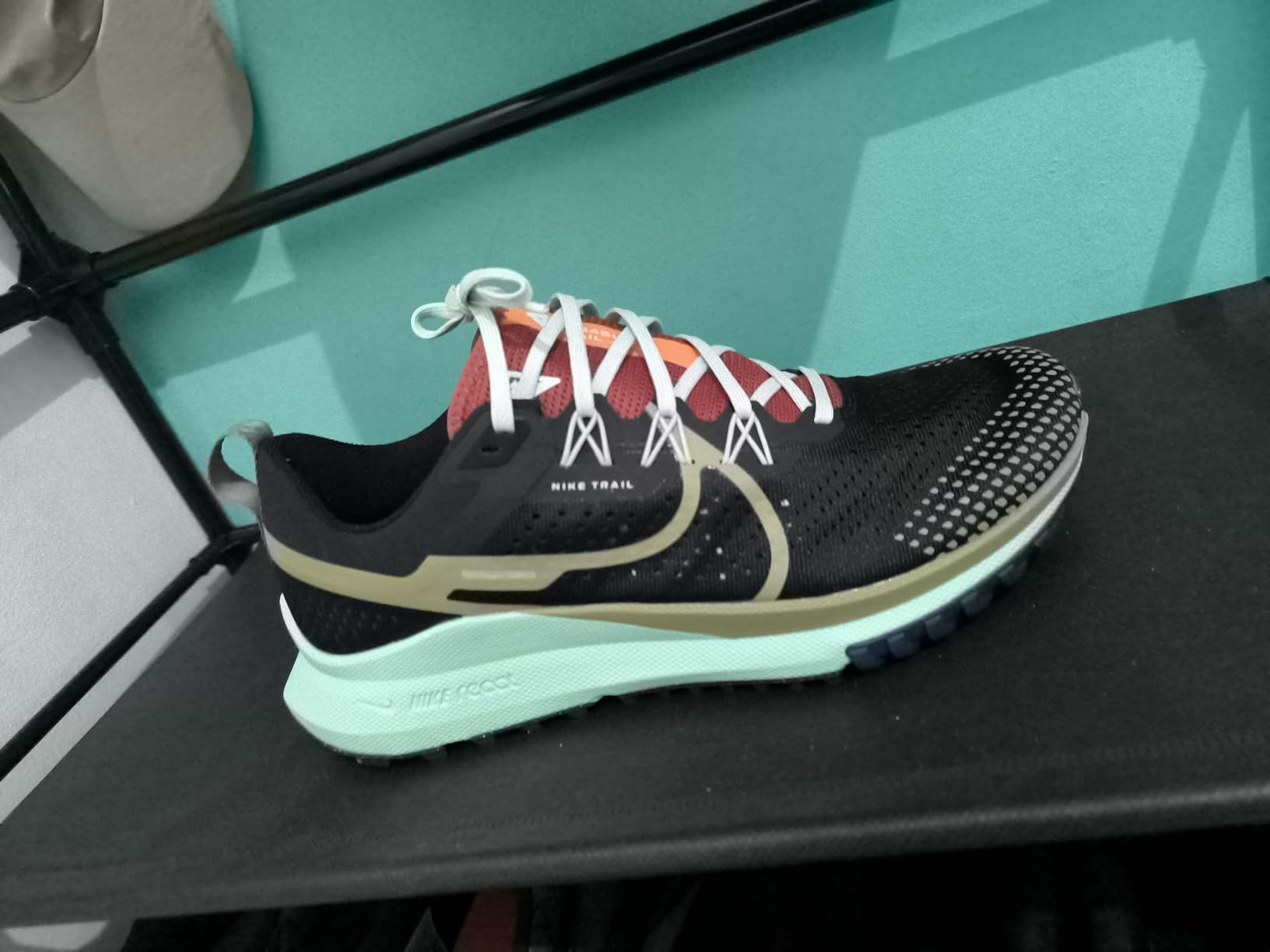
A: Moderate fourteeners, yes. I tested these on Quandary Peak’s approach trail with good results. The cushioning absorbed rocky trail impacts, and the traction was reliable on well-maintained trails. However, for Class 3-4 scrambling or boulder fields requiring precision edging, these lack the necessary ground feel and toe precision. They’re trail runners, not approach shoes. Stick to well-maintained technical trails rather than true alpine scrambling.
Q: How many miles per week can I comfortably put on these?
A: I’d say 30-40 miles per week is the sweet spot. The cushioning holds up well for daily training in this volume range without showing excessive compression. If you’re logging 50+ weekly miles, I’d recommend rotating these with another pair to extend their lifespan and give the foam time to decompress between runs. Based on my testing, the cushioning maintained its responsiveness through back-to-back long runs, but rotation will maximize durability.
Q: Can I use these for both trail runs and speed work?
A: Trail-based speed work, absolutely. I tested tempo runs at 7:00 pace on fire roads with good results – the cushioning provides enough responsiveness for faster efforts. However, I wouldn’t recommend these for track intervals or road speed work. The aggressive outsole could increase injury risk on pavement, and the trail-focused stability platform isn’t optimized for road running biomechanics. Keep these dedicated to trails for best results.
Q: How does the fit compare to other popular trail shoe brands?
A: Compared to Salomon: roomier toe box, similar length. Salomon tends to run narrow, so if you find Speedcross too tight, these will feel more accommodating. Compared to Hoka: slightly narrower in the midfoot, similar toe box. Compared to Altra Lone Peak: less wide in toe box (Altra is notably spacious), but I found both brands consistent in length sizing. I wear size 10.5 in Nike, Hoka, and Altra; size 11 in Salomon.
Q: What’s the break-in period like?
A: Minimal. These were comfortable right out of the box for my first 10-mile run. The upper felt slightly stiff initially but softened within 50 miles. By 100 miles, they felt custom-fitted to my foot. If you’re used to stiff trail shoes requiring extensive break-in, you’ll appreciate the immediate comfort. That said, I’d still recommend 2-3 shorter runs before tackling a marathon-distance effort.
Q: How long will these shoes realistically last?
A: Based on my wear patterns after 150+ miles: Light runners (under 160 lbs) on soft trails might see 500+ miles. Average runners (170-185 lbs like me) on mixed terrain should expect 400-450 miles. Heavy runners (200+ lbs) or those running primarily rocky trails will see closer to 350-400 miles. Rocky terrain accelerates outsole wear by roughly 20% compared to soft dirt. To maximize lifespan: rotate with another pair, avoid road running, clean mud off after runs, and air dry (never machine dry).
Q: Are they worth the price compared to Hoka Speedgoat 5?
A: Different strengths for similar price. Nike ($130 tested / $155 current) excels at cushioning comfort and breathability, making it ideal for long comfortable runs on varied terrain. Speedgoat 5 ($155) wins on durability (500+ miles typical) and wet traction performance. Decision framework: Choose Nike if comfort is priority #1 and you run dry-to-mixed conditions. Choose Speedgoat if you need maximum durability and better wet/technical traction. Both are excellent shoes serving slightly different runner priorities.
Q: What are the deal-breakers I should know about?
A: Let me be straight about the limitations. First, no waterproofing – if you run in consistently wet conditions, these aren’t the right choice. Second, muddy condition performance is only good, not exceptional – mud racers need more aggressive tread. Third, outsole wear is faster than expected for a $130-155 shoe. Fourth, quality control seems variable based on Jake’s 200-mile stitching separation (though I haven’t experienced this personally). Fifth, technical terrain precision is limited – these prioritize stability over nimbleness. If any of these are dealbreakers for your specific needs, consider the alternatives I mentioned earlier.
Final Verdict
After all these trail miles in the Nike Men’s Trail Running Sneaker, here’s the deal: this is an excellent trail running shoe for comfort-prioritizing runners who tackle varied terrain. The React foam cushioning delivers on Nike’s promises, maintaining responsiveness and comfort over marathon distances. The breathability exceeds expectations for a protective trail shoe, and the stability platform inspires confidence on technical terrain.
If you’re running varied terrain with a budget around $130-155, prioritize long-run comfort over maximum ground feel, and have medium to slightly wide feet, these are absolutely worth considering. The 8.4/10 overall score reflects genuine appreciation for what these do well, tempered by honest acknowledgment of limitations like waterproofing absence and faster-than-expected outsole wear.
For trail runners logging 15-30 weekly miles across diverse conditions from dry rocky trails to moderate technical terrain, these deliver reliable performance. The cushioning makes long trail adventures enjoyable rather than endurable – exactly what you want from a training and adventure shoe.
Pro tip from my testing: stick to true-to-size unless you plan to run with thick winter socks (then consider half up). If you’re logging high mileage, rotate these with a firmer shoe to extend lifespan and provide varied stimulus to your feet and legs.
Bottom line: solid investment for the right runner. Check current pricing, consider the alternatives I’ve mentioned for specific needs, and feel free to drop questions in the comments if you need help deciding whether these match your trail running priorities.
Be the first to review “Nike Mens Sneaker”
Related products
Sneaker

Sneaker
Sneaker
Reviews
There are no reviews yet.