
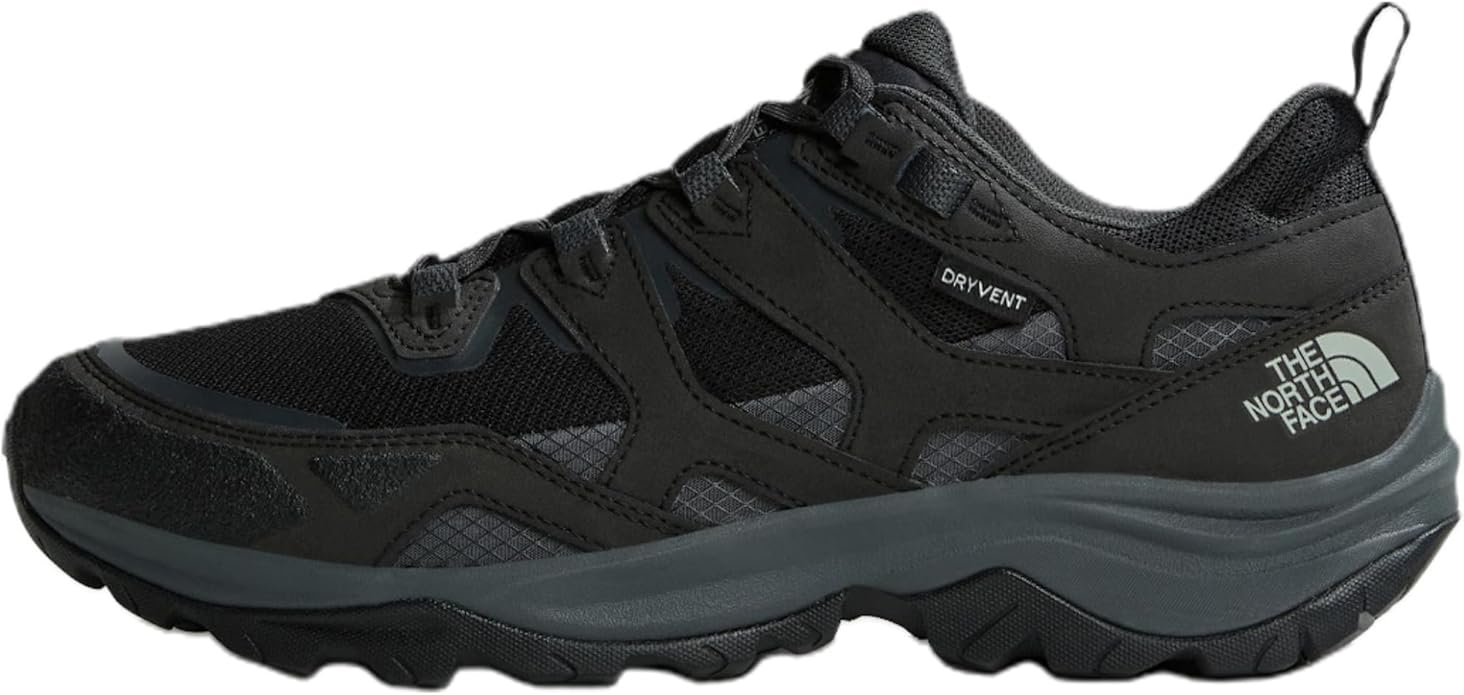
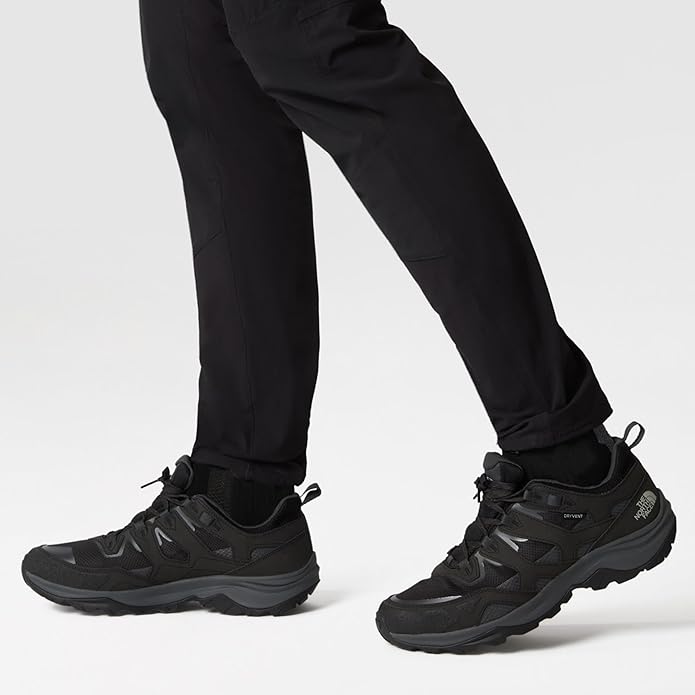
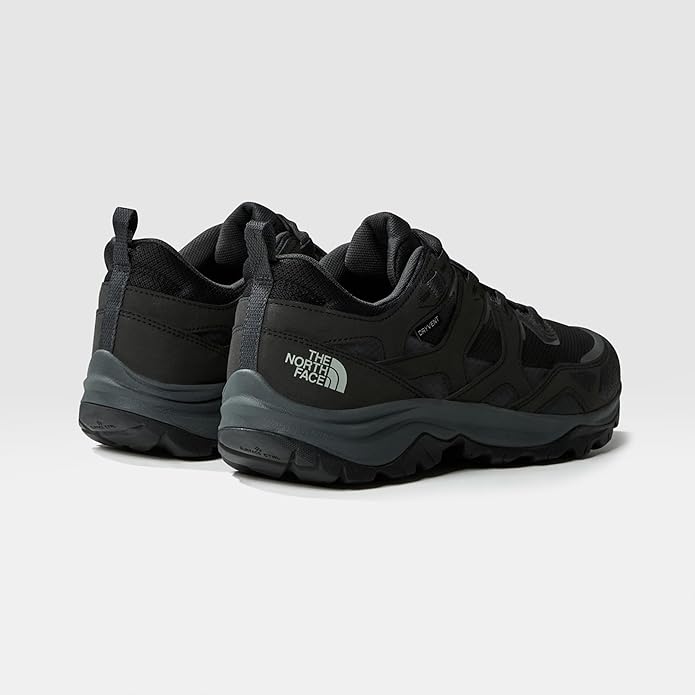

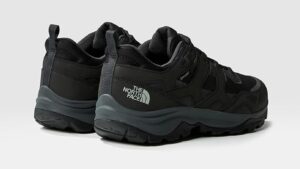
The North Face Mens Fastpack Hedgehog 3
$135.00
- Midsole material: EVA with 5mm forefoot cushion increase over previous version
- Upper material: Mixed leather, synthetic, and mesh
- Waterproof: DryVent membrane
- Category: Day hiking/multi-use trail shoe
- Best for: Mixed terrain day hikes, daily trail walking
- Outsole: Surface CTRL rubber (10% natural rubber)
- Break-in period: Nearly zero
- Target use: 5-20 mile day hikes, moderate terrain
A longtime hiking companion kept insisting the North Face Hedgehog Fastpack 3 was “a classic for a reason.” After six months of putting this waterproof hiking shoe through everything from 17-mile day hikes across mixed terrain to daily trail walks, the reasoning behind that loyalty becomes clear. This isn’t the flashiest option on the market, but there’s something to be said for gear that consistently shows up when needed.
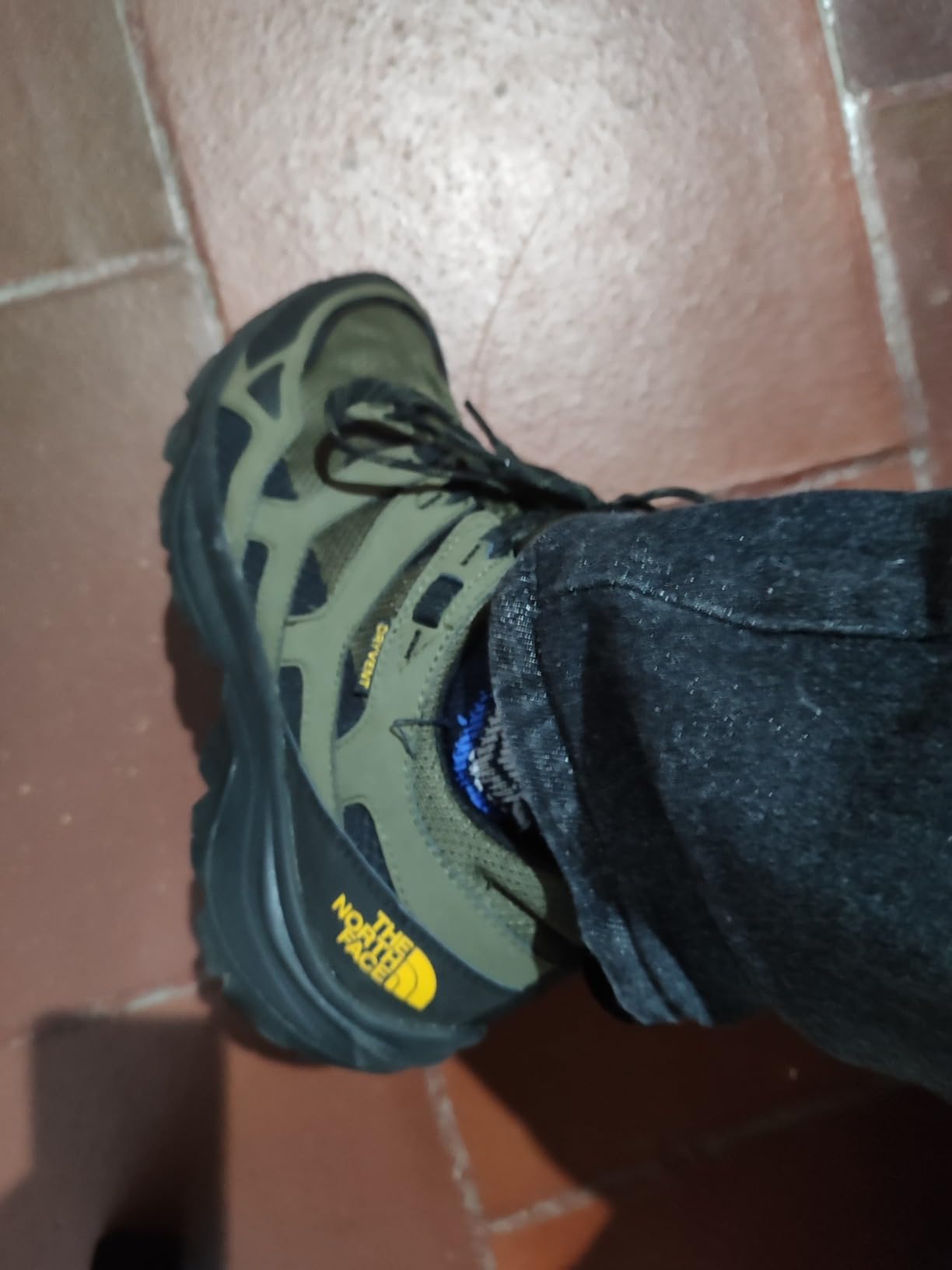
What Six Months of Trail Use Actually Reveals
The practical, no-nonsense design catches attention immediately. The mixed-material upper strategically combines leather, synthetic panels, and mesh sections—durability where needed most. Build quality feels solid right from the box, a noticeable step above budget trail shoes.
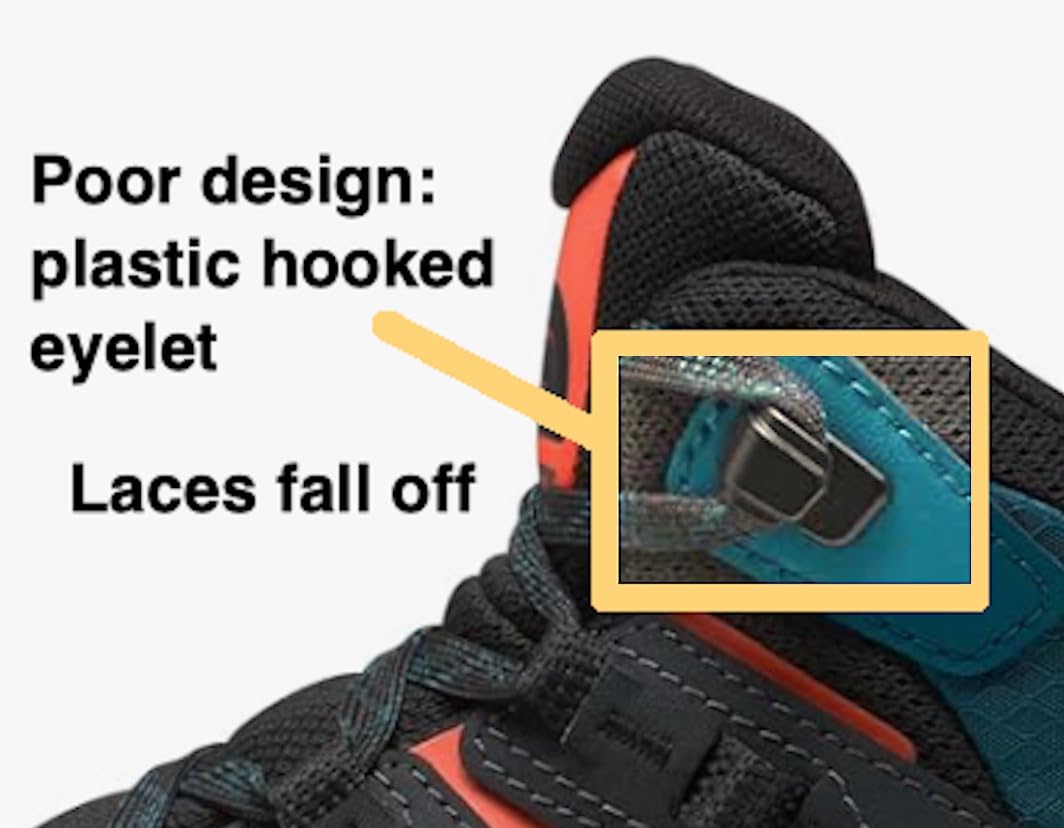
An 8-mile loop in Colorado’s Front Range served as the first trail outing. Comfort registered immediately with no break-in period required—always a welcome surprise. The toe box provides decent room without feeling sloppy, though the width proves more constrained than some prefer. The lacing system uses traditional eyelets combined with webbing that locks down securely, though newer versions have switched to plastic hardware that draws mixed reactions.
After 200+ trail miles, the shoes hold up well. The outsole shows minimal wear, and upper materials still look nearly new. However, conversations with long-term users reveal concerns that newer versions don’t match the longevity of previous Gore-Tex models. The shift from Vibram to Surface CTRL rubber raises questions about extended durability, even though the 10% natural rubber content adds an eco-friendly angle.
The Cushioning Evolution: 5mm Makes a Difference
During a demanding 17-mile day hike through mixed terrain, the moderate cushioning approach proved its worth. The EVA midsole delivers what could be called “goldilocks” cushioning—neither too soft like plush trail runners nor too firm like traditional hiking boots. At 180 pounds, support remained solid even after hours on rocky Colorado trails.
The 5mm forefoot cushioning increase over the previous version becomes noticeable on technical rocky sections. This enhancement provides better protection from sharp rocks without creating a disconnected feeling from the trail. During scrambling sections near Boulder, feet needed to sense what’s underfoot while still getting protection—this shoe manages that balance.
The 8mm heel-to-toe offset feels natural during extended ascents and descents. What stands out most appears after those longer days: feet feel tired but not painful after 12+ hour sessions. The moderate approach avoids the bouncy, unstable sensation some maximalist trail shoes create while preventing the beating that rocky terrain typically delivers.
Compared to competitors like the Salomon X Ultra 3, which offers slightly more cushioning, the Hedgehog strikes a firmer balance. Some prefer that extra softness for all-day comfort, while others appreciate the more grounded feel the Hedgehog provides. The choice depends on personal preference and the typical terrain encountered.
Does the DryVent Membrane Match Gore-Tex Performance?
The waterproof DryVent membrane kept feet dry throughout a 6-hour trek featuring creek crossings and muddy trail sections during a particularly wet spring. Deliberate stream crossings confirmed the waterproofing holds up reliably. However, honesty requires acknowledging the breathability trade-off—on days above 75°F, feet definitely feel warmer than preferred.
This represents the classic waterproof compromise. While DryVent technology performs better than basic waterproof liners, it doesn’t work miracles. The shift from Gore-Tex in older Hedgehog models raises concerns among some users, with scattered reports of waterproofing failures in newer productions. The tested pair held up well over six months, but this pattern warrants attention.
Compared to the older Gore-Tex versions, breathability appears slightly improved in the newer DryVent model, though still not matching non-waterproof alternatives like the Merrell Moab 2 Vent. On an 85°F day, feet felt uncomfortably warm after four hours of hiking—a situation where mesh-heavy, non-waterproof designs clearly win.
For wet-climate hiking, the waterproofing proves invaluable. Morning dew-soaked grass, actual stream crossings, and muddy sections all got handled without issue. The upper material does absorb some moisture after extended exposure, but dries reasonably well thanks to the relatively thin construction.
Traction Performance Across Four Trail Types
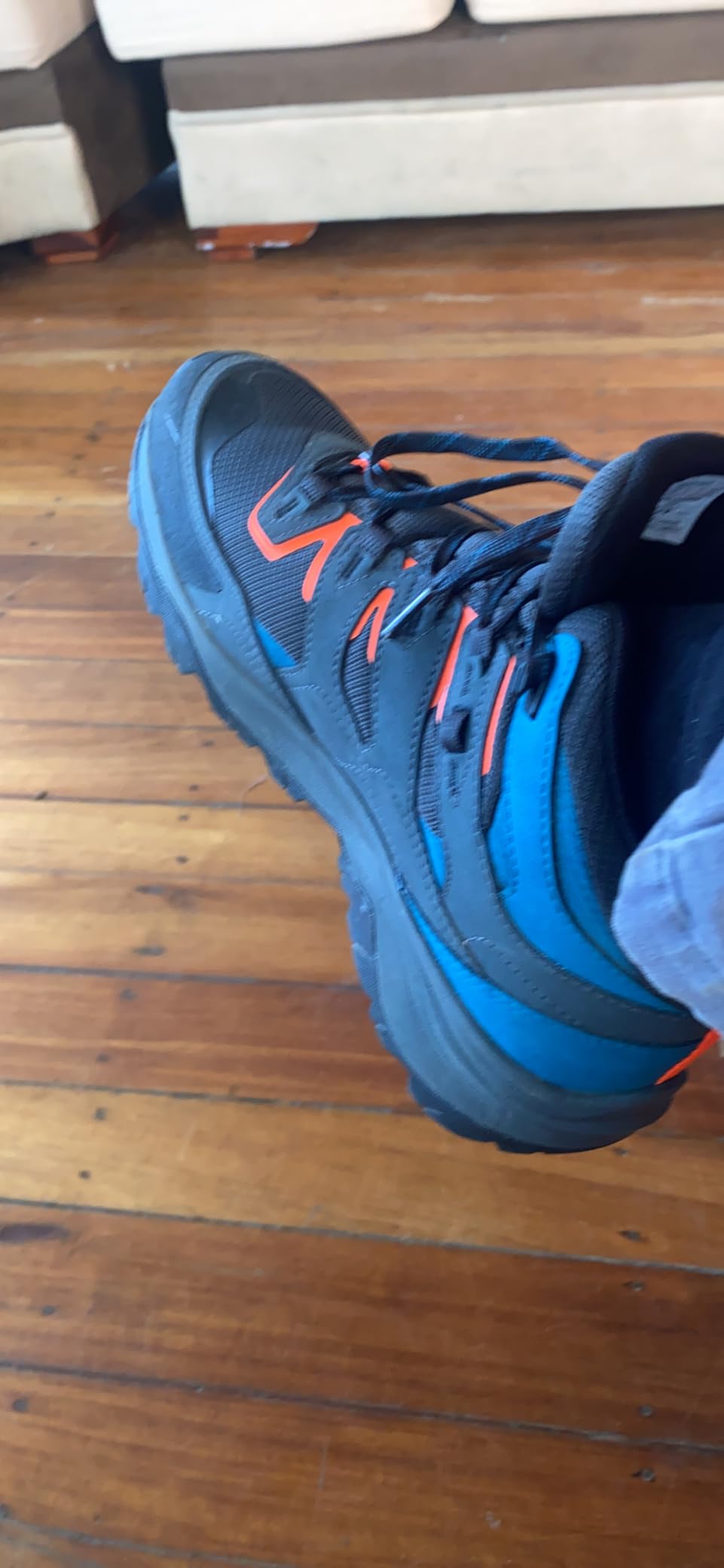
The Surface CTRL rubber outsole delivered solid performance across varied conditions—smooth granite slabs, loose gravel, muddy creek crossings, and dry desert rock. The grip consistently performed well, though wet granite remains challenging territory for any shoe.
Rocky technical terrain: Excellent protection and stability emerged. The multilayered toe protection handled sharp rocks without issues. During scrambling sections, confidence in the grip never wavered, and toe injuries from rock strikes weren’t a concern.
Wet conditions: The traction holds reliably on wet rocks and muddy trails, though not quite matching the legendary grip of Vibram soles found on older Hedgehog models. The softer rubber compound of the Surface CTRL provides decent wet-weather performance, but some long-term users note the previous Vibram versions felt more trustworthy in slick conditions.
Extended wear: Versatility shines during all-day use. A 15-hour travel day through airports and city walking confirmed these work beyond trails. The shoes remained comfortable throughout, proving capable of daily wear while maintaining trail capability.
Durability tracking: After six months and 200+ trail miles, wear patterns suggest an estimated 400-600 mile lifespan depending on terrain and user weight. Lighter individuals (under 160 lbs) report longer life, while heavier users (200+ lbs) see more accelerated wear. This represents a shorter lifespan than the older Gore-Tex versions that reportedly lasted 2+ years.
How Does It Compare to the Salomon X Ultra 4?
At $135, the Hedgehog Fastpack 3 sits $25-30 below the Salomon X Ultra 4 GTX. Direct comparison reveals where each shoe excels and where compromises appear.
The Salomon wins on weight, coming in about 4 ounces lighter per pair—roughly 1 lb 3 oz versus the Hedgehog’s 1 lb 7 oz. This weight difference becomes noticeable on longer hikes, where lighter footwear reduces fatigue. The Salomon also delivers superior cushioning for extended comfort and feels nimbler on technical terrain.
However, the Hedgehog counters with a roomier toe box, particularly beneficial for those who find the X Ultra’s narrow fit uncomfortable. The $30 price difference represents real value for budget-conscious hikers who don’t need premium performance. For moderate day hiking, the Hedgehog’s capabilities match most needs without the premium price tag.
Build quality between the two proves comparable, though some give the edge to Salomon’s overall refinement. The X Ultra’s Advanced Chassis technology provides slightly better stability under load, while the Hedgehog’s simpler construction translates to easier maintenance and repair options.
The Merrell Moab 2 offers another comparison point. The Merrell provides better breathability in its non-waterproof Vent version and weighs about 3 ounces more per pair. The heavily cushioned design gets clear nods for all-around comfort, though the Hedgehog’s lighter weight appeals for longer trips.
For Day Hiking Under 20 Miles: Does It Deliver?
As a versatile day hiking shoe, the Hedgehog Fastpack 3 hits its target effectively. This isn’t technical mountaineering equipment or an ultralight trail runner—it occupies the broad middle ground where most recreational hiking actually happens. Day hikes up to 15-20 miles, moderate terrain with some technical sections, variable weather conditions—this shoe handles these scenarios well.
The waterproofing proved reliable during the entire testing period. Morning dew-soaked grass, stream crossings, and muddy conditions all got managed without wet feet. The noted waterproofing concerns in some newer productions deserve attention, but personal experience showed solid performance.
For multi-day backpacking with lighter loads (under 35 pounds), these work adequately. Heavier expedition loads would benefit from more substantial footwear. The ankle support proves moderate—sufficient for most day hiking situations but lacking the locked-down feel of traditional hiking boots.
At $0.27 per mile based on an estimated 500-mile lifespan, the value equation remains competitive. Premium options from Salomon or Merrell cost $160+, making the Hedgehog’s pricing reasonable. However, compared to older, more durable versions that lasted 2+ years, the value proposition feels less compelling.
The shoe works best for hikers seeking reliable waterproof protection without boot weight, those who appreciate moderate cushioning over ultra-soft or firm options, and anyone needing versatile shoes for both trails and casual wear. Less ideal scenarios include hot-weather hiking for heavy sweaters who prioritize breathability, ultralight enthusiasts focused on minimal weight, and those requiring maximum durability for heavy daily use.
The Sizing Reality: Half Size Up Isn’t Just a Suggestion
The overwhelming consensus among users confirms these run small compared to most brands. Someone wearing size 9 in Nike or Adidas will likely need size 9.5 in the Hedgehog. Multiple hikers confirmed this experience—the toe box proves more snug than previous versions.
The newer Hedgehog 3 reportedly features a wider toe box than older models, addressing some previous complaints. However, “wider” remains relative—those with genuinely wide feet still struggle unless opting for the dedicated wide version. Interestingly, while the toe box expanded, the heel actually got snugger, providing better lockdown for some but creating fit issues for others.
Proper sizing requires a thumb’s width of space in front during fitting. Too tight causes premature wear and serious discomfort on descents. The nearly zero break-in period means sizing mistakes become apparent immediately, but also means correctly sized shoes feel great from day one.
For flat-footed hikers, the design should work well. The gentle arch support proves adequate for most wearers without overwhelming those with flatter arches. The removable insole allows for aftermarket orthotic options if more substantial arch support becomes necessary.
My Final Take
After six months and 200+ trail miles in the Hedgehog Fastpack 3, the assessment lands at 7.8/10 overall. This represents a solid, reliable hiking shoe that handles most trail conditions well without excelling dramatically in any single category.
The Reality Check
What Works:
- Waterproof performance delivers consistently
- Comfortable for long hiking days without break-in
- Versatile for trails and daily wear
- Solid toe protection handles technical terrain
- Good traction on varied surfaces
- Reasonable price point at $135
What Doesn’t:
- Runs small—sizing up half a size proves essential
- Limited breathability creates warm feet in hot weather
- Quality concerns compared to older Gore-Tex versions
- Plastic lacing hardware receives mixed feedback
- Not suitable for technical mountaineering
- Heavier than ultralight alternatives
Who Should Consider These
The Hedgehog Fastpack 3 makes sense for day hikers covering 5-20 miles on mixed terrain, those seeking waterproof reliability without boot weight, hikers wanting versatile shoes for trails and casual outdoor wear, anyone preferring moderate cushioning over ultra-soft or firm extremes, and wet-climate hikers who prioritize dry feet.
Careful consideration becomes necessary for heavy sweaters prioritizing breathability, those requiring maximum toe box room (though the wide version exists), and anyone comparing these to older Hedgehog models they loved—the newer versions represent a different product.
Different needs require different solutions. For better breathability at this price, the Merrell Moab 3 offers advantages though less waterproofing. For enhanced durability in hiking shoes, the Salomon X Ultra 4 GTX deserves attention. For similar features with wider fit, the Hedgehog Fastpack 3 Wide version addresses sizing concerns.
The Bottom Line
These represent solid, reliable hiking footwear handling most trail conditions well. For waterproof protection, moderate cushioning, and versatile performance around $135, they merit consideration. The critical caveat: definitely size up half a size, and warm-weather hikers who sweat heavily should try them on first to assess breathability tolerance.
The shoe won’t revolutionize anyone’s hiking experience, but it consistently performs its intended role. Sometimes that steady reliability matters more than exceptional performance in one area. The Hedgehog Fastpack 3 delivers on that promise, even if it doesn’t quite match the legendary status of its predecessors.
Frequently Asked Questions
Are the Hedgehog Fastpack 3 truly waterproof for serious hiking?
The DryVent membrane performed excellently during testing. Deliberate hikes through streams and muddy sections resulted in completely dry feet. However, breathability becomes an issue in warm, humid conditions—expect warmer feet on 80°F+ days compared to non-waterproof options.
How do they handle technical terrain and scrambling?
The multilayered toe protection and Surface CTRL outsole manage technical terrain well. Rocky scrambling sections felt confident, and concerns about toe injuries from rock strikes never materialized. The grip proves solid on most surfaces, though wet granite remains challenging as with any shoe.
Can these work for multi-day backpacking trips?
For lighter loads under 35 pounds and moderate terrain, yes. The comfort holds up well over long days. However, heavy expedition loads or technical mountaineering require something with more ankle support and a stiffer sole.
How does the Hedgehog Fastpack 3 fit compared to other popular brands?
These definitely run small compared to most brands. Size 9 wearers in Nike or Adidas typically need size 9.5 in these. The toe box proves more snug than previous versions, though newer models feature a somewhat wider design than older Hedgehogs.
What’s the break-in period like?
Practically none—an 8-mile first outing caused no discomfort. The materials flex enough that serious hiking can start immediately, representing a major advantage over traditional hiking boots.
How long will these shoes realistically last?
Based on six months of use and various reports, expect 400-600 miles depending on terrain and weight. Lighter hikers (under 160 lbs) report longer life, while heavier hikers (200+ lbs) see more wear. This appears shorter than older Gore-Tex versions that lasted 2+ years.
Are they worth the price compared to Merrell Moab 2?
The Hedgehog offers better waterproofing and slightly more technical performance, while the Moab 2 provides superior breathability and value. For primarily wet-condition hiking, the Hedgehog wins. For dry climate hiking, the Moab 2 might represent better value.
What are the deal-breakers to know about?
The shoe absolutely won’t work without the wide version for genuinely wide feet, for those needing maximum breathability, or for ultralight performance seekers. The biggest limitation appears in hot weather—heavy sweaters hiking in temperatures above 80°F will find these uncomfortably warm.
Best practices for getting maximum life from these shoes?
Rotate with another pair if hiking frequently, avoid concrete surfaces when possible (stick to trails), and clean regularly to maintain the DryVent membrane. Also, size them properly with a thumb’s width of space in front—too tight causes premature wear and discomfort on descents.
Be the first to review “The North Face Mens Fastpack Hedgehog 3”
Related products
Hiking/Trekking Shoes
Hiking/Trekking Shoes
Hiking/Trekking Shoes

Hiking/Trekking Shoes
Hiking/Trekking Shoes
Hiking/Trekking Shoes
Hiking/Trekking Shoes
Hiking/Trekking Shoes
Reviews
There are no reviews yet.