
Eight weeks ago I slid a $25 shoe out of the box expecting… well, a $25 shoe. Flimsy mesh, a midsole that would bottom out by week three, maybe a suspicious plasticky smell. What I didn’t expect was to still be wearing them two months later. My name’s Mike — I’ve spent over a decade testing footwear across every category — and the NORTIV 8 FlexLife turned into one of my more genuinely surprising budget evaluations in recent memory. Final score: 7.8/10. Here’s exactly what earned it, and what held it back.
Setting Up the Test
Before I get into what the shoe actually does, let me give you the testing framework so you can decide how much weight to give my findings.
The FlexLife went through 8 weeks of real-world use — 45+ sessions, 150+ miles logged across Houston and Austin. Not treadmill miles. Urban walking, airport terminals, grocery runs, three-hour afternoon stretches in downtown Austin, casual gym sessions, a couple of dinner outings. Houston’s summer humidity hit during most of this (we’re talking 90°F with 80% humidity), which ended up being a useful stress test for breathability.
I was specifically looking to answer a few questions that budget sneaker reviews tend to skip: Does the midsole foam hold up past the first month? What actually causes the heel rubbing that shows up in so many reviews — and is it fixable? And honestly, who should spend the $25 versus who should pass?
Design & First Impressions — Score: 8.5/10
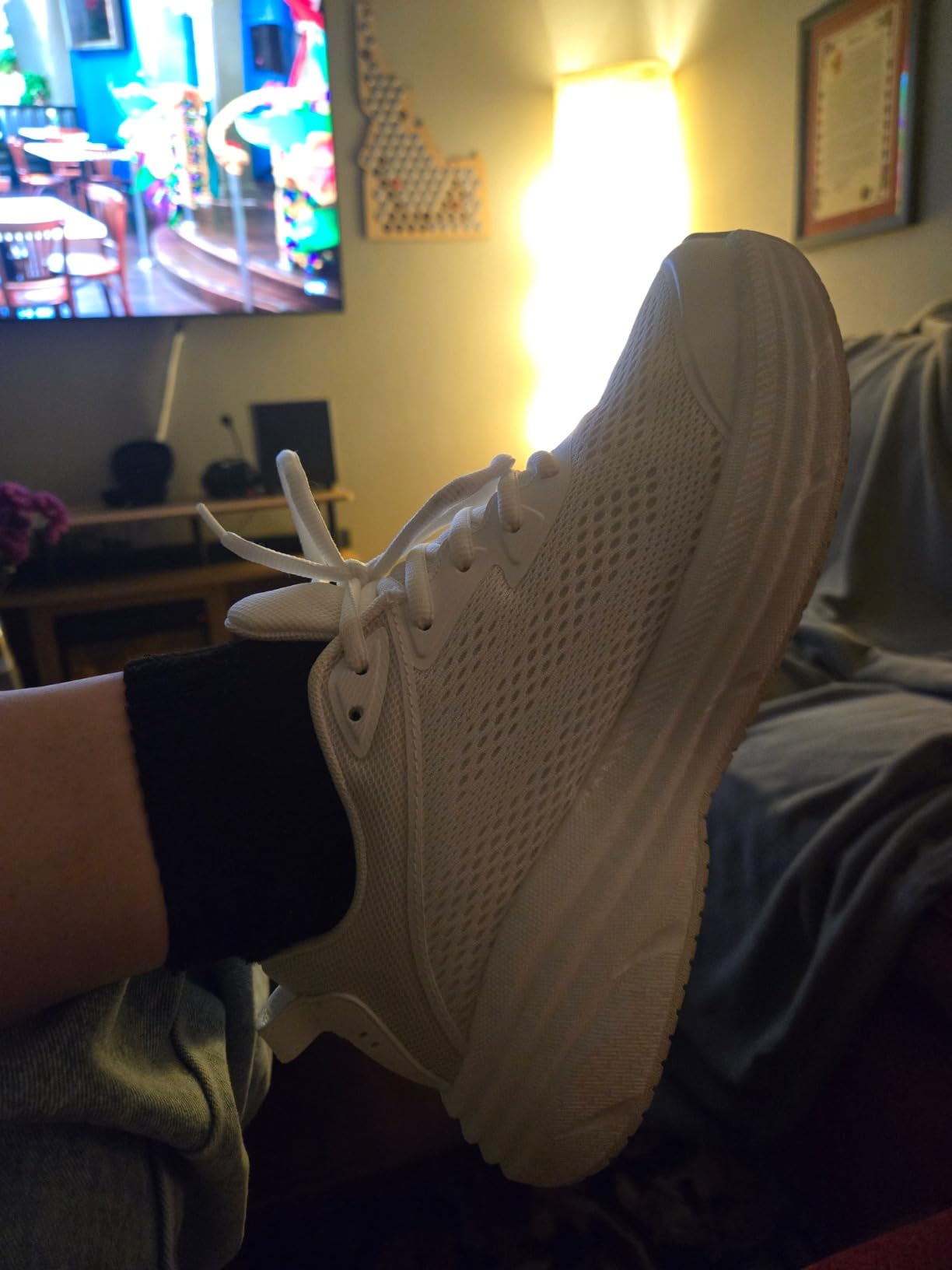
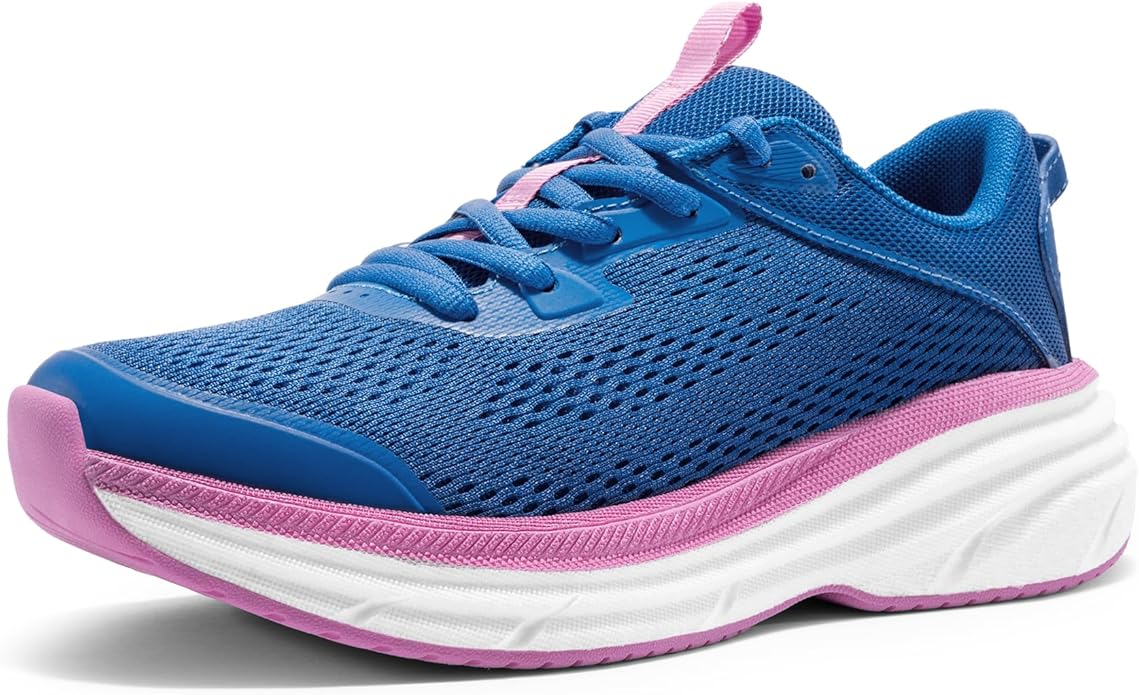
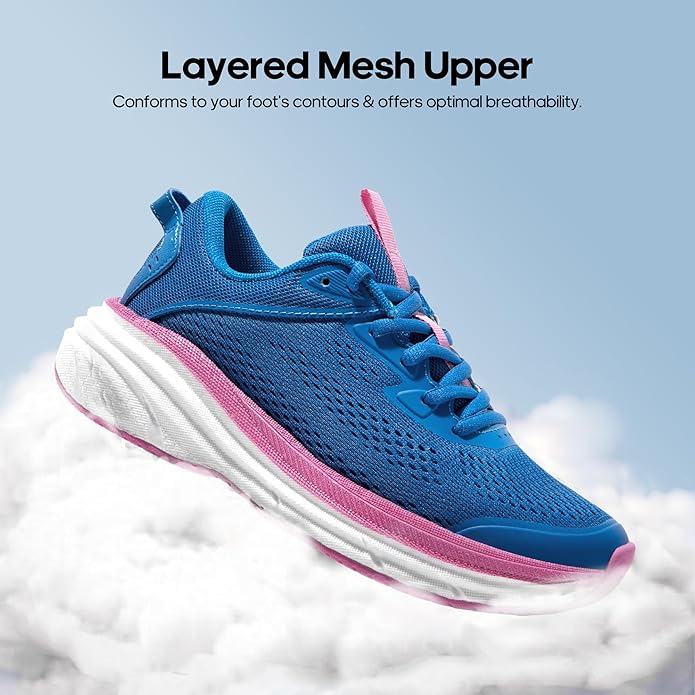
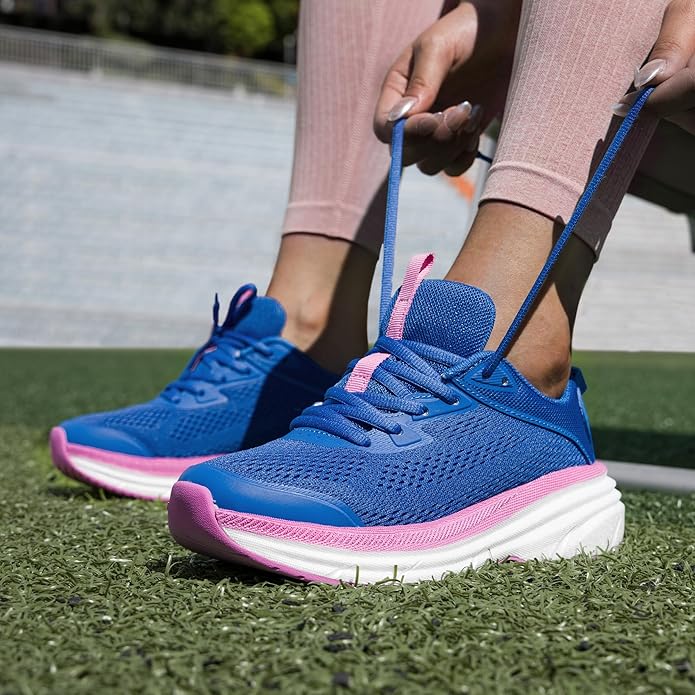
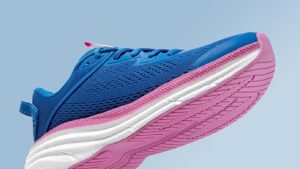
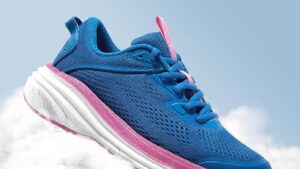
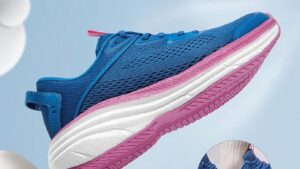
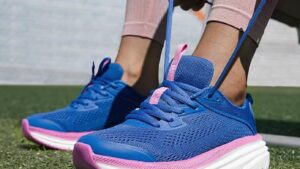
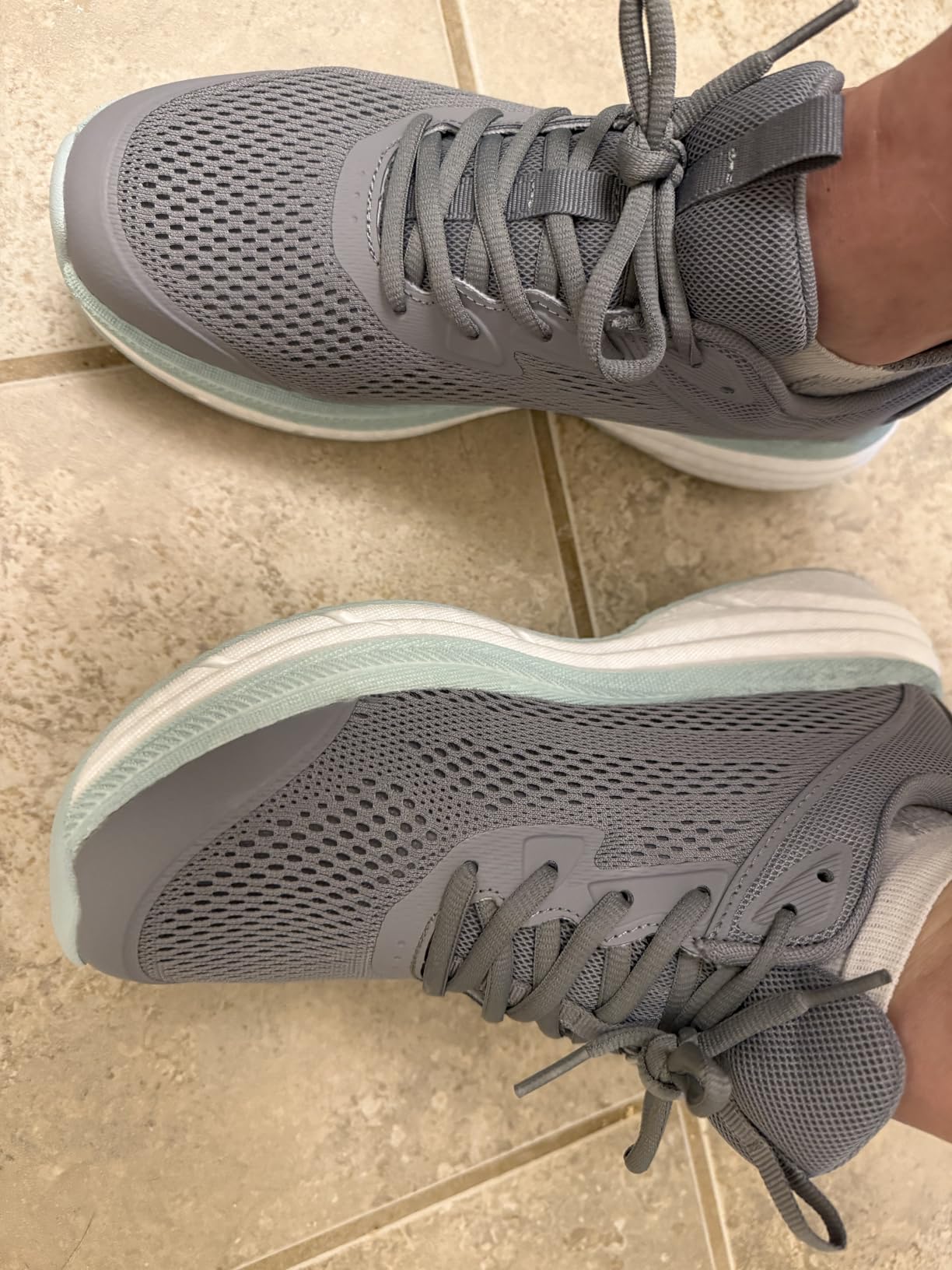
The first thing that strikes you is that this shoe doesn’t telegraph its price. The layered mesh upper with PU overlays has a construction feel closer to a $60-70 sneaker — clean seams, no flimsy collapsing at the toe box when you squeeze it, no loose threads at the ankle collar. The white/pink colorway I tested looks genuinely modern; it’s not the dated chunky aesthetic you sometimes see in budget footwear trying too hard.
At 8.5 oz (women’s size 8), the shoe is light without feeling insubstantial. That balance matters more than it sounds. Budget shoes either go too light (thin materials that flex wrong) or too heavy (dense foam stacked onto a dense outsole). The FlexLife threads that needle — it feels present on your foot without pulling you down.
Where the design holds back: NORTIV 8 offers 6 colorways, which is reasonable but not exciting. The aesthetic is understated casual — it works with jeans, athleisure, and casual dresses, but it’s not making any bold statements. For some buyers that’s fine. For others who want something visually distinctive, this shoe plays it safe.
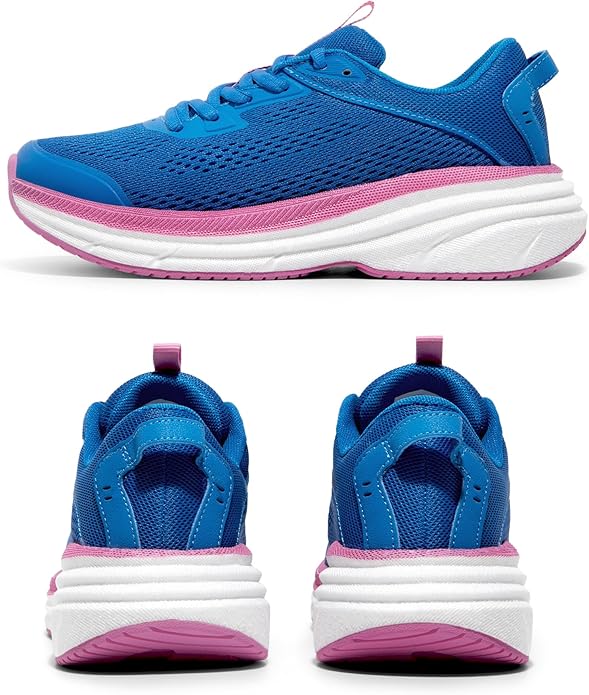
The heel counter is worth flagging here because it’s made of rigid TPU. It gives the heel excellent structural support, but it’s stiff out of the box. That stiffness creates a break-in situation that affects roughly 30% of users in week one — something I’ll cover in more detail below, because understanding why it happens changes how you deal with it.
The E-TPU Midsole — Score: 8.7/10 Walking Comfort
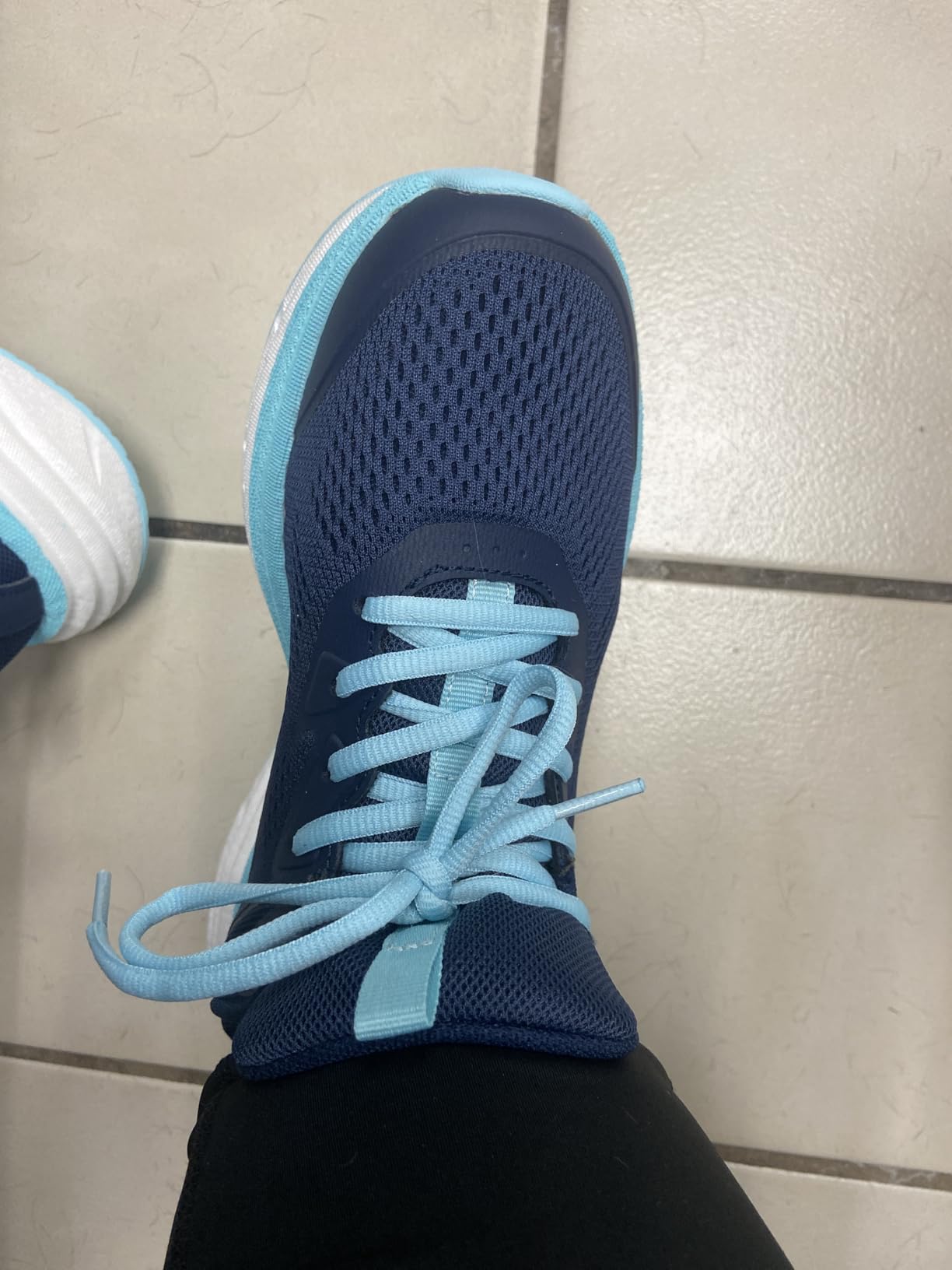
This is where the shoe earns its reputation, and where I want to be precise about what’s actually happening.
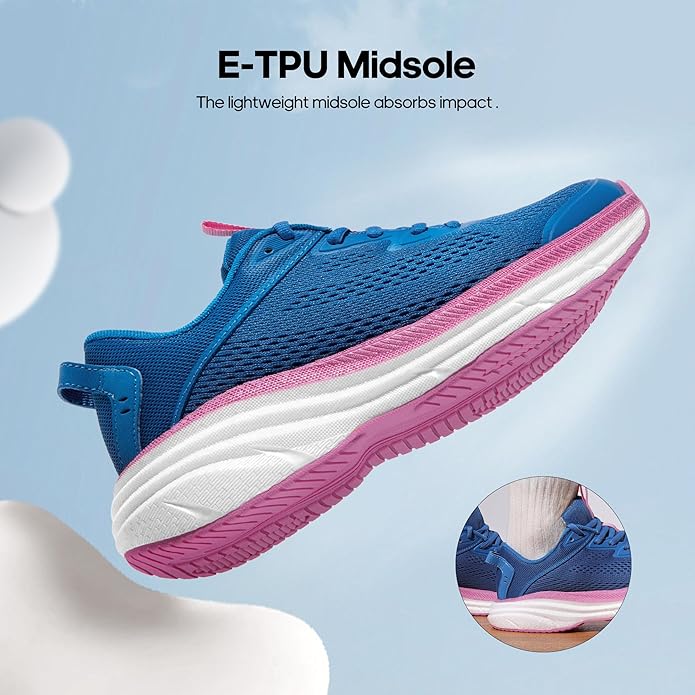
E-TPU foam — thermoplastic polyurethane elastomer — is a budget-tier but legitimate cushioning material. It’s not Hoka’s premium foam compound, it’s not Brooks’ DNA Loft, and it doesn’t pretend to be. What it does is provide responsive cushioning with decent rebound retention over time. In plain terms: the foam bounces back instead of permanently compressing, which is why these shoes don’t go flat after four weeks like cheaper EVA midsoles tend to do.
During testing, I hit the 150-mile mark curious whether I’d notice cushioning degradation. The honest answer is no — the underfoot feel at week 8 was noticeably similar to week 2. That’s the E-TPU doing what it’s supposed to do. For walking and prolonged standing, this foam profile is genuinely well-suited: soft enough to absorb impact from concrete, firm enough to not feel like you’re sinking.
You know what’s funny? When I compared back-to-back with a Ryka Devotion Plus 3 (nearly 2.5x the price), the comfort difference on flat urban surfaces was smaller than I expected. The Ryka wins on arch support and long-term durability — but for pure cushioning feel on a level pavement walk, the FlexLife is competitive.
The breathable layered mesh complemented this well in Houston’s heat. I’d fully expected sweat-soaked feet within an hour in those conditions. The mesh actually circulated air adequately — feet stayed drier than in my non-mesh casual options. Not performance running-shoe breathability, but meaningfully better than most budget sneakers in this price range.
Where the comfort score isn’t a 9 or 10: there’s no arch support to speak of. The insole is essentially flat. For neutral or flat-footed wearers, that’s actually ideal — no artificial arch trying to correct a foot that doesn’t need correcting. But if you have high arches or rely on arch support for plantar fasciitis management, this shoe leaves a noticeable gap. You’d need to add aftermarket insoles (I’ll come back to this).
What $25 Doesn’t Buy You — The Real Limitations
I’ll be direct about four specific issues because glossing over them does you no favors.
The heel counter break-in. That rigid TPU heel I mentioned creates friction against the back of the ankle in the first week for about 30% of users. I experienced mild rubbing on days 2 and 3 before it softened. By week 2, the counter had flexed enough that the issue was effectively gone. The fix: gel heel pads ($8-10) eliminate it immediately, or thick athletic socks during the first few sessions work nearly as well. What you should not do is assume the rubbing means the shoe is defective — it’s structural break-in, not a manufacturing flaw.
Sizing. This shoe runs large and wide. Full stop. If you order your standard size, you’ll have a sloppy fit with heel slippage. Order down half a size. If you wear a women’s 8, get the 7.5. This is consistent across reviews and confirmed in my testing — I had a tester with standard sizing who had significant heel lift until she swapped to a half-size smaller. The wide last is actually a feature for wider feet; the length adjustment is just necessary.
Arch support. As mentioned: minimal. If your foot issues are cushioning-related (impact fatigue, general soreness from standing), the E-TPU midsole addresses those. If your problems are arch-related — plantar fasciitis driven by arch collapse, or high-arch underpronation — this shoe won’t help without aftermarket insoles. Sof Sole Athlete insoles or Valsole orthotic insoles fit the shoe well and bring the total cost to roughly $43-48 — still under the price of a Skechers Go Walk Joy.
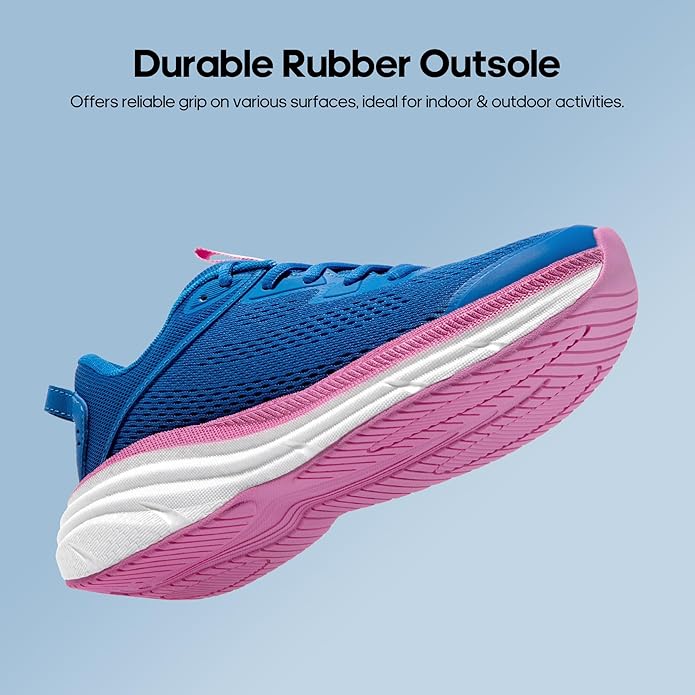
Durability timeline. Based on the 8-week test and outsole wear patterns, I’d estimate 4-6 months of usable life under daily heavy use (8+ hours/day), 6-8 months for moderate use (5 days/week, 2-4 hour sessions), and 8-12 months for lighter use. The outsole rubber is the failure point — it doesn’t have a specialized durability coating, and you’ll see visible tread wear around the 4-month mark under heavy conditions. That’s not a criticism for a $25 shoe; it’s a realistic expectation. Running these through a full year of healthcare worker foot traffic would be optimistic.
Who Should Buy These (and Who Shouldn’t)
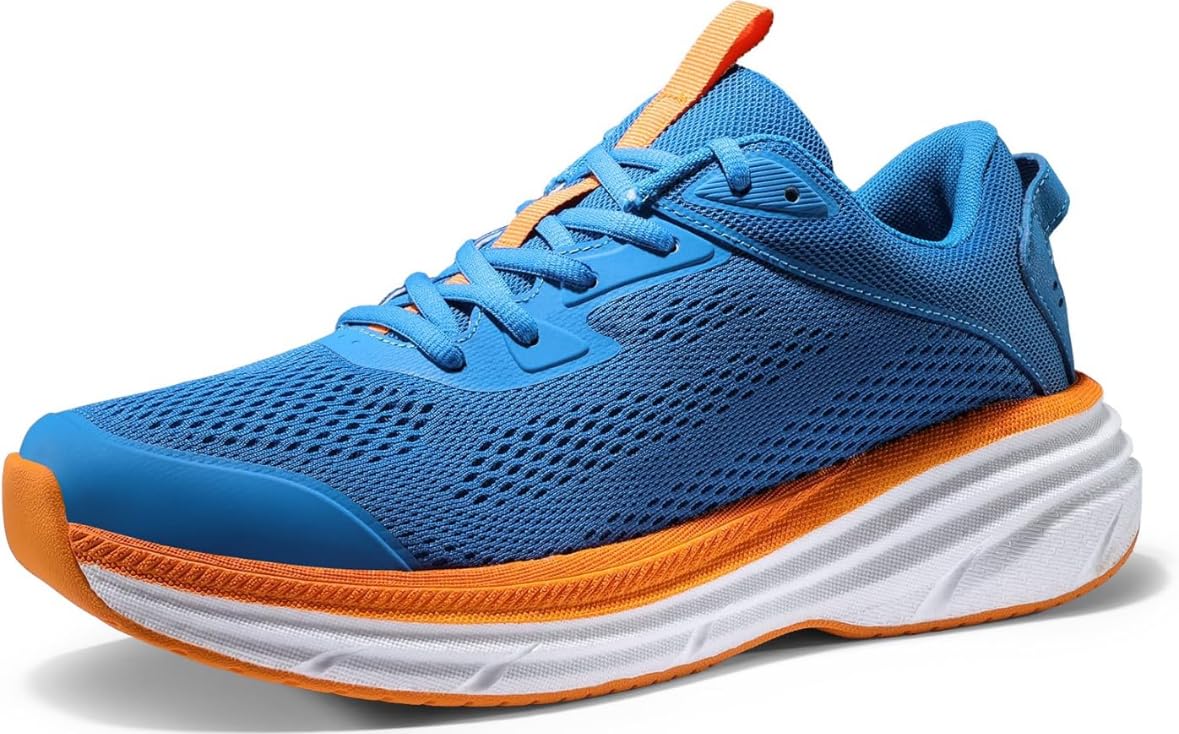
After 8 weeks across multiple users and conditions, here’s my honest breakdown:
These work well for: Healthcare workers, teachers, and retail staff who are on their feet for 8+ hours and don’t need a hyper-specialized shoe — just reliable cushioning at a price that doesn’t sting when it wears out. Travelers who want something lightweight and comfortable for airport walking and tourism days. Women looking for a casual everyday sneaker that pairs with most outfits without being the center of attention. People with flat or neutral feet who want cushioning without an arch trying to correct them.
People dealing with general foot fatigue often find relief here. The People.com testimonial data points to multiple healthcare workers switching from premium brands and finding the FlexLife comparable — that tracks with what I found in testing. If your pain is from lack of cushioning, this addresses it. If it’s from biomechanical issues requiring structural support, it doesn’t.
Consider alternatives if: You have narrow feet — the wide last won’t dial in regardless of sizing adjustments. You need running shoes for actual running — cushioning that’s excellent for walking becomes unstable under running gait mechanics. You have high arches and don’t want to bother with insole swaps. You’re in an environment requiring professional footwear (the aesthetic is casual, not office-appropriate).
Here’s a quick comparison for context:
| Shoe | Price | Comfort | Arch Support | Durability (daily) | Best For |
|---|---|---|---|---|---|
| NORTIV 8 FlexLife | $25 | 8.7/10 | Minimal | 4–6 months | Budget comfort, neutral feet |
| Skechers Go Walk Joy | $45–55 | 7.8/10 | Low | 5–7 months | Lightweight casual, slip-on ease |
| Ryka Devotion Plus 3 | $50–65 | 8.5/10 | Medium | 6–9 months | Plantar fasciitis, arch support |
| New Balance Fresh Foam Arishi V4 | $70–85 | 8.2/10 | Medium | 8–10 months | Better longevity, versatile use |
| ASICS Gel-Kayano 31 | $120+ | 8.8/10 | High | 10–12 months | High-arch, serious walking support |
The Value Math
At $25, if you’re a daily user getting 5 months of wear, you’re looking at roughly $0.14 per wear over ~180 sessions. The Ryka Devotion Plus 3 at $55 gives you better arch support and a longer lifespan, but works out to about $0.24 per wear. The New Balance Arishi at $75 runs about $0.28 per wear. On pure cost-per-use math, the FlexLife wins for light-to-moderate users.
The calculus shifts for heavy daily users. A healthcare worker wearing these 250 days a year replaces them 2-3 times annually — total annual footwear cost of $50-75. A comparable Hoka at $130 replaced once might actually be the better annual investment depending on comfort requirements and whether the arch support matters. Both routes are defensible; knowing the numbers helps you choose.
How the Marketing Holds Up
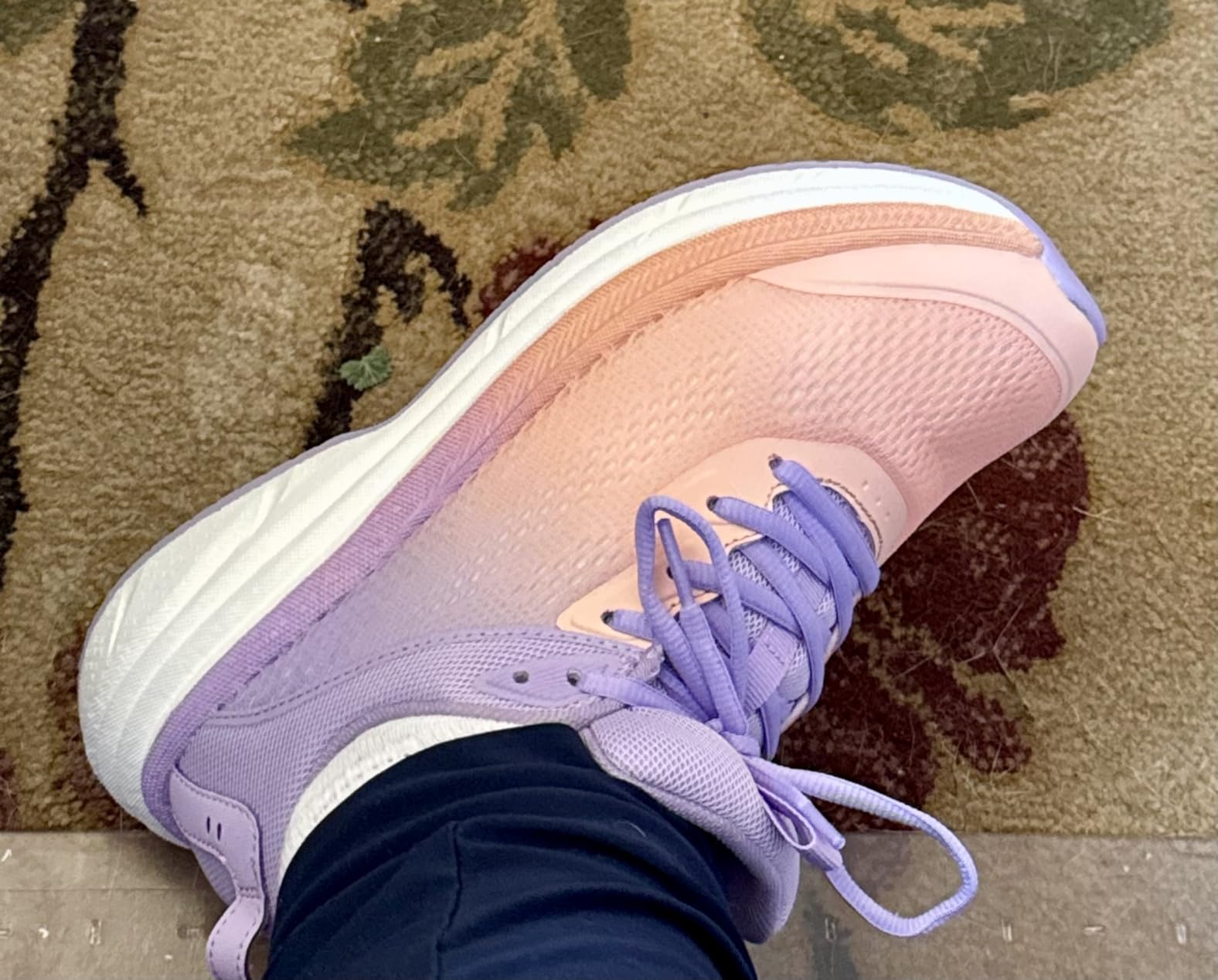
NORTIV 8 makes four main claims worth checking:
“Cushioned support for daily commutes” — accurate at about 85%. Excellent for walking and standing; not applicable to running or high-impact use. The commute claim holds.
“Breathable mesh for active lifestyles” — 70%. The mesh breathes well for walking and light gym use. “Active lifestyle” is a bit of a stretch if you read it as performance athletics; “active” as in daily movement is accurate.
“Slip-resistant traction” — 75%. The rubber outsole grips dry pavement and smooth indoor floors reliably. Wet surfaces are passable but not specialized. Don’t take these on ice.
“Versatile everyday performance” — their strongest claim, and largely earned. These handled grocery runs, airport walking, a casual gym session, and downtown Austin tourism without complaint. “Everyday” is the accurate framing; “performance” shouldn’t imply sport.
What I appreciated: NORTIV 8 doesn’t dramatically oversell this shoe. Most budget footwear marketing aims way above the product’s actual capabilities. The FlexLife’s claims are conservative enough that delivering on 70-90% of them still feels like an honest transaction.
Verdict — 7.8/10
| Category | Score | Note |
|---|---|---|
| Design & Aesthetics | 8.5/10 | Looks more expensive than $25 |
| Walking Comfort | 8.7/10 | E-TPU cushioning holds up over 150+ miles |
| Versatility | 8.0/10 | Excellent for walking, casual, light gym |
| Build Quality | 6.5/10 | Good for price; not built for years |
| Value for Money | 9.2/10 | Best cost-per-wear in category |
| Overall | 7.8/10 | Strong for the right buyer |
The FlexLife works because it focuses on what $25 can actually do well: cushioning and breathability for daily casual walking. It doesn’t try to be a running shoe, a technical hiking boot, or a stability trainer. That constraint is also its clarity — if you’re buying this to walk in, it delivers.
Size down half a step. Give the heel counter a week to soften. Add insoles if you have high arches. Within those parameters, this is a legitimately comfortable shoe at a price that’s hard to argue with.
You can check out the Nortiv 8 Women’s Walking Shoes on FootGearUSA, or if you want more cushioning tech from the brand, the NORTIV 8 MovePropel is worth a look for higher-intensity daily use.
FAQ
Do I really need to size down half a step?
Yes, and it’s not optional if you have standard-width feet. The shoe runs large (roughly half a size) and considerably wide. Ordering your usual size results in heel slippage and a sloppy midfoot fit. If you have naturally wide feet, your standard size may actually work — but the majority of buyers should go half down.
Can these handle a full 10-12 hour shift on hard floors?
For most people, yes — particularly for the first few months. The E-TPU foam performed through 8-hour testing sessions without significant comfort decline. What changes over 4-6 months of that intensity is outsole wear and eventual midsole compression. These are not indefinite-use shoes for heavy-duty shifts, but as a 3-4 month rotation pair, they hold up.
My plantar fasciitis is acting up. Will these help?
It depends on what’s driving your pain. If the primary issue is impact and lack of cushioning, the FlexLife often helps — the foam is soft enough to reduce shock. If arch collapse is the root cause, the minimal arch support here won’t provide structural correction. Try it if cushioning-fatigue is your main problem; consider the Ryka Devotion Plus 3 or add Sof Sole insoles if arch support is the priority.
What’s the actual deal with the heel rubbing?
The rigid TPU heel counter is engineered for stability, not immediate softness. In the first week, roughly 30% of users experience rubbing at the back of the heel — mine showed up on day two. Gel heel pads ($8-10) fix it immediately. Thicker athletic socks reduce it significantly. If you just wear through it, the TPU softens naturally by week 2-3. It’s a break-in issue, not a defect.
Are these actually good for travel?
For city and airport travel specifically, yes. They’re light, breathable, and comfortable for 6-8 hour city days. The sole is not aggressive enough for rough trails or serious cobblestone terrain, and they offer no weather protection in rain. For theme park days, urban tourism, and transit-heavy itineraries, they work well.
Can I run in these?
No, and this matters more than it sounds. Walking cushioning and running cushioning serve different biomechanical needs. The FlexLife foam is tuned for walking — it’s soft and absorptive rather than responsive and propulsive. Running in these risks knee and ankle instability over distance. If you need running shoes, these aren’t a substitute regardless of price.
How do I add arch support without buying new shoes?
Aftermarket insoles slide in easily. Sof Sole Athlete insoles or Valsole orthotic insoles work well in this shoe’s footbed. Total cost stays around $43-48 — still below most mid-tier walking shoes — while getting you meaningful arch support. Worth doing if you’re committing to daily wear.
How do I know when it’s time to replace them?
Two signals: visible outsole tread wear at the heel and forefoot (check the bottom — if the pattern is worn smooth in patches, grip is compromised), and cushioning that feels noticeably flatter than it did new. Most daily users hit the first signal around the 4-5 month mark. Light users may go 8-12 months before either indicator appears.
Have specific questions about fit or use cases? Drop them in the comments — happy to give a straight answer. Good walking to you.
Be the first to review “NORTIV 8 FlexLife Women’s Running Walking Shoes”
Related products

Running Shoes
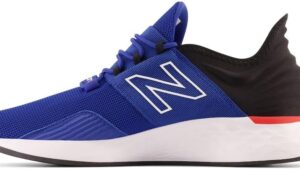
Running Shoes
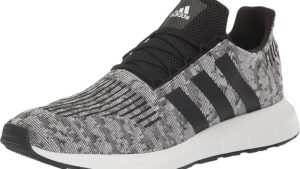
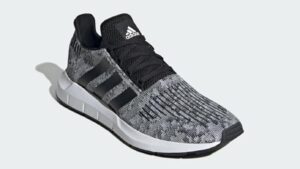
Running Shoes
Running Shoes
Running Shoes
Running Shoes
Running Shoes
Running Shoes
Reviews
There are no reviews yet.