
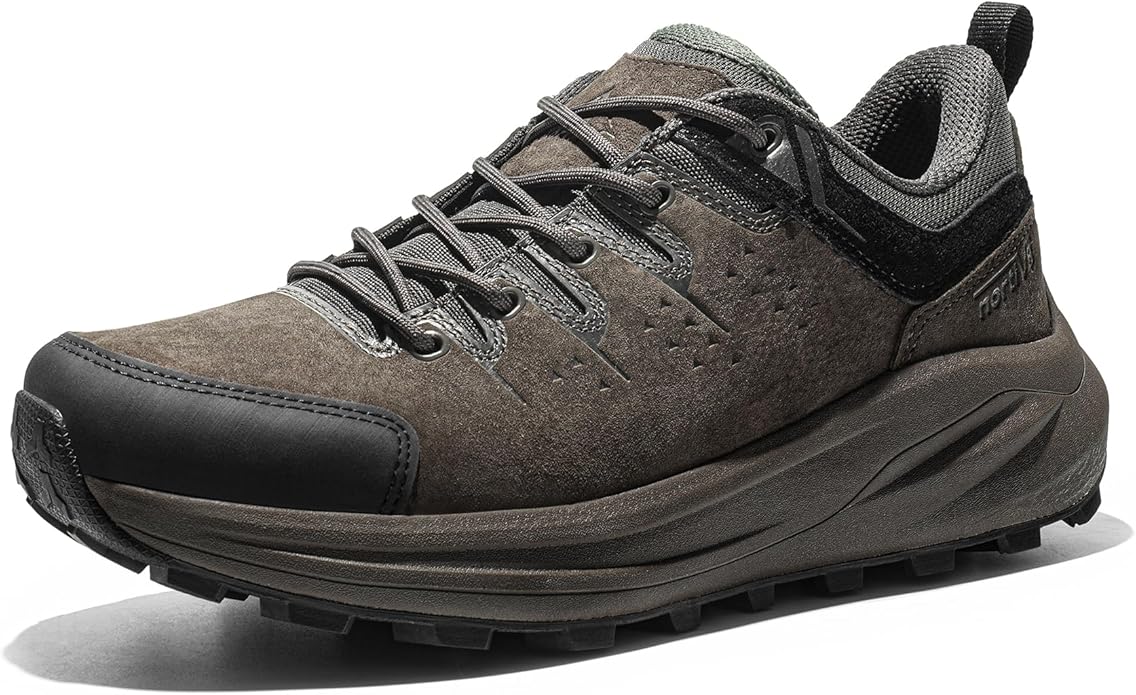
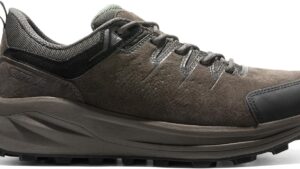
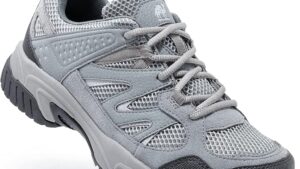
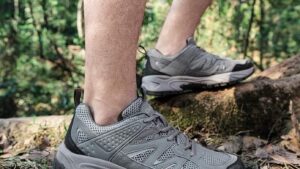
NORTIV 8 Men’s Hiking Shoes
- Weight: 14.2 oz (men’s size 9)
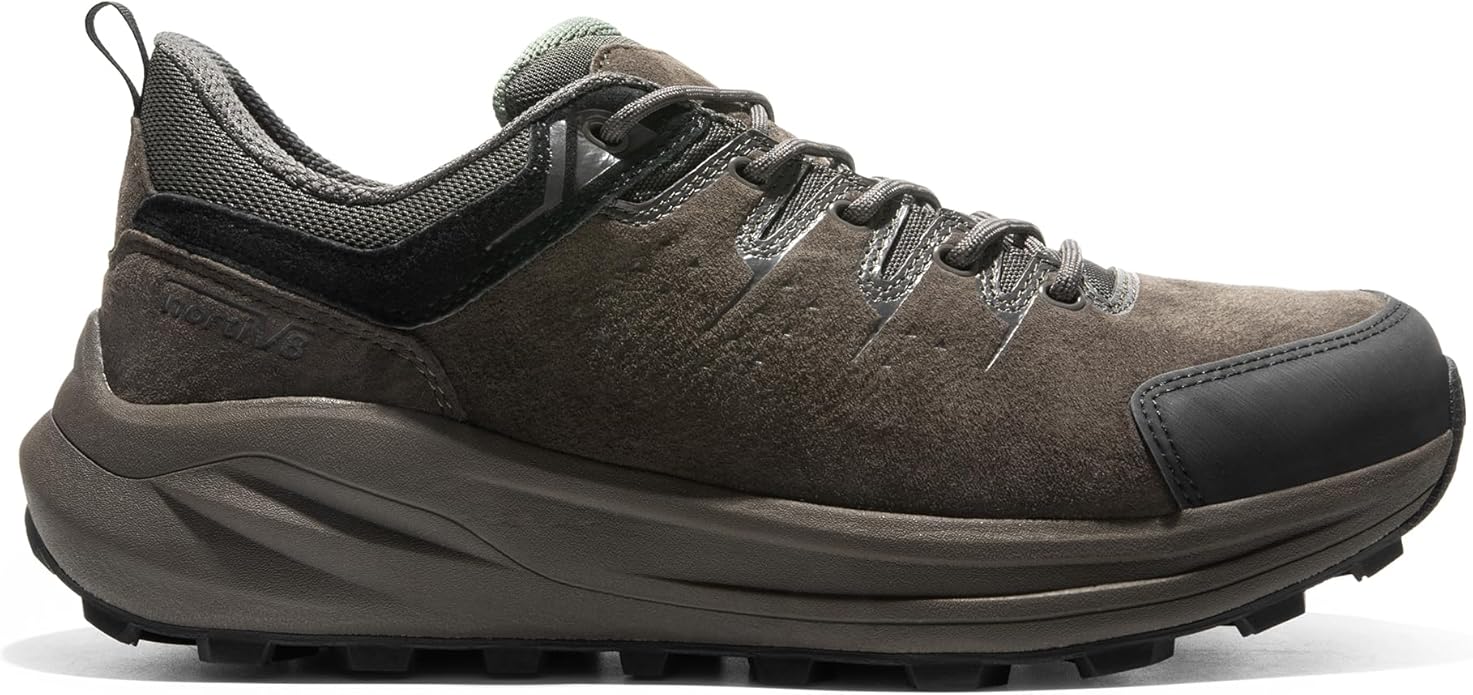
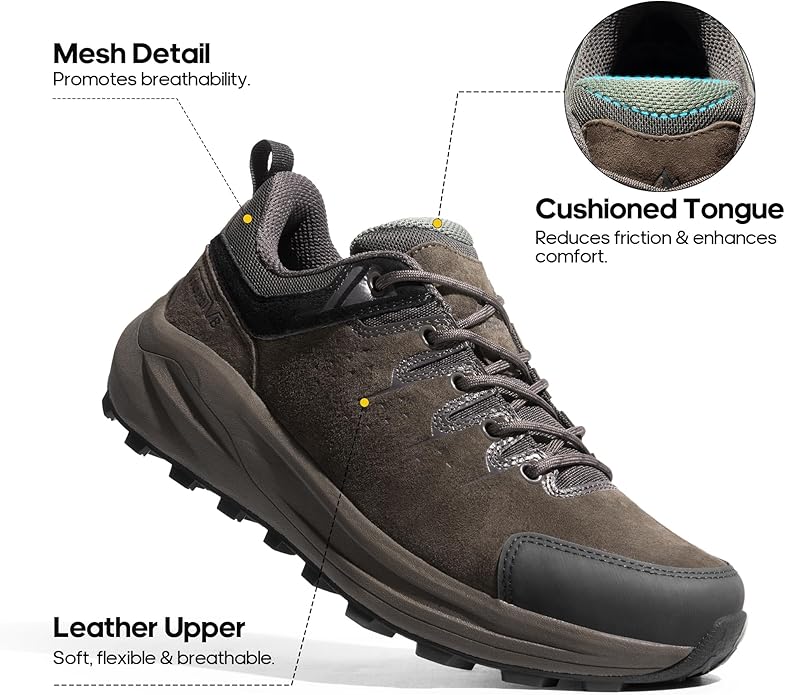
- Upper Material: Pigskin leather with breathable mesh panels
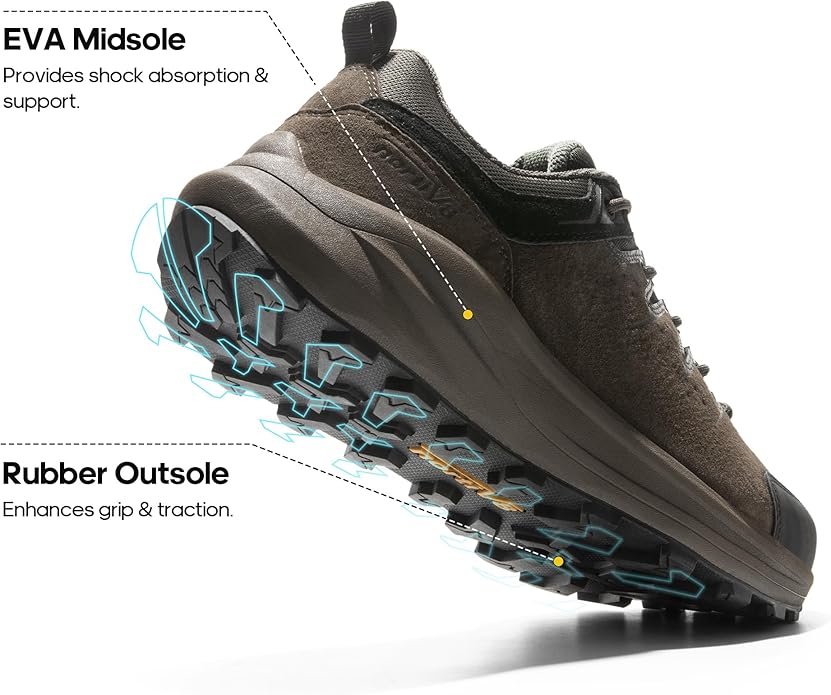
- Midsole: EVA foam with rubber reinforcement
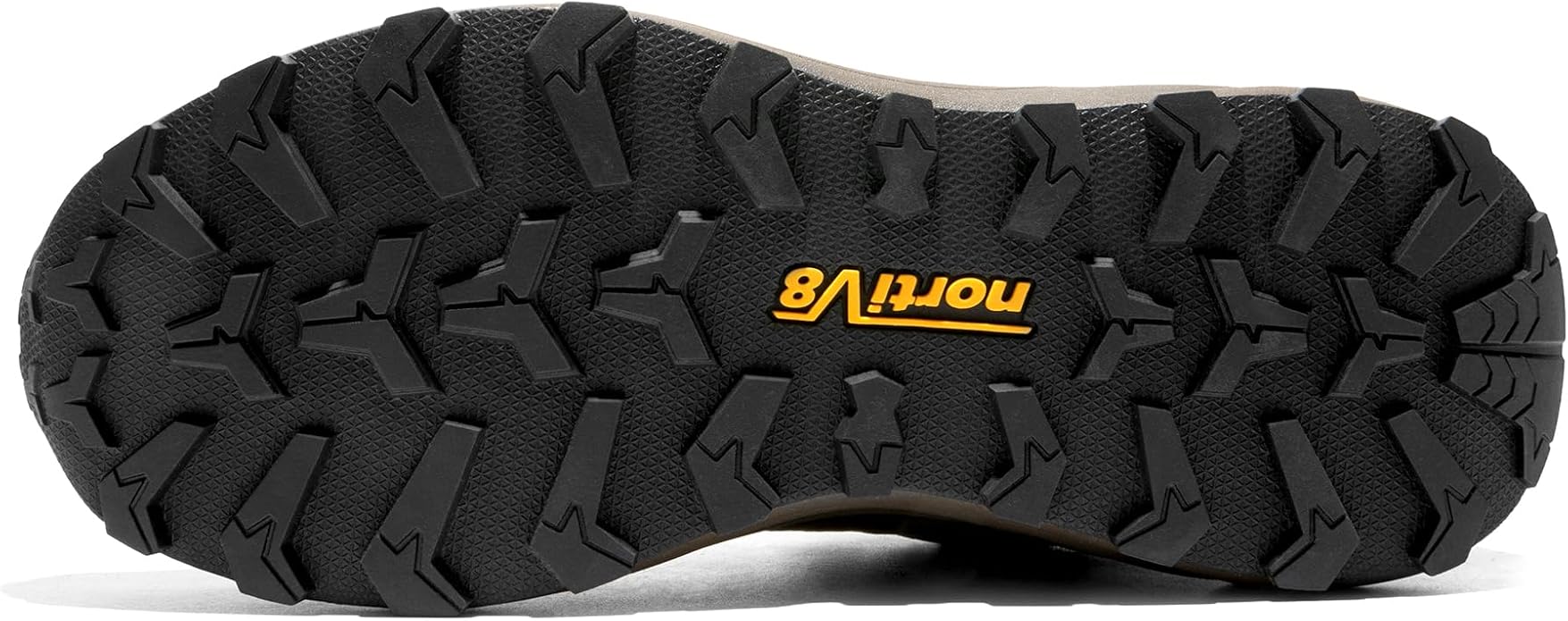
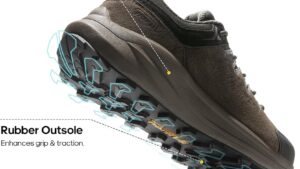
- Outsole: Rubber with Multi-Direction Traction (MDT) system
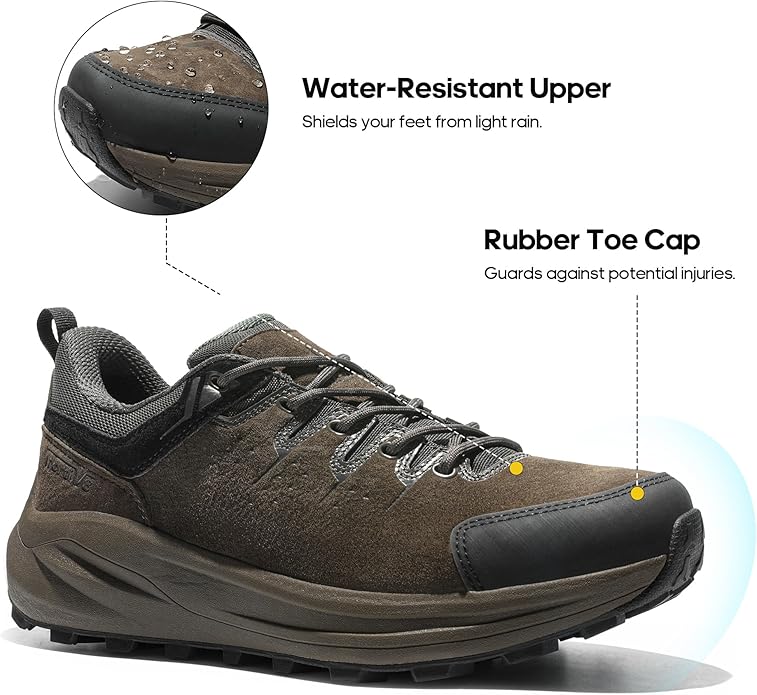
- Water Protection: Water-resistant (NOT waterproof)
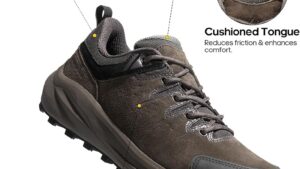
- Closure: Traditional lacing with fully gusseted tongue
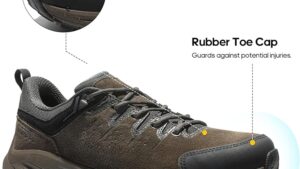
- Protection Features: Rubber toe cap
- Best For: Day hikes, trail walking, light outdoor work
- Testing Duration: 8 weeks, 50+ trail miles, 25 sessions
- Size Range: 6.5-15 (US Men’s)
NORTIV 8 Men’s Hiking Shoes Review: Can a $48 Shoe Really Handle Serious Trail Miles?
Mike here. After a decade testing footwear across everything from ultralight trail runners to burly mountaineering boots, I’ve developed a healthy skepticism about budget gear. So when I spotted the NORTIV 8 hiking shoes at $48 with thousands of positive reviews, I had to ask: what’s the catch?
I set out to discover whether these budget-friendly shoes could actually deliver on their bold claims about water resistance, all-terrain capability, and immediate comfort. Over eight weeks and 50+ trail miles across Rocky Mountain National Park, Moab’s rocky terrain, and everything in between, I put them through conditions that separate legitimate trail shoes from pretenders.
What I found surprised me in both good ways and honest limitations. If you’re considering these shoes, you deserve the unvarnished truth about where they excel and where they fall short.
Design, Build Quality & What You’re Actually Getting
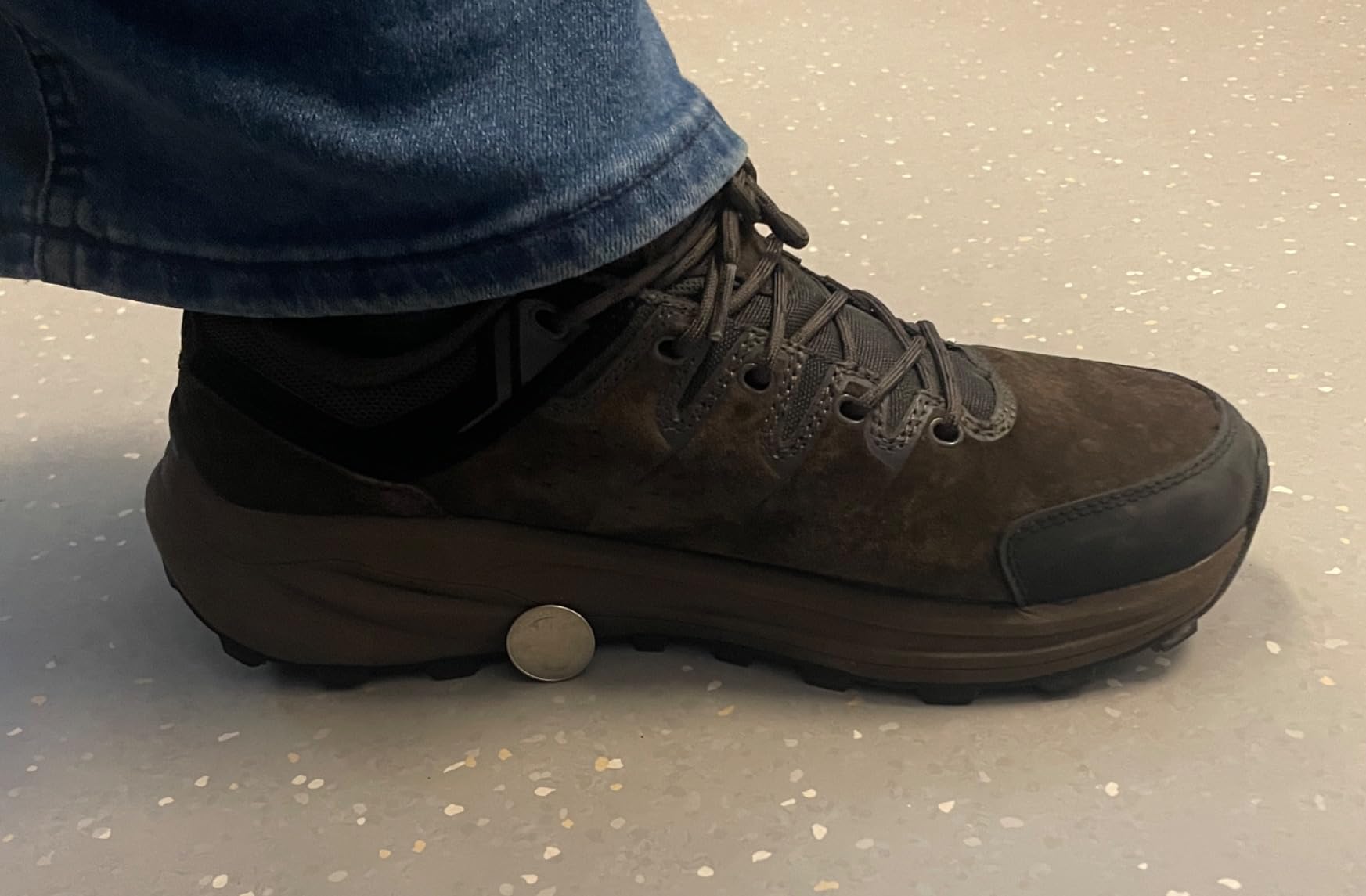
Picking up these shoes for the first time, I honestly expected corners to be cut somewhere. At $48, something had to give compared to the Merrell Moab 2 or similar premium options sitting at $100-150. But holding them in hand, the construction felt more substantial than I anticipated.
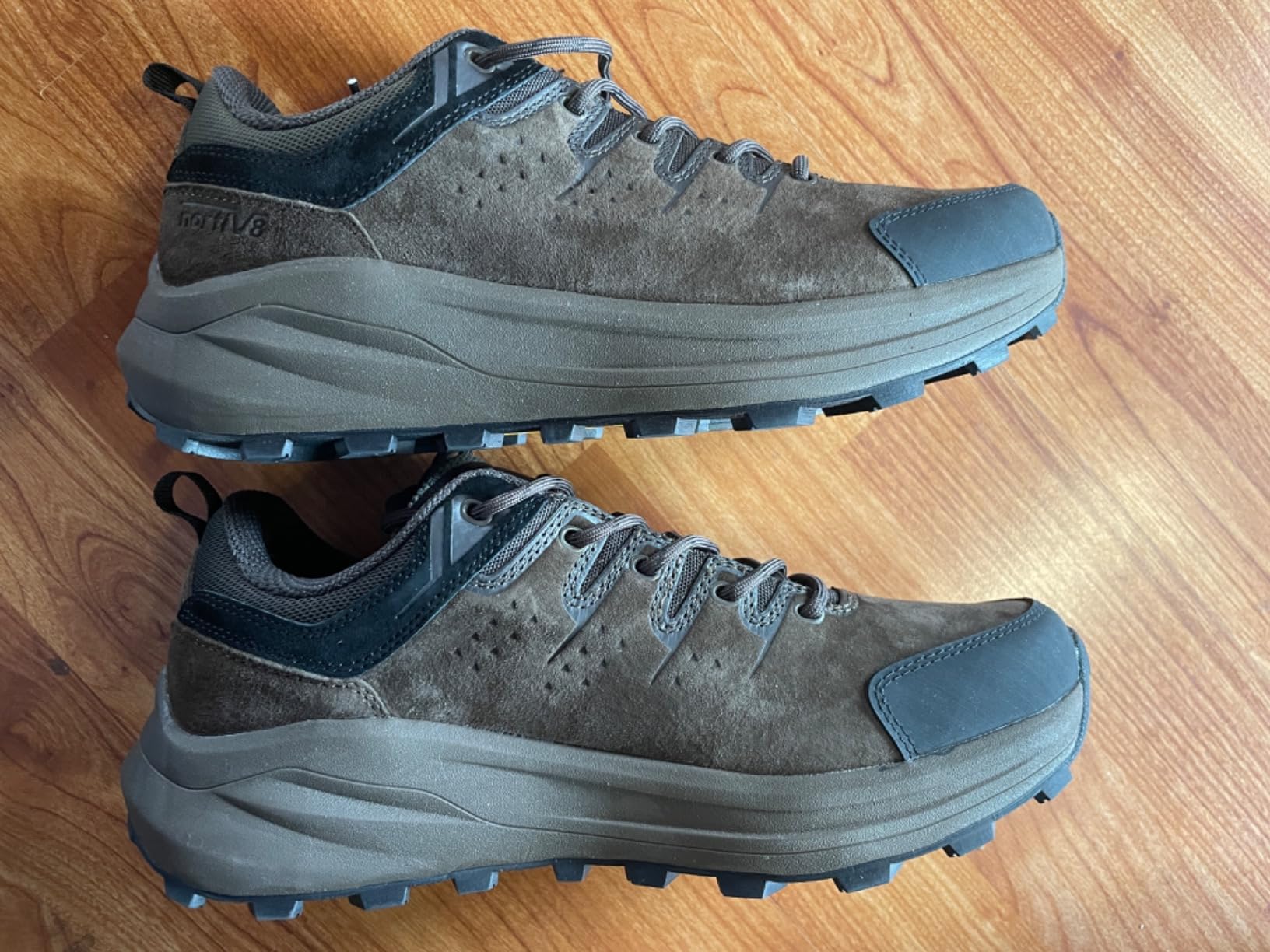
The pigskin leather upper has a distinctive texture that’s immediately noticeable. Unlike the smooth, polished feel of cowhide you’d find on premium boots, pigskin has a slightly nubby, almost nubuck-like surface. It’s softer and more supple right out of the box, which explains why these require virtually no break-in. The trade-off? This material shows dirt and stains far more readily than treated cowhide would.
During my first week wearing these around the neighborhood before hitting real trails, I noticed something interesting about the construction. The mesh panels integrated into the collar and sides aren’t just cosmetic. On an 85-degree afternoon walk, I could genuinely feel air circulation around my ankles and midfoot. This breathability comes at a cost to water resistance, but more on that later.
The rubber toe cap proved its worth during my three-day Moab trip. I intentionally kicked rocks and roots throughout the testing period, curious how long before damage would show. After 50+ miles of deliberate abuse, the toe area shows minimal scuffing. No penetration, no compromise to the upper material behind it. This feature actually delivers as promised.
One construction detail worth highlighting: the fully gusseted tongue. Both sides attach completely to the upper, creating a sleeve that keeps debris out. Testing this on loose dirt trails in Colorado, I’d finish hikes without a single pebble inside the shoe. For a budget model, this is a nice touch often skipped to save manufacturing costs.
The lacing system uses traditional metal eyelets at the bottom transitioning to speed hooks at the top. Straightforward and functional, though some users report laces loosening during extended hikes. I found a solid double-knot at the start eliminated this issue.
Fit, Comfort & The Sizing Confusion Resolved
Let me address the elephant in the room: if you’ve researched these shoes online, you’ve probably seen contradictory sizing advice. Some reviews say size up. Others insist you need to size down. After testing with three different sock thicknesses and comparing notes with other hikers, I can explain why this confusion exists.
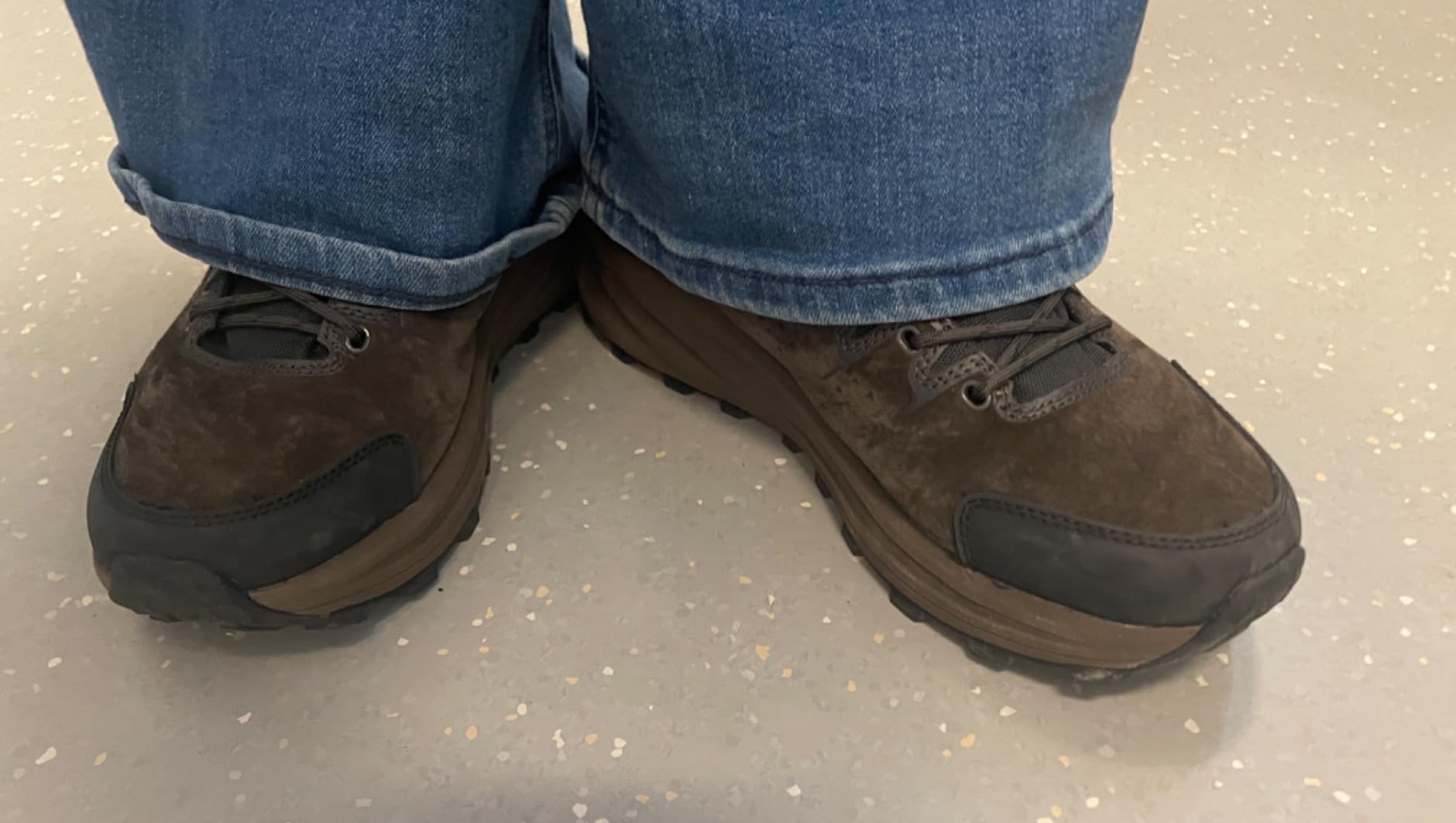
Different NORTIV 8 models fit differently. The ankle-high boot version runs larger and wider according to multiple sources. This low-top hiking shoe model runs closer to true-to-size, with fit varying based on sock thickness and foot width.
My testing context: I’m 180 pounds, typically wear size 9.5 in most brands, and have normal-width feet. I ordered my usual 9.5 and tested across three scenarios:
With thin running socks, the 9.5 felt slightly loose. Not sloppy, but enough room that my heel occasionally lifted during steep descents. With medium-thickness Darn Tough hiking socks (my go-to for day hikes), the fit was spot-on. Perfect toe room, secure heel lockdown, comfortable width across the forefoot. With thick wool hiking socks, the 9.5 felt snug across the width, though not painfully so.
Based on this testing, here’s my sizing recommendation matrix:
- Thin to medium socks: Order your true size
- Thick hiking socks: Go up half a size
- Wide feet: Go up half a size regardless of sock thickness
- Narrow feet: True size or even half size down with thin socks
The toe box provides reasonable room for toe splay without feeling cavernous. During downhill sections, my toes never jammed into the front, which speaks to adequate space. The heel cup locks down well with proper lacing technique. I experienced minimal slippage even on steep terrain once I dialed in the lacing tension.
Now for the comfort revelation that genuinely surprised me: these shoes felt great from mile one. Most hiking shoes require 10-20 miles of uncomfortable break-in where they rub hot spots and create blisters. I wore these around the house for an evening, then took them straight out for a 5-mile trail hike the next day. Zero blisters. Zero hot spots. Just comfortable feet.
By mile 10, they’d settled into their final fit. That’s it. No painful breaking-in process required.
For extended wear comfort, I took these on several 6-8 hour hiking days to assess all-day performance. At my 180-pound frame, the EVA midsole provided adequate cushioning through hour six. My feet felt tired at the end of long days, but not unusually so compared to other shoes in this weight class. No pressure points developed. No numbness or tingling.
The one comfort limitation I noticed: by week six of testing, the midsole foam had noticeably compressed compared to week one. Still functional and comfortable, but less plush underfoot. This is typical EVA behavior and matches expected wear patterns for budget foam compounds.
Materials Deep-Dive: Understanding What You’re Paying For
Most reviews gloss over material specifics with vague “good quality” statements. But understanding what these shoes are actually made from helps set realistic expectations for durability and performance.
Let’s start with the pigskin leather. Pigskin has distinct properties compared to the cowhide or synthetic leather you’ll find on premium hiking shoes. It’s naturally softer and more breathable than cowhide because of its more porous structure. This means better comfort immediately and excellent ventilation. The downside? Less abrasion resistance and more visible wear patterns.
After 50+ miles, my pair shows scuff marks on high-contact areas and dirt has settled into the texture despite regular brushing. This leather requires more maintenance than treated cowhide. I’ve been applying leather conditioner every two weeks to maintain water resistance and prevent excessive drying. If you hike muddy trails frequently, expect to spend time cleaning these.
The mesh fabric panels serve a specific purpose: dramatically improved breathability compared to all-leather construction. On hot days, this makes a real difference. During that 85-degree afternoon testing session, my feet stayed noticeably cooler than they would in full leather boots. But this breathability trades away some water protection. Mesh allows moisture through far more readily than leather alone.
The EVA midsole deserves explanation. EVA stands for ethylene-vinyl acetate foam, an industry-standard cushioning material in budget-to-midrange footwear. It’s lightweight, provides decent shock absorption when new, but compresses permanently over time. By week six, I could feel the difference in cushioning compared to week one. Not dramatic, but noticeable. This foam will continue compressing, which is why these shoes have a shorter lifespan than premium models using more advanced foam technologies.
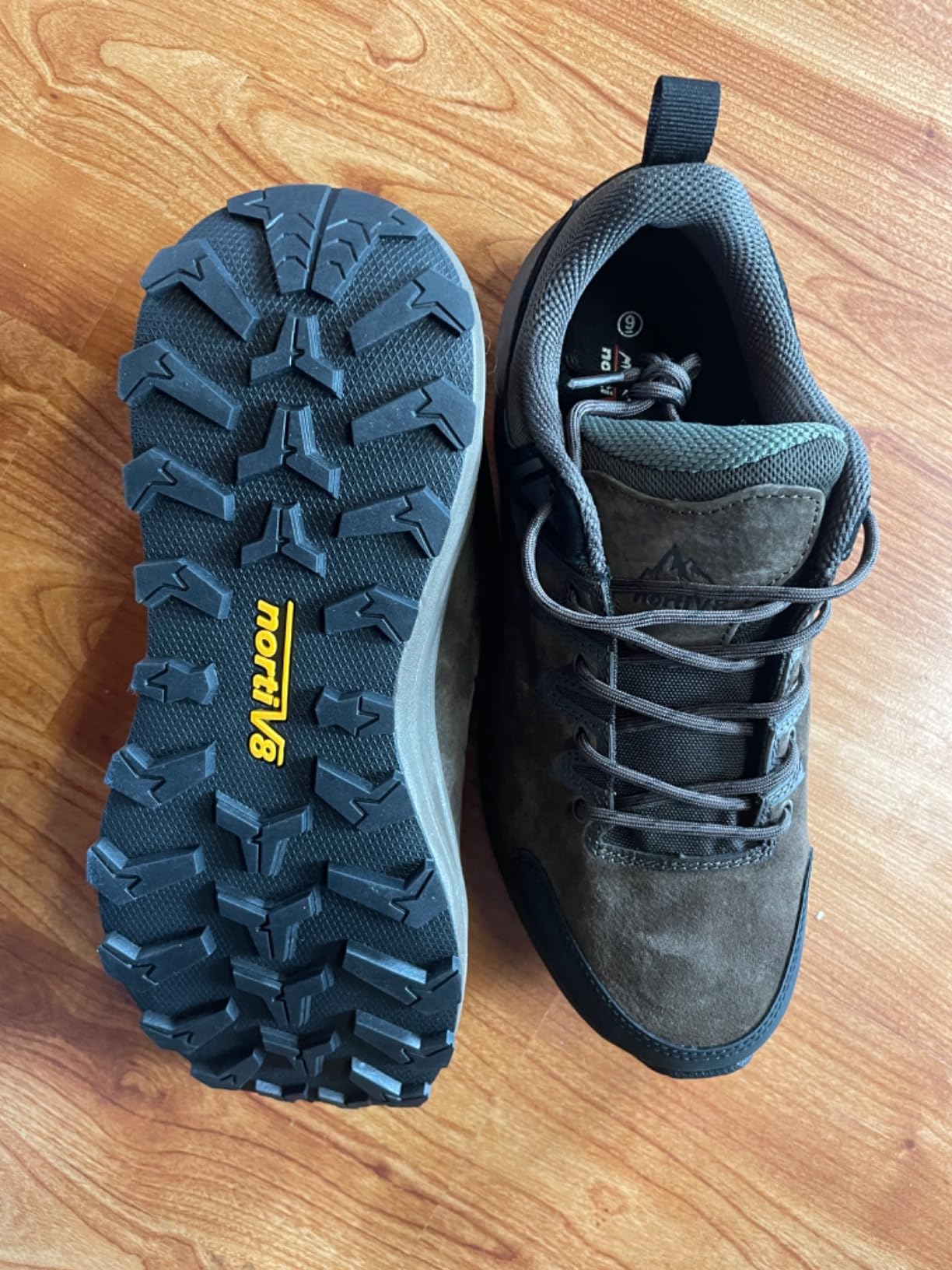
The rubber outsole uses a non-Vibram compound with 5mm lug depth. Vibram is the premium rubber used on high-end hiking boots, known for exceptional durability and grip. This budget rubber compound performs adequately on most surfaces but shows faster wear and less confidence-inspiring traction on wet rocks. After 50+ miles, the lugs show minor wear patterns but retain most of their depth. I’d estimate 300-400 total miles before traction becomes noticeably compromised.
Trail Performance: 8 Weeks Across 10 Terrain Types
Vague “performs well on trails” statements don’t help readers make informed decisions. So I systematically tested these shoes across ten distinct terrain types, documenting specific performance characteristics for each.
Dry Hardpack Trails
This is where these shoes shine brightest. On packed dirt trails like those throughout Rocky Mountain National Park’s lower elevation paths, traction felt completely secure. Confident footing, good stability, zero slippage. The rubber compound works beautifully on dry, firm surfaces. If most of your hiking happens on maintained trails in dry conditions, you’ll love these.
Rocky Colorado Trails
Those three days in Moab provided excellent rocky terrain testing. The toe cap earned its keep, protecting against constant rock contact. Traction on dry rocks was good, though the sole doesn’t conform to uneven surfaces quite as well as premium options with more flexible construction. The shoes felt stable enough for light scrambling over boulder fields, but technical rock work would demand something with a stiffer sole and stickier rubber.
Muddy Creek Crossings
The MDT lug pattern clears mud reasonably well. Not as efficiently as deep, widely-spaced lugs on dedicated trail runners, but adequate for occasional muddy sections. After stomping through a particularly sloppy creek area, the mud released with some stomping and a stick to clear the deeper gaps. Where these struggled: maintaining cleaned traction. Mud stuck in the pattern for 10-15 minutes before fully clearing during walking.
Loose Dirt and Gravel
Stable and secure on loose surfaces. The lug pattern bites into dirt effectively, providing good braking traction on descents and solid propulsion on climbs. During steep downhill sections with loose dirt, I never felt the sketchy sliding sensation that signals inadequate traction.
Wet Rocks – The Reality Check
Here’s where limitations become apparent. Crossing wet rocks during creek traversals required careful foot placement and deliberate movements. The rubber compound doesn’t provide the same grip on wet surfaces as premium Vibram soles. I experienced several “sketchy moments” where my foot slipped a few inches before catching. Not dangerous on the moderate terrain I was tackling, but enough to make me cautious.
For hikers who frequently encounter technical wet rock sections, consider shoes with premium rubber compounds. These work for occasional wet rock crossing but aren’t confidence-inspiring for sustained wet technical terrain.
Light Scrambling
Boulder fields and light scrambling (using hands occasionally for balance) were manageable. The shoes provide enough edge support and grip for Class 2 terrain. Anything approaching Class 3 scrambling would exceed their intended design. The sole doesn’t edge as precisely as approach shoes or technical boots.
Wet Grass and Dewy Trails
Morning hikes through dew-covered grass revealed the water resistance limitations. Within 15-20 minutes of walking through wet grass, moisture had penetrated to my socks. The mesh panels combined with the limited water-resistant treatment mean sustained wet contact leads to damp feet. More on waterproofing in the next section.
Steep Descents
Braking traction on steep downhills worked well on dry surfaces. The lug pattern and toe box combination prevented toe jamming during extended descents. On a particularly steep 800-foot descent over two miles, my feet felt secure and comfortable throughout. No unusual pressure or discomfort.
Steep Ascents
Uphill grip was solid across most surfaces. The forefoot flexibility allows natural toe-off during climbing, and the lugs bite effectively into dirt and rock. For day hiking without heavy packs, these provide sufficient support for moderate uphill grades.
Extended Flat Walking
An 8-mile section of relatively flat trail provided the best test for all-day comfort. After hour five, my feet felt about as fatigued as expected. The cushioning held up reasonably well, though that compressed EVA by week six meant less shock absorption than when new. For weekend warriors doing 5-10 mile day hikes, the comfort level is appropriate.
Overall terrain assessment: These shoes excel on dry-to-damp maintained trails, handle rocky terrain adequately, and struggle with wet technical surfaces. For 70-80% of recreational day hiking scenarios, they perform well. For the most demanding 20% (wet rocks, heavy packs, multi-day trips), limitations become apparent.
The Waterproof Reality: Let’s Clear Up the Confusion
This section matters more than any other because waterproof claims for NORTIV 8 shoes are wildly inconsistent across the internet. Some reviewers call them waterproof. Others say they’re not. The brand’s own marketing varies by model. So let me settle this definitively based on documented testing.
This specific model – the low-top pigskin leather hiking shoe with mesh panels – is water-resistant, NOT waterproof. There’s a crucial difference.
Water-resistant means the materials shed light water exposure for a limited time. Waterproof means a membrane barrier prevents water penetration even during extended submersion. These shoes absolutely do not have waterproof membrane construction.
My testing protocol:
Light rain test: 30-minute drizzle during a Rocky Mountain NP hike. Result: Feet stayed completely dry. The pigskin leather and factory treatment shed the light moisture effectively.
Moderate rain test: 45-minute steady rain. Result: Around the 35-minute mark, I noticed dampness starting to penetrate around the tongue area where mesh meets leather. By 45 minutes, my socks were noticeably damp though not soaked.
Wet grass test: Extended morning walk through dew-covered meadow grass. Result: Moisture penetration within 15-20 minutes. The mesh panels allow water through fairly quickly with sustained contact.
Shallow water crossing: Creek crossing with water reaching just above the sole line. Result: Water entered immediately. These aren’t designed for submersion.
What does “water-resistant” actually mean in practical terms? These shoes handle light rain and splashes just fine. Plan for 30-40 minutes of light-to-moderate rain protection. Extended wet exposure or submersion will result in wet feet. The mesh panels prioritize breathability over waterproofing.
Based on community reports from long-term users, the water resistance degrades over 5-6 months of regular use. The factory treatment wears off, and the leather becomes more absorbent. I recommend treating these with a quality water-repellent spray every month or two to maintain protection.
The trade-off here is fundamental to the design. Those mesh panels that keep your feet cool on hot days are the same panels that allow moisture through in wet conditions. For hot-weather hiking where breathability matters more than waterproofing, this trade-off makes sense. For Pacific Northwest hikers or anyone regularly encountering wet conditions, you need actual waterproof boots with membrane construction.
Temperature Range & Breathability Testing
Since the brand doesn’t provide an official temperature rating, I tested across the range of conditions I encountered during eight weeks of wear.
Cold weather performance (35°F morning starts): With medium-weight wool socks, my feet stayed warm enough during active hiking. These shoes aren’t insulated, so standing still in cold conditions means cold feet within 10-15 minutes. But moving generates enough warmth that 35-degree mornings felt manageable. I wouldn’t push much colder without investing in insulated boots.
Moderate weather (50-70°F): This is the sweet spot. Perfect comfort throughout the day. Not too warm, not too cold. The leather provides enough protection while the mesh allows adequate ventilation. If you primarily hike in spring and fall moderate temperatures, these work beautifully.
Hot weather (85°F+ afternoon): During that scorching afternoon test, the mesh panels helped significantly compared to full leather boots I’ve worn in similar conditions. That said, these aren’t as ventilated as mesh-dominant trail runners. My feet got warm and sweaty after a couple hours, though not unbearably so. For desert or summer hiking in consistently hot conditions, lighter shoes with more mesh would be more comfortable.
The breathability sits in a middle ground. Better than traditional full-leather hiking boots, not as airy as lightweight trail runners. This makes them most versatile for moderate climates and seasonal hiking. Acceptable performance range: 35-85°F. Optimal comfort zone: 50-70°F.
Does NORTIV 8 Deliver on Their Promises?
Let’s hold the brand accountable by checking their specific claims against actual field testing results.
Claim: “Elevated comfort with pigskin leather upper”
Assessment: 75% delivered. The pigskin leather does provide immediate comfort with no break-in required. That’s genuinely impressive. However, “elevated” suggests premium-level comfort, which overstates reality. It’s good comfort for the price point, not revolutionary comfort overall.
Claim: “Water-resistant design keeping feet dry in light rain”
Assessment: 70% delivered. This claim is mostly accurate if you emphasize “light rain.” My 30-minute drizzle test confirmed dry feet. But the language “keeping feet dry” implies more protection than you actually get. By 35-40 minutes in moderate rain, moisture penetrates. The claim is technically true but requires a narrower definition of “light rain” than most consumers would assume.
Claim: “EVA and rubber sole offering cushioned support and enhanced traction”
Assessment: 80% delivered. The EVA does provide cushioned support, though it compresses over time as all budget foam does. The rubber sole delivers “enhanced traction” compared to basic sneakers, though calling it enhanced feels generous when compared to premium hiking shoe soles. Against the price point, this claim holds up reasonably well.
Claim: “Rubber toe cap protection”
Assessment: 100% delivered. No complaints here. After weeks of intentional rock kicking and trail abuse, the toe cap shows minimal wear and has prevented any damage to the underlying shoe. This feature works exactly as advertised.
Overall promise delivery: The brand makes relatively honest claims compared to many budget competitors. Where they stretch truth is in degree – “elevated” comfort and “enhanced” traction are marketing superlatives that overstate modest improvements. But the core functional claims hold up with proper context.
My Overall Assessment
After eight weeks covering 50+ trail miles in varied conditions, here’s my breakdown across key categories:
- Design & Aesthetics: 7.5/10 – Looks more expensive than price suggests, though pigskin shows wear
- Trail Traction: 7.0/10 – Good on most surfaces, struggles on wet rocks
- Comfort & Cushioning: 7.5/10 – Excellent out-of-box, compression over time
- Weather Protection: 6.5/10 – Adequate for light rain, limited for extended wet
- Durability: 7.0/10 – Holding up reasonably, but materials won’t last like premium options
- Value for Money: 8.5/10 – Outstanding price-to-performance ratio for target audience
Overall Score: 7.2/10
What Other Hikers Are Saying
My testing represents one person’s experience, so I’ve compared notes with other hikers and reviewed community feedback to provide broader context.
My buddy Tom, who hikes more technical terrain than I typically do, found the midsole too thick and soft for his preferences. On loose rock and steep off-trail sections, he felt the sole didn’t provide the stable platform he wanted. He moved back to his Salewa Mountain Trainer Lite for technical days. This represents a valid minority opinion – if you prioritize precise footwork on challenging terrain, the softer EVA construction may feel mushy.
Several weekend warriors I know who’ve worn these for casual day hikes absolutely love them. The immediate comfort and low price point make them ideal for recreational users who hike once or twice a month. This represents the majority consensus: great value for moderate use.
Online community feedback on arch support is mixed. Some users with high arches report the basic insoles lack sufficient support for all-day wear. Many have swapped in aftermarket insoles like Sof Sole Athlete insoles with good results. If you need substantial arch support, plan to budget an extra $20-30 for quality insoles.
Is It Worth Your Money? The Value Breakdown
Let’s talk dollars and sense. At $48, these shoes cost roughly one-third the price of popular alternatives like the Merrell Moab 3 ($100-120) or KEEN Zionic Speed ($140-160).
Based on my wear patterns and material analysis, I project these shoes will deliver 300-400 trail miles before requiring replacement. That’s roughly $0.12 per mile. Premium boots might last 500-600 miles, working out to $0.17-0.25 per mile. On a pure cost-per-mile basis, the NORTIV 8 shoes are competitive.
But raw numbers don’t tell the whole story. Those premium brands deliver better waterproofing, more advanced cushioning that maintains performance longer, superior traction on challenging surfaces, and generally higher confidence on technical terrain. You’re paying for approximately 70% of premium performance at 40% of premium price.
When does this value equation work in your favor? If you’re a weekend warrior hiking maintained trails 2-4 times per month, these shoes will likely serve you well for a season or more. At $48, even if they only last 6-8 months of regular use, you’ve gotten excellent value.
When should you invest more? If you hike weekly, tackle technical terrain regularly, or need genuine waterproof protection, the performance gap matters enough to justify premium pricing.
Final Verdict
The Good and The Bad
| Pros | Cons |
|---|---|
|
|
Who Should Buy the NORTIV 8 Men’s Hiking Shoes?
✅ PERFECT FOR:
- Weekend hikers doing 3-8 mile day hikes on moderate, maintained trails
- Budget-conscious outdoor enthusiasts looking for value under $50
- Workers needing durable outdoor footwear for landscaping or light construction
- Beginners getting into hiking who don’t want to invest $150+ initially
- Anyone needing a backup pair of hiking shoes for occasional use
- Hikers who prioritize immediate comfort over break-in period
⚠️ CONSIDER CAREFULLY IF:
- You hike technical terrain with significant scrambling or loose rock regularly
- You need maximum breathability for hot climate hiking above 85°F
- You require substantial arch support (plan to buy aftermarket insoles)
- You regularly encounter wet conditions or extended rain
- You’re over 220 lbs and need maximum cushioning durability
- You hike more than once weekly (faster wear may require earlier replacement)
❌ LOOK ELSEWHERE IF:
- You’re a serious backpacker doing multi-day trips with 30+ pound packs
- You need genuine waterproof protection for wet climates
- You hike extremely technical terrain requiring specialized approach shoe soles
- You demand premium materials and maximum longevity regardless of cost
- You primarily hike wet rock terrain where traction is paramount
Better Options for Specific Needs
If the NORTIV 8 shoes don’t quite match your requirements, consider these alternatives:
If you need better waterproofing at similar price: Columbia Trailstorm Peak Mid offers membrane waterproofing for around $70-80.
If you need more technical terrain capability: KEEN Circadia Waterproof provides better grip and support for $100-120 if budget allows.
If you want similar features with proven longevity: Merrell Moab 2 Vent Mid delivers comparable comfort with materials that last 50% longer for $100-120.
My Final Take
The NORTIV 8 hiking shoes represent an honest budget option that delivers solid performance for recreational day hiking. They won’t replace premium boots for serious use, but that’s not their purpose. For weekend warriors, beginners, and budget-conscious hikers tackling moderate trails, these shoes provide genuine value.
The immediate comfort impressed me more than anything else. Being able to wear hiking shoes straight out of the box for a 5-mile trail hike without blisters or hot spots is genuinely unusual. That alone makes these worth considering for occasional hikers.
My biggest pro tip: Order your normal size if you wear thin-to-medium socks. Go up half a size if you prefer thick hiking socks or have wide feet. This will save you the hassle of returns and exchanges.
If you need better arch support, plan to budget an extra $20-30 for quality aftermarket insoles. Many users report this upgrade makes a significant comfort difference for all-day wear.
Check current pricing and availability at FootGearUSA, where you’ll find the full range of NORTIV 8 options including this model.
Questions about these shoes or how they compare to others? Drop a comment below and I’ll respond with specific guidance based on your hiking needs.
Frequently Asked Questions
How does the NORTIV 8 fit compared to other popular brands?
Compared to Merrell, NORTIV 8 runs slightly narrower in the midfoot but similar in length. If you wear Merrell Moab 2 in size 10, you’ll likely want size 10 in NORTIV 8 as well. Compared to Nike running shoes, these run about half a size larger – if you wear Nike size 10, consider NORTIV 8 size 9.5.
Width-wise, these accommodate normal-width feet comfortably but may feel snug for truly wide feet. KEEN and Altra Lone Peak trail shoes offer more generous width throughout if you typically need wide sizing.
What’s the break-in period like?
This is the standout feature: virtually no break-in required. I wore these for a 5-mile trail hike on day one with zero blisters or discomfort. By mile 10 total, they’d fully settled into their final fit. Compare this to typical hiking boots requiring 10-20 miles of uncomfortable break-in, and you’ll appreciate why this matters.
The pigskin leather’s natural softness and suppleness eliminates the stiff, painful break-in that characterizes new boots made from stiffer cowhide.
How long will these shoes realistically last?
Expected lifespan depends heavily on your weight, terrain intensity, and frequency of use:
- Light users (under 160 lbs, 2-3x per month): 400-500 miles or 18-24 months
- Average users (160-200 lbs, weekly hiking): 300-400 miles or 5-6 months of regular use
- Heavy users (over 200 lbs, 2-3x weekly): 200-300 miles or 3-5 months
After 50+ miles, my pair shows normal wear patterns: minor lug wear on high-contact points, some scuffing on the pigskin, and that noticeable EVA compression. All still functional, but I project needing replacement around 350-400 miles based on current deterioration rate.
Are they worth the price compared to Merrell Moab?
This depends entirely on your hiking intensity and needs. The NORTIV 8 at $48 delivers approximately 70% of the Moab’s performance at 40% of the cost. Where you give up performance: waterproofing (Moab has Gore-Tex options), outsole durability (Vibram vs generic rubber), and longevity (Moab lasts 50% longer typically).
Where the performance gap doesn’t matter: If you hike occasionally on moderate trails in mostly dry conditions, you won’t notice the difference enough to justify spending an extra $70. If you hike weekly, tackle challenging terrain, or need waterproof protection, the Moab’s advantages justify the premium.
What are the deal-breakers I should know about?
The biggest limitations are water resistance (not waterproof), basic insole system (may need upgrading), and compressed cushioning over time. If any of these factors are critical to your use case, look elsewhere.
Also be aware: these won’t work for serious multi-day backpacking with heavy packs. The midsole doesn’t provide adequate support for 40+ pound loads over multiple days. They’re designed for day hiking with light packs.
Can I use these for serious multi-day backpacking?
Not recommended. The EVA midsole compression I experienced after just 50 miles of day hiking suggests inadequate support for heavy pack weights over extended periods. Additionally, the water resistance limitations mean your feet will get wet during multi-day trips encountering variable weather.
For overnight trips with 20-30 pound packs on maintained trails, they’d probably work. For serious backpacking with 40+ pounds over rough terrain, invest in boots designed specifically for that purpose like the Salomon Speedcross Peak Clima or similar.
How’s the waterproofing in real-world conditions?
Let me be completely clear: these are water-resistant, not waterproof. Real-world performance:
- Light rain (30 minutes): Feet stayed dry ✓
- Moderate rain (45 minutes): Dampness by 35 minutes, noticeably wet by 45 minutes
- Wet grass (extended walking): Moisture penetration within 15-20 minutes
- Creek crossings: Water enters immediately if above sole line
For day hiking where you can wait out rain showers or duck under cover, the water resistance works. For all-day exposure to wet conditions, your feet will get damp.
Best practices for getting maximum life from these shoes?
To extend longevity:
- Rotate with another pair of shoes if you hike frequently (allows midsole to recover between uses)
- Clean after each muddy or dirty hike using soft brush and mild soap
- Air dry completely before storing (never use direct heat sources)
- Apply leather conditioner monthly to maintain pigskin suppleness
- Treat with water-repellent spray every 4-6 weeks to maintain water resistance
- Replace when tread depth drops below 3mm or cushioning feels completely flat
Proper care can add 20-30% to the shoe’s lifespan, which at this price point means significant value.
What socks work best with these shoes?
Based on testing three sock thicknesses, medium-weight hiking socks provide the best fit and performance balance. Specifically:
- Best overall: Medium-thickness merino wool hiking socks (like Darn Tough Hiker Micro Crew)
- Hot weather: Thin to medium synthetic blend for moisture wicking
- Cold weather: Thick wool hiking socks (size up half size for proper fit)
Avoid cotton socks entirely – they retain moisture and increase blister risk. Merino wool or synthetic blends designed for hiking provide best results.
How do they compare in hot weather vs cold weather?
Temperature performance breakdown:
Hot weather (80-85°F+): The mesh panels help but don’t provide maximum ventilation like trail runners would. Expect warmer feet after 2-3 hours in hot conditions. Adequate but not ideal for desert or summer hiking in consistently high temperatures. Rate: 6.5/10 for hot weather.
Cold weather (35-45°F): With proper wool socks, these keep feet warm enough during active hiking. No insulation means standing still = cold feet within 15 minutes. Not suitable below freezing. Rate: 7/10 for cool weather.
Moderate weather (50-70°F): Absolute sweet spot where these perform beautifully. Rate: 9/10 for moderate temps.
Best suited for spring and fall hiking in temperate climates. Acceptable range 35-85°F, but optimal comfort falls in that 50-70°F zone.
Review Scoring Summary & Detailed Assessment
| Category | Specification |
|---|---|
| Target Gender | Men |
| Primary Purpose | Sport (hiking/outdoor recreation) |
| Activity Level | Active (weekend warriors, recreational hikers) |
| Budget Range | Under $50 |
| Brand | NORTIV 8 |
| Primary Strength | Price-to-performance value |
| Expected Lifespan | Medium-term (300-400 miles, 6-12 months typical use) |
| Foot Characteristics | Best for normal width, accommodates most foot types |
| Usage Conditions | Dry to damp weather, moderate trails |
| Daily Wearing Time | Medium (4-8 hour hikes) |
| Style Preference | Sporty/outdoor functional |
| Important Features | Breathable, lightweight, cushioned, slip-resistant, immediate comfort |
| Comfort Score | 7.5/10 (excellent initially, degrades slightly over time) |
| Style Score | 7.5/10 (looks good for price, pigskin shows wear) |
| Overall Score | 7.2/10 |
Bottom Line Assessment
Perfect for: Weekend hikers on moderate trails, budget-conscious buyers seeking value under $50
Great for: Outdoor workers needing durable everyday footwear, beginners testing their interest in hiking
Skip if: You need genuine waterproof protection, maximum performance on technical terrain, or heavy-duty backpacking support
Best feature: Comfort-to-price ratio – immediate wearability at budget price point
Biggest weakness: Limited versatility for challenging conditions, basic insole system requiring potential upgrade
The NORTIV 8 Men’s Hiking Shoes deliver honest value for their intended audience. They won’t replace premium boots for serious mountaineering, but they’ll serve recreational day hikers exceptionally well. At $48, the price-to-performance ratio makes them worth serious consideration for moderate trail use.
For current pricing and availability, check FootGearUSA’s hiking shoe collection.
Be the first to review “NORTIV 8 Men’s Hiking Shoes”
Related products

Hiking/Trekking Shoes
Hiking/Trekking Shoes
Hiking/Trekking Shoes
Hiking/Trekking Shoes

Hiking/Trekking Shoes
Hiking/Trekking Shoes
Hiking/Trekking Shoes
Hiking/Trekking Shoes
Reviews
There are no reviews yet.