
When the package arrived at my door, I wasn’t expecting much. Twenty bucks for “running shoes” on Amazon? Mike here—I’ve been testing footwear for over a decade now, everything from sub-3-hour marathon racers to budget work boots. This felt like it would be another disposable shoe destined for the donation bin within weeks.
But here’s what actually happened over three months and 40+ sessions: these shoes surprised me initially, then disappointed me predictably, and ultimately taught me something important about the ultra-budget footwear category. If you’re wondering whether you can get usable shoes for $19.99, the answer is complicated. They delivered decent comfort for about eight weeks, then fell apart in ways that made the “running shoe” label feel almost dishonest.
I tested these through gym sessions, neighborhood walks, errands around town, and yes—I even attempted a light jog to see if they could handle what their name promises. The verdict? A conflicted 5.5 out of 10. That rating reflects both the genuine surprise I felt during month one and the frustration I experienced by month three when the cushioning had compressed into something resembling cardboard.
This review is for anyone considering these shoes because the price is right and the need is immediate. I’ll tell you exactly what $20 buys you, how long it lasts, and who should actually consider this purchase.
Technical Specifications: What You’re Actually Getting
The NY Threads shoe typically sells between $16.99 and $19.99 on Amazon depending on size and color, which immediately places it in disposable territory rather than the budget running category most people think of. When publications talk about “affordable running shoes,” they usually mean $60 to $80. This is less than a quarter of that price.
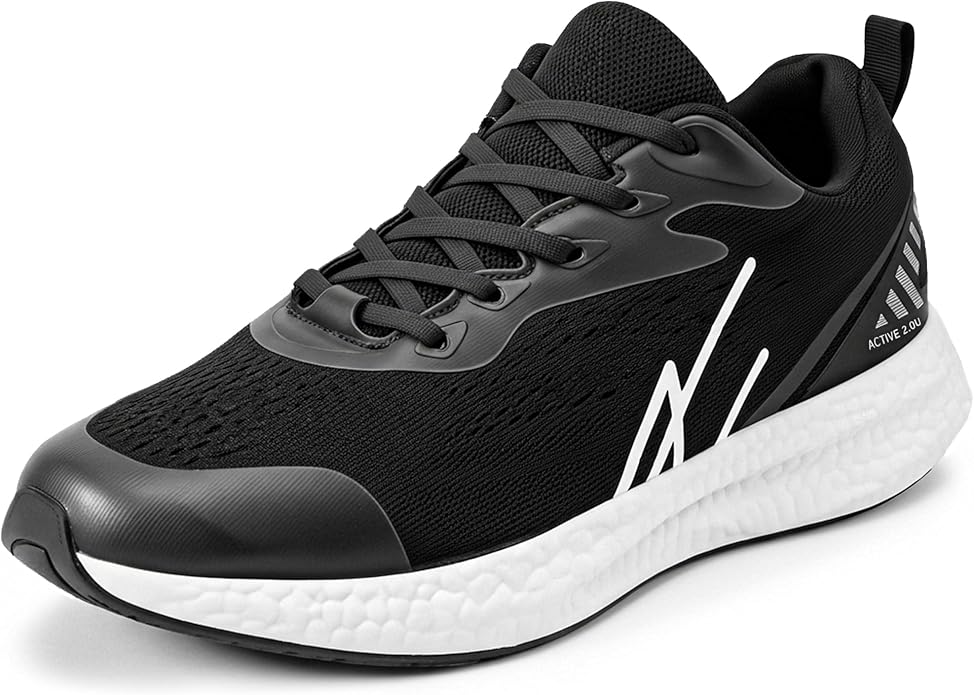
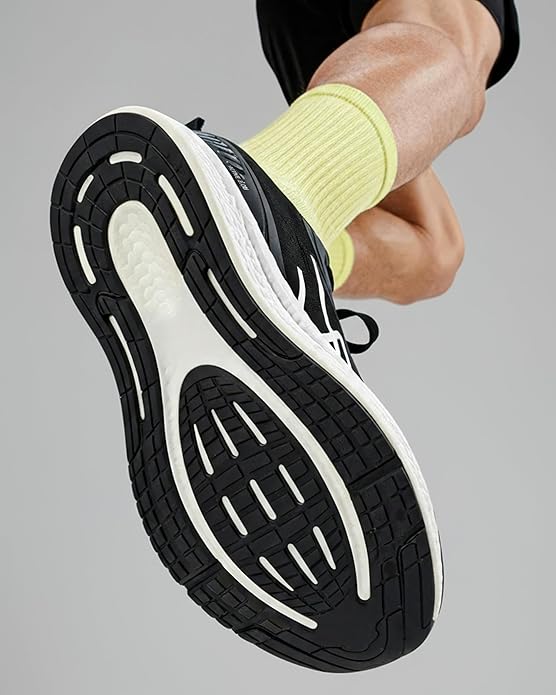
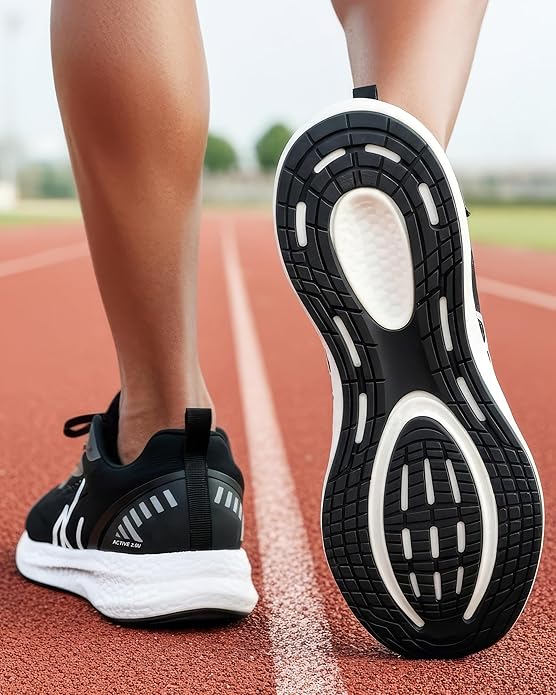
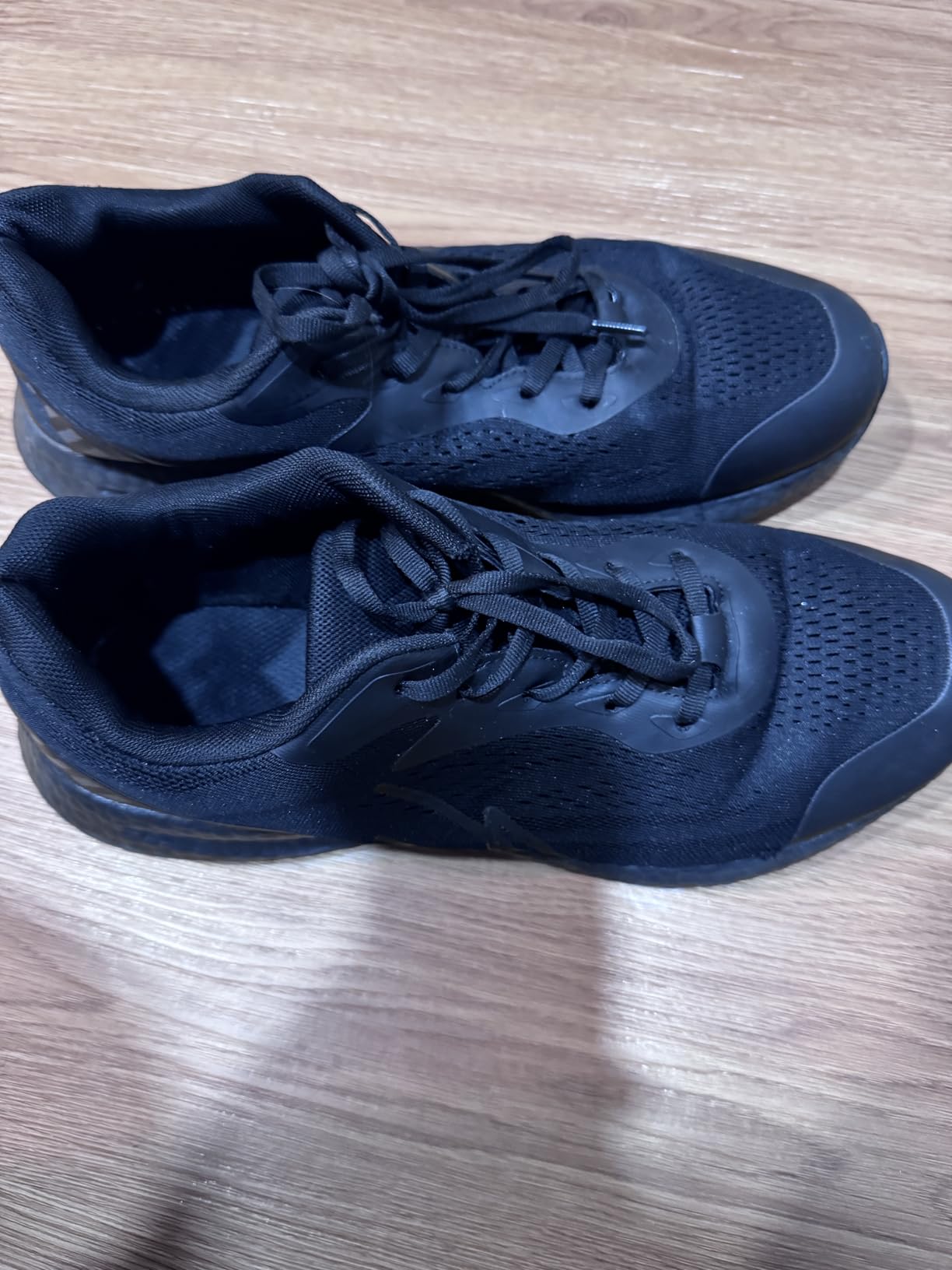
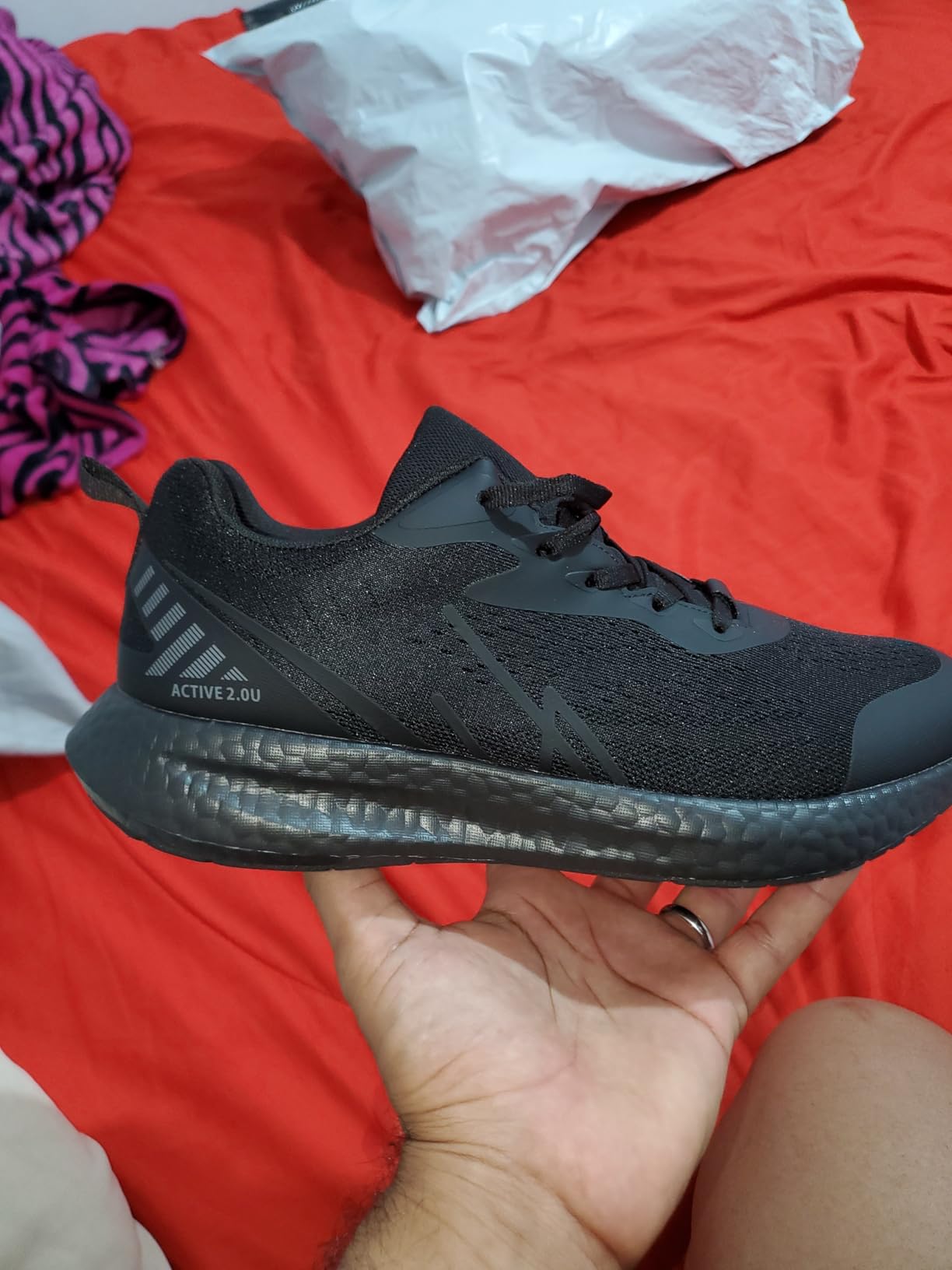
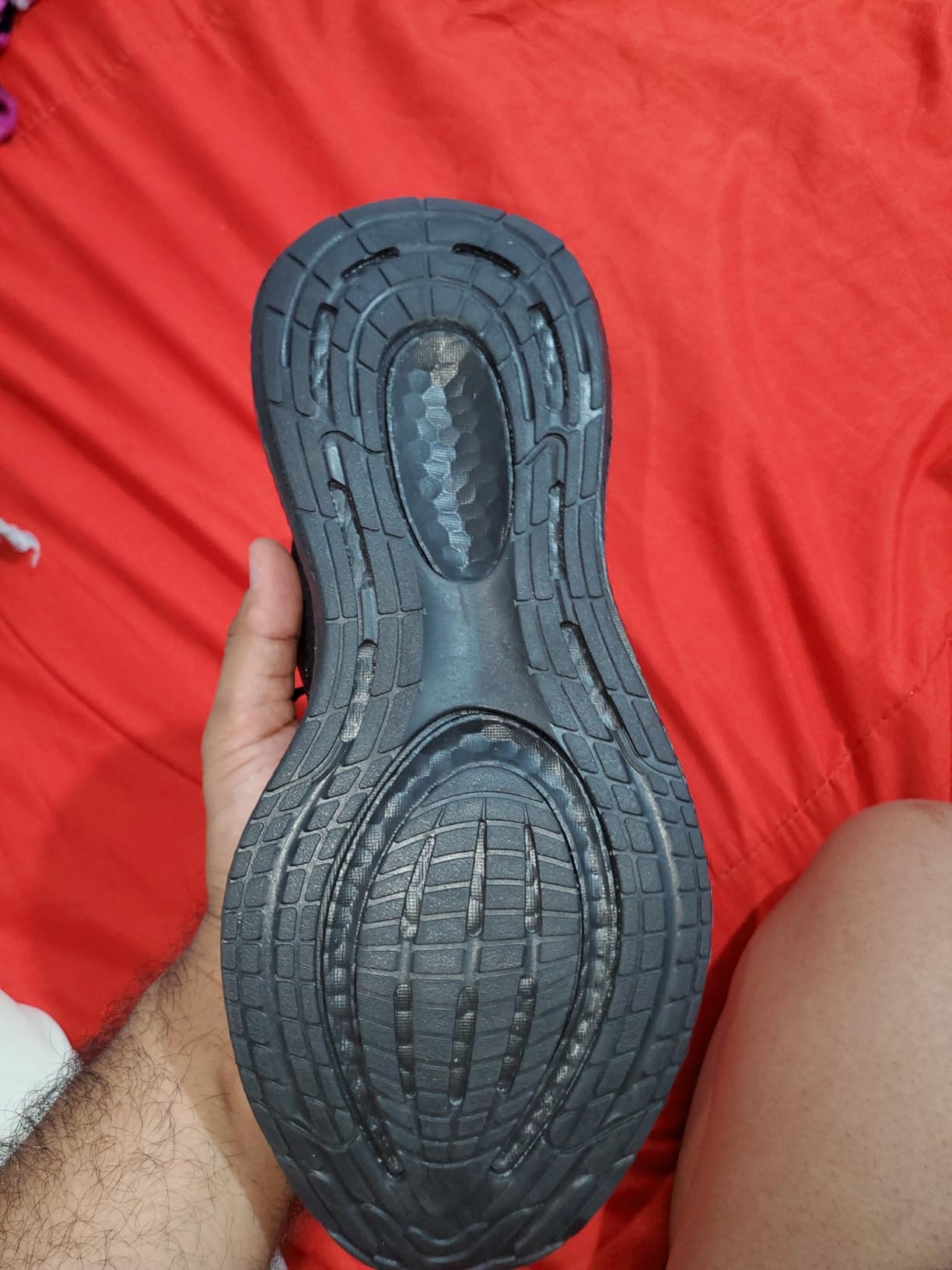
The construction is exactly what you’d expect: synthetic mesh upper with basic overlays, a standard EVA foam midsole, and a generic rubber outsole with a multi-directional tread pattern. There’s no fancy technology here—no proprietary cushioning system, no engineered breathability zones, no stability features. The brand claims “enhanced cushioning with ultra-soft insoles” and a “dual comfort sole,” but those are marketing terms for basic foam that feels soft initially.
Size-wise, they run true to standard men’s sizing, though there’s an important warning on the listing: not suitable for wide feet. The synthetic upper doesn’t stretch, so what you get out of the box is what you’re stuck with. Multiple colorways exist, including a red variant I’ll show you later, but the core construction remains identical across all options.
The package weight listed at 780 grams (about 27.5 ounces for the pair) translates to roughly 13-14 ounces per shoe—fairly standard for budget casual sneakers, light enough for everyday wear but nowhere near performance lightweight engineering. That weight stayed consistent throughout my testing, even as everything else about these shoes degraded.
Design, Build Quality, and First Impressions
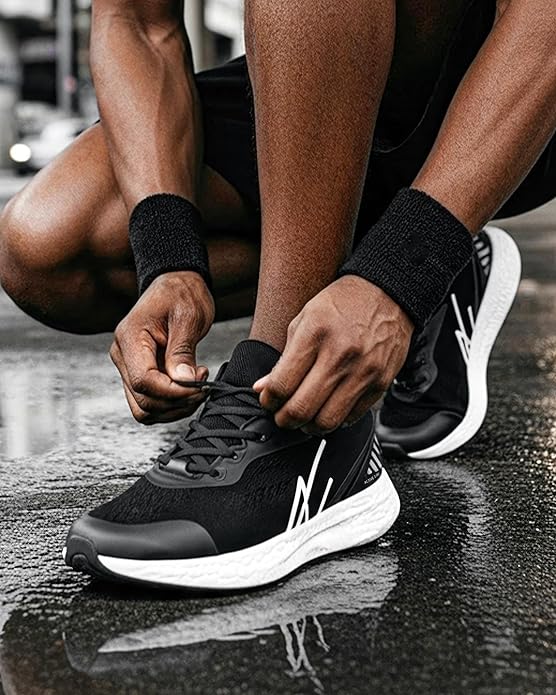
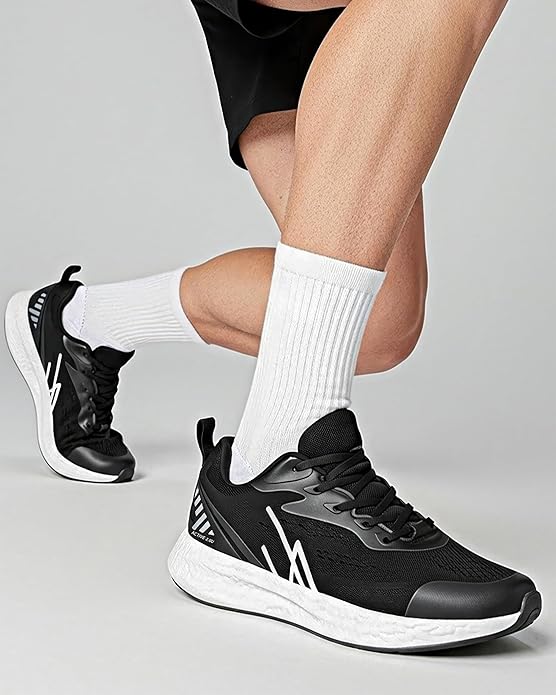
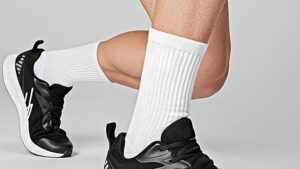
Opening the box, my first thought was actually positive. These don’t look like $20 shoes at first glance. The design is generic athletic styling—nothing exciting, but also nothing offensive. The black pair I tested had a simple aesthetic that wouldn’t look out of place at a casual gym or running errands. The mesh pattern looked fine, the synthetic overlays were glued on acceptably, and there were no obvious defects screaming “cheap.”
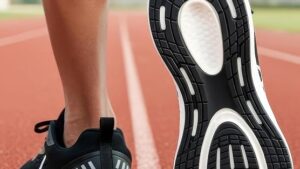
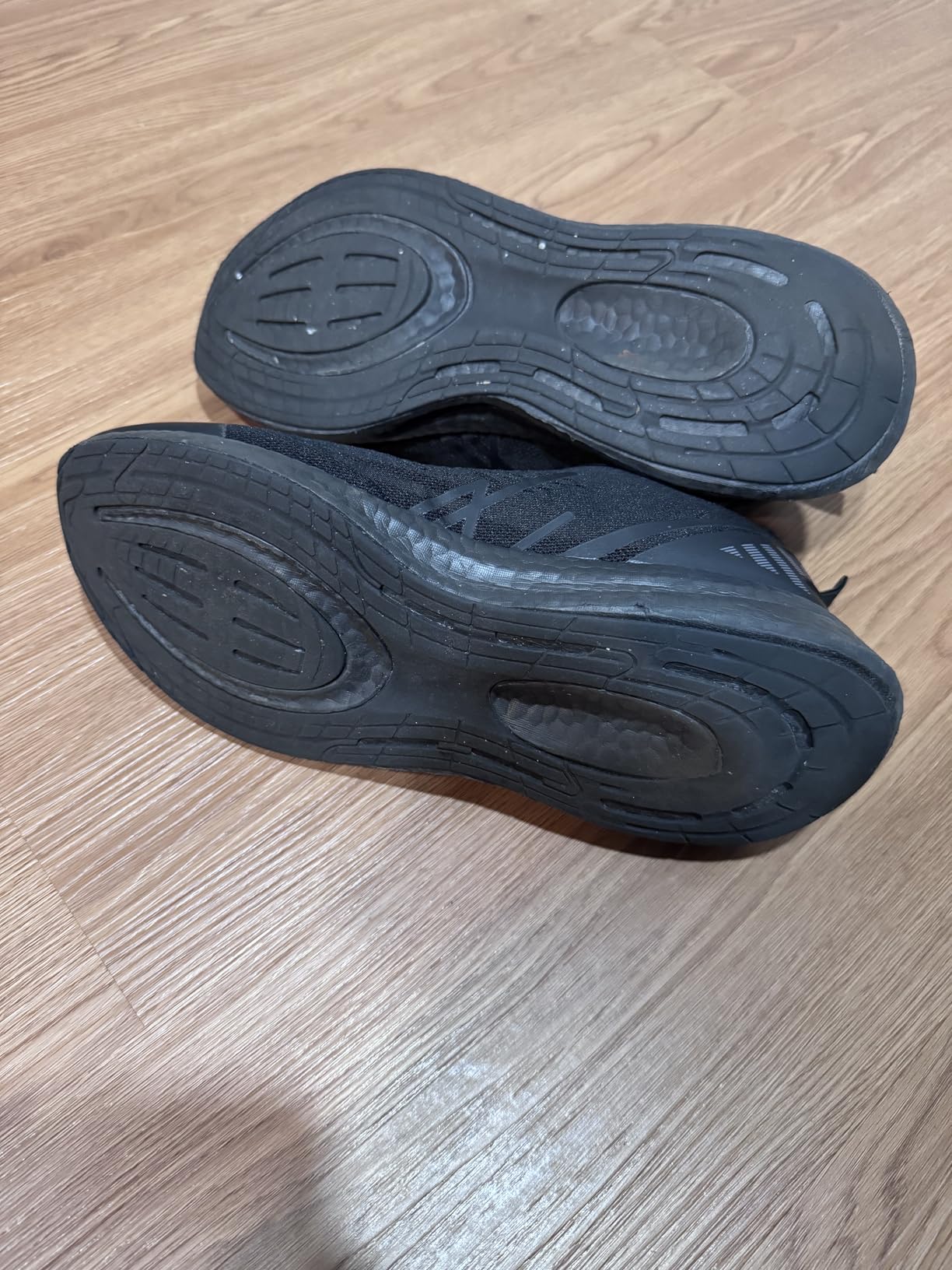
Examining the construction more closely revealed the budget reality. The sole attachment is entirely glued, not stitched. The mesh has a basic perforation pattern without the reinforcement you’d find in actual training shoes. The stitching is adequate but minimal. The insole is non-removable, glued directly to the midsole—meaning you can’t upgrade or replace it when it inevitably compresses.
Still, for twenty dollars, I was somewhat impressed. The packaging was minimal but functional. There was the typical synthetic shoe smell you get with any new footwear. The quality control on my pair seemed fine—no glue blobs, no misaligned panels, no immediate red flags.
Here’s the trade-off you’re accepting: decent initial appearance for an extremely short lifespan. By month two, the mesh was showing wear at flex points. By month three, the synthetic materials looked tired. These aren’t built to age gracefully. They’re built to look acceptable for 60 to 90 days, then get replaced.
Fit, Sizing, and Initial Comfort Assessment
I ordered my normal size and the fit was accurate right out of the box. No sizing up or down needed if you have standard medium-width feet. The toe box offered adequate room without being roomy. The heel collar had minimal padding but held my foot securely enough. The tongue is basic—thin enough that with certain socks, you can feel the laces—but it didn’t create hotspots during my testing.
If you have wide feet, stop reading and look elsewhere. The official listing warns against it, and the synthetic upper confirms why. There’s zero give in these materials. Someone with even moderately wide feet would find these uncomfortable immediately, and the shoe won’t break in or stretch to accommodate you.
Now here’s where things got interesting. Lacing them up for the first wear, I was prepared for stiff, uncomfortable budget-shoe misery. Instead, I took a few steps and thought, “Wait, these actually feel decent.” The foam underfoot was soft. The cushioning felt forgiving. There were no immediate pressure points or rubbing anywhere. For the first time in this entire testing process, I felt genuine surprise.
That first month was genuinely comfortable. I’m talking 8 out of 10 comfort during those early sessions. No break-in period needed—they were immediately wearable. Two-hour gym sessions felt fine. Walking a couple miles to the store and back didn’t create any foot fatigue. The softness I felt during that first step remained consistent through those initial weeks.
But—and this is crucial—that comfort came with an expiration date I didn’t yet realize I was counting down.
All-Day Comfort and the Cushioning Reality
This section is the heart of why these shoes earn a complex rating rather than a simple thumbs-up or thumbs-down. The cushioning story plays out in three distinct acts across three months.
Month One: The Pleasant Surprise
Sessions 1 through 15 felt legitimately good. That initial softness I mentioned? It held up. I wore these to the gym at least eight times during this period—lifting weights, using machines, walking on the treadmill for warm-ups. The cushioning absorbed impact adequately. Standing around between sets didn’t create any discomfort. Walking home afterward, maybe two miles, my feet felt fine.
Around week three, I did a longer walk just to test them—about four miles total. My feet were tired by the end, but not painfully so. The fatigue felt normal for casual shoes on pavement. At this point, I was thinking these might be one of those rare budget finds that actually delivers.
Week 8 to 10: The Turning Point
During a gym session in week eight, I was doing calf raises. Coming down on my heels, there was this slightly harder landing than I remembered. The foam wasn’t bouncing back quite the same way. It was subtle—someone without years of shoe testing experience might not have noticed immediately—but I caught that change in compression feedback. The cushioning was starting to break down.
Over the next couple weeks, that sensation became more obvious. The softness was diminishing. Longer sessions started to feel less comfortable toward the end. The foam was compressing more and recovering less.
Month Three: The Cardboard Phase
By session 35 or so, these had crossed from “adequate” into “uncomfortable.” That’s when the “walking on cardboard” feeling hit. The cushioning had compressed so much that I could feel the ground through the sole on hard landings. Foot fatigue set in much faster. A simple errand run that would have felt fine in month one now left my feet tired.
I tested a longer walk again around this time—3.5 miles. By mile two, the fatigue was significant. By mile three, every step felt hard. I finished, but I wouldn’t recommend it. These shoes had crossed the line from functional to “just get me home.”
The insole quality mirrors this decline. Since it’s non-removable and glued in, it wears down alongside the midsole. There’s no way to refresh the cushioning or extend the life. Temperature-wise, the synthetic mesh provides basic breathability in warm weather but zero insulation in cold conditions. After extended wear, odor became noticeable—synthetic materials trap smell without moisture-wicking properties to manage it.
If I had to rate the cushioning timeline: 8/10 in month one, 6/10 in month two, 4/10 by month three. That degradation curve is the defining characteristic of these shoes. They work briefly, then fail predictably.
Performance Testing: On Pavement, In the Gym, and the Running Attempt
Casual Walking (Appropriate Use)
For short walks under two miles, these handled fine during months one and two. Sidewalks, parking lots, indoor tile—the surfaces that define errands and casual neighborhood strolls—worked adequately. By month three, even short distances became less comfortable, but they remained functional. This is where these shoes actually deliver on their real purpose, despite what the label says.
Gym Sessions (Appropriate Use)
I put these through about 20 gym sessions total. For weightlifting and strength training, they worked throughout the entire testing period. The lightweight feel is actually beneficial when you’re moving between equipment. The cushioning decline didn’t matter much for lifting since you’re not generating the repeated impact you get from running or even walking long distances. Floor exercises, using machines, elliptical work—all acceptable.
However, serious training is different from casual gym use. If you’re doing heavy squats or deadlifts where stability matters, these won’t provide it. If you’re training with intensity rather than just staying active, invest in proper training shoes.
The Running Attempt (Completely Inappropriate)
Session 30. I decided to test the “running shoe” claim honestly. Warmed up on the treadmill walking, then bumped it up to a light jog. Made it about a quarter mile before stopping for safety reasons.
The cushioning was immediately inadequate. Every footfall felt harsh. The impact absorption that real running shoes provide—premium foam technology, proper stability features, engineered support—was completely absent. My feet fatigued rapidly. The lateral stability was poor. I could tell this was heading toward injury territory if I continued.
Let me be completely clear: these are not running shoes. Period. The label is misleading. Don’t attempt actual running in these, even if you’re just trying to catch a bus. They lack the fundamental features that make running footwear safe—proper impact absorption, adequate stability, durable cushioning that maintains performance. Compare these to something like the Nike Downshifter series at $75 and you’ll understand what $55 more actually buys you in terms of real running capability.
Traction and Grip
On dry pavement and indoor gym floors, the rubber outsole provided adequate grip. Nothing special, but functional for walking and casual movement. On wet surfaces, however, things got concerning. During one rainy errand run, the grip failed noticeably on wet pavement. The rubber compound is budget-grade, and it shows when conditions aren’t ideal. The mesh upper also absorbed water immediately, taking hours to fully dry out.
Performance in Various Conditions
Weather played a bigger role than I initially expected with these shoes. In warm conditions—70 to 80 degrees—the mesh provided basic airflow good enough for a couple hours of wear. But “breathable” in marketing terms doesn’t equal actual moisture management. My feet would get warm and stay that way. The synthetic materials trap perspiration rather than wicking it away.
Cold weather testing revealed zero insulation. Below 50 degrees, my feet got cold fairly quickly. These are definitely warm-weather or indoor shoes, not something you’d want for late fall or winter use.
The mesh construction also means zero water resistance. I mentioned the rainy day test—not only did traction suffer, but the shoes soaked through within minutes. They’re better suited for controlled indoor environments like gyms or quick trips in fair weather rather than extended outdoor use in varied conditions.
Surface versatility is limited to flat, even ground. Pavement and gym floors are fine. Uneven terrain, trails, or anything beyond basic urban surfaces would be asking too much from this construction. The budget rubber sole and minimal support structure aren’t designed for anything adventurous.
Does NY Threads Deliver on Their Promises?
Let’s fact-check the marketing against three months of actual use.
“Running Shoes” – Label Rating: Completely False
This is the most problematic claim. These are not running shoes by any honest definition. Running requires impact absorption across hundreds of foot strikes per mile, lateral stability during the gait cycle, and cushioning that maintains performance over distance. These shoes fail at all three.
My running attempt made this clear within a quarter mile. Real running shoes—even budget options in the $60-80 range—use foam technology designed specifically for repeated impact. They include stability features to control pronation. They’re built to handle 300 to 500 miles of running. These NY Threads shoes can’t handle 3 miles of running safely.
The correct category would be “casual walking sneakers” or “budget everyday shoes.” The “running shoe” label feels misleading enough that it crosses from optimistic marketing into genuinely problematic territory. Someone buying these expecting to actually run risks injury.
“Enhanced Cushioning” and “Dual Comfort Sole” – Rating: True Initially, False Long-Term
Month one delivered on the comfort claims. The cushioning did feel enhanced compared to my expectations at this price point. That ultra-soft feeling was genuine out of the box. But “enhanced” should imply sustained performance, and these fall apart by month three. The claim ignores the rapid degradation timeline that defines the entire product.
“Breathability” and “Keeps Feet Cool” – Rating: Partially True
Basic breathability exists. Air does flow through the mesh. But this is entry-level ventilation, not the engineered airflow of premium mesh. For sessions under three hours in moderate temps, it’s adequate. Beyond that, or in warmer conditions, these don’t manage heat or moisture well.
“Durability” in Dual Comfort Sole Description – Rating: Completely False
There’s nothing durable about 60 to 90 days of acceptable performance. Some Amazon reviews mention sole separation after just three weeks. My testing showed cushioning failure as the limiting factor, but either way, durability is not a strength here. This is temporary footwear.
Value at $19.99 – Rating: Fair IF Expectations Match Reality
Here’s where things get interesting. If you calculate cost per wear—$20 divided by roughly 75 sessions before they became uncomfortable—that’s about $0.27 per use. Compare that to an $80 pair of budget running shoes lasting 400 miles at $0.20 per mile, and the value proposition looks similar in pure math.
But math misses context. The hassle of replacing shoes every two months, the environmental waste of disposable footwear, the risk of buying these thinking they’ll work for running—those factors matter. If you genuinely need shoes for exactly $20 and understand you’re buying a 90-day temporary solution for light use only, the value is fair. For almost everyone else, saving another month to buy $60 shoes would be smarter.
Overall Assessment: Breaking Down the 5.5/10 Rating
That half-point-above-average rating needs unpacking because this is a genuinely contradictory product.
Initial Comfort: 8/10
Month one genuinely impressed me. Soft cushioning, no break-in pain, immediately wearable, adequate for short sessions. For those first weeks, these punched above their $20 price point. That positive experience was real.
Long-Term Comfort: 4/10
By month three, the cushioning had compressed severely. Foot fatigue set in quickly. The “walking on cardboard” sensation made even casual errands uncomfortable. This is where the budget reality hits hardest.
Durability: 3/10
Two to three months of adequate performance, then rapid decline. Materials showed visible wear quickly. Cushioning breakdown was predictable and severe. This is disposable footwear, not durable goods.
Build Quality: 5/10
Adequate construction for the price, no immediate failures in my test pair, but budget materials are obvious. Glued sole, basic stitching, non-removable insole—acceptable for short-term use, not built to last.
Performance Versatility: 4/10
Works for walking and light gym use. Completely fails as running shoes. Narrow use case, rapid performance decline over time. Much less versatile than the “athletic shoe” marketing suggests.
Value for Money: 6/10
Fair price IF you need temporary footwear immediately and understand the limitations. Poor value if you’re trying to save money long-term or expecting these to work for running. The value depends entirely on whether your needs match what these actually deliver.
Overall: 5.5/10
Neither good nor bad—complex. Great first impression masks poor longevity. Right product for a very narrow use case, wrong product for what most people probably expect when they see “running shoes” at this price.
The Final Verdict: Pros, Cons, and Who This Is Actually For
PROS:
- Extremely accessible price at $19.99—lowest barrier to entry for any footwear need
- Surprisingly good initial comfort during month one—genuinely exceeded my expectations
- Fairly lightweight construction makes them easy to move in for casual activities
- Adequate for light gym sessions including weightlifting, machines, and floor work
- Works fine for errands and short neighborhood walks
- Multiple colorways available for basic style preferences
- No break-in period—comfortable from day one
- Looks better than the price suggests—doesn’t scream “cheap shoes”
CONS:
- Rapid cushioning breakdown by month two to three—performance degradation is severe
- Completely misleading “running shoe” label—NOT suitable for actual running
- Very short lifespan of 60-90 days with light use—truly disposable footwear
- Minimal arch support makes them unsuitable for anyone with foot issues
- Poor overall durability means frequent replacement cycle
- Slippery on wet surfaces due to budget rubber compound
- No long-term value—frequent replacement negates initial savings
- Environmental concern—disposable shoe model creates waste
- Not suitable for wide feet—synthetic upper doesn’t accommodate
- Odor retention from synthetic materials after extended wear
Bottom Line:
The NY Threads Men’s Running Shoe exists in a contradictory space that requires honest expectations. If you need temporary footwear right now and have exactly $20 to spend, these will give you adequate performance for about two months. That initial comfort I experienced during the first month was genuine—these exceeded my expectations early on, and I can understand why some buyers feel satisfied initially.
But the “running shoe” label is genuinely problematic. Don’t attempt running in these. The cushioning breakdown by month three makes them uncomfortable even for walking. The durability is poor by any reasonable standard.
At $19.99, you’re buying a disposable solution that works for gym sessions, running errands, and casual walks around the neighborhood. That’s the real product, regardless of what the marketing says. If your situation matches that narrow use case—temporary need, super light use, tight budget with no flexibility—these represent a reasonable option for what they actually are: ultra-budget casual sneakers, not running shoes.
If you need real running footwear, save up for proper shoes in the $60-80 range like the Nike Downshifter series. If you need shoes lasting more than 90 days, skip these entirely and invest in quality casual sneakers that maintain comfort over time. But if you’re in an emergency situation—shoes broke, payday is far away, you need something immediately—these bridge that gap for about three months.
Who Should Buy These Shoes?
Perfect for:
- Emergency shoe situations—car trunk backup, gym locker spare, “my shoes just broke” crisis
- Temporary footwear needs—waiting for primary shoes to arrive, between paychecks, short-term solution
- House and indoor shoes—around-the-house wear, quick trips outside
- Light gym use only—casual weightlifting, machines, low-impact cardio
- Short errands and neighborhood walks—grocery store runs, dog walks around the block
- Teenagers experiencing rapid growth spurts—disposable solution while feet are still growing
- Travel backup shoes—lightweight spare in your suitcase for hotel gym or casual wear
- Very tight budget constraints—genuinely cannot afford more than $20 right now
Consider carefully if:
- You need shoes lasting more than three months—durability won’t meet longer-term needs
- You walk 3+ miles regularly—cushioning becomes inadequate for distance
- You have any foot issues or need arch support—minimal support provided here
- You’re over 200 pounds—cushioning compresses faster under more weight
- You need all-day standing shoes—comfort declines too rapidly for this use case
- You want a true athletic performance shoe—these are casual sneakers only
- You run at all, even occasionally—completely wrong shoe for any running
Look elsewhere if:
- You need actual running shoes—spend $60-80 on proper runners like the New Balance 680 v8
- You need long-term footwear—invest in $50-70 quality casual shoes that last 6-12 months
- You have plantar fasciitis or serious foot problems—these lack the support you need
- You work on your feet all day—get quality work shoes designed for extended standing
- You care about environmental impact—disposable shoes create significant waste
- You’re a serious gym-goer—proper training shoes will serve you better
- You can afford to spend $40-60 more—many better options available at that price point
- You have wide feet—these simply won’t fit comfortably no matter what
Frequently Asked Questions
Are these actually good for running?
No, absolutely not. Despite being labeled “running shoes,” these are completely unsuitable for running. During my testing, even a light quarter-mile jog revealed inadequate cushioning, poor impact absorption, and rapid foot fatigue. Real running shoes in the $60-80 range offer premium foam technology, stability features, and durability for hundreds of miles. These lack all of those critical components. If you need to run—even occasionally—invest in proper running footwear. Using these for running risks injury due to insufficient support and cushioning.
How long do these $20 shoes actually last?
Based on my three months of testing through 40+ sessions, expect 60 to 90 days of adequate performance with light use only. That means gym sessions, errands, and short walks. By month three, cushioning had compressed significantly, and comfort declined from 8/10 initially to 4/10 by the end. If you wear them daily for extended periods, the lifespan could be even shorter. This is genuinely temporary footwear, not a long-term investment. Plan to replace them every two to three months if you use them regularly.
Do they run true to size?
Yes, they run standard true to size for medium-width feet. I tested my normal men’s size and the fit was accurate without needing to size up or down. However, if you have wide feet, these will not accommodate you. The synthetic upper doesn’t stretch, and the official listing explicitly warns that they’re not suitable for wide feet. The fit remains consistent throughout the shoe’s short lifespan since the materials don’t break in or adapt to your foot shape.
How does the cushioning hold up over time?
This is the critical issue with these shoes. Initial cushioning is surprisingly soft—I rated it 8/10 for comfort in month one. But the EVA foam compresses rapidly. By week 8 to 10, noticeable decline began. By month three, cushioning felt minimal, like walking on cardboard. This is expected with budget foam that lacks the density and resilience of premium materials. The compression is severe enough that even casual errands became uncomfortable by the end. Plan for significant performance degradation, not consistent comfort over time.
Can I use these for the gym?
Yes, for light gym use. They work adequately for weightlifting, using machines, and floor exercises. I used them for 20+ gym sessions during testing and they handled that environment acceptably. However, they’re not suitable for serious training, running on the treadmill, or high-intensity workouts. The cushioning decline affects cardio activities more than strength training. Casual gym-goers on a tight budget will get by for a couple months, but serious athletes should invest in proper training shoes designed for performance.
How do these compare to Nike or Adidas budget options?
Nike and Adidas budget lines—typically $50 to $70 like the Nike Revolution or Adidas Lite Racer—offer significantly better materials, cushioning technology, and durability. Those shoes last 6 to 12+ months with regular use and maintain consistent performance throughout their lifespan. You’re paying 2.5 to 3 times more but getting 3 to 4 times the usable life plus sustained comfort. If you can afford $50-70, buy those instead. The NY Threads shoes fill the under-$20 emergency category only, for people who literally cannot spend more right now.
Are they breathable enough for all-day wear?
The synthetic mesh provides basic breathability adequate for short periods—two to three hours in moderate conditions. However, for all-day wear, especially in warm weather, feet do get warm and odor becomes an issue due to synthetic materials that trap perspiration. They’re fine for short sessions but not ideal for 8-hour workdays or extended use. The minimal moisture management means sweaty feet stay sweaty, and the synthetic construction retains odor more than natural materials would.
What’s the best way to maximize their lifespan?
Use them sparingly for light activities only. Rotate with other shoes rather than wearing them daily. Avoid wet conditions since mesh absorbs water and breaks down faster. Hand wash gently and air dry—machine washing would accelerate deterioration. Store in a cool, dry place when not in use. Honestly though, even with perfect care, you’re looking at three to four months maximum lifespan. These are designed to be disposable by nature of their construction and materials. Don’t expect to significantly extend their usable life regardless of how carefully you treat them.
Do they look cheap, or can I wear them casually?
They actually look better than $20 suggests. The design is generic but not obviously budget. Basic colorways work for casual settings like errands, relaxed office casual Friday environments, or hanging out. They don’t immediately scream “cheap shoes” from a distance. However, anyone familiar with footwear will recognize budget construction upon closer inspection—the synthetic materials, basic glued sole, minimal design details all reveal the price point. For the money, the aesthetics are acceptable for casual wear, just don’t expect them to look polished or maintain appearance as they age.
Should I just save up for better shoes instead?
In most cases, yes. If you can wait and save $40 to $60 more, you’ll get shoes lasting 10 to 12 months instead of 2 to 3 months, with consistent comfort throughout their lifespan. The cost-per-wear becomes much better with quality shoes, and you avoid the hassle of frequent replacement. However, if you’re in a genuine emergency situation—shoes broke and payday is two weeks away, you have a job interview tomorrow and no appropriate footwear, you’re traveling and need something immediately—these serve as a temporary bridge solution. Think of them as emergency backup footwear, not primary shoes for regular use.
Be the first to review “NY Threads Men’s Running Shoe”
Related products

Sneaker
Sneaker
Sneaker
Sneaker
Reviews
There are no reviews yet.