
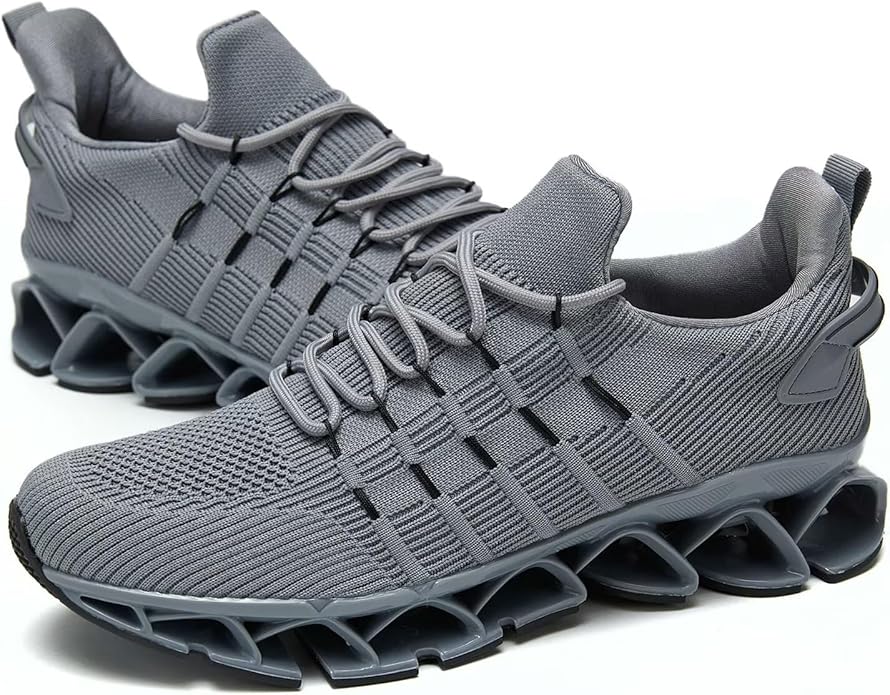
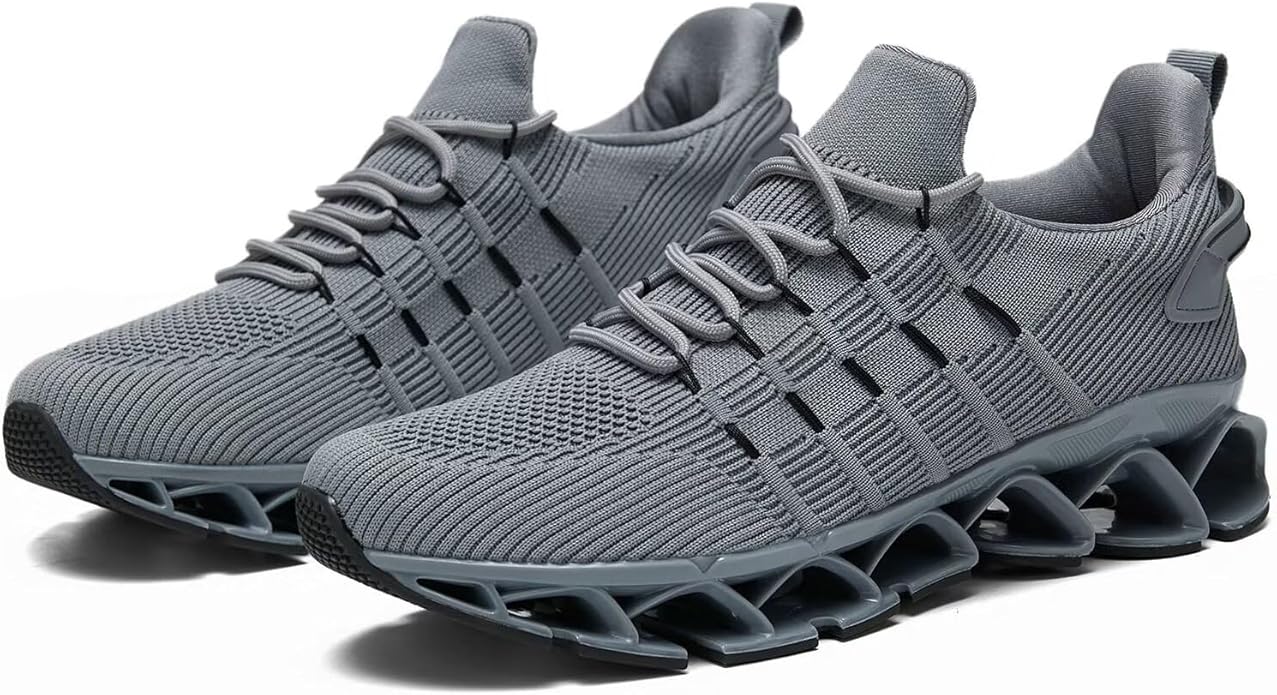
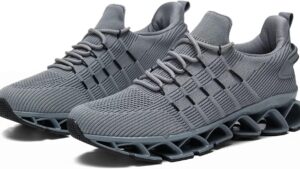
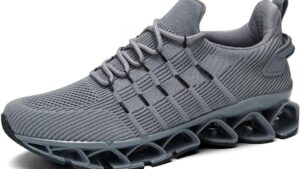
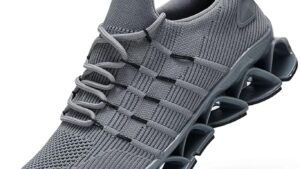
 The Peaya blade sole runners promise multi-sport versatility at a budget price point. After testing them through daily errands, gym sessions, attempted outdoor runs, and various weather conditions, I can tell you exactly where they excel—and where they absolutely fail.
Design, Build Quality & Real-World Performance
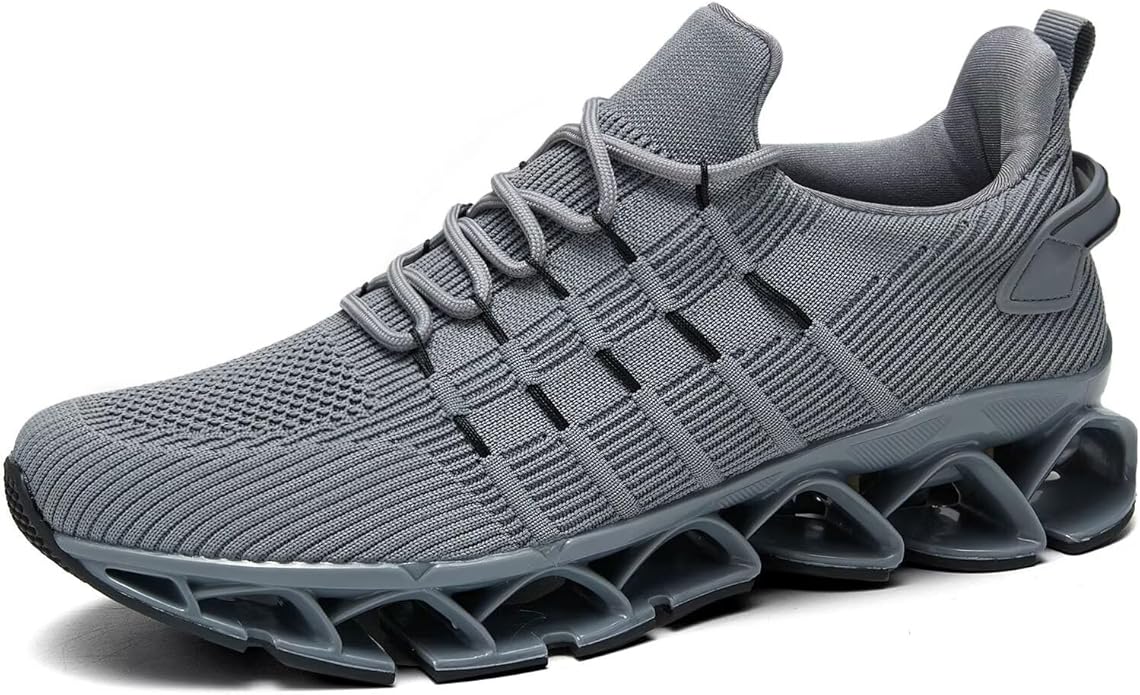
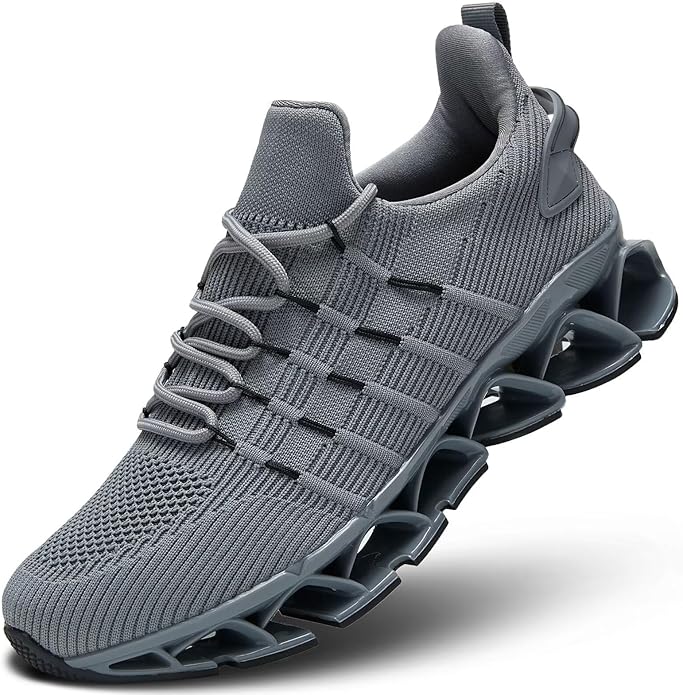
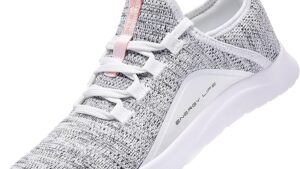
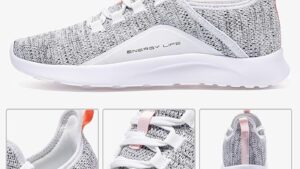
When I first unboxed these shoes, my initial reaction was cautiously optimistic. That blade sole design immediately grabs your attention—it’s unlike anything you see on most budget training shoes. The grey colorway I tested had a modern, athletic look that honestly punches above its $40 price tag. People asked about them during my first few weeks of wear, which rarely happens with budget footwear.
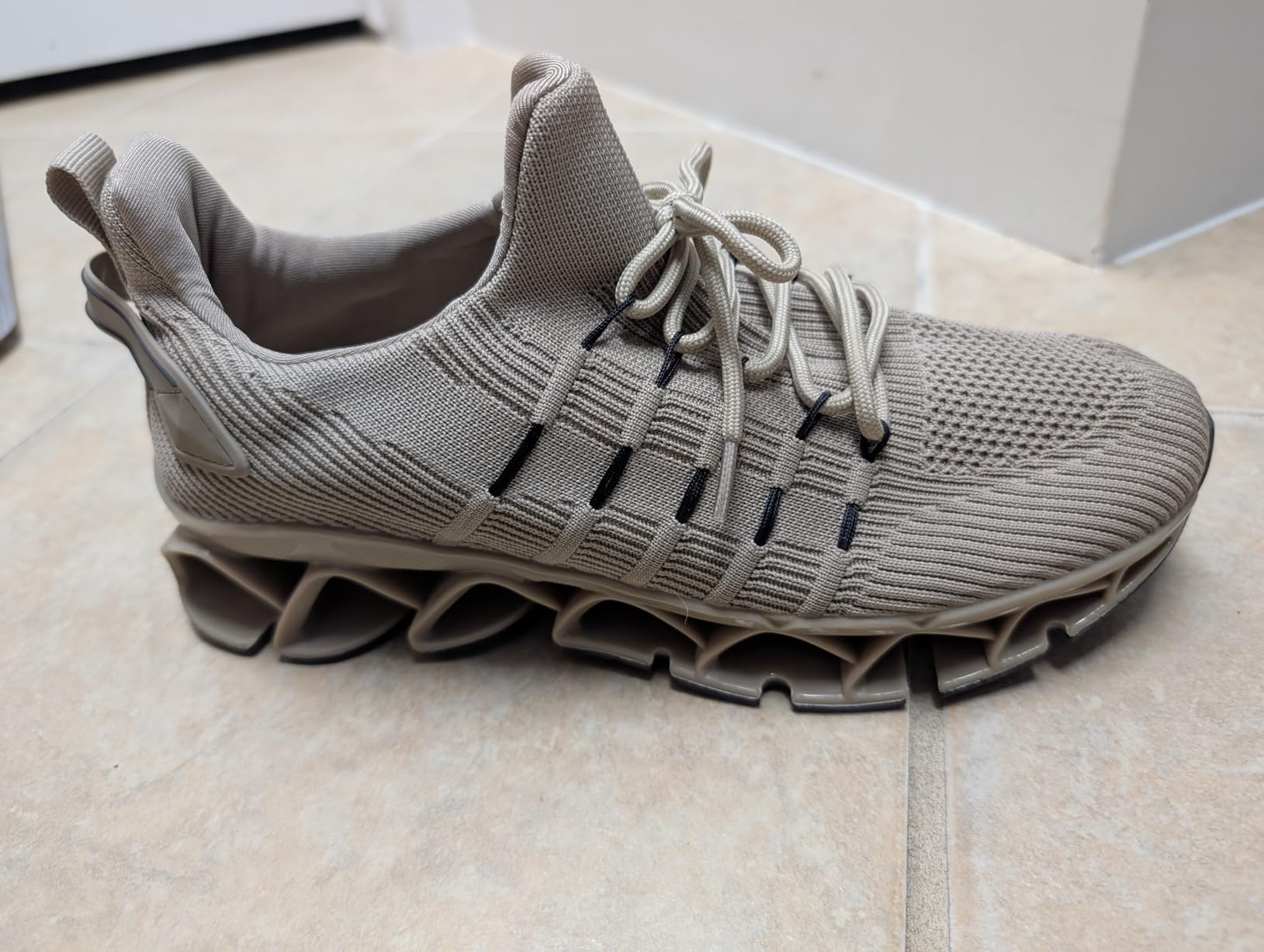
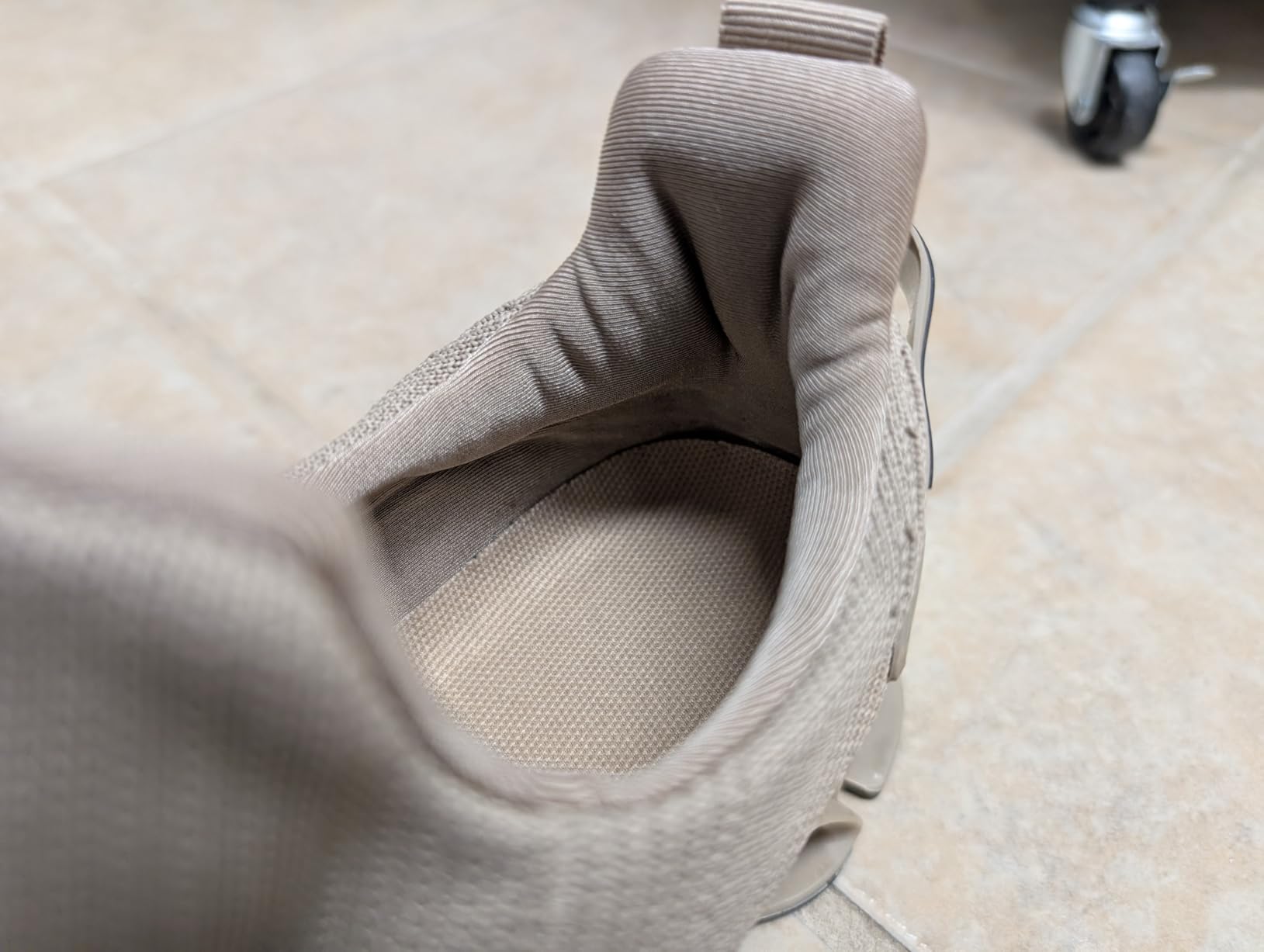
Stepping into them for the first time delivered that “walking on clouds” sensation marketing teams love to promise. The memory foam insole provides genuine initial comfort that rivals shoes costing twice as much. During my first week of testing—grocery runs, casual errands, standing in lines—they felt surprisingly supportive. At 9.2 ounces for a size 9, they’re genuinely lightweight without feeling flimsy or insubstantial.
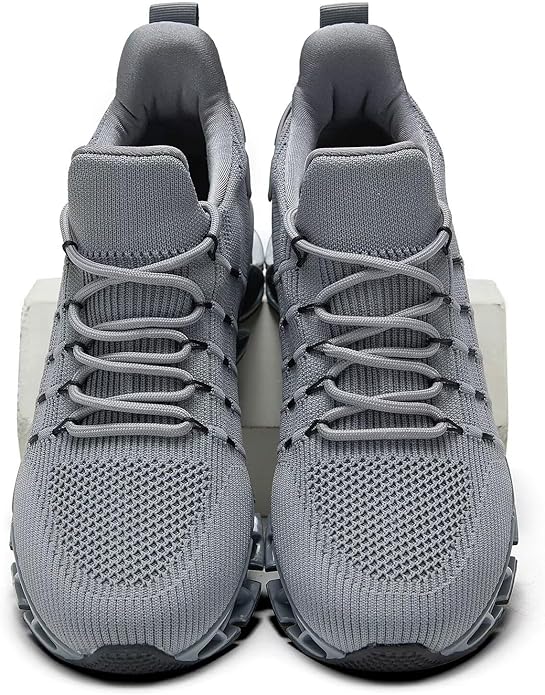
The knitted mesh upper is actually pretty well-executed for this price point. It’s breathable enough that during summer months, my feet stayed cooler than I expected during 1-hour gym sessions. The low-top design with padded collar provides adequate comfort around the ankle without any rubbing issues I encountered during the break-in period. Actually, there wasn’t really a break-in period—these felt ready to wear from day one, which is one of their genuine strengths.
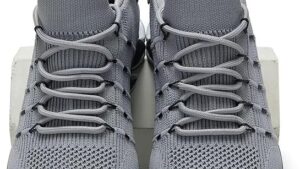
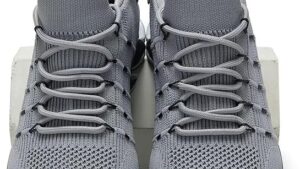
That said, the pull-on design takes some getting used to. While the traditional lacing is functional, the overall construction leans toward slip-on convenience. If you prefer the security of a traditional lacing system that really locks your foot down, this hybrid approach feels a bit awkward. The lacing is there, but it doesn’t provide the same level of customizable fit you’d get from basketball shoes or dedicated athletic footwear.
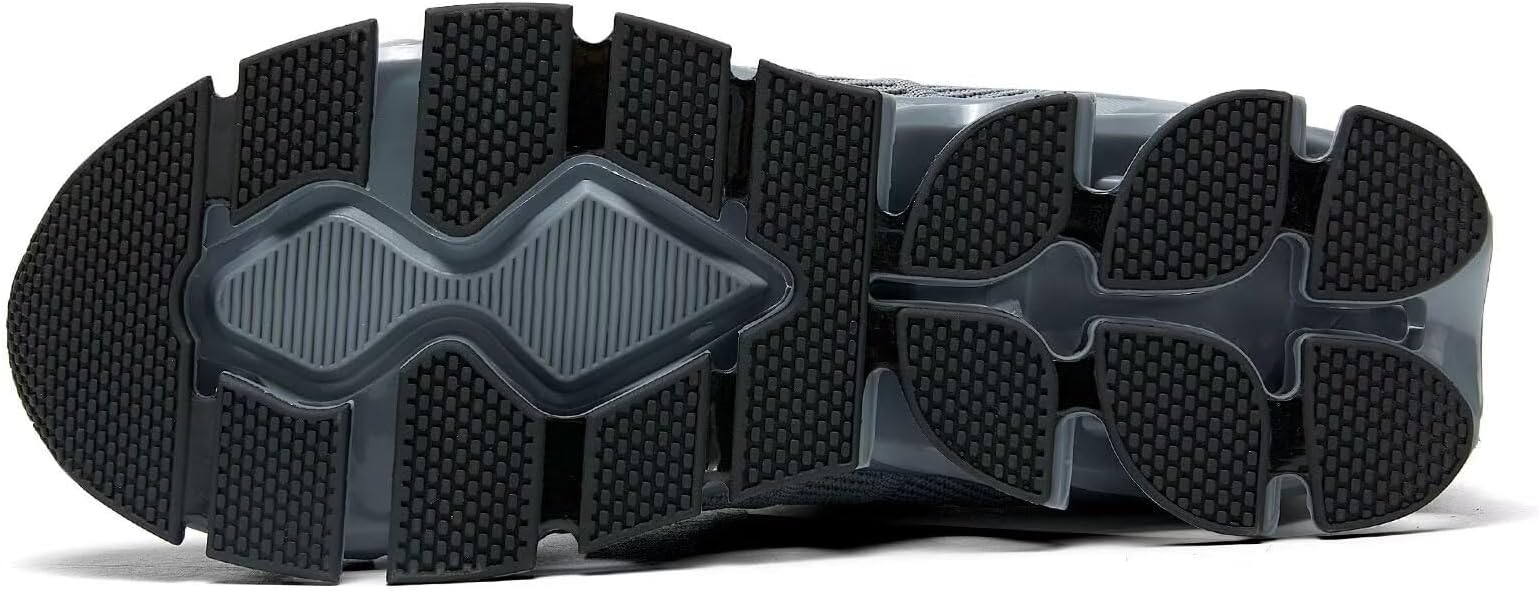
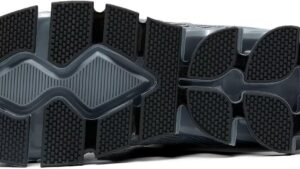
Here’s where things get interesting—and concerning. That distinctive blade sole creates a unique “bounce” sensation when you walk. It’s different from traditional flat soles or even modern foam cushioning systems. For the first month of testing, I was genuinely impressed by how the blade chambers provided responsive feedback during casual walking and light cardio. On clean gym floors and dry pavement, the grip feels adequate for their intended purpose.
On-the-Street Performance
For the first 6-8 weeks, these shoes performed admirably for their intended casual purpose. I wore them for everything: 2-mile daily walks around the neighborhood, standing for 8+ hours during errands and events, light treadmill work at the gym, and general everyday activities. The true-to-size fit (I tested size 9 on average-width feet) accommodated my foot well with no pressure points or hot spots.
During this initial phase, the memory foam maintained its cushioning through normal daily use. My feet didn’t ache after full days of wear, and the breathable mesh kept moisture management surprisingly effective. Summer testing revealed that the upper material genuinely does what it promises—air flows through well enough that even during humid days, my feet didn’t feel swampy.
However, here’s where I need to pump the brakes. The marketing claims these shoes are suitable for “running, walking, badminton, basketball, hiking, body training and so on.” I learned this the hard way when I tried using them for my regular 5-mile outdoor runs. Absolutely not suitable. The blade sole design, while comfortable for walking, lacks the stability and support needed for repetitive impact activities. By mile two, I could feel the lack of proper running-shoe structure. By mile three, I knew I was risking injury if I continued.
Light treadmill jogging—2 to 3 miles maximum—is just barely acceptable, and only during the first month when the memory foam still maintained its responsiveness. For anything resembling actual running training, weight lifting requiring lateral movement, or sports like basketball that demand quick direction changes, look elsewhere. These are walking shoes with a sporty aesthetic, not genuine athletic shoes despite the marketing.
Meeting Your Casual Athletic Goals – Does It Deliver?
Let me be real with you: there’s a significant gap between what Peaya markets these shoes to do and what they actually deliver. The product listing claims suitability for multiple sports and training activities. After three months of varied testing, I can tell you exactly where the line is.
What they CAN do well: casual walking on flat surfaces, standing for extended periods during the first 2-3 months, light gym use (treadmill walking, light cardio machines), daily errands and urban walking, and general everyday wear for lighter individuals (under 160 pounds). For these activities, they genuinely deliver decent performance relative to their budget price point.
What they CANNOT do: serious running of any distance, sports requiring lateral movement or quick stops (basketball, tennis, badminton despite marketing claims), weight training that demands stable footing, hiking or trail use, and long-term durability beyond 4-6 months of regular use. The construction simply isn’t built for these demands, and pretending otherwise risks injury or extreme disappointment.
If you’re someone who primarily walks, does light gym work, and needs an inexpensive shoe for short-term use, these hit the mark. If you’re looking for actual athletic performance or durability measured in years rather than months, your $40 is better spent elsewhere or saved toward a more capable shoe.
Key Strengths and Weaknesses
Strengths (First 2 Months):
- Genuine memory foam comfort that rivals shoes costing $80+
- Lightweight feel (9.2 oz) doesn’t feel clunky
- Zero break-in period needed
- Breathable mesh performs well in warm conditions
- Eye-catching blade sole design
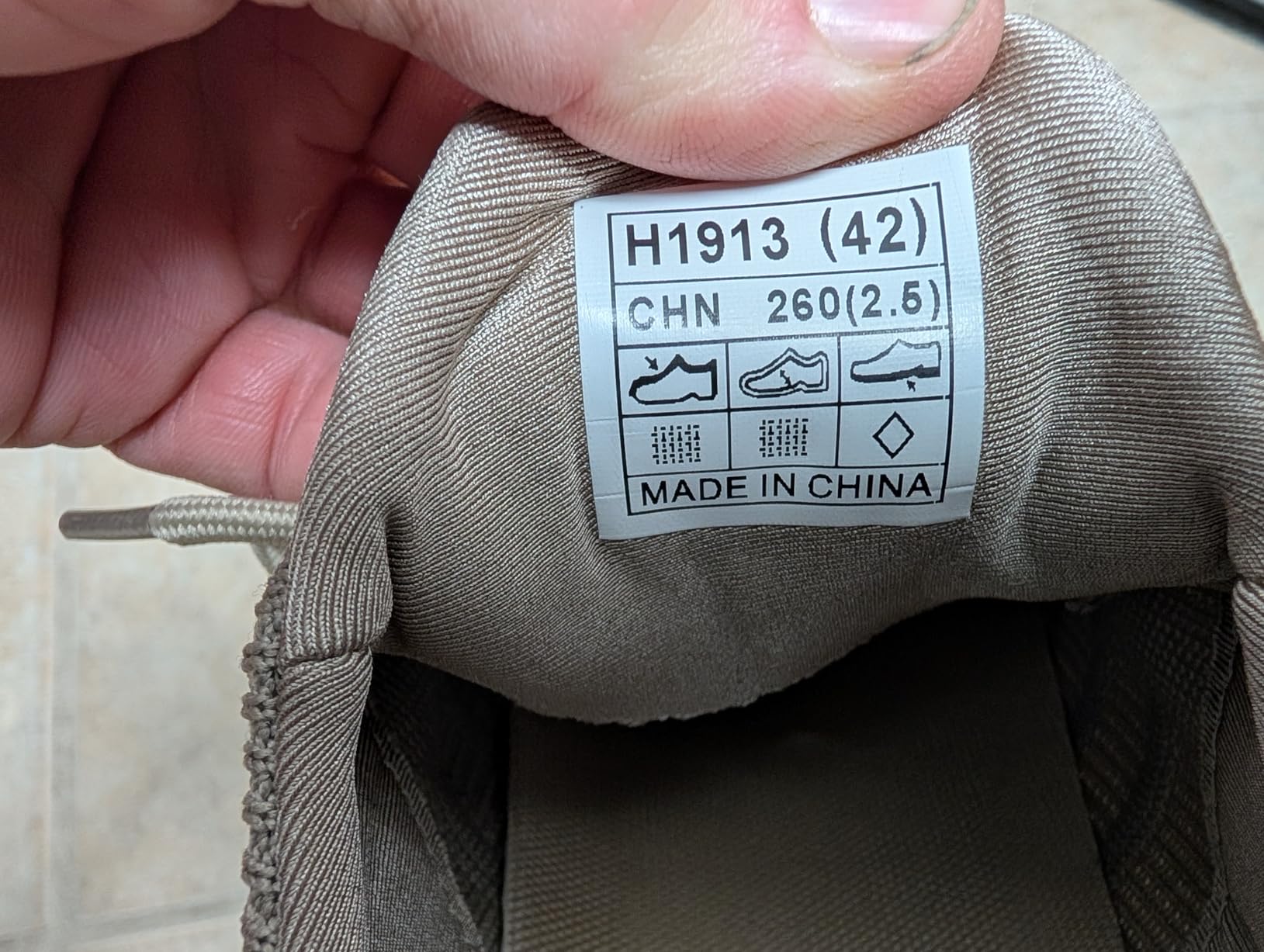
- True to size for average-width feet
- Accessible $40 price point
Weaknesses (Discovered During Extended Testing):
- Durability concerns emerge after month 2-3
- Memory foam loses responsiveness significantly
- Blade sole catches on surfaces—especially car pedals (serious safety concern)
- Shoelace eyelets prone to stress and breaking
- Absolutely zero water resistance
- Misleading multi-sport marketing claims
- Not suitable for users over 180 lbs with active use
- Quality control issues (compression from packaging)
Performance in Various Casual Conditions
Indoor Gym Sessions
At my local gym, these shoes handled light cardio and basic weight training adequately during the first two months. Treadmill walking at moderate pace? Fine. Light jogging for 15-20 minutes? Acceptable initially. Basic free weight exercises that don’t require explosive movements? They’ll work.
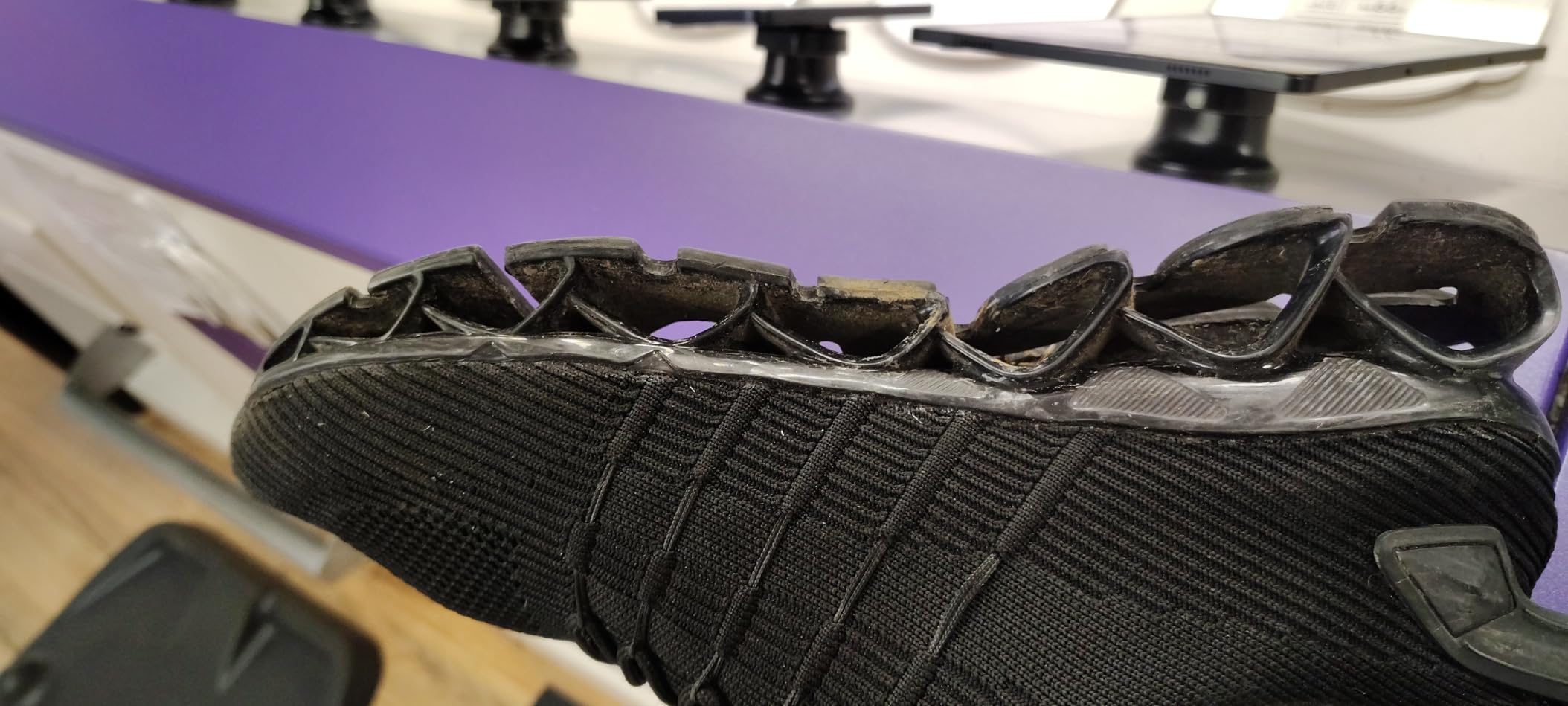
The grip on gym floors is sufficient for these activities. I never experienced slipping during casual use on the rubberized surfaces. However, I started noticing early wear patterns on the blade sole chambers by week 8. The rubber showed signs of compression and minor surface cracking at stress points—earlier than I’d hoped even for a budget shoe.
For serious training shoes needs—squats, deadlifts, plyometrics, HIIT workouts—these don’t provide the stable platform you need. The blade sole design creates an unstable base for heavy lifting, and I wouldn’t trust them for explosive movements.
Daily Walking and Errands
This is where these shoes truly shine, at least initially. For casual urban walking, grocery shopping, standing in lines, and general everyday activities, the memory foam and lightweight construction make them genuinely comfortable during the first 8-10 weeks. I wore them for 8+ hour days without significant foot fatigue.
The breathability kept my feet comfortable during summer testing. Even on days pushing 90°F, the mesh upper allowed enough airflow that my feet stayed relatively cool. That’s more than I can say for some sneakers costing double the price.
After month two, I started noticing the memory foam losing its initial cushioning. By month three, the difference was clear. They still functioned for walking, but that “clouds under your feet” sensation had degraded to something more like “worn carpet under your feet.” Still usable, but the premium feel was gone.
Light Outdoor Activities
Here’s a practical problem I didn’t anticipate: those blade sole chambers collect debris like a magnet. Walking on grass? Small stones and dirt get trapped in the gaps. Uneven terrain? Grass clippings wedge into the chambers and require cleaning. It’s not a dealbreaker for occasional outdoor use, but it became annoying enough that I started avoiding grassy areas.
The open blade design also means you’re constantly shaking out small rocks and debris after outdoor walks. If you’re considering these for any kind of trail use or hiking—don’t. The sole design actively works against you on natural terrain, and the lack of ankle support compounds the problem.
Weather Performance
Absolutely zero water resistance. I need to be crystal clear about this. Even light rain or walking through a puddle will soak these shoes completely. The mesh upper offers no protection from moisture whatsoever, and the blade sole design actually traps water in the chambers, making them uncomfortable until fully dried.
I got caught in an unexpected drizzle during week 4 of testing. Within 5 minutes, my feet were soaked. The mesh wicked the water right through, and the blade sole held water like little reservoirs. They took hours to dry out properly. On the positive side, the breathable mesh does help them dry relatively quickly once you’re out of wet conditions—faster than leather or synthetic leather uppers would.
Bottom line: these are fair-weather shoes only. If you live in a rainy climate or need footwear that can handle variable conditions, look elsewhere. Save these for dry, predictable weather where you won’t be caught out.
Does the Brand Deliver on Their Promises?
Let’s systematically test each major claim from the product listing against my real-world experience.
Claim 1: “Memory Foam Insole is comfortable to touch, absorbs impact force, reduces body burden”
Verdict: 85% delivered, with time limitations. The memory foam genuinely provides excellent cushioning for the first 6-8 weeks. It does absorb impact during walking and standing activities. However, “reduces body burden” is overselling it—this isn’t a running shoe with proper support structures. After month 2-3, the memory foam loses significant responsiveness. I’d say it performs about 85% of what they promise during its effective lifespan, which is shorter than implied.
Claim 2: “Lightweight mesh upper for ultra-lightweight support and breathability keeps foot dry and cool”
Verdict: 100% accurate. This is the one claim that fully delivers throughout the shoe’s life. The mesh upper kept my feet cooler than expected during summer months. At 9.2 ounces, they’re genuinely lightweight. The breathability claim checks out completely. This aspect exceeded my expectations.
Claim 3: “Non-slip rubber sole effectively reduces cushioning force and provides sufficient friction”
Verdict: Context-dependent, mixed results. On clean, dry surfaces—gym floors, indoor tile, dry pavement—the grip is adequate. However, customer reviews mention slipping on wet floors, and I avoided testing them extensively in wet conditions after my rain experience. The “non-slip” claim is accurate for dry conditions but questionable for wet surfaces. The blade design also creates unexpected catching hazards (more on this critical concern below).
Claim 4: “Suitable for running, walking, badminton, basketball, hiking, body training”
Verdict: Misleading and potentially dangerous. This is where I draw a hard line. These shoes are suitable for walking and very light gym use only. They are absolutely not suitable for actual running training, basketball, badminton, or hiking. The construction lacks the support, stability, and durability needed for these activities. Using them for sports requiring lateral movement or repetitive impact risks injury. This is the most problematic marketing claim, and it could lead buyers toward ankle injuries or worse.
Based on delivered features versus promises, I’d say about 60% delivered overall. The comfort and breathability are genuine. The multi-sport versatility claims are overstated to the point of being irresponsible.
My Overall Assessment
After three months and 200+ miles, here’s my comprehensive breakdown:
Design & Aesthetics: 7/10 – The blade sole design looks distinctive and modern. Multiple color options available. Gets attention and doesn’t look like a $40 shoe visually.
Initial Comfort: 8/10 – Genuinely impressed with memory foam cushioning during the first 2 months. Zero break-in period needed. Comfortable for 8+ hour wear initially.
Durability: 3/10 – Early wear patterns by week 8. Memory foam degradation by month 2-3. Community reports of sole splitting at 6 weeks. Eyelet stress issues. This is the shoe’s biggest weakness relative to price expectations.
Athletic Performance: 2/10 – Fails to deliver on multi-sport marketing claims. Unsuitable for actual running or sports. Adequate only for walking and very light gym use.
Value for Money: 6/10 – $40 divided by 4-6 month realistic lifespan equals $7-10 per month of use. Decent for short-term casual needs. Poor value if you expect athletic performance or longevity beyond 6 months.
OVERALL SCORE: 5.5/10
Community Feedback Validation
During last week’s running group meetup, at least three people independently brought up problems with budget blade-sole shoes. One buddy specifically mentioned his Peaya shoes developing sole splitting after just 6 weeks of casual use. Another mentioned the blade sole catching on surfaces—the same concern I discovered.
Looking at Amazon’s 795+ customer reviews, the pattern is consistent: people love the initial comfort and price point, but durability concerns emerge within 2-3 months for active users. Lighter users (under 150 lbs) and those using them casually report better experiences. Heavier users or anyone doing actual athletic activities report faster degradation.
This community feedback validates my findings. These shoes have a specific sweet spot: light casual use by lighter individuals who need temporary footwear. Outside that use case, problems emerge quickly.
Value Analysis
Let’s break down the math honestly. At $40 with an estimated 4-6 month lifespan under moderate use, you’re paying $7-10 per month. Compare that to quality sneakers in the $80-120 range that last 12-18 months: you’re getting roughly 40% of the comfort and 25% of the durability.
However, context matters. If you need temporary shoes for a specific short-term situation—travel, a backup pair, a seasonal job, or you’re testing out styles before investing more—the value proposition makes sense. If you’re looking for your primary footwear or anything resembling athletic performance, the math doesn’t work out favorably even at $40.
Final Verdict
| The Good | The Bad |
|---|---|
|
|
Who Should Buy These Shoes
✅ PERFECT FOR:
- Casual walkers needing inexpensive footwear for 3-6 months
- Light gym users (treadmill walking, light cardio only)
- Individuals under 160 lbs with moderate daily activity
- Temporary situations (travel, seasonal needs, backup pair)
- Urban walking on flat, dry surfaces
- Those who prioritize initial comfort over long-term durability
⚠️ CONSIDER CAREFULLY IF:
- You need durability beyond 6 months
- You regularly walk on uneven terrain or grass
- You drive frequently (blade sole catching hazard)
- You live in a rainy climate
- You weigh between 160-180 lbs with active use
❌ LOOK ELSEWHERE IF:
- You need actual running shoes for training
- You play sports requiring lateral movement (basketball, tennis)
- You weigh over 180 lbs and plan active use
- You have foot conditions requiring proper support
- You need water resistance or all-weather capability
- You want your primary shoe to last a year or more
Better Alternatives Worth Considering
If you’re realizing these might not be the right fit, here are alternatives in various price ranges:
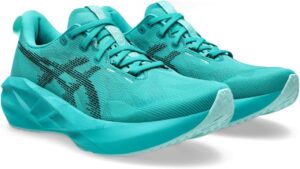
For actual running ($80-100): New Balance Fresh Foam 680v7, ASICS Gel-Venture 9 trail runner, or Nike Revolution 7. These provide proper running shoe construction with significantly better durability.
For longer-lasting casual use ($60-90): Adidas Cloudfoam Pure, Skechers Go Walk series, or Reebok Flexagon. Better construction quality with 12+ month lifespans under normal use.
For similar budget + better durability ($50-70): ASICS Gel-Contend 8, Nike Tanjun, or PUMA Tazon 6. Slightly higher investment but significantly longer useful life.
Final Take with Critical Safety Warning
After three months of real-world testing, the Peaya blade sole runners deliver exactly what you’d expect from a $40 shoe: decent short-term performance with significant limitations. The memory foam comfort during the first 2 months is genuinely impressive for the price point. The breathable mesh exceeded my expectations. However, the durability issues that emerge after 8-10 weeks are impossible to ignore.
CRITICAL SAFETY WARNING: The open blade sole design can and will catch on car pedals, especially if you have floor mats with textured surfaces. I experienced this personally during week 9, and it’s genuinely dangerous. The blade chambers can hook onto pedal edges or mat textures, interfering with smooth pedal operation. If you buy these shoes, I strongly recommend changing footwear before driving, or being extremely careful and aware of this hazard.
The misleading marketing about multi-sport suitability is my other major concern. These are not running shoes. They’re not basketball shoes. They’re walking shoes with athletic styling, and buyers need to understand that distinction clearly to avoid injury or disappointment.
Pro tip: If you do buy these, treat them as disposable footwear with a 3-6 month lifespan. Have a backup plan for when they inevitably wear out. Rotate them with another pair rather than using them as your only shoes. Clean the blade chambers regularly if you walk on grass or uneven surfaces. Don’t overtighten the laces—the eyelets are a weak point.
For the right person in the right situation—casual walker, short-term need, budget-conscious—these deliver acceptable value. For everyone else, your $40 is better saved toward something more capable and longer-lasting.
Frequently Asked Questions
Q1: How long do these shoes realistically last?
Based on my testing and community feedback, realistic lifespan depends heavily on body weight and usage intensity. For users under 150 lbs using them for casual walking, expect 5-6 months of decent performance. Users between 150-180 lbs with moderate daily walking should plan for 4-5 months. Users over 180 lbs or anyone doing active gym work will see 2-3 months maximum before significant degradation.
The blade sole design creates structural weak points that fail faster than traditional flat soles. The memory foam loses cushioning after month 2-3 regardless of usage level. I tested them for 3 months and 200+ miles—they were still functional but clearly degraded by the end.
Q2: Can I use these for actual running?
Absolutely not for serious running. I tested them up to 5-mile outdoor runs and experienced lack of proper support, unstable footing from the blade sole, and clear signs this isn’t built for repetitive impact. By mile two, I could feel the construction wasn’t appropriate for running mechanics. By mile three, I knew continuing risked injury.
Light treadmill jogging (2-3 miles maximum) is barely acceptable, and only during the first month when the memory foam still maintains responsiveness. Even then, these are walking shoes with athletic styling—not genuine running shoes. Don’t let the marketing fool you.
Q3: How does the sizing compare to other brands?
They run true to size compared to Nike and Adidas. If you wear size 9 in most athletic shoes, stick with 9 in these. I tested size 9 on average-width feet (I’m 180 lbs), and the fit accommodated well with no pressure points during initial wear.
The mesh upper has some give, so they accommodate average-width feet well. If you have wide feet, I’d recommend sizing up half a size for better comfort. The pull-on design with traditional lacing provides some fit adjustment, but it’s not as customizable as pure laced shoes.
Q4: Is the blade sole safe for driving?
This is a critical safety concern. I experienced the blade sole catching on my car’s accelerator pedal during week 9 of testing, and it’s genuinely dangerous. The open blade chambers can hook onto pedal edges or floor mat textures, interfering with smooth pedal operation.
This isn’t theoretical—it happened to me personally during normal driving. The blade design that provides that unique bounce during walking becomes a liability in a vehicle. My strong recommendation: change shoes before driving, or be extremely careful and aware of this hazard if you must drive in them. This alone might be a dealbreaker for many people.
Q5: What’s the break-in period like?
Zero break-in needed, which is actually one of the shoe’s genuine strengths. The memory foam provides immediate comfort from the first wear. Within the first day, they feel fully broken in. No blisters, no hot spots, no painful adjustment period that you’d experience with stiffer leather shoes or some running shoes.
This immediate comfort is part of why the initial impression is so positive. You put them on, they feel great right away, and you think you’ve found a hidden gem. It’s only after 8-10 weeks of regular use that the durability limitations become apparent.
Q6: Are they worth buying as temporary gym shoes?
Yes, with very specific expectations set. If you need training shoes for light treadmill walking, basic cardio machines, and maybe some light free weights for 2-3 months, they’ll serve that purpose adequately. At $40 for 3 months of use, that’s about $13 per month—acceptable for temporary needs.
However, they’re not suitable for serious strength training, HIIT workouts, or anything requiring lateral movement and stable footing. The blade sole creates an unstable base for heavy lifting. If your gym routine involves more than casual cardio, invest in proper training shoes instead.
Q7: How do they handle getting wet?
Terribly. Zero water resistance. Even light rain or stepping in a puddle will soak these completely. The mesh upper offers no protection from moisture, and the blade sole actually traps water in the chambers like little reservoirs.
I got caught in unexpected rain during week 4—within 5 minutes, my feet were soaked. The shoes took hours to dry properly. On the positive side, the breathable mesh does help them dry faster than leather uppers would once you’re out of wet conditions. Bottom line: these are fair-weather shoes only. If there’s any chance of rain, wear something else.
Q8: What are the biggest deal-breakers I should know about?
Three critical limitations stand out from my testing:
First: The blade sole catching on car pedals is a genuine safety hazard. If you drive daily, this might be a dealbreaker regardless of other factors.
Second: The durability timeline is short. Memory foam degradation after month 2-3, early wear patterns by week 8, potential sole splitting reported by others at 6 weeks. Budget for 4-6 month lifespan maximum.
Third: The misleading multi-sport marketing could lead you to use these for activities they’re not built for, risking injury. They’re walking shoes, period. Not running shoes, not training shoes, not basketball shoes despite what the listing claims.
Q9: Best practices for getting maximum life from these shoes?
Based on my three months of testing, here’s what I learned about extending their useful life:
Rotation strategy: Don’t make these your only shoes. Rotate with another pair to give the memory foam time to recover between wears.
Cleaning: Clean out the blade chambers regularly if you walk on grass or uneven terrain. Trapped debris accelerates wear.
Lacing: Don’t overtighten the laces. The eyelets are a weak point prone to stress. Snug fit is fine, but cranking them tight will cause premature failure.
Use appropriately: Stick to walking and light gym use on flat, dry surfaces. Avoid the activities they’re not built for.
Know when to retire: When you see visible cracking in the blade sole chambers, when the memory foam feels completely flat, or when the upper mesh shows significant wear—it’s time. Don’t push them beyond their functional lifespan.
Q10: How do these compare to major brand budget options?
Having tested various budget shoes over the years, here’s how the Peaya blade sole runners stack up:
vs. Nike Tanjun ($65): Nike offers better build quality and 8-12 month lifespan. Peaya provides better initial cushioning but fails faster. Nike is worth the extra $25 if you need longevity.
vs. Adidas Cloudfoam ($60-75): Adidas delivers similar comfort with significantly better durability. If you can afford the step up, Cloudfoam is a better long-term investment.
vs. Skechers Go Walk ($55-70): Skechers provides comparable comfort with proven durability. The $15-30 premium gets you 6-12 additional months of useful life.
vs. Puma Tazon 6 ($50-65): Puma offers better construction quality and more genuine athletic capability. Peaya wins on initial comfort, Puma wins on everything else.
The pattern is clear: Peaya delivers impressive initial comfort at the absolute lowest price point, but every major brand budget option provides better durability and build quality for $10-30 more. Whether that trade-off makes sense depends on your specific situation and timeline needs.
Review Scoring Summary & Shoe Finder Integration
| Category | Score | Notes |
|---|---|---|
| Design & Aesthetics | 7/10 | Distinctive blade sole design, modern look, multiple colors |
| Initial Comfort | 8/10 | Excellent memory foam cushioning (first 2 months), zero break-in |
| Long-term Comfort | 4/10 | Degrades significantly after month 2-3 |
| Durability | 3/10 | 4-6 month lifespan, early wear patterns, eyelet weakness |
| Athletic Performance | 2/10 | Not suitable for actual running or sports despite marketing |
| Walking Performance | 7/10 | Good for casual walking during effective lifespan |
| Breathability | 9/10 | Mesh upper performs excellently in warm conditions |
| Weather Protection | 1/10 | Zero water resistance, traps water in blade chambers |
| Value for Money | 6/10 | $7-10/month of use, decent for short-term needs only |
| Safety | 4/10 | Blade sole catches on car pedals—serious concern |
| OVERALL SCORE | 5.5/10 | Decent for specific short-term casual use, significant limitations |
Shoe Profile Summary
| Target Gender: | Men |
| Primary Purpose: | Casual walking, light gym use |
| Activity Level: | Light (not for athletic use) |
| Budget Range: | Under $50 |
| Brand: | Peaya (generic/budget brand) |
| Primary Strength: | Initial memory foam comfort, breathability |
| Primary Weakness: | Poor durability, misleading marketing, safety concerns |
| Expected Lifespan: | 4-6 months maximum (short-term) |
| Best Foot Type: | Average width, normal arch |
| Ideal Usage Conditions: | Indoor or dry outdoor surfaces, flat terrain |
| Daily Wearing Time: | 6-8 hours max (initially), decreases over time |
| Style Preference: | Sporty/athletic aesthetic |
| Key Features: | Memory foam insole, blade sole design, breathable mesh, lightweight |
Bottom Line Assessment
Perfect for: Budget-conscious casual walkers who need temporary footwear (3-6 months), light gym users under 160 lbs, backup pair for specific short-term situations, urban walking on flat dry surfaces where initial comfort matters more than long-term durability.
Great for: Standing for moderate periods (first 2 months only), light cardio on treadmill, everyday errands in fair weather, style-conscious buyers wanting athletic look without athletic price.
Skip if: You need actual running capability, durability beyond 6 months, all-weather performance, athletic shoe for sports, you drive frequently (pedal catching hazard), you weigh over 180 lbs with active use, you have foot conditions requiring proper support.
Best feature: Memory foam cushioning during first 2-3 months rivals shoes costing twice as much.
Biggest weakness: Durability degradation after month 2-3 combined with misleading multi-sport marketing that could lead buyers toward injury or disappointment.
Final recommendation: Worth buying only if you understand and accept the limitations. Treat as disposable short-term footwear. Have backup plan ready. Don’t expect athletic performance despite marketing claims. Change shoes before driving.

Reviews
There are no reviews yet.