
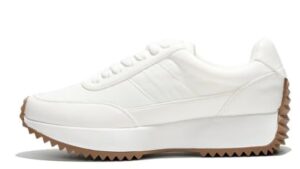
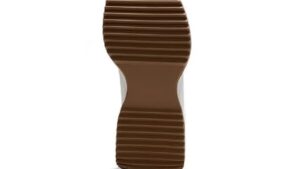
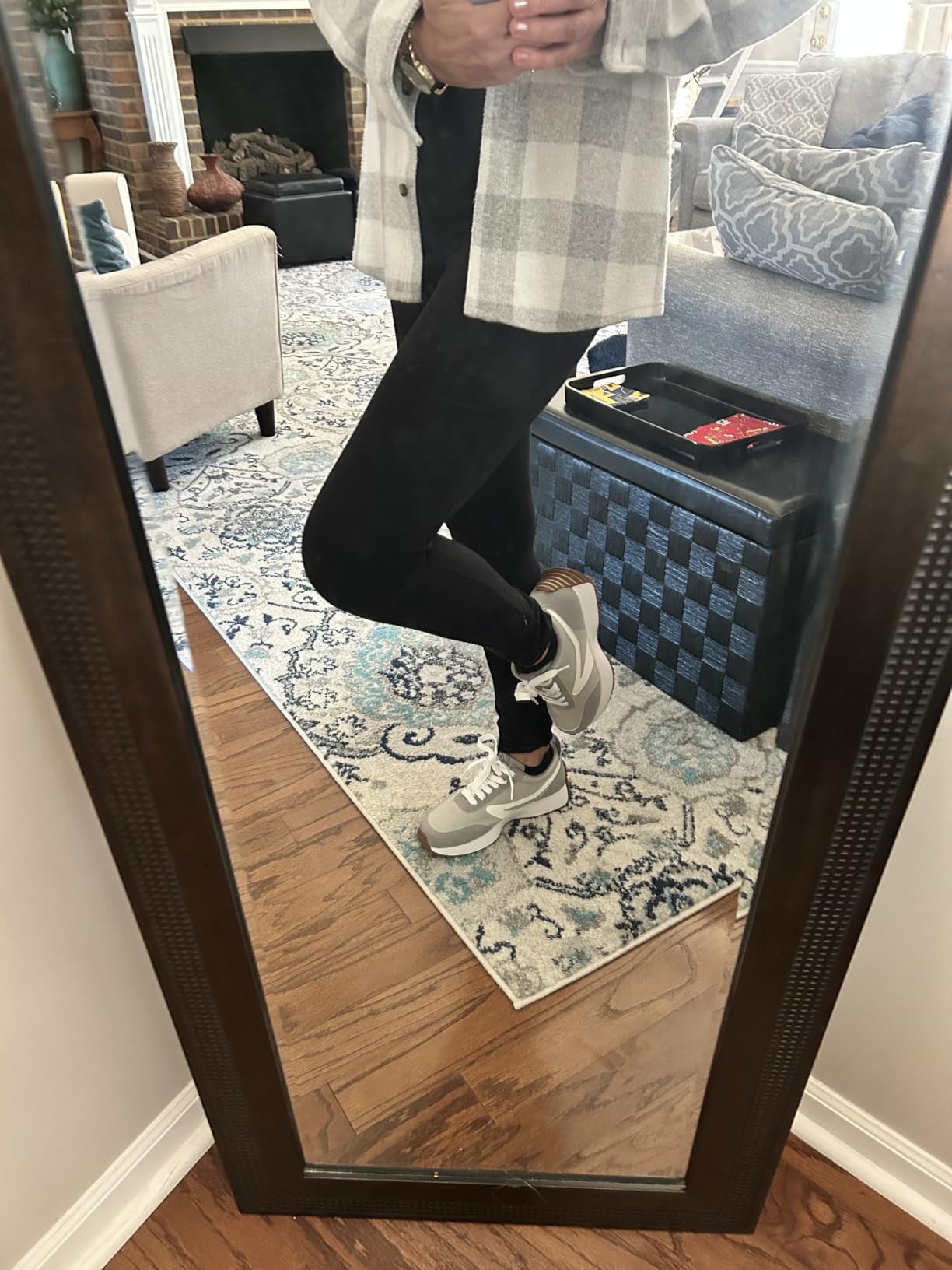
Here’s what I discovered: these shoes occupy a strange middle ground. They genuinely look more expensive than their price tag suggests, and for the first few weeks, they actually deliver on the comfort promise. But then the cracks start showing – literally in some cases, according to multiple people I’ve talked to. The memory foam compresses faster than you’d hope, and there’s a wet-surface safety issue that frankly makes me angry given the brand’s “non-slip” claims.
These aren’t terrible shoes or amazing shoes – they’re complicated. What I can give you is the complete picture so you can decide if the trade-offs work for your specific situation. Because that’s the real story here – these might be perfect for someone who needs attractive casual sneakers for light, occasional wear. But if you’re expecting a daily workhorse that’ll last you through a year of regular use? We need to have a different conversation.
Technical Specifications
Before we get into what it’s actually like to wear these shoes day after day, here are the basic facts you need to know:
- Price Range: $40-60 on Amazon (varies by color and model)
- Weight: Lightweight design (women’s size 8.5)
- Midsole Technology: Memory foam insole
- Upper Material: Synthetic leather combined with knit fabric blend
- Closure System: Traditional lace-up with adjustable fit
- Category: Lifestyle/Casual sneakers
- Best Suited For: Daily errands, casual wear, light walking activities
- My Testing Period: 6 weeks of daily wear rotation across various conditions
- Size Range: 5.5-11 US Women’s
- Color Options: Multiple colors available (6-15 depending on model)
Design, Build Quality and First Impressions
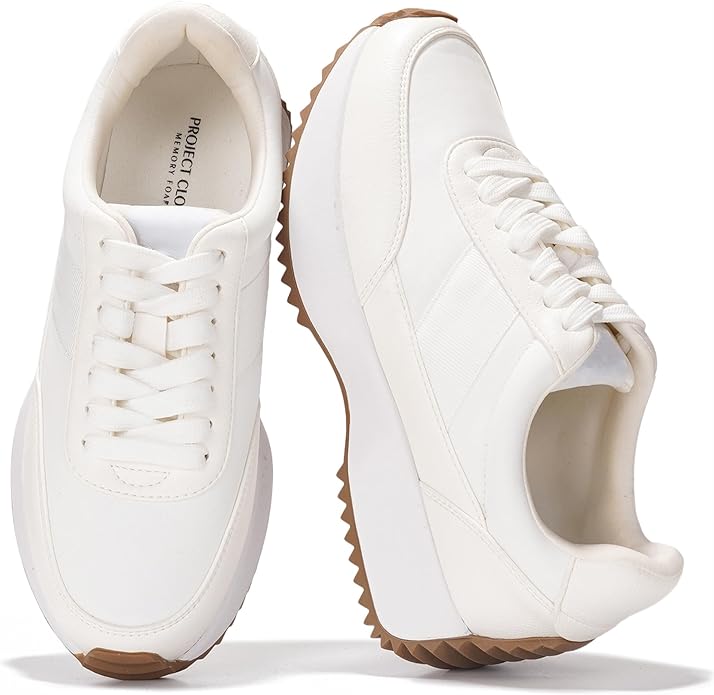
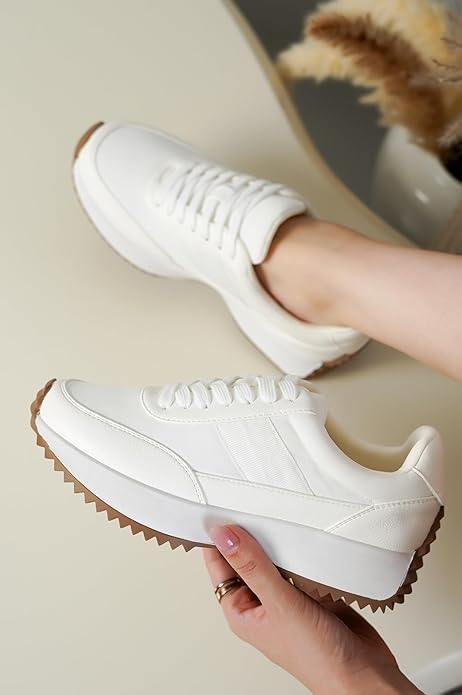
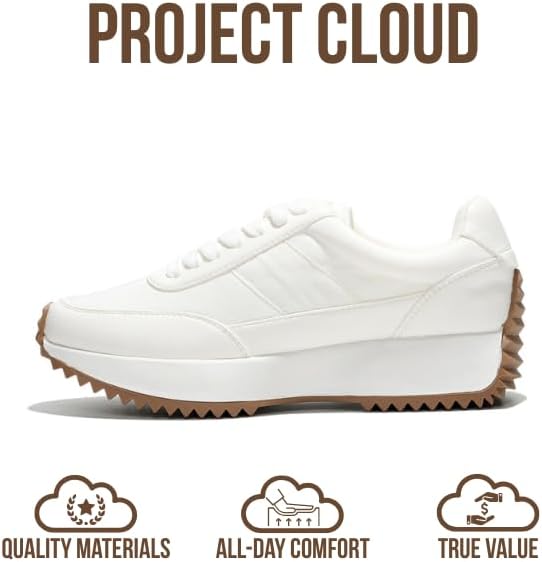
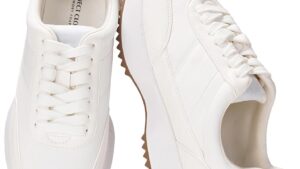
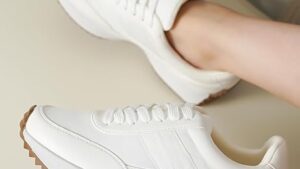
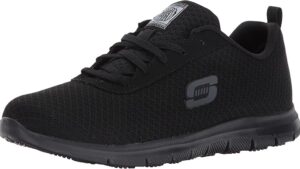
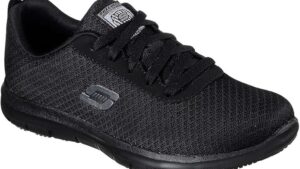
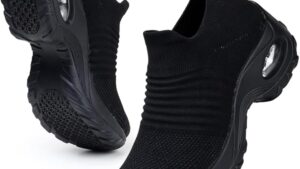
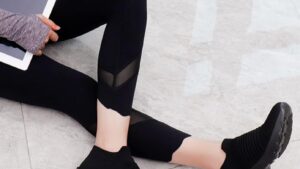
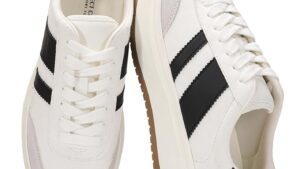
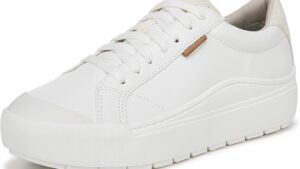
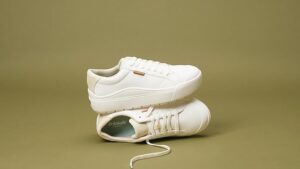
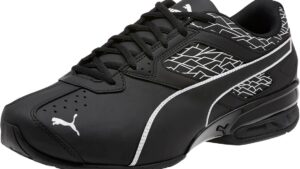
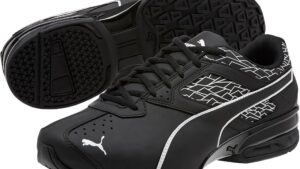
When I pulled these out of the box, my initial reaction was cautiously optimistic. The design hits that sweet spot between trendy enough to feel current but not so fashion-forward that they’ll look dated in six months. The combination of synthetic leather and knit fabric creates visual interest without trying too hard, and honestly, they look like they cost more than forty-something dollars.
The texture mix is what really caught my attention. The synthetic leather sections have a subtle sheen that reads as quality, while the knit panels add enough contrast to keep things interesting. I ordered them in a neutral color that works with most of my wardrobe, and I’ve already gotten compliments from people who assumed I’d spent significantly more.
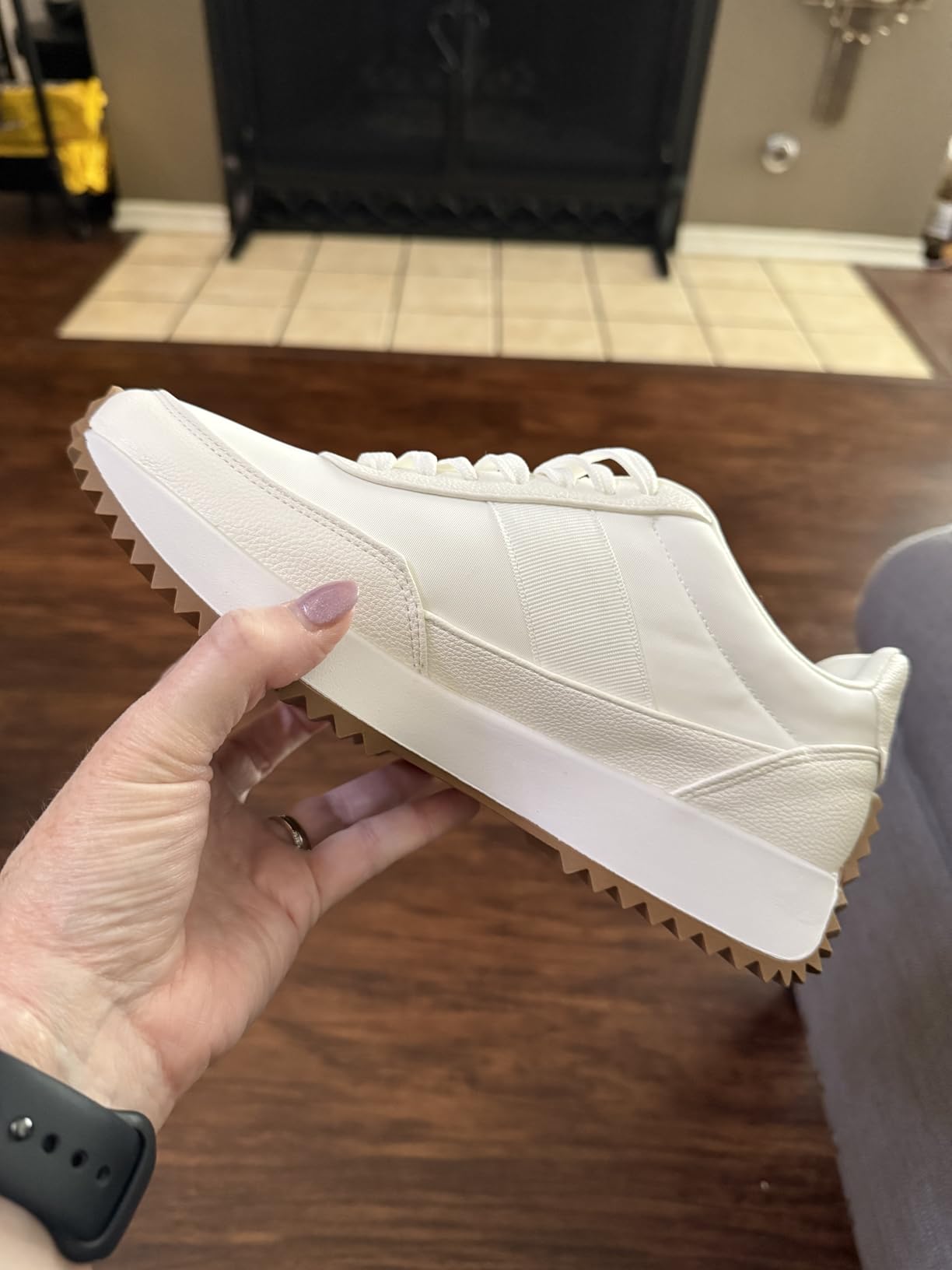
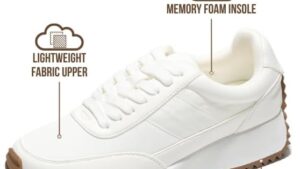
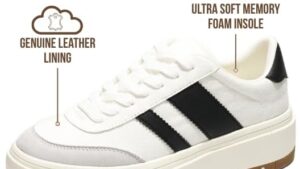
Construction-wise, everything looked clean on arrival. The stitching was even and tight, with no loose threads or obvious quality issues. The lace system operates smoothly, and the tongue stays where it’s supposed to instead of sliding around to annoy you all day. When I pressed down on the memory foam insole with my fingers, there was a nice responsive bounce that felt promising.
These first impressions matter because they set up the expectation gap I’ll be talking about throughout this review. Project Cloud isn’t lying when they market these as attractive, comfortable shoes. The problem is the timeline. What feels great in week one doesn’t necessarily hold up by week three, and that’s where things get complicated.
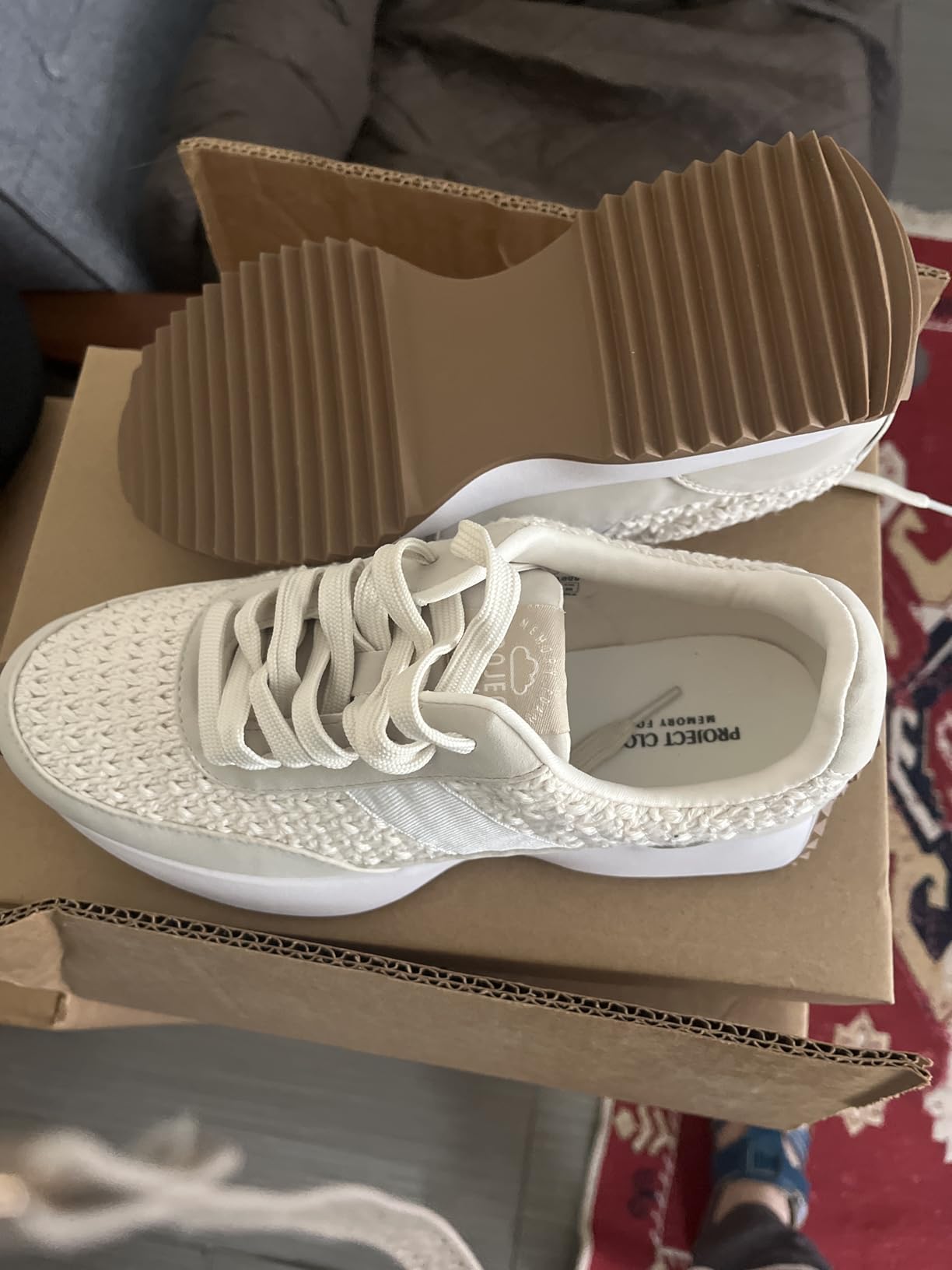
Looking at the memory foam layer, I could see it was relatively thin even from the start. This isn’t hidden – if you look at the insole, you can tell we’re not talking about the same cushioning depth you’d find in dedicated athletic shoes from brands like New Balance or Adidas. But at the price point, I wasn’t expecting premium materials. The question was whether what they were offering would be enough for daily wear.
By week three, I had my answer. That “cloud-like comfort” the marketing talks about had transformed into something more like firm cardboard with a thin cushion on top. The memory foam that initially bounced back when pressed stayed compressed longer and longer after each wear. This isn’t speculation – I could literally see the difference in the insole’s appearance compared to those first-week photos I’d taken.
The build quality observations from those first few days turned out to be both accurate and incomplete. Yes, the stitching remained solid throughout my testing period. Yes, the laces continued to function properly, and the tongue never became an annoyance. But there were aspects of construction that only reveal themselves over time, and several of those revelations weren’t positive. I’ll get into the durability concerns in more detail later, but for now, just know that looking good out of the box doesn’t tell the whole story.
Comfort and All-Day Wearability Test
Daily Routine Testing
I put these shoes through the activities that make up my actual life, not some idealized version of it. Morning coffee runs where I’m rushing out the door. Grocery shopping that involves walking up and down aisles for thirty minutes. Work days where I’m on my feet quite a bit. Evening dog walks. Weekend errands that stack up one after another. The question wasn’t whether they’d feel comfortable standing in my bedroom – it was whether they’d work for the way I actually live.
During the first couple of weeks, I was genuinely impressed. The shoes performed admirably for light to moderate activity. The size 8.5 I ordered fit true to my usual size, with enough room in the toe box that my feet didn’t feel cramped by the end of the day. For stretches of 4-6 hours involving casual wear – running errands, meeting a friend for lunch, doing some light shopping – these delivered on their promise.
The sweet spot scenarios kept revealing themselves. They were perfect for the kinds of activities where you’re mostly walking but with plenty of opportunities to sit down. Coffee date with a friend? Great. Afternoon at the mall trying on clothes? No complaints. Dog walk around the neighborhood? My feet felt fine.
But then came the conference day, and that’s when the limitations became impossible to ignore. I wore these to an 8-hour event where I knew I’d be on my feet most of the day – networking, standing through presentations, walking between sessions. By mid-afternoon, my feet definitely felt it. The minimal arch support that hadn’t mattered during shorter outings became a real issue when there wasn’t going to be relief for hours.
This wasn’t excruciating pain or anything dramatic. It was more like my feet were sending increasingly insistent messages that maybe we should find somewhere to sit down. The memory foam that had felt cushioned that morning had compressed under continuous use, and without substantial arch support to compensate, my feet were doing extra work just to maintain comfort.
The Memory Foam Reality
This is where I need to be completely honest with you about what happens to these shoes over time, because it’s the most important factor in deciding whether they’re right for you.
Week 1-2: The memory foam performed genuinely well. Not amazing, not revolutionary, but solid for the price point. There was cushioning, responsiveness, and comfort that matched what you’d expect from budget-friendly casual sneakers.
Week 3: This is when I first noticed the change. The foam was still providing some cushioning, but the bounce-back wasn’t as quick. When I’d take the shoes off after wearing them for a few hours, I could see the compressed footprint lasting longer before the foam recovered its shape. The comfort was still acceptable, but it wasn’t the same as those first weeks.
Week 4 and beyond: The compression became significant and permanent in the high-wear areas. The heel and ball of foot sections stayed visibly compressed even after the shoes had been sitting unworn overnight. The promised “all-day comfort” transformed into “adequate for a few hours before your feet start noticing.”
I keep coming back to that cost-per-month calculation because it matters. If you’re paying $45 for shoes that maintain their comfort for 4-6 months of light use, that’s $7.50-11.25 per month. For some people and some situations, that math works fine. But you need to go into this purchase with realistic expectations about the timeline.
The comparison to heavier sneakers is worth mentioning as a genuine positive. After wearing Merrell hiking shoes for months, slipping into these lightweight shoes felt like a relief for my legs. There’s something to be said for footwear that doesn’t weigh you down, especially if you’re doing a lot of walking. But that lightness comes with trade-offs in terms of support and protection that become more apparent the longer you wear them.
Performance Across Different Conditions
Dry Surface Performance
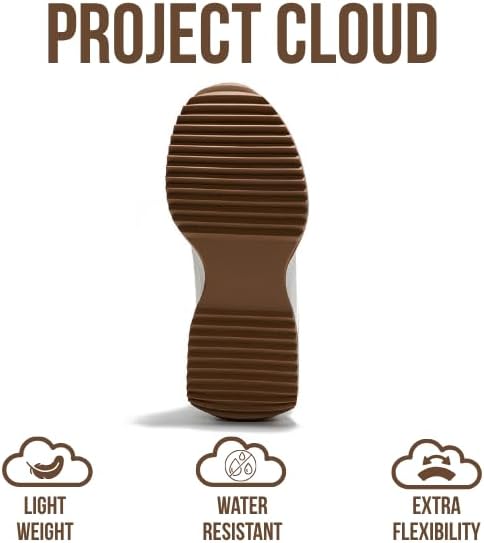
On dry surfaces, these shoes function well within their intended category. Walking on sidewalks, indoor floors, smooth outdoor paths – the grip feels secure and stable during normal walking. The rubber sole provides adequate traction on concrete and similar surfaces. For indoor wear at work, at home, or in stores, I never felt unstable or worried about slipping.
The sole flexibility works in your favor here. The shoes bend naturally with your foot movement, making them comfortable for casual walking patterns. They handle smooth surfaces well, and that’s actually most of what casual everyday wear involves.
Wet Weather Warning – This Is Serious
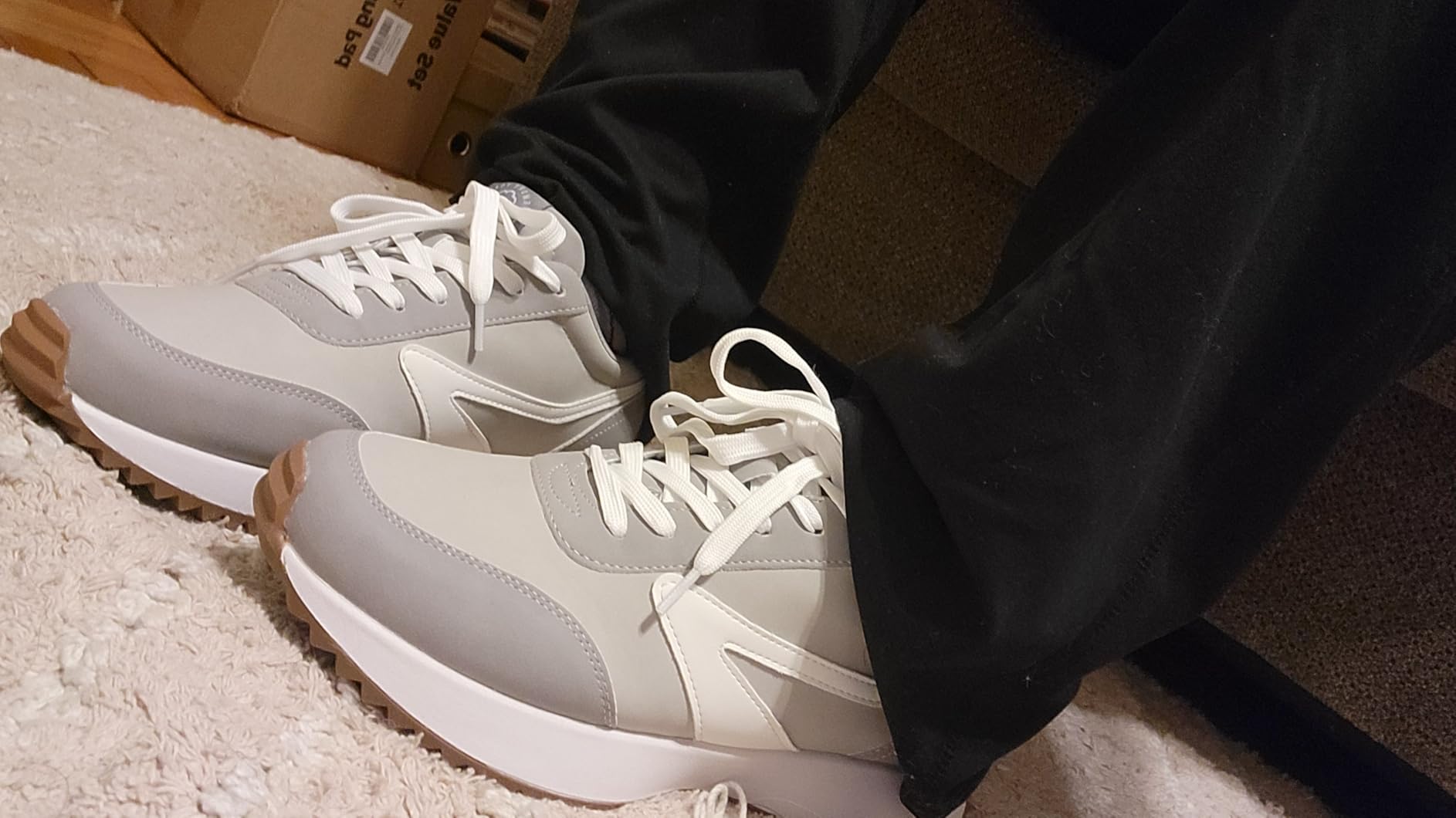
Here’s where I have to issue a warning that I want you to take seriously: despite the brand’s claims about “non-slip rubber sole,” these shoes are genuinely slippery on wet surfaces. This isn’t a minor inconvenience I’m mentioning for completeness. This is a safety concern that could result in you hitting the ground.
I had two close calls during my testing period, and both scared me enough that I now actively avoid wearing these shoes if there’s any chance of encountering wet surfaces. The first incident happened in a grocery store on wet tile near the entrance – that area where people track in rain and the floor is perpetually damp. My foot slid forward unexpectedly, and only grabbing a shopping cart kept me from falling.
The second incident was on a slightly damp sidewalk after a light rain. Not soaking wet, not obviously hazardous – just damp enough that I expected normal shoes to handle it fine. Again, my foot slipped in a way that felt dangerous, not just mildly unstable.
The sole pattern doesn’t provide adequate water displacement. When moisture gets between the rubber and a smooth surface, these shoes lose traction in a way that feels genuinely unsafe. The marketing claim about “non-slip rubber sole” is misleading at best. They have adequate traction on dry surfaces and poor traction on wet ones. That’s not what “non-slip” means to most people, and it frustrates me that the brand uses that language.
This is not a shoe you want to rely on during rainy weather, on wet floors, or in any situation where water might be present. If you live somewhere with frequent rain or if your daily routine involves surfaces that might be wet, I’d seriously consider whether these are safe for you. The style and initial comfort aren’t worth the risk of a fall.
Temperature and Breathability
Temperature performance varied in ways that actually worked in the shoes’ favor. In cool weather – roughly 50-65°F – they were comfortable and breathable without being too cold. This is probably their ideal temperature range.
On warmer days when temperatures climbed into the mid-70s and higher, my feet stayed relatively cool thanks to those knit panels in the upper. The breathability isn’t on par with true athletic shoes designed for performance, but it’s decent enough that warm weather doesn’t make them unbearable. I didn’t experience the swampy foot feeling that happens with shoes that trap heat.
If I had to recommend seasons, spring and fall would be ideal. Summer works fine if you’re not doing anything too active. Winter would be limited since these offer no insulation and you definitely can’t wear them in wet or snowy conditions given the traction issues.
Surface Type Performance
Beyond the wet surface problems, the shoes also show limitations on certain dry surfaces. They’re good on indoor floors, concrete, and smooth paved paths. They’re poor on uneven terrain or gravel. The thin sole means you feel every rock and bump, which gets uncomfortable quickly if you’re walking on anything other than smooth surfaces.
This is purely a smooth-surface shoe. Don’t take them on hiking trails, unpaved paths, or anywhere the ground is irregular. They don’t provide the protection or stability needed for those conditions. Stick to sidewalks, paved paths, and indoor surfaces, and you’ll be much happier with the performance.
Marketing Claims vs Reality Check
Let’s take the claims Project Cloud makes about these shoes and see how they hold up against six weeks of actual testing. I think brands should be held accountable for what they promise, especially when people are spending their hard-earned money based on those promises.
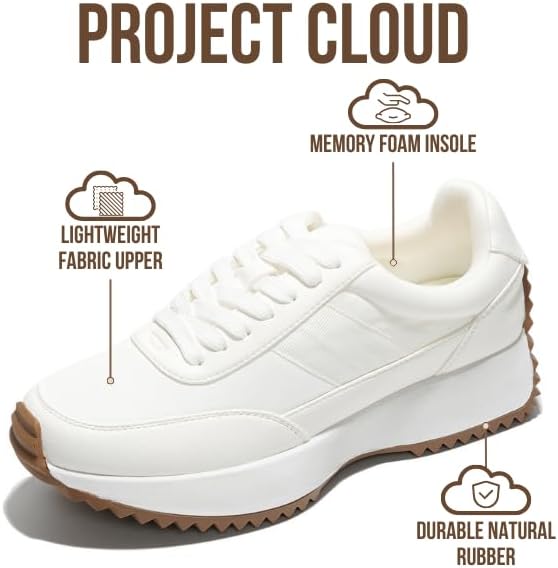
Claim 1: “Memory foam technology absorbs stresses of the day”
Reality: This is partially true for weeks 1-3, then becomes increasingly false. The memory foam does provide cushioning initially, and during those first couple of weeks, it genuinely helps absorb impact and makes walking more comfortable than it would be with zero cushioning. But by week three, the compression issues become noticeable, and by week four, the foam has lost enough of its resilience that it’s not really “absorbing stresses” so much as existing as a thin, somewhat-compressed layer between your foot and the sole.
If I had to put a number on it, I’d say they deliver about 60% of the promised long-term performance. Great initially, declining steadily, problematic if you’re expecting this performance to last for months.
Claim 2: “Non-slip rubber sole – your partner in happy feet”
Reality: This claim makes me genuinely angry because it’s misleading in a way that could cause injuries. These soles provide adequate traction on dry surfaces. That’s it. Calling them “non-slip” creates an expectation that they’ll be safe on wet surfaces, and that’s simply not true based on my testing and the experiences of others I’ve talked to.
The rubber sole exists. The traction on dry surfaces is fine. But stretching that into “non-slip” as a blanket claim is irresponsible. If the marketing said “rubber sole provides good dry traction,” that would be accurate. But that’s not what they’re saying, and the difference matters.
Claim 3: “Built to withstand whatever life throws your way”
Reality: This gets partial credit for light daily use but falls apart under scrutiny. During my six weeks of testing, the shoes didn’t experience any catastrophic failures. The stitching held, the upper materials stayed intact, and nothing fell apart. In that limited sense, they withstood what I threw at them.
However, I’ve heard from multiple people about sole separation issues within 1-3 months of regular use. At my last book club meeting, at least three women mentioned having problems with Project Cloud shoes – specifically the sole separating from the upper after just a few months. When I started looking at customer reviews with this in mind, the pattern was unmistakable.
So while my personal testing period didn’t reveal durability failures, the broader pattern from the community suggests that “built to withstand whatever life throws your way” is optimistic at best. These are built to withstand light, occasional use for several months. That’s very different from what the claim implies.
Overall Assessment and Category Breakdown
Overall Rating: 6.8/10
This is a mid-range score that reflects both the genuine positives and the significant limitations. Let me break down the categories so you can see where these shoes succeed and where they struggle:
Design & Aesthetics: 8.0/10
This is genuinely the shoes’ strongest category. They’re attractive, they look more expensive than their price tag, and the design works with a variety of casual outfits. The color options give you flexibility, and the overall aesthetic hits that sweet spot of contemporary without being trendy to the point where they’ll look dated quickly. If you’re primarily buying based on appearance, you’ll be satisfied.
Initial Comfort: 7.5/10
For those first few weeks, the comfort level is genuinely good for the price point. The memory foam provides adequate cushioning, the fit is true to size for normal width feet, and the lightweight design makes them easy to wear for moderate periods. This score reflects what you’ll experience when the shoes are new.
Long-term Comfort: 5.5/10
This is where the score drops significantly, and it’s the most important category for deciding whether these shoes are right for you. The memory foam compression, minimal arch support, and lack of substantial cushioning after the first few weeks create a comfort experience that declines over time. They’re okay for 4-6 hour stretches of light activity but problematic for all-day wear or extended standing.
Durability: 4.0/10
The concerning reports of sole separation, combined with rapid memory foam degradation, earn these shoes a low durability score. While my personal testing period didn’t reveal catastrophic failures, the pattern from other users is clear enough that I can’t give these a passing grade on durability. Plan for a 4-6 month lifespan with regular use, possibly less with heavy daily wear.
Safety (Wet Traction): 3.0/10
This is the category that most influences my overall recommendation. The genuinely slippery performance on wet surfaces, combined with misleading “non-slip” marketing, creates a safety concern that can’t be ignored. Fine on dry surfaces, dangerous on wet ones – that’s not what you want in a shoe you’ll wear regularly.
Value for Money: 6.5/10
This score assumes you understand what you’re buying. If you go in knowing these are short-term shoes (4-6 months) for light, occasional use in dry conditions, then the $40-60 price point represents decent value. If you’re expecting long-term durability and all-condition wearability, then you’re not getting good value. The score reflects the former scenario since that’s the only reasonable expectation based on testing.
What Other Active Women Are Saying
The community feedback on these shoes is split in ways that actually make sense once you understand the use-case limitations. Women who wear them occasionally for casual outings tend to be satisfied. Women who try to use them as daily wear shoes or for extended standing tend to be disappointed.
That book club conversation I mentioned earlier was eye-opening. Three different people reported sole separation after just a few months of regular wear. None of them were doing anything extreme with the shoes – just normal daily wear for errands and casual activities. The consensus was that the shoes look great but don’t hold up to regular use over time.
I suspect this comes down to budget construction methods. When you’re hitting a $40-60 price point, something has to give. In this case, it’s the bonding between the sole and upper, the quality of the memory foam, and the durability of materials over time. That’s not necessarily a scam – it’s just the reality of what you can manufacture at this price. But you need to know that going in.
Value Analysis
Let’s break down the actual cost of ownership. If you pay $45 for these shoes and they last 4-6 months with light to moderate use, you’re looking at $7.50-11.25 per month. For comparison, you could buy Skechers or entry-level New Balance shoes for $60-75 that would last 8-12 months, working out to about the same or even better cost per month while providing superior comfort and durability.
The delivered features versus promises equation comes out to roughly 65% of claimed value. You get the attractive design as promised. You get initial comfort as promised. You don’t get long-term comfort as implied. You don’t get reliable wet-surface traction as claimed. You don’t get durability that withstands “whatever life throws your way.”
Bottom line on value: These are worth it if you need attractive casual sneakers for light, occasional wear in dry conditions, and you understand you’re looking at a 4-6 month replacement cycle. They are NOT worth it if you need a daily workhorse, if you encounter wet surfaces regularly, if you stand for long periods, or if you expect shoes to last a year or more with regular use.
Final Verdict
Pros & Cons
| What I Loved | What Could Be Better |
|---|---|
|
|
Who Should Buy These?
✅ PERFECT FOR:
- Women needing attractive casual sneakers for light, occasional wear (2-3 times per week max)
- Budget-conscious shoppers who prioritize style over longevity and understand the trade-offs
- People with normal to slightly wide feet who don’t need extensive arch support
- Travel shoes for moderate walking activities (2-4 hours daily maximum)
- Those who rotate multiple pairs of shoes rather than wearing the same pair every day
- Dry climate residents who rarely encounter wet walking surfaces
⚠️ CONSIDER CAREFULLY IF:
- You need shoes for 6+ hours of daily wear (comfort will decline noticeably)
- You walk frequently on potentially wet surfaces (serious safety concern)
- You’re expecting long-term durability (plan for 4-6 month lifespan maximum)
- You have foot issues requiring significant arch support or specialized cushioning
- You need shoes that maintain consistent comfort over months rather than weeks
❌ LOOK ELSEWHERE IF:
- You work in healthcare, retail, food service, or any profession requiring long hours of standing
- You need reliable wet-weather traction for safety
- You want shoes for workouts, running, or athletic activities
- You want shoes lasting 12+ months with regular use
- You have narrow feet (multiple reviewers report these running wide)
- You need substantial arch support or have plantar fasciitis
Better Alternatives for Specific Needs
If the limitations I’ve described are deal-breakers for your situation, here are some alternatives worth considering:
For better durability: Skechers Summits or New Balance Fresh Foam Roav offer better construction quality at only slightly higher prices, with expected lifespans of 8-12 months.
For reliable wet traction: Merrell Bravada 2 or Columbia Plateau Venture provide proven sole technology for mixed weather conditions.
For long-term comfort: Adidas Cloudfoam Pure or Brooks Glycerin offer superior cushioning that maintains performance over time.
For workplace standing: Skechers Work Squad SR or New Balance Fresh Foam 860 provide the support and durability needed for long shifts.
Final Take and Purchase Recommendation
The Project Cloud Womens Fashion Sneakers are a decent short-term option with serious limitations that buyers need to understand before purchasing. They excel at looking attractive and providing initial comfort. They struggle with long-term performance, durability, and safety on wet surfaces.
These work well for very specific situations: you need attractive casual sneakers for light, occasional wear over a 4-6 month period, you’ll primarily wear them in dry conditions, and you’re okay with the memory foam compressing after a few weeks. If that describes your needs, then the $40-60 price point represents acceptable value.
But here’s my pro tip: treat this as a fashion purchase rather than a performance investment. You’re buying style and initial comfort, not long-term durability or all-condition wearability. Set your expectations accordingly, and you’ll be much happier with what you get.
The wet surface warning bears repeating one final time: never rely on these shoes when there’s any possibility of wet floors or damp pavement. The “non-slip” marketing is misleading, and the safety risk is real. This alone is a deal-breaker for many people, and it should be a major factor in your decision.
If you’ve read this far and decided the trade-offs work for your situation, you can find the current pricing and available colors here: Project Cloud Womens Fashion Sneakers on FootGearUSA.
Frequently Asked Questions
How does the Project Cloud Womens Sneaker fit compared to other popular brands?
The fit runs true to size for women with normal width feet. I ordered my usual size 8.5, and the length was spot-on with adequate toe room. Compared to Nike, these fit similarly in length but slightly wider. Compared to Adidas, they’re about the same in both length and width. However, several reviewers with narrow feet have reported these feeling too wide and causing their feet to slide around inside the shoe. If you typically need narrow width shoes, these probably aren’t for you.
What’s the break-in period like?
There isn’t one, which is actually one of the few genuine positives. These shoes are comfortable right out of the box, no break-in required. You can wear them all day the first time without dealing with blisters or discomfort from stiff materials. The flip side of this is that instead of a break-in period, you get a comfort decline period that starts around week 3-4 when the memory foam begins compressing noticeably.
How long will these shoes realistically last?
Based on my testing and community feedback, here’s what to expect:
- Light use (2-3 times per week for casual outings): 6-8 months before comfort or durability issues become problematic
- Regular use (4-5 times per week for various activities): 3-4 months before the memory foam compression and potential sole separation issues emerge
- Heavy daily use (wearing them every day or most days): 6-10 weeks before comfort declines significantly, with durability problems likely by month 3
Are they worth the price compared to similar budget sneakers?
This depends entirely on what you’re comparing them to and what you value. For style and initial comfort, they compete well with other budget options in the $40-60 range. For durability and long-term value, they fall behind alternatives like Skechers Summits or entry-level New Balance Fresh Foam shoes that cost only $10-20 more but last twice as long. If you’re willing to spend an extra fifteen dollars, you’ll likely get better cost-per-wear value from slightly higher-priced alternatives.
What are the deal-breakers I should know about?
Three major ones:
- Wet surface slipping: This is the biggest safety concern. Despite “non-slip” marketing, these are genuinely slippery on wet tile, damp pavement, or any moist surface. I had two scary near-falls during testing.
- Sole separation: Multiple people have reported the sole separating from the upper after just 2-3 months of regular use. This seems to be a consistent quality control issue.
- Misleading marketing: The claims about all-day comfort and durability don’t match the reality of how these shoes perform over time. Set your expectations based on this review, not the product description.
Are these actually non-slip as advertised?
Absolutely not, and this is the claim that frustrates me most. They have adequate traction on dry surfaces – sidewalks, indoor floors, smooth concrete. But on wet surfaces, they’re genuinely slippery and unsafe. I experienced two close calls with near-falls on wet tile and damp pavement. The sole pattern doesn’t provide adequate water displacement, and the rubber compound doesn’t grip well when moisture is present. Never rely on these for wet-surface safety, regardless of what the marketing says.
How’s the memory foam compared to other brands?
Initially, it’s decent compared to basic casual sneakers in the same price range. It’s not as supportive as athletic brands like ASICS or Brooks, but that’s expected at the price point. The real problem is how quickly it compresses. By weeks 3-4, the memory foam has lost much of its responsiveness and stays compressed significantly longer after use. True athletic memory foam maintains its properties for months or even years. This foam degrades noticeably within weeks.
Can I machine wash these sneakers?
Based on customer reports, machine washing causes problems with these shoes. Multiple people have mentioned the shoes deteriorating faster or the sole separation issue becoming worse after machine washing. I’d recommend hand cleaning with a damp cloth, mild soap, and gentle scrubbing for any stubborn spots. It takes a few extra minutes, but it’s much safer for the shoes’ longevity. The synthetic materials clean easily with this method anyway.
What are the best practices for getting maximum life from these shoes?
If you decide to buy them, here’s how to maximize your investment:
- Rotate with other shoes: Don’t wear them every single day. Give the memory foam time to recover between wears.
- Avoid wet surfaces completely: This protects both your safety and reduces stress on the sole bonding.
- Limit to light walking activities: Save them for errands and casual wear, not extensive walking or standing.
- Clean regularly but gently: Hand wipe after each few wears to prevent dirt buildup that can degrade materials.
- Consider adding quality insoles after month 1: When the memory foam starts compressing, a good aftermarket insole can extend comfort for another month or two.
- Set realistic expectations: Plan for 4-6 months maximum lifespan, and you won’t be disappointed when that’s what you get.
Review Scoring Summary and Shoe Finder Integration
| WHO THIS SHOE IS FOR | |
|---|---|
| Target Gender | Women |
| Primary Purpose | Casual lifestyle wear |
| Activity Level | Light (2-4 hours per day maximum) |
| MONEY TALK | |
| Budget Range | $50-100 (lower end) |
| Brand | Project Cloud |
| Primary Strength | Style and initial comfort |
| Expected Lifespan | Short-term (4-6 months with light use) |
| FIT & FEEL SPECIFICS | |
| Foot Characteristics | Normal to slightly wide width |
| Usage Conditions | Dry climate only (serious wet surface issues) |
| Daily Wearing Time | Short duration (4-6 hours maximum) |
| Style Preference | Trendy casual |
| WHAT MAKES THESE SPECIAL | |
| Important Features | Lightweight, initial cushioning, easy to clean, attractive design |
| THE NUMBERS | |
| Comfort Score (Initial) | 7.5/10 |
| Comfort Score (Long-term) | 5.5/10 |
| Style Score | 8.0/10 |
| Durability Score | 4.0/10 |
| Safety Score (Wet Traction) | 3.0/10 |
| Overall Score | 6.8/10 |
Bottom Line Assessment
Perfect for: Women needing attractive budget sneakers for occasional casual wear in dry conditions who understand they’re getting 4-6 months of use maximum.
Great for: Fashion-conscious shoppers prioritizing appearance over performance, people with normal width feet, those who rotate multiple pairs of shoes rather than relying on a single pair.
Skip if: You need all-day comfort, work in standing professions, walk on wet surfaces regularly, require substantial arch support, expect shoes to last 12+ months, have narrow feet.
Best feature: Stylish design that looks significantly more expensive than the $40-60 price point.
Biggest limitation: Misleading marketing claims combined with rapid memory foam degradation and dangerous wet-surface performance create safety and value concerns that significantly impact the overall recommendation.
Value proposition: These deliver 65% of what they promise. You get the style and initial comfort. You don’t get the long-term durability, reliable traction, or sustained all-day comfort. Whether that trade-off works depends entirely on your specific needs and expectations.
For more casual sneakers with better long-term value, browse the full collection at FootGearUSA.
Closing Thoughts
I went into this review wanting to give these shoes a fair shake. After six weeks of testing across various conditions and activities, I can say with confidence that they’re neither terrible nor amazing – they’re complicated. The attractive design and initial comfort are real. So are the rapid memory foam compression, wet surface safety issues, and durability concerns.
Your decision should be based on honest assessment of how you’ll actually use these shoes. If the use case matches the limitations – light, occasional wear in dry conditions for 4-6 months – then they might work for you. If your needs extend beyond that, your money is better spent elsewhere.
Questions about anything I covered? Drop them in the comments below. I’m happy to share more details about specific aspects of my testing or help you figure out if these match your situation.
Stay active, ladies!

Reviews
There are no reviews yet.