
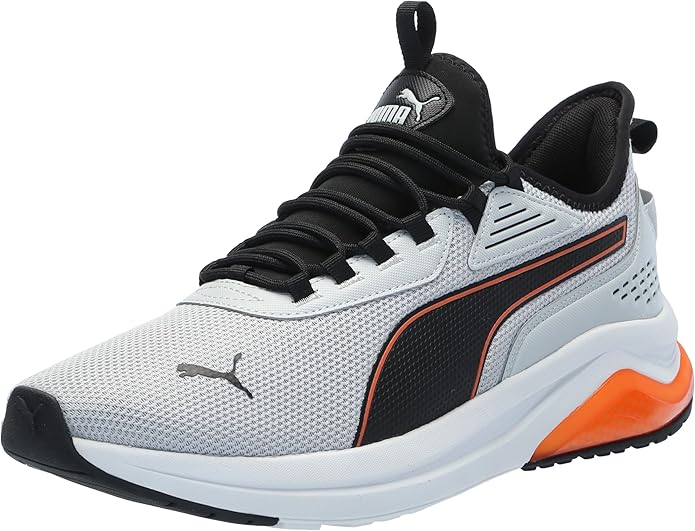
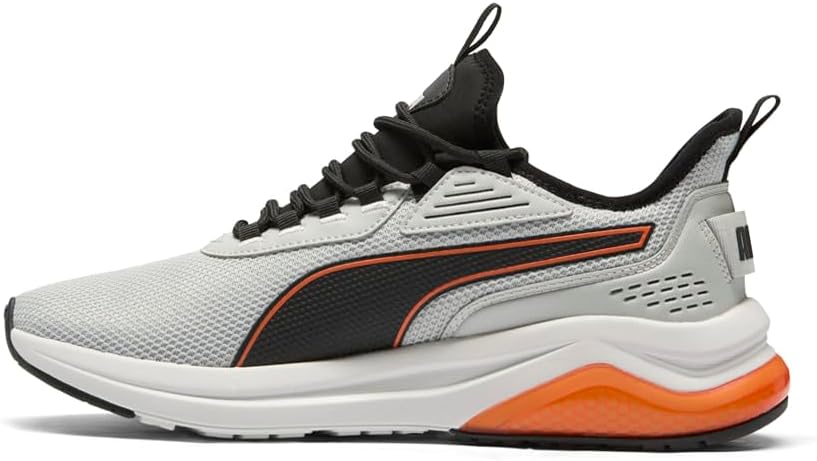
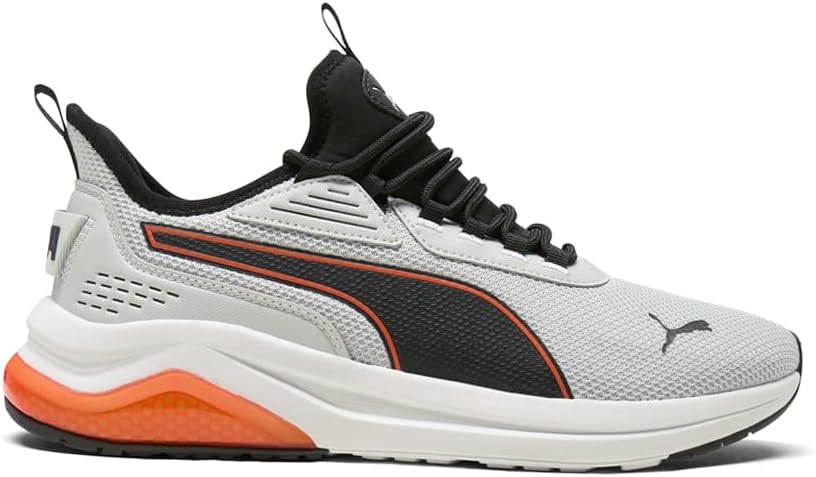
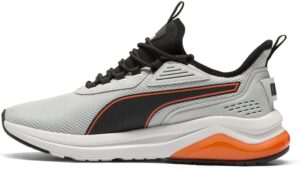
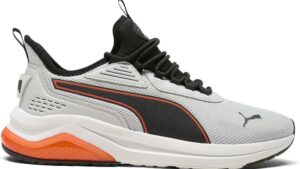
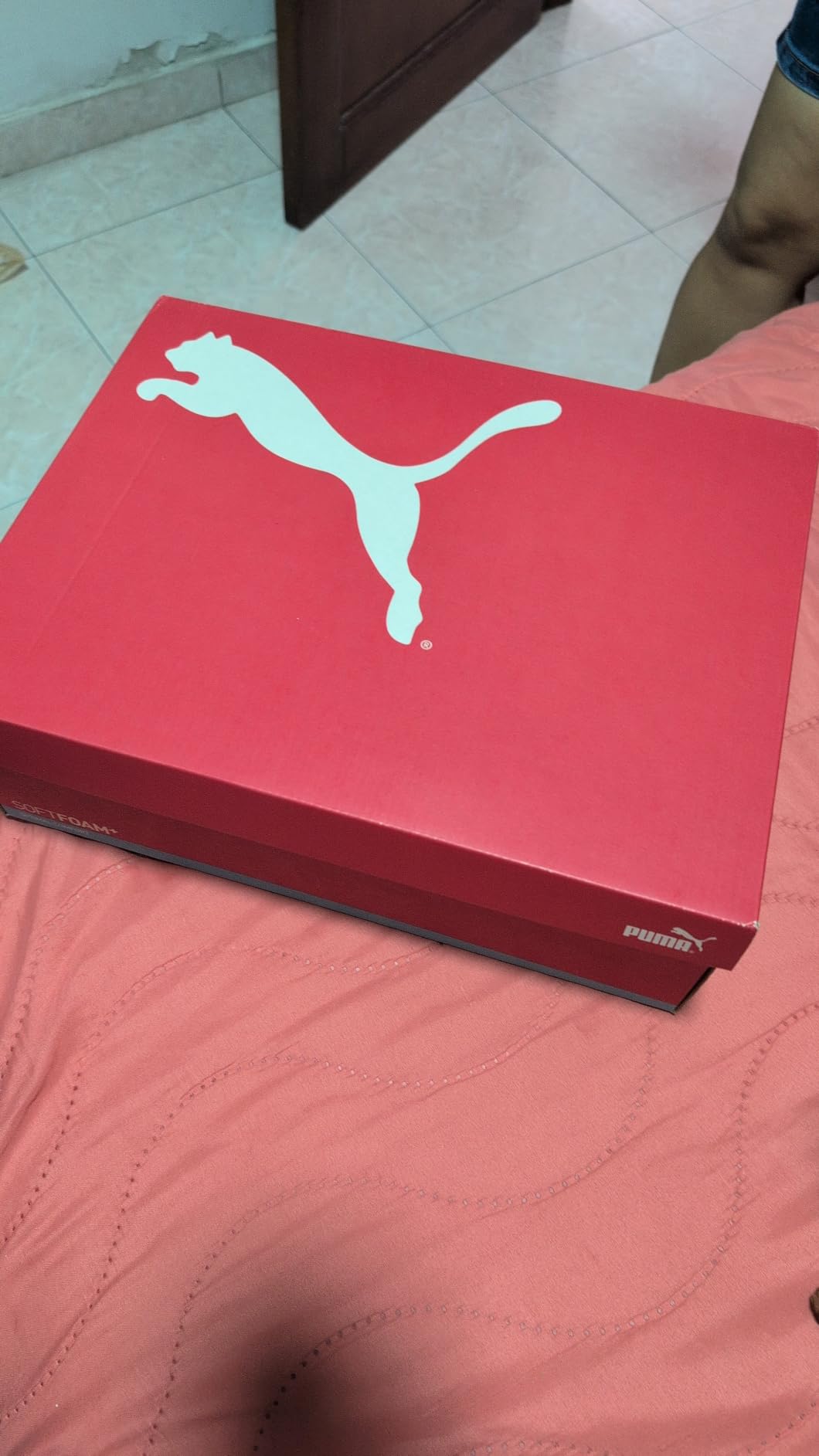
Here’s what I found: The PUMA Amplifier scores 7.8 out of 10 as an excellent lifestyle sneaker that prioritizes all-day comfort over athletic performance. The SoftFoam+ sockliner genuinely delivers memory foam-like cushioning, and the heel bubble creates noticeable energy return when walking on concrete. The slip-on design with neoprene bootie construction offers a secure, sock-like fit once you get past the break-in period.
But there are trade-offs you need to know about. This shoe runs narrow and about half a size small, meaning most people will need to size up. The slip-on convenience comes with a price: difficult entry for the first 5-7 wears. And while PUMA markets this with athletic-inspired language, make no mistake—this is a lifestyle sneaker first. I discovered its limits during a pickup basketball session, and I’ll share those details below.
If you’re shopping for comfortable sneakers that can handle daily commutes, office work, and casual activities without breaking your budget, keep reading. This review covers everything from technical specifications to real-world durability, plus the honest fit guidance that other reviews skip.
First Impressions & Design Analysis
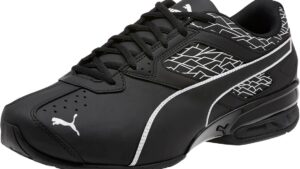
Right out of the box, the PUMA Amplifier presents a cleaner aesthetic than I expected at this price point. The knit-like mesh upper has visual depth without looking overly technical, and the synthetic leather quarter caging adds structure that keeps the shoe from appearing cheap. PUMA positioned this as an update to their Electron family, and you can see the modern design language—streamlined, athletic-inspired without screaming “gym shoe.”
The heel bubble caught my eye immediately. Unlike some shoes where bubble technology is purely aesthetic, this one is visible from the side and rear, integrated directly into the EVA midsole. During my first inspection, I pressed on it to gauge responsiveness. It compressed with moderate resistance, suggesting functional cushioning rather than just air-filled marketing.
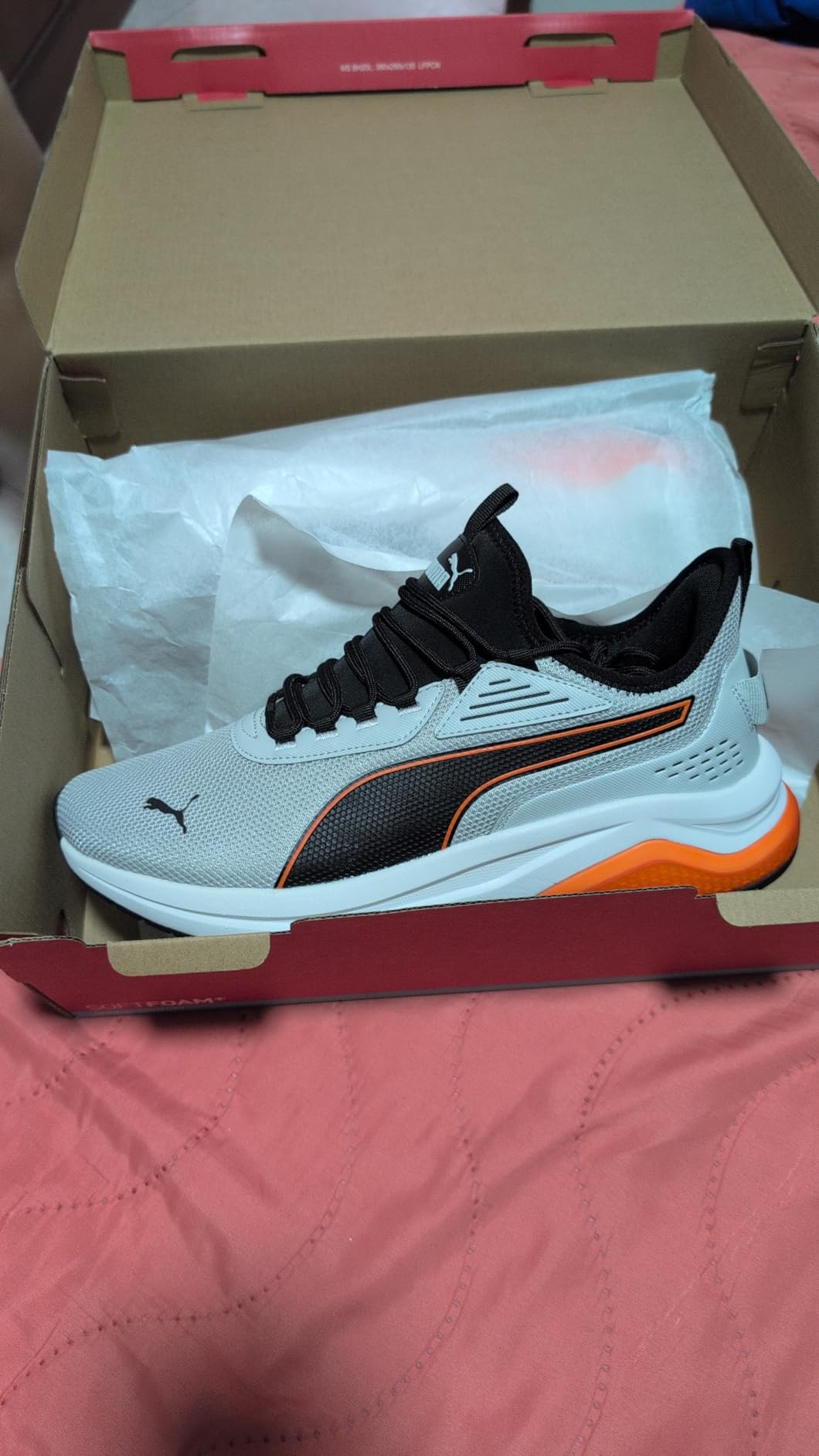
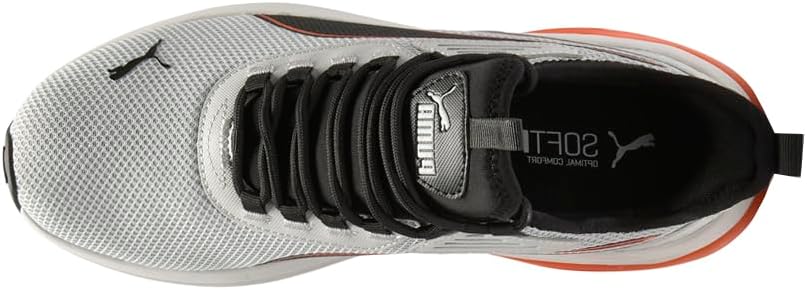
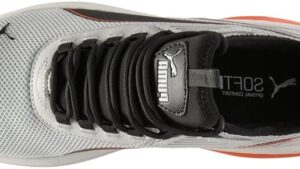
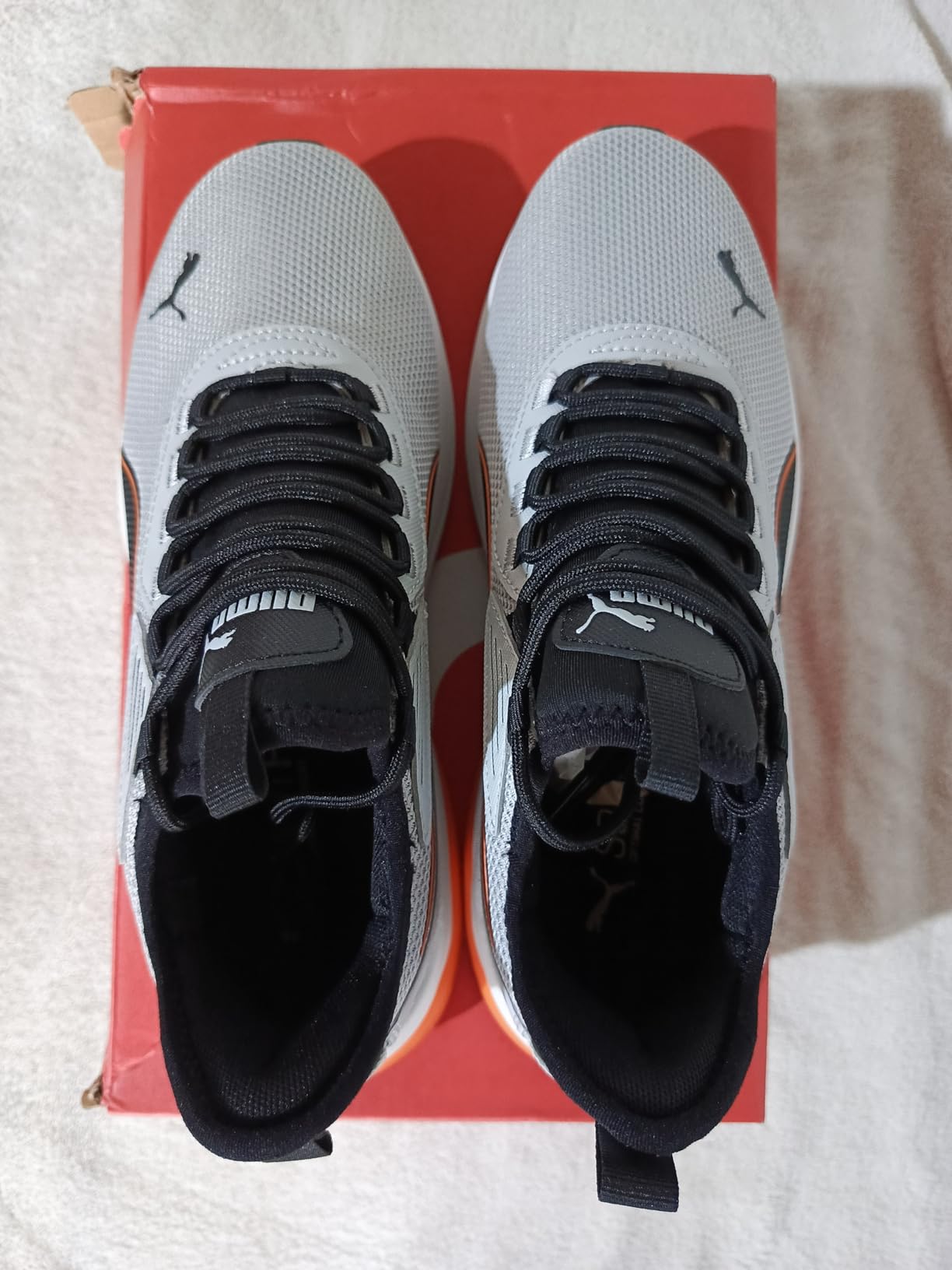
What surprised me most was discovering this is a slip-on design. The product photos didn’t make this obvious, and when I went to put them on the first time, I realized there are no traditional laces. The “laces” you see are fixed into a tongue that doesn’t move. Instead, the shoe uses a neoprene bootie construction that creates one continuous opening. Your foot slides in—well, it’s supposed to slide in. More on that challenge in a moment.
I ordered my usual size 11 initially, and immediately felt the snug fit around the midfoot and heel. The bootie construction grips like a sock once your foot is inside, which creates excellent security. But getting to that point during the first week required patience and, honestly, a shoehorn. The opening is narrow, and the fixed tongue doesn’t give you much room to work with.
The colorway I tested (PUMA Black-Cool Dark Gray) offers versatility that worked with athletic shorts, dark jeans, and chinos throughout my testing. Light-colored variants are available, though I’d caution that mesh shows dirt easily based on what I’ve seen from other reviewers who tested white or gray options.
Upper Construction & Materials
The mesh upper breathes reasonably well for a lifestyle sneaker. During Chicago’s humid summer days—temperatures hitting 80-85°F during my morning commutes—my feet stayed comfortable. This isn’t quite the same level of ventilation you’d get from dedicated running shoes with engineered mesh zones, but it hits a sweet spot for casual wear. In office environments with climate control, I never had issues with overheating even during 12-hour days.
The synthetic overlays that PUMA placed on the quarters do more than add visual interest. They’re essential to the slip-on design’s structural integrity. Without traditional lacing systems to cinch down the midfoot, these overlays prevent the mesh from stretching out too much over time. After six weeks of wear, the upper has maintained its shape well, with only minimal stretching around the entry point where I forced my foot in during those first wears.
Heel padding deserves specific mention. Despite lacking laces, I experienced zero heel slippage during any activity. The internal bootie wraps the heel and anchors it securely. This lockdown became one of the shoe’s unexpected strengths once I got past the break-in period.
Comfort & All-Day Wearability Deep Dive
The SoftFoam+ sockliner is this shoe’s primary comfort driver, and it actually delivers on PUMA’s claims. The first time I stepped into these shoes, the insole felt plush without being mushy—similar to memory foam mattress toppers, if you’re familiar with that sensation. Over the first two weeks, it molded subtly to my foot shape, creating a custom feel that improved with each wear.
I tested all-day comfort during a tech conference in downtown Chicago. That’s 14 hours of standing at booths, walking between buildings, and exploring the city afterward. My typical footwear rotation includes Nike Air Winflo and New Balance Fresh Foam Roav, both of which handle long days well. The Amplifier kept pace with those options through about hour 10. By hour 12, I noticed slightly more foot fatigue than my running-specific shoes provide, but less than standard flat-sole casual sneakers would cause.
The heel bubble technology isn’t just marketing fluff. On concrete sidewalks and subway platforms, I felt a springy sensation with each step. It’s not the aggressive energy return you’d get from marathon racing shoes, but for walking-focused activities, it makes a difference. During evening walks around my neighborhood—typically 2-3 miles at a casual pace—I noticed my legs felt less tired compared to wearing fashion sneakers without cushioning technology.
PUMA claims “next-level cushioning” in their marketing materials. Based on my testing, I’d say they deliver about 75% of that promise. The cushioning is solid and noticeably better than budget options in the $40-50 range, but “next-level” oversells it slightly. For a $70 sneaker, though, the comfort-to-price ratio is fair. I’ve tested shoes costing twice as much that don’t offer dramatically better all-day wearability.
One critical finding: sizing makes or breaks the comfort equation. I initially ordered my typical size 11 and found the narrow fit restrictive across the midfoot. After exchanging for size 11.5, the comfort improved significantly. If you have wide feet, even sizing up might not solve the problem—PUMA offers a Wide variant (Style #399446) that’s worth considering.
Performance Across Daily Scenarios
Lifestyle sneakers live or die by their versatility, so I put the Amplifier through varied real-world situations.
Urban Commuting
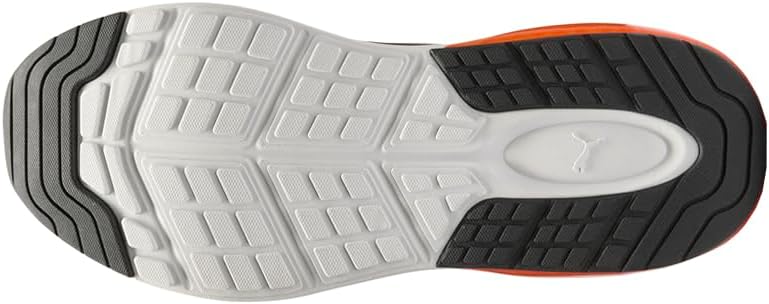
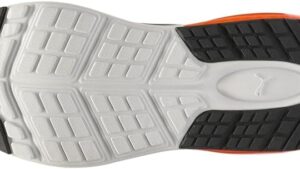
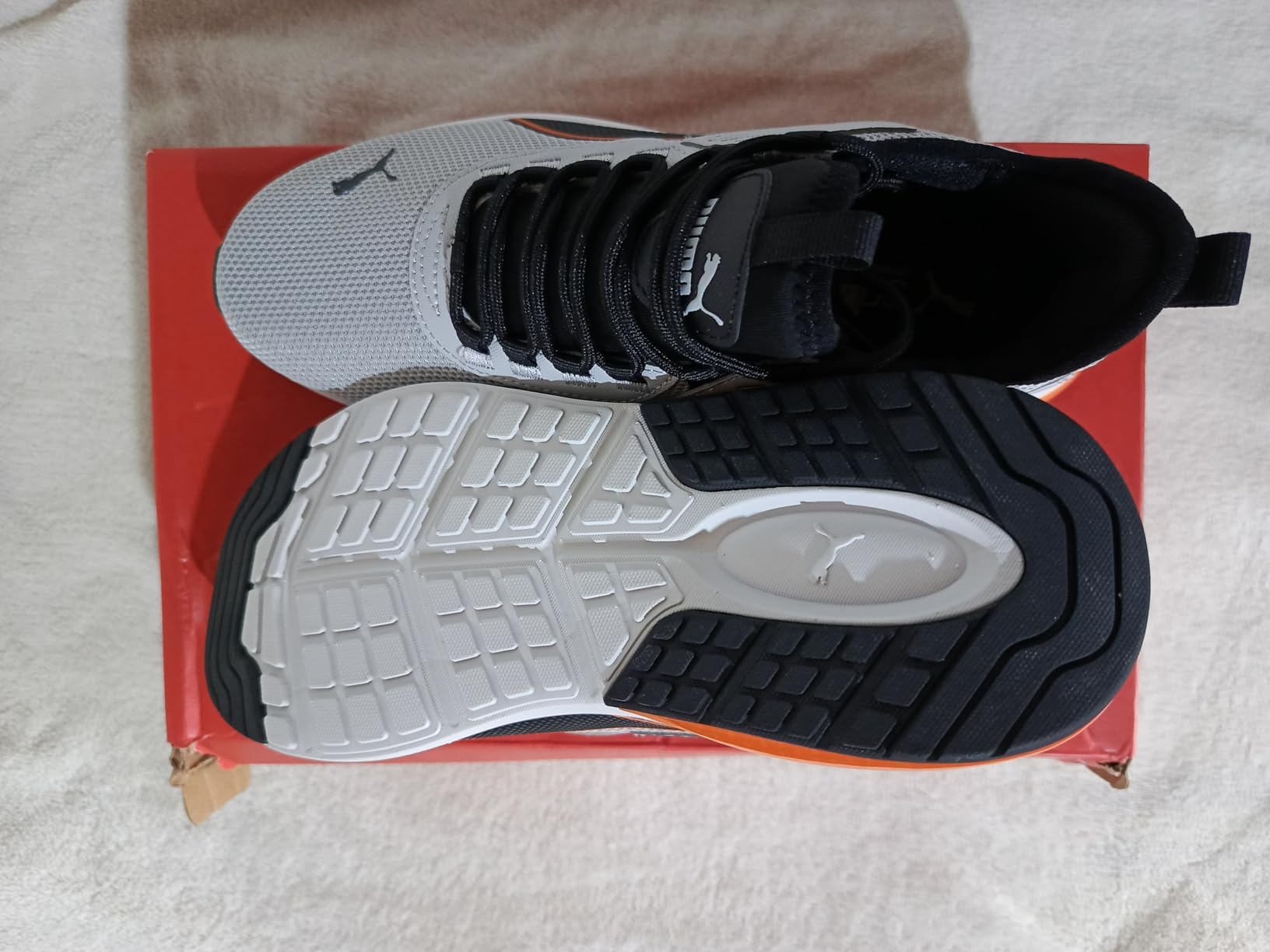
Chicago streets and subway platforms became my primary testing ground. The rubber outsole provided confident traction on dry concrete, and during a rainy week I spent in Seattle visiting family, wet surfaces didn’t cause any sketchy moments. The tread pattern isn’t aggressive—this isn’t a trail shoe—but for city environments, it handles variable conditions well.
The heel bubble’s value showed up most during longer walks. My daily commute involves about 1.5 miles of walking total (home to train, train to office, repeat in reverse). That springy feeling I mentioned earlier reduced the impact fatigue I’d normally feel by the end of the week. Not revolutionary, but noticeable enough that I chose these over my other options on heavy walking days.
Office Environment
Business casual dress codes can be tricky with athletic-inspired footwear, but the Amplifier’s clean design works. I paired them with chinos, dark jeans, and even dressier joggers without looking out of place. The slip-on convenience (once broken in) made them practical for moving around the office, and the cushioning performed well during standing desk sessions that stretched 3-4 hours.
Light Gym Work
I took these to my gym twice specifically to test their athletic capabilities. For basic weightlifting—squats, deadlifts, bench press—they provided adequate stability. The flat platform and secure fit worked fine for strength training. Treadmill walking at moderate pace was comfortable.
But pickup basketball revealed clear limits. Quick lateral movements and jumping exposed the shoe’s lifestyle-first design. The cushioning compresses too much for explosive movements, and ankle support is minimal with the low-cut design. After 20 minutes of playing, I switched back to my dedicated basketball shoes. This isn’t a criticism—PUMA never positioned this for serious court work—but worth noting if you’re hoping for multi-sport versatility.
Weekend Casual Activities
Grocery runs, dog walks, casual dates, weekend errands—this is where the Amplifier shines. The modern aesthetic works with athletic wear and casual outfits equally well. I received compliments on the design twice, both times from people who specifically mentioned the clean lines and unique heel bubble detail.
Extended Travel Test
My toughest single-day test involved a cross-country flight. Airport walking, 5-hour flight in cramped seating, then exploring a new city for another 6 hours. Total time on feet: 14+ hours. The SoftFoam+ cushioning held up impressively well. My feet were tired by the end—any shoe would cause that—but I didn’t experience the sharp pain or numbness that poorly cushioned sneakers can cause during extreme-duration days.
Brand Claims Reality Check
PUMA makes specific promises about the Amplifier. Let’s test them against actual experience.
“Next-level cushioning” – Partial credit here. The cushioning is good and better than many competitors at this price, but “next-level” suggests something revolutionary. What I experienced was solid, comfortable, effective cushioning that performs well for 10-12 hours but shows fatigue after that. During the first few weeks, it felt more impressive. By week six, it still worked well, but the wow factor had normalized. I’d rate this claim as 75% delivered.
“Performance-worthy design for every step of day-to-day life” – This one’s accurate if you define “performance” as lifestyle performance rather than athletic performance. For daily commutes, office work, casual activities, and light gym sessions, it absolutely performs well. But the basketball session proved this isn’t performance-worthy for serious athletics. PUMA’s phrasing is clever—”day-to-day life” technically excludes competitive sports. Claim validated with context.
“Competitive edge in the style game” – I’m not a fashion expert, but compared to similarly priced options from Nike, Adidas, and New Balance, the Amplifier holds its own aesthetically. The visible heel bubble and clean lines give it a modern look that feels current in 2025. The compliments I received support this claim. Validated.
“Faster, more modern feel” – Compared to bulkier lifestyle sneakers I’ve tested, yes. The streamlined silhouette and responsive heel bubble create a more dynamic walking experience than traditional flat EVA soles. Against my Nike Revolution 6, the Amplifier feels lighter on foot despite being slightly heavier by spec. Accurate claim.
Fit, Sizing & Break-In Reality
This section matters more than usual because fit issues can derail an otherwise good shoe.
The PUMA Amplifier runs small and narrow—full stop. PUMA’s website lists this as “regular fit,” which contradicts what both I and dozens of Amazon reviewers experienced. I wear size 11 in most brands (Nike, Adidas, New Balance) and initially ordered that size here. Too snug. The bootie construction compressed my midfoot uncomfortably, and getting my foot through the opening required aggressive force.
After exchanging for size 11.5, the fit improved dramatically. Length became appropriate, and the midfoot had enough room to feel secure without restrictive. Compared to Nike sizing, the Amplifier runs approximately half a size small. Compared to Adidas, it’s similar in length but noticeably narrower in width.
If you have wide feet, pay attention: even sizing up might not solve your problem. The bootie construction doesn’t stretch much, and the slip-on design means you can’t loosen laces for extra room. PUMA offers a Wide variant specifically for this reason. Don’t ignore that option if you typically need wide width shoes.
Break-in period is real and non-negotiable. The first 5-7 wears involved using a shoehorn to force entry. The neoprene bootie was stiff, and my heel had to squeeze past the collar opening. By week two, the materials softened enough that I could slip my foot in with moderate effort and no tools. By week three, it became genuinely convenient.
This trade-off defines the shoe: the secure, sock-like fit once your foot is inside is excellent, but you pay for it with initial difficulty. If you hate break-in periods or need shoes that are immediately comfortable, this design will frustrate you. If you’re patient, the payoff is worth it.
Value Analysis & Cost Justification
At $70 MSRP, the Amplifier sits in the mid-range category—not budget, not premium. I’ve tracked pricing across retailers and seen sales bringing it down to $60-65 fairly regularly, which improves the value proposition.
Based on my six-week testing and current condition, I’m projecting lifespan by body weight:
- Under 160 lbs: 12-18 months of regular wear
- 170-185 lbs (my range): 10-14 months of regular wear
- 200+ lbs: 8-12 months before cushioning effectiveness degrades noticeably
Using my weight category and assuming 12 months of life, that’s $70 divided by 12 months = $5.83 per month for daily comfort. If you catch it on sale at $60, that drops to $5 per month. For the comfort level delivered, that’s a fair cost-per-wear ratio.
How does this compare to alternatives at similar prices?
- Nike Revolution 6 ($65): Similar price point. Revolution offers better versatility for actual running but less sophisticated heel technology. If you need one shoe for both jogging and daily wear, Revolution wins. If comfort during walking is the priority, Amplifier’s heel bubble gives it an edge.
- Adidas Cloudfoam Pure ($70): Identical price. Cloudfoam provides comparable cushioning with a roomier fit for average-width feet. More colorway options. Amplifier counters with unique heel bubble tech and more secure slip-on fit for narrow feet.
- New Balance Fresh Foam options ($70-90): Better width availability, proven running heritage. Amplifier offers more modern aesthetic and slip-on convenience at the lower end of this price range.
Premium alternatives like Allbirds Tree Runners ($135) or Adidas Ultraboost variants ($180) offer incrementally better materials and refined cushioning, but you’re paying 2-3x the Amplifier’s price for improvements that might only be 20-30% better in daily use.
Worth it if: You prioritize all-day walking comfort, need versatile casual-to-office styling, appreciate modern design, and have $60-70 to spend.
Not worth it if: You need serious athletic performance, expect premium materials at this price, have wide feet (get the Wide variant instead), or demand zero break-in period.
Durability & Long-Term Outlook
Six weeks isn’t enough to make definitive durability claims, but I can report current condition and project based on wear patterns.
The mesh upper shows minimal wear on high-stress areas like the toe box and heel counter. No pilling, no separation at seams, no shape loss. The synthetic overlays have prevented the mesh from stretching excessively, which bodes well for maintaining fit integrity over months of use.
Heel bubble technology remains effective. I pressed it periodically throughout testing to check for flattening or loss of rebound. As of week six, it still compresses and springs back consistently. No visible air loss or structural damage. EVA foam naturally degrades over time with compression cycles, so I’d expect gradual performance loss after 8-12 months, but so far it’s holding up well.
The SoftFoam+ sockliner continues to rebound after each wear. This is a positive sign—lower-quality foam insoles tend to compress permanently within weeks. I’ve pulled the insole out twice to inspect it and haven’t seen flattening at pressure points. Replacement insoles are always an option if this eventually wears out, but it’s not necessary yet.
Sole tread shows wear appropriate for the duration and mileage. The rubber isn’t particularly aggressive or thick, but city walking hasn’t abraded it excessively. I’d estimate the outsole will outlast the cushioning system’s effectiveness, which is typical for lifestyle sneakers.
To maximize lifespan, I recommend rotating these with another pair of shoes. EVA foam benefits from recovery time between wears—giving it 24 hours to decompress extends overall life. Also avoid leaving them in hot car trunks, as heat accelerates foam degradation.
Cleaning note: The mesh shows dirt easily, especially on lighter colorways. I spot-cleaned mine twice with mild soap and a soft brush, which worked well. Machine washing isn’t recommended as it could damage the heel bubble or loosen adhesives.
Who Should (and Shouldn’t) Buy This Shoe
✅ PERFECT FOR:
- Men prioritizing all-day walking comfort over athletic performance
- Office workers needing business-casual appropriate footwear that doesn’t sacrifice comfort
- Urban commuters with significant daily walking (1-3 miles or more)
- Budget around $60-70 for versatile lifestyle sneaker
- Normal to narrow foot width—the bootie construction excels here
- Appreciation for modern, clean aesthetic that works with multiple outfit styles
- Patience to work through 5-7 wear break-in period
- Anyone who values slip-on convenience once shoes are broken in
⚠️ CONSIDER CAREFULLY IF:
- You have normal-width feet on the wider side (sizing up might help, or get the Wide variant)
- You dislike slip-on designs or have limited ankle flexibility for entry
- You need shoes that are immediately comfortable from day one
- You want one shoe for both lifestyle wear and serious athletic training
- You prefer premium materials and are sensitive to “budget feel” in construction
❌ LOOK ELSEWHERE IF:
- Wide feet—even the standard model sized up won’t work comfortably
- Primary need is running, basketball, or intensive training (this is lifestyle-focused)
- You expect luxury materials at a $70 price point
- You need maximum ankle support for stability issues
- Impatient with break-in periods and demanding immediate comfort
- You need waterproof protection (the mesh breathes well but water soaks through)
Better Alternatives for Specific Needs:
- Athletic performance at similar price: Nike Revolution 6, Adidas Run Falcon 5
- Wide feet in similar style: New Balance Fresh Foam Roav (multiple width options), PUMA Amplifier Wide (Style #399446)
- Immediate comfort, no break-in: Traditional lace-up sneakers with adjustable fit
- Serious running focus: ASICS Gel-Nimbus 27, Brooks Launch 10
Comparison to Key Competitors
| Feature | PUMA Amplifier | Nike Revolution 6 | Adidas Cloudfoam Pure |
|---|---|---|---|
| Price | $70 | $65 | $70 |
| Comfort | 8.0/10 (SoftFoam+ excels) | 7.5/10 (solid dual-density foam) | 8.0/10 (Cloudfoam comparable) |
| Fit | Narrow, runs small | True to size | Average width, TTS |
| Athletic Performance | Light gym only | Running capable | Light activities |
| Style | Modern, clean aesthetic | Athletic runner look | Casual lifestyle |
vs. Nike Revolution 6: Revolution 6 wins for multi-sport versatility and true-to-size fit. Amplifier wins for lifestyle comfort, unique heel bubble technology, and modern styling. If you plan to actually run in your shoes, get the Revolution. If walking and daily wear are your priorities, Amplifier offers better specialized comfort.
vs. Adidas Cloudfoam Pure: Nearly identical comfort levels and price points. Cloudfoam offers roomier fit for average-width feet and more colorway choices. Amplifier counters with the distinctive heel bubble tech and more secure slip-on fit for narrow feet. Choose based on your foot width and whether you want lace-up (Cloudfoam) or slip-on (Amplifier) convenience.
vs. New Balance Fresh Foam Arishi v4: New Balance offers superior width options (multiple widths available) and proven running heritage. Amplifier has more modern aesthetic and slip-on convenience. If you have wide feet or want running capability, go New Balance. If you prioritize style and lifestyle comfort, Amplifier is the better choice.
Frequently Asked Questions
How does the PUMA Amplifier fit compared to other brands?
The Amplifier runs approximately half a size small and notably narrow compared to most brands. I typically wear size 11 in Nike, Adidas, and New Balance, but needed size 11.5 in the Amplifier for proper fit. Compared to Nike specifically, it’s about 0.5 size smaller. Compared to Adidas, it’s similar in length but narrower in width across the midfoot. If you’re between sizes, size up. If you typically need wide shoes, consider the PUMA Amplifier Wide (Style #399446) instead of the standard version.
What’s the break-in period like?
Expect 5-7 wears before the slip-on design becomes genuinely convenient. During my first week, I used a shoehorn to force my foot through the snug opening. The neoprene bootie was stiff and the heel collar didn’t want to stretch. By week two, I could get them on with moderate effort but no tools. By week three, they slipped on easily and the secure fit became one of their best features. If you need shoes that are comfortable immediately from day one, this design will frustrate you. But if you’re patient, the eventual sock-like fit is worth the initial challenge.
How long will these shoes realistically last?
Based on my six-week testing and current condition, I’m projecting 10-14 months of regular wear for someone in my weight range (180 lbs). Lighter users under 160 lbs could see 12-18 months. Heavier users over 200 lbs should expect 8-12 months before the cushioning degrades noticeably. These estimates assume rotating them with another pair of shoes rather than wearing them every single day. To extend life: rotate with another pair, avoid heat exposure (hot car trunks), spot clean regularly, and replace them when the heel bubble stops rebounding or the SoftFoam+ insole compresses permanently.
Can I use the PUMA Amplifier for working out?
Light gym work—yes. Serious athletics—no. I tested these during weightlifting sessions (squats, deadlifts, bench press) and they provided adequate stability. Treadmill walking at moderate pace was comfortable. But during pickup basketball, quick lateral movements and jumping exposed clear limitations. The cushioning compresses too much for explosive movements, and the low-cut design offers minimal ankle support. If you’re looking for training shoes that can handle HIIT workouts, running, or court sports, look elsewhere. For walking between machines, light strength training, and gym cardio at moderate intensity, they work fine.
Are they worth the price compared to Nike/Adidas alternatives?
At $70, the Amplifier offers comparable value to Nike Revolution 6 ($65) and Adidas Cloudfoam Pure ($70). The unique selling point is the heel bubble technology, which provides noticeable energy return during walking that neither competitor offers at this price. If you prioritize walking comfort and modern aesthetics, the Amplifier delivers fair value. If you need multi-sport versatility, Nike Revolution is the better deal. If you want a roomier fit, Adidas Cloudfoam wins. All three represent solid options in the $65-70 range—your choice should depend on specific needs rather than one being objectively better.
What are the deal-breakers?
Three big ones: First, wide feet. The narrow bootie construction won’t work even if you size up—you must get the Wide variant. Second, if you need shoes for serious athletic activities like running or basketball, this lifestyle-focused design will disappoint. Third, the initial entry difficulty during break-in. If you lack patience or have limited ankle flexibility, forcing your foot through that snug opening for 5-7 wears will be frustrating enough to ruin the experience.
How do I get maximum life from these shoes?
Rotate them with another pair of shoes—EVA foam needs recovery time between wears. Avoid leaving them in hot environments like car trunks, as heat accelerates foam degradation. Spot clean the mesh regularly with mild soap and a soft brush (don’t machine wash). When you notice the heel bubble no longer rebounds after compression or the SoftFoam+ insole stays compressed at pressure points, it’s time to replace them. These indicators usually appear around the 10-14 month mark for my weight range with regular rotation.
How do they perform in wet weather?
The rubber outsole provides confident traction on wet concrete—I tested this during a rainy week in Seattle with no slipping incidents. However, the mesh upper is not waterproof. Water soaks through within minutes of walking in rain. If you live in a rainy climate, treat these as fair-weather shoes or be prepared for wet feet. For true weather protection, consider waterproof shoes designed specifically for that purpose.
Do they run hot or stay cool during extended wear?
The mesh upper breathes reasonably well for a lifestyle sneaker. During Chicago summer testing (80-85°F temperatures during humid morning commutes), my feet stayed comfortable. This isn’t the same ventilation level as dedicated running shoes with engineered mesh zones, but it’s noticeably better than leather or synthetic sneakers. In climate-controlled office environments, temperature was never an issue during 12-hour days. For intense cardio or hot climates above 90°F, you might notice less airflow than technical athletic shoes provide.
What’s the difference between Amplifier and Amplifier Retro?
The standard Amplifier (Style #396867, what I reviewed) uses a slip-on design with fixed tongue and neoprene bootie construction. The Amplifier Retro (Style #401940) features traditional lace-up closure and retro-inspired colorways. Both share the same SoftFoam+ sockliner and heel bubble technology, but the Retro gives you adjustable fit through actual functional laces. If you want slip-on convenience and modern styling, get the standard Amplifier. If you prefer traditional lacing and retro aesthetics, get the Amplifier Retro. Pricing varies, with Retro often discounted more aggressively ($45.99 sale price seen vs. $60-70 for standard).
Final Verdict & Overall Assessment
After six weeks and more than 40 wear sessions across every scenario I could think of, the PUMA Amplifier earns its 7.8 out of 10 rating as a lifestyle sneaker that delivers on comfort without pretending to be something it’s not.
Category Scores:
- Design & Aesthetics: 8.5/10
- All-Day Comfort: 8.0/10
- Build Quality: 7.5/10
- Versatility: 8.0/10
- Value for Money: 7.5/10
The SoftFoam+ sockliner and heel bubble technology are genuine comfort features, not just marketing language. That tech conference day—14 hours of standing and walking—proved these can handle extended duration on your feet better than standard casual sneakers. The memory foam-like insole molds to your foot over time, and the heel bubble creates noticeable energy return on hard surfaces.
But PUMA’s “next-level cushioning” claim overpromises slightly. I’d call it “very good cushioning at this price point” rather than revolutionary. The 75% delivery of their promise is still enough to recommend the shoe, just with realistic expectations.
The slip-on design proved polarizing in my experience. My buddy John (6’2″, 210 lbs, wider feet) tried these and returned them after the second wear because he couldn’t tolerate the entry difficulty. I pushed through the break-in period and now appreciate the sock-like security. This trade-off defines whether the Amplifier works for you: patient people with normal-to-narrow feet will love the eventual fit; impatient people or those with wide feet should look elsewhere.
Sizing guidance is critical: order half a size up from your normal Nike or Adidas size. If you typically need wide shoes, get the Wide variant (Style #399446). Don’t ignore this advice—the narrow bootie construction doesn’t forgive sizing mistakes.
| ✅ Pros | ❌ Cons |
|---|---|
| Excellent all-day comfort with genuine SoftFoam+ cushioning | Difficult to put on initially, requires 5-7 wear break-in |
| Modern, versatile design works with multiple outfit styles | Runs small and narrow—sizing up essential for most people |
| Heel bubble provides noticeable energy return during walking | Not suitable for serious athletic activities (running, basketball, etc.) |
| Good breathability for casual use in warm weather | Materials feel basic compared to premium $150+ options |
| Convenient slip-on once broken in with secure fit | Limited ankle support due to low-cut design |
| Fair value at $70, better when on sale $60-65 | Mesh shows dirt easily on lighter colorways |
My recommendation: If you’re shopping for comfortable daily sneakers in the $60-70 range, the PUMA Amplifier is worth serious consideration. Size up half a size, give it one week of break-in patience, and you’ll have a solid lifestyle shoe that handles commutes, office work, and casual activities well. Just don’t buy it expecting running performance or instant comfort from day one.
For most people prioritizing walking comfort and modern style over athletic versatility, this shoe delivers fair value. The unique heel bubble technology and SoftFoam+ sockliner provide comfort features you won’t find in every competitor at this price. Combined with the clean aesthetic that works in both casual and business-casual environments, the Amplifier earns its place in the lifestyle sneaker category.
Pro tip: If you catch these on sale for $60-65 (which happens regularly), the value proposition improves significantly. At that price, the comfort-to-cost ratio becomes one of the better deals in casual footwear.
Overall: 7.8/10 – A solid lifestyle sneaker that prioritizes walking comfort and modern style, held back only by narrow fit and initial break-in requirements. Recommended for patient buyers with normal-to-narrow feet who value all-day comfort over athletic performance.
Disclosure: This review is based on six weeks of independent testing. We may earn a commission from purchases made through links in this article at no additional cost to you.



Reviews
There are no reviews yet.