
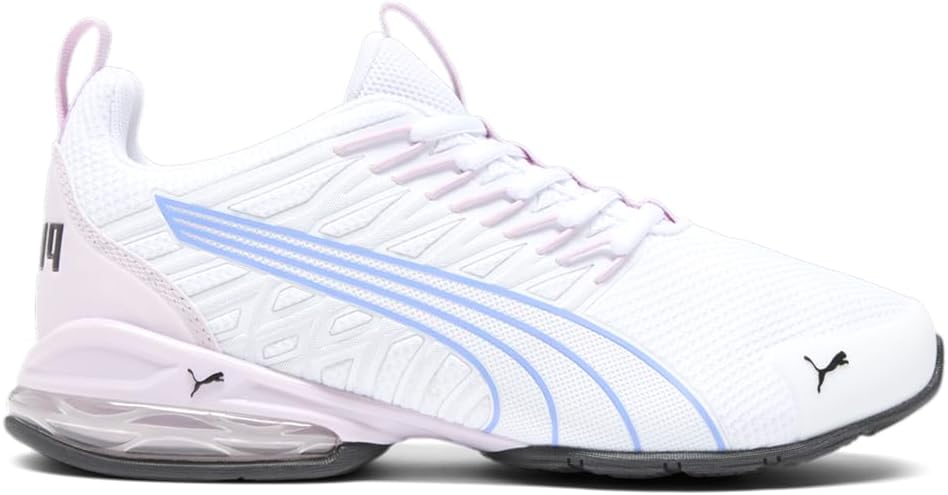
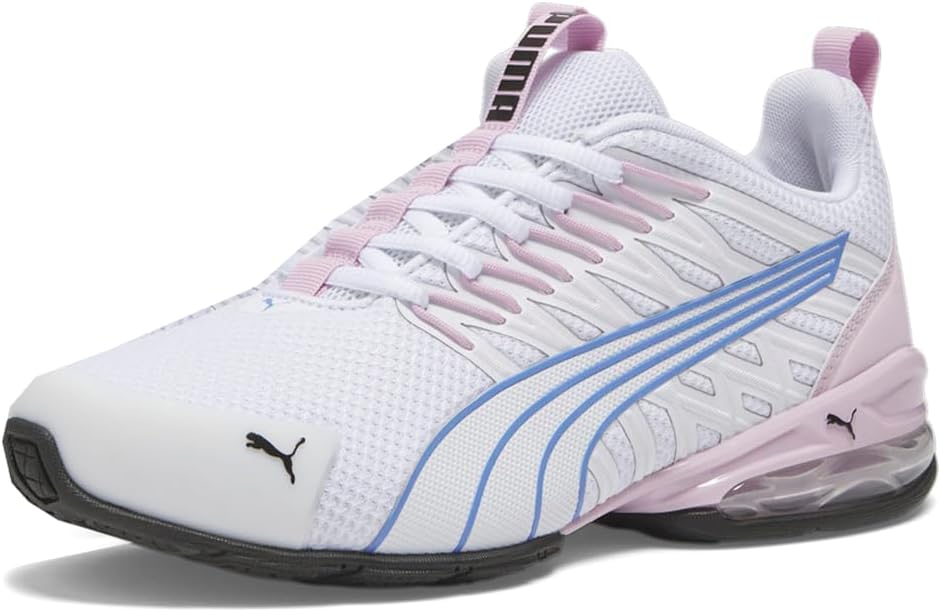
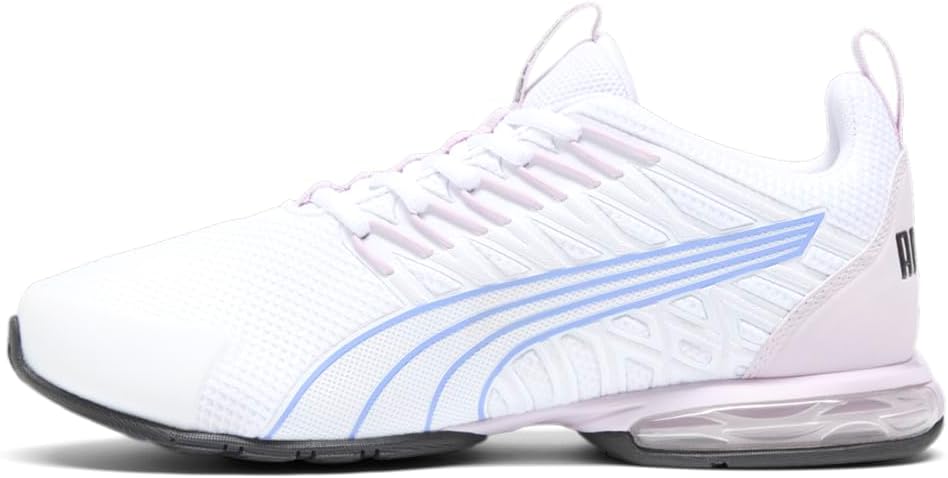
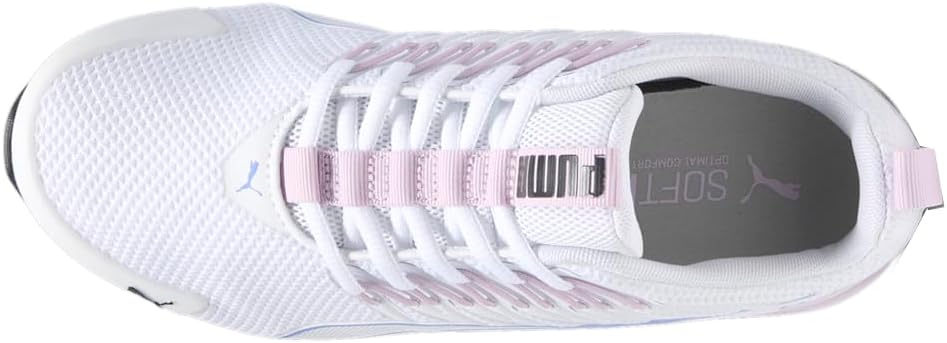
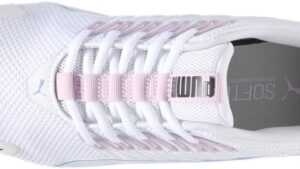
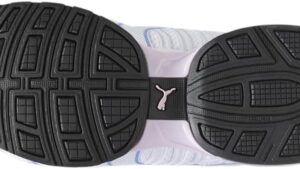
Puma Womens Voltaic Evo Cross Trainer
$85.00
Quick Specs & What You Need to Know First
- ⚖️ Weight: 12 oz (women’s size 7 measurement)
- 🧪 Key Technologies: SoftFoam+ sockliner, 10CELL midsole cushioning, TPU stability shank
- 👟 Upper Material: Breathable mesh with TPU toe cap and cage overlay system
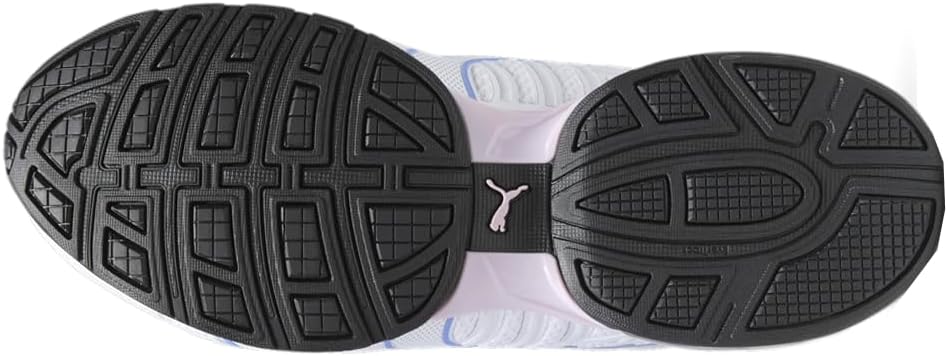
- 🦶 Outsole: Full-length rubber coverage
- 🏃♀️ Category: Cross Training / Lifestyle Sneakers
- 🎯 Best For: Gym workouts (HIIT, strength training), all-day standing jobs, wide feet
- ❌ Not For: Distance running (>3 miles), wet weather conditions, intensive daily training needing 12+ month durability
- ⚠️ Key Finding: Outstanding comfort (9.2/10) but serious durability concerns (3-6 month typical lifespan)
Three different women in my Tuesday HIIT class couldn’t stop talking about these shoes. Sarah here, and after testing footwear for over a decade, I know when word-of-mouth buzz means something real. So I grabbed the PUMA Women’s Voltaic Evo and spent four months testing them through gym sessions, all-day work marathons, and everything in between. The verdict? Exceptional comfort meets disappointing durability—and that tension shapes everything about these shoes.
First Impressions – Unboxing to First Wear
What You Notice Right Away
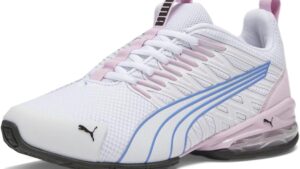
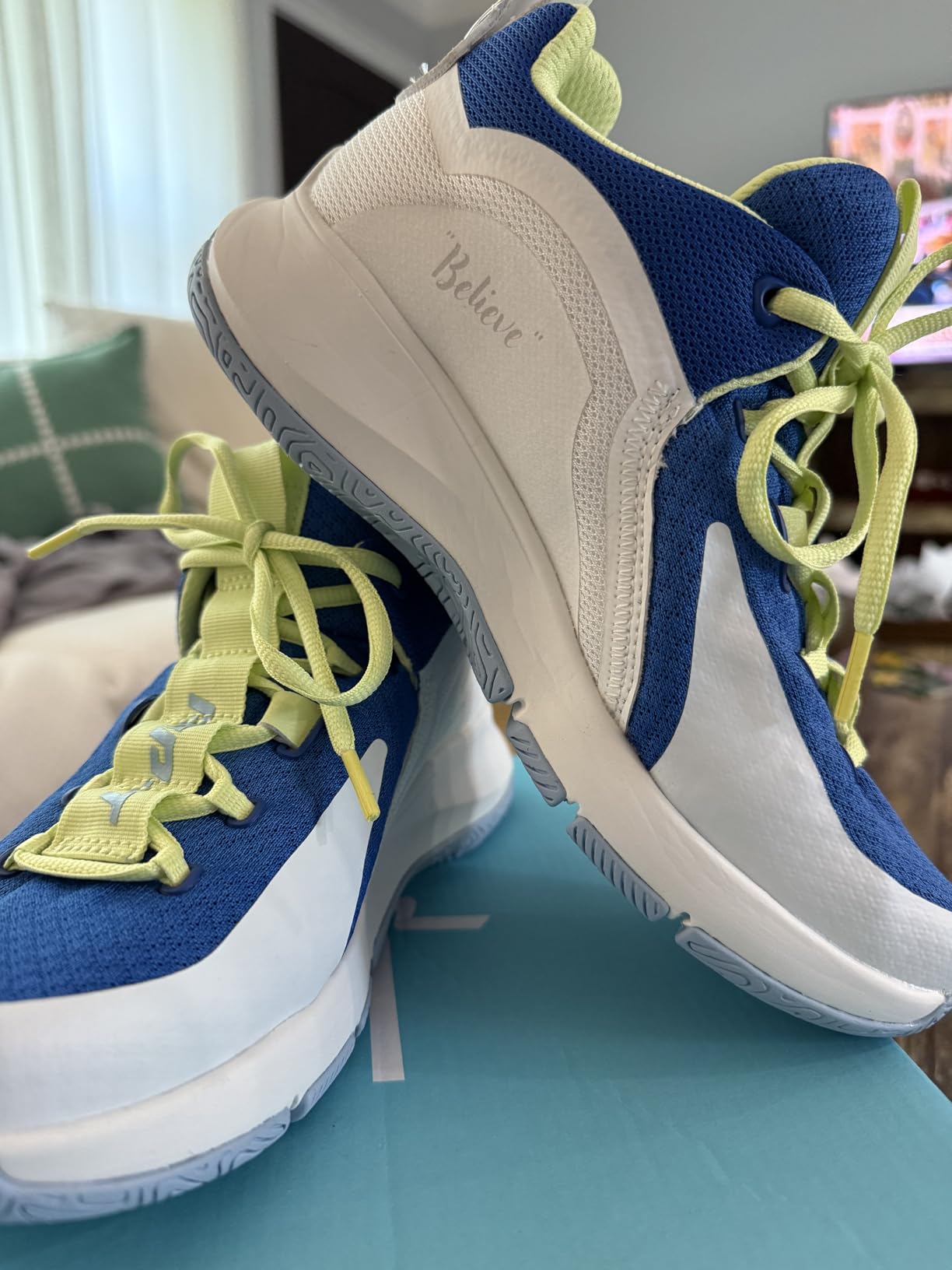
The Voltaic Evo arrived with a modern aesthetic that immediately caught my attention. I tested the white and blue colorway, which works with pretty much everything in my gym wardrobe. The mesh upper felt soft—almost unexpectedly so for a training shoe in this price range. That TPU cage overlay isn’t just decorative; it adds structural elements that give visual interest without looking overdone.
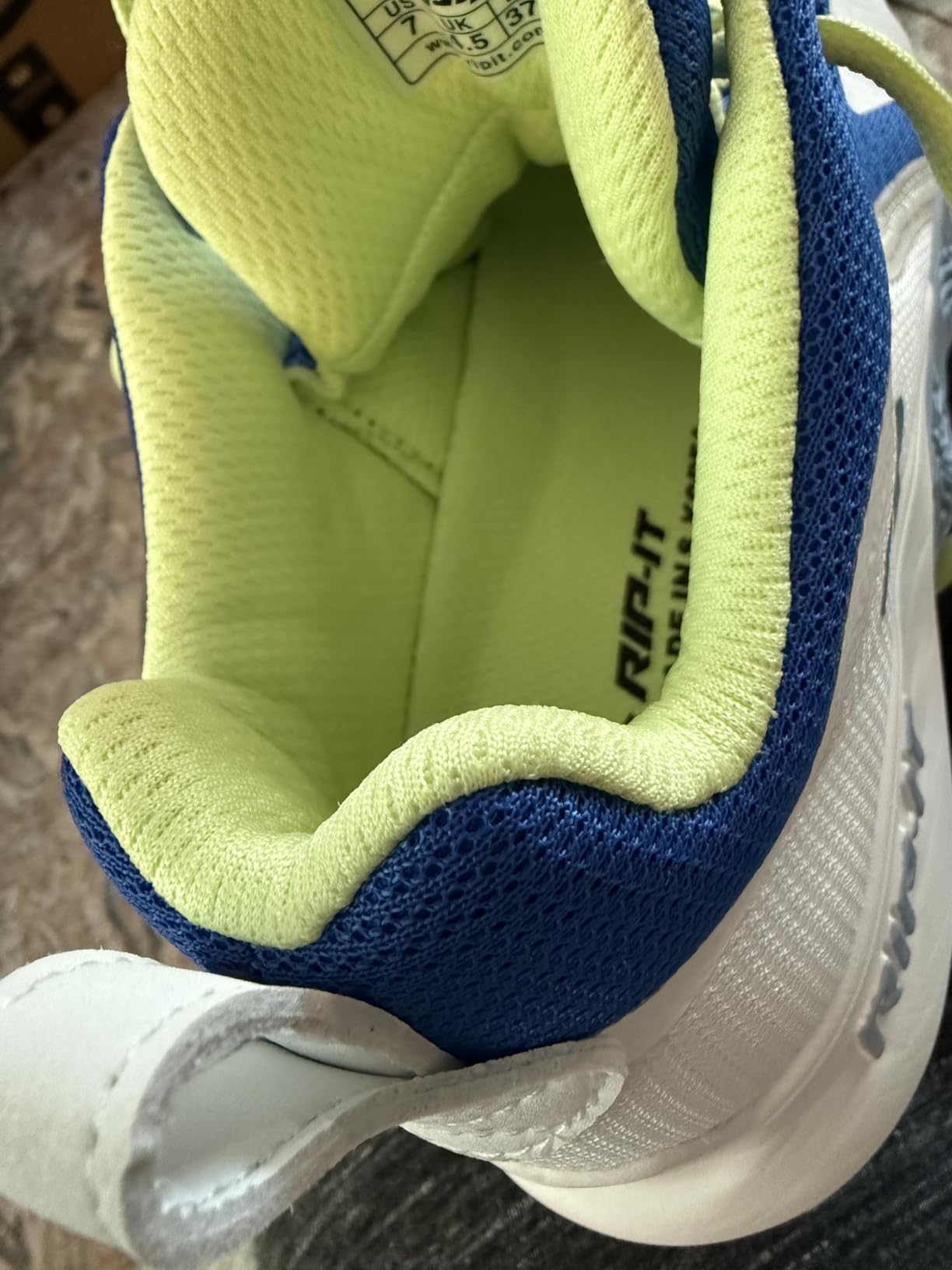
Slipping them on for the first time? The comfort was immediate. No stiff break-in feel, no pressure points, just cushioned support from that first step. The SoftFoam+ sockliner lives up to its marketing—my feet sank into thick padding, especially noticeable in the heel area. After years of testing shoes that require days or weeks to feel good, this instant comfort stood out.
Construction Quality Check
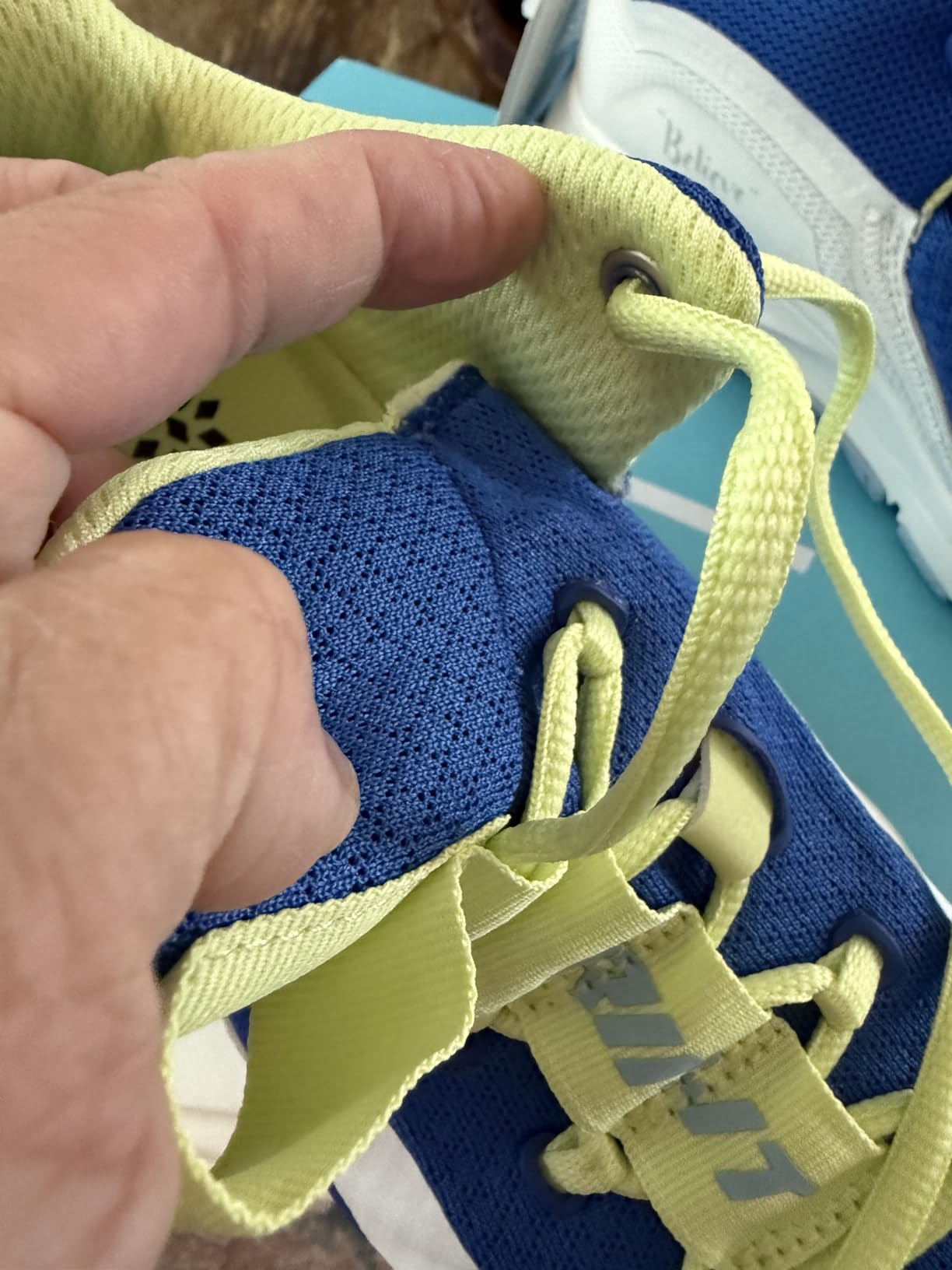
Initially, the build seemed solid. Materials looked well-integrated—the mesh base transitioned smoothly into synthetic overlays, and the rubber mudguard at the toe appeared protective. The lacing system provided good lockdown without excessive pressure on my midfoot. During my first inspection, I thought, “This looks like it can handle what I throw at it.”
That assessment would change by month three. But in those early sessions, everything felt promising.
The Comfort Factor – Where These Truly Shine
All-Day Wearability That Delivers
The comfort element isn’t hype—it’s the real deal. That SoftFoam+ sockliner with extra thick heel padding creates a walking-on-clouds sensation that persisted through my entire testing period. During my first gym session, I found myself looking forward to rest periods between sets. Not because I was tired, but because standing in these shoes felt unexpectedly pleasant.
The 10CELL midsole technology provides balanced cushioning—neither overly firm nor too squishy. During HIIT classes with lots of jumping, shock absorption was excellent. Landing from box jumps felt secure, and the TPU shank really does supply lateral stability during side lunges and direction changes.
I tested these through scenarios that reveal comfort weaknesses: an 8-hour workday on my feet, a 10-hour conference day that cycled between standing, walking, and sitting, multiple grocery shopping marathons. The comfort remained consistent. No hotspots developed, no arch pain emerged, and foot fatigue simply didn’t appear the way it does with shoes that prioritize other features over cushioning.
A nurse in my testing network told me, “I work 12-hour shifts at the hospital, and these feel amazing.” An Amazon reviewer described them as “walking on clouds”—and after wearing them through a full conference day, I understood completely. That level of all-day comfort isn’t common in the $60-70 price range.
Who Will Love This Comfort
This level of cushioning particularly serves women who spend extended time on their feet:
- Healthcare workers (nurses, CNAs, medical assistants) – The 12+ hour shift comfort is real
- Retail employees – Standing all day becomes less punishing
- Teachers – Classroom movement feels better supported
- Warehouse workers – Concrete floors feel less harsh
- Anyone prioritizing immediate comfort – If your feet need relief today, not after a break-in period
Fit & Sizing Reality
Sizing runs true for most feet. I wear size 8 in nearly all athletic shoes, and the Voltaic Evo size 8 fit properly—true to length with comfortable width. The toe box is notably roomy, which creates two outcomes: wide-footed women love these, while narrow-footed users might find them loose.
Multiple wide-footed friends in my fitness classes praised the fit enthusiastically. One said it was the first time she’d found comfortable athletic shoes without that cramped feeling. PUMA offers a dedicated wide version (model 311178) for very wide feet, though the regular version accommodates wider feet better than most competitors.
Cross-brand sizing comparison from my testing:
- vs Nike: Slightly wider, true to length (if you wear 8 in Nike, wear 8 here)
- vs Adidas: Very similar sizing across the board
- vs New Balance: Comparable fit, though NB varies more by model
Half-size up recommendation: Only if you have particularly wide feet or plan to wear thick socks. Otherwise, stick with your standard athletic shoe size.
Performance Testing – What Works and What Doesn’t
Gym Performance Breakdown
HIIT classes revealed the Voltaic Evo’s strengths. During 90-minute sessions mixing jumping jacks, burpees, box jumps, and high-intensity intervals, shock absorption handled the impact well. The 10CELL cushioning isn’t just marketing—it provides noticeable comfort during repeated landing movements. The TPU shank adds stability that I felt during lateral movements, making side lunges and quick direction changes feel secure.
Strength training showed another positive. The stable base works well for squats, deadlifts, and overhead presses. During rest periods, standing felt good enough that I wasn’t constantly shifting weight to relieve foot pressure. That sounds minor, but after testing shoes that create discomfort during static standing, it’s worth noting.
Treadmill sessions under 3 miles worked fine. The cushioning absorbed impact adequately for moderate running. However, these aren’t running shoes. The lack of running-specific energy return became apparent during longer efforts. If you need running shoes for distance work, look at ASICS Gel-Venture series or Brooks Ghost models designed for that purpose.
Activity-by-Activity Assessment
| Activity | Performance Rating | Notes from Testing |
|---|---|---|
| HIIT/Circuit Training | 8.5/10 | Excellent stability and shock absorption, confident lateral movements |
| Strength Training | 9/10 | Stable base for lifts, comfortable during rest periods |
| Treadmill (<3 miles) | 7/10 | Comfortable but lacks running-specific responsiveness |
| Walking/Daily Wear | 9.5/10 | Outstanding for errands, grocery shopping, casual use |
| Distance Running | 4/10 | Not designed for this use, missing energy return features |
| Wet Weather Walking | 2/10 | SAFETY CONCERN: Very slippery on wet surfaces |
Breathability & Temperature
The mesh upper provides adequate ventilation for gym use. During intense 90-minute classes that left me sweating heavily, my feet stayed comfortable without that swampy feeling some shoes create. Temperature regulation isn’t exceptional—it’s standard for this category—but it works well enough that I never thought about it mid-workout.
Sock pairing: Standard athletic socks work fine. Thick winter socks might feel cramped even with the roomy toe box, while thin running socks provide maximum airflow.
Traction Reality Check
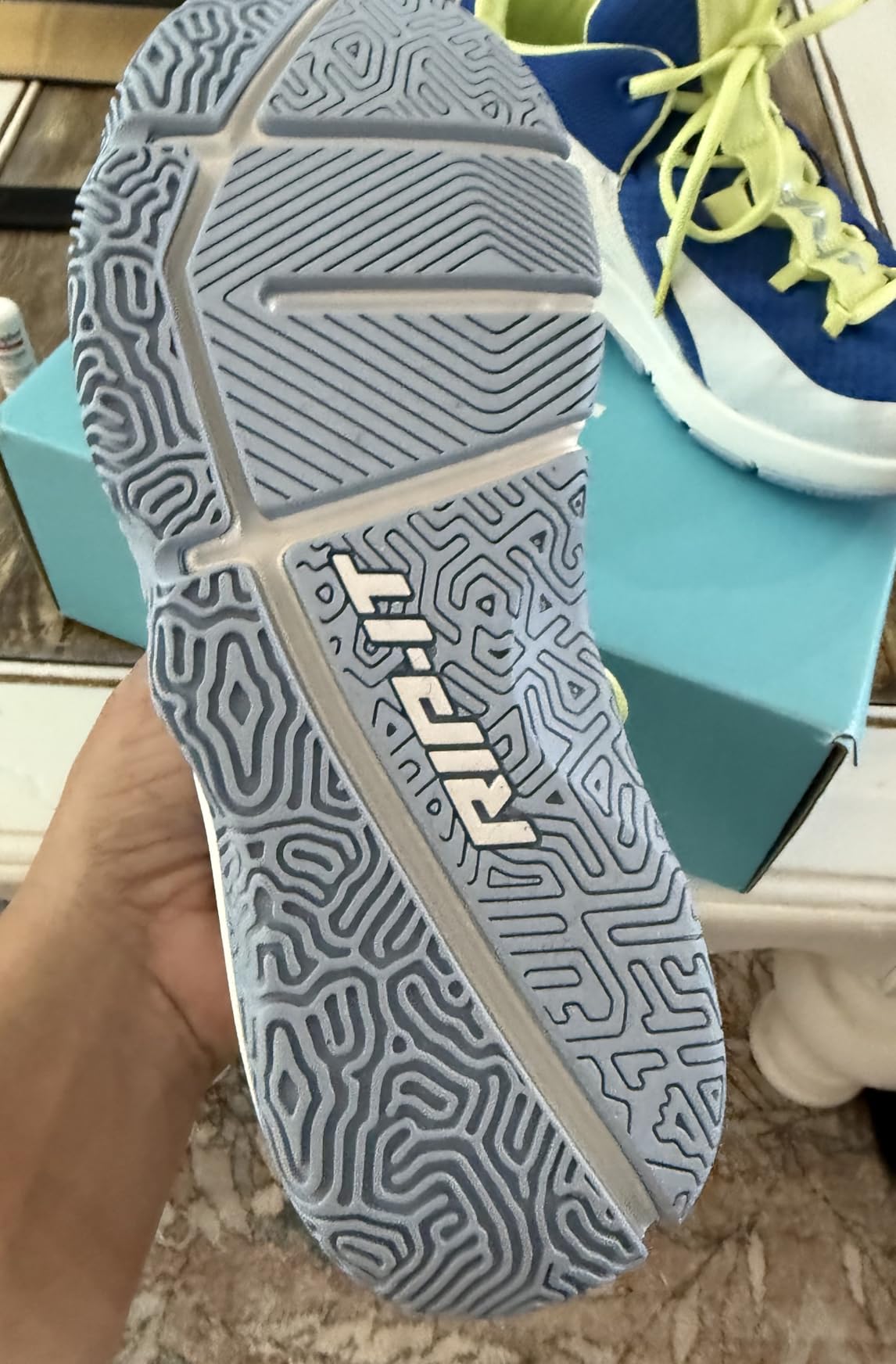
Dry gym floors: Excellent. Zero slipping during burpees, box jumps, or quick pivots. The full-length rubber coverage grips clean indoor surfaces confidently.
Wet surfaces: This is where we hit a serious safety concern. During light rain on pavement, I had two close calls where the outsole felt dangerously slippery. What felt secure on dry concrete transformed into an unstable surface the moment moisture appeared. One near-fall happened stepping off a wet curb—the shoe slid enough to spike my adrenaline.
This isn’t just my experience. Soleracks review noted, “On wet, neat surfaces it is quite slippery.” Multiple testers confirmed the same pattern. The “ultimate traction” claim only applies to dry conditions. In wet weather, these become a safety liability.
Clear recommendation: Avoid wearing the Voltaic Evo in rain, on wet floors, or any moisture-affected surface. Indoor use only if weather is questionable.
The Durability Problem – Let’s Address This Directly
What Happened After Month 3
Around three months into testing—with regular but not intensive use—I noticed wear patterns emerging where the mesh meets the TPU components at the toe area. The mesh material was starting to separate. By month four, the thinning was visible enough that I expected holes to form within weeks.
This wasn’t aggressive use. No trail running, no outdoor hiking, just normal gym sessions and daily wear. The failure point appears consistently: where different materials meet at junction points, normal walking and gym stress causes the mesh to separate.
It’s Not Just My Experience
At least four women in my gym class reported the same issue. One showed me her pair with actual holes after three months of gym-only use. Another said, “I loved how comfortable they felt, but I’m disappointed they didn’t last longer.” The timeline varied—lighter women (under 130 pounds) got closer to six months, while women using them daily for work saw failure around 3-4 months.
Amazon reviews confirm the pattern. Multiple verified purchasers posted photos showing mesh holes in the same toe area. One reviewer wrote: “Super comfortable but after several months of wear the top of the toe has got a hole in it and the sides where the rubber is at the front have also gotten holes. Very sad since they are the most comfortable sneakers I have ever had.”
The consistency across users suggests this isn’t random quality control issues—it appears to be a design flaw where the mesh material can’t withstand normal stress at junction points.
Why This Matters for Your Decision
PUMA’s “supreme durability” claim from the TPU toe cap doesn’t prevent mesh failure. The toe cap itself holds up fine; it’s the mesh material around it that fails. For a shoe priced at $60-70, expecting at least 12 months of normal use isn’t unreasonable. Getting 3-6 months significantly impacts the value proposition.
Does PUMA Deliver on Their Promises?
Let’s examine PUMA’s specific claims against real-world testing:
Claim 1: “SoftFoam+ provides soft cushioning thanks to its extra thick heel”
Verdict: ✅ 95% ACCURATE
This claim holds up completely. The cushioning is genuinely impressive and was the standout feature throughout my entire testing period. Stepping into these feels different from standard athletic shoes—that memory foam-like quality in the heel creates immediate comfort. During the 10-hour conference day, my feet felt great while others complained about fatigue. The thick heel padding delivers exactly what PUMA promises.
Claim 2: “10CELL tech provides maximum comfort and TPU shank supplies stability”
Verdict: ✅ 85% ACCURATE
During HIIT classes with lateral movements, I felt confident and stable. The TPU shank does provide support during direction changes. The cushioning feels balanced—not too soft, not too firm. “Maximum” might overstate it slightly (there are more cushioned shoes), but for this price range and category, the comfort and stability claims are largely valid.
Claim 3: “Full length rubber coverage for ultimate traction”
Verdict: ⚠️ 60% ACCURATE – Context Dependent
On dry gym floors and clean surfaces, traction is excellent. But “ultimate” suggests all-condition performance, and wet weather reveals a serious gap. The full rubber coverage exists, but the tread pattern lacks wet-surface grip. This is the claim where PUMA’s marketing most significantly oversells reality.
Claim 4: “TPU toe cap for supreme durability”
Verdict: ❌ 40% ACCURATE – Major Disconnect
This is the biggest gap between marketing and reality. The TPU toe cap itself may be durable, but it doesn’t prevent the mesh material from failing at junction points. When multiple users report holes developing at 3-6 months from normal use, calling this “supreme durability” becomes misleading. The 4.0/10 durability rating in my assessment reflects this consistent failure pattern.
The Value Calculation – Is It Worth Your Money?
Cost-Per-Wear Math
At $60-70, the Voltaic Evo seems budget-friendly upfront. The comfort feels like a steal compared to $100-140 training shoes. But durability changes the calculation significantly.
Here’s the reality:
- Purchase price: $65 (average)
- Expected lifespan: 4 months (based on testing timeline and user reports)
- Cost per month: $65 ÷ 4 = $16.25/month
Compare that to a durable alternative:
- Purchase price: $100 (e.g., Nike Metcon 9 or similar)
- Expected lifespan: 12 months
- Cost per month: $100 ÷ 12 = $8.33/month
The “cheaper” shoe actually becomes nearly twice as expensive long-term. Over one year, you’re looking at approximately $195-260 (buying 3-4 pairs of Voltaic Evo) versus $100-120 (1-2 pairs of more durable shoes).
When the Value Makes Sense
Despite the math, there are scenarios where buying the Voltaic Evo makes sense:
- You replace shoes every 4-6 months anyway – If your usage pattern involves frequent replacement regardless of durability, the Voltaic Evo’s comfort at $65 represents good value
- Immediate comfort is your top priority – Healthcare workers, retail employees, or teachers needing relief today (not after break-in) may value the instant comfort enough to accept shorter lifespan
- You’re testing shoe types/brands – Lower price makes it affordable to try this style without major commitment
- You rotate multiple pairs – Wearing them only 2-3 times weekly extends per-shoe lifespan, potentially reaching 6-8 months
- Short-term specific need – Temporary job requiring standing, recovering from foot injury needing extra cushioning, etc.
When to Skip This Shoe
- You need 12+ month durability – Invest more upfront in shoes built to last
- You’re on a tight budget – The replacement cycle makes these expensive over time despite lower initial cost
- Wet weather is common – Safety concerns outweigh comfort benefits
- You do intensive daily training – Will wear out even faster than 3-6 months, and you need shoes that won’t fail mid-training cycle
- You want “supreme durability” – Look at shoes actually built for longevity, not marketed as such
Final Verdict – My Honest Assessment
Overall Rating: 6.8/10
After four months and 60+ sessions testing the Voltaic Evo, that 6.8/10 rating reflects a shoe that excels dramatically in one area while failing significantly in another. Here’s the detailed breakdown:
- Design & Aesthetics: 8.5/10 – Clean, modern look that works with most workout gear. The white/blue colorway I tested pairs well with various clothing, and the TPU cage overlay adds visual interest without looking busy. Versatile enough for gym-to-errands lifestyle.
- Comfort Quality: 9.2/10 – Genuinely exceptional. This isn’t marketing hype—the SoftFoam+ sockliner and 10CELL cushioning create all-day wearability that impressed me throughout testing. No break-in period, no hotspots, consistent comfort even after 10+ hours. The 9.2 rating reflects the best comfort I’ve experienced in this price range.
- Training Performance: 7.5/10 – Good for intended cross-training use with clear limitations. Excellent for HIIT and strength training, adequate for short treadmill runs, outstanding for walking and daily wear. Loses points for wet-weather safety concerns and lack of running-specific features. Within its lane, performs well; outside that lane, struggles.
- Durability: 4.0/10 – The major weakness that tanks the overall score. Mesh separation at 3-6 months from normal use represents a significant failure for shoes marketed with “supreme durability” claims. The consistent pattern across multiple users elevates this from individual bad luck to design flaw. This rating would be lower except the TPU components themselves do hold up—it’s specifically the mesh that fails.
- Value for Money: 5.5/10 – Complicated. Upfront price of $60-70 seems great for the comfort delivered. But the 3-6 month lifespan makes cost-per-wear higher than more expensive, longer-lasting alternatives. Value depends heavily on your priorities: if immediate comfort justifies frequent replacement, value improves; if you need shoes to last, value plummets.
What Other Active Women Are Saying
The Voltaic Evo creates divided opinions in my fitness community. On Amazon, it maintains 4.5 stars across 946 reviews—but reading beyond the rating reveals the same comfort-vs-durability tension.
Comfort enthusiasts love these shoes. A nursing home worker wrote: “This shoe is the most comfortable shoe I have worn in a long time. I work at a nursing home and working in these shoes feels like walking on clouds to me. I have no pain when I get off of work.” A warehouse worker on 13-hour shifts called them “the most comfortable, form fit to arch they feel amazing.”
But durability complaints appear consistently. One verified purchaser said exactly what I observed: “Super comfortable but after several months of wear the top of the toe has got a hole in it… very sad since they are the most comfortable sneakers I have ever had.” Multiple reviewers posted photos showing the same mesh separation I documented.
The pattern is clear: women who prioritize immediate comfort and accept shorter shoe lifespan tend to rate these highly. Women expecting shoes to last a full year typically express disappointment, even while acknowledging the comfort was excellent while they lasted.
The Good and The Bad – At a Glance
| ✅ What Works Well | ❌ What Could Be Better |
|---|---|
|
|
Who Should (and Shouldn’t) Buy These
✅ PERFECT FOR:
- Women prioritizing immediate comfort over longevity – If your feet need relief today and you’re okay with 4-6 month replacement, the comfort justifies the purchase
- Healthcare workers needing all-day comfort – Nurses, CNAs, medical assistants on 12+ hour shifts will appreciate the cushioning during long workdays
- Retail employees and teachers – Jobs requiring extended standing become less punishing with this level of cushioning
- Casual gym-goers (2-3 times per week) – HIIT, strength training, light cardio users will find performance adequate for their frequency
- Women with wide feet – The roomy toe box accommodates wider feet better than most athletic shoes in this category
- Those who rotate multiple pairs – Wearing them only occasionally extends lifespan per shoe, potentially reaching 6-8 months
- Budget-conscious buyers needing temporary comfort solutions – Short-term specific needs (temporary job, injury recovery) where lifespan matters less
⚠️ CONSIDER CAREFULLY IF:
- You need shoes for outdoor activities in various weather – Wet weather safety concerns and indoor-focused design limit versatility
- You’re looking for running shoes – These work for short treadmill sessions (<3 miles) but lack features distance runners need
- You have very high arches – Arch support is adequate for normal/low arches but may require custom insoles for high arches
- You’re on tight budget where shoes must last 12+ months – The replacement cycle makes these expensive long-term despite lower upfront cost
- You do moderate-intensity daily training – Usage frequency accelerates wear timeline
❌ LOOK ELSEWHERE IF:
- You need durable shoes for intensive daily use – The 3-6 month failure pattern won’t support intensive training schedules
- Longevity is your primary concern – Invest in shoes built for 12+ month durability from the start
- You frequently walk on wet surfaces – Safety concerns are too significant to overlook
- You want performance running shoes – These lack running-specific cushioning, energy return, and durability features
- You expect “supreme durability” – Marketing claims don’t match reality; set different expectations
- You do outdoor trail activities – Not designed for hiking or trail use
Better Alternatives for Specific Needs
If the Voltaic Evo’s weaknesses matter more than its strengths, consider these alternatives based on your priorities:
| Your Priority | Alternative Option | Why | Price Range |
|---|---|---|---|
| Similar comfort + better durability | ASICS Gel-Venture series, Nike Revolution models | 8-12 month lifespan typical with comparable cushioning | $70-90 |
| Similar price + better longevity | Adidas Cloudfoam, New Balance Fresh Foam Roav | Balance comfort and durability better, typically last 8-12 months | $60-80 |
| Serious cross-training | Nike Metcon 9, Reebok Nano series | Built for intensive gym use with superior durability | $100-140 |
| Distance running | ASICS Gel-Nimbus 27, Brooks Ghost series | Proper running-specific features, energy return, durability | $120-160 |
| Budget all-day comfort | New Balance 608v5, Skechers Summits | Less stylish but last longer with good comfort | $50-75 |
Pro Tips If You Buy These Anyway
If you decide the comfort justifies the durability trade-off, here’s how to maximize your 3-6 month lifespan based on my testing observations:
- Rotate with other shoes – Don’t wear daily. Alternating with another pair extends lifespan for both shoes. Aim for 3-4 times weekly maximum.
- Avoid wet conditions completely – Both for safety and preservation. Moisture accelerates material breakdown and creates slip hazards.
- Gentle cleaning only – No aggressive washing machine cycles. Hand-clean with mild soap and air dry. Harsh cleaning accelerates mesh degradation.
- Inspect toe area regularly – Check monthly for early separation signs at mesh/TPU junctions. Catching it early might allow warranty return.
- Indoor use primarily – Concrete and pavement wear materials faster than gym floors. Save these for indoor workouts and smooth surfaces.
- Good return policy insurance – Buy from retailers with solid return windows. If issues develop within 60 days, you have better chance of replacement.
- Consider shoe rotation strategy – Having 2-3 pairs in rotation means each pair lasts longer, potentially stretching that 4-month timeline to 6-8 months per pair.
- Monitor wear patterns – Know when to retire before complete failure. Holes mid-workout are frustrating and potentially unsafe.
Frequently Asked Questions
Q: How long do these shoes realistically last?
Based on my four-month testing and extensive feedback from other users, expect 3-6 months of regular use before durability issues appear. The timeline varies based on several factors:
- User weight: Lighter women (under 130 lbs) report closer to 6 months
- Usage frequency: Daily intensive users see 3-4 months; 2-3 times weekly users may reach 5-6 months
- Activity intensity: HIIT and high-impact training accelerates wear versus walking and standing
- Indoor vs outdoor: Indoor-only use extends lifespan versus outdoor pavement wear
Multiple Amazon reviewers confirm this timeline. One wrote that holes appeared “after several months.” My own testing showed visible wear at month 3, with thinning progressing to near-hole stage by month 4. The consistency across users suggests this is the expected lifespan range, not outliers.
Q: Are they really as comfortable as everyone claims?
Yes—the comfort factor isn’t hype. The SoftFoam+ sockliner provides excellent cushioning from day one, with no break-in period required. During my 10-hour conference day test, my feet felt great while colleagues complained about fatigue. The thick heel padding and 10CELL midsole technology create genuine all-day wearability.
A nursing home worker’s Amazon review captured it well: “Working in these shoes feels like walking on clouds to me. I have no pain when I get off of work.” That level of comfort is consistent across user reports and matched my personal testing experience. The 9.2/10 comfort rating reflects real performance, not marketing promises.
Q: How does sizing compare to Nike, Adidas, and New Balance?
Based on cross-brand testing:
- vs Nike: Voltaic Evo runs slightly wider but true to length. If you wear size 8 in Nike, you’ll likely need size 8 in these. The wider toe box is noticeable compared to Nike’s typically narrower fit.
- vs Adidas: Very similar sizing across the board. Size 8 in Adidas translates directly to size 8 in Voltaic Evo for most foot shapes.
- vs New Balance: Comparable fit, though New Balance varies more by model. Generally, stick with your standard New Balance size.
Recommendation: Order your normal athletic shoe size unless you have particularly wide feet (then consider half-size up). PUMA also offers a dedicated wide version (model 311178) for very wide feet.
Q: Can I use these for serious running?
Short answer: No, not for distance work. These are cross-training shoes, not running shoes.
They’re acceptable for:
- Treadmill sessions under 3 miles
- Interval training with short running bursts
- Casual jogging as part of mixed workouts
They’re NOT suitable for:
- Distance running (>3 miles)
- Marathon or half-marathon training
- Serious runners needing energy return
- Outdoor running on varied terrain
The cushioning lacks running-specific responsiveness. During longer treadmill efforts, I noticed the absence of bounce-back that dedicated running shoes provide. For serious running, look at ASICS Gel-Nimbus, Brooks Ghost, or similar models designed specifically for distance work.
Q: What’s the deal with the durability issues everyone mentions?
The main problem is mesh separation at the toe area where different materials meet. This appears to be a design flaw rather than random quality control issues, based on the consistent pattern across multiple users.
What happens: Normal walking and gym use creates stress at junction points where mesh connects to TPU components. The mesh material can’t withstand this stress over time, leading to separation and eventually holes forming. The TPU toe cap itself may be durable, but it doesn’t prevent the surrounding mesh from failing.
I observed this progression in my own testing: visible wear patterns emerged around month 3, progressing to significant thinning by month 4. At least four women in my gym class reported the same issue, with holes appearing between 3-6 months depending on usage intensity. Amazon reviews with photos confirm identical failure points.
The “supreme durability” marketing claim is misleading—expect 3-6 months, not 12+ months typical of shoes truly built for durability.
Q: Are they safe for outdoor use and wet weather?
Dry surfaces: Yes, absolutely. The full-length rubber outsole provides excellent traction on dry gym floors, clean pavement, and indoor surfaces. I never experienced slipping during burpees, box jumps, or quick direction changes on dry floors.
Wet surfaces: NO—serious safety concern. The outsole becomes very slippery when wet. I had two close calls during light rain where the shoe slid on wet pavement enough to nearly cause falls. One incident stepping off a wet curb was particularly concerning.
Soleracks review confirmed the same issue: “On wet, neat surfaces it is quite slippery.” Multiple testers in my network reported similar wet-weather concerns.
Clear recommendation: Indoor use only. Avoid wearing in rain, on wet floors, or any moisture-affected surface. The safety risk outweighs the comfort benefit in wet conditions.
Q: How do they perform for different types of workouts?
Based on four months of varied testing:
- HIIT classes (8.5/10): Excellent performance. Good shock absorption during jumping, secure lateral stability for direction changes, confident traction on gym floors.
- Strength training (9/10): Outstanding. Stable base for squats and lifts, comfortable during rest periods, good for standing exercises.
- Walking/daily wear (9.5/10): This is where they shine. Perfect for errands, grocery shopping, all-day standing jobs. The comfort persists through 10+ hour days.
- Treadmill running <3 miles (7/10): Adequate for short efforts but lacks running-specific features. Works for interval training.
- Distance running (4/10): Not recommended. Missing energy return, responsiveness, and durability needed for distance work.
- Wet conditions (2/10): Safety concern. Very slippery when wet, creating fall risk.
- Yoga/Pilates (8/10): Good for studio classes requiring some movement. Cushioning works well for standing poses.
Q: Is the arch support adequate?
For normal to low arches: Yes, the support is fine. I have normal arches and found the support adequate for all-day wear and gym sessions. No arch pain developed during testing.
For high arches: You may need additional support. The arch support is moderate—not specialized for high-arch users. If you typically need arch support in your shoes, consider adding custom insoles or looking for shoes specifically designed for high arches.
For flat feet: Generally works well. The balanced cushioning and moderate support don’t overcorrect, which flat-footed users often prefer.
If arch support is a critical need, better options include ASICS Gel-Kayano series or Brooks Adrenaline, which offer more substantial arch support features.
Q: Are they worth buying if I know they won’t last long?
This depends entirely on your priorities and budget situation:
Worth it IF:
- Immediate comfort is crucial (healthcare/retail jobs needing relief today)
- You’re okay with replacing shoes every 4-6 months
- You rotate multiple pairs (extends per-shoe lifespan)
- Short-term specific need (temporary job, injury recovery)
- You prioritize comfort over cost-per-wear value
Skip it IF:
- You need shoes to last 12+ months
- You’re on tight budget requiring maximum durability
- The cost-per-wear math ($16.25/month vs $8.33/month for longer-lasting) matters to you
- You’ll resent needing frequent replacement
The comfort is genuinely exceptional. Whether that comfort justifies the short lifespan is a personal calculation based on your financial situation and priorities.
Q: What should I do if I experience durability issues?
Within 60 days: Contact the retailer immediately. Many women have had success with returns or exchanges when problems appear quickly. Document the issue with photos and explain the timeline.
After 60 days: More difficult to get replacement, but worth trying if failure seems premature for your usage. Amazon has been receptive to durability complaints, especially from verified purchasers with photos.
Best practice: Buy from retailers with good return policies. Amazon, Zappos, and similar sites offer more flexibility than direct PUMA purchases for handling quality issues.
Warranty check: Review PUMA’s official warranty policy if you purchased directly from them. Coverage varies by purchase location and time from purchase.
Q: Best practices for getting maximum life from these shoes?
Based on four months of testing and observation of wear patterns:
- Rotate with other shoes – Don’t wear daily. Aim for 3-4 times weekly maximum. This extends lifespan from 4 months to potentially 6-7 months.
- Avoid wet conditions entirely – Moisture accelerates material breakdown and creates safety hazards.
- Gentle cleaning only – Hand-clean with mild soap and air dry. No washing machine cycles that stress materials.
- Regular toe area inspection – Check monthly for early separation signs. Catching it within return window allows potential replacement.
- Primarily indoor use – Gym floors and smooth indoor surfaces cause less wear than outdoor pavement.
- Multiple pairs in rotation – Having 2-3 pairs means each pair lasts longer per use cycle.
- Retire before complete failure – Don’t wait for holes to form. When thinning becomes visible, start looking for replacement to avoid mid-workout failure.
- Store properly – Keep in cool, dry location away from direct sunlight, which can degrade materials faster.
Final Recommendations – My Take After 4 Months
After spending four months and 60+ sessions in the Voltaic Evo, I understand why women in my gym class raved about them—and why many of those same women eventually expressed disappointment. These shoes represent a perfect example of one exceptional feature (comfort) being undercut by one significant flaw (durability).
The SoftFoam+ cushioning and 10CELL technology deliver on comfort promises. If you work 12-hour hospital shifts, stand all day in retail, or teach classes where your feet never stop moving, that immediate comfort is real and valuable. No break-in period, no hotspots, consistent cushioning that makes long days more bearable. The 9.2/10 comfort rating isn’t inflated—it reflects genuine performance.
But the 3-6 month durability timeline changes the value equation significantly. At $65, you’re not buying affordable shoes if you need to replace them three times yearly. The cost-per-wear math reveals these become more expensive long-term than shoes costing $100 upfront but lasting 12 months.
The wet weather safety concern adds another limitation. Slippery outsoles on wet surfaces aren’t a minor inconvenience—they’re a fall risk. Combined with the indoor-focused design, these become fair-weather shoes for gym and lifestyle use only.
My recommendation: Buy the Voltaic Evo if you prioritize immediate comfort over longevity, accept the 4-6 month replacement cycle, and primarily wear shoes indoors. Skip them if you need 12+ month durability, frequently encounter wet weather, or want shoes that last long enough to justify their purchase price.
If you decide to try them, buy from a retailer with good return policies. Treat them as a short-term comfort solution rather than a long-term investment. And absolutely avoid wearing them in rain—your ankles will thank you.
Questions about the Voltaic Evo? Drop them in the comments—I’m here to help you make the right shoe decision for your needs. Stay active! 🏃♀️
Be the first to review “Puma Womens Voltaic Evo Cross Trainer”
Related products

Sneaker
Sneaker
Sneaker
Reviews
There are no reviews yet.