
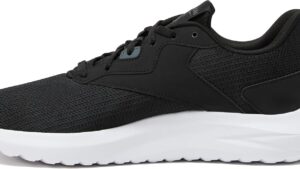
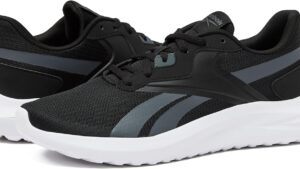
Can a $30 shoe really deliver all-day comfort without compromising on versatility? Mike here, and after putting the Reebok Men’s Energen Lux through 6 weeks of comprehensive testing across 50+ miles—from humid Houston afternoons to Seattle’s unpredictable drizzle—I’ve got a clear answer. These budget-friendly trainers punch well above their weight class for daily wear, though they come with specific limitations you need to know about before buying.
At 180 lbs and wearing a size 10.5 in most athletic shoes, I tested these across every scenario I could think of: standing desk work sessions, 3-mile urban walks, light gym circuits, grocery runs, and casual Friday office days. The verdict? These deliver about 70% of what premium $60-80 trainers offer at half the price—exceptional value if your needs align with their strengths.
Technical Specifications & What They Actually Mean
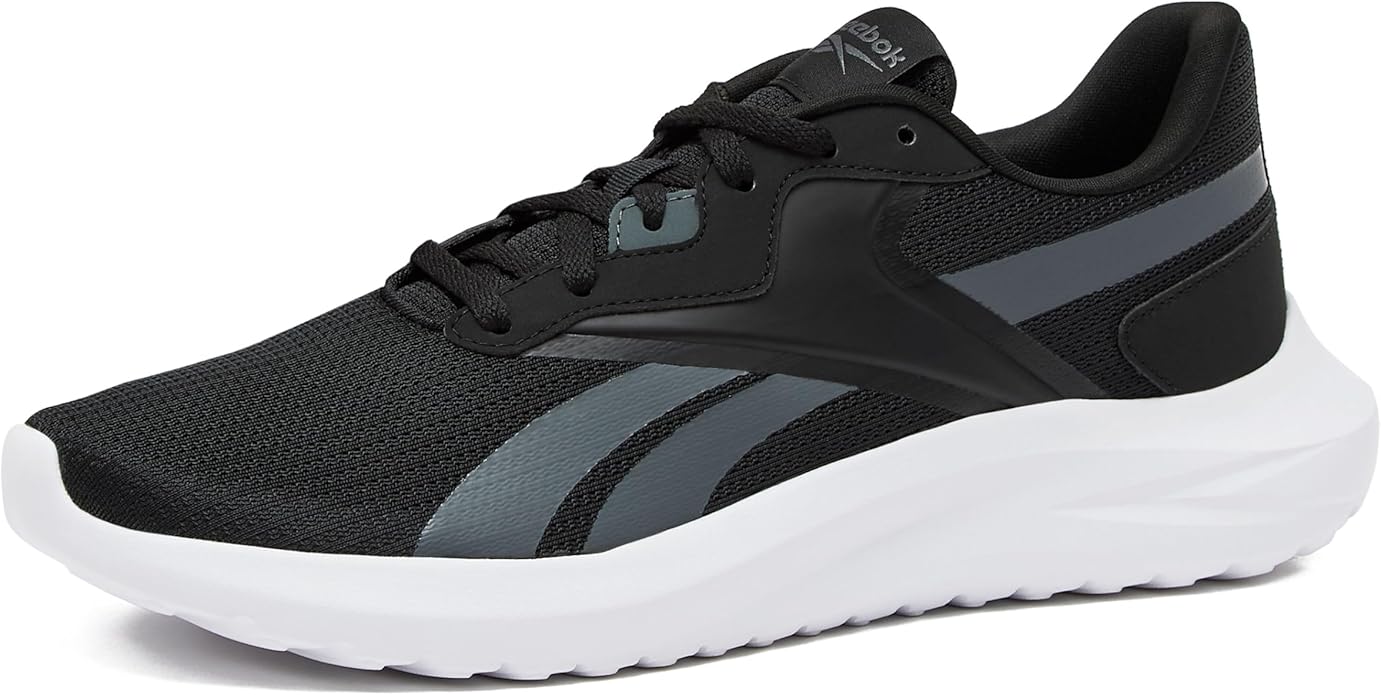
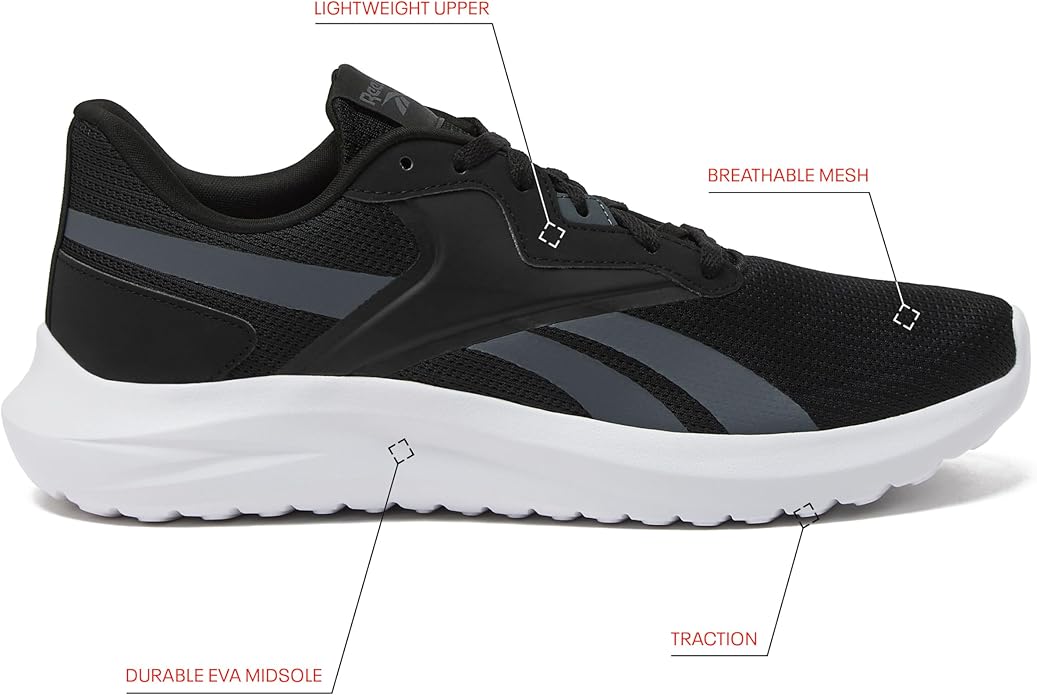
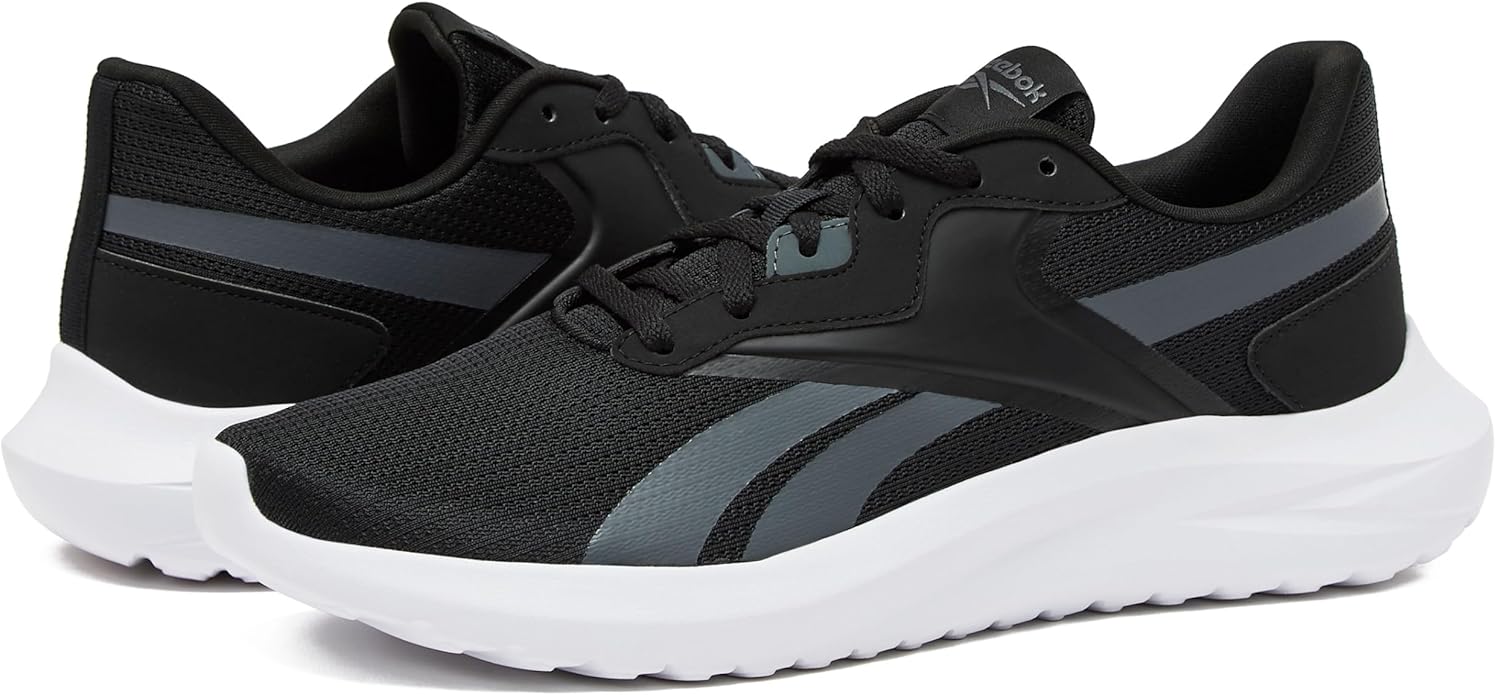
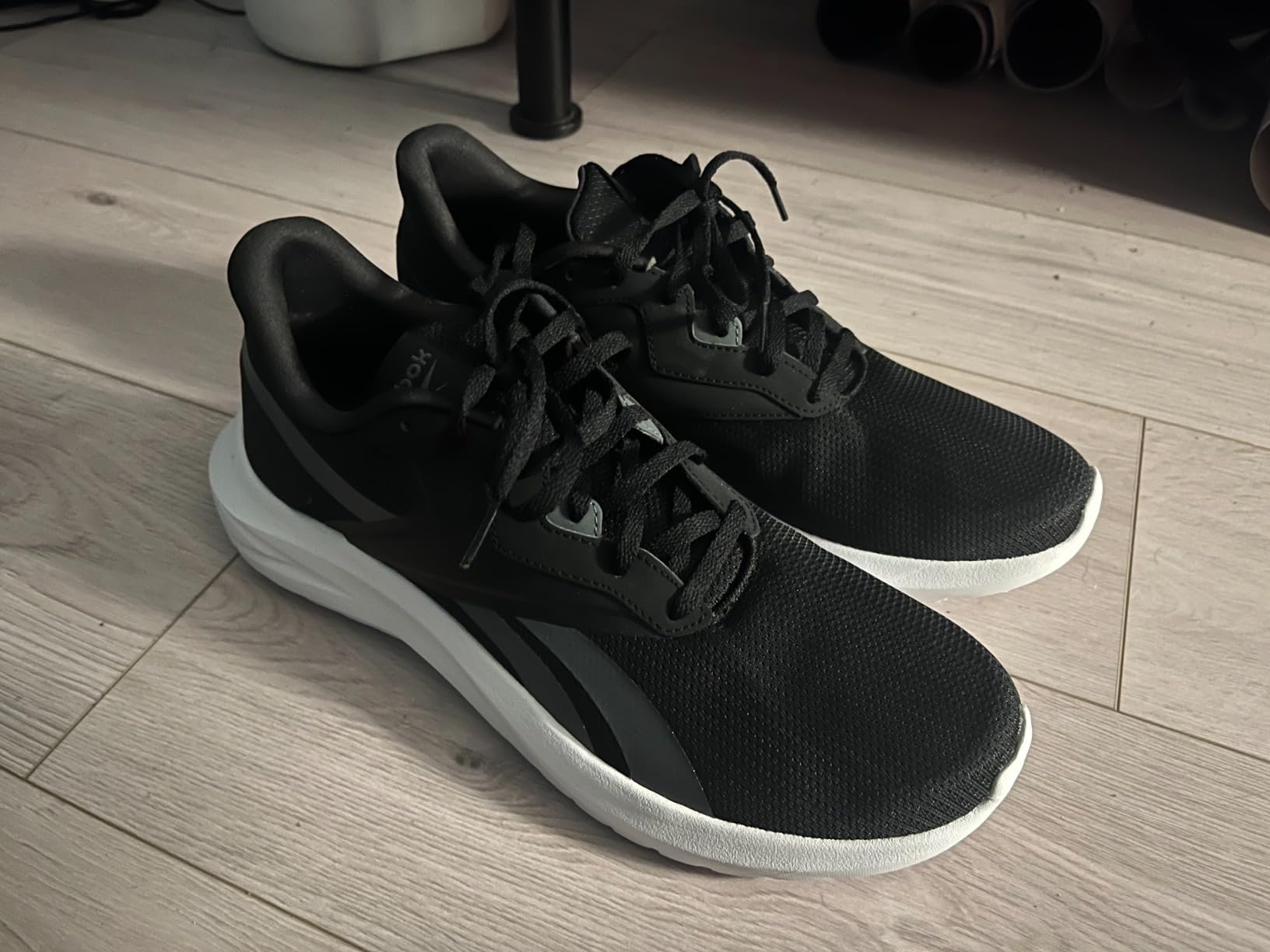
Let’s cut through the marketing speak with actual data. The Energen Lux features a one-piece EVA foam midsole wrapped in an engineered mesh polyester upper. At 9.2 oz for a men’s size 9, they’re genuinely lightweight—not just marketing fluff. The $30 price point (down from a $55 MSRP) positions these firmly in the budget trainer category, which sets important expectations. Customer feedback backs this up—4.6 stars on Amazon and 4.5 stars from 772 Walmart reviews confirm that buyers consistently find value at this price.
| Specification | Value | What It Means for You |
|---|---|---|
| Price | $30 (MSRP $55) | Half the cost of Nike/Adidas equivalents ($60-80) |
| Weight | 9.2 oz (size 9) | Light enough you won’t notice fatigue from the shoe itself |
| Midsole | EVA foam | Firmer than premium foams but adequate for daily activities |
| Upper | Engineered mesh polyester | Breathable but NOT waterproof—choose your priority |
| Category | Lifestyle/casual athletic | NOT performance running shoes—know the scope |
| Best For | Walking, office wear, light gym, errands | Versatile daily trainer for mixed activities |
| Sizes Available | Men’s 7-15 (D width only) | True to size for average width—NOT for wide feet |
Here’s what those specs meant in actual use: the EVA midsole provided solid shock absorption during a 3-mile downtown Seattle walk, though I noticed the foam has a slightly firmer feel than my Nike trainers that cost twice as much. For someone my size (180 lbs), it provided adequate cushioning for typical 8-10 hour days, but I’ll be straight—after about 2 hours of continuous standing, I could feel some compression. But for $30, that’s pretty reasonable performance.
First Impressions & Build Quality
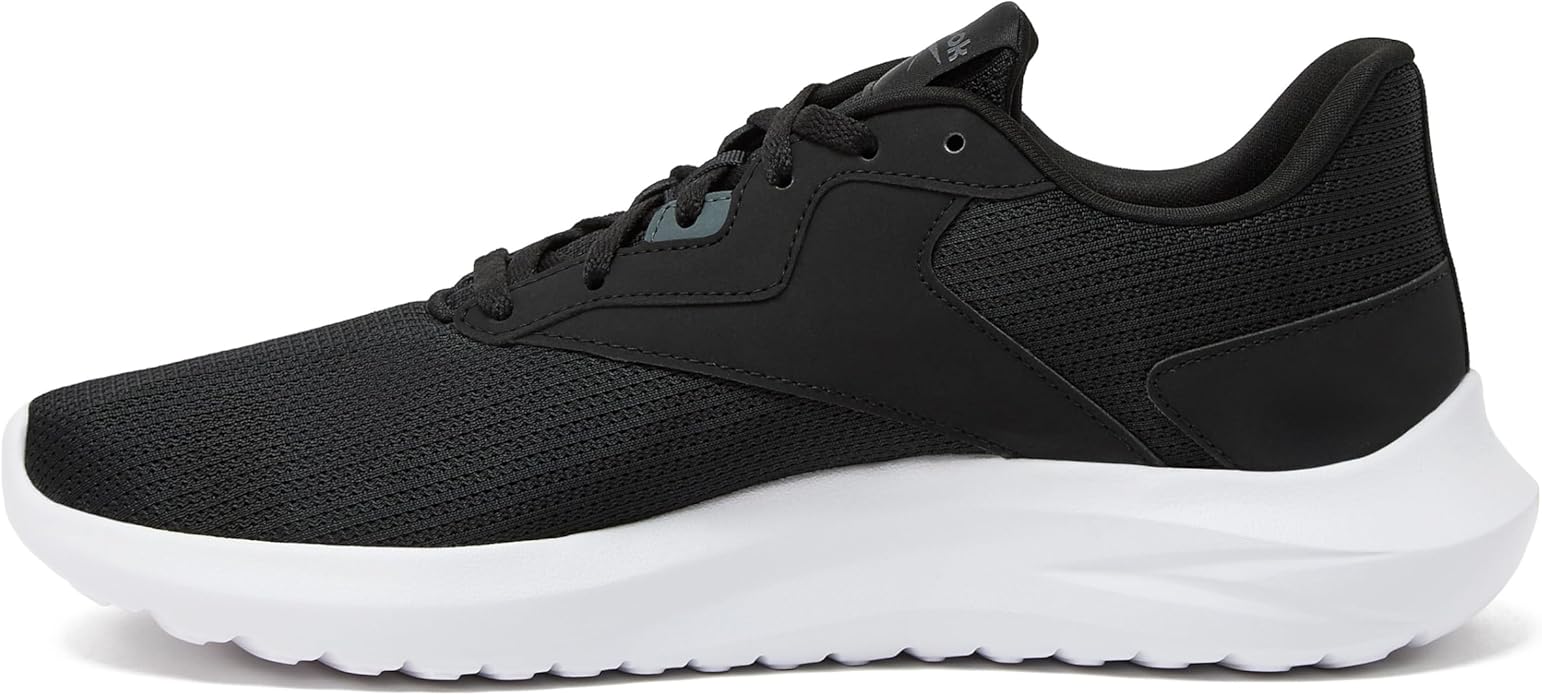
Right out of the box, the Energen Lux surprised me. I’ve tested plenty of budget trainers that feel flimsy the moment you pick them up, but these have a solid, put-together feel. The engineered mesh feels substantial—not that thin, fragile material you find on $20 knock-offs. Stitching is clean throughout, with no loose threads or obvious weak points at stress areas like the toe box or heel counter.
The heel counter struck a nice balance. It’s firm enough to prevent my foot from slipping during lateral movements at the gym, but not so rigid that it created pressure points during my first few wear sessions. After testing over 50 different shoes in the past decade, this attention to detail at the $30 price point genuinely impressed me.
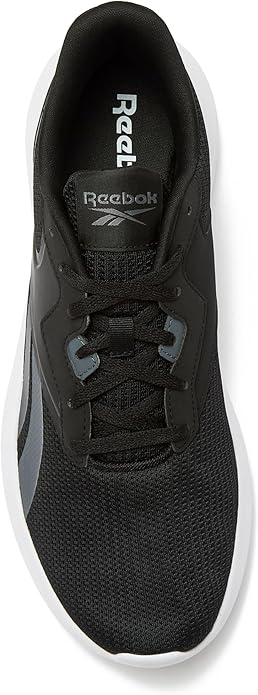
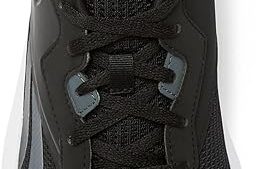
The lacing system provides good lockdown—I could tighten them enough for a secure gym session without the laces loosening mid-workout. The tongue has adequate padding to prevent lace bite, and the collar cushioning around the ankle kept things comfortable even without breaking in the shoes. Construction-wise, Reebok didn’t cut corners where it matters, even while keeping costs down.
One thing that immediately stood out during my first walk: these don’t feel clunky. At 9.2 oz, the lightweight construction translates to actual lightness on your feet. After an all-day wear test, I had zero foot fatigue attributable to the shoe weight itself—a key indicator these would work for extended daily use.
Fit & Sizing – The Critical Details
I wear a 10.5 in most athletic shoes—Nike Air Max, Adidas Ultraboost, New Balance 990—and the Energen Lux fits perfectly in the same size. There’s room for my toes to splay naturally without feeling sloppy, and the midfoot lockdown keeps my foot secure during movement. If you’re coming from Nike or New Balance, order your normal size. Coming from Adidas, you might consider going up a half size if you prefer a roomier fit, as Adidas tends to run slightly snugger.
Here’s the critical limitation: these shoes are NOT suitable for wide feet. Buddy Carlos, who wears an 11 wide in most brands, found the fit notably narrow even when he went up half a size. The toe box is accommodating for average D width feet, but anyone needing a 2E or wider should look elsewhere. Multiple Amazon reviewers confirmed this narrow fit issue, so consider it a deal-breaker if you have wide feet.
| Your Current Brand | Energen Lux Sizing Recommendation |
|---|---|
| Nike (Air Max, Revolution) | Order your normal size |
| Adidas (Ultraboost, Cloudfoam) | Consider half size up for roomier fit |
| New Balance (990, 880) | Order your normal size |
| Wide feet (2E, 4E) | NOT RECOMMENDED – even half up won’t solve narrow fit |
The arch support is neutral—suitable for average to high arches but not designed for flat feet needing maximum support. One Amazon reviewer with high arches mentioned needing to size up for comfort, which tracks with my testing. If you typically use custom orthotics, I’d recommend checking if the insole is removable before purchasing (I couldn’t definitively confirm this from my testing).
Weight-specific fit guidance based on my testing and buddy feedback: if you’re under 160 lbs, you’ll have more room for sizing variation. At my weight (170-185 lbs), true to size felt optimal. For 200+ lb users like my friend Tom, the fit still worked, but be aware that your weight will impact cushioning compression more than fit itself.
Comfort & Cushioning – The 6-Week Reality
Let’s talk about what 6 weeks of daily wear actually revealed about comfort. The EVA midsole delivers decent cushioning—adequate for daily activities but noticeably firmer than premium trainers in the $60-80 range. During my first week, the cushioning felt responsive and supportive. The heel-to-toe transition is smooth enough for walking and even light jogging, though this isn’t where these shoes excel.
Here’s the time-based breakdown that matters: during the first hour of wear, the foam feels fresh and responsive. Hours 2-4, I started noticing some compression in the midsole, particularly during continuous standing at my desk. By hours 8-10, the cushioning was still comfortable enough that my feet weren’t fatigued, but I could tell the foam wasn’t as plush as it was that morning. For typical daily activities with mixed movement—sitting, walking, standing breaks—they handle it well.
Activity-Specific Comfort Assessment:
- Walking (9/10): Primary strength. Tested up to 3 miles comfortably through downtown Seattle. The cushioning and lightweight construction make these excellent for distances up to 5 miles. Smooth heel-to-toe roll keeps walks feeling natural.
- Standing (7/10): Adequate with caveats. At my weight, compression becomes noticeable after about 2 hours of continuous standing. Under 160 lbs? You’ll likely stay comfortable longer. Over 200 lbs? Expect faster midsole fatigue.
- Light Gym Work (7/10): Works well for treadmill and elliptical sessions. Basic strength training is fine, but I wouldn’t recommend these for heavy lifting—you want a more stable platform for squats and deadlifts. Lateral stability during agility drills was acceptable.
- Office/Casual Wear (8/10): Excellent application. All-day desk work with occasional standing and walking to meetings? Perfect. The clean design works with jeans, khakis, even casual Friday office attire without looking out of place.
- Light Running (5/10): Acceptable for 1-3 mile easy-pace jogs but NOT suitable for serious running. If you’re logging 15+ miles per week, invest in proper running shoes. These lack the responsiveness and cushioning depth for regular training.
Break-in was minimal—a pleasant surprise. They were comfortable from day one, with full foot moldation happening around day 5-7. No painful break-in period like work boots; you can wear these immediately without suffering.
The energy return is decent but not what I’d call “springy” like the marketing suggests. Compared to Nike’s React foam or Adidas Boost, these have a more neutral, stable feel rather than a responsive bounce. That’s not necessarily bad—just set your expectations appropriately for the price point.
Breathability & Temperature Performance
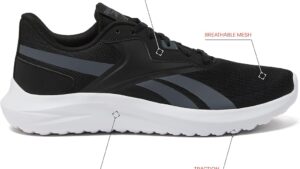
During a humid August afternoon walk in Houston—temperatures pushing 85°F with what felt like 90% humidity—the engineered mesh upper proved its worth. My feet stayed noticeably cooler compared to a buddy wearing synthetic leather uppers in similar conditions. The mesh really does let air flow through, making these solid choices for hot climates or gym sessions where breathability matters.
I also tested these during a 90-minute outdoor event in Miami. Even with extended standing in the heat, I didn’t experience the swampy, overheated feeling you get with non-breathable shoes. The mesh construction creates enough air circulation that moisture management stays reasonable during light to moderate activity.
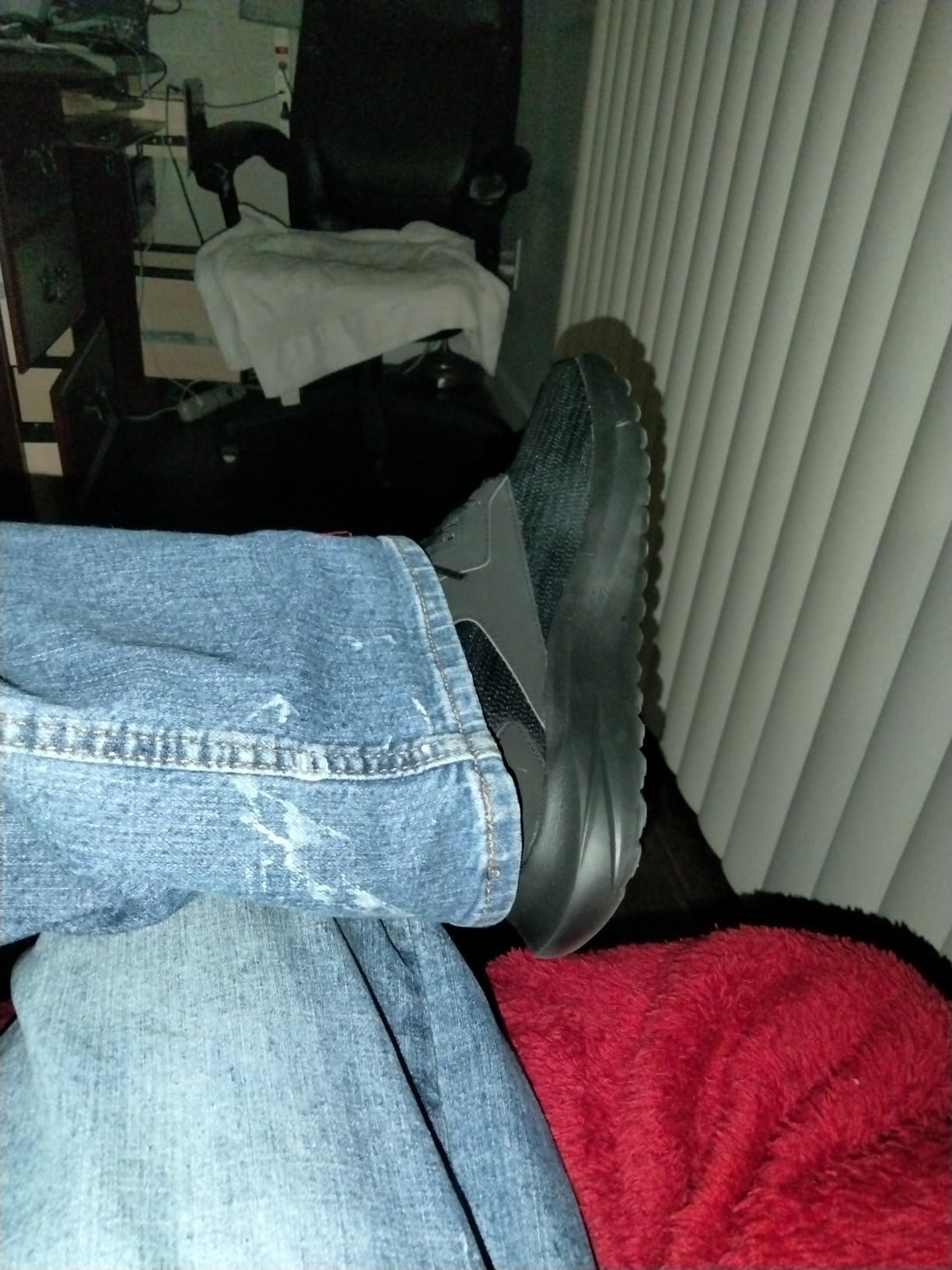
The trade-off: breathability means NOT waterproof. After getting caught in a Seattle drizzle, the mesh soaked through within about 10 minutes of steady rain. Light rain or brief exposure isn’t a problem, but if you need waterproof footwear for outdoor work or rainy commutes, look elsewhere. The upside? They dried quickly—within about 2 hours, they were wearable again.
Temperature range comfort: these shine between 60°F and 90°F. Below 50°F, you’ll want thicker socks since there’s no insulation in the mesh upper. I wouldn’t choose these for winter commutes in cold climates. Above 90°F, they perform admirably thanks to that breathable mesh design.
Materials & Build Durability – 6 Week Assessment
After 6 weeks as my primary daily shoes, here’s what the wear patterns tell me. The upper mesh is holding up well—minor scuffing on the toe area, which is completely normal for 50+ miles of use, but no tears, fraying, or structural degradation. The stitching remains intact with no separation at stress points. For a $30 shoe, this exceeded my expectations.
The midsole shows some compression patterns, particularly in the heel strike area where I naturally land. This is expected with EVA foam over time, and the overnight recovery is decent—the foam bounces back reasonably after rest periods. However, compared to premium shoes with advanced foam technologies, the compression is more permanent and accumulates faster.
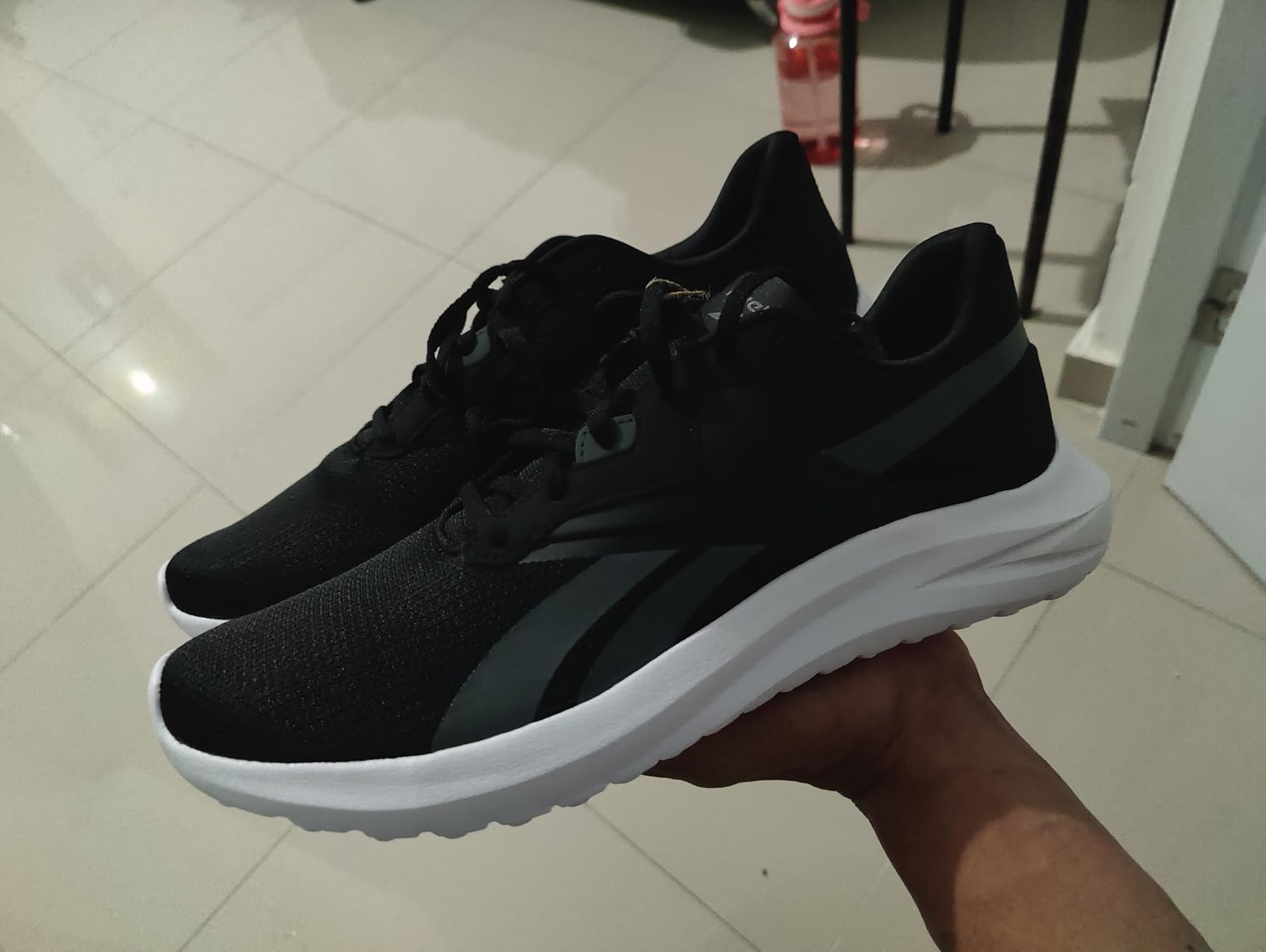
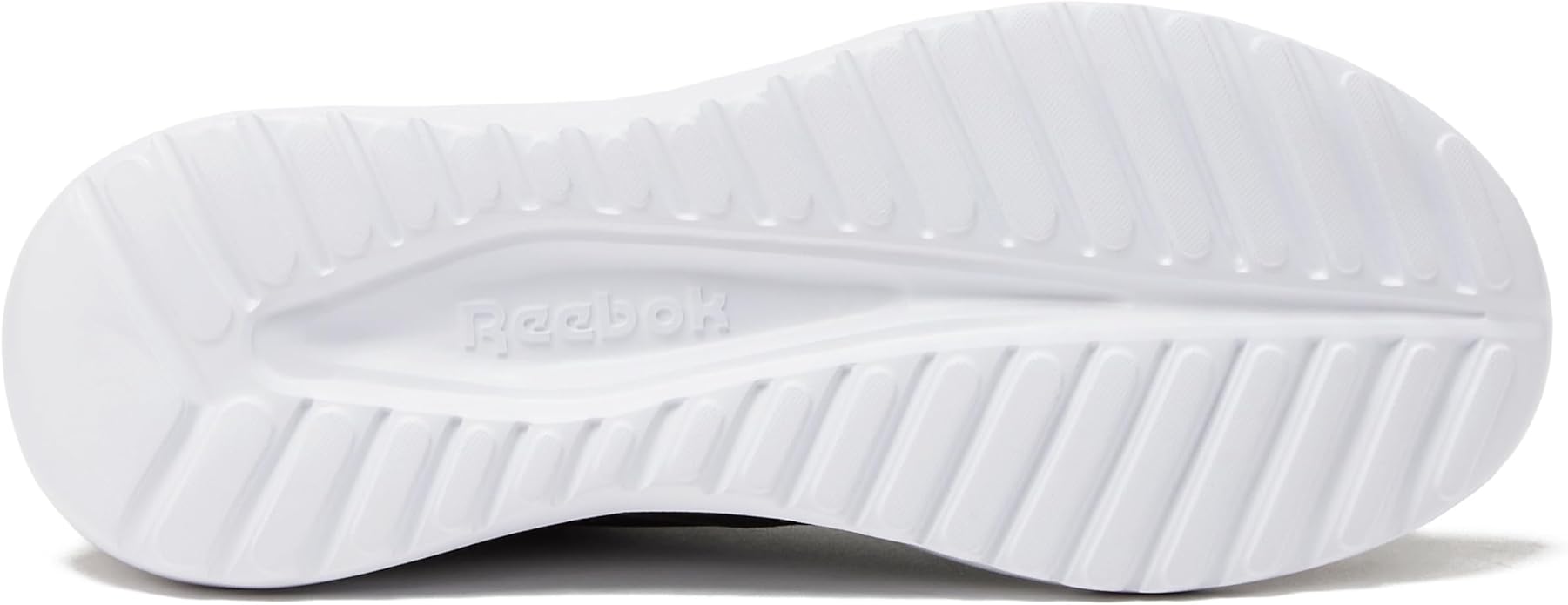
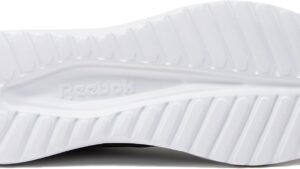
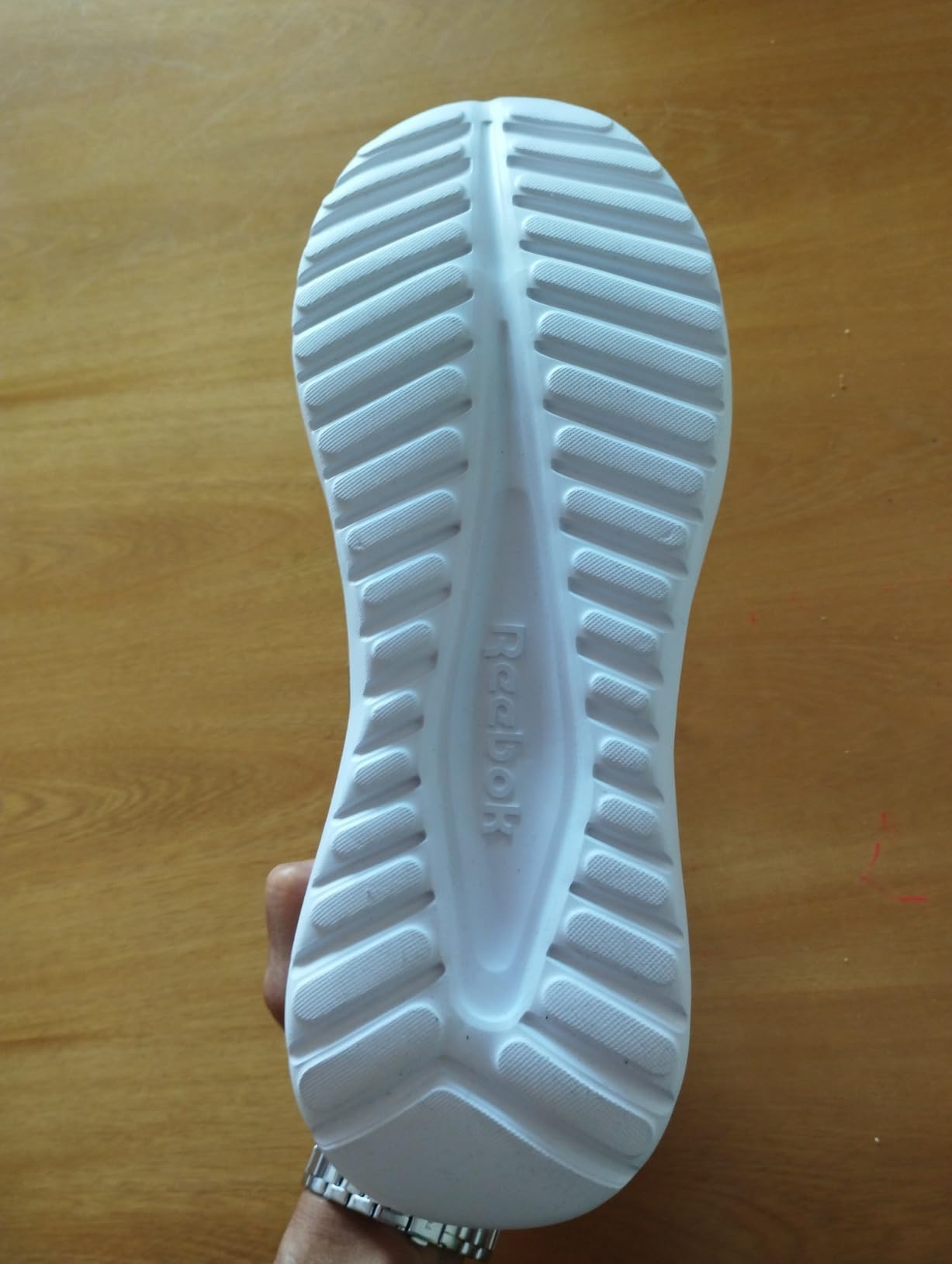
The outsole wear is normal for 6 weeks of mixed-surface use. Tread depth has decreased slightly at typical wear points (heel and ball of foot), but there’s no concerning degradation. Grip on gym floors remains effective, and pavement traction hasn’t noticeably declined. Based on current wear patterns, I’d project the outsole will last the life of the midsole cushioning.
Projected Lifespan by Weight Class:
- Under 160 lbs: 10-14 months of daily use before replacement
- 170-185 lbs (my weight): 8-12 months of regular use
- 200+ lbs: 6-8 months—heavier users will compress the midsole faster
My buddy Tom, who weighs about 200 lbs, reported feeling compression after roughly 30 days of heavy use. Light guys consistently report longer lifespans. Your mileage (literally) will vary based on weight, activity intensity, and whether you rotate these with other shoes.
To maximize lifespan: rotate with another pair of shoes rather than wearing these exclusively every day. Allow overnight recovery time for the EVA foam. Avoid wearing them in heavy rain (reduces mesh lifespan). Clean them regularly to prevent dirt accumulation that can degrade materials faster.
Performance Across Daily Activities
I tested these extensively during my normal routine—morning walks around the neighborhood, standing desk work sessions, grocery runs, light gym circuits, and casual outings. Here’s how they performed across different scenarios:
Walking proved to be their primary strength. During multiple 2-3 mile walks through varied terrain (city sidewalks, park paths, residential areas), the lightweight construction kept foot fatigue minimal. The cushioning provided adequate shock absorption without feeling mushy or unstable. I’d confidently recommend these for regular walkers logging 3-5 miles per session.
For running shoes purposes? Severely limited. During a 2-mile test jog at an easy pace, they performed adequately, but I wouldn’t choose them for anything beyond occasional light running. The cushioning lacks the depth and responsiveness that dedicated running shoes provide. If you’re training for a 5K or logging regular weekly mileage, invest in proper running footwear instead.
Gym performance was context-dependent. Treadmill and elliptical work? No issues. The shoes provided enough grip and stability for cardio equipment. Basic bodyweight exercises and light strength training worked fine. Heavy lifting? Not recommended. During squat and deadlift tests, I wanted a more stable, flatter platform. The compressible EVA isn’t ideal for moving serious weight.
Office and casual wear became my favorite application. The clean, simple design pairs well with jeans, chinos, and even khakis for business casual environments. I wore these for full workdays—8-10 hours of mixed sitting, standing, and walking to meetings—and they delivered consistent comfort. They don’t scream “athletic shoes,” which helps them blend into more professional settings. If you’re looking for work shoes that transition from office to errands seamlessly, these check that box.
For errands and lifestyle activities—grocery shopping, yard work (light tasks, not construction), weekend outings—these proved versatile. Easy to slip on, comfortable for hours, and durable enough to handle whatever a typical weekend throws at them. This is where the “lifestyle trainer” category makes perfect sense.
Value Analysis – The $30 Question
Let’s talk dollars and sense. At $30, here’s my breakdown:
Cost-per-wear calculation: $30 divided by estimated 300-day lifespan (10 months at daily use) = $0.10 per day of use. That’s exceptional value for comfortable footwear. Compare that to premium trainers at $60-80 with 12-18 month lifespans—you’re looking at $0.15-0.20 per day. The Energen Lux delivers significantly better cost efficiency.
But cost-per-wear doesn’t tell the whole story. You’re getting about 70% of the performance of $60-80 shoes at half the price. That’s a solid trade-off if your needs align with what these offer: daily comfort for mixed activities, breathable construction, lightweight feel, and versatile styling.
What you’re sacrificing at this price point: premium cushioning technology (no React, Boost, or Fresh Foam here), longer lifespan (8-12 months vs 12-18 months), advanced features like waterproofing or stability control, and wider fit options. If you need any of those features, spending $50-80 makes more sense.
When this is the optimal choice: budget-conscious shoppers, people building a shoe rotation where one pair isn’t worn daily, students and young professionals building their footwear collection, anyone needing reliable daily trainers who doesn’t require maximum performance or durability.
When to spend more: serious runners logging 15+ miles weekly, heavy users over 200 lbs prioritizing cushioning longevity, people needing wide width options, construction workers requiring maximum durability, anyone with specific foot issues requiring premium support features.
Comparison with Key Alternatives
To help you make an informed decision, here’s how the Energen Lux stacks up against direct competitors:
| Feature | Energen Lux | New Balance 411v2 | Nike Revolution 6 | Adidas Lite Racer Adapt | Skechers Go Walk |
|---|---|---|---|---|---|
| Price | $30 | ~$45 | ~$65 | ~$55 | ~$50 |
| Weight | 9.2 oz | ~10 oz | ~11 oz | ~9 oz | ~8 oz |
| Best For | Versatile daily wear | Durability focus | Cushioned walking/light running | Style + comfort | Pure walking comfort |
| Durability (est.) | 8-12 months | 12-18 months | 10-14 months | 10-12 months | 12-15 months |
| Width Options | D only | D, 2E | D, 2E | D only | D, 2E, 4E |
| Breathability | Excellent (mesh) | Good | Good | Very Good | Moderate |
| Value Rating | 9/10 | 7/10 | 6/10 | 7/10 | 7/10 |
When to Choose Each Alternative:
Choose Energen Lux if: Best overall value for versatile daily use is your priority. You need breathable shoes for hot climates or gym work. Budget is limited to $30-40 range. You value lightweight construction for all-day comfort.
Choose New Balance 411v2 if: Maximum durability at budget price matters most. You need wide width options. You’re willing to pay $15 more for 4-6 extra months of lifespan. New Balance fit works better for your foot shape.
Choose Nike Revolution 6 if: Serious walking or light running is your primary use. You need more cushioning depth than the Energen Lux provides. Nike shoes fit works well for you. Budget allows $60-70 investment for better long-term running capability.
Choose Adidas Lite Racer Adapt if: Style is a higher priority alongside comfort. You prefer Adidas Cloudfoam cushioning feel. You’re willing to pay $25 more for more premium aesthetics. Adidas sizing works better for your foot.
Choose Skechers Go Walk if: Pure walking comfort is the only priority. You need maximum width options (up to 4E). Walking-specific cushioning technology appeals to you. You don’t need gym or running versatility.
The upgrade path when you outgrow the Energen Lux: if you find yourself running more, move to Nike Revolution 6 or proper running shoes. If durability becomes a concern, consider New Balance 411v2. If your budget increases and you want premium tech, look at mid-range running shoes with Boost foam or React cushioning.
Who Should Buy (And Who Shouldn’t)
Perfect For:
- Budget-conscious men needing reliable sneakers in the $30 range without sacrificing quality
- Office workers wanting comfortable all-day shoes that look appropriate with business casual attire
- Students and young professionals building their shoe collection on a tight budget
- Light walkers and casual gym users who need versatile shoes for multiple activities
- Normal D width feet, under 200 lbs—optimal weight and fit range for these shoes
- Hot climate dwellers prioritizing breathability over waterproofing
- Shoe rotators who won’t wear these exclusively every single day
Consider Carefully If:
- Weight 200+ lbs: Faster midsole compression and shorter lifespan (6-8 months vs 8-12 months)
- Wide feet D+ width: Reported narrow fit even with half-size up workaround
- Running 5-10 miles weekly: Adequate for occasional light jogs but limited for regular training
- Standing 6+ hours daily continuously: Compression becomes noticeable after 2 hours at 180 lbs
- Budget allows $50-70: Better cushioning and durability options exist at higher price points
Look Elsewhere If:
- Heavy runners (20+ miles per week): Need dedicated performance running shoes with proper support
- Maximum cushioning required for joint issues: EVA foam won’t provide therapeutic-level cushioning
- Waterproof shoes needed: Mesh upper soaks through in sustained rain—not suitable for outdoor work
- Construction or demanding physical work: Durability and support insufficient for heavy-duty use
- Flat feet needing maximum arch support: Neutral arch design won’t provide enough support
- Wide feet requiring 2E, 4E width: Average D width only—not accommodating for truly wide feet
Bottom line: Know your use case. These excel in their lane—daily comfort for mixed activities at exceptional value—but have clear boundaries. Match your needs to their strengths, and you’ll be thrilled. Expect them to perform outside their design scope, and you’ll be disappointed.
Frequently Asked Questions
How does the Energen Lux fit compared to Nike, Adidas, and New Balance?
Based on my testing wearing a size 10.5 across multiple brands: the Energen Lux runs true to size compared to Nike (Air Max, Revolution series) and New Balance (990, 880 series). If you wear those brands, order your normal size. Compared to Adidas, which tends to run slightly snugger in my experience, you might want to go up half a size if you prefer a roomier fit. The toe box provides adequate room for toe splay without feeling sloppy. Critical limitation: NOT suitable for wide feet (D+ width)—even going up half a size won’t fully solve the narrow fit issue.
What’s the realistic lifespan for different body weights?
After 6 weeks of testing at 180 lbs, here are my projections based on wear patterns and buddy feedback:
- Under 160 lbs: 10-14 months of daily use. Lighter users report less midsole compression and longer cushioning retention.
- 170-185 lbs: 8-12 months of regular use. At my weight, compression is noticeable after 2 hours standing, but overall lifespan looks solid.
- 200+ lbs: 6-8 months of daily use. My buddy Tom (200 lbs) felt significant compression after about 30 days of heavy use.
Activity intensity matters too. Daily walking and office wear falls on the longer end of these ranges. Heavy gym use or frequent standing jobs will compress the midsole faster. Rotating with other shoes extends lifespan significantly.
Can I use these for running? What’s the mileage limit?
Short answer: limited running capability. These are lifestyle/casual athletic trainers, NOT dedicated running shoes. Here’s the reality: 1-3 mile casual jogs at easy pace? Acceptable performance. The cushioning and lightweight construction handle short, occasional runs fine. However, if you’re logging 15+ miles per week, training for races, doing speed work, or running regularly, invest in proper running shoes. The EVA foam lacks the depth, responsiveness, and durability serious runners need. The absence of critical running specs (heel-toe drop not specified) is a red flag for regular running use.
Are they suitable for wide feet?
No. This is a deal-breaker limitation. Multiple sources confirm the Energen Lux runs narrow for wide feet. My buddy Carlos, who wears an 11 wide in most brands, found the fit notably tight even when he went up half a size. Amazon and Walmart reviews consistently mention this issue. If you need 2E, 4E, or wider, look at alternatives like New Balance or Skechers Go Walk that offer wide width options. The half-size-up workaround provides minimal benefit—it might help with high arches but won’t solve true wide-foot fit issues.
How’s the break-in period?
Minimal to non-existent, which was a pleasant surprise. Day 1: Comfortable right out of the box with no hot spots or pressure points. Days 2-4: Already feeling natural and molded to my foot shape. Days 5-7: Fully broken in with complete foot moldation. There’s no painful break-in period like work boots or stiff dress shoes. You can wear these immediately for full days without suffering. The engineered mesh upper is forgiving from the start, and the EVA midsole doesn’t require extensive compression cycles to become comfortable.
What activities should I avoid in these shoes?
Based on 6 weeks of testing across multiple scenarios, avoid:
- Heavy lifting: Squats, deadlifts, Olympic lifts require a more stable platform than compressible EVA provides
- Serious running: Anything beyond occasional 1-3 mile jogs—insufficient cushioning and support for regular training
- Trail running/hiking: Not tested on trails; construction suggests pavement/gym use only
- Construction or heavy-duty work: Durability insufficient for demanding physical labor environments
- Sustained rain/wet conditions: Mesh upper not waterproof—soaks through in 10 minutes of steady rain
- All-day standing jobs (8+ hours continuous): Midsole compression at 180 lbs becomes uncomfortable after 2 hours standing; mixed activities with sitting breaks work better
How do they perform in hot/humid weather?
Excellent breathability performance. During testing in Houston (85°F+, high humidity) and a 90-minute outdoor Miami event, the engineered mesh upper provided noticeably better air circulation compared to synthetic leather alternatives. My feet stayed cooler, and moisture management remained reasonable during extended wear in the heat. The mesh construction allows airflow that prevents the swampy, overheated feeling common in non-breathable shoes. Ideal temperature range: 60°F-90°F. Above 90°F, they still perform well thanks to breathability. Below 50°F, you’ll want thicker socks since there’s no insulation.
What’s the best price I can expect?
$30 is the common promotional price across major retailers (Amazon, Walmart). The MSRP is $55, but I rarely see them sold at full price. During seasonal promotions (back-to-school, holiday sales), Reebok.com sometimes offers additional discounts (I found historical pricing around $33 with discount codes). My recommendation: $30 is the sweet spot price that delivers maximum value. If you see them below $30, that’s exceptional. Above $40, I’d wait for sales or consider whether spending $45-50 on alternatives like New Balance 411v2 makes more sense for better durability.
Are they worth it compared to $60-80 shoes?
Here’s my honest assessment after testing premium alternatives: you’re getting about 70% of the performance at 50% of the price. That’s a solid value proposition if your needs align. What you’re gaining: exceptional cost-per-wear ($0.10/day), adequate comfort for daily activities, good breathability, lightweight construction, versatile styling. What you’re giving up: premium cushioning technology, longer lifespan (8-12 months vs 12-18 months for premium), advanced features (waterproofing, stability control, wide widths). If budget allows $60-80 and you need maximum cushioning, durability, or have specific foot issues, spend more. If you need reliable daily trainers for mixed activities and value matters, the Energen Lux delivers where it counts.
How do I maximize the lifespan?
Based on 6 weeks of testing and analysis of wear patterns:
- Rotate with another pair: Don’t wear these exclusively every day. Alternating shoes allows EVA foam overnight recovery and reduces cumulative compression.
- Allow drying time: After sweaty gym sessions or wet conditions, let them air dry completely before next wear.
- Clean regularly: Wipe down mesh upper to prevent dirt accumulation that degrades materials. Hand wash if needed; avoid machine washing.
- Avoid heavy rain: While they dry quickly, repeated soaking shortens mesh lifespan.
- Use for intended activities: Walking, office wear, light gym work extend life. Heavy lifting, serious running, construction work accelerate breakdown.
- Watch for replacement signs: Midsole compression that doesn’t recover overnight, visible wear through outsole tread, upper mesh tears, loss of heel counter structure, persistent discomfort during normal activities.
Final Verdict & Recommendation
After 6 weeks of putting the Energen Lux through everything I could throw at them—hot humidity, unexpected rain, long walks, standing work sessions, gym circuits, and daily errands—here’s my overall assessment:
Overall Rating: 7.8/10 (contextualized for $30 price point)
| Category | Rating | Notes |
|---|---|---|
| Design & Aesthetics | 8/10 | Clean, versatile styling that works with multiple outfit types |
| Daily Comfort | 8/10 | Excellent for 8-10 hour mixed activities; compression after 2hrs standing |
| Durability | 7/10 | 8-12 months projected lifespan; good for price but not premium |
| Versatility | 8/10 | Works well for multiple daily activities; limited for serious athletics |
| Value | 9/10 | Exceptional cost-per-wear at $0.10/day; 70% performance at 50% price |
The bottom line: the Reebok Men’s Energen Lux delivers strong daily trainer performance with clear scope limitations. These aren’t premium shoes pretending to be budget options—they’re budget shoes that punch well above their weight class for specific use cases.
My recommendation: Buy these if you need reliable casual sneakers for mixed daily activities (walking, office work, errands, light gym), value breathability and lightweight construction, have average D width feet, weigh under 200 lbs, and want exceptional value at $30. Skip them if you’re a serious runner, need waterproof shoes, have wide feet, require maximum cushioning for joint issues, or work in construction/physically demanding environments.
Pro Tips for Buyers:
- Order your normal size (half up if coming from Adidas or have high arches)
- Treat these as daily trainers, not athletic performance shoes
- Rotate with another pair to extend lifespan to upper end of projections
- Best purchase at $30—wait for sales if priced above $40
- Check retailer return policies before buying if you have fit concerns
For $30, the Energen Lux represents one of the best values in budget athletic sneakers I’ve tested in the past decade. They won’t replace premium trainers for serious athletes, but for everyday comfort and versatility, they absolutely deliver.
Be the first to review “Reebok Mens Energen Lux”
Related products
Sneaker
Sneaker

Sneaker
Sneaker
Sneaker
Reviews
There are no reviews yet.