
Design, Build Quality & Real-World Performance
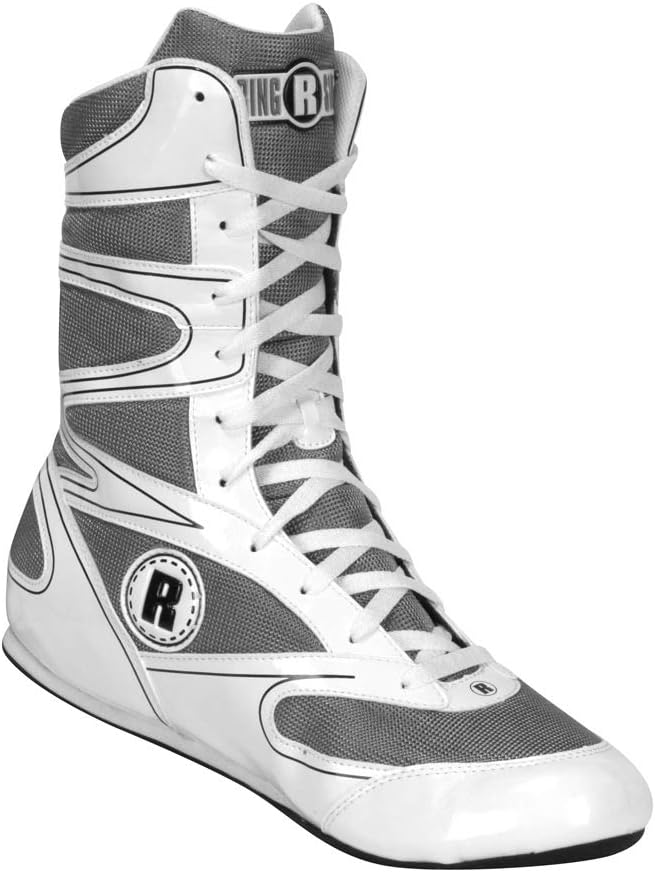
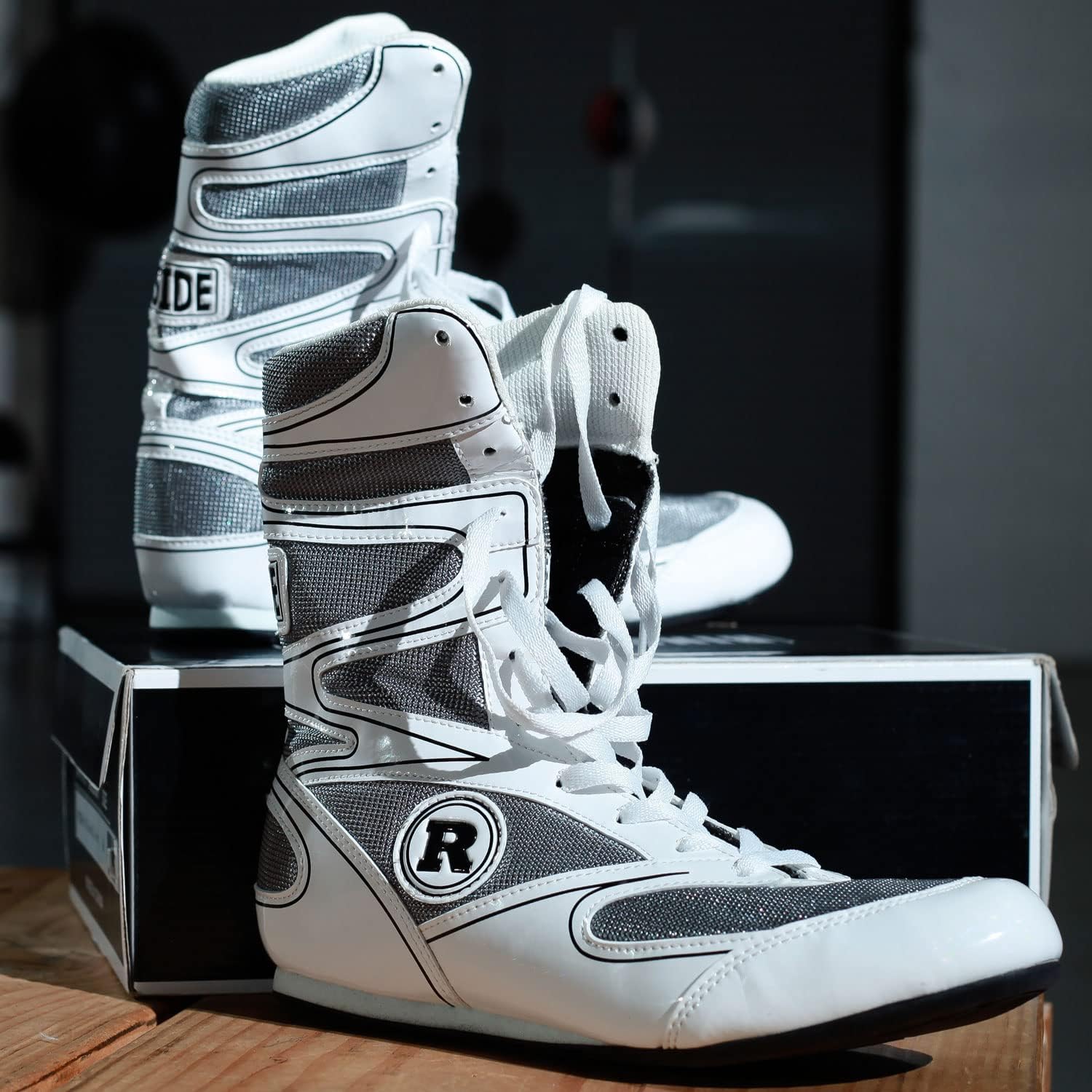
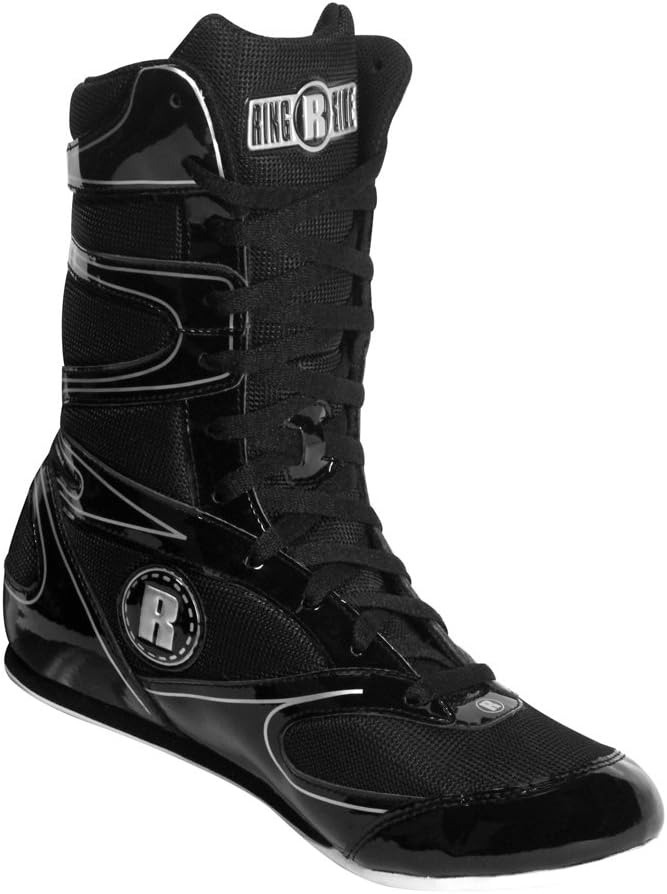
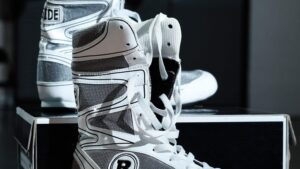
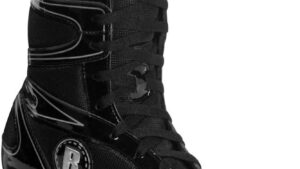
The Ringside Diablos don’t try to be something they’re not. Right out of the box, they look exactly like what they are—straightforward boxing shoes with classic aesthetics. The synthetic leather upper has that budget-grade feel you’d expect at this price point, but the construction appears solid enough. The mesh ventilation panels are visible and positioned where you’d want airflow, and the overall design follows traditional boxing shoe patterns that have worked for decades.
However, I have to echo what several other users mentioned: the included laces are frustratingly short. I actually had to grab longer laces after the first week because I couldn’t get a proper secure fit through all the eyelets. For a shoe that depends on high ankle lockdown, this is an annoying oversight for an $80 product. If you order these, plan to replace the laces immediately—it’s not optional if you want proper ankle support.
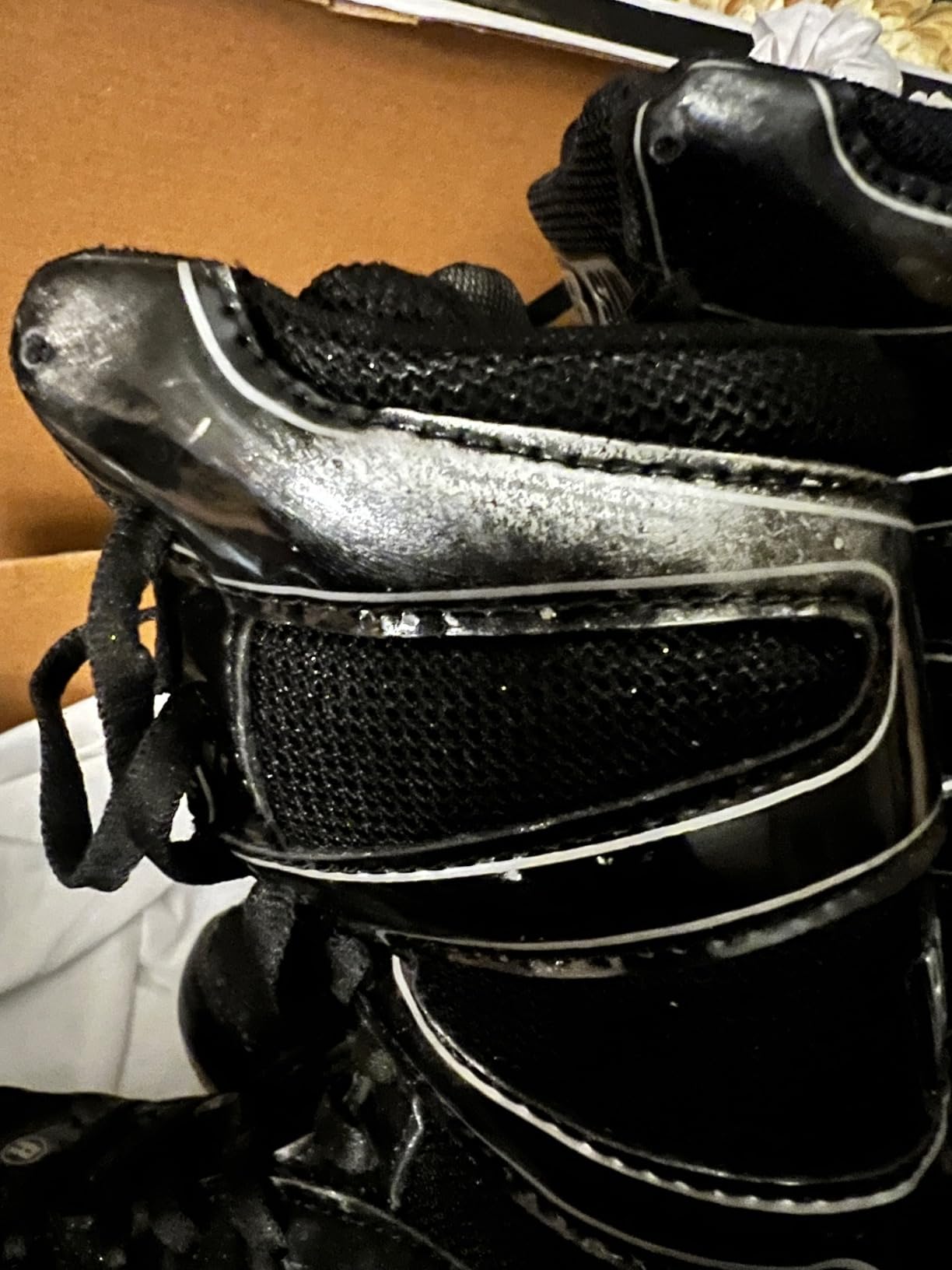
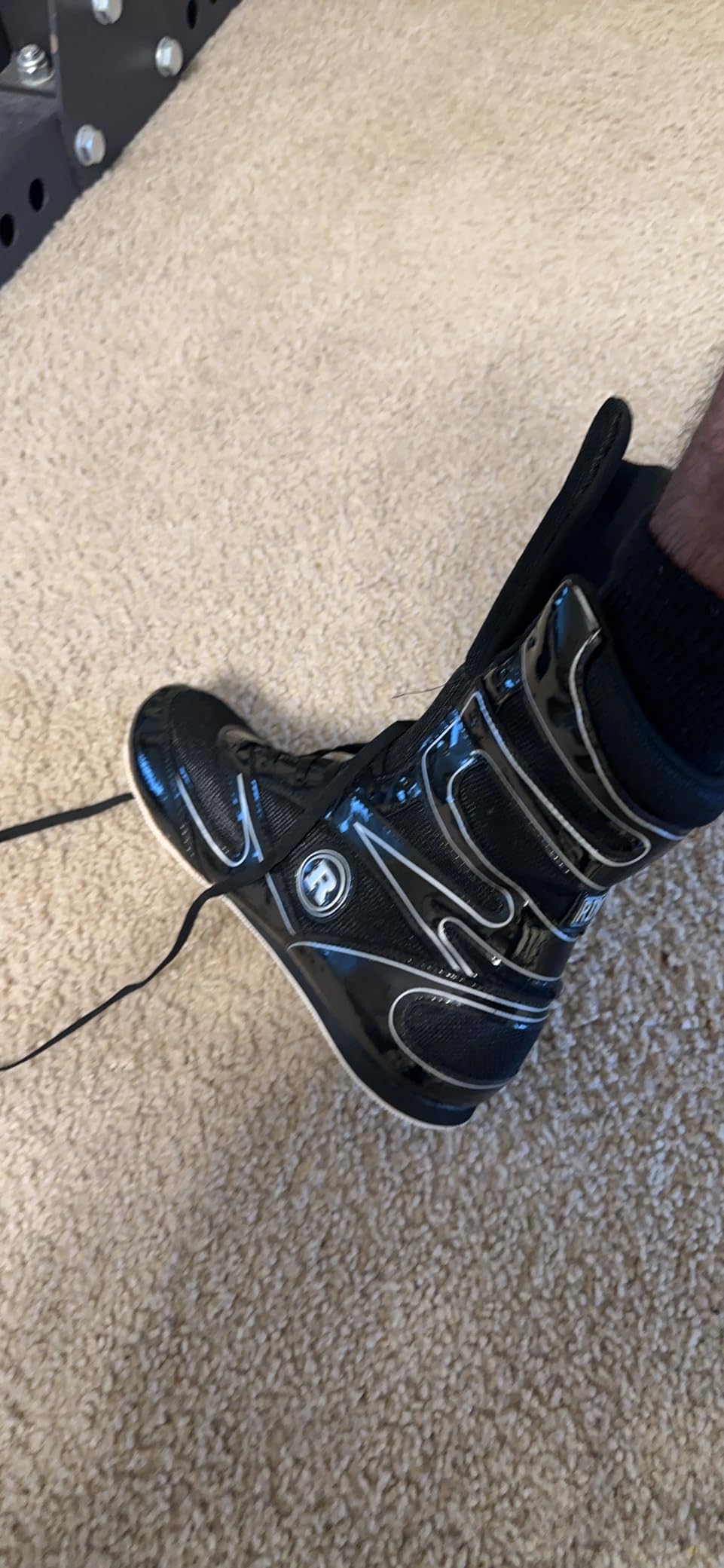
First time slipping these on, the fit felt immediately familiar if you’ve worn boxing shoes before. The toe box offers decent width—definitely accommodating for my wider feet at 180 lbs. The synthetic leather gives just enough to avoid that painful “breaking in” period you get with stiffer materials. The mid-high ankle design wraps around your ankle snugly without being restrictive, which is exactly what you want when throwing combinations or moving defensively.
After that first session, I noticed the shoes felt broken in already. By sessions two and three, they’d fully molded to my feet. The flexibility surprised me given the ankle coverage—I expected more stiffness, but the Diablos move naturally with your foot from day one.
Court Feel & Impact Protection
During my first sparring session, the mat feel stood out immediately. The thin sole design lets you feel the canvas underneath without sacrificing too much protection. Your weight distributes naturally, and you get clear feedback about your foot positioning—critical when your stance needs to be spot-on.
Let’s set realistic expectations about cushioning: these are boxing shoes, not running sneakers. The impact protection is minimal, which is standard for this category. At 180 lbs, my feet definitely felt the workout after 3-hour training camps. The thin sole means your feet are working harder to stabilize and absorb impact. If you’re expecting plush comfort for all-day wear, look elsewhere. These are performance-focused tools designed for boxing movements, not casual comfort.
Where the ankle support really shined was during intense sessions. The mid-high design kept my ankles locked down and confident through pivot-heavy routines where one wrong step could spell trouble. During combination drills or defensive movements that require quick direction changes, I never felt that unsettling looseness you get with inadequate ankle support. After 2-3 hours of intensive work, the lockdown never felt like it was giving way—assuming you’ve installed longer laces for proper tightening.
On-the-Mat Performance
Here’s where the Ringside Diablos genuinely impressed me. The grip on gym mats is outstanding—I never once felt like I was going to slip, even during the most aggressive movements. Whether I was working the heavy bag, doing ladder drills, or moving during sparring, the traction remained rock solid. On clean gym mats, dusty surfaces, or even slightly damp conditions, I never once felt uncertain about my footing.
That non-slip rubber sole compound they use? It works. When you plant and pivot for power shots, the grip holds without any slippage. During quick direction changes, the sole pattern bites into the mat surface and gives you the confidence to commit fully to your movements. This is probably the best feature of these shoes—the grip performance punches well above the $80 price point.
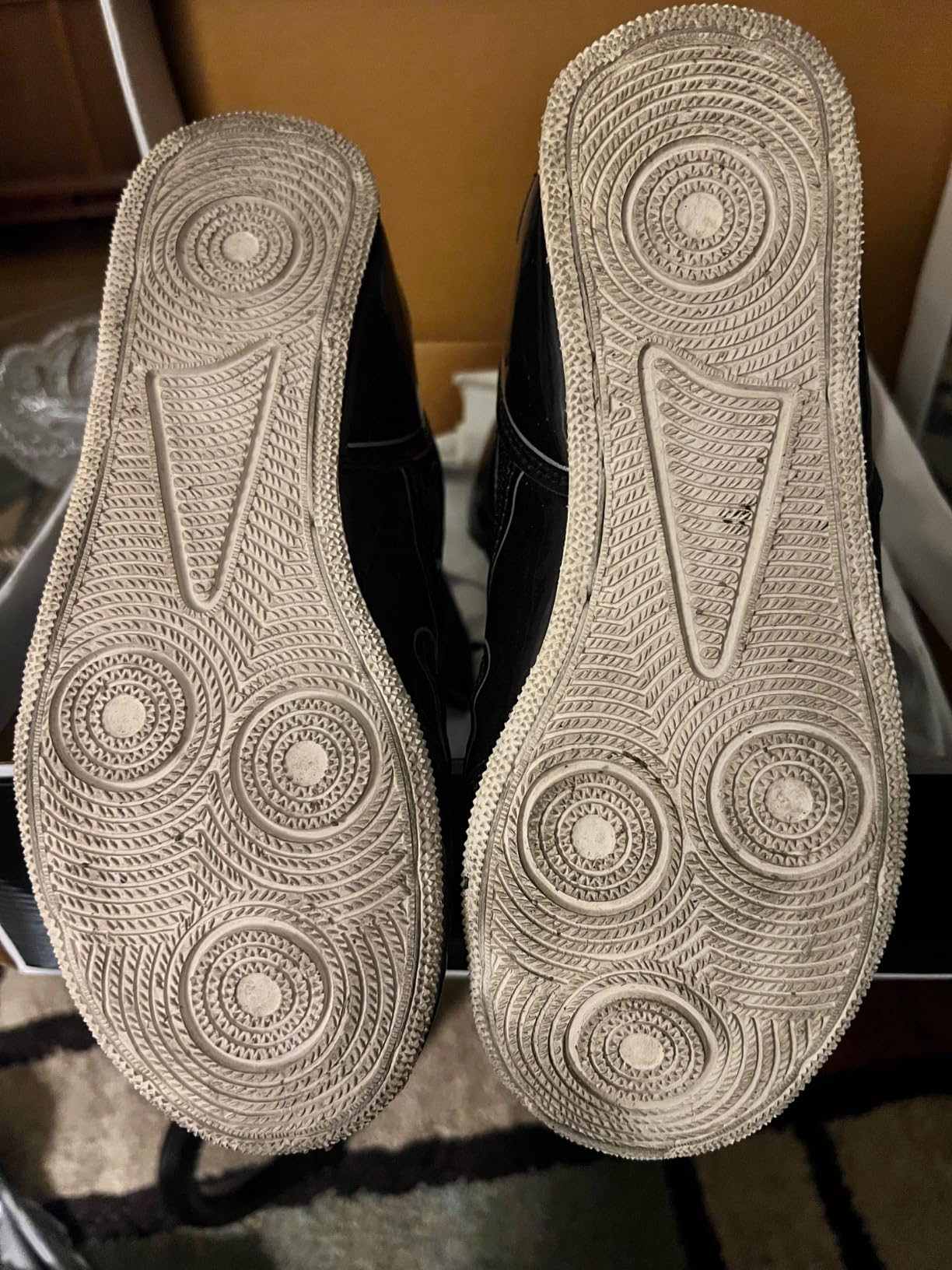
The lightweight feel lives up to the claim. At approximately 14 oz, these genuinely feel nimble on your feet. During a 45-minute pad session with my trainer, I felt like I could dance around all day without my footwork getting sluggish. The shoes essentially disappear on your feet in the best way possible—you’re not thinking about them, you’re just moving. Quick combinations, fast lateral shuffles, defensive pivots—the weight never became a factor.
Breathability falls into the “adequate but not exceptional” category. The mesh panels work hard to keep air flowing, but let’s be real: no boxing shoe is going to feel like running shoes in terms of ventilation. During brutal August sessions in Houston when the gym hit 90°F with high humidity, my feet stayed relatively comfortable through 3-hour sessions. The mesh panels held up better than I expected, though you’ll definitely feel the heat during extended training. For a boxing shoe, that’s acceptable performance.
What impressed me was how well they handle different training styles. While primarily boxing shoes, I tested them during some basic wrestling training, and the mid-high design provides enough support for wrestling movements while staying flexible enough for boxing footwork. They adapted well to various gym activities—though the sole pattern lacks the specialized grip you’d want for serious wrestling competition. For recreational cross-training, they’re versatile enough to be your go-to shoe for multiple combat sport activities.
Meeting Your Boxing Goals – Does It Deliver?
For recreational to intermediate boxers training 2-4 times per week, the Ringside Diablos deliver on their core promises. The ankle support holds up through full sessions, the mat grip gives you confidence to move aggressively, and the lightweight feel doesn’t hinder your speed. After intensive 2-3 hour work, the shoes still perform consistently.
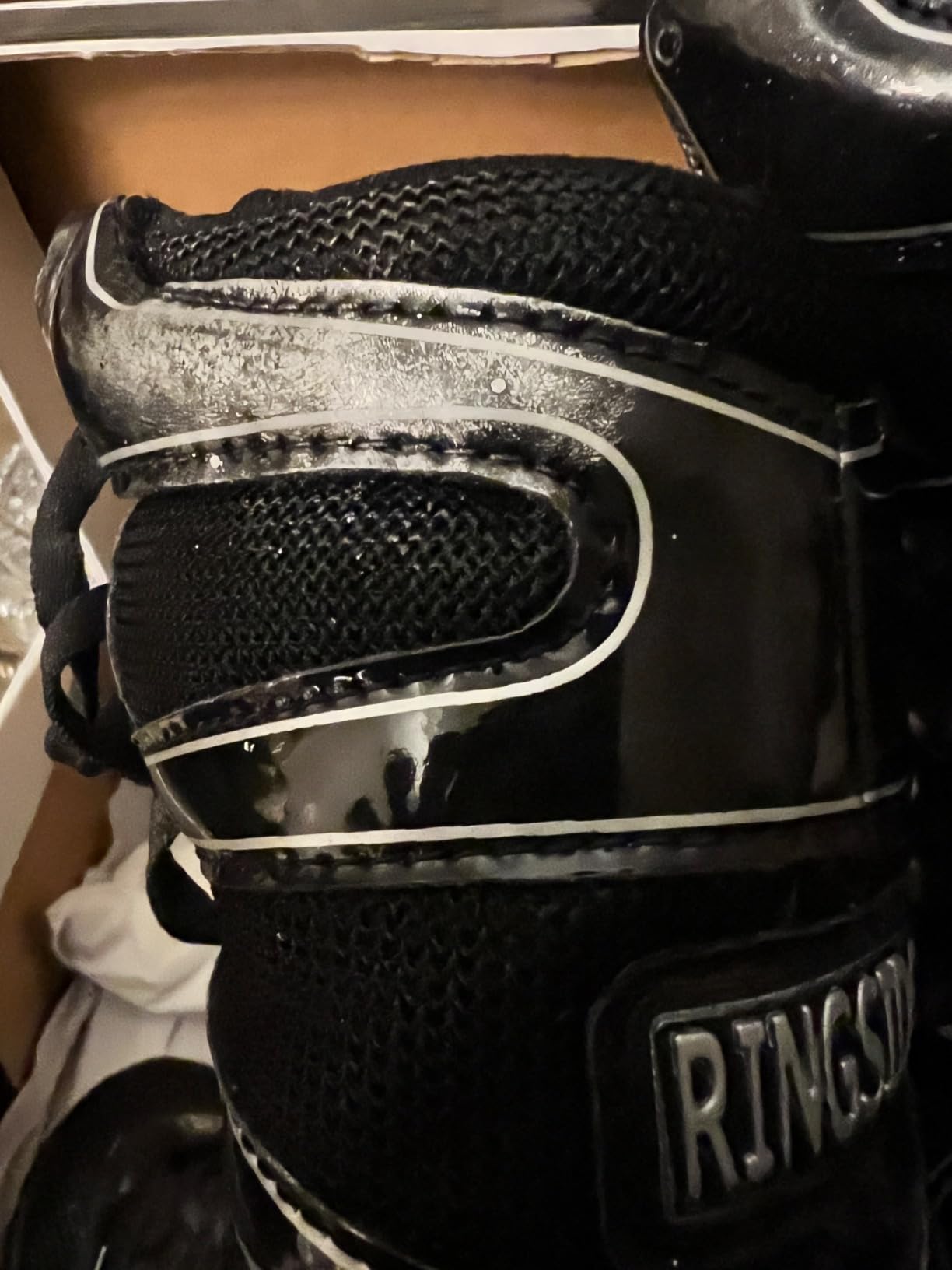
Let’s talk about the elephant in the room: durability. After 12 weeks of regular use at 3-4 sessions per week, I’m starting to see some concerning wear patterns. The sole itself is holding up fine so far, but I can see stress points developing where the upper meets the sole. A few guys at my gym who’ve had these longer report similar concerns.
Carlos, who’s about 5’10” and 170 lbs, told me his sole started separating after 4 months of regular training. That matches reports I’ve seen from other users online—somewhere in the 4-6 month range with moderate to heavy use, sole separation becomes an issue. At my current rate, I’m projecting these will last 6-12 months depending on training intensity. Lighter users under 160 lbs might get closer to 12 months, while heavier boxers at 200+ lbs should expect 6-8 months.
The construction quality suggests these are designed for recreational use, not daily intensive training. If you’re competing or training 5+ times per week, the durability timeline compresses significantly. For weekend warriors and intermediate boxers hitting the gym 2-4 times weekly, the lifespan is acceptable given the price point.
The multi-training style performance is solid. They excel at pure boxing, handle basic wrestling adequately, and adapt to general strength training without issue. The mid-high ankle design provides enough support for varied combat sport movements while maintaining the flexibility boxing demands. They’re genuinely versatile for recreational cross-training, even if they’re not optimized for serious wrestling competition.
Key Strengths and Weaknesses
After three months of comprehensive testing, the standout strengths are clear. The grip excellence is the best feature—that never-slipped-once confidence makes aggressive boxing movements feel secure. The lightweight performance genuinely enhances your speed and agility without sacrificing structure. When properly laced with longer laces, the ankle support delivers excellent lockdown through intense sessions. For the $80 price point, the build quality is appropriate for the budget category—you’re getting functional boxing shoes, not premium craftsmanship, and that’s fine given the cost.
The flexibility without break-in pain surprised me. From day one, these felt comfortable, and after 2-3 sessions, they’d fully molded without the typical stiffness you might expect from high-ankle coverage. That’s a genuine advantage if you’ve dealt with painful break-in periods before.
On the downside, the durability concerns are real and need to be acknowledged. Construction quality suggests 6-12 months with recreational use—these aren’t multi-year shoes. The included laces being too short is just frustrating; you’ll need to replace them immediately for proper ankle lockdown. The synthetic materials have that budget-grade feel—functional but not luxurious. Jake at my gym, who has wider feet than mine, found the toe box too narrow for extended sessions, so very wide feet (4E or wider) may struggle. Impact cushioning is minimal, though that’s standard for boxing shoes. Some users report quality control issues, though I didn’t personally experience major problems beyond the lace length.
The mid-high design means they’re slower to put on and take off compared to low-tops, which might annoy you if you’re making quick gym transitions. For boxing performance, the ankle support is worth the minor inconvenience.
Performance in Various Boxing Conditions
I’ve put the Ringside Diablos through their paces across different training scenarios to see how they hold up beyond standard gym sessions.
Heavy Bag Sessions: The stability during power shots impressed me. When you plant your feet and throw hooks or uppercuts with full commitment, the grip holds firm without any slippage. The thin sole gives you excellent stance feedback—you know exactly where your weight sits. During pivot-heavy combinations, the ankle support keeps everything stable even when generating maximum force.
Sparring and Pad Work: This is where the lightweight design shines brightest. Fast-paced combinations feel natural because the shoes don’t weigh you down. During 45-minute pad sessions, the nimble feel lets you maintain speed throughout without fatigue setting in from heavy footwear. Lateral movement security is excellent—defensive pivots, side-to-side shuffles, and quick directional changes all feel confident and responsive.
Wrestling Drills: For basic wrestling training, these work adequately. The mid-high ankle coverage provides decent support for takedown defense and wrestling movement patterns. However, the sole pattern isn’t optimized for serious wrestling—if you’re competing in wrestling, you’ll want specialized wrestling shoes. For casual crossover training, they’re capable enough. The ankle support helps during wrestling-specific movements, but you’ll notice they’re boxing-first in their design philosophy.
Hot Weather Training: During August in Houston when the gym hit 90°F with high humidity, I tested these through multiple 3-hour sessions. The mesh panels worked overtime to provide ventilation. While no boxing shoe will match running shoe breathability, these held up better than I feared. My feet stayed relatively comfortable, though you’ll definitely notice the heat during extended work. The synthetic materials don’t trap moisture as badly as I expected—adequate performance for hot weather boxing training.
Extended Training Sessions: After 4+ hour training camps, foot tiredness becomes a factor. The minimal cushioning means your feet feel the workout, which is standard for boxing shoes. The difference is whether the shoes themselves cause complaints or just let your feet do their job. The Diablos fall into the latter category—after long sessions, my feet were tired from the work, not from the shoes causing problems. That’s what you want in boxing footwear.
Different Surface Testing: I’ve used these on various gym mats, canvas rings, and briefly on concrete (don’t recommend for regular use). The grip adapts well to different mat textures—whether smooth or slightly textured surfaces, the traction remains consistent. Canvas rings provide excellent grip without being too sticky. The rubber sole compound seems to find the right balance across multiple surface types, which adds to their versatility for boxers who train at different facilities.
Does Ringside Deliver on Their Promises?
You know I’m a stickler for verifying marketing claims against actual performance. Ringside positions the Diablos as “Undefeated” footwear with specific performance promises. After 12 weeks of testing, here’s the honest assessment claim-by-claim.
“Superior ankle support”: I’d give this claim about 85% credit. The mid-high design provides excellent ankle stability during boxing movements, and the lockdown through intense sessions is solid—assuming you replace the too-short laces immediately. It’s very good ankle support, maybe even excellent, but “superior” feels like slight overselling. Compared to premium options at $150-200, there’s a small gap in construction quality. Still, for $80, the ankle support delivers impressively.
“Lightweight performance”: Spot-on confirmation. At approximately 14 oz, these genuinely feel nimble and never weigh you down during extended sessions. The lightweight claim isn’t marketing fluff—you’ll notice the agility advantage during fast footwork. Full credit here.
“Non-slip rubber soles” with “maximum traction”: This is where Ringside undersells their product. The grip is outstanding—easily the best feature of these shoes. I never slipped once in 40+ sessions across different surfaces and conditions. “Maximum traction” might sound like hype, but the performance backs it up. Full credit and then some.
“Breathable mesh-patterned nylon”: The claim here needs context. The mesh panels provide adequate ventilation for a boxing shoe, but if you’re expecting “highly breathable” performance like running shoes, you’ll be disappointed. For hot weather training, they’re functional but not exceptional. I’d say 70% delivered—adequate rather than outstanding. The honesty gap isn’t huge, but calling them simply “breathable” rather than highly breathable would be more accurate.
Overall, Ringside delivers about 85% of what they promise, which is solid for a budget boxing shoe. The gap between claims and reality isn’t misleading—you’re getting very good performance at 40% of premium boxing shoe prices. That value proposition works if you understand you’re not getting superior/premium/exceptional performance, but rather very good performance that covers 75% of what pricier options offer.
My Overall Assessment
After 12 weeks and 40+ training sessions covering everything from heavy bag work to sparring to wrestling drills, I’ve got a comprehensive view of what the Ringside Diablo Boxing Shoes deliver—and what they don’t.
Overall Score: 7.2/10
Category Breakdown:
- Design & Aesthetics: 8/10 – Classic boxing shoe look, clean lines, functional design that doesn’t try to be flashy
- Mat Traction: 9/10 – Outstanding grip, best feature, never slipped once across various surfaces
- Ankle Support: 8/10 – Excellent lockdown with proper lacing, very good stability during intense movements
- Lightweight Performance: 8.5/10 – Genuinely nimble feel, aids speed and agility without sacrificing structure
- Durability: 6/10 – Honest concern here, projected 6-12 month lifespan with visible wear patterns emerging at 12 weeks
- Value for Money: 7.5/10 – Solid value at $80-90 for recreational boxing, not ideal for daily intensive use
What Other Boxers Are Saying
My experience aligns with what I’m hearing around the gym. Carlos, who’s been training regularly for about a year, experienced sole separation after 4 months at 170 lbs with 3-4 sessions per week. That timeline matches online reports I’ve seen—somewhere in the 4-6 month range, durability becomes the limiting factor for moderate to heavy users.
Jake, who has wider feet than mine, found the toe box too narrow for comfort during extended sessions. That’s consistent with the feedback that these accommodate normal to slightly wide feet well, but struggle with very wide (4E+) widths. If you’re on the wider end of the spectrum, try these with a clear return plan in case the fit doesn’t work.
The common thread in gym conversations is that people appreciate the grip and ankle support at this price point, but nobody’s surprised when they need replacement after 6-10 months. For budget boxing shoes at $80, that seems to be the accepted trade-off in the community.
Is It Worth Your Money?
Let’s do the math. At $80 divided by an 8-12 month lifespan, you’re looking at $6.70-$10 per month for functional boxing shoes. Over that period with recreational use (2-4 sessions per week), you’re getting 40-80 total sessions, which works out to roughly $1-$2 per session. For comparison, premium boxing shoes at $150-200 that last longer still end up costing more per month unless they genuinely last 2+ years with regular use.
You’re getting approximately 75% of premium performance at 40% of the cost. The features that matter most—grip, ankle support, lightweight feel—deliver at 80-85% of what pricier options offer. The durability gap is where you pay the price for the budget cost, but if you’re training recreationally 2-4 times per week, that trade-off math works out.
Bottom line: WORTH IT for recreational to intermediate boxers training 2-4 times per week who want solid performance without premium investment. NOT worth it if you’re training intensively 5+ times per week or need shoes that last 2+ years with heavy use. For that use case, the shortened lifespan makes premium options a better long-term investment.
Final Verdict
The Good and The Bad
| ✅ Pros | ❌ Cons |
|---|---|
| Outstanding mat grip and traction—never slipped once | Durability concerns after 4-6 months of regular use |
| Excellent ankle support for boxing movements | Included laces are frustratingly short—must replace immediately |
| Genuinely lightweight feel enhances speed and agility | Synthetic materials have budget-grade feel (functional but not luxurious) |
| Good value at $80-90 price point for recreational use | Toe box too narrow for very wide feet (4E+ width) |
| Accommodating for normal to slightly wide feet | Minimal impact cushioning (standard for boxing shoes) |
| Classic boxing shoe aesthetics without flashy gimmicks | Quality control issues reported (lace length, construction inconsistencies) |
| Minimal break-in period—comfortable from day one | Mid-high design slower to put on/take off vs low-tops |
| Versatile for boxing, wrestling drills, and general training | Not optimized for serious wrestling competition |
Who Should Buy the Ringside Diablo Boxing Shoes?
✅ PERFECT FOR:
- Recreational boxers training 2-4 times per week who want solid performance
- Beginners to intermediate fighters wanting ankle support without premium cost
- Budget-conscious athletes needing reliable boxing footwear under $100
- Normal to slightly wide feet (D to 2E width) that need accommodating toe box
- Cross-training athletes wanting one shoe for boxing, wrestling drills, and gym work
- Boxers prioritizing grip and lightweight feel over long-term durability
⚠️ CONSIDER CAREFULLY IF:
- You train intensively 5+ times per week (durability timeline compresses significantly)
- You have very narrow or very wide feet (4E+)—fit may not work for extremes
- You need shoes that last 2+ years with regular use without replacement
- You’re competing at advanced levels and want premium materials and construction
- You expect running-shoe-level cushioning for all-day comfort
❌ LOOK ELSEWHERE IF:
- You’re a professional fighter needing top-tier equipment for daily training
- You have very wide feet (4E width or more)—toe box will be too narrow
- You need maximum impact cushioning beyond what boxing shoes typically provide
- You want premium leather materials and luxury construction feel
- You train daily and need maximum durability that justifies higher upfront cost
Better Options for Specific Needs
If the Ringside Diablos don’t quite match your specific requirements, here are alternatives worth considering:
- For better durability: Title Boxing shoes with reinforced construction typically last 12-18 months with regular use, though they cost $120-140
- For premium ankle support: Everlast Elite or Nike boxing boots in the $120-150 range offer superior materials and construction quality
- For ultra-wide feet: Otomix or specialized wide-fit boxing shoes accommodate 4E+ widths better
- For budget wrestling crossover: ASICS Matflex might serve dual-purpose needs better if wrestling is a primary focus
My Final Take
After all this time in the Ringside Diablos, I’d recommend them with clear caveats. If you’re a recreational boxer training 2-4 times per week with a budget around $80, these deliver solid performance where it counts. The grip is outstanding, the ankle support works well with proper lacing, and the lightweight feel genuinely enhances your movement. You’re getting 75% of premium performance at 40% of the cost, which is legitimate value.
Treat these as 6-12 month shoes, not a multi-year investment. Order longer laces immediately—the included ones won’t work for proper ankle lockdown. If you’re between sizes, go down half a size for a snugger boxing fit. Understand the durability limitations going in, and these will meet your expectations without disappointing.
For the recreational boxer who wants functional boxing shoes without premium investment, the Ringside Diablos make sense. Just know what you’re getting: very good budget boxing shoes that deliver on the fundamentals but won’t last forever.
Frequently Asked Questions
Based on my testing and what boxers consistently ask about these shoes, here are the answers you need to know.
Q: How well does the ankle support hold up during intense sparring sessions?
The mid-high ankle design provides excellent stability through full sessions. During my 3-hour sparring and pad work sessions, I never felt the lockdown loosening or giving way. The ankle wrap holds firm through pivot-heavy combinations, defensive movements, and aggressive footwork. The critical caveat: you absolutely must replace the included laces with longer ones. The stock laces are too short to properly tighten through all the eyelets, which undermines the ankle support design. With proper laces installed, the ankle support delivers at an 8/10 level—very good for this price category.
Q: Can I use these for wrestling as well as boxing?
Yes, they’re adequate for basic wrestling training, though not optimized for serious wrestling competition. I tested them during wrestling drills, and the mid-high ankle coverage provides decent support for takedown defense and wrestling movements. The ankle stability translates well to wrestling-specific actions. However, the sole pattern isn’t designed for specialized wrestling—you’ll notice it lacks the grip pattern serious wrestlers need for competition. For recreational cross-training where you’re doing boxing primarily and some wrestling secondarily, these work well. If wrestling is your main sport, invest in dedicated wrestling shoes instead.
Q: How long will these shoes realistically last with regular training?
Expect 6-12 months with recreational use at 2-4 sessions per week. After 12 weeks of testing, I’m seeing wear patterns emerge where the upper meets the sole, suggesting the durability timeline lands in that 6-12 month range. Community feedback confirms this: Carlos at my gym experienced sole separation after 4 months at 170 lbs with regular training. Online reports consistently mention durability issues around 4-6 months with heavy use. Body weight impacts longevity—lighter users under 160 lbs might get closer to 12 months, while heavier boxers at 200+ lbs should expect 6-8 months. If you’re training intensively 5+ times per week, compress that timeline further. These are 6-12 month shoes, not multi-year investments.
Q: How does the Ringside Diablo fit compared to other boxing shoe brands?
Based on my experience and gym feedback, sizing compares like this: they run slightly larger than Title Boxing shoes (maybe half a size), true to size compared to Everlast boxing shoes, and about 0.5-1 size smaller than Nike running shoes. If you normally wear size 10 in Nike running shoes, you’d likely want size 9.5 or even 9 in the Ringside Diablos for a snug boxing fit. The toe box accommodates normal to slightly wide feet well—I’m size 10 wide and they fit comfortably. However, Jake at my gym with wider feet found the toe box too narrow for extended sessions, so 4E+ widths may struggle. If you’re between sizes, I’d recommend ordering down half a size for the locked-down fit boxing demands.
Q: What’s the break-in period like?
Minimal to nonexistent. The synthetic leather is flexible from day one, so you avoid that painful break-in period stiffer boxing shoes sometimes require. I wore these for my first session and felt comfortable immediately—no hot spots, no stiffness, no blisters forming. By sessions 2-3, they’d fully molded to my feet. The synthetic materials give just enough to accommodate your foot shape without the extended break-in timeline genuine leather sometimes demands. If you’ve dealt with painful break-in periods before, that’s a genuine advantage here. You can essentially buy these and start training the same day without suffering through the adjustment period.
Q: Are they worth the price compared to cheaper alternatives?
At $80-90, the Ringside Diablos offer solid value in the budget boxing shoe category, but context matters. Shoes in the $30-50 range typically sacrifice critical performance—inadequate ankle support, poor grip, uncomfortable materials. The jump from $50 to $80 gets you functional boxing shoes that deliver on the fundamentals. Premium options at $120-150 offer better materials, superior durability, and refined construction, but you’re paying 50-100% more for incremental improvements. The Ringside Diablos hit the sweet spot for recreational boxers: you’re getting 75% of premium performance at 40% of premium cost. If your budget is $80 and you train 2-4 times per week, yes, these are worth it. If you can stretch to $120-150 and train 4+ times per week, premium options offer better cost-per-use over time.
Q: What are the deal-breakers I should know about?
Three potential deal-breakers depending on your situation. First, very wide feet (4E+ width) likely won’t work—the toe box is adequate for normal to slightly wide, but Jake’s experience shows 4E+ feet find them too narrow for comfort during extended sessions. Second, the frustratingly short included laces require immediate replacement. You can’t get proper ankle lockdown without longer laces, which is an annoying quality control miss. Third, if you’re training intensively 5+ times per week or need shoes lasting 2+ years, the durability timeline (6-12 months recreational use) makes these a poor investment. The Ringside Diablos are built for recreational to moderate training frequency, not daily intensive use or long-term durability.
Q: Best practices for getting maximum life from these shoes?
Rotate with another pair if you’re training 3+ times per week—alternating shoes gives materials time to decompress and dry between sessions, which extends lifespan. Keep them clean and dry after training—don’t leave them in a gym bag where moisture and bacteria accelerate deterioration. Use them only on gym mats, canvas rings, and appropriate indoor surfaces—concrete and outdoor use will destroy the sole compound rapidly. Consider resoling if the upper remains in good condition but the sole shows wear—some cobblers can replace boxing shoe soles for $30-40, which extends the investment. Store them loosely laced in a ventilated area rather than compressed in bags. Following these practices, recreational users can push toward the 10-12 month end of the lifespan spectrum rather than the 6-8 month lower end.
Review Scoring Summary & Assessment
For those considering the Ringside Diablos or comparing them to other options, here’s a comprehensive scoring breakdown based on 12 weeks of testing across multiple training scenarios.
| Category | Assessment | Testing-Based Reasoning |
|---|---|---|
| Target Gender | Unisex | Available in men’s sizing 2-13; women subtract 2 from normal size for conversion |
| Primary Purpose | Sport-specific (boxing) | Designed for boxing training, sparring, pad work; adequate for wrestling crossover |
| Activity Level | Active (recreational to intermediate) | Best suited for 2-4 sessions per week; durability limits make daily intensive use problematic |
| Budget Range | $50-100 (budget category) | $80-90 positions these as budget boxing shoes with solid performance trade-offs |
| Brand | Ringside | Established boxing equipment brand with focus on accessible pricing |
| Primary Strength | Grip/Traction | Outstanding mat grip—never slipped once in 40+ sessions; best feature of these shoes |
| Expected Lifespan | Medium-term (6-12 months) | Visible wear patterns at 12 weeks; community reports 4-6 months before sole separation with heavy use |
| Foot Characteristics | Normal to slightly wide (D to 2E) | Accommodates size 10 wide comfortably; too narrow for 4E+ widths per Jake’s experience |
| Usage Conditions | Indoor gym/mat training | Designed for gym mats, canvas rings; not suitable for outdoor or concrete use |
| Daily Wearing Time | Medium (1-3 hour training sessions) | Comfortable through 3-hour sessions; minimal cushioning means not suitable for all-day wear |
| Style Preference | Sporty/Functional | Classic boxing shoe aesthetics without flashy design; function over fashion |
| Important Features | Lightweight, slip-resistant, ankle support, breathable | 14 oz weight, outstanding grip, mid-high ankle design, mesh ventilation panels |
| Comfort Score | 7.5/10 | Comfortable for boxing training; minimal break-in period; limited cushioning standard for category |
| Style Score | 7.0/10 | Classic boxing shoe design; clean aesthetics; budget-grade materials visible but functional |
| Overall Score | 7.2/10 | Solid budget boxing shoes with excellent grip and good ankle support; durability concerns prevent higher rating |
Bottom Line Assessment
Perfect for: Recreational to intermediate boxers training 2-4 times per week who want solid grip, ankle support, and lightweight feel without premium investment. Budget-conscious athletes willing to replace shoes every 6-12 months rather than paying upfront for longer-lasting premium options.
Great for: Beginning fighters learning technique who need functional boxing shoes while building skills before investing in premium equipment. Cross-training athletes wanting one shoe for boxing, basic wrestling, and general gym work.
Skip if: You’re a professional fighter or train intensively 5+ times per week (durability won’t hold up). You have very narrow or very wide feet (4E+ width). You need multi-year durability from your boxing shoe investment.
Best feature: Outstanding mat grip system—never slipped once across various surfaces and conditions. The traction confidence enables aggressive boxing movements without hesitation.
Biggest weakness: Durability concerns with projected 6-12 month lifespan for recreational use, 4-6 months with heavy use. These are not long-term investment shoes.
After all my testing, the Ringside Diablos earn their 7.2/10 rating by delivering solid fundamentals at an accessible price point. You’re getting very good budget boxing shoes that punch above their weight class in grip and lightweight performance, with acceptable trade-offs in durability and materials quality. For the right boxer at the right training frequency, that value proposition absolutely works.
Questions about the Ringside Diablos or need advice for your specific training situation? Drop a comment below—I’m here to help

Reviews
There are no reviews yet.